This blog will be about some of the birds we saw in December as well as some of the birding locations.
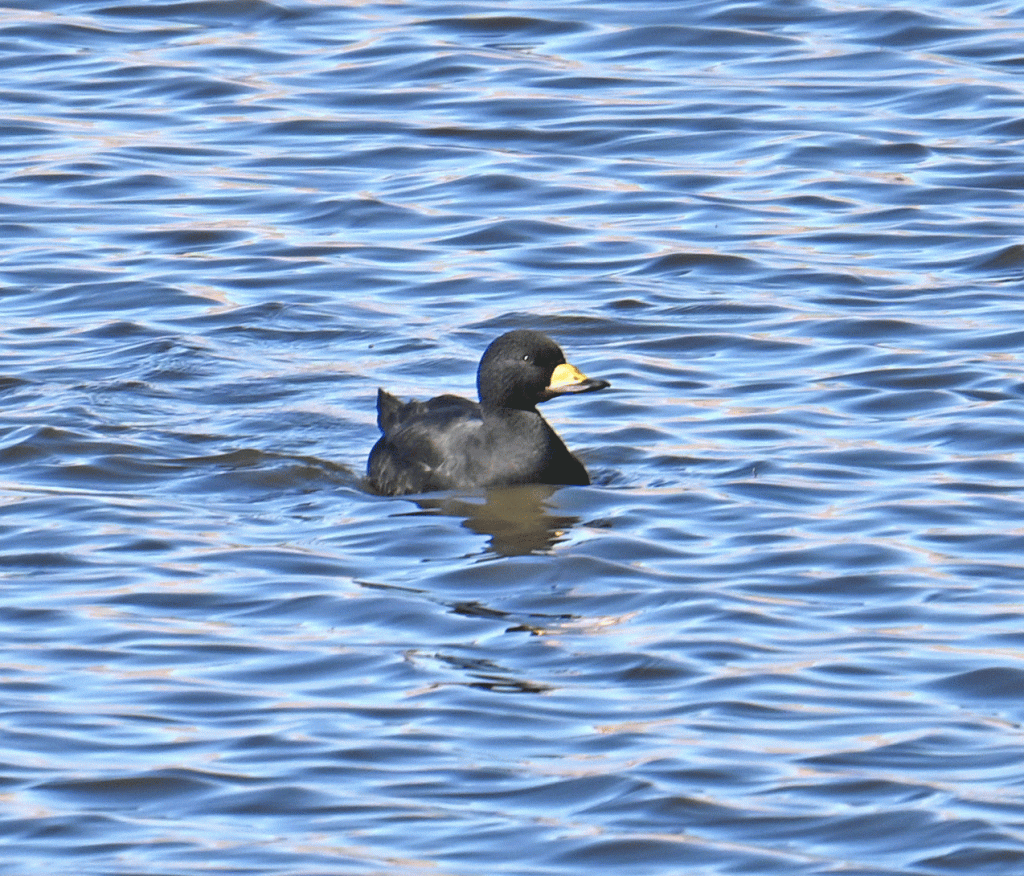
On December 1st, we were at Sweetwater Wetlands when Doug got a message about a rare bird that had just been spotted in Green Valley. It was only another 35 minutes south, so we went to try to see it. At first it was hard to find among the hundreds of other ducks, but there were other people there to help and its bright orange knob set it apart. It was a Black Scoter, a bird that breeds in the Arctic and spend its winters on the coast. Sometimes it might be seen inland in Ontario and Quebec but it rarely if ever gets as far south and inland as the Tucson area. A bird like this was expected to be a “one day wonder” so people who could manage it, hurried over. One young guide hustled over so quickly that he arrived without his shoes! But he had his binoculars so that was the most important thing. It was a life bird for him as well as for us.
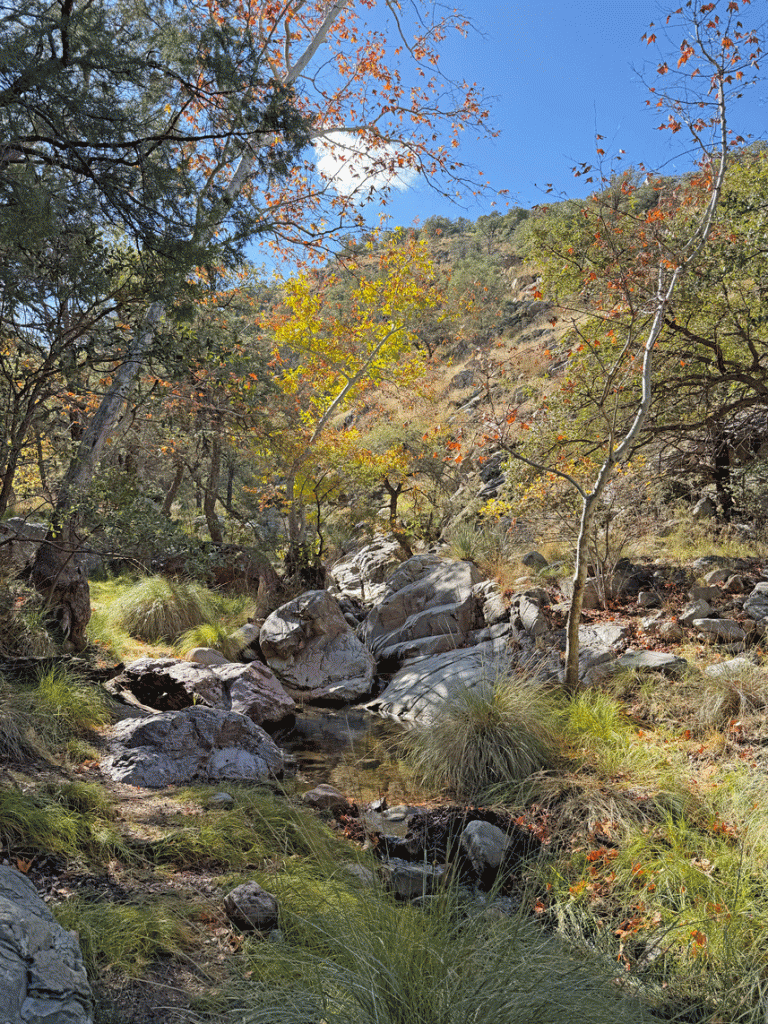
We birded at Madera Canyon a number of times. This was an “autumn” scene on December 4th looking upstream from one of the bridges.
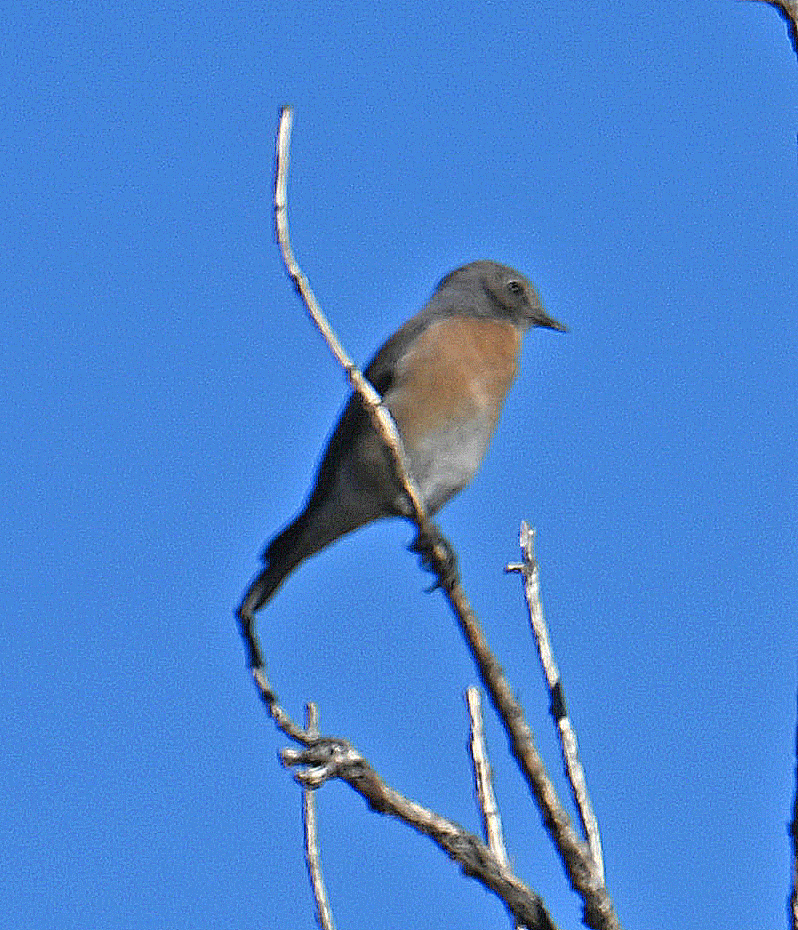
This Western Bluebird was one of a small flock that we encountered. We often see bluebirds throughout the winter, but usually at lower elevations. Winter weather had not yet arrived to the canyon.
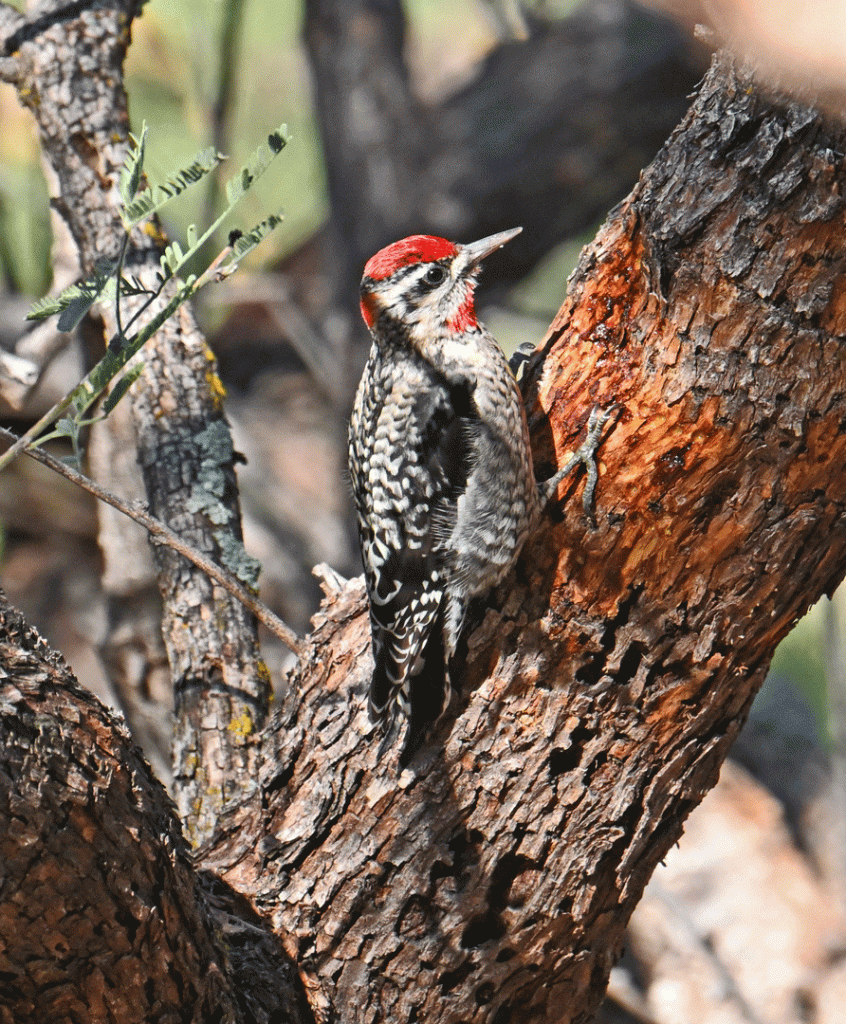
Red-naped Sapsuckers are uncommon, but tend to visit the same trees that they have drilled rows of sap wells. They eat the sugary sap, but they also eat the insects that are attracted to the sap, as well as berries and fruits. We saw a sapsucker (which we expect was the same one) almost every time we passed that section of trail.
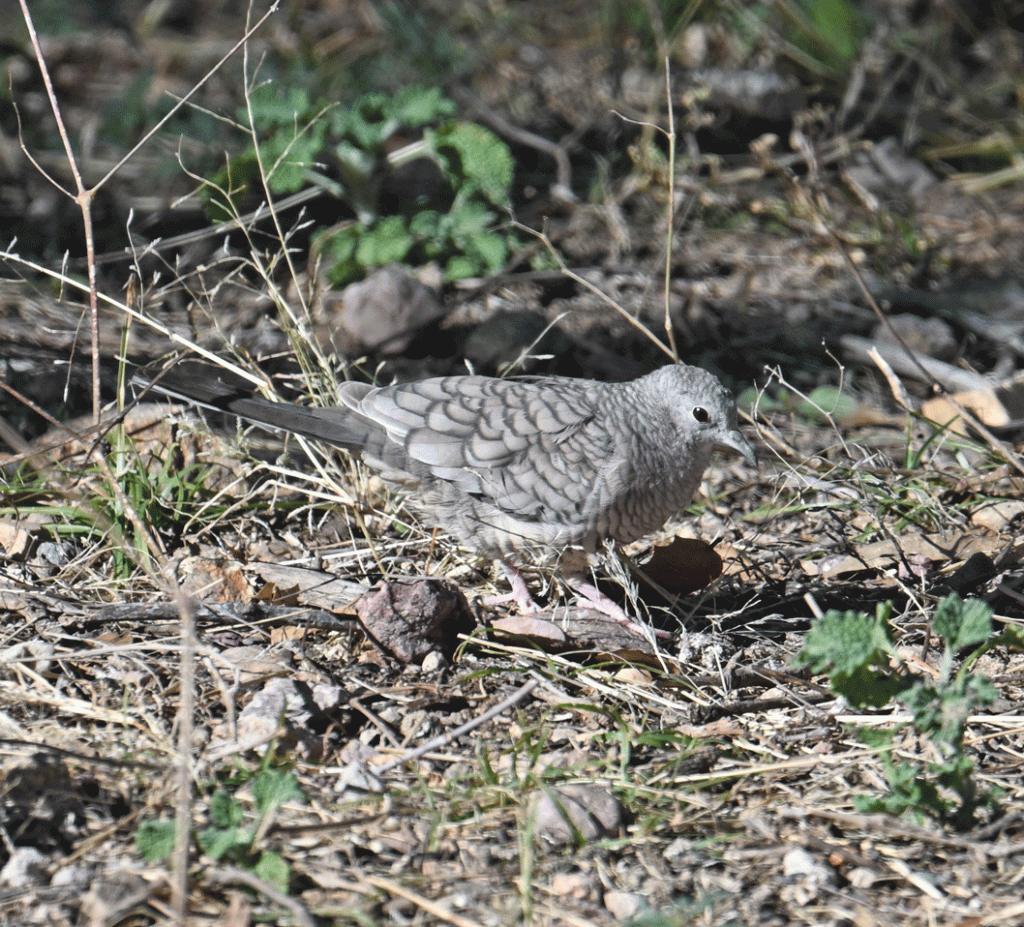
We visited Santa Rita Lodge in Madera Canyon and saw a pair of Inca Doves that were hanging out below the feeders. Inca doves are petite and have intricate patterning on their feathers.
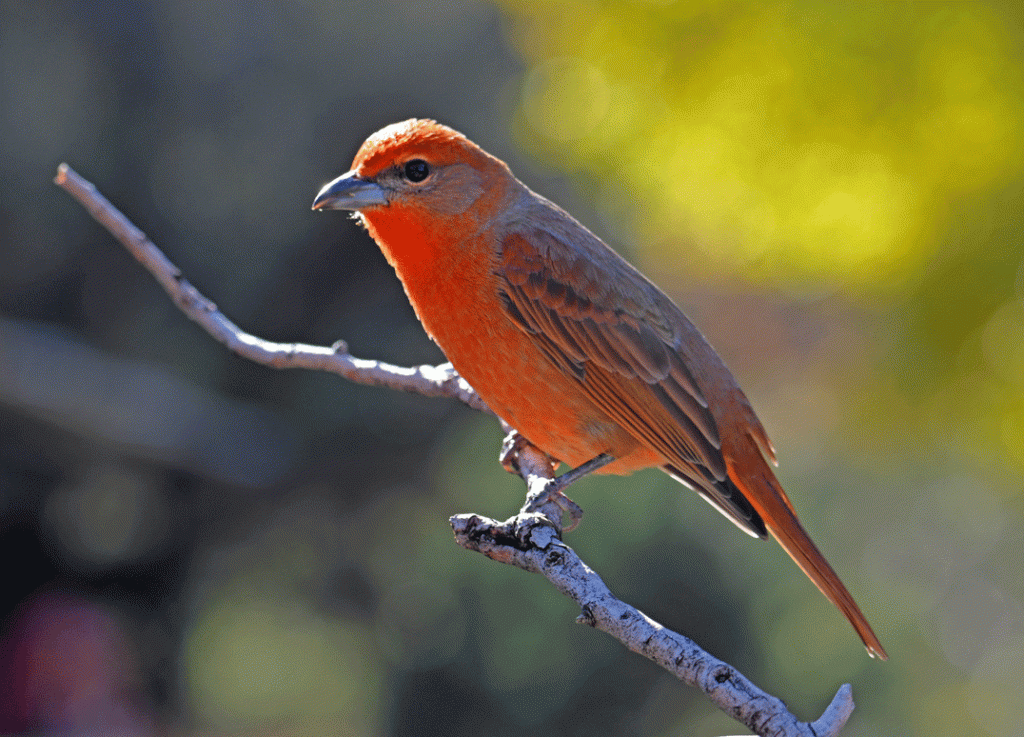
We were lucky that this male Hepatic Tanager perched so close to us. Hepatic Tanagers are common in Madera Canyon in the summer. This one seems happy to stay in the canyon and visit the feeders. Notice how its head and throat are brighter.
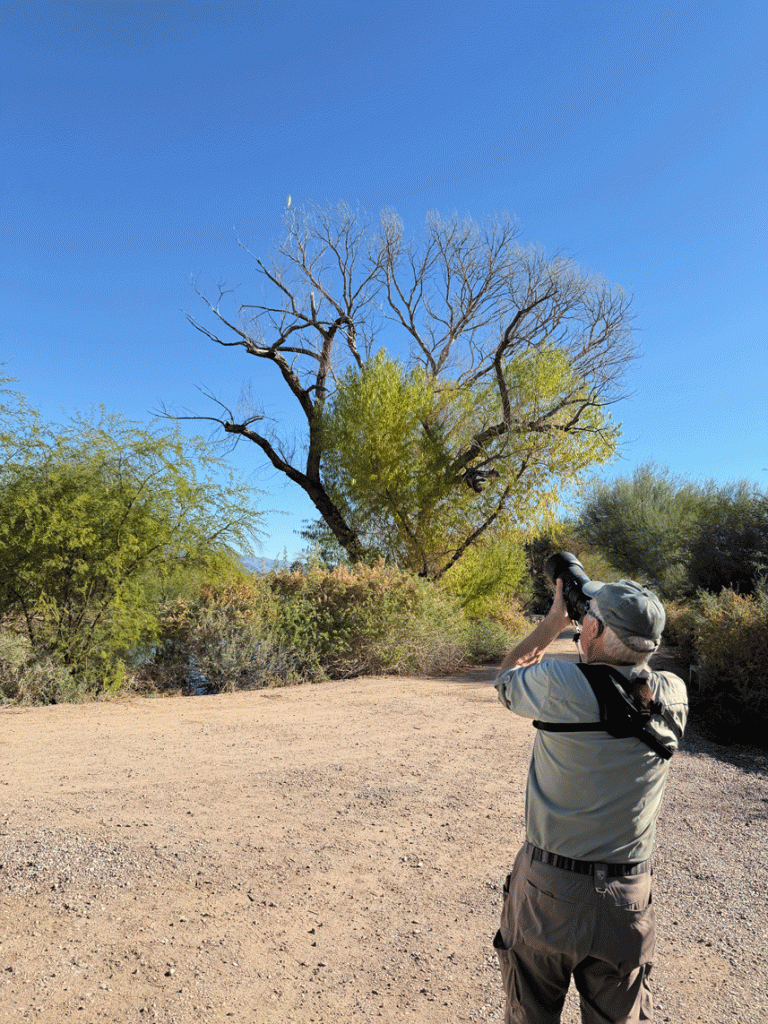
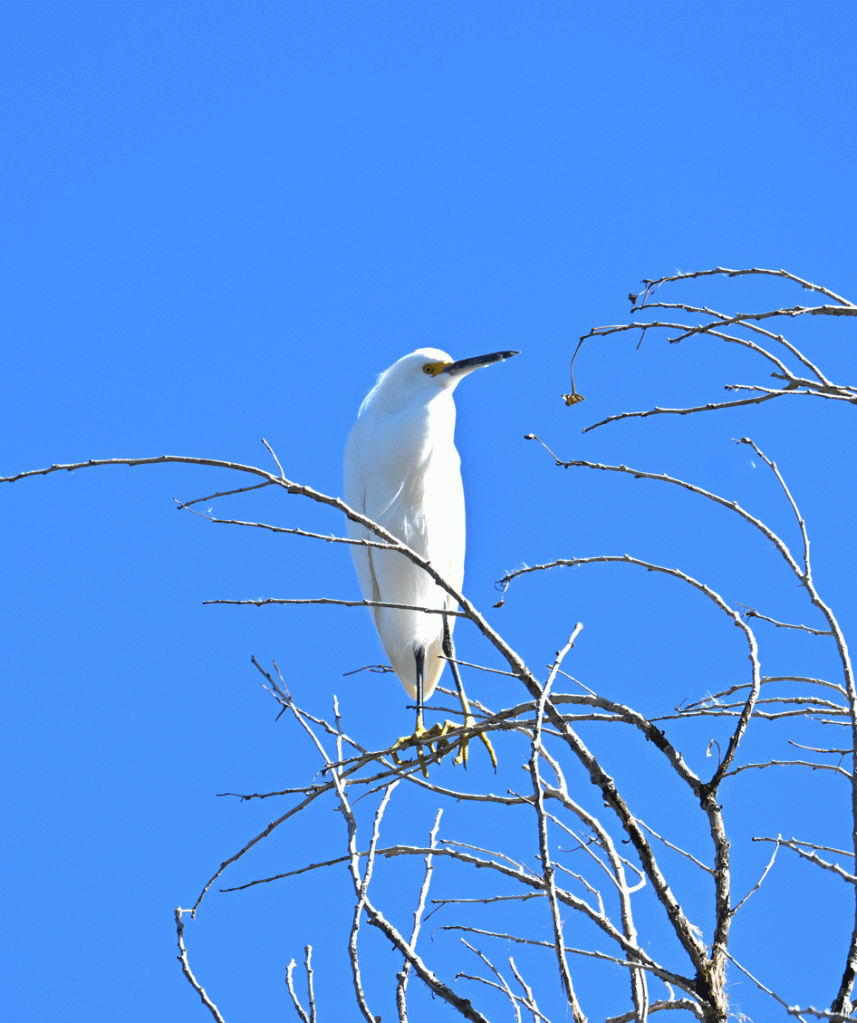
We visited Sweetwater Wetlands again on December 6. A Snowy Egret was way up in a tree.
Here’s the photo Doug took of that egret, with its yellow feet in view.
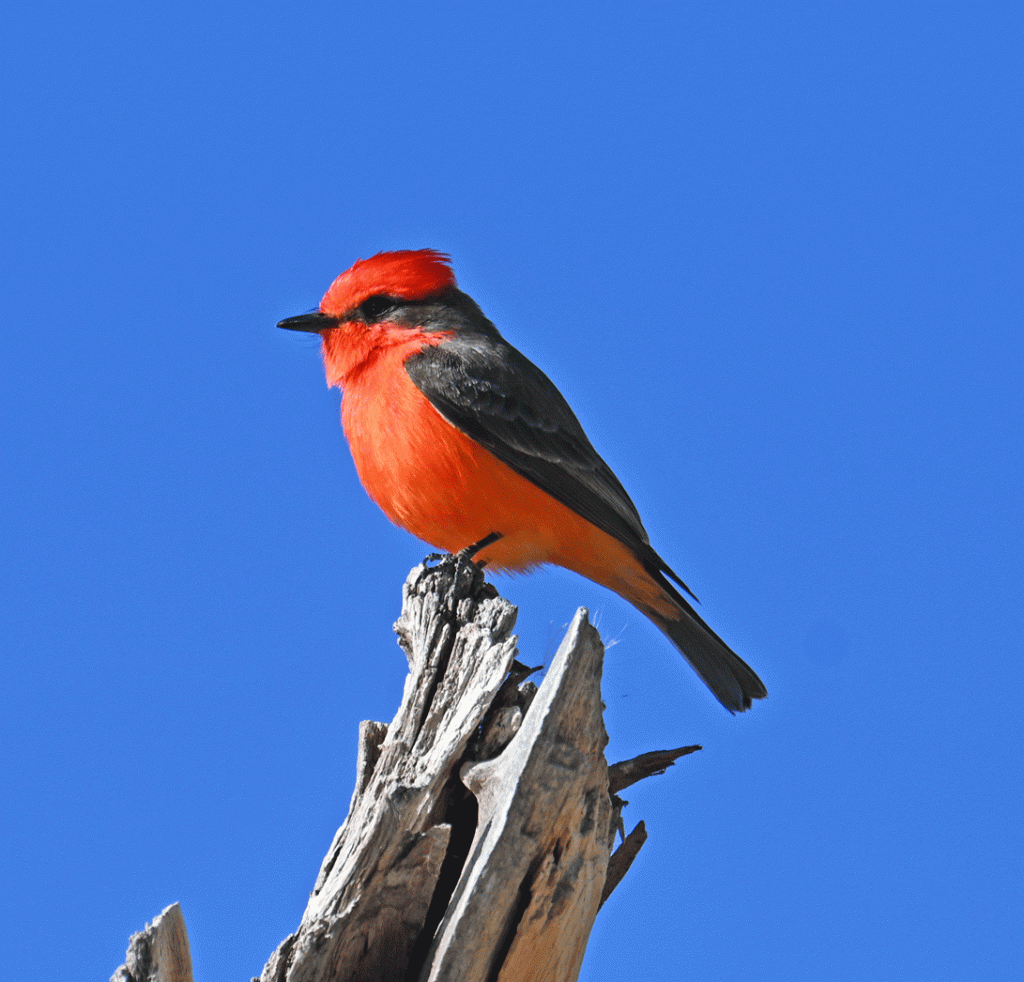
Vermilion Flycatchers are so photogenic, and we see them every time we visit the Wetlands. Sometimes we overlook the common birds, so this photo of a bright male will help make up for it.
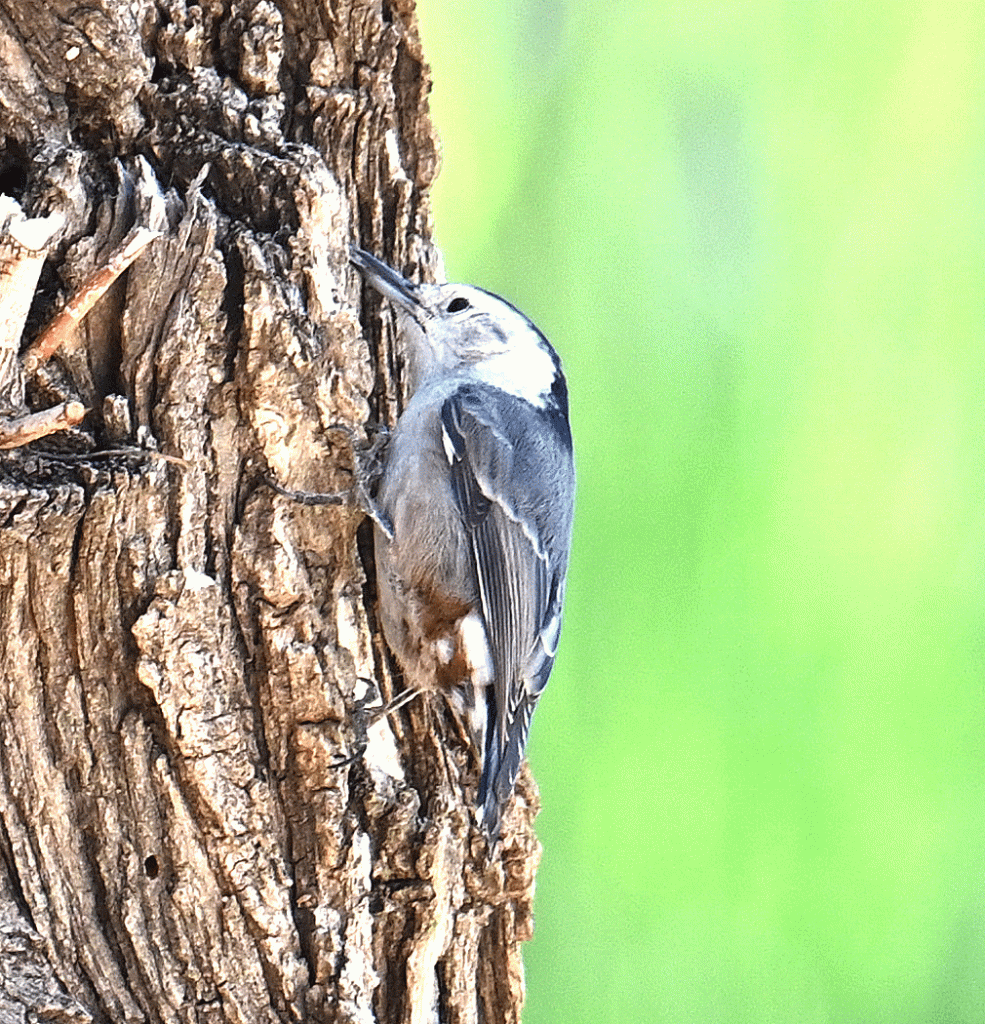
White-breasted Nuthatches are very common when we bird around Tubac or in the mountains but they are often high in the treetops. This one was a “rarity” because it was hanging out in the city. It was also easy to photograph because it was low on the tree trunk, without shrubbery all around. White-breasted Nuthatches are bigger than the Red-breasted Nuthatches that we have at our feeders in BC.
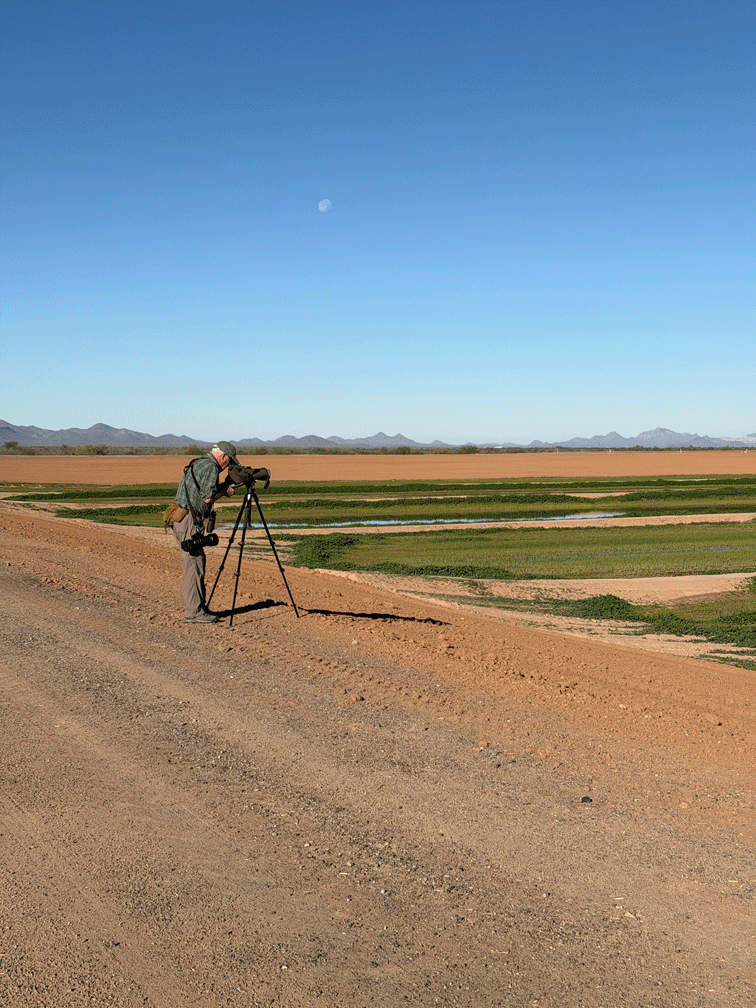
Water treatment facilities provide good habitat for waterfowl and shorebirds. We saw the Black Scoter at the Green Valley Water Reclamation Facility. Sweetwater Wetlands is set up to return water to the aquifer. The photo below is of the Avra Valley Water Treatment Facility. The green parts have water, the brown ones don’t. We visit these spots because wherever there’s water in the desert, there will be birds.
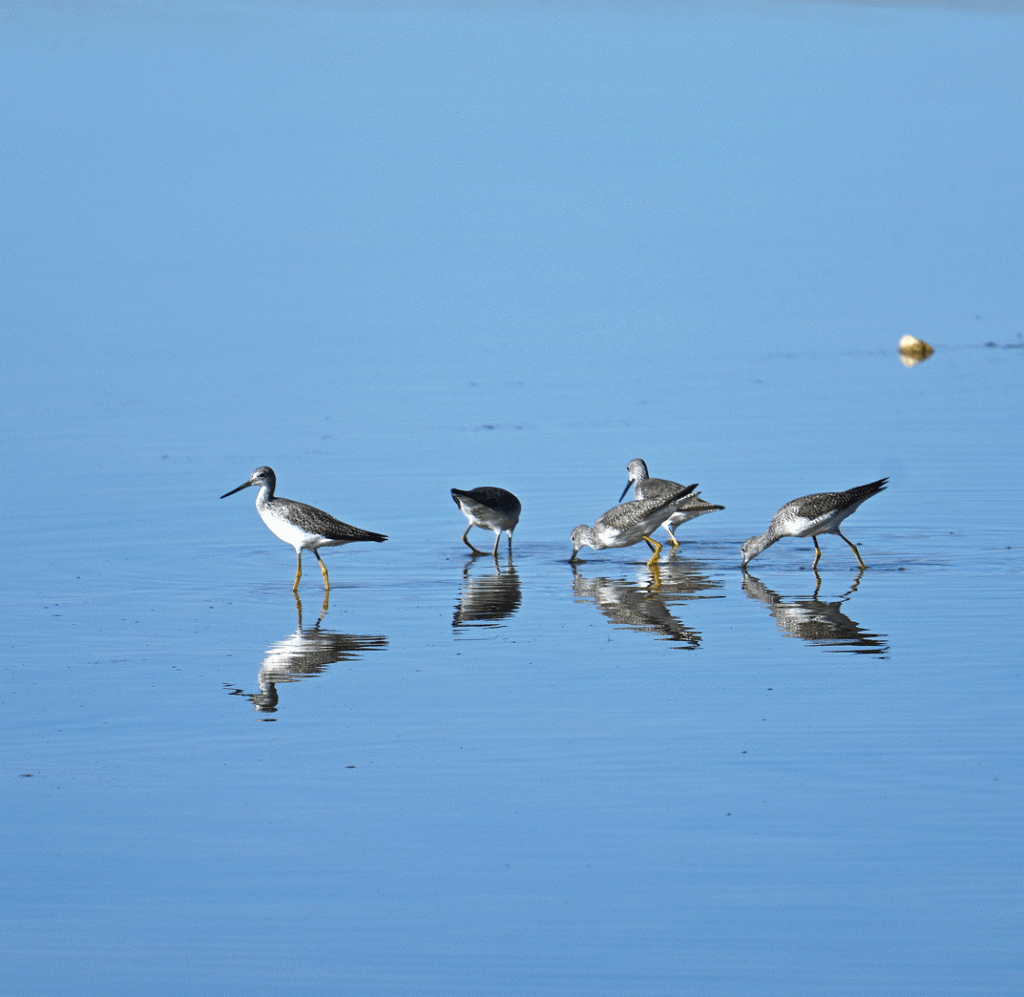
Here’s a group of Greater Yellowlegs that flew into the pond while we were at the Avra Valley site.
On December 8, we did a longer trip to the outskirts of Phoenix. We forgot to take photos of the first place we stopped; a wildlife area (Base and Meridian) where Doug got a glimpse of a rare Yellow-throated Vireo.
Next we went to the Veteran’s Oasis Park in Chandler because a Short-tailed Hawk had been sighted there consistently. When we got to the hill that gave the best vantage point, the people there welcomed the extra eyes. Some of them had been waiting over three hours to see the bird. We were thinking of leaving after about forty-five minutes when one birder saw something far out that looked promising. Luckily the hawk flew closer, and we were able to get the scope on it and confirm that it was a Short-tailed Hawk. (No photo of the hawk however.)
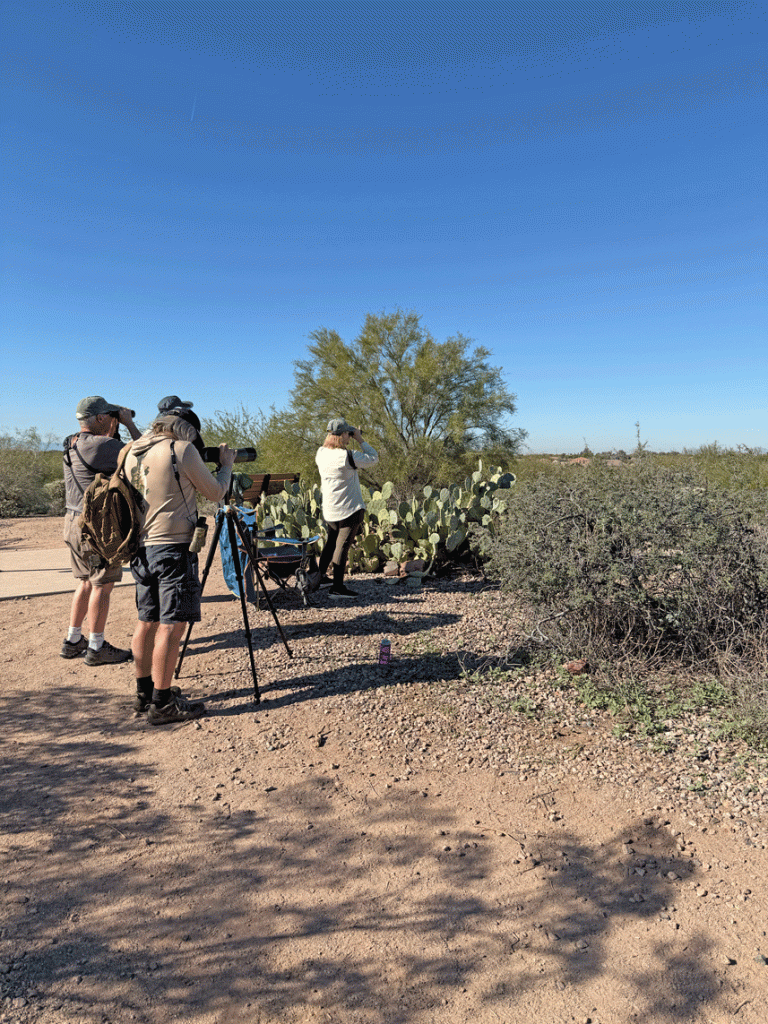
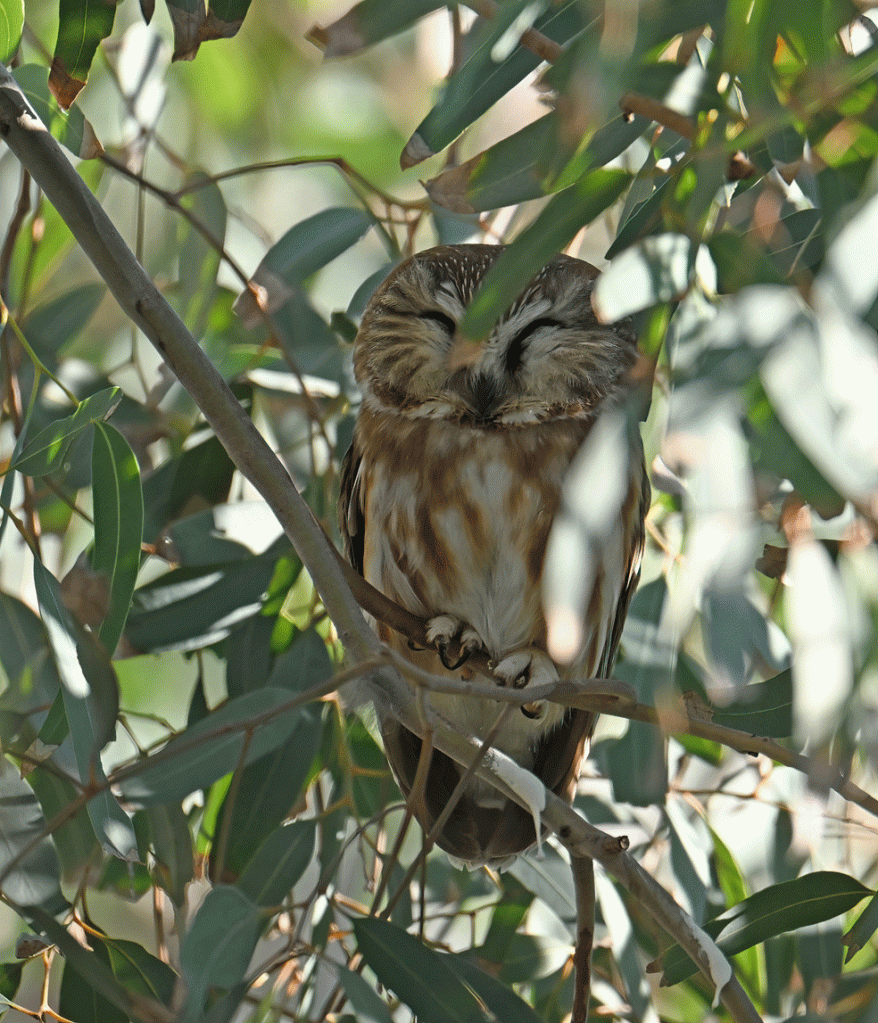
A Northern Saw-whet Owl chose to roost at Aqua Caliente Park on the east side of Tucson. Because we weren’t sure how long it would stay, we went the second day it had been seen. It was asleep on a branch of a Eucalyptus tree, seemingly oblivious to the crowd that was on the path ten metres away. It was well hidden in the leaves and we would probably not have seen it if someone hadn’t shown us where to look. Usually this species of owl would roost at higher elevations. (As It turned out, we didn’t need to rush, the owl returned to the same perch every day and has continued to do so for almost for a whole month. Perhaps it will stay the winter.)
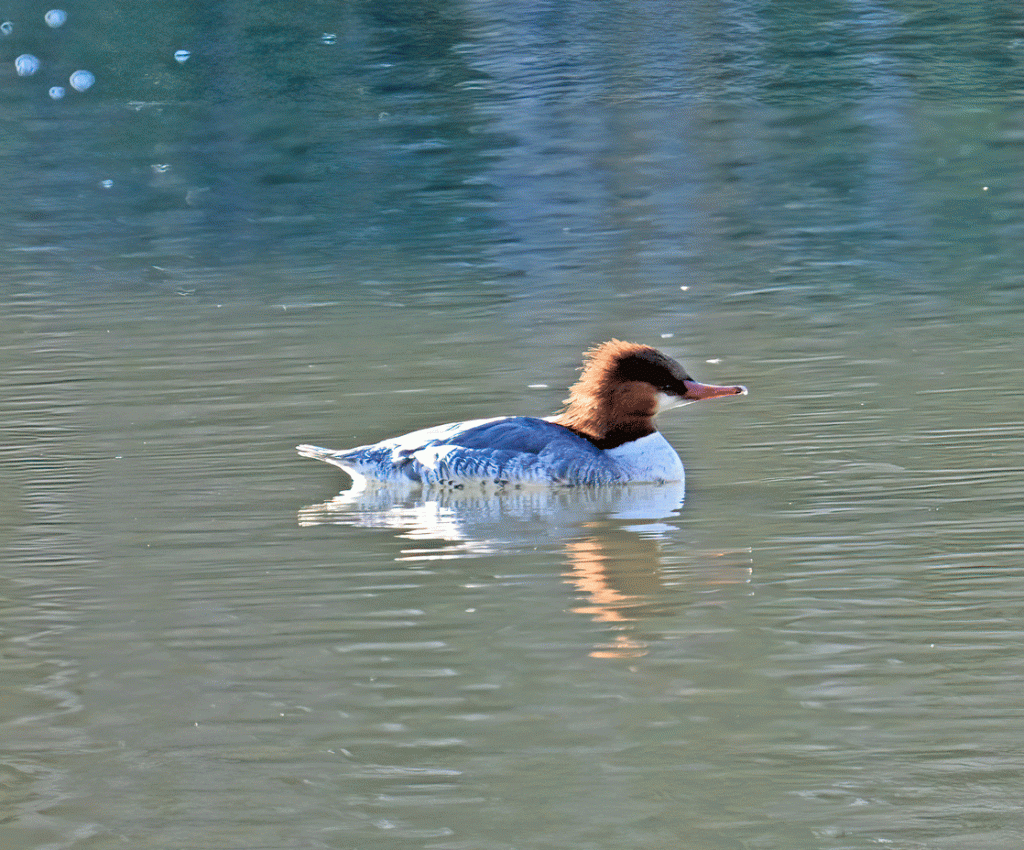
There was a female Common Merganser at the pond in the same park. Her crest is highlighted by the afternoon light. It’s unusual to see one merganser in the winter because they are often in small groups that may even gather into large numbers at favoured sites. We see them regularly in the summer in BC.
Doug took this photo of the lone Northern Pintail on the lawn, socializing with his Mallard friend because it was one of the few times that we’ve seen a pintail on land. Male Northern Pintails look quite elegant with their long necks and long tails.

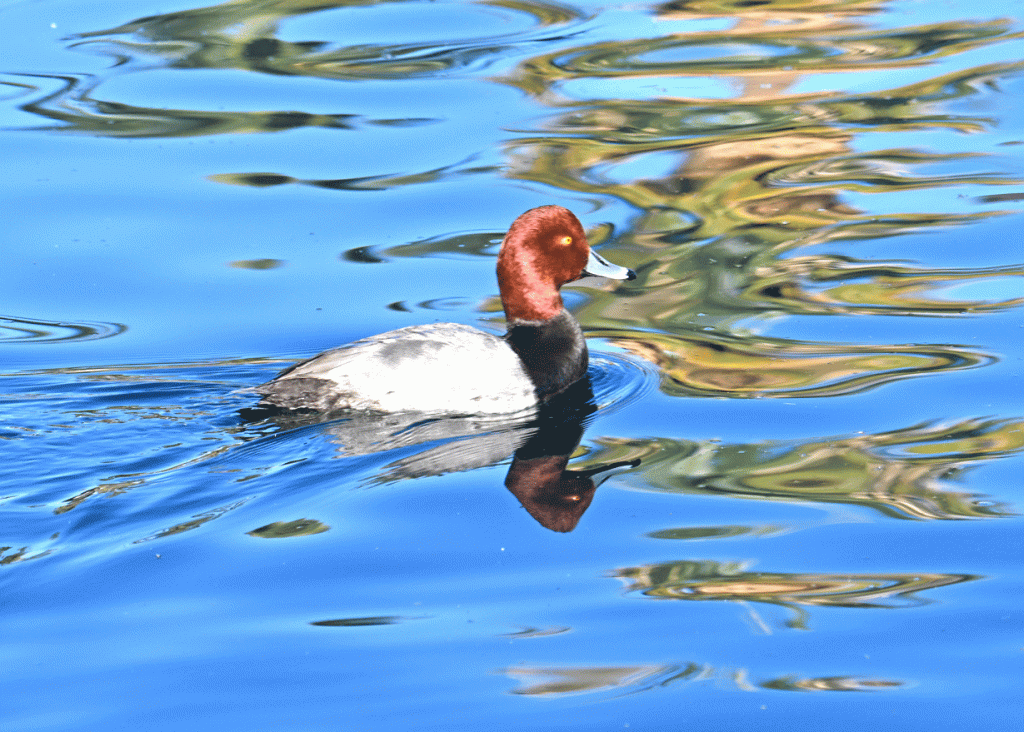
We visited Reid Park later in the month. There are many resident ducks in the two ponds of the park so we can count on seeing the ducks close up. Here are some similarly coloured ducks; the Redhead and Canvasback. The male Redhead is on the left and has a rounded head, with a “nail” on his blueish bill. The male Canvasback’s forehead is more slanted and his bill is darker. It’s hard to see the Canvasback’s red eye because it blends in, while the yellow eye of the Redhead stands out.

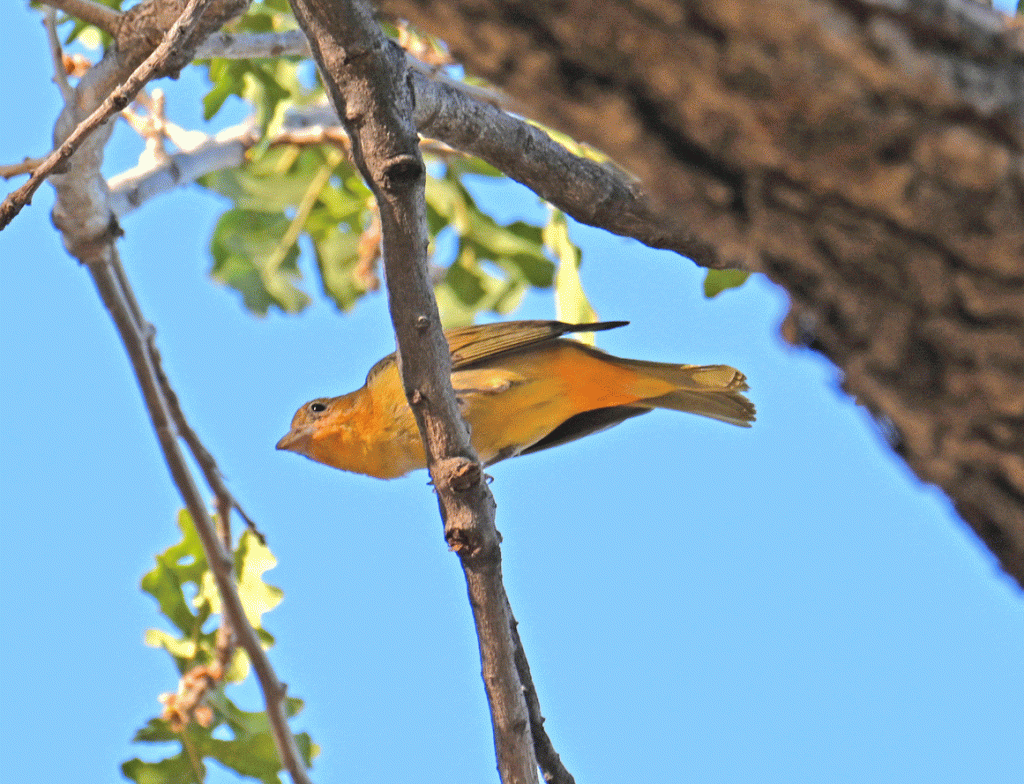
Also at Reid Park, we were lucky to get a view of this Summer Tanager, because they are often high in the treetops. As the name implies, it should only be here in the summer. According to the “Sibley Guide to Birds,” this bird with blotchy orange-tinged feathers is an “orange adult female Eastern.” She seems to be staying the winter.
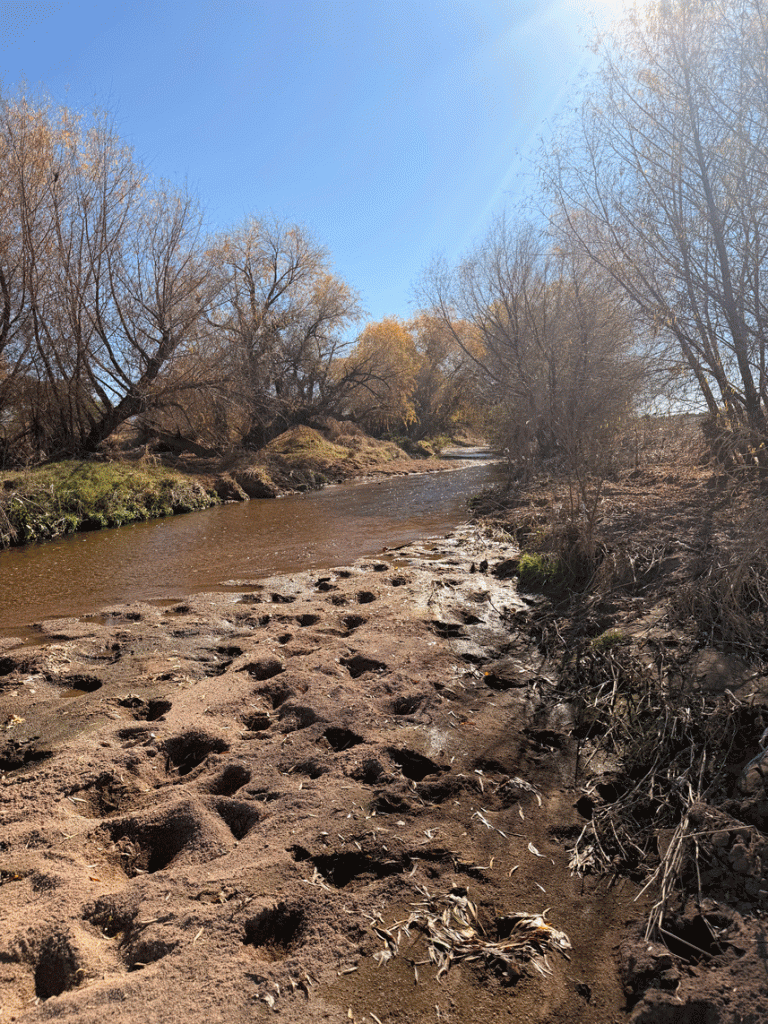
We volunteered again for the Nogales Christmas Bird Count and did the same section of the Anza trail south from the Guy Tobin trailhead in Rio Rico. Cottonwoods line the Santa Cruz River. The fields away from the river were dry and weedy. We saw almost the same number of different species on our count this year in comparison to last year, but a smaller number of individual birds, especially sparrows.

Here’s a view of the Santa Cruz River. There’s always water here because there is outflow from the Nogales Water Treatment Facility, just upstream of this point. The indentations in the mud are made by the cattle that graze the adjacent land. We did not encounter any cattle, and there didn’t seem to be anything that could have sustained them anyway. Doug got a quick view of a Green Kingfisher along the water, which was probably our most interesting bird of the day.
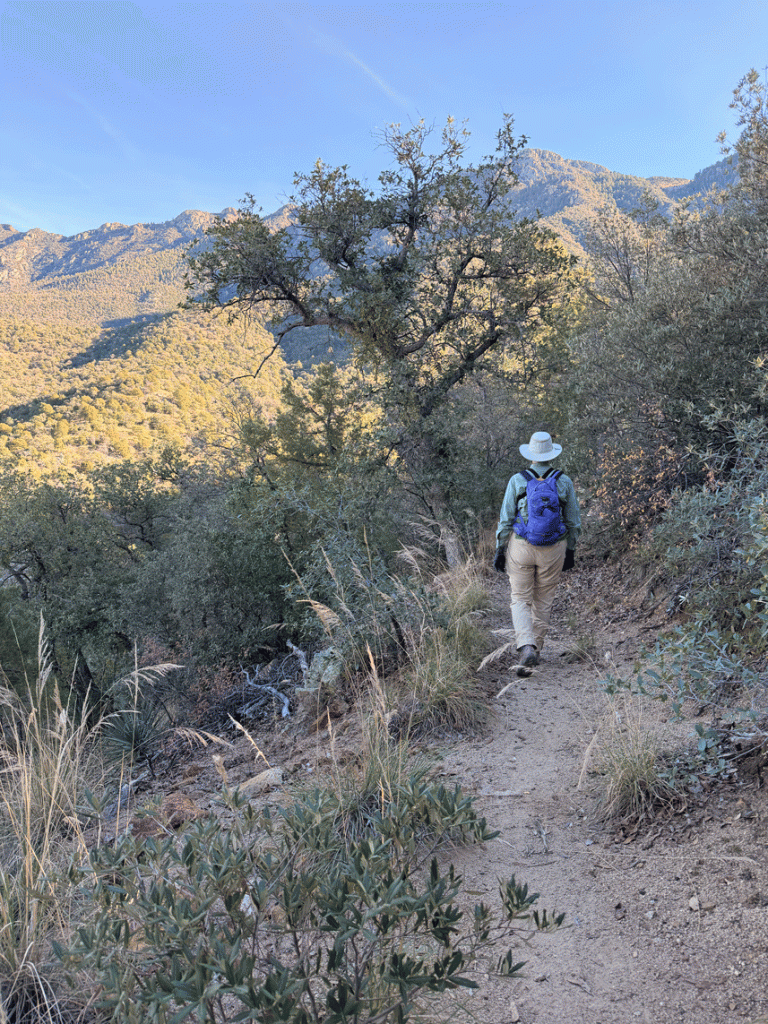
A few days later, (Dec. 22) we participated in the Madera Canyon Christmas Bird Count. We volunteered to visit two high elevation springs. We started from the Wrightson Picnic area at the end of the road (5463′). We walked up the Supertrail a short distance, then took an undeveloped trail, known as the “Pipeline Trail” because it follows a water pipeline. After we climbed up steeply, the trail levelled out and contoured the slope. The photo below shows one of the better sections of the “Pipeline Trail.”
Within an hour, we joined the regular trail which was an old mining road. It was a bit rocky, but also wide and not too steep. We reached the first spring (Sylvester Spring) after climbing 600 feet. The water in the spring runs constantly, collecting in the concrete basin and dripping over the side into the creek.
We were hopeful that birds would come down to the water, so we sat and had our snack and watched … and waited … no birds came. So we headed up the trail to the next spring.
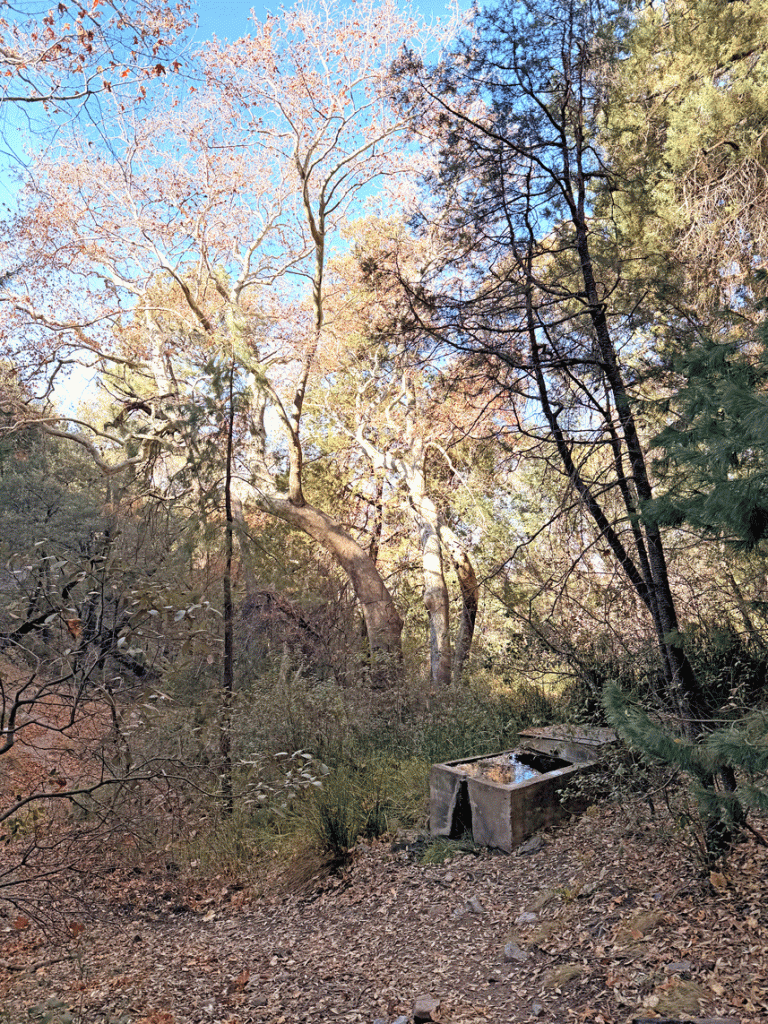
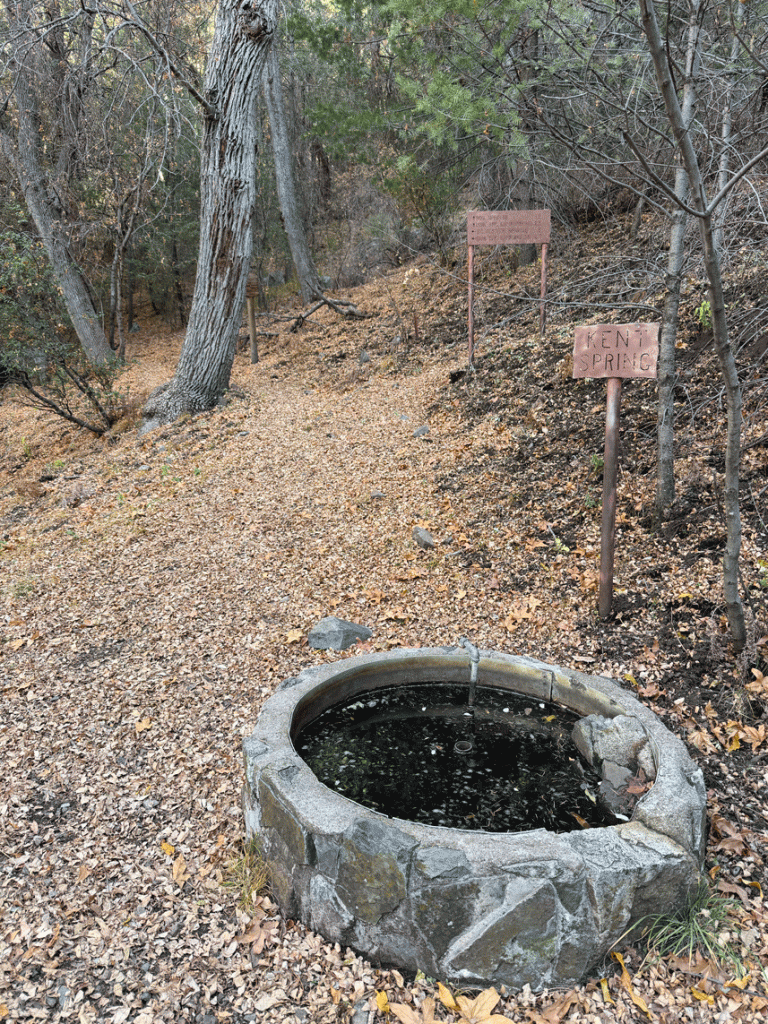
This is Kent Spring, at 6663′, twelve hundred feet above our starting point. We found a spot for lunch and watched for birds. There weren’t any birds around this spring either.
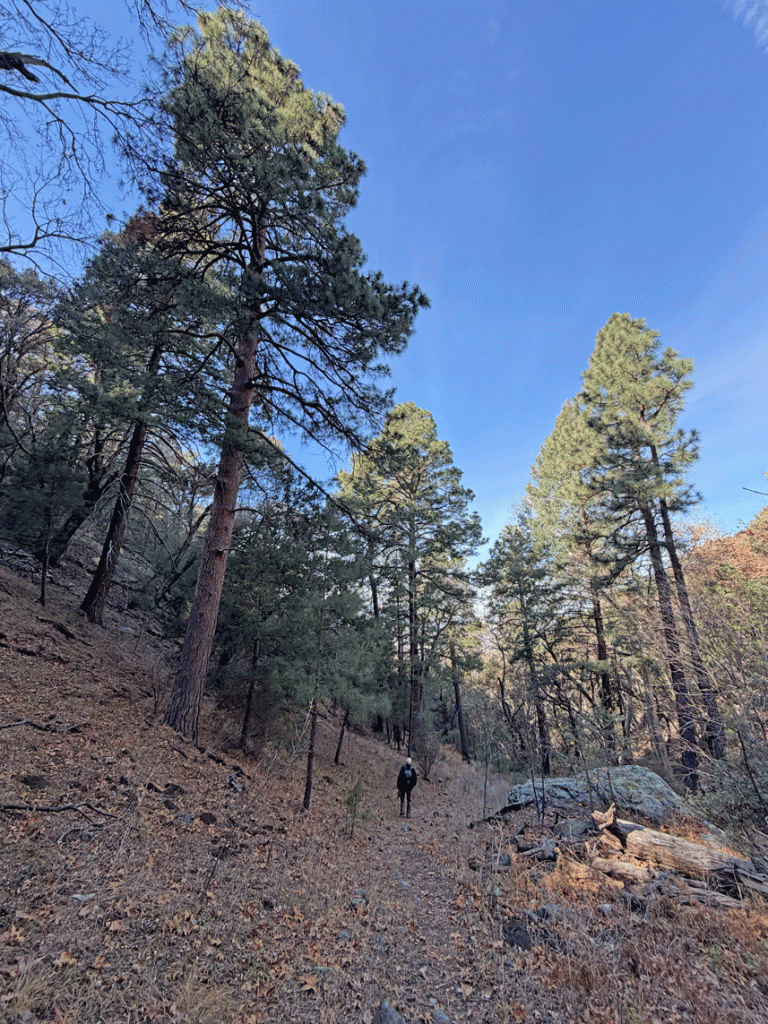
The pine trees at this elevation are really tall. Here’s a view of the trail below Kent Spring with Doug in it for scale. We chose to walk down the main trail and avoid the narrow, rocky short-cut. We turned off on the trail to Kent Spring Cabin and followed the gravel road down to the pavement. It meant that we had to walk up to the parking lot, but it also meant that we got back safely.
Over the whole day, we didn’t see or hear many birds (11 species). They were generally dispersed and not concentrated at the springs, and the hoped for “mixed flock” never materialized. But we were happy to contribute and we got some exercise on a beautiful day.
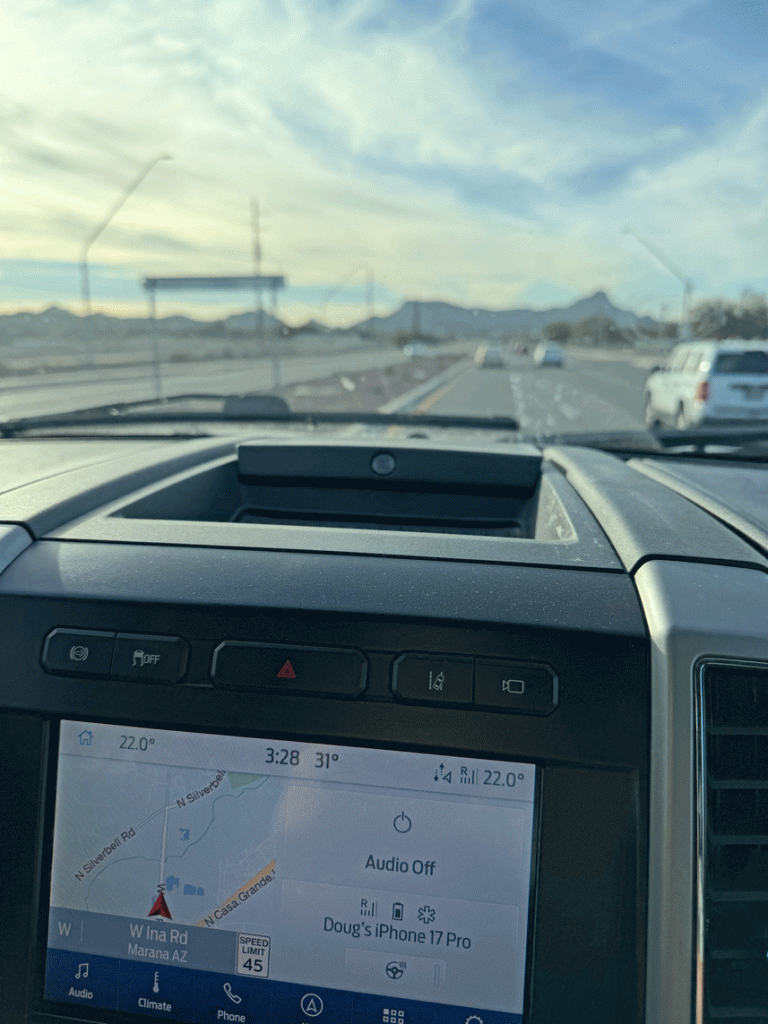
It was actually a good day to be at elevation because we were comfortable. The photo below shows the temperature of 31 degrees C (88 F) as we left the freeway on our way home. It was a few degrees cooler at our place over the mountains, luckily. Tucson set a record for the warmest December 22 ever.
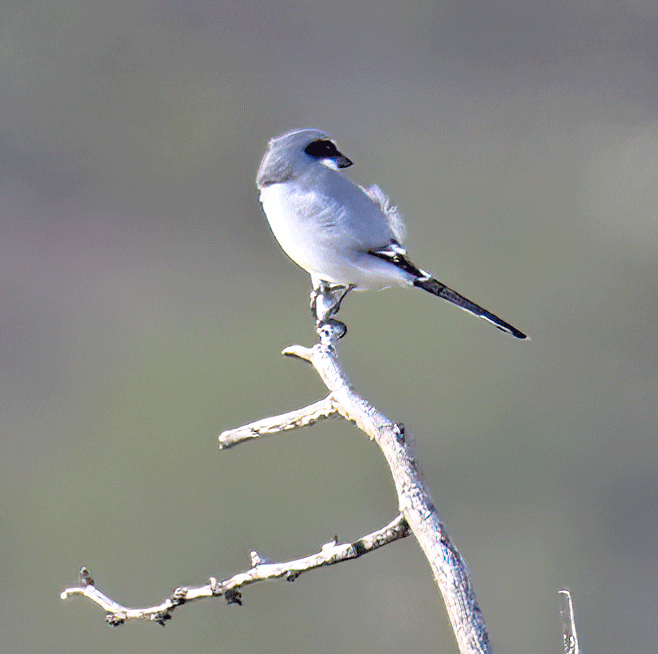
On December 23rd, we visited El Rio Preserve and saw this Loggerhead Shrike in the desert scrub area across the street. This species of shrike feeds on grasshoppers and other insects, small birds and rodents. Shrikes are “predatory songbirds” and are known for their technique of impaling their prey on thorns or barbed wire to hold it while eating.
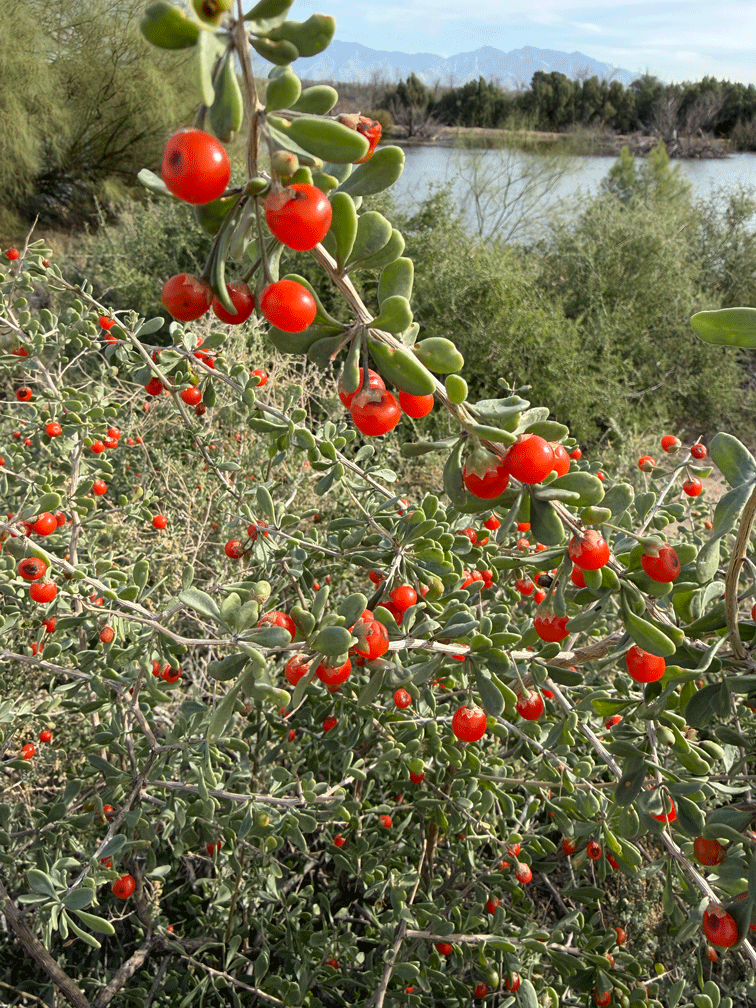
This is Box-thorn, with the pond at El Rio Preserve and the Catalina Mountains in the background. While the scene isn’t the typical holly and berries, it has a festive vibe.
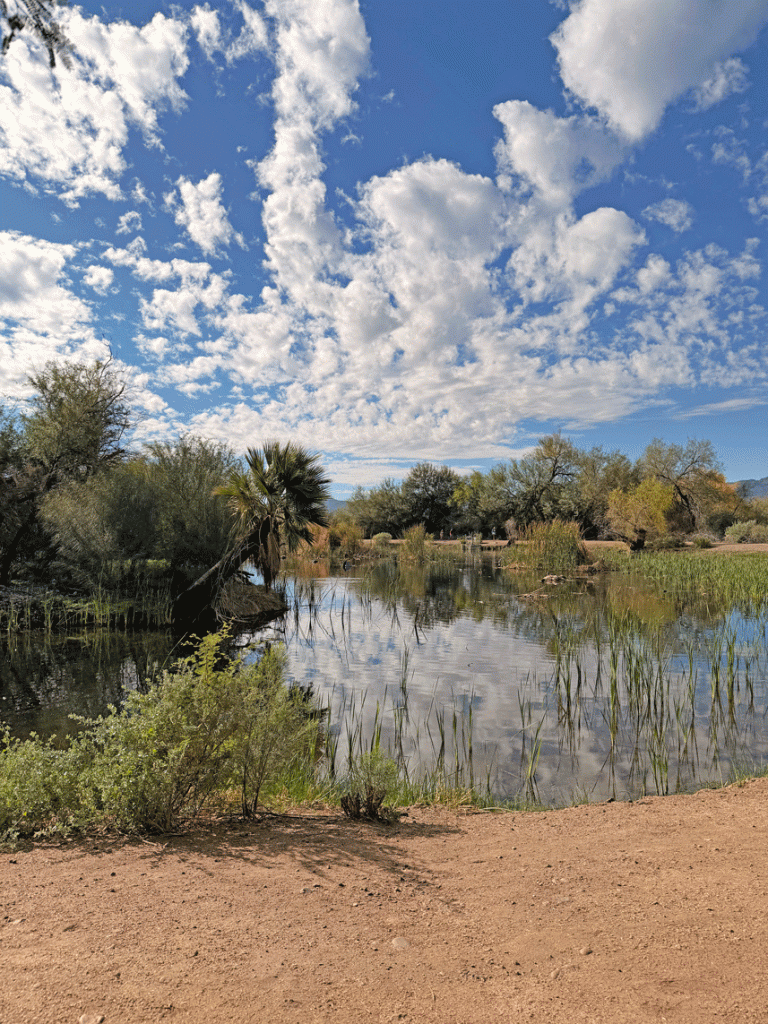
Here’s a view of Sweetwater Wetlands on Christmas Day.
This blog post had more scenery shots than photos of birds, but that’s sometimes how it goes. We enjoy everyday that we go birding and while it’s nice to see “special” birds and get good photos, the “process” (act) of birdwatching is more important than the “product” (number of species, number of rarities, good photos etc.)
And another year is over… We wish everyone a healthy and happy 2026.


Amazing photos especially of the birds. Thanks for sharing.
LikeLike
Great photos, as usual. I especially liked the brightly colored birds – the Vermillion flycatcher and the hepatic something-or-other.
It’s warm in Cranbrook, too; above freezing for several consecutive days.
LikeLike