April 2026 – Arizona to BC

April 2026 – Arizona to BC

This post is about our trip home from Arizona and some of the birding we did near our house in BC in April.

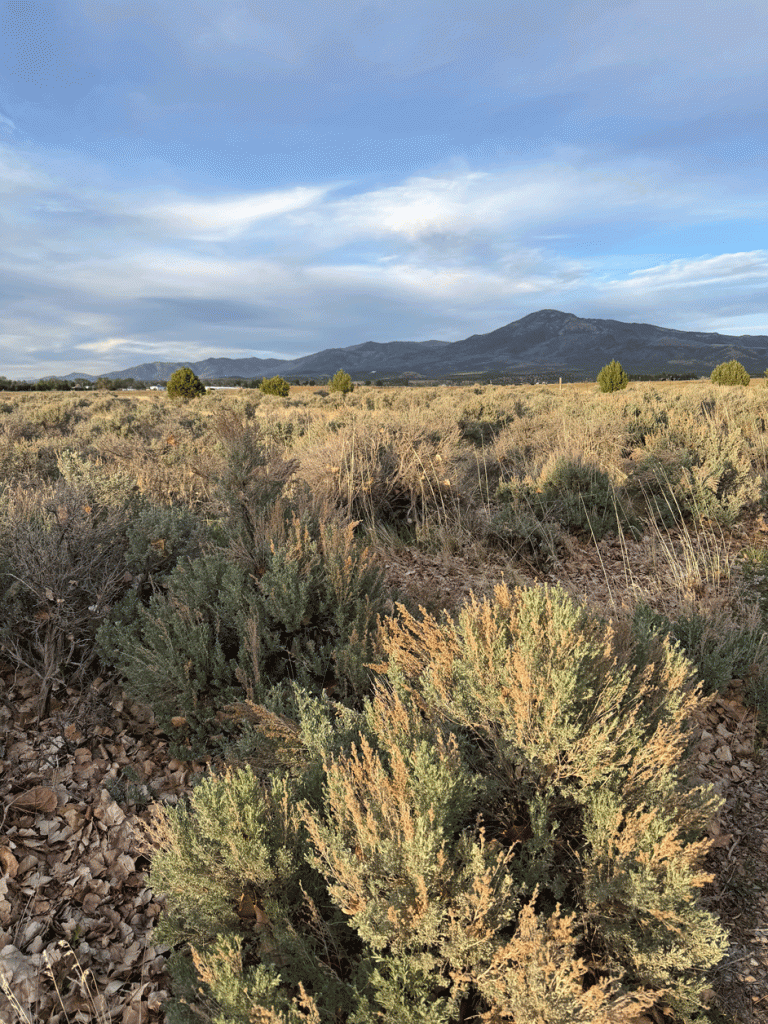
It takes about twenty-four hours of driving to make it home, so we did it over five days. The first night we stayed in Kingman, AZ and the next day (Saturday) we drove through Las Vegas in light traffic. We reached Fillmore, Utah in the middle of the afternoon. Here’s the view from the edge of the KOA. Besides the typical campground birds (House Sparrow, House Finch, Eurasian Collared-dove, European Starling) there were a couple of Mountain Bluebirds and we heard the beautiful song of the Western Meadowlark.
The next day was a shorter drive through Salt Lake City and all the neighbouring municipalities. The two hour stretch from Spanish Forks to Brigham City is always the worst traffic of the whole trip. It wasn’t too bad this time since it was Sunday. We got to the Perry South / Brigham City KOA early enough to devote the afternoon to birding at the Bear River Migratory Bird Refuge.

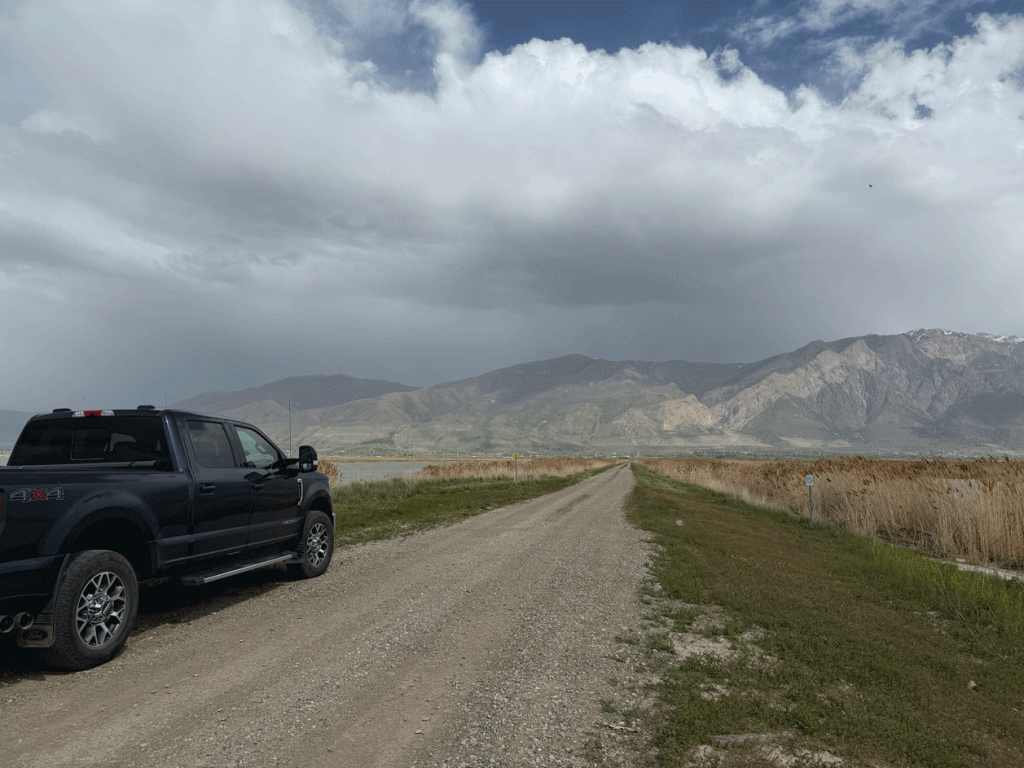
The regular auto tour route at the Bear River Refuge was temporarily closed, so we followed the detour route. It took us south and then west for about 20 kilometres (16 miles).
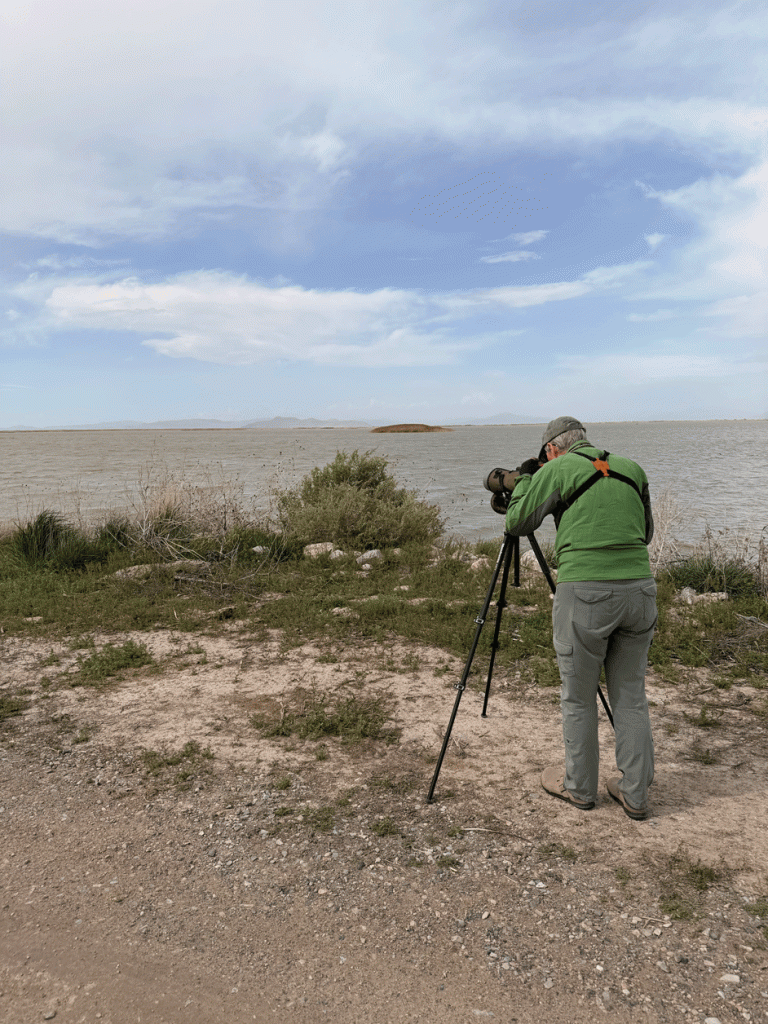
We stopped at various points along the way. Sometimes the birds were nearby, but often we needed to use the scope to identify them.
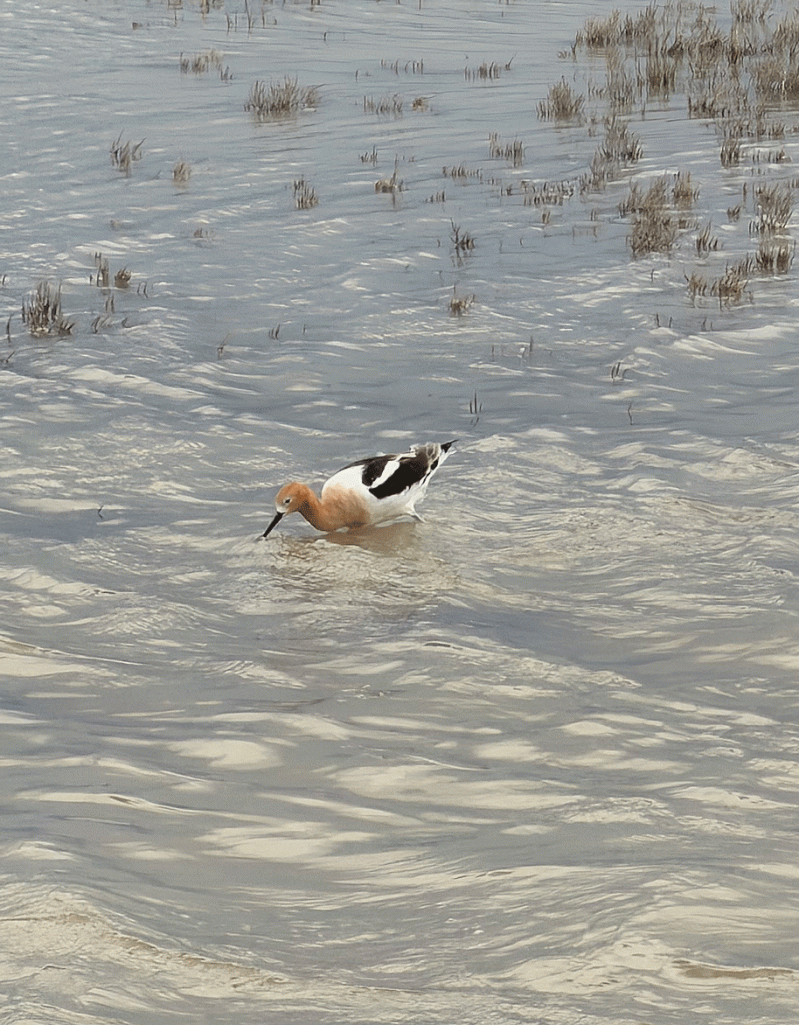
Here’s an American Avocet in breeding plumage. In the winter, they lack the rusty colour. Usually we see this species in shallower water, where we can see their long bluish legs, but this one was making do with the high water levels, sweeping its bill from side to side to find insects or small crustaceans.
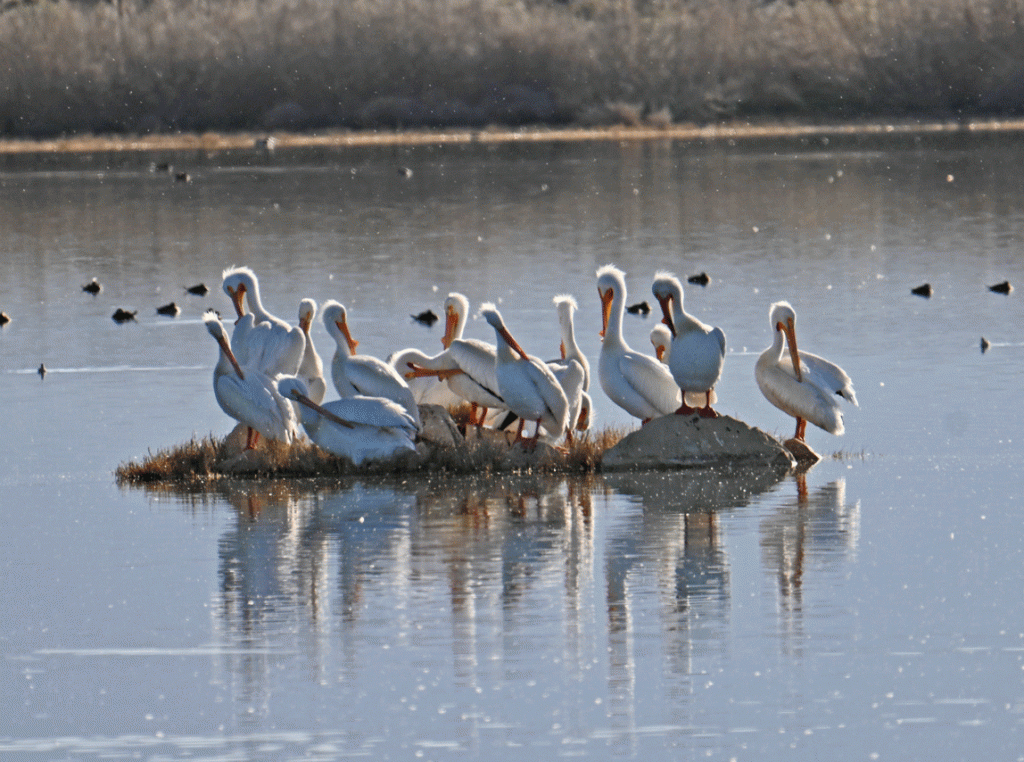
The high water meant the American White Pelicans were a little bit squished on the tiny rock outcrop. During breeding season, both sexes develop a keratinous “horn” or “plate” on their upper bill. Some of pelicans show beginning protrusions in the phot below.
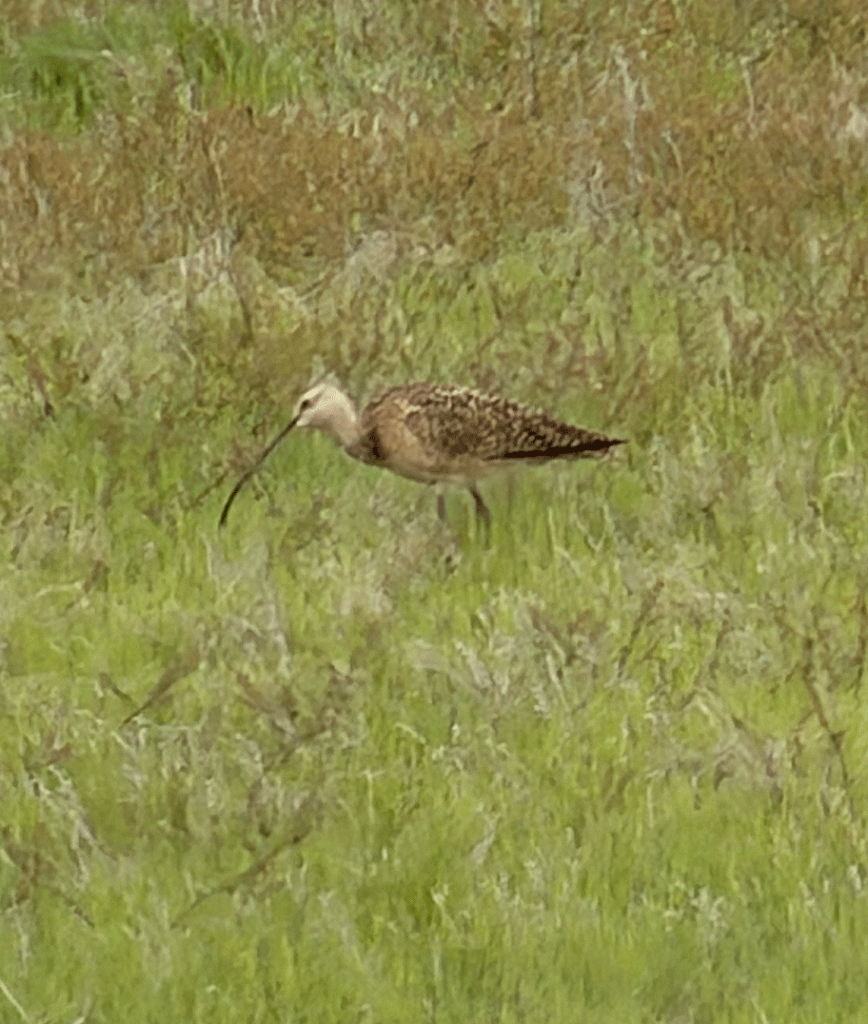
This is a Long-billed Curlew. Perhaps it will breed in this area near Salt Lake City, or maybe it is on its way farther north. We see and hear Long-billed Curlews near our home in the East Kootenay of British Columbia, but often they even farther away than this one was.
We had two more days of driving, with an overnight in Dillon, Montana, and then a final push to the border. We got home on Tuesday April 14 in time for dinner.

We spent the next few days unloading the trailer and walking in the forest near the house.

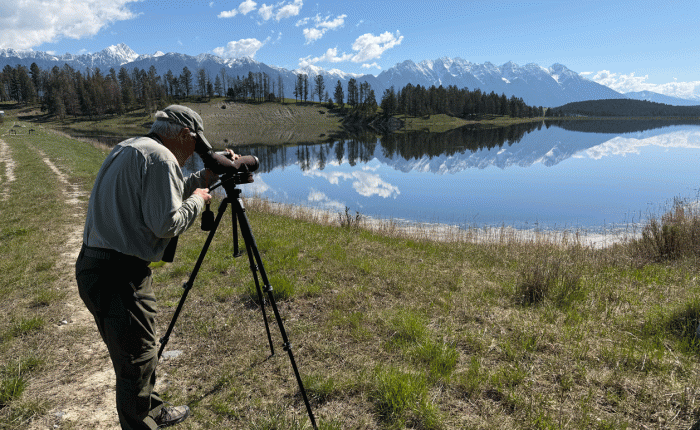
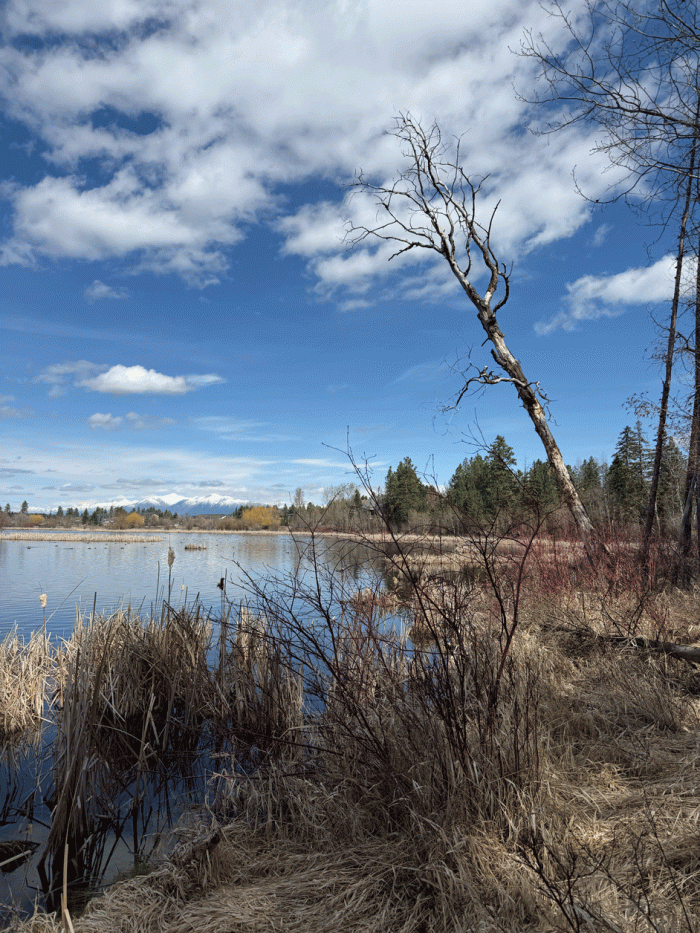
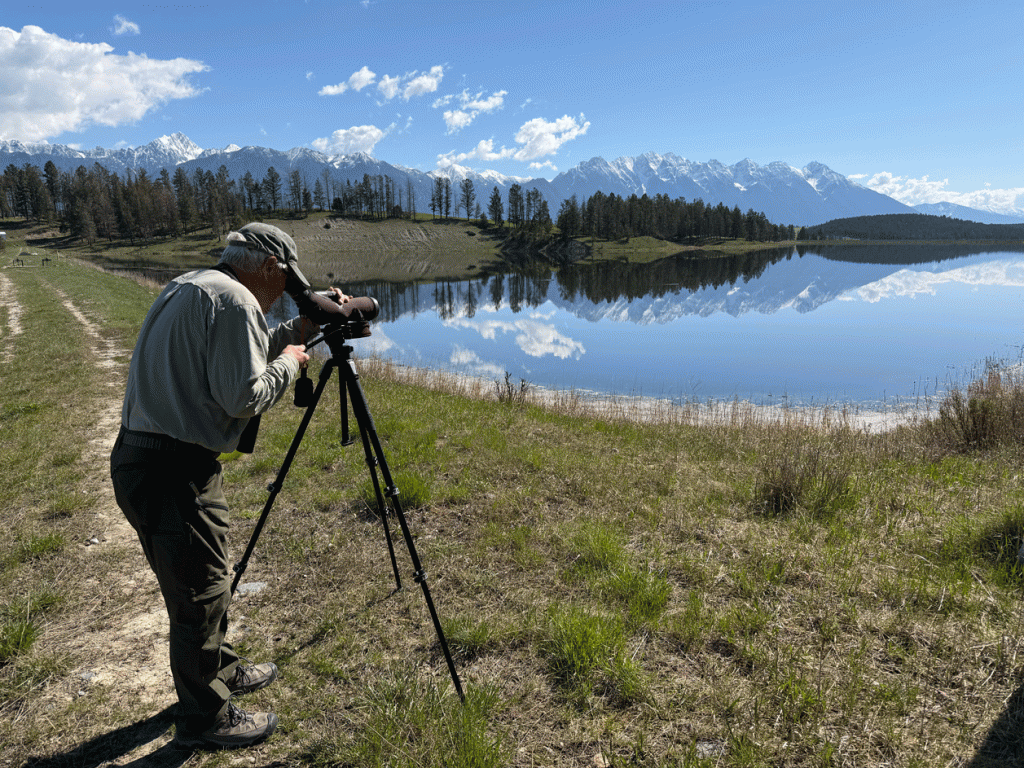
On Friday afternoon, we went birding at Cranbrook’s top hotspot – Elizabeth Lake. A birding friend had kindly included the location where she viewed an Eurasian Wigeon in her checklist. This is the view from that spot on the shoreline, accessed from a narrow path off of the trail along the southeast side of the lake. We saw the special wigeon, but it was too far away for a decent photo.
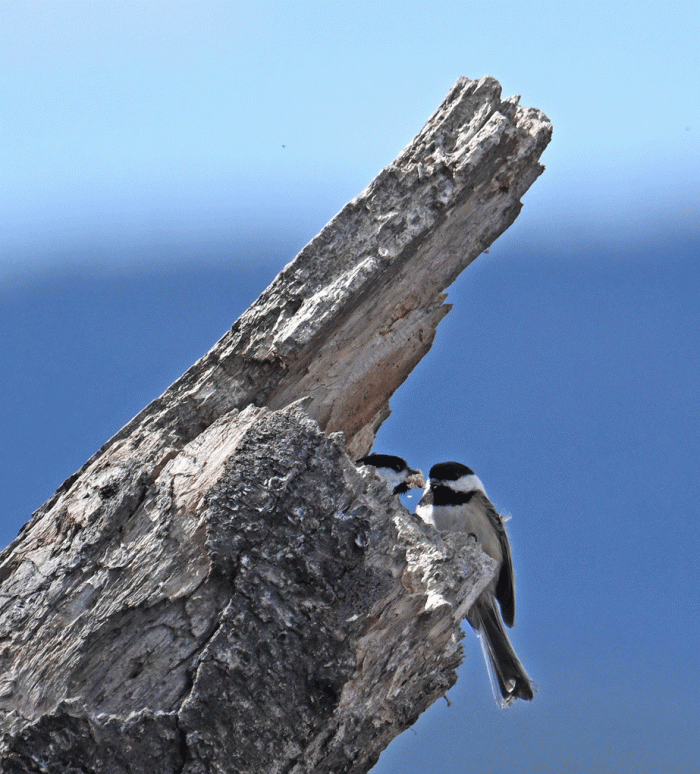
Right near where we stood, a pair of Black-capped Chickadees had a nest in a tree cavity.
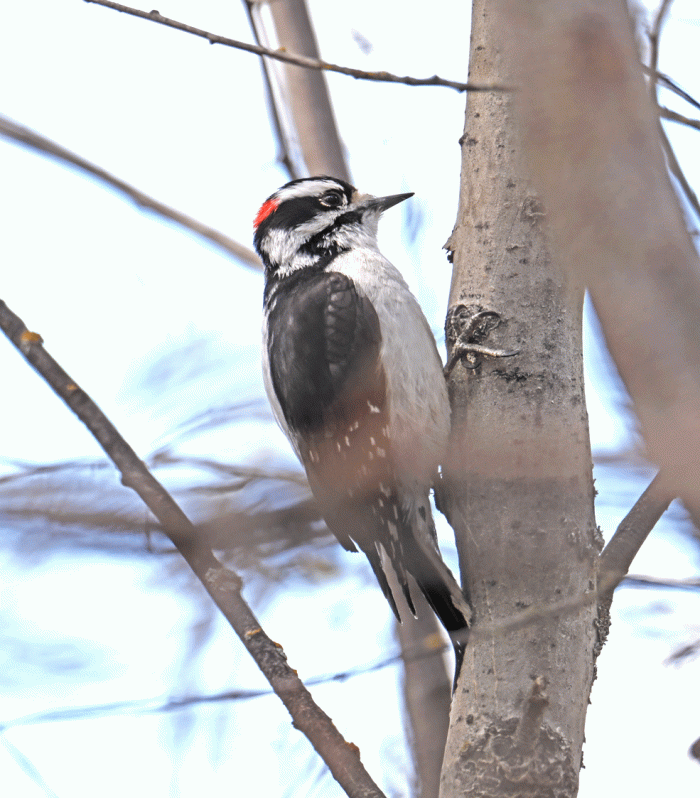
This Downy Woodpecker was easy to see in the nearby leaf-less trees. A Downy Woodpecker is virtually a small version of a Hairy Woodpecker except for the proportional size of its bill. Judging bill size can be challenging. A male Downy Woodpecker and a female Hairy Woodpecker have similar sized bills, but a male Downy’s bill will always be smaller than a male Hairy’s. This one is a male (determined by the red on its head), with a short bill so we can confidently say it is a Downy Woodpecker. Often we find we look for several features when identifying a bird.
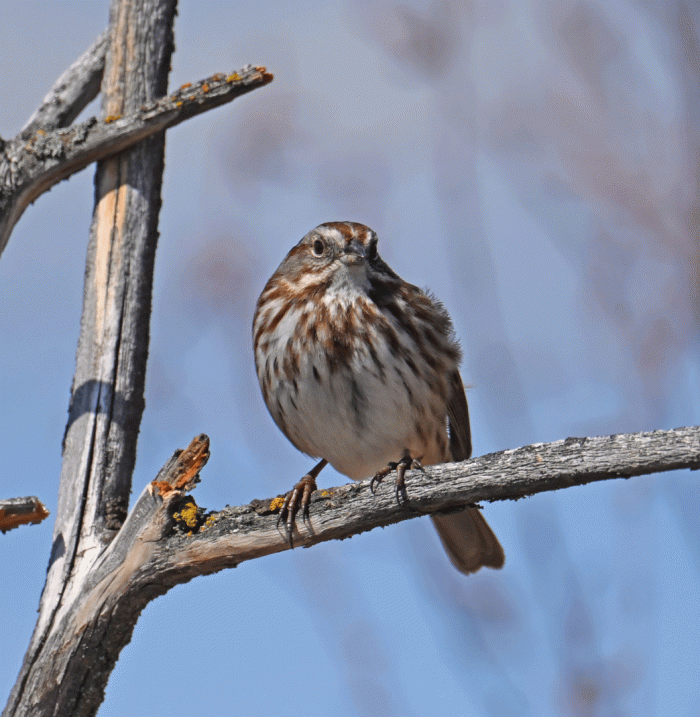
Several Song Sparrows spend all year at Elizabeth Lake. Their colouring is much darker than the ones that live in Arizona, and their song is slightly different too.
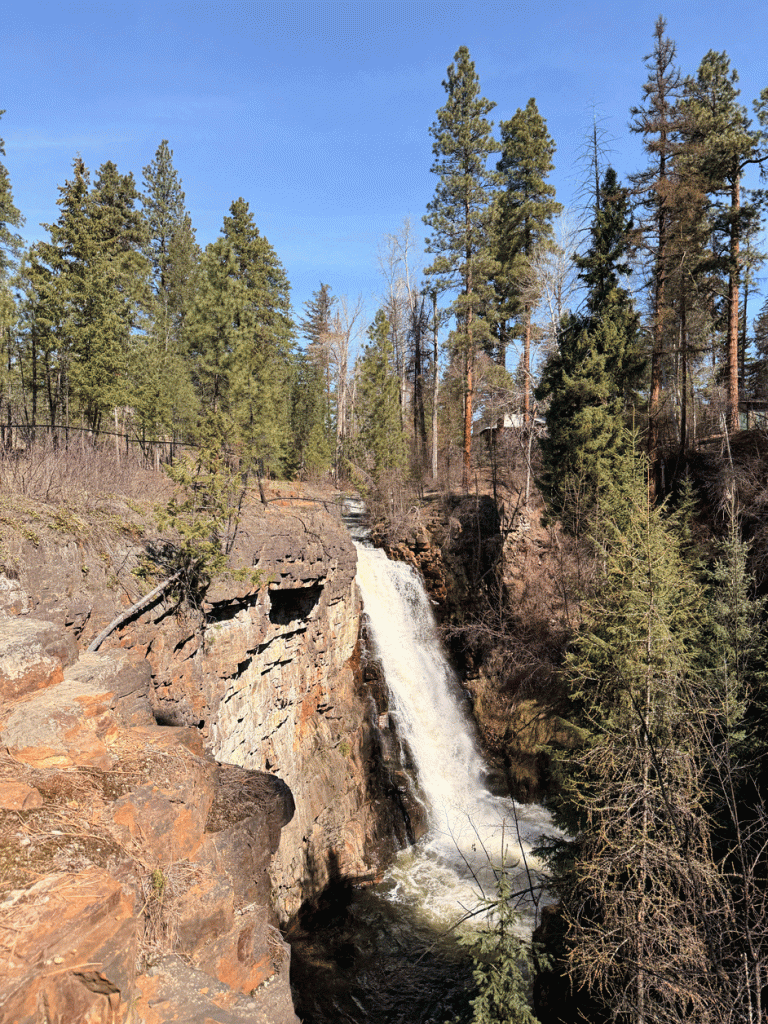
The next day, we drove north about twenty minutes to the small community of Marysville. We walked the short hike to Marysville Falls.
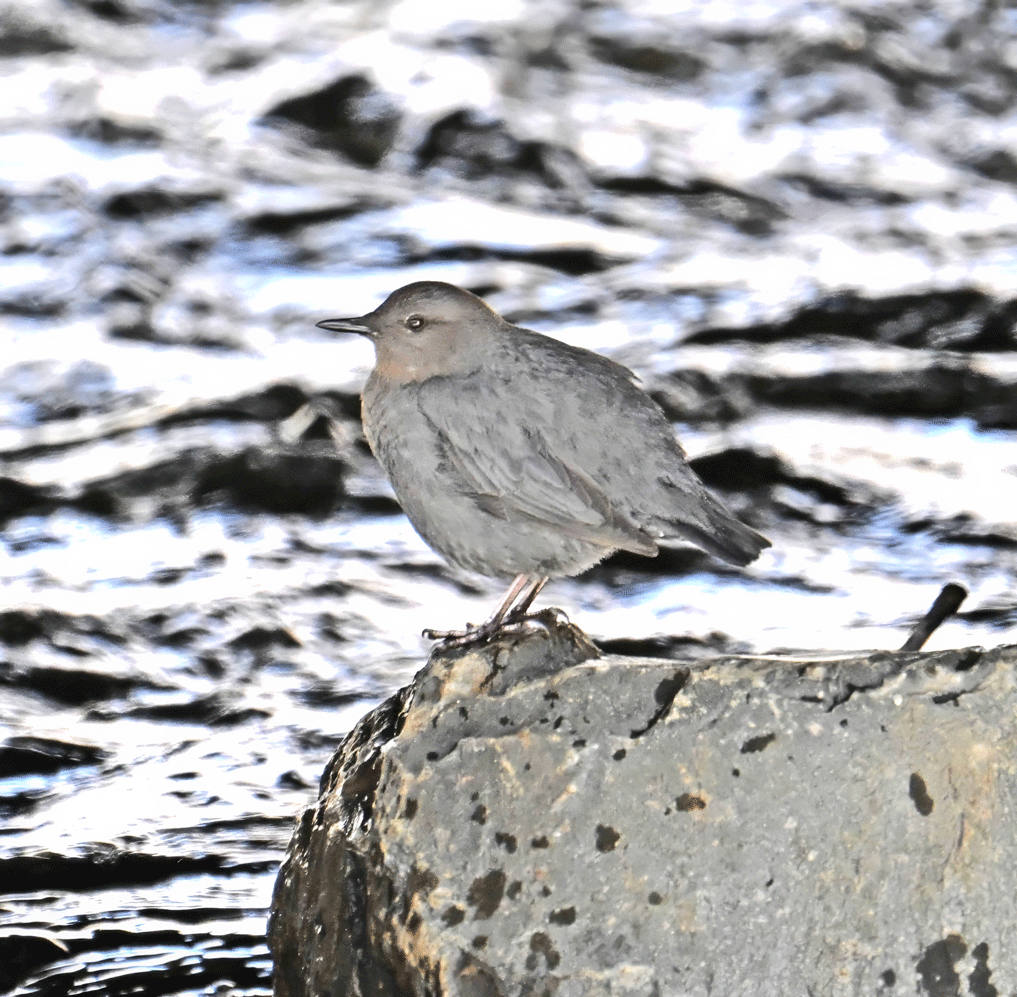
We can count on seeing American Dippers along the creek before the falls. This one was under the highway bridge about five minutes from the vehicle. It looks lighter than it was in real life because it was in the shade and the photo was enhanced.
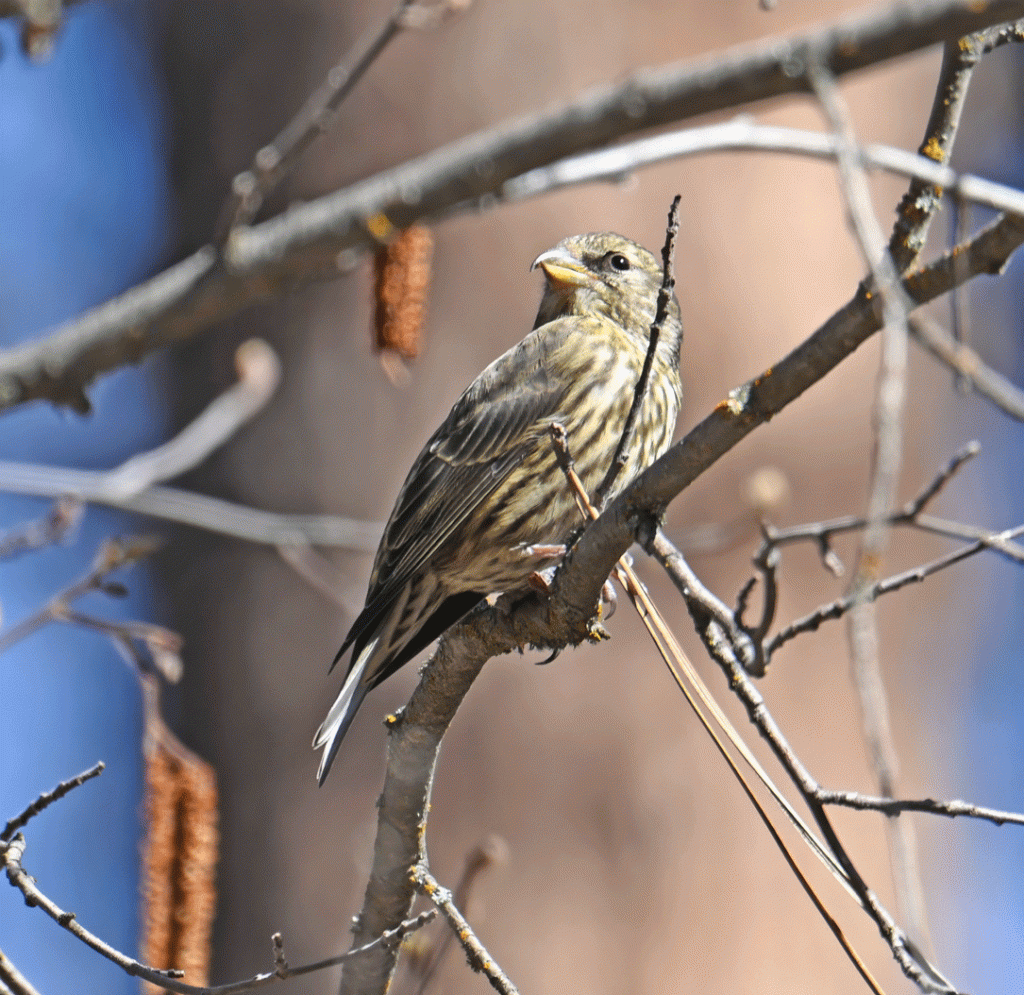
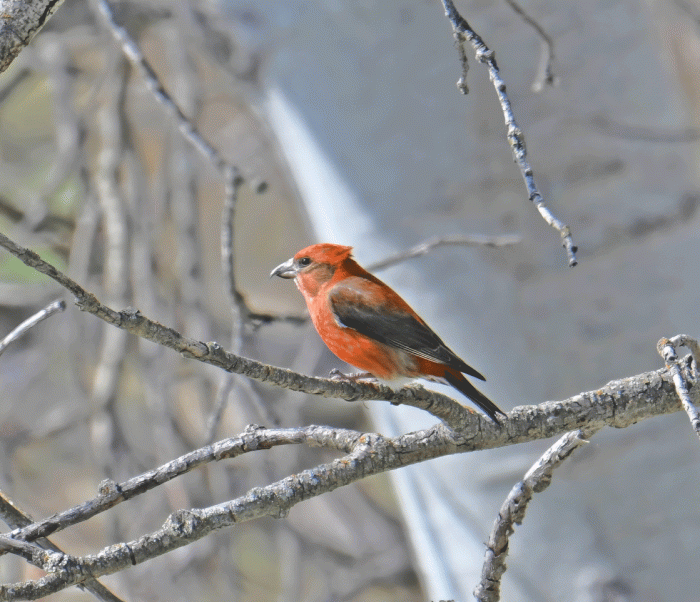
Just below the falls, we walked along an old road that skirts the golf course. The woods were full of birds – Evening Grosbeaks, Pine Siskins, Red Crossbills, and a Brown Creeper. This juvenile Red Crossbill perched long enough for good views and a photo. The species uses their crossed bills to pry open conifer cones. We usually see them on Douglas Fir or Ponderosa Pine trees in our area of the East Kootenay.
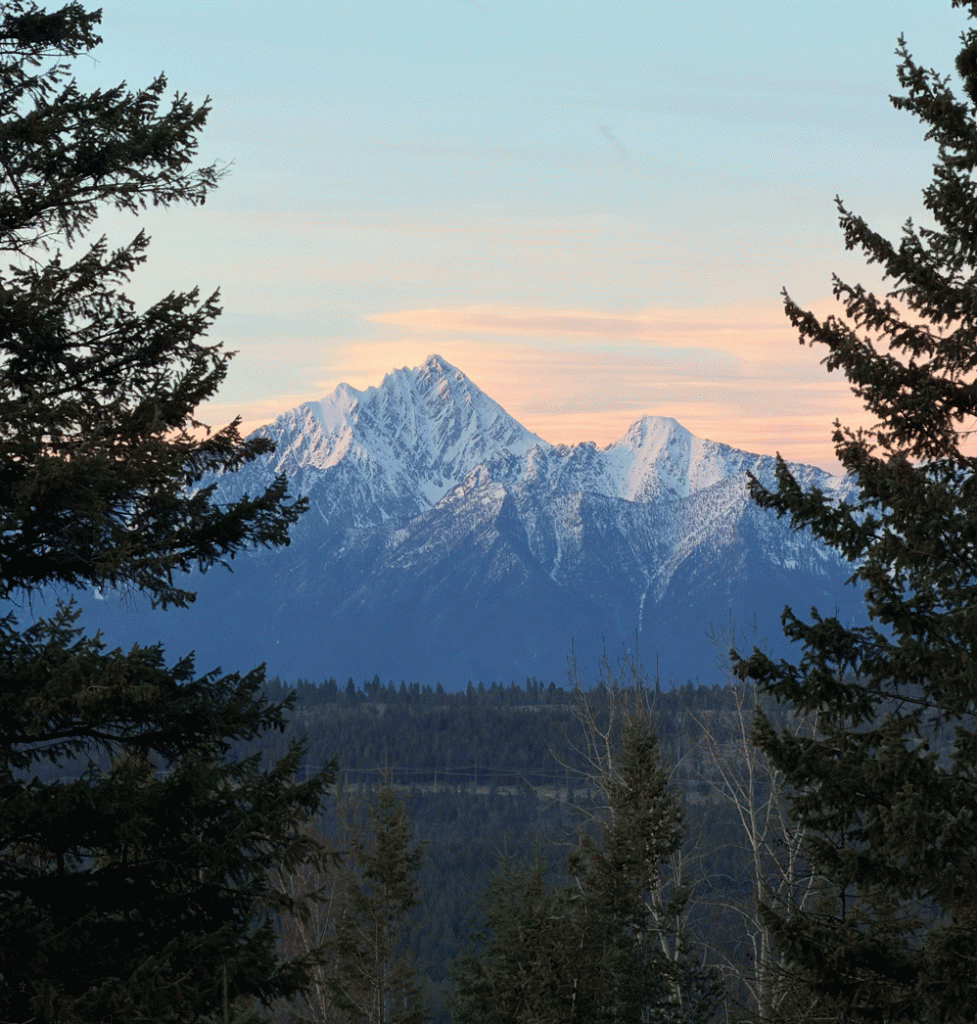
By Sunday, we had finally cleared out the Fifth Wheel so we could take it to the shop to get a new air conditioner. The sunset that night was like nature was celebrating our hard work with us. Here’s a photo of the alpenglow behind the Rocky Mountains and Fisher Peak taken from our front deck that night.
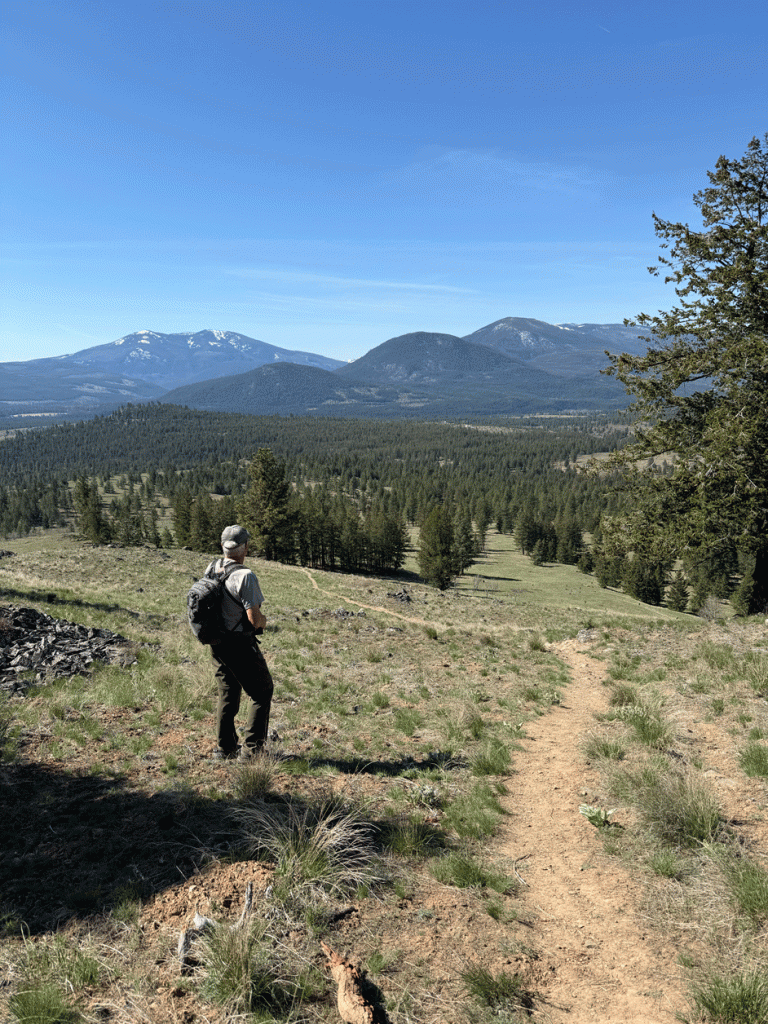
The next Tuesday, we took advantage of the sunny weather and hiked at “The Buttes” near Marysville. Here’s a view from near the top of Lone Pine Butte looking southwest to the Purcell Mountains. We ate dinner outside that night.
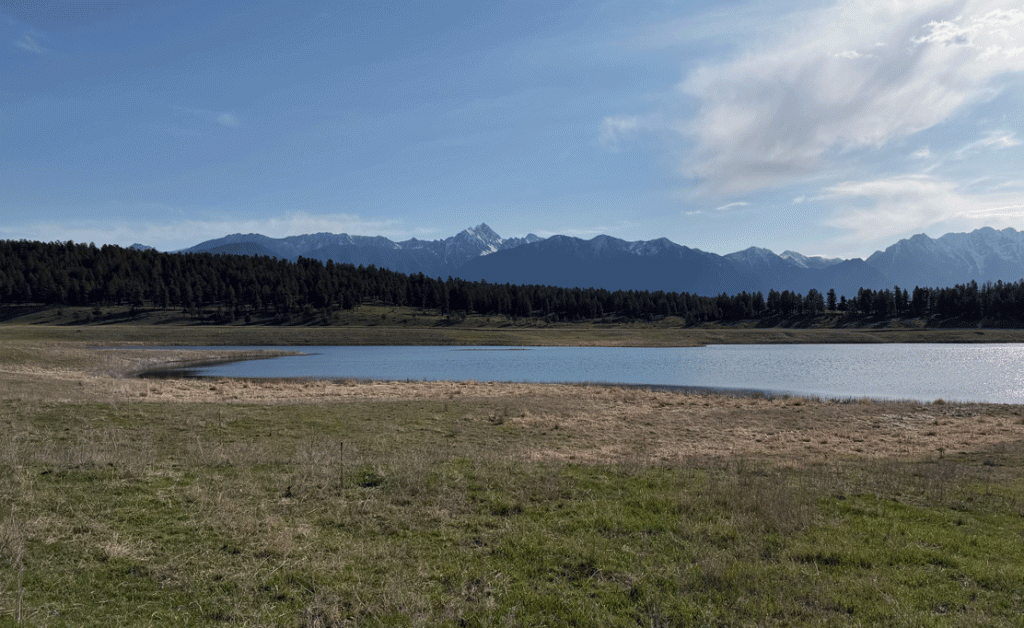
On Wednesday morning we went birding at the Cranbrook Irrigation Ponds. This is the North Pond, which holds treated waste water before it is used in the Spray Irrigation fields, with Fisher Peak and the Steeples in the background. We saw eleven species of waterfowl, including over 150 American Coots here.
We drove along the road that skirts the irrigation fields and saw 24 species of birds, even though the wind was picking up. All along the fence line, Western Bluebirds and Tree Swallows were staking out their nest sites for the season. Both species use the man-made “bluebird boxes” that have been installed and monitored by volunteers. This male Red Crossbill paused a moment on the edge of “Silo Pond.” Females are greenish-yellow.
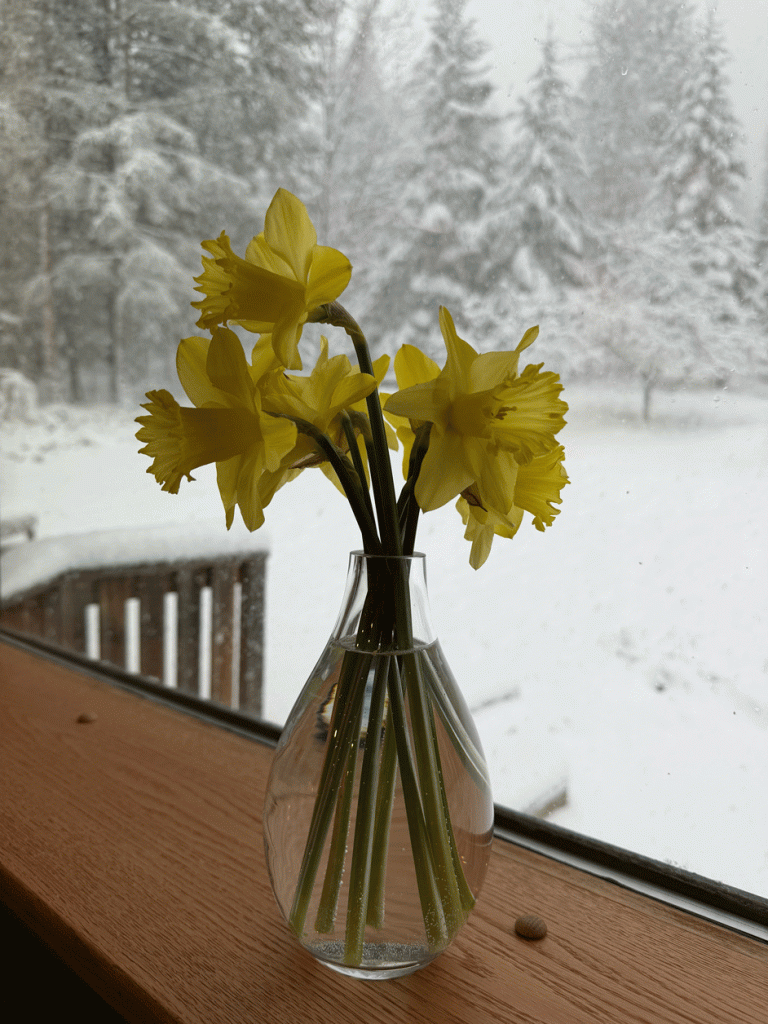
Thursday morning, we woke up to snow flurries that quickly turned to heavy blizzard-like snowfall. Wendy was happy that she picked some daffodils a couple of days before. This photo through our kitchen window was taken around 8:15.
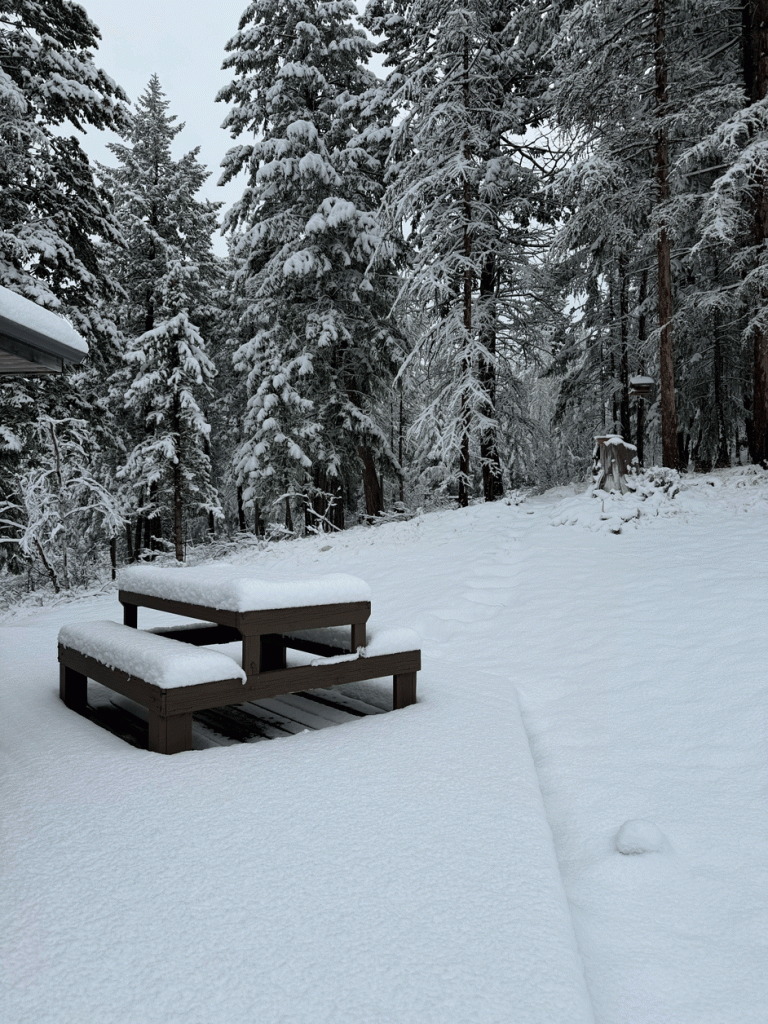
By 10:30, the snow had stopped, so Doug got out the quad, attached the blade to the front and started plowing. Wendy headed out to clear the back deck. Perhaps it might have all melted by the next day, but we wanted to avoid the messiness of melting heavy snow. Here’s a view of the picnic table on the back deck. We figure we had close to 20 centimetres (almost 8 inches) of snow that morning. We remembered previous winter days when our major exercise of the day involved moving snow. It was not a fond memory, and it reinforced our decision to travel to Arizona for the winter.
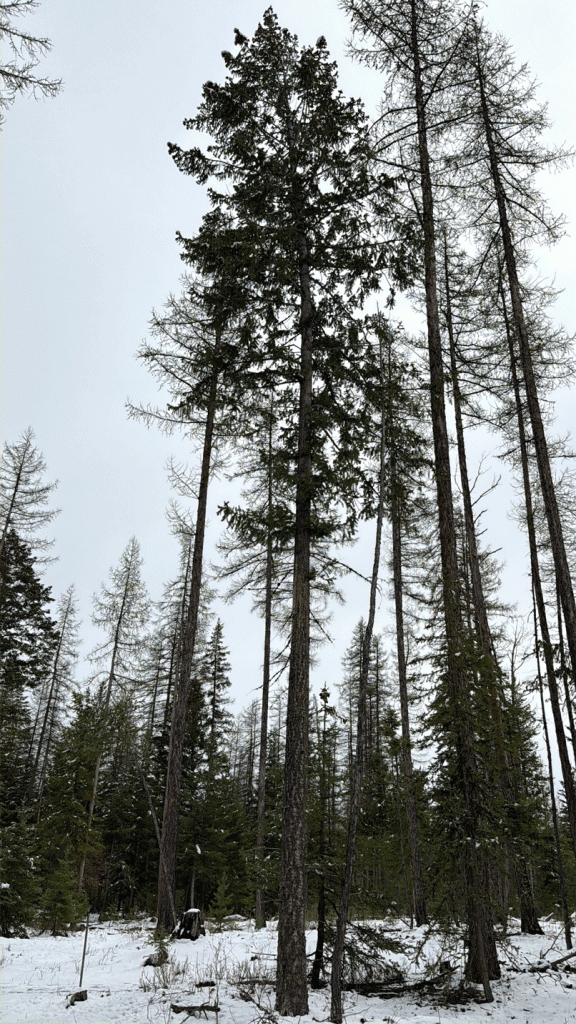
The next day, we went out in search of some Williamson’s Sapsuckers that had been reported nearby. It looked like a winter day in the forest at the South Star trails, but it wasn’t really cold. This is a view of the area of the forest that the sapsuckers frequented. The trees with the lacy branches are larch that are just growing new needles. The other trees are mostly Douglas Fir.
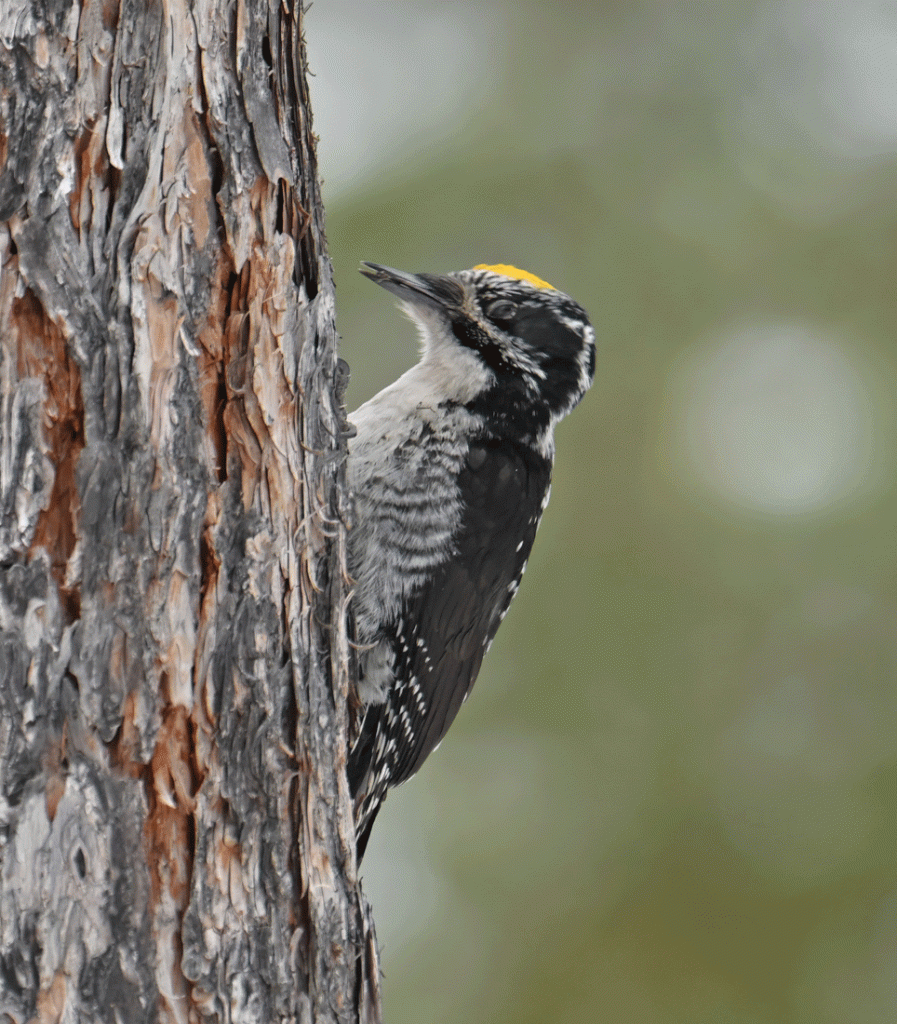
Right when we got to the area, we heard a woodpecker tapping. We soon located an American Three-toed Woodpecker. We usually see them every year when we are walking the woods near our house. This one was special though, because Doug had his camera with a telephoto lens, so he was able to get a good photo – a first for him. He took the photo when the woodpecker’s nictitating membrane (or third eyelid) was closed over its eye, which is why it looks a bit strange. The nictitating membrane protects a bird’s eyeball from wind, dust and debris while allowing the bird to see.
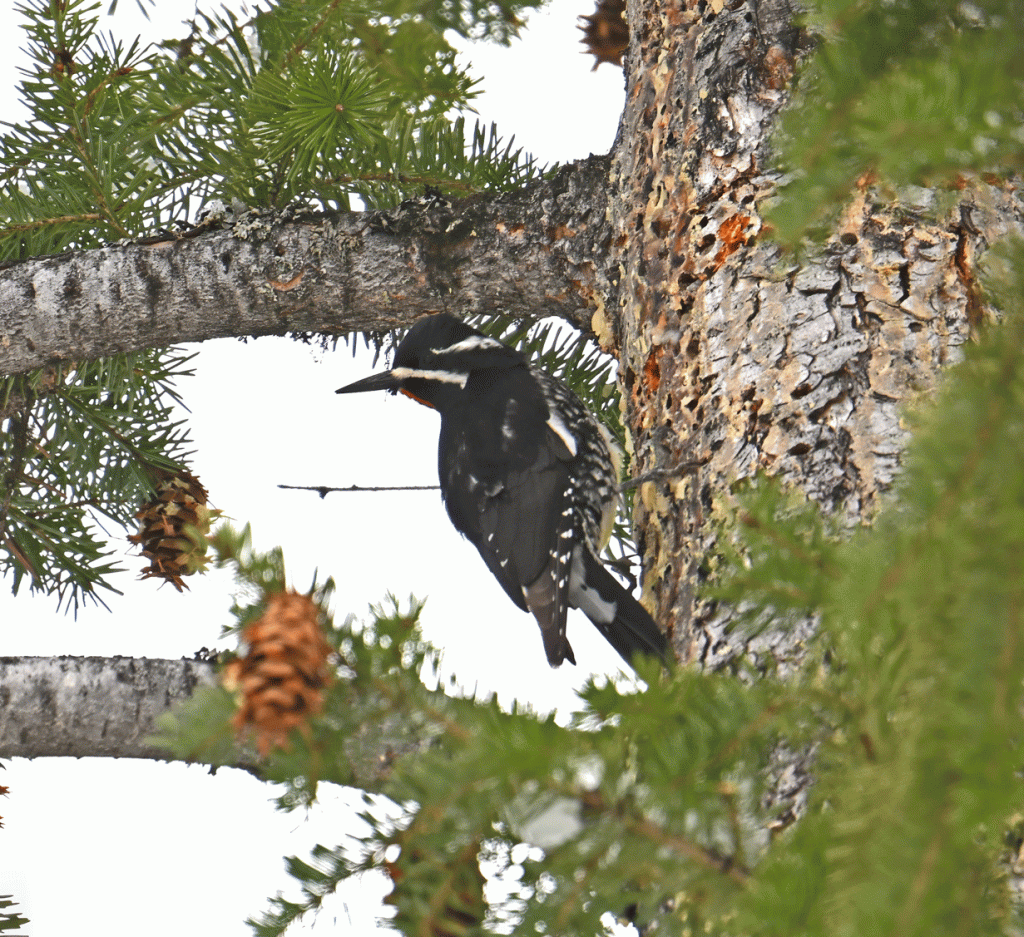
Here’s a photo of the male Williamson’s Sapsucker. The sap wells (drill holes) are visible on the tree trunk beside him.
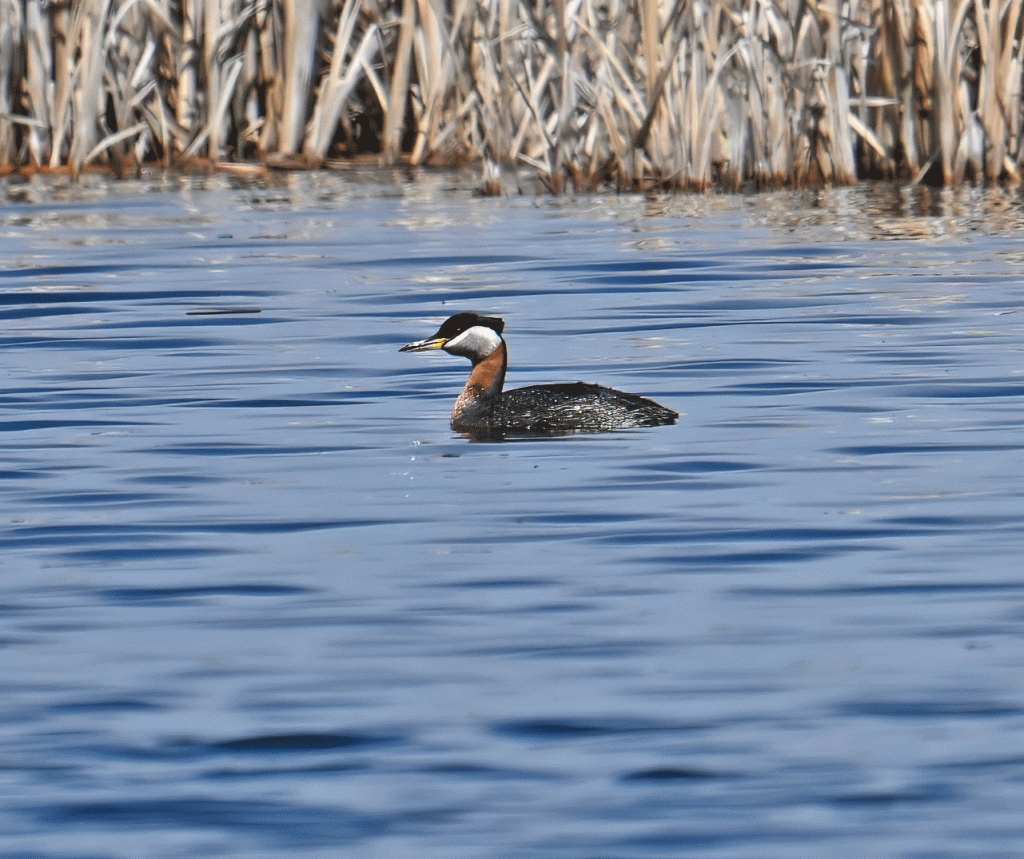
We went back to Elizabeth Lake three more times in April, because different birds were arriving daily. Some of them will stay for the summer and some will just rest and then continue their migration journey. It’s likely that this Red-necked Grebe will keep flying north. We have only ever seen them in Canada, and often they are a long way from shore.
Here’s a view of the South Irrigation Pond, taken near the end of April. The water is high since they haven’t started irrigating the fields yet. Fisher Peak and the Steeples looked beautiful with the recent snowfall.
So this post was a little taste of what birding is like around Cranbrook, BC for those of you who were curious. Our next posts will be truer to our name: “Travels with a Fox.” We have a few trips planned over the summer, and we’ll try to schedule time between all our activities to get them posted.
April 2026 in Arizona – part 1

April 2026 in Arizona – part 1

This post is about our final ten days in Southwest Arizona, before we headed home to British Columbia. We’re changing things up a bit in this post – a sunset to start and some lizards at the end.

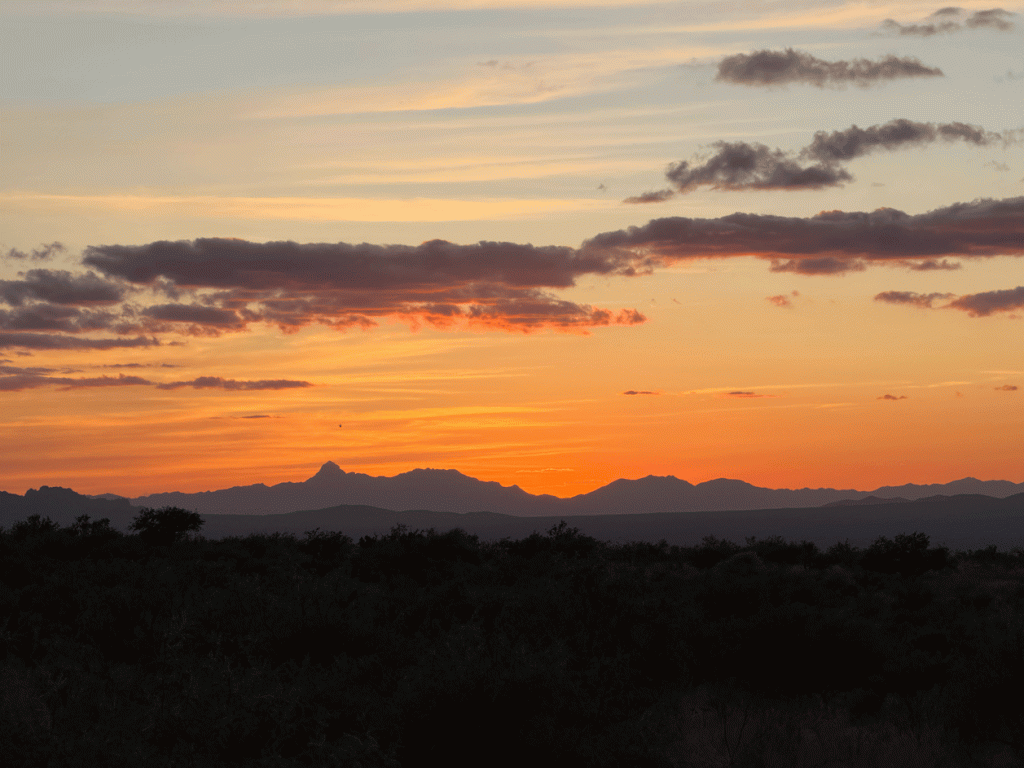
On April 1st we drove an hour south to listen for owls in Madera Canyon. This was the sunset from the Proctor Road trailhead parking lot, at the entrance to Madera Canyon.

We drove up Madera Canyon to the end of the road, to the Mt. Wrightson Picnic Area, and waited until it got dark. We heard a couple of Whiskered Screech Owls and some Mexican Whip-poor-wills. Those species were expected at this location, but we had never tried to hear them before. Doug learned in Guatemala that he could turn his hearing aids up, allowing him to hear the owl calls, so it made it worthwhile to come. We also recorded them.

An Elf Owl was calling from the picnic area as well, but it was quite faint. We drove down to the Amphitheatre Parking lot and walked to the bridge. It was easy to heard another Elf Owl from there.

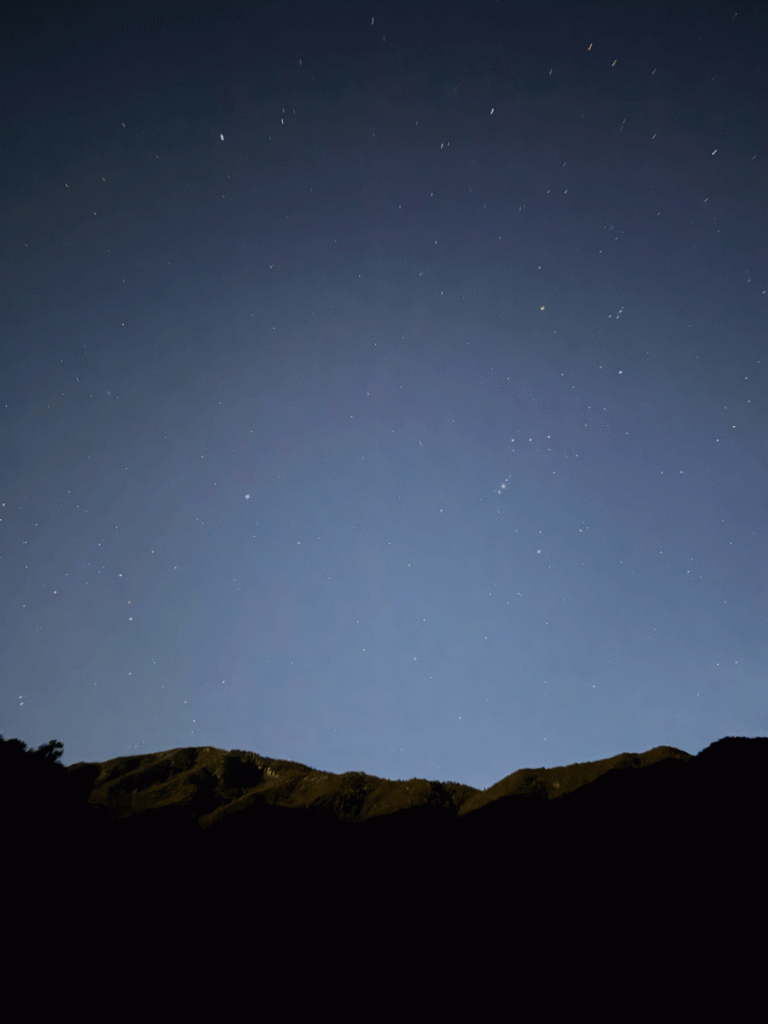
Here’s a view of the night sky taken from the Mt. Wrightson Picnic area.

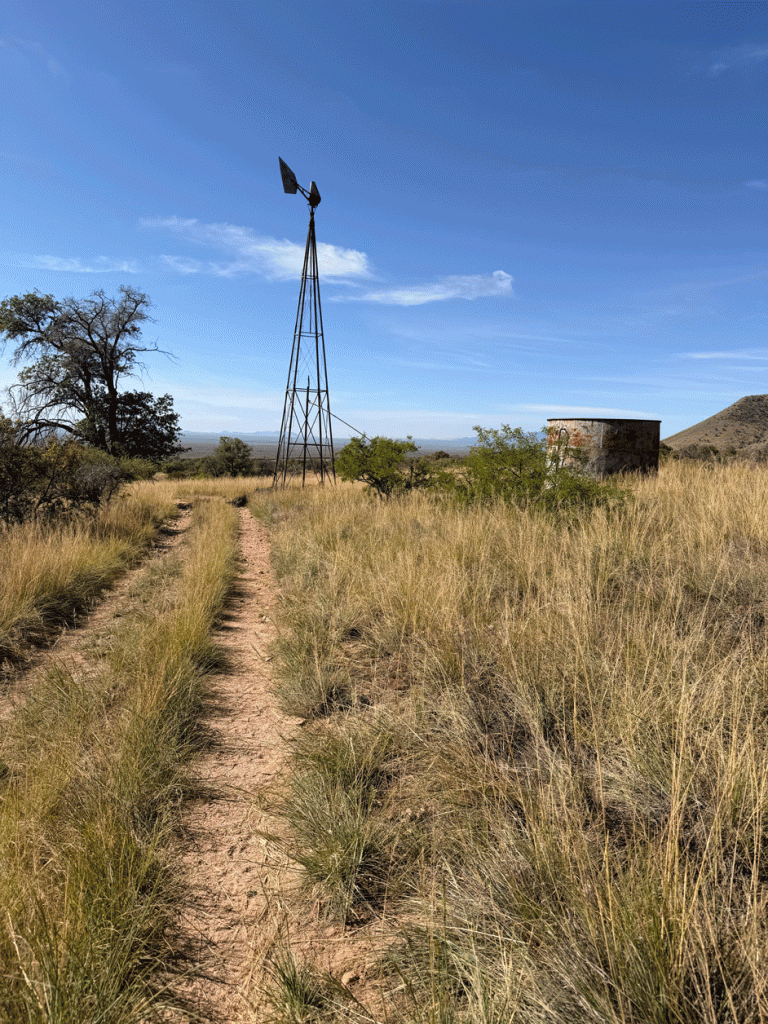
A few days later, we drove south of Sierra Vista to the Coronado National Memorial, a park managed by the National Park Service. We walked up the Windmill Trail, which actually is a dirt road, but closed to traffic.

The Coronado National Memorial commemorates the first organized expedition into the Southwest by conquistador Vasquez de Coronado in 1540, and was established in 1952. It is really close to the Mexican border. The border wall is visible behind Wendy (in line with her hat).

We walked past the windmill to have a brief look at the scenery. The trail continues up into the mountains.

We came back to the area around the windmill because some Botteri’s Sparrows had been sighted there. We heard one singing and saw it a number of times as it flitted from bush to bush, but it was too difficult to get a decent photo of the bird. We were happy though, especially since it was a new bird for us. We also explored a beautiful area.

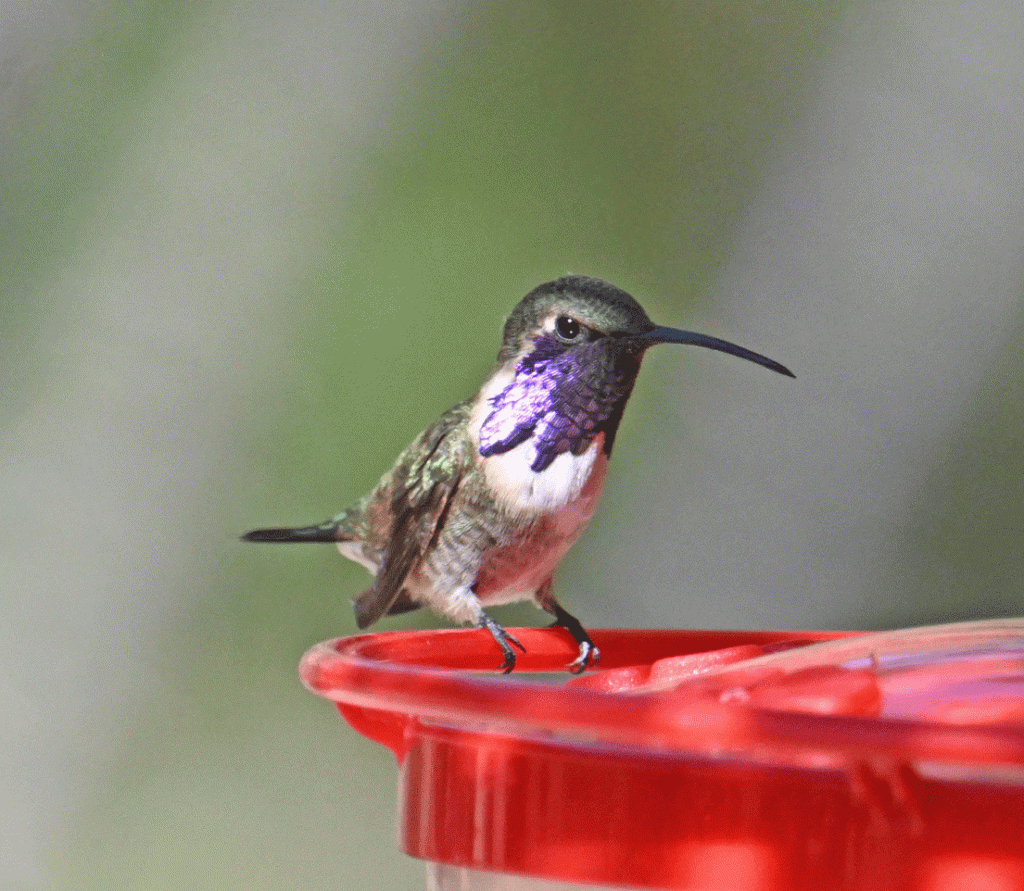
The park was quite close to Ash Canyon Bird Sanctuary, so we went there next. We were really lucky seeing this Lucifer Hummingbird. Other birders had been watching the feeder that it preferred and knew that it was due to come back. We stood beside them for a few minutes and they were right! The Lucifer Hummingbird only comes to the southeast corner of Arizona in the summer, so we were happy that this one showed up before we had to go home. It’s a small hummingbird, only 9.5 cm or 3.7 inches long. Notice this male’s long magenta gorget and strongly curved bill.

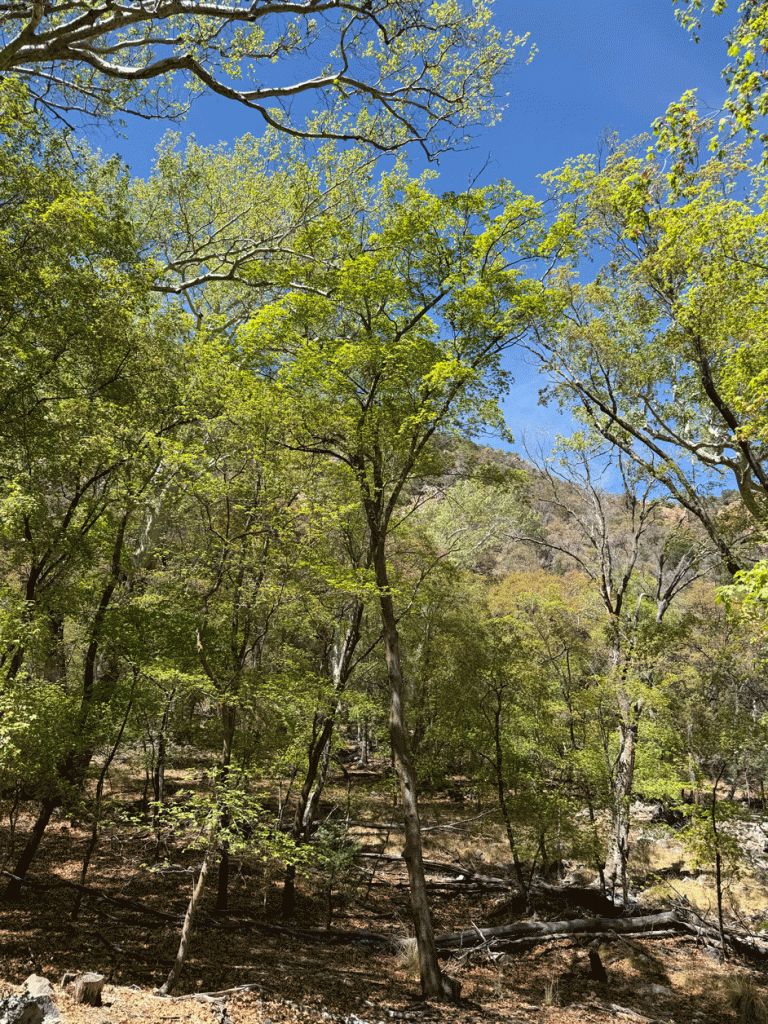
It was still early in the day, so we went to Ramsey Canyon next. The sycamores had a beautiful light green foliage.

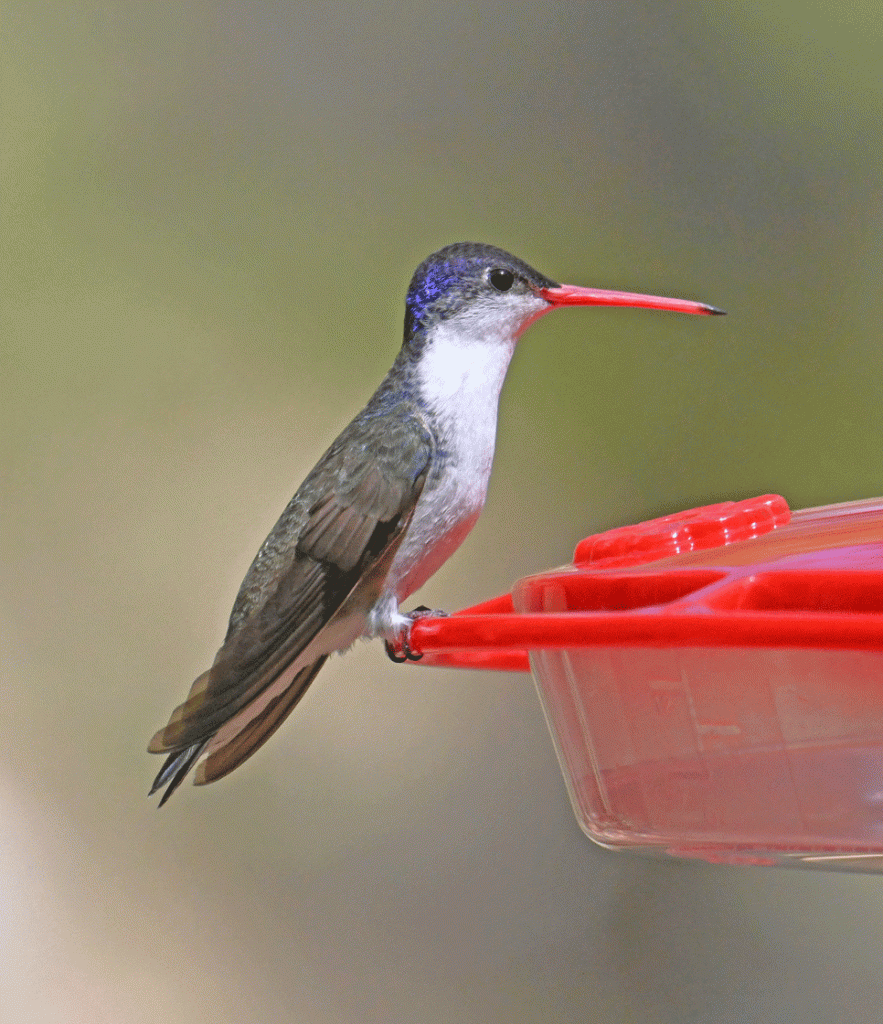
We spent some time at the hummingbird feeders and saw Broad-billed Hummingbirds and this Violet-crowned Hummingbird. We also heard our first Grace’s Warbler of the year.

Violet-crowned Hummingbirds are common in Mexico and are only found in a few locations in the US.

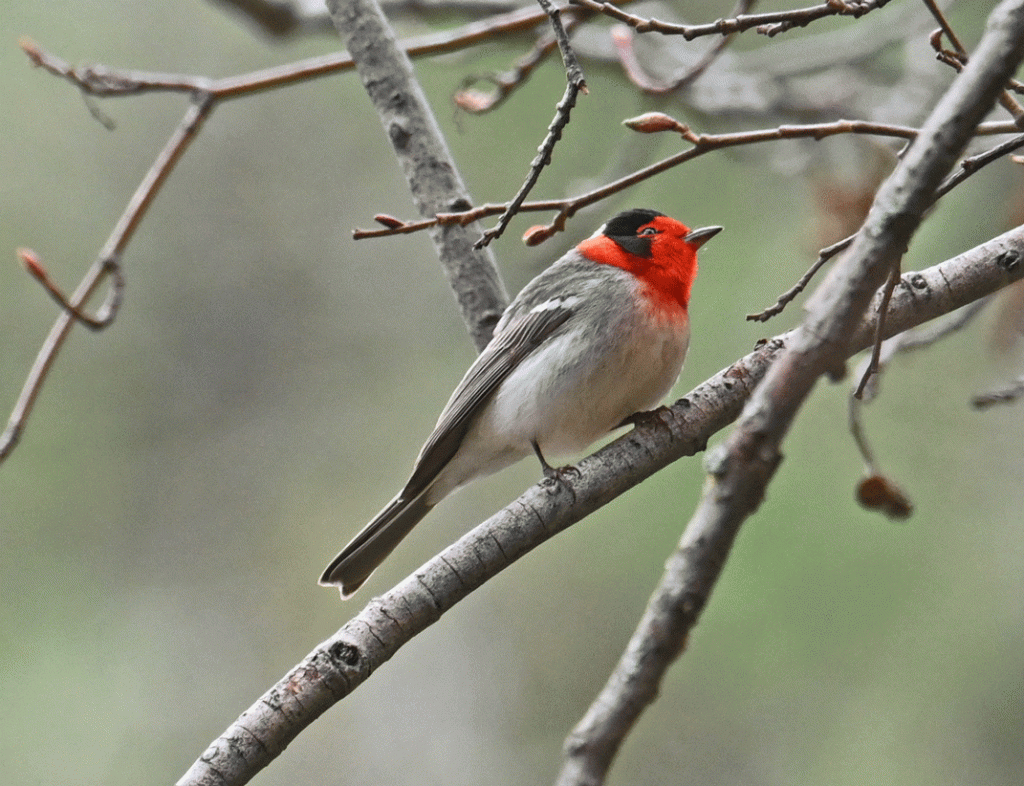
We really wanted to see a Red-faced Warbler before we went north, so as soon as one was reported on Mt. Lemmon, we headed there. We saw this one at Marshall Gulch. Mostly it was high in the tree tops, but luckily it came down into the lower shrubbery. Notice how the buds are just forming on the bushes. Later in the spring Red-faced Warblers will plentiful and easier to see, because they nest in the pine-oak forest in the mountains of SW Arizona.

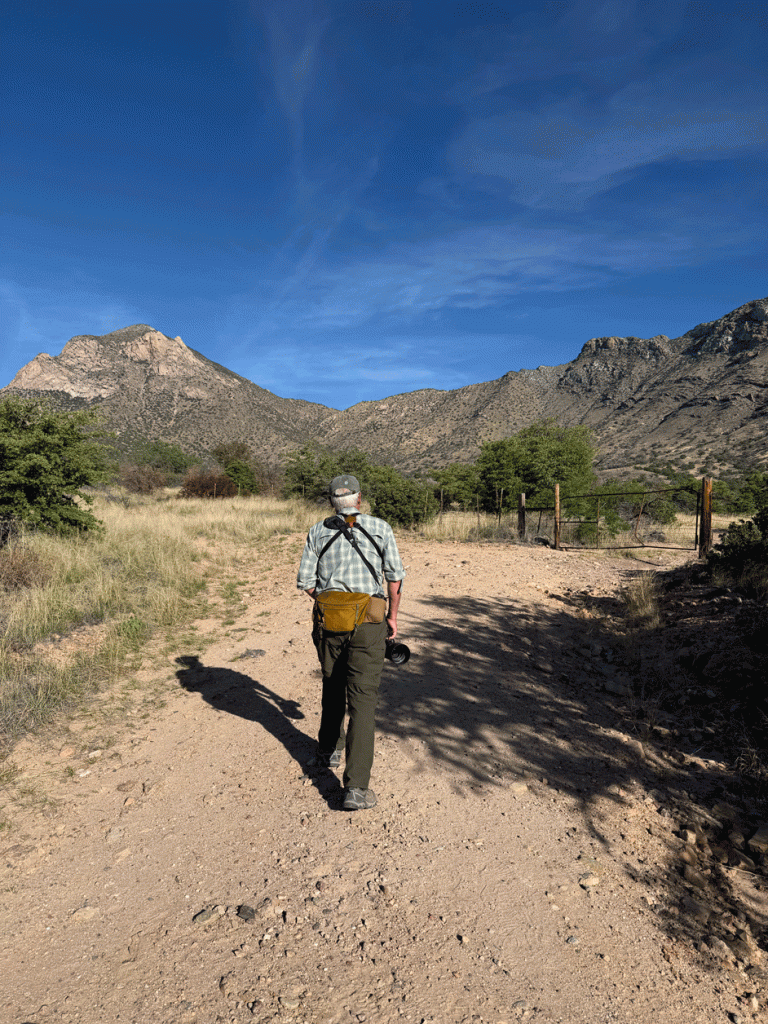
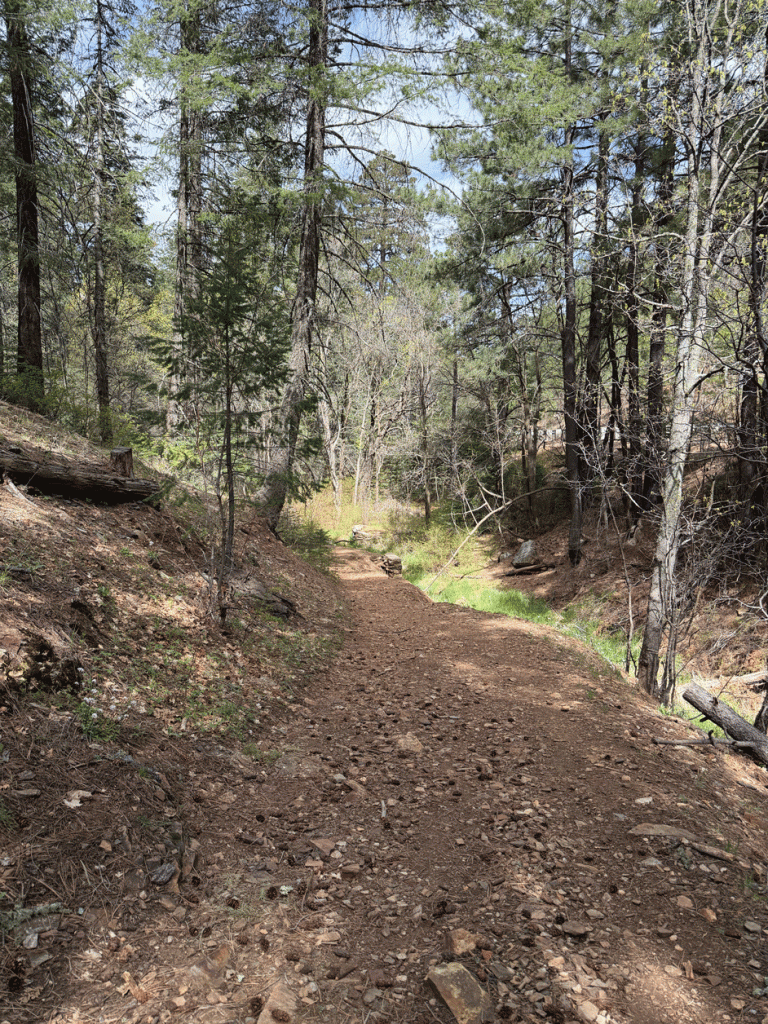
It was a hot day down in Tucson, but quite comfortable at the higher elevations of Mt. Lemmon, so we explored other trails. This is a view of the trail to Bear Wallow that we accessed from the Sunset Trailhead. The trail follows the old road bed and we could see old bridge footings. The guardrails of the current road are visible through the trees on the right.

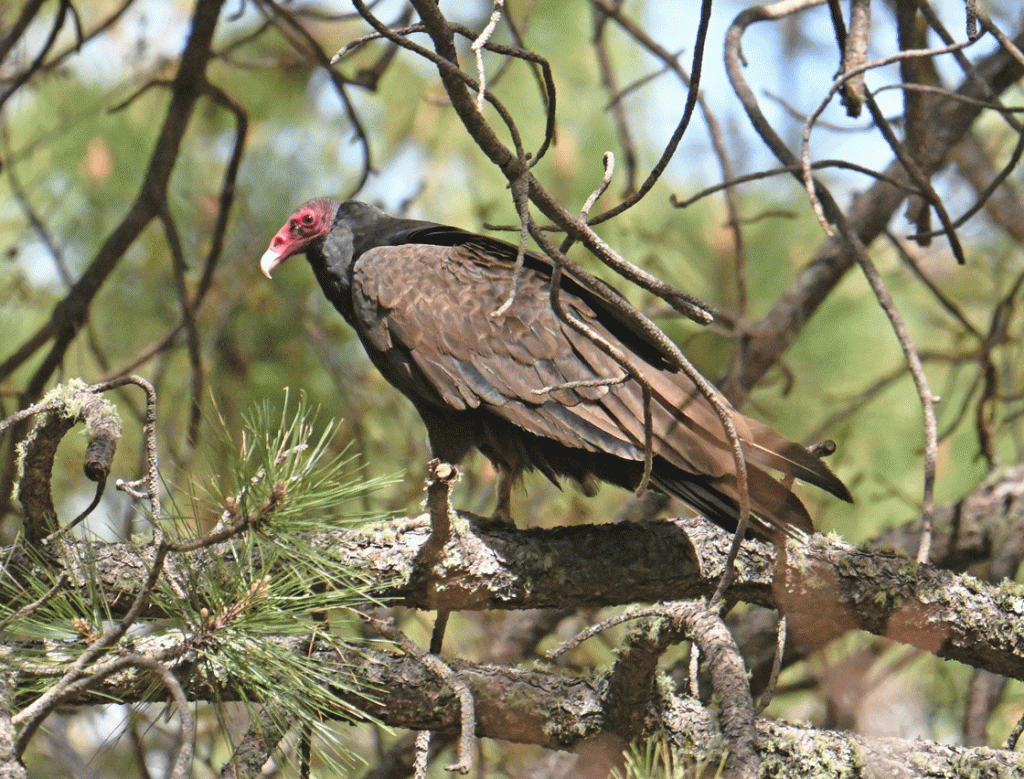
A couple of Turkey Vultures perched quite low in some nearby pines. Vultures are bald which is a good thing, because they eat carcasses, so their heads are easier to keep clean. Sunshine also kills any bacteria.

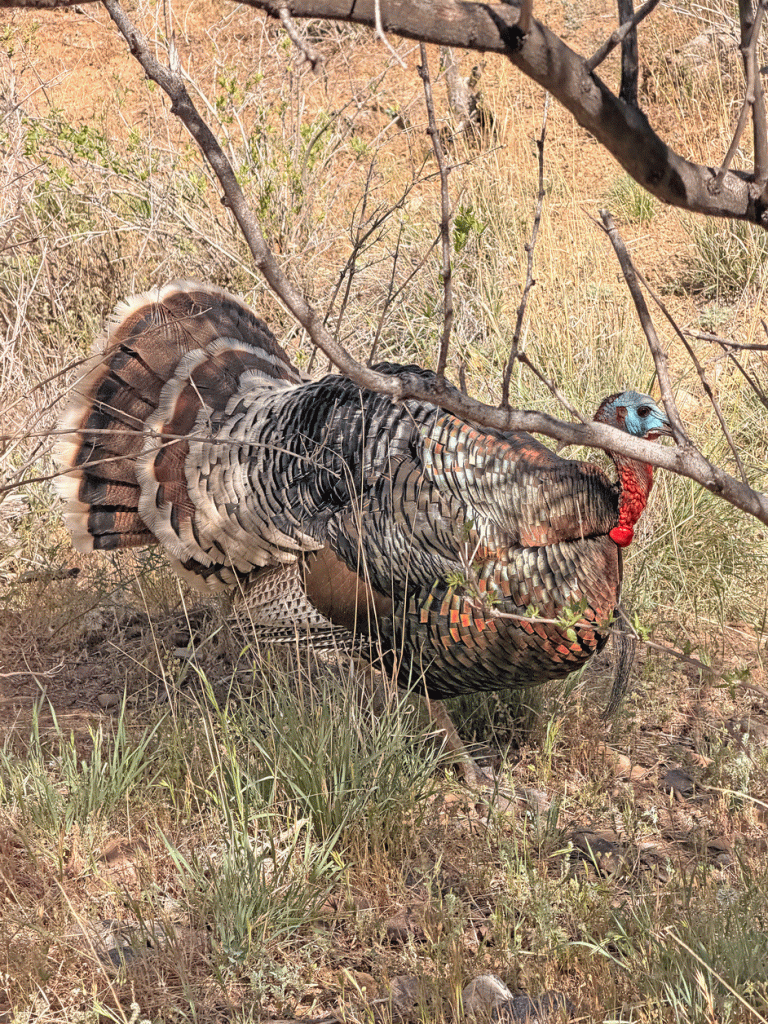
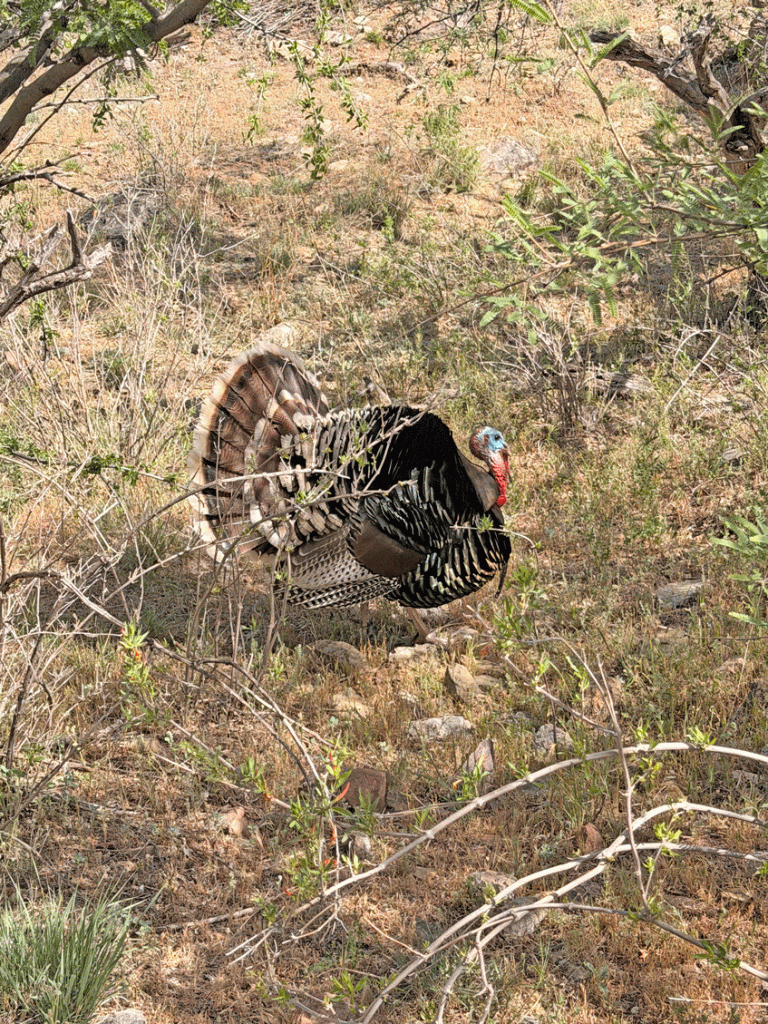
The next day, we went to Florida Canyon. These Wild Turkey toms were practising their displays. We didn’t see any female turkeys nearby, however. Wild Turkeys are one of the largest birds in North America.

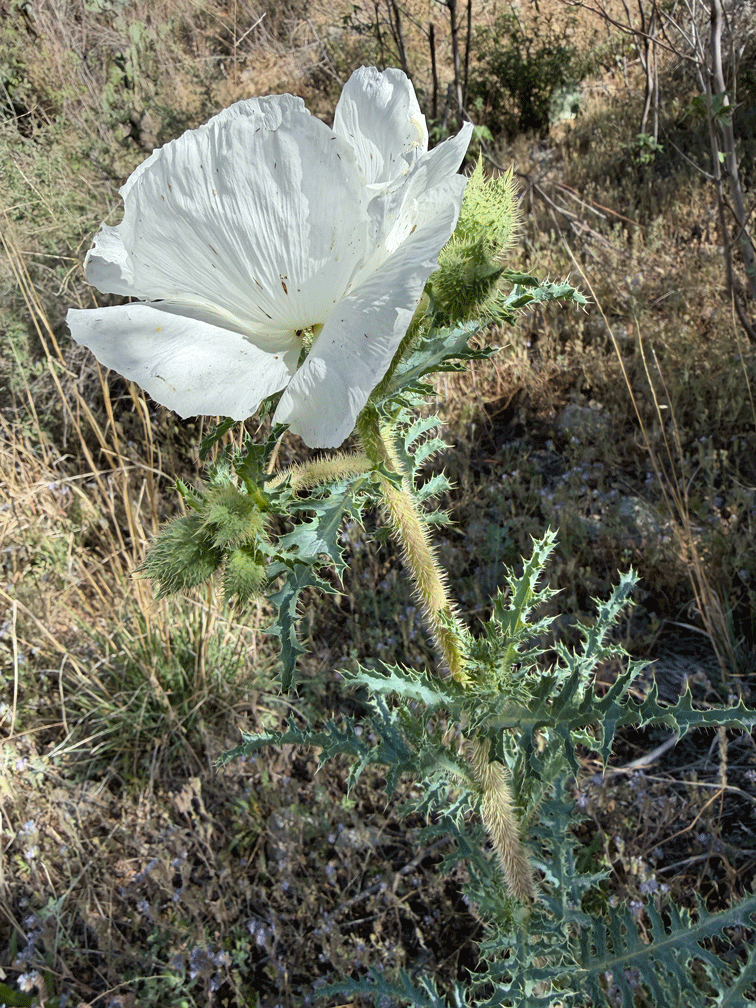
We saw several Southwestern Prickly Poppies in Florida Canyon, which was a flower we had never seen before. Usually it blooms much later in the year. It seems that almost every plant in this part of Arizona has prickles!

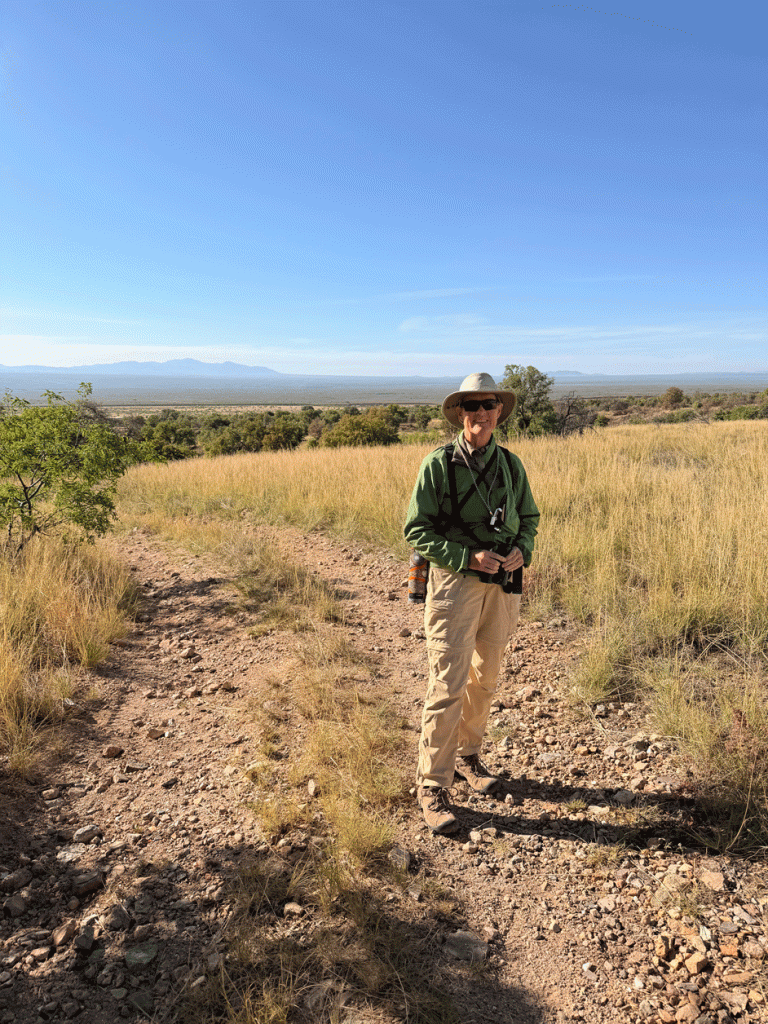
Another day we joined friends for a relaxed day of birding along Rock Corral Canyon. Since we parked lower on the road than we had previously, it was easy to walk along, look at birds and take time to chat. We saw and heard more Rufous-capped Sparrows than at any other location, but the birds were never close enough for good photos.

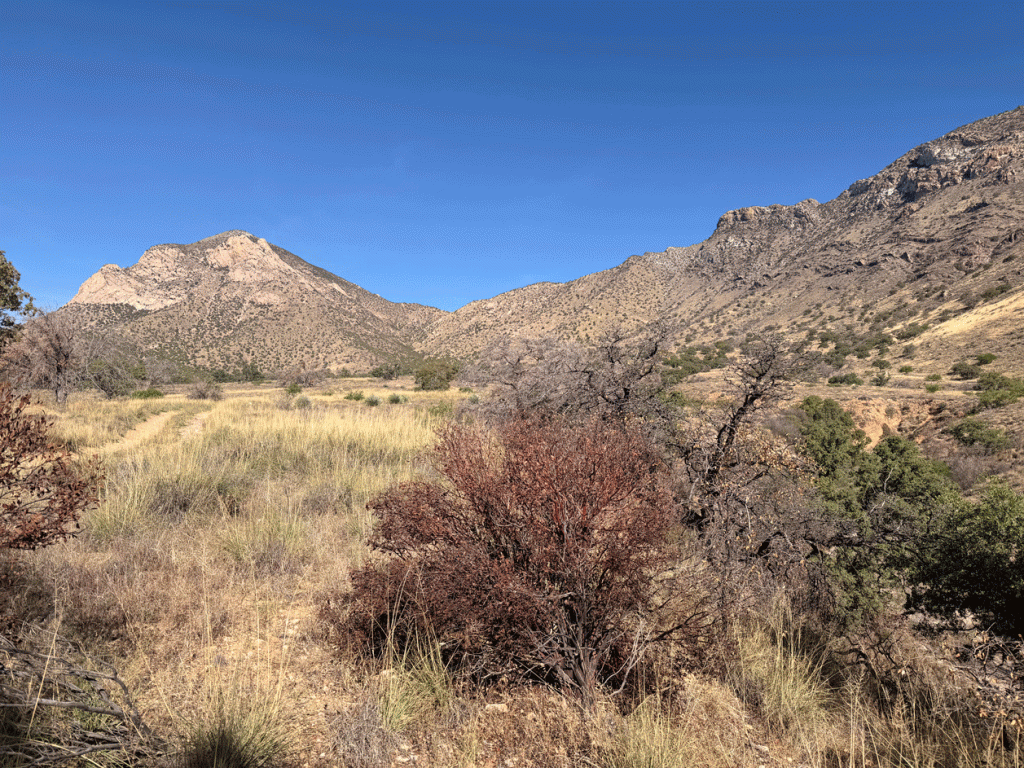
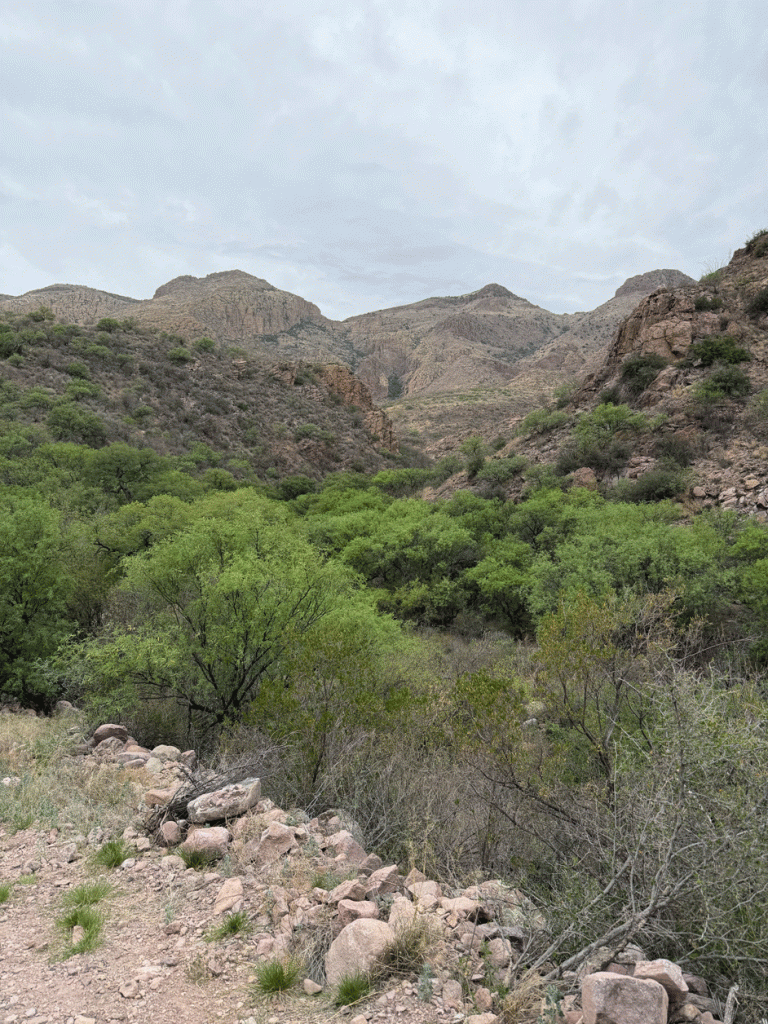
Here’s a view up the canyon. The trees had filled out more than the last time we were there at the beginning of March. We appreciated the cloud cover, because we stayed comfortable without the sun beating down on us.

On April 7th, we travelled to the Chirachuhua Mountains, east of Willcox. We drove up Pinery Canyon Road, making stops along the way in wide sections that allowed us room to park. At one of the stops, we had the best experience of hearing a Montezuma Quail. The male makes an eerie, melancholy descending whistle. The call came from up the hillside, and was difficult to tell how far it was away, but it was exciting just the same.

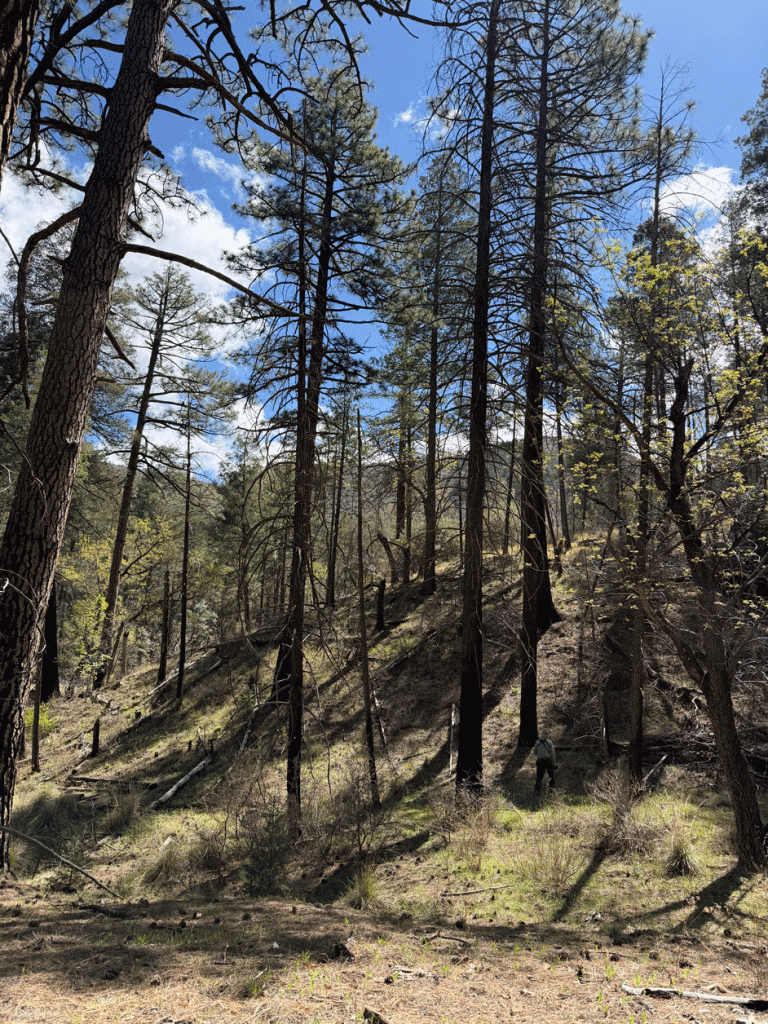
We stopped and explored around the primitive campground at Pinery Canyon. The pines were really tall this high in the mountains. Doug is in the bottom right corner of the photo below, but he’s difficult to see because he’s in the shade. He looks tiny compared to the height of the trees.

We heard and had good views of some Buff-breasted Flycatchers. We had never seen this tiny flycatcher before, and it was so cute with a rich orange-buff breast and neck. It moved quickly, mostly high in the treetops, making obtaining a good photo difficult. Getting a photo can be next year’s challenge.

We continued along the forest road, climbing to the crest and down into the Cave Creek drainage. We stopped at the Research Station and saw the quintessential hummingbird of the valley – the Blue-throated Mountain Gem.

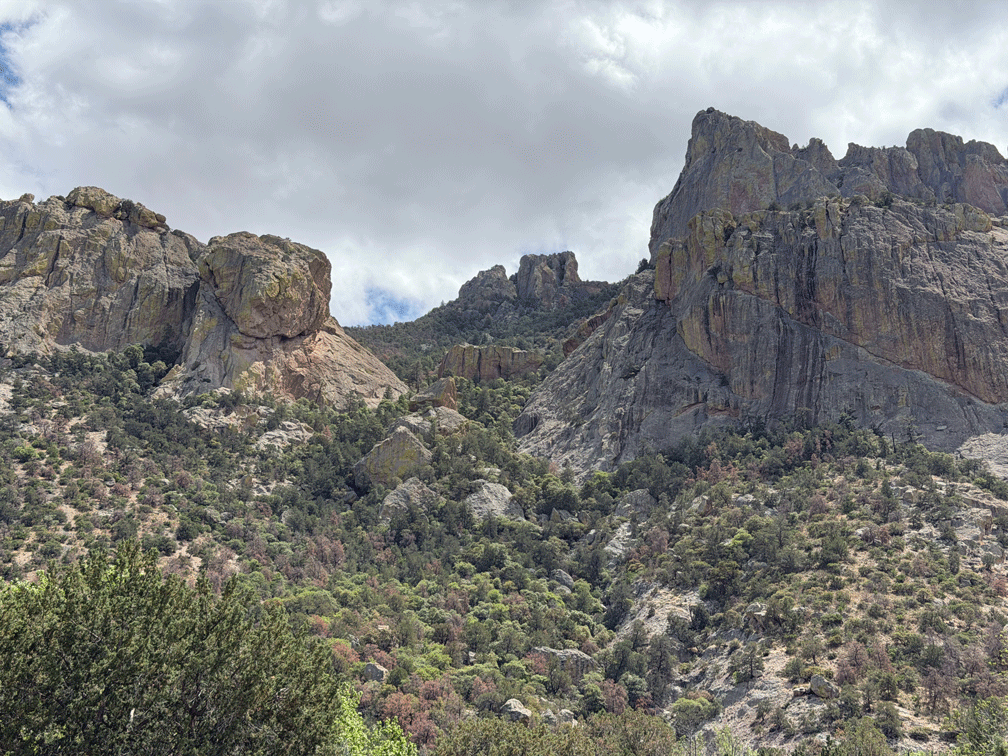
We had lunch at the Cave Creek Visitor Centre, and this was the view from their picnic area.

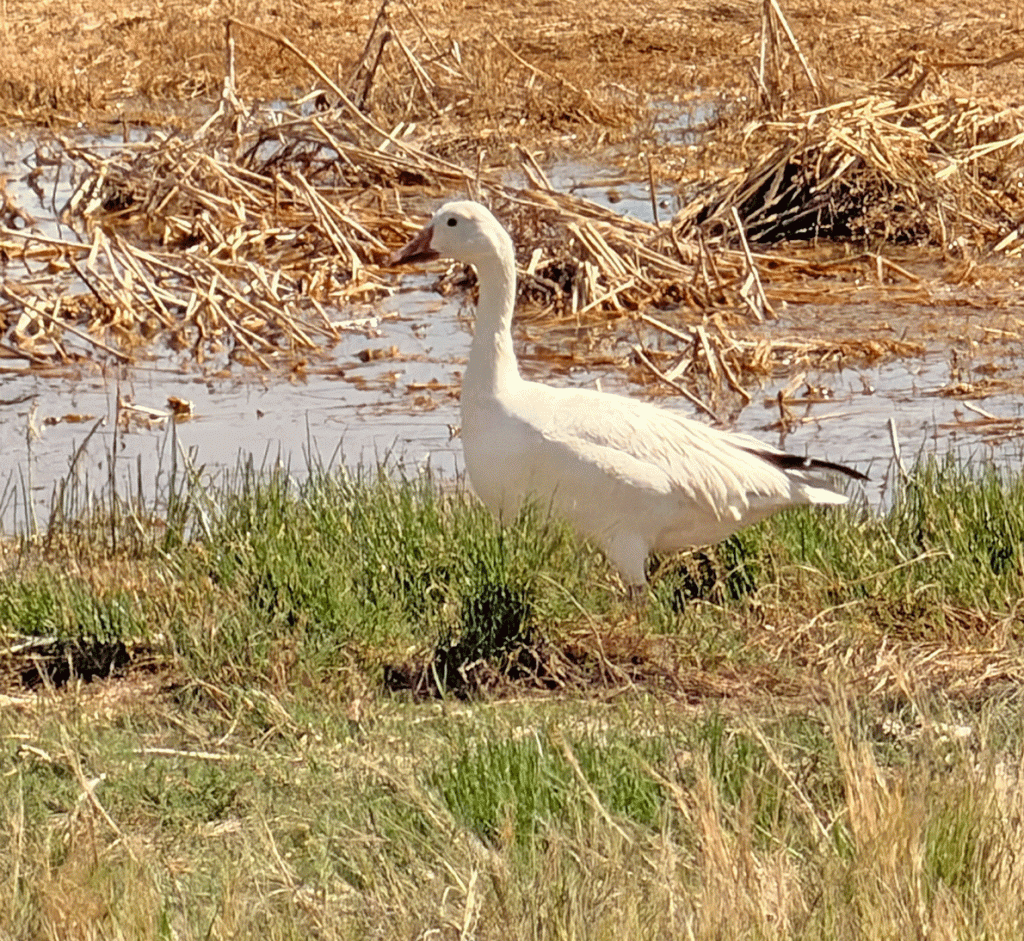
On our way back to Tucson, we stopped for the second time at Lake Cochise in Willcox. In the morning, we saw a couple of rare Snowy Plovers at the lake along with twenty-five other species. In the afternoon, we saw most of the same birds from the morning but we’d missed seeing the Snow Goose. This Snow Goose was still hanging around, when it should have already flown north with its buddies. That makes it a “rarity” so Doug took a photo.

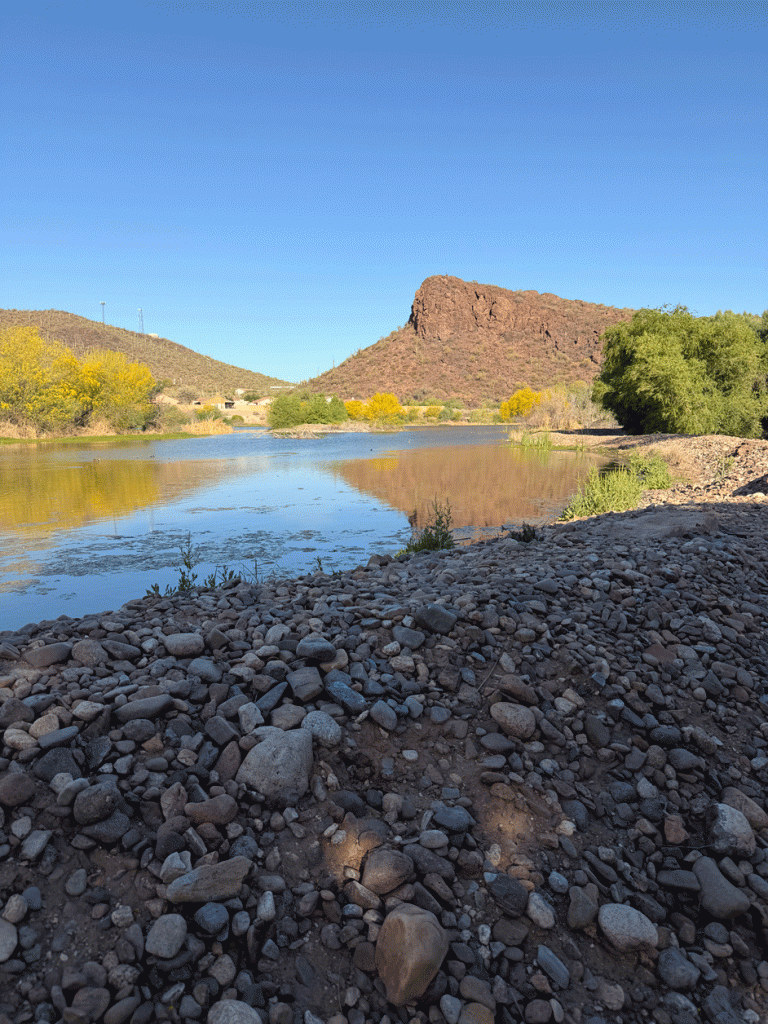
The next morning, we headed to El Rio Preserve, one of our regular birding spots. Here’s a view from the Northeast corner of the pond.

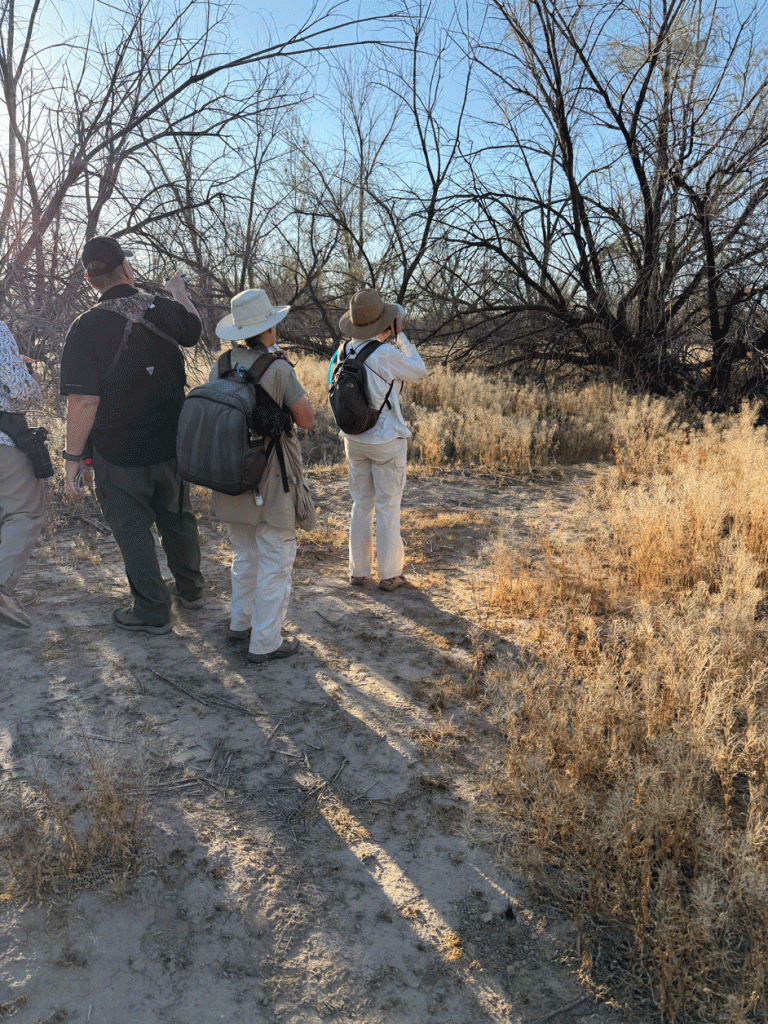
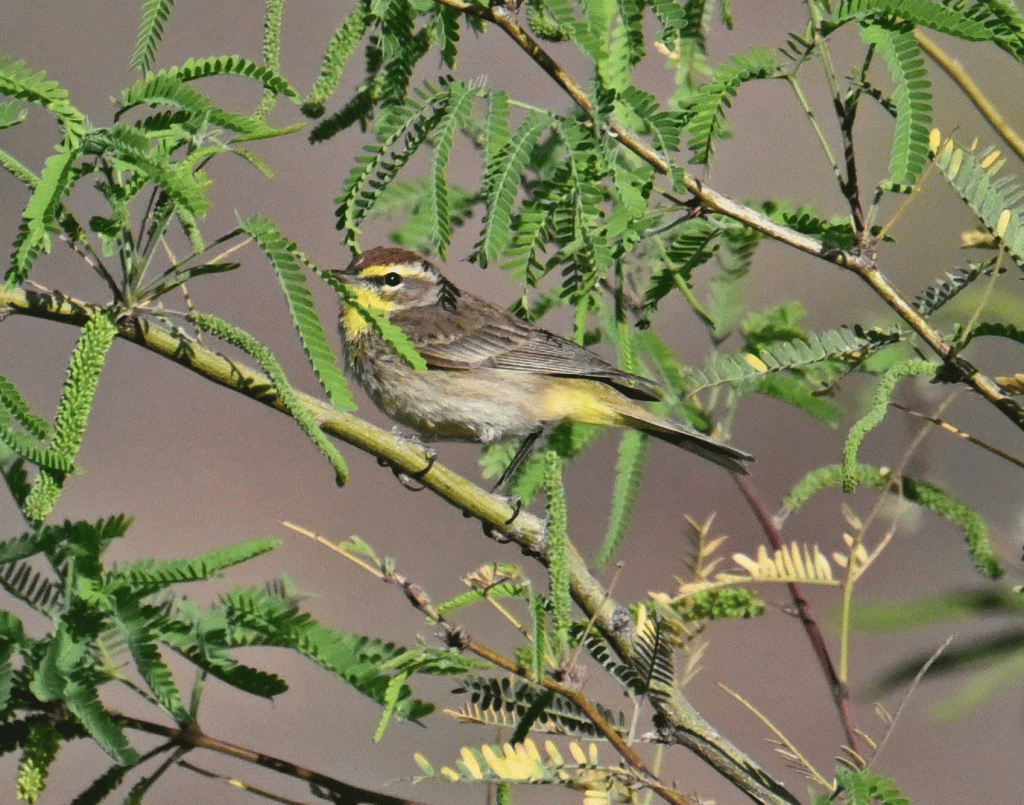
Just past the pond is an old mesquite bosque, where most the trees have died. A few days before, some birders found a Palm Warbler flitting about. Palm Warblers are rare for this part of Arizona and there were a lot of people who were keen to see it, including us. They are usually found in the eastern US at this time of year. It was difficult to relocate it among the tangle of branches.

We spotted it briefly and watched it fly into a leafy mesquite. It stayed in that tree long enough for Doug to move closer and get this photo. Palm Warblers have a habit of wagging their tails, so its actions helped us tell it apart from the Yellow-rumped Warblers that were nearby.

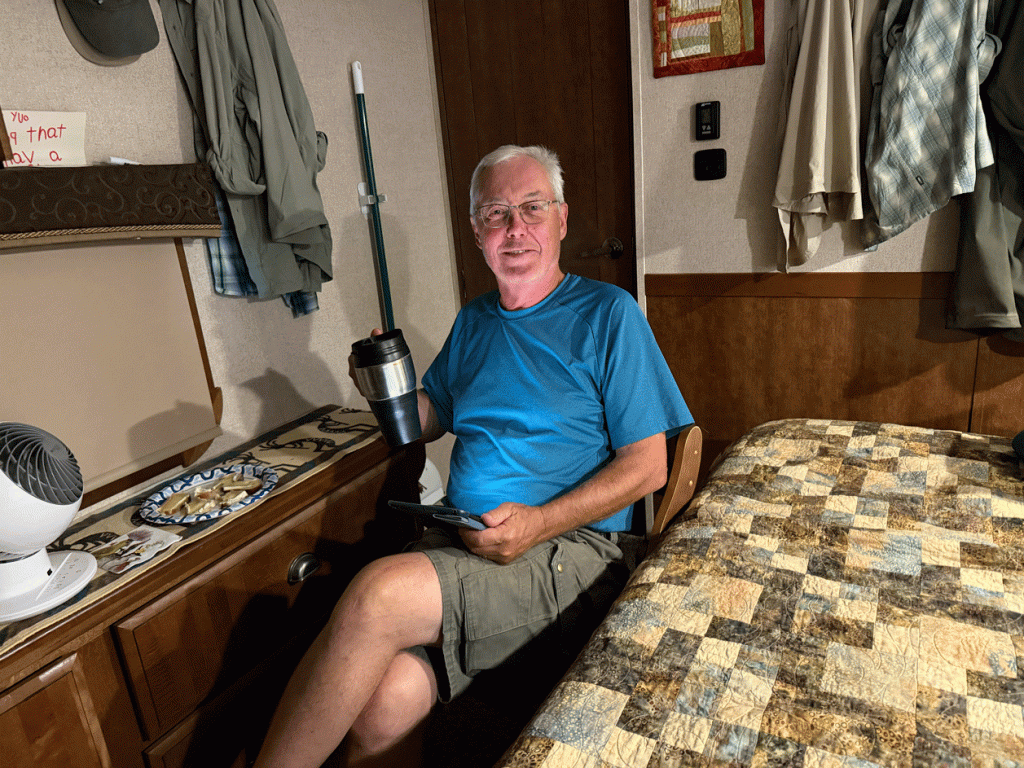
The last half of March was hotter than normal, and the heat didn’t let up much in May. That meant the air-conditioner in our fifth-wheel trailer was running at least eight hours a day, almost every day. The A/C unit in the living/kitchen part of the trailer was struggling and finally stopped working completely on April 7, a Tuesday afternoon. Since we were planning to leave on Friday, we only had to manage for a few days. It got up to 35 degrees C (95F) on both Wednesday and Thursday, so on those afternoons we sat in our bedroom which had a working A/C unit. Doug is enjoying his “happy hour” below. Luckily, the temperature cooled off at night.

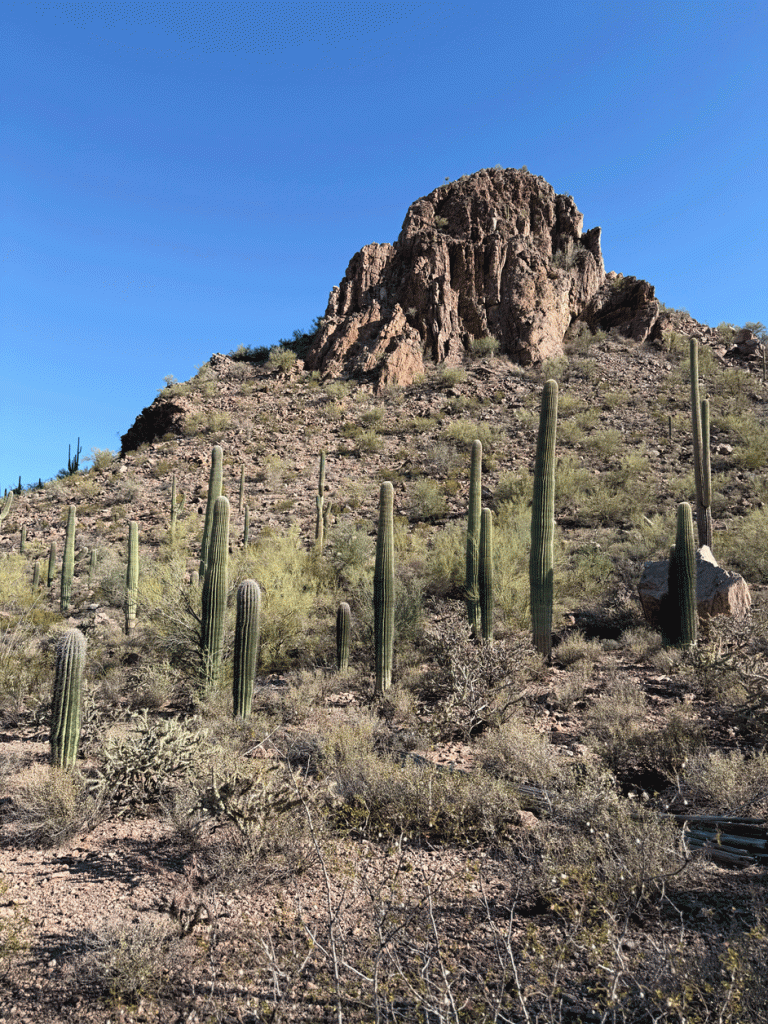
The morning before we left, Wendy went for an early walk in the desert. Doug had too many “take-down” jobs that had to be done when it was relatively cool, so he stayed back. Wendy reached this spot below in less than half an hour from the gate.

Wendy’s quest was to find saguaros that were blooming. She found a couple and this one had the best light. Here’s a view of the whole cactus…

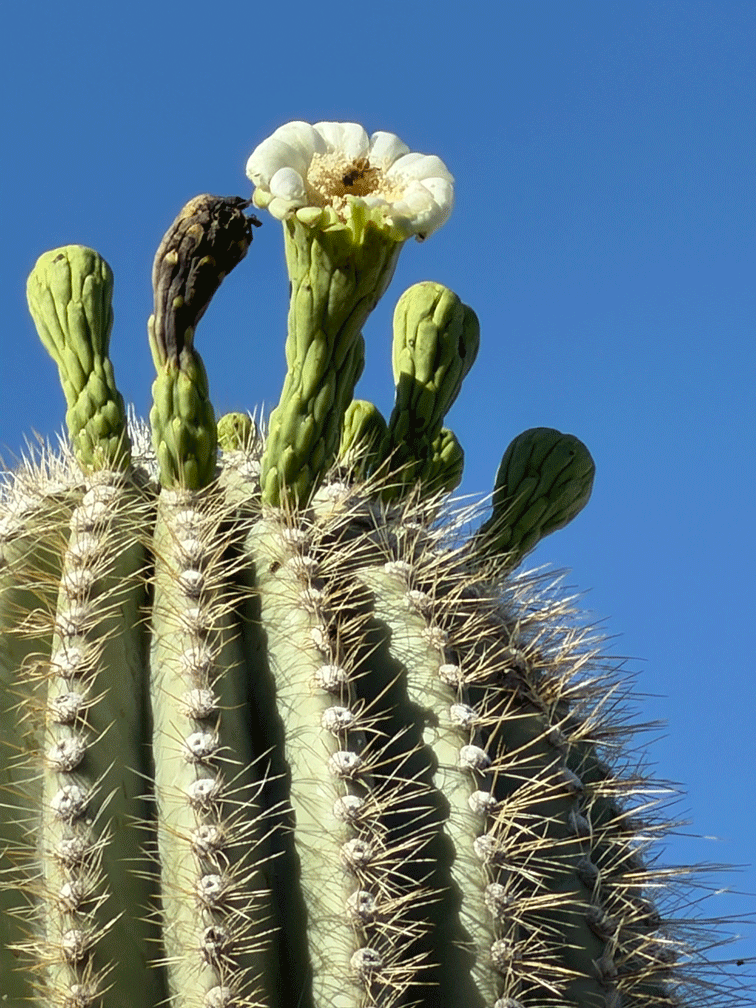
…and here’s a close-up of the saguaro bloom – with a bee! Over the next few days, the rest of the blooms would open, but we would be gone by then.

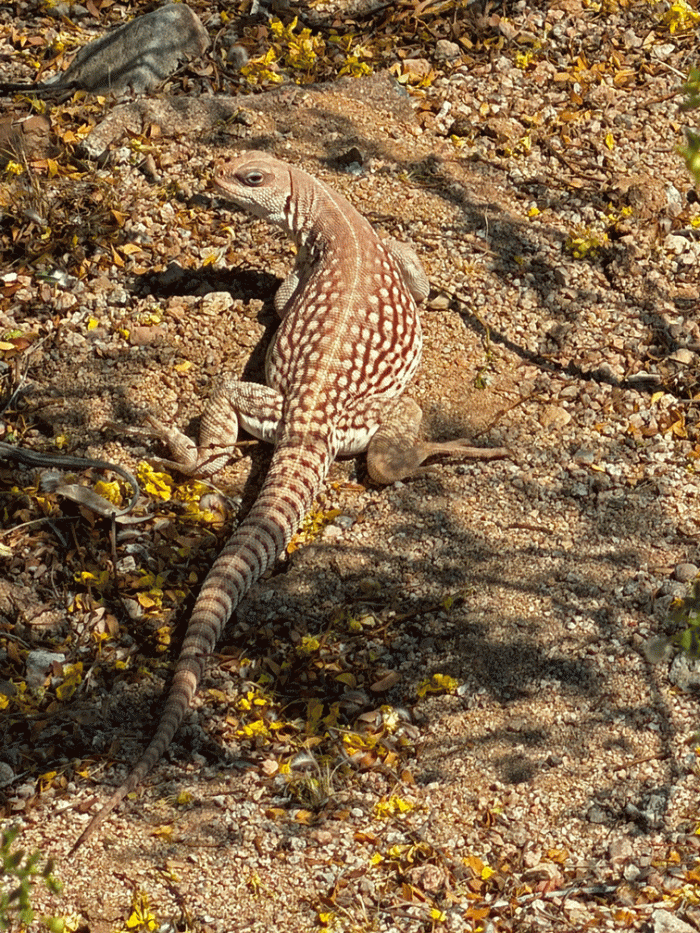
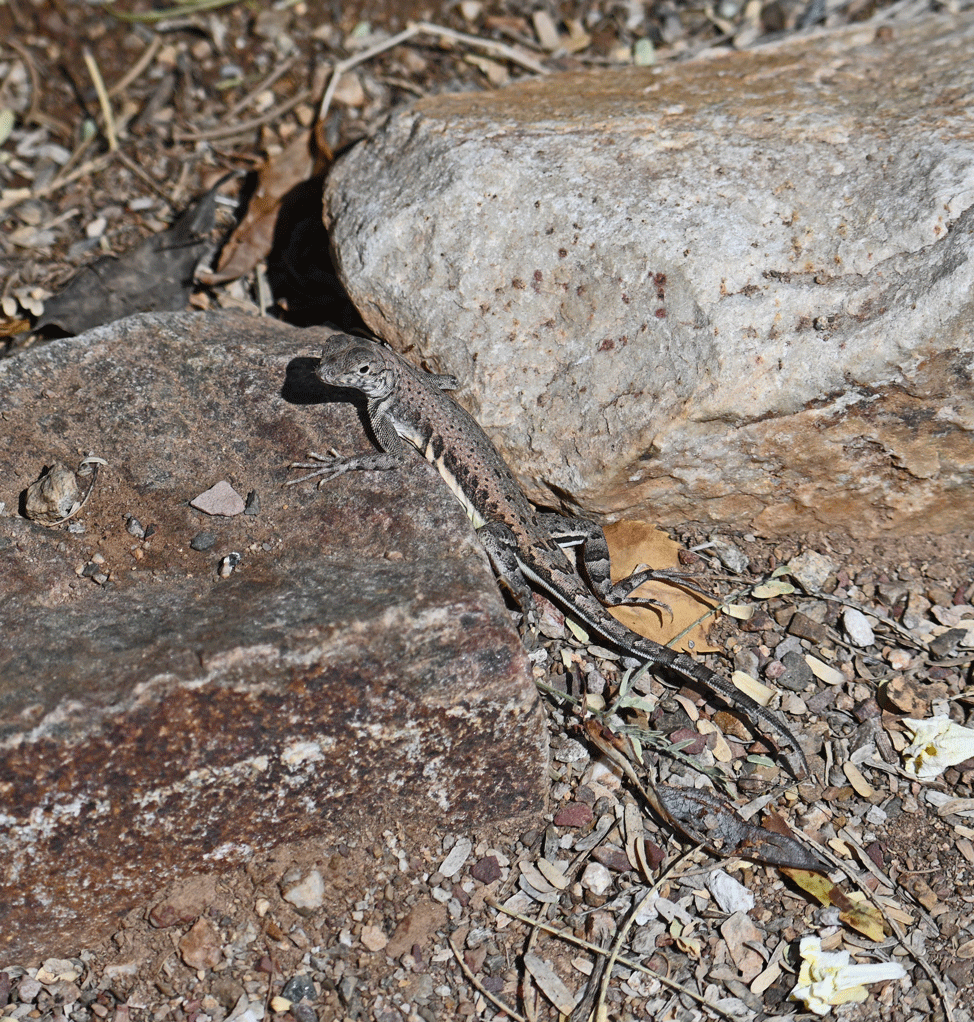
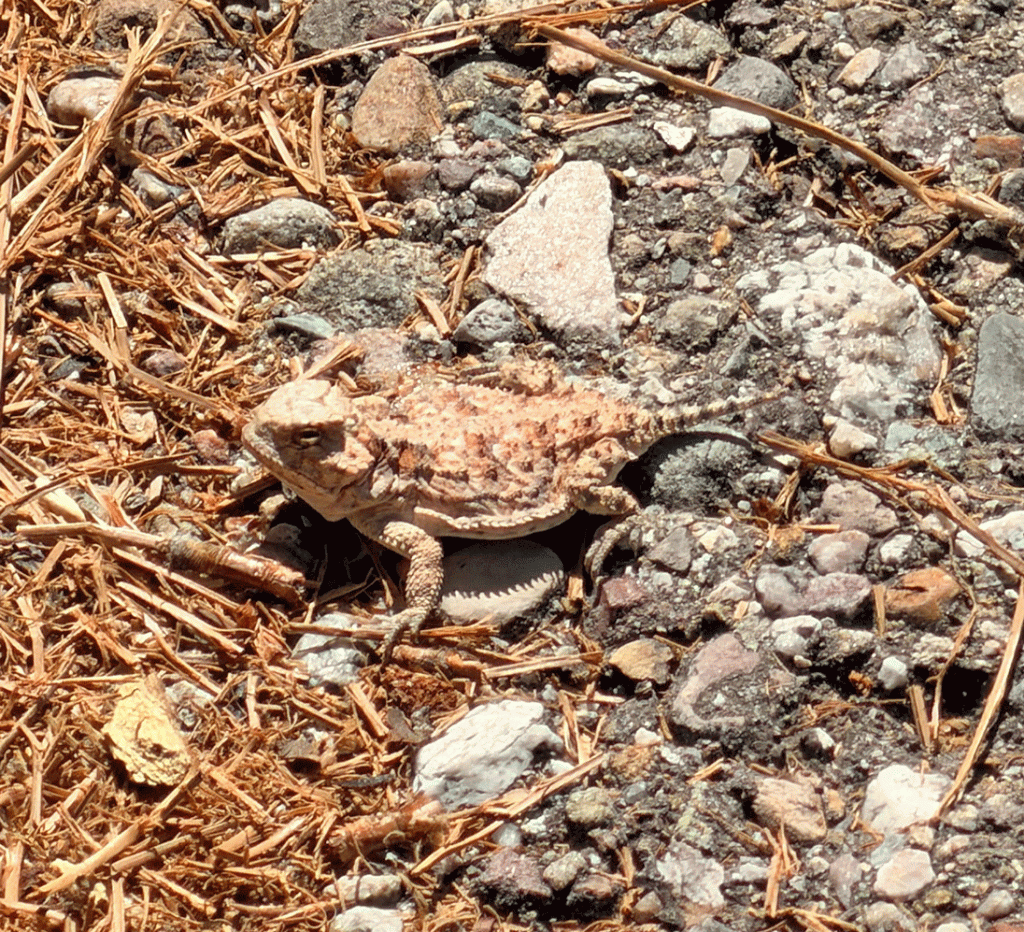
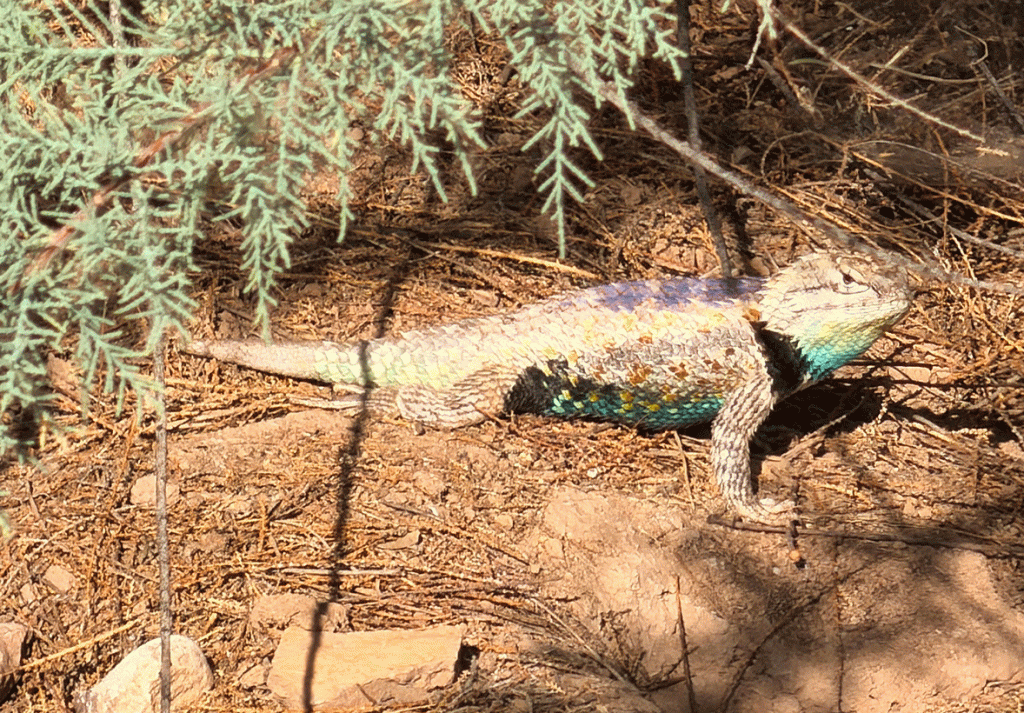
As the temperature warms up, the reptiles become active. We saw several lizards and only one snake. Here are four of the lizards.

We saw this Desert Iguana several times at the end of March and beginning of April. It liked to hang out near the bushes by the gate at our place. Desert Iguanas are large lizards that can be up to 15 cm or 6 inches long, which was about the size of this one. Notice that its tail is taller than it is wide.

This Zebra-tailed Lizard was at Desert Meadows Park in Green Valley, AZ. Its “zebra-tail” is more prominent on its light underside, making the stripes easy to see when it curls and wags its tail. We’re lucky that it was stationary for a minute or so because it is one of the fastest lizards in Arizona – with a top sprint speed of 28 km/hr (17mph).

We saw this Greater Short-Horned Lizard near the top of the Rose Canyon Campground Road at about 7000 feet. This one was about 10 cm / 4 in long. It has shorter, stubbier horns than other horned lizards in Arizona. It is cold tolerant, which allows it to live up this high in the mountains. An interesting fact – it sometimes squirts blood from its eyes at predators.

We saw this Desert Spiny Lizard at El Rio Preserve. This one was about 14 cm / 5 1/2 inches long. The blue-green throat and belly patches mean it is a male, and like other males in southern Arizona it has large purple blotches on its back.

We started our drive to Canada on April 10th, taking several days to get home. We’re going to post April 2026 – Part 2 soon, which will include some photos of birds we saw in Utah on the way. And breaking tradition, we will include our April birding highlights at home in British Columbia as well.