This post is about our trip home from Arizona and some of the birding we did near our house in BC in April.
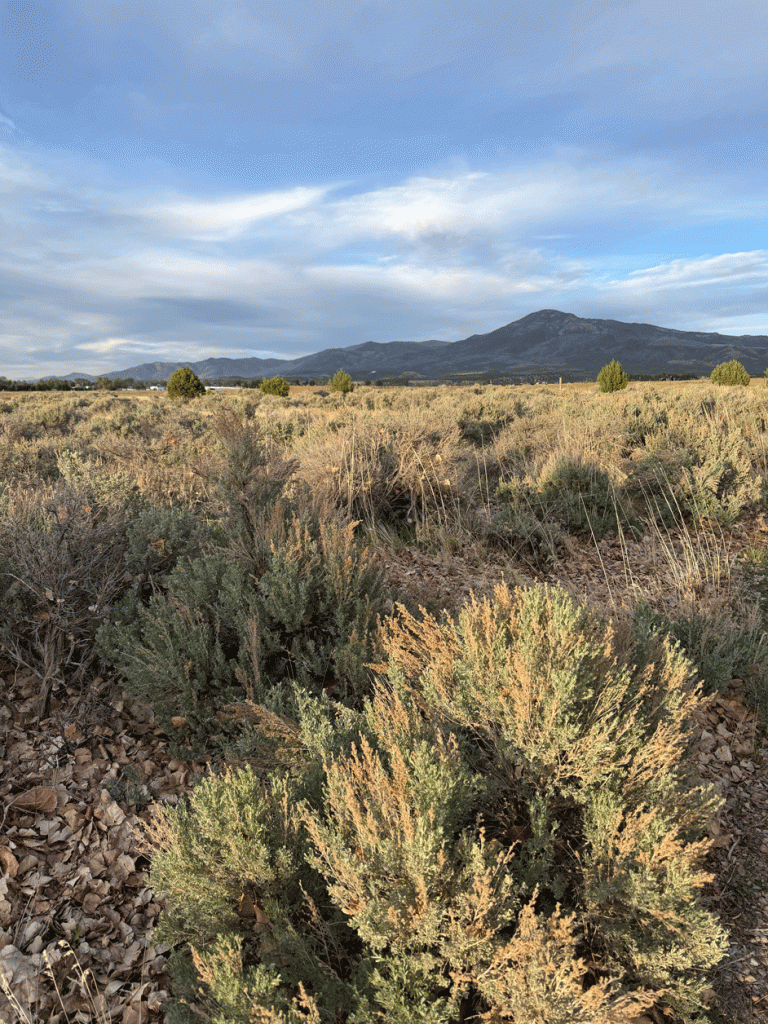
It takes about twenty-four hours of driving to make it home, so we did it over five days. The first night we stayed in Kingman, AZ and the next day (Saturday) we drove through Las Vegas in light traffic. We reached Fillmore, Utah in the middle of the afternoon. Here’s the view from the edge of the KOA. Besides the typical campground birds (House Sparrow, House Finch, Eurasian Collared-dove, European Starling) there were a couple of Mountain Bluebirds and we heard the beautiful song of the Western Meadowlark.
The next day was a shorter drive through Salt Lake City and all the neighbouring municipalities. The two hour stretch from Spanish Forks to Brigham City is always the worst traffic of the whole trip. It wasn’t too bad this time since it was Sunday. We got to the Perry South / Brigham City KOA early enough to devote the afternoon to birding at the Bear River Migratory Bird Refuge.
The regular auto tour route at the Bear River Refuge was temporarily closed, so we followed the detour route. It took us south and then west for about 20 kilometres (16 miles).
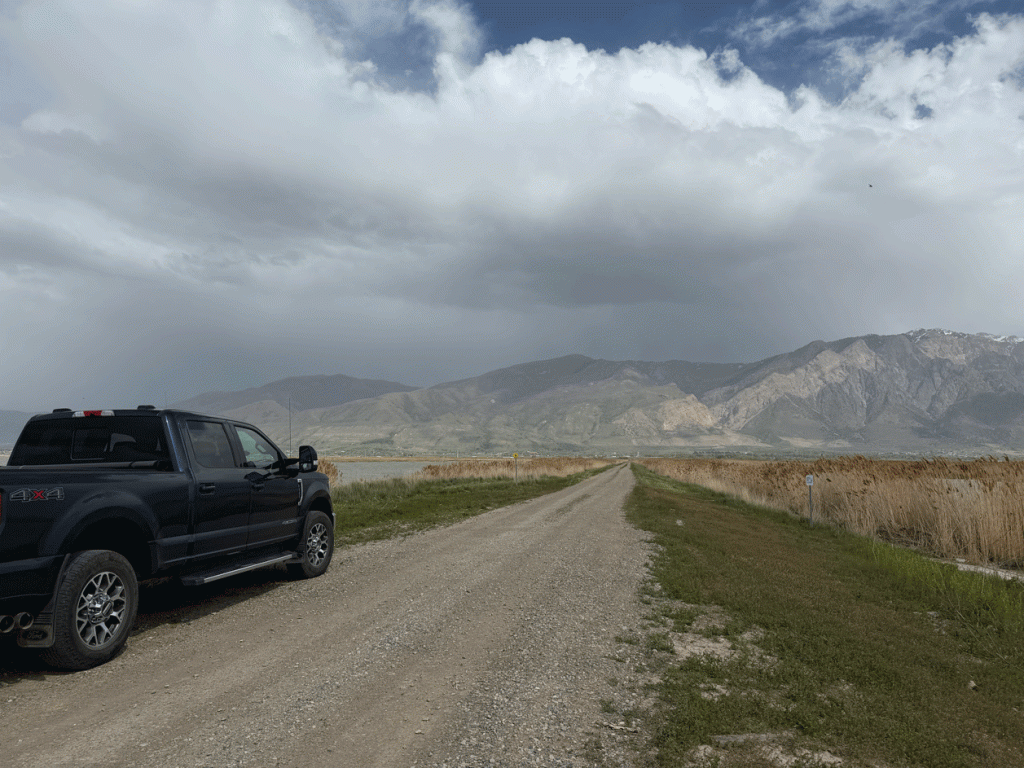
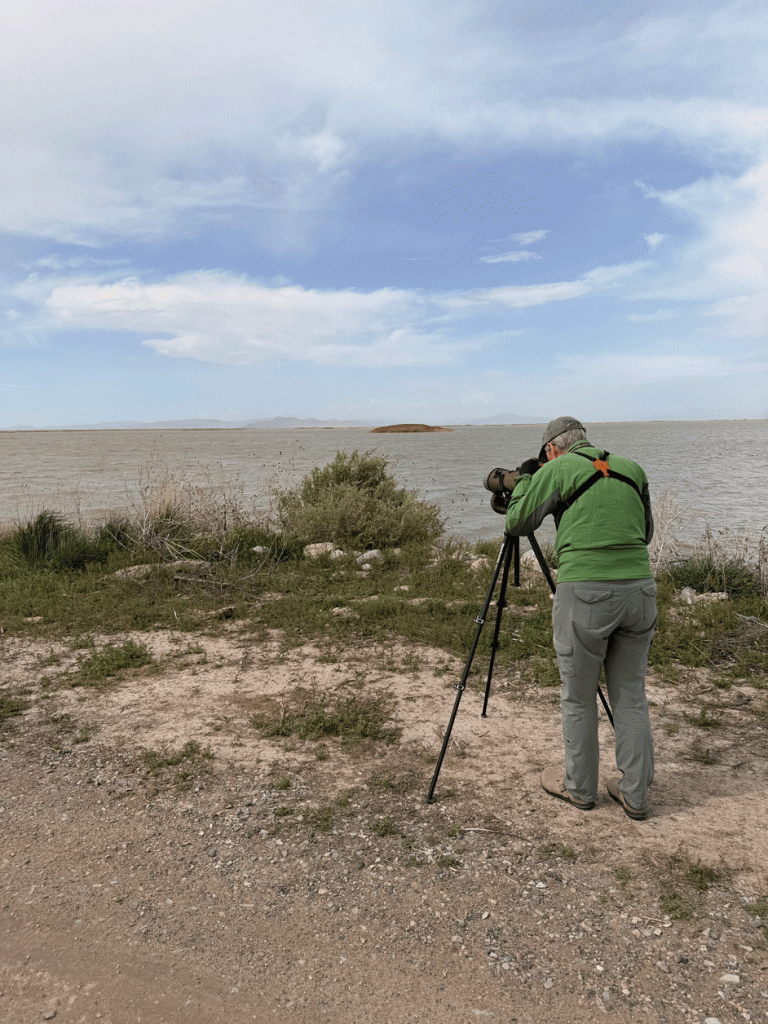
We stopped at various points along the way. Sometimes the birds were nearby, but often we needed to use the scope to identify them.
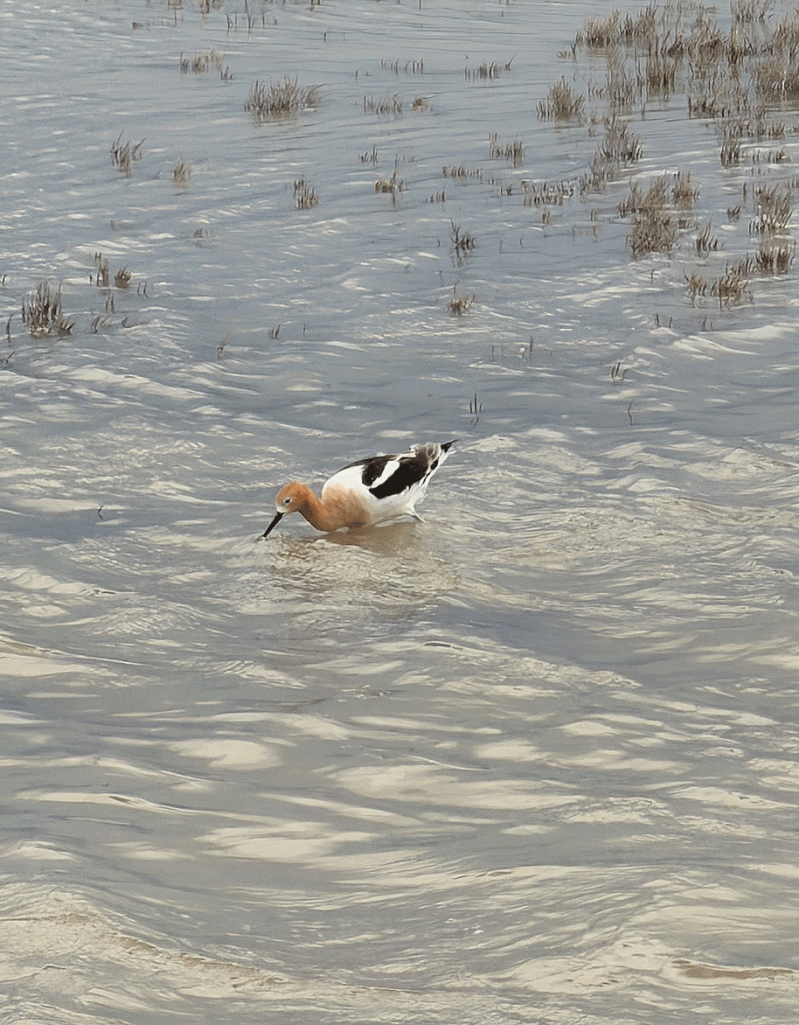
Here’s an American Avocet in breeding plumage. In the winter, they lack the rusty colour. Usually we see this species in shallower water, where we can see their long bluish legs, but this one was making do with the high water levels, sweeping its bill from side to side to find insects or small crustaceans.
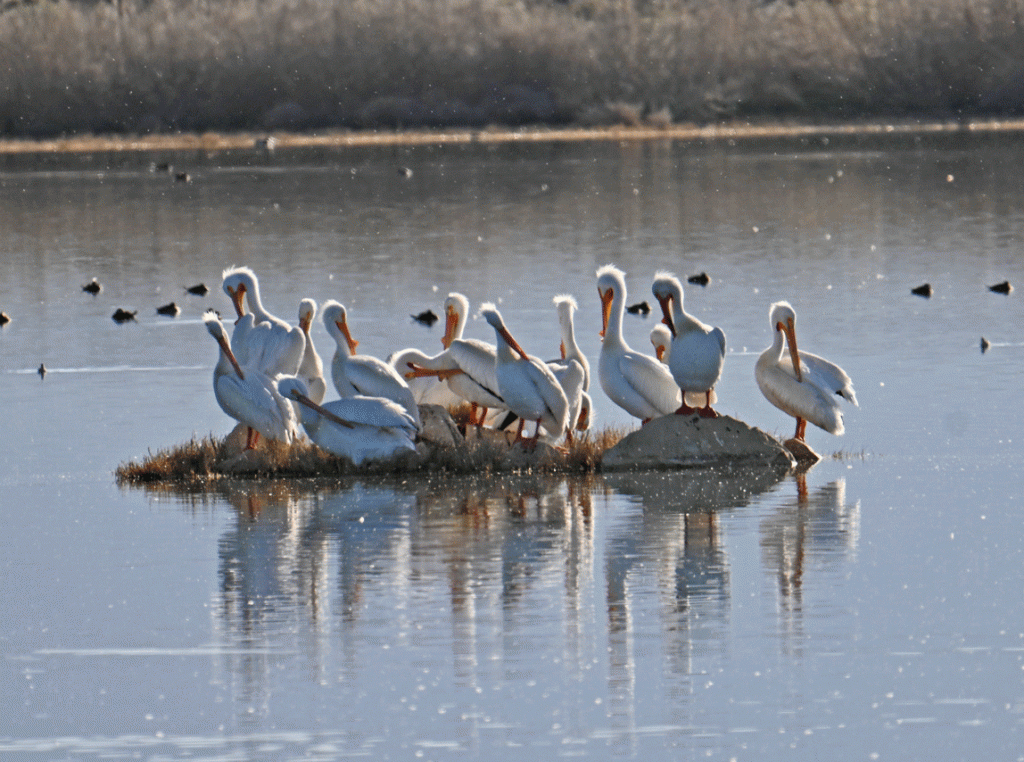
The high water meant the American White Pelicans were a little bit squished on the tiny rock outcrop. During breeding season, both sexes develop a keratinous “horn” or “plate” on their upper bill. Some of pelicans show beginning protrusions in the phot below.
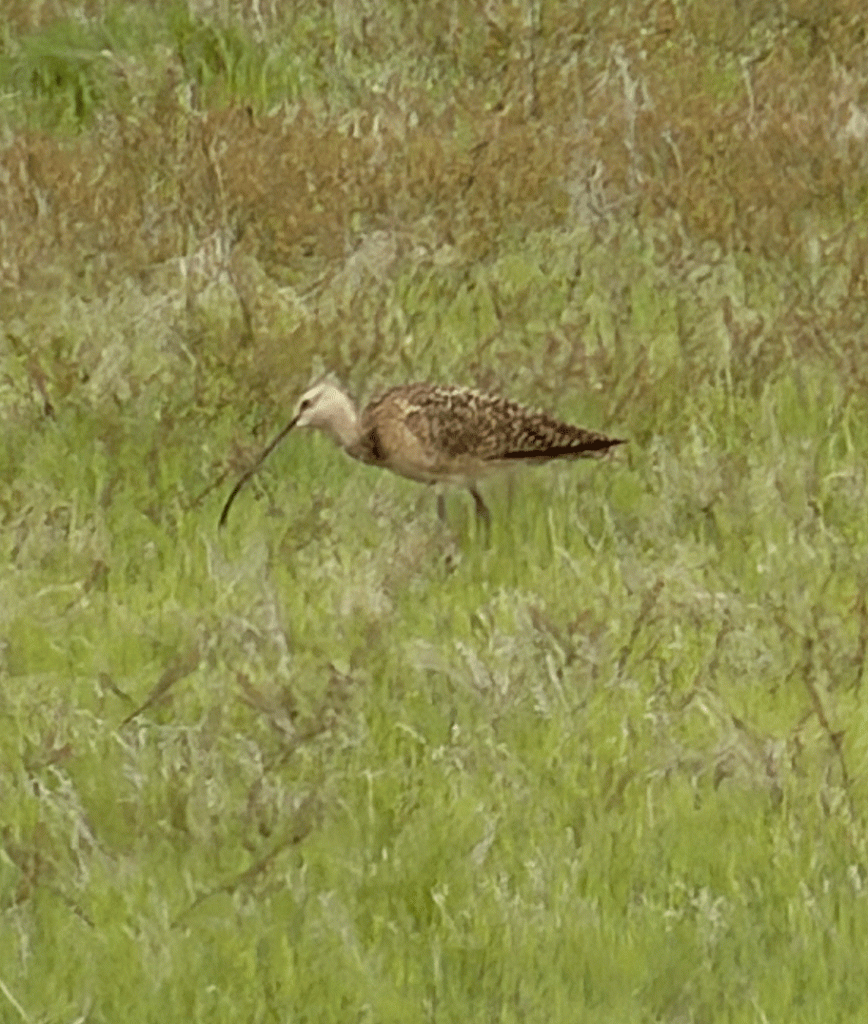
This is a Long-billed Curlew. Perhaps it will breed in this area near Salt Lake City, or maybe it is on its way farther north. We see and hear Long-billed Curlews near our home in the East Kootenay of British Columbia, but often they even farther away than this one was.
We had two more days of driving, with an overnight in Dillon, Montana, and then a final push to the border. We got home on Tuesday April 14 in time for dinner.
We spent the next few days unloading the trailer and walking in the forest near the house.
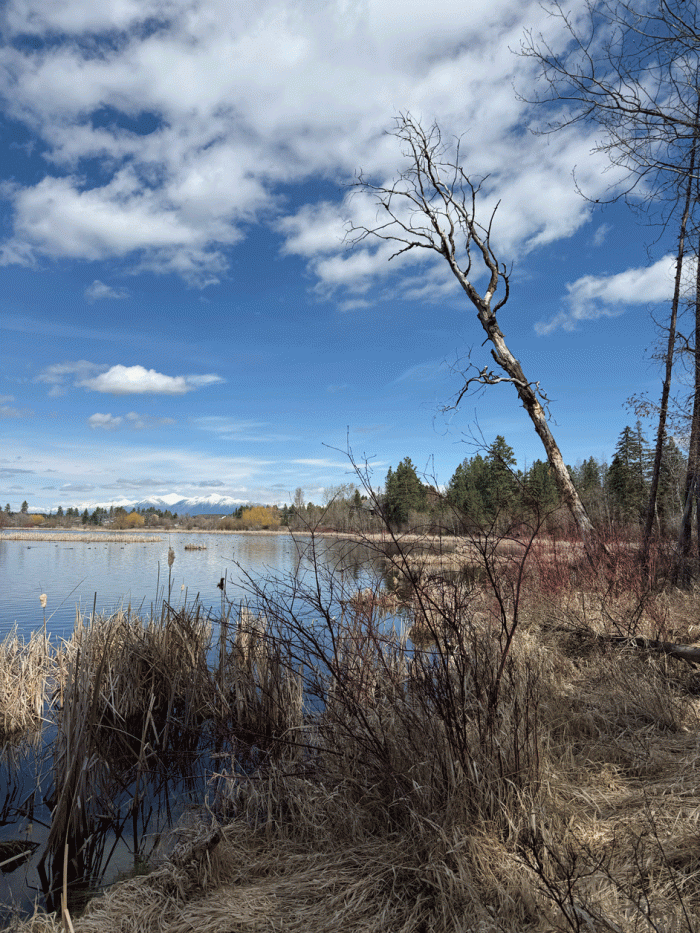
On Friday afternoon, we went birding at Cranbrook’s top hotspot – Elizabeth Lake. A birding friend had kindly included the location where she viewed an Eurasian Wigeon in her checklist. This is the view from that spot on the shoreline, accessed from a narrow path off of the trail along the southeast side of the lake. We saw the special wigeon, but it was too far away for a decent photo.
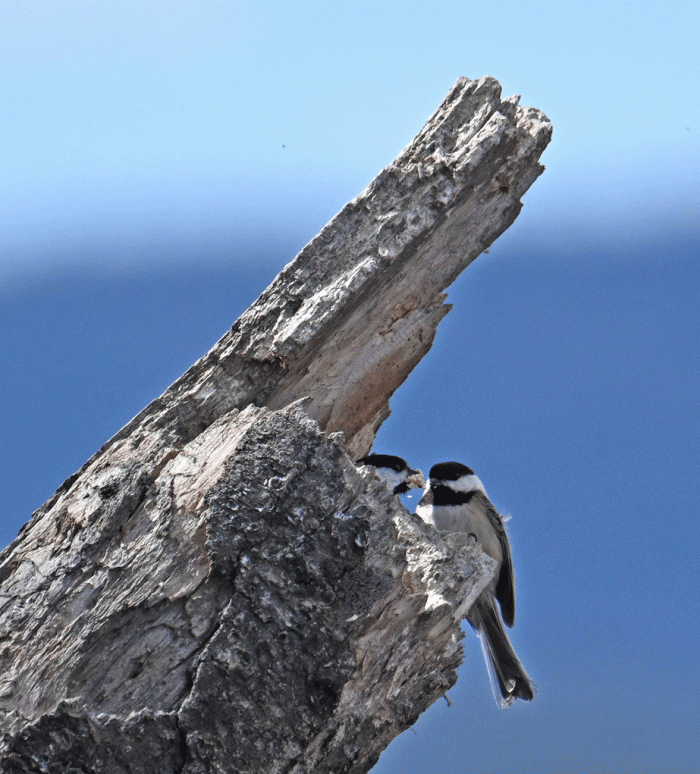
Right near where we stood, a pair of Black-capped Chickadees had a nest in a tree cavity.
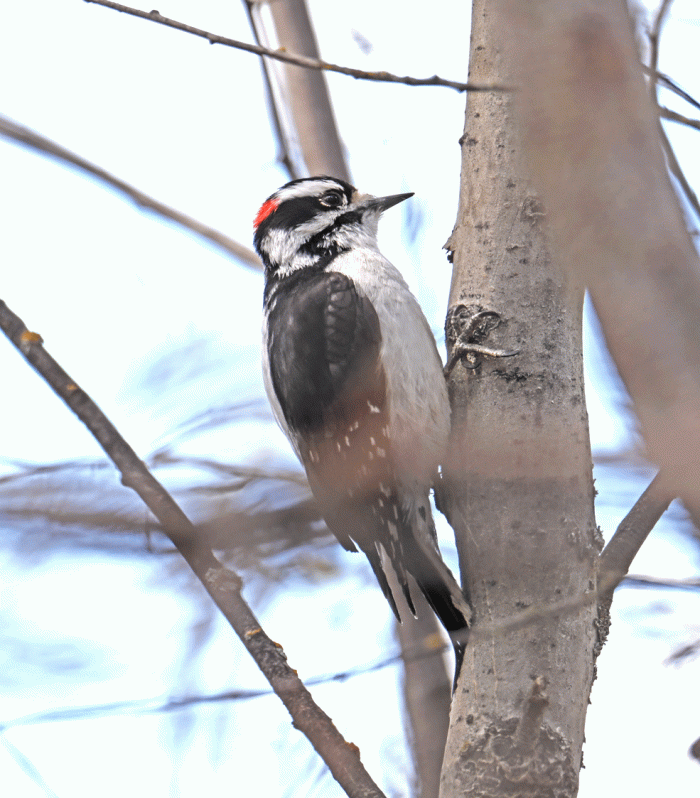
This Downy Woodpecker was easy to see in the nearby leaf-less trees. A Downy Woodpecker is virtually a small version of a Hairy Woodpecker except for the proportional size of its bill. Judging bill size can be challenging. A male Downy Woodpecker and a female Hairy Woodpecker have similar sized bills, but a male Downy’s bill will always be smaller than a male Hairy’s. This one is a male (determined by the red on its head), with a short bill so we can confidently say it is a Downy Woodpecker. Often we find we look for several features when identifying a bird.
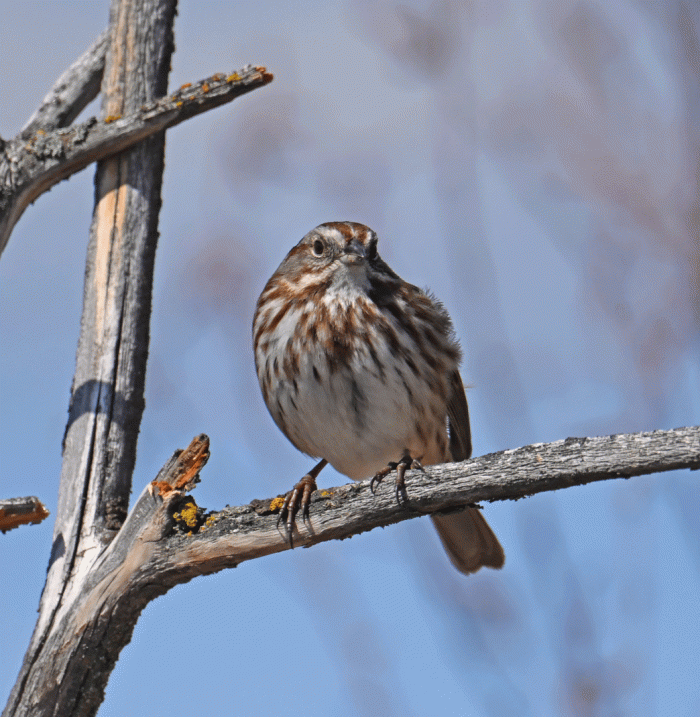
Several Song Sparrows spend all year at Elizabeth Lake. Their colouring is much darker than the ones that live in Arizona, and their song is slightly different too.
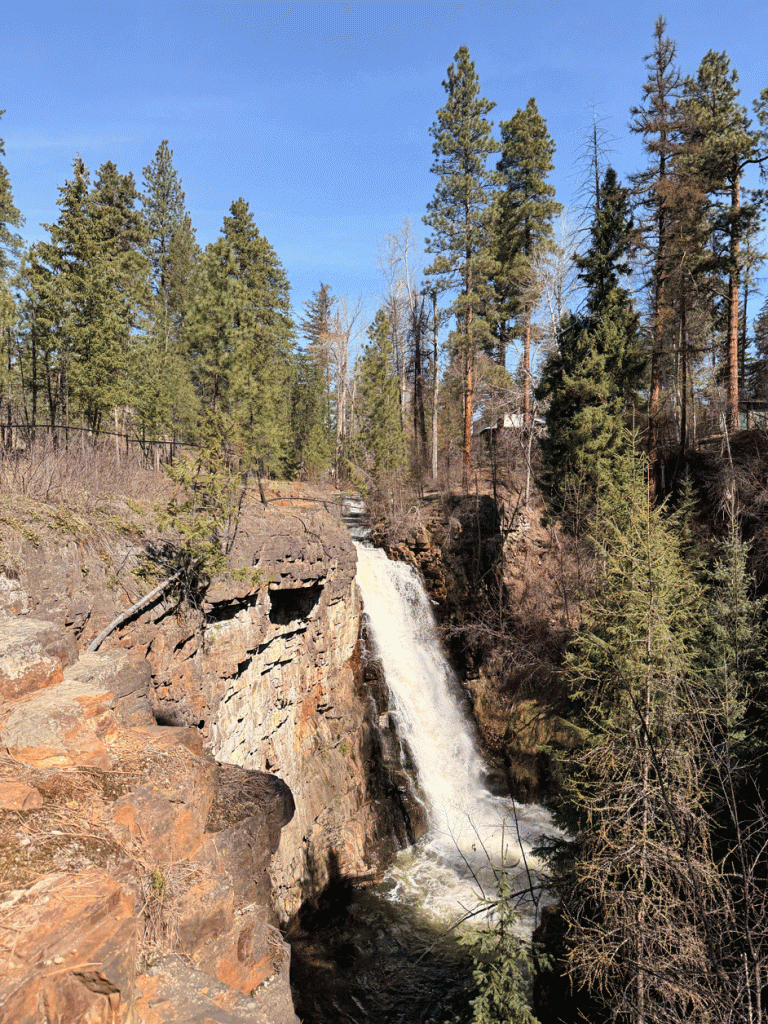
The next day, we drove north about twenty minutes to the small community of Marysville. We walked the short hike to Marysville Falls.
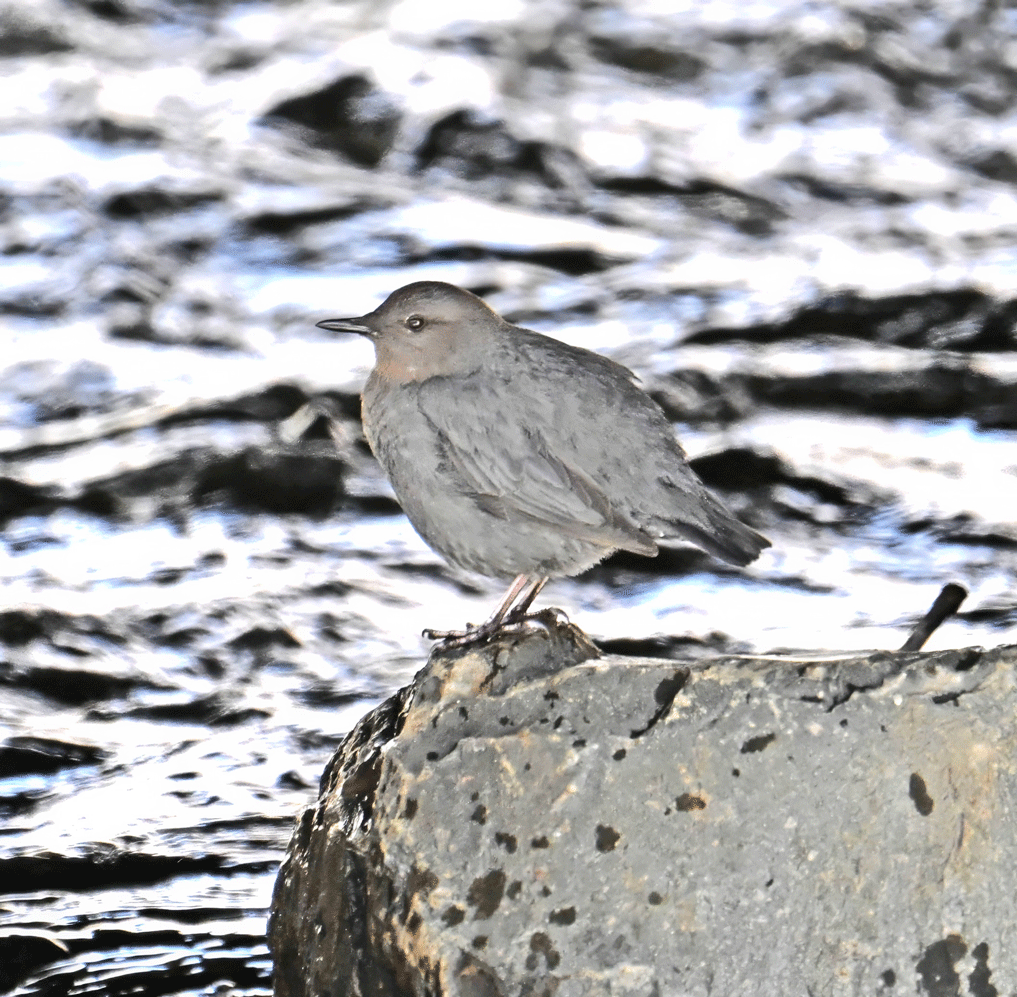
We can count on seeing American Dippers along the creek before the falls. This one was under the highway bridge about five minutes from the vehicle. It looks lighter than it was in real life because it was in the shade and the photo was enhanced.
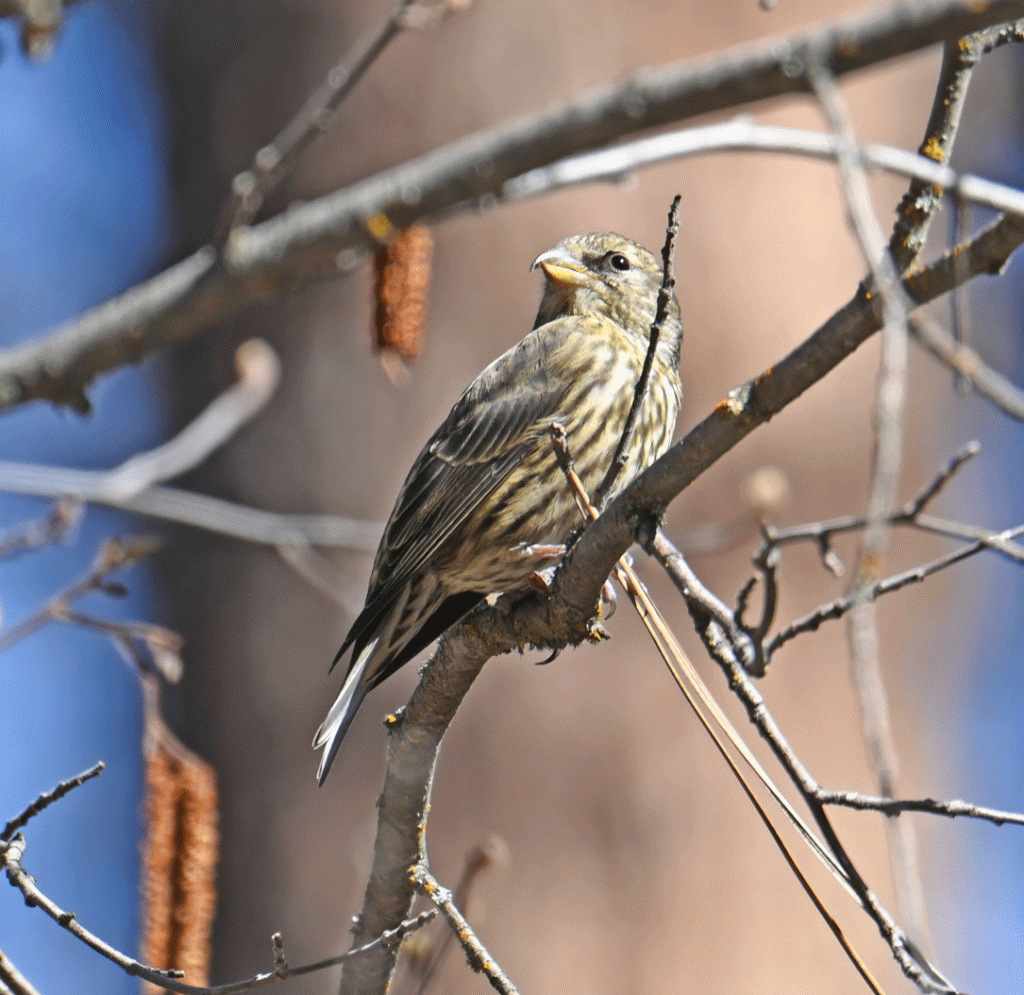
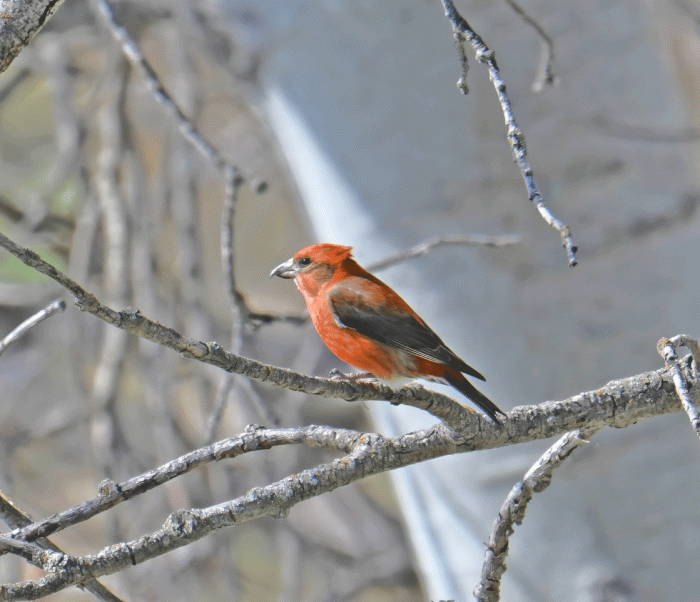
Just below the falls, we walked along an old road that skirts the golf course. The woods were full of birds – Evening Grosbeaks, Pine Siskins, Red Crossbills, and a Brown Creeper. This juvenile Red Crossbill perched long enough for good views and a photo. The species uses their crossed bills to pry open conifer cones. We usually see them on Douglas Fir or Ponderosa Pine trees in our area of the East Kootenay.
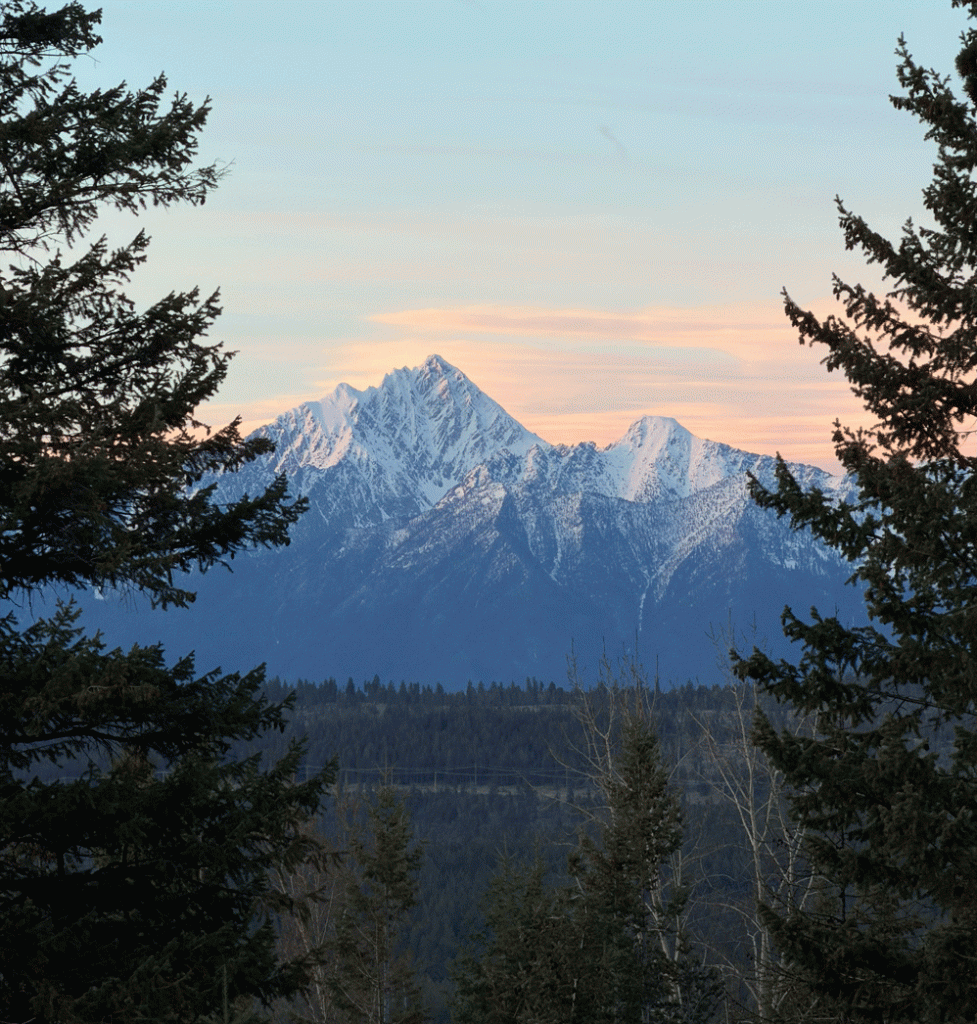
By Sunday, we had finally cleared out the Fifth Wheel so we could take it to the shop to get a new air conditioner. The sunset that night was like nature was celebrating our hard work with us. Here’s a photo of the alpenglow behind the Rocky Mountains and Fisher Peak taken from our front deck that night.
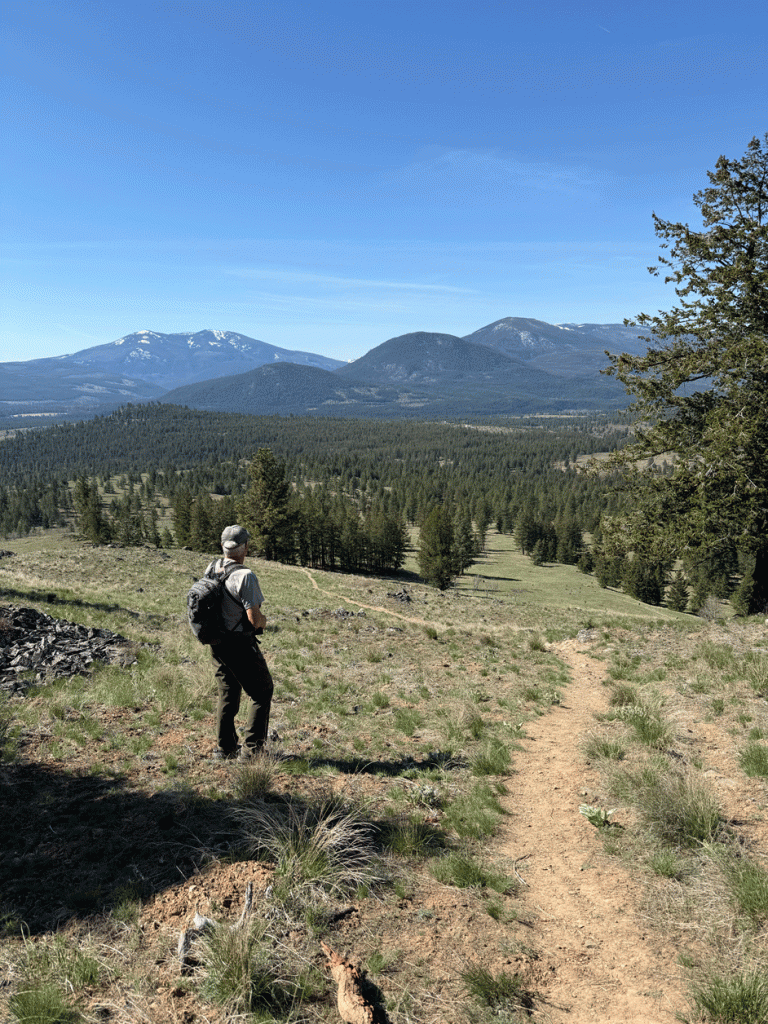
The next Tuesday, we took advantage of the sunny weather and hiked at “The Buttes” near Marysville. Here’s a view from near the top of Lone Pine Butte looking southwest to the Purcell Mountains. We ate dinner outside that night.
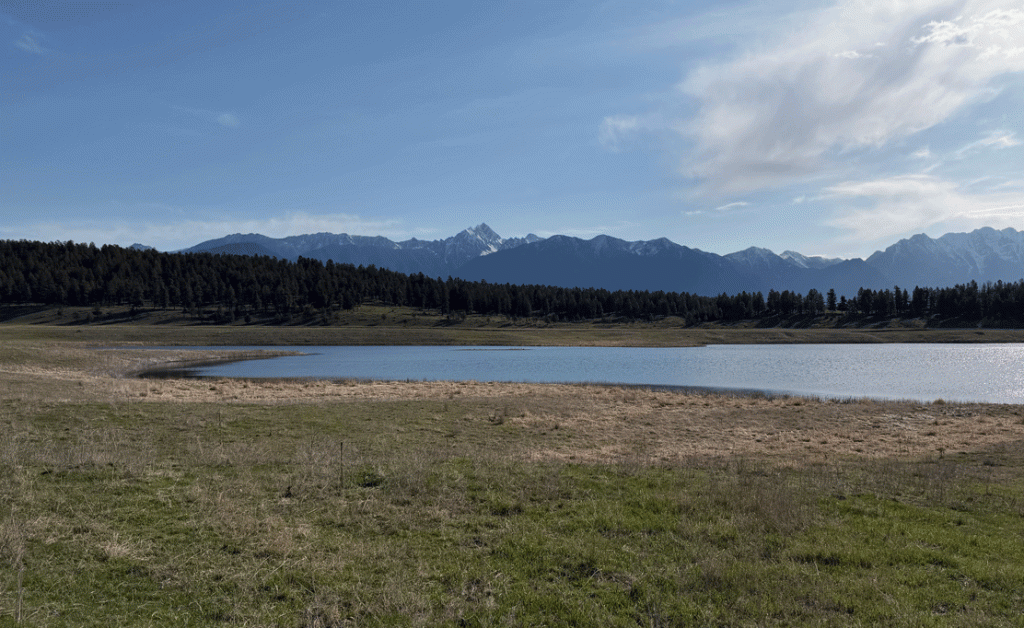
On Wednesday morning we went birding at the Cranbrook Irrigation Ponds. This is the North Pond, which holds treated waste water before it is used in the Spray Irrigation fields, with Fisher Peak and the Steeples in the background. We saw eleven species of waterfowl, including over 150 American Coots here.
We drove along the road that skirts the irrigation fields and saw 24 species of birds, even though the wind was picking up. All along the fence line, Western Bluebirds and Tree Swallows were staking out their nest sites for the season. Both species use the man-made “bluebird boxes” that have been installed and monitored by volunteers. This male Red Crossbill paused a moment on the edge of “Silo Pond.” Females are greenish-yellow.
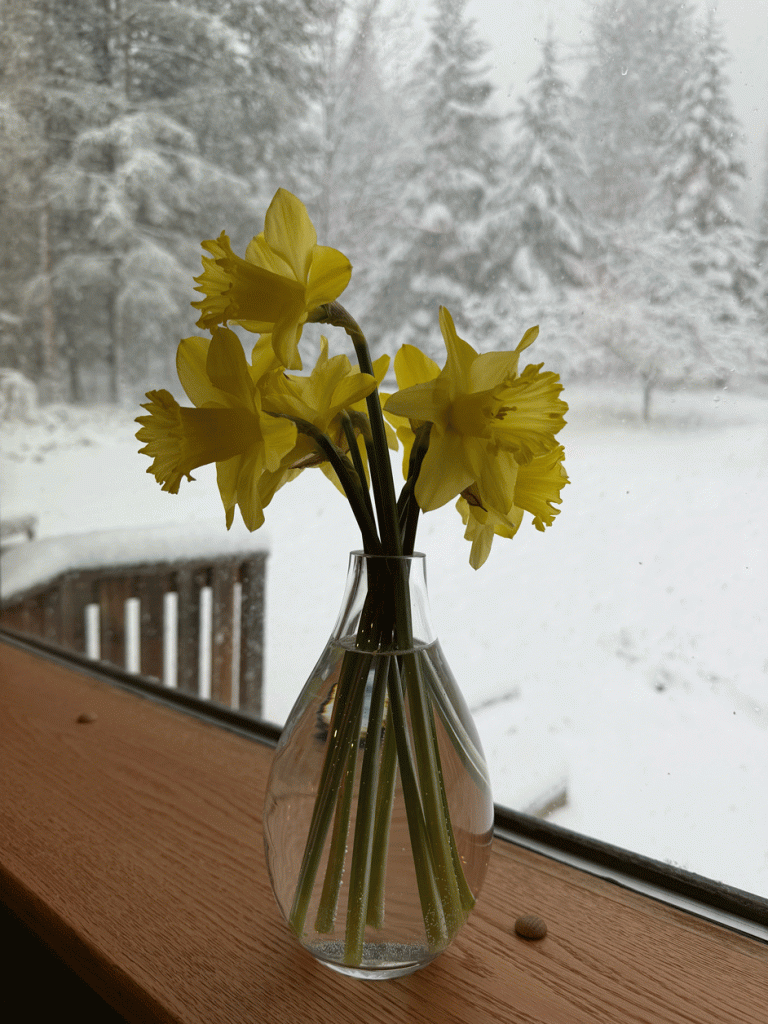
Thursday morning, we woke up to snow flurries that quickly turned to heavy blizzard-like snowfall. Wendy was happy that she picked some daffodils a couple of days before. This photo through our kitchen window was taken around 8:15.
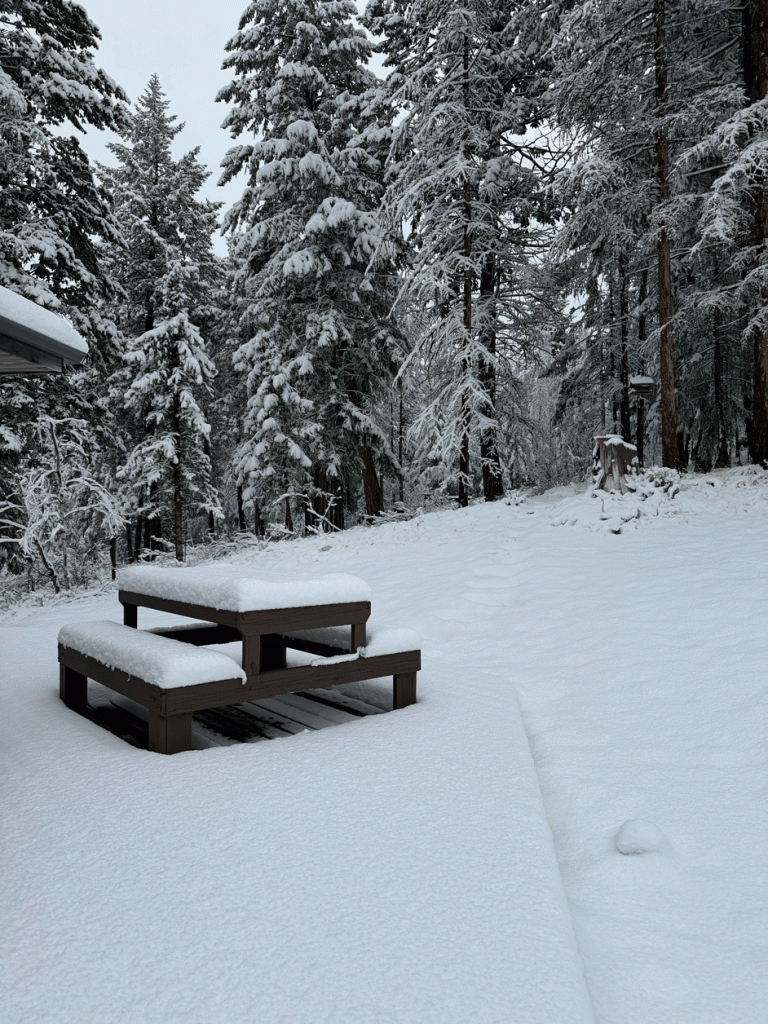
By 10:30, the snow had stopped, so Doug got out the quad, attached the blade to the front and started plowing. Wendy headed out to clear the back deck. Perhaps it might have all melted by the next day, but we wanted to avoid the messiness of melting heavy snow. Here’s a view of the picnic table on the back deck. We figure we had close to 20 centimetres (almost 8 inches) of snow that morning. We remembered previous winter days when our major exercise of the day involved moving snow. It was not a fond memory, and it reinforced our decision to travel to Arizona for the winter.
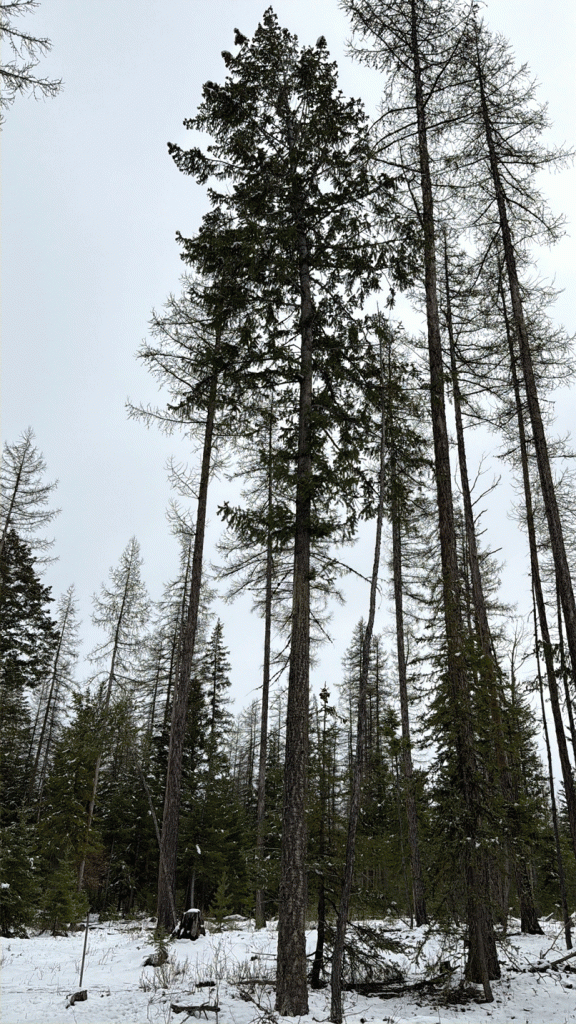
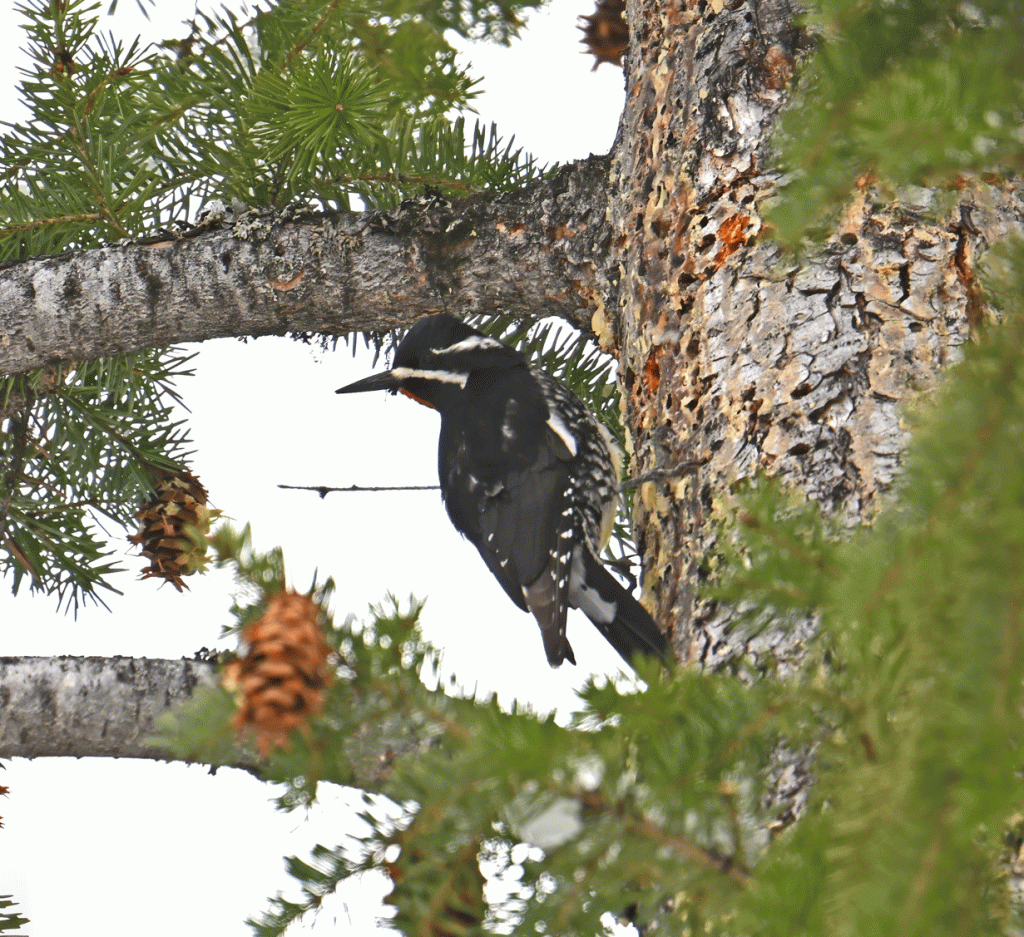
The next day, we went out in search of some Williamson’s Sapsuckers that had been reported nearby. It looked like a winter day in the forest at the South Star trails, but it wasn’t really cold. This is a view of the area of the forest that the sapsuckers frequented. The trees with the lacy branches are larch that are just growing new needles. The other trees are mostly Douglas Fir.
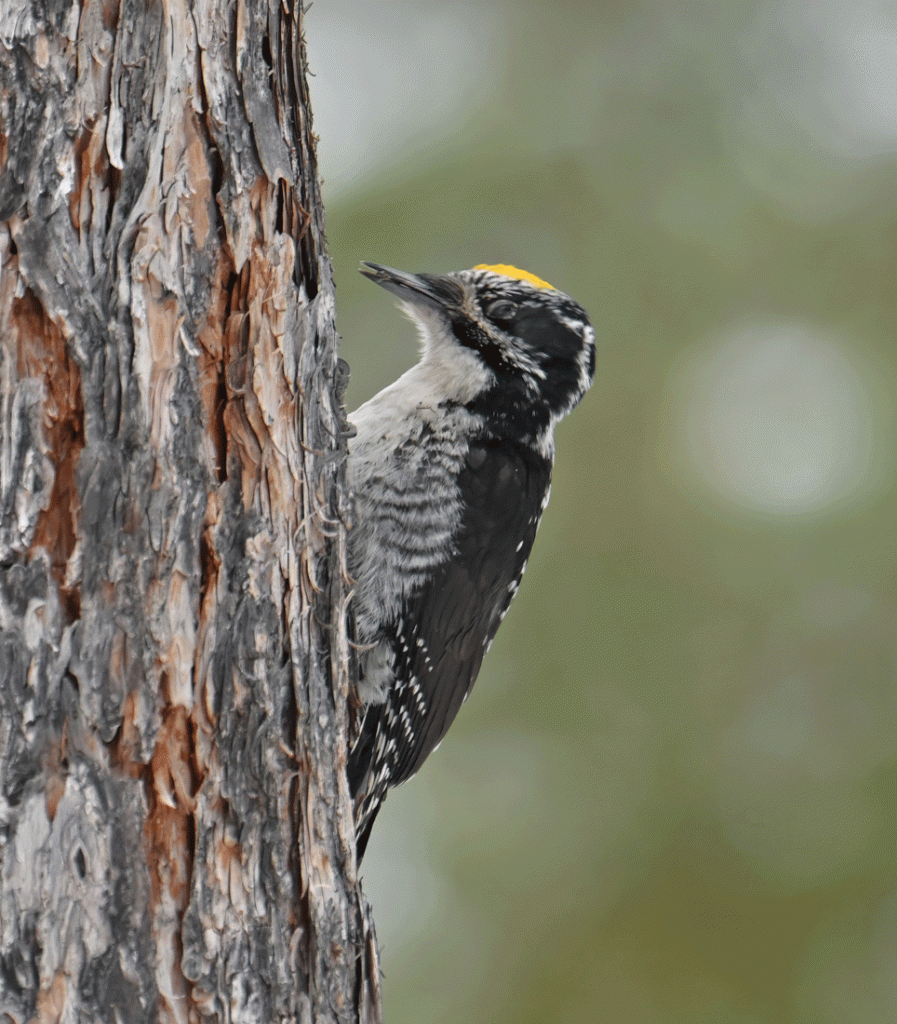
Right when we got to the area, we heard a woodpecker tapping. We soon located an American Three-toed Woodpecker. We usually see them every year when we are walking the woods near our house. This one was special though, because Doug had his camera with a telephoto lens, so he was able to get a good photo – a first for him. He took the photo when the woodpecker’s nictitating membrane (or third eyelid) was closed over its eye, which is why it looks a bit strange. The nictitating membrane protects a bird’s eyeball from wind, dust and debris while allowing the bird to see.
Here’s a photo of the male Williamson’s Sapsucker. The sap wells (drill holes) are visible on the tree trunk beside him.
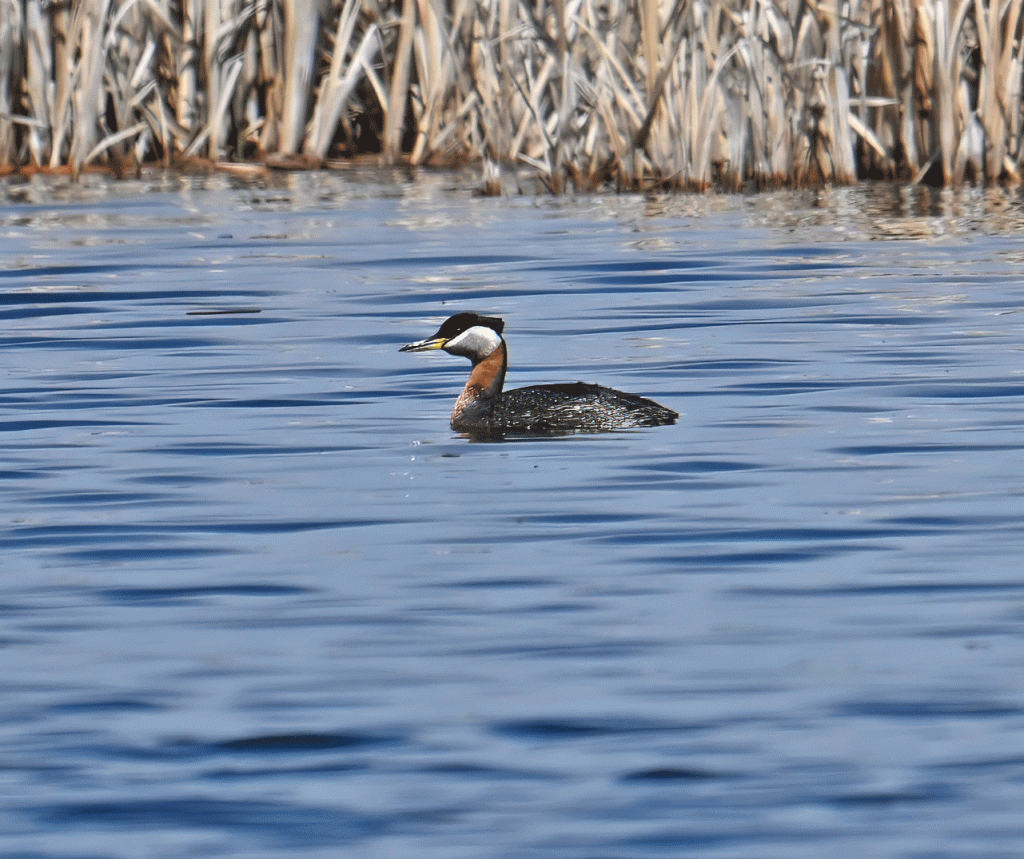
We went back to Elizabeth Lake three more times in April, because different birds were arriving daily. Some of them will stay for the summer and some will just rest and then continue their migration journey. It’s likely that this Red-necked Grebe will keep flying north. We have only ever seen them in Canada, and often they are a long way from shore.
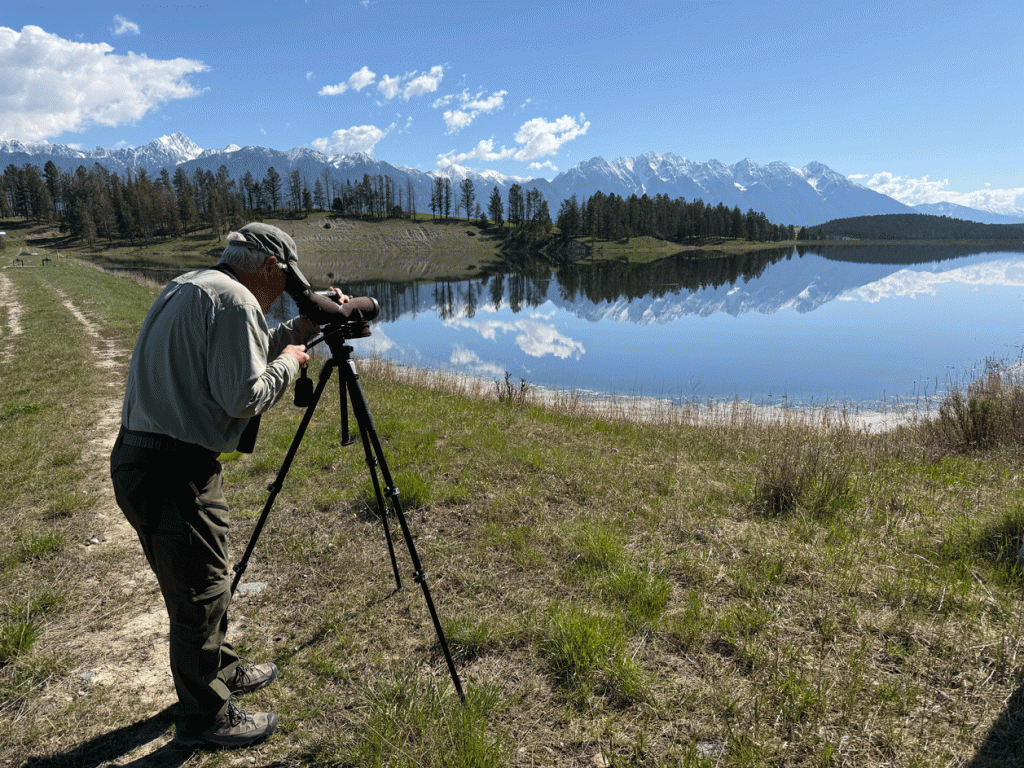
Here’s a view of the South Irrigation Pond, taken near the end of April. The water is high since they haven’t started irrigating the fields yet. Fisher Peak and the Steeples looked beautiful with the recent snowfall.
So this post was a little taste of what birding is like around Cranbrook, BC for those of you who were curious. Our next posts will be truer to our name: “Travels with a Fox.” We have a few trips planned over the summer, and we’ll try to schedule time between all our activities to get them posted.


ah pictures of home as well. My favourite this time is of the pelicans. Thanks for sharing
LikeLike