March 2026 in Arizona – Part 2

March 2026 in Arizona – Part 2

This blog focuses on the birds we saw and the locations we visited in the Tucson and Green Valley areas in March.

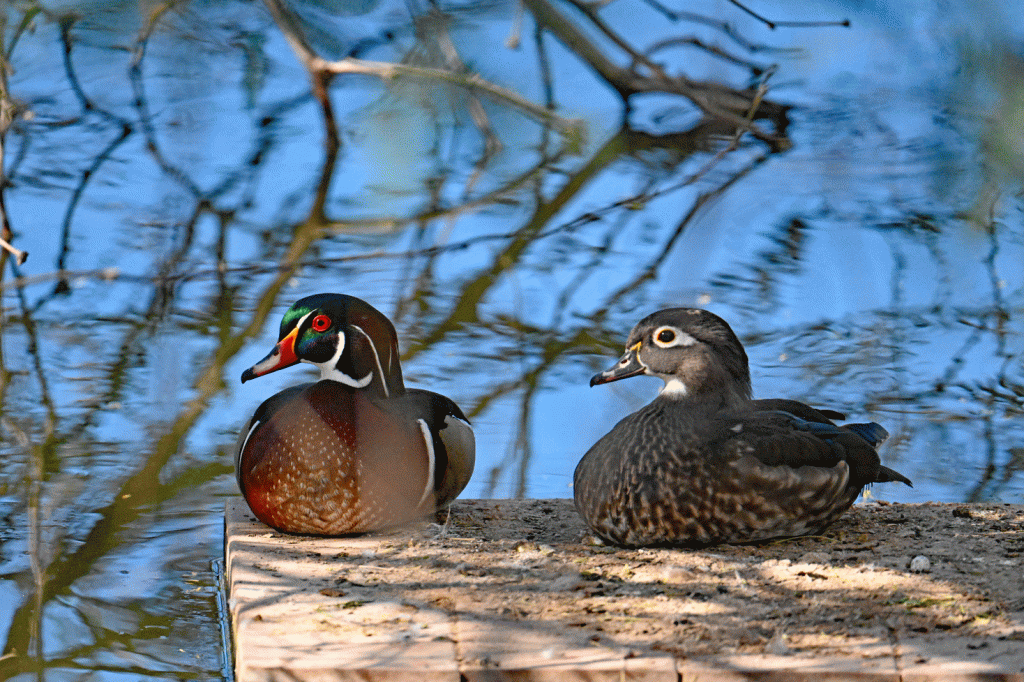
It took us a couple of visits to Ft. Lowell Park in Tucson see these Wood Ducks, because they kept hidden, but once we learned of their hiding place, viewed from behind the “ocotillo fence,” it was easy. It was nice that the pair were awake and posing together.
Here are two photos of a sparrow that we have only seen once before. It’s a Cassin’s Sparrow, which has a similar size and shape of a more common Song Sparrow.
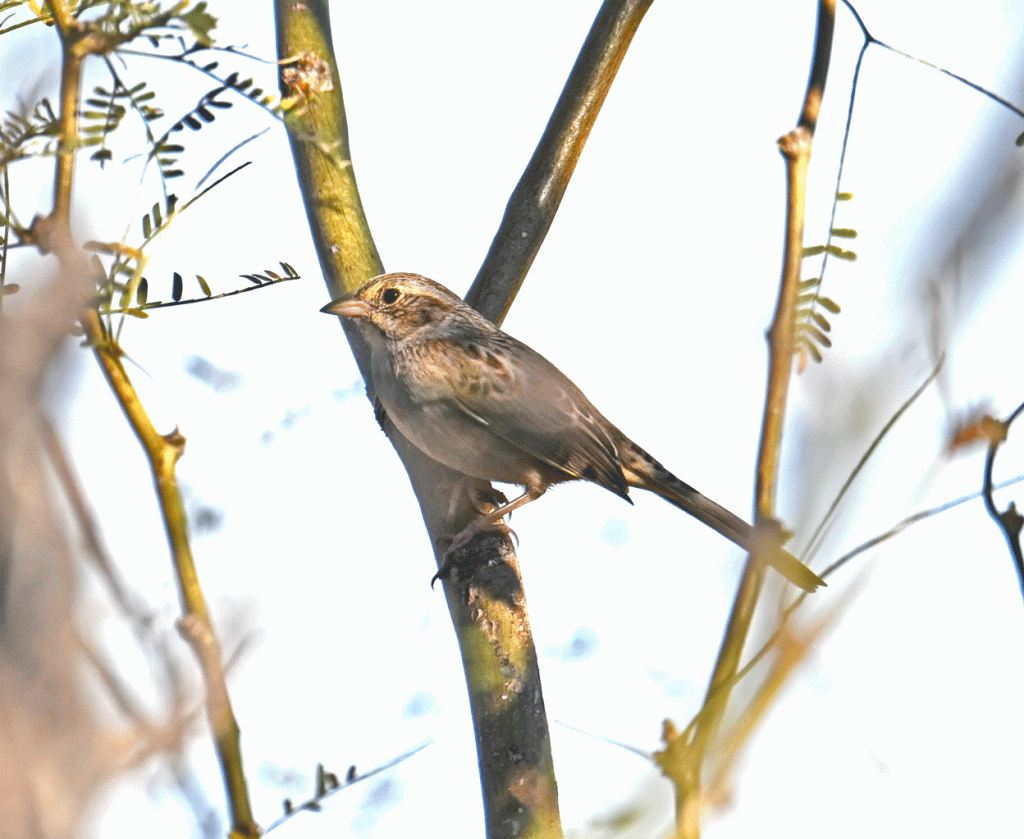
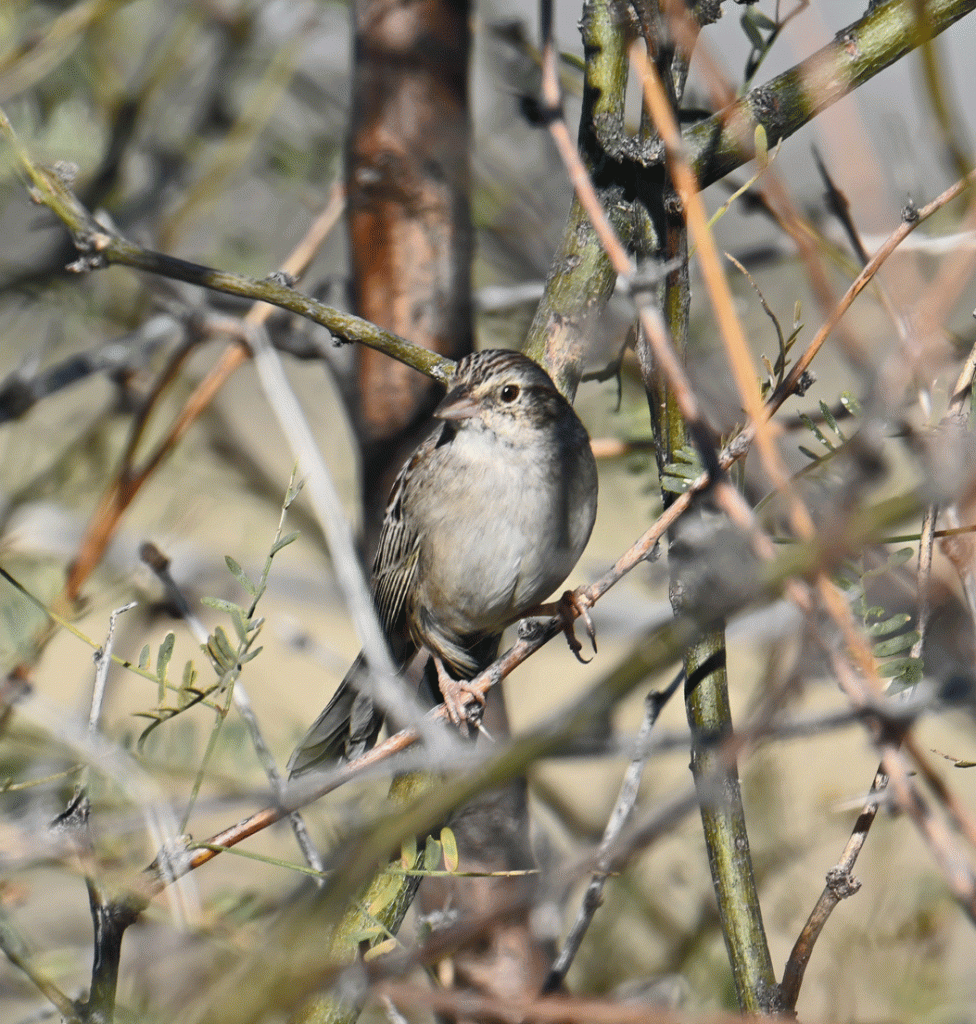
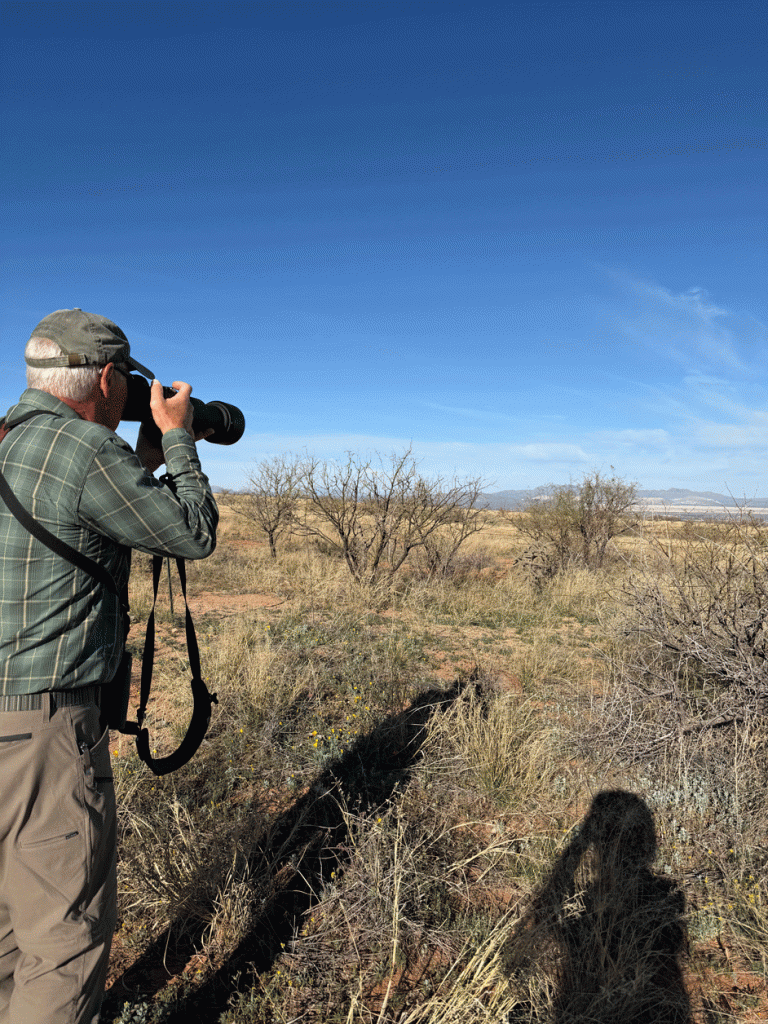
The Cassin’s Sparrow lives in arid grasslands with scattered shrubs. This photo was taken from a pullout on the road to Madera Canyon. Doug is taking the photo of the sparrow that was singing in the middle of a mesquite bush.
Here’s a view of Madera Canyon in early March.
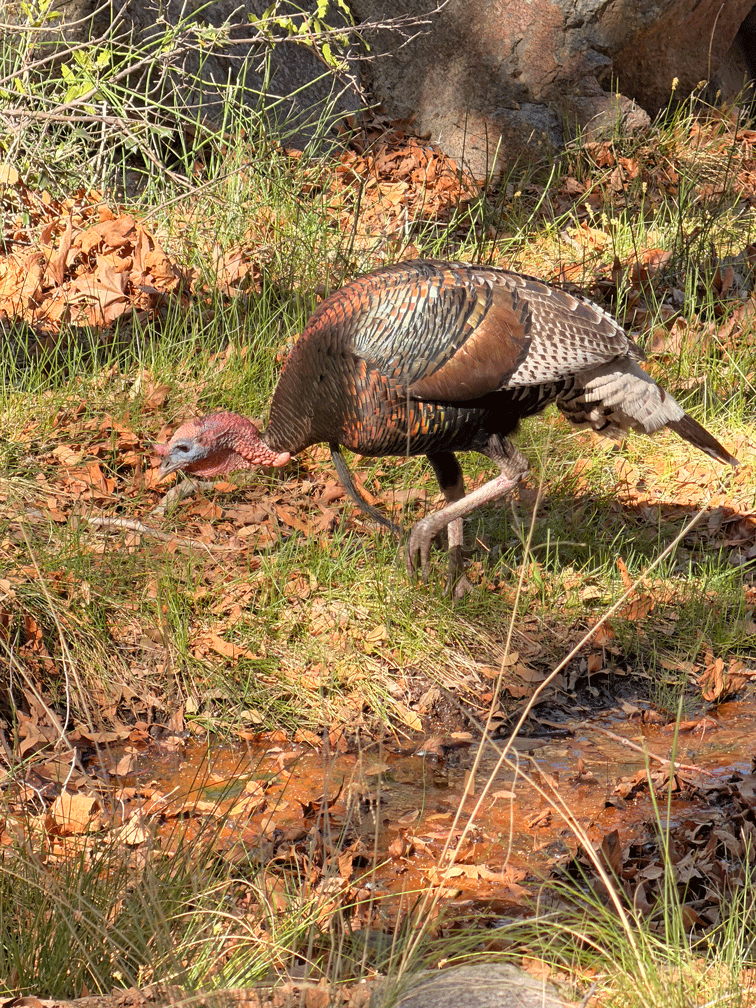
Wild Turkeys are common throughout the canyon. Although they are not as flashy as the Ocellated Turkeys that we saw in Belize and Guatemala, their feathers are stunning in good light. This one is a female.
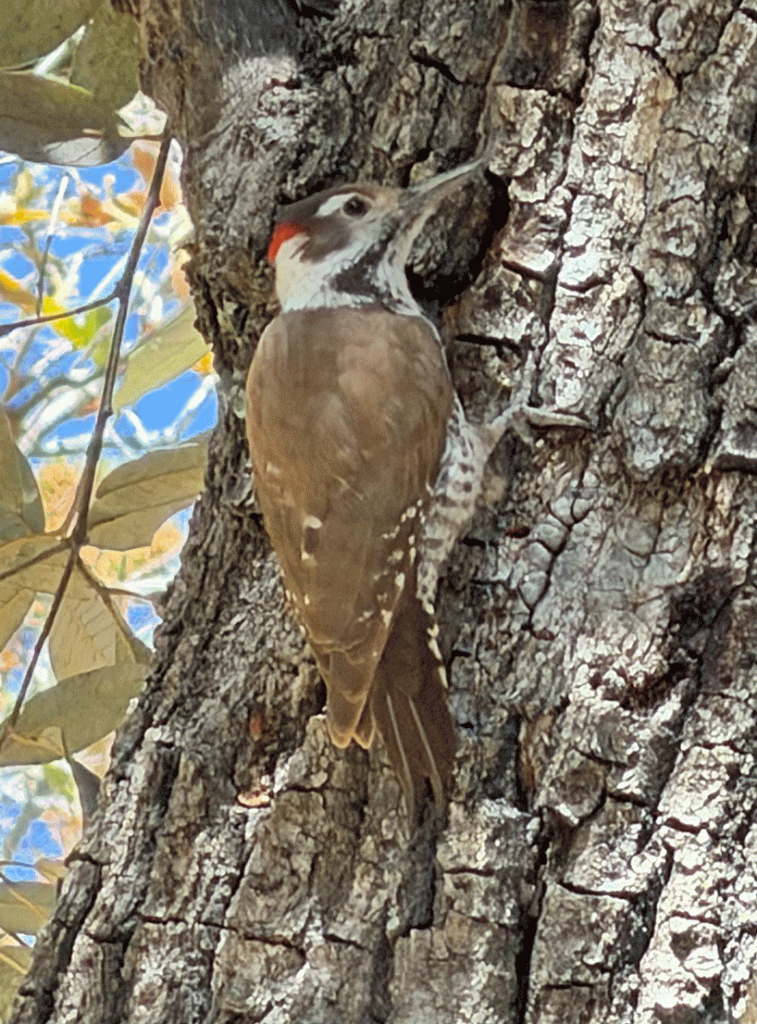
Another day, it was too hot to be in the desert, but the upper part of Madera Canyon was cooler for hiking. Wendy took this photo of a male Arizona Woodpecker with her iPhone. It’s all brown back is distinctive.
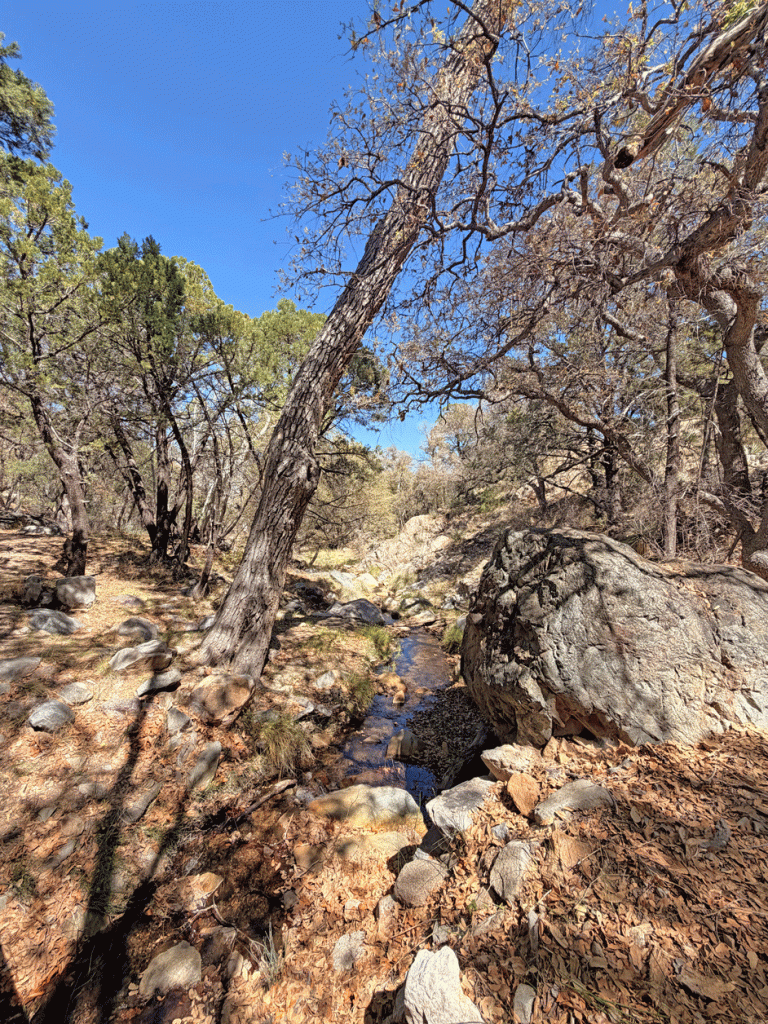
Florida Canyon is east of Madera Canyon and a little more open. Like Madera Canyon, it has plenty of oak trees.
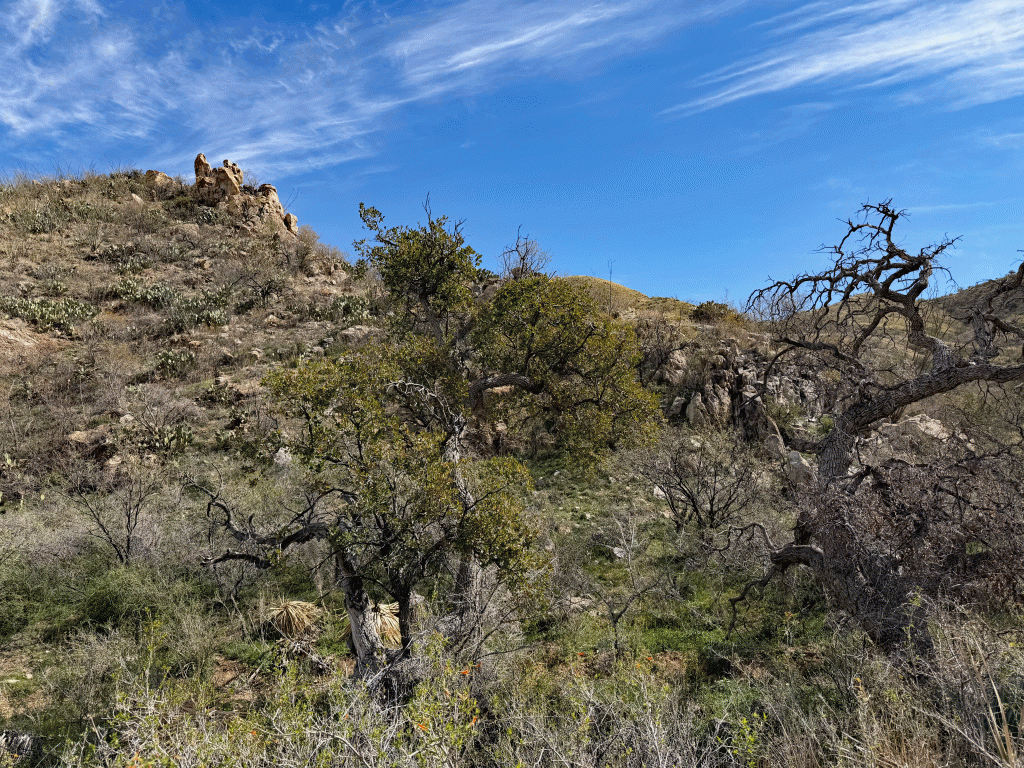
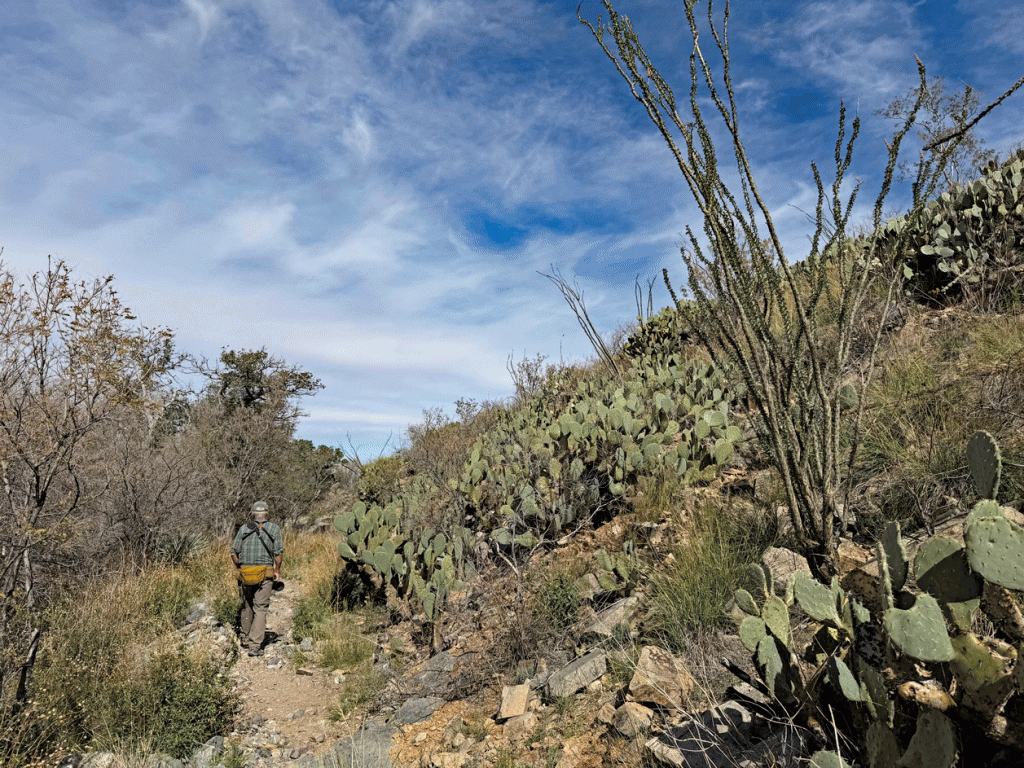
The riparian area is to the left in the photo below, where oak and sycamore trees grow. The drier hillsides are covered with prickly pear and ocotillo cacti.
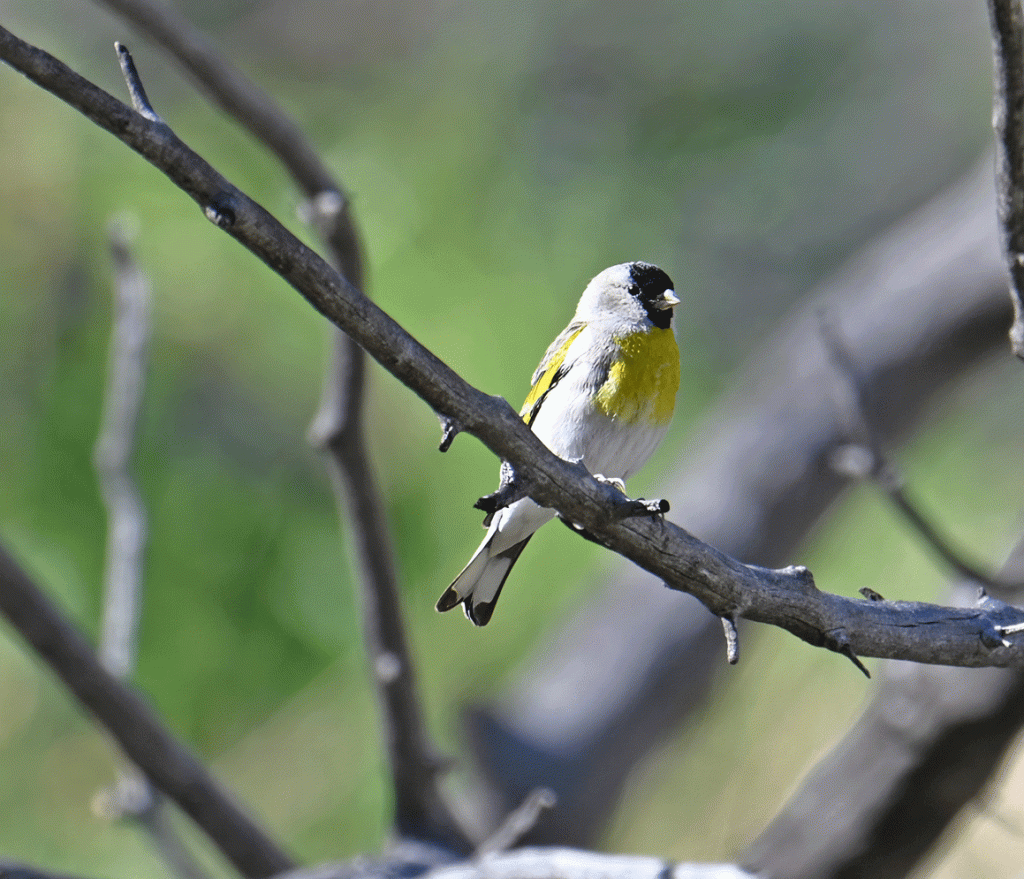
We saw a flock of Lawrence’s Goldfinches at Florida Canyon. This black-faced and grey-headed one is a male. They have similar habits to the more common Lesser Goldfinch. The guidebook says that they should be in California or farther south, but they have been more common around the Tucson area in the last few years. They move to where they can find plentiful weed seeds.
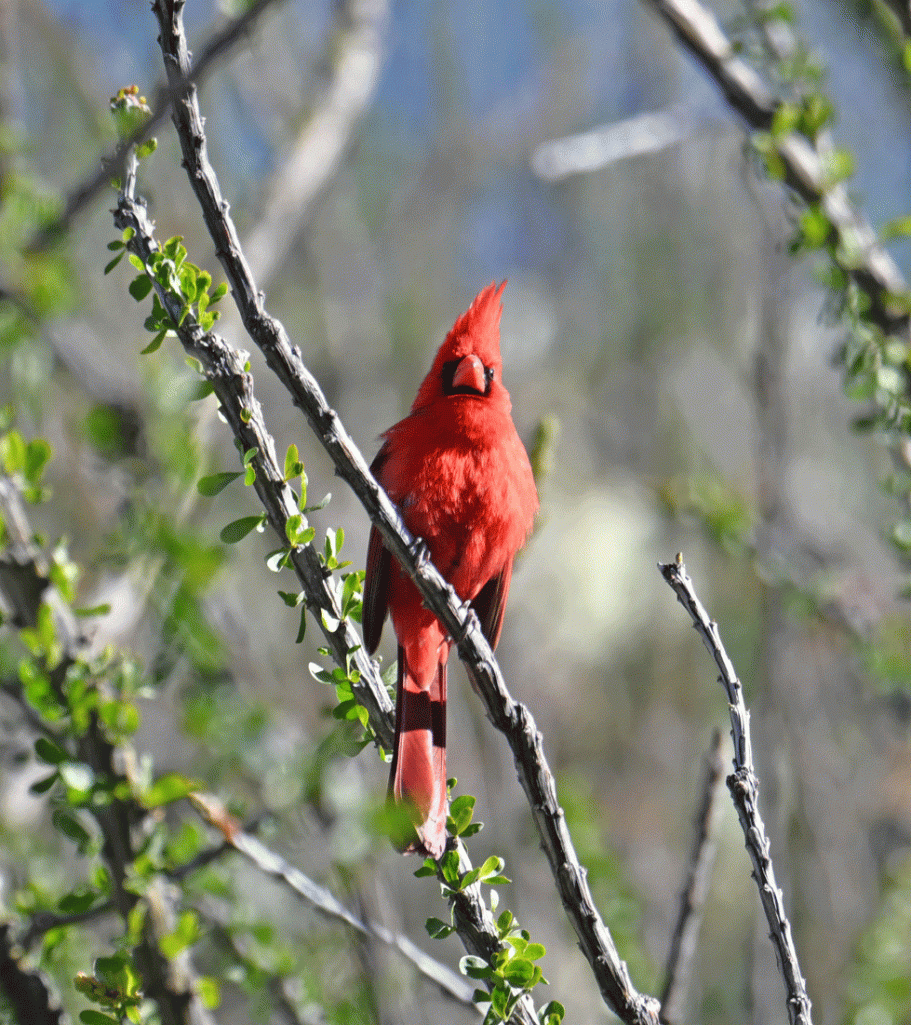
Here’s a male Northern Cardinal perched on an ocotillo in Florida Canyon.
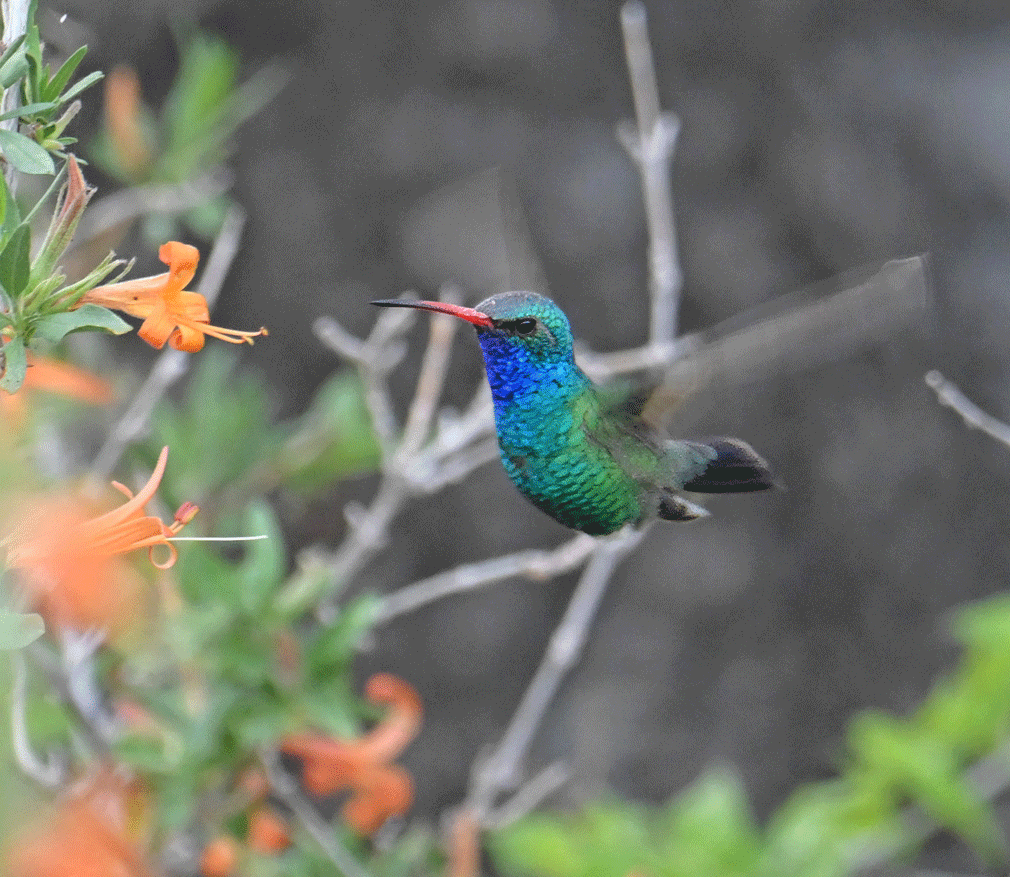
On one of the days we were at Florida Canyon, the honeysuckle was in full bloom and the hummingbirds loved it! This is a male Broad-billed Hummingbird.
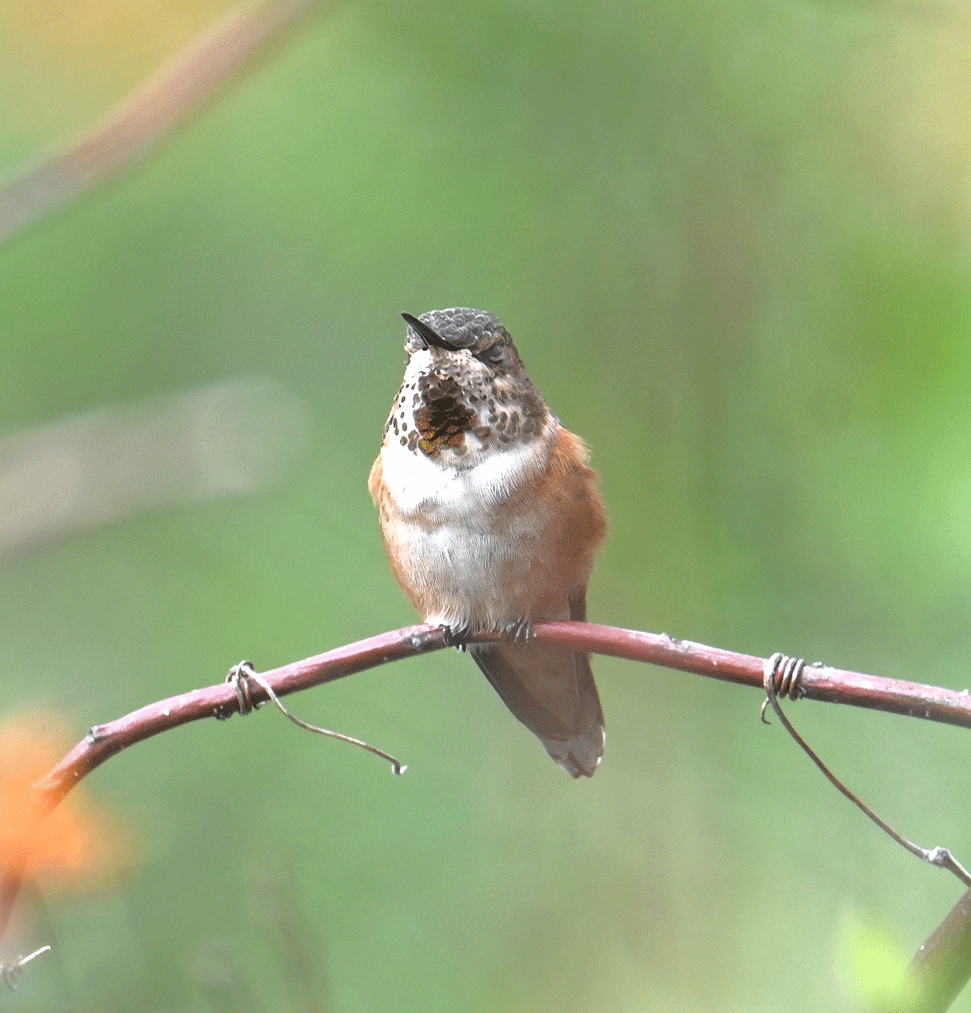
We saw our first Rufous Hummingbird of the season that day. Rufous Hummingbirds are only found in Florida Canyon during migration. Perhaps this female will end up in our yard in Canada, since they breed throughout British Columbia. The orange-red central spot is easy to see in the photo below.
Here’s a Cooper’s hawk that was keeping watch from a sycamore. We often see Cooper’s Hawks when we’re birding. Perhaps that’s because they feed mainly on birds captured in flight.
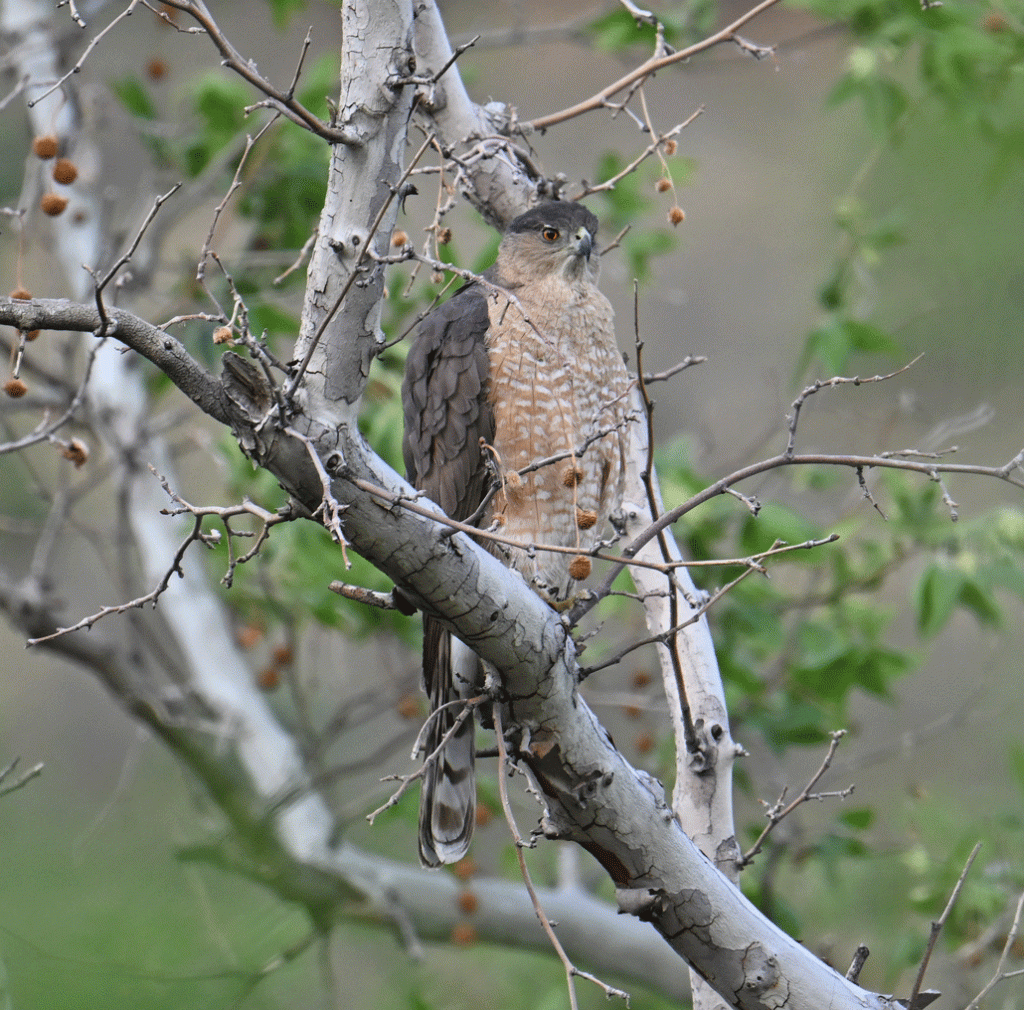
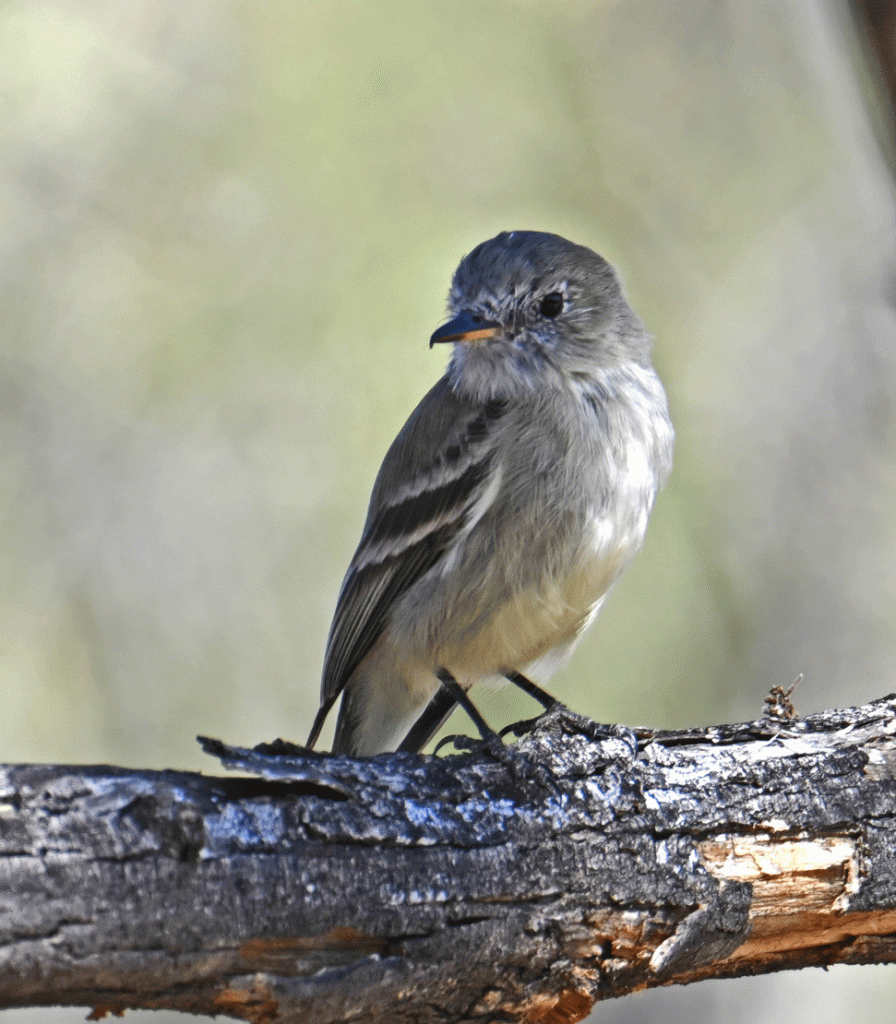
This Dusky Flycatcher will be making its way north soon. Perhaps it’s already on its journey. The dull, greyish flycatcher is similar to Hammond’s and Gray flycatchers. This one wasn’t vocalizing which would have made it easier to identify. Sometimes with birds like this, we wait until we examine the photo before we make a final decision on the species.
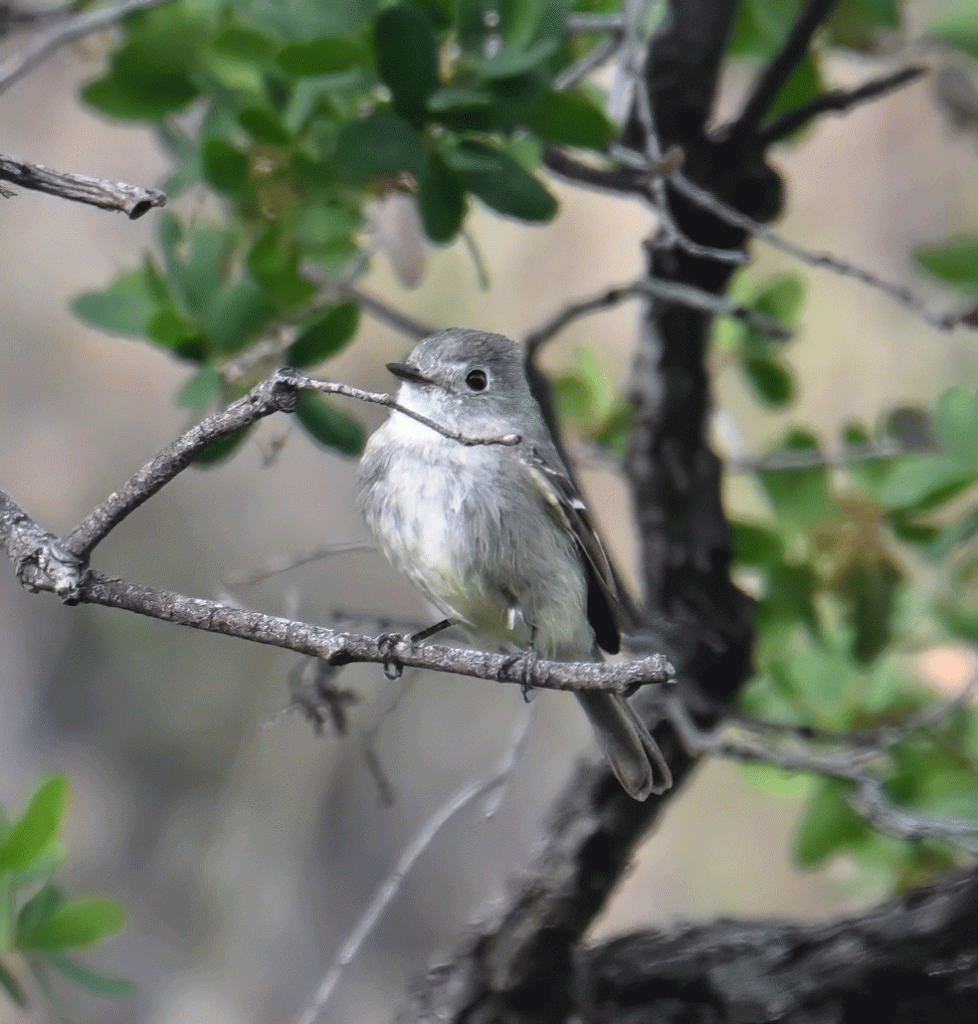
Here’s a Gray Flycatcher that we saw on the Anza trail near to Desert Meadows Park in Green Valley. It looks very similar to the Dusky. It has a tendency to wag its tail downward, which is unique to the species. It was also vocalizing, so it made the identification easier.
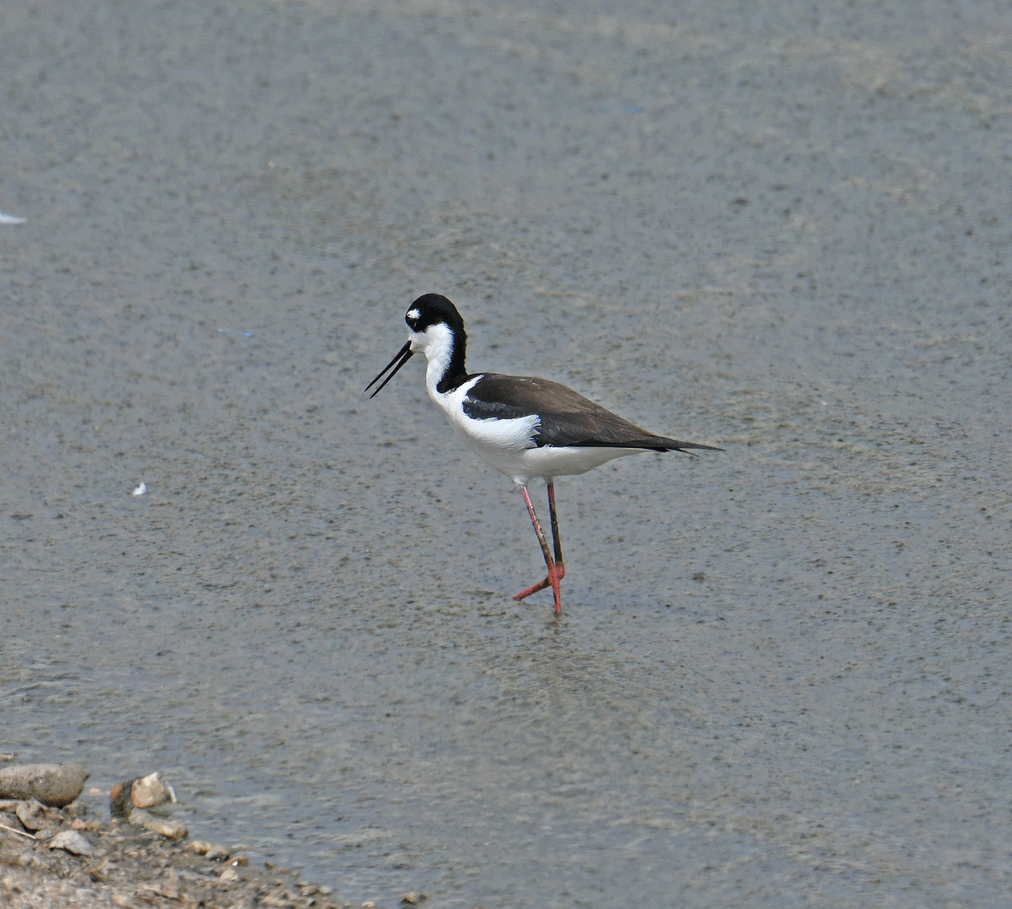
In March, migrating birds start showing up at the Green Valley Water Reclamation Facility. One day, we saw a Black-necked Stilt. This one’s long reddish-pink legs are covered in mud.
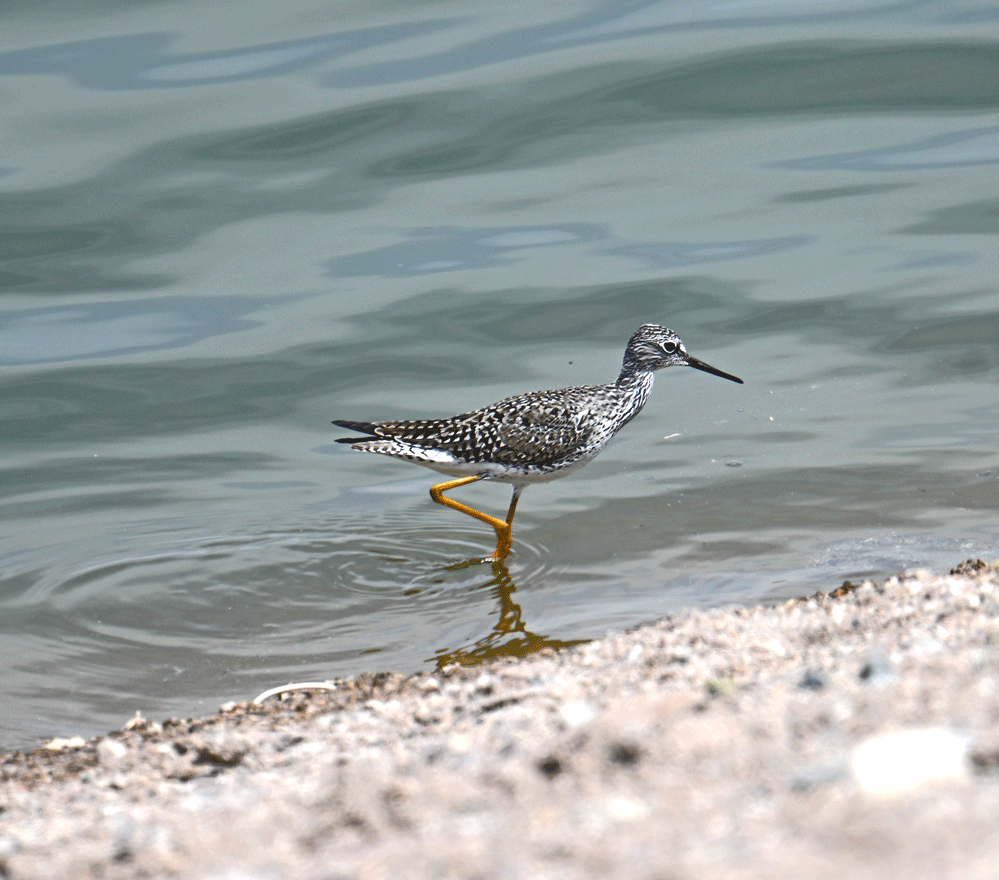
We almost overlooked this Lesser Yellowlegs because it was foraging by itself on the edge of a one of the large ponds at the Reclamation Facility. We moved to get a closer view. When there is no other shorebird nearby, it’s difficult to judge the size of a bird, so we looked carefully at its bill. A straight bill that is just a little longer than its head indicates Lesser Yellowlegs, while an upturned bill that isn’t much longer than its head describes a Greater Yellowlegs. It’s more common to see Greater Yellowlegs around the Tucson area, so we were really happy to find a Lesser.
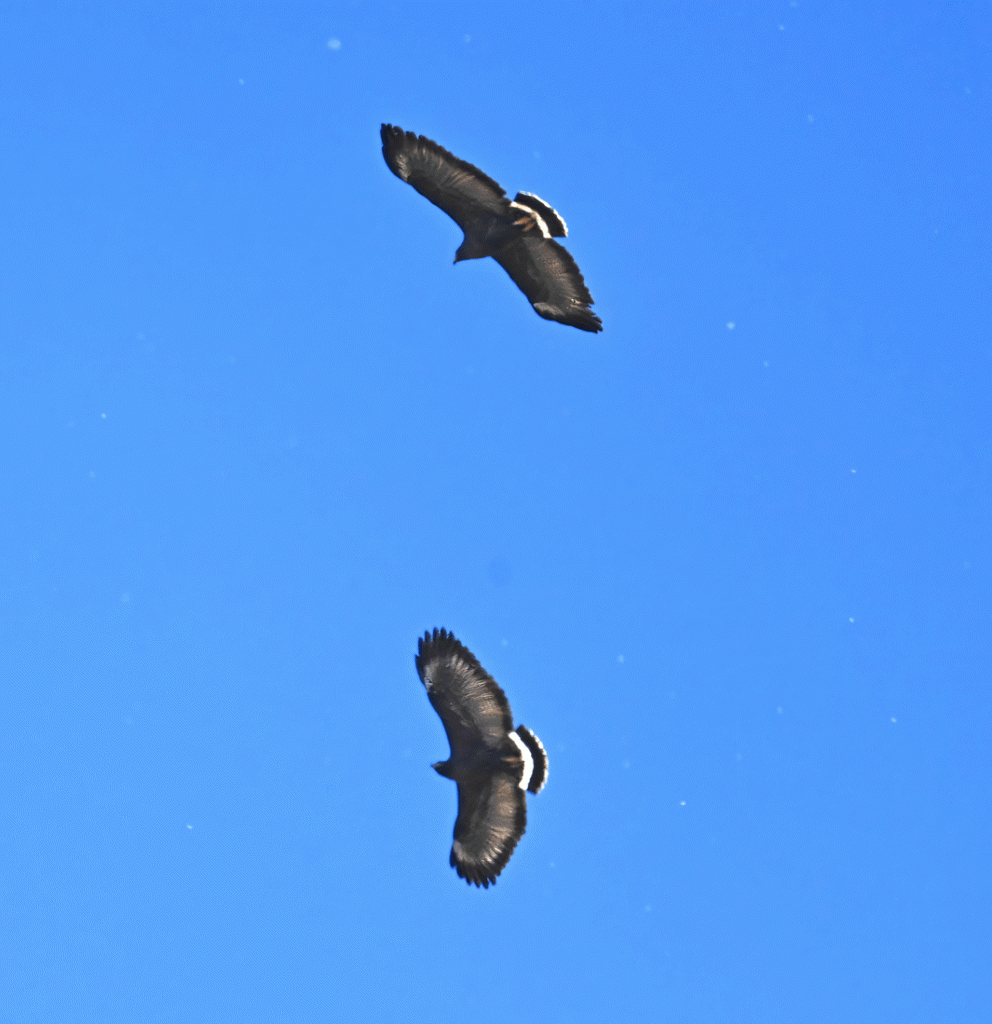
On March 12th, we went to Ron Morriss Park for the Tubac Hawk Watch. We saw six Common Black Hawks kettling together. Here’s a photo of two of them taken when they were quite high in the sky. The Tubac Hawk Watch is famous for being the best spot to see this species migrating in the US. It’s an aptly named entirely black hawk with a white band on its short tail.
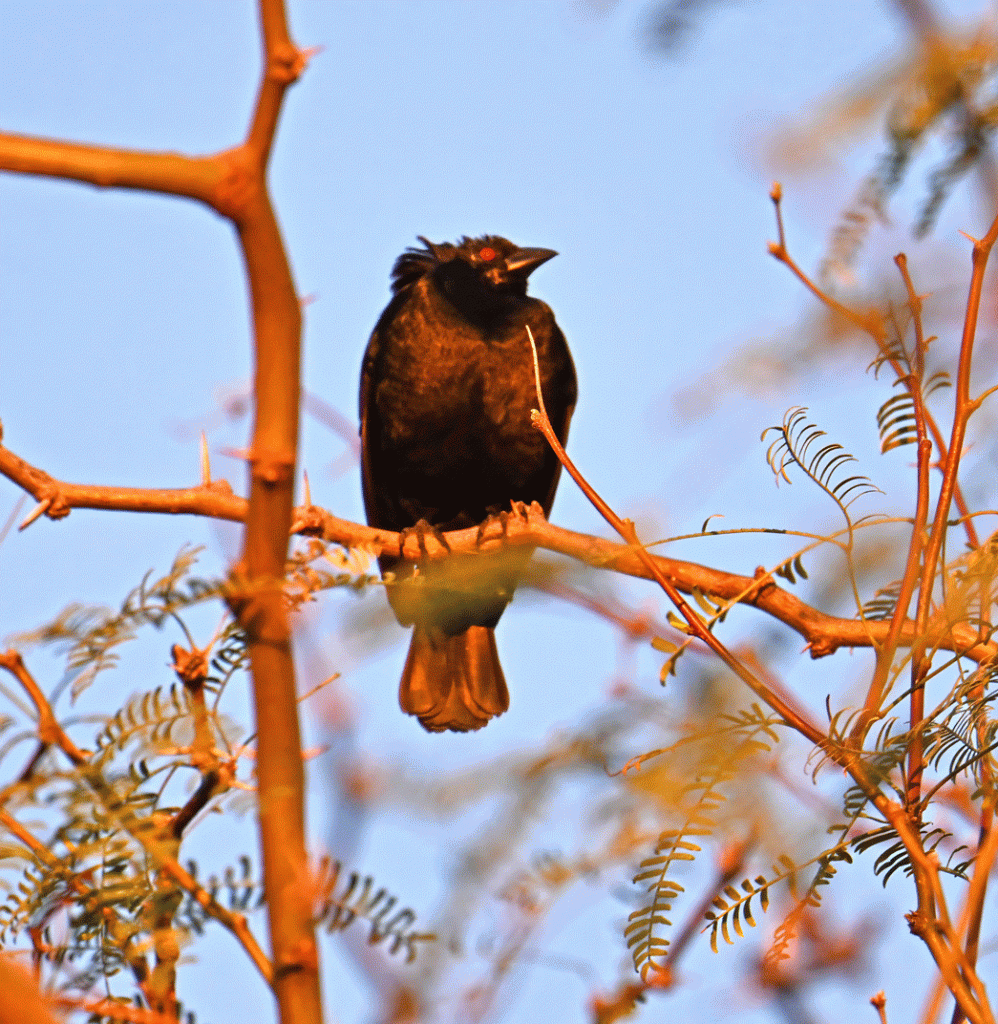
On morning in mid-March, we arrived before sunrise to Danny Lopez Park (formally Christopher Columbus Park). Our friend had reported that several Bronzed Cowbirds regularly flew into a lakeside tree for a few minutes just as the sun rose, and then flew off to parts unknown. We saw about thirty fly in at 6:36. Most of them left six minutes later, but this one stayed a little longer which allowed for a better photo. A Bronzed Cowbird has a red eye, but this one’s eye looks even redder because of the sunrise light. This male is perched in a typical hunched posture and shows his thick neck ruff.
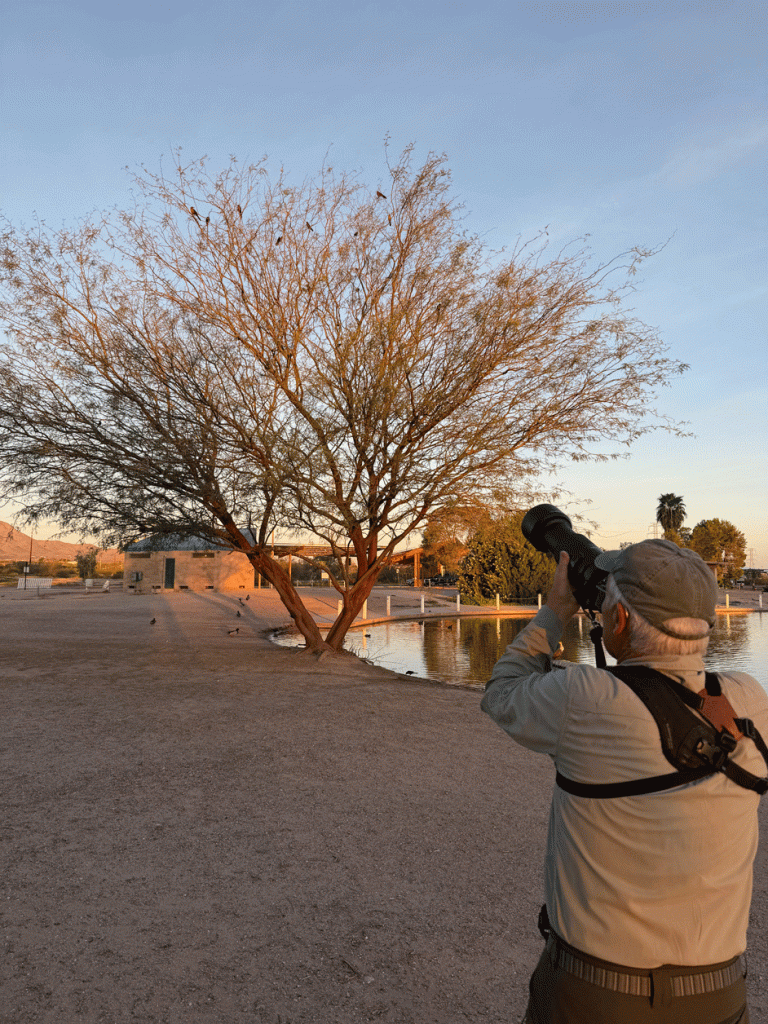
The Bronzed Cowbird was somewhere in the middle of this tree surrounded by Great-tailed Grackles and Red-winged Blackbirds.
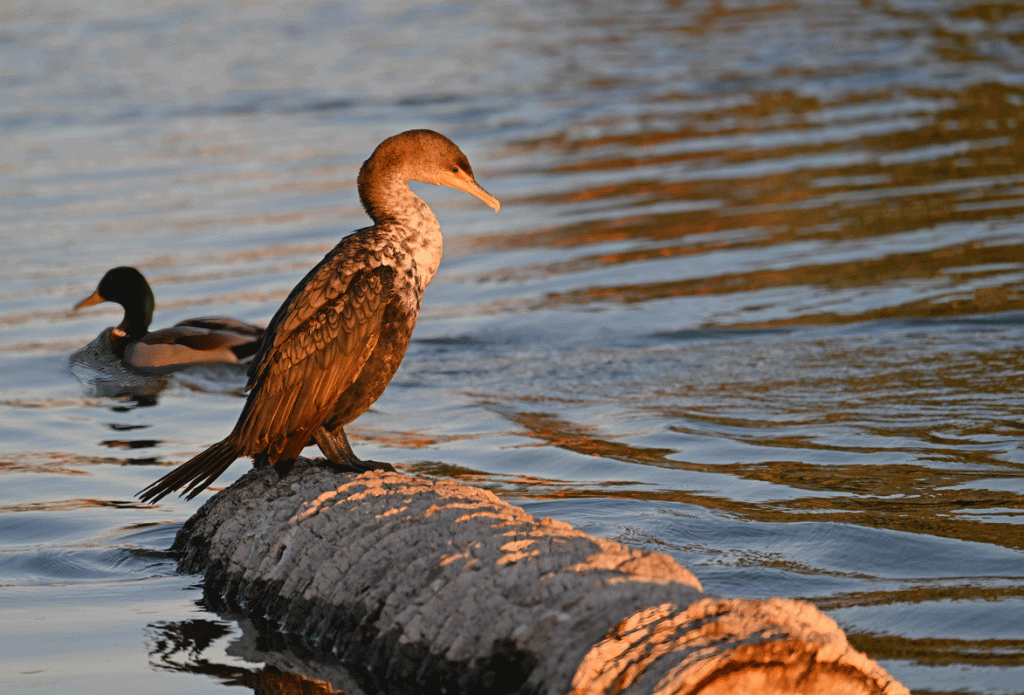
This juvenile Double-crested Cormorant was perched on a log nearby. The early light makes it appear lighter than usual. Because it has orange in front of the eye (the spot called the lore) that means it’s a Double-crested Cormorant rather than a Neo-tropic Cormorant, which is also found in the Tucson area.
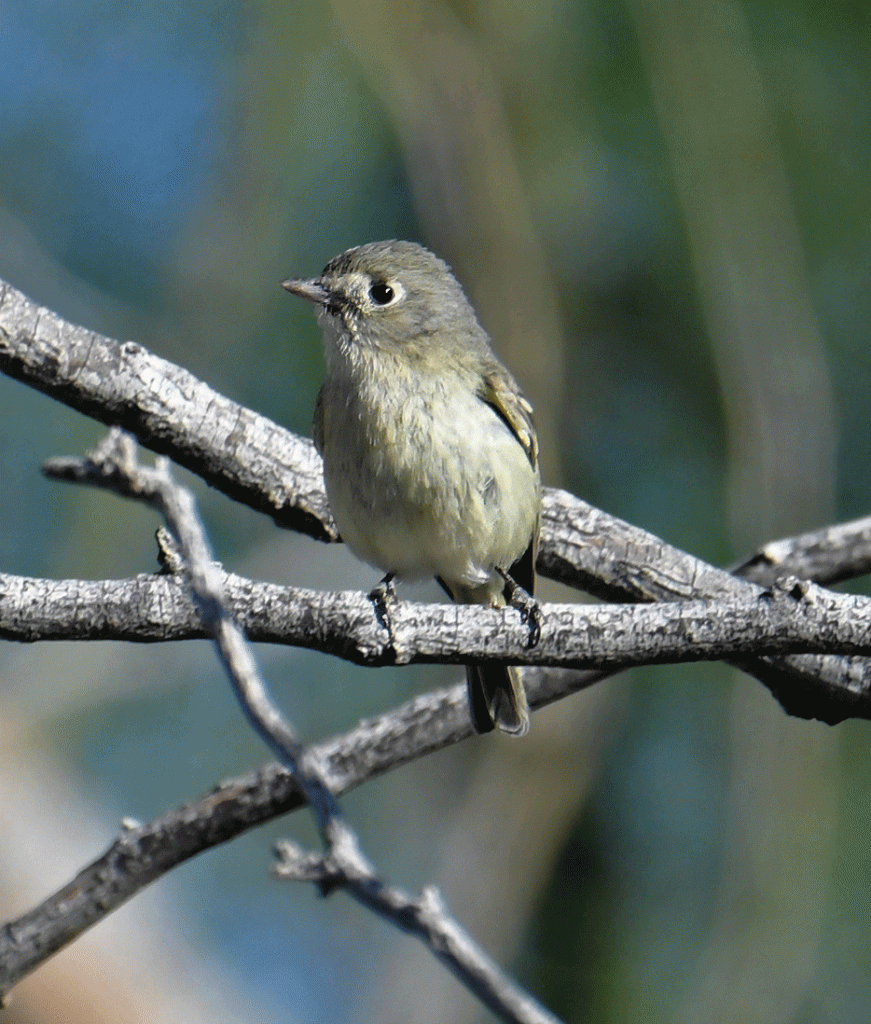
That day, we also saw this Hutton’s Vireo, which is considered rare for a city park. We see them frequently in Madera Canyon and other mixed oak-conifer forests. While it has similar colouring to a Ruby-crowned Kinglet, it is heavier and has a thicker bill.
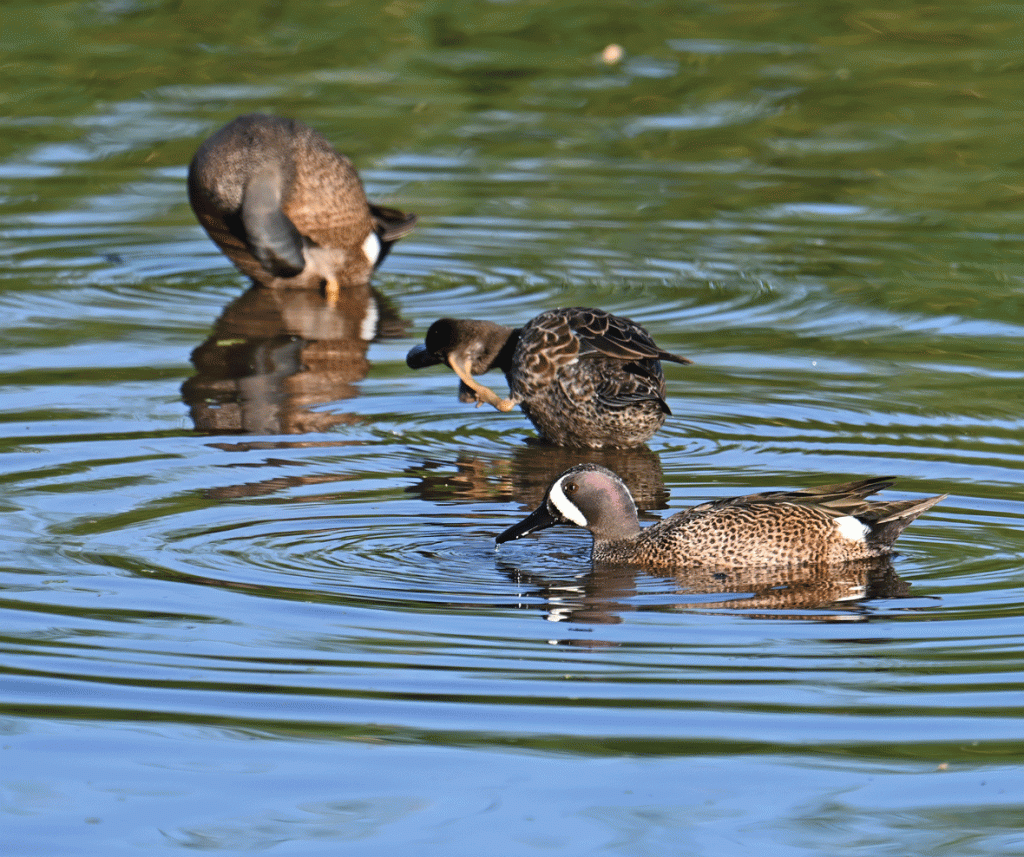
We went to Sweetwater Wetlands several times in March but have included only two photos. The male Blue-winged Teal in the photo below looks ready to start his day, while the others are still dealing with their morning routine.
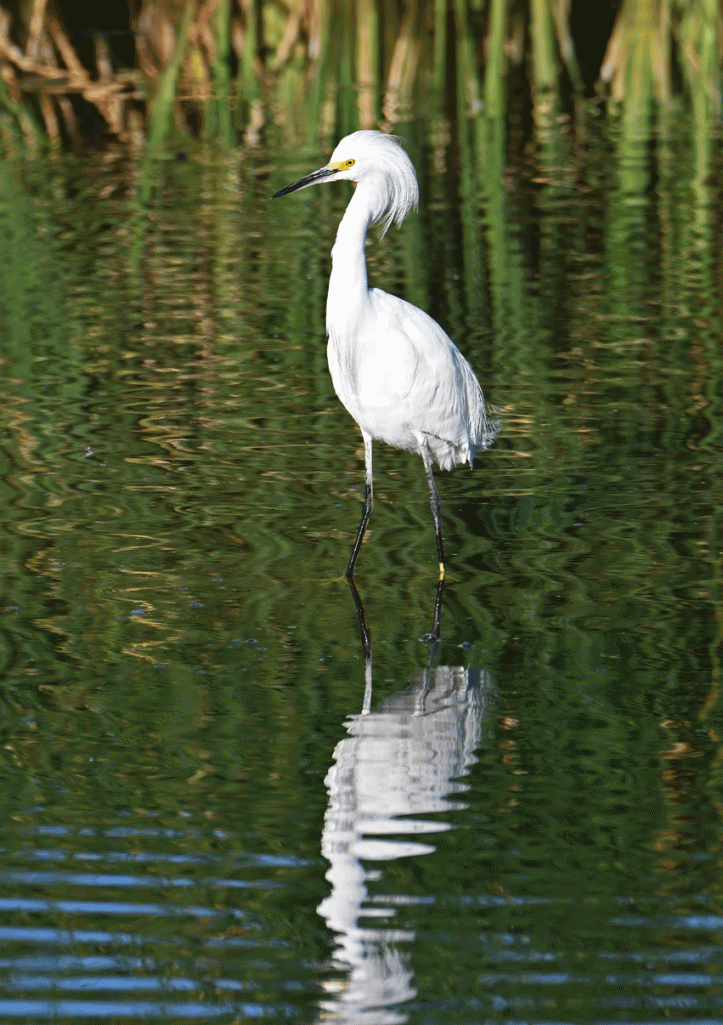
We may have included a photo of a Snowy Egret in a blog each month this season, but that doesn’t stop Doug from taking more photos and posting another one of this most interesting bird. (Especially if there are reflections involved.)
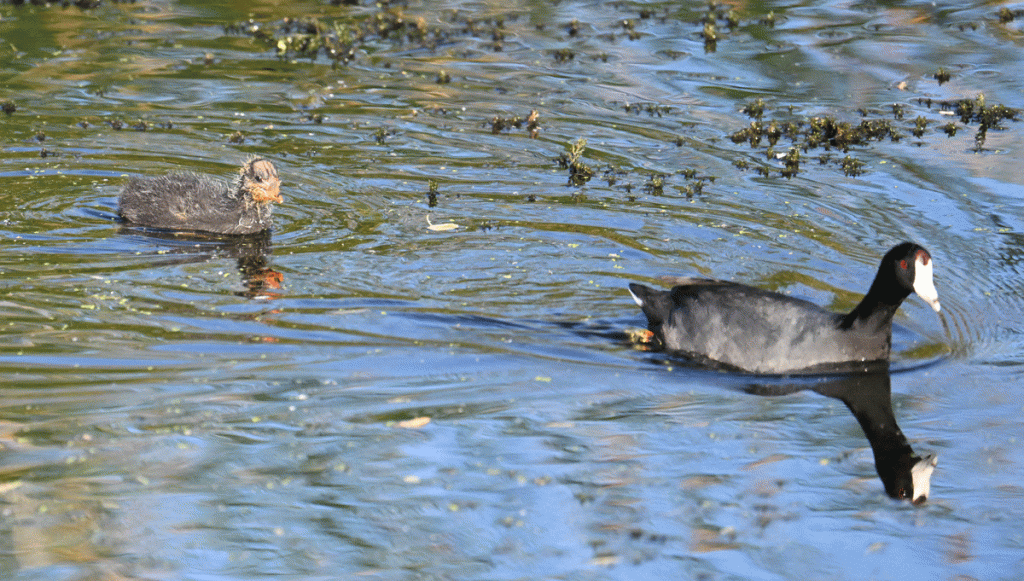
Here’s a baby American Coot with its parent. Both parents are involved in raising the chicks.
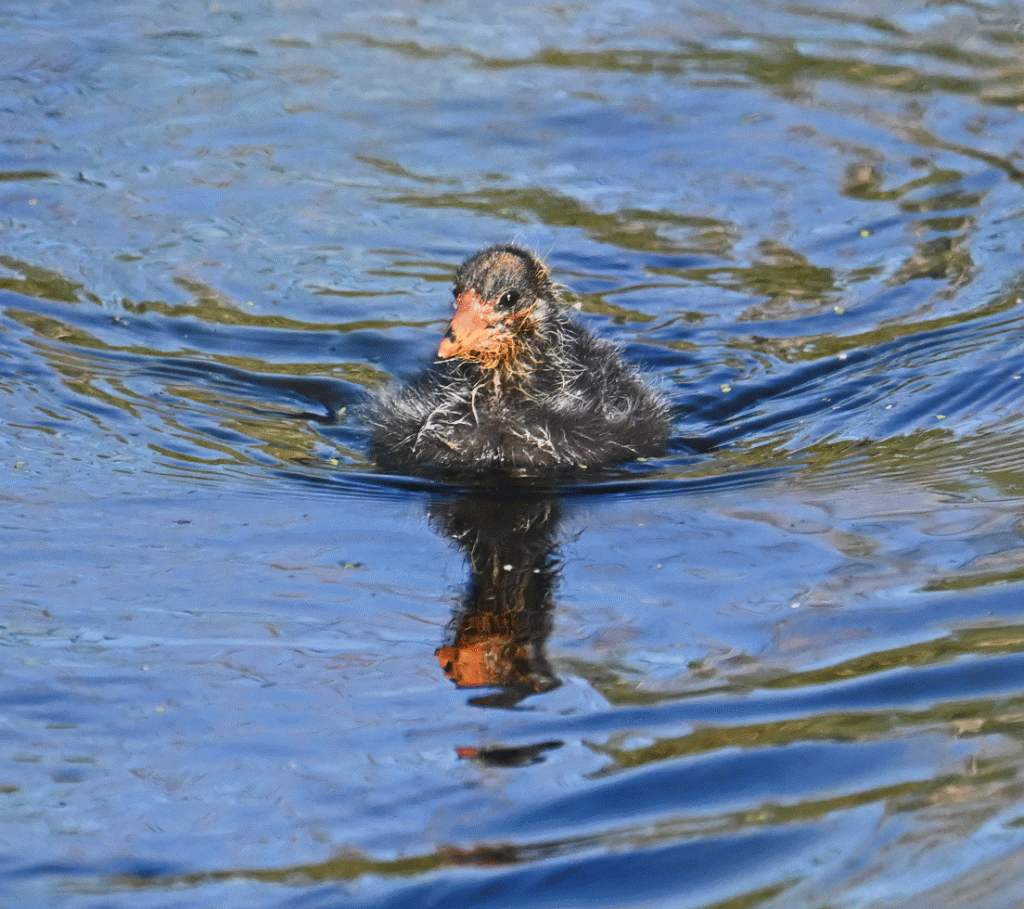
Having brighter colouring than its siblings is an advantage to a young coot, because parents will give special treatment to the brighter coloured chicks. (A Dec. 2019 article by Tim Stephens: The mysterious case of the ornamented coot chicks has a surprising explanation (news.ucsc.edu) explains it in more detail.)
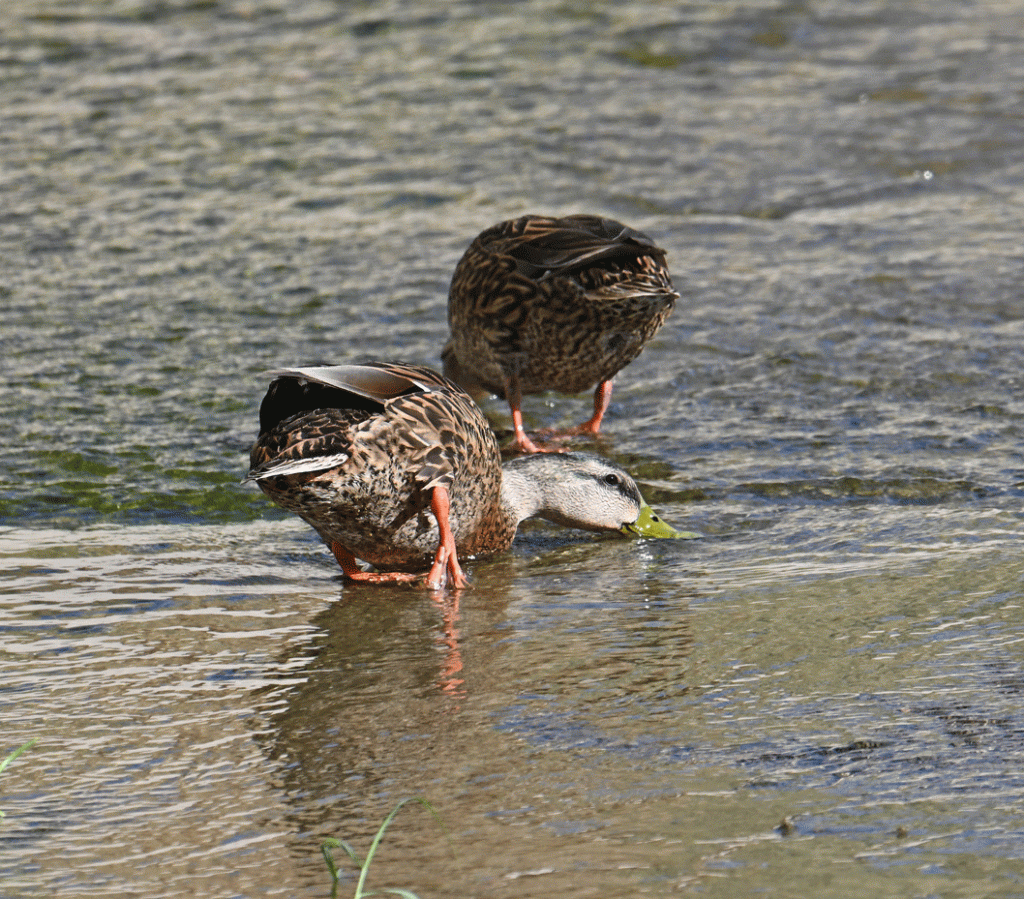
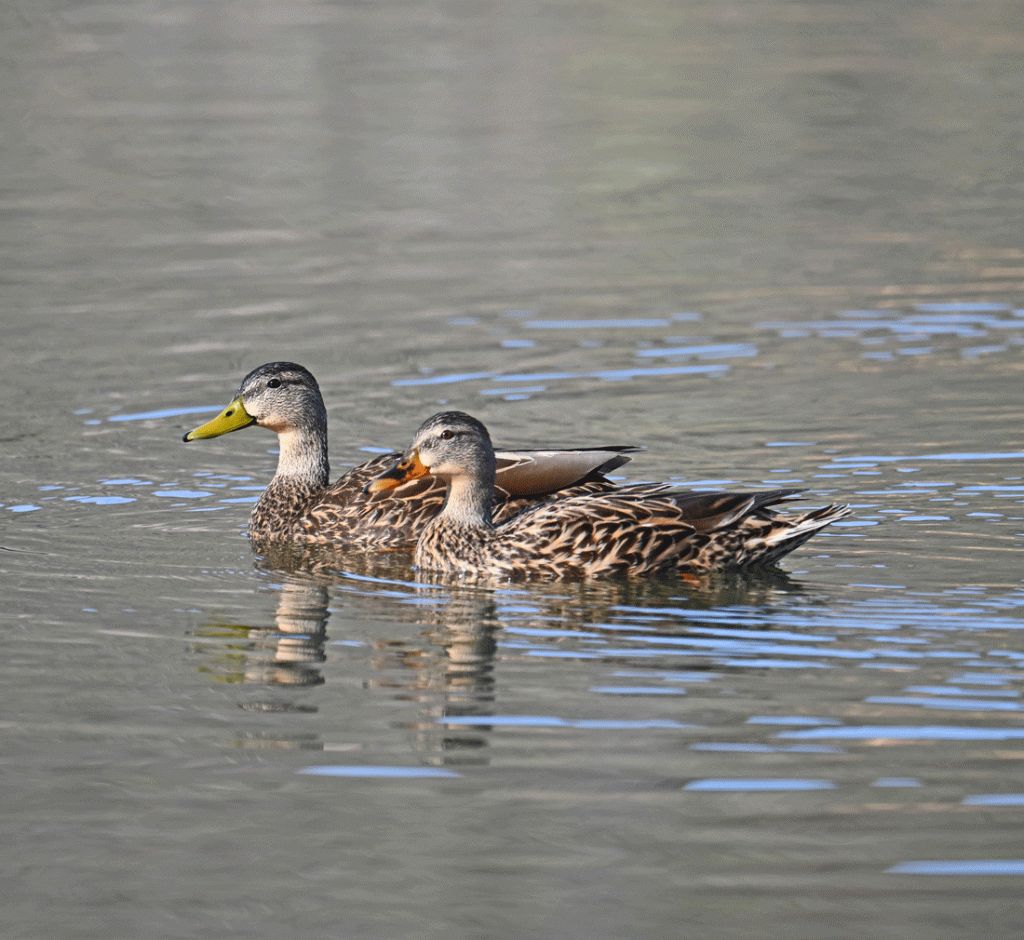
We birded at El Rio Preserve each week in March. Here are three photos from there. The first two are of the pair of resident Mexican Ducks. The male Mexican duck looks similar to a female Mallard, with a yellow bill. Mexican ducks and Mallards have been known to interbreed and until recently, they were considered the same species. We often see a pair of Mexican ducks by themselves, not associating with Mallards.

The birds aren’t aware of us taking their photos, but if they could decide, which photo do you think they would prefer? The awkward shallow water pose or the more stately tandem swimming one?
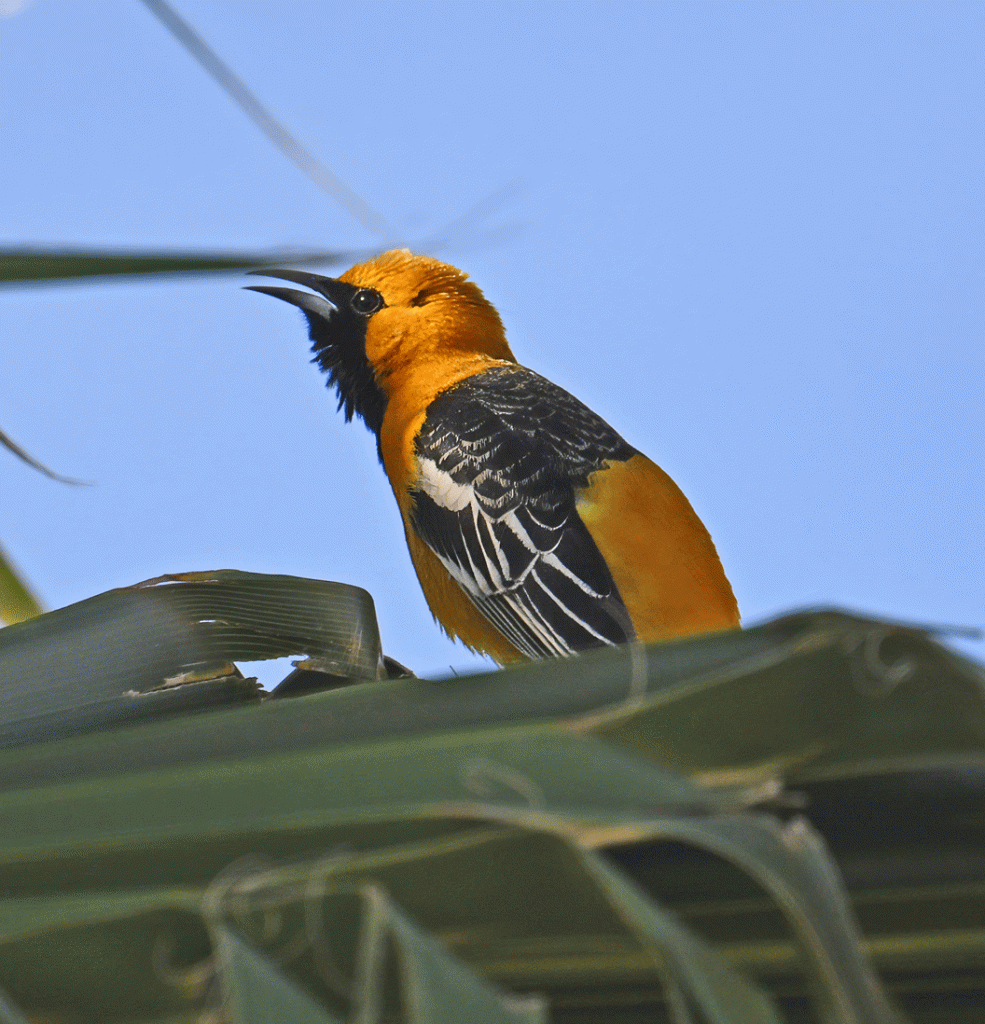
This is a male Hooded Oriole that was singing his rapid, varied song from a palm tree in a yard bordering the park. The species breeds in the Tucson area, so this one might have arrived at his summer home.
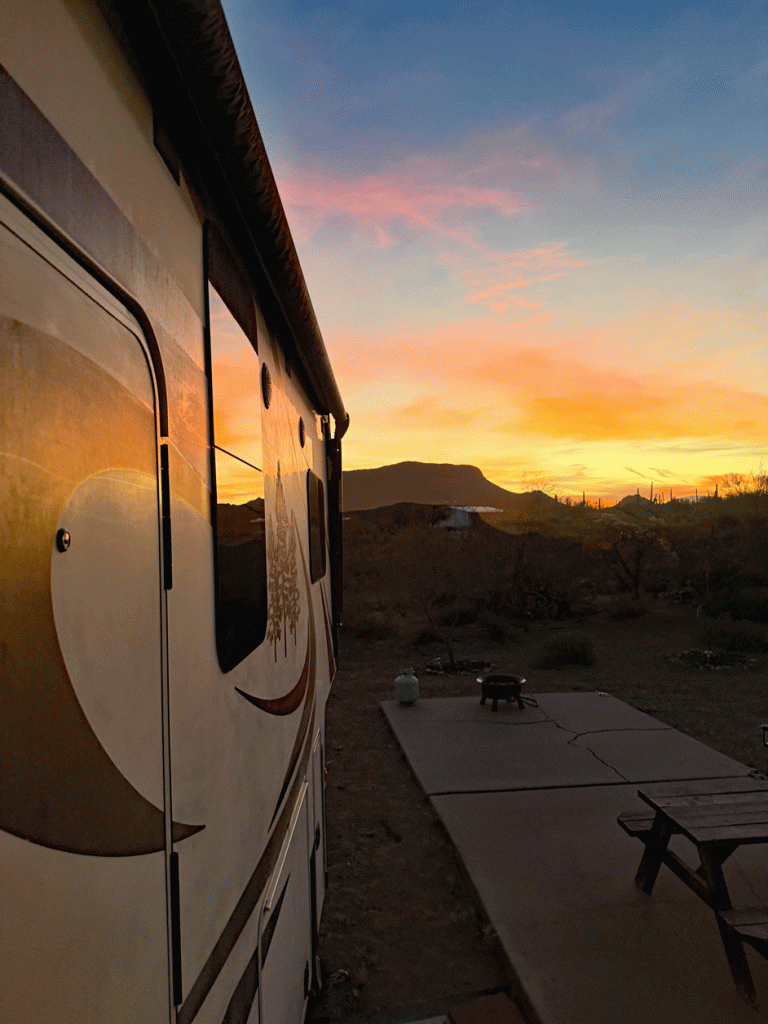
This photo of sunrise on March 14th was taken through the window in the main slide of our Redwood.
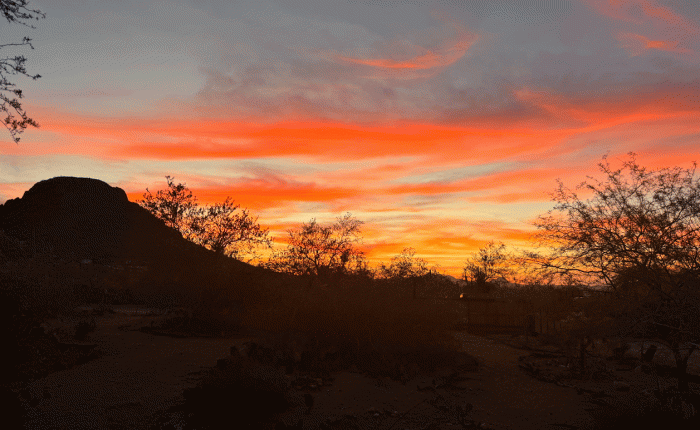
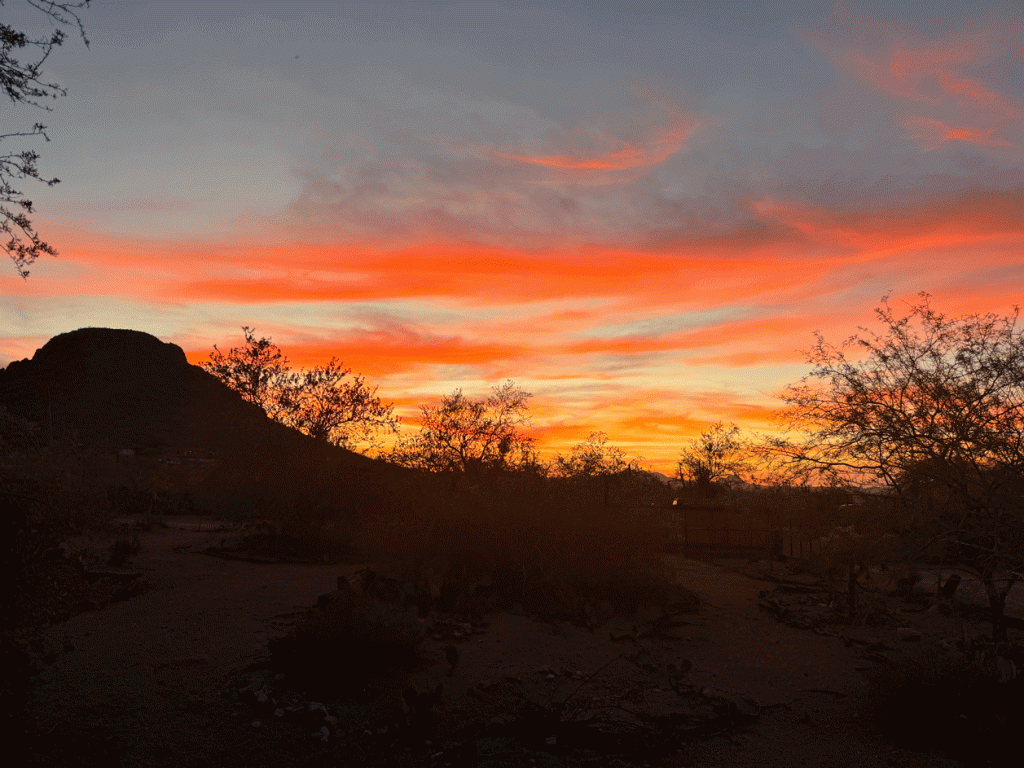
March 22nd’s sunset was magnificent. Here’s the photo Doug took at 6:50 from the patio.
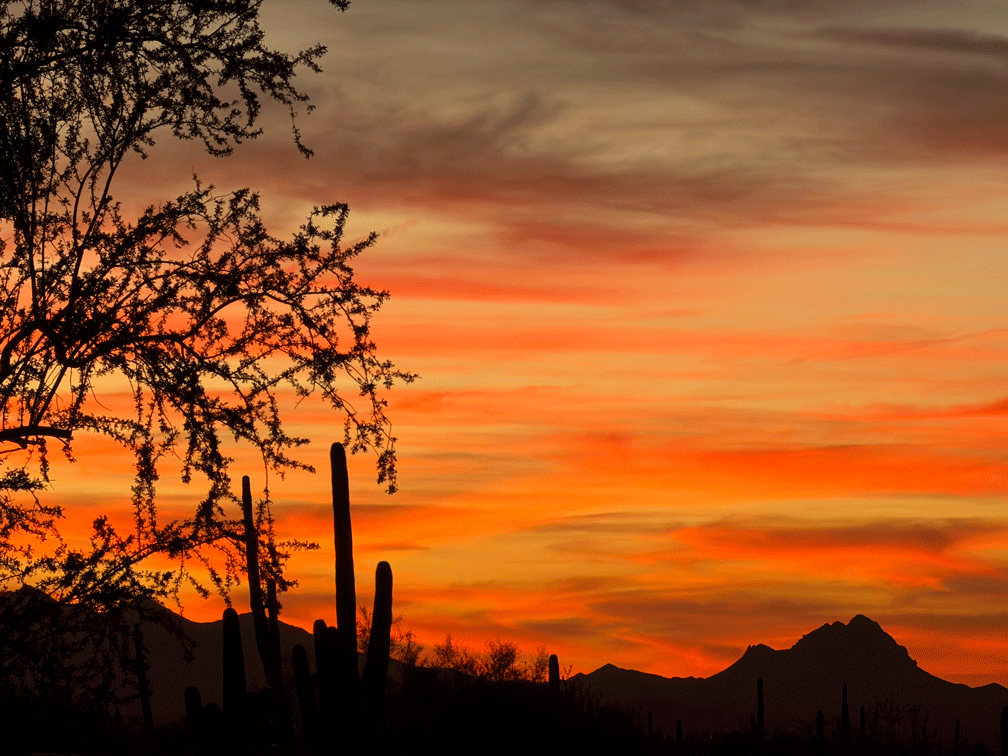
And here’s the photo Wendy took five minutes later, from the gate with the telephoto camera on her iPhone.
We are now back in BC, and have been for a few weeks. We will post about our ten days in Arizona in April soon.
March 2026 in Arizona – Part 1

March 2026 in Arizona – Part 1

This blog post will be about our trip to Northern Arizona and a couple of local hikes. We have included several bird photos, but the majority of the photos are scenic shots.

In the third week of March, the temperature in Tucson was expected to be 40 degrees C (104 F) for a few days. We decided to visit Northern Arizona where it would be cooler, so we booked three nights in a hotel in Flagstaff.

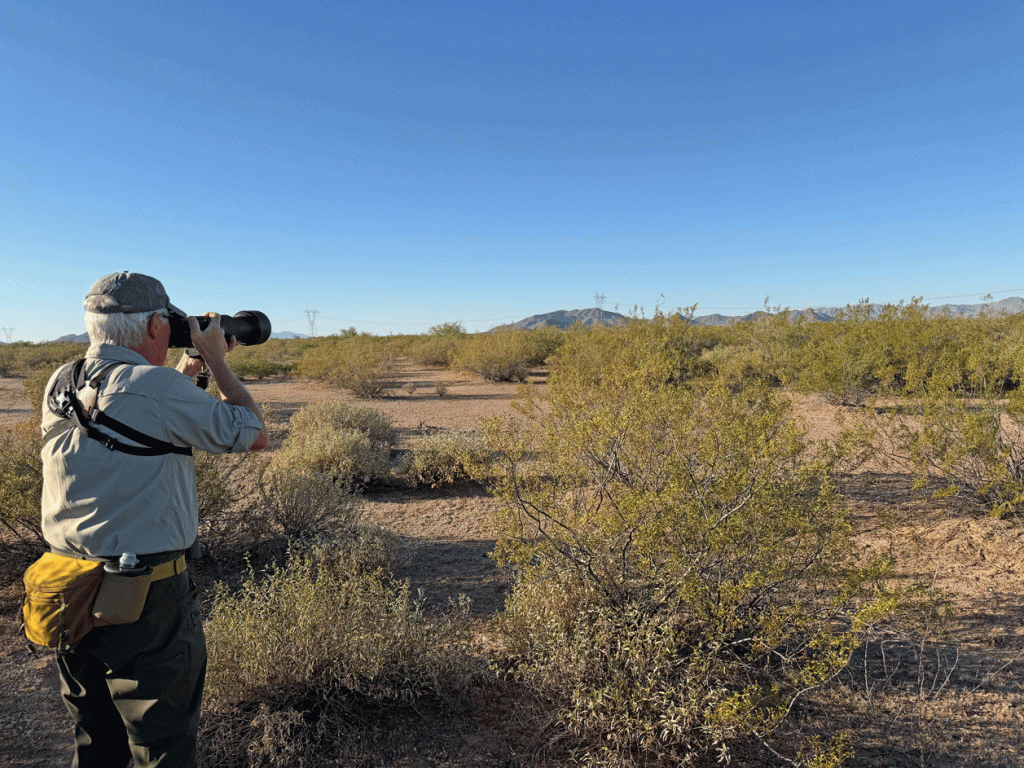
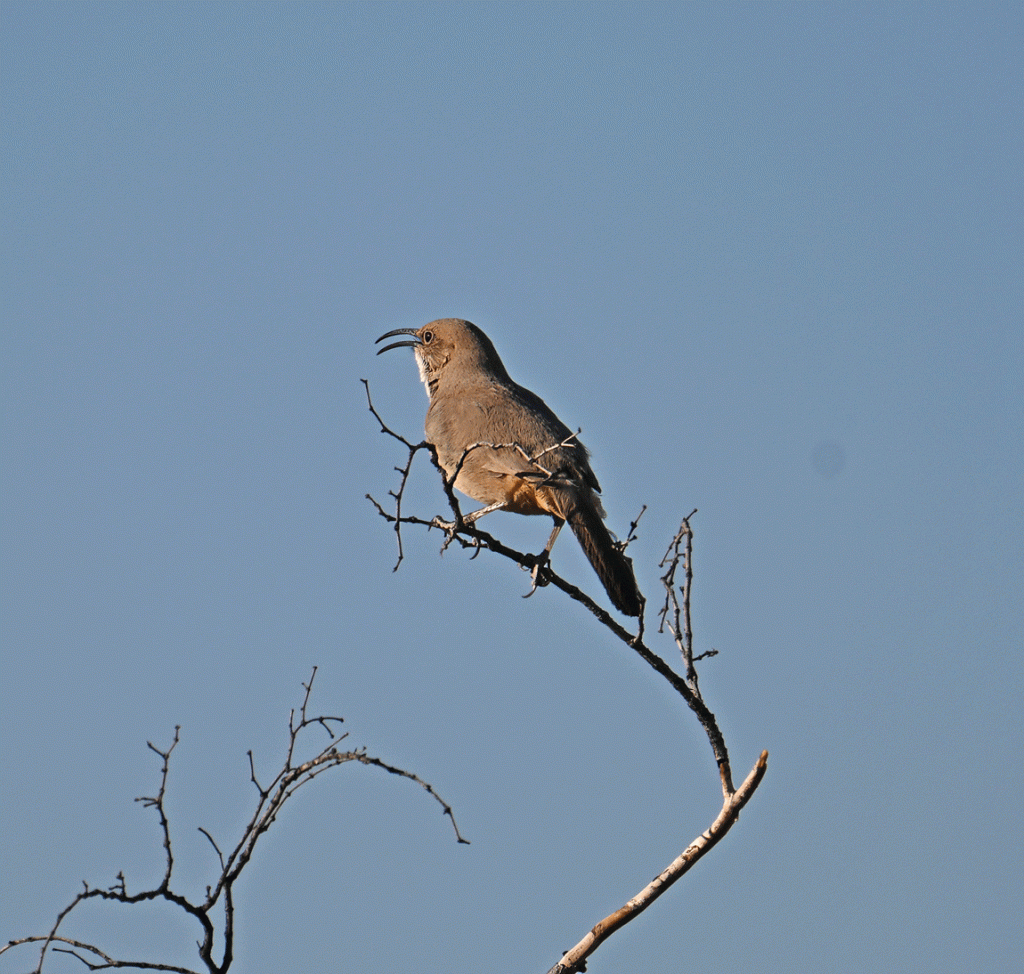
On our way north, we stopped at a piece of desert scrub that although barren-looking, was favoured by thrashers and other desert birds. Other birders had discovered this spot, and its eBird hotspot name includes “(thrasher spot)” in its title. We had visited the same spot in February without success, so we were hopeful that this time we could hear and see a LeConte’s Thrasher. LeConte’s thrashers like dry areas with a few bushes and lots of bare, sandy ground. They also like to sing perched up and luckily this one was far enough above the rest of the shrubbery that we could see it when we were over 200 metres away. It was also lucky that it sang for a long time and stayed in the same place, so we could walk over and skirt around it to get the light right.

The thrasher is just barely visible in the photo below. It’s the highest speck above the bushes.

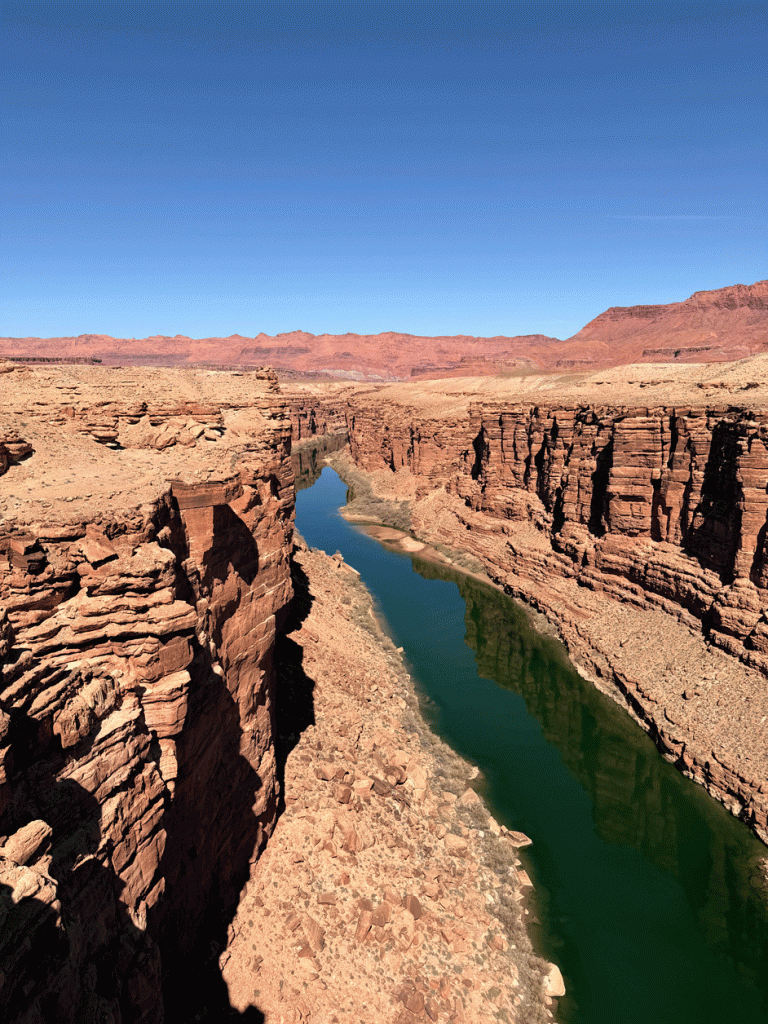
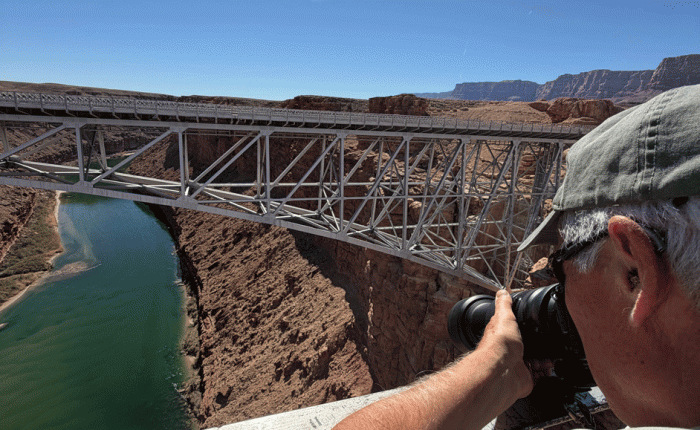
We had allocated a couple of hours to see the thrasher and we were out of there in 45 minutes, so we had time to drive to see another bird. We continued past Flagstaff, north on US 89 highway, to the historic Navajo Bridge at Marble Canyon. Here’s a view of the Colorado River taken from the Historic Navajo Bridge, a pedestrian only bridge. We got there about 1:30 which was little early for the California Condors to be roosting. There were other birds around; Common Mergansers and American Wigeons way down on the river and House Finches flitting about.
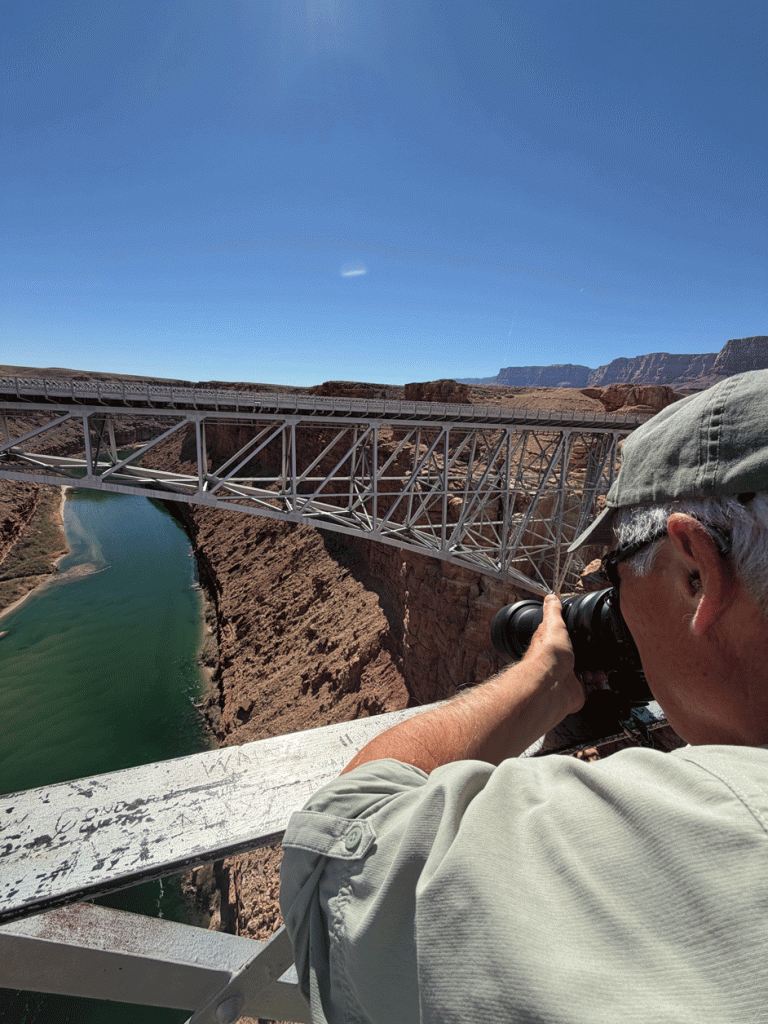
Around two o’clock, some other people saw the condors come in and alerted us. Our binoculars and camera gave us away as “birders.” We saw a couple of condors down in the rocks, and then another two perched on the main bridge. Below, Doug is taking a photo of one of the condors on the rocks.

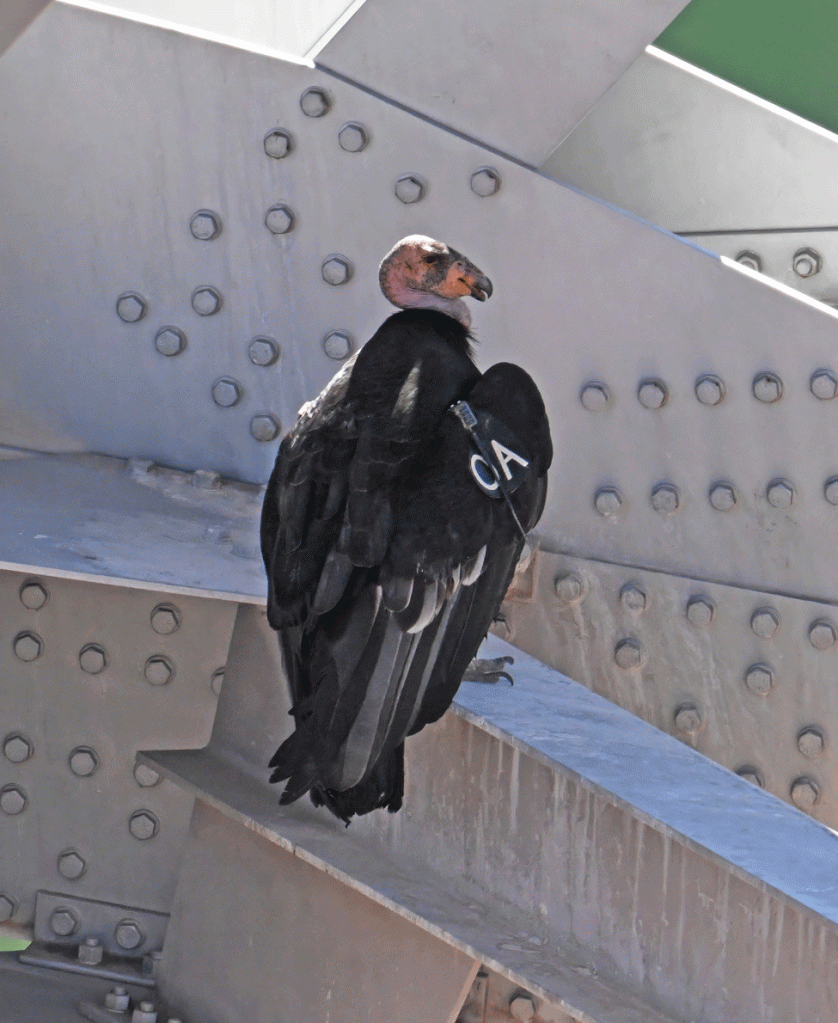
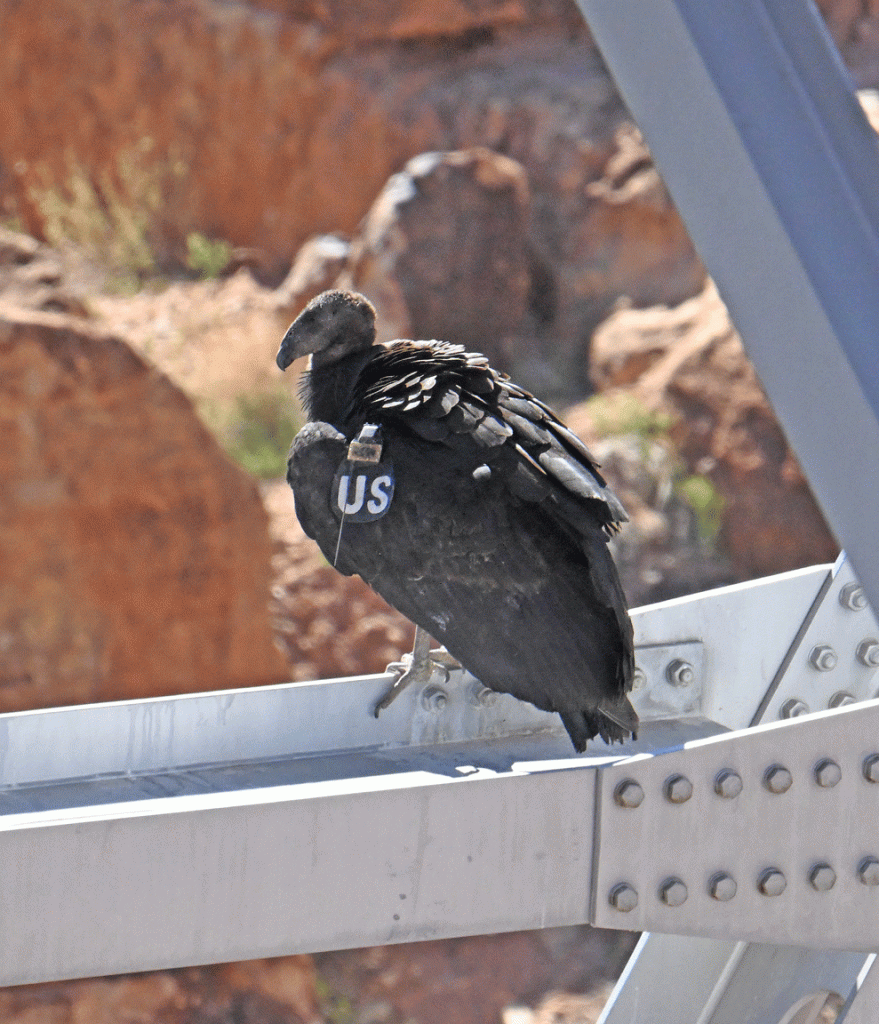
The California Condor is a critically endangered species that nest high on cliff faces. In the 1980s, the population fell to about 22 birds and now, with captive breeding intervention, there are over 275 free-flying birds. They have transceivers and labels so they can be tracked. We looked up the information about the bird with the OA tag on condorspotter.com and found out that OA is a female who is almost 5 years old. She was hatched at the World Center for Birds of Prey in Boise, Idaho. She was probably released at the Vermilion Cliffs Release site, which is nearby in terms of distances condors fly in a day. She was trying to sit in the shade of the girders on this hot day.

The condor with the US tag was hatched in the wild in the spring of 2024. Its neck will begin to turn pink in its third year, and will be adult-like in its fifth summer.

We drove back to Flagstaff for the night. It was a long day of driving with some rewarding minutes with special birds.

The next day, we wandered through some juniper / pinyon pine forest just east of Flagstaff at Cosnino Road. We were searching for a Juniper Titmouse and a Pinyon Jay that our friend had seen there a few days before.

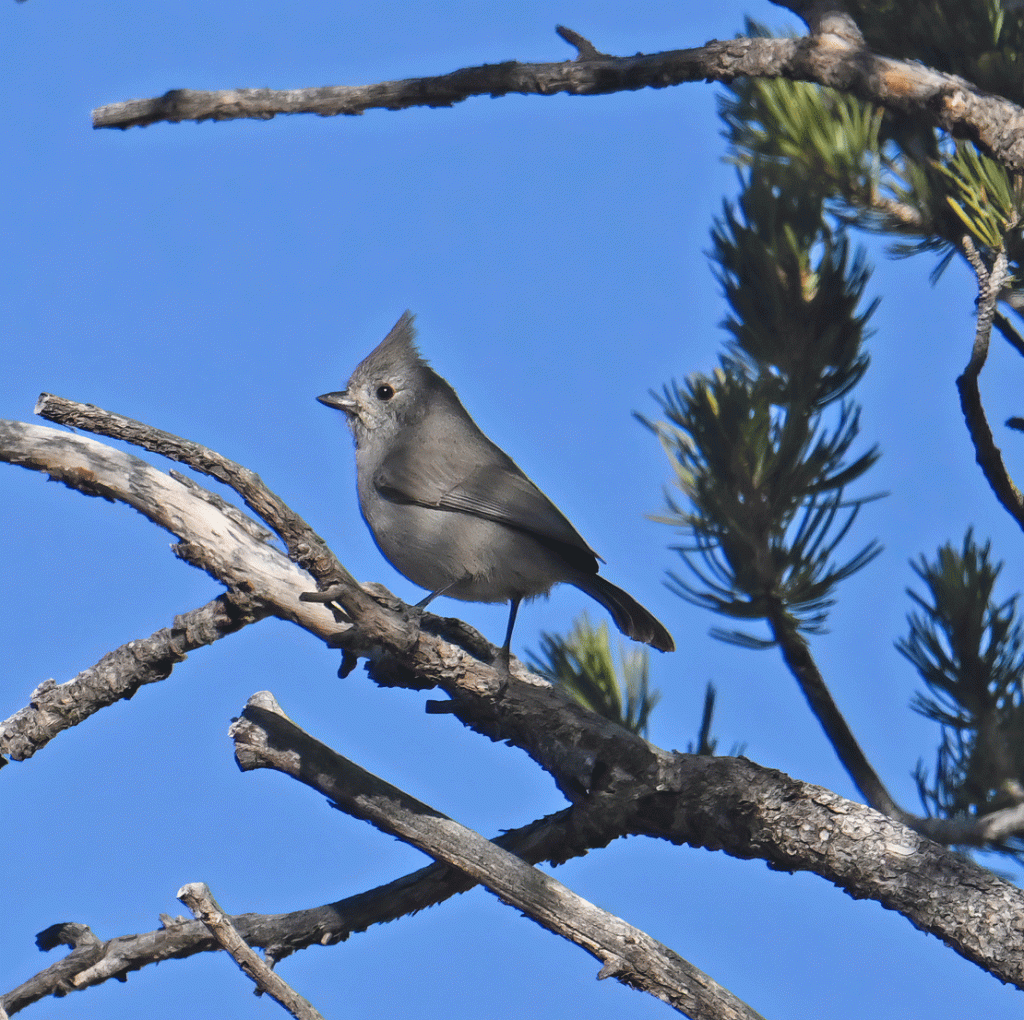
We heard the Juniper Titmouse right away, but it took us a little bit to get our eyes on one. Luckily one popped up in the sunshine. They are plain and drab but also cute like every other titmouse. They live year-round in Arizona at higher elevations. We didn’t hear or see a Pinyon Jay.

Next we went to Walnut Canyon National Monument and got there for their nine o’clock opening. The monument was established in 1915, to help preserve the cliff dwellings that are found throughout the canyon that were being damaged by pot hunters.

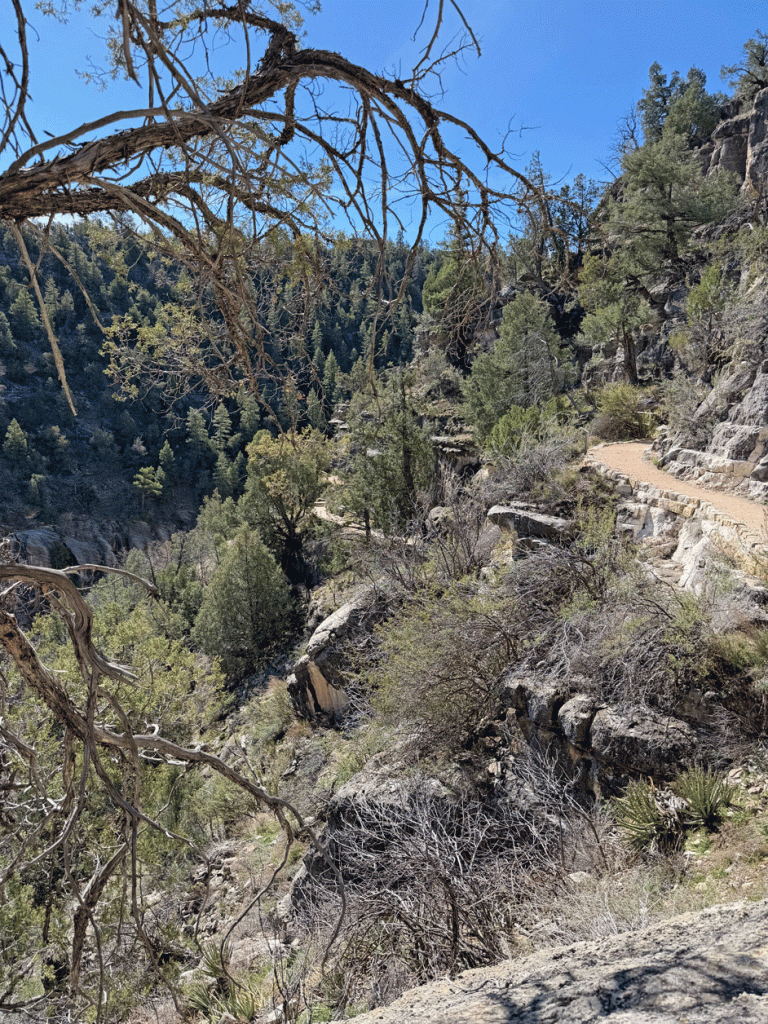
Only a small portion of the canyon is open to the public. We chose to walk on the 1.6 km (1 mi) Island Trail to begin. The Island Trail is accessed through the visitor centre, then drops down over 50 metres by staircases. The trail then makes a loop around the rock outcrops.
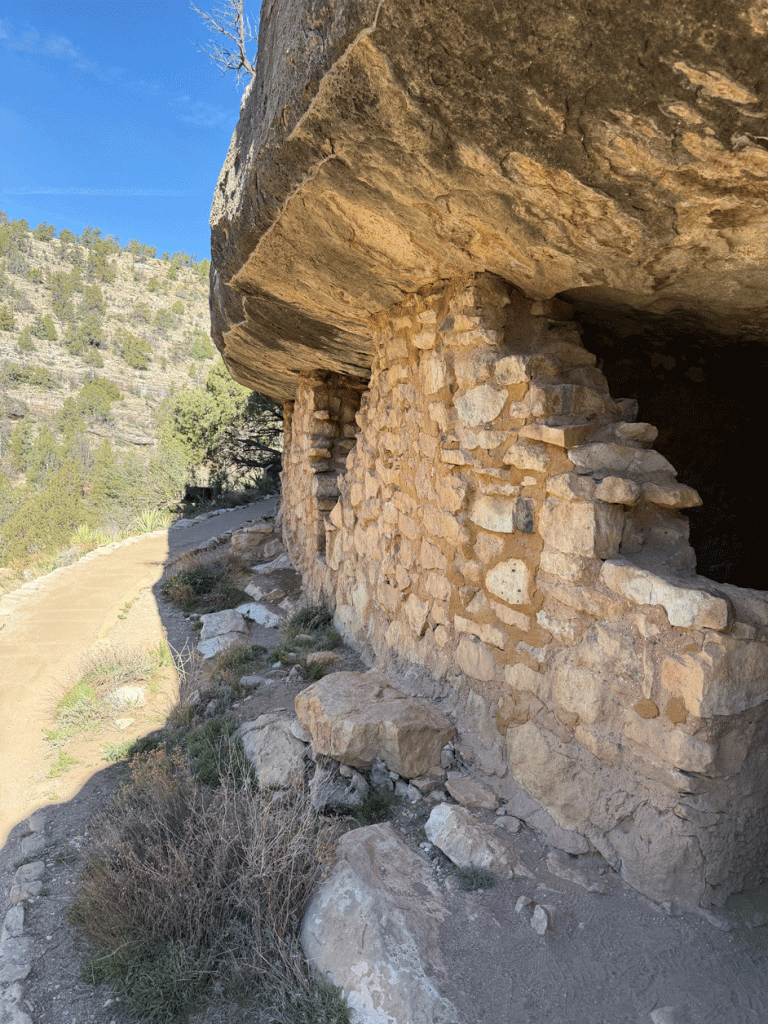
The trail goes right past some ancient dwellings, that were built on the limestone cliffs between 1125 and 1250.

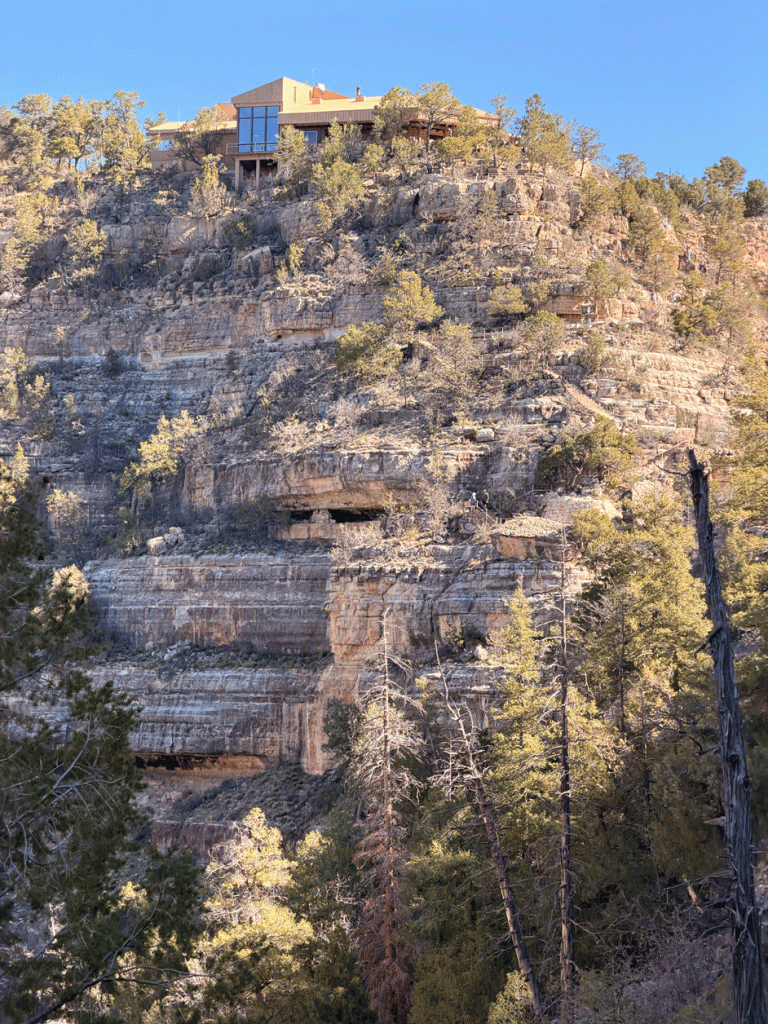
This is the view of the Visitor Centre and the cliff that we descended. Railings and stairways are visible on the trail.

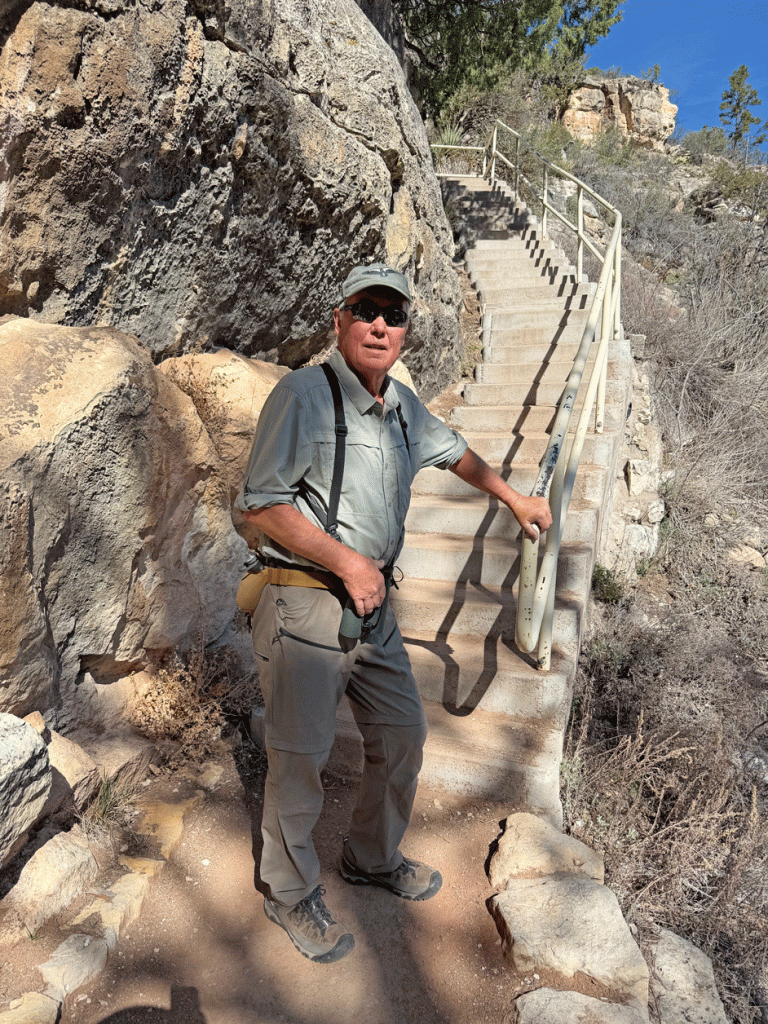
Once we descended the main stairways, we followed the one-way loop trail around an outcrop. There were more stairs along this route as well. The quote that we learned at the Grand Canyon, “Going down is optional, returning is mandatory,” was appropriate here. We did fine with the 273 steps that we came down and went up again, as well as the 190 stair steps along the loop. (A information sign provided the numbers.) The whole trail took us about an hour.

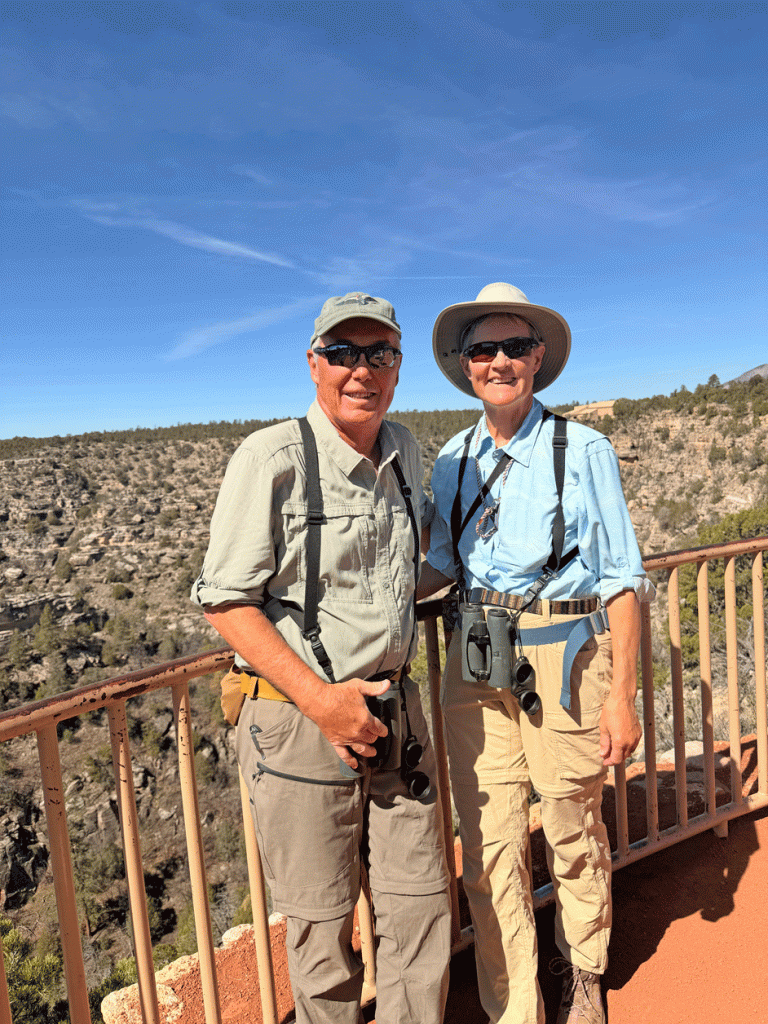
We walked along the rim trail as well and had an interesting conversation with couple from Wyoming at an overlook. We took their photos so they took one of us.

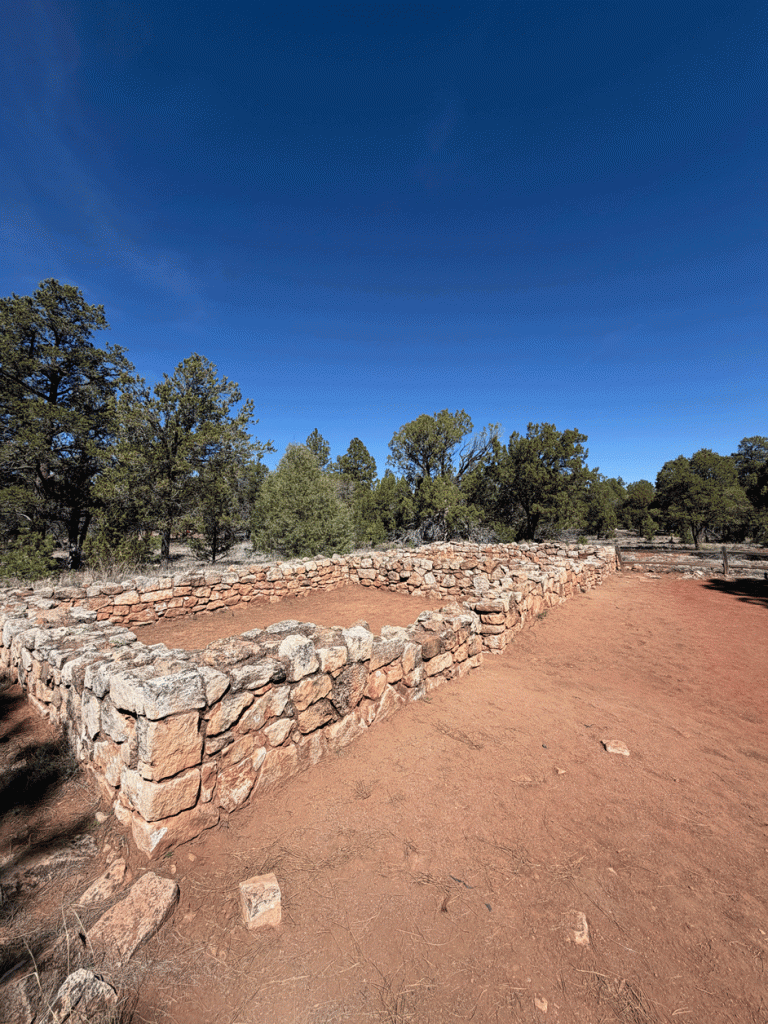
This is a partially reconstructed pueblo that was along the rim trail.

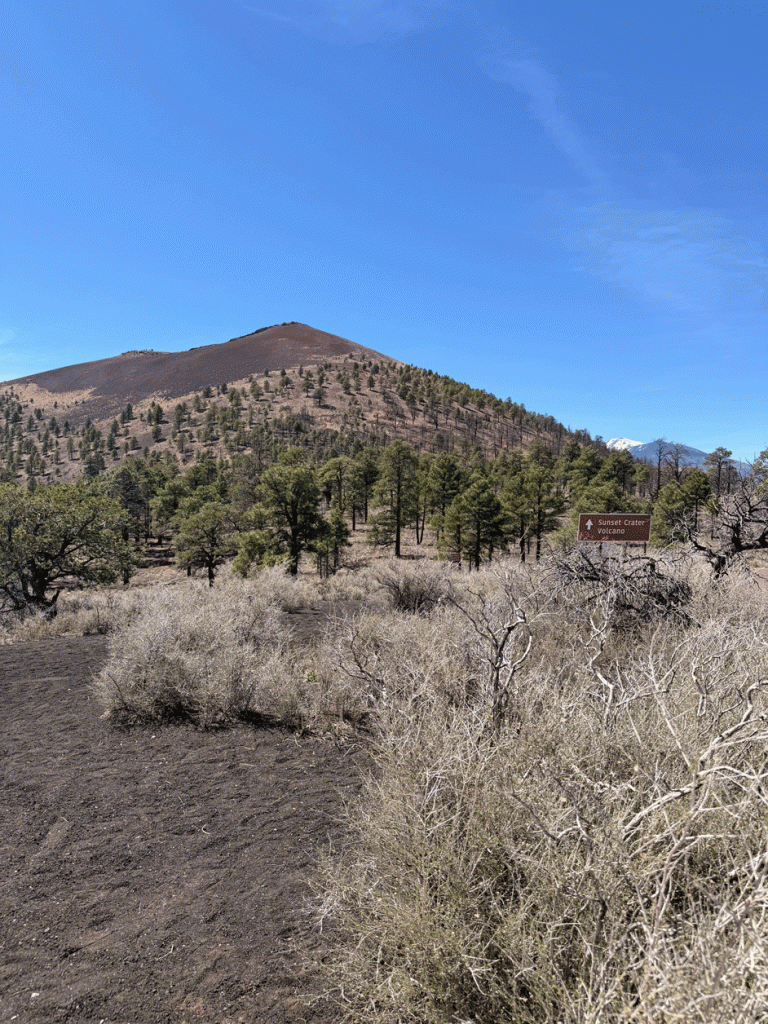
It was still early in the day, so were drove to Sunset Crater Volcano National Monument. Here’s a view of the crater from an overlook at the border of the monument. Sunset Crater erupted about 900 years ago and is the most recent volcanic eruption in Arizona.

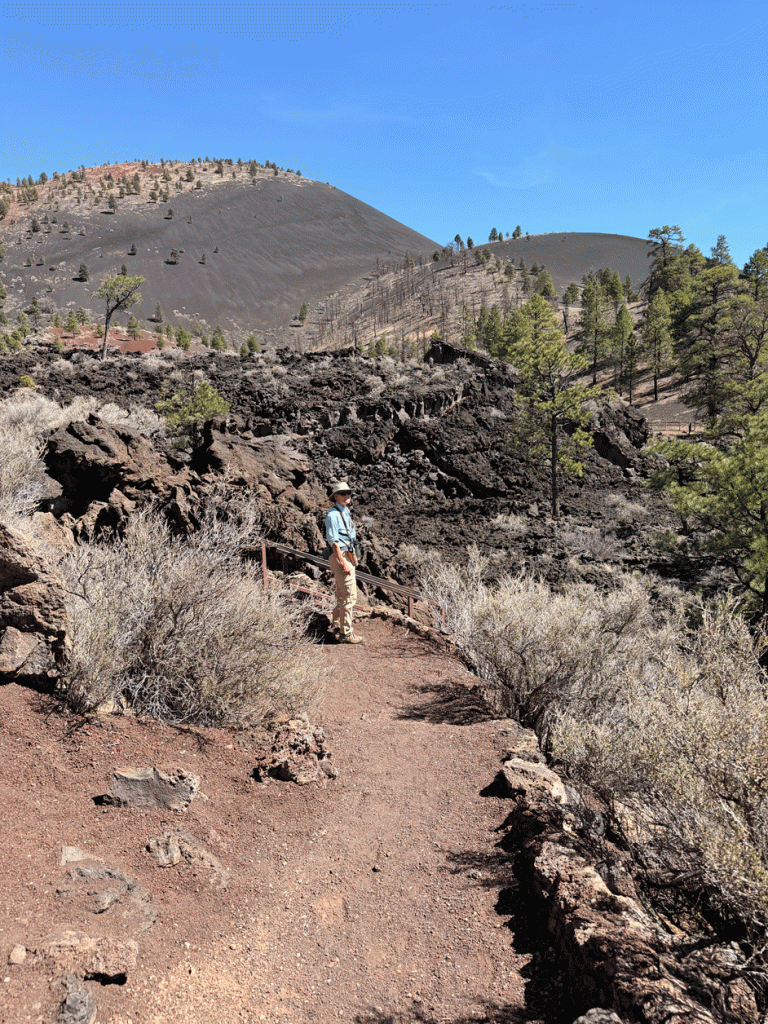
We walked on the Lava Flow Trail on the other side of the volcanic cone. Hiking on the crater was banned in 1973 because the trails were becoming trenches and eroding the cone. From this angle, you can still see the scars where the former trail was filled in.

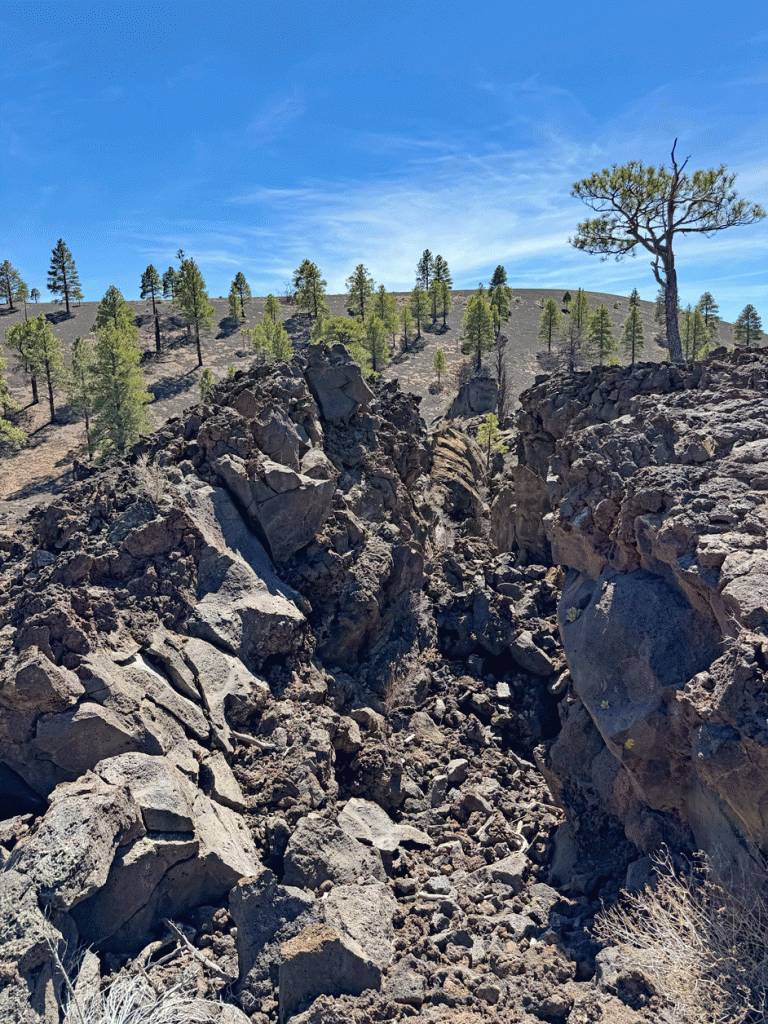
This is a “squeeze-up” in the Bonita lava flow that was right beside the trail. It was formed when molten lava oozed out through a crack in the solid lava shell, much like toothpaste squeezed from a tube.

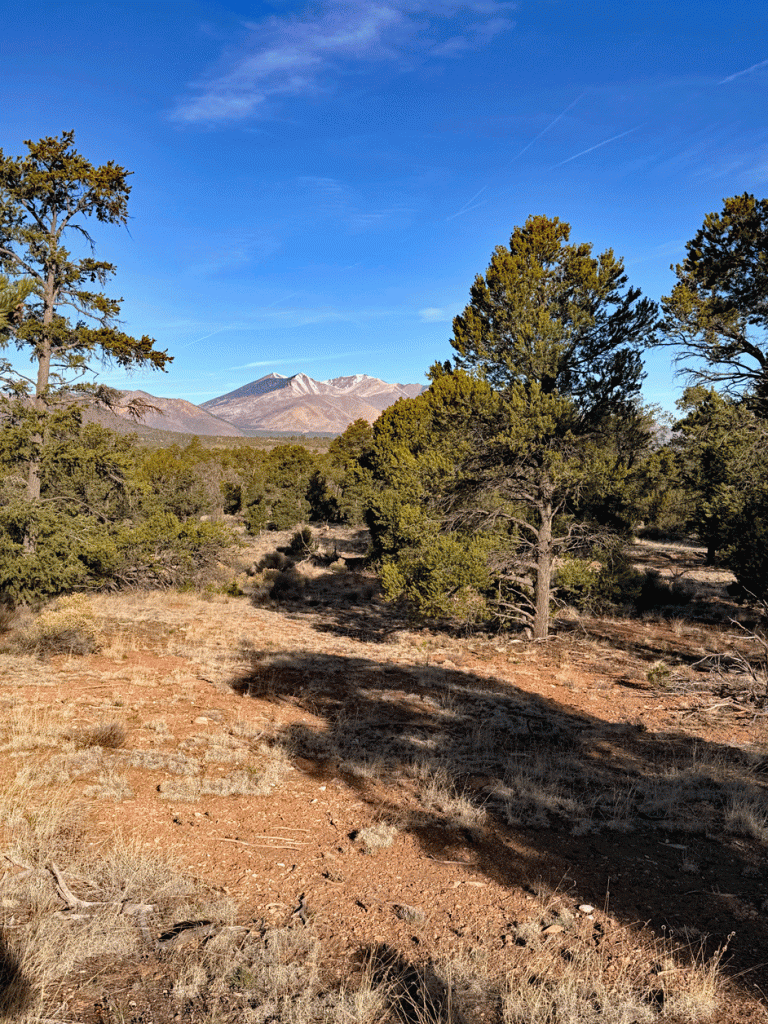
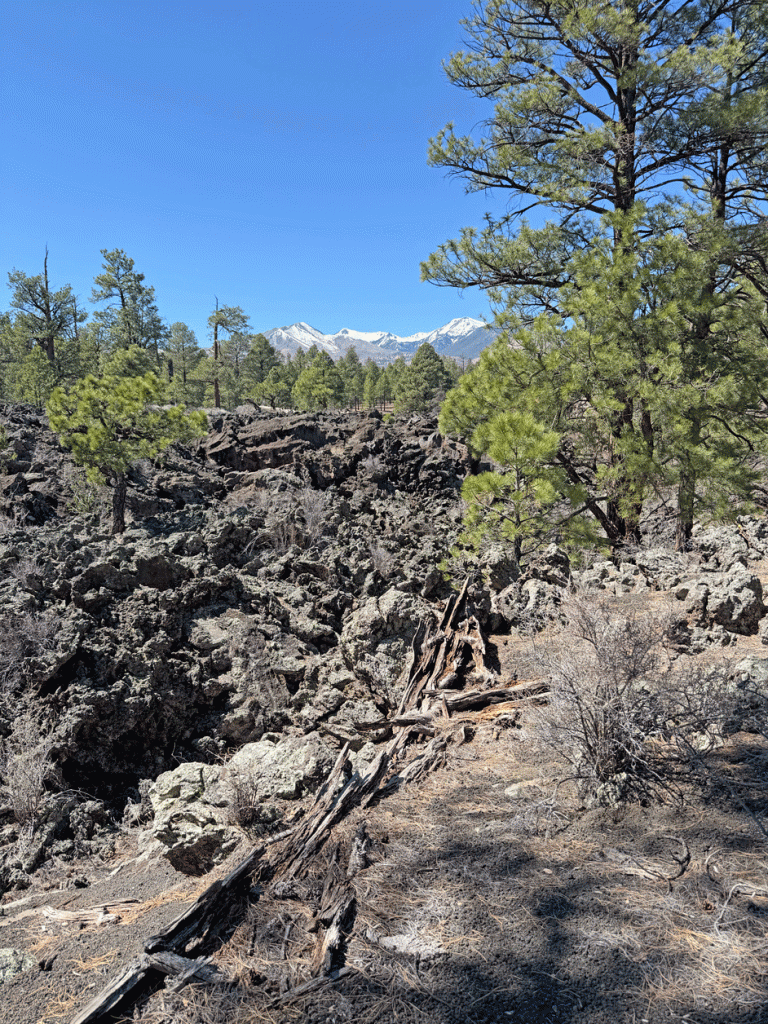
Here’s another view of the Bonita Lava Flow, with the San Francisco Peaks in the background. We kept our eyes out for the elusive Pinyon Jays, but only saw Stellar’s Jays.

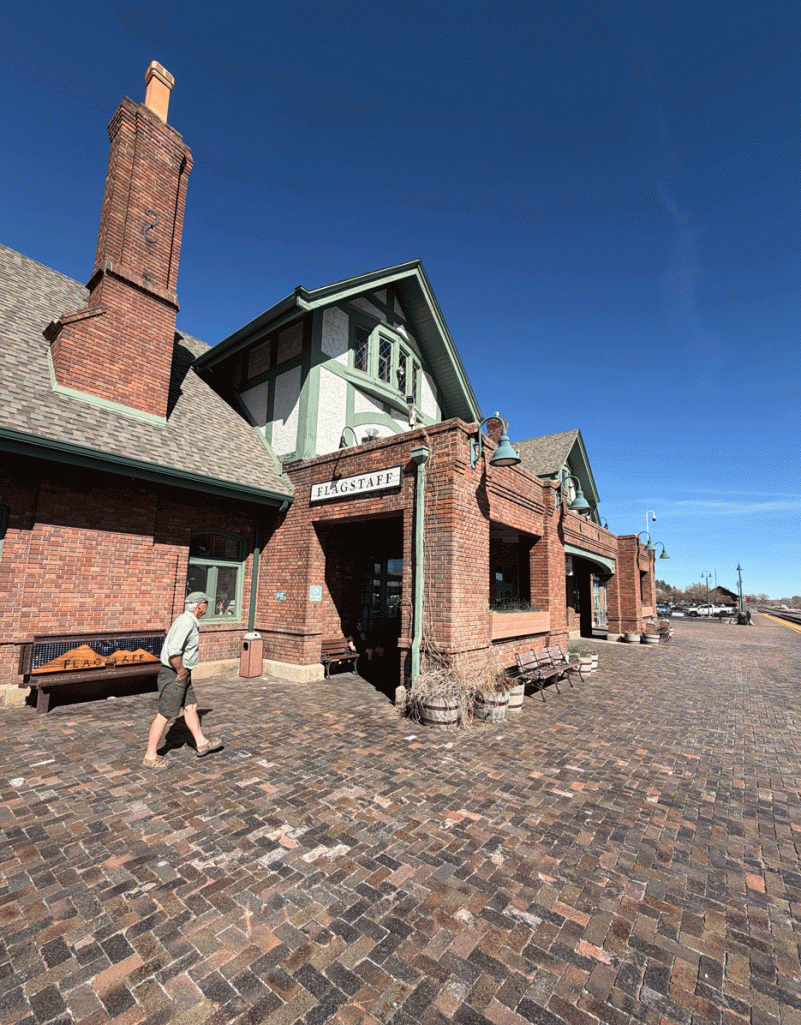
Because we were in “tourist mode” we visited the Flagstaff Visitor Center. It also serves as an Amtrak Railway station. The downtown area had several breweries within walking distance of each other, but our challenge was where to park. The visitor center staff member gave us a map and explained how to get to the parking lot.

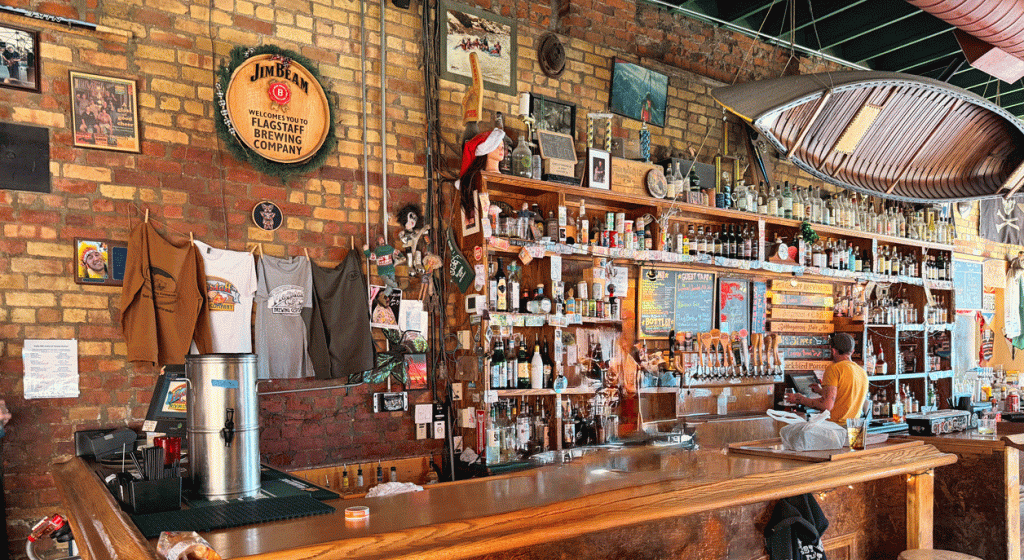
Flagstaff Brewing is one of the oldest brewery in the area, opening in 1994.

It’s a small brewery and they can’t offer all their beers at the same time. Wendy thought their Blackbird Porter was one of the best she’s tasted. Doug enjoyed the Bitterroot ESB. We might need to go back sometime to sample their Agassiz Amber ale. We enjoyed their eclectic decor.

The next day, we visited Picture Canyon on the Rio de Flag, which had the right habitat for Pinyon Jays, although they weren’t there that day. We’ve heard birders describe the jays as being “ephemeral.” Yet even though we didn’t see those birds, we saw some other birds as well as some interesting country.

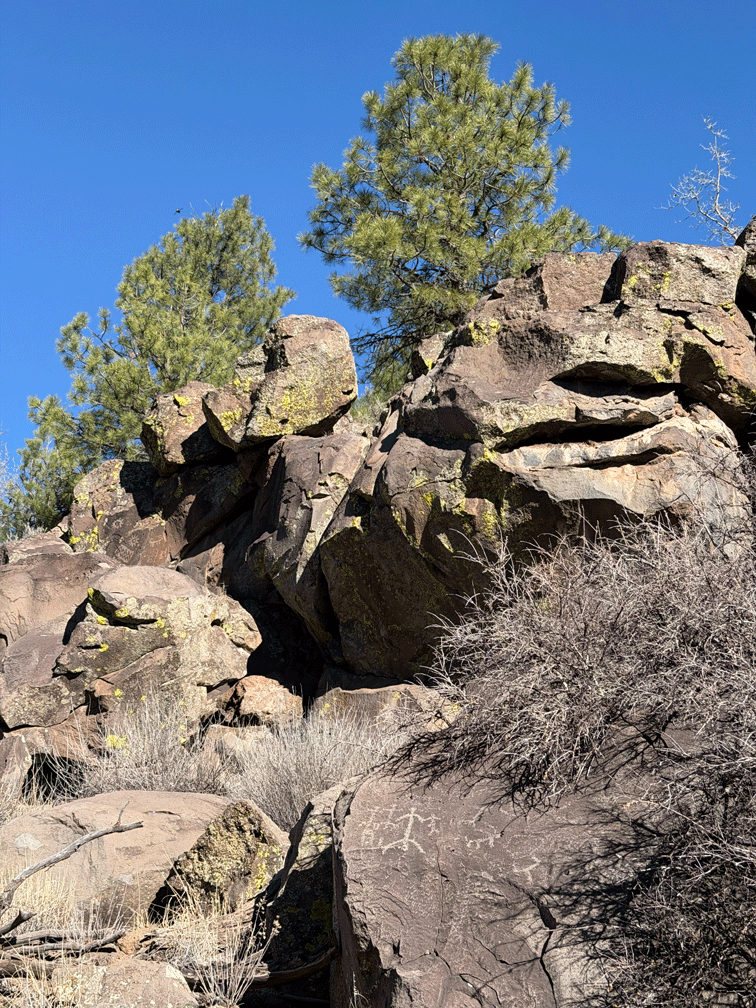
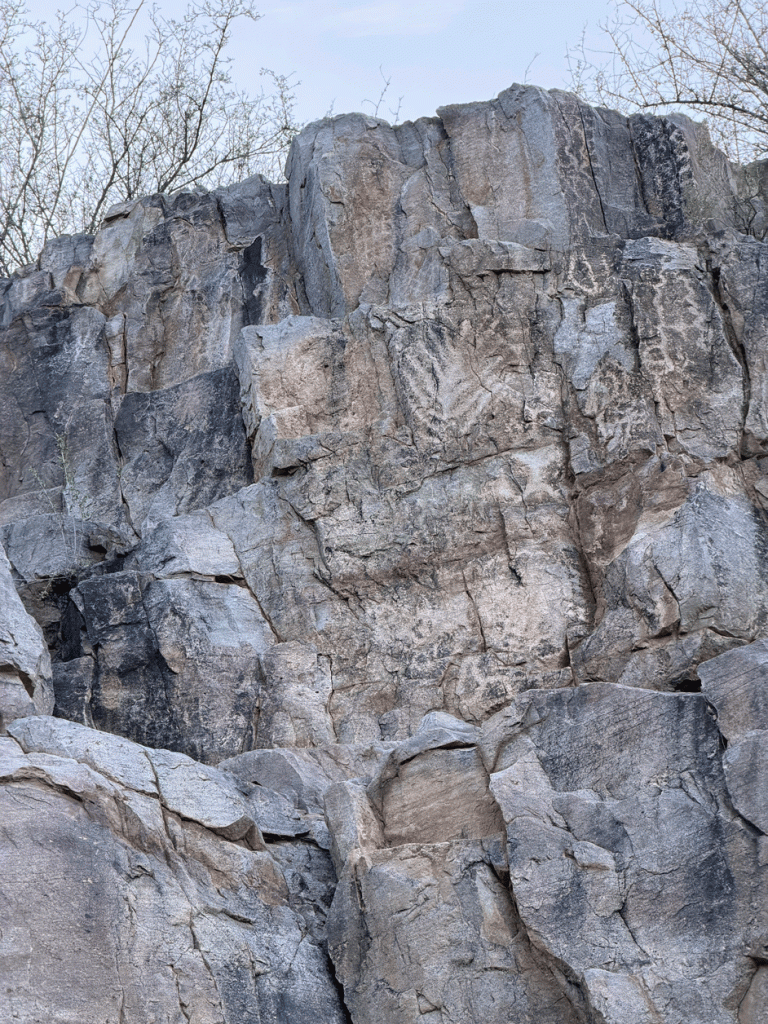
The area was called Picture Canyon because of the petroglyphs on a rock outcrop. Petroglyphs are rock carvings made by pecking or scratching the outer rock surface to expose a lighter rock underneath. They were formed by people who lived in the area nearly a thousand years ago. Here’s a view of the whole section.

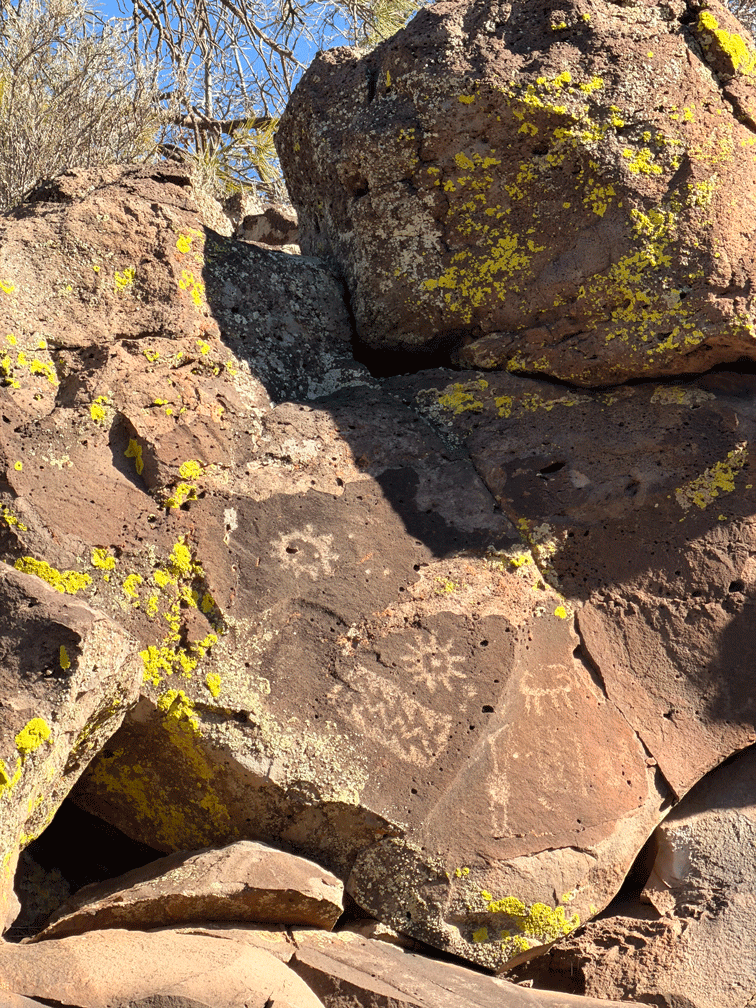
Here’s a close-up of the rock with the “water bird” petroglyph, that is quite high up in the boulders. It’s quite faint, but unlike any we have seen at other sites. It could represent a crane or a great blue heron. The zig-zag to the “bird’s” left could be lightning, water, or mountains. We have seen carvings similar to the animal (bighorn sheep?) at several other sites throughout Arizona and Utah.

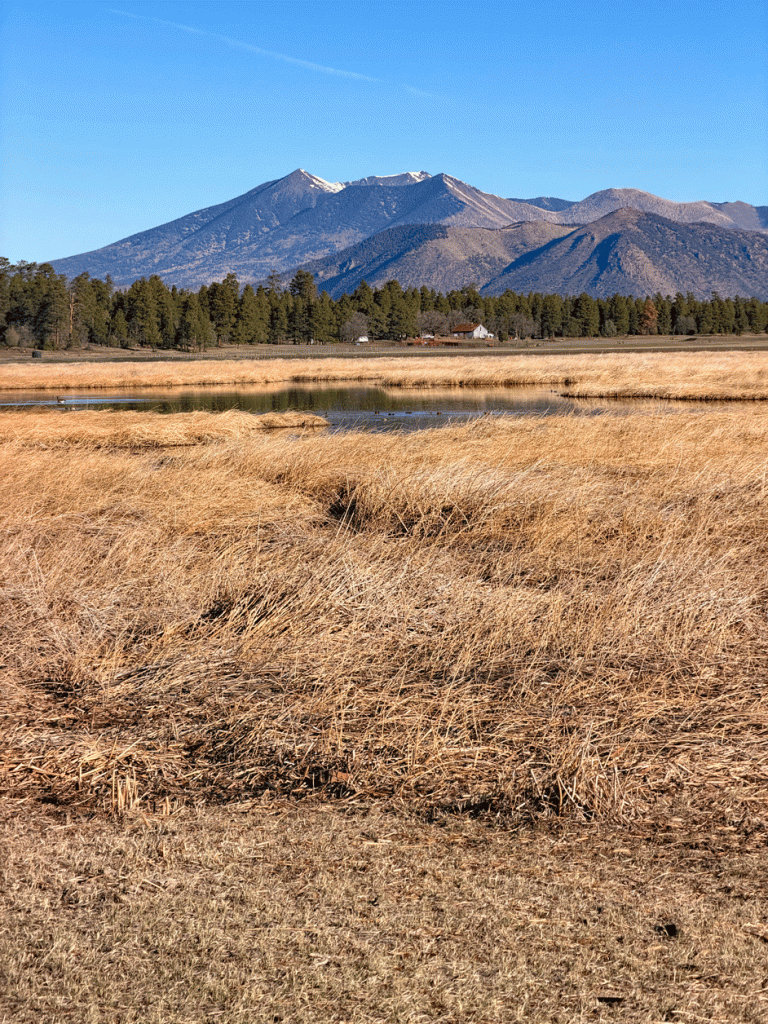
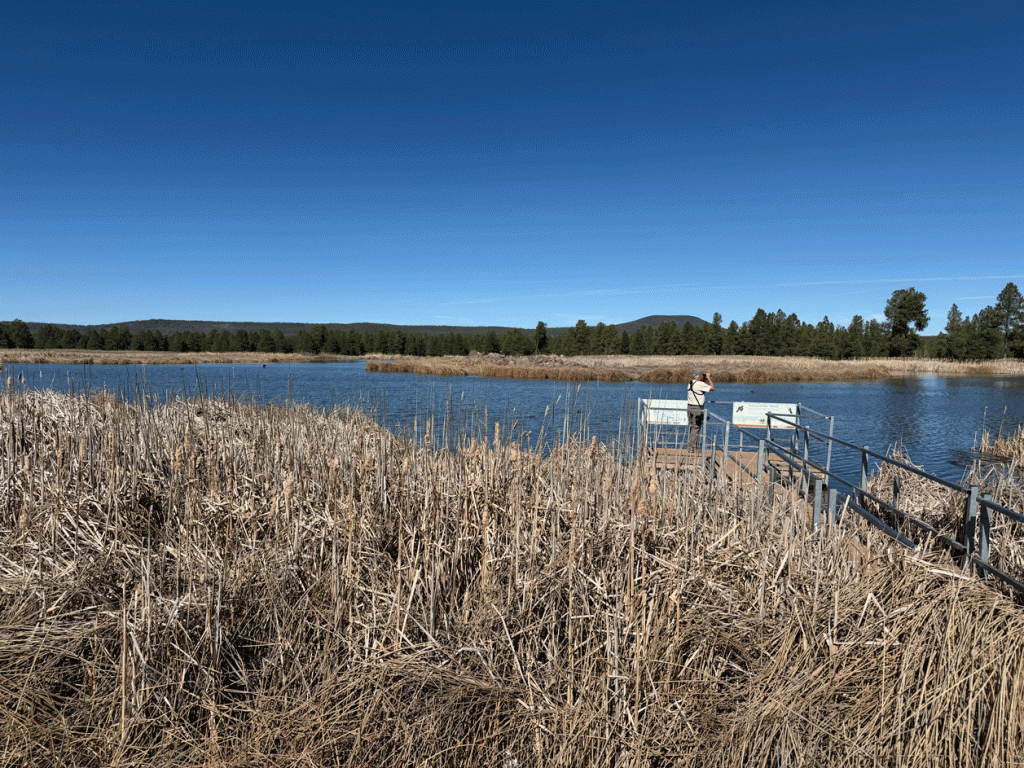
On our final day, we drove to Marshall Lake, up on the Anderson Mesa, which is another possible spot to see Pinyon Jays. (Nope) Marshall Lake which is really more marsh than water, was full of coots and other waterfowl. There were a pair of Bald Eagles on a nest as well. We were lucky to be there when there was water in the lake because some years the lake dries up completely. There were several primitive camping sites in the area.

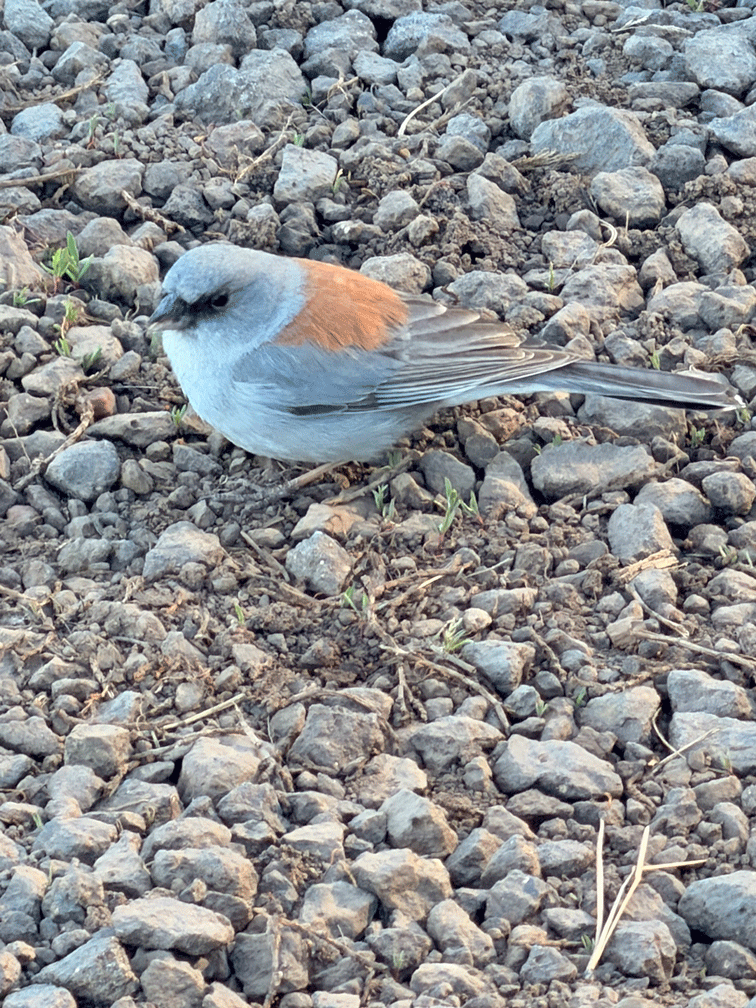
Here’s a Dark-eyed Junco of the Gray-headed subspecies. This one was foraging just a few metres from where we parked the truck and seemed unperturbed with our presence. When we first saw this sub-species several years ago, we thought we had seen a new bird, and we were a little disappointed to discover it wasn’t. The Dark-eyed Juncos (Gray-headed) behave much like the Oregon subspecies that we commonly have in BC.

There was no point returning to the heat of Tucson early, so we checked out the Kachina Wetlands that are just south of Flagstaff. Like most hotspots with water in Arizona, reclaimed water is used to provide bird habitat. Pond #1 (below) always has water and one or two other ponds have water if there is excess. This pond had the most Virginia Rails that we have ever experienced in one location. There was a rail in each corner and another one in between along one side.

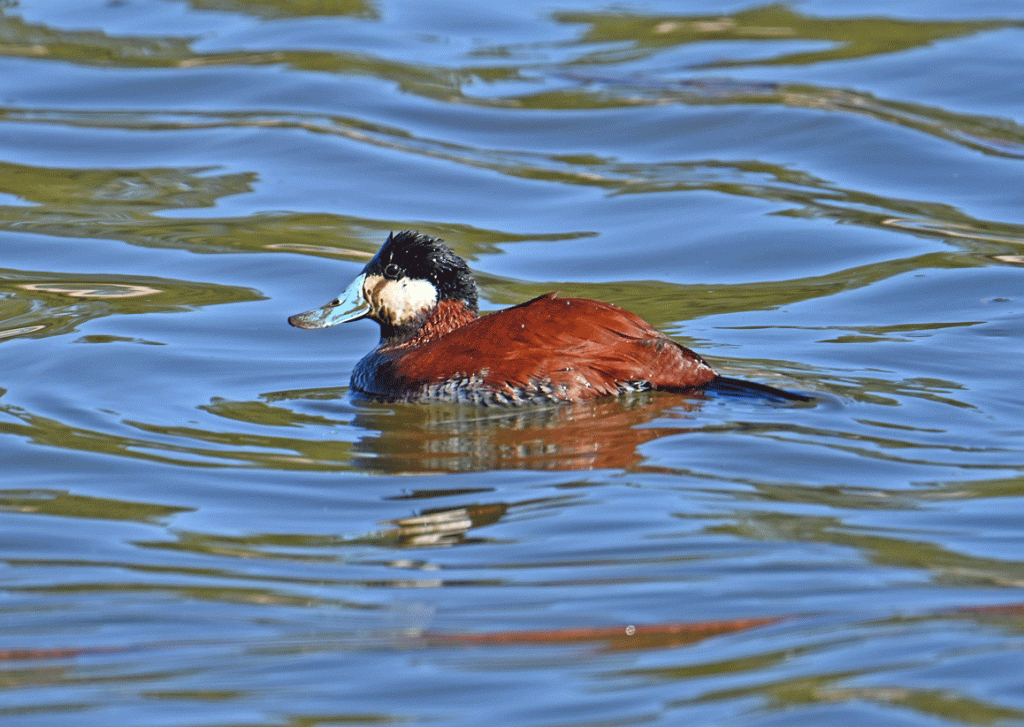
This Ruddy Duck has mud on it from its foraging efforts. We made it back to our trailer by about 3:00. It was 38 degrees C (100 F) outside and 30 (86 F) inside. Luckily we got the inside cooled off enough to be able to sleep.

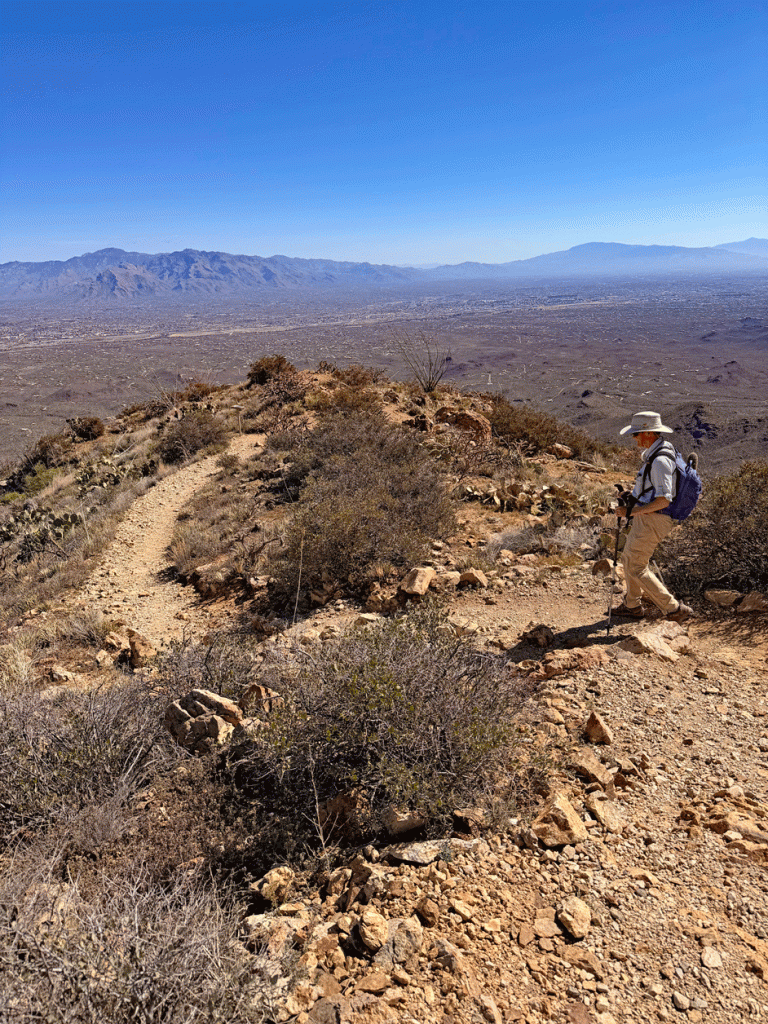
Before the heat wave, we made our annual hike up Wasson Peak in Saguaro National Park (West). Here’s the view from near the top looking down on Tucson.

This section is part of the Hugh Norris trail, that follows the ridge. The granite in this area makes a nice sand for the trail surface.

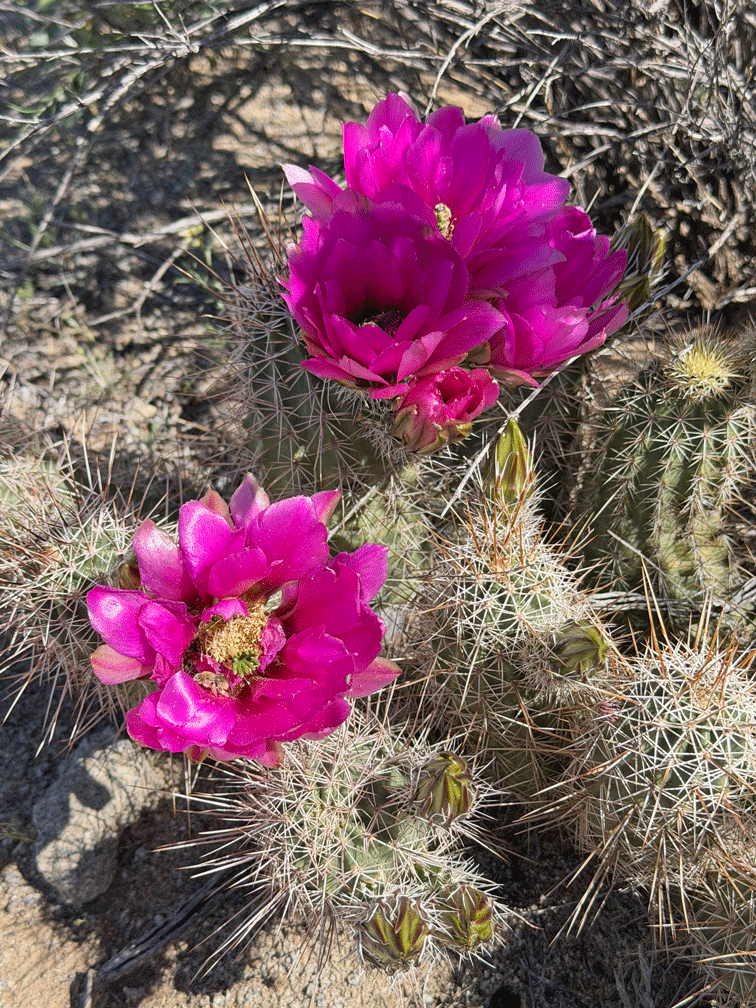
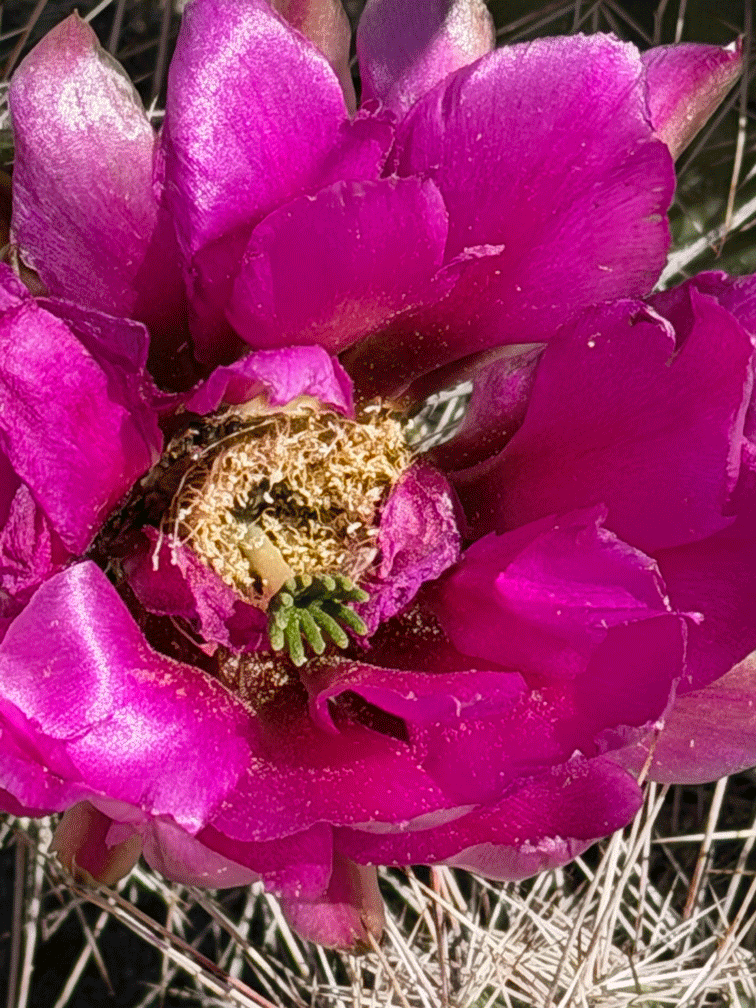
We went our regular route using Esperanza Sendero to connect to the Hugh Norris trail. We found early hedgehog cactus blooms along this former mine road.

We noticed that cacti that bloomed later, faded quickly because of the heat.

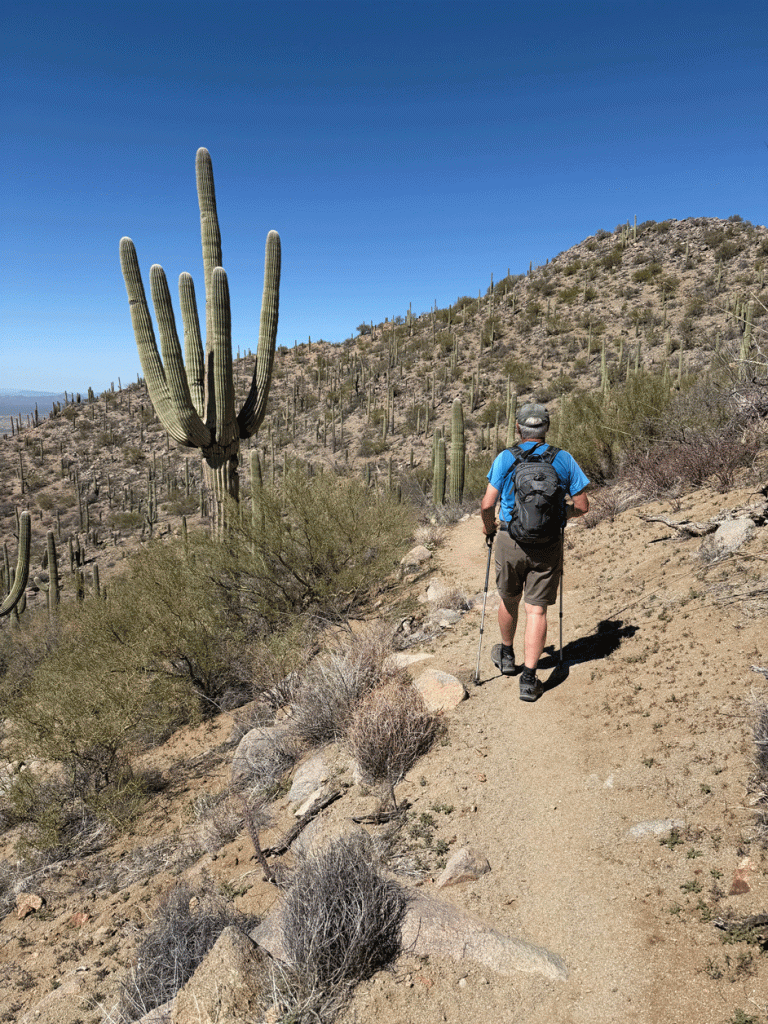
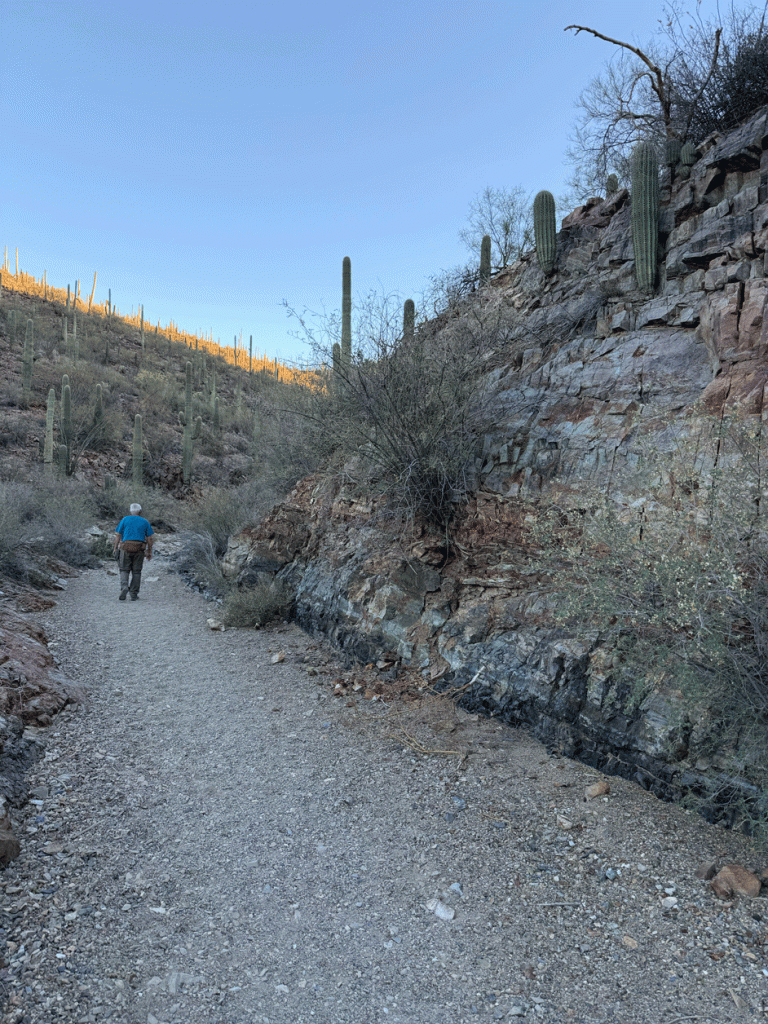
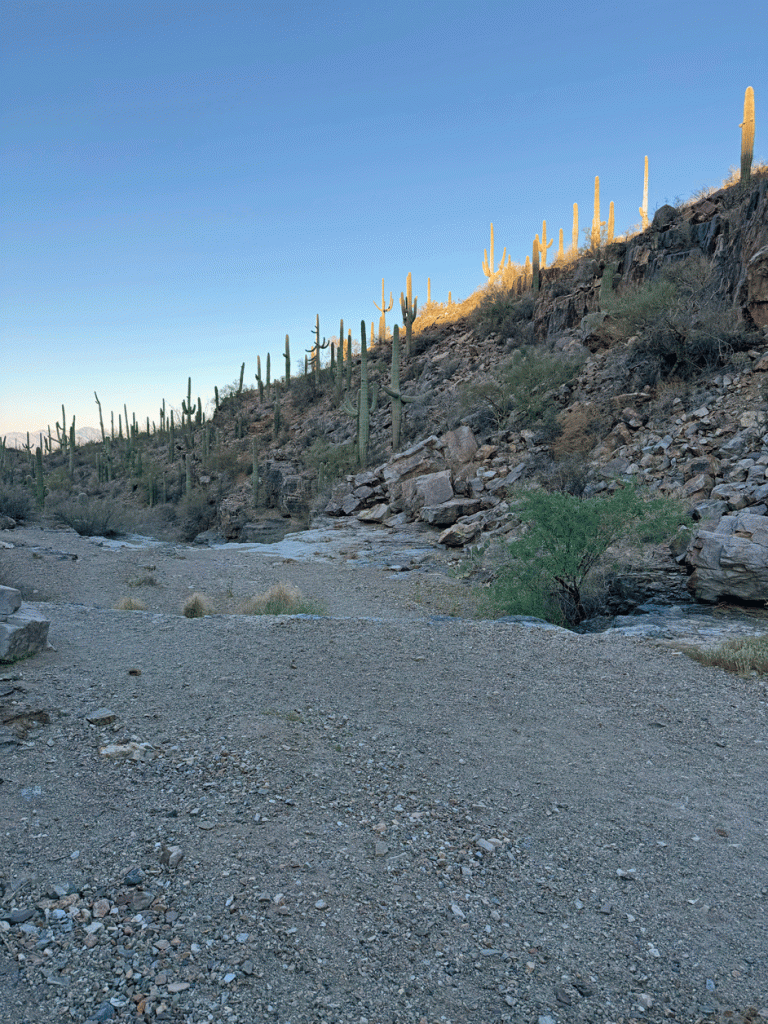
When we got back from Flagstaff, we expected that the heat wave would be over, and even though it wasn’t extremely hot, it was still hot. We got into a routine of waking up at 4:30 so we could be starting our activity at sunrise. This particular day, we wanted to go to the Desert Museum, but it didn’t open until 8:30. So at 6:30 am, we started our hike up King’s Canyon. The parking lot is just across the road from the Desert Museum. We’re always amazed at how the saguaros and other bushes can grow on the cliffside.

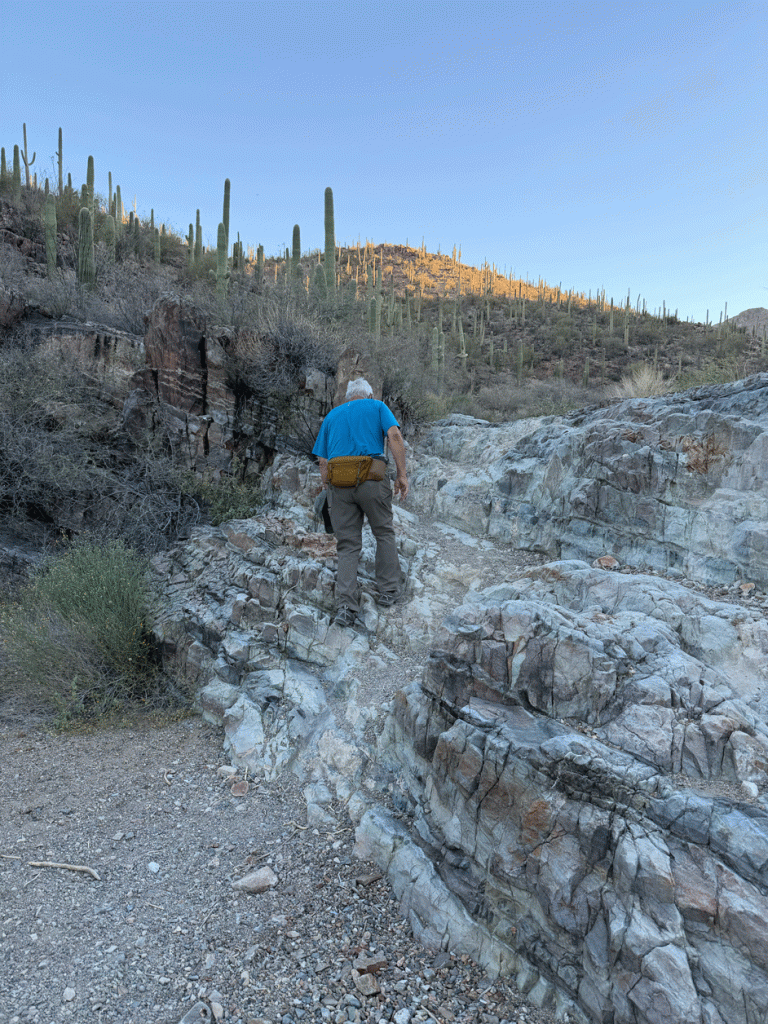
There are several rock steps going up the canyon; some we climb up directly and others we avoid by scrambling up a trail on the side.

We got to the old dam area and the petroglyphs in half an hour. Every time we do this hike we take another photo of the ancient artwork. Perhaps we’ve shared this same view.

This photo was taken from just above the dam. Like other old dams in the area, the sediment has built up behind the dam to make a sandy flat surface.

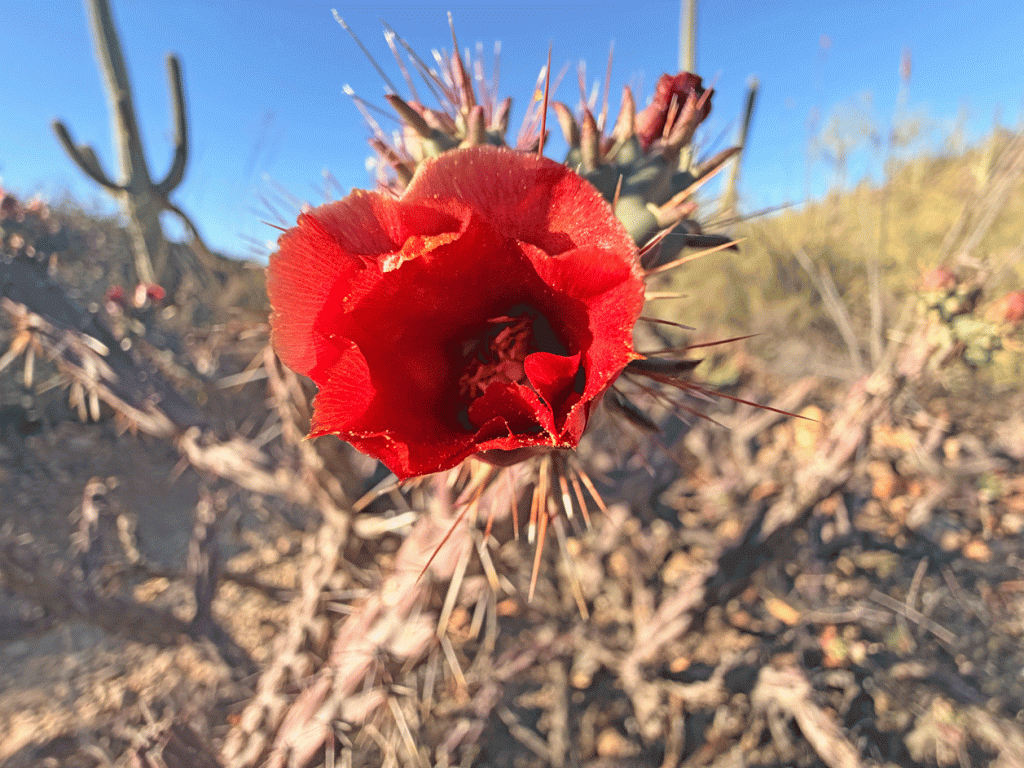
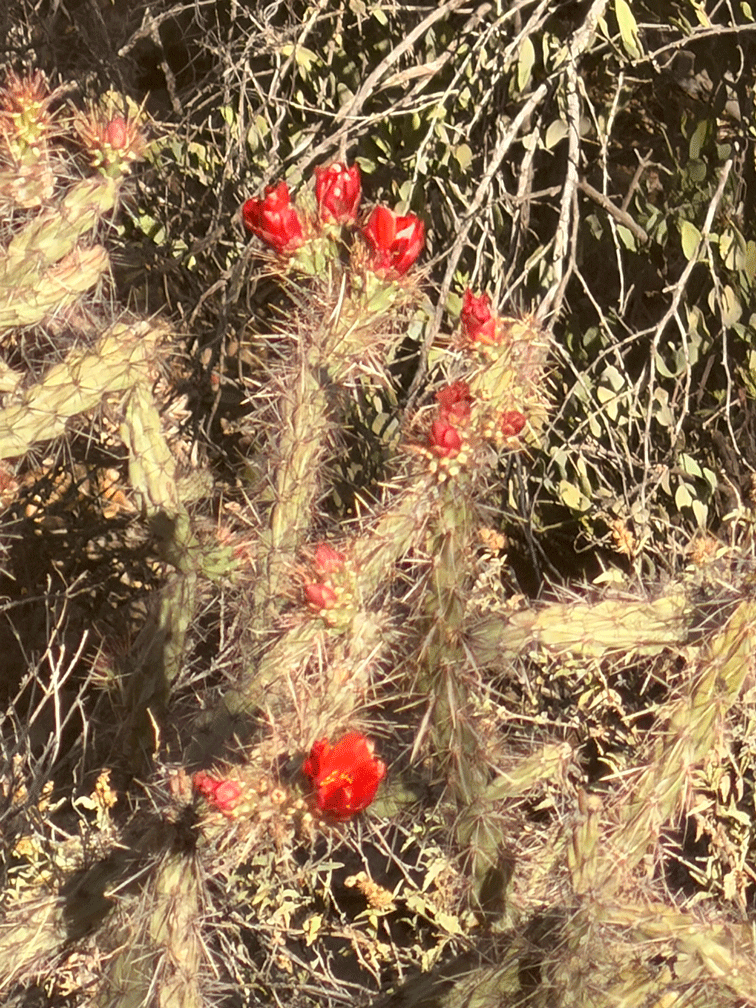
We decided to walk up and through the picnic area and follow the Gould Mine Trail back to the trailhead. This Buckhorn Cholla bloom caught Doug’s eye.

Here’s a photo of part a different Buckhorn Cholla to help with scale. Buckhorn Chollas have skinny arms with joints that are reminiscent of a deer’s antlers. The flower is only about five centimetres (2 inches) in size.

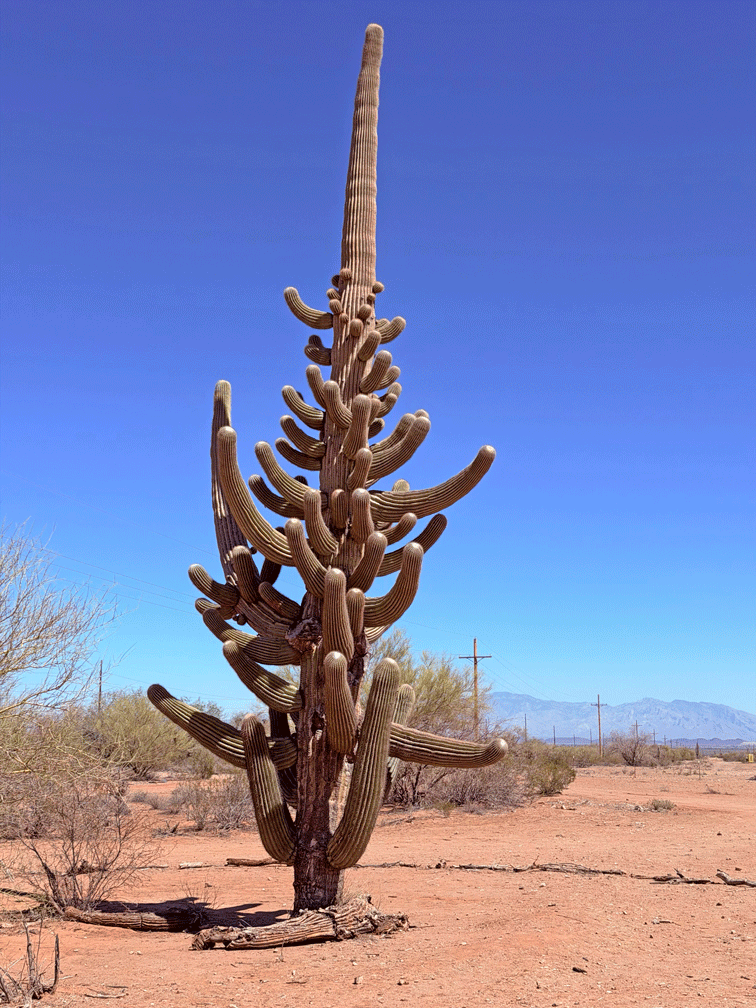
Another hot day, we took a drive out Avra Valley Road to the Ironwood Forest National Monument to see a spectacular saguaro. This saguaro has been named “Shiva” and reportedly has over eighty arms. A friend told us about it and we found out more information at the Friends of Ironwood Forest website. ( ironwoodforest.org ) The huge cactus can be seen from the road. There’s a parking area on the south side of the road, just past the second cattle guard. A circle of sticks surrounds the saguaro to help prevent its root structure from being damaged.

Part two of March 2026 in Arizona will likely be posted after the middle of April. We want to see as many new species of birds before we head north. The blog can wait.