We did four hikes in March although we also did a lot of other walks. The difference between a “hike” and a “walk” for us is whether or not we’re wearing our packs. It used to be that a hike didn’t involve much birding, maybe only by ear, but that has changed, and now we bring our binoculars on every hike, because we never know when a “good bird” will show up.
Early in March, we did one of our favourite loops in Saguaro National Park (West). We climbed up the steps of the western start to the Hugh Norris Trail.
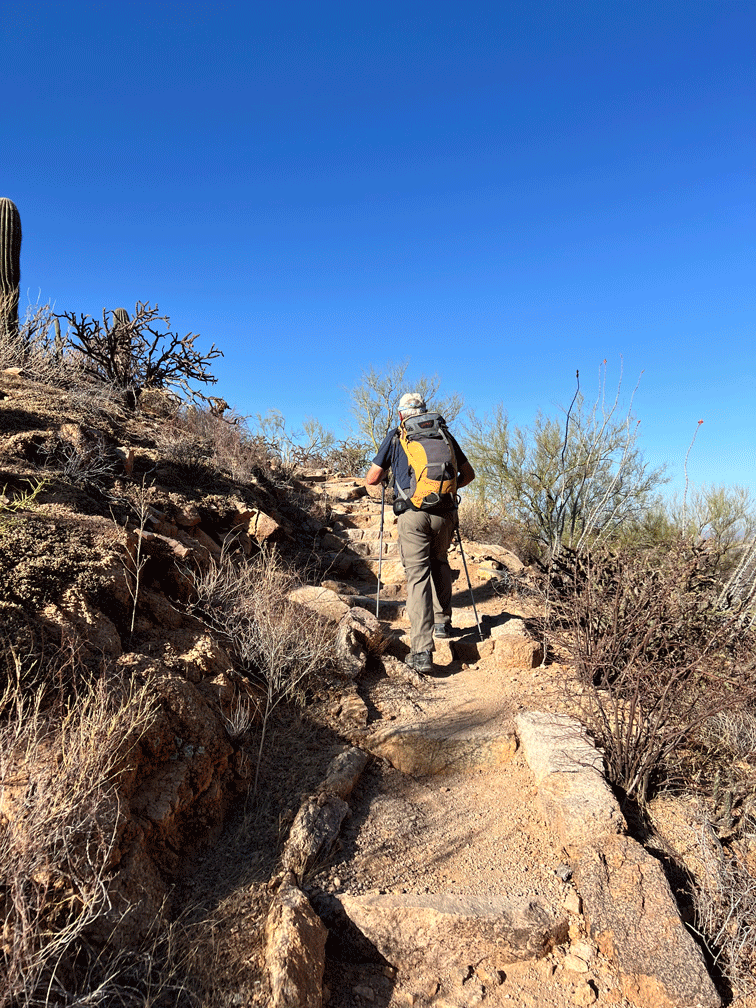
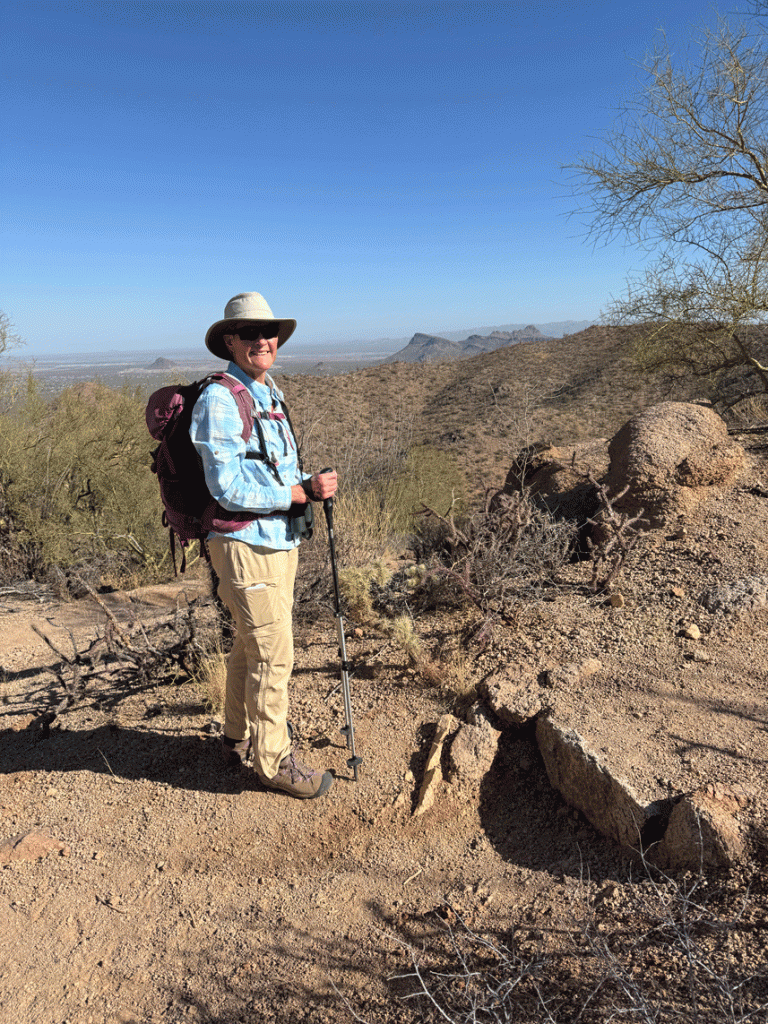
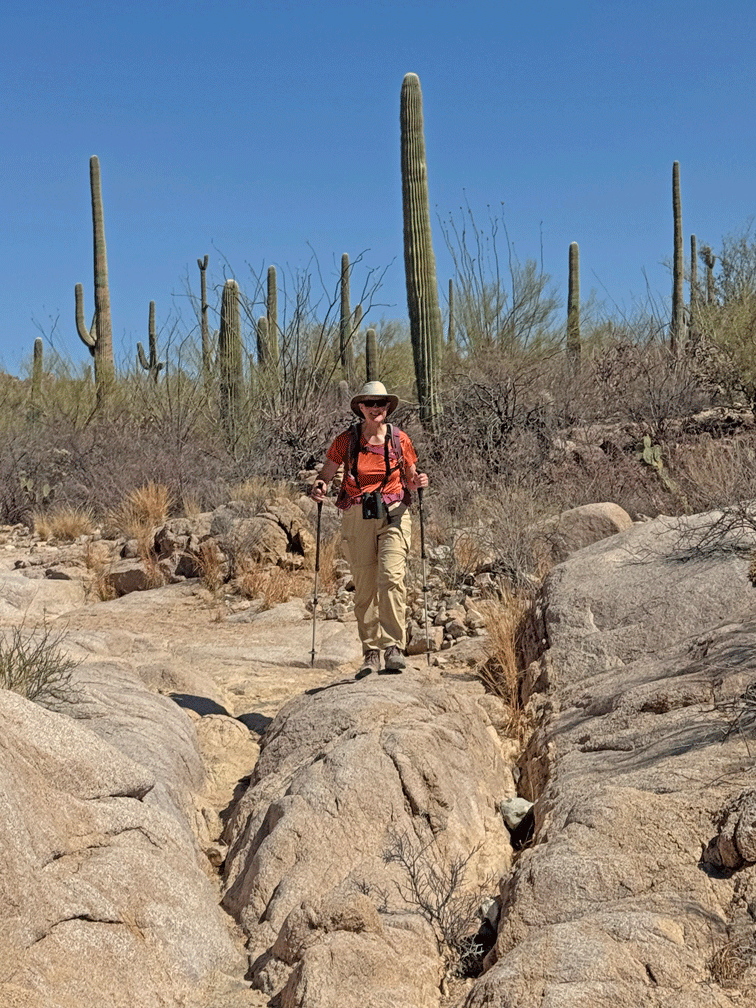
Once we reached the ridge, the trail is more gradual; flat sections with some ups ands downs. The area where we live in the winter is in the background, to the right of Wendy, between the wedge-shaped Panther Peak and the small hill.
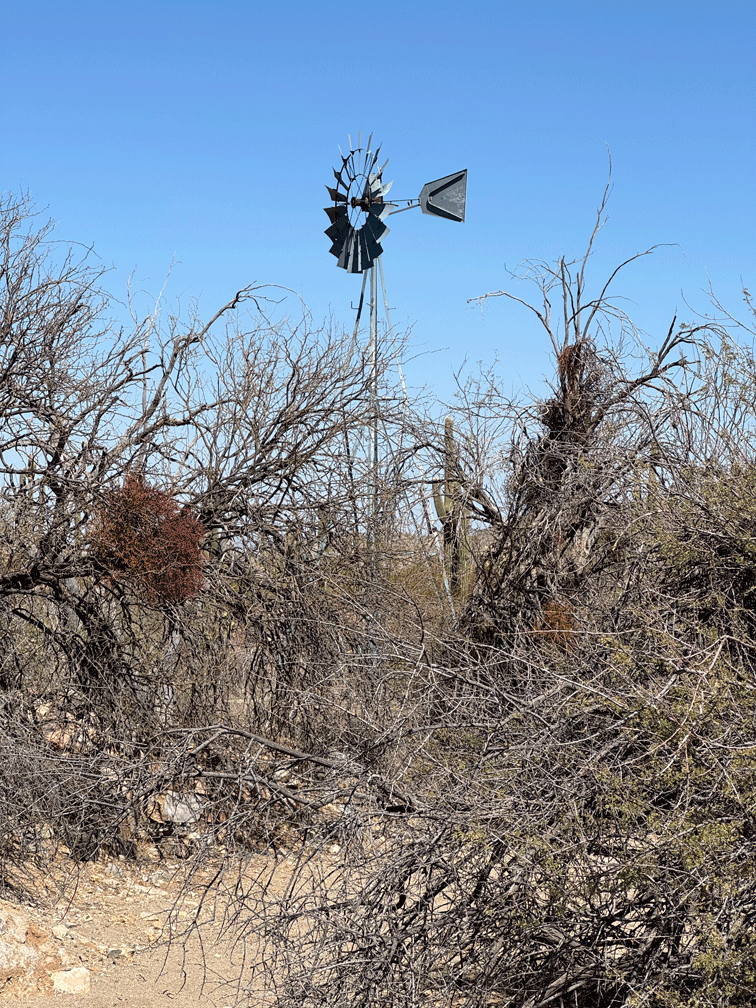
Because we had our binoculars, we could pick out a windmill from the ridge. We were intrigued. We started down the Sendero Esperanza, then went off trail into the wash that we figured would lead us to the windmill. We found the windmill in working order. We researched it when we got home and found out that it was developed in 1937 as one of the projects of the Civilian Conservation Corps (CCC), a voluntary government work relief program. It was meant to supply water to game animals and birds. We couldn’t see any water however.
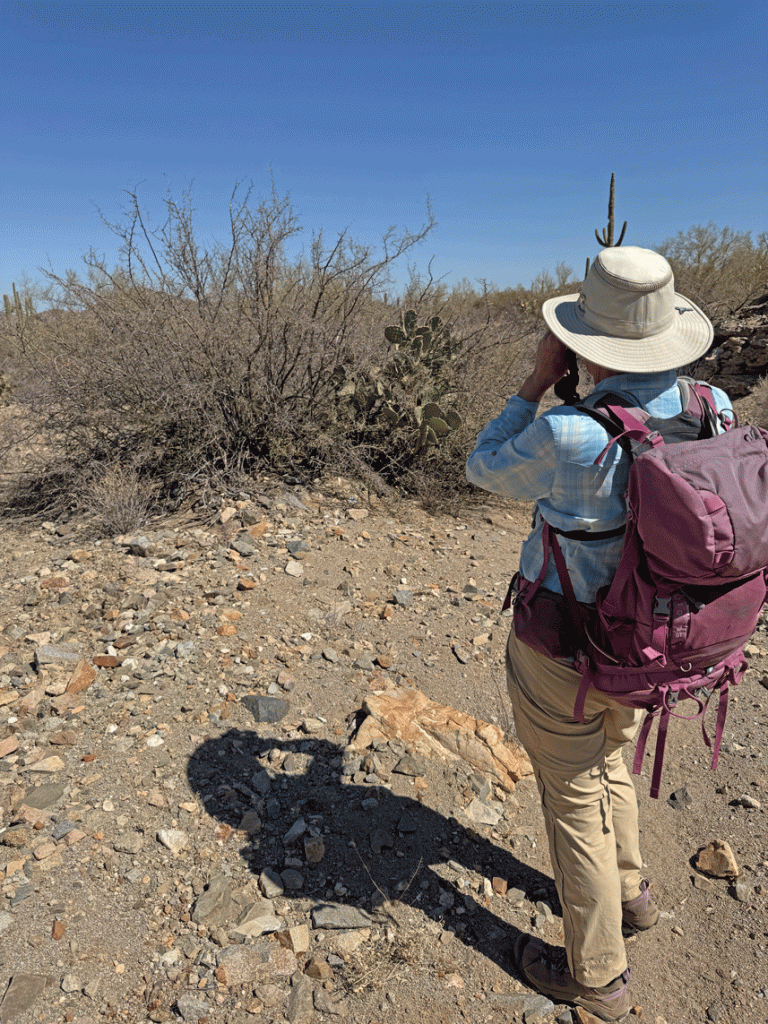
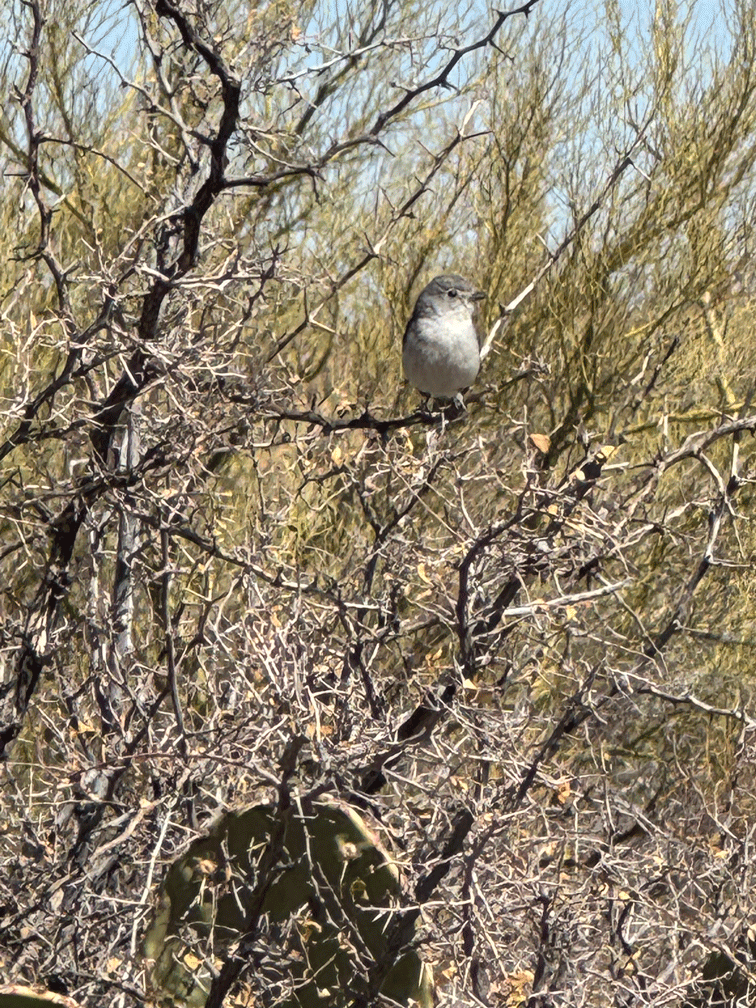
We continued down the wash. When we were almost at the regular route for Dobie Wash, Doug saw a gray bird dart into a bush ahead of him. There was a Verdin calling nearby, so Wendy assumed that was what he saw. When we got our binoculars on the bird and realized we were looking at a Gray Vireo; which is a rarity, and meets our definition of a “good bird.” It moved around a bit, but Doug was able to capture a photo of it with his cell phone. The other photo is of Wendy looking at the bush that it had perched in, to give you the idea of how close it was and the kind of scrubby bushes it liked.
Gray Vireos are uncommon in rocky arid hillsides with widely scattered bushes, and are often solitary. This was the kind of habitat we were in, but it was not a place that many people go to find birds. When we wrote the explanation of our discovery, we stated, “Three hours into a five hour loop hike…” The eBird reviewer sent us an email thanking us for the observation. “Your observation … is now an important part of the overall picture for this species.” So, that’s the long version of why we take our binoculars on our hikes. Besides, stopping to look at a bird allows us time to rest!
We continued down Dobie Wash, crossed the road and found the connecting Bajada trail. Part of the trail ends up in a rockier, narrower wash. We’ve seen puddles of water on previous visits, but this time everything was dry.
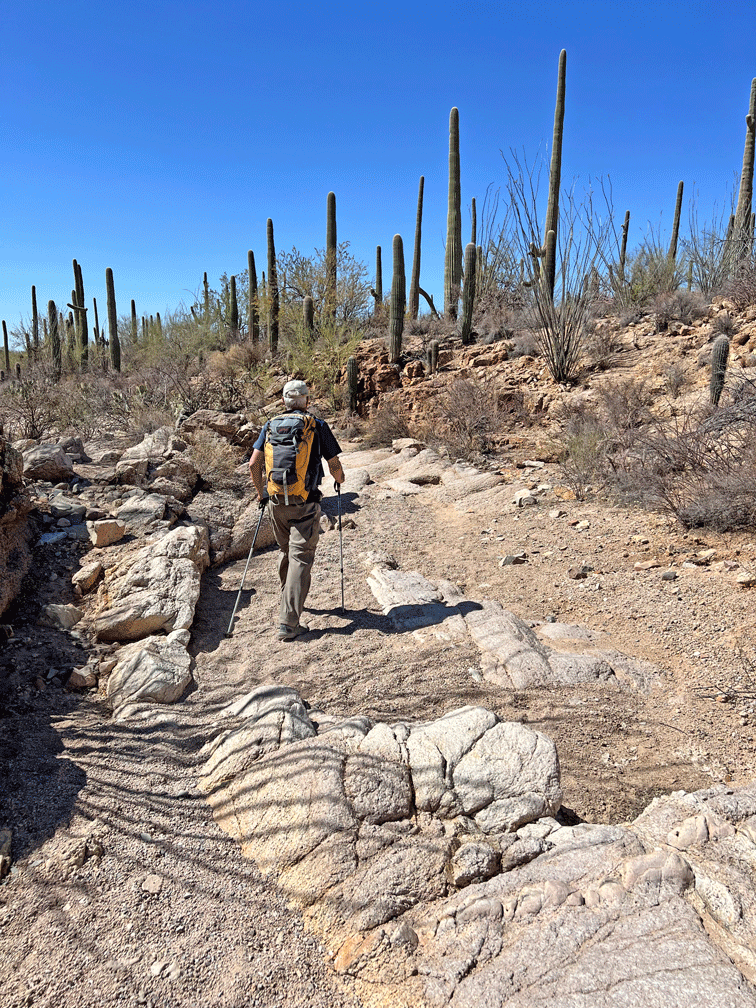
Right before the trailhead, we walked down the weathered granite where the wash descended more steeply. We reached our truck about 1:30 and got home before it got too hot. The high that day was 27 degrees C (80 F).
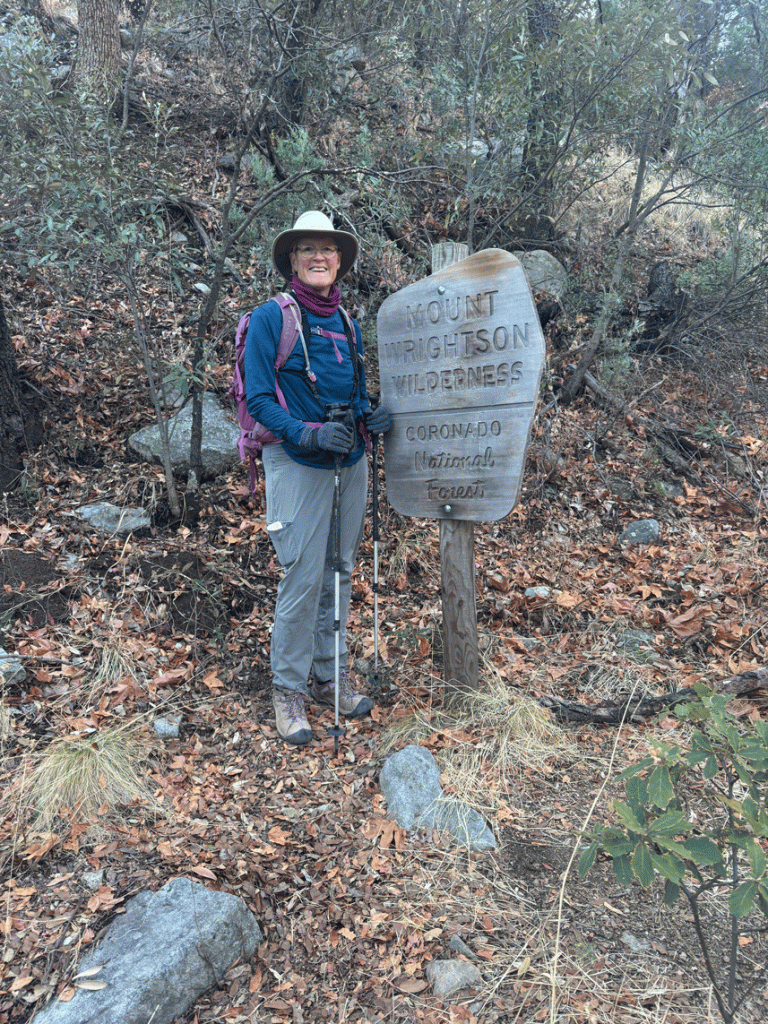
On March 10th, we did another loop hike. We went up the Carrie Nation trail in Madera Canyon. The trail passes into the Mount Wrightson Wilderness near the beginning.
We had climbed about a thousand feet when we ran into patches on snow at about 6500 feet. The snow was lingering on the north facing slopes, but the ground wasn’t frozen so it was melting fast.
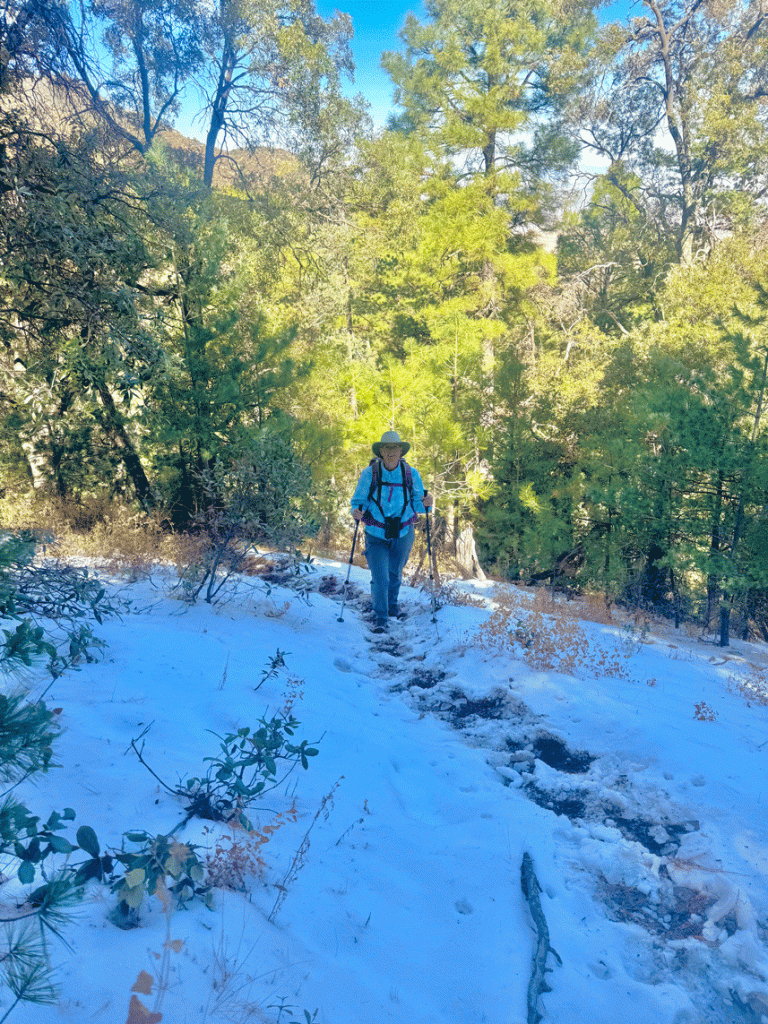
The Carrie Nation trail ends at an old mine. We followed the footprints in the snow patches up a steep unofficial trail until we reached the Aqua Caliente trail. From there, we descended to the Josephine Saddle. This is a view of Mt. Wrightson (9456′). This photo was taken just above the saddle.
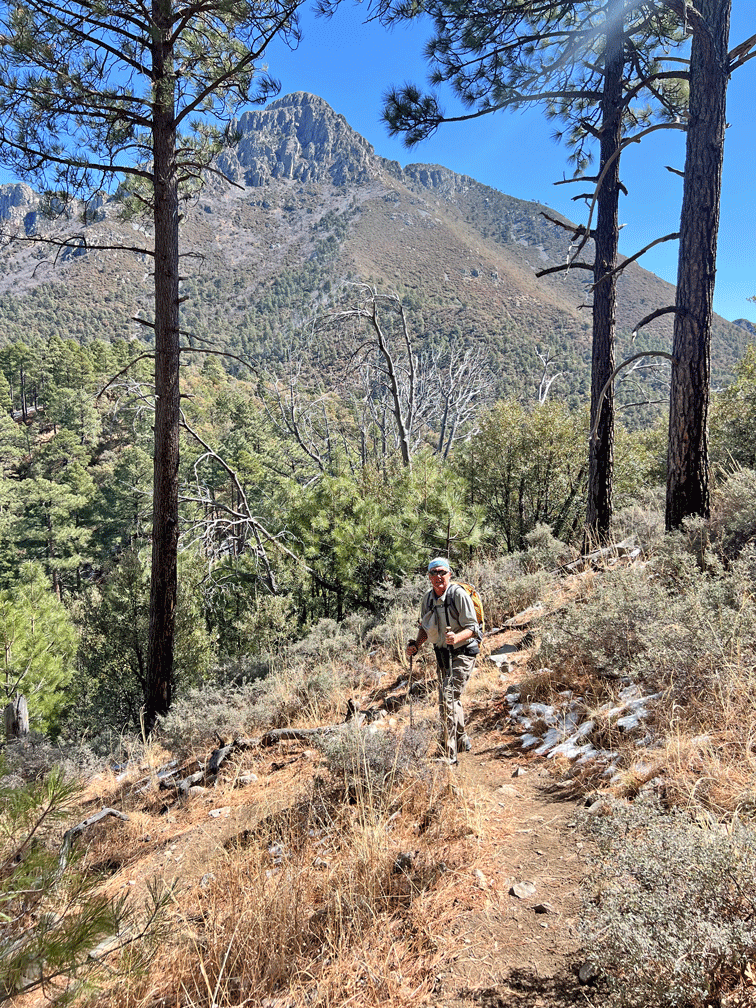
We had lunch at the saddle, (7080′) then headed down the Old Baldy trail to the parking lot to complete the 5 1/2 hour loop. We saw a good number of birds, including a Williamson’s Sapsucker and several Olive Warblers, both expected species for this elevation.

On March 25, the temperature in Tucson was predicted to reach 37 degrees C (98 F) so we headed to Mt. Lemmon where it would be cooler. We hiked a new trail for us: Upper Bog Springs. We chose this short section of the Arizona trail for the views and the possibility of seeing some interesting birds. The trail takes off near the Bear Canyon Picnic area and climbs extremely steeply. At this point, we are at the same elevation of the road switchback which you can make out level with Wendy’s hat in the photo below. (This description is for the folks that know the road to Mt. Lemmon.)
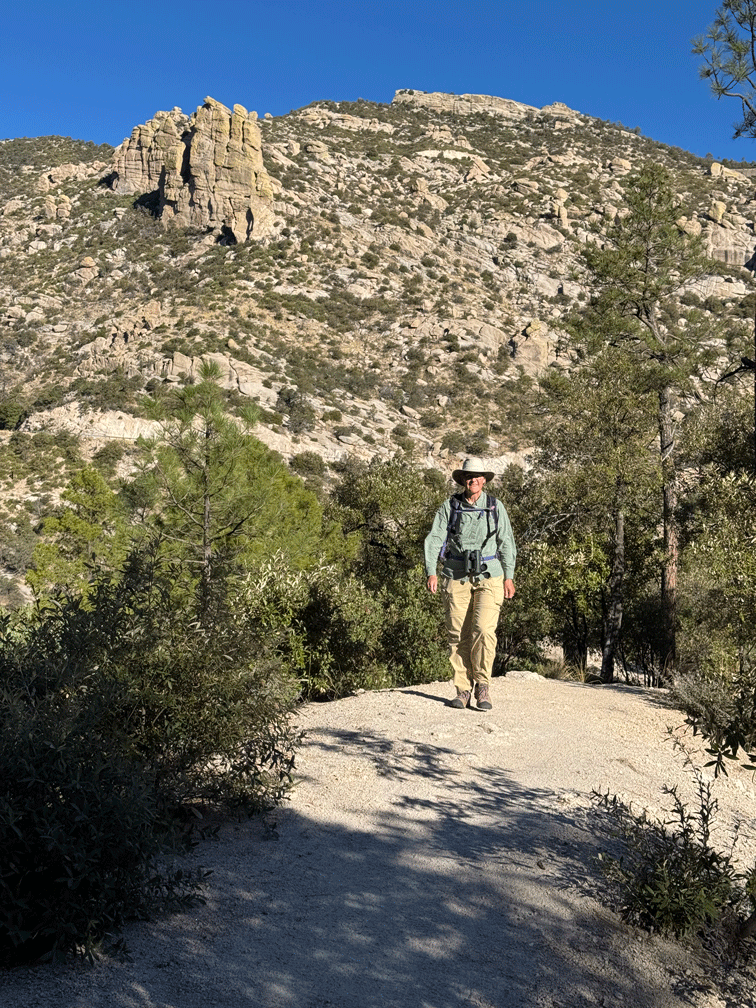
There are many steps; some that have been cut right into the rock. The sign at the bottom of the trail warns of heavy mountain bike use. We guess that most mountain bikers walk this section. Once at the top, it’s a steady downhill.
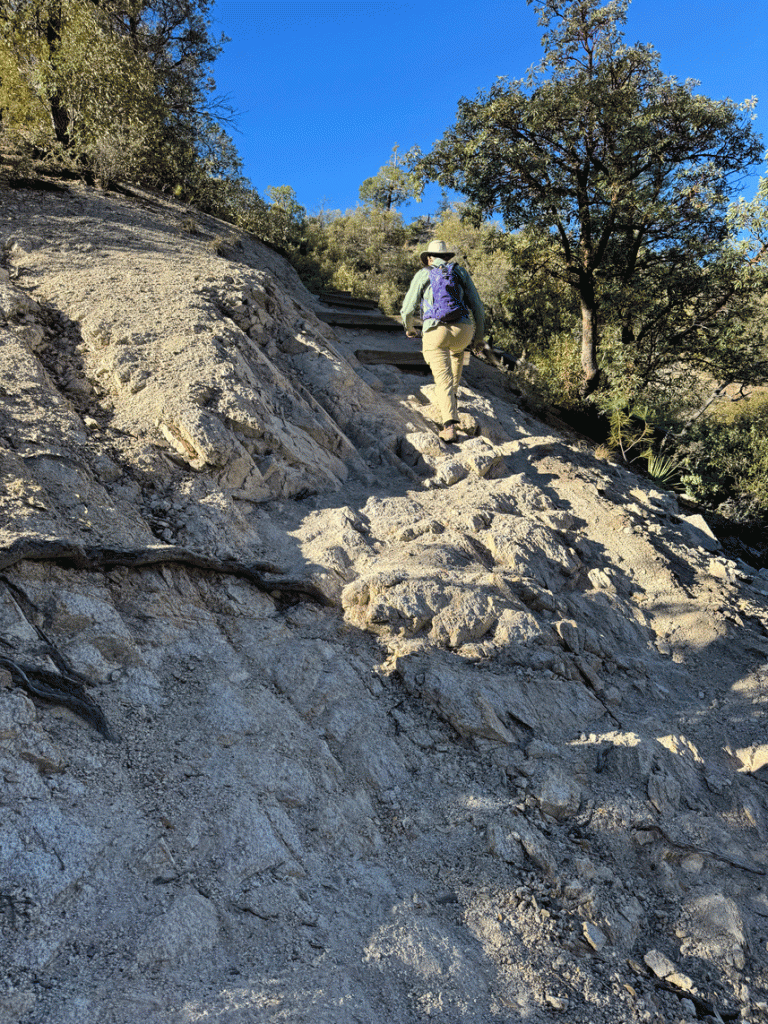
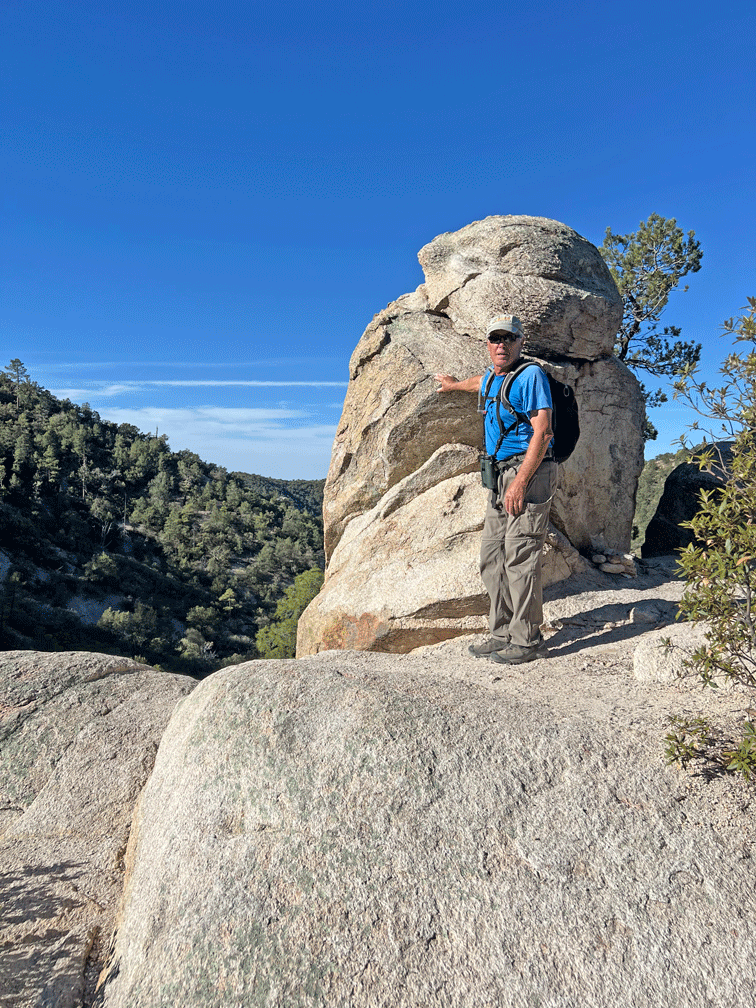
The trail descended shortly after this granite boulder, so it became a landmark for us on the way back up.
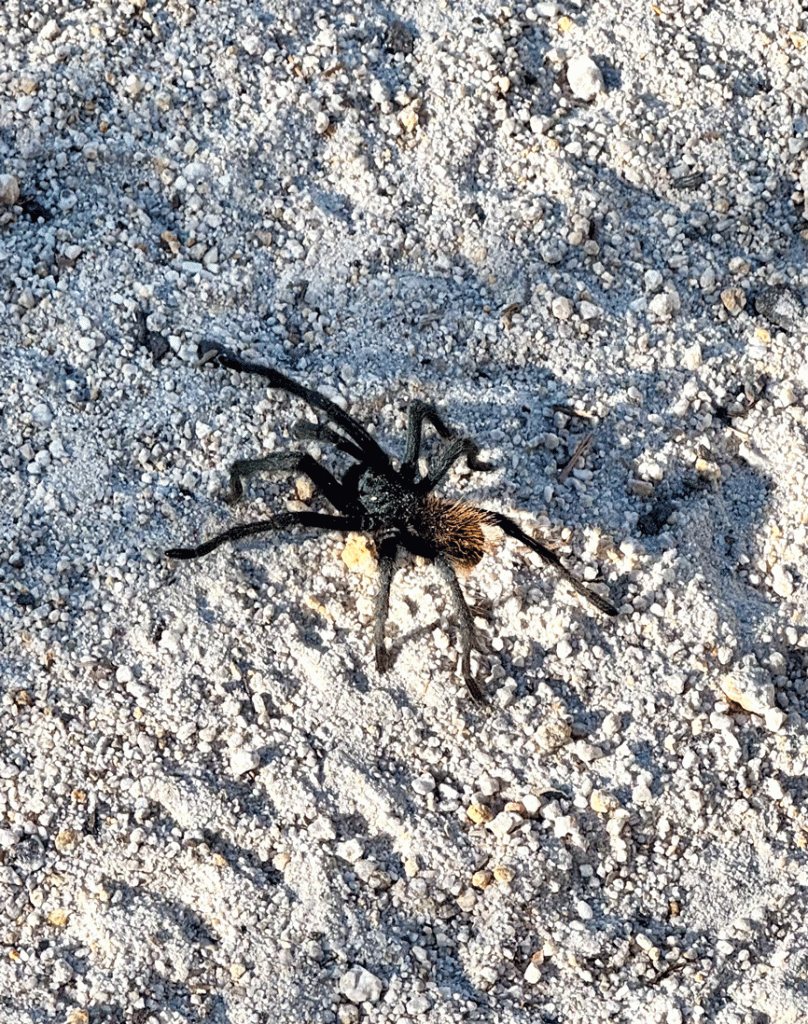
We saw this spider in the middle of the trail, just below the boulder from the last photo. It’s a Tucson Bronze Tarantula and is about 10 cm (4″) in diameter. This was the largest spider we’ve ever seen in the wild.
When the trail levelled off about 2 kilometres (1 1/4 miles) from the trailhead, we found we were in an oak, juniper, sycamore forest. It was very pleasant walking. When the forest changed to be predominately pine, we decided to turn around. We knew we had a good stretch of uphill on our way back. While we were having our snack on a nice log, we watched a group of four mountain bikers ride by from a safe distance. Earlier in our hike, we had to scramble into the bushes to get out of the way of two riders.

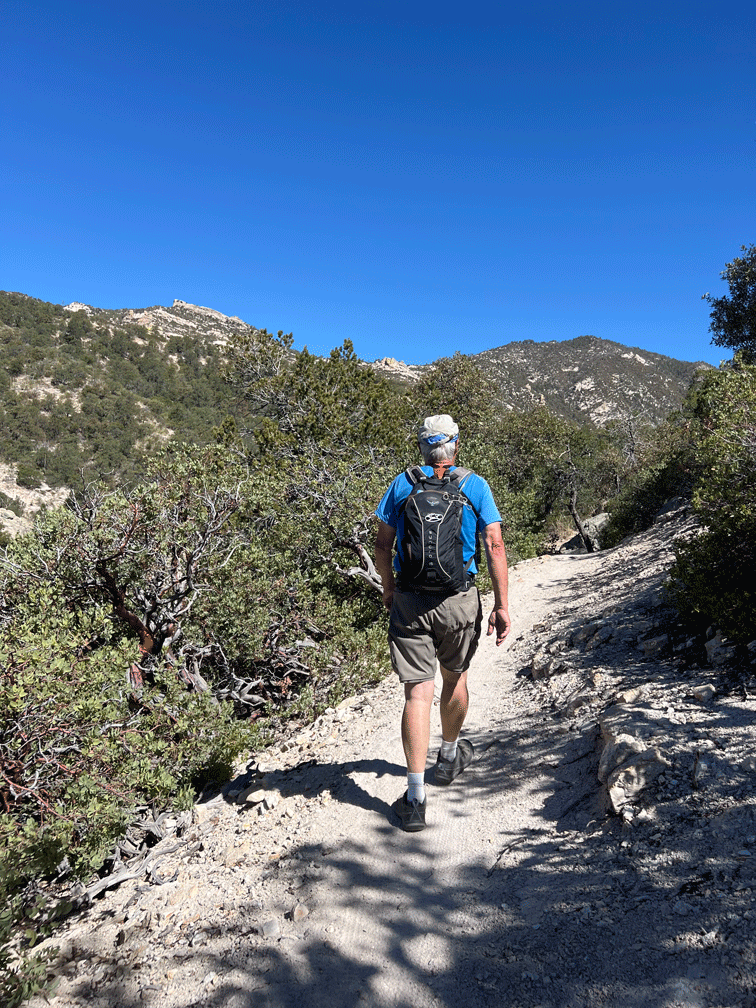
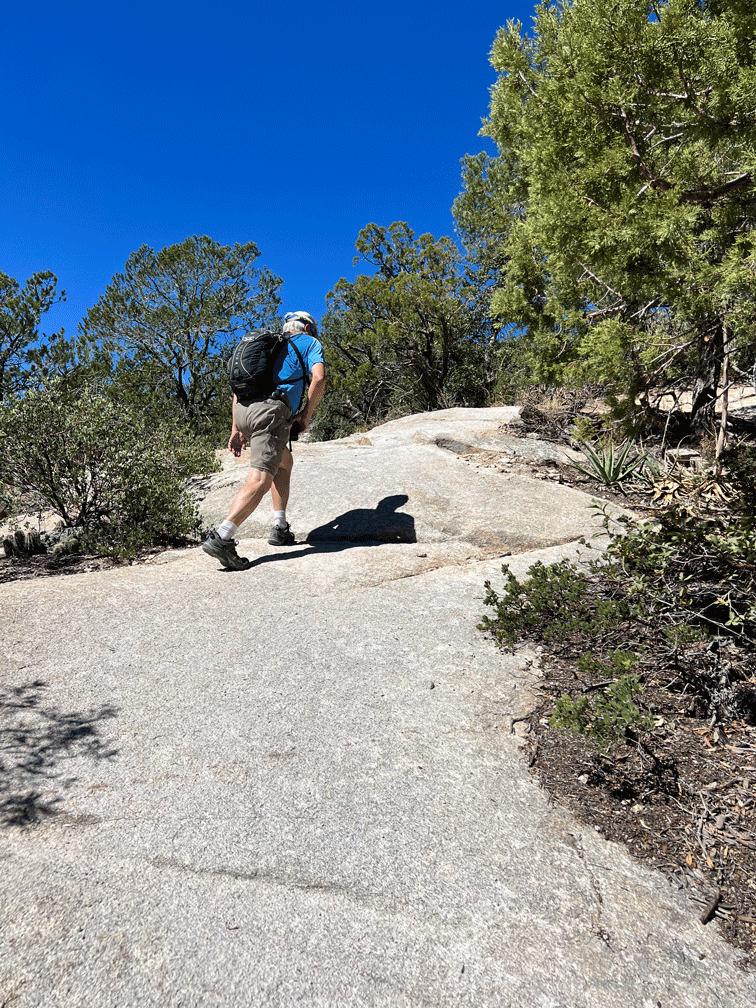
Here’s some views of the nice smooth uphill sections. We saw several species of birds, including a Zone-tailed Hawk and a couple of Band-tailed Pigeons. Our four and a half kilometre (almost 3 mile) hike took us three hours.
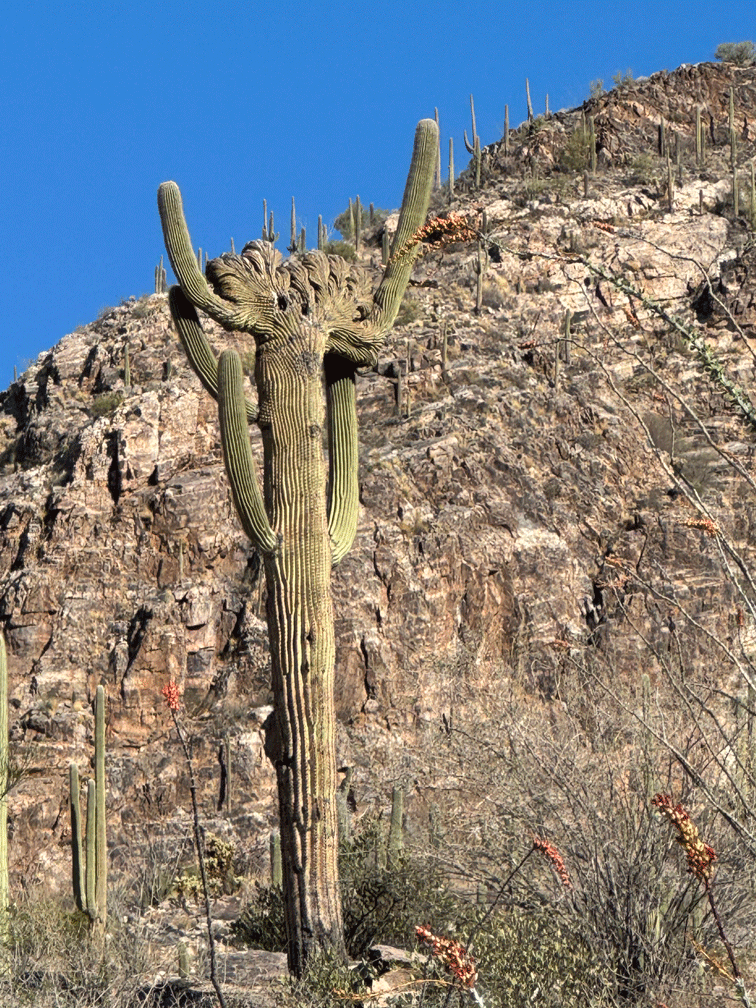
Near the end of March, we hiked in Pima Canyon. This crested saguaro is near the start of the trail.
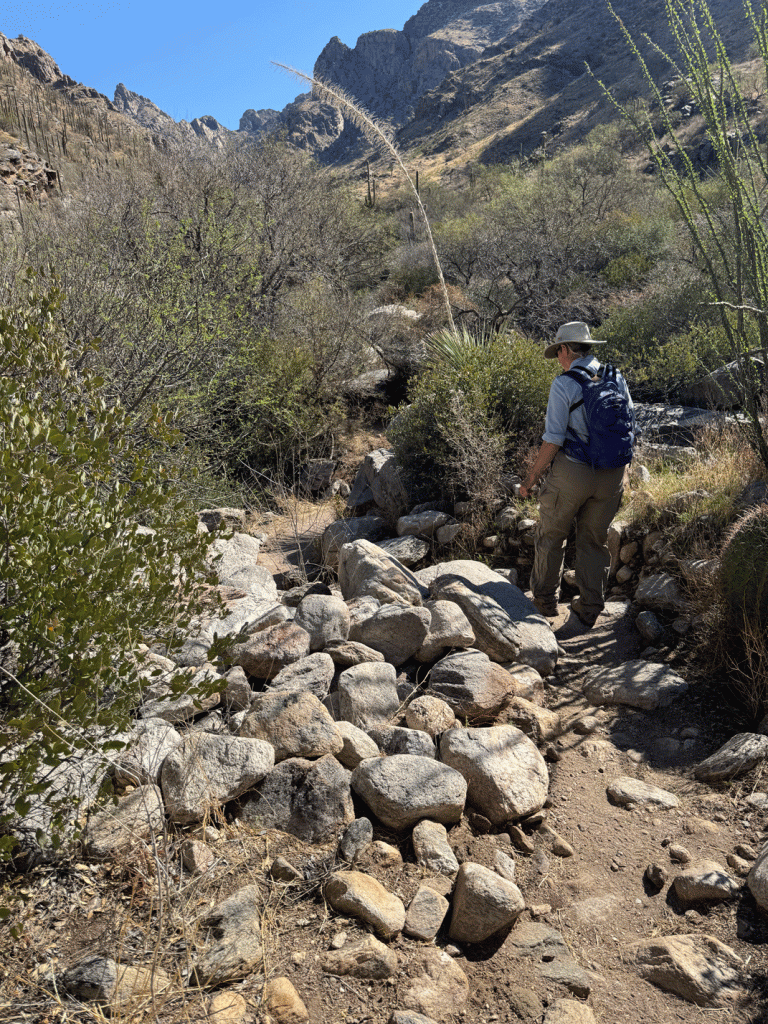
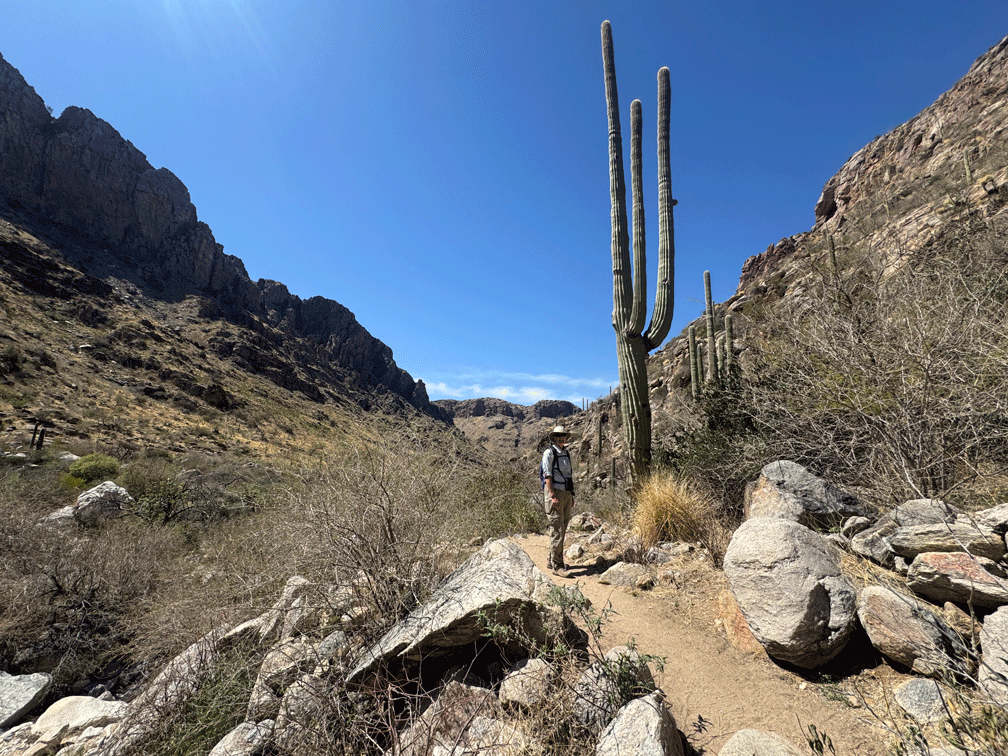
We were in the pleasant shade about an hour and a half in the lower section of the canyon, then it opened up to great views up canyon.
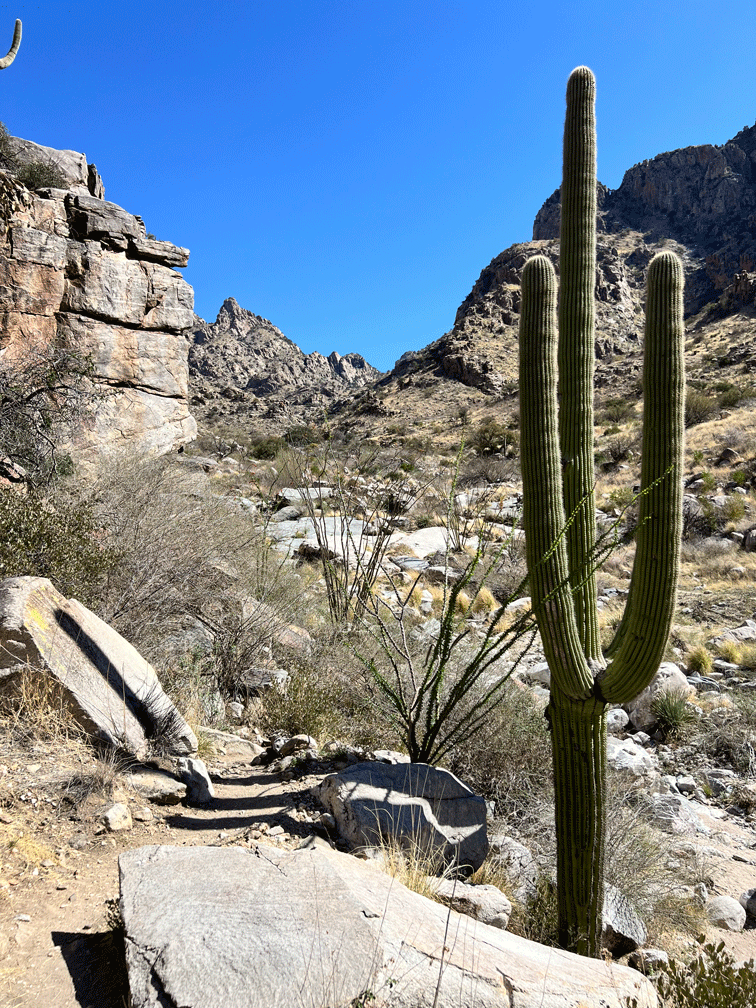
This photo was taken just below our high point. We stopped at our regular spot beside an old dam.
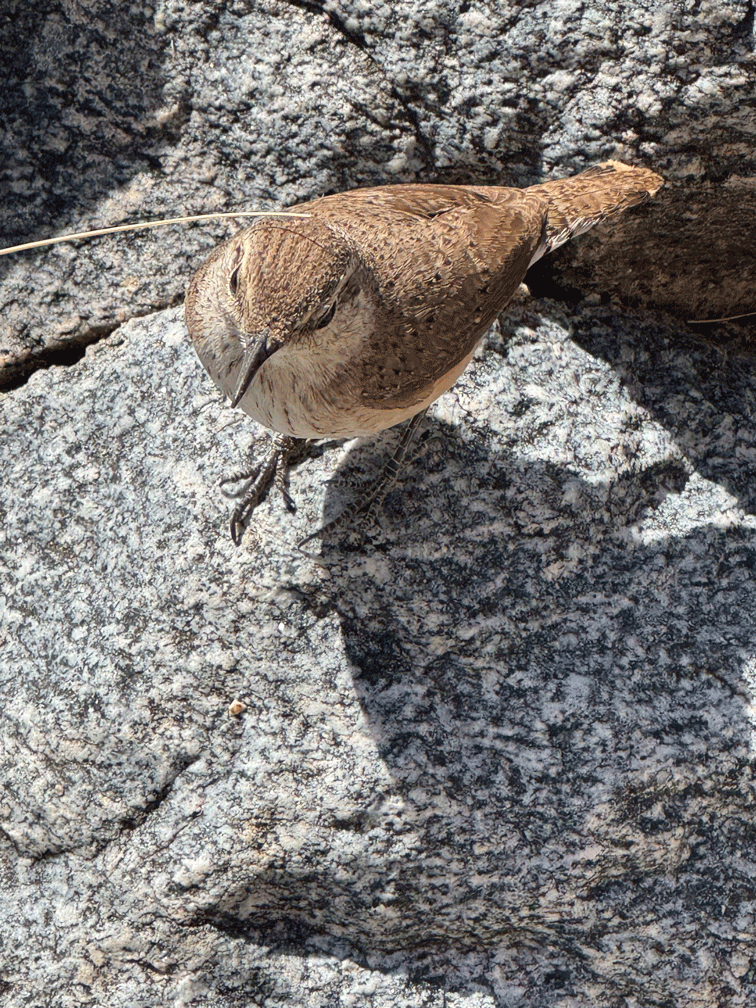
We rested and had a snack, and just as we were leaving, a Rock Wren bobbed along. It must have been a juvenile, because it had little fear and it kept coming closer and closer. The best photo was when it was right at our feet. A lot of people stop at the rocks near the dam and have a snack or lunch. The Rock Wren is doing its job of “clean-up crew.”
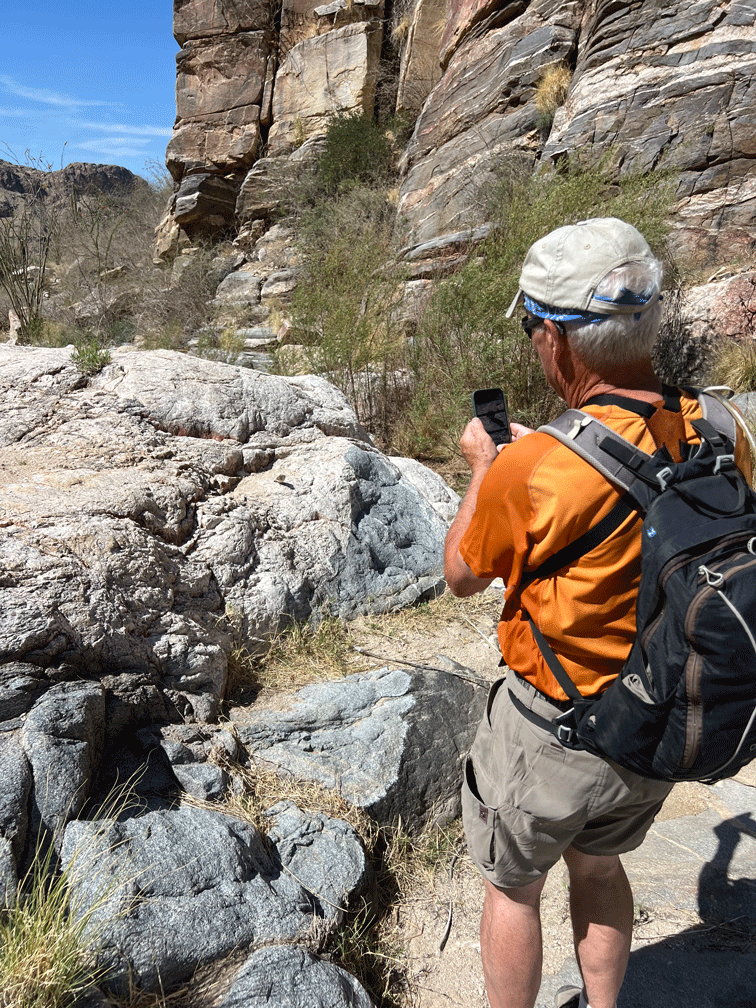
Here’s a view looking down the canyon.
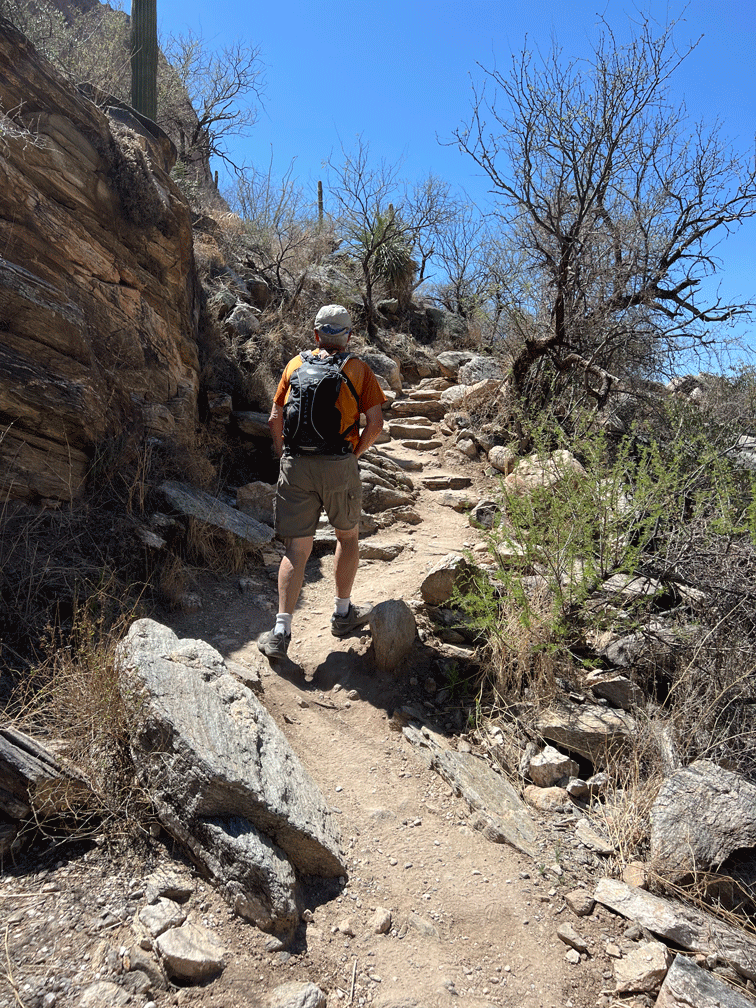
Mostly we walked downhill from the dam, but there was a small uphill when the trail moved to the other side of the canyon. The trail has been improved since we hiked it last April. It wasn’t as rocky and steps had been added. The 9 1/2 km hike took us five hours. We took plenty of stops to look at birds, and saw 32 species, including a quick view of a Virginia’s Warbler.
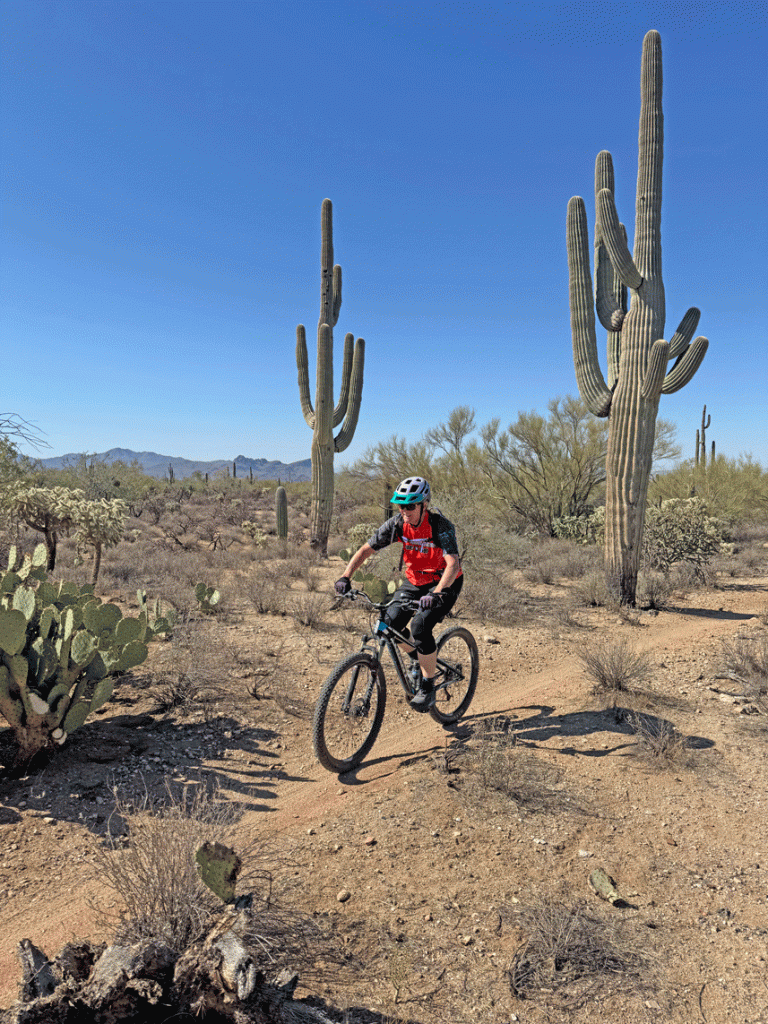
Here’s the customary mountain biking photo taken from one of our four rides at the Tortolita Preserve.
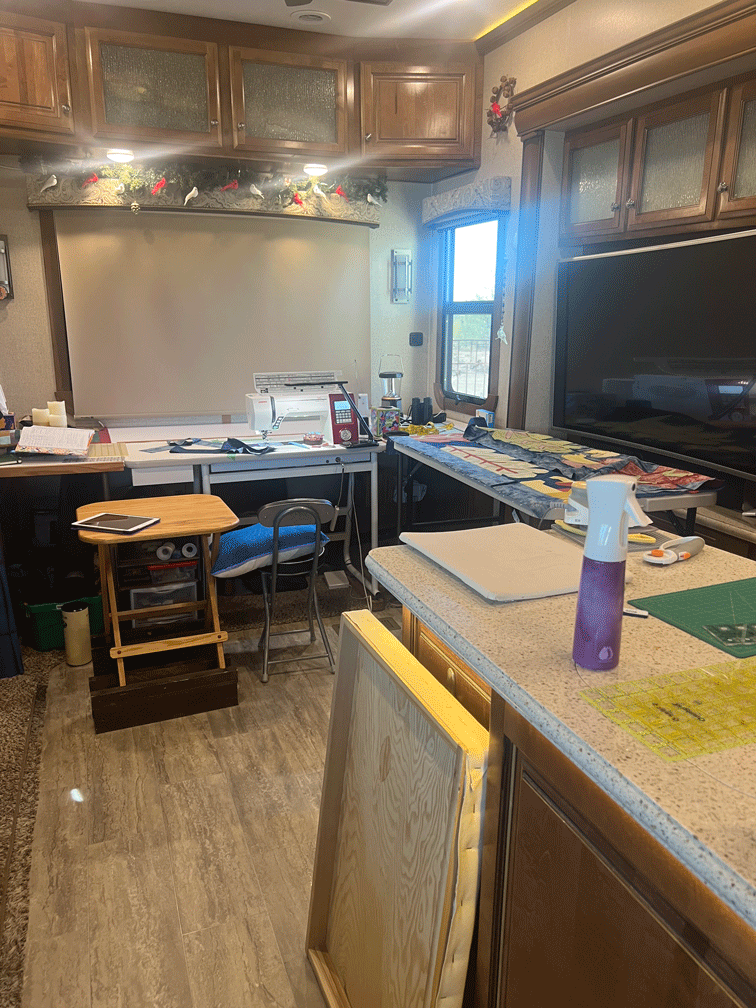
Some afternoons from December to the middle of March, Wendy worked on a quilt that she was making for our new grandson. Here’s a photo of the day she took over the fifth wheel, when the quilt top was almost complete. Usually she didn’t need to get out the extra table or the bigger ironing surface.
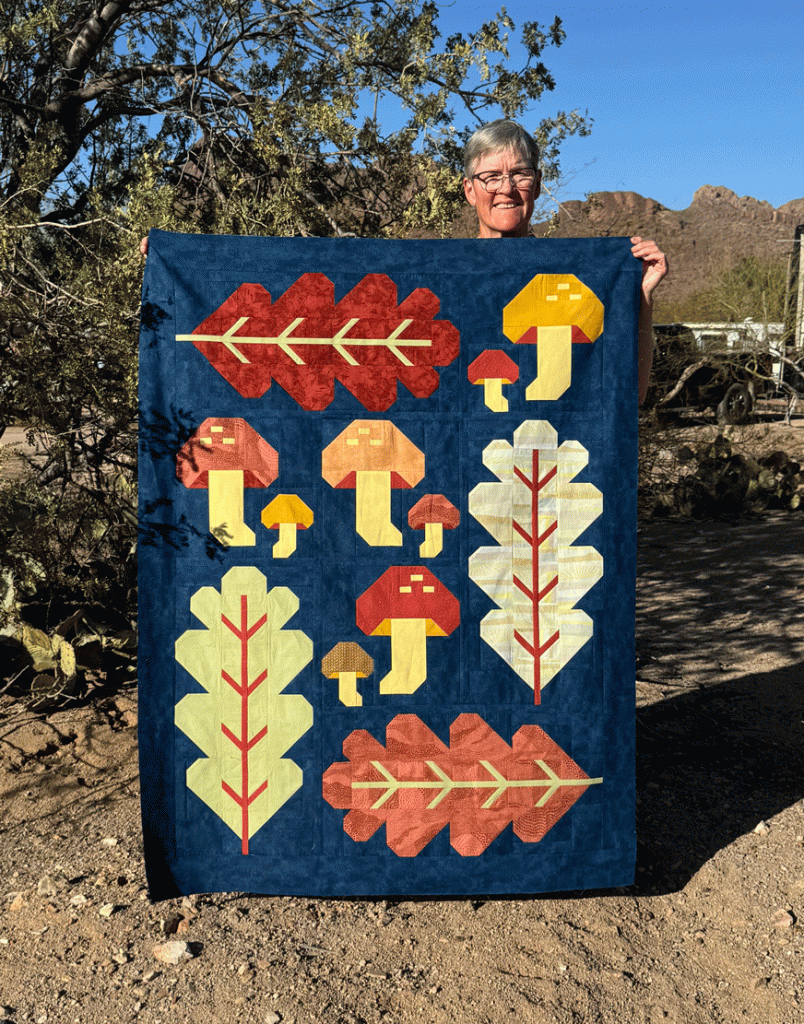
Here’s the completed quilt top. It’s called Forest Fungi by Pen and Paper patterns. She has completed the “piecing” portion (sewing the patchwork pieces together) and next needs to do the “quilting.” When we get home to BC, Wendy will layer it with batting and a backing, holding the three layers together temporarily with safety pins. Then she will stitch through all the layers using her home sewing machine, to make the layers stay together as a “quilt.” Once a strip of fabric is sewn around the edge, enclosing the raw edges (called binding), the quilt will be complete. It has taken many hours to get the quilt to this point, and except for the few bits that needed to be ripped out and sewn again, it was enjoyable. Enjoying the “process” is as important as the “product.”
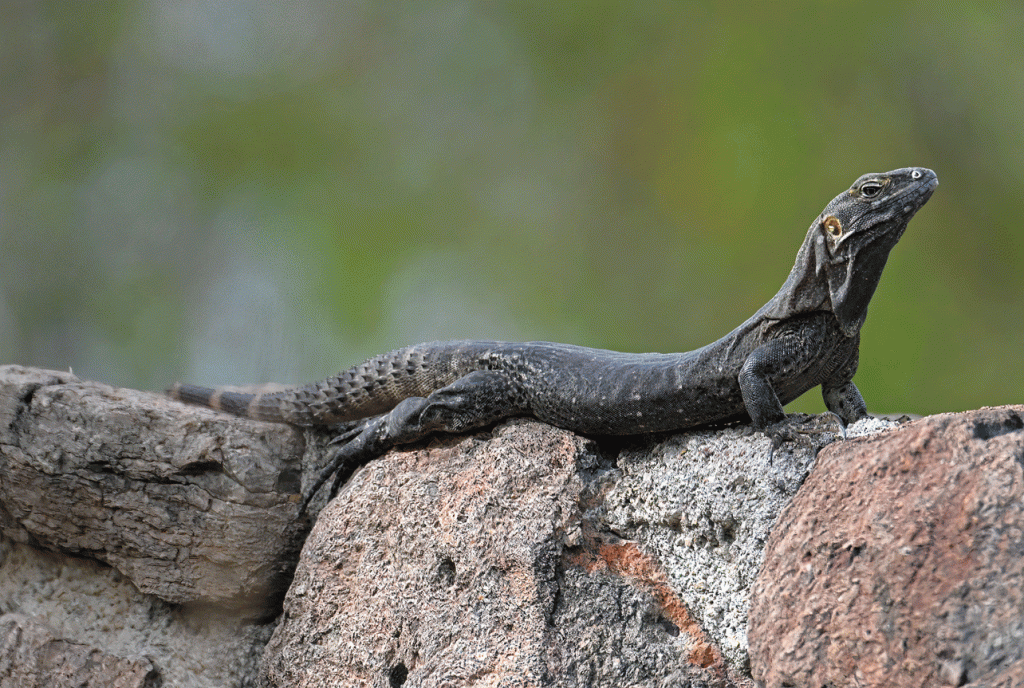
As the weather warms up, the reptiles become more active. Here’s a Sonoran Spiny Iguana who is a regular at the Arizona-Sonora Desert Museum, and has previously been featured in this blog.
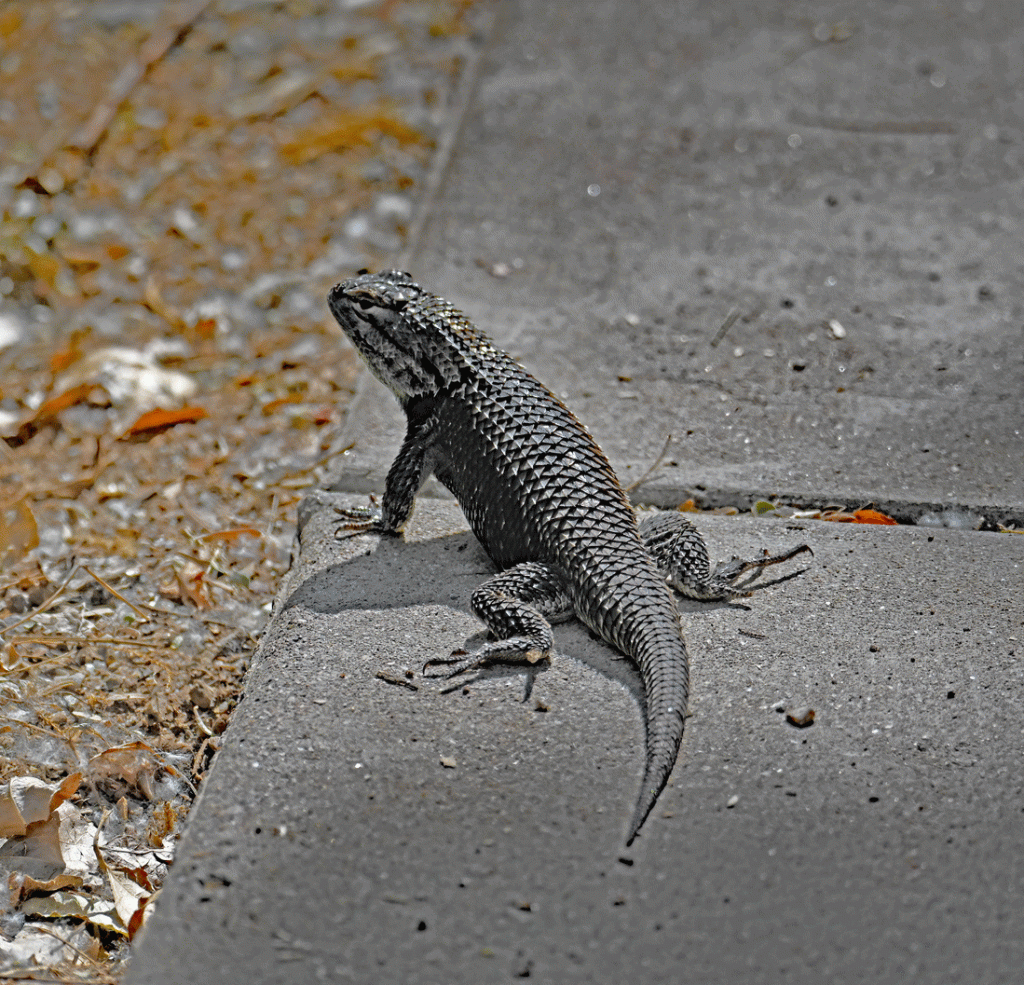
We saw this Desert Spiny Lizard on a walkway at Sweetwater Wetlands. It is one of the largest lizards in the Sceloporus species in Arizona. The black wedges on its shoulder are a distinguishing feature.
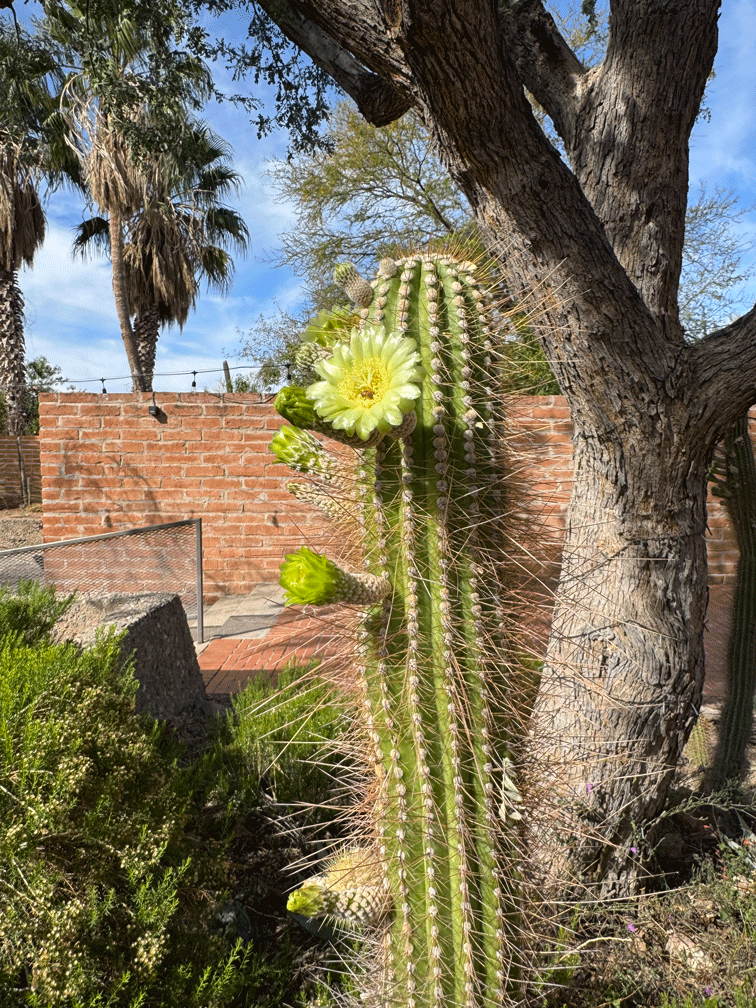
In March, the flowers in the Arizona-Sonora Desert Museum start to take centre stage. This columnar cactus is growing in the desert garden section, which includes non-native cacti. It’s related to the native Saguaro, but we can’t find out what it is called. It’s beautiful, nonetheless.
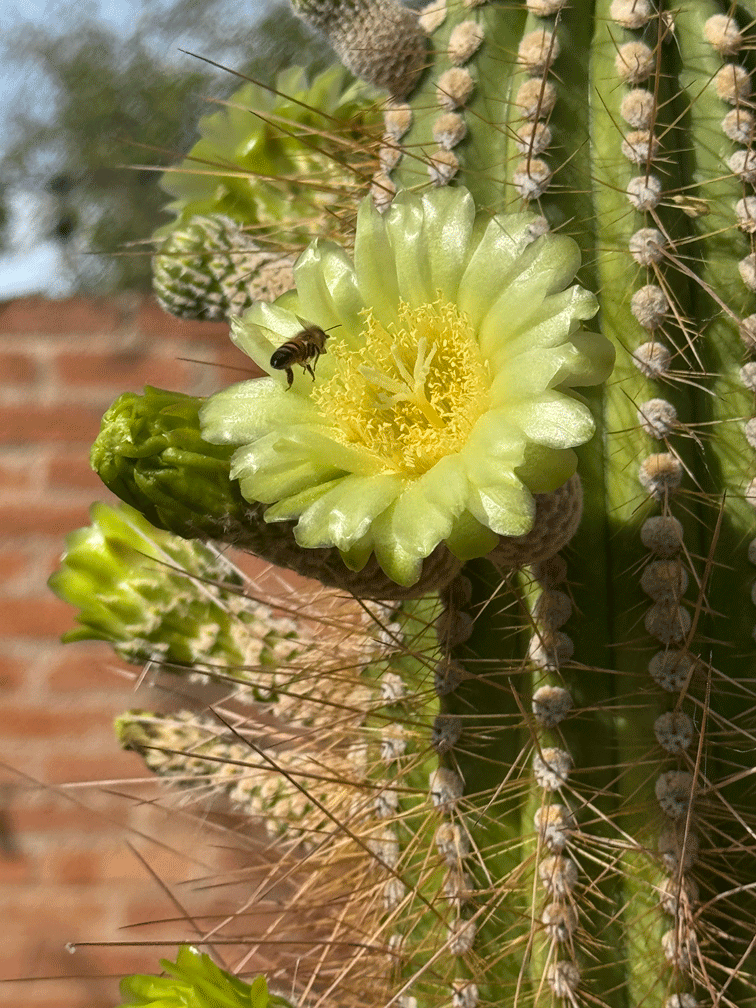
Here’s a close up of the flower.
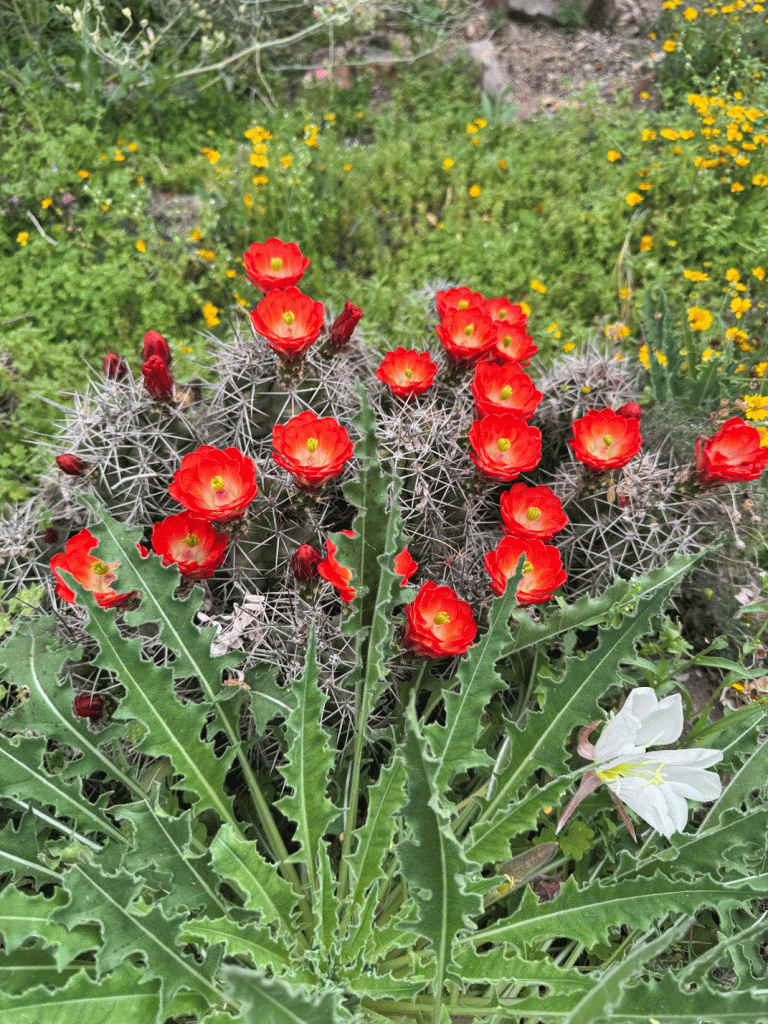
The claret cup cactus grows in the wild in Yavapai county, which includes the areas around Sedona.
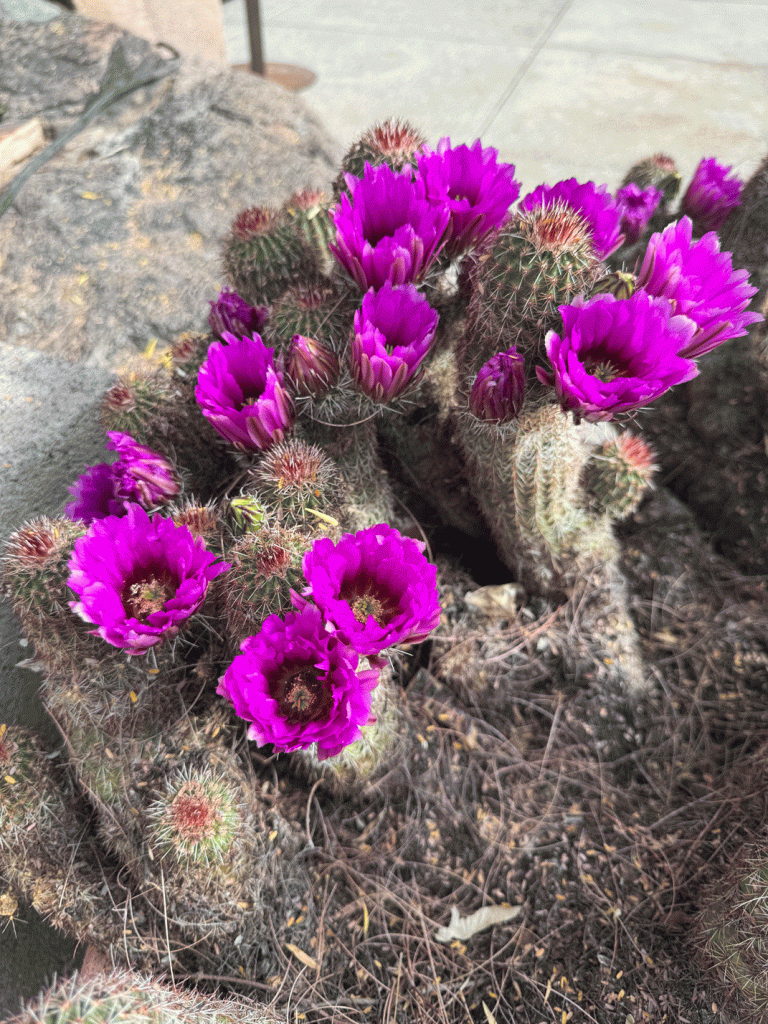
This Bonker hedgehog is in a pot in a sheltered area near the gallery. It can be found in the wild in high elevation grasslands. The relatively dark magenta colour of the flowers is a distinguishing feature.
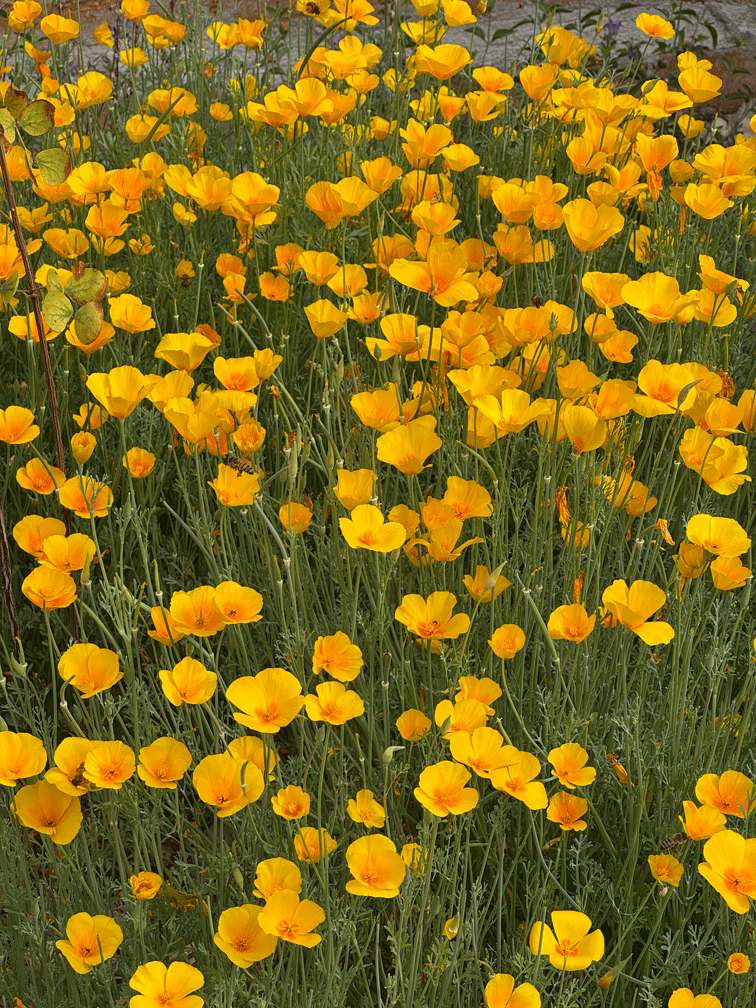
Other years, we’ve seen fields and fields of these poppies in various locations. This year, we had to settle for this planting of Mexican Goldpoppy (Eschscholtzia mexicana) in the desert garden section of the Desert Museum. There hasn’t been enough rainfall to produce a wildflower bloom in the desert this year.
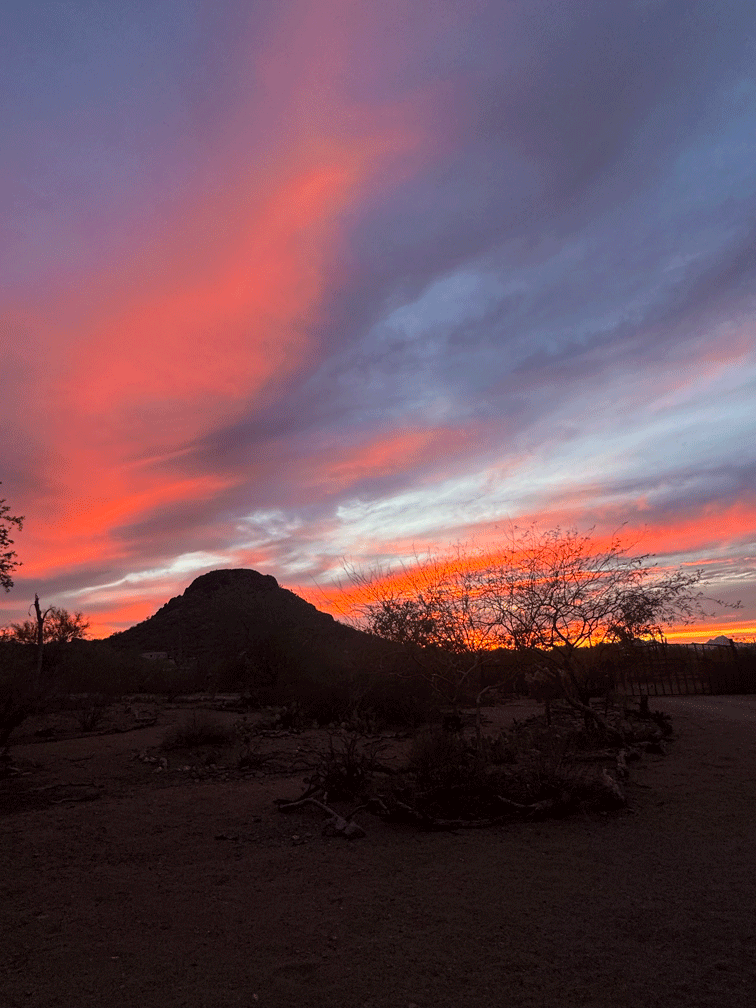
There were three contenders for “Sunset of the Month.” You can decide the winner. Here’s the sunset on March 5th.

Sunset on March 12
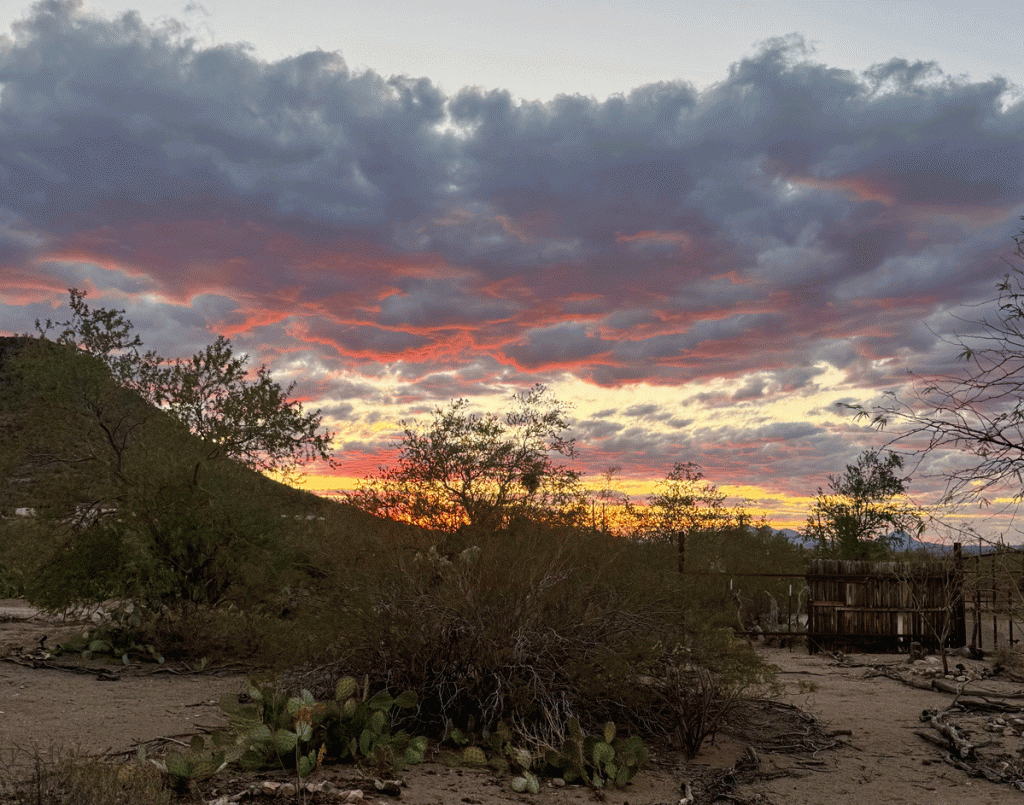
Sunset on March 17. We had better sunsets in March, because we had some unsettled weather.
As you can tell, we’ve been busy this March. And we’ve also seen (and photographed) many birds. Part 2: Birding will be posted soon.
 Travels with a Fox
I couldn’t comment on the site. Love the cactus blooms. The tarantula was very interesting.
LikeLike