

We wanted to ride and hike on slick rock on our visit to Moab and we had lots of opportunities. Our first mountain bike ride was up at Dead Horse State Park, in the Intrepid trail system. We had a cool day with a few rain sprinkles, but it was a perfect temperature for riding.
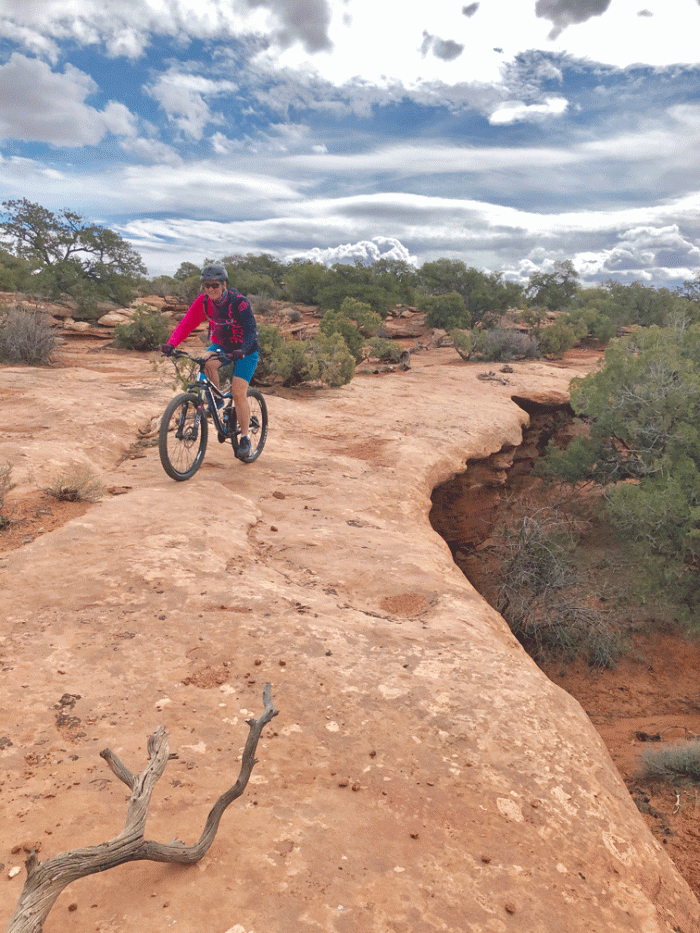
The trail went close to the edge of Schafer Canyon. Canyonlands National Park: Island in the Sky Unit is in the background of the photo below. We both had our “best day ever” of mountain biking. The trails had enough slick rock to be interesting and nothing too steep.

The next day, we headed to Devils Garden, one of our favourite hikes in Arches National Park. We chose to do the long loop, and view all ten arches. The trail to Landscape Arch is wide and smooth and very popular.
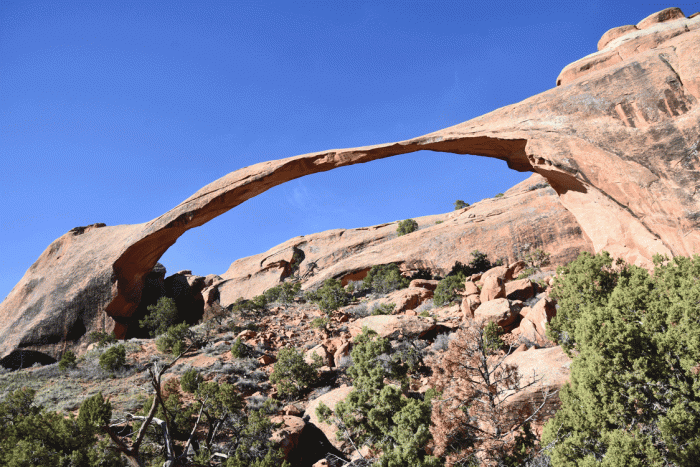
It was our first visit to Partition Arch. When we did the hike in 2016, we did the loop without any side trips because we didn’t have the same fitness level that we have now. We also took a side trip to Navaho Arch and to the viewpoint for Dark Arch.
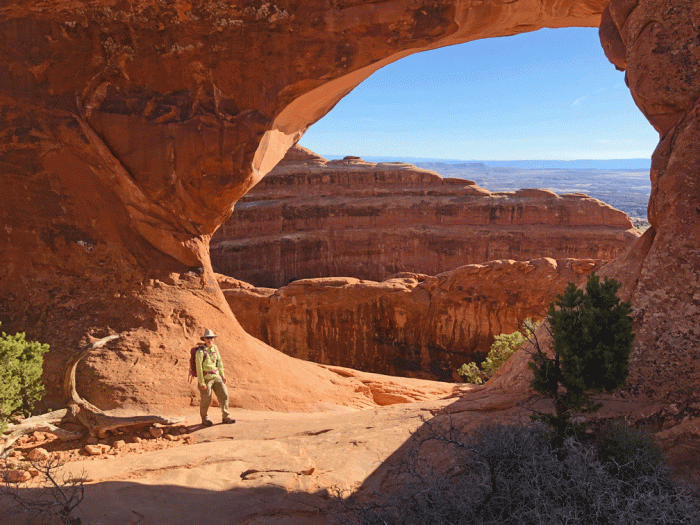
Most people turn around at Landscape Arch because the trail beyond it involves walking on slick rock and a bit of scrambling. The trail had more markers than the last time we walked it. Here’s Doug standing on the trail that goes along a sandstone rib. There was another sign further along to lead you to the exit to the left.
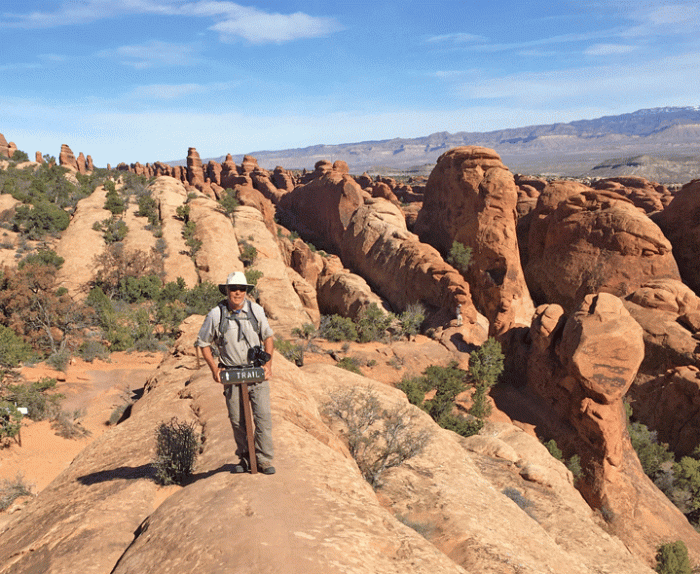
We reached Double O Arch and climbed up and through the bottom arch, to get this view. By this time, we’d been hiking two hours, so it was a good spot for a snack.

Following the primitive trail past Double O, we took another side trip to Private Arch.
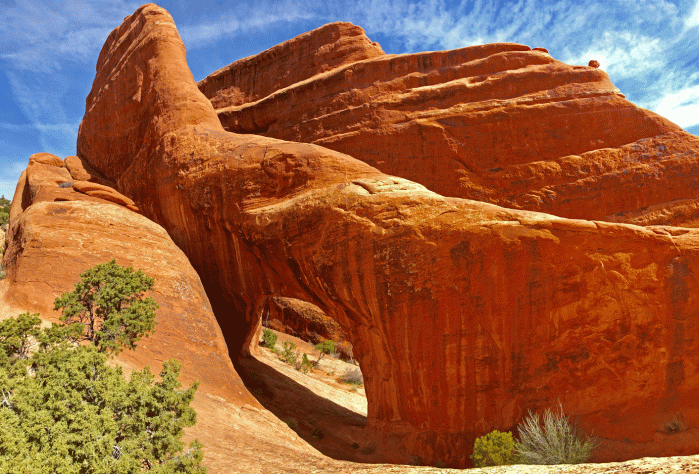
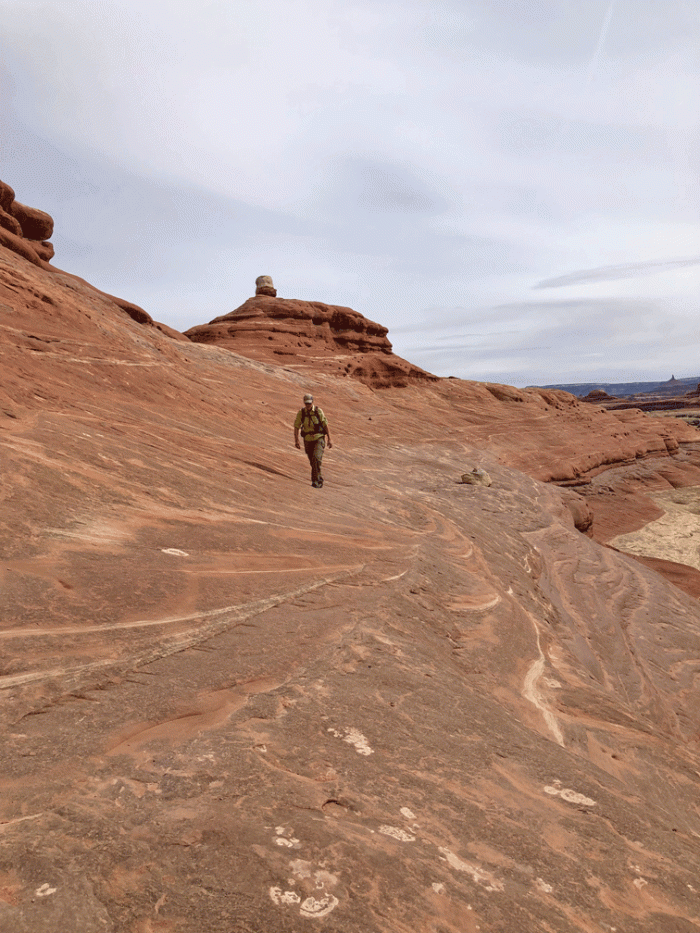
The primitive trail involves plenty of slick rock sections. You can pick out the trail by looking at the worn sections on the rock.
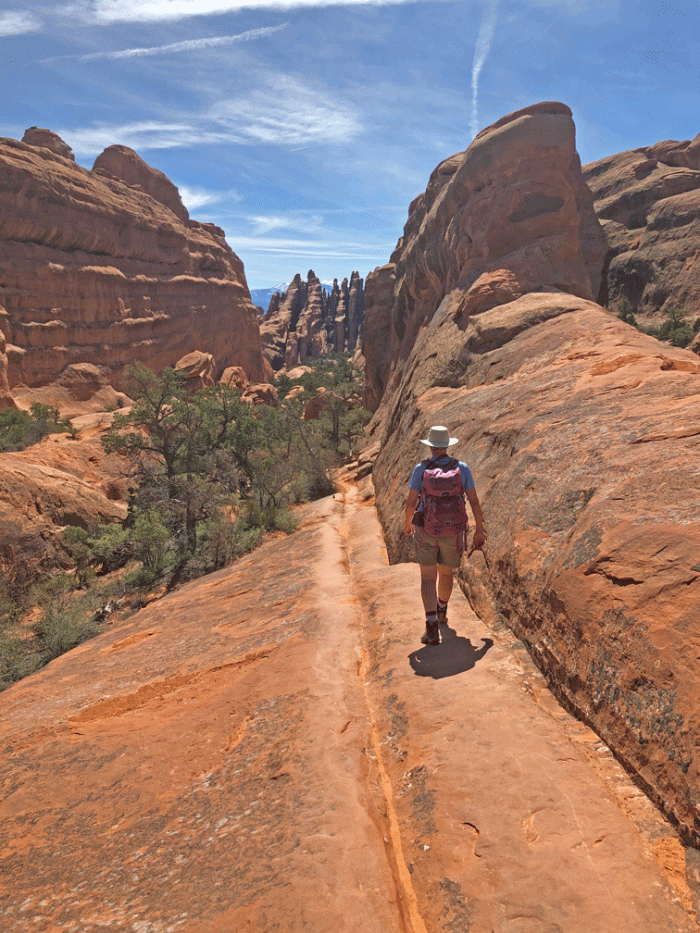
Here’s another section of the primitive trail.
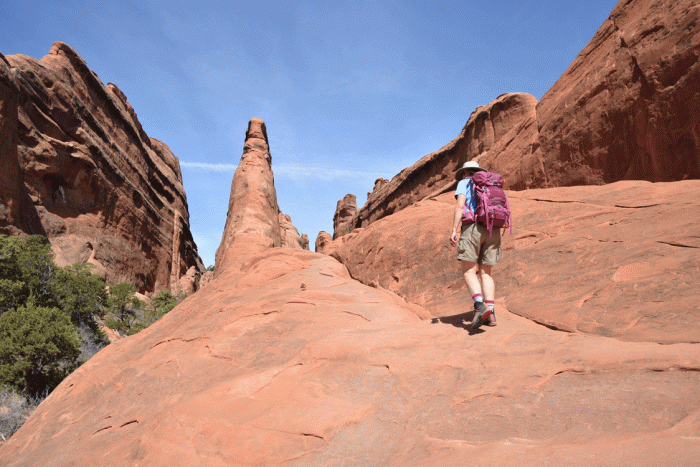
We took another side trip to a backcountry camping spot to have our lunch. It wasn’t much, just a relatively flat piece of rock.
We finally joined the main trail after climbing up from a wash. We took our final side trips to Pine Tree Arch and Tunnel Arch, then continued to the parking lot. Our total hike was just over 16 km and it took us just over 5 hours.
The next day, we hiked into the Fiery Furnace. You need a permit to hike in this area, and you are required to watch a video and have a chat with a ranger about the rules. The rules were basically to not harm the environment and to stay quiet to allow others to have a “wild” experience. There are no real trails but there are a few markers along the way. When we did the hike three years ago, there were no markers so it made it much more challenging.
Here’s Doug walking in a wash so you can get a sense of the scale. It’s a labyrinth of pillars and fins.

One of the “Dead End Ahead” areas leads to what we call “Surprise Arch.”
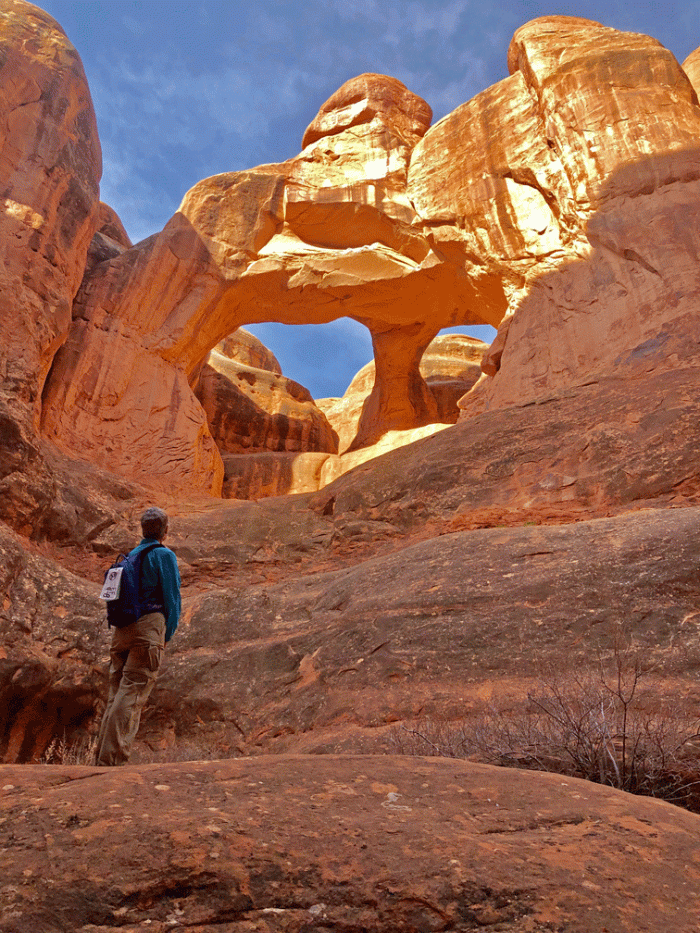
There’s lots of scrambling.
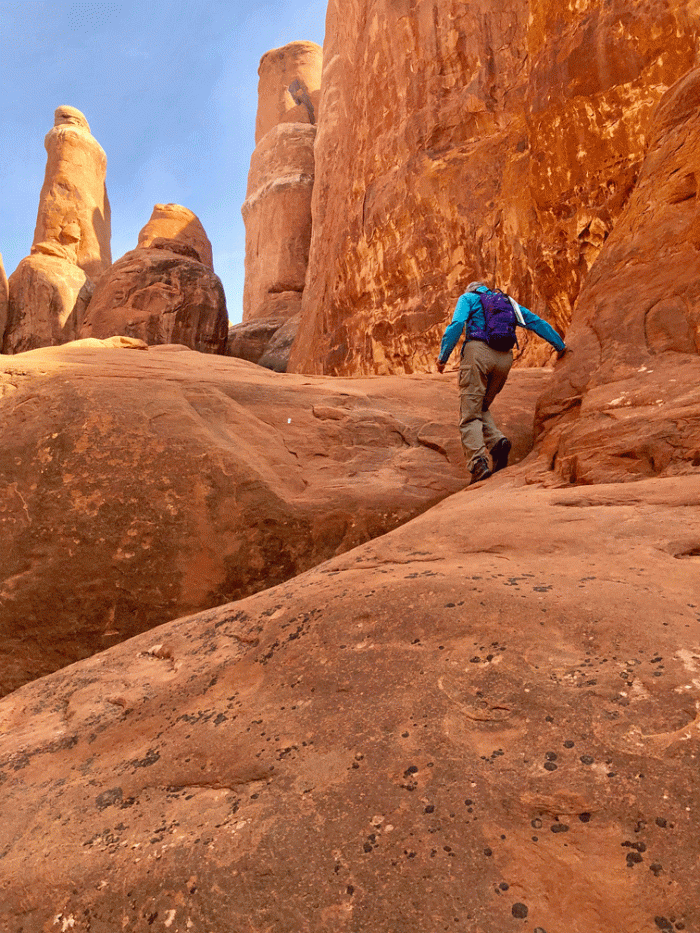
Here’s Doug ready to climb up.

Canyoneering has different techniques than regular climbing. “Bum sliding” is an accepted practice and the only way down sometimes.
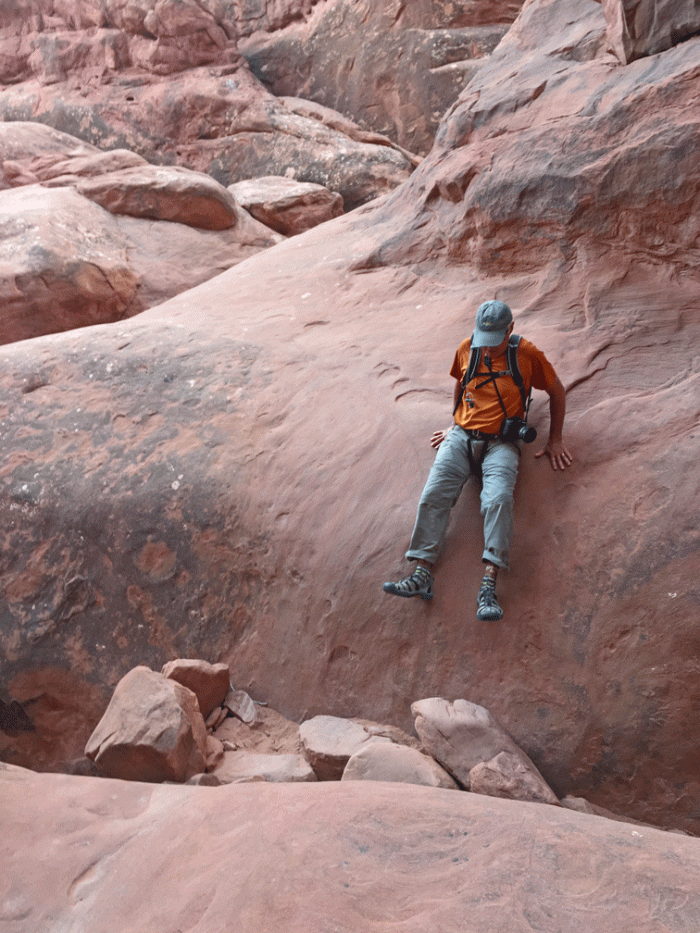
Because we had hiked here before, we could explore the other “off-shoots” without stress. This photo was taken on our way back to the regular route.
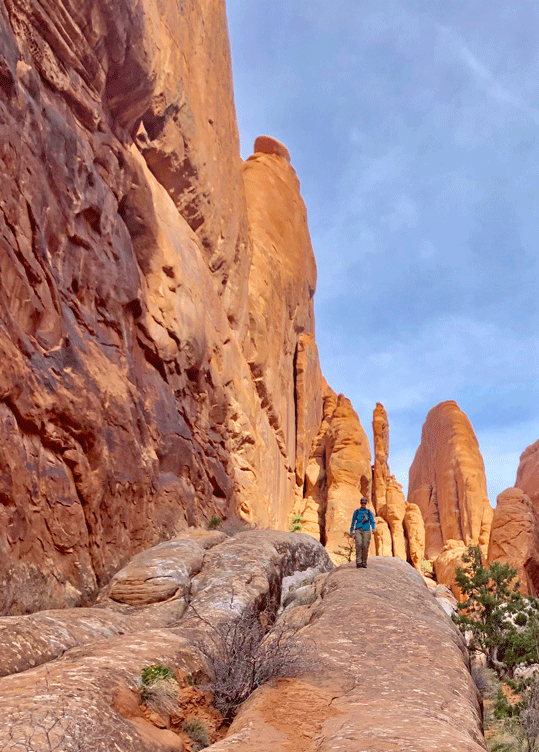
This slot is part of the regular route and was not very wide.

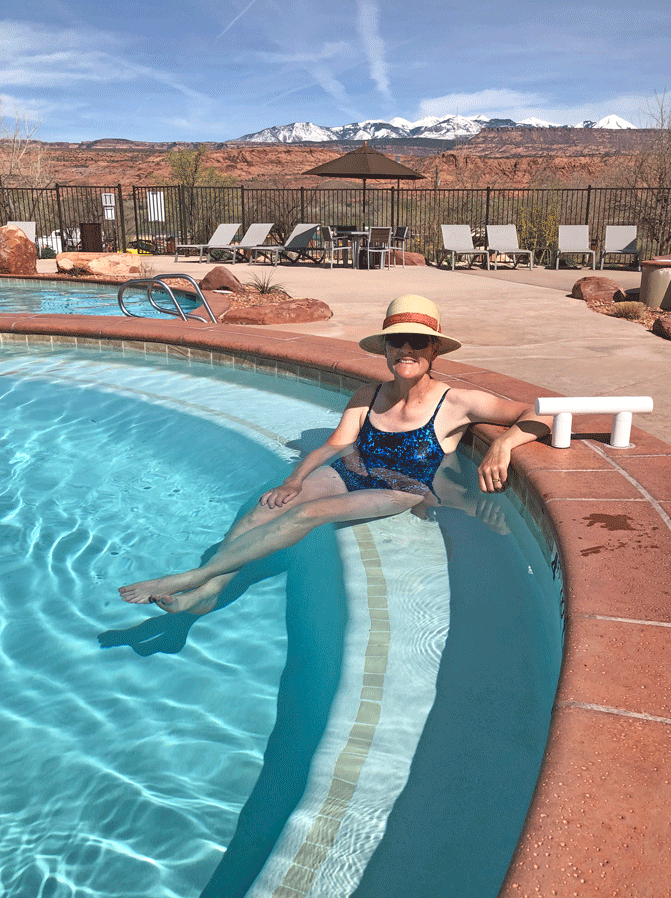
We spent about 3 enjoyable hours in the “Furnace.” That gave us time to get home early and lounge at the pool. The Moab KOA has really upgraded recently.
The next day we drove up towards Dead Horse State Park and stopped at the trailhead for Navaho Rocks. This is a newer mountain biking area with lots of slick rock and lots of elevation changes. We chose to ride up Big Mesa to Big Lonely. Wendy chose to ride the highway back to the parking lot and Doug continued to Coney Islands and Middle Earth. If we ever ride it again, we’d do it in the opposite direction.

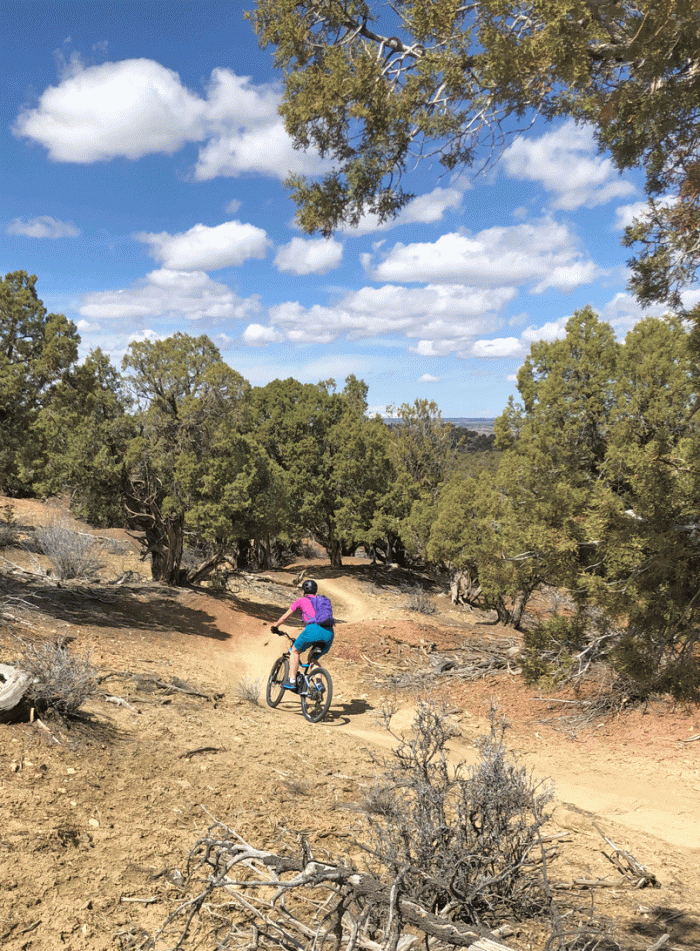
Here’s Wendy near the beginning of Big Mesa.
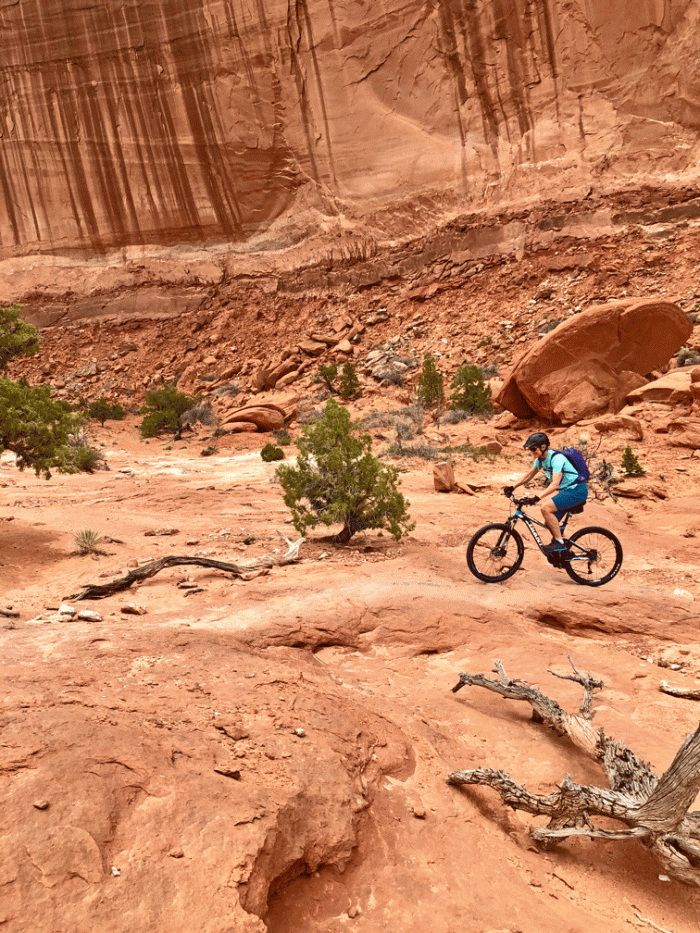
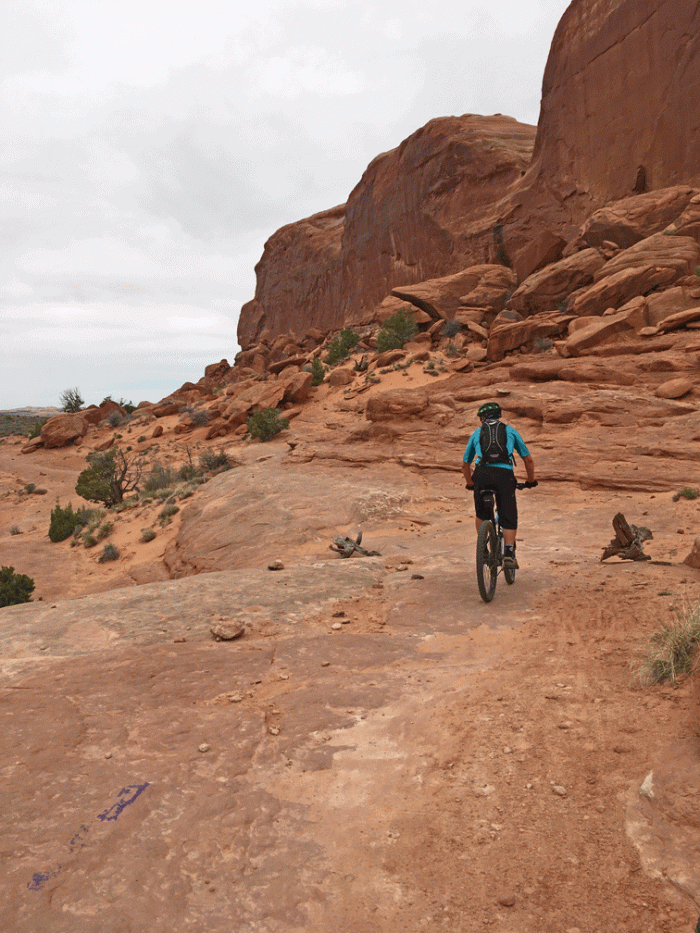
Here’s Doug on Big Mesa as well. You can see the route markers in the bottom of the photo; for Big Mesa it’s a blue stripe of paint. The juniper branches also help to define the route.
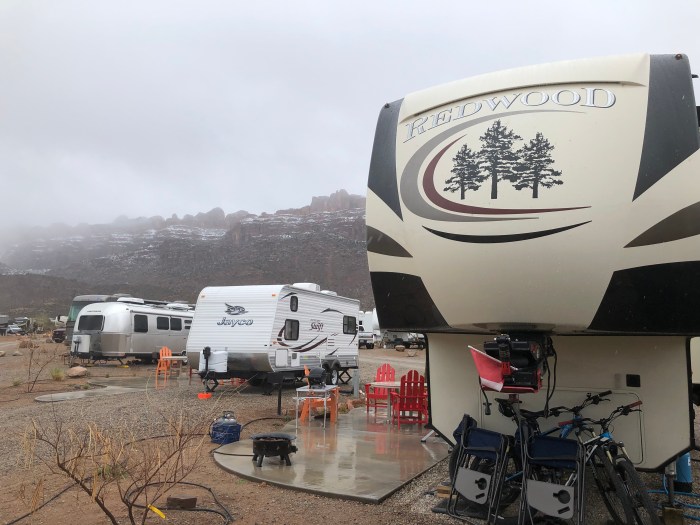
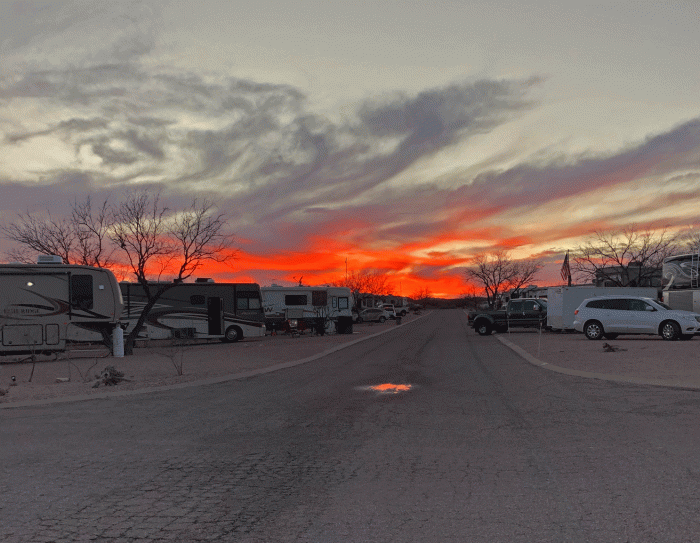
The wind picked up while we were riding and blew hard all evening. The next day, the cold front brought rain and snow and much lower temperatures. Just so you can see that our whole trip hasn’t been the sunshine and fine weather that most of our photos show, here’s a view of our site that day. It rained and sleeted most of the day. But we were warm and cosy and didn’t mind the rest.
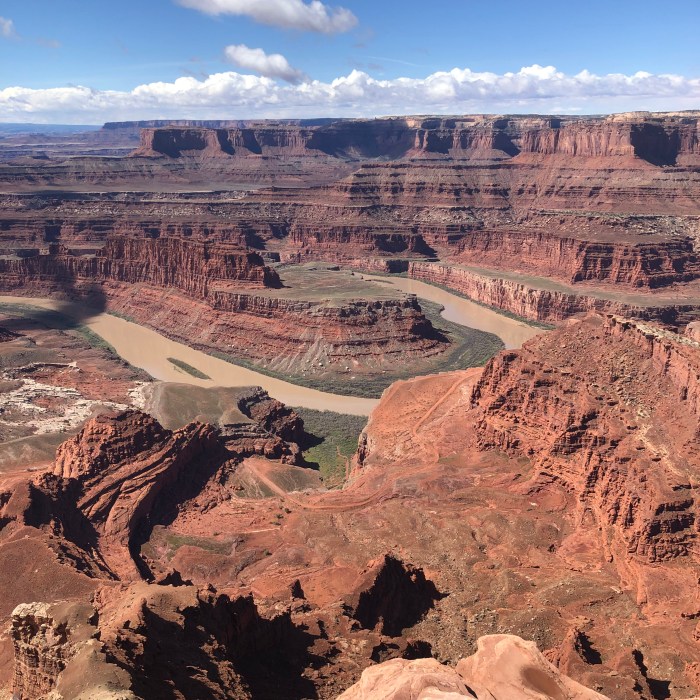
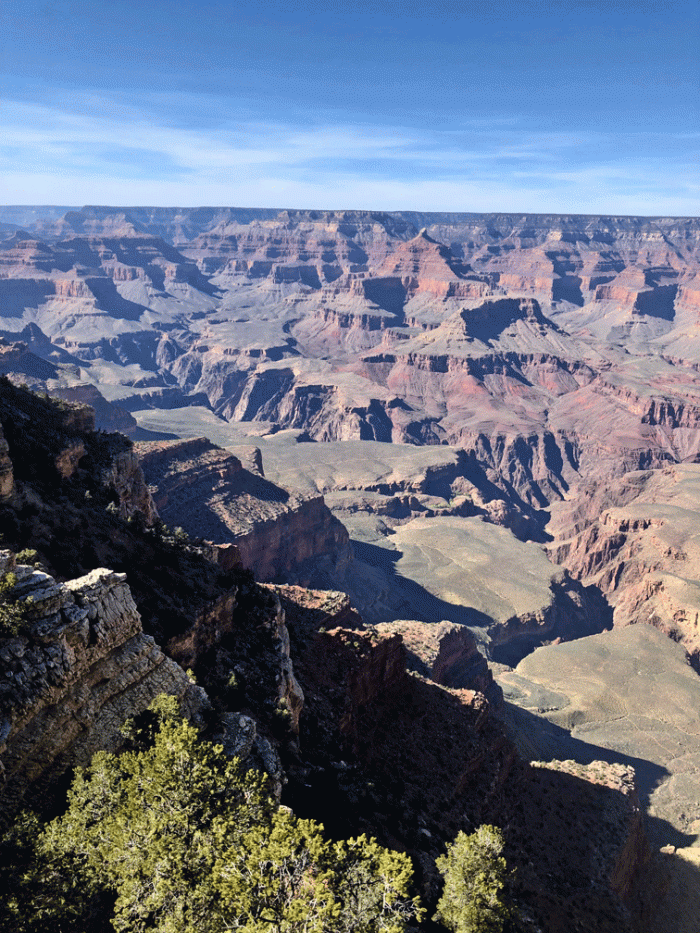
The weather improved for our last day in Moab. We drove up to Dead Horse State Park and Canyonlands National Park: Islands in the Sky Unit and stopped at most of the overlooks. Here’s a view from Dead Horse State Park down to the Colorado River.
So we’ll be on our way home. We expect to post again in July about our next trip. This trip was the longest we’ve ever done… so far…
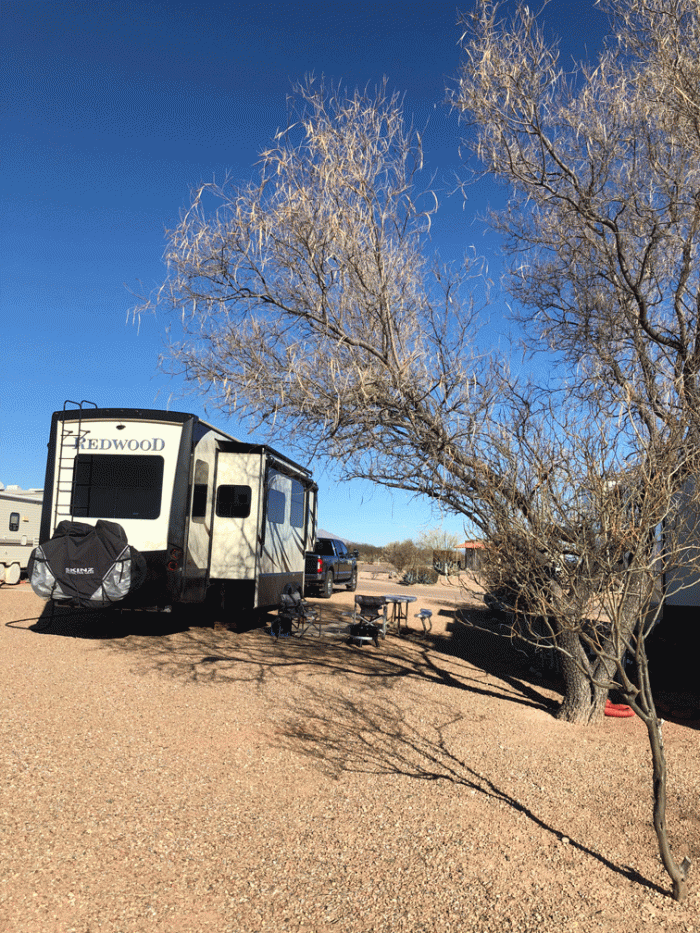
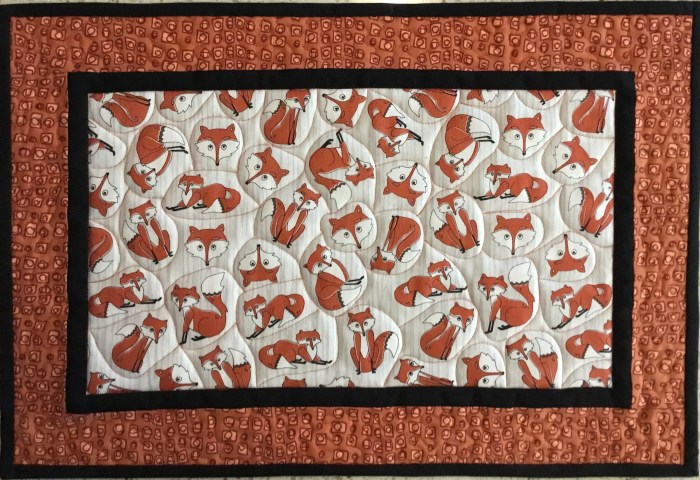
Goodbye for now from “Travels with a Fox.” Perhaps it is more appropriate to say “foxes.” Here’s our mascots all in one spot of our Redwood Fifth Wheel.
























































 Travels with a Fox