This post will be about the Lamanai Maya Site, and our visit to Crooked Tree, including a birding expedition by boat.
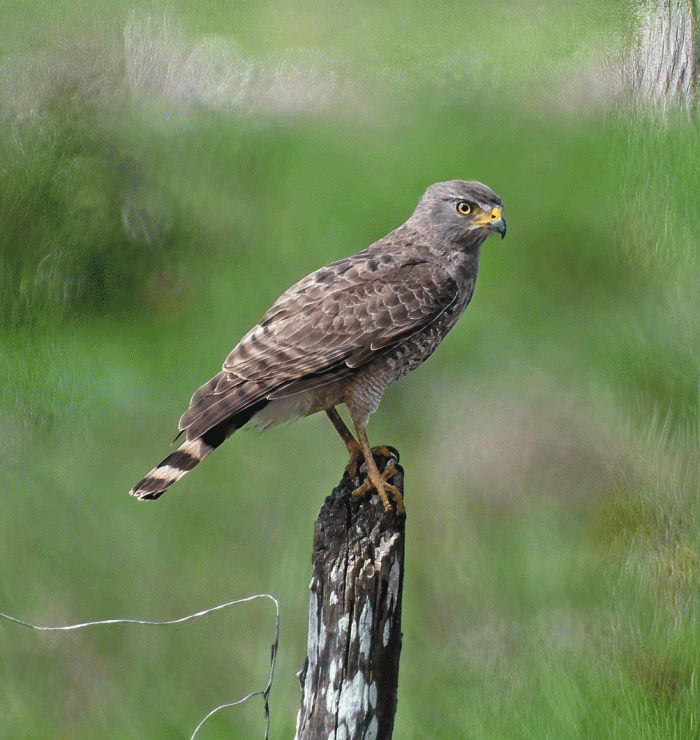
We left La Milpa Field Station and back-tracked to the town of San Felipe, and turned right to head southeast towards the Lamanai Archaeological Reserve. Along the way, we stopped when we saw interesting birds. Here is the well-named Roadside Hawk. This hawk was quite common along the roadsides, on power poles, wires and posts out in fields. This streaky individual is a juvenile. Its broad banded tail distinguishes it from other juvenile hawk species.
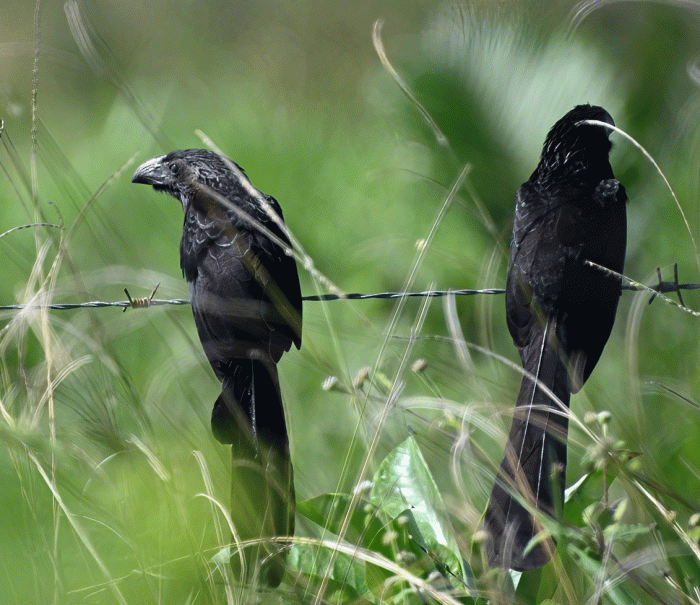
We also saw several Groove-billed Anis on this day and over sixty throughout the trip. At first glance, they reminded us of Great-tailed Grackles with their long floppy tails, but their strange-looking heads make them very unique. This species of cuckoo is often found in groups, awkwardly crashing around.
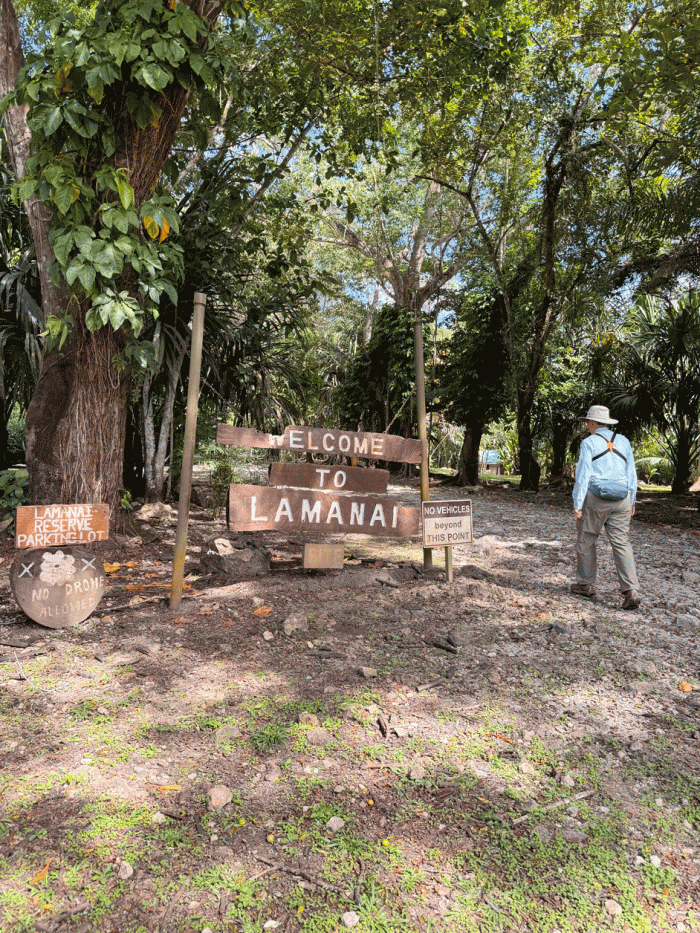
Here is the entrance to the Lamanai Maya site if you arrive by car. Most visitors arrive by boat, since the site is along the New River Lagoon. It is a popular tour for cruise ships, so we were happy that there wasn’t a ship in port the day we visited.
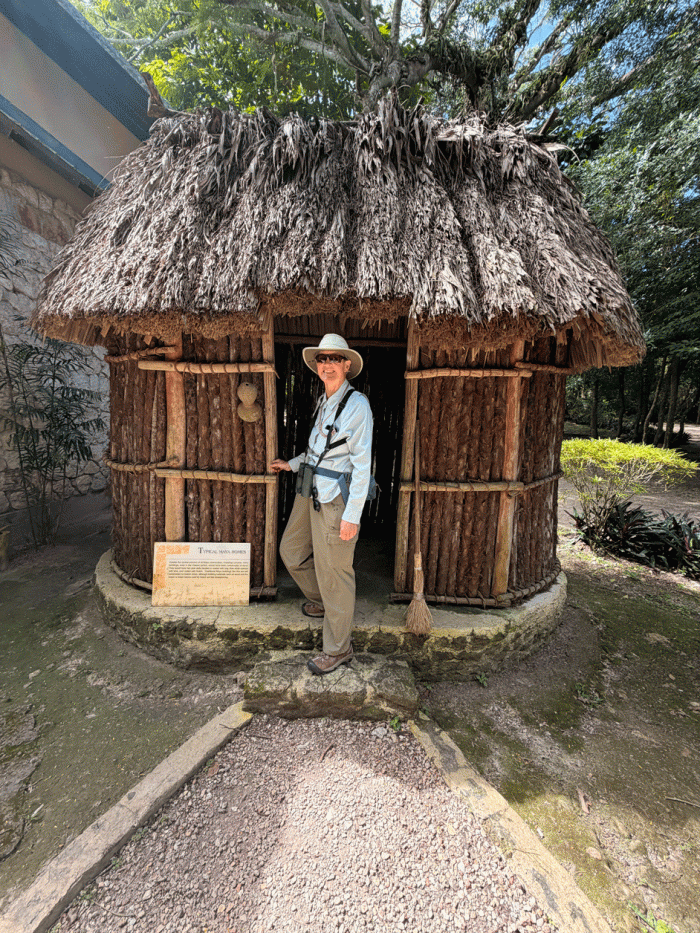
This is a small version of a typical Maya home that would have been constructed outside the central section. The pole walls would have been daubed or coated with clay, then whitewashed with lime.
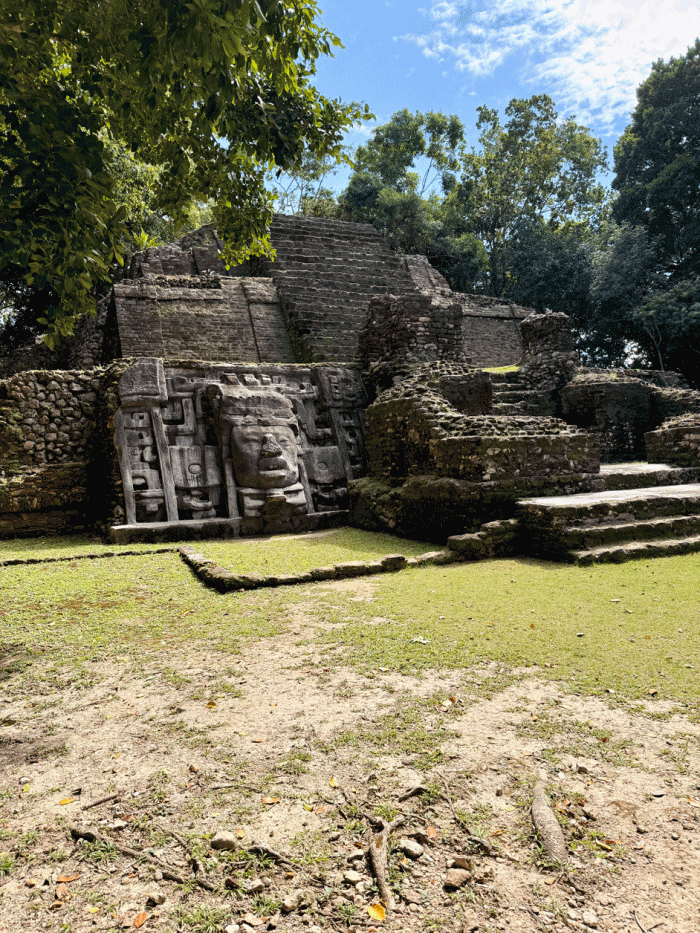
Lamanai is Belize’s longest-occupied Maya site. Archeologists have found signs of continuous occupation from 1500 BC until AD 1700. This one is known as the Mask Temple. It is the smallest of the three excavated pre-Columbian temples.
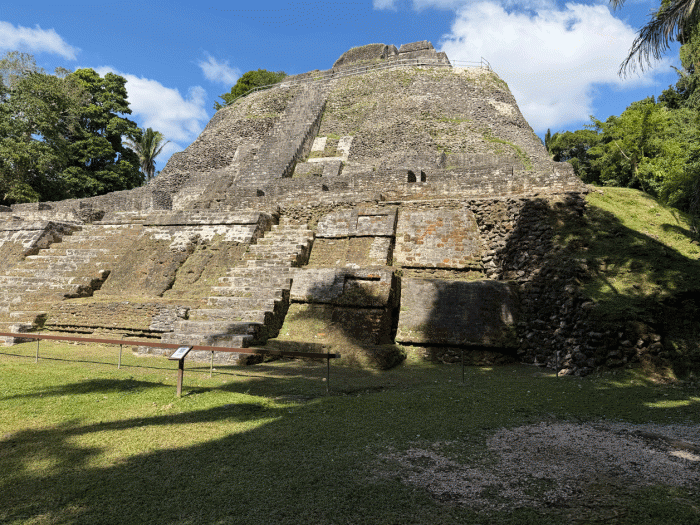
This massive structure is known as the High Temple. Its 33 metres (108 feet) high overlooks the canopy and could have been used as a lookout and a celestial observatory. If you look closely you can see the railing near the top. There is a staircase around the back that visitors can climb if they choose. We stayed on the ground and continued our search for birds in the mid-day heat.
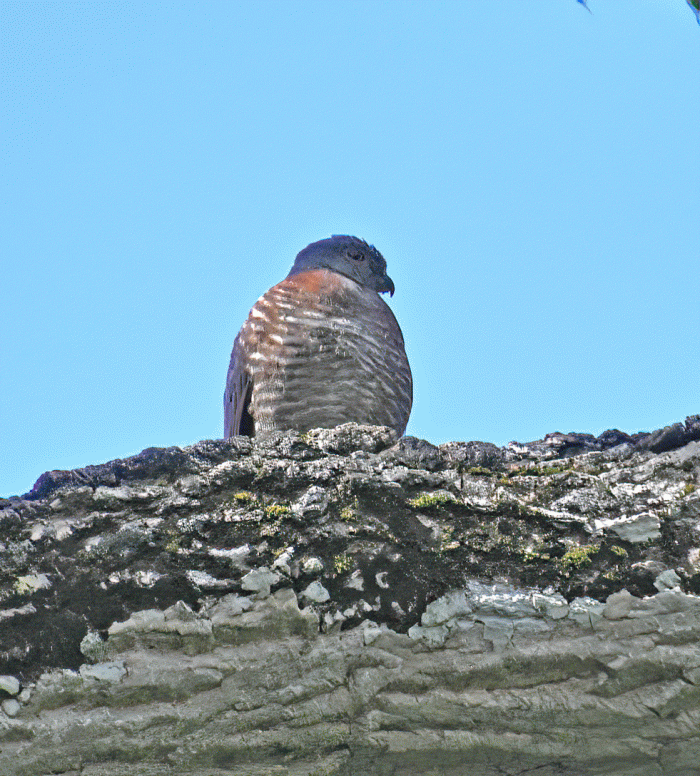
Beside one of the temples, perched high in a tree was a Double-toothed Kite. The two tooth-like notches on its upper beak (double tooth) can still be seen in this “zoomed in” photo. It uses its teeth for dismembering its insect or lizard prey.
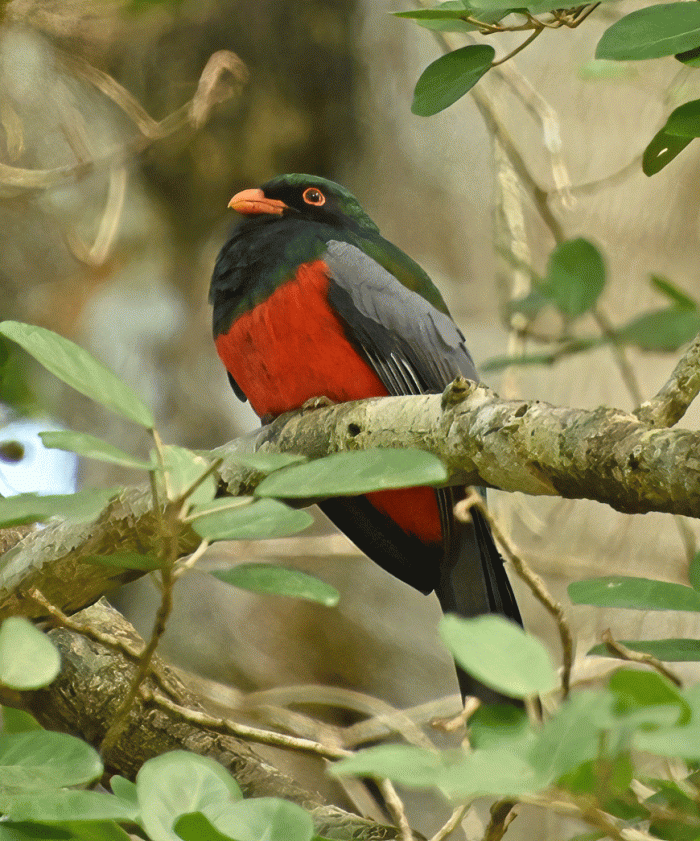
Nearby to the kite was a Slaty-tailed Trogon. Several species of trogons have red bellies, but the Slaty-tailed doesn’t have a white strip on its belly and has an entirely dark gray undertail. This one is a male because he has an orange eye-ring and orange bill.
After the bird excitement, we climbed to a higher level of the Stela 8 Temple.
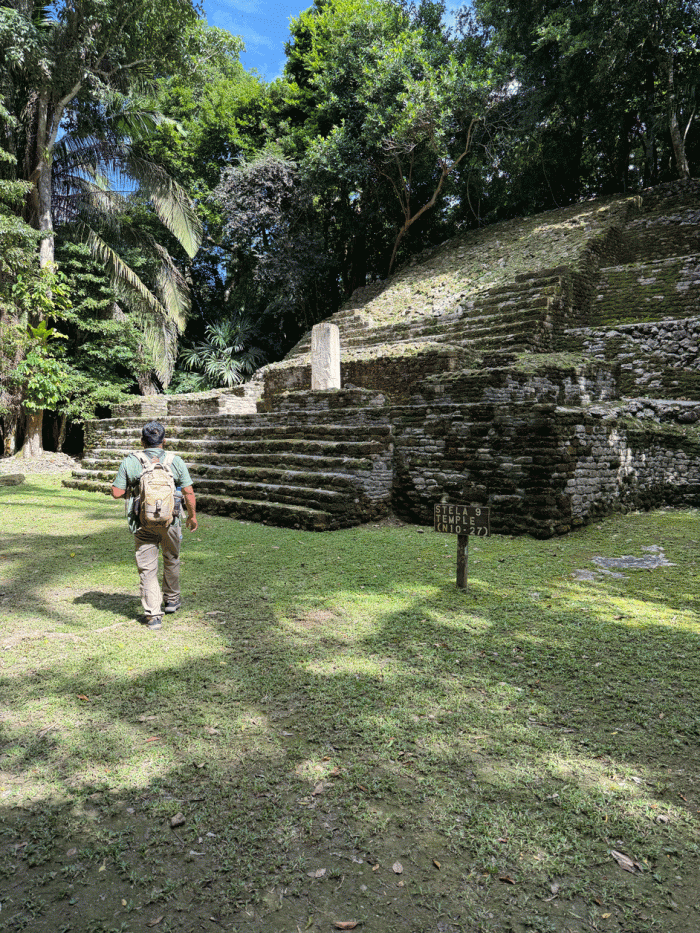
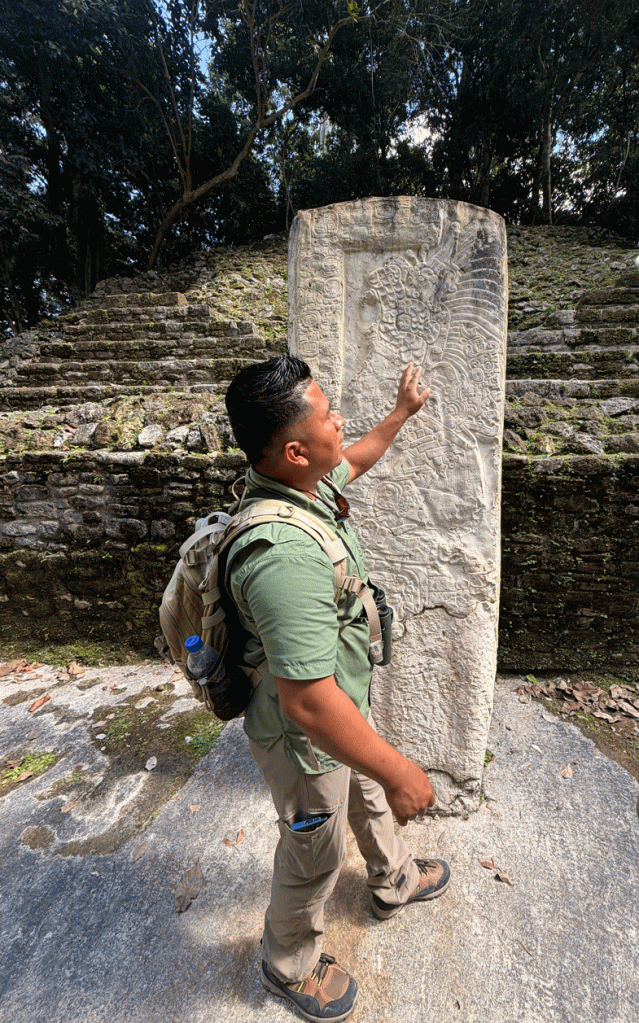
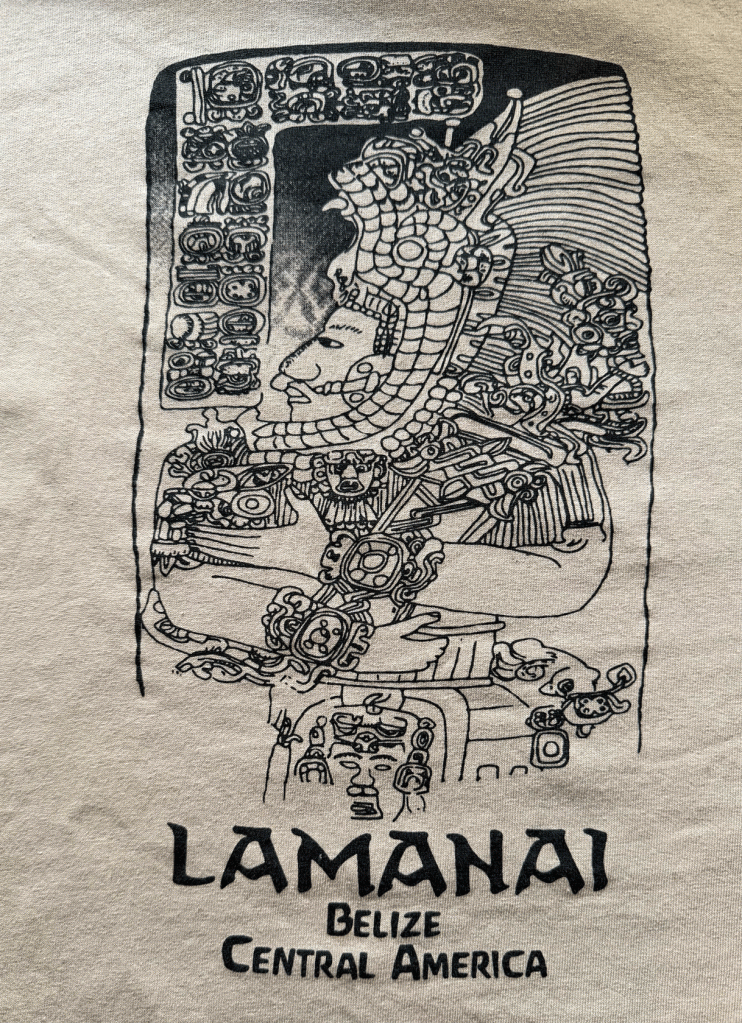
Our local guide, who was an expert on the archeology as well as being a bird guide, explained the Stela to us, on a replica stela. Wendy bought a t-shirt with the stela design, which is easier to see the details. Many stelae that we saw had an image of a king with a headdress, facing left and holding a decorated staff. The image is surrounded by hieroglyphic text.
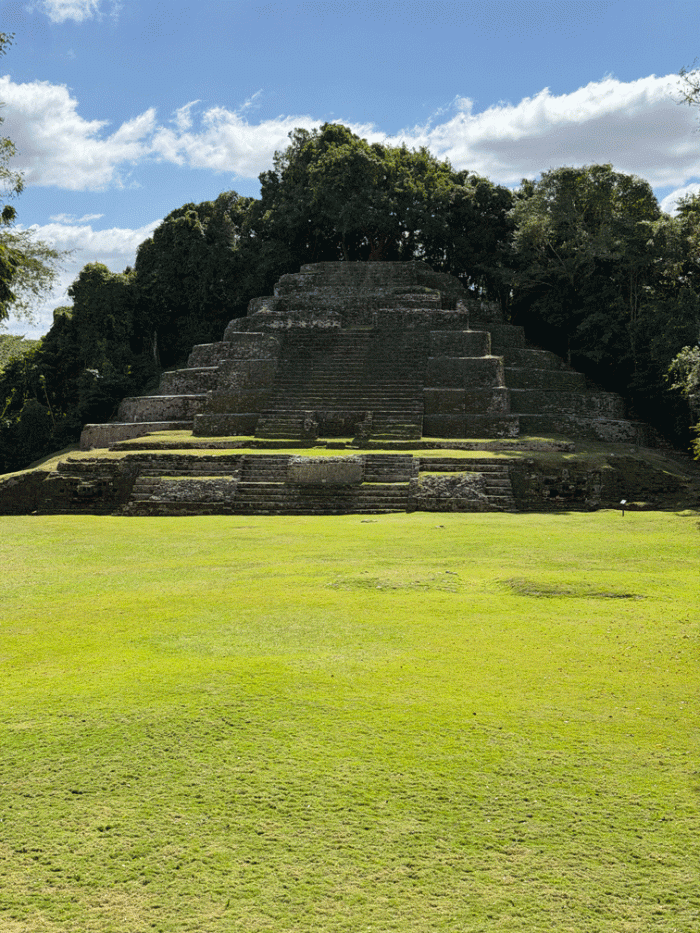
Our first view of the Jaguar Temple was awe-inspiring.
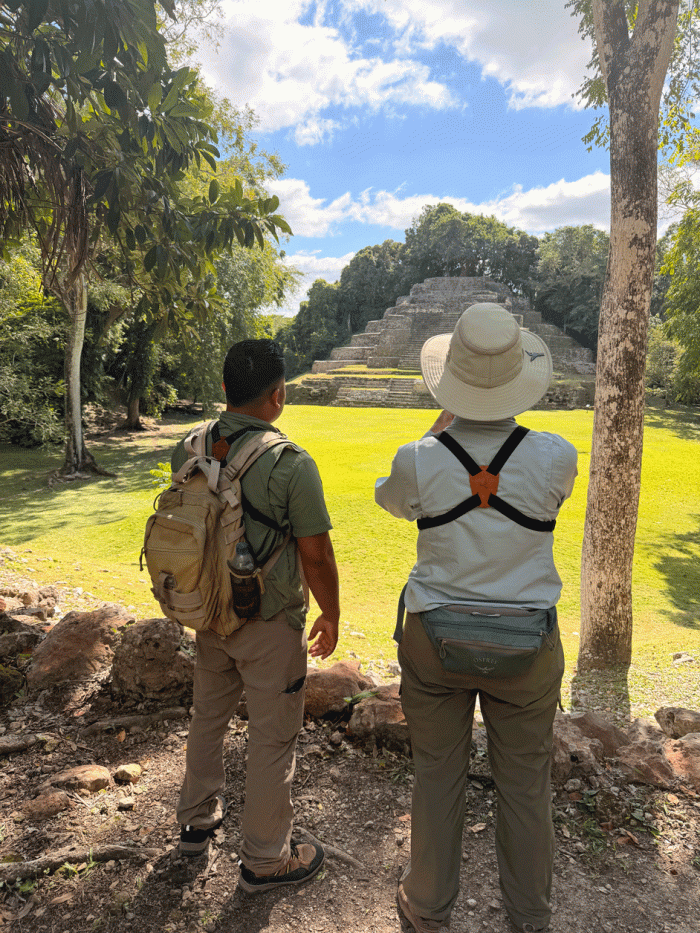
The Jaguar Temple is a stepped pyramid and while the exposed structure is shorter than the High Temple, a significant amount of the temple is still underground. The back has been overtaken by the jungle.
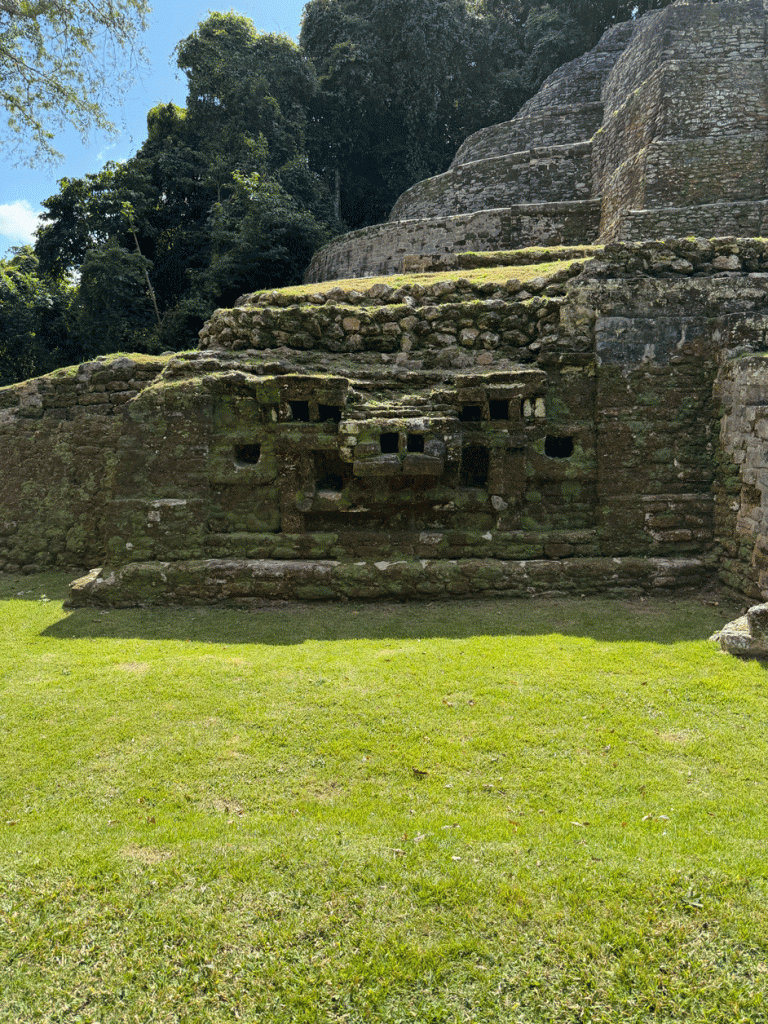
This is one of the jaguar masks made of carved stone that are on each side of the structure. The spaces then made niches to leave offerings to the Jaguar God.
On our way back to the entrance on trails through the jungle, Wendy was looking more closely at a mahogany tree and noticed a a bird climbing the trunk. She alerted the guides and we all had good looks at a Ruddy Woodcreeper, a new bird for us.
A few minutes later, we came across a “mixed flock.” There were so many birds, is was hard to know which one to focus on. The “sentinel” of the flock was a Black-throated Shrike-Tanager, a bird we had never seen before. A Shrike-Tanager will give alarm calls when a hawk or other predator is around. When our guides heard its call, they knew the flock would be near. The “life-birds” that were part of that flock were: Worm-eating Warbler, Green-backed Sparrow and Blue Bunting. Having two birding guides was really helpful!
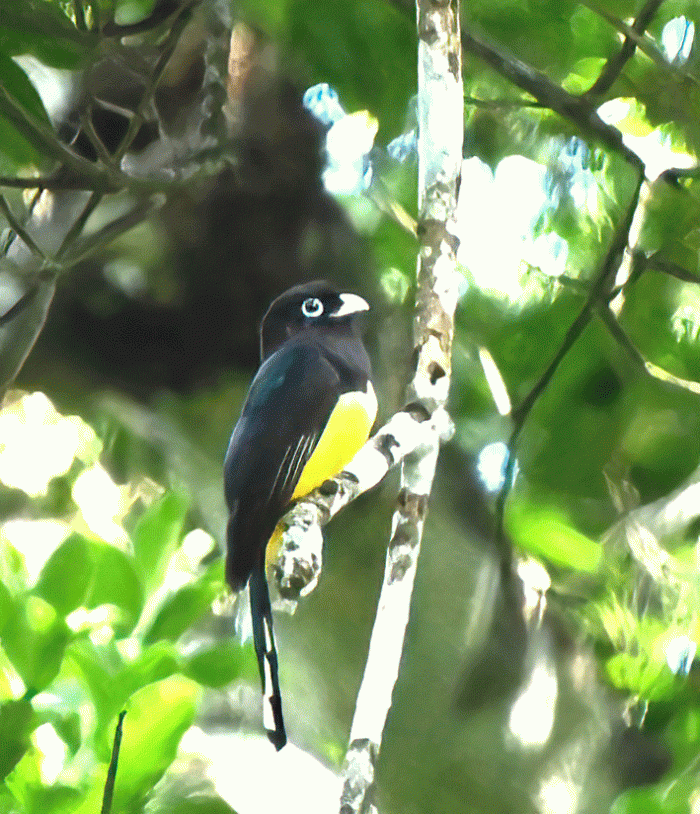
Close to the exit, we had a good view of a Black-headed Trogon. (Another life bird) This medium-sized trogon has a complete blue-gray eye-ring; with females having a yellow belly and males an orange one. Like the Slaty-tailed trogon that we saw earlier in the day, these trogons dig their nests in arboreal termite nests.
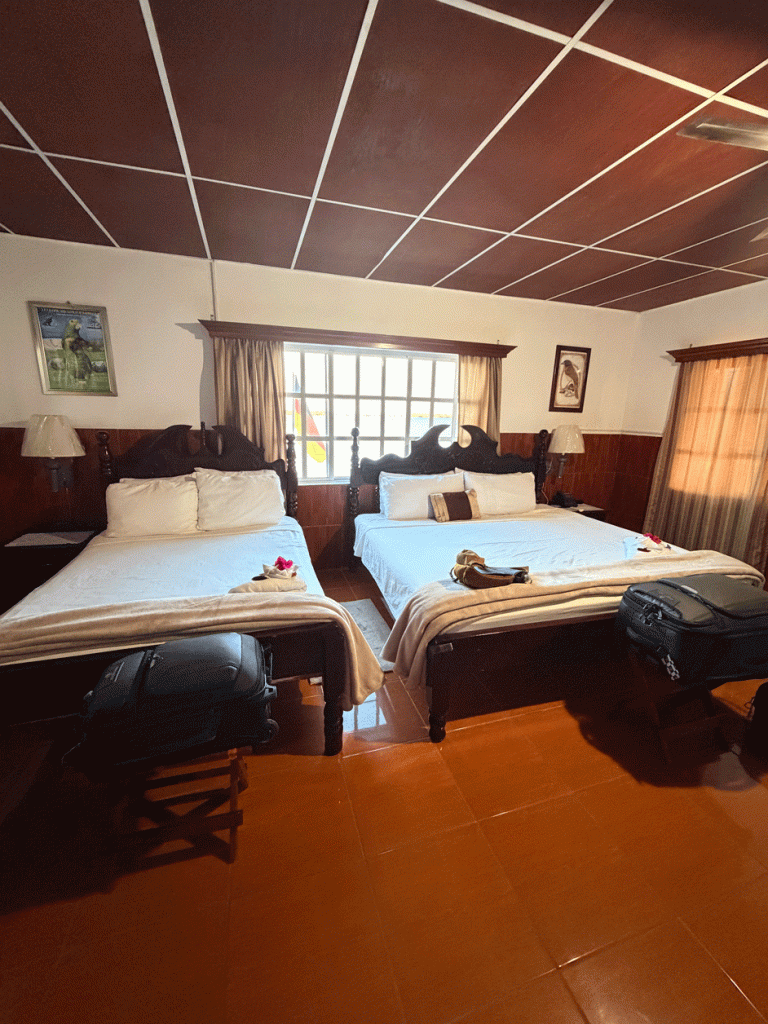
We had a few hours of driving to get to our next hotel. The Birds Eye View Lodge was on the shores of the Western Lagoon in the Crooked Tree Wildlife Sanctuary. Here’s a view of our air-conditioned room and the deck immediately outside our door.
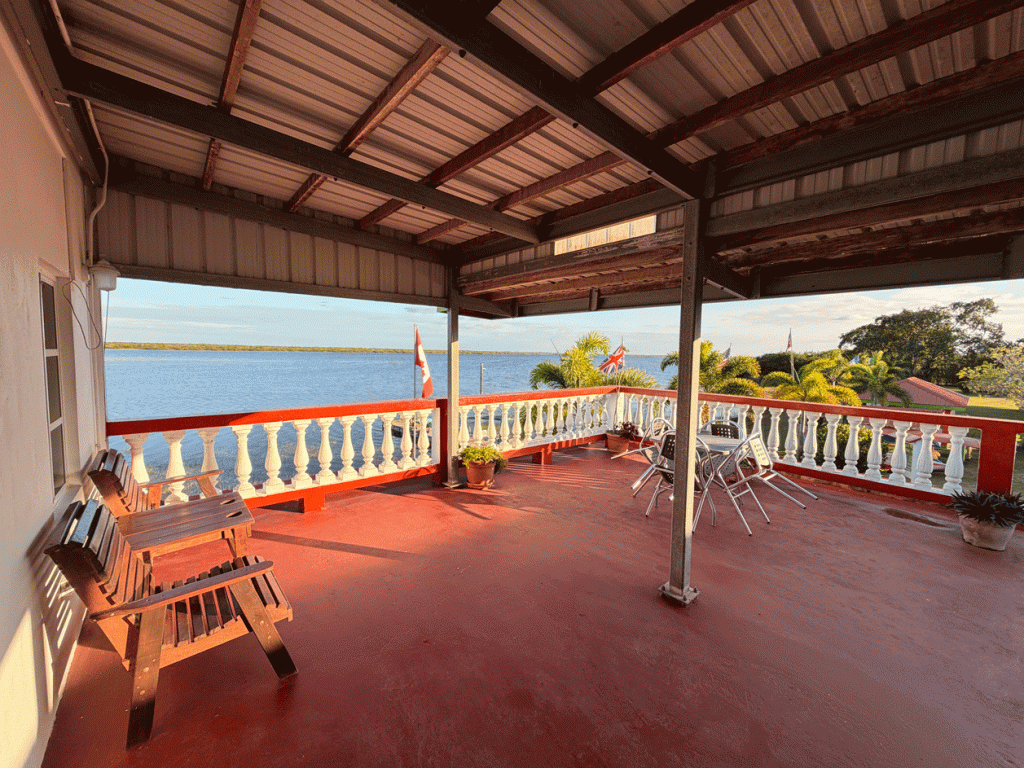
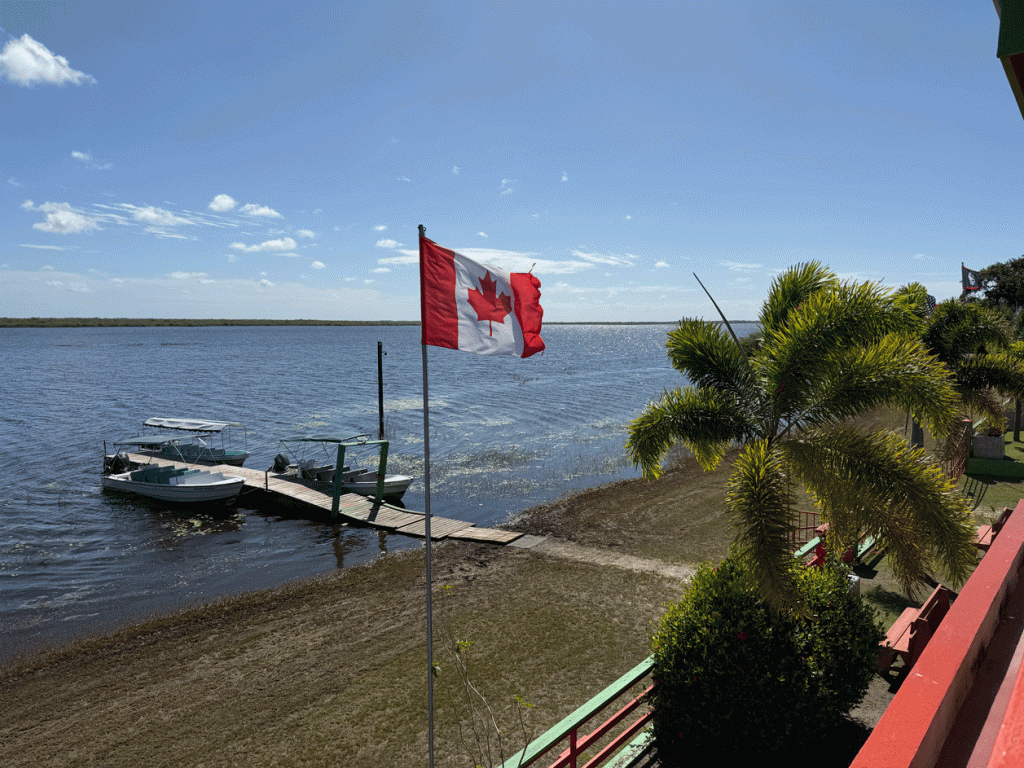
This is a view down to the boats from the deck outside our room. It was nice to see a Canadian flag, that was raised for us as well as another couple of Canadians in another group.
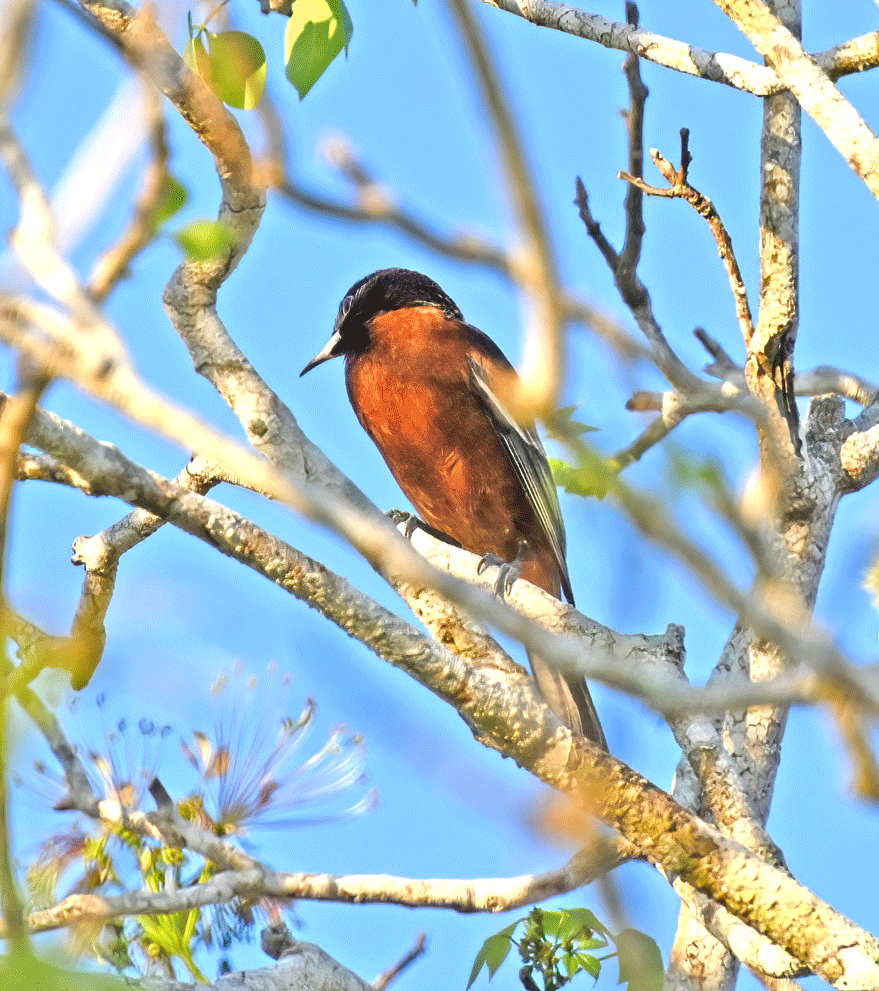
We birded in the grounds of the hotel a number of times. Here’s a male Orchard Oriole.
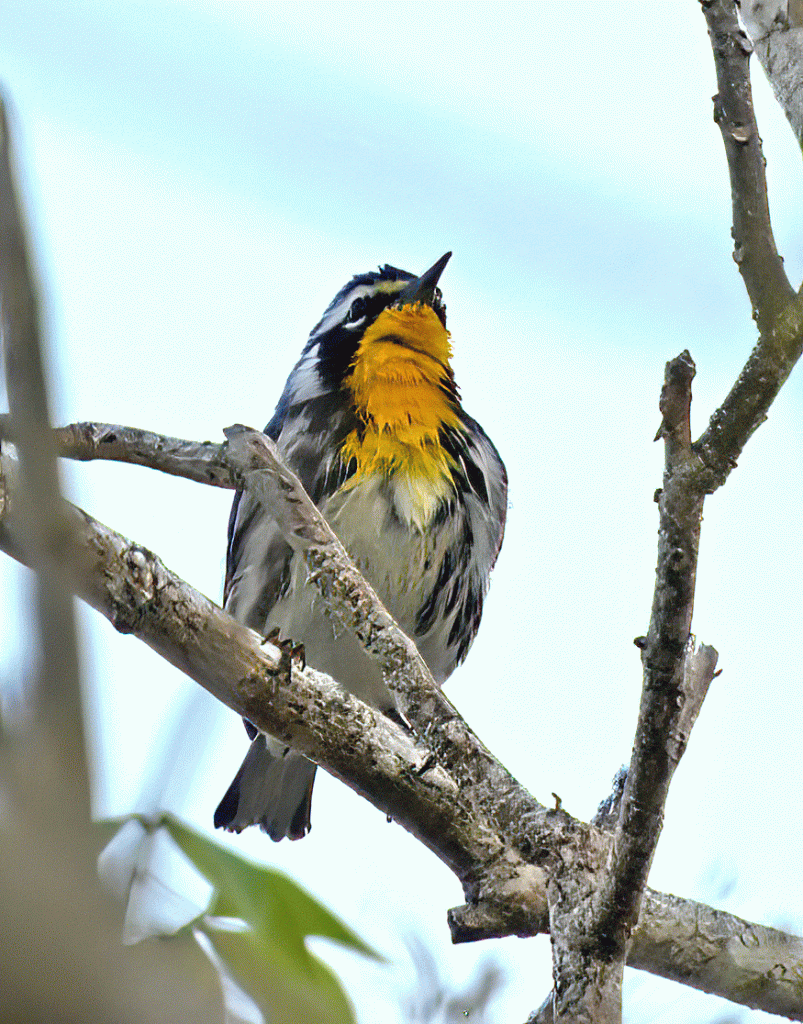
Nearby in the same tree, was this Yellow-throated Warbler. He’s looking a little dishevelled because he has just taken a bath.
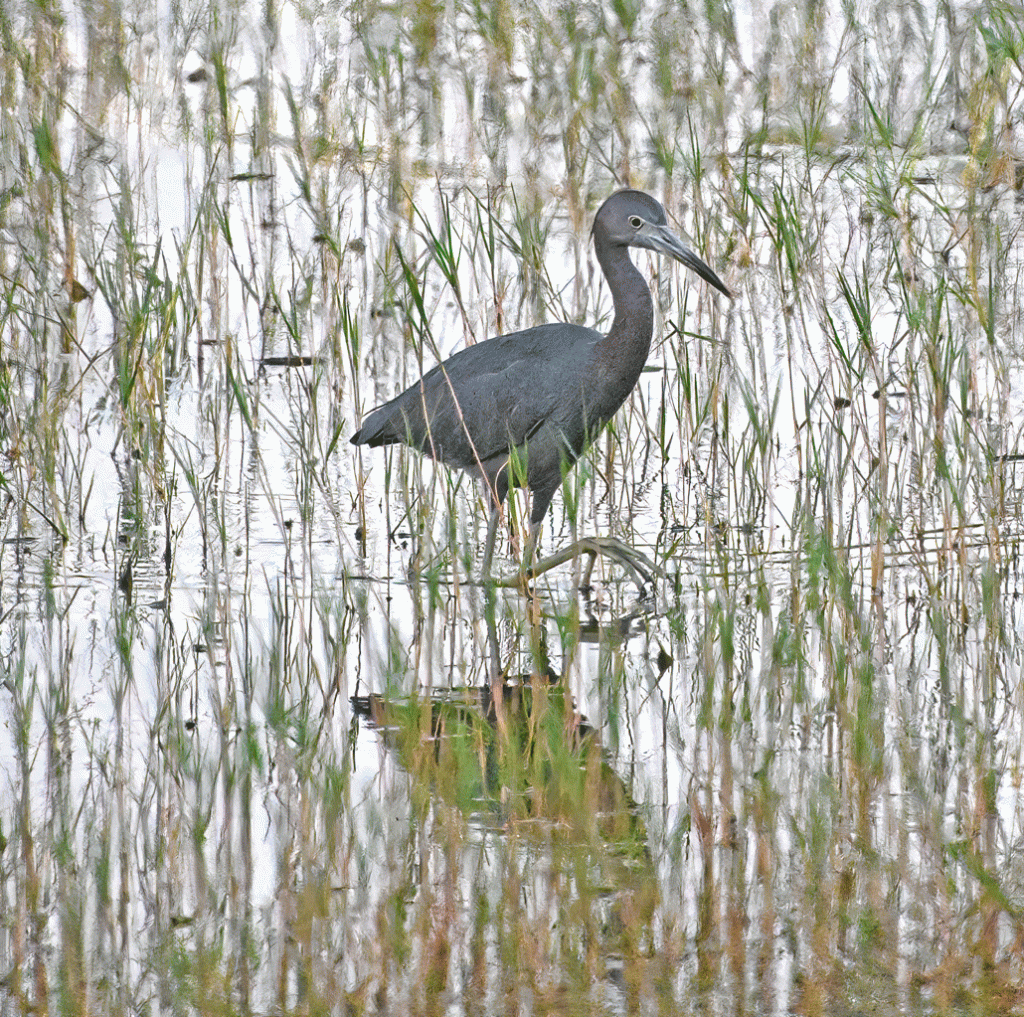
We saw many Little Blue Herons throughout the trip, but this one was probably the closest. It was in the shallow water near the boats. A juvenile Little Blue Heron is all white, which makes us look carefully in order to not confuse it with a Snowy Egret. A Little Blue Heron would never be confused with a Great Blue Heron, but now you know why the Great Blue can’t just be called a Blue Heron.
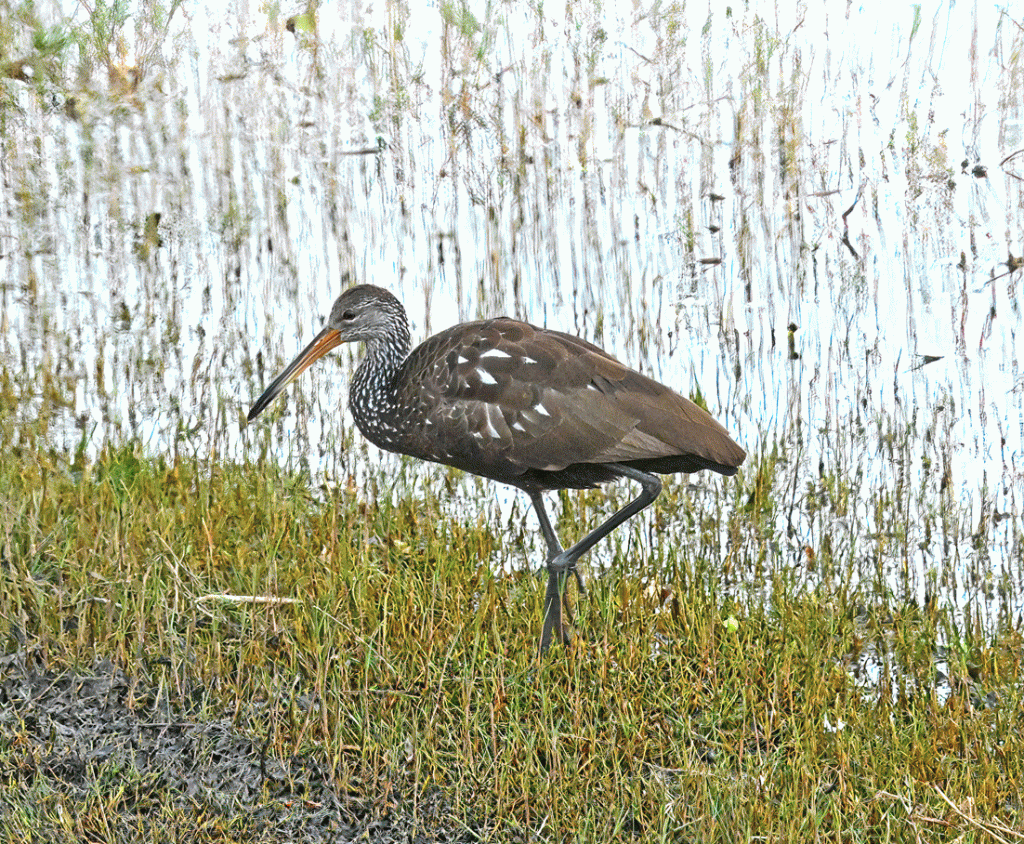
There were several Limpkins along the shore of the lagoon. They loved feeding on snails, which is almost all they eat.
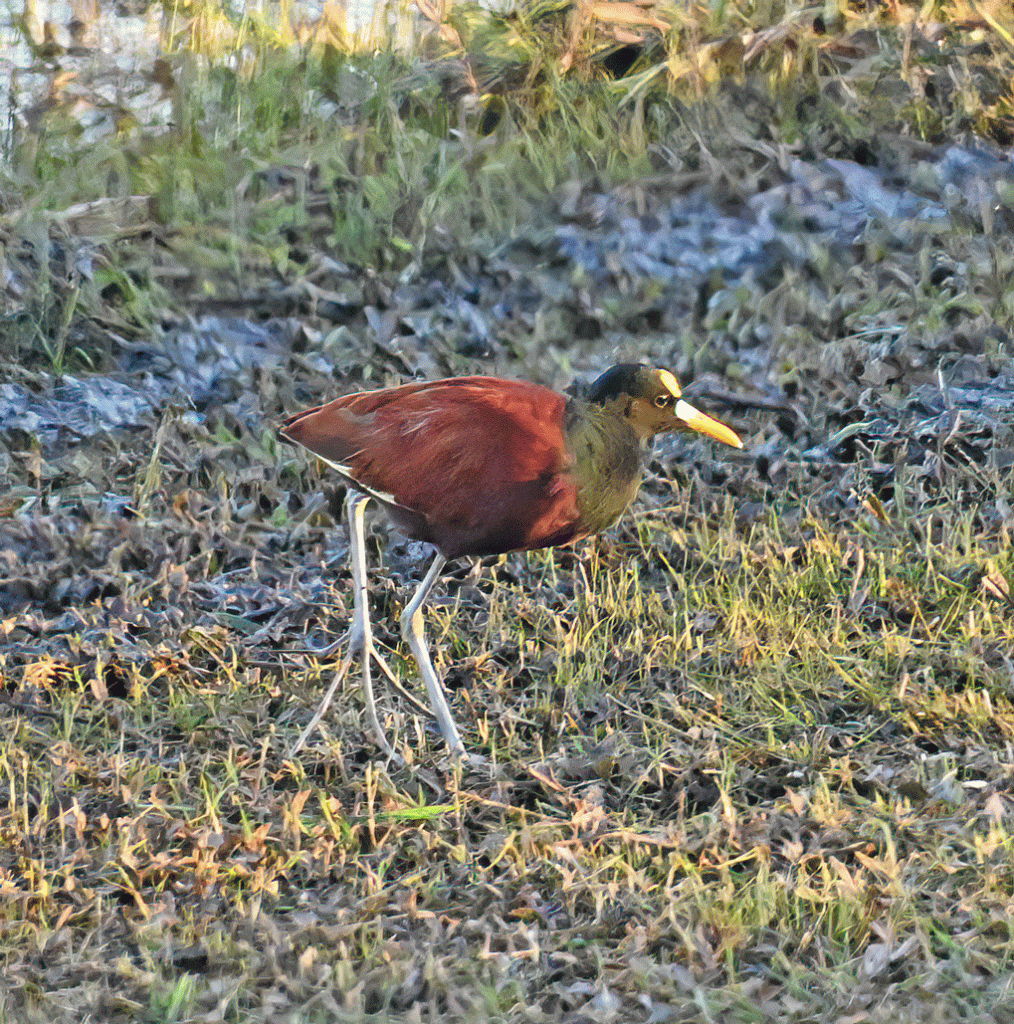
This is a Northern Jacana which was walking along the bank of the lagoon, which allows a view of its huge feet. Their feet displace their weight so they can walk along lily pads and other floating vegetation. On our boat trip the next day, we saw over 120 of them.
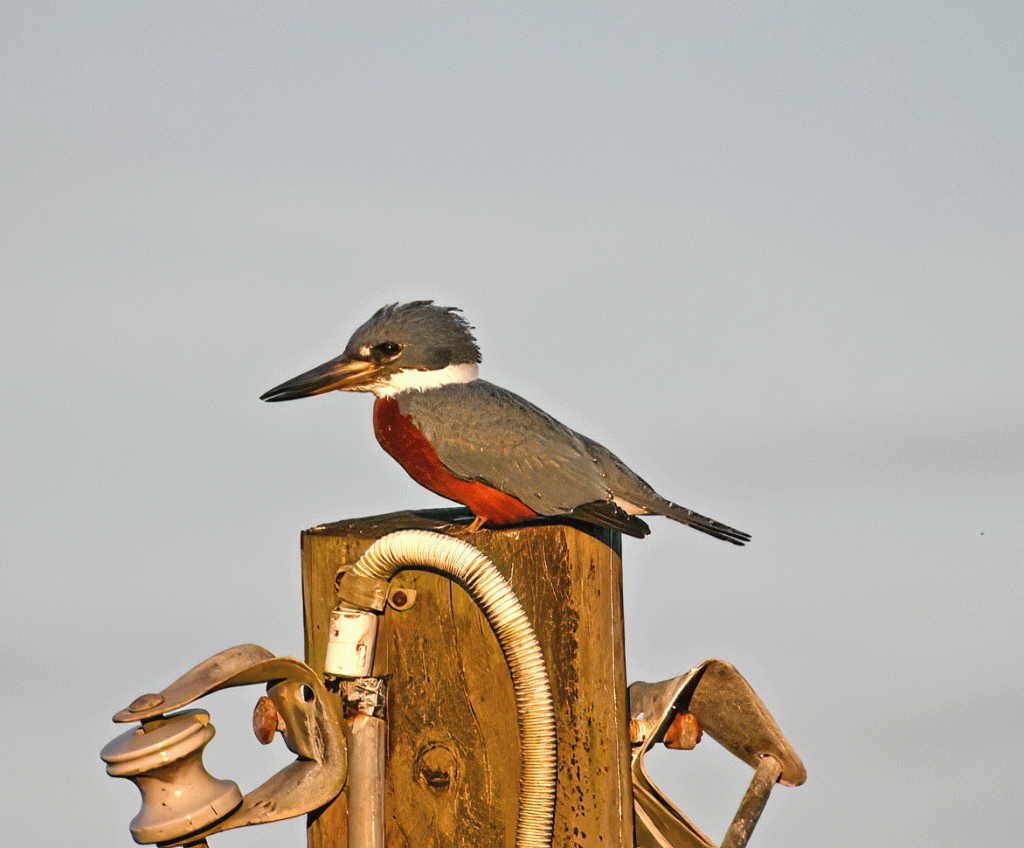
This Ringed Kingfisher perched close to shore. It’s the largest kingfisher in the Americas. This one is a male because his breast is entirely red, while the female has a blue-gray band bordered in white.
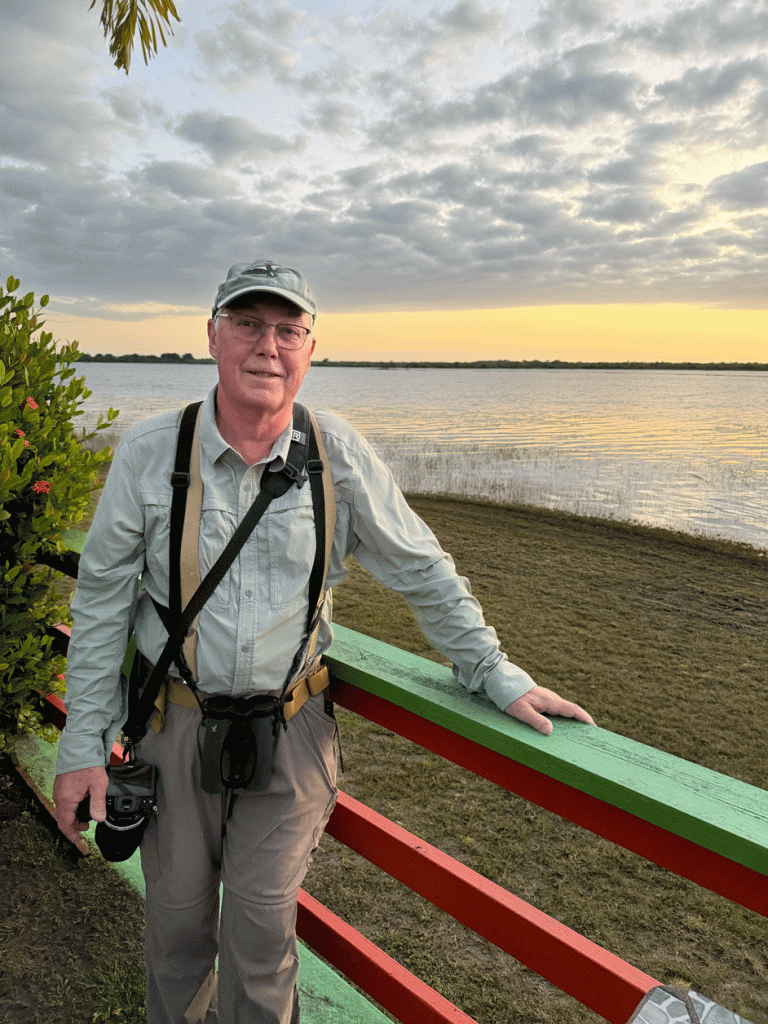
The next morning before breakfast, we took a boat tour. Here’s Doug as we wait in the early morning light. Some other groups piled twelve people into their boat, while we had a boat for ourselves, and our guide. The captain was also a birding guide, so it made for a very successful trip.
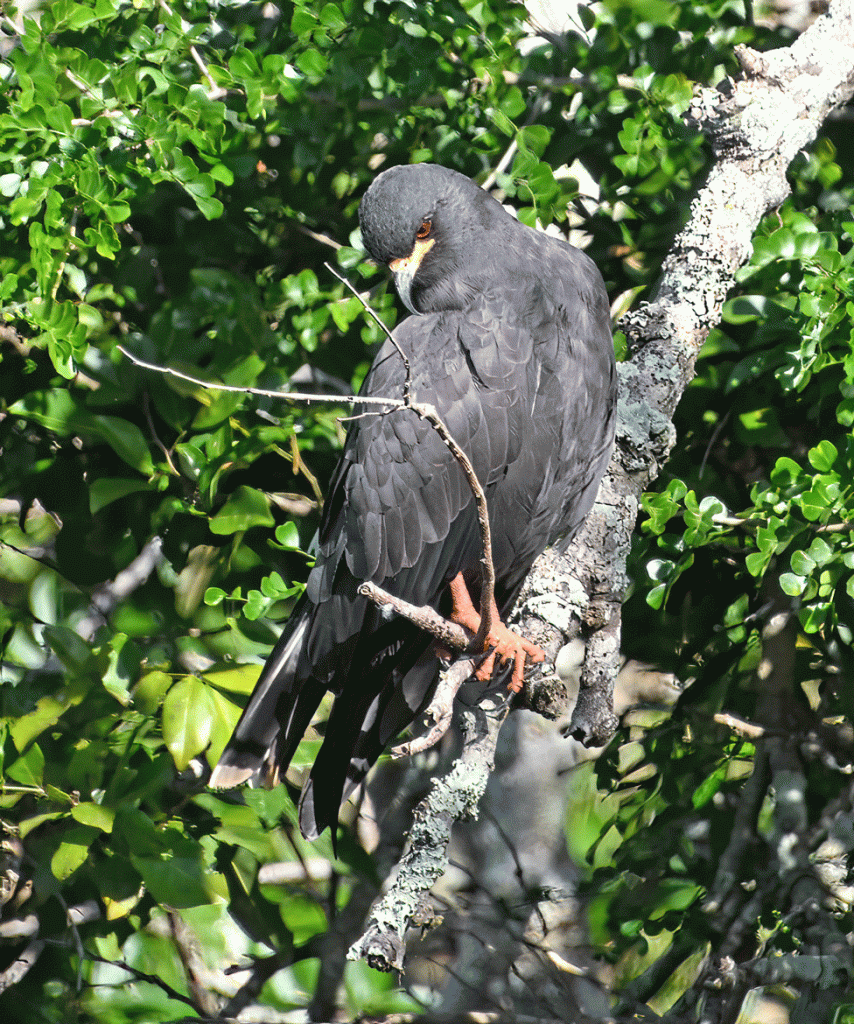
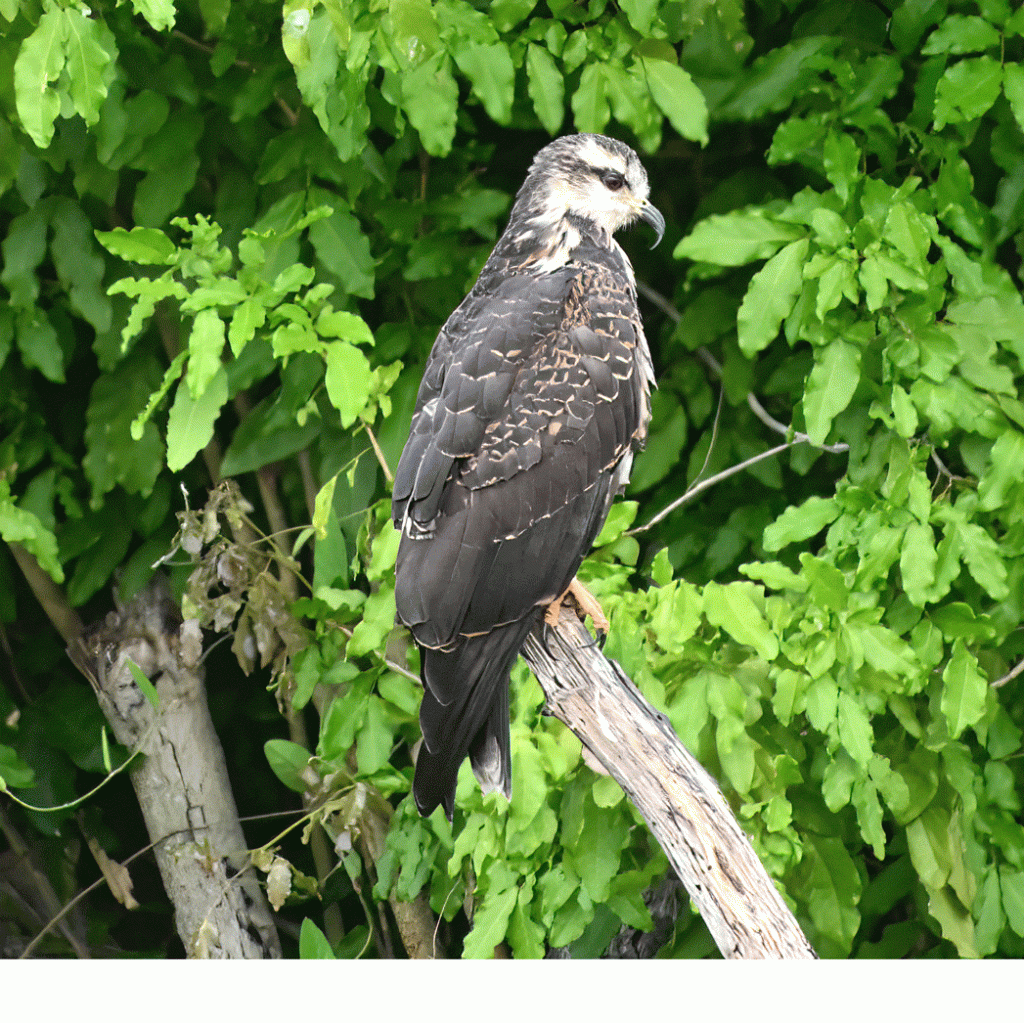
Here are a couple of Snail Kites, an adult male on the left and a juvenile on the right. Their bill is adapted for opening snails, which they feed on exclusively.
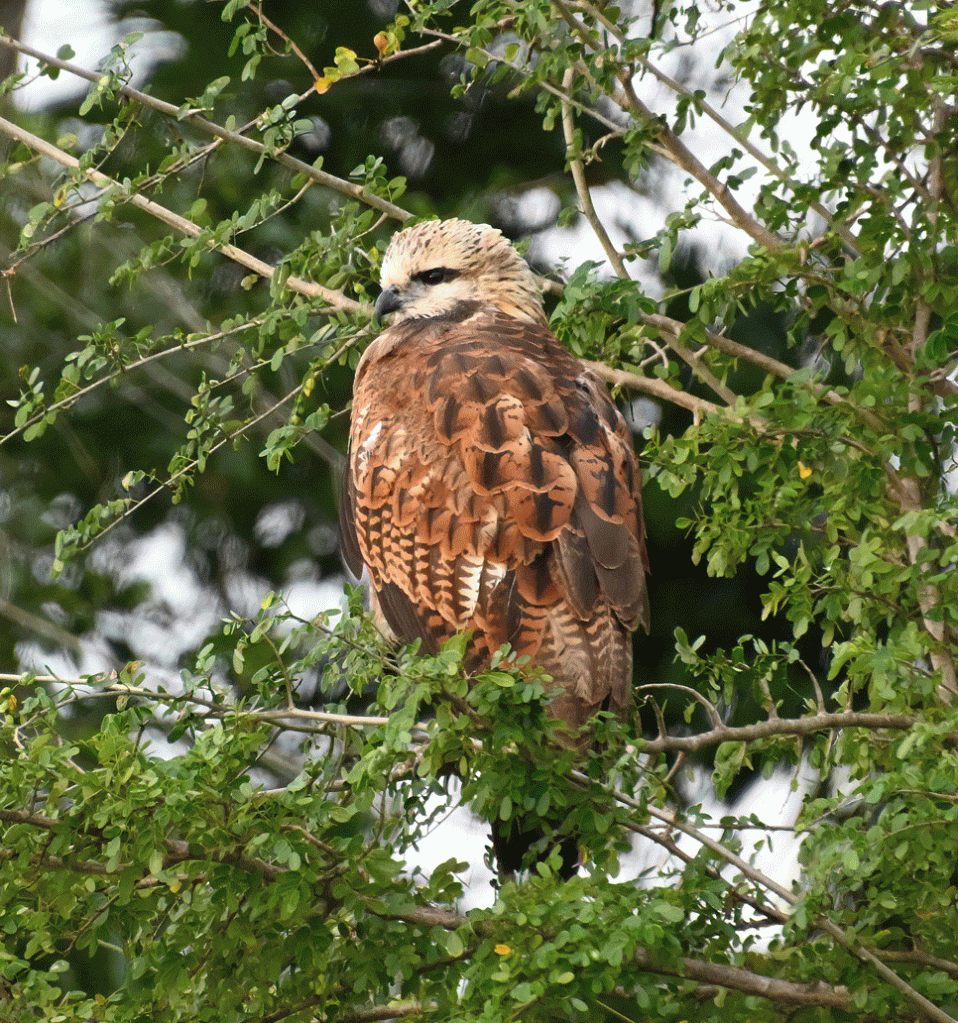
This is a Black-collared Hawk. Its black collar is tucked under his chin. It perches near water and swoops down to snatch fish or frogs. It was a new bird for us.
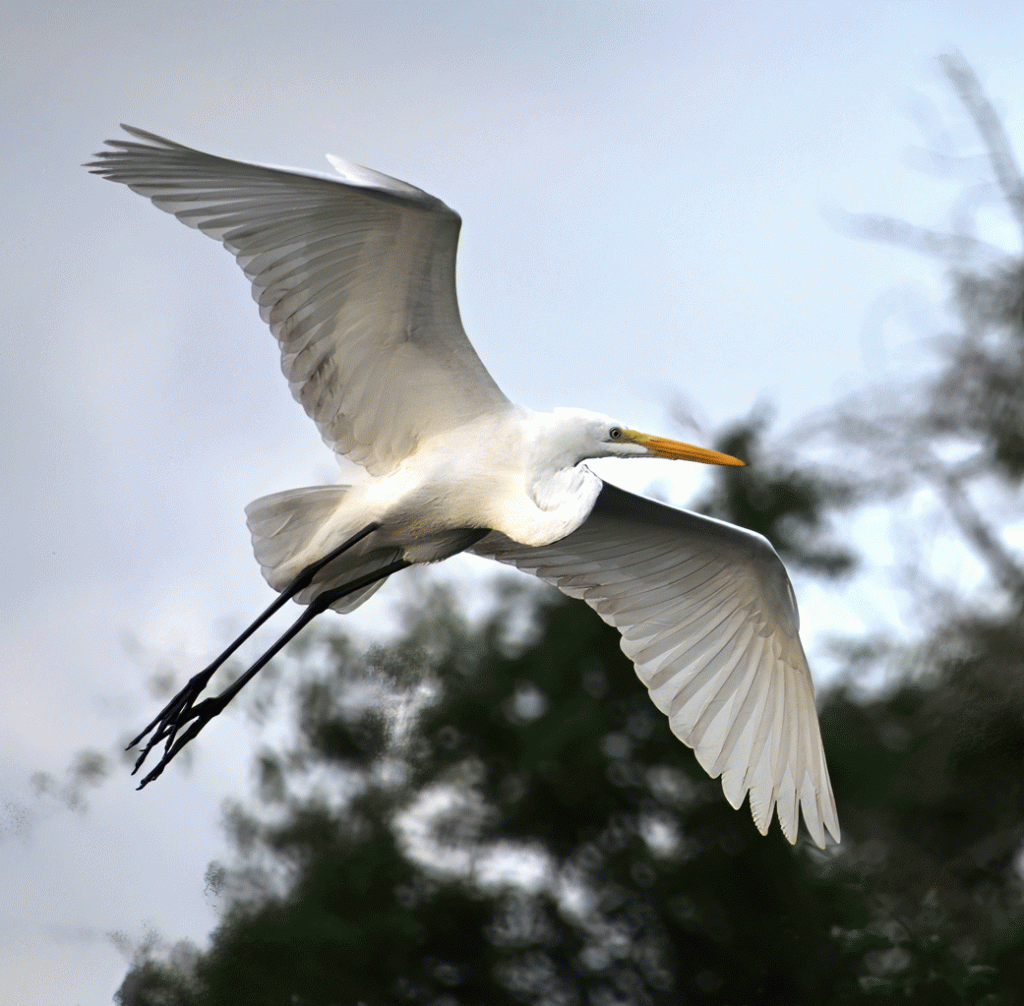
This is a Great Egret which we see often in SW Arizona. They were also very plentiful on this trip, and we recorded over 20 of them on eleven checklists.
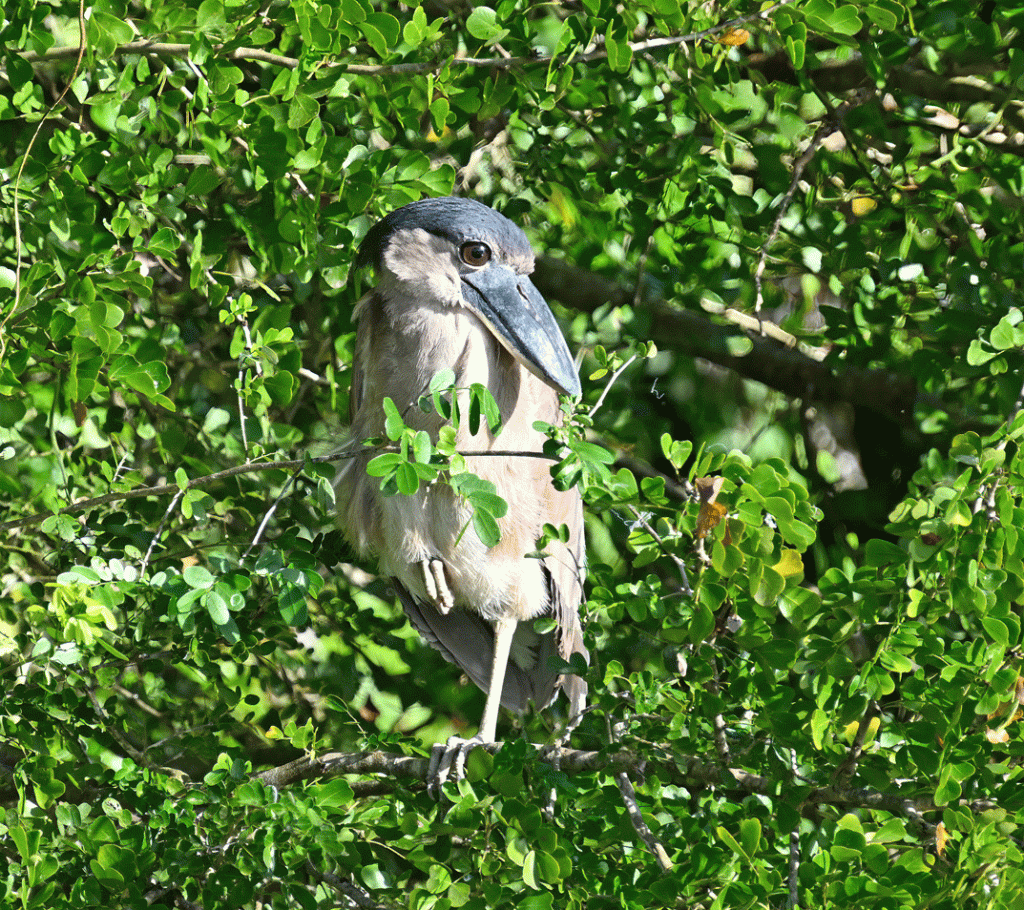
This awkwardly cute bird is a Boat-billed Heron. This species spends the daytime roosting in trees and comes out at night to feed along the edges of lakes and rivers.
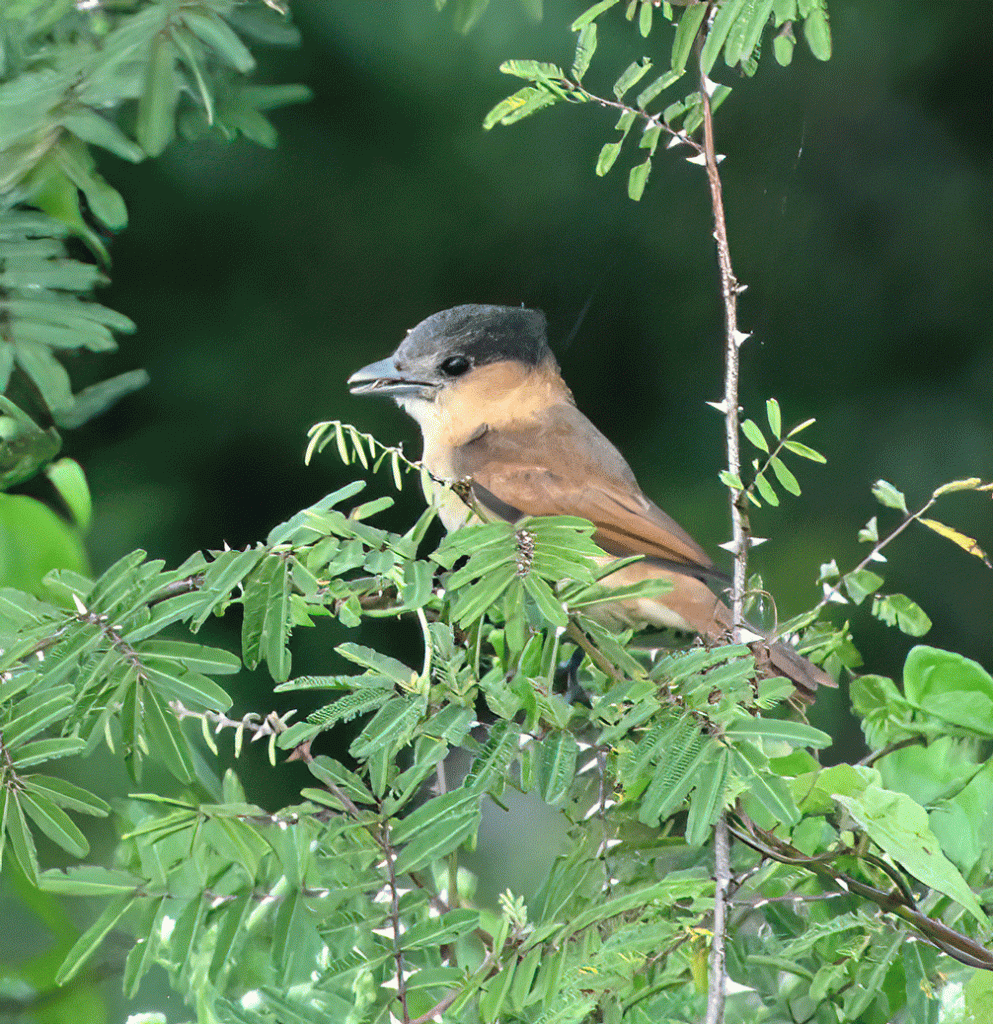
We saw this female Rose-throated Becard along the edge of the lagoon, which was quite wonderful, because we’ve only seen them high in the treetops before. As is common in many birds, it’s the male colouring that gives the species its name.
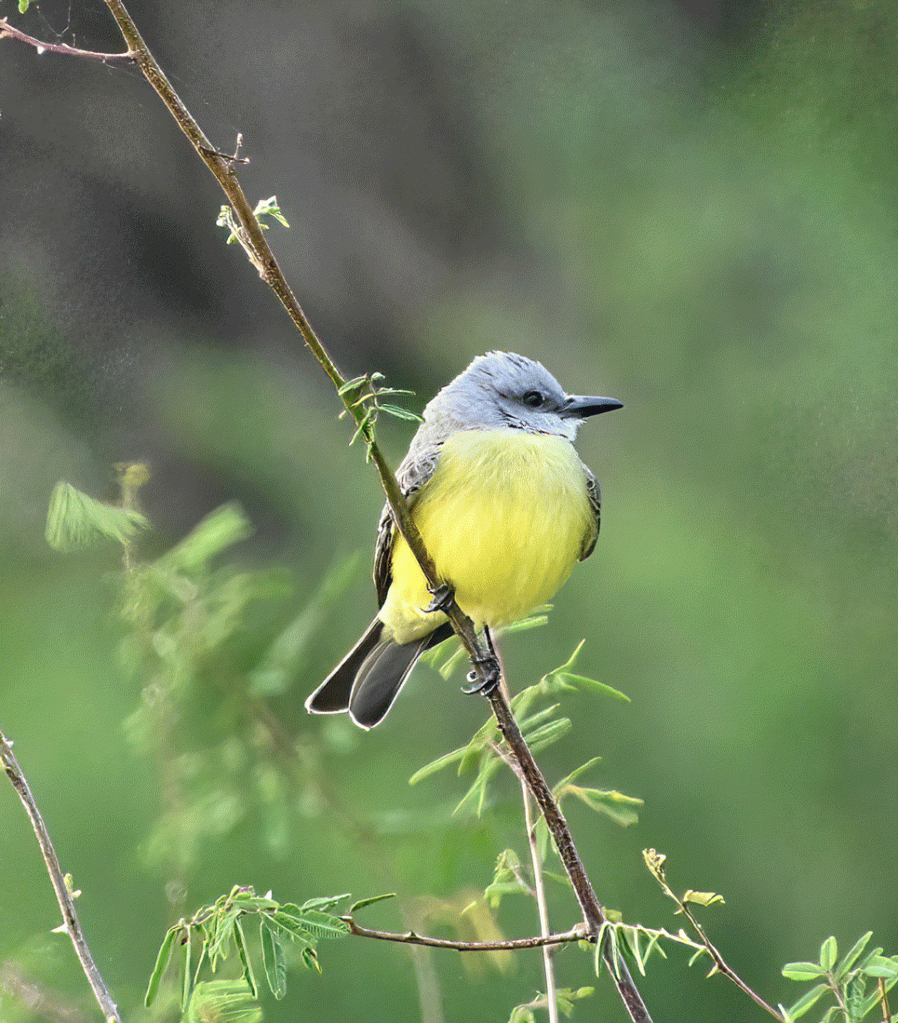
We’re thinking this is a Tropical Kingbird. Our guides wouldn’t say for sure unless they heard the bird vocalizing because there was a chance it could be a Couch’s Kingbird. The two species look almost identical and their ranges overlap from Texas to Belize. However, every bird that vocalized was a Tropical Kingbird, so our probability it quite high.
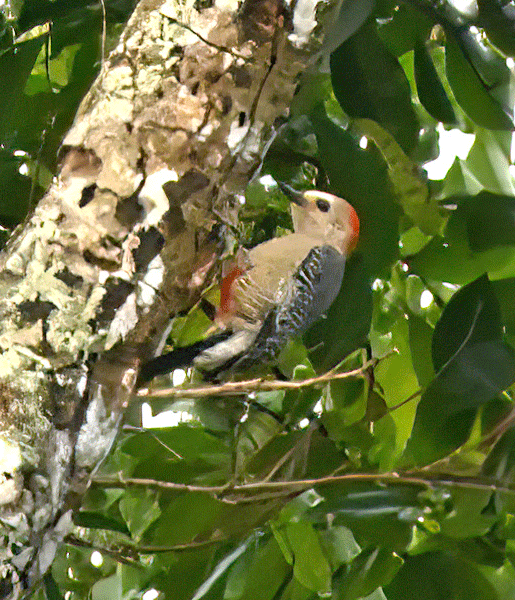
This is a Yucatan Woodpecker, that was a long way up in a tree. This woodpecker is endemic to the area and looks like a smaller version of a Golden-fronted Woodpecker which we have seen before in Texas. Luckily it has quite a different call. This one was a “life bird” for us. The other “life birds” on the boat trip were Black Catbird, Ruddy Crake and Gray-throated Chat.
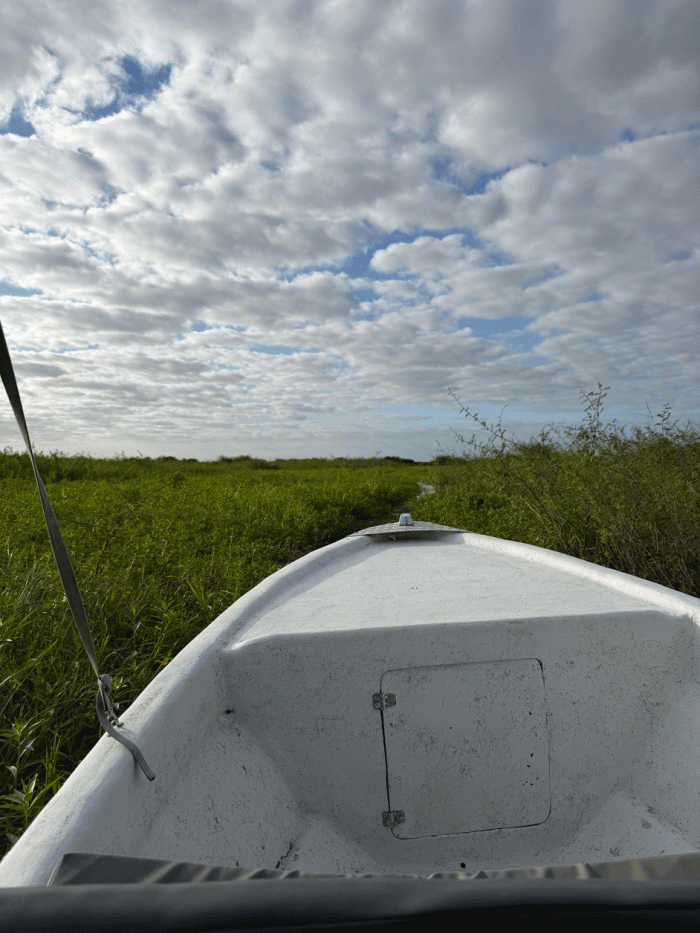
Our captain steered the boat out of the lagoon through shallow water, until we reached a slightly deeper slow-moving river. Here is a view that looks like we are heading for land. We were confident that he knew the channel.
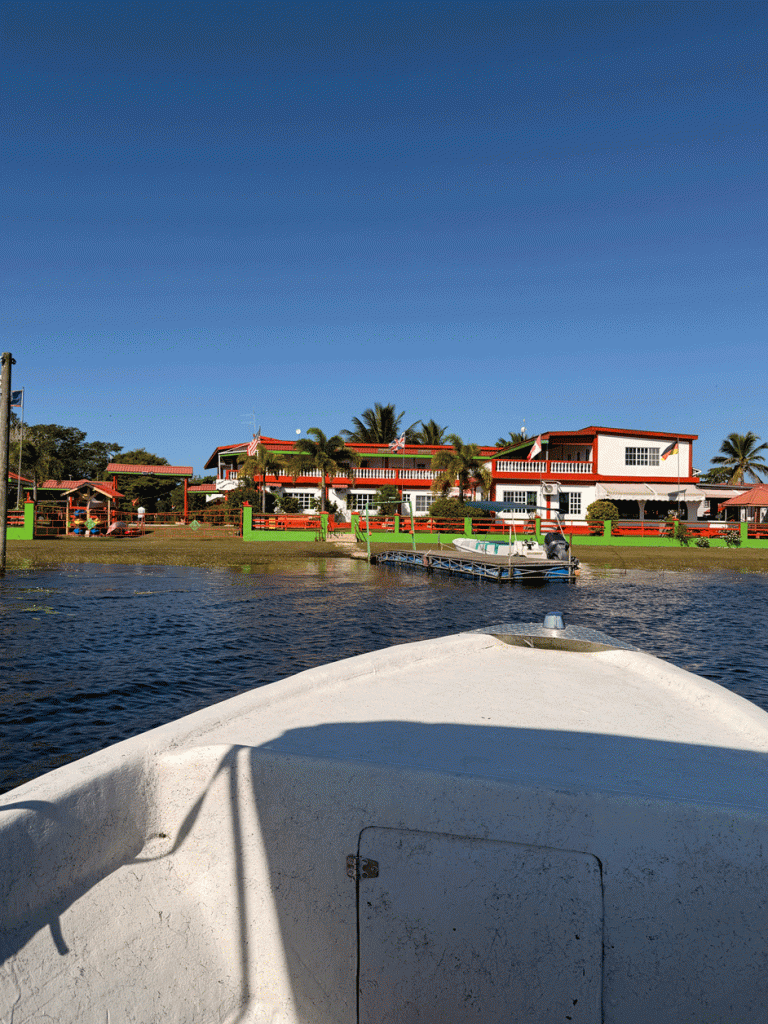
Here’s a view of the main lodge building. There is another building out of view on the left. Our room was above the restaurant on the right.
Later on the same day of the boat trip, we went to the farmland near to the lodge and saw a Yucatan Flycatcher and a flock of Yucatan Jays, both species that only live in this area and were new birds to us.
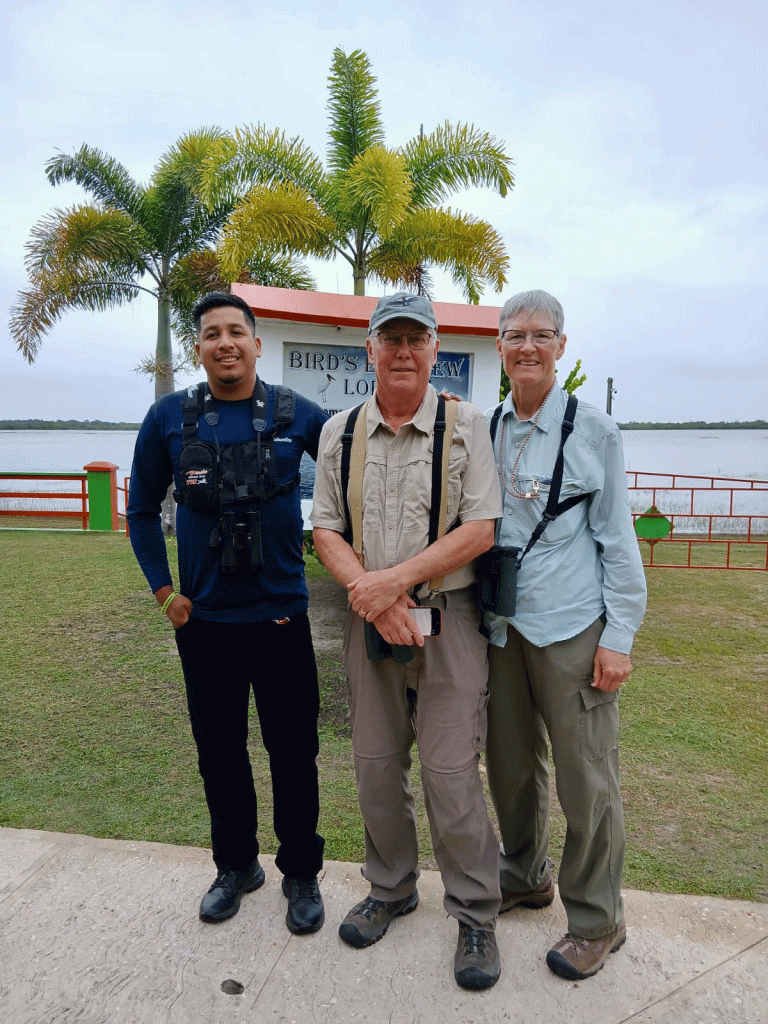
Here we are with our guide, Hugo. He spoke good English and also his native Spanish, but his most admiring quality was his love and knowledge of birds. He made sure we had a good look at every new species. Hugo also drove us, so he had some long days of concentration.
This post (January 2026 in Belize – Part 3) covered two days of our ten day birding tour. We have six more days to record: two more in Belize and then four in Guatemala.
 Travels with a Fox
the black collared hawk was my favourite but all were interesting
LikeLike