We’ve had an amazing December for birding here in Arizona. We’ve seen four species of birds that we’ve never seen before. The birders in our community call them “lifers” or “life birds.” When we first came to Arizona, it wasn’t that hard to see a “lifer,” but the more birds we saw, the harder it was to see new species. It’s part of the fun for us; if it was easy, we don’t think it would be as interesting.
Even before we got to Tucson, we saw a pair of “lifers.” Two Streak-backed Orioles were frequenting the Gilbert Water Ranch, in the Phoenix metro area. We stopped for a couple of hours en-route to our place just outside of Tucson. We waited in their favourite spot for about half an hour before they showed up. The streaks on the male’s back are just visible on his back behind his neck in the photo below. The species is usually found in dry tropical forests from Mexico to Costa Rica.
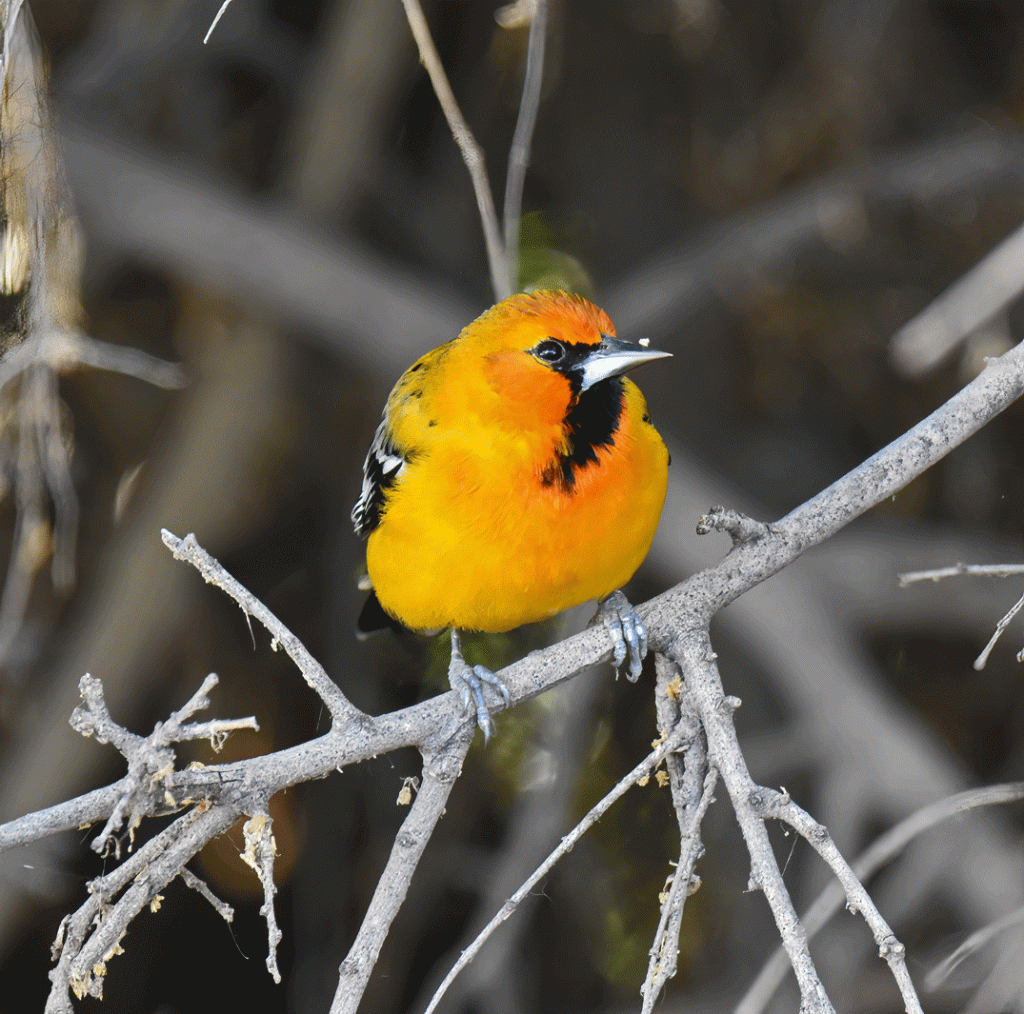
On our first full day in Tucson, we headed off in hopes of seeing a Baltimore Oriole that had been reported in a park in the middle of a residential area. We had seen the species before, but not in the US. We met a number of our birding friends that were also interested in seeing the bird. We got glimpses of it high in a palm tree, but the photos were mostly of its underside. It flew off into the neighbourhood, likely to a yard with water features and oranges set out. Even though our view of the bird was brief, It was nice to reacquaint ourselves with people that we hadn’t seen since the spring.

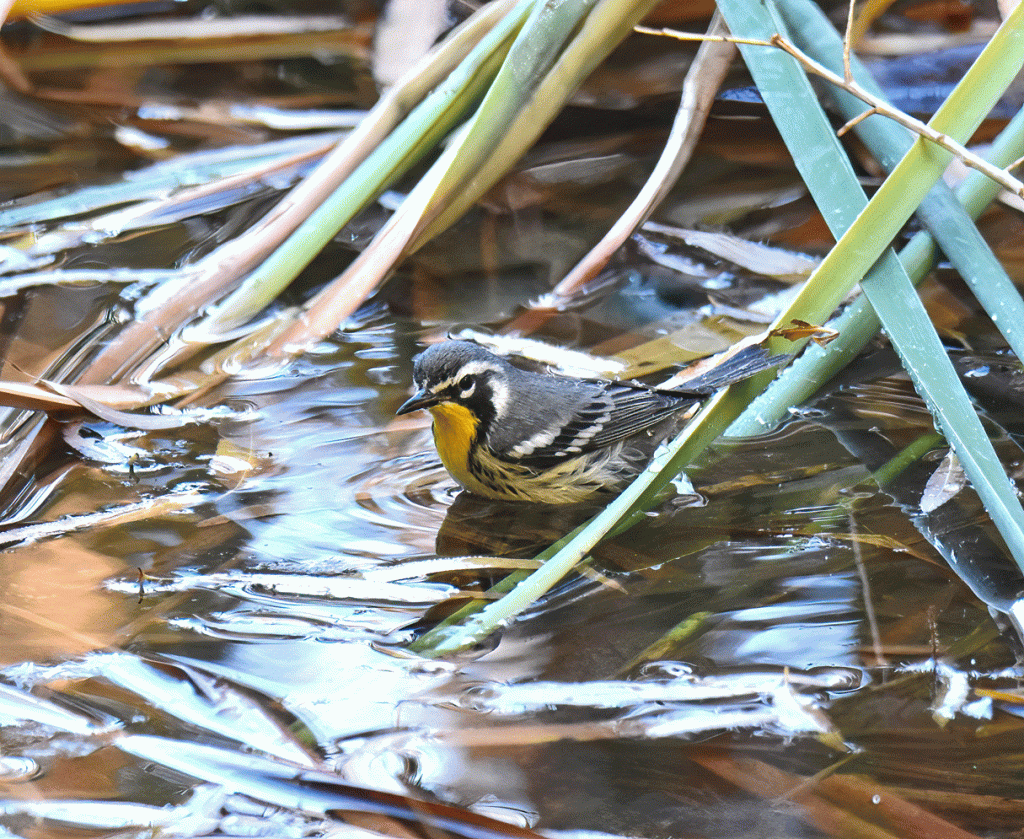
Our next “target” bird was a Yellow-throated Warbler. It was frequenting Lakeside Park on the other side of the city. It took us two separate visits to locate the bird, but when it showed up, it was very cooperative for photos. Doug’s best photo was when it was bathing. For some of his photos, he had to back up because his camera lens needs to be at least two metres from the subject. This warbler is usually found in the eastern US during the summer, and normally winters along the coast of the Gulf of Mexico and in the Caribbean. It was a “life bird” for us, and we hope that it likes its new home well enough to stay the winter. If it’s still around in January, we’ll try and see it again.
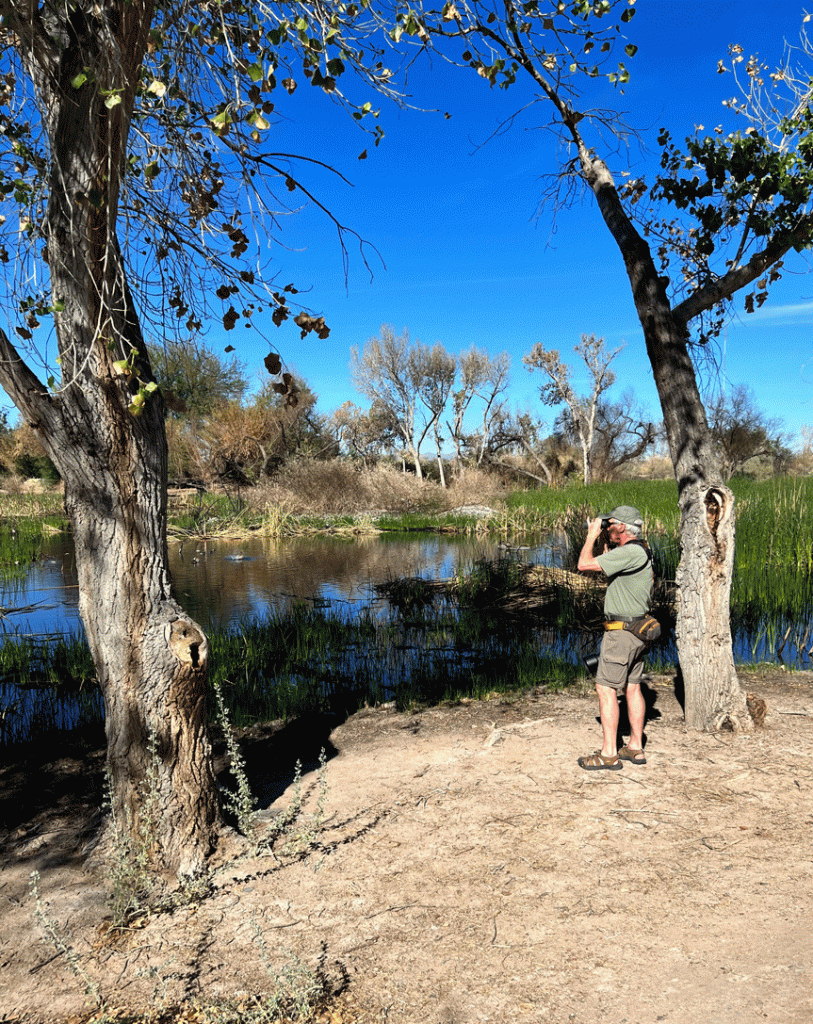
On both days that we went to Lakeside Park, we stopped at Sweetwater Wetlands. There was a controlled burn in October in half of the park, which made viewing the ponds easier because the cattails were not as thick.
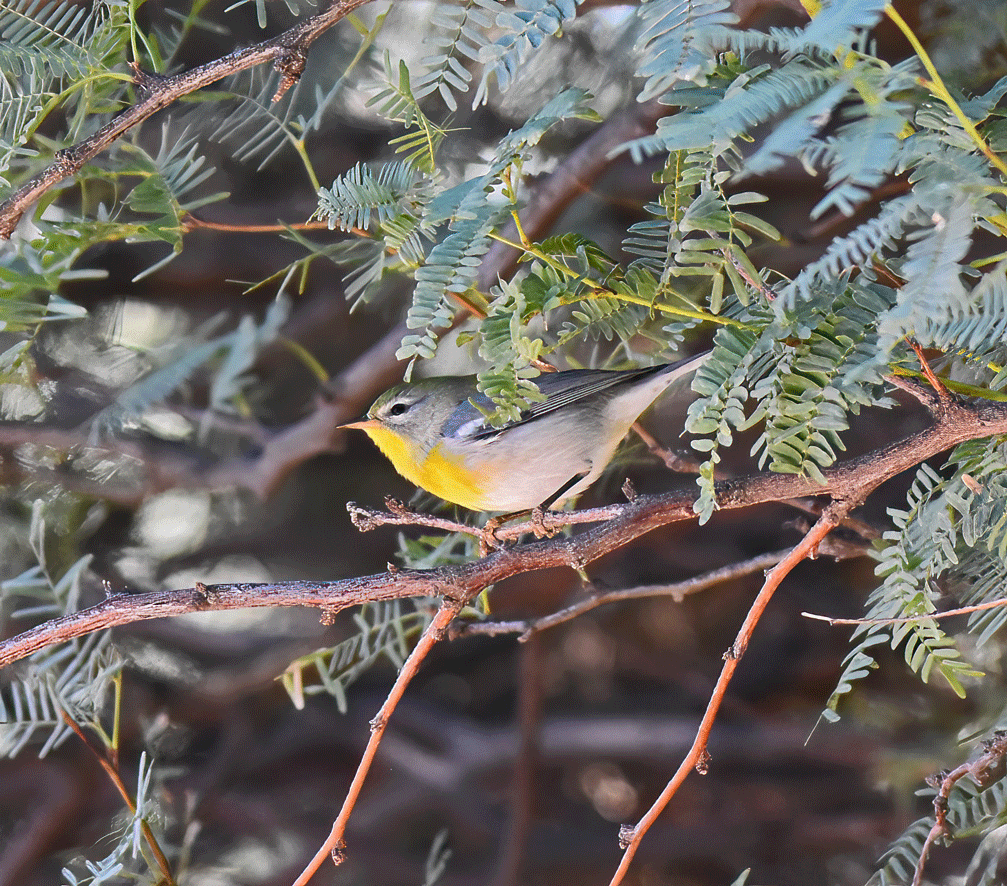
We saw another rare bird there: a Northern Parula. Each year, one or two parulas can be found at the wetlands, so the species is not as rare as the Yellow-throated Warbler or the Streak-backed Oriole. Still, it was a challenge to find the bird and then follow it in the tree with our binoculars until it chose to come out to the edge.
We ventured into Florida Canyon (pronounced Floor-EE-da locally), to search for a Rufous-capped Warbler. This is the same species that we spent a couple of days searching for last April, and we were really glad that a pair was spotted in this canyon in November and chose to hang around. Florida Canyon is close to Madera Canyon, so the access is not very difficult. Here’s a view of the hillside above the canyon.
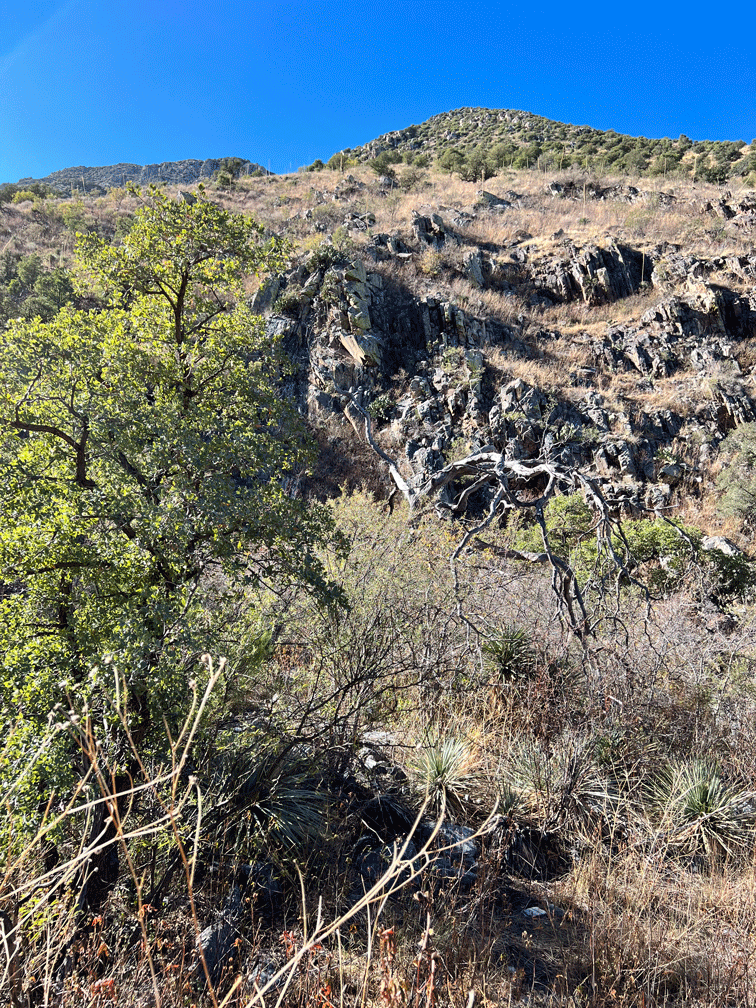
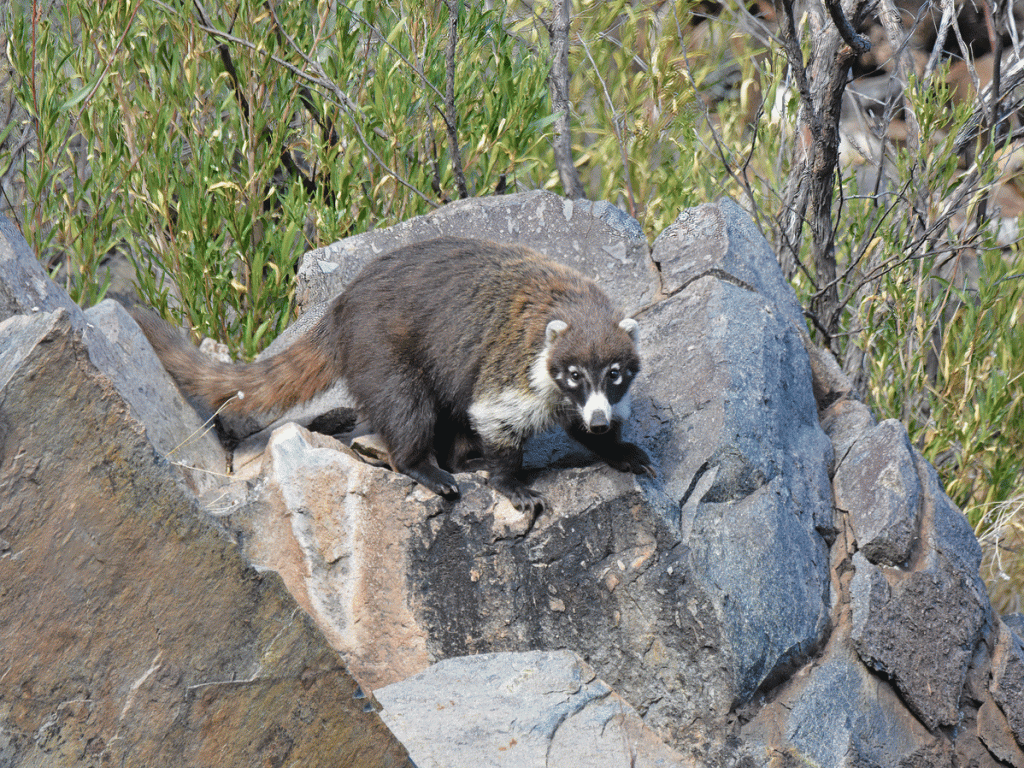
On the first day that we tried to see the warbler, we stayed in one spot, in hopes that the birds would come to the water. They must not have been thirsty that day, because we waited for four hours without a warbler sighting, but we saw a number of coatis frolicking on the hillside above us.
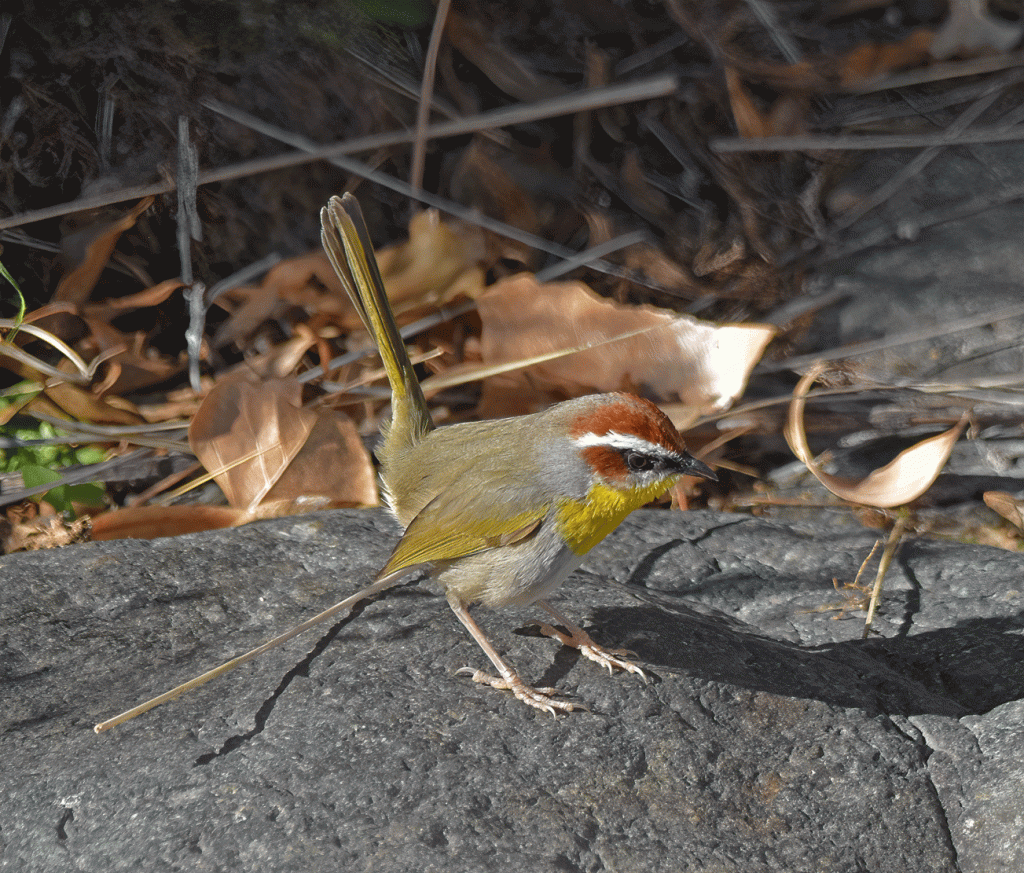
The next time we went, we were successful. This photo of the Rufous-capped Warbler was taken from the same spot that we had waited at the first day, but this time, we caught a glimpse of it above the water and followed it down. We also saw it again farther up the trail. The day was even more special because we saw it with our friend who had first discovered the bird in November.
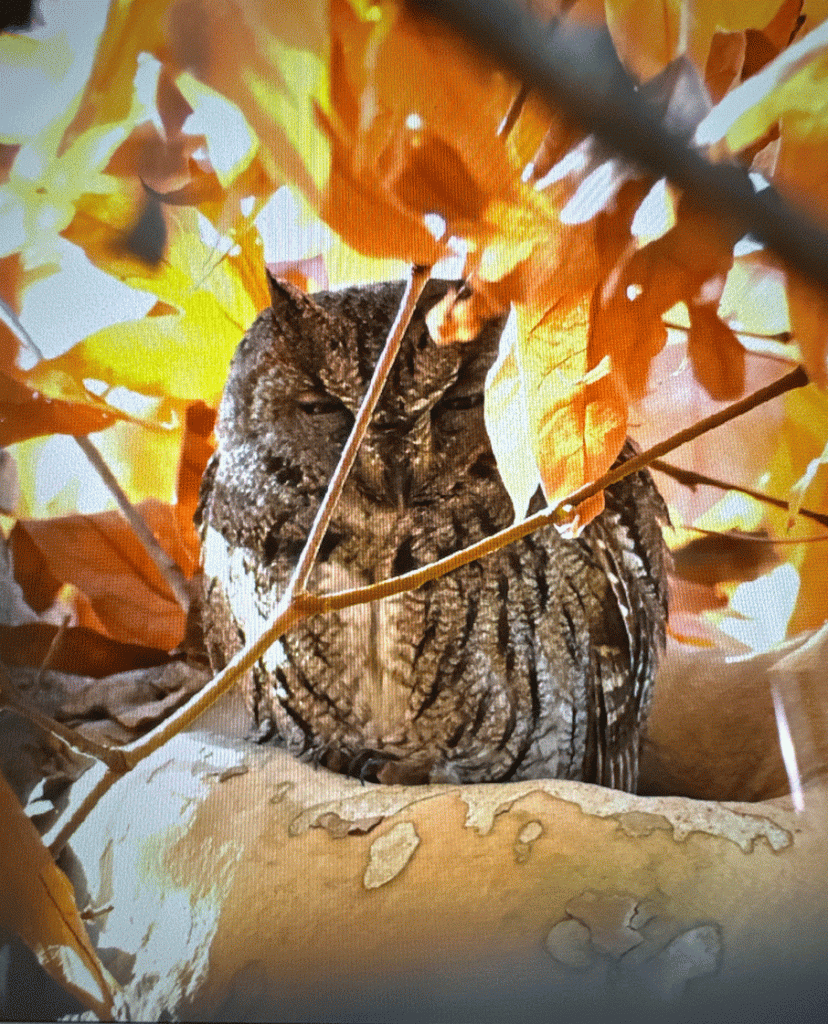
Later that same day, we did a short walk in Madera Canyon and were lucky enough to meet a group that was looking up at an owl. This Western Screech-owl was perched high up in a sycamore and we likely would have walked right past it. The group had found it because someone told someone, who told them the general area to look. We’ve experienced the same spirit of cooperation in other birding encounters.
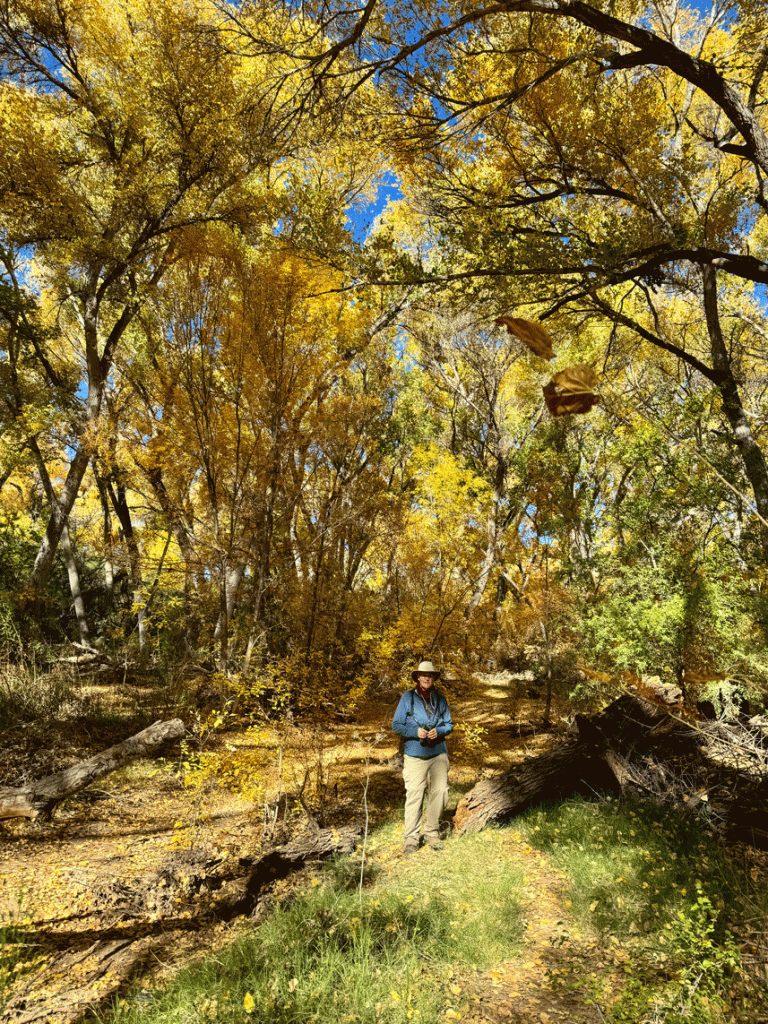
Another day, we walked along one of our favourite trails in Tubac. We didn’t see anything unexpected, but we discovered another side trail that allowed us to make a loop. The leaves of the cottonwoods in December in Tubac are reminiscent of the leaves in the East Kootenays in BC in October.
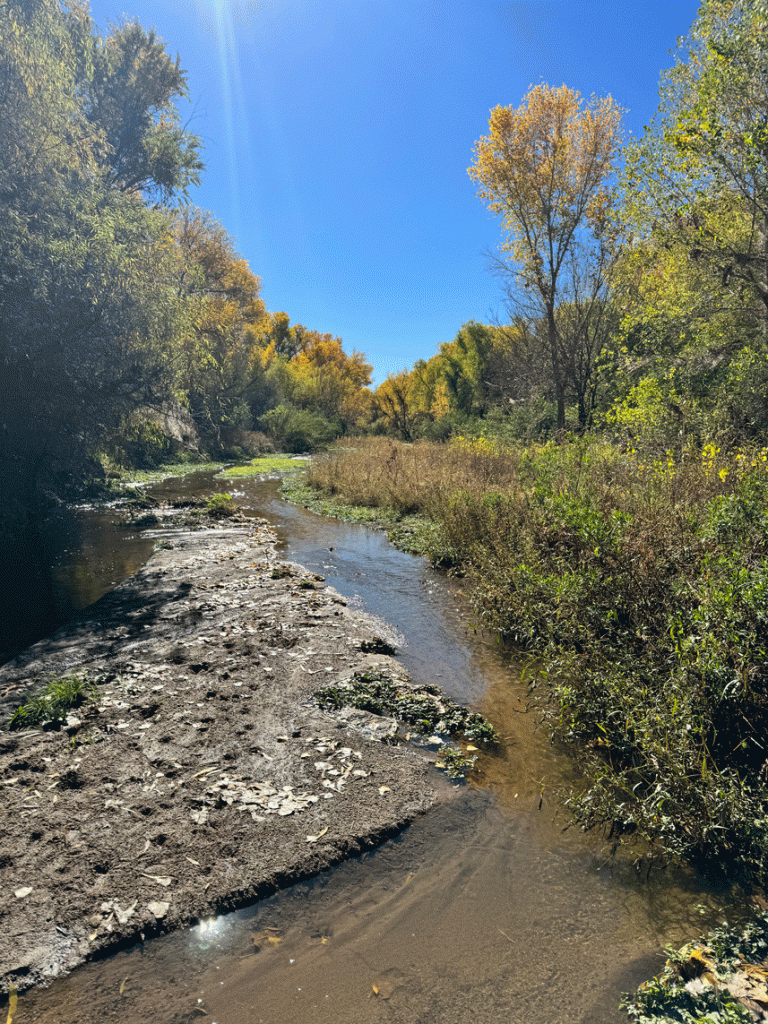
That same day, we drove a short distance south to Santa Gertrudis Lane. Here’s a view of the Santa Cruz River near where the road crosses the water. (There is no bridge; vehicles drive through the water.)
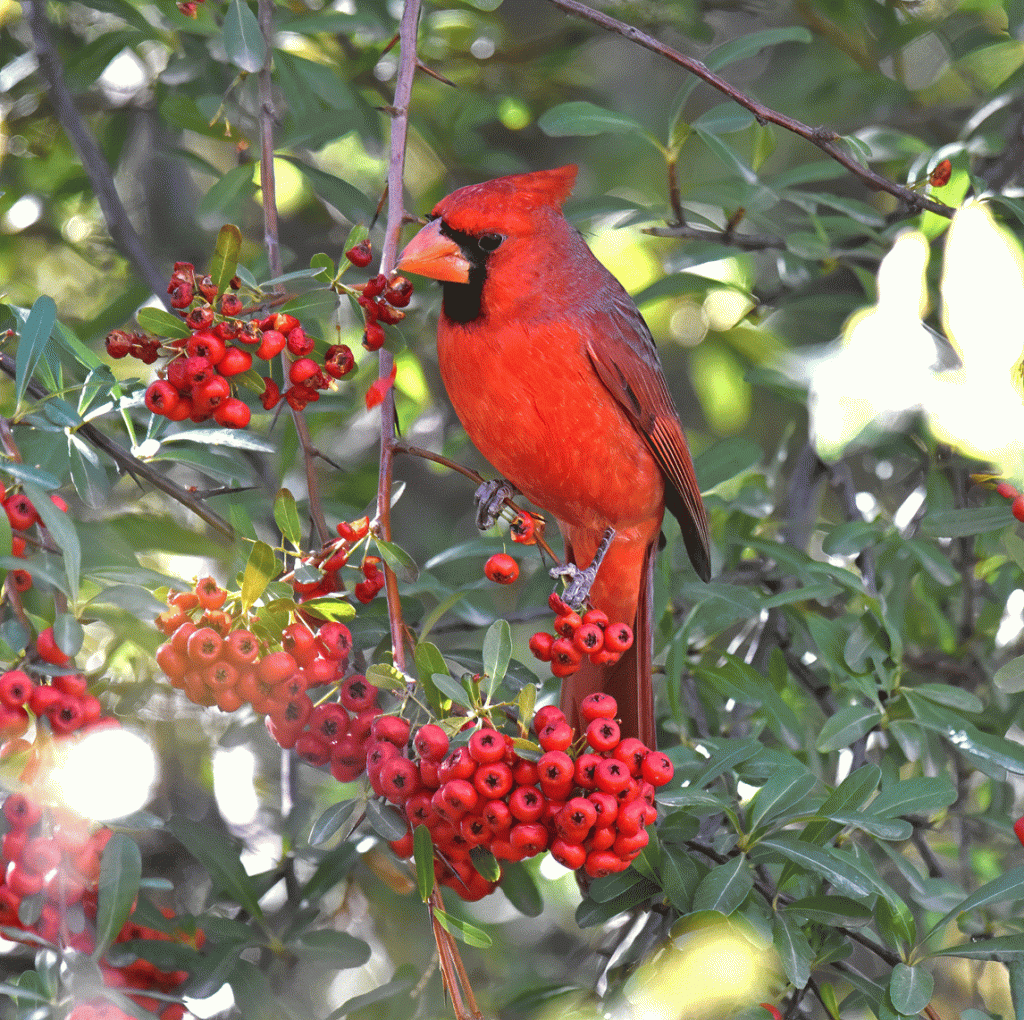
Along the lane there is a non-native pyracantha bush which provides food for many bird species. We spotted this male cardinal a little farther down the lane and followed him, hoping he would land near the berries for a Christmas-y photo. And he posed beautifully.
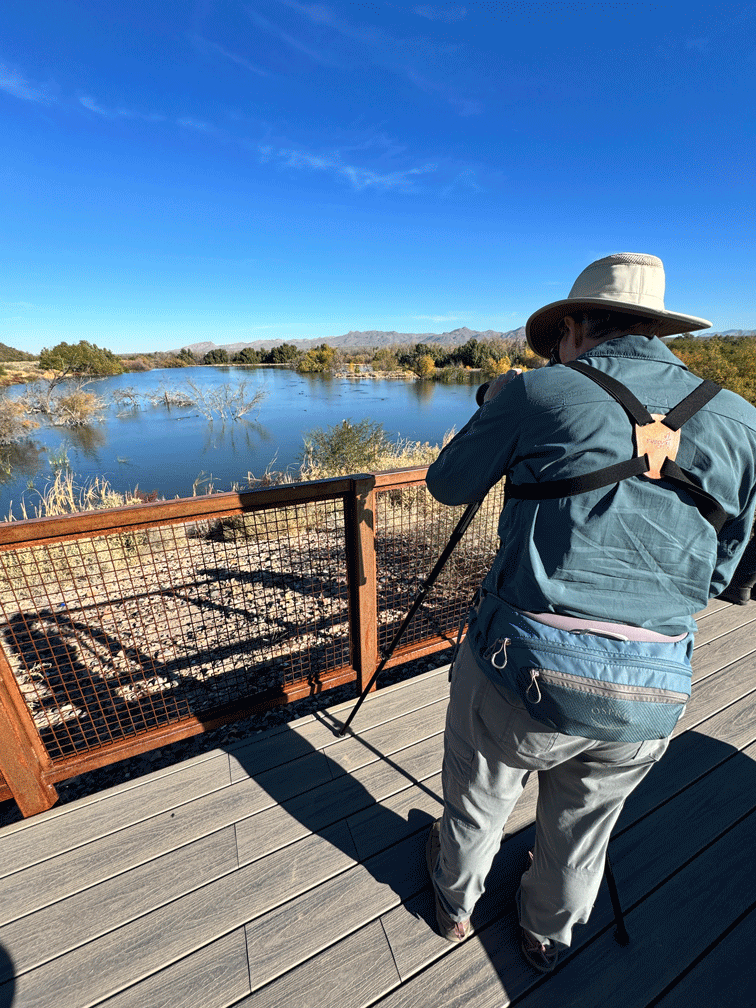
Here’s a view of El Rio Open Space Preserve on another day. This birding hotspot is in Marana and quite close to where we live. We didn’t take any photos of birds this day.
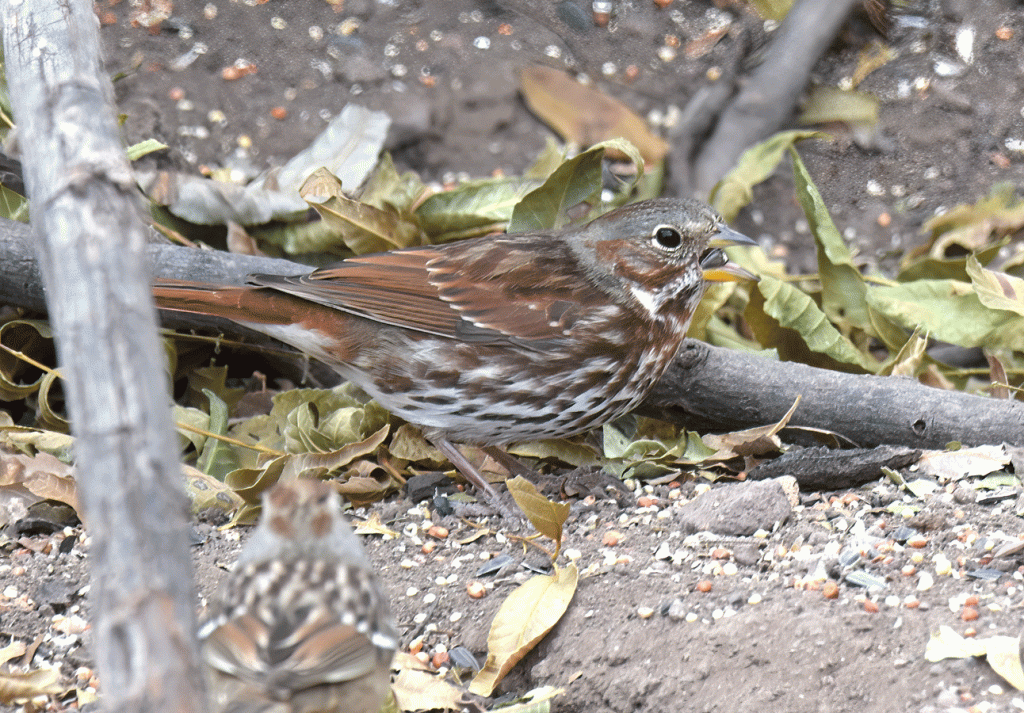
Another day, this Fox Sparrow was hanging out in the front yard of the Paton Center for Hummingbirds in Patagonia, AZ. It’s one of the red (taiga) sub-species.
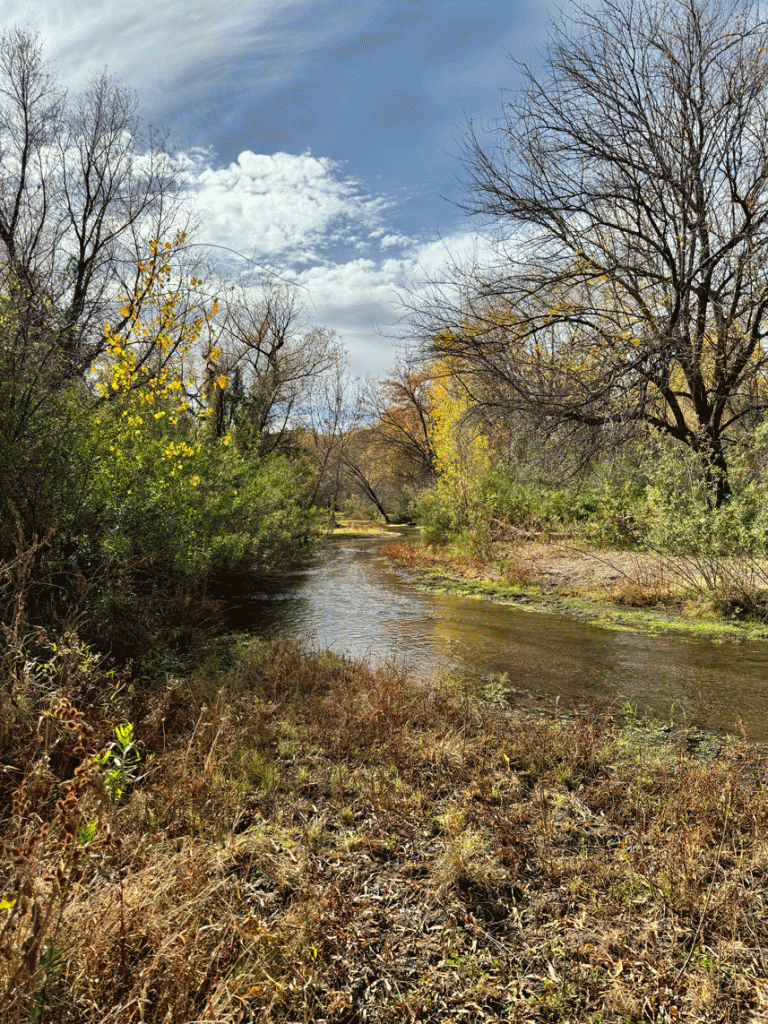
That same day, we walked along Sonoita Creek in Patagonia Lake State Park. We saw the “regulars” and enjoyed the short hike.
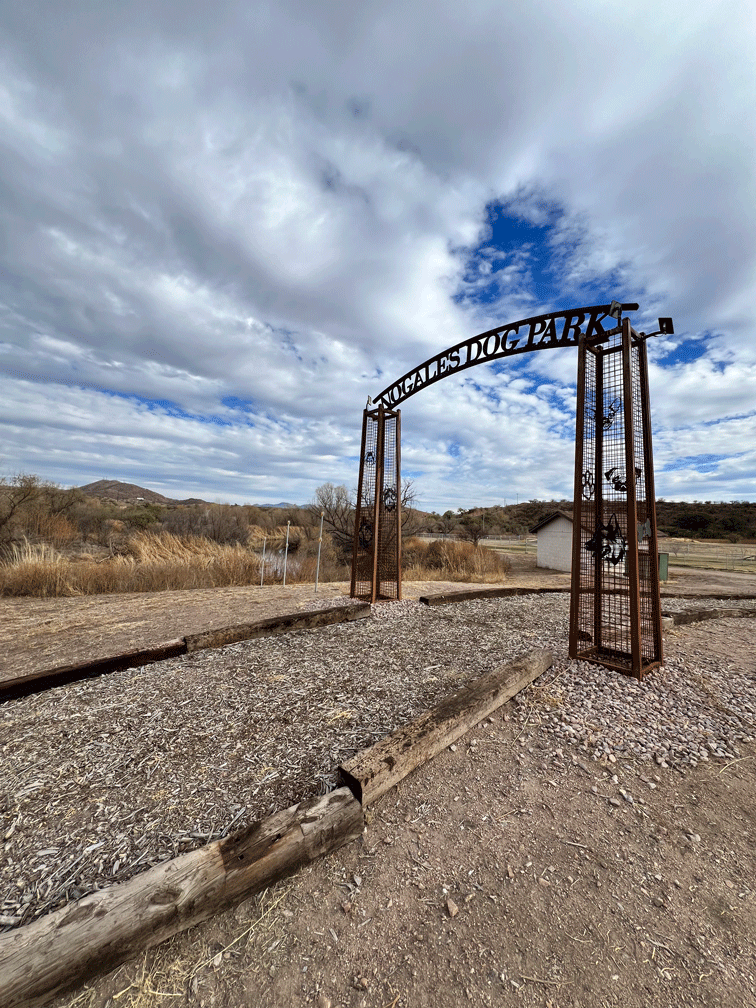
We went to one more birding spot on our way home from Patagonia. The dog park in Nogales used to be a golf course. In 2020, the city council put in a fenced area with features and obstacles. Sections have been mowed in the open area around the ponds. We saw over twenty species of birds in about twenty minutes, so it’s a place we will probably visit again.
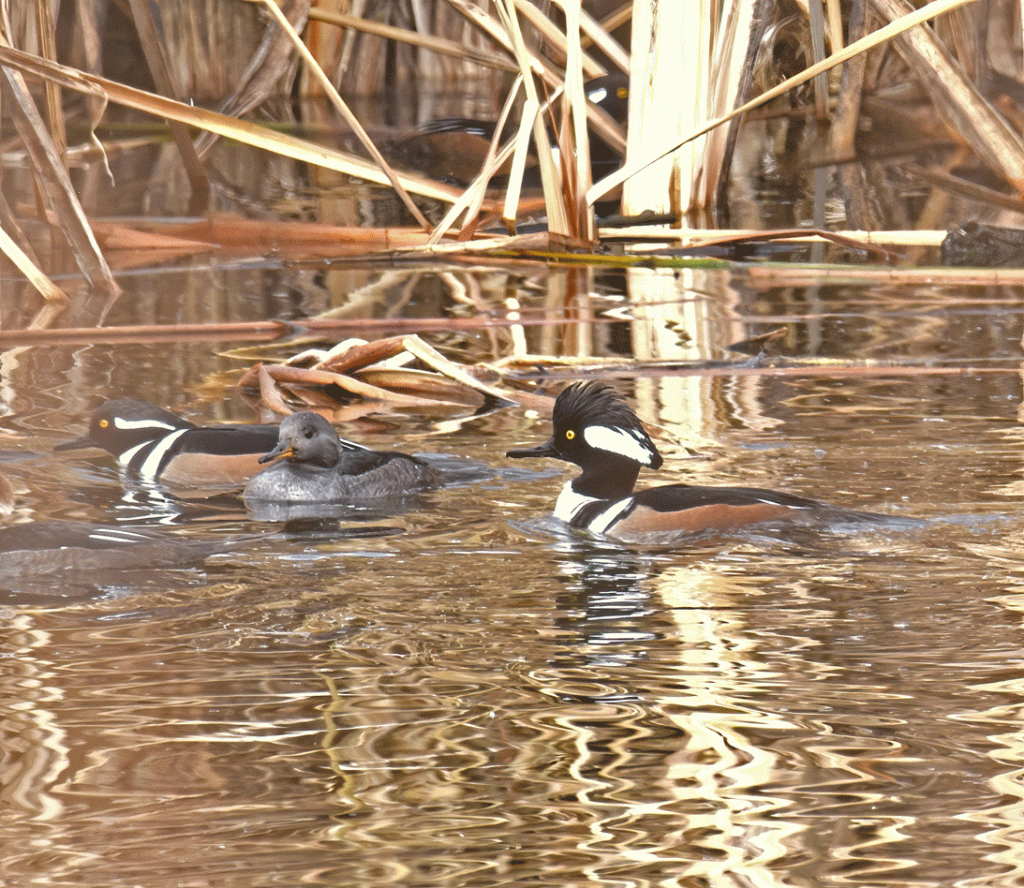
These Hooded Mergansers were in the long, narrow pond.
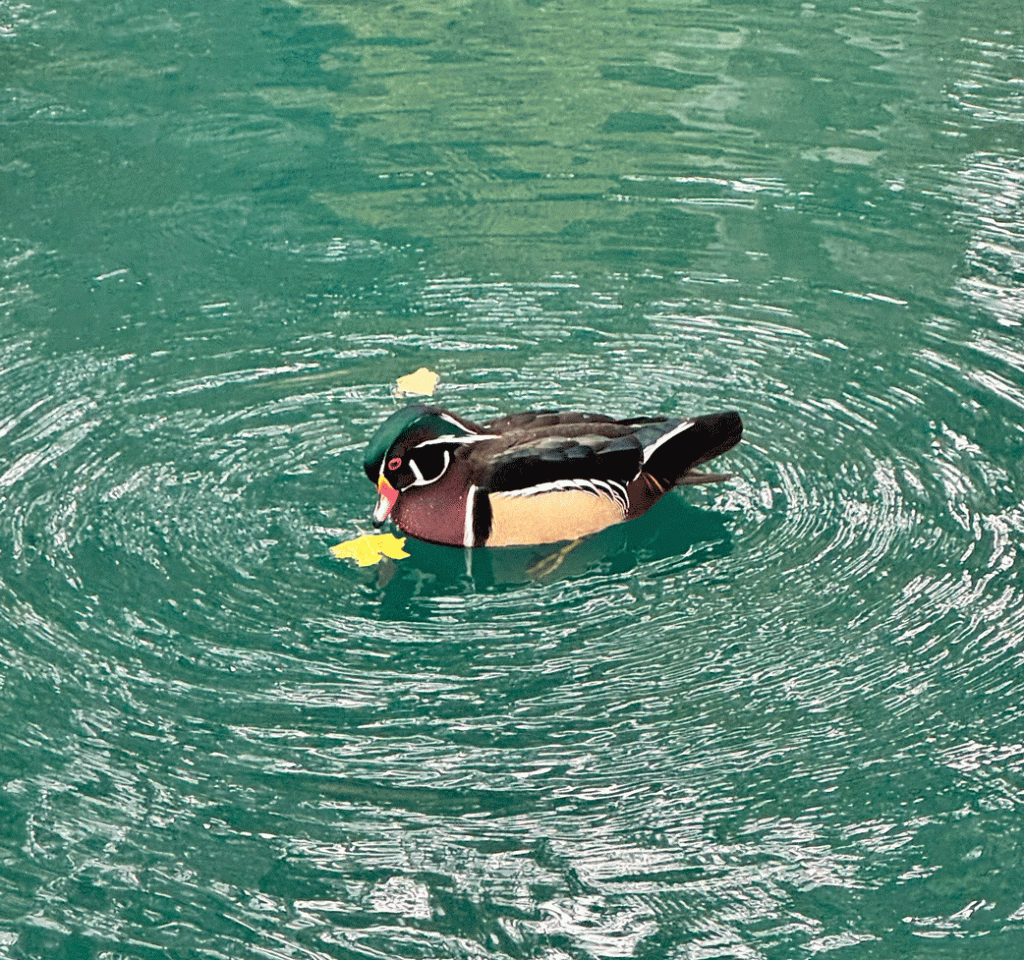
Another day, we made a regular trip to Reid Park. Doug has taken many photos of the resident Wood Duck and here’s another one. He’s such a photogenic bird!
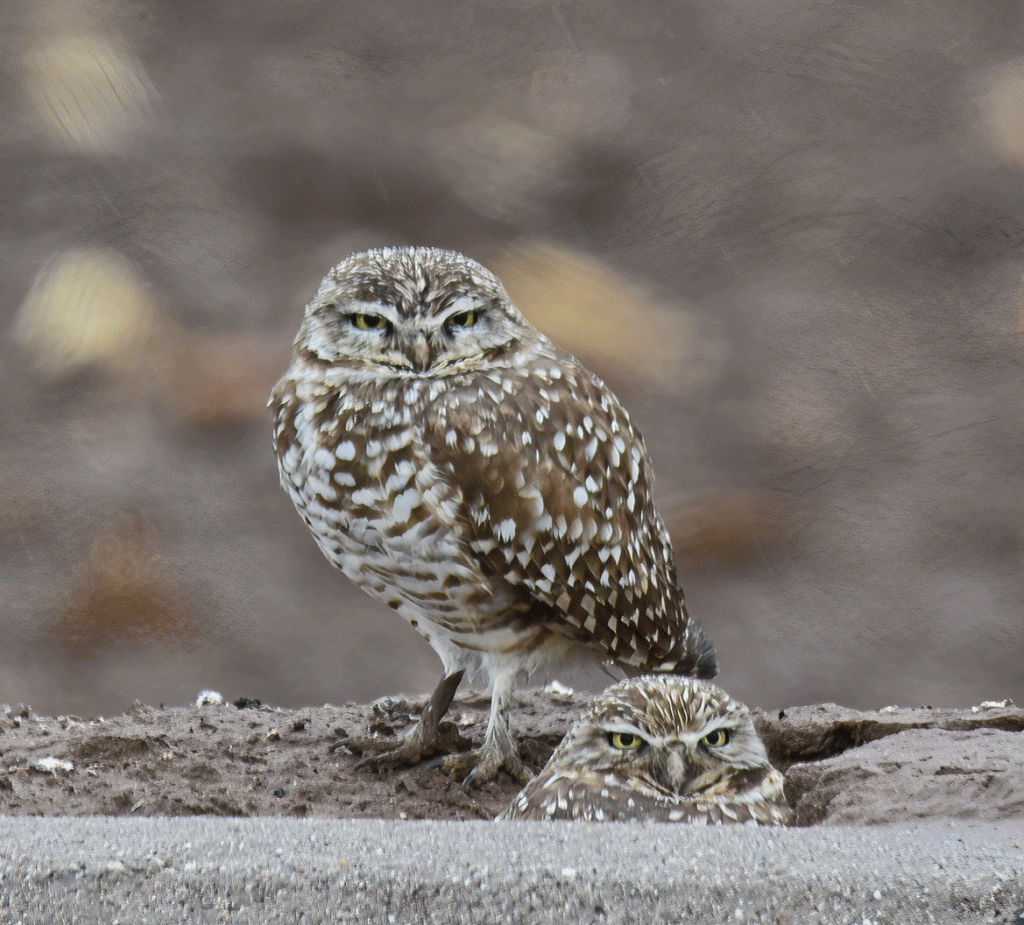
Several times we drove out to the fields in Marana to look for hawks (found a Ferruginous) and cranes (no Sandhills visible). Whenever we’re out that way, we check the spot where we’ve seen Burrowing Owls before. One day, we were lucky to see one of the owls totally up on the mound.
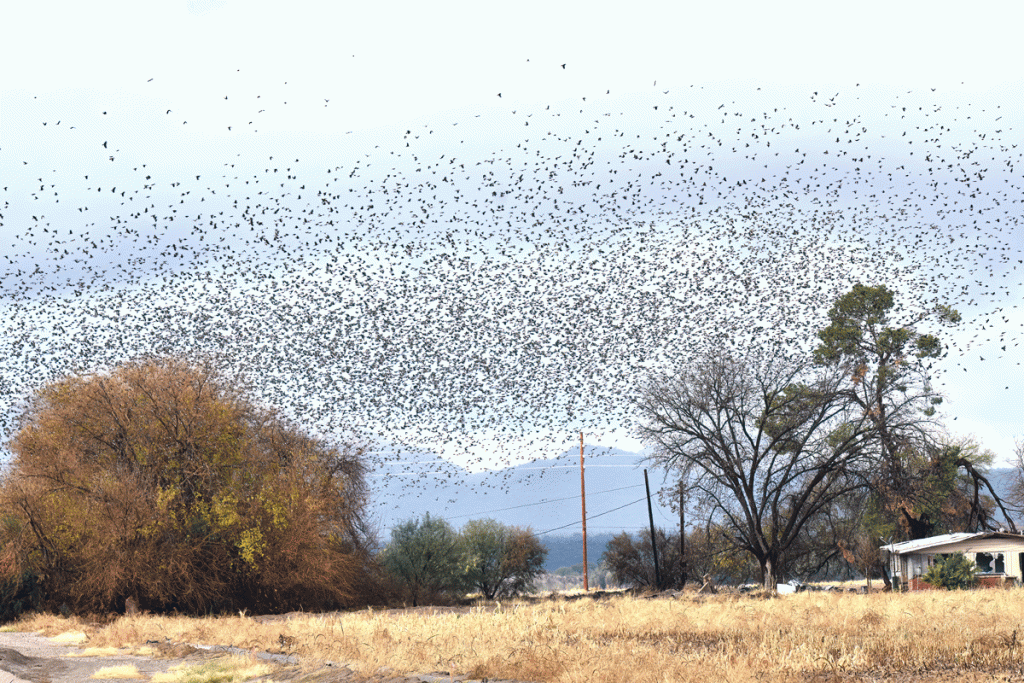
A little ways down the same road, we saw this huge flock of Yellow-headed Blackbirds. The photo doesn’t show the whole flock. The murmuration was mesmerizing.
We saw our last significant bird of the year on Boxing Day in Patagonia, AZ. The special warbler was reported to frequent two thick juniper trees on the main road. Here’s Doug taking photos. He took over fifty.

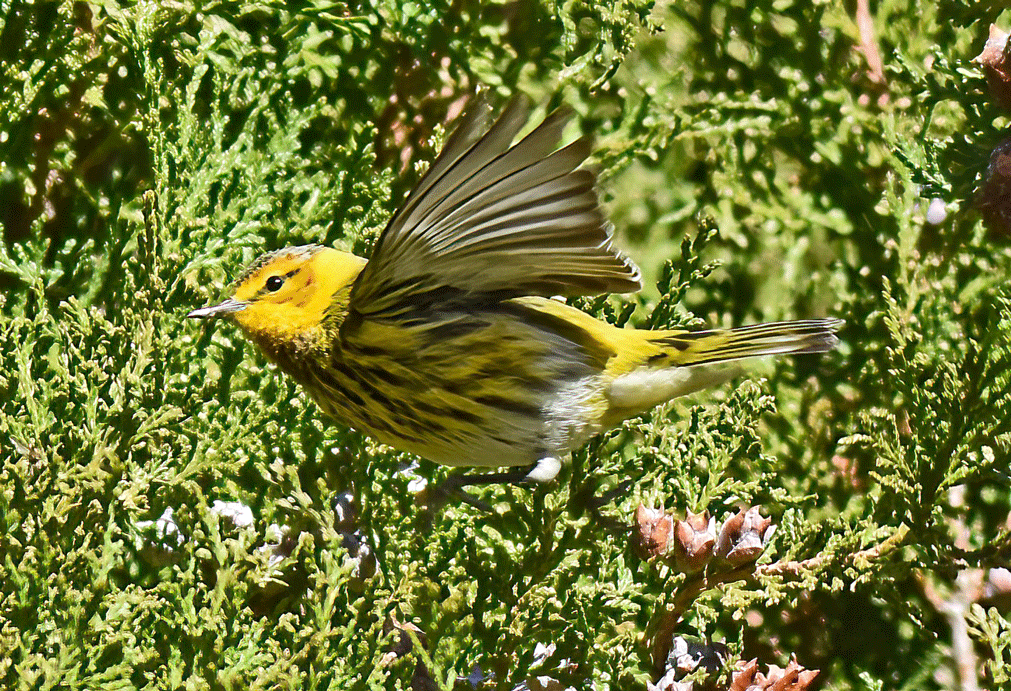
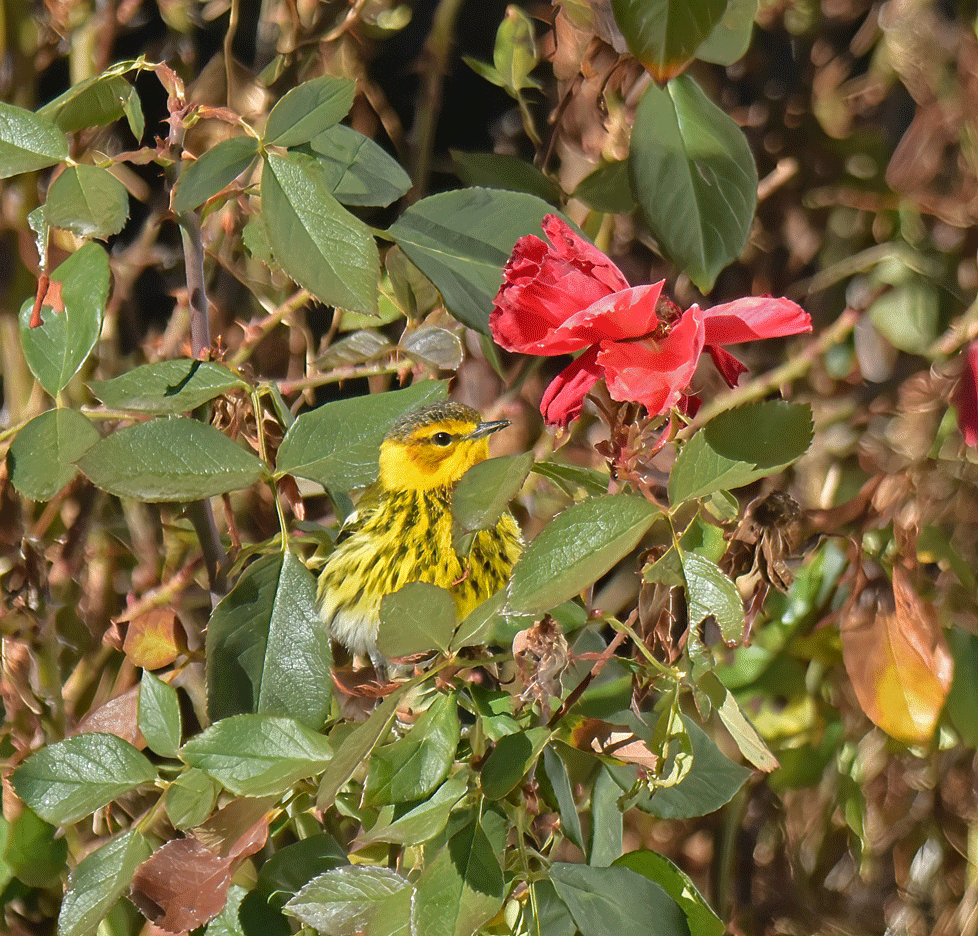
This is a Cape May Warbler, a “lifer” for us. And it was almost too easy; we drove an hour and a half to get there, and saw the bird immediately after walking over to the tree.
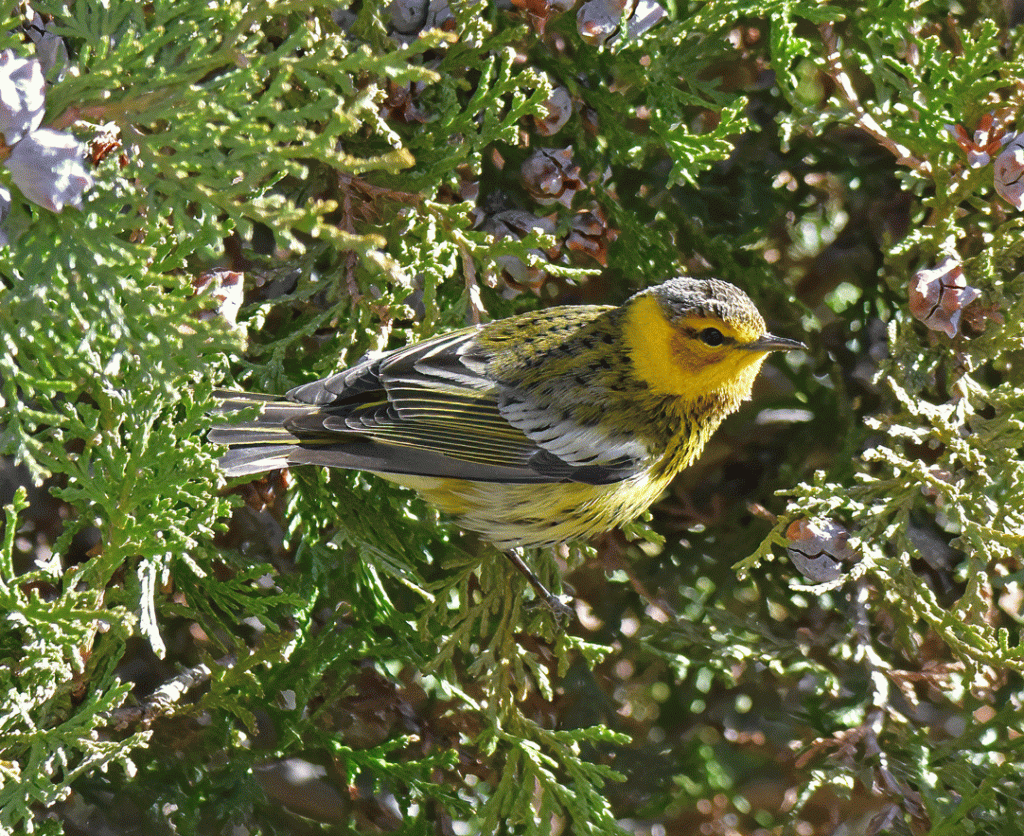
When enough photos are taken, sometimes a bird is caught in flight!
The warbler also visited a nearby rose bush, that was at eye level a few metres from the side-walk. It didn’t seen concerned about people watching it, although no-one got too close.
We hope you’ve enjoyed the photos of the some of the birds and birding locations from our December forays. And now that a new year has begun, and we’re sure to have many more birding adventures.
 Travels with a Fox
Always a pleasure to follow your travels. Can’t say what was my favorite this time.
LikeLike