
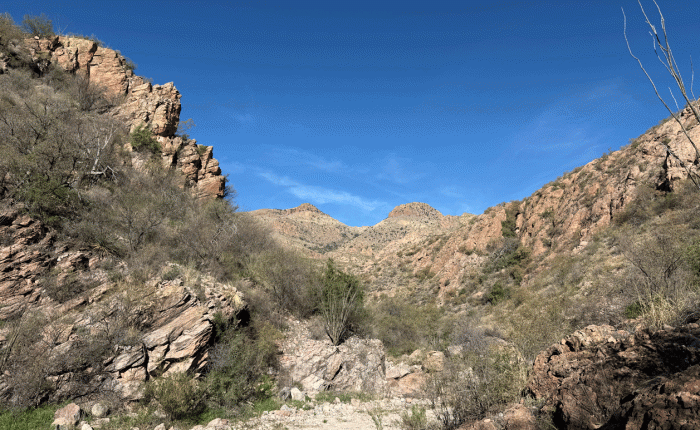
This post is about three new canyons that we explored and the rare birds we found there. They are all in Santa Cruz County: Chino Canyon, Sycamore Canyon (Pajarito Mountains) and Rock Corral Canyon. We’ve included three trips to different washes in Pima County as well.
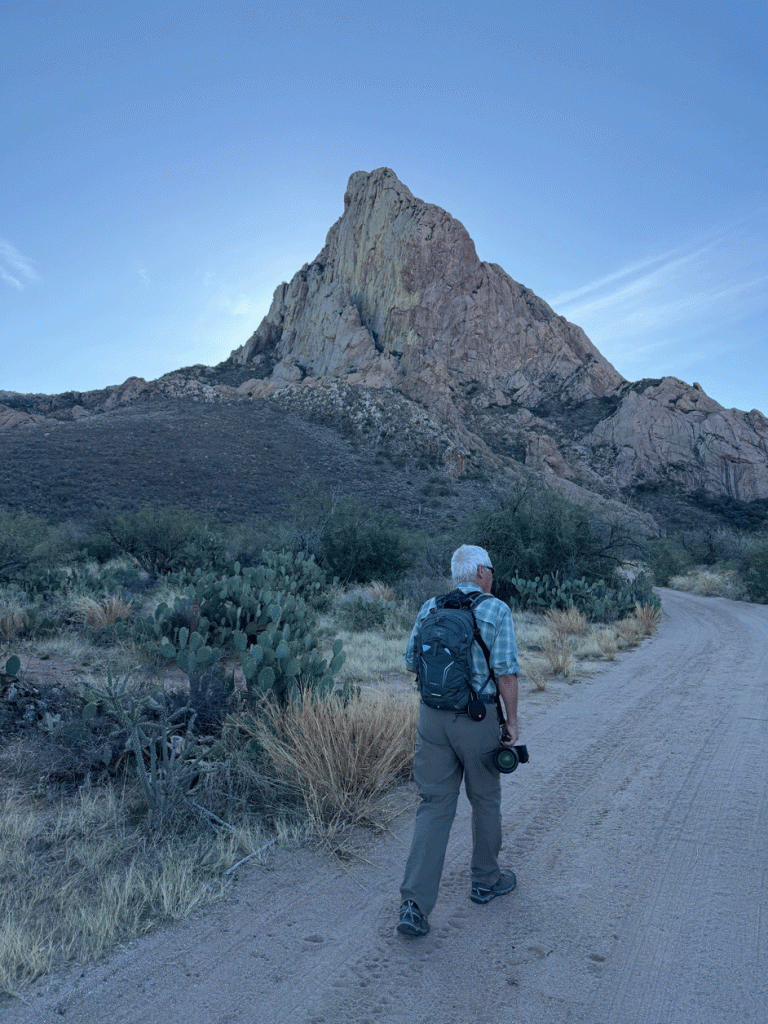
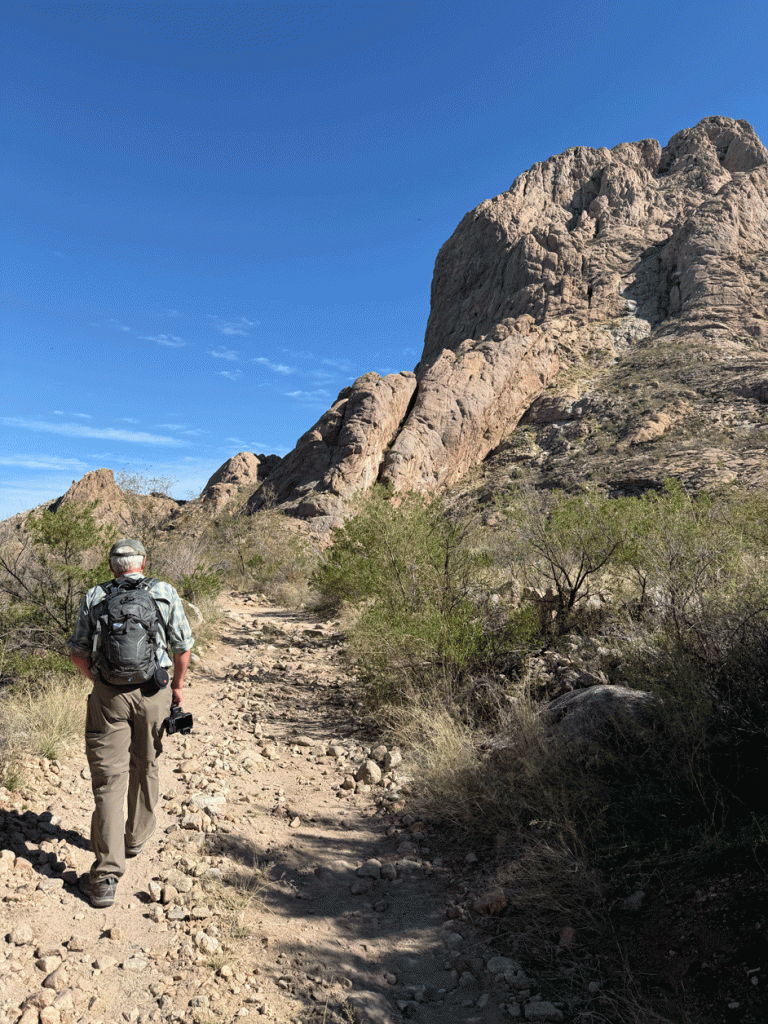
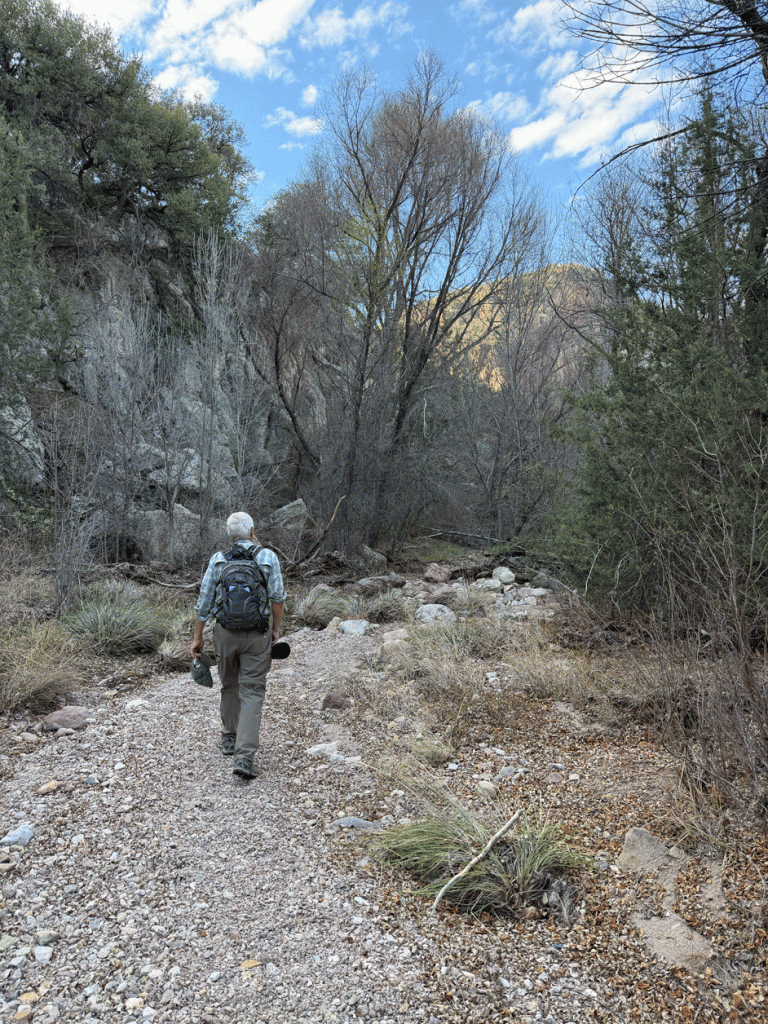
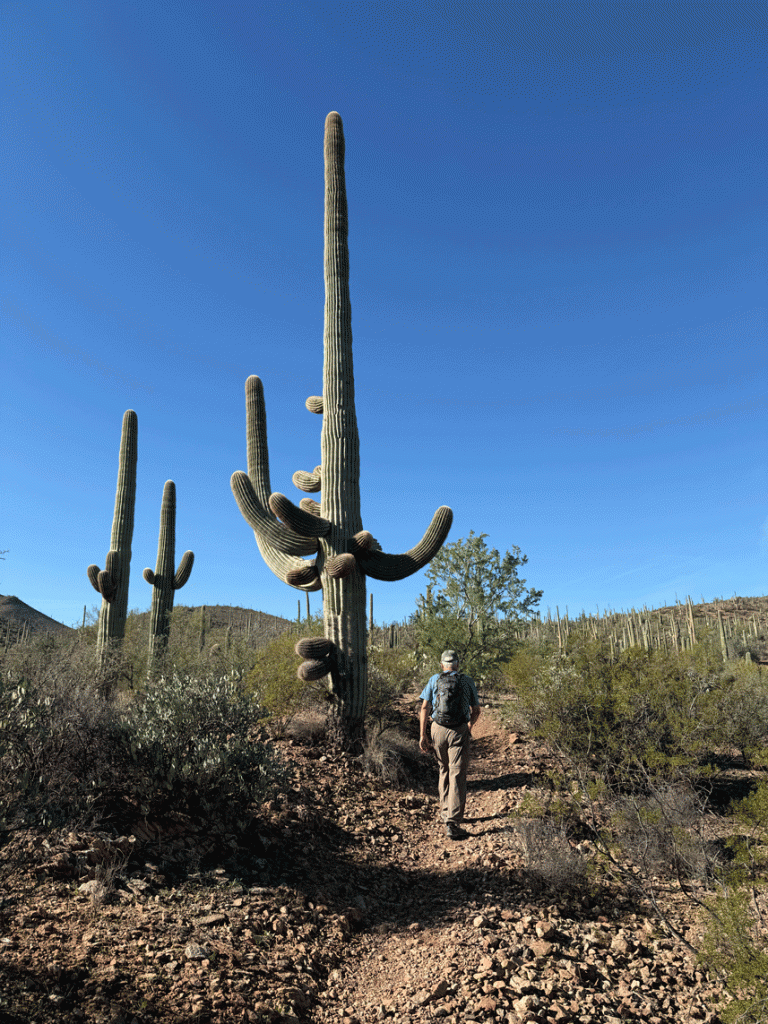
If we had our jeep in Arizona, we could have driven all the way to Chino Canyon, but we chose to walk the rough road. In the photo below, Doug is approaching Elephant Head. The prominent rock outcrop is just in front of the county line, which marks the official start of the checklist. It was about a two kilometre walk from where we parked the truck. On February 6th, we were in the shade until we reached the canyon proper.
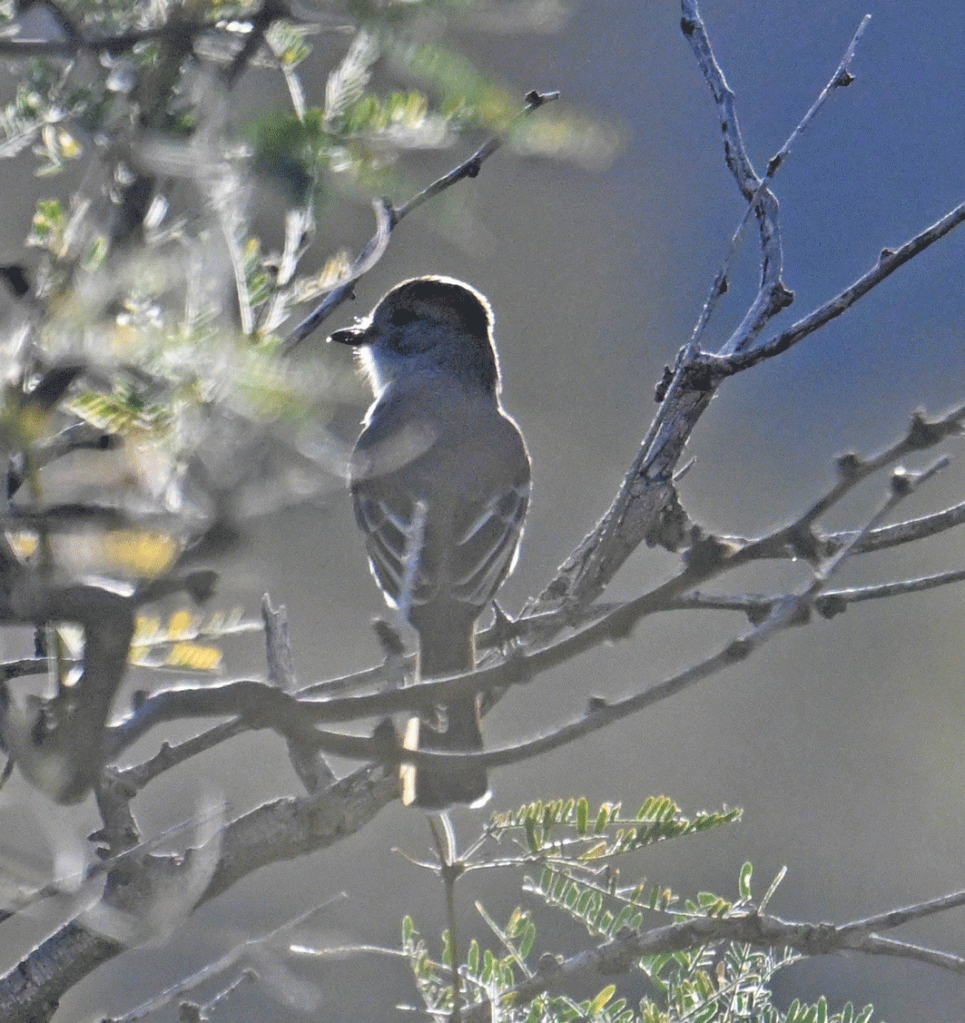
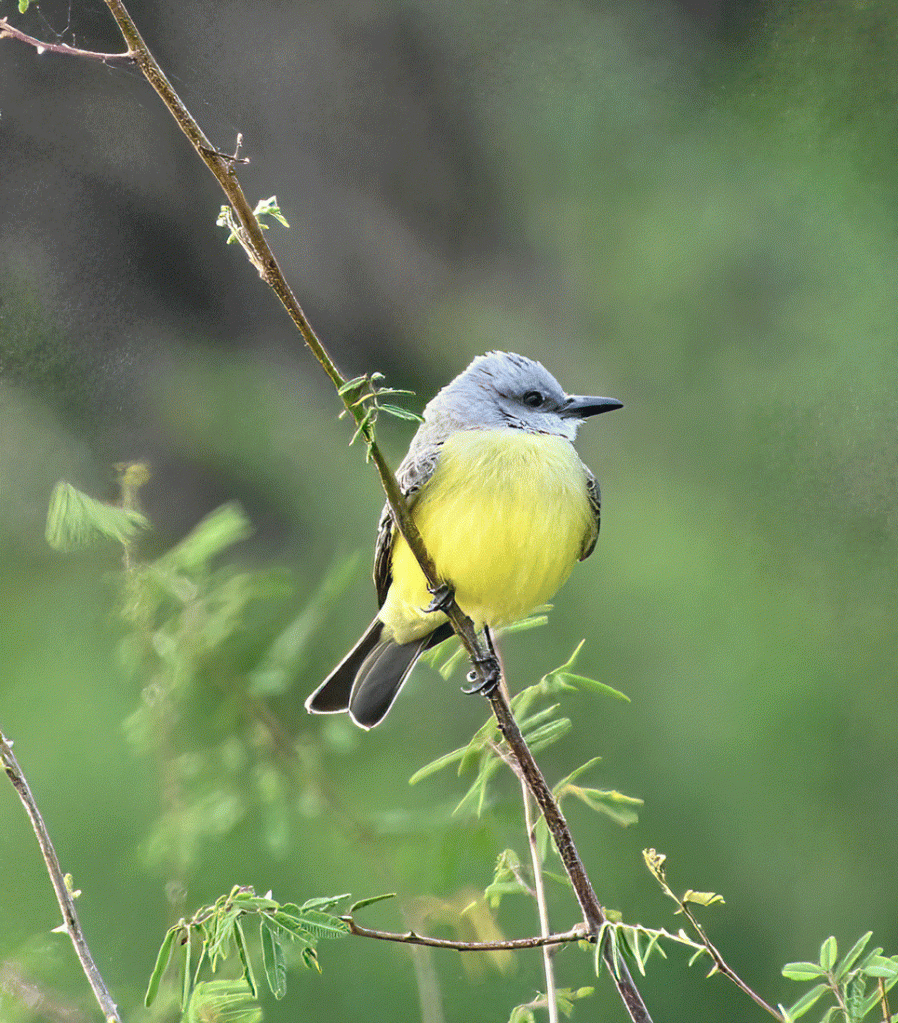
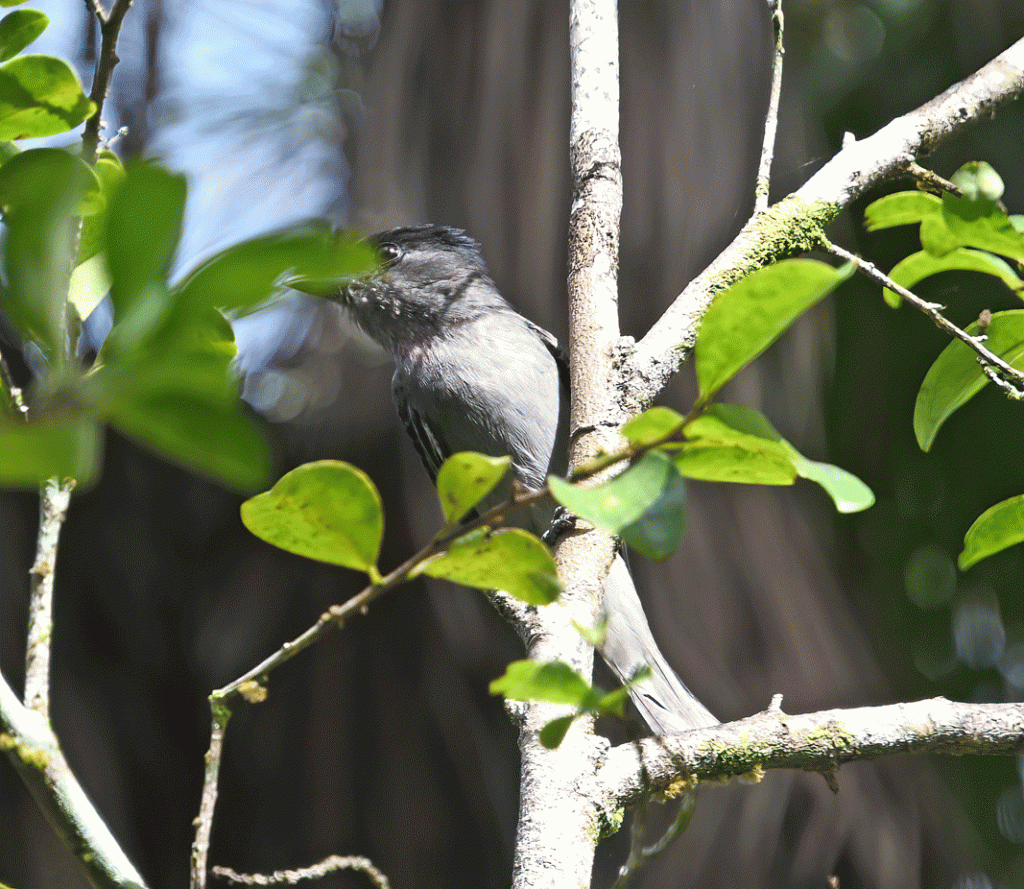
When we got to full sun, we stopped to take off some layers. We heard some voices ahead, but couldn’t tell what they were saying. Luckily, one of the young birders in the group heard us and came down the trail to tell us, “We’re on the bird!” We quickly joined them and had a good view of the Nutting’s Flycatcher we had come to see. Unfortunately, Doug’s camera was not cooperating and wouldn’t focus on the little bird. It flew away, and we relocated it, but this time it was backlit, so the photo below is the best one.
The Nutting’s Flycatcher was a “life bird” for us. The species is very rarely seen in Arizona but is found year-round in Mexico. It is very similar to an Ash-throated Flycatcher, but they make different sound. And luckily we could hear its call. About six other people saw it at the same time as us.
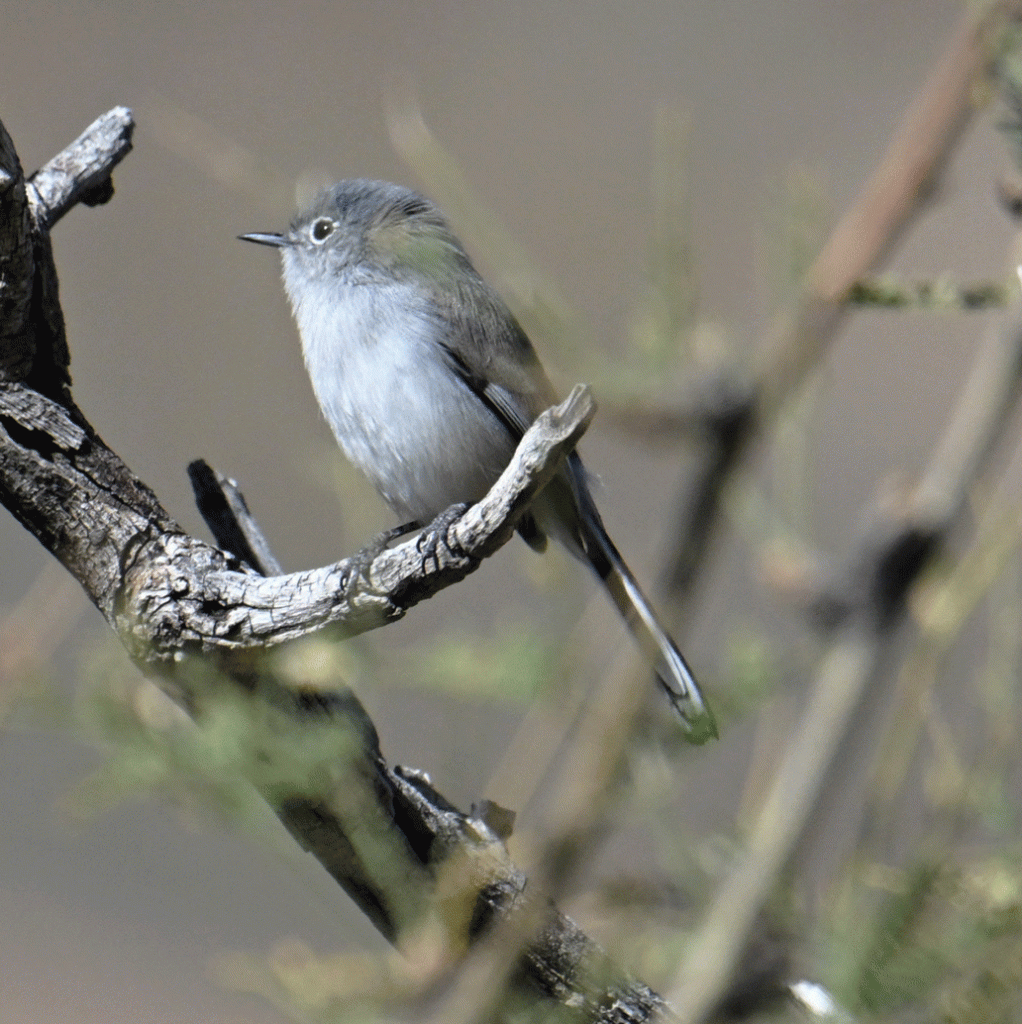
Most of the people left, but we continued up the canyon, hoping to see a Black-capped Gnatcatcher that had been reported earlier. We were listening for the subtle call of a gnatcatcher but the Bewick’s Wrens were distracting us with their scold call. We decided to wander up canyon a bit farther and try and find a good place for a snack before we turned around. That’s when we heard and then saw a pair of gnatcatchers working their way along the rocks, going down canyon. We tracked them and walked alongside until we lost them in a thick bush. Doug stayed at that bush for a little bit, while Wendy walked a little further down. She saw the pair quite close to the trail, but Doug wasn’t nearby! She fumbled with her microphone and was trying to record them, when Doug caught up. Luckily for us, the female Black-capped Gnatcatcher stuck around long enough for some photos. Doug also got other photos that showed its undertail clearly, which was important for identification.
Here’s a photo as we’re walking out. The outcrop looks a little more like an Elephant Head from this angle.
We went back again to Chino Canyon later in the month, and even though we came at about the same time of day, we didn’t have any shade. We didn’t see the Nutting’s Flycatcher and nor did anyone else that week. And it hasn’t been reported since. Perhaps the bird moved higher into the canyon as the weather got warmer.
We were happy though, because we heard a Gray Vireo. We recorded the song, so we had some evidence, but we didn’t ever see it. A Gray Vireo is considered rare, but it is not as rare as the flycatcher or the gnatcatcher. It likes rocky arid hillsides with scattered bushes.
We saw the best patch of Mexican Golden Poppies of the season up in Chino Canyon. The flowers that had started to bloom at lower elevations shrivelled because of the heat.
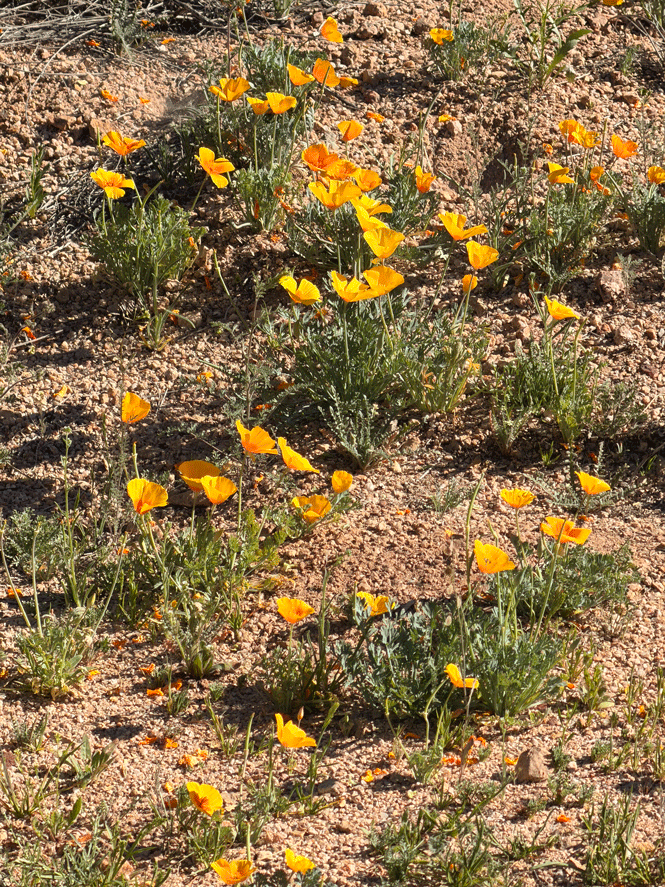
The flower patch was close to the same location that we saw the Black-capped Gnatcatchers earlier in the month. This time, we also watched a pair of gnatcatchers foraging on bushes along the rocky slope. Could they be the same ones? They might have been, but we didn’t get a good enough look. It made us realize how lucky we were to see the other one at close range. (The photo below is posed, taken after the birds flew out of sight.)
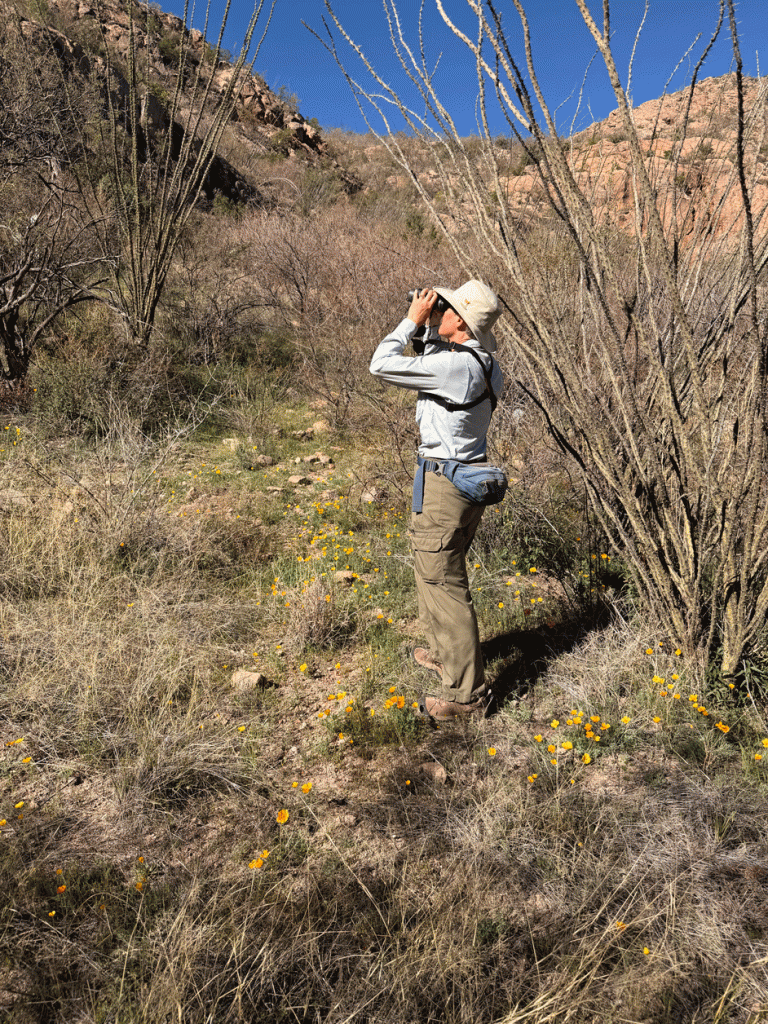
On February 9th, we ventured along scenic Ruby Road near Nogales until we reached the Sycamore Canyon trailhead. We walked south into the Pajarita Wilderness in the Coronado National Forest. We were at the upper end of the canyon that continues down to the Mexican border.
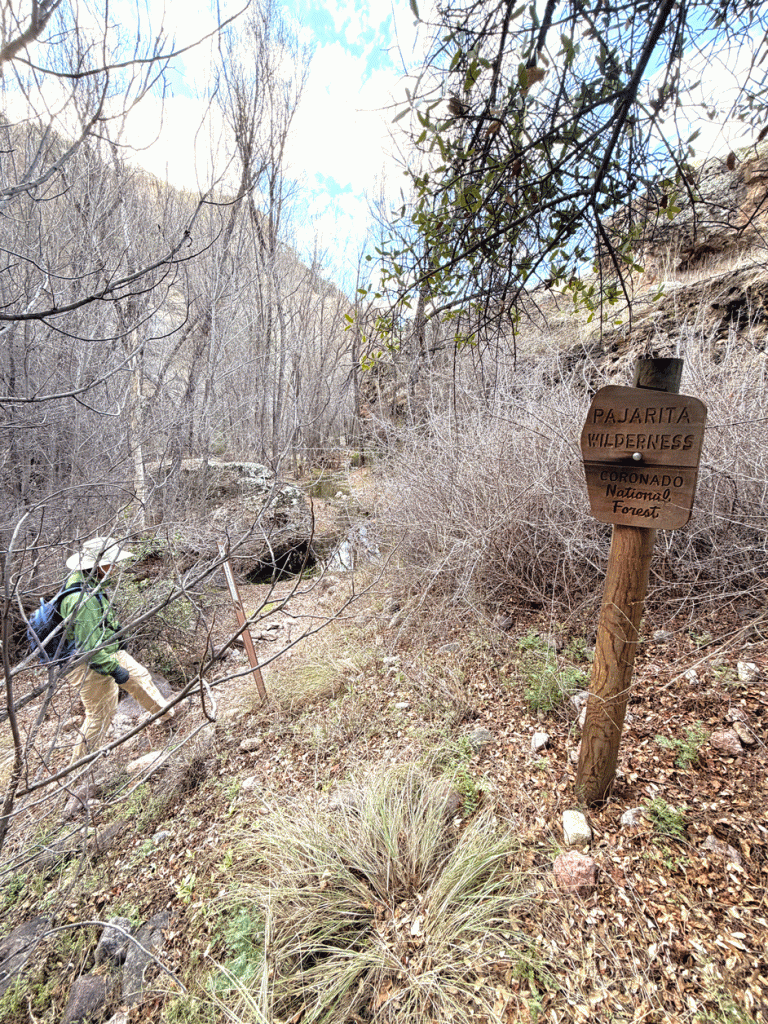
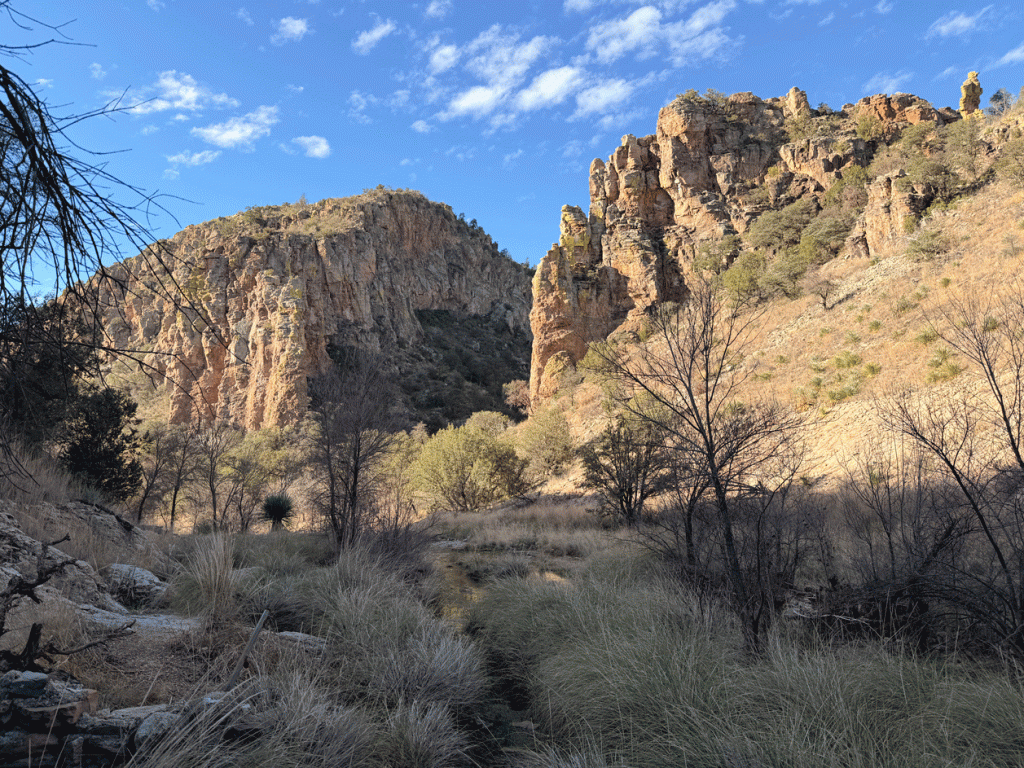
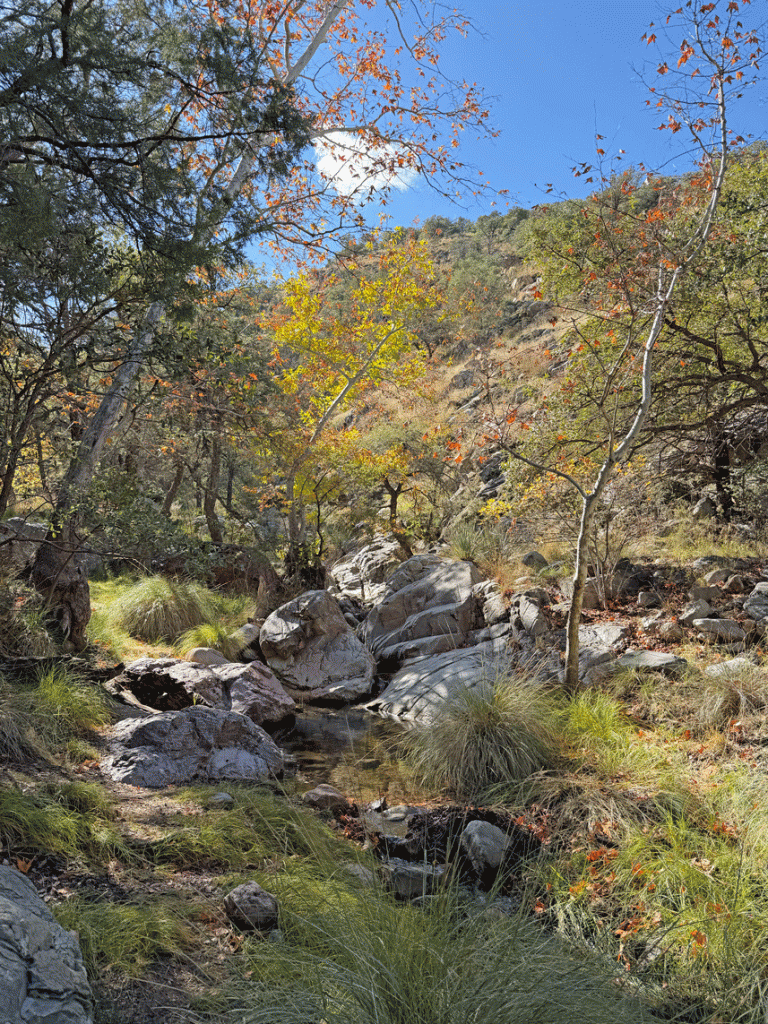
Sometimes the cliffs were quite close to the stream bed. The canyon has one of the few perennial streams in the area.
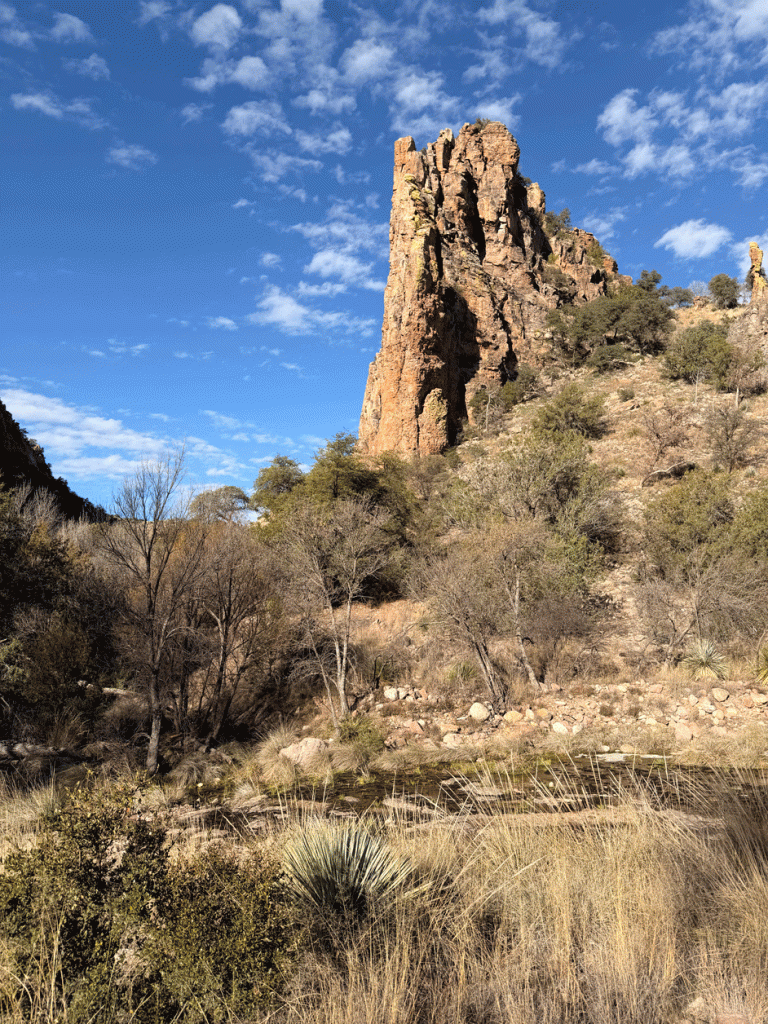
The pinnacles were magnificent in the morning light.
Because there was so much water in the stream, we had to find rocks to step on or narrow spots that we could hop across. Close to the place where this photo was taken, we met a birding friend who had just seen the warbler we had hoped to see. We hung around that spot for a bit, without luck, then continued downstream.
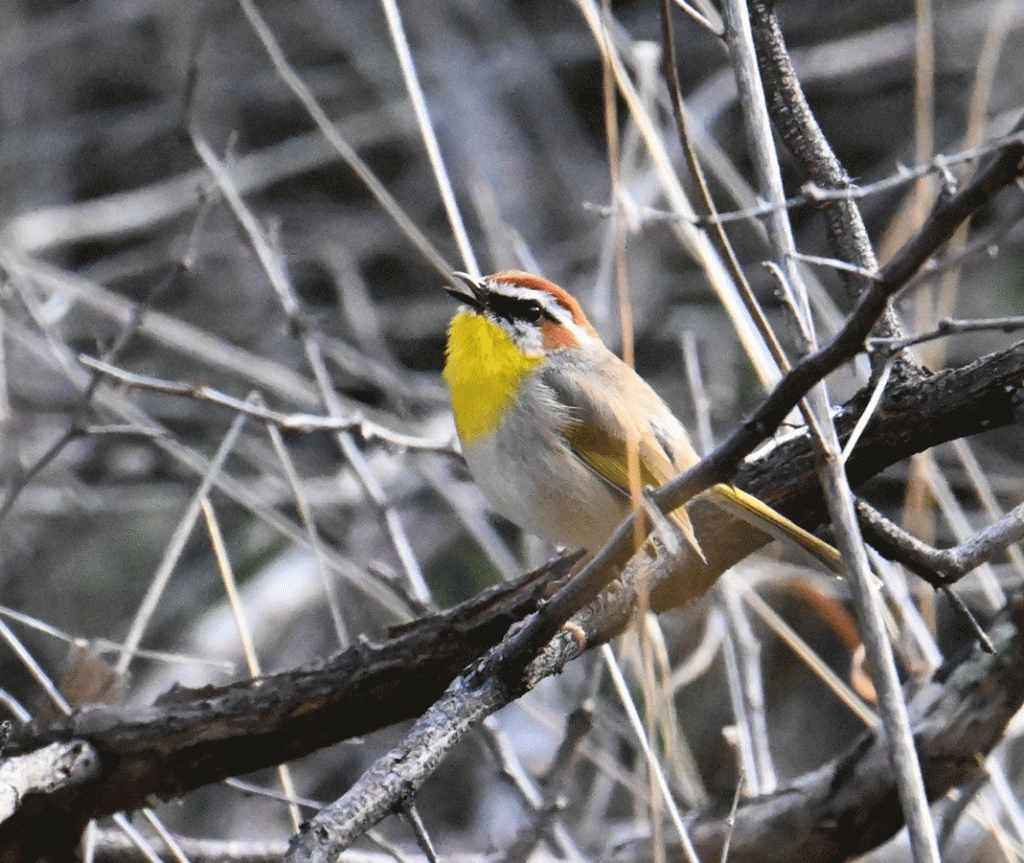
A little further along, we heard some birds chipping and caught some movement low in the bushes. With some gentle “pishing*” the birds came up and we saw they were the ones we were looking for: Rufous-capped Warblers! The male popped up on a some branches and began to sing. That’s when Doug got this photo. We followed them as moved along the hillside for another few minutes but didn’t get any better views.
* “pishing” is making a “pish, pish, pish, pish” sound by forcing air past clenched teeth with puckered lips. The sound mimics a scold call or alarm call which makes some birds curious. Sometimes they will move into more visible spots. It works best on small inquisitive birds like chickadees, titmice and warblers.
Here’s a view of the area that we first saw the two warblers, taken on our way back.
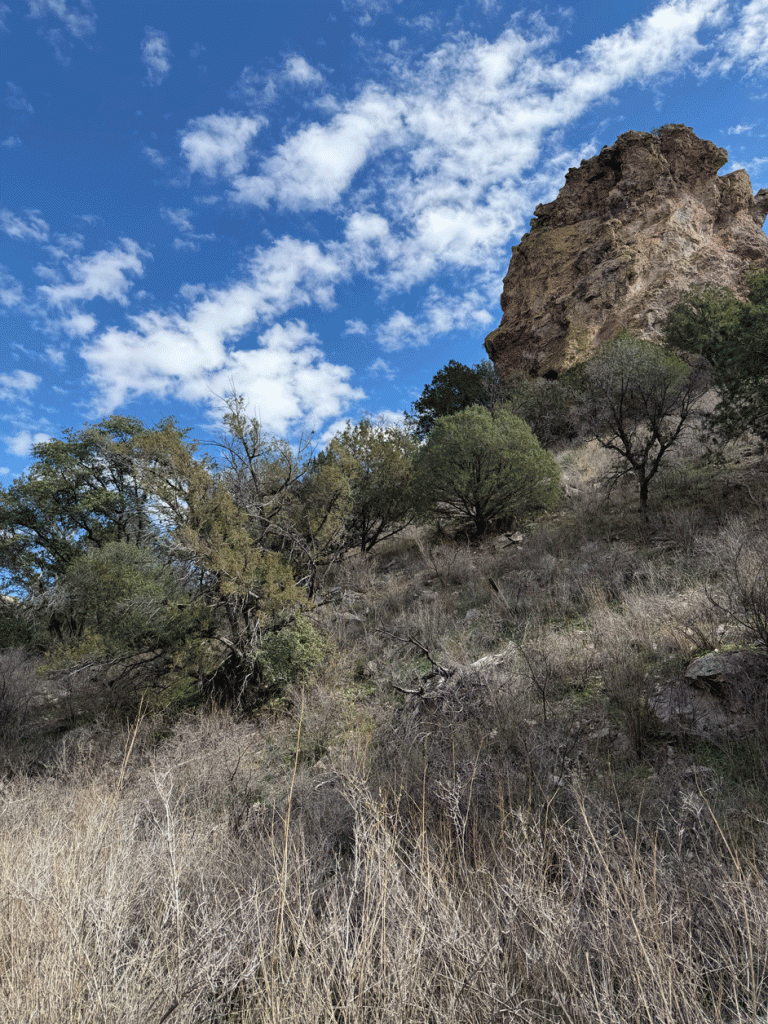
We walked a little farther along until the canyon was blocked by a steep outcrop. We had our lunch beside this small pool.
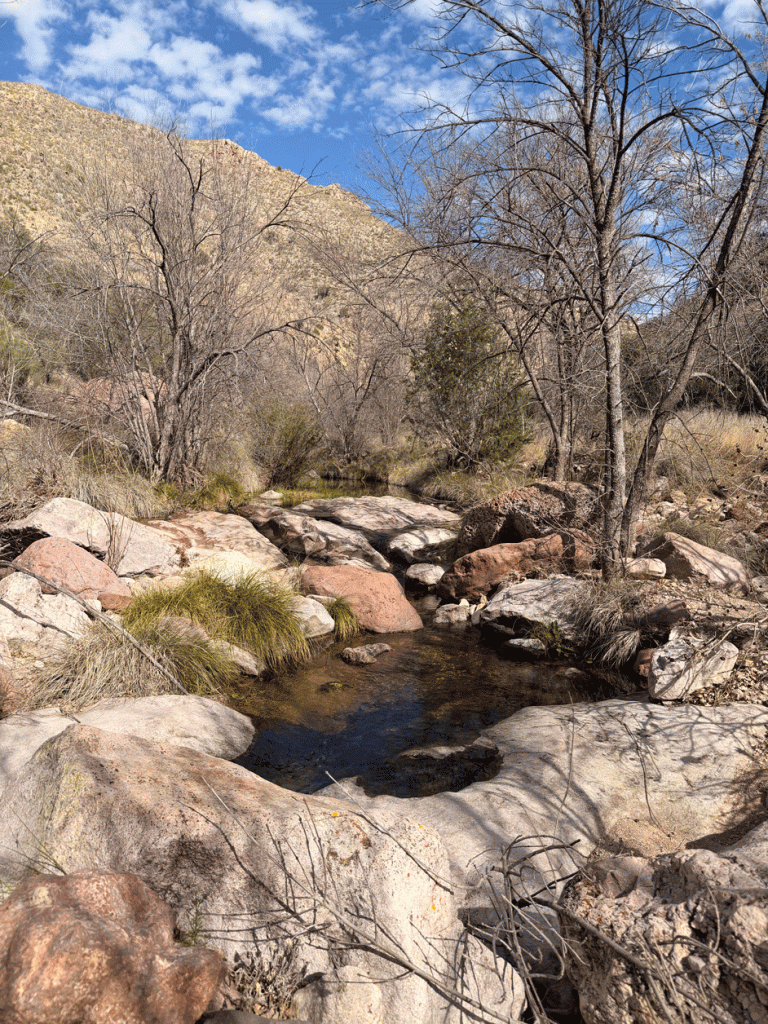
The next photos were taken on our way out, as we headed north, back to the parking lot. Here’s a narrow section.
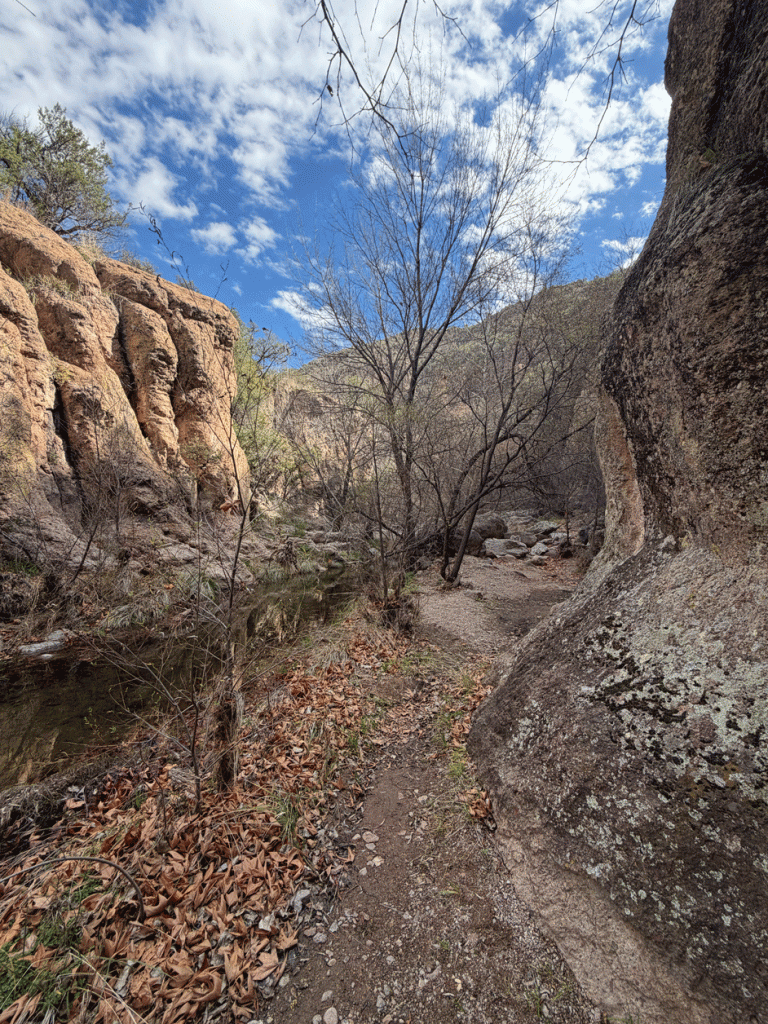
Wendy stood almost in the middle of the stream to get this photo.
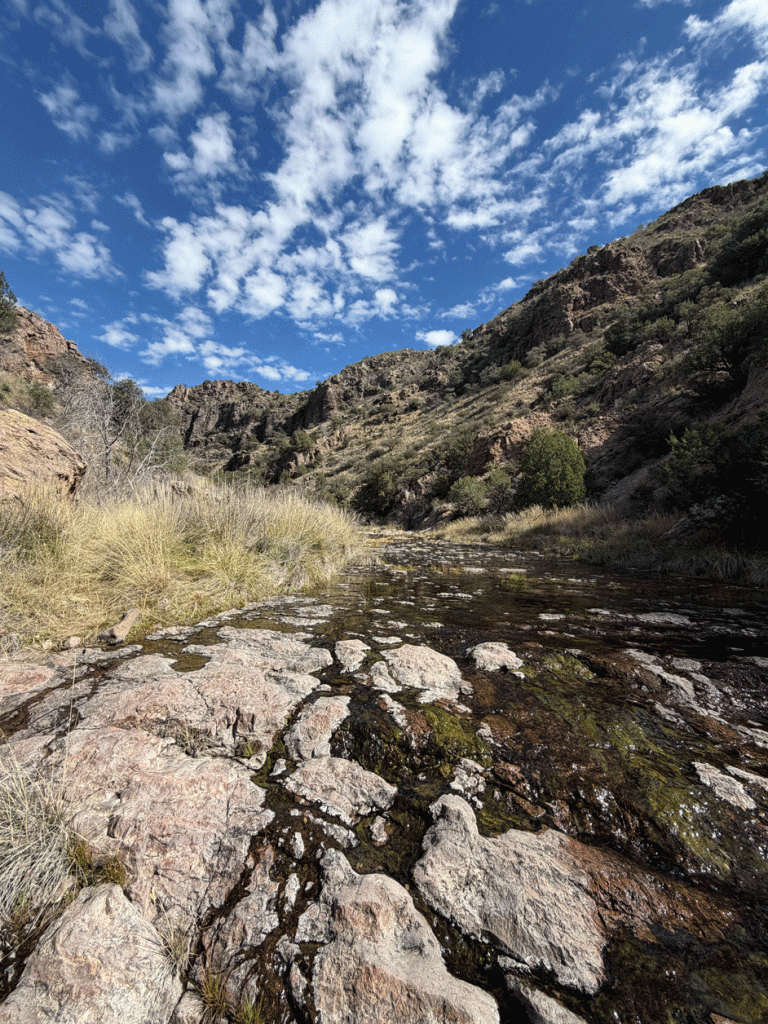
This one was taken a few minutes later. The agave stalk is huge!
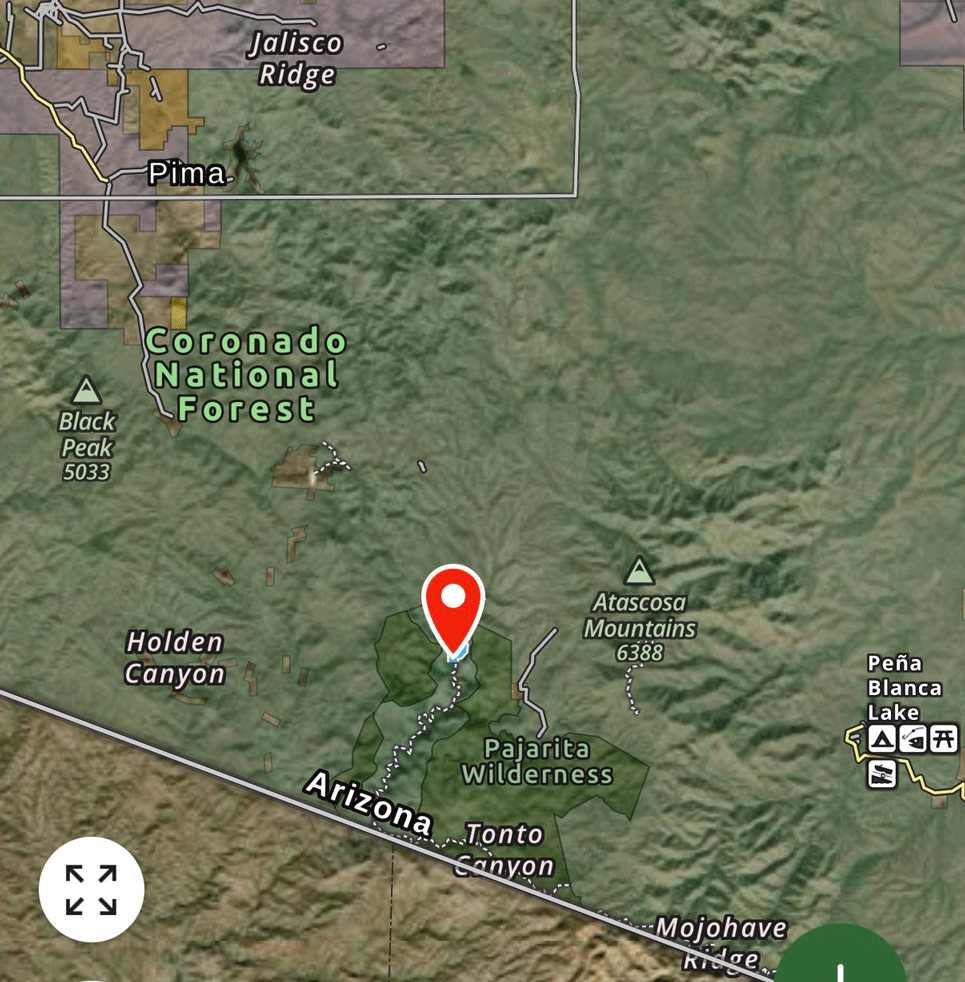
Here’s a screen shot of a map to give you an idea of how close we were to the Mexican border. There is an unpaved road to the trailhead, but it doesn’t show on this map. It’s 8 km (5 mi) from the road to the border. We turned around at about 2.5 km (1.5 mi) from the trailhead.
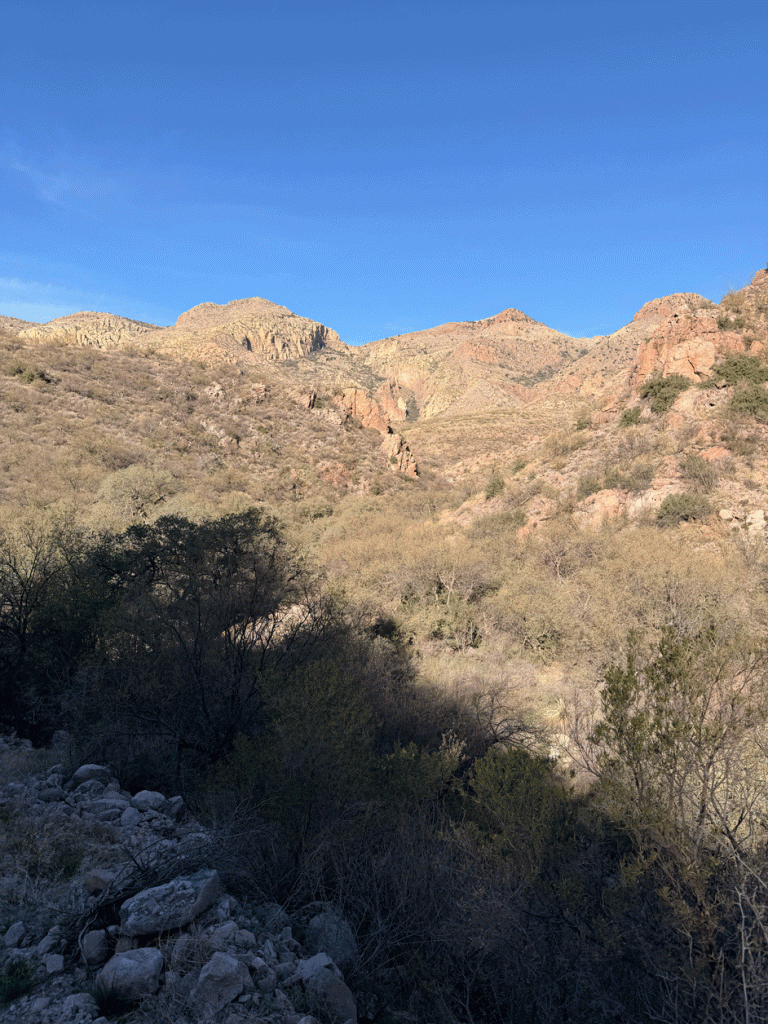
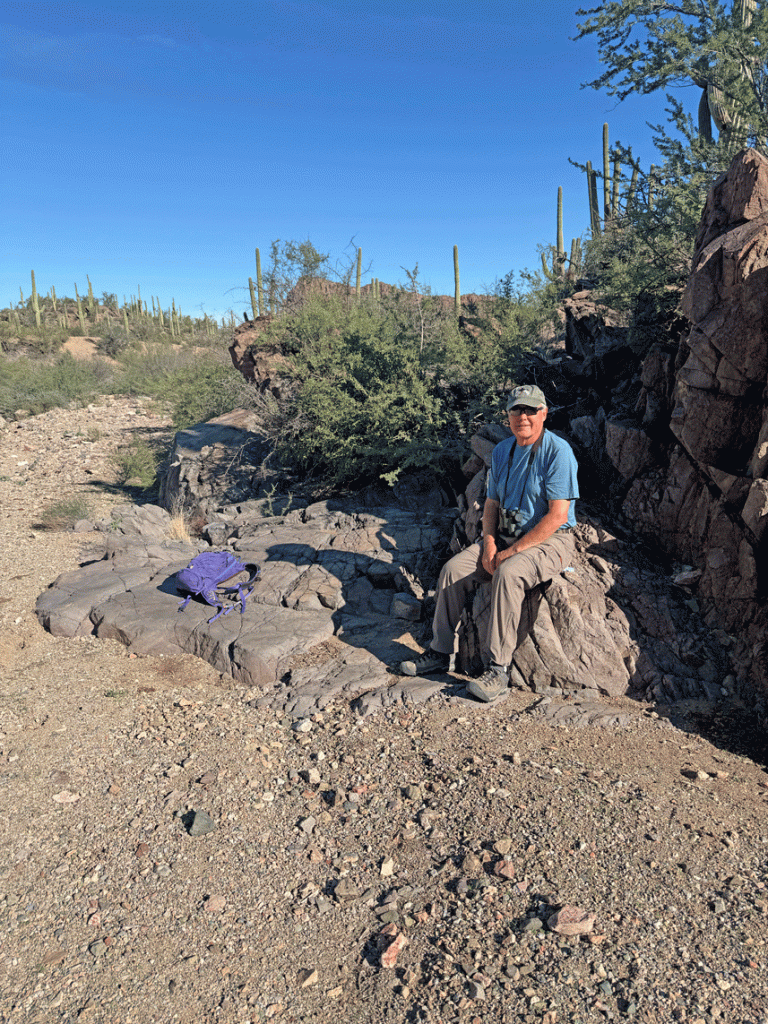
After visiting Chino and Sycamore Canyon, we keen to explore new canyons. We read eBird reports and talked to other birders. When we saw a report of a Five-striped Sparrow at Rock Corral Canyon we knew a bit about the place and went the next morning. A rough road goes up the canyon, but just like at Chino Canyon, we parked before a steep downhill section. The photo below was taken at our parking spot.
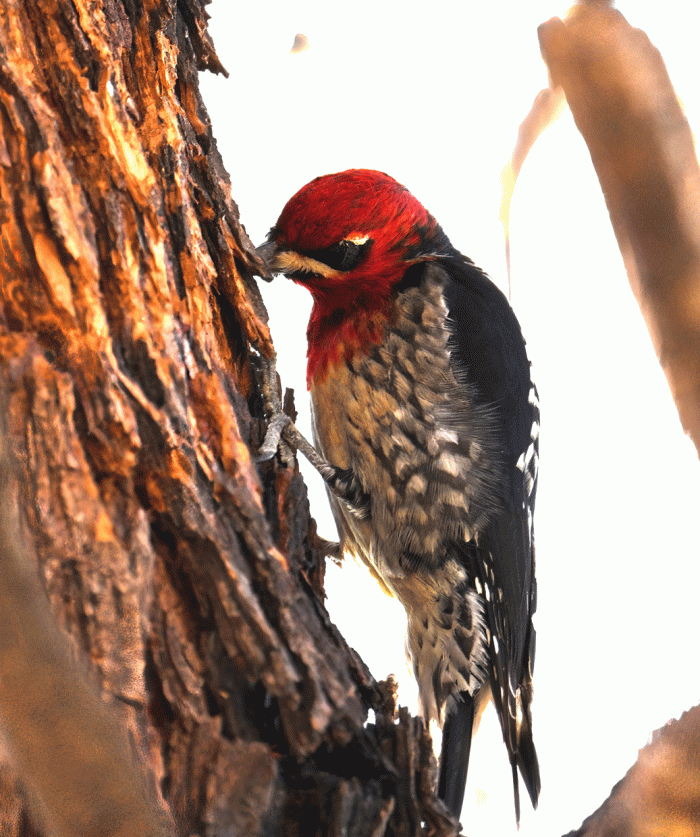
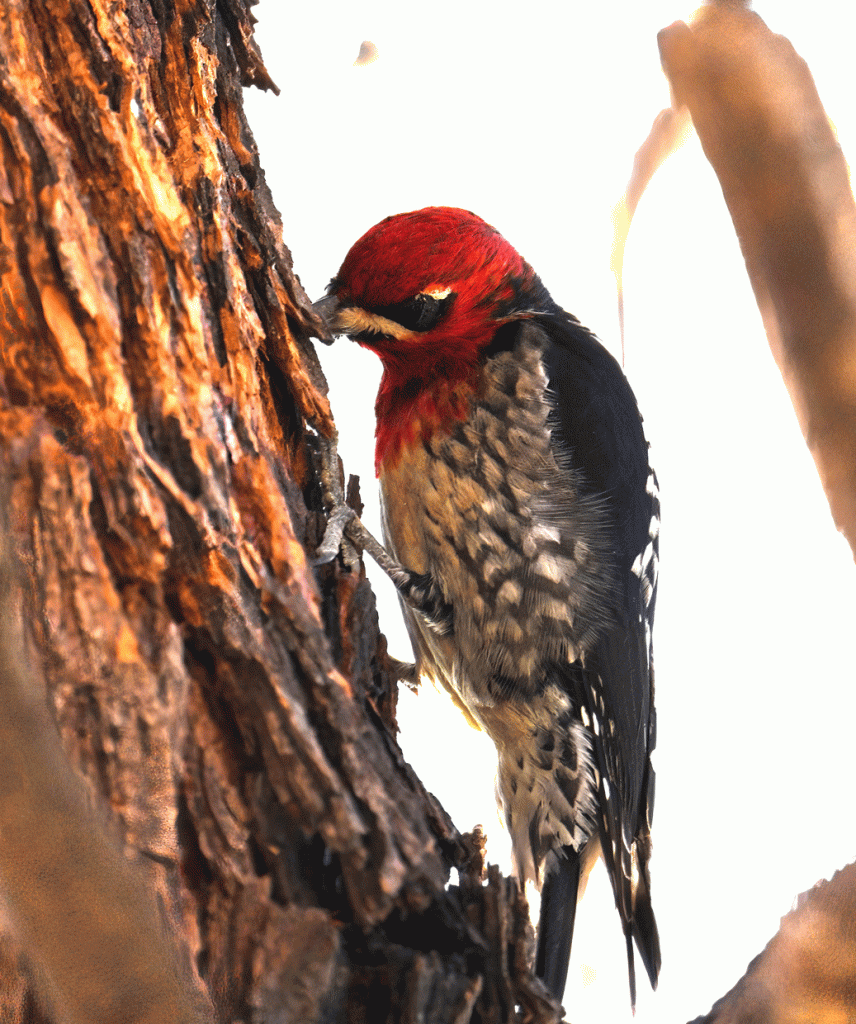
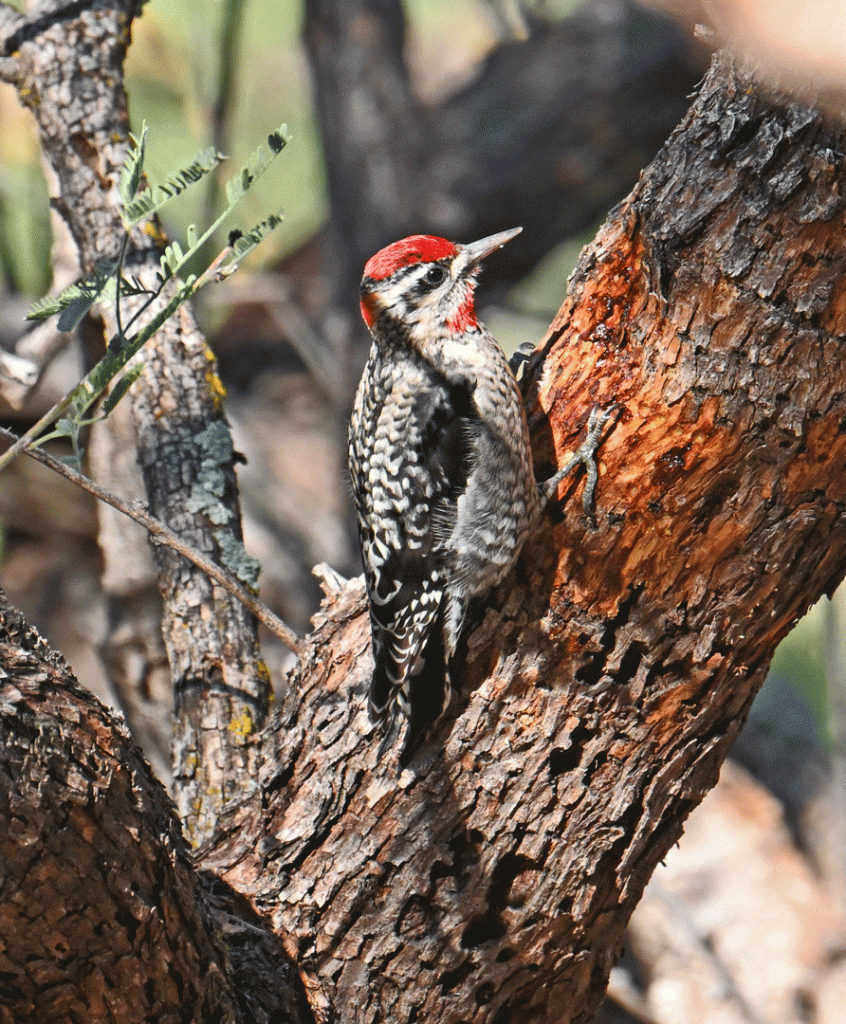
There was a lot of bird activity just at the corner below the first hill, and we had good views of this Red-naped Sapsucker.
Here’s the spot that the Five-Striped Sparrow had been reported. We waited here a short time without any bird activity, so we decided to explore the canyon.
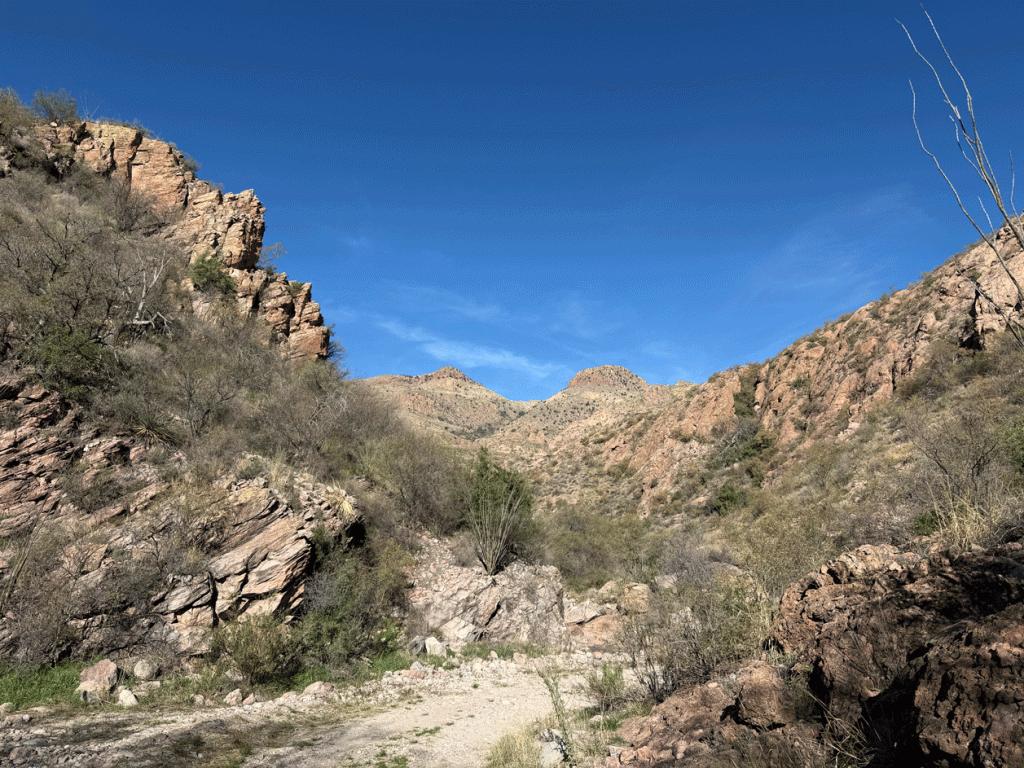
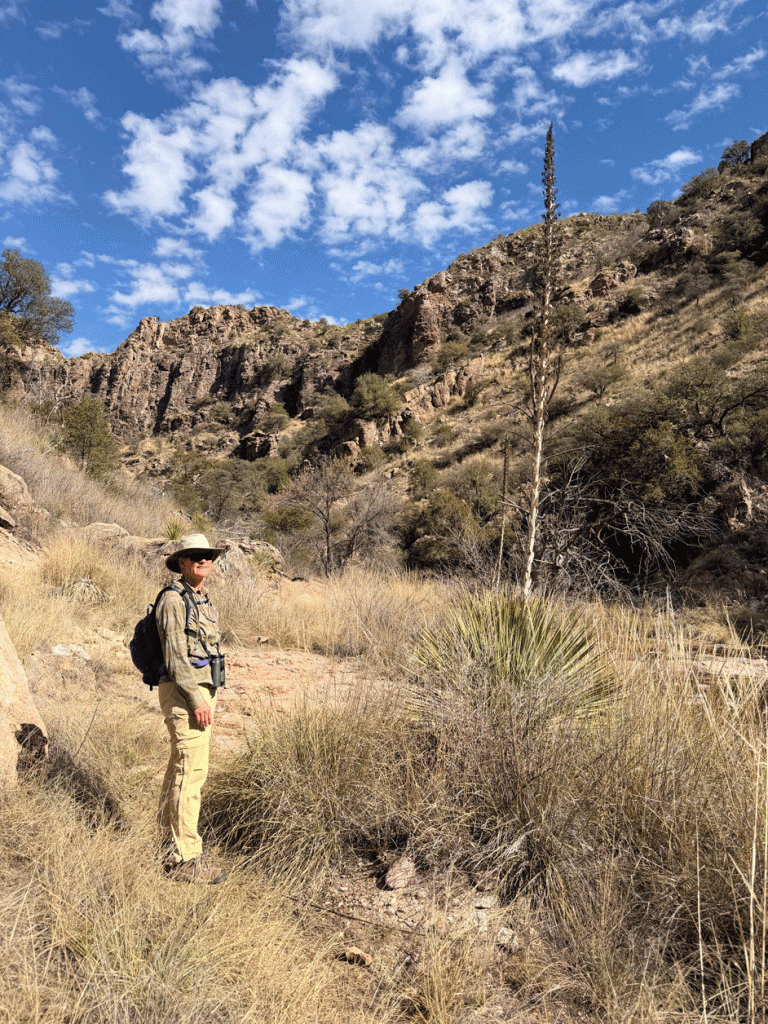
Doug got ahead and took this photo of Wendy about a half kilometre up the canyon, looking back towards the truck.
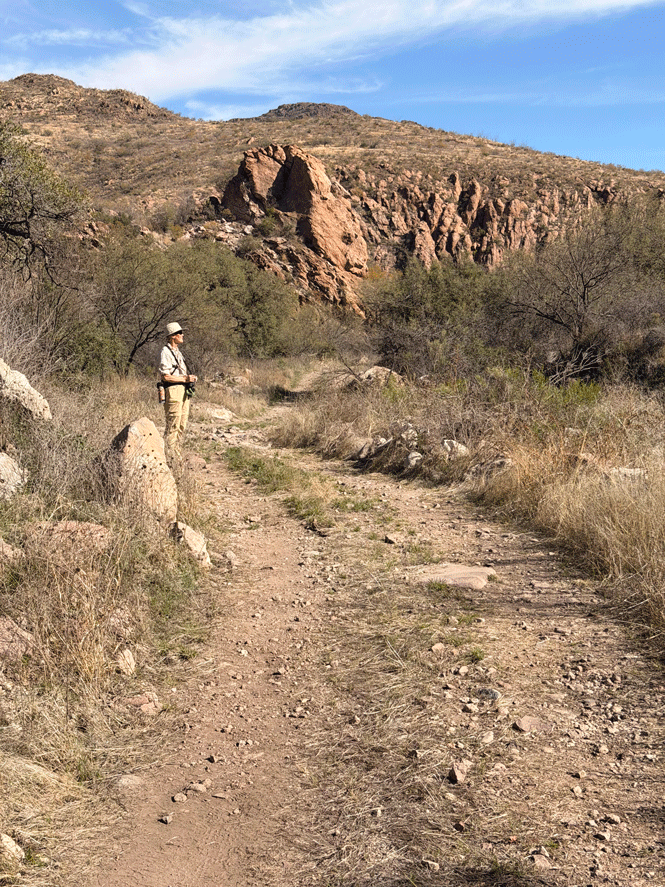
This is where we turned around that day, almost a kilometre from where we parked. That day, we saw 28 species, but no Five-striped Sparrow.
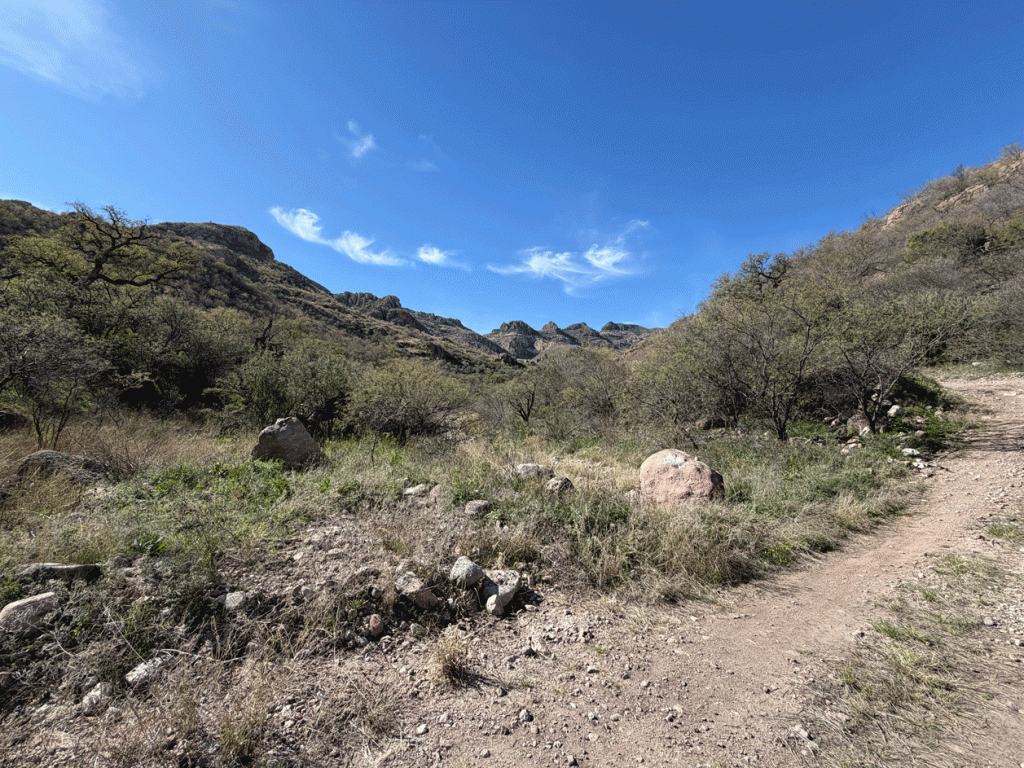
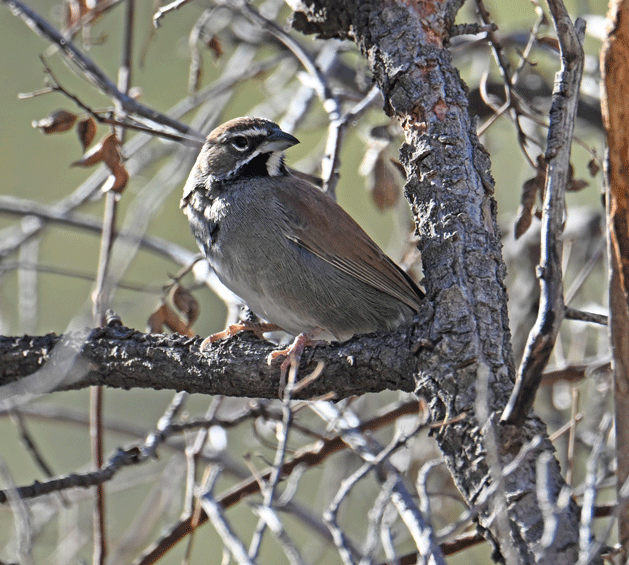
About a week later, we went back again with a different strategy. We got to the parking spot earlier and walked directly to the pinned location, and waited there. We scanned the slopes, hoping for a sparrow to appear. We had stood in one spot for a while, when we heard other people coming. It felt like a good time to change positions. Wendy heard some faint chips coming from the underbrush that she didn’t recognize. She “pished” and a bird with a dark brown back flew across the path. She called Doug over and he was able to get some photos. We alerted the other birders and everyone got to see it. Here’s Doug’s best Five-striped Sparrow photo. The photo shows three of the five stripes on its face.
According to “The Sibley Guide to Birds,” Five-striped Sparrows are “rare and local; found at only a few sites in Arizona where dense brushy vegetation covers steep slopes above permanent streams,” and goes on to say, “Secretive and difficult to see in dense brush except when male is singing.” We had only ever seen one before in our life, so we were very happy.
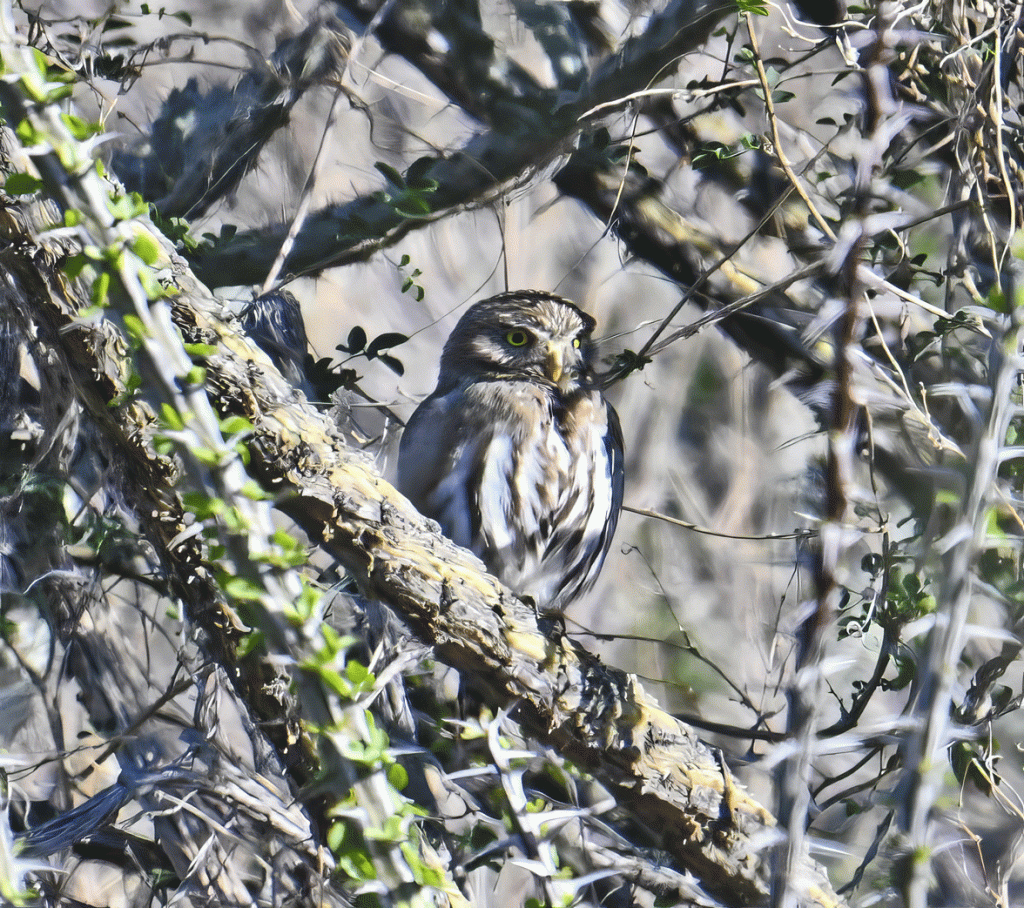
We also visited three washes in February. The first one remains unnamed because it was near to where we saw this Ferruginous Pygmy Owl. Ferruginous Pygmy Owls are sensitive species and any report is hidden on eBird. The little owl is only 17 cm (about 6.5″) high. It is sitting in an ocotillo bush almost hidden. For reference, the ocotillo branch that it is perched on is only about 2.5 cm (1″) wide. Luckily it was hooting, so we could figure out its general area.
The owl is in the middle of the red circle in the lower centre of the photo below. It was about 150 metres up the rocky slope from the wash.
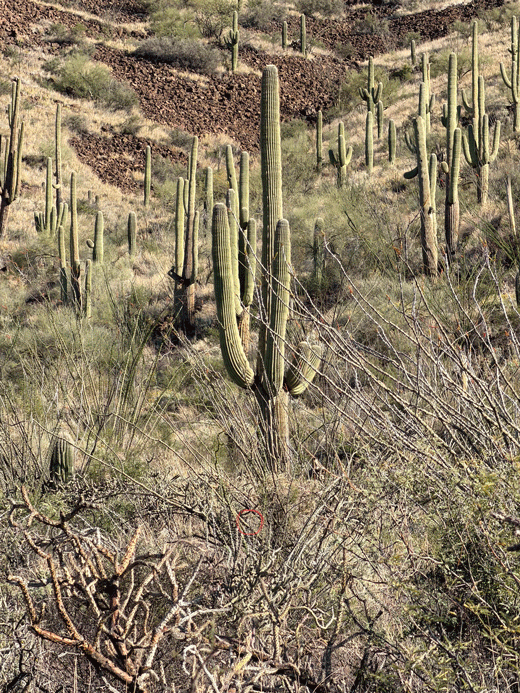
Perhaps you can make out the distinctive saguaro with two short arms on the right side that is right behind the owl, in the photo below. We walked a little closer, but still stayed a long ways away, because we didn’t want to disturb the bird.
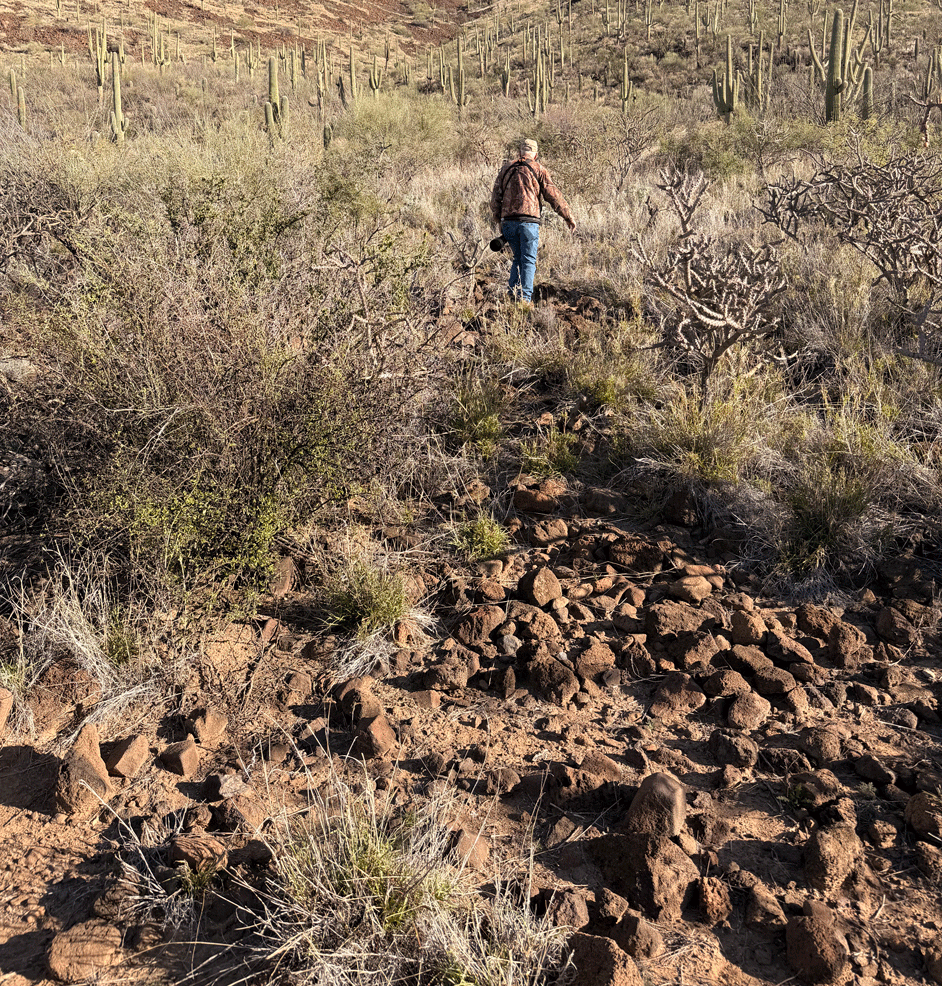
Before we saw the Gray Vireo at Chino Canyon, we looked for one in Dobie Wash. Last year, we saw that rare bird when we were in the middle of a five-hour loop hike. This year, we thought we would see if we could find it in the wash, without doing the rest of the hike. We parked in a pullout on Golden Gate Road that was close to the wash. Although we didn’t follow a trail, we weren’t worried about getting lost. Walking in the wash was pretty straightforward.
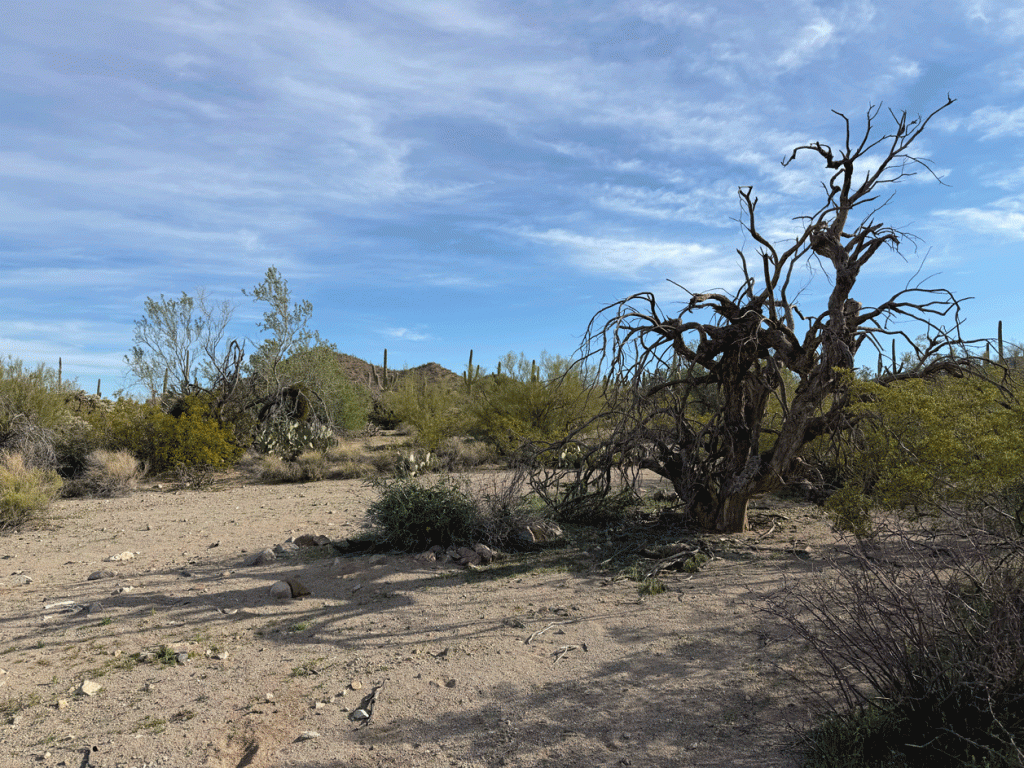
Dobie Wash, like most washes in the Southwest, are dry except for during heavy rains during monsoon season. We love the shapes of the dead ironwood trees.
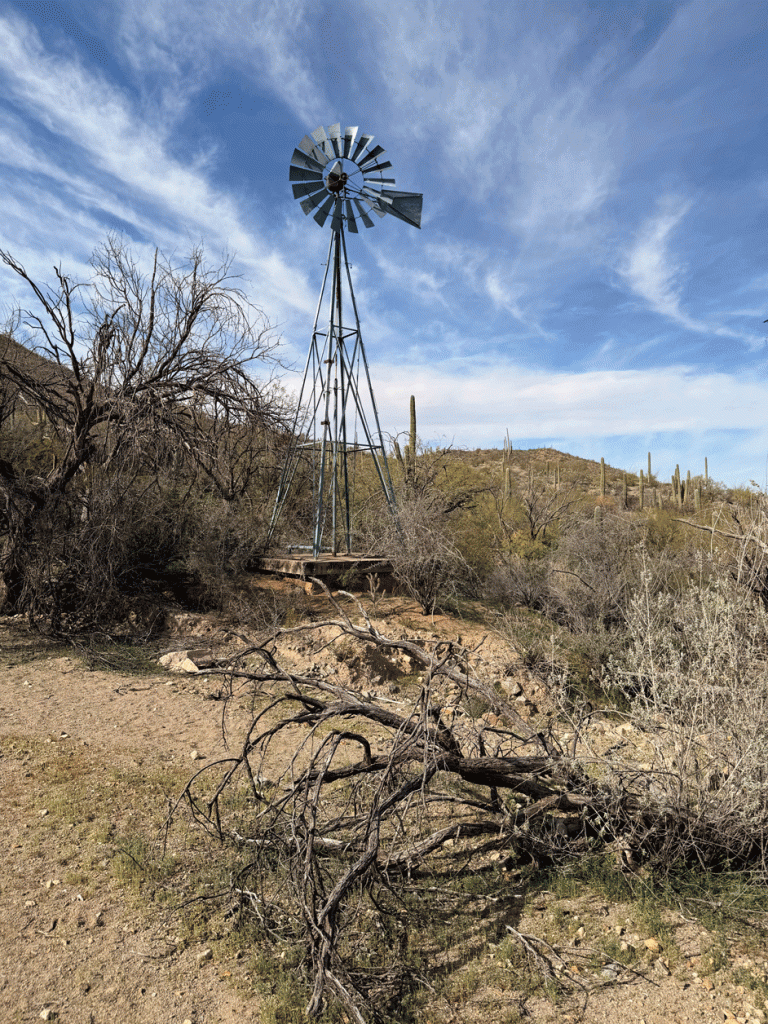
We walked up to the old windmill that we discovered last year. It’s a remnant of the work that was done by the Civilian Conservation Corps in the 1930s. We saw or heard sixteen species of birds that day, but no Gray Vireo.
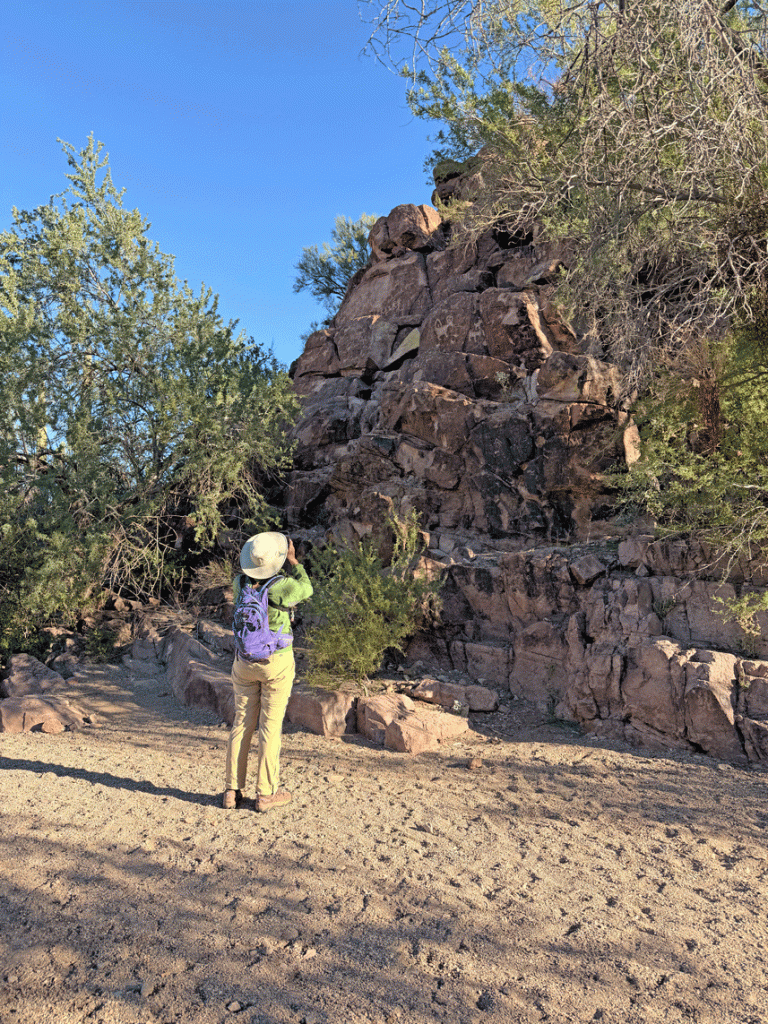
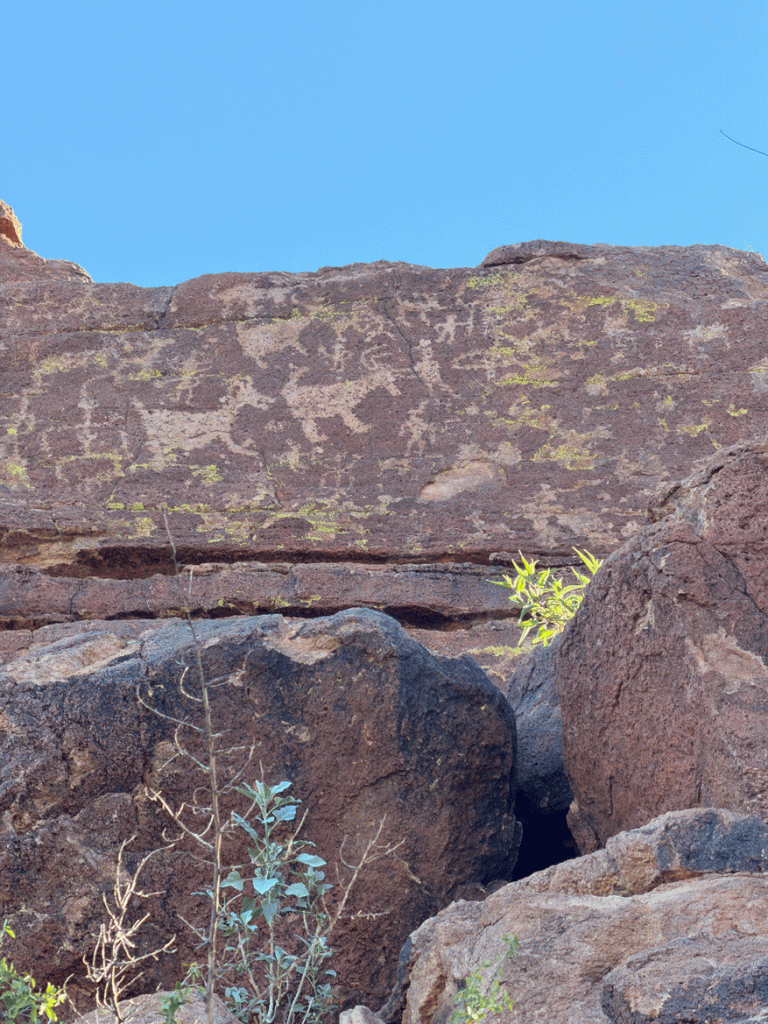
Another day, we searched again for a Gray Vireo at Wild Burro Wash in the Tortolita Mountains. We often walk along the wash when we’re hiking, but this time we wandered a bit more as we concentrated on the birds. We noticed this boulder with petroglyphs for the first time.
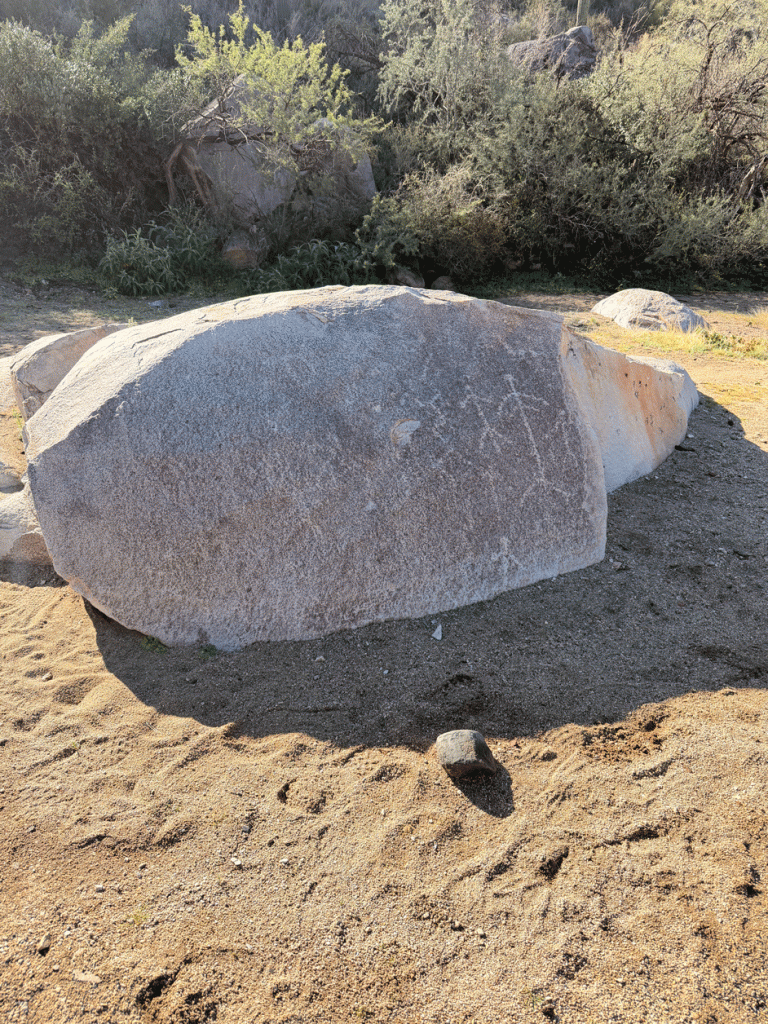
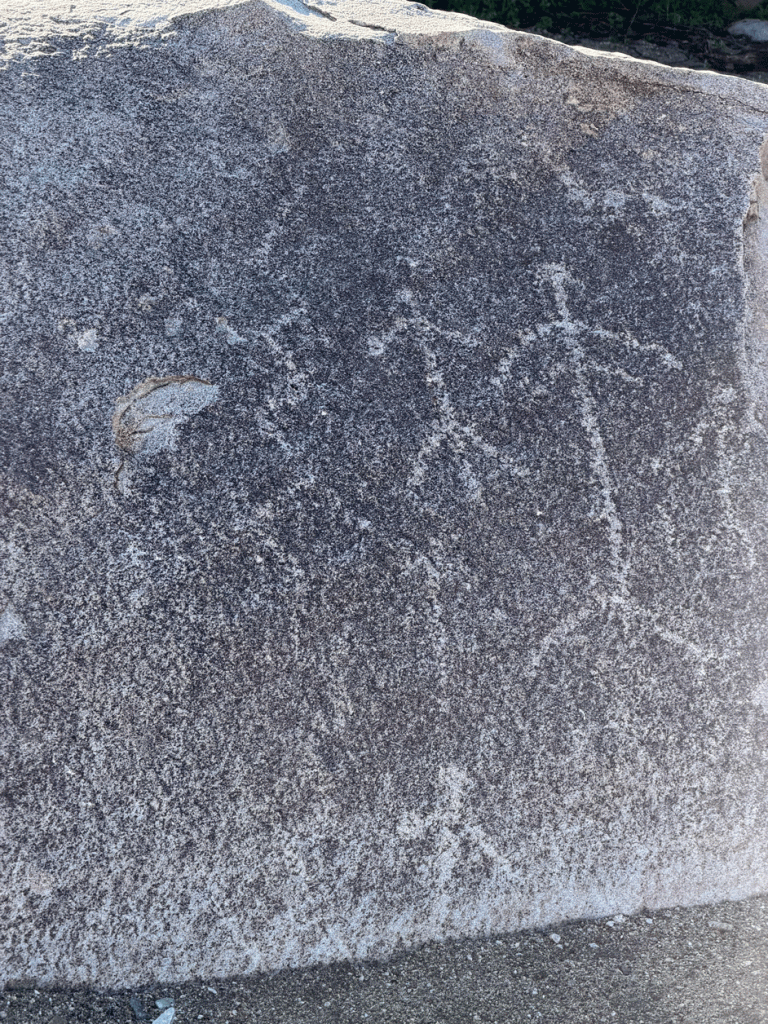
The petroglyphs are quite faint. If we had better light, we might have been able to discern figures throwing spears. Apparently these are pre-Hohokam and date as far back as 6000 BC.
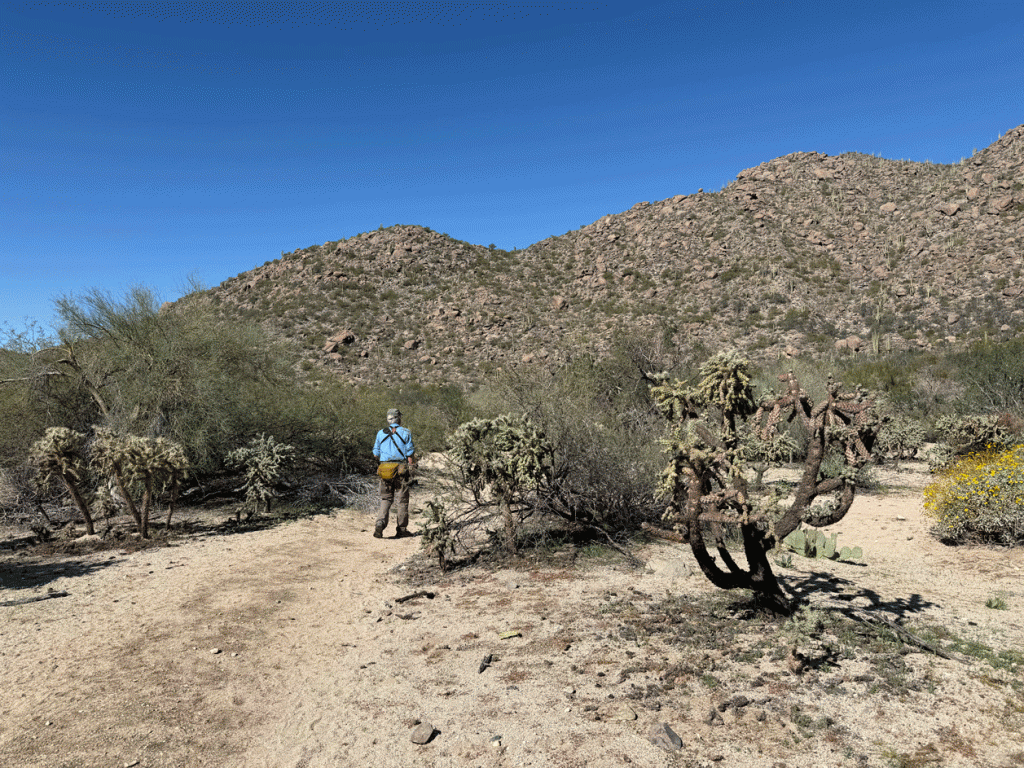
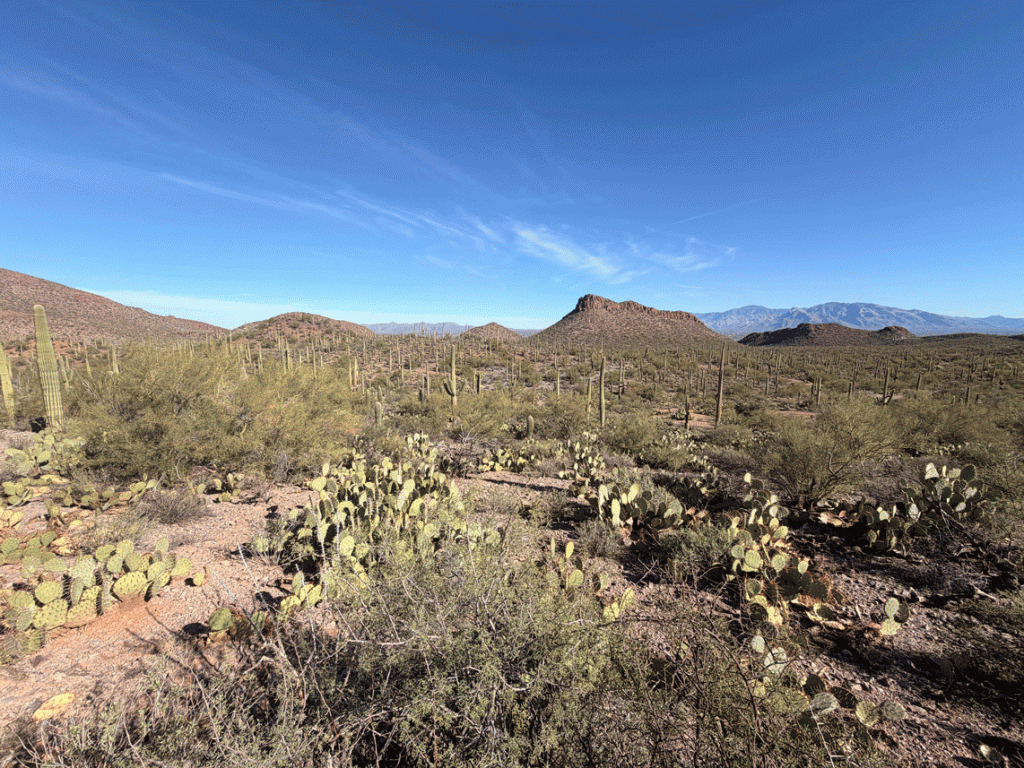
Here’s a view of the flat wash. Usually when we visit this area, we climb up the trails on the ridges that are on both sides of the wash. It was another nice day with nice birds (28 species), but no Gray Vireo.
February was a pretty busy month for exploring and looking at birds. March is shaping up to be just as good.
And sometime soon, we will organize our photos and write-up about the first few weeks in January in Arizona.





































































 Travels with a Fox