After returning from Belize and Guatemala in January, we got back into birding in Arizona. We spent pretty much every day birding. We explored three beautiful canyons searching for rare birds and took so many photos there that we will dedicate Part 2 to the canyons. Part 1 will cover everything else.
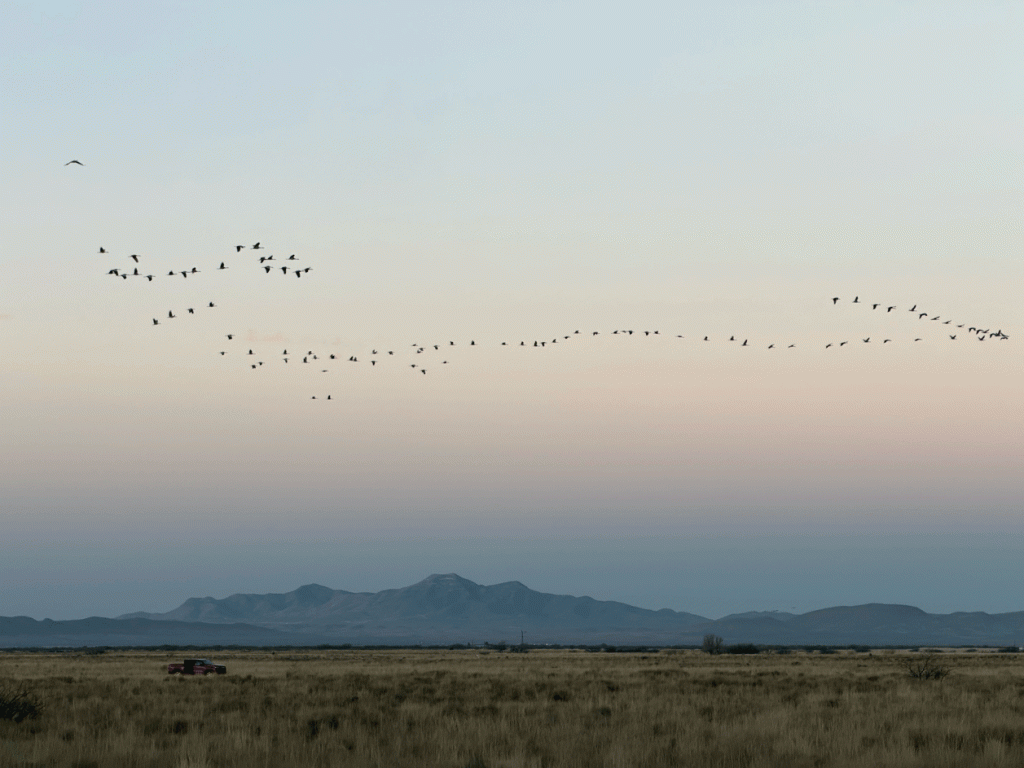
In early February, we drove to Willcox for first light, in hopes of seeing sandhill cranes. (January 2025’s post has some beautiful photos in early morning light.) This year however, there wasn’t a crane to be seen at Lake Cochise. We could hear them but they were all way out in the fields. We saw them airborne, as they left their roosting spots and flew off to forage to unknown fields. It was disappointing, but birds are not always predictable. Here’s a view as they flew away from us.
So we drove an hour and a half south to Whitewater Draw, which is famous for the numbers of Sandhill Cranes that roost there each evening. We arrived at 9:15, which meant we had a couple of hours to look at the other birds before the cranes would come back from their morning excursion.
We usually hear Marsh Wrens more often than we see them, and since they rarely pose for photos, any photo is a win. This little guy looks like it just woke up.

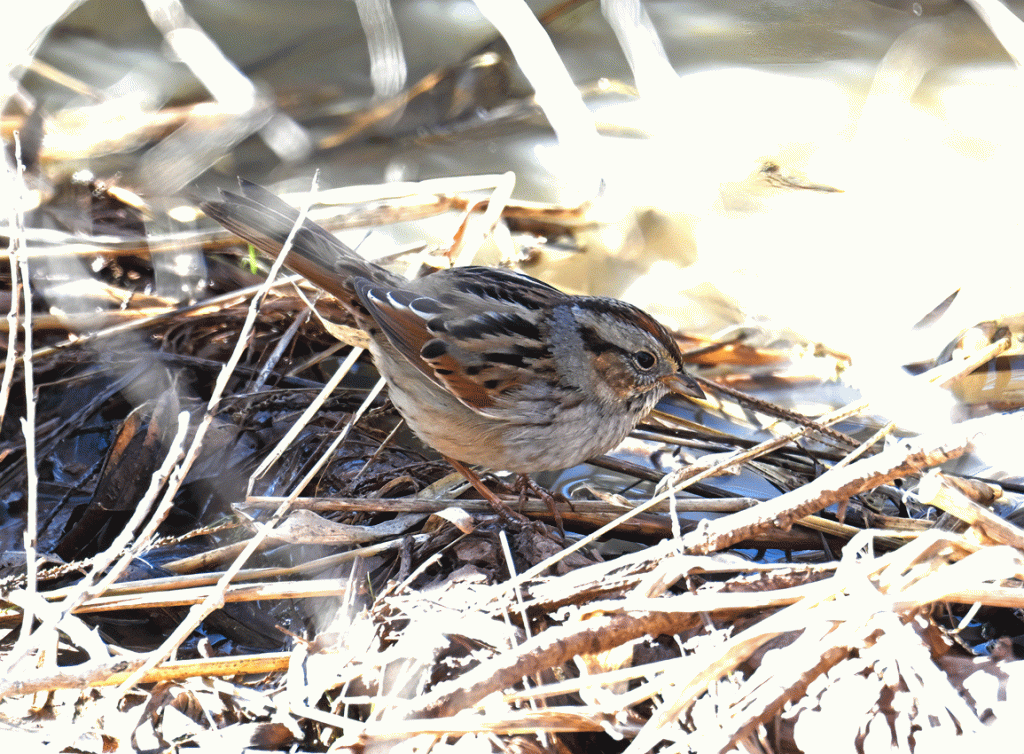
Our Merlin app alerted us to the chip note of a Swamp Sparrow, so we tried to find it. It was foraging just below the trail in the shadows, but luckily for us, it spent some time out of the dense cover that the species prefers. Swamp sparrows are considered rare at almost every location that we bird, but they are not unusual at Whitewater Draw.
The Sandhill Cranes started trickling in around 11 o’clock. By noon, a fairly large group of them were resting at the shore close to the trail. At least another several thousand landed farther away and required binoculars or a scope to see them.
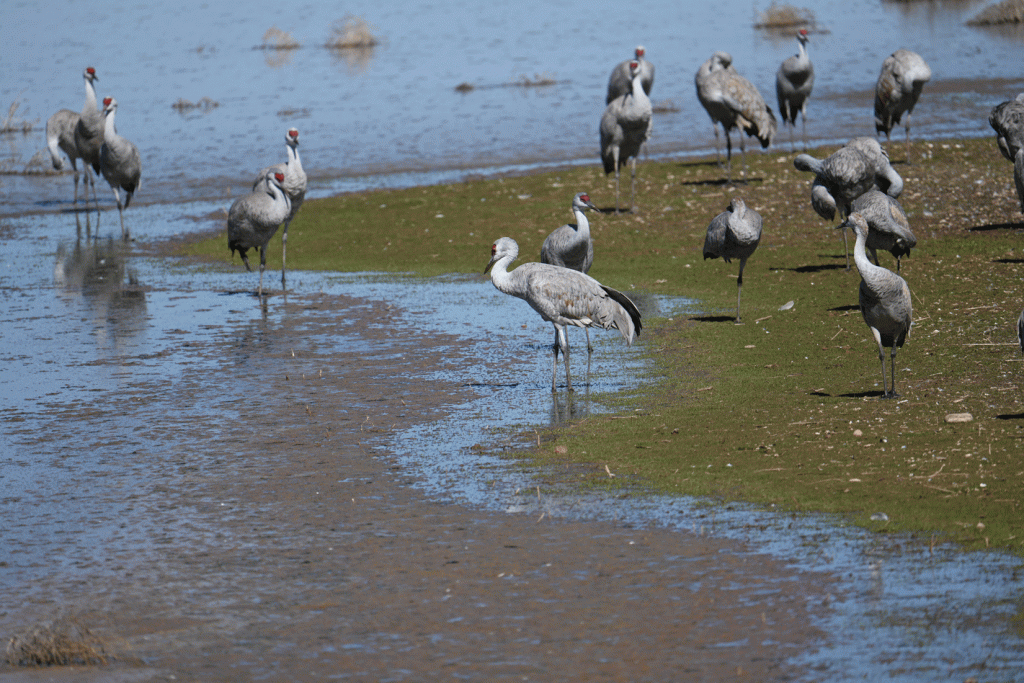
Here are a couple cranes in their gray winter plumage. When we see Sandhill Cranes in Canada in the summer, they appear reddish. This is because the cranes will stain their feathers at the beginning of the breeding season. They use their bills to apply small amounts of soil to individual feathers. Perhaps they colour themselves to help them be less conspicuous in periods when they are flightless. Or is it a form of cosmetic colouration? Whatever the reason, the cranes will be a different colour in different areas depending on the colour of the local mud. By the end of summer, the colour wears off and they go back to their normal gray.

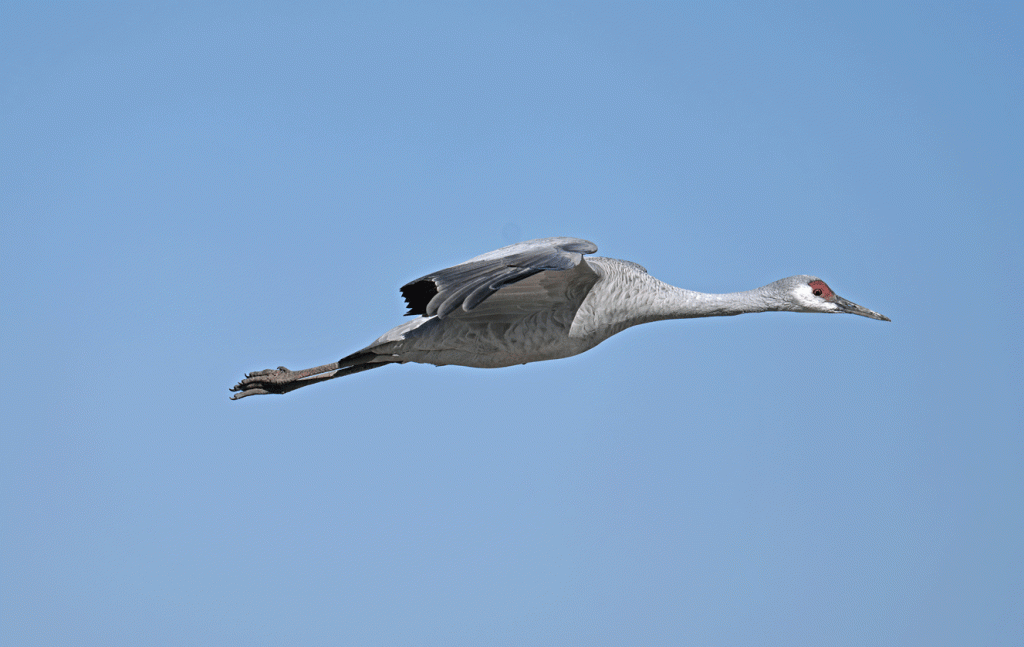
Here’s one in flight. They look so awkward on land, but have an aerodynamic profile in the air.
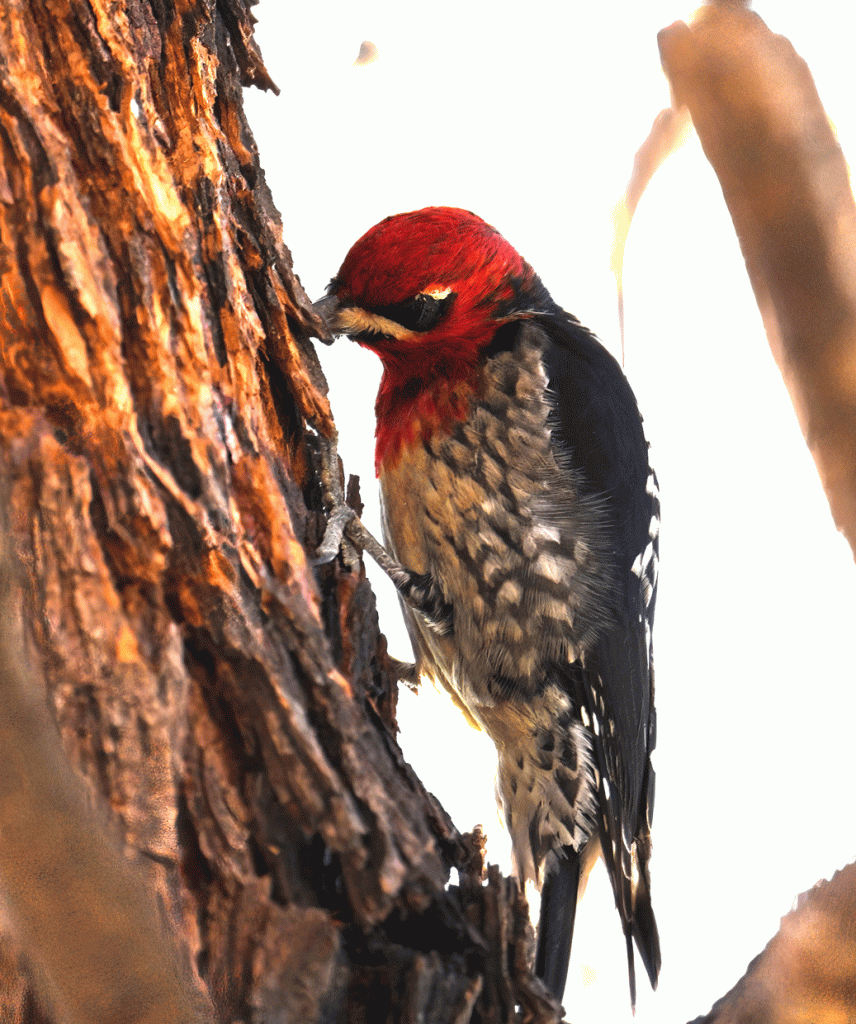
On our way back to Tucson, we stopped in Green Valley and saw the rare Red-breasted Sapsucker on its favourite tree. Sapsuckers stay near their favourite trees because they’ve invested a lot of energy drilling sap wells. They visit the wells frequently throughout the day, enjoying the sap as well as any insect that might also be attracted to the sweet liquid.
In the winter, the closest place that Red-breasted Sapsuckers would normally be found is California. They don’t live near us when we’re home in the summer, so it was nice to see one here.
An American Woodcock showed up in Tubac, so we went to see it. In the winter, this species should be in the Southeast US from East Texas to the Atlantic Coast. It’s a unique looking bird, sometimes referred to as a “Timber Doodle.” It eats earthworms and catches them by probing the soil with its long bill. It moves by taking short forward steps and rocking its body while keeping its head perfectly steady. It’s so much fun to watch!
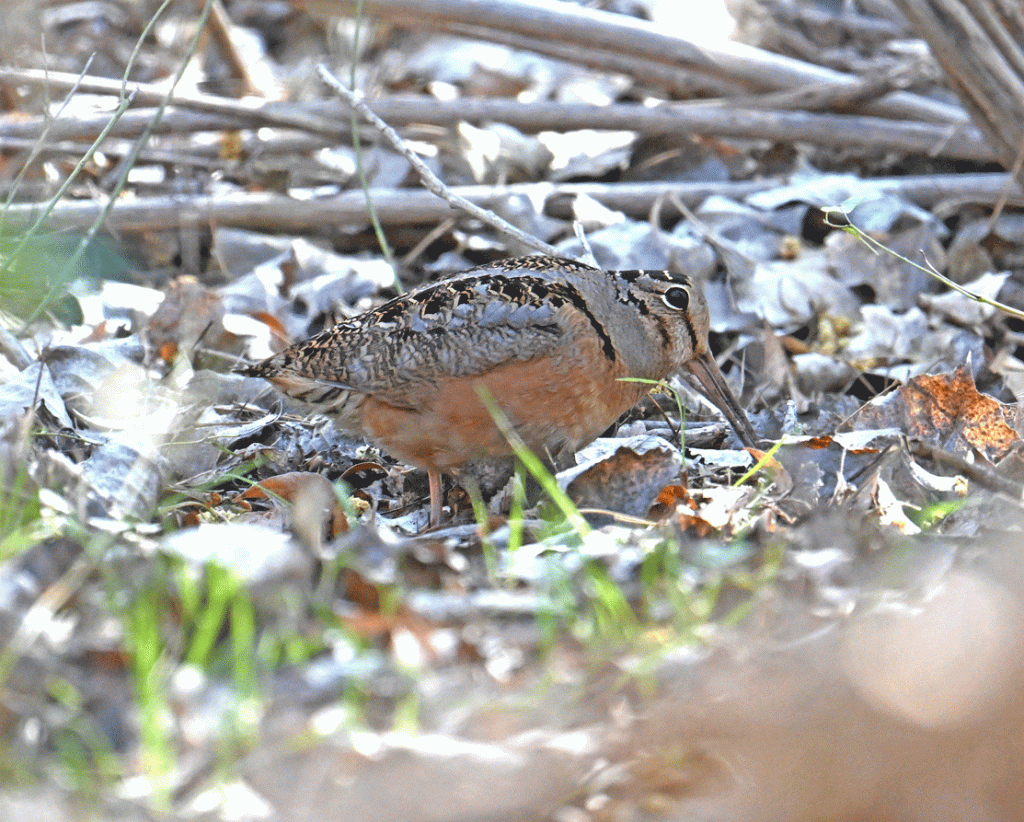
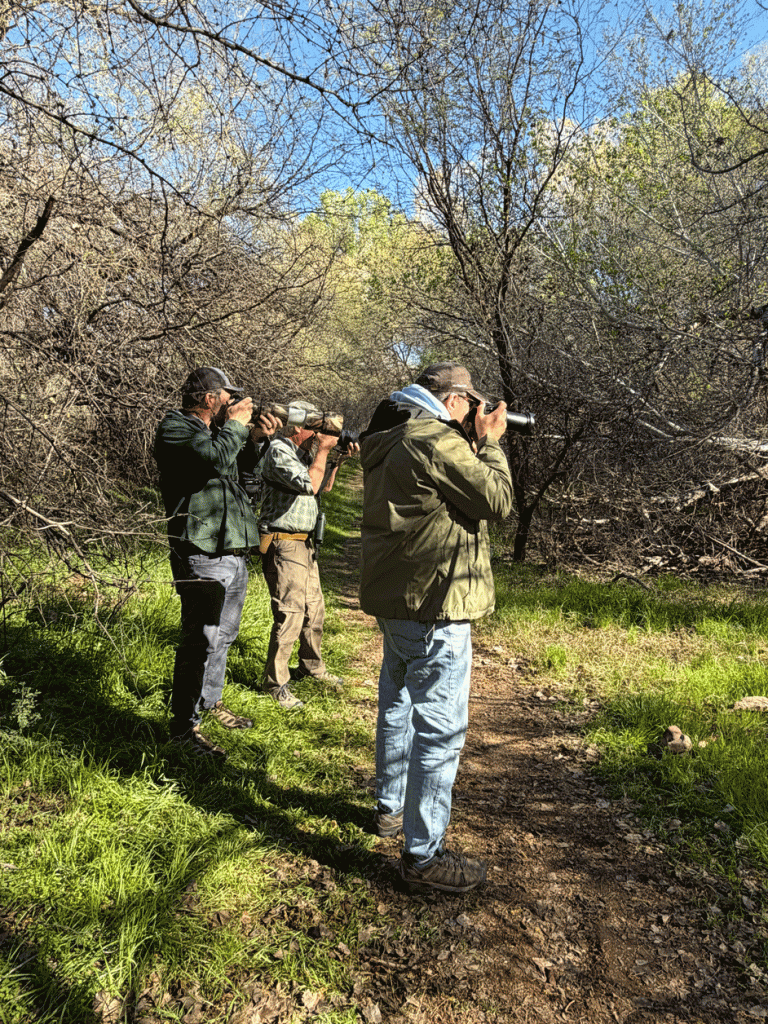
Everyone stayed on the trail to have a look and take photos, but the woodcock did not seem to even notice us. We had time to chat with other birders that had come to see the bird that morning. We heard the story of how the woodcock had been found.
Apparently, the woodcock had been in the area for several days, but it didn’t become known to the birding community until a video that was taken by a non-birder got to one of the “pros” that come to Tubac for Hawk Watch. This person was able to examine the metadata on the video and determine the location where it was recorded. A group went out one evening and located the bird foraging in the forest near the community centre garden. Luckily, the next morning, a determined birder relocated it. He got the word out and soon several people were watching it. That morning, it stayed within view for at least an hour and a half. Many people saw the woodcock in the next several days.
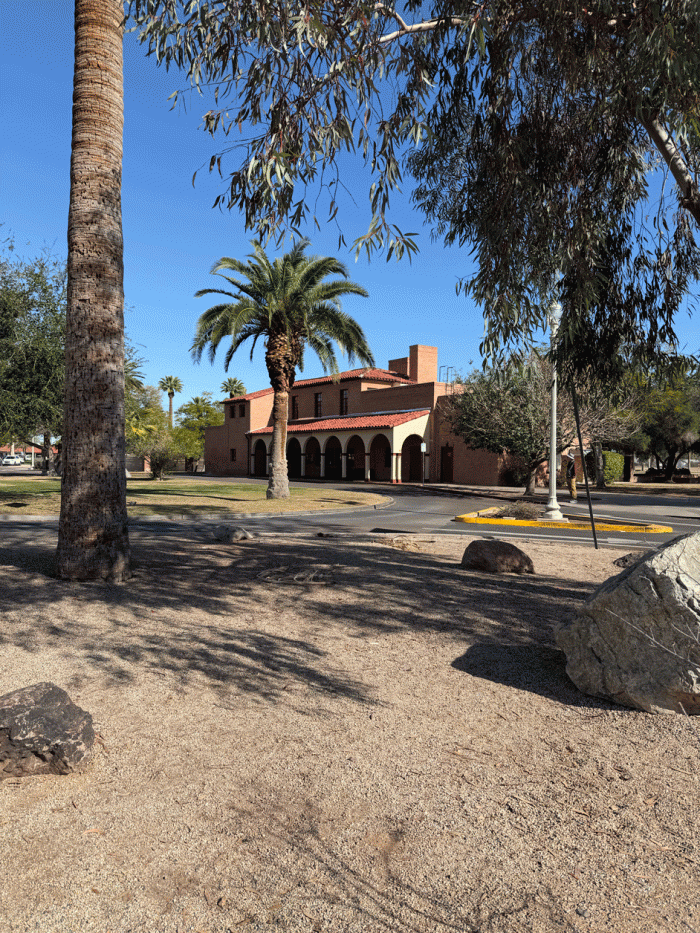
Another day, we took a day trip up to the Phoenix area to see some new birds and “First of Year” (FOY) birds. We went to Encanto Park, a large park in central Phoenix that was established in 1935. Below is a view of the clubhouse which now can be rented for private functions.
Luckily for us, the Rosy-faced Lovebirds that we had come to see were enjoying the palm trees right by the parking lot. They are a very small, colourful parrot with a relatively large head. This photo gives a good view of their pinkish face.
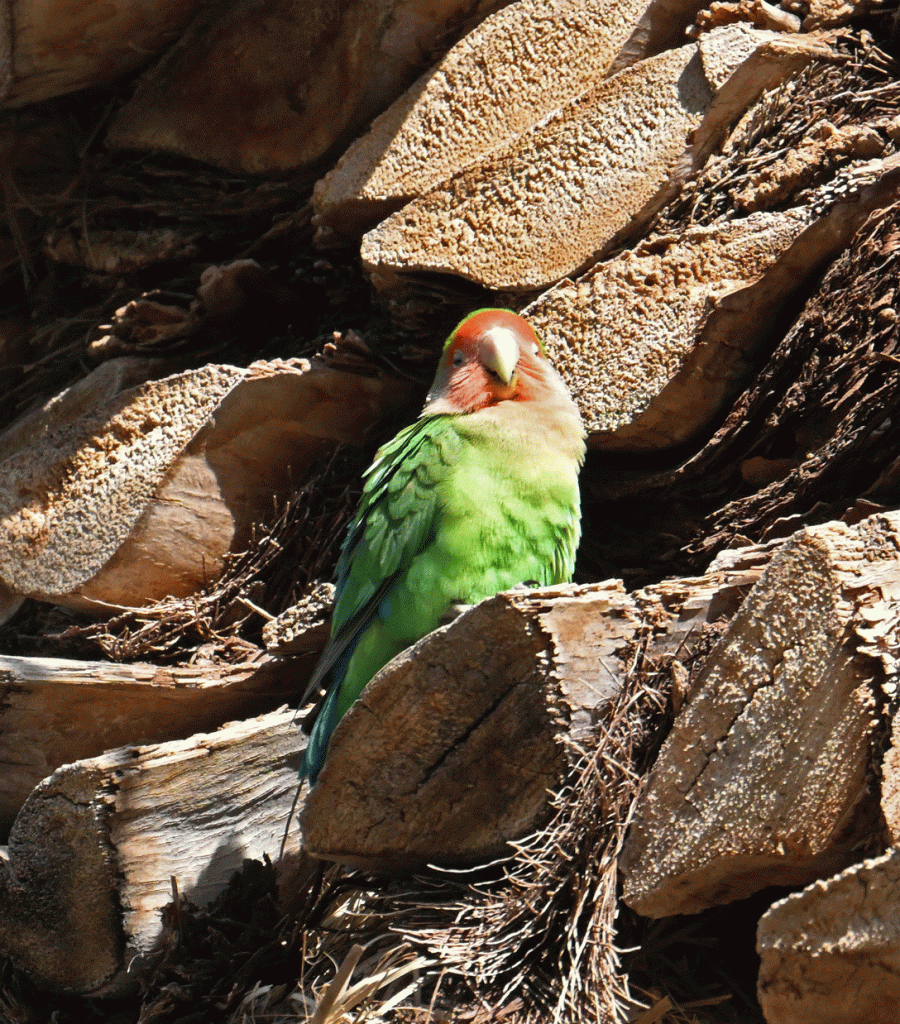
Here’s another lovebird photo. Rosy-faced Lovebirds are native to Africa, but were accepted on the official ABA bird list in 2013, because of the naturalized population of more than a thousand individuals in the Phoenix area. We have seen this species once before in Hawaii, but those birds were considered “escapees” and didn’t count on our official list. This photo gives a good view of their short blue tail.

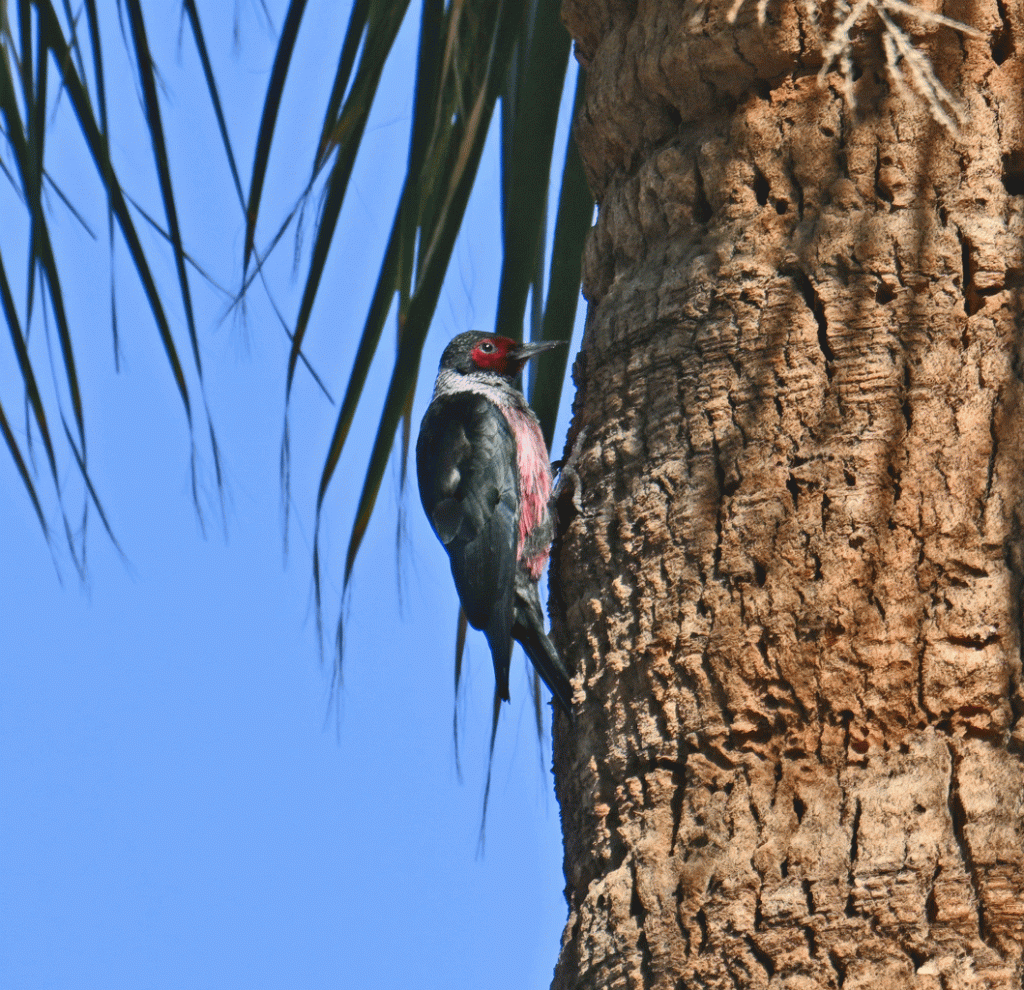
Another bird flying around the palm trees caught our eye. We got closer and realized we were looking at a Lewis’s Woodpecker. Lewis’s Woodpeckers fly differently than most other woodpeckers, flying more like a crow. They will sally into the air to catch flying insects rather than drilling into the tree for larvae.
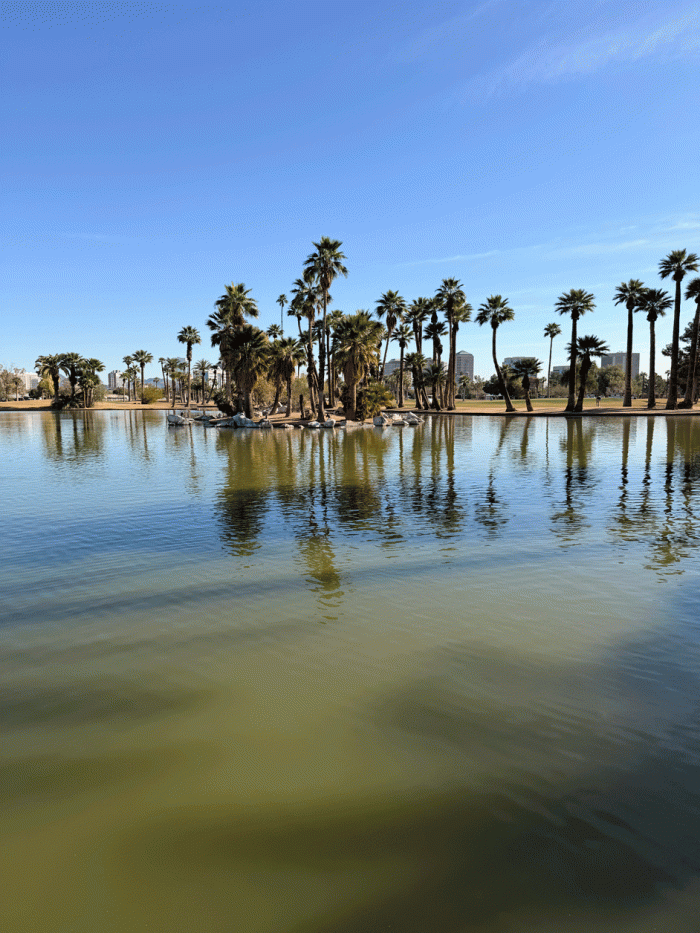
After seeing these two species we were ready to head to the next spot, but we needed the washroom first. Walking over, we realized that the park was a lot larger than we first thought. Here’s a view of the 3 hectare (7.5 acre) lagoon. The whole park is almost 90 hectares (222 acres) and includes sport facilities like tennis courts and softball fields as well as a golf course.
Next we drove to a spot in Queen Creek, where Monk Parakeets were nesting. Monk Parakeets are native to South America and are the most abundant naturalized parrot in the US. The population in Queen Creek is considered “Provisional” because the parrots have been breeding in the wild for several years but are not yet considered “Naturalized.” We can count this one as a new species on our life lists. We saw at least five parakeets, but this one on its nest was the best photo.

Since we were nearby, we visited the Riparian Preserve at the Gilbert Water Ranch. We only saw two American White Pelicans, when we often see a dozen or two. Perhaps they have started migrating north already.

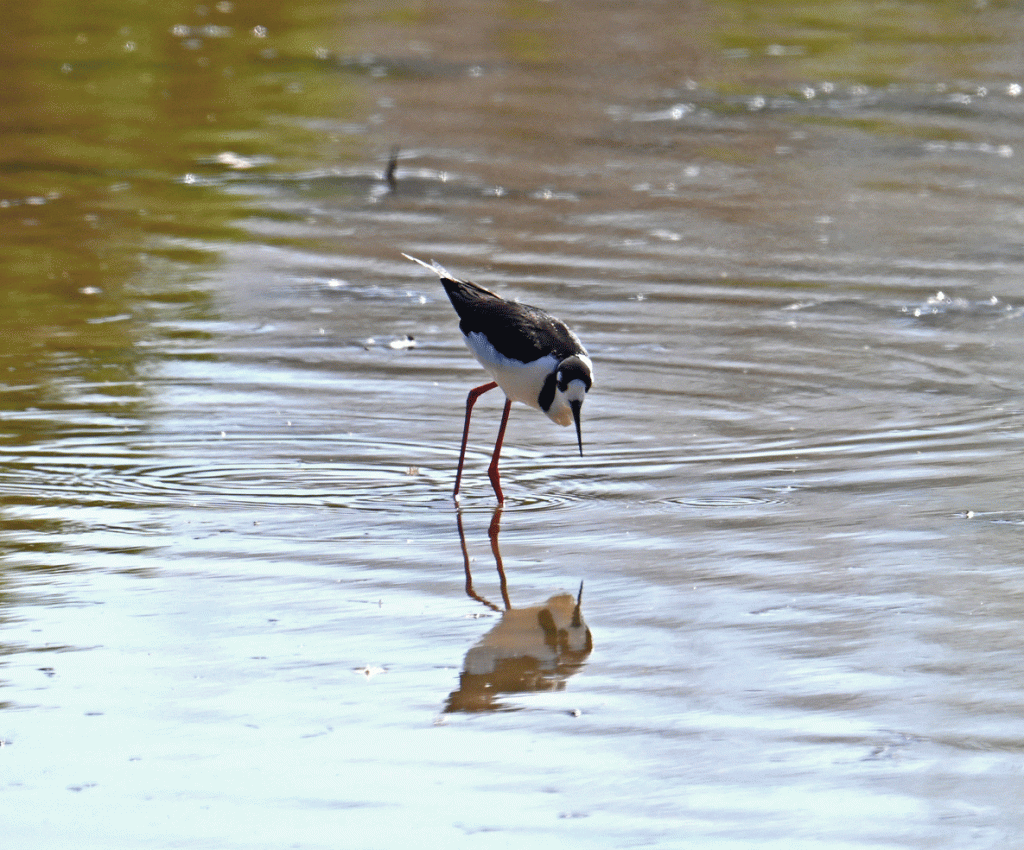
This Black-necked Stilt appears to be looking at its own reflection. Stilts have the same colouration all year. We also saw American Avocets along with over thirty different species at the Water Ranch.
Another day, Doug birded by himself at La Posta Quemada on the east side of Tucson, because he would rather go birding than join Wendy at a quilt show.

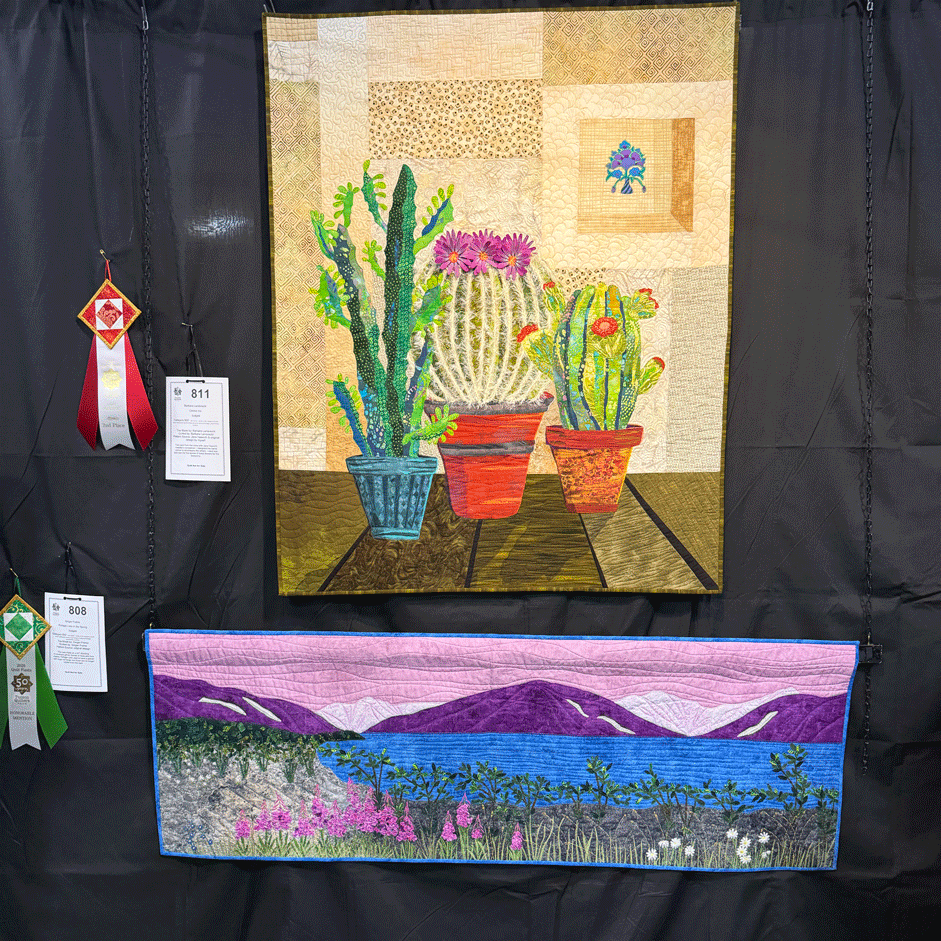
The Tucson Quilt Guild’s annual quilt show, “Quilt Fiesta,” was held at the Pima County Fairgrounds. Here are some quilts that Wendy enjoyed.
The top quilt has cacti that were made with a collage quilting technique taught by Jane Haworth. Notice the pieced background which was quilted with a variety of free-motion motifs. This one won 2nd place in the “Art Quilts: Realistic” category and was made by Barbara Lambrecht.
The bottom quilt won an “Honorable Mention” ribbon. It’s an Alaska scene, titled Portage Lake in the Spring. It’s by Ginger Frame.
The next two quilts use fabrics from the Kafe Fasset Collective. The first one is by Doreen Diaz and quilted by Athena Taylor. Doreen modified the “Sparrows” pattern by Pen and Paper by adding sashing and a border.

“Kaffe Butterflies” won an Honorable Mention ribbon. Pat Morris machine pieced and quilted it on her domestic machine.

We only went on one hike that wasn’t focussed on birding, although we did manage to see or hear 19 species over the two hours. We took our binoculars which allowed us to have good views of a Peregrine Falcon and to distinguish the small White-throated Swifts flying overhead. We started on the “Scenic Trail” in Saguaro National Park and made a loop by hiking through Sanctuary Cove.

The trail went over a saddle and along a ridge, giving us a good view of Sombrero Peak (Safford officially), on the left and Panther Peak on the right.

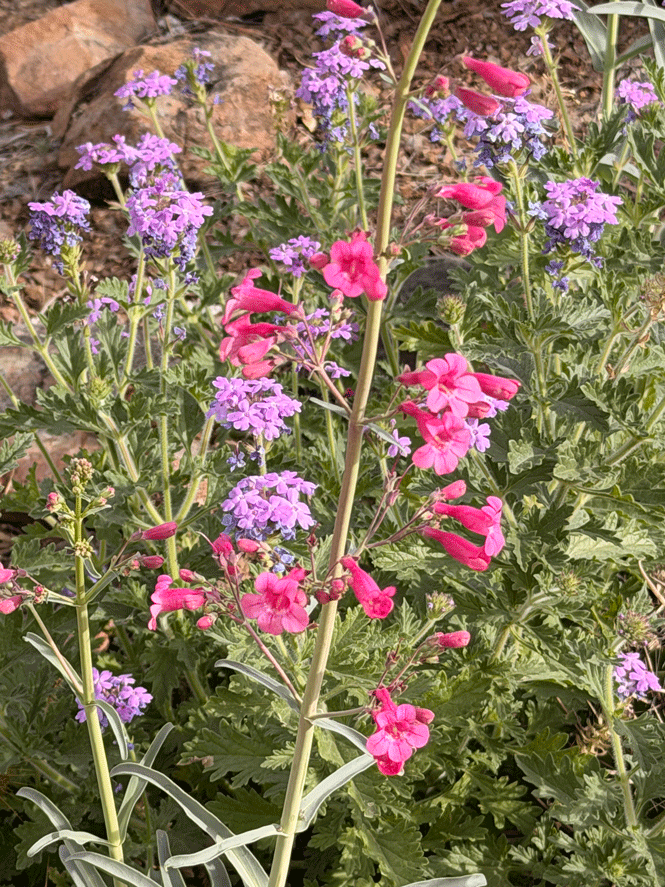
Here are some images from the Arizona-Sonora Desert Museum. The bright pink penstemon is one of our favourite flowers.
This is a view of the cactus garden in mid-February.

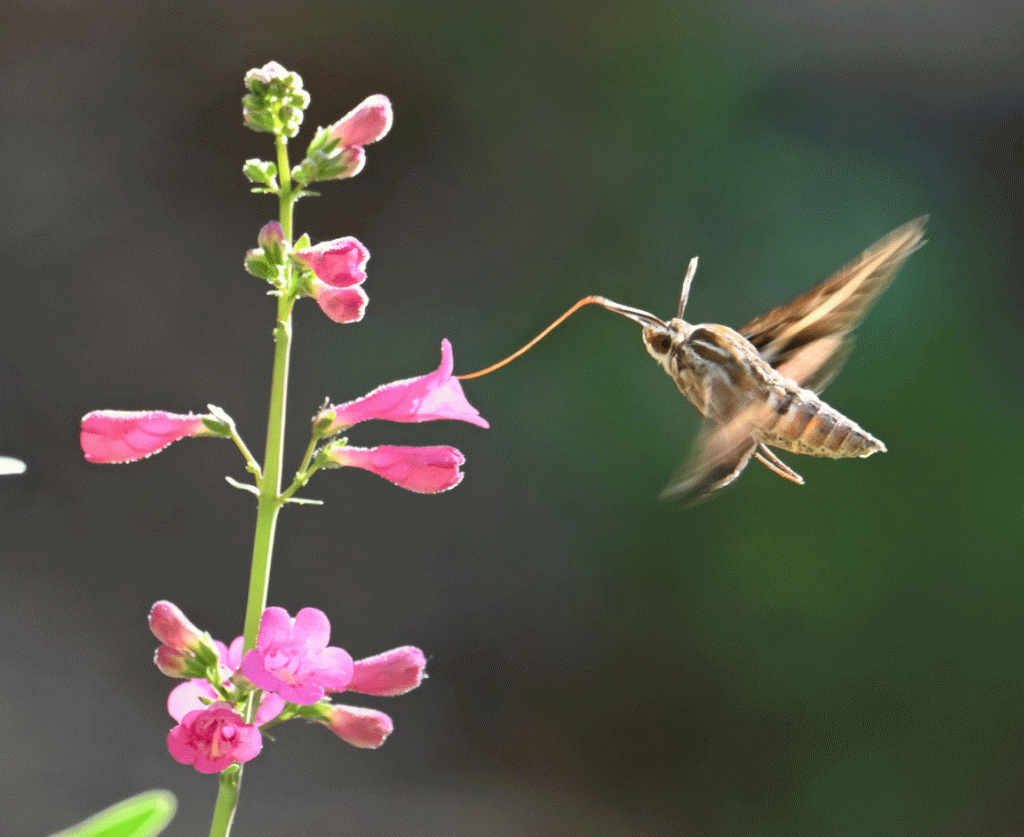
This is a White-lined Sphinx, also known as a “hummingbird moth,” because of its behaviour and size (5-7 cm / 2-3″ wingspan.) It also enjoys the penstemon flowers at the desert museum. Although they prefer to forage at night, sometimes they fly during the day.
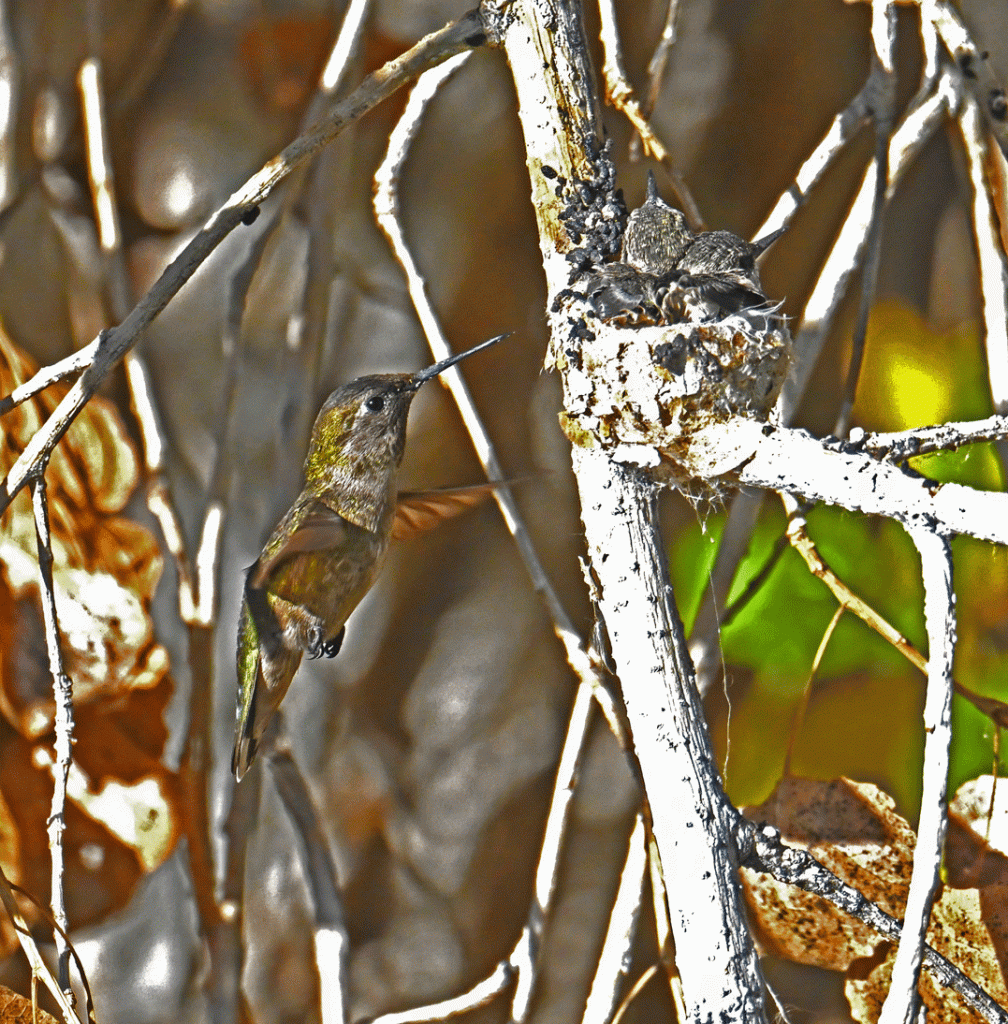
We saw a hummingbird on her nest one day at the desert museum. The next week, we saw a baby hummingbird’s head peeking out.
At Sweetwater Wetlands, we saw this Anna’s Hummingbird with her two babies. They were very close to fledging and they looked really squished in the tiny nest. Doug took the photo from a long ways away with his telephoto lens, and then cropped the image to obtain this photo. We went birding at Sweetwater three times in February, but this is the only photo we have included this time.
We birded four times at El Rio Preserve, and this was our favourite photo from those outings. Here’s a male Cinnamon Teal. Its long, dark spatula-shaped bill strains plant matter and insects from the water.

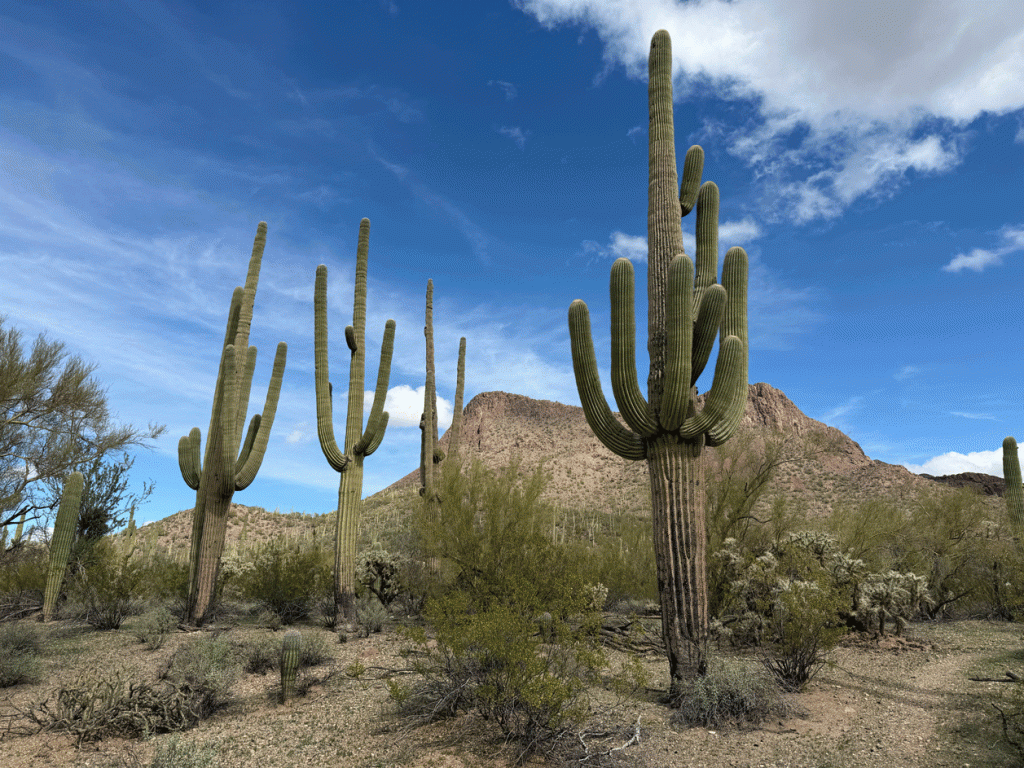
One cool day, we took a desert walk from our place. We can’t help taking photos of our favourite saguaro grove, so here’s another one. Panther Peak is in the background.
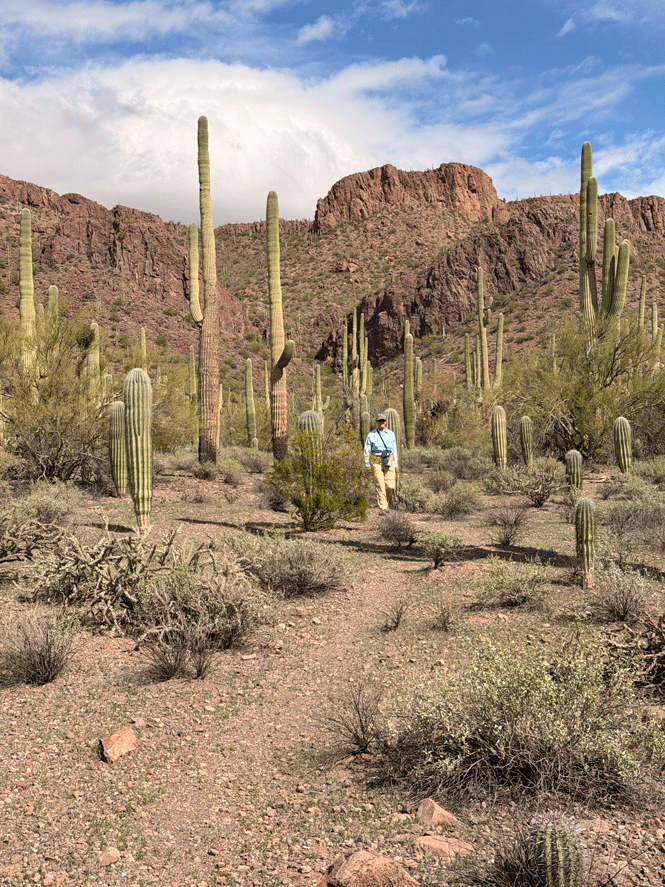
This day, we did the longer loop, following the trail to Panther Peak and then cutting down a more primitive trail to the wash. The route to Panther Peak goes up the draw behind Wendy in the photo below.
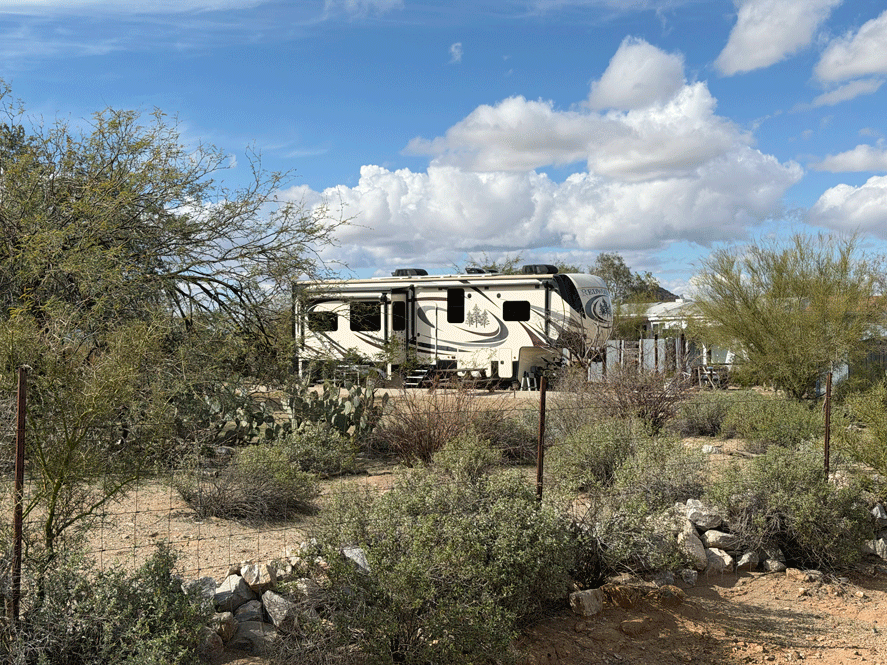
We took this photo as we were returning to our place. This is the view of our Redwood from the southeast corner of the property.
We had above average rainfall throughout February, which gave us some days with cloudy conditions. We think the best sunsets need clouds. Here are four “above average” sunsets. This one is from February 5.
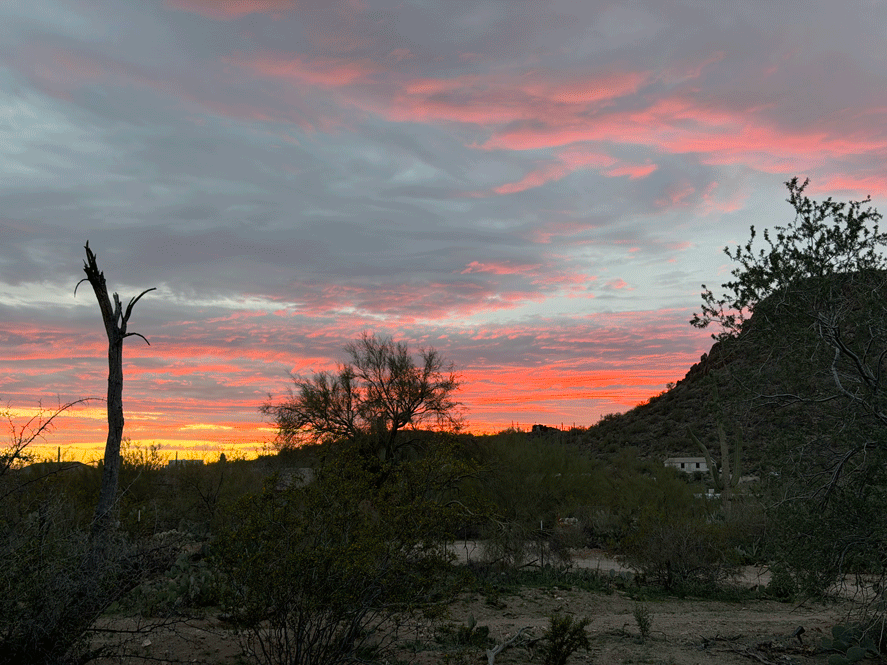
Sunset February 14

Sunset February 20

Sunset February 21.

Part 2 will be about the three canyons we visited: Chino Canyon, Sycamore Canyon and Rock Corral Canyon and will be posted soon.
 Travels with a Fox
The February 20th sunset was the best. Loved the variety of photos, birds scenery and of course quilts. Great photo of the hummingbird and babiy
LikeLike
The hummingbird moth photo was my favourite!
LikeLike