February 2026 in Arizona – Part 2: Canyons and Washes

February 2026 in Arizona – Part 2: Canyons and Washes

This post is about three new canyons that we explored and the rare birds we found there. They are all in Santa Cruz County: Chino Canyon, Sycamore Canyon (Pajarito Mountains) and Rock Corral Canyon. We’ve included three trips to different washes in Pima County as well.

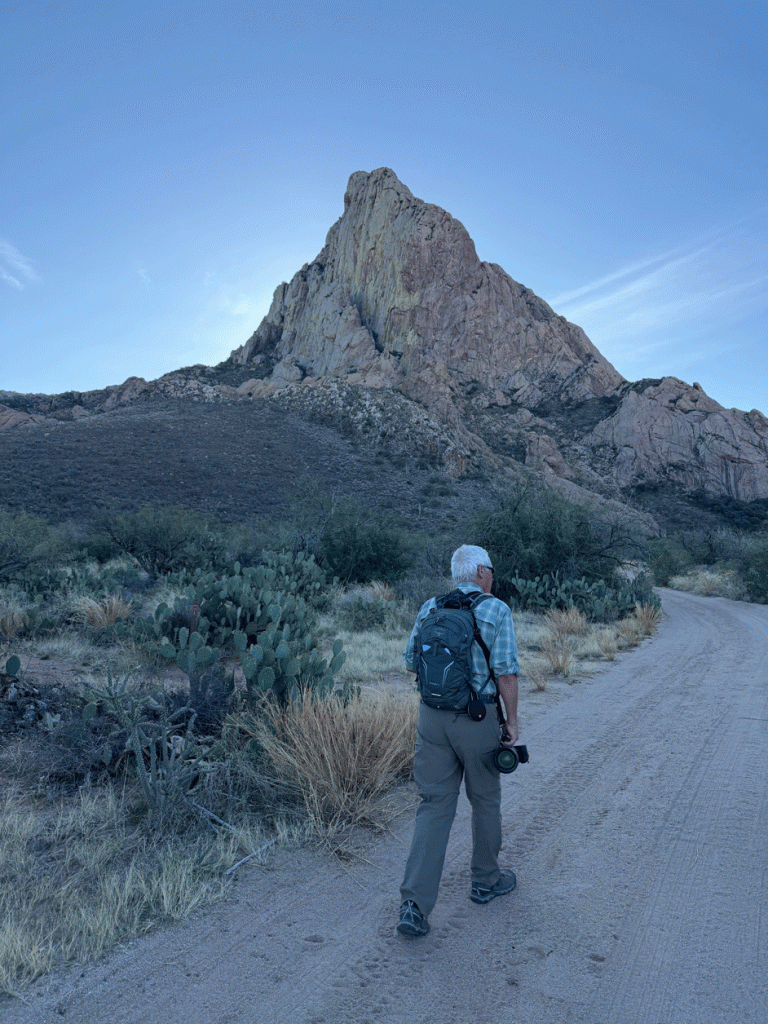
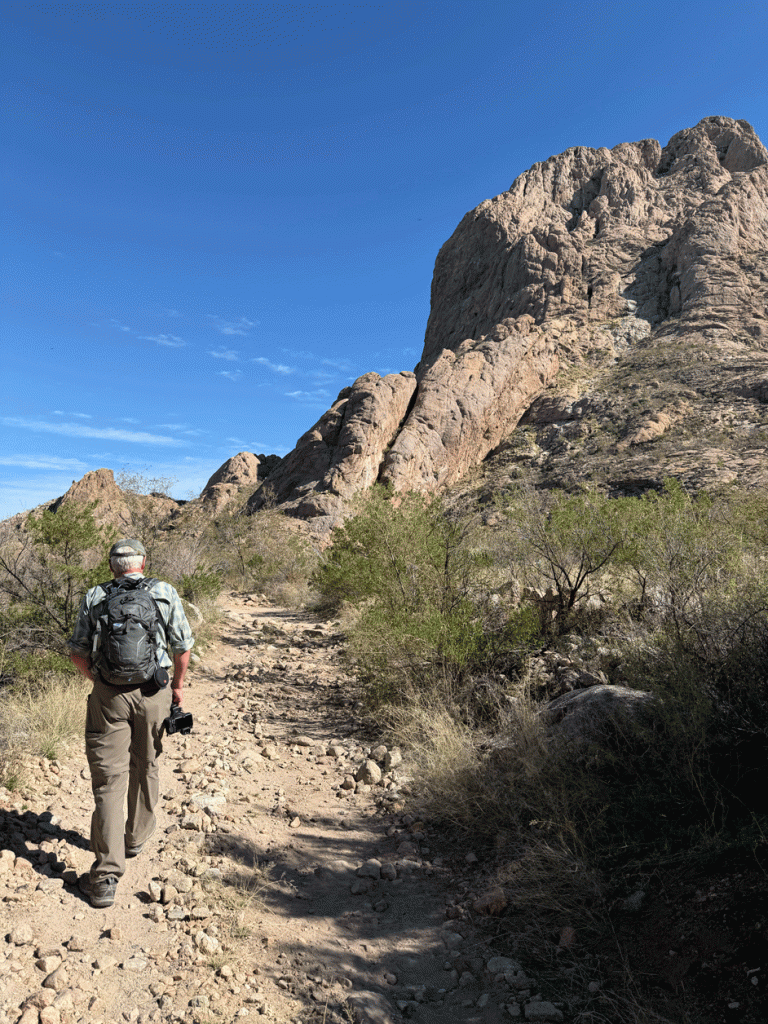
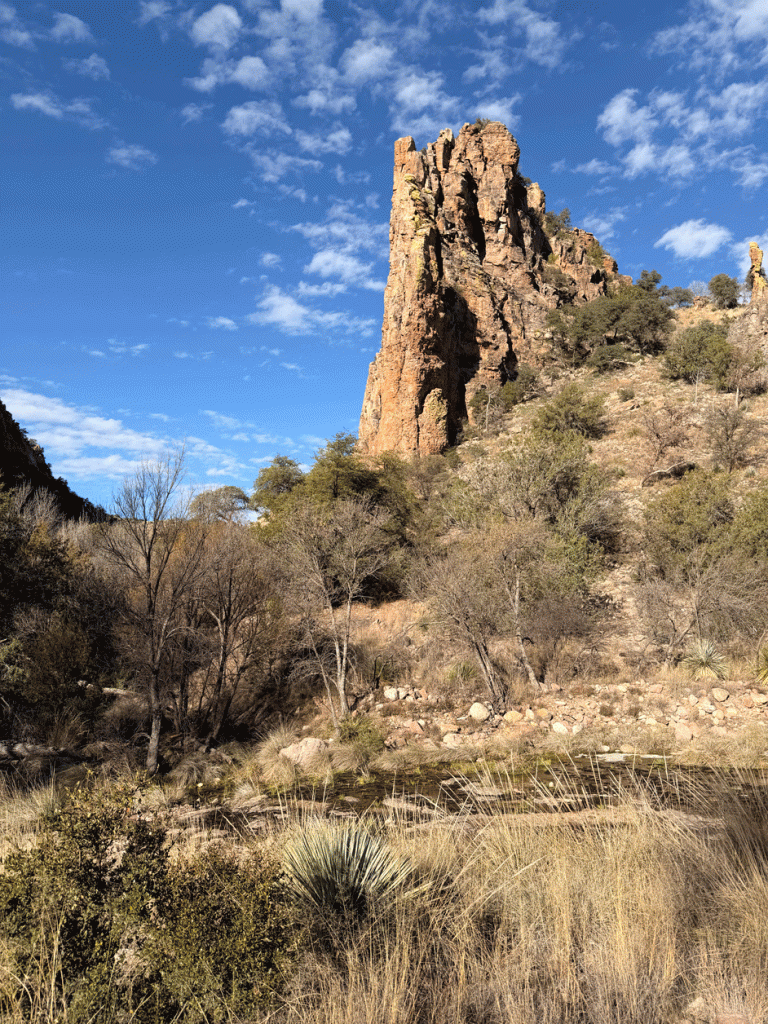
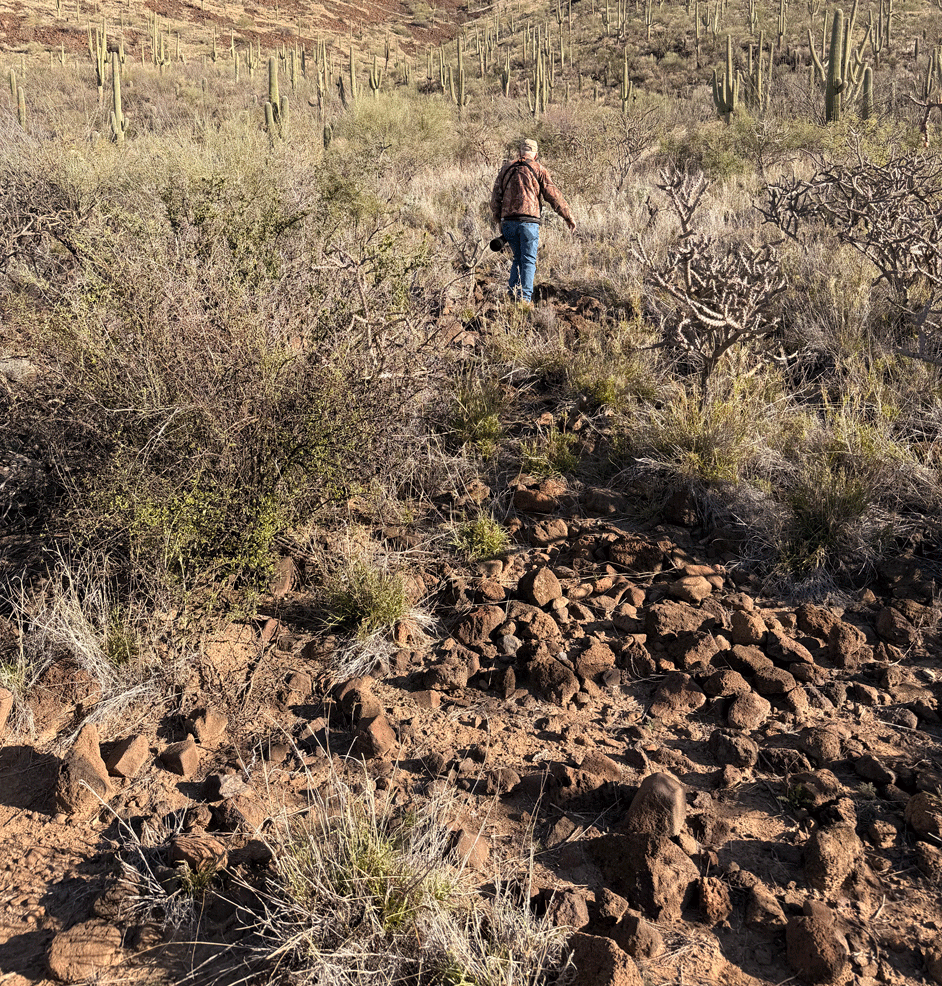
If we had our jeep in Arizona, we could have driven all the way to Chino Canyon, but we chose to walk the rough road. In the photo below, Doug is approaching Elephant Head. The prominent rock outcrop is just in front of the county line, which marks the official start of the checklist. It was about a two kilometre walk from where we parked the truck. On February 6th, we were in the shade until we reached the canyon proper.
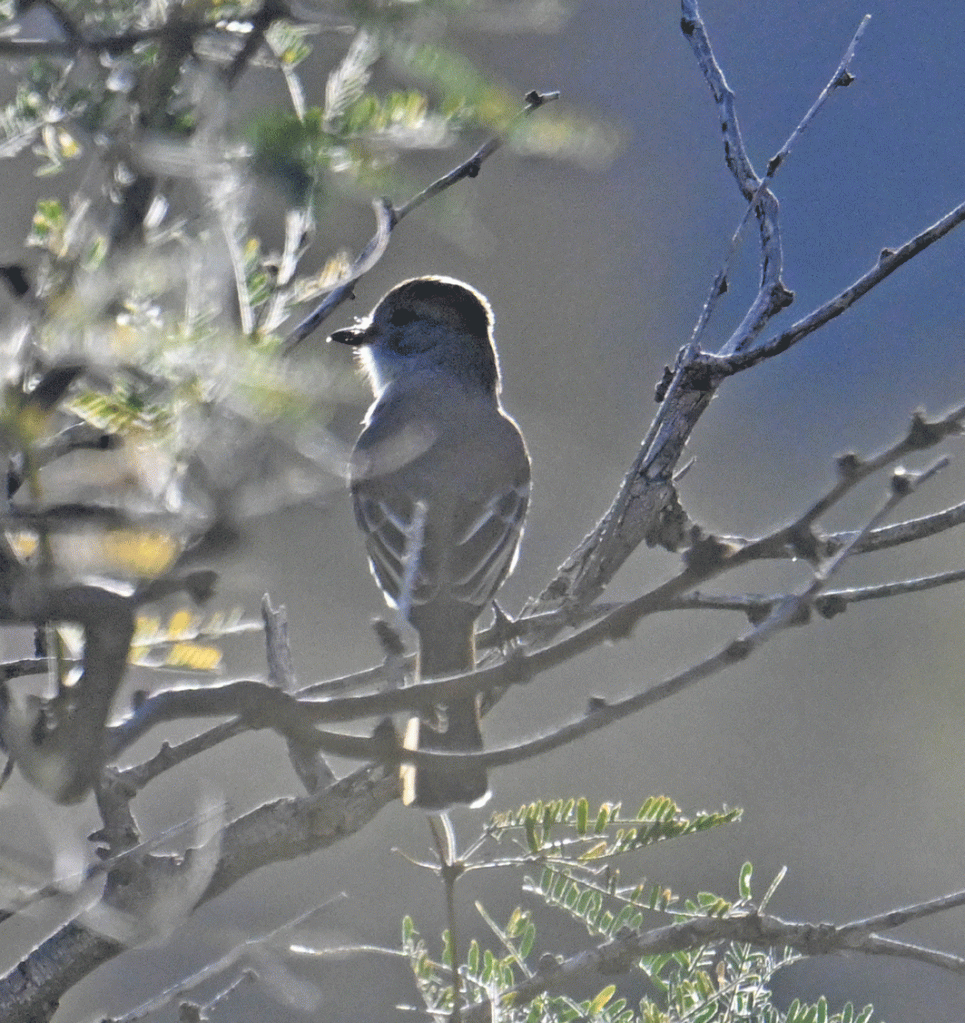
When we got to full sun, we stopped to take off some layers. We heard some voices ahead, but couldn’t tell what they were saying. Luckily, one of the young birders in the group heard us and came down the trail to tell us, “We’re on the bird!” We quickly joined them and had a good view of the Nutting’s Flycatcher we had come to see. Unfortunately, Doug’s camera was not cooperating and wouldn’t focus on the little bird. It flew away, and we relocated it, but this time it was backlit, so the photo below is the best one.

The Nutting’s Flycatcher was a “life bird” for us. The species is very rarely seen in Arizona but is found year-round in Mexico. It is very similar to an Ash-throated Flycatcher, but they make different sound. And luckily we could hear its call. About six other people saw it at the same time as us.
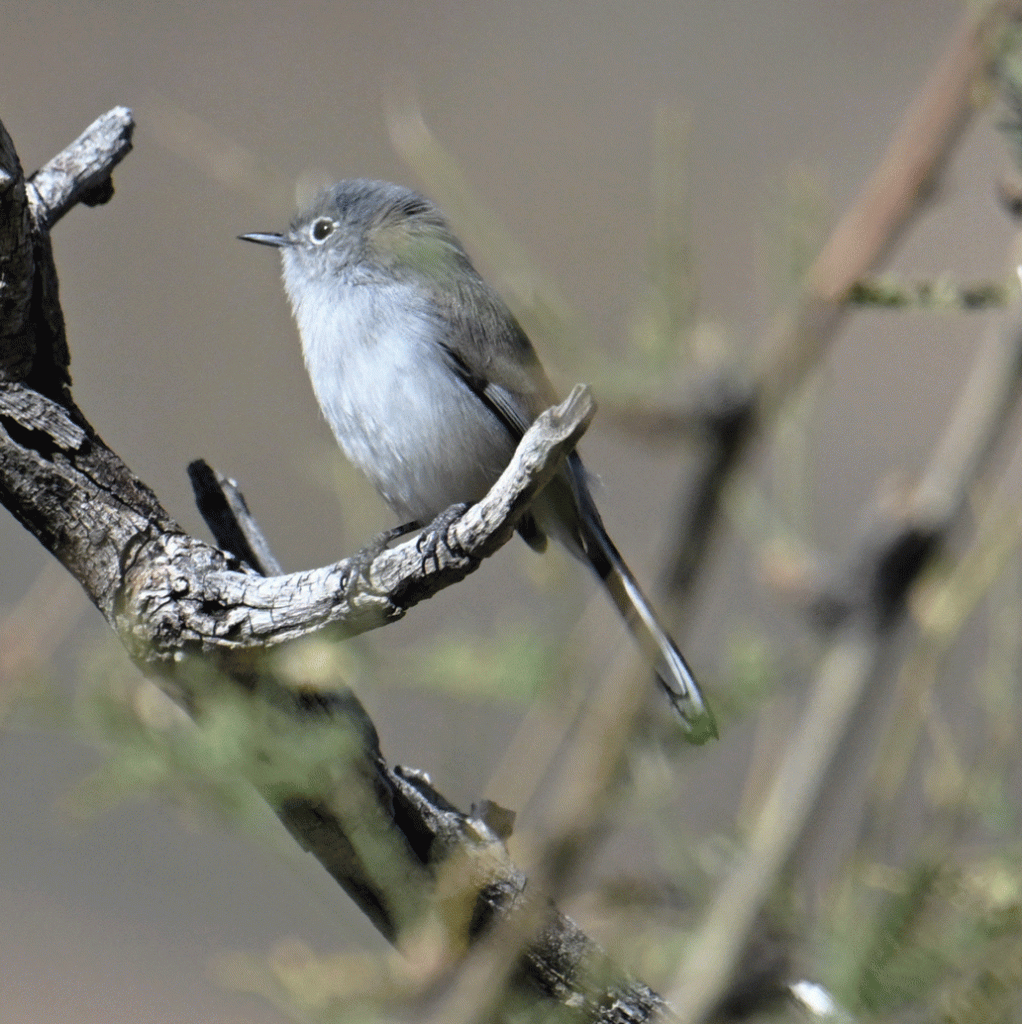
Most of the people left, but we continued up the canyon, hoping to see a Black-capped Gnatcatcher that had been reported earlier. We were listening for the subtle call of a gnatcatcher but the Bewick’s Wrens were distracting us with their scold call. We decided to wander up canyon a bit farther and try and find a good place for a snack before we turned around. That’s when we heard and then saw a pair of gnatcatchers working their way along the rocks, going down canyon. We tracked them and walked alongside until we lost them in a thick bush. Doug stayed at that bush for a little bit, while Wendy walked a little further down. She saw the pair quite close to the trail, but Doug wasn’t nearby! She fumbled with her microphone and was trying to record them, when Doug caught up. Luckily for us, the female Black-capped Gnatcatcher stuck around long enough for some photos. Doug also got other photos that showed its undertail clearly, which was important for identification.
Here’s a photo as we’re walking out. The outcrop looks a little more like an Elephant Head from this angle.
We went back again to Chino Canyon later in the month, and even though we came at about the same time of day, we didn’t have any shade. We didn’t see the Nutting’s Flycatcher and nor did anyone else that week. And it hasn’t been reported since. Perhaps the bird moved higher into the canyon as the weather got warmer.

We were happy though, because we heard a Gray Vireo. We recorded the song, so we had some evidence, but we didn’t ever see it. A Gray Vireo is considered rare, but it is not as rare as the flycatcher or the gnatcatcher. It likes rocky arid hillsides with scattered bushes.

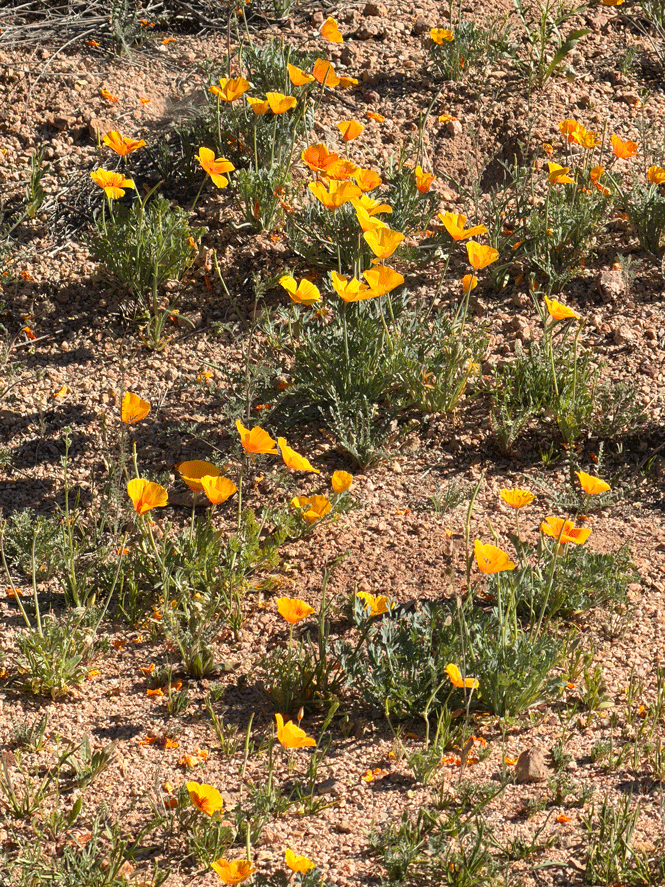
We saw the best patch of Mexican Golden Poppies of the season up in Chino Canyon. The flowers that had started to bloom at lower elevations shrivelled because of the heat.
The flower patch was close to the same location that we saw the Black-capped Gnatcatchers earlier in the month. This time, we also watched a pair of gnatcatchers foraging on bushes along the rocky slope. Could they be the same ones? They might have been, but we didn’t get a good enough look. It made us realize how lucky we were to see the other one at close range. (The photo below is posed, taken after the birds flew out of sight.)
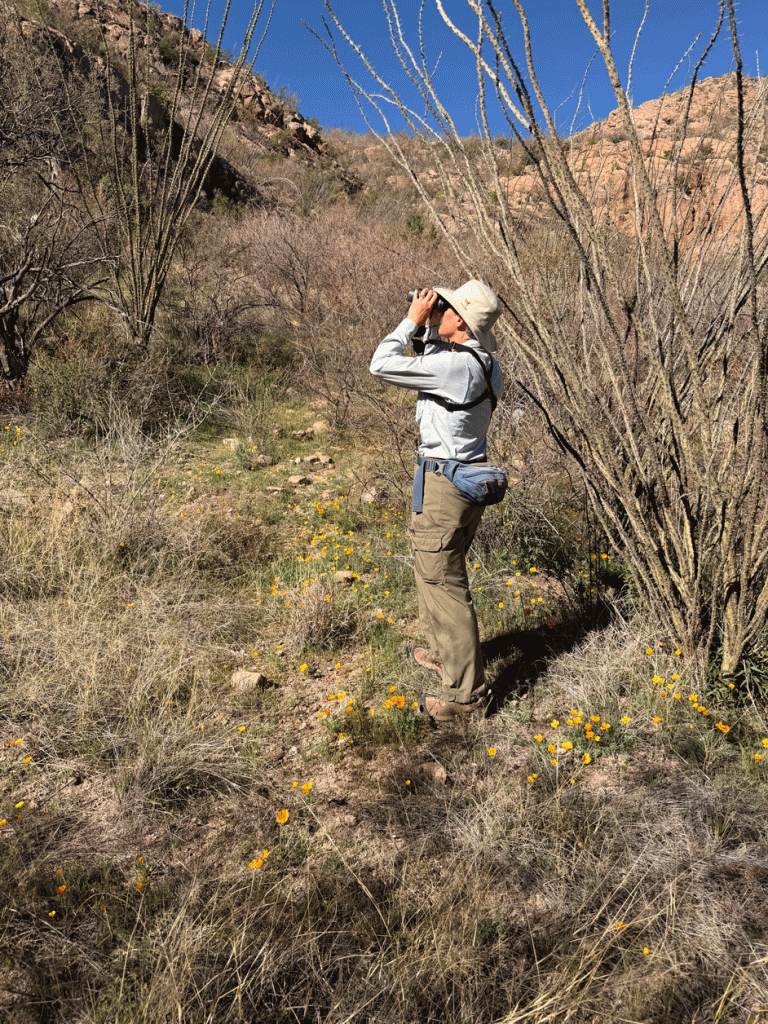
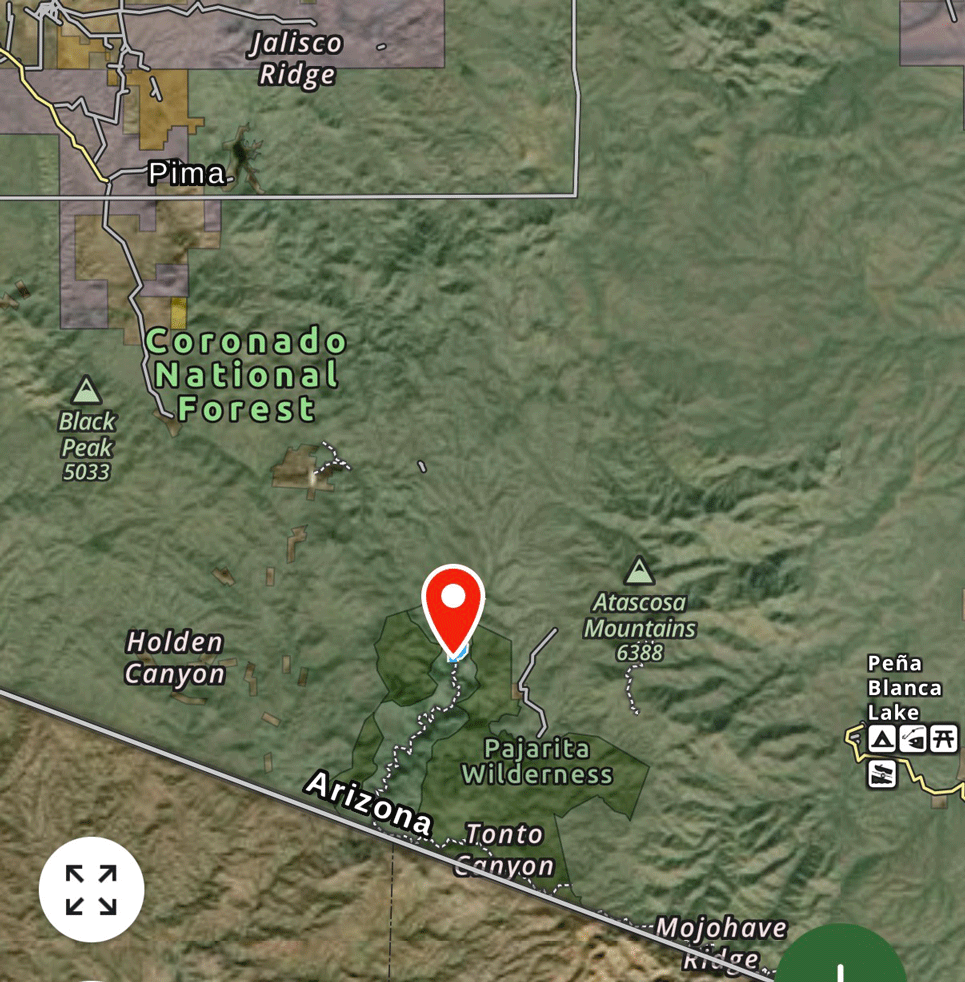
On February 9th, we ventured along scenic Ruby Road near Nogales until we reached the Sycamore Canyon trailhead. We walked south into the Pajarita Wilderness in the Coronado National Forest. We were at the upper end of the canyon that continues down to the Mexican border.
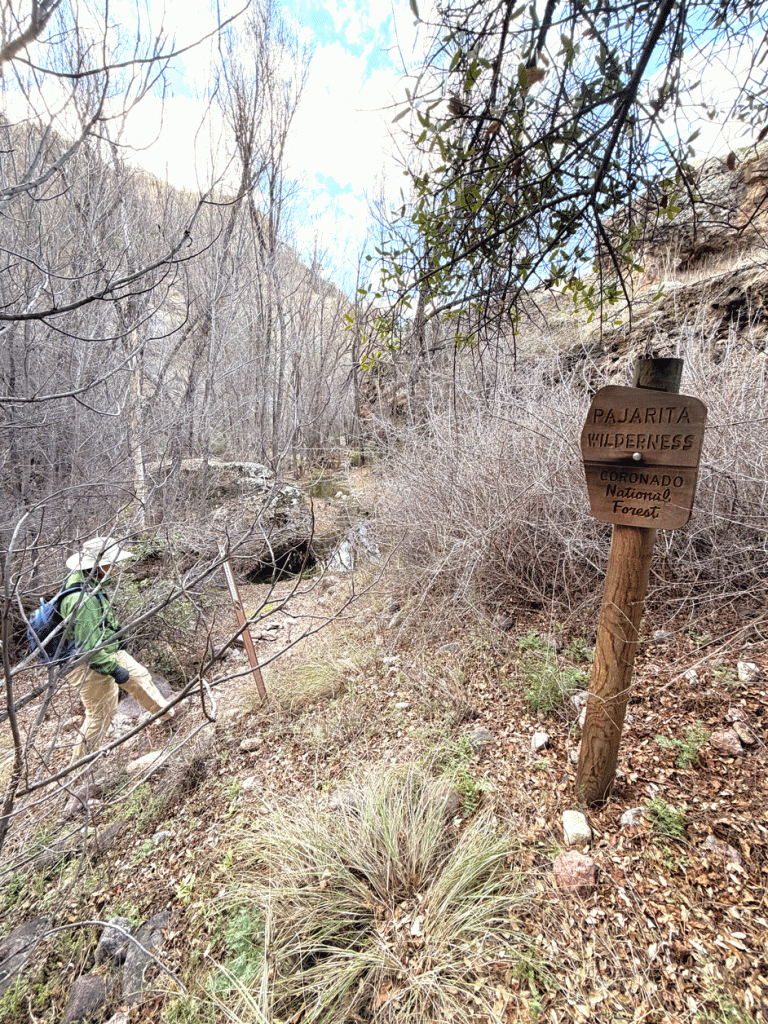
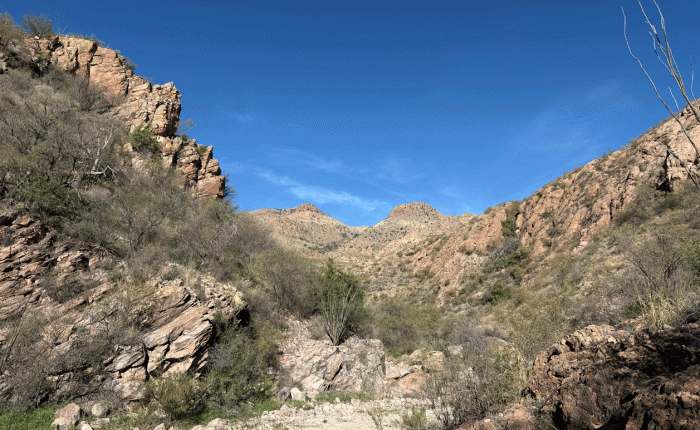
Sometimes the cliffs were quite close to the stream bed. The canyon has one of the few perennial streams in the area.
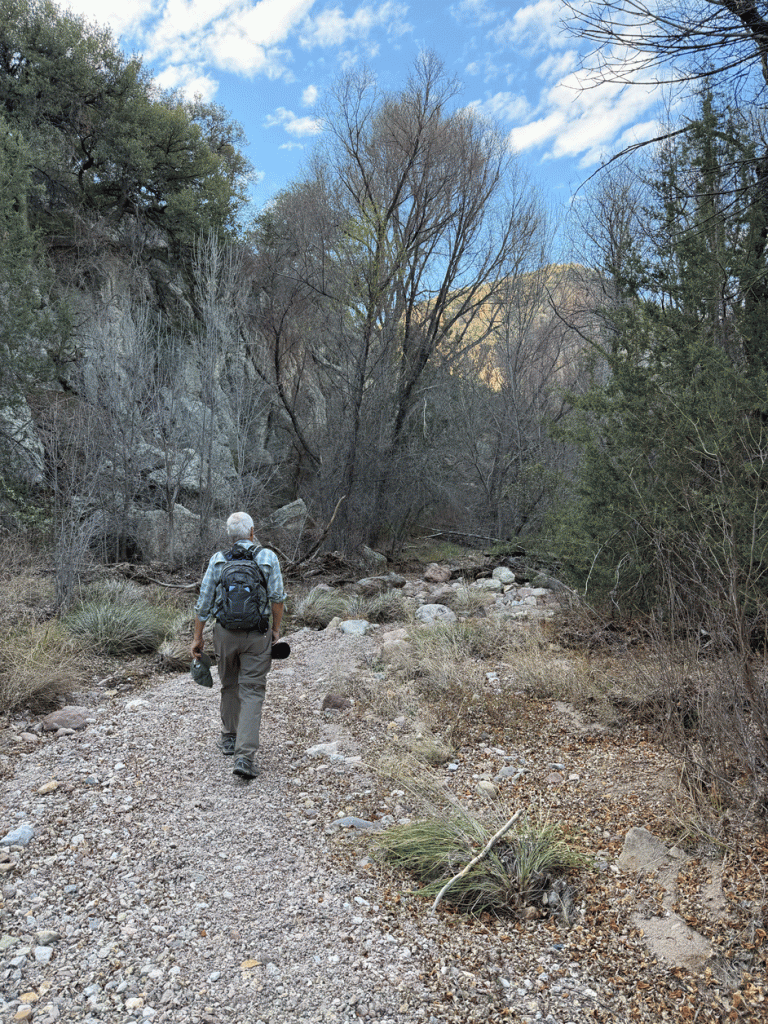
The pinnacles were magnificent in the morning light.
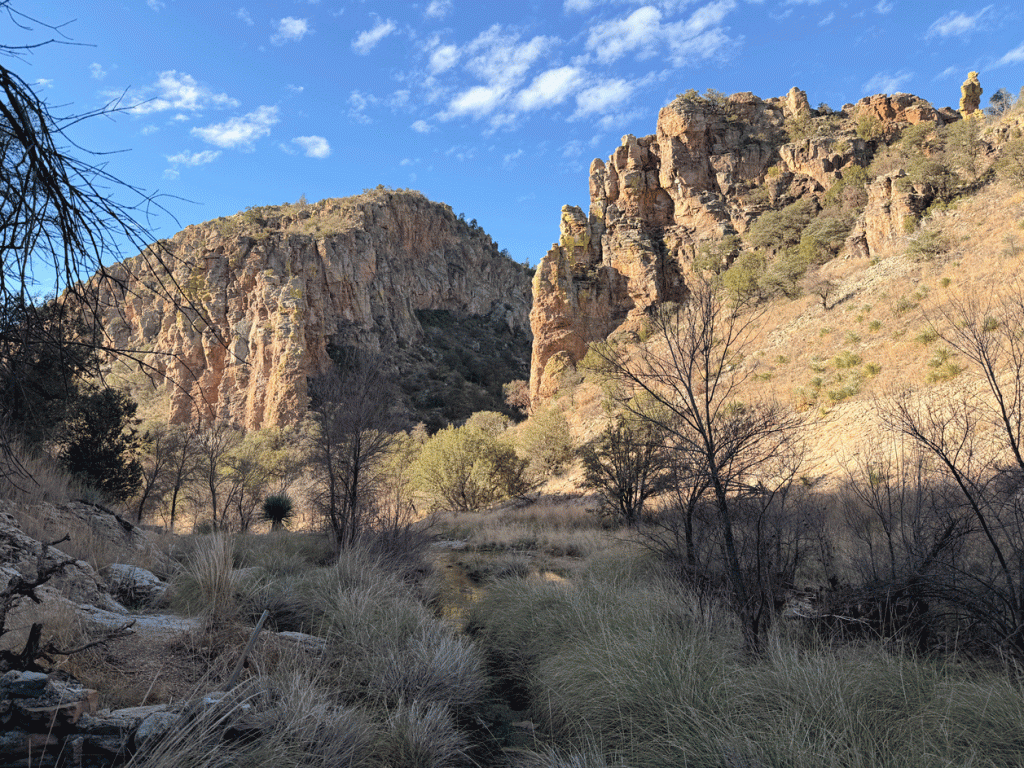
Because there was so much water in the stream, we had to find rocks to step on or narrow spots that we could hop across. Close to the place where this photo was taken, we met a birding friend who had just seen the warbler we had hoped to see. We hung around that spot for a bit, without luck, then continued downstream.
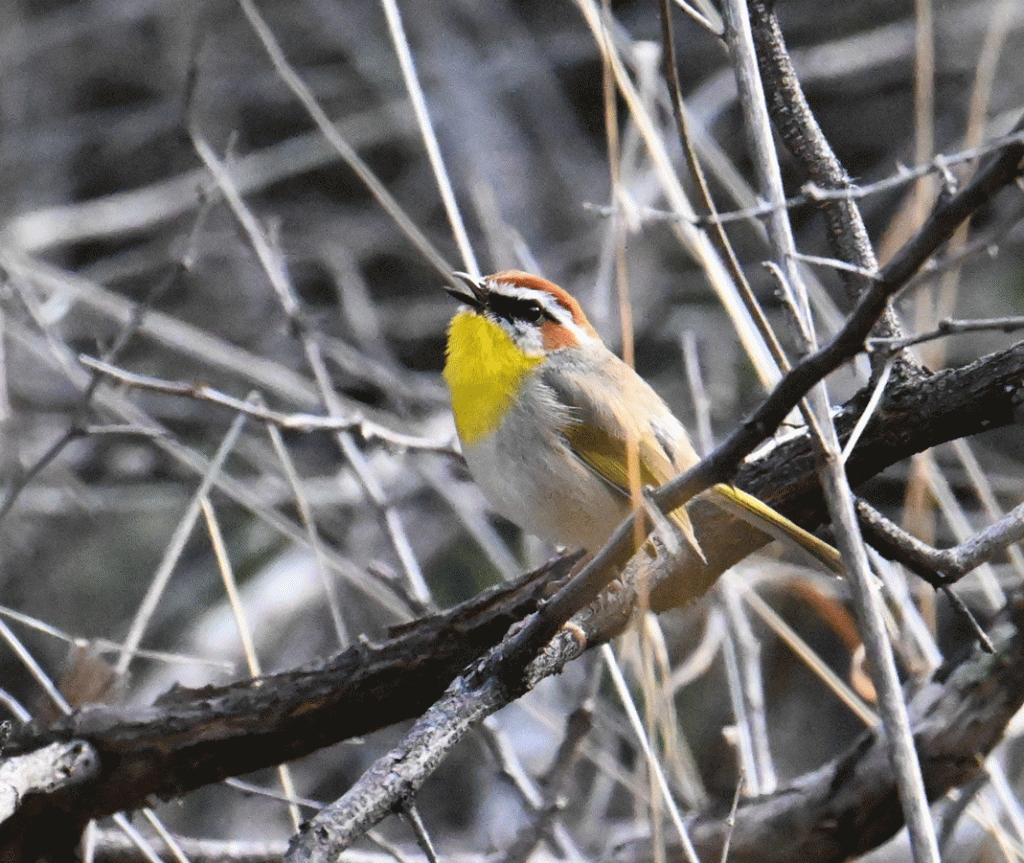
A little further along, we heard some birds chipping and caught some movement low in the bushes. With some gentle “pishing*” the birds came up and we saw they were the ones we were looking for: Rufous-capped Warblers! The male popped up on a some branches and began to sing. That’s when Doug got this photo. We followed them as moved along the hillside for another few minutes but didn’t get any better views.

* “pishing” is making a “pish, pish, pish, pish” sound by forcing air past clenched teeth with puckered lips. The sound mimics a scold call or alarm call which makes some birds curious. Sometimes they will move into more visible spots. It works best on small inquisitive birds like chickadees, titmice and warblers.
Here’s a view of the area that we first saw the two warblers, taken on our way back.
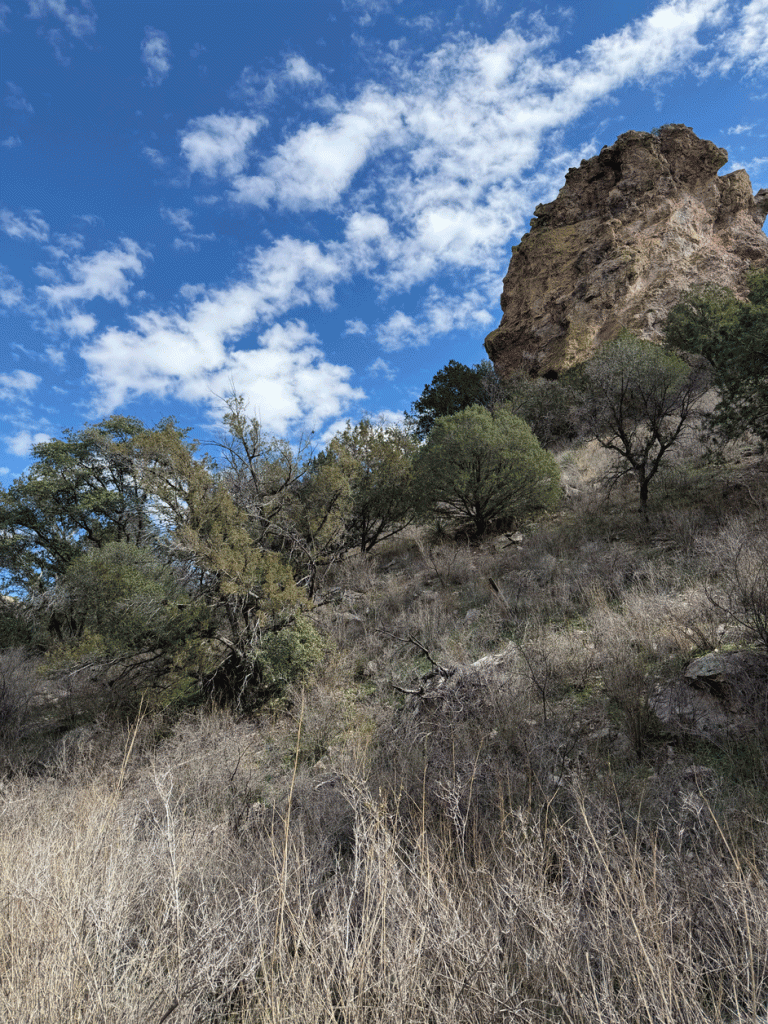
We walked a little farther along until the canyon was blocked by a steep outcrop. We had our lunch beside this small pool.
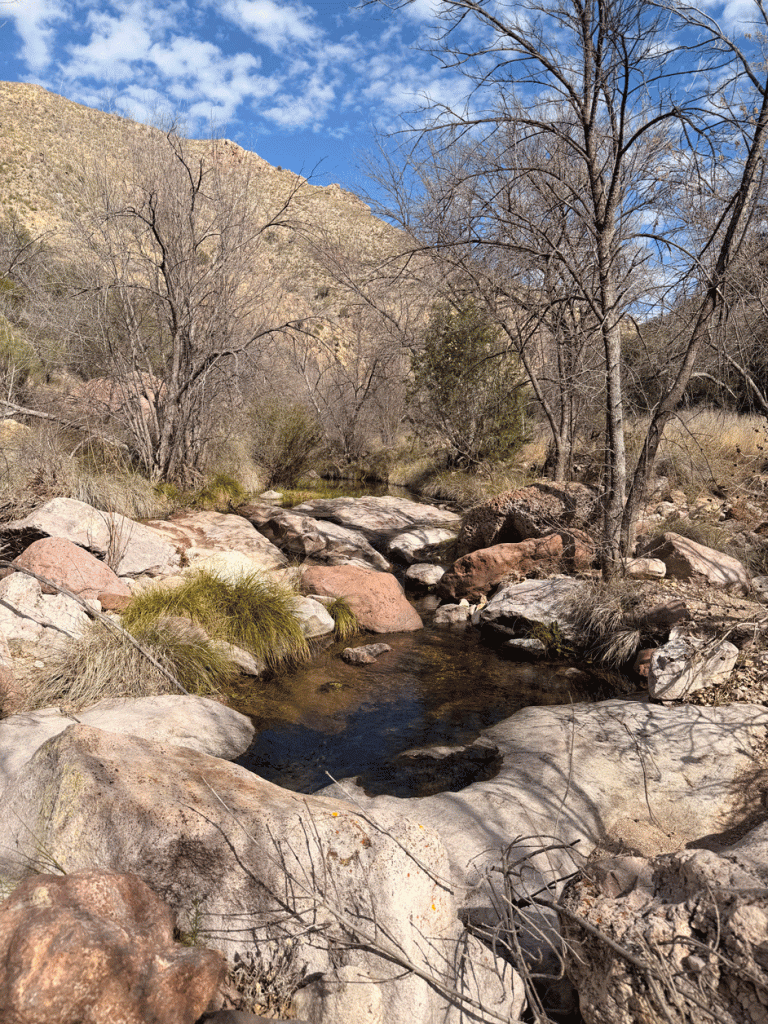
The next photos were taken on our way out, as we headed north, back to the parking lot. Here’s a narrow section.
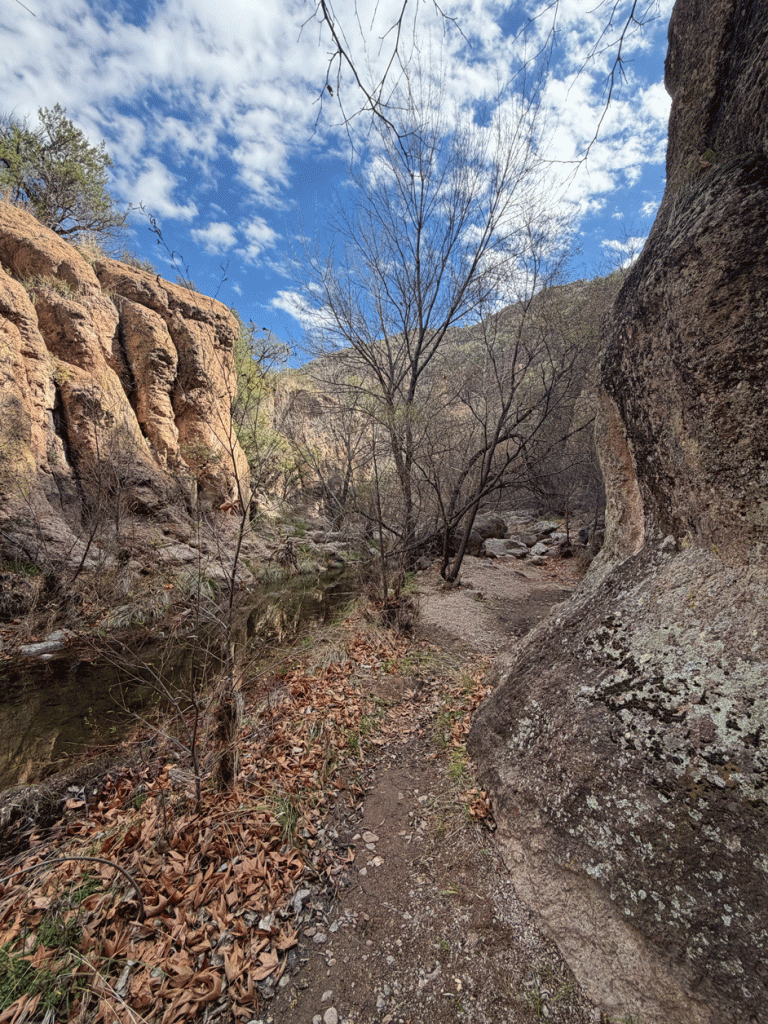
Wendy stood almost in the middle of the stream to get this photo.
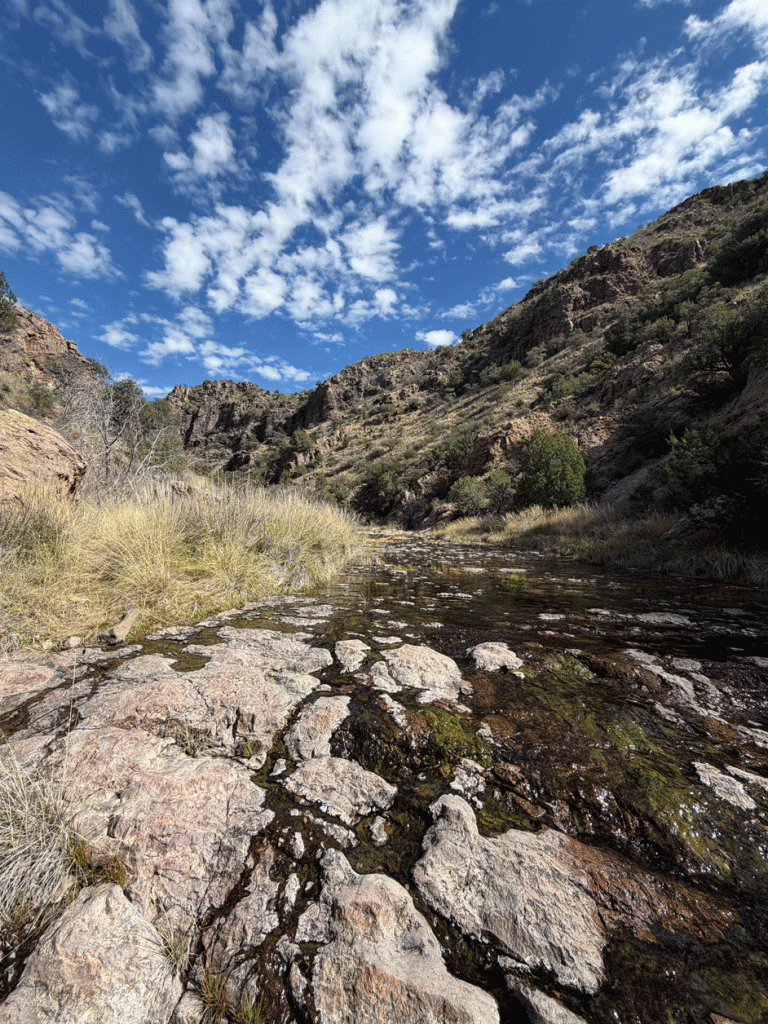
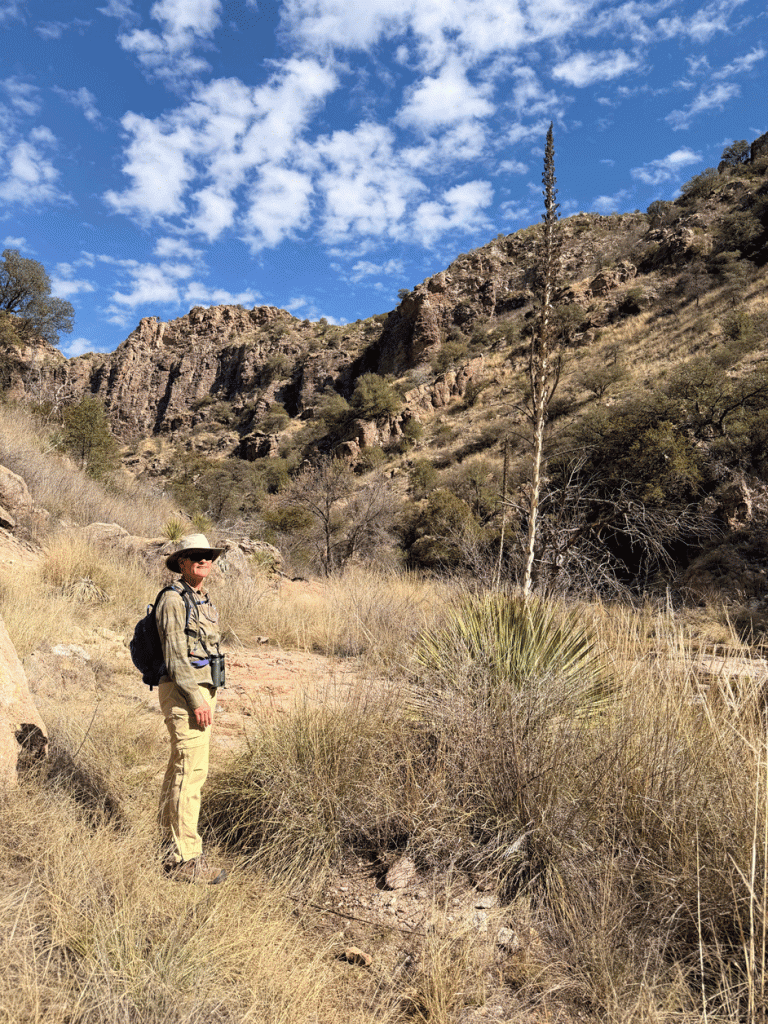
This one was taken a few minutes later. The agave stalk is huge!
Here’s a screen shot of a map to give you an idea of how close we were to the Mexican border. There is an unpaved road to the trailhead, but it doesn’t show on this map. It’s 8 km (5 mi) from the road to the border. We turned around at about 2.5 km (1.5 mi) from the trailhead.
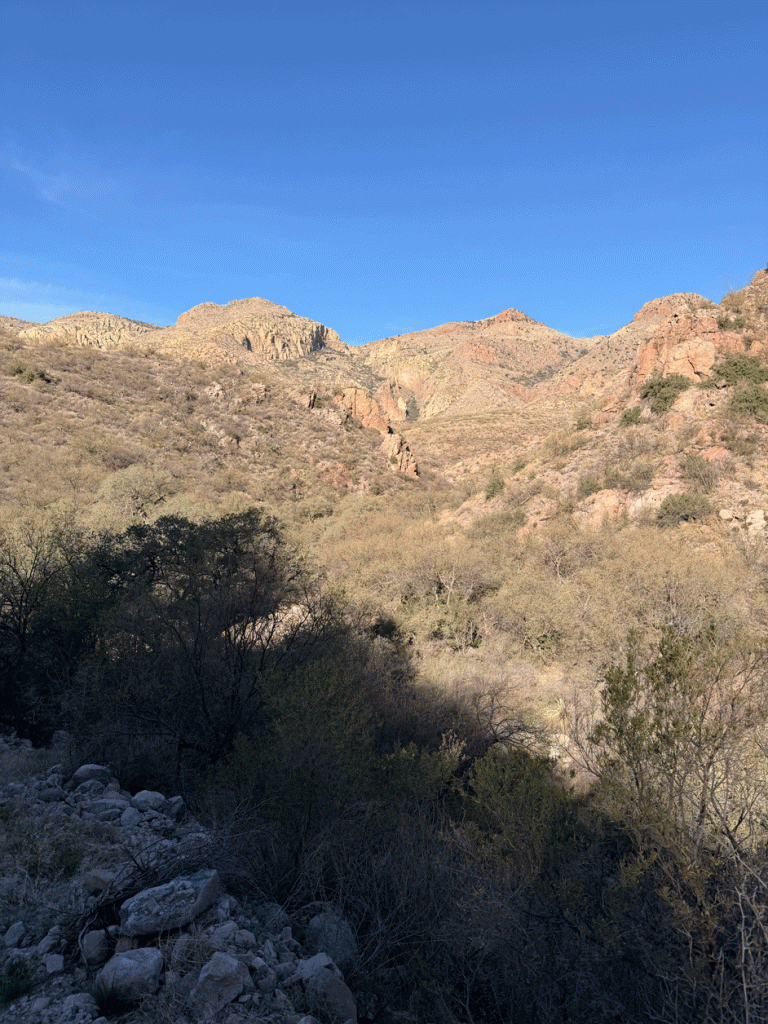
After visiting Chino and Sycamore Canyon, we keen to explore new canyons. We read eBird reports and talked to other birders. When we saw a report of a Five-striped Sparrow at Rock Corral Canyon we knew a bit about the place and went the next morning. A rough road goes up the canyon, but just like at Chino Canyon, we parked before a steep downhill section. The photo below was taken at our parking spot.
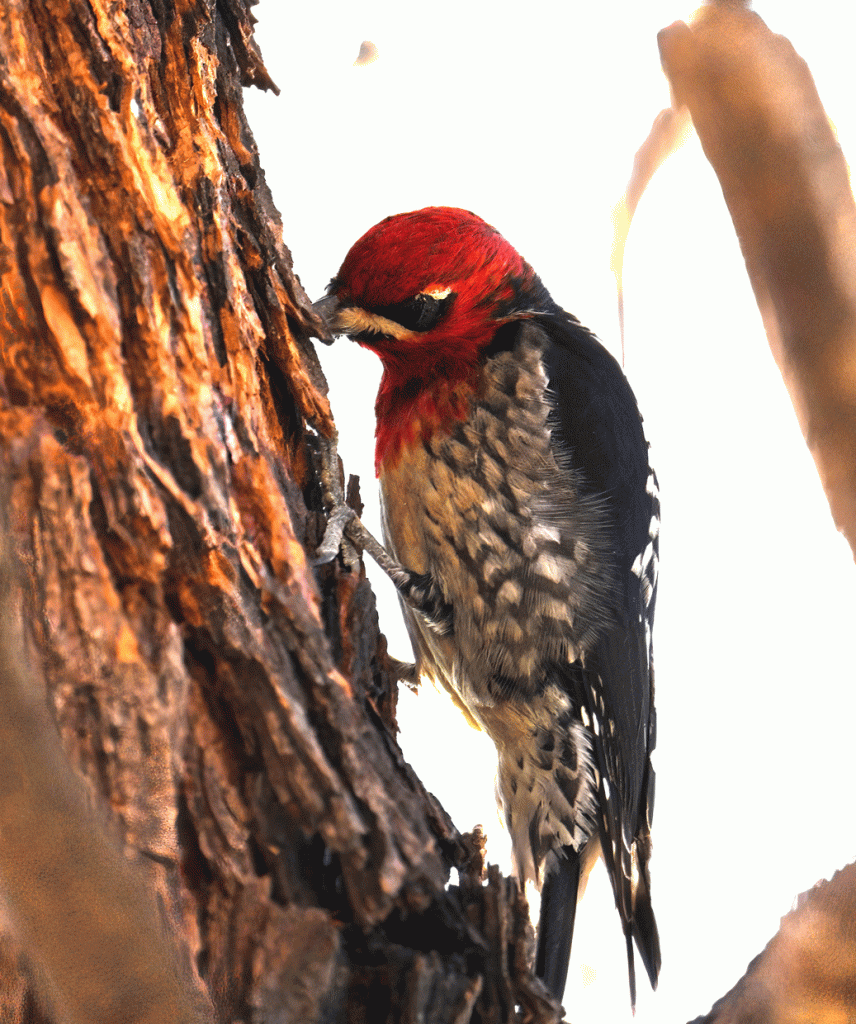
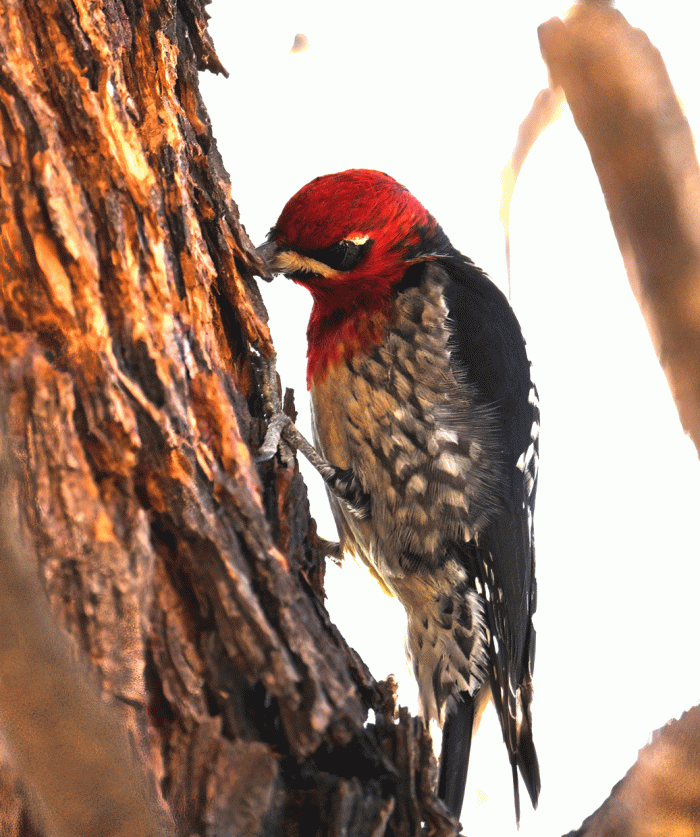
There was a lot of bird activity just at the corner below the first hill, and we had good views of this Red-naped Sapsucker.
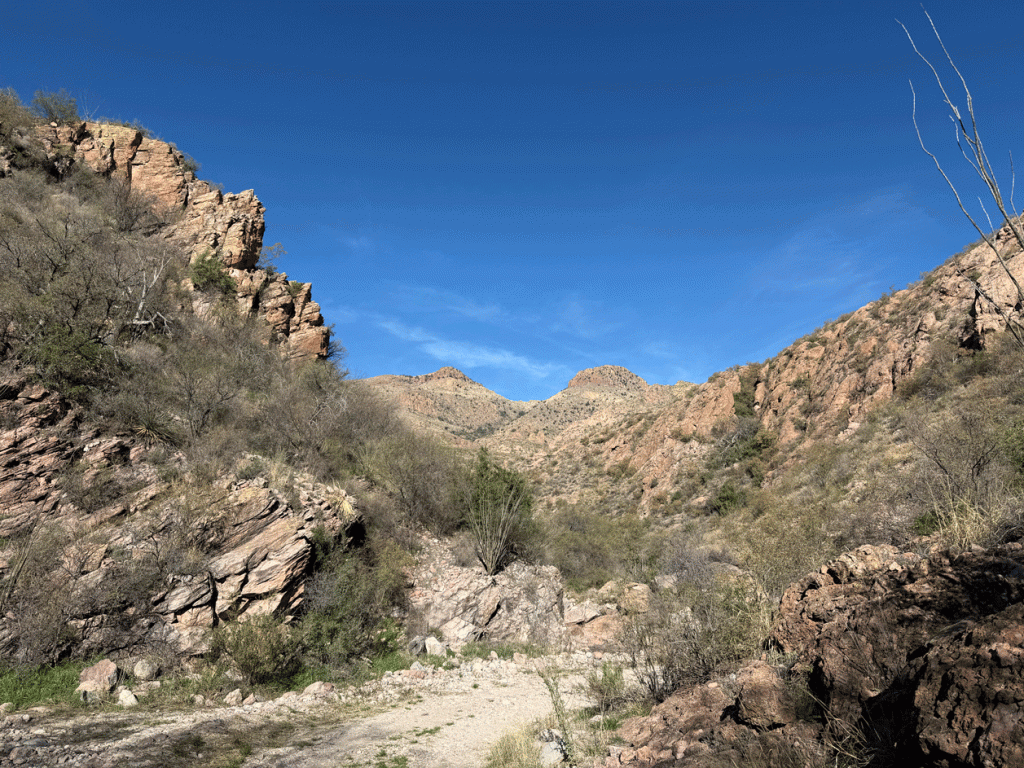
Here’s the spot that the Five-Striped Sparrow had been reported. We waited here a short time without any bird activity, so we decided to explore the canyon.
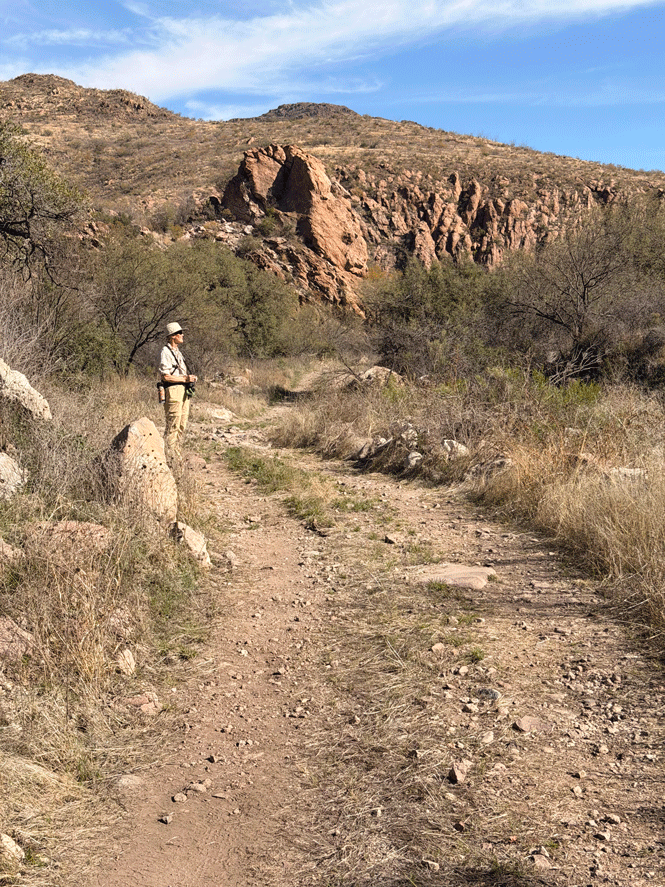
Doug got ahead and took this photo of Wendy about a half kilometre up the canyon, looking back towards the truck.
This is where we turned around that day, almost a kilometre from where we parked. That day, we saw 28 species, but no Five-striped Sparrow.
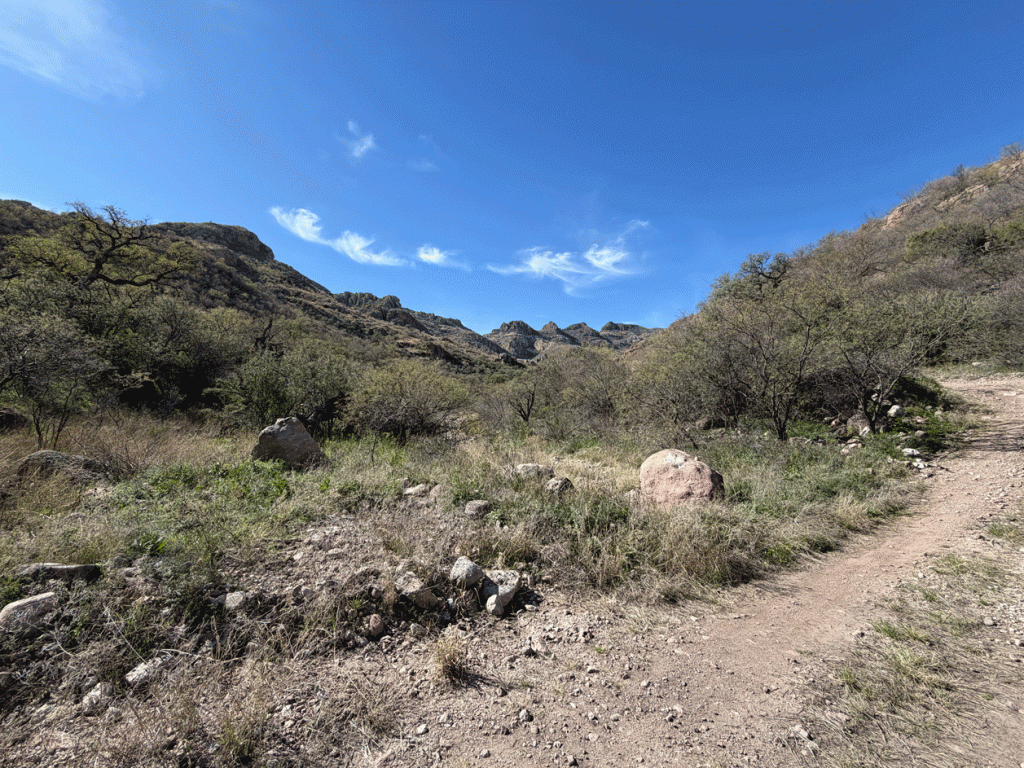
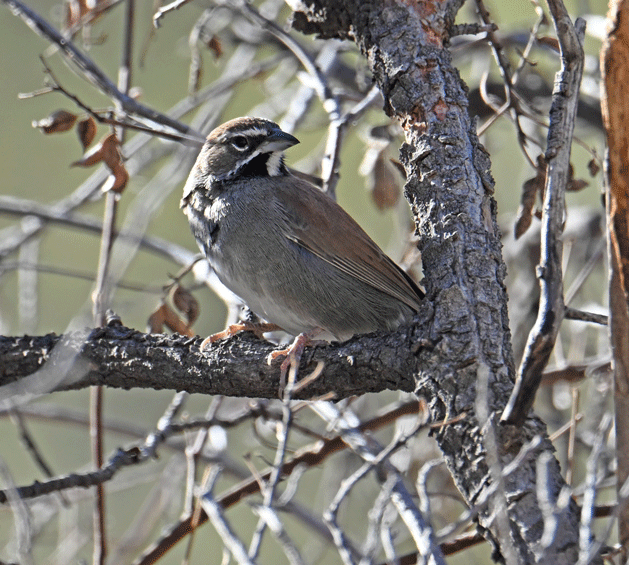
About a week later, we went back again with a different strategy. We got to the parking spot earlier and walked directly to the pinned location, and waited there. We scanned the slopes, hoping for a sparrow to appear. We had stood in one spot for a while, when we heard other people coming. It felt like a good time to change positions. Wendy heard some faint chips coming from the underbrush that she didn’t recognize. She “pished” and a bird with a dark brown back flew across the path. She called Doug over and he was able to get some photos. We alerted the other birders and everyone got to see it. Here’s Doug’s best Five-striped Sparrow photo. The photo shows three of the five stripes on its face.

According to “The Sibley Guide to Birds,” Five-striped Sparrows are “rare and local; found at only a few sites in Arizona where dense brushy vegetation covers steep slopes above permanent streams,” and goes on to say, “Secretive and difficult to see in dense brush except when male is singing.” We had only ever seen one before in our life, so we were very happy.
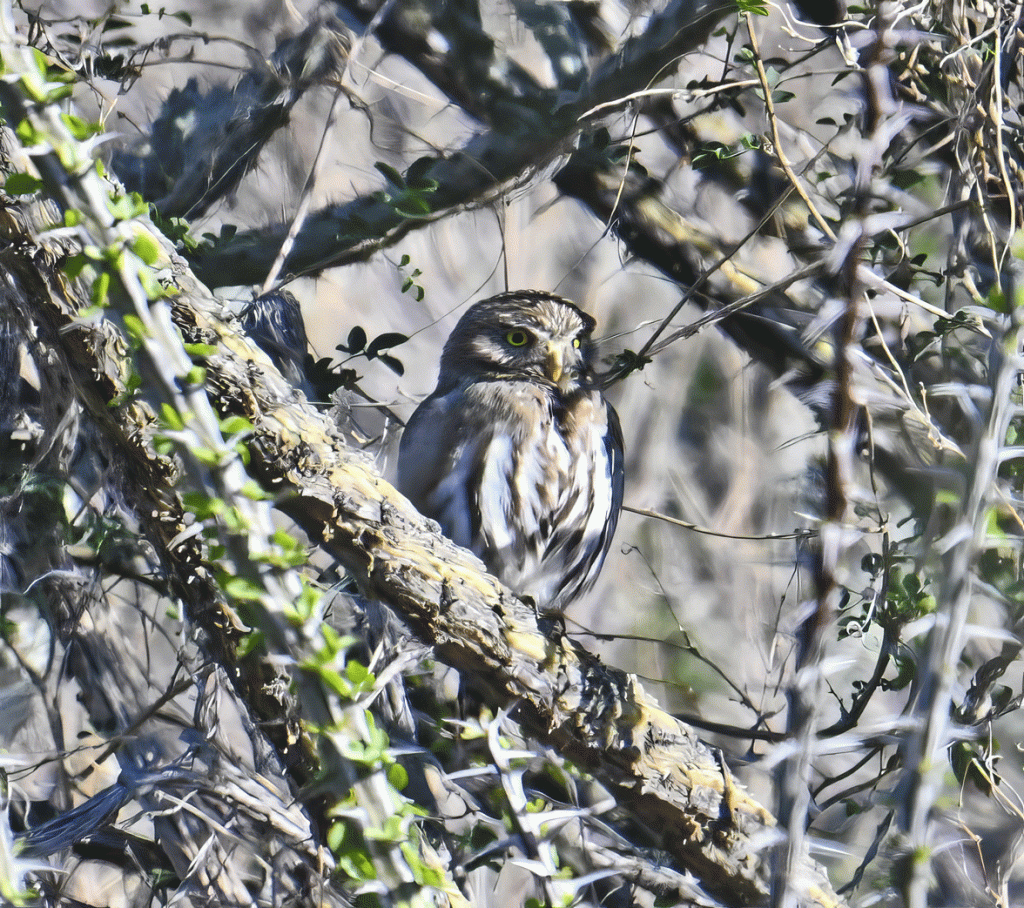
We also visited three washes in February. The first one remains unnamed because it was near to where we saw this Ferruginous Pygmy Owl. Ferruginous Pygmy Owls are sensitive species and any report is hidden on eBird. The little owl is only 17 cm (about 6.5″) high. It is sitting in an ocotillo bush almost hidden. For reference, the ocotillo branch that it is perched on is only about 2.5 cm (1″) wide. Luckily it was hooting, so we could figure out its general area.
The owl is in the middle of the red circle in the lower centre of the photo below. It was about 150 metres up the rocky slope from the wash.
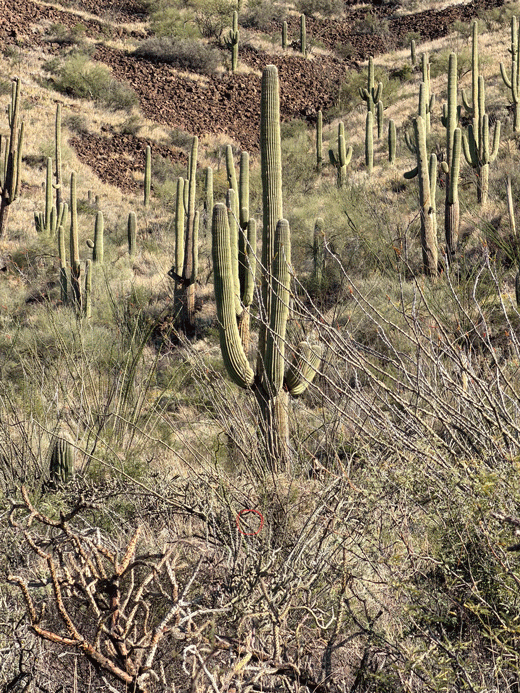
Perhaps you can make out the distinctive saguaro with two short arms on the right side that is right behind the owl, in the photo below. We walked a little closer, but still stayed a long ways away, because we didn’t want to disturb the bird.
Before we saw the Gray Vireo at Chino Canyon, we looked for one in Dobie Wash. Last year, we saw that rare bird when we were in the middle of a five-hour loop hike. This year, we thought we would see if we could find it in the wash, without doing the rest of the hike. We parked in a pullout on Golden Gate Road that was close to the wash. Although we didn’t follow a trail, we weren’t worried about getting lost. Walking in the wash was pretty straightforward.

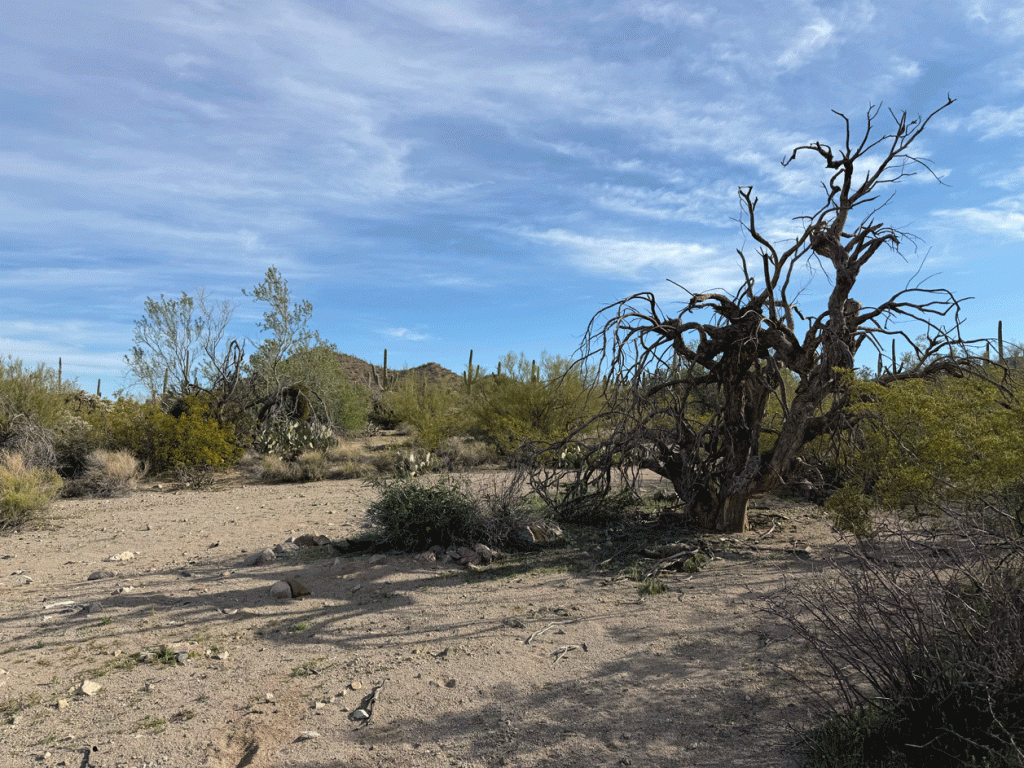
Dobie Wash, like most washes in the Southwest, are dry except for during heavy rains during monsoon season. We love the shapes of the dead ironwood trees.
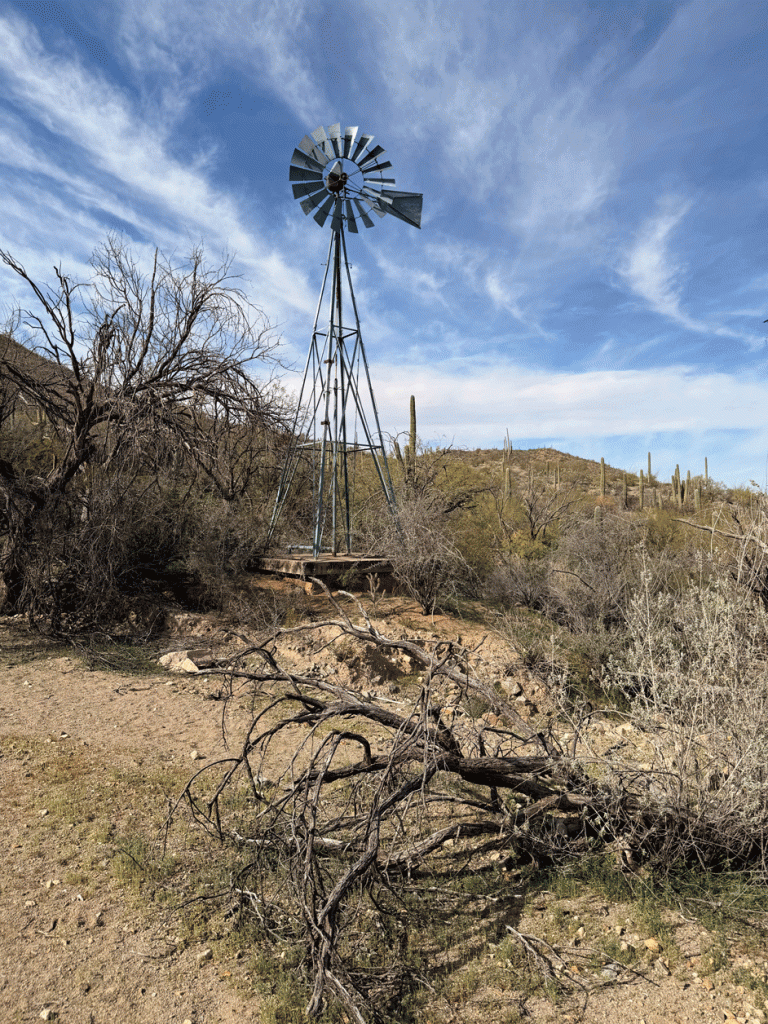
We walked up to the old windmill that we discovered last year. It’s a remnant of the work that was done by the Civilian Conservation Corps in the 1930s. We saw or heard sixteen species of birds that day, but no Gray Vireo.
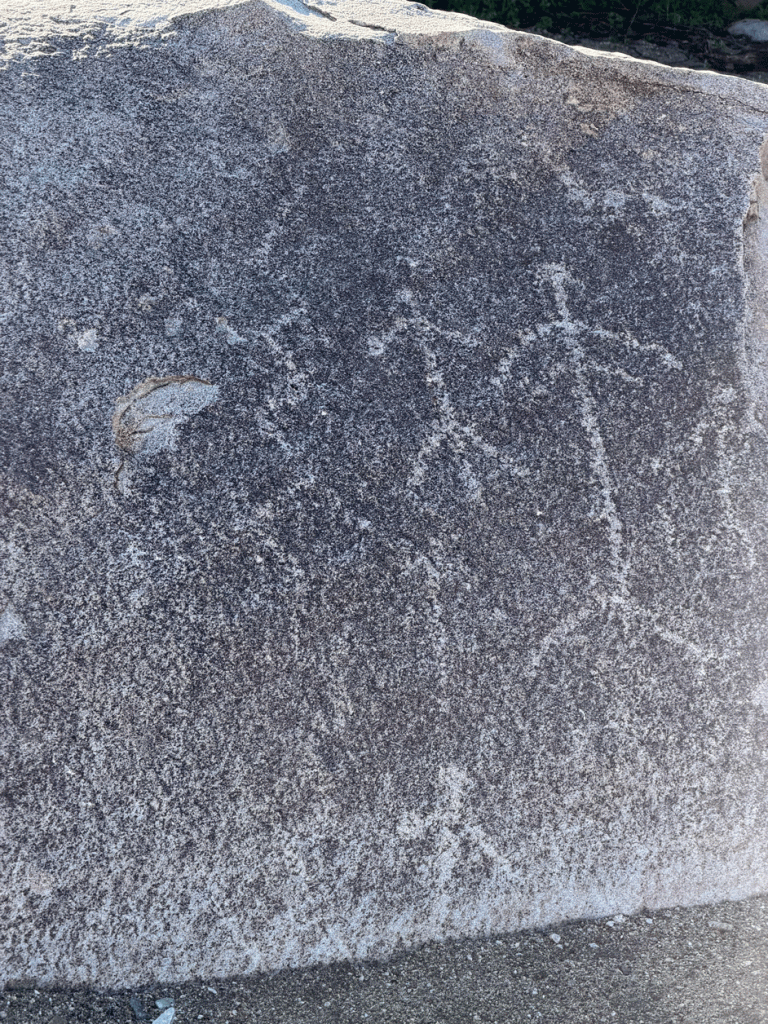
Another day, we searched again for a Gray Vireo at Wild Burro Wash in the Tortolita Mountains. We often walk along the wash when we’re hiking, but this time we wandered a bit more as we concentrated on the birds. We noticed this boulder with petroglyphs for the first time.
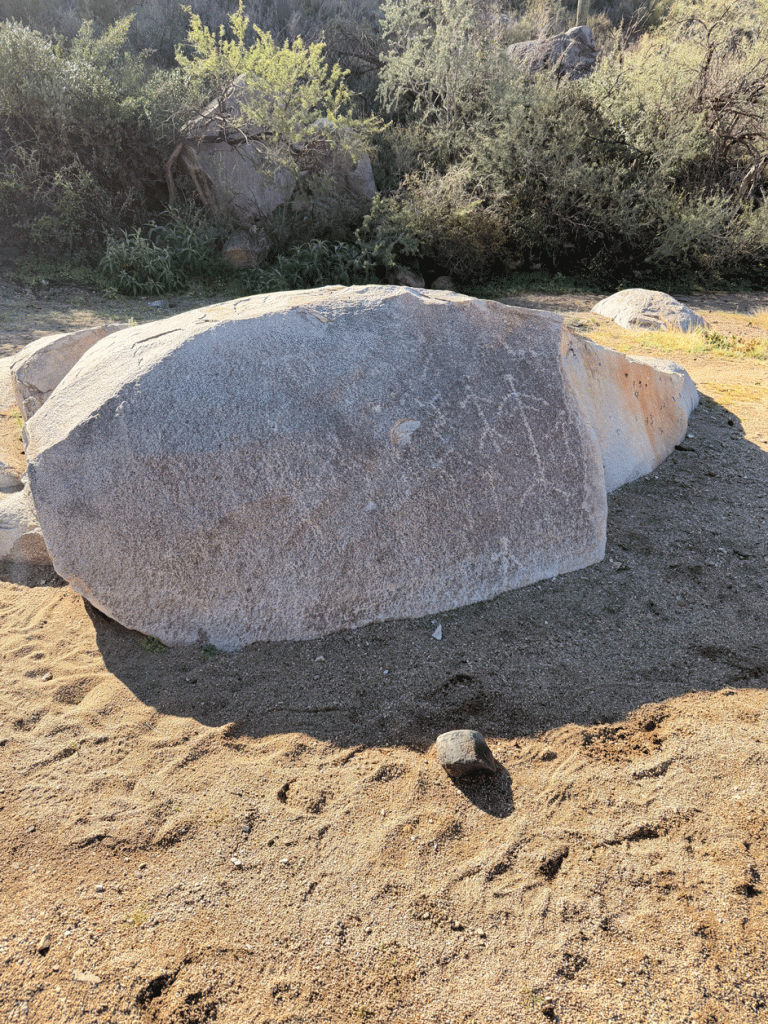
The petroglyphs are quite faint. If we had better light, we might have been able to discern figures throwing spears. Apparently these are pre-Hohokam and date as far back as 6000 BC.
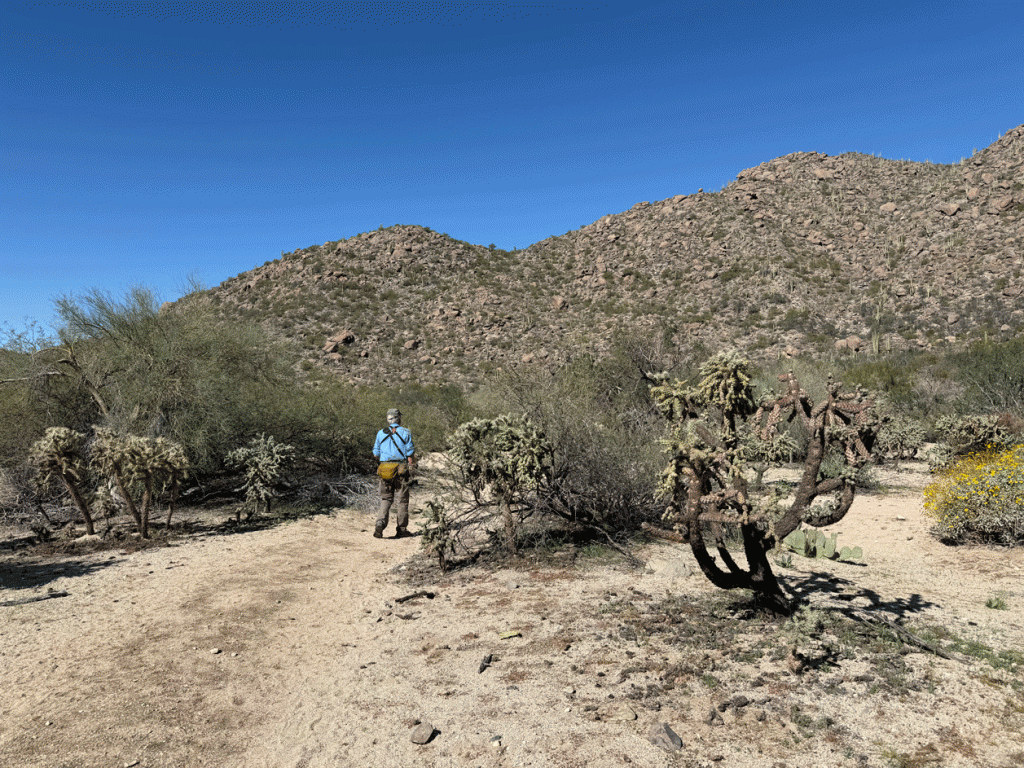
Here’s a view of the flat wash. Usually when we visit this area, we climb up the trails on the ridges that are on both sides of the wash. It was another nice day with nice birds (28 species), but no Gray Vireo.
February was a pretty busy month for exploring and looking at birds. March is shaping up to be just as good.

And sometime soon, we will organize our photos and write-up about the first few weeks in January in Arizona.
February 2026 in Arizona – Part 1

February 2026 in Arizona – Part 1

After returning from Belize and Guatemala in January, we got back into birding in Arizona. We spent pretty much every day birding. We explored three beautiful canyons searching for rare birds and took so many photos there that we will dedicate Part 2 to the canyons. Part 1 will cover everything else.
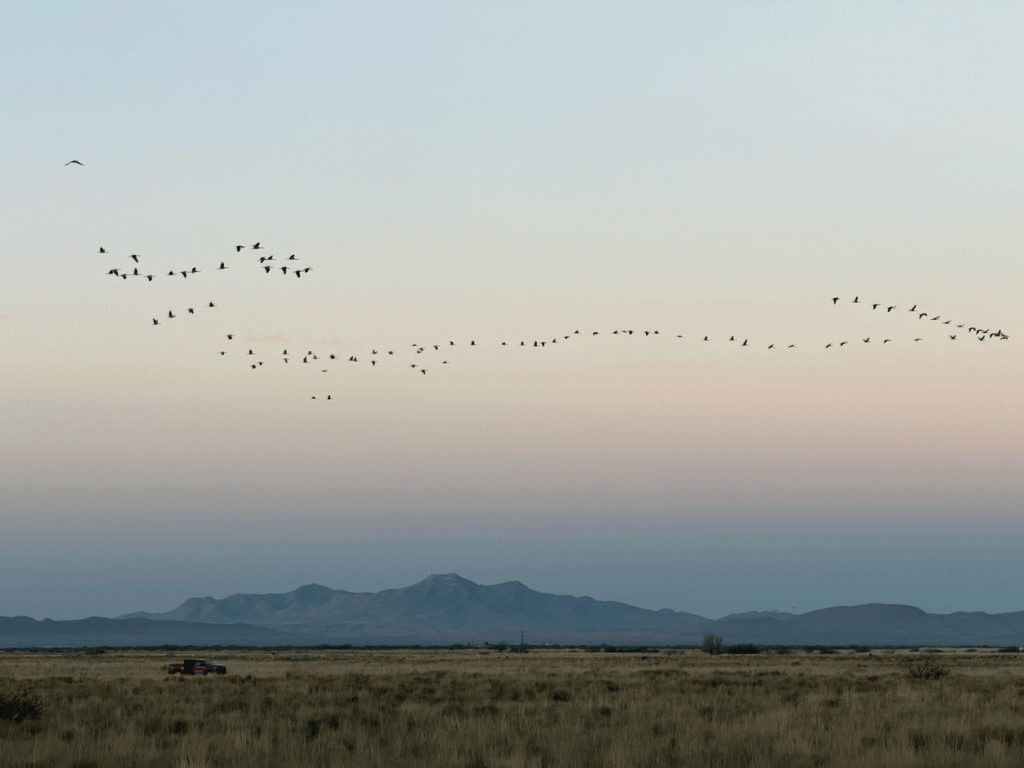
In early February, we drove to Willcox for first light, in hopes of seeing sandhill cranes. (January 2025’s post has some beautiful photos in early morning light.) This year however, there wasn’t a crane to be seen at Lake Cochise. We could hear them but they were all way out in the fields. We saw them airborne, as they left their roosting spots and flew off to forage to unknown fields. It was disappointing, but birds are not always predictable. Here’s a view as they flew away from us.

So we drove an hour and a half south to Whitewater Draw, which is famous for the numbers of Sandhill Cranes that roost there each evening. We arrived at 9:15, which meant we had a couple of hours to look at the other birds before the cranes would come back from their morning excursion.

We usually hear Marsh Wrens more often than we see them, and since they rarely pose for photos, any photo is a win. This little guy looks like it just woke up.

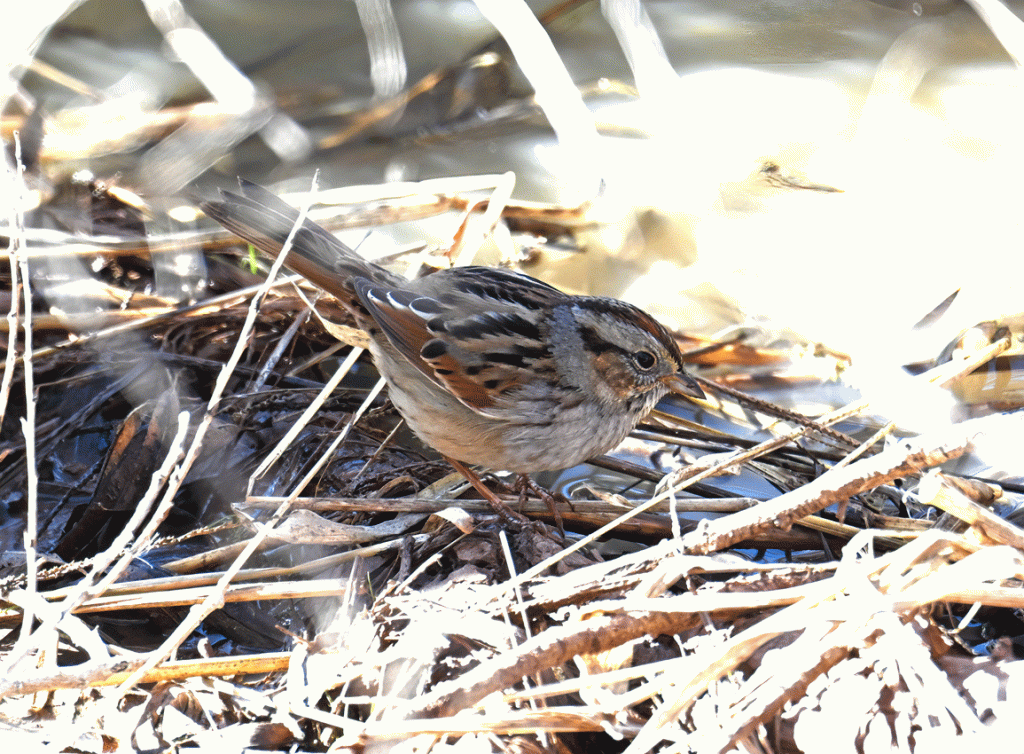
Our Merlin app alerted us to the chip note of a Swamp Sparrow, so we tried to find it. It was foraging just below the trail in the shadows, but luckily for us, it spent some time out of the dense cover that the species prefers. Swamp sparrows are considered rare at almost every location that we bird, but they are not unusual at Whitewater Draw.

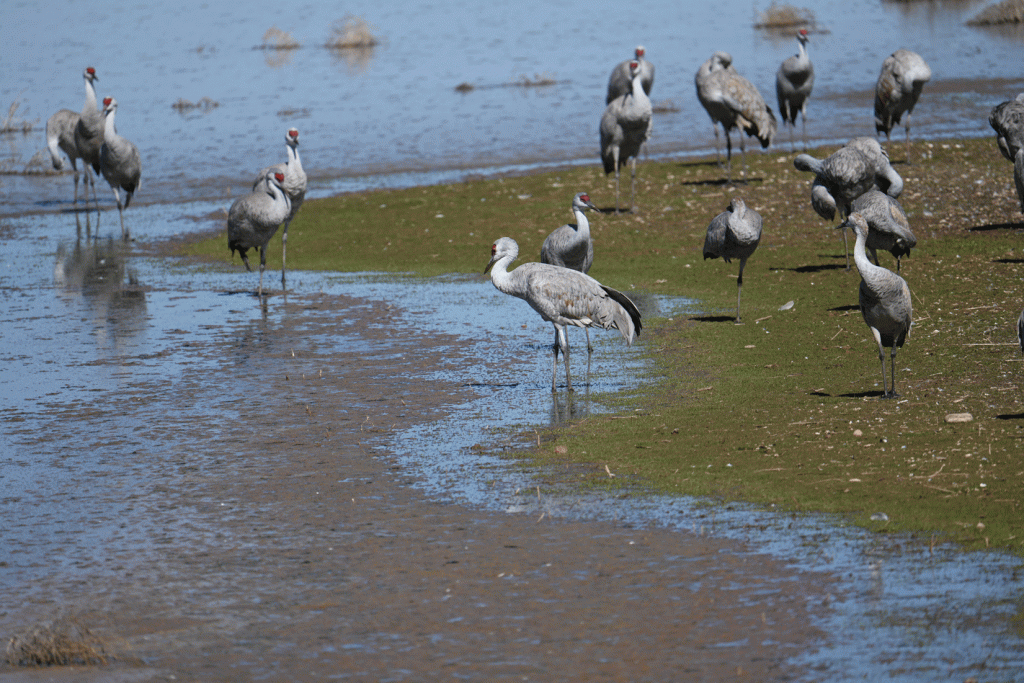
The Sandhill Cranes started trickling in around 11 o’clock. By noon, a fairly large group of them were resting at the shore close to the trail. At least another several thousand landed farther away and required binoculars or a scope to see them.

Here are a couple cranes in their gray winter plumage. When we see Sandhill Cranes in Canada in the summer, they appear reddish. This is because the cranes will stain their feathers at the beginning of the breeding season. They use their bills to apply small amounts of soil to individual feathers. Perhaps they colour themselves to help them be less conspicuous in periods when they are flightless. Or is it a form of cosmetic colouration? Whatever the reason, the cranes will be a different colour in different areas depending on the colour of the local mud. By the end of summer, the colour wears off and they go back to their normal gray.

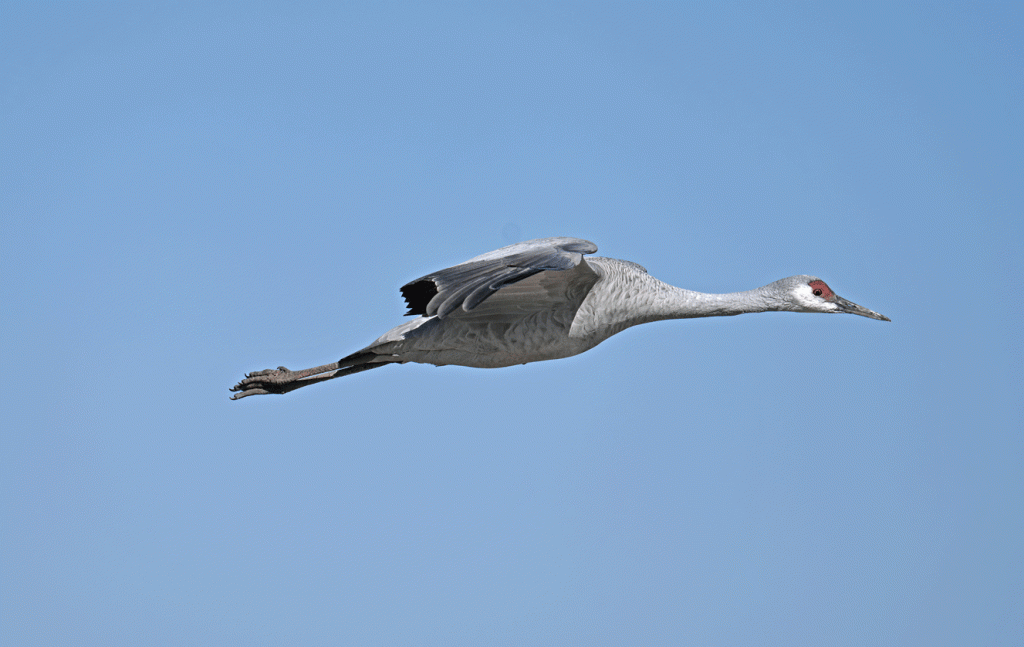
Here’s one in flight. They look so awkward on land, but have an aerodynamic profile in the air.

On our way back to Tucson, we stopped in Green Valley and saw the rare Red-breasted Sapsucker on its favourite tree. Sapsuckers stay near their favourite trees because they’ve invested a lot of energy drilling sap wells. They visit the wells frequently throughout the day, enjoying the sap as well as any insect that might also be attracted to the sweet liquid.

In the winter, the closest place that Red-breasted Sapsuckers would normally be found is California. They don’t live near us when we’re home in the summer, so it was nice to see one here.

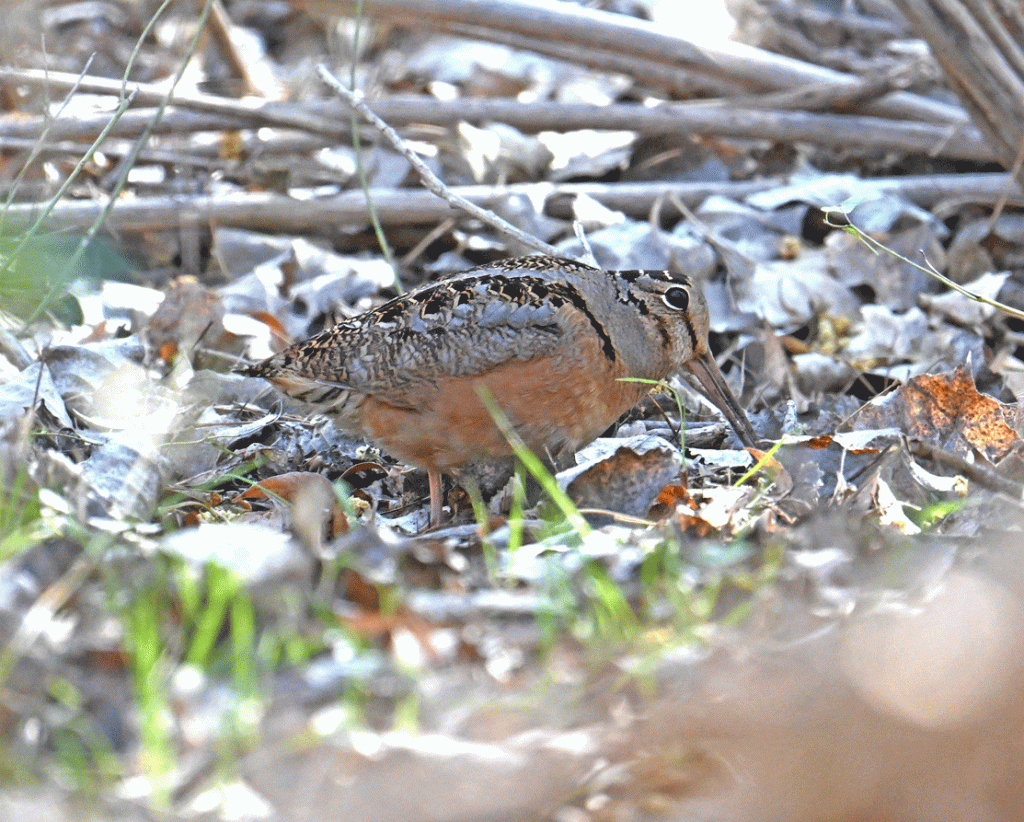
An American Woodcock showed up in Tubac, so we went to see it. In the winter, this species should be in the Southeast US from East Texas to the Atlantic Coast. It’s a unique looking bird, sometimes referred to as a “Timber Doodle.” It eats earthworms and catches them by probing the soil with its long bill. It moves by taking short forward steps and rocking its body while keeping its head perfectly steady. It’s so much fun to watch!

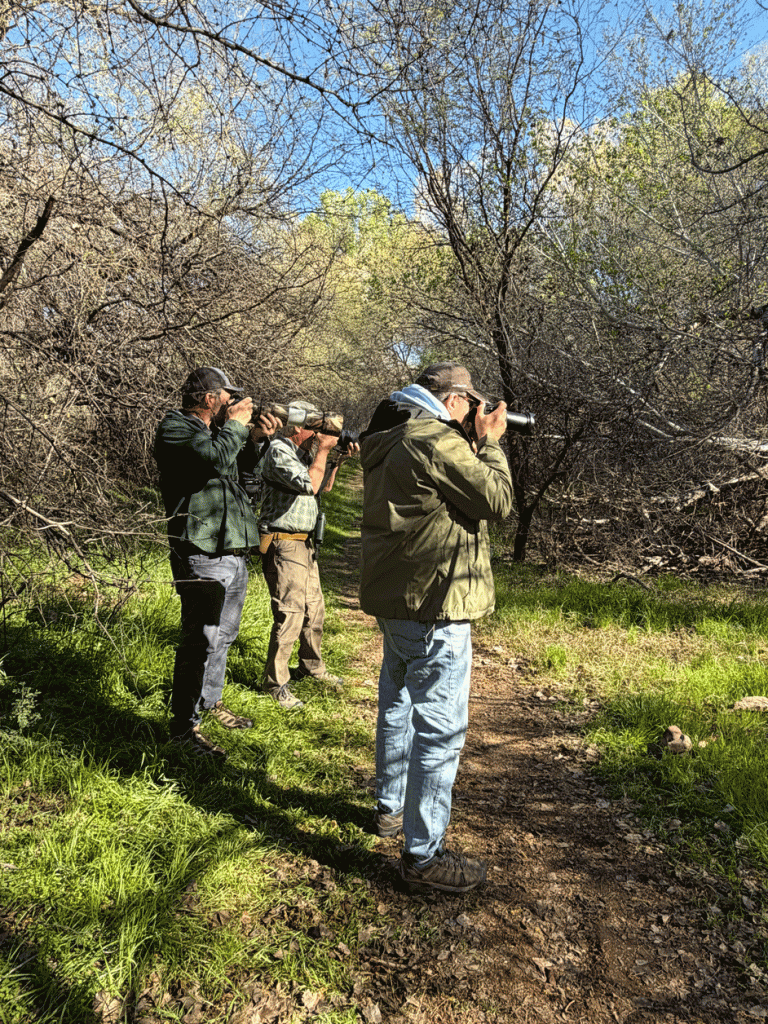
Everyone stayed on the trail to have a look and take photos, but the woodcock did not seem to even notice us. We had time to chat with other birders that had come to see the bird that morning. We heard the story of how the woodcock had been found.

Apparently, the woodcock had been in the area for several days, but it didn’t become known to the birding community until a video that was taken by a non-birder got to one of the “pros” that come to Tubac for Hawk Watch. This person was able to examine the metadata on the video and determine the location where it was recorded. A group went out one evening and located the bird foraging in the forest near the community centre garden. Luckily, the next morning, a determined birder relocated it. He got the word out and soon several people were watching it. That morning, it stayed within view for at least an hour and a half. Many people saw the woodcock in the next several days.

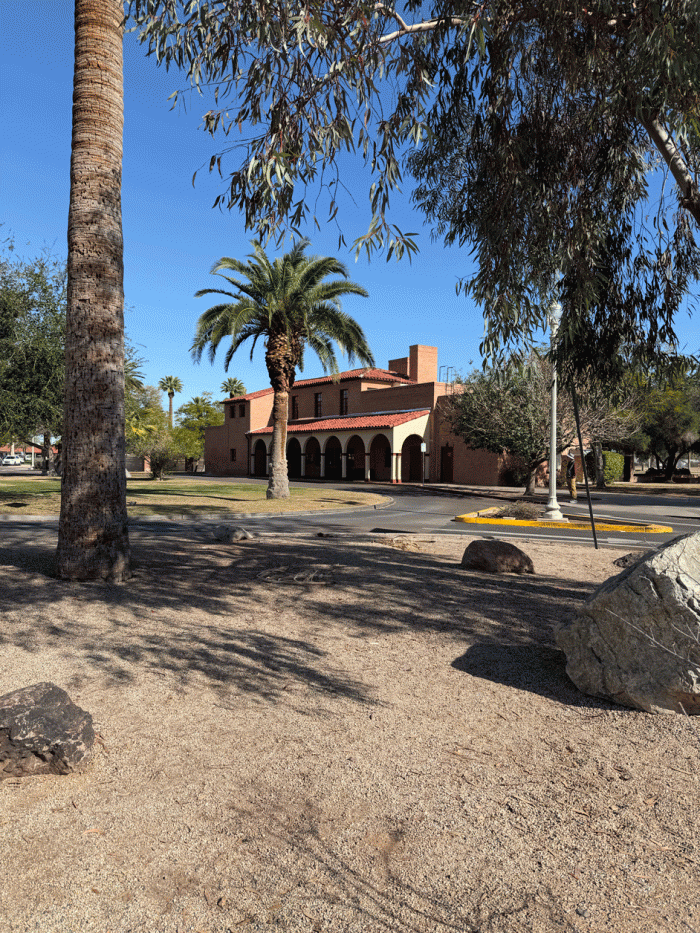
Another day, we took a day trip up to the Phoenix area to see some new birds and “First of Year” (FOY) birds. We went to Encanto Park, a large park in central Phoenix that was established in 1935. Below is a view of the clubhouse which now can be rented for private functions.

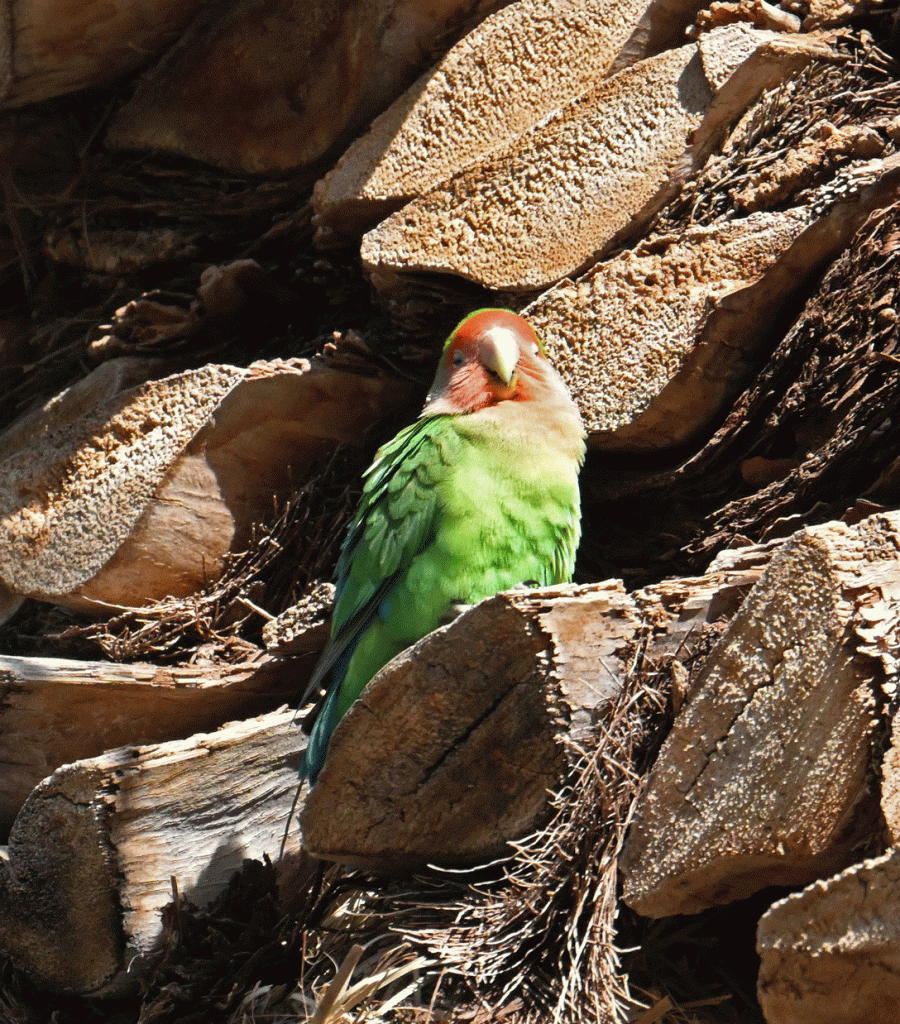
Luckily for us, the Rosy-faced Lovebirds that we had come to see were enjoying the palm trees right by the parking lot. They are a very small, colourful parrot with a relatively large head. This photo gives a good view of their pinkish face.

Here’s another lovebird photo. Rosy-faced Lovebirds are native to Africa, but were accepted on the official ABA bird list in 2013, because of the naturalized population of more than a thousand individuals in the Phoenix area. We have seen this species once before in Hawaii, but those birds were considered “escapees” and didn’t count on our official list. This photo gives a good view of their short blue tail.

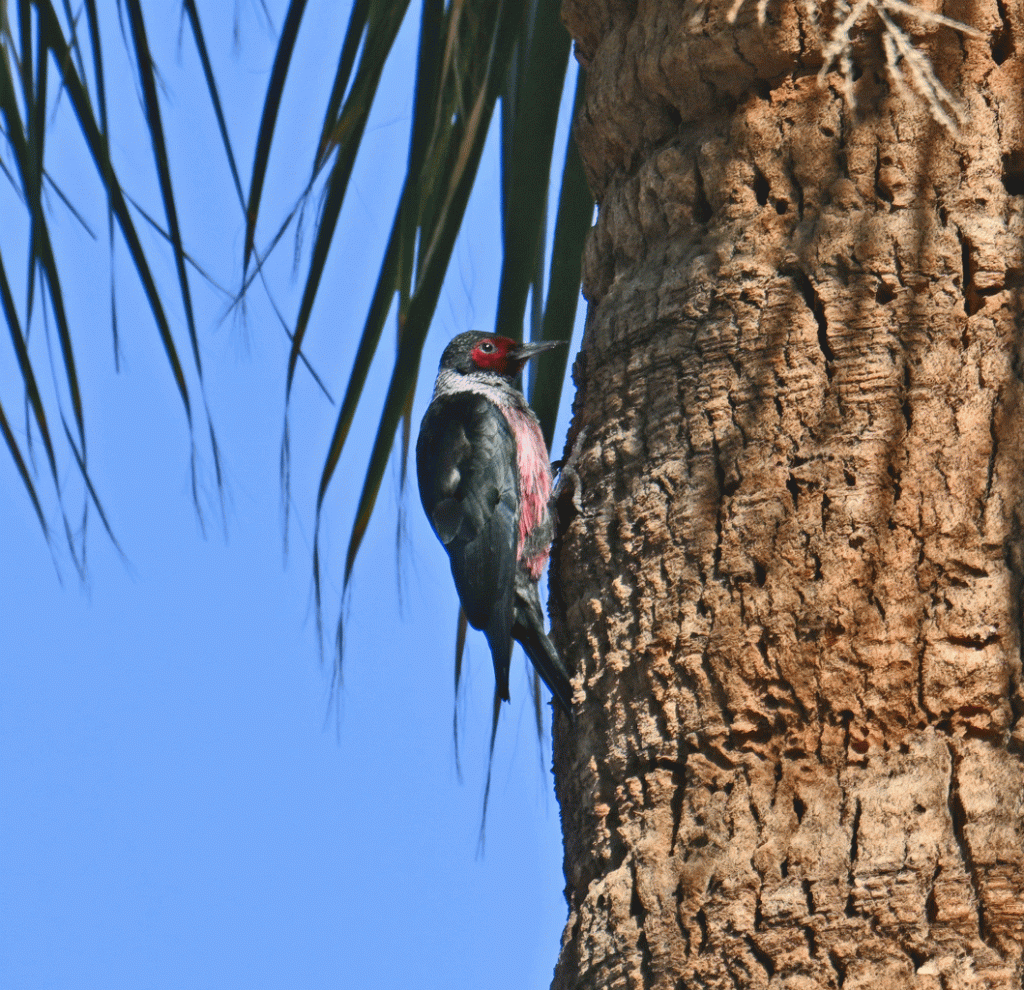
Another bird flying around the palm trees caught our eye. We got closer and realized we were looking at a Lewis’s Woodpecker. Lewis’s Woodpeckers fly differently than most other woodpeckers, flying more like a crow. They will sally into the air to catch flying insects rather than drilling into the tree for larvae.

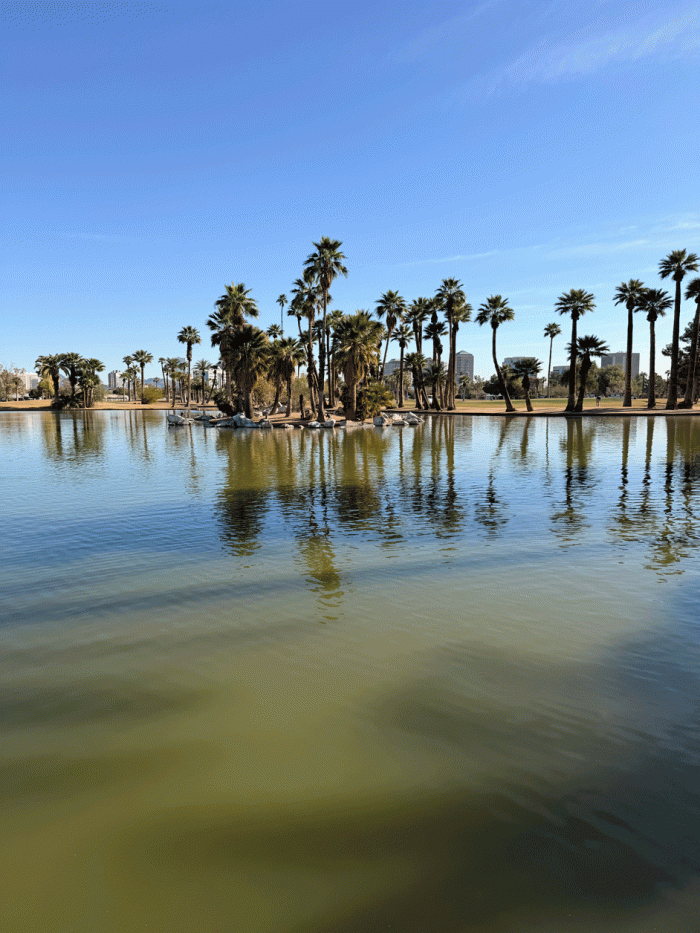
After seeing these two species we were ready to head to the next spot, but we needed the washroom first. Walking over, we realized that the park was a lot larger than we first thought. Here’s a view of the 3 hectare (7.5 acre) lagoon. The whole park is almost 90 hectares (222 acres) and includes sport facilities like tennis courts and softball fields as well as a golf course.

Next we drove to a spot in Queen Creek, where Monk Parakeets were nesting. Monk Parakeets are native to South America and are the most abundant naturalized parrot in the US. The population in Queen Creek is considered “Provisional” because the parrots have been breeding in the wild for several years but are not yet considered “Naturalized.” We can count this one as a new species on our life lists. We saw at least five parakeets, but this one on its nest was the best photo.

Since we were nearby, we visited the Riparian Preserve at the Gilbert Water Ranch. We only saw two American White Pelicans, when we often see a dozen or two. Perhaps they have started migrating north already.

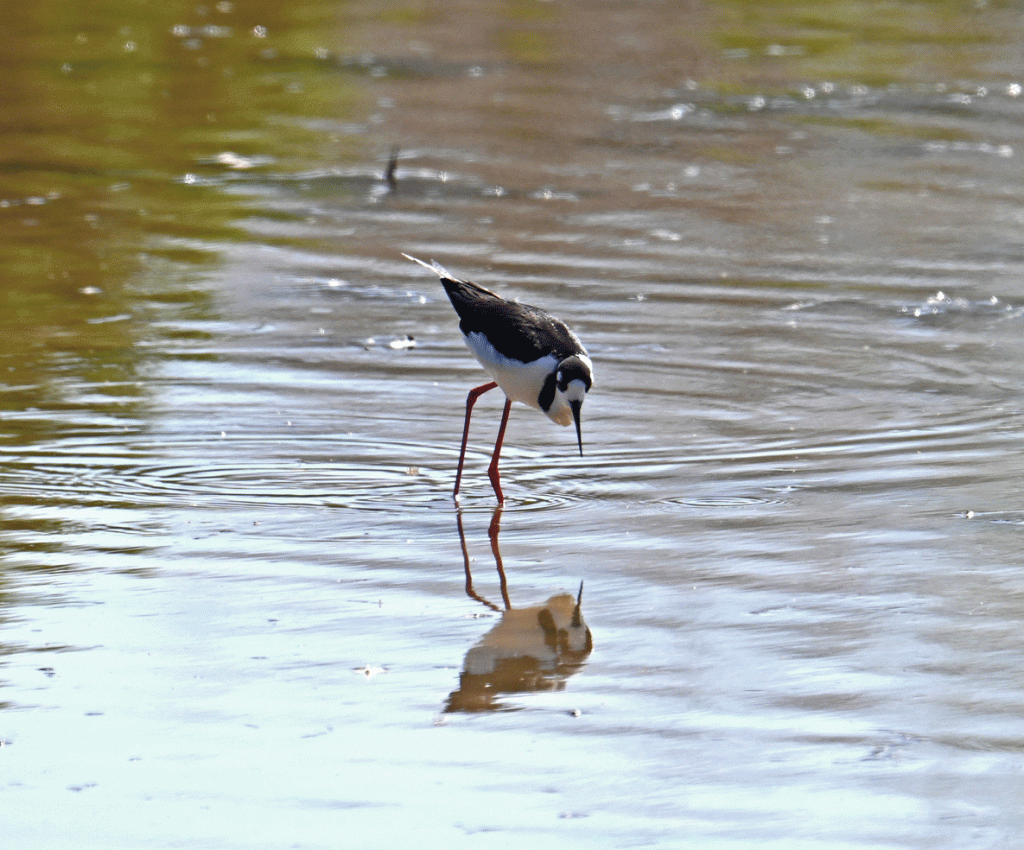
This Black-necked Stilt appears to be looking at its own reflection. Stilts have the same colouration all year. We also saw American Avocets along with over thirty different species at the Water Ranch.

Another day, Doug birded by himself at La Posta Quemada on the east side of Tucson, because he would rather go birding than join Wendy at a quilt show.

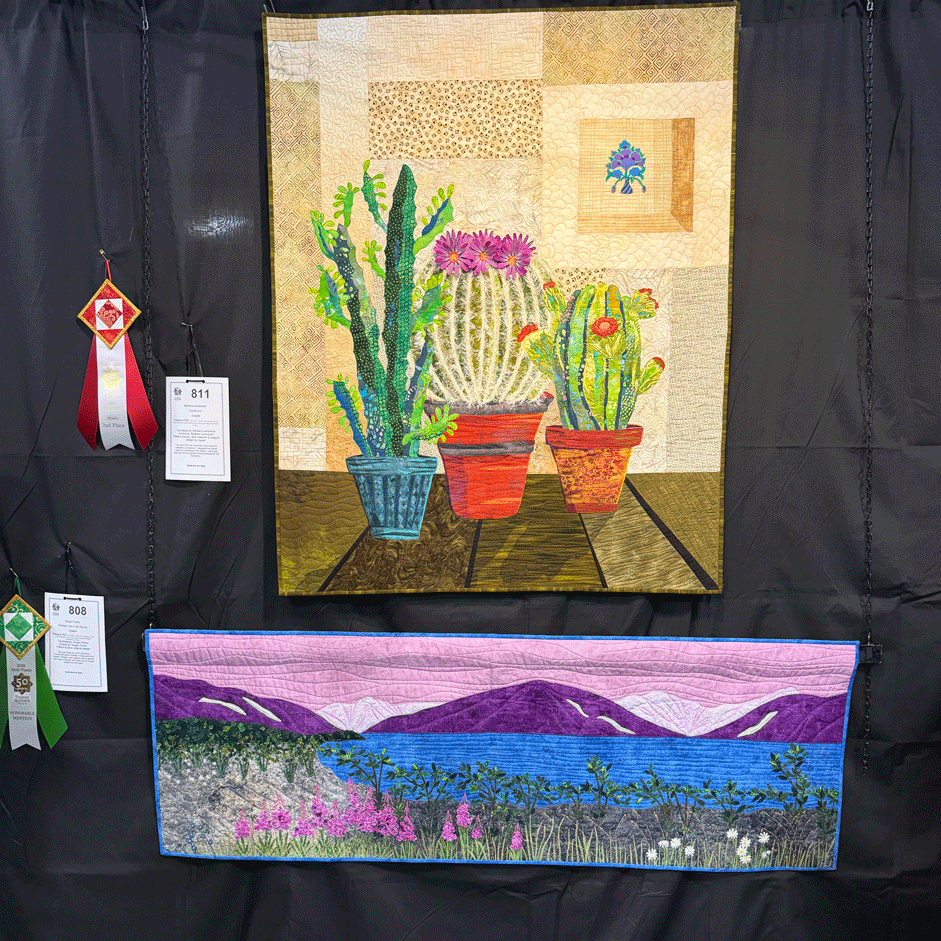
The Tucson Quilt Guild’s annual quilt show, “Quilt Fiesta,” was held at the Pima County Fairgrounds. Here are some quilts that Wendy enjoyed.

The top quilt has cacti that were made with a collage quilting technique taught by Jane Haworth. Notice the pieced background which was quilted with a variety of free-motion motifs. This one won 2nd place in the “Art Quilts: Realistic” category and was made by Barbara Lambrecht.

The bottom quilt won an “Honorable Mention” ribbon. It’s an Alaska scene, titled Portage Lake in the Spring. It’s by Ginger Frame.

The next two quilts use fabrics from the Kafe Fasset Collective. The first one is by Doreen Diaz and quilted by Athena Taylor. Doreen modified the “Sparrows” pattern by Pen and Paper by adding sashing and a border.

“Kaffe Butterflies” won an Honorable Mention ribbon. Pat Morris machine pieced and quilted it on her domestic machine.

We only went on one hike that wasn’t focussed on birding, although we did manage to see or hear 19 species over the two hours. We took our binoculars which allowed us to have good views of a Peregrine Falcon and to distinguish the small White-throated Swifts flying overhead. We started on the “Scenic Trail” in Saguaro National Park and made a loop by hiking through Sanctuary Cove.

The trail went over a saddle and along a ridge, giving us a good view of Sombrero Peak (Safford officially), on the left and Panther Peak on the right.

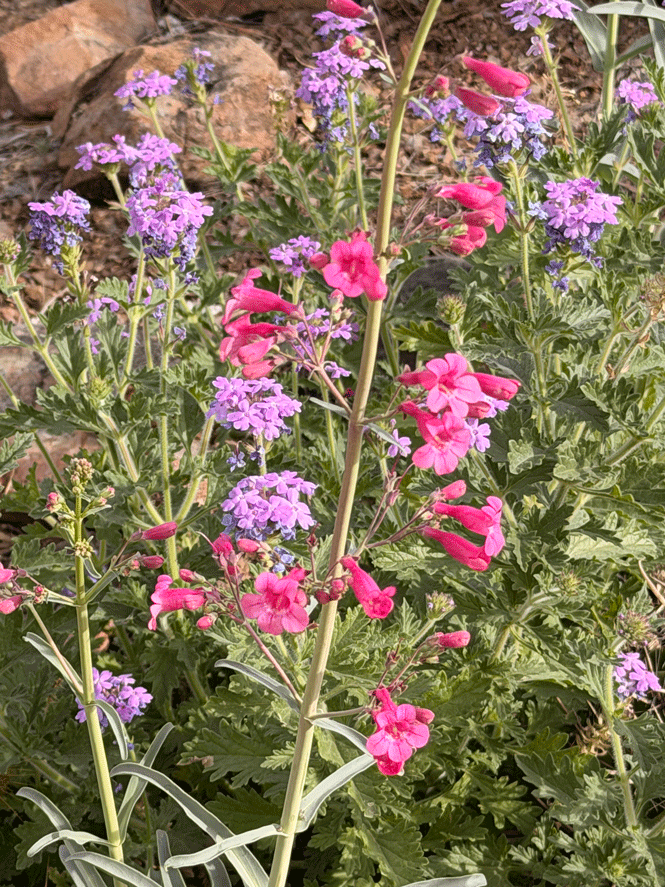
Here are some images from the Arizona-Sonora Desert Museum. The bright pink penstemon is one of our favourite flowers.

This is a view of the cactus garden in mid-February.

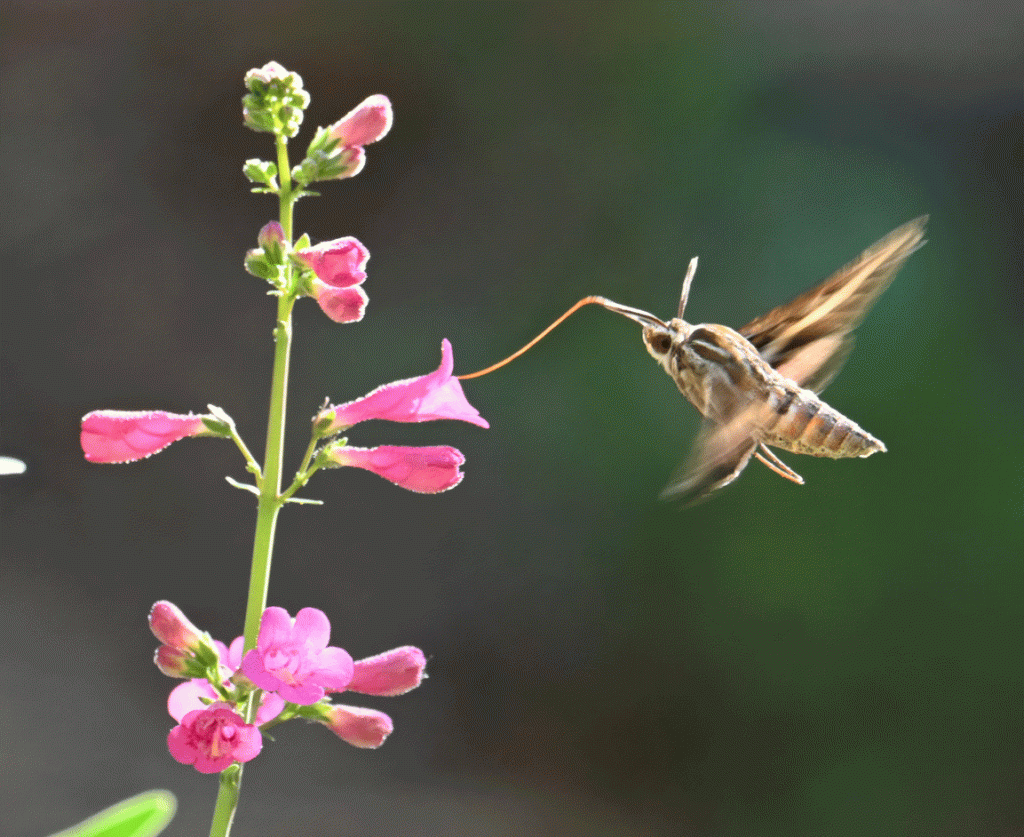
This is a White-lined Sphinx, also known as a “hummingbird moth,” because of its behaviour and size (5-7 cm / 2-3″ wingspan.) It also enjoys the penstemon flowers at the desert museum. Although they prefer to forage at night, sometimes they fly during the day.

We saw a hummingbird on her nest one day at the desert museum. The next week, we saw a baby hummingbird’s head peeking out.

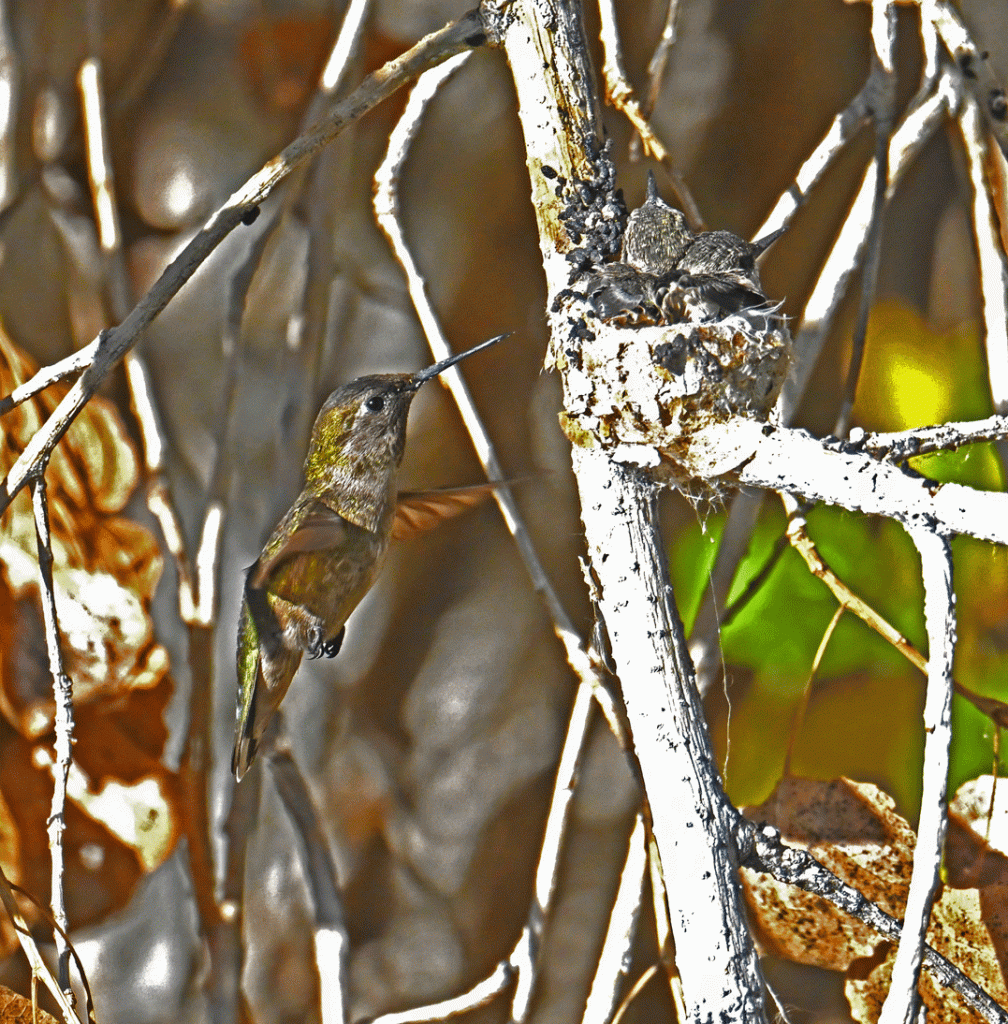
At Sweetwater Wetlands, we saw this Anna’s Hummingbird with her two babies. They were very close to fledging and they looked really squished in the tiny nest. Doug took the photo from a long ways away with his telephoto lens, and then cropped the image to obtain this photo. We went birding at Sweetwater three times in February, but this is the only photo we have included this time.

We birded four times at El Rio Preserve, and this was our favourite photo from those outings. Here’s a male Cinnamon Teal. Its long, dark spatula-shaped bill strains plant matter and insects from the water.

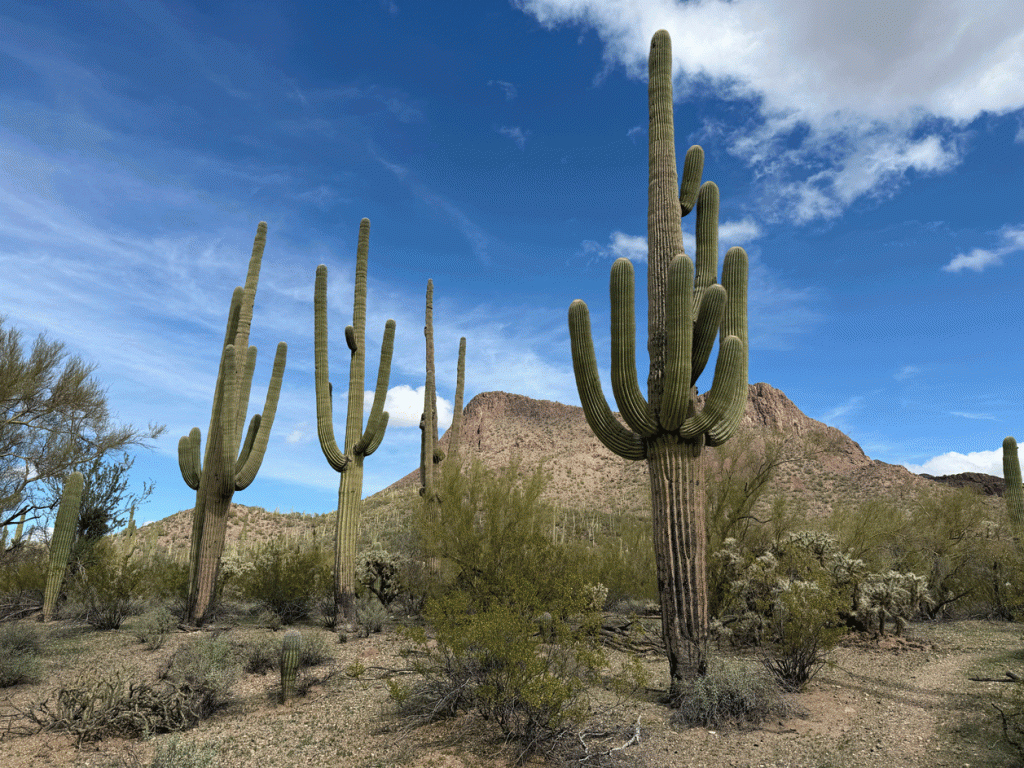
One cool day, we took a desert walk from our place. We can’t help taking photos of our favourite saguaro grove, so here’s another one. Panther Peak is in the background.

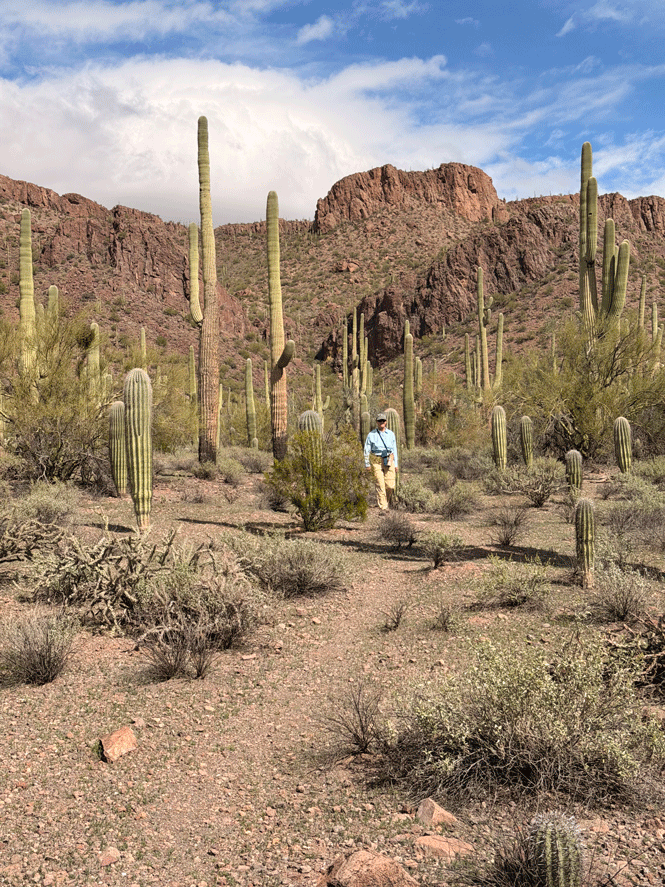
This day, we did the longer loop, following the trail to Panther Peak and then cutting down a more primitive trail to the wash. The route to Panther Peak goes up the draw behind Wendy in the photo below.

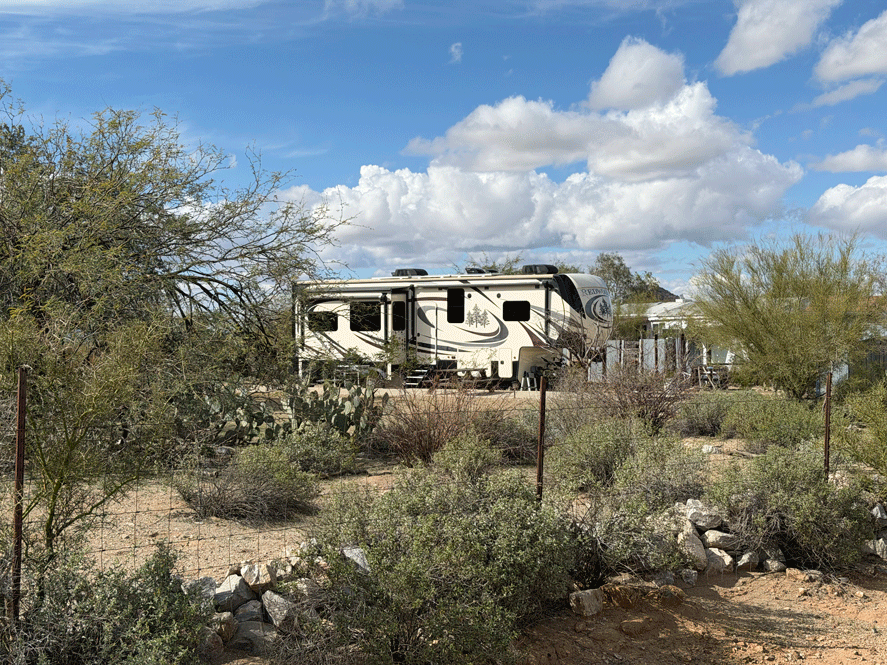
We took this photo as we were returning to our place. This is the view of our Redwood from the southeast corner of the property.

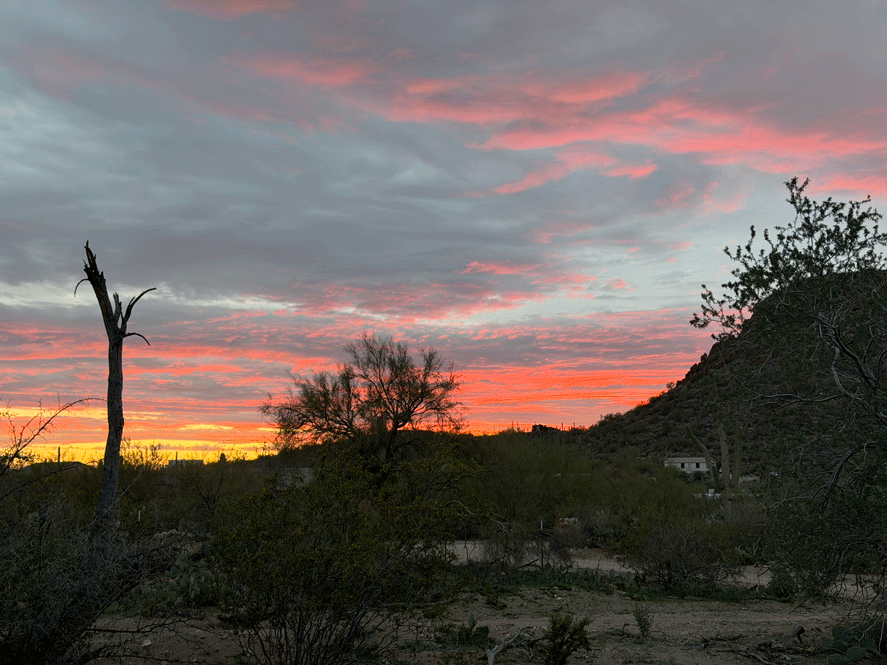
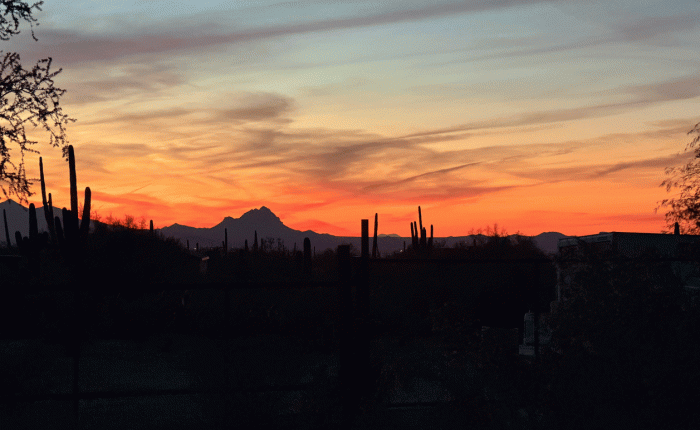
We had above average rainfall throughout February, which gave us some days with cloudy conditions. We think the best sunsets need clouds. Here are four “above average” sunsets. This one is from February 5.

Sunset February 14

Sunset February 20

Sunset February 21.

Part 2 will be about the three canyons we visited: Chino Canyon, Sycamore Canyon and Rock Corral Canyon and will be posted soon.