This is Part 1 of our trip to Guatemala, but actually Part 5 of the whole trip (Belize and Guatemala). It will cover our visit to Las Guacamayas Biological Station and Jungle Lodge.
A driver met us at Black Rock Lodge and drove us through San Ignacio to the border of Guatemala which was about a half hour away. We paid an exit tax to leave Belize, got our passports stamped and then walked across the border. Our new guide and driver somehow maneuvered their way into the busy section between the two border control buildings. It was great to be met with “Wendy? I’m your guide Bene. We’ll take your bags,” in the middle of all the confusion. We worked our way across the street and Bene helped us get in the proper line to get our passports checked. A long line of tourists were having their passports stamped as they were exiting Guatemala.
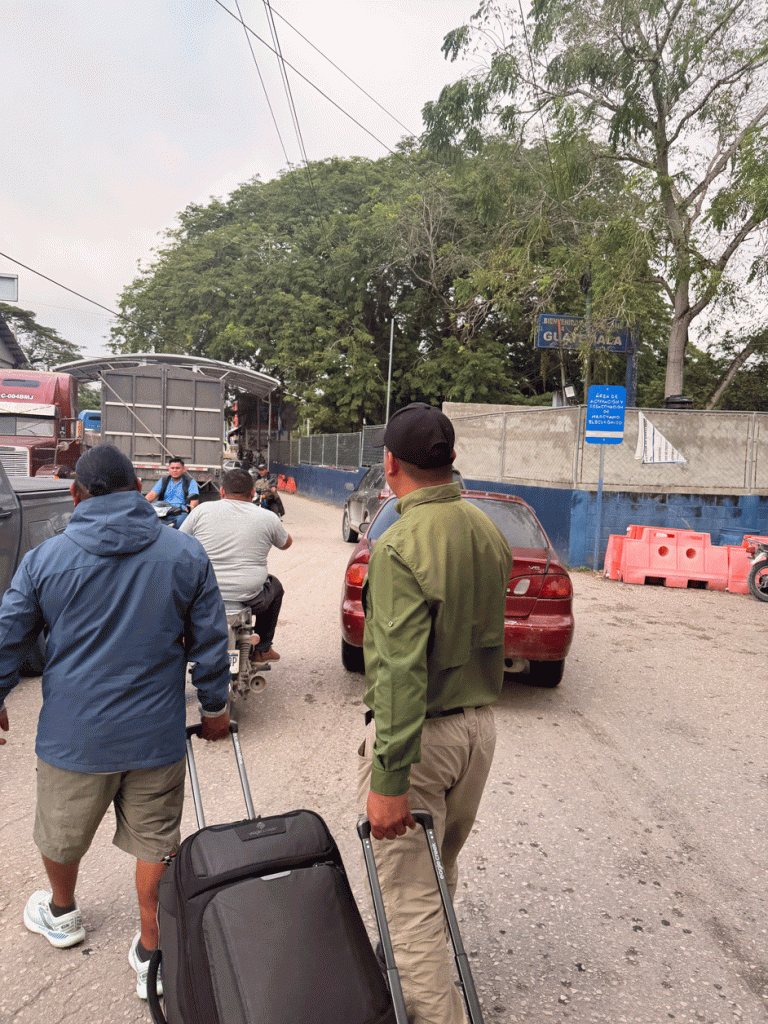
Once we were through with the formalities, we quickly loaded into a 4-wheel drive truck that was parked in a rough parking area. The next challenge was getting back into the line of traffic between the trucks. Within a few minutes we made our first “technical stop” (as our guide liked to call it) to cover the luggage in the back of the pickup with a tarp in preparation for the rough road ahead and use a washroom. The first couple of hours of our five hour drive to Las Guacamayas Biological Station were on paved roads, but potholes dominated so it was bumpier than the gravel roads that came next.
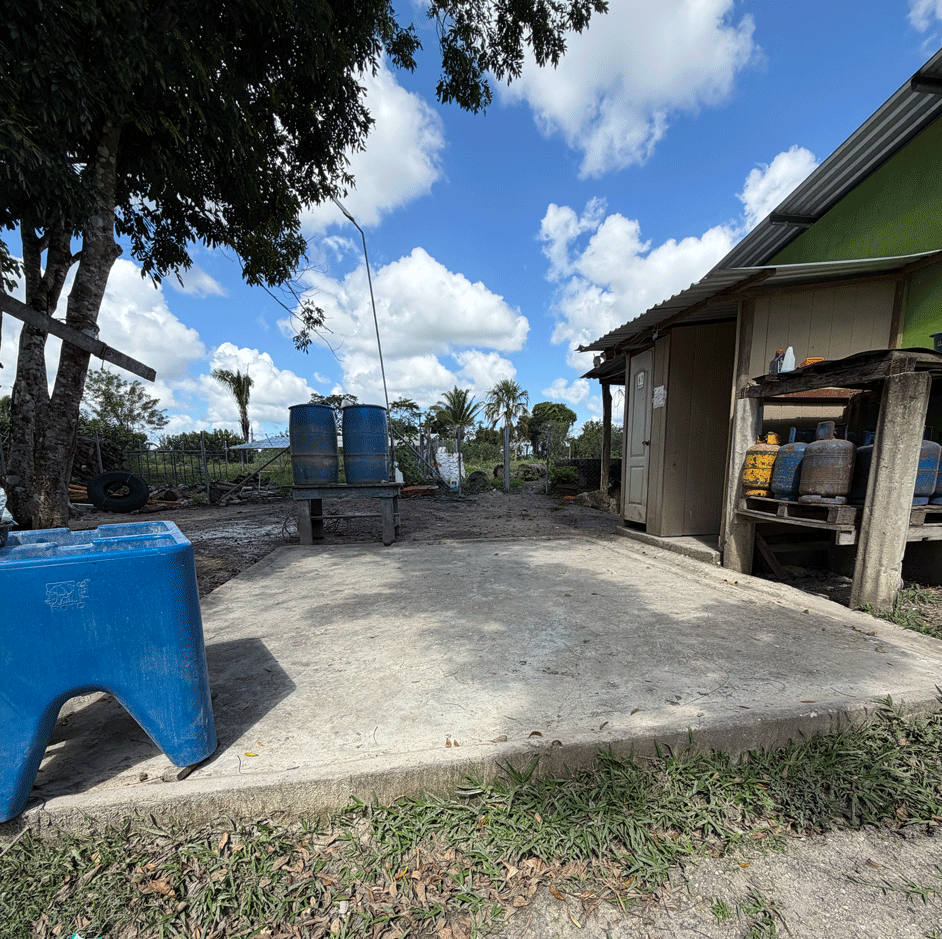
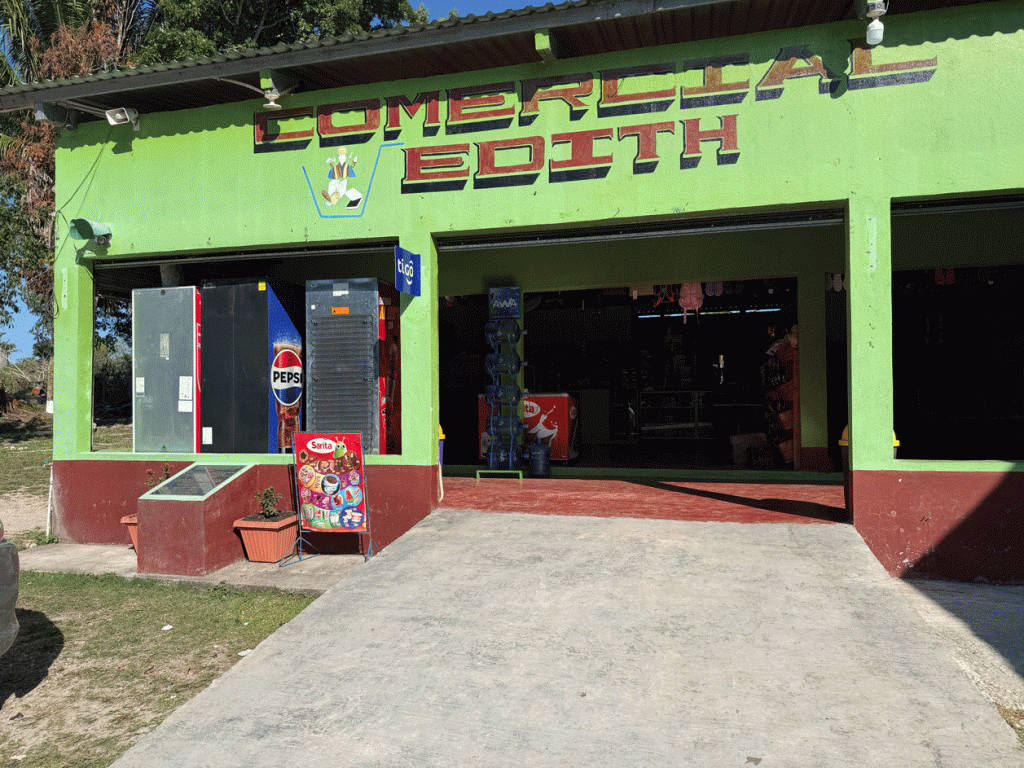
This was the last flush toilet along our route in a small village of San Andres. According to the commemorative plaque, the water system was constructed in June of 2024. Our guide paid 2 Quetzals (about 25 cents) at “Comercial Edith” for Wendy to use the facilities. (Two days later, on our way out, we saw a truck being loaded with bags and bottles of fresh water here.) We still had almost two more hours in our journey to the biological station.
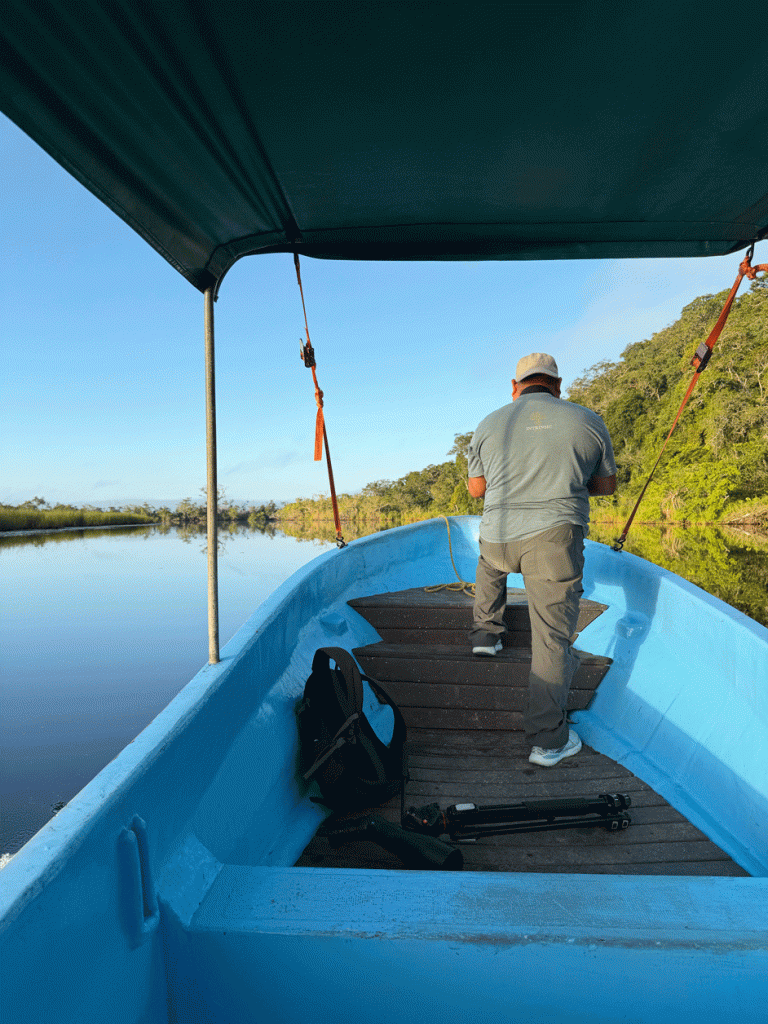
We reached the village of Paso Caballos about 2 o’clock. There was a short rough road that led to the river bank. Here Wendy is getting into the boat that will take us on our last part of our journey.
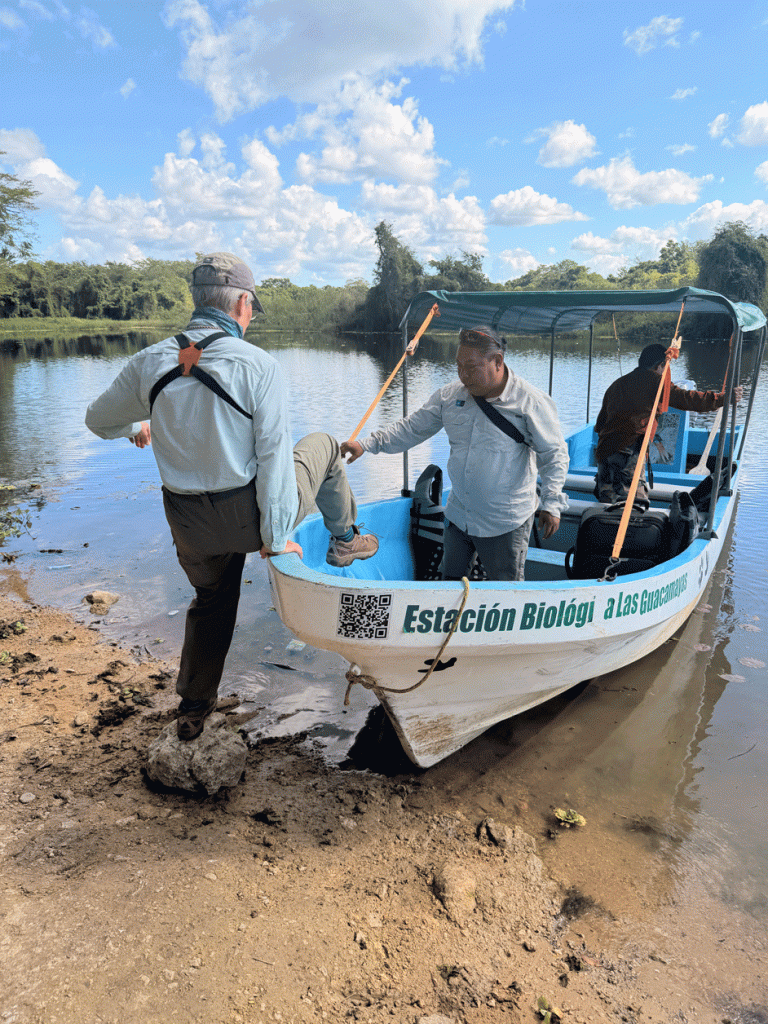
It was a calm fifteen minute boat ride down the slow moving San Pedro River. Our assistant guide, sitting in the front on the photo below, was known as “Beto.” He was multi-talented, working as a birding guide, driver, and boat captain for us.
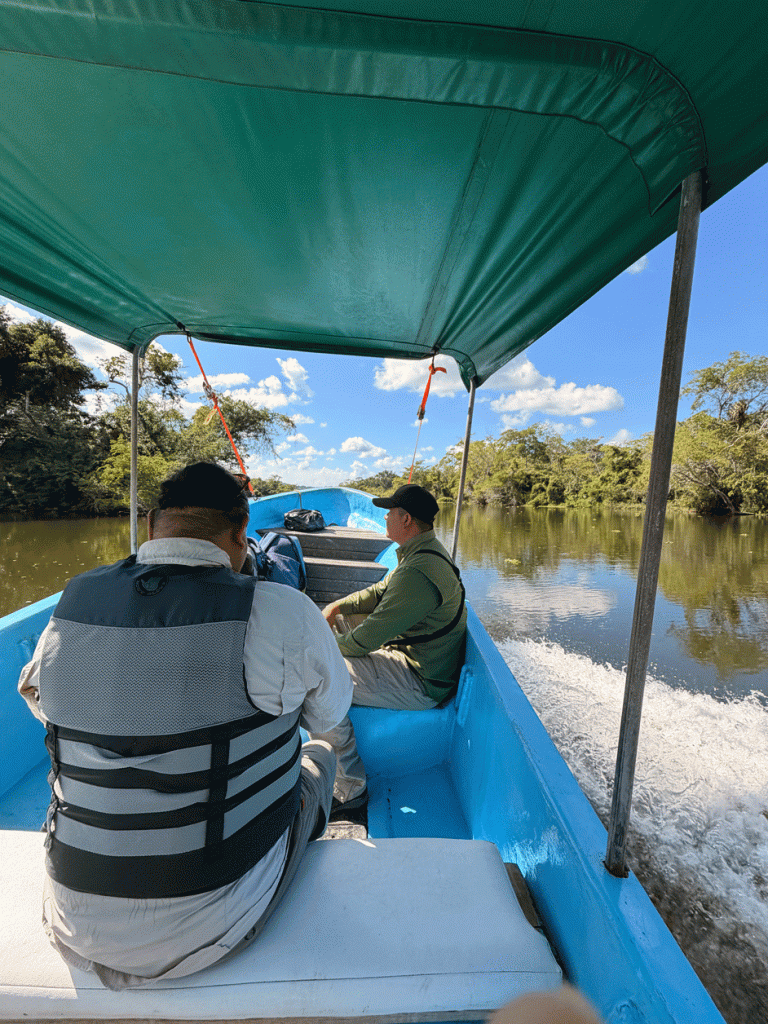
We arrived at the Biological Station of Las Guacamayas and Jungle Lodge about two o’clock. The biological station is in Laguna Del Tigre (Jaguar Lagoon), the largest national park in Guatemala and part of the Maya Biosphere Reserve.
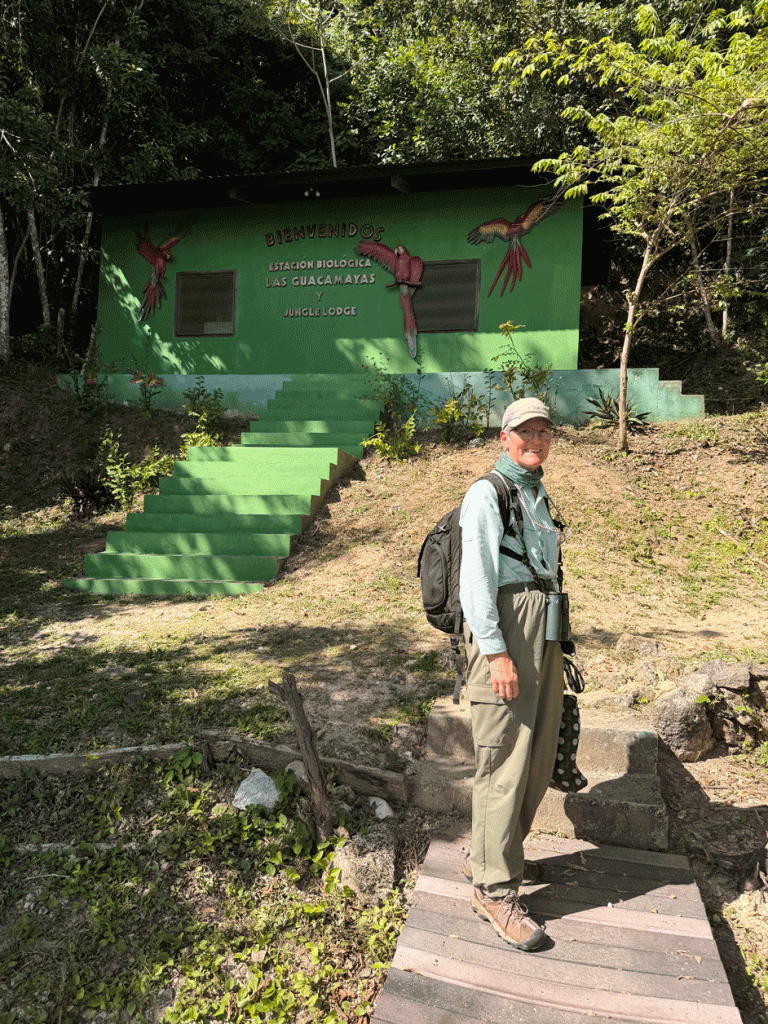
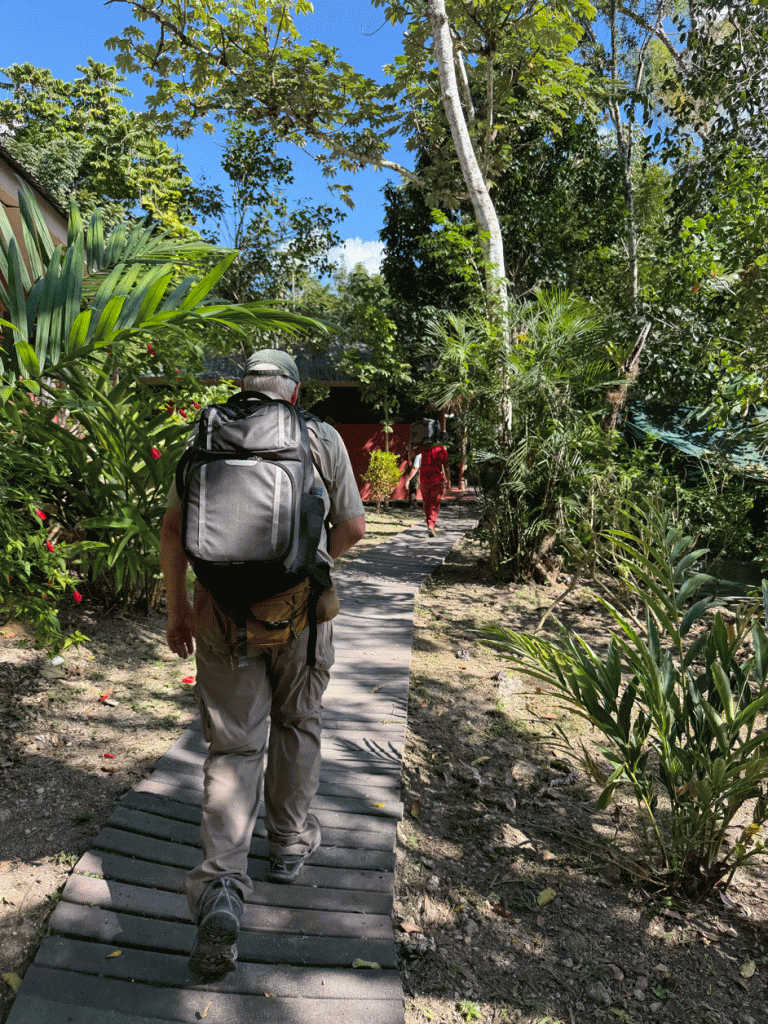
This is the boardwalk to our room.
The room was very tastefully furnished and had a mini-split air conditioner. The air conditioner was operational when the generator was on, which was usually in the evening. We never needed the bug curtains.
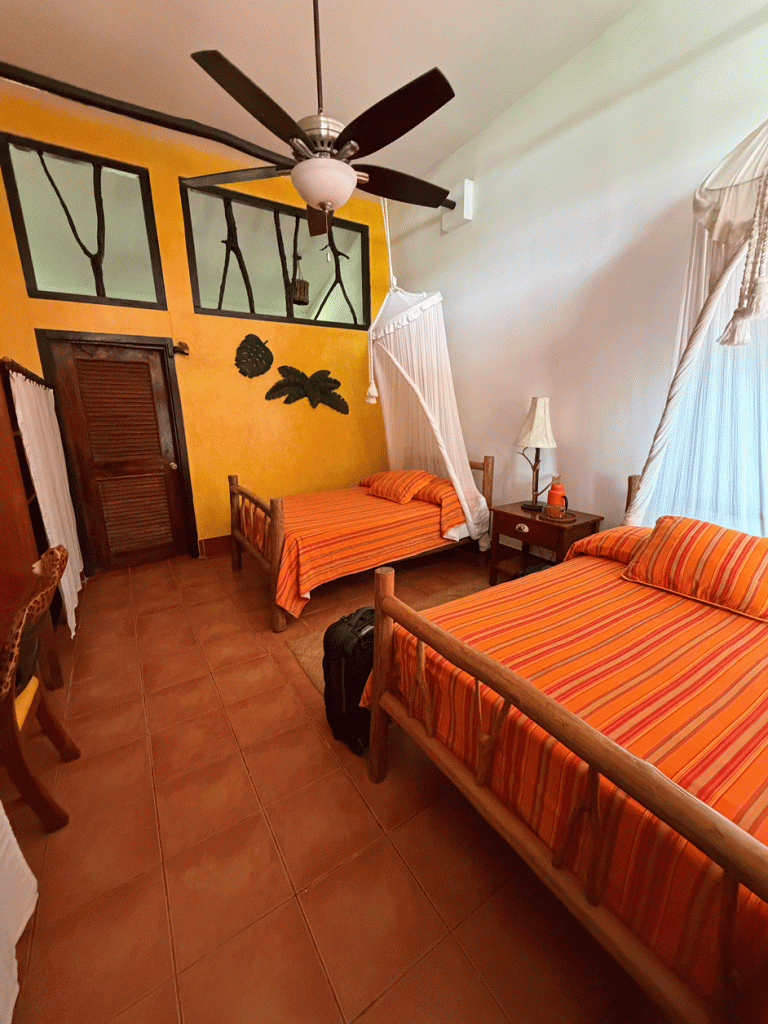
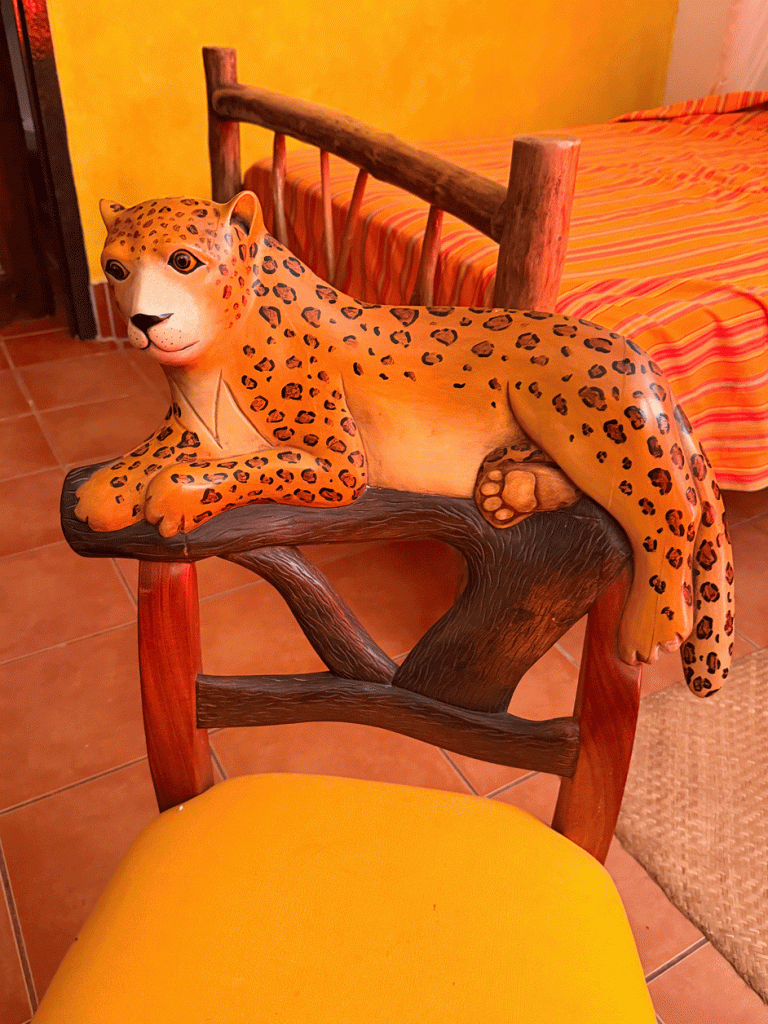
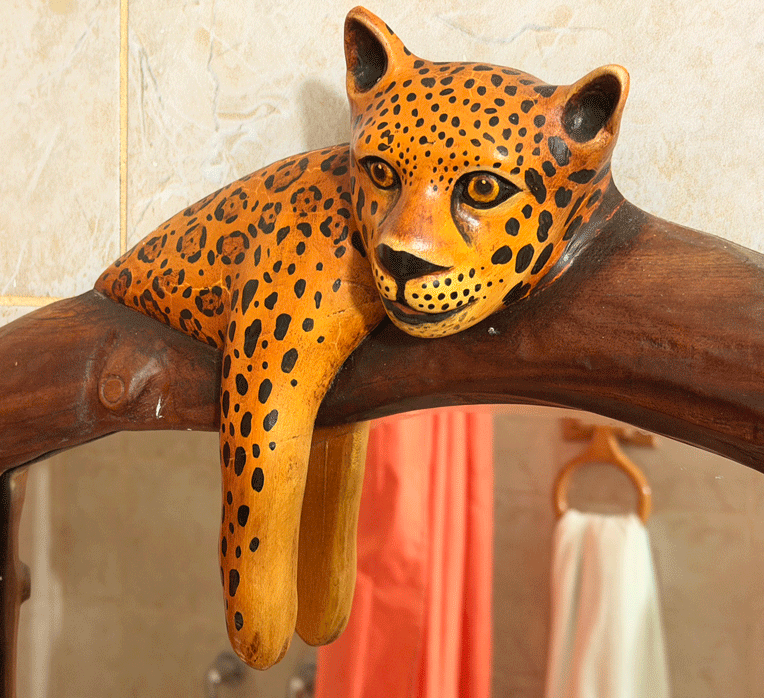
We had the “Jaguar” room, with jaguar accents on the chair and bathroom mirror.
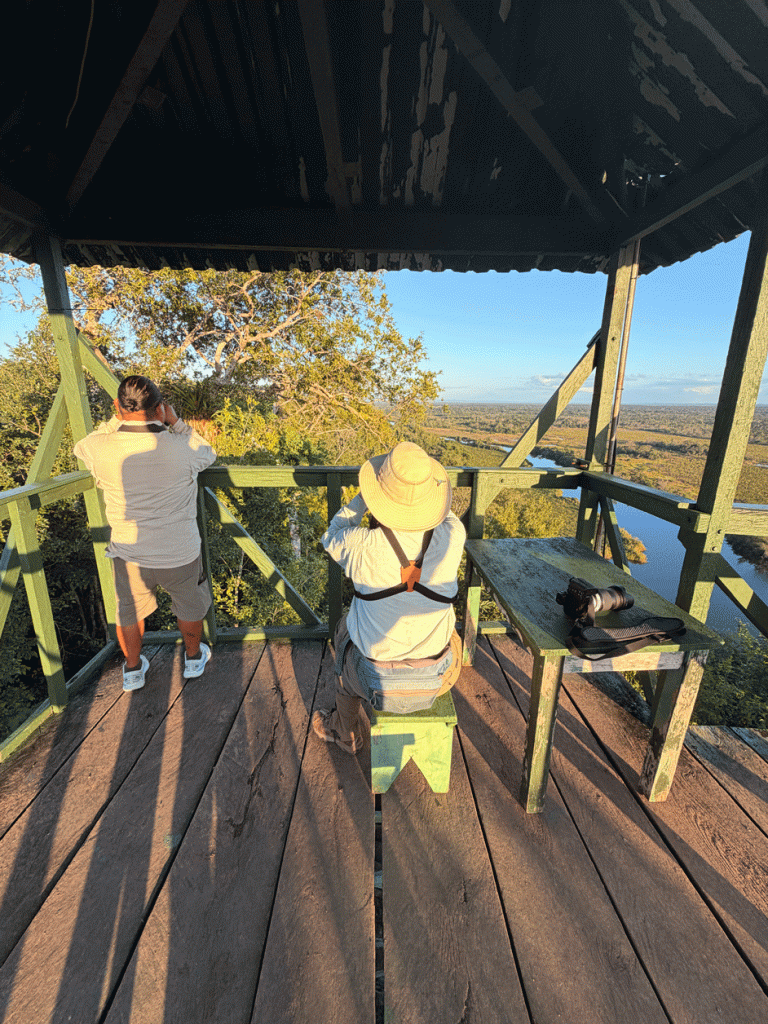
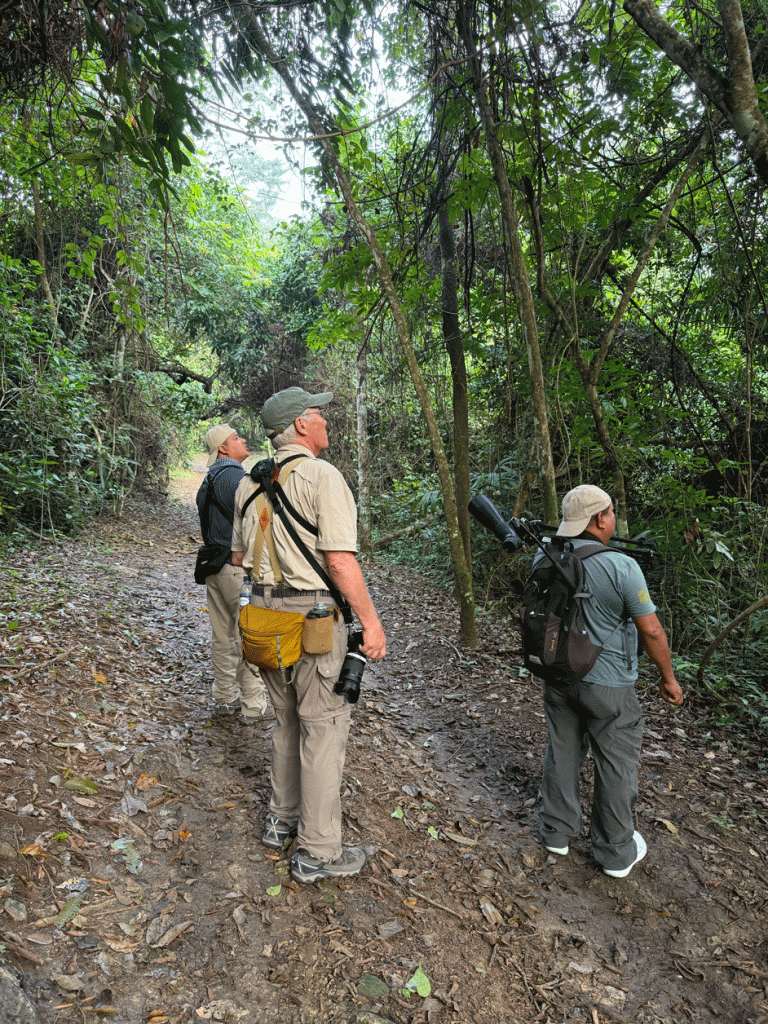
After a late lunch and a short rest, we headed out to bird around the grounds and up a trail to the limestone cliff above the station. At the top, there was a lookout platform that allowed us to be at the same level as the canopy. The tree that Wendy and our guide, Bene are looking at had several warblers in it, although they were still hard to photograph. We saw an American Redstart, Magnolia Warblers, and a Black-throated Green Warbler. The mixed flock also included White-browed and Blue-gray Gnatcatchers.
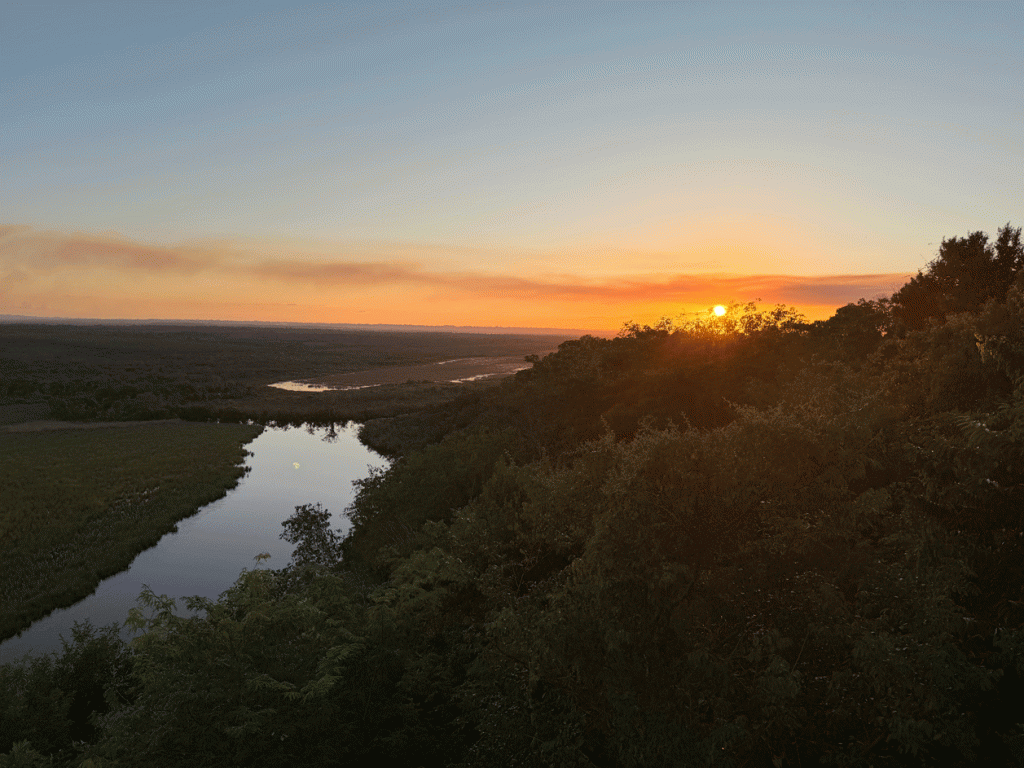
Here’s the view to the east from the lookout.
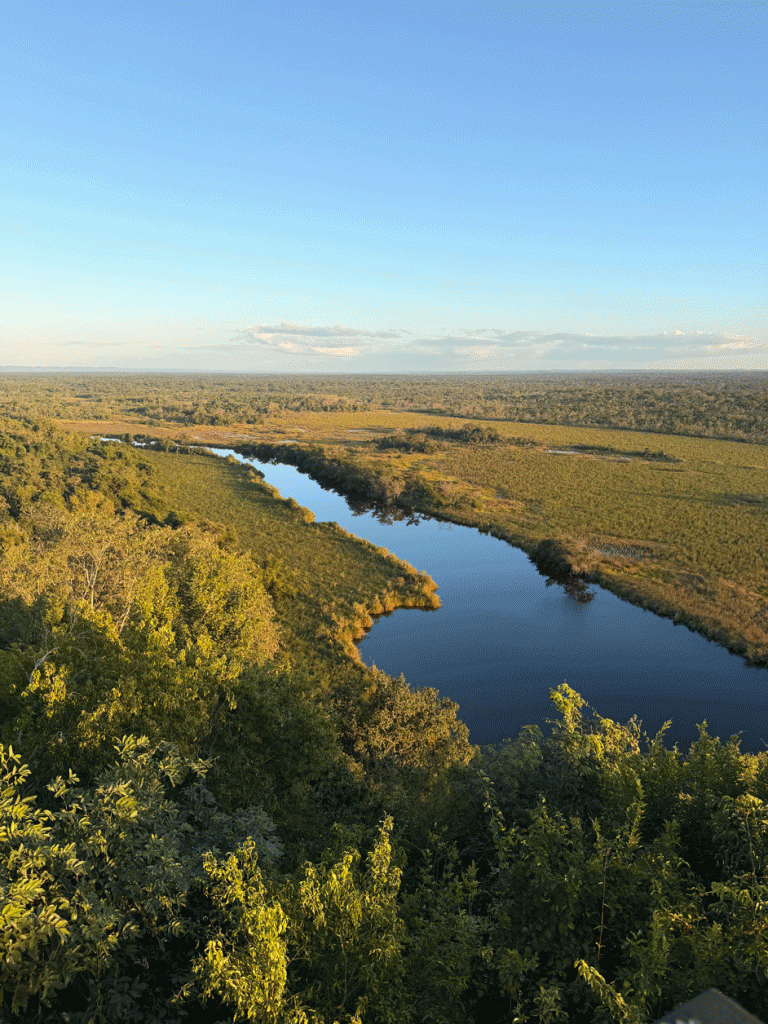
We stayed until sunset. There was smoke in the air from some burning that (we hope) was outside of the park (probably clearing jungle for a field.)
We returned to the lodge just as it was fully dark, and our dinner was ready. At 8:30 pm, we went for a night boat ride. The guides would shine lights into the jungle along the shoreline. If “eye shine” was detected, the captain would stop the boat and maneuver it so we could see the bird. We mostly saw Little Blue Herons and Snowy Egrets. The “night birds” included a Common Pauraque, a Mottled Owl and a rare Spot-tailed Nightjar.
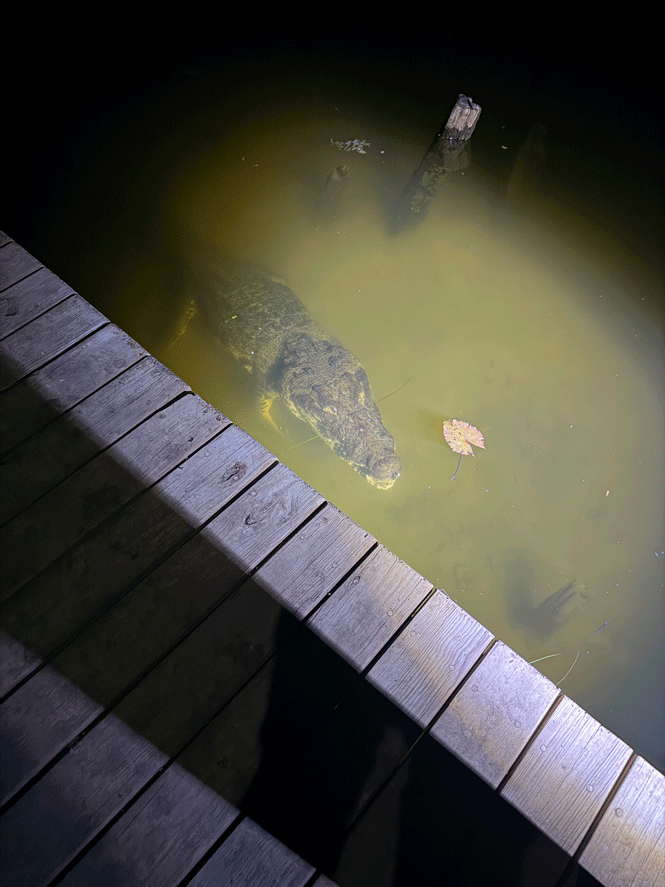
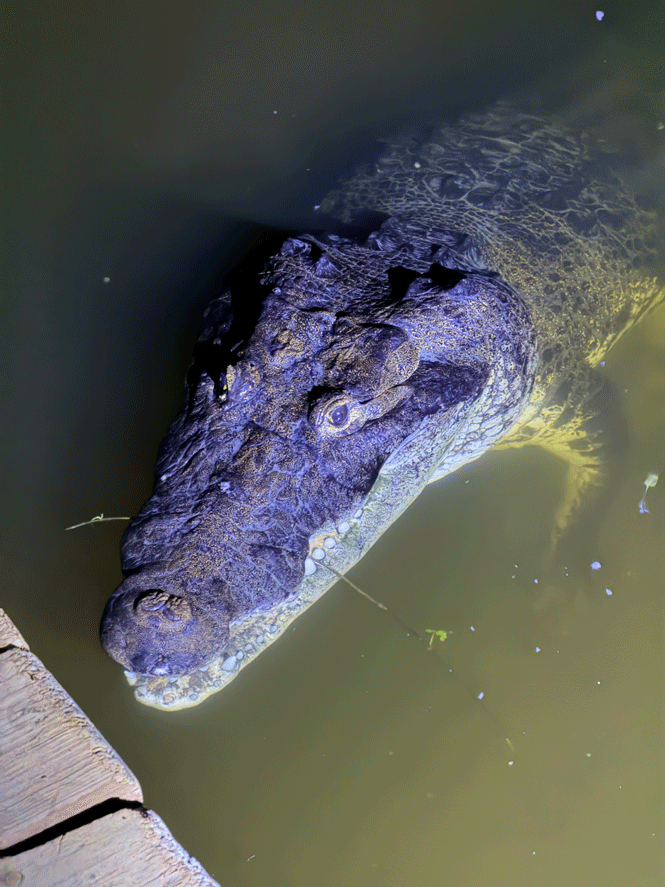
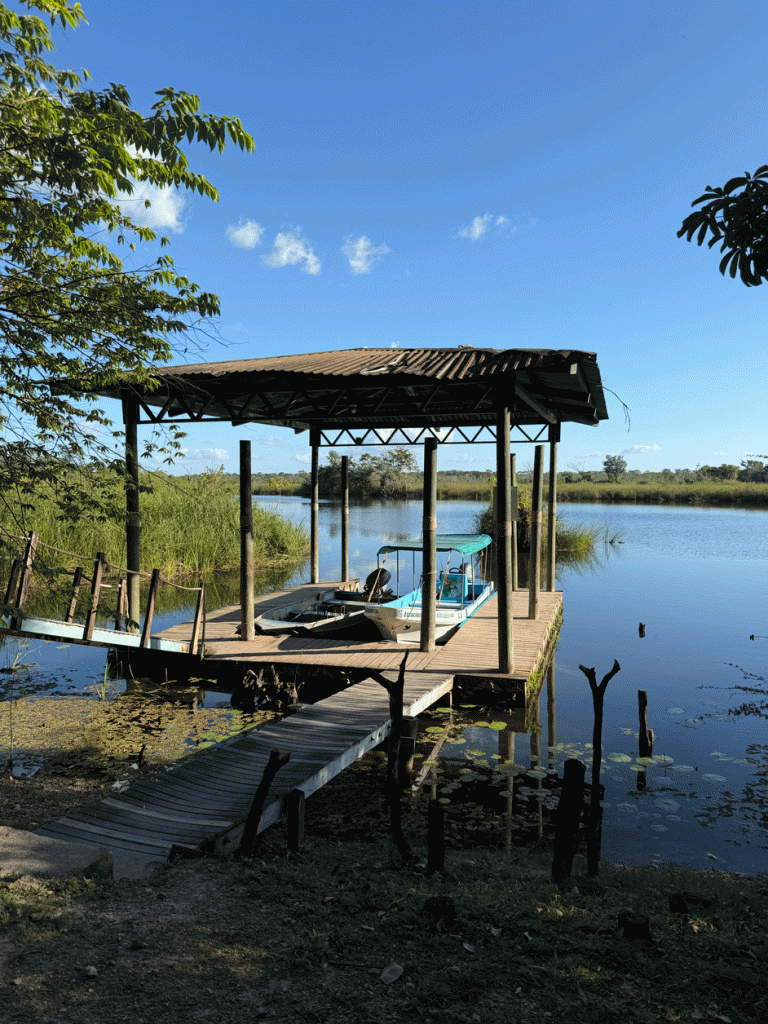
We had a good view of the resident crocodile from the dock. They call him “Bobby” and we think he is a Morelet’s Crocodile. They don’t feed him, but he will respond and come when the water is slapped with a paddle, if he’s in the area. He was about 3 metres long (10 feet), which is about as big as this species gets.
The next morning, we headed down to the dock again.
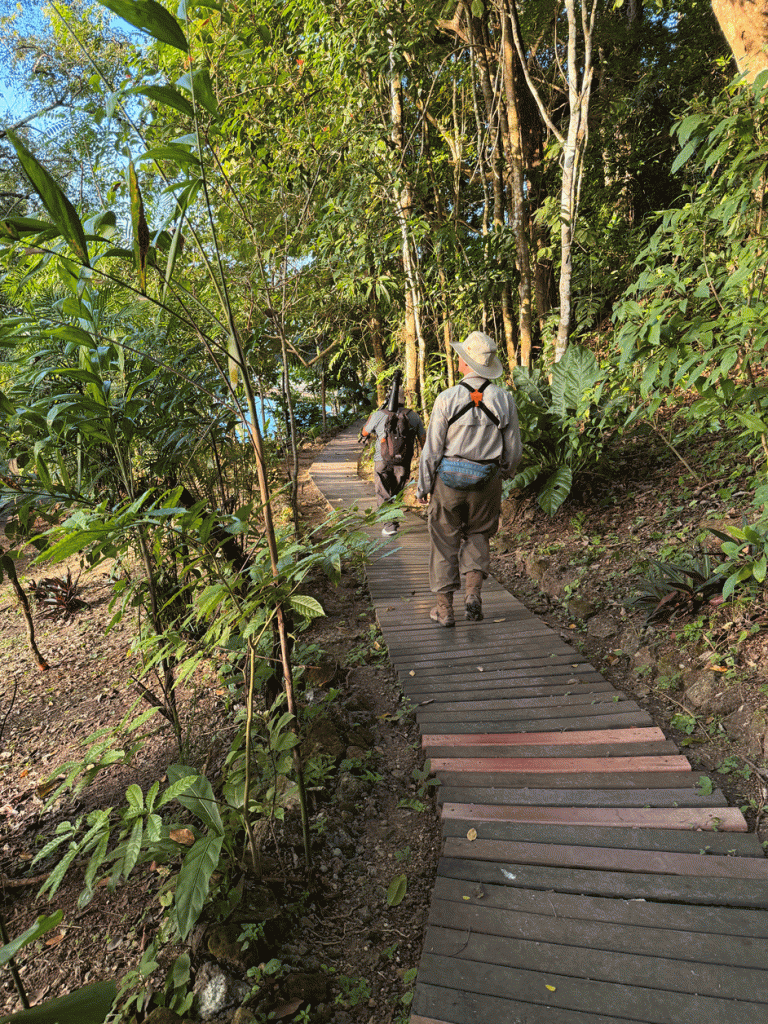
This time, the boat took us west, to the beginning of the trail to El Perú, an archeological site for an ancient Maya city. Our goal, however was to bird along the 2 kilometres (1.2 miles) of road to the Ranger station.
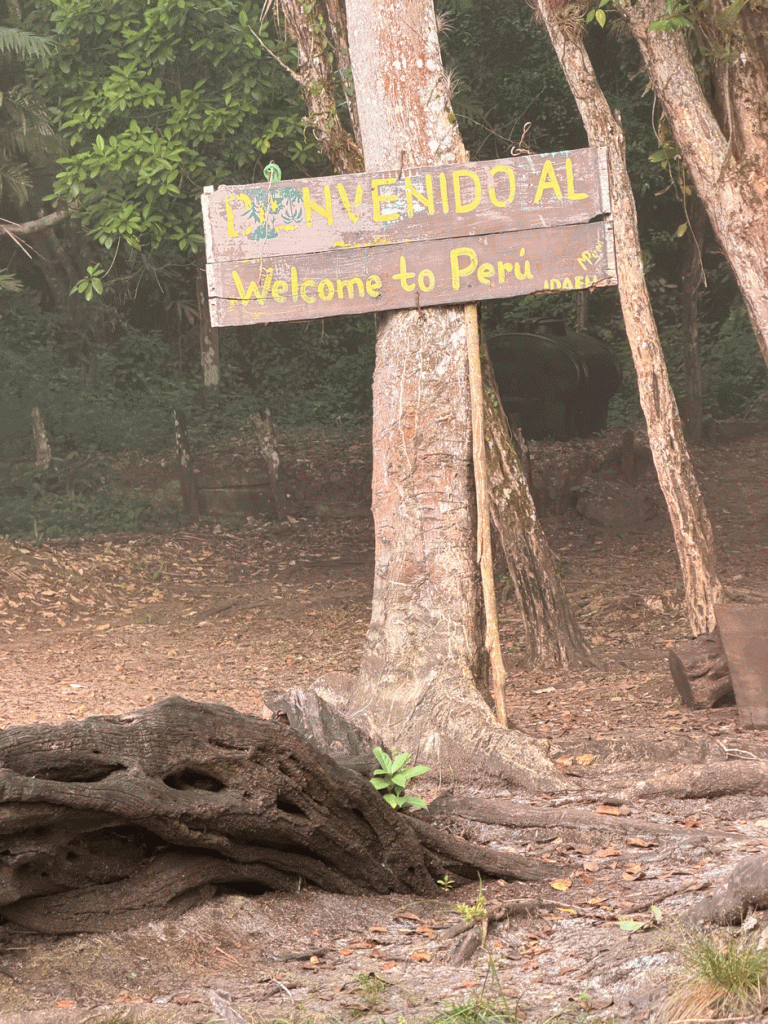
The trail / road had muddy sections. Here Beto (the assistant guide) is looking at a jaguar print in the mud. The road is used by the rangers to ferry their supplies to their camp, as well as by soldiers who are stationed farther up the road closer to the Mexican border. We could mostly walk around the worst sections.
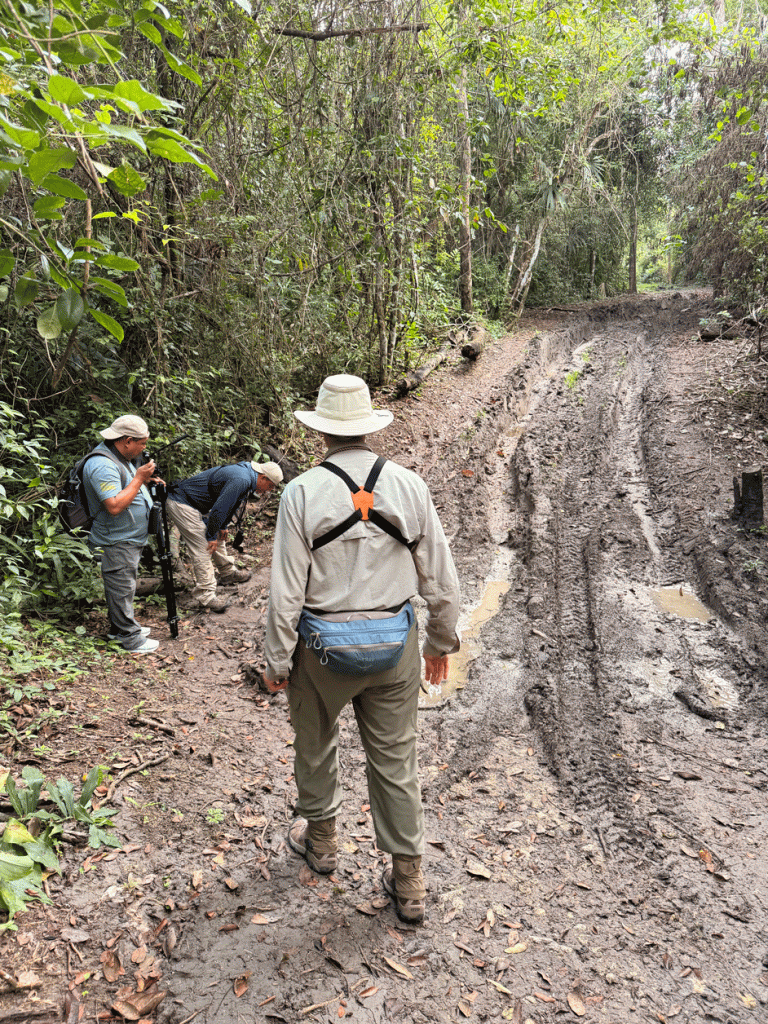
We saw or heard over fifty species on our walk. The new ones for us were: Yellow-billed Cacique, Stub-tailed Spadebill, Tropical Royal Flycatcher and Northern Barred Woodcreeper.
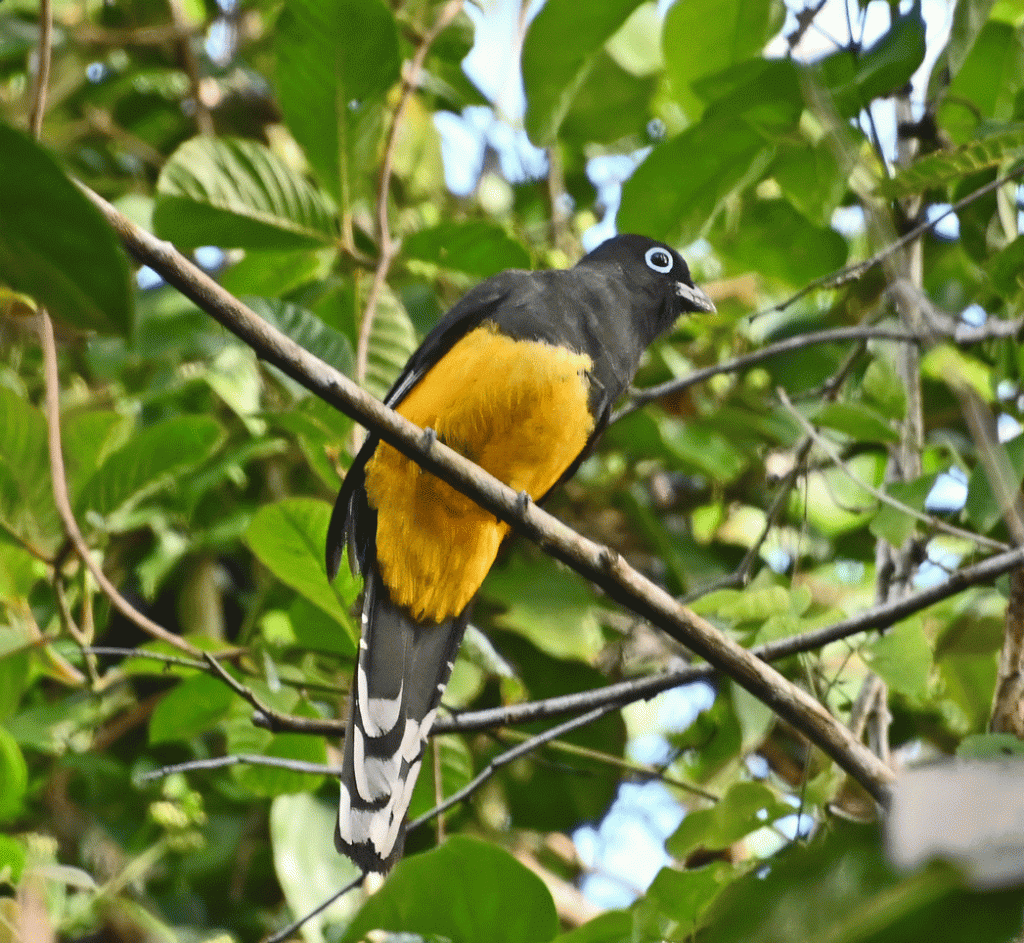
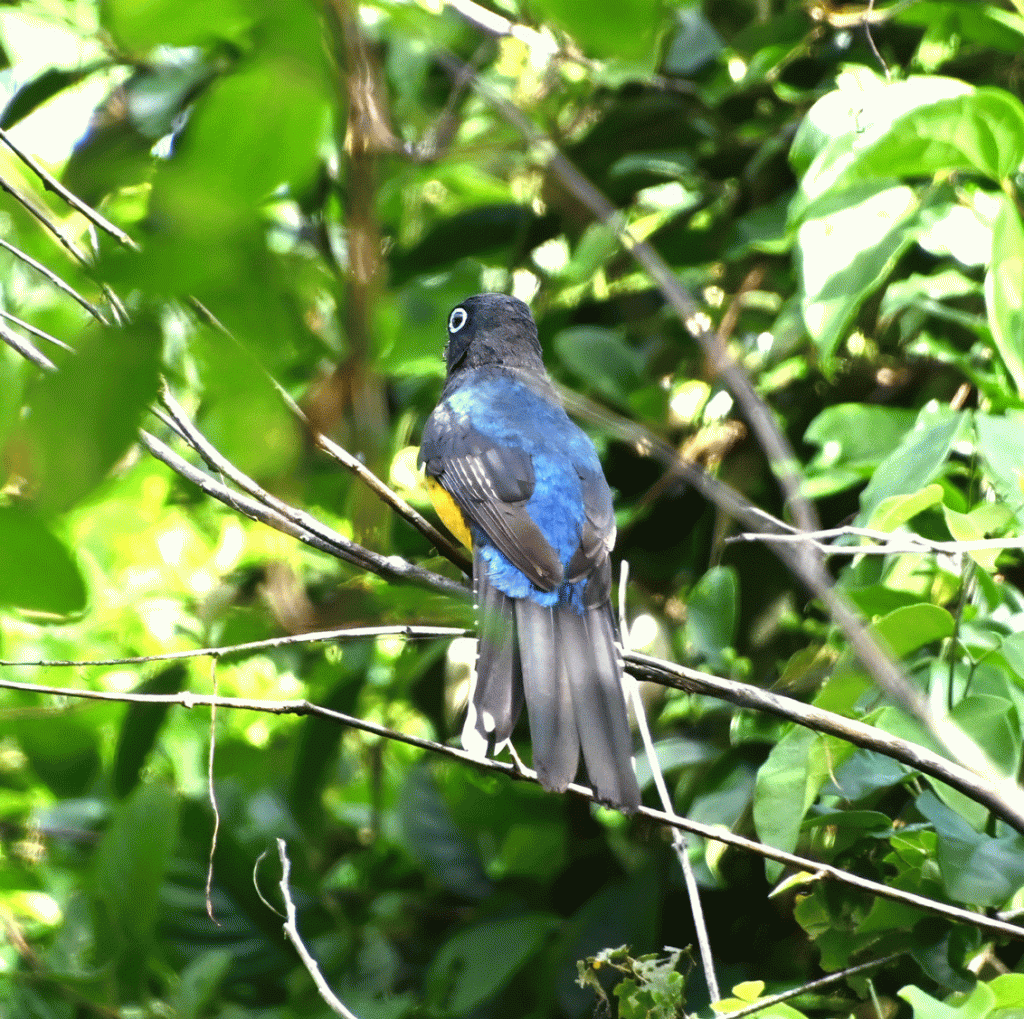
Here’s another couple of photos of a Black-headed Trogon (previously seen in Lamanai – Part 3 blog post). Doug likes the subtle colouring of this trogon’s back best.
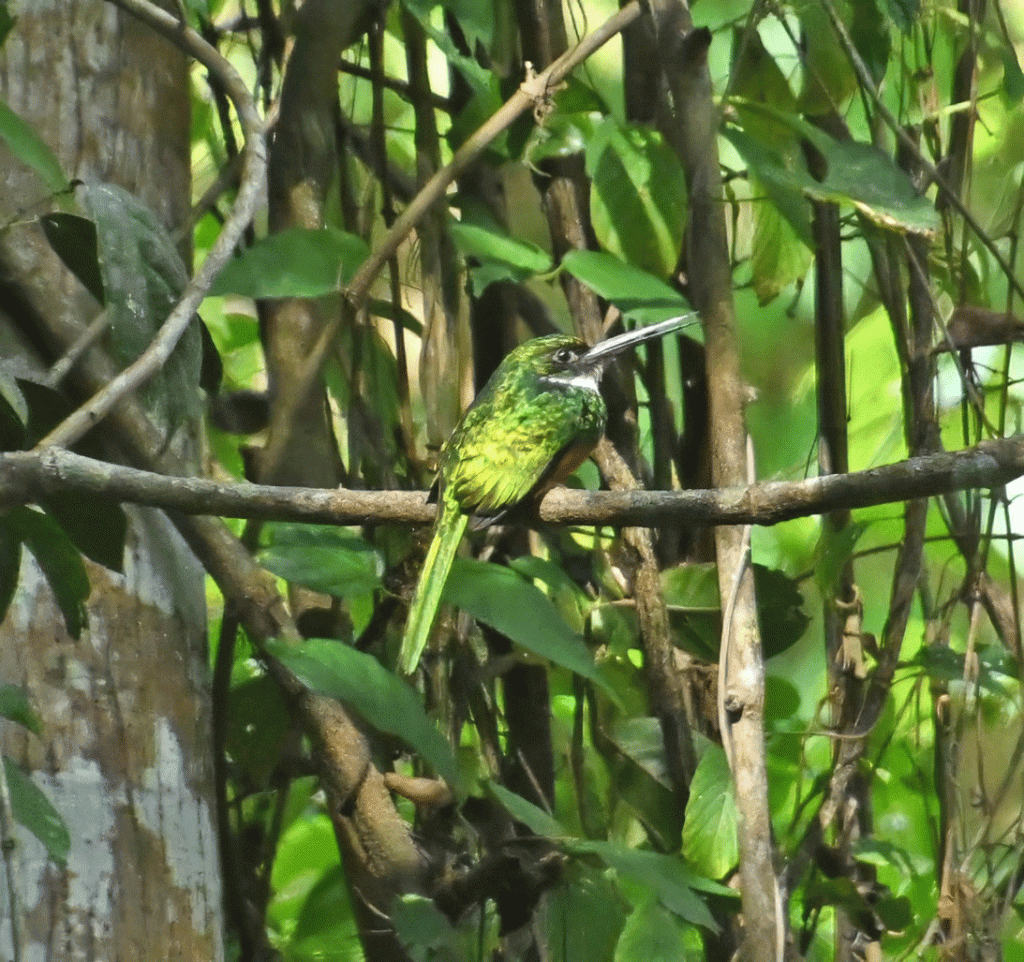
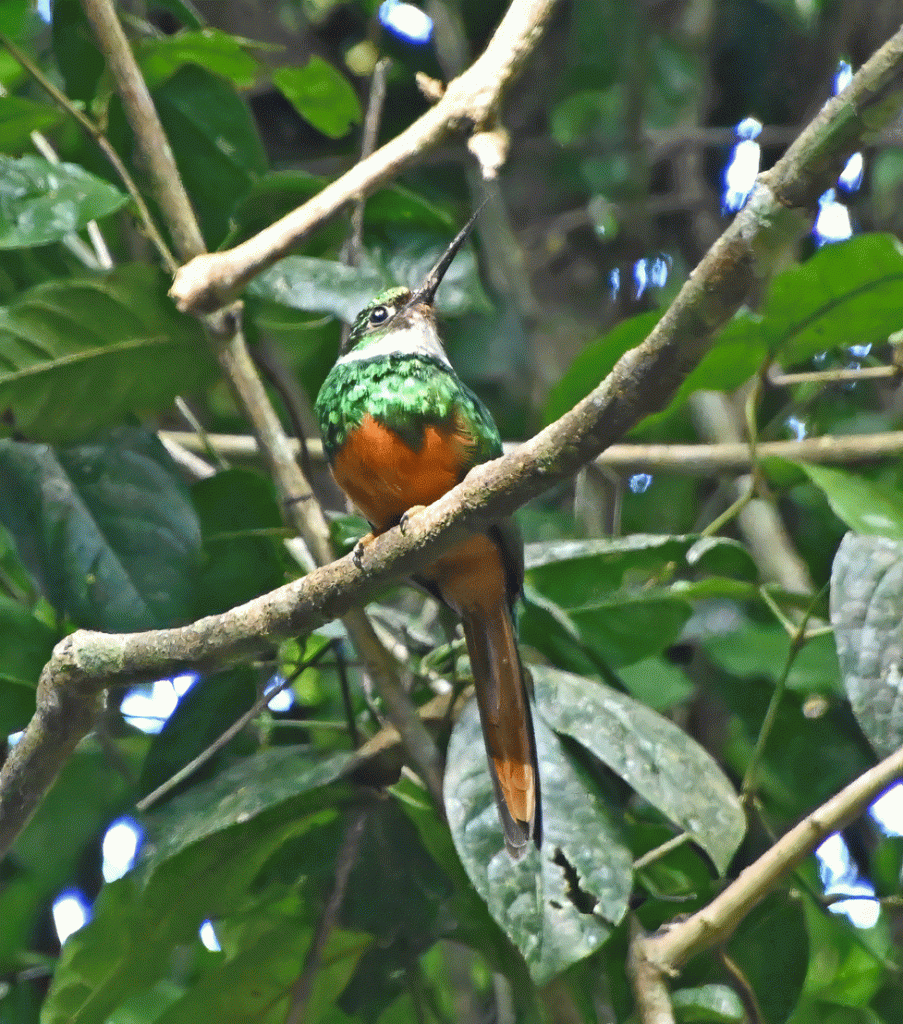
We were really lucky to get good views of this Rufous-tailed Jacamar. This handsome bird looks like a giant hummingbird. Jacamars eat flying insects, especially butterflies, dragonflies and wasps. After a jacamar has caught an insect, it beats it several times against a branch. That action stuns it and removes wings to make it easier to swallow.
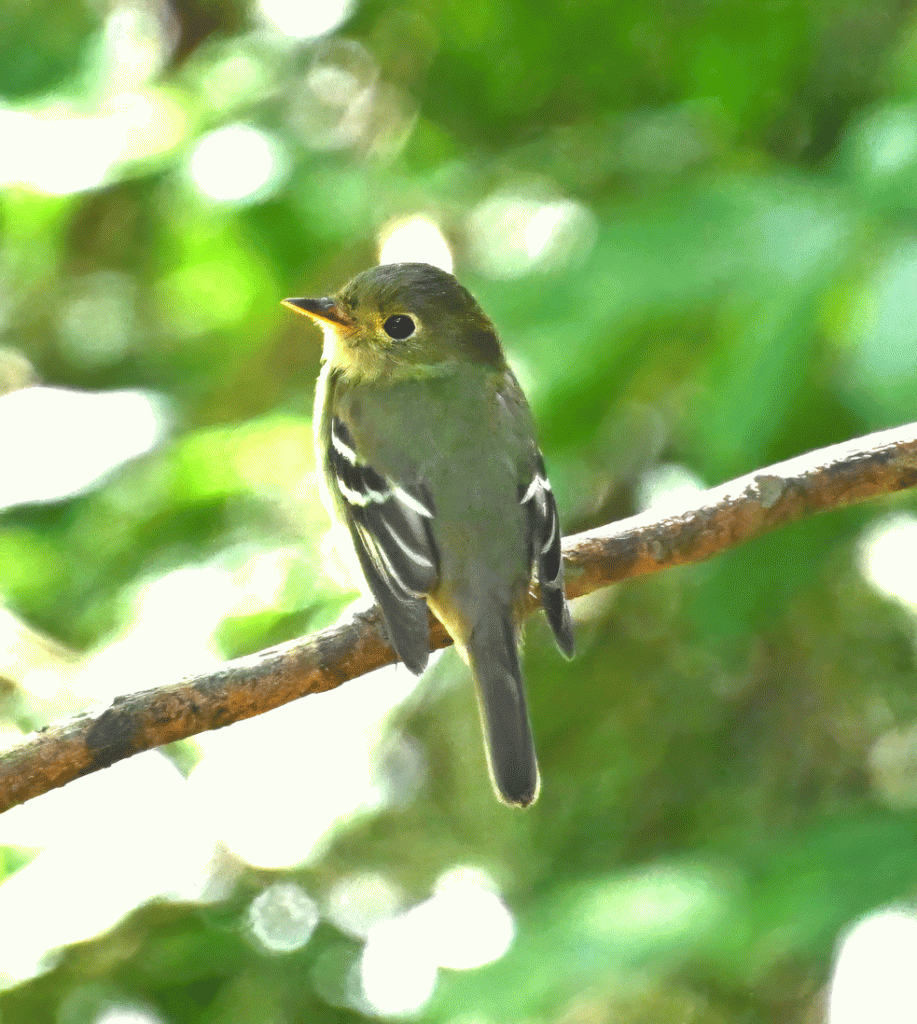
Here’s a Least Flycatcher. We saw several on the trip. Least flycatchers, as you might guess from their name are the smallest of the Empidonax (empid) family. Because their primary feathers on their wing are short, it makes their thin tail seem longer. They foraged close to the ground, which made them easier to photograph.
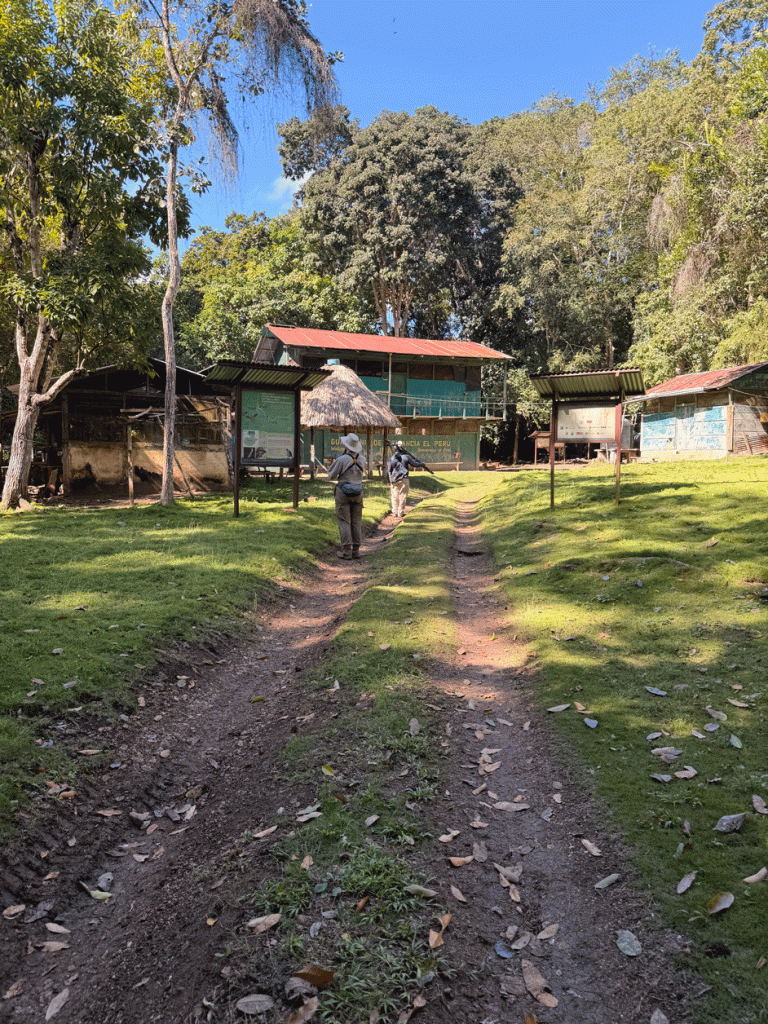
Here’s a view of the ranger station/camp. It was fairly basic. The rangers had to bring in all their supplies, although they had a small garden. They cooked over wood fires, and collected rain water. However, there were solar panels behind the main building, perhaps to allow enough electricity for communication.
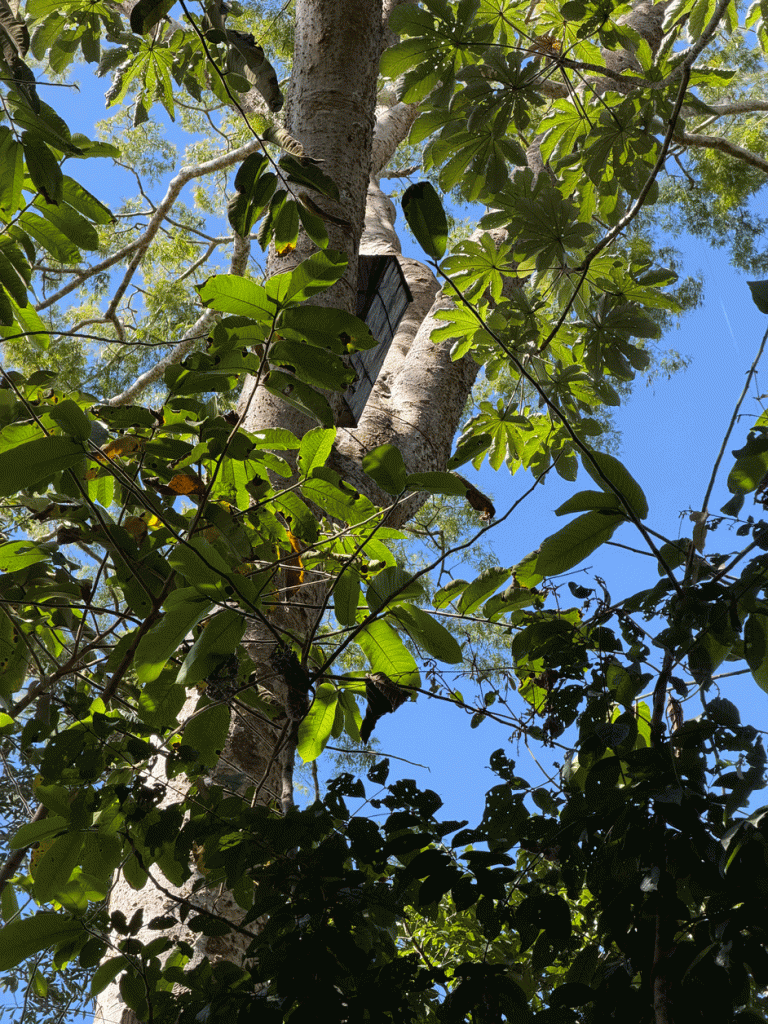
Part of the ranger’s job was to protect the Scarlet Macaw nesting sites. Here is an artificial nest box, high up in a tree. This area is a vital nesting ground for Scarlet Macaws, and includes a large number of the kind of trees that they prefer.
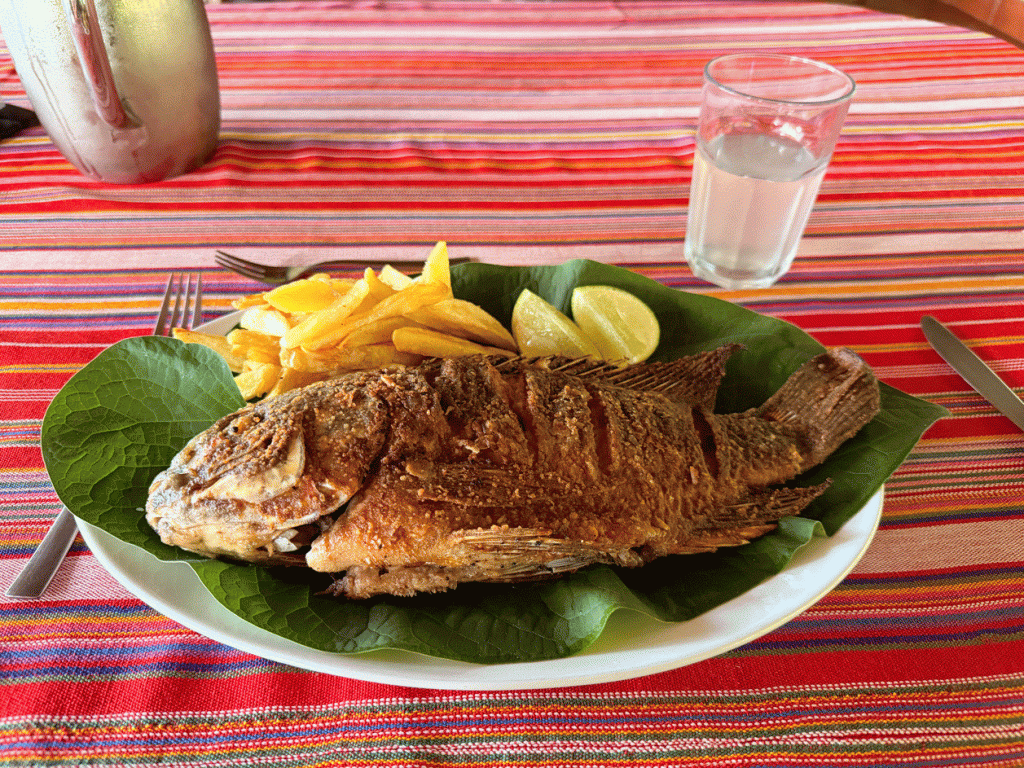
We got back to the biological station in time for lunch. This lunch was a whole tilapia each, served with french fries, lemon and lemonade.
We went out in the boat again that afternoon along the San Pedro River. We saw thirty species, including a better view of the Yellow-billed Cacique, a “life bird” from this morning.
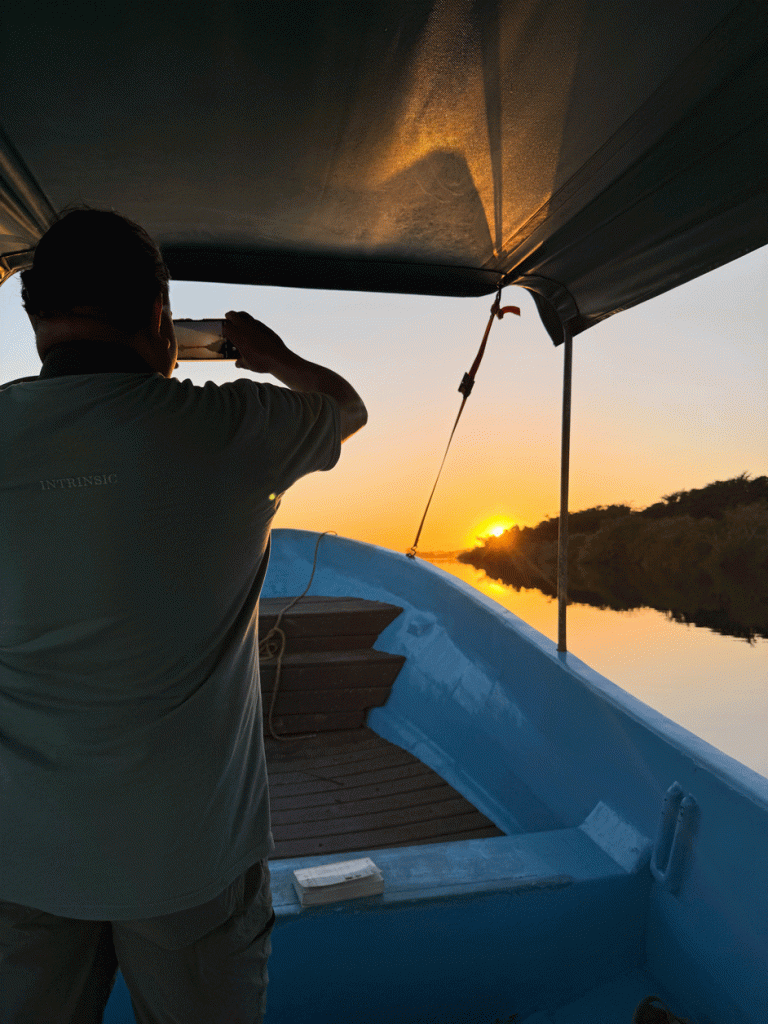
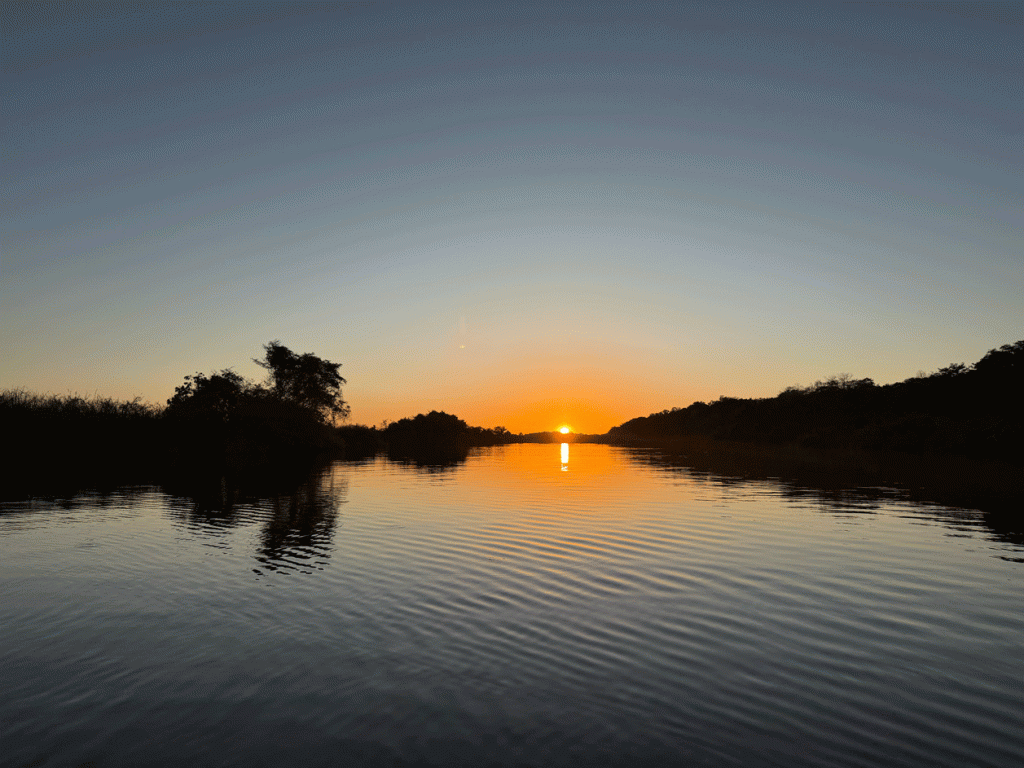
We had another good view of the sunset, then continued birding in the darkness and heard both the Great Tinamou and the Thicket Tinamou.
Our visit to Las Guacamayas Biological Station and Lodge was memorable. A small team of people kept everything running smoothly. The food was authentic and tasty. The birding opportunities were varied, from the feeders and trail near the lodge and the longer jungle trail reached by boat, to the river excursions, both in daylight and darkness. We saw 138 species around the lodge, as well as the stops along the road that were in the Laguna Del Tigre National Park. Included in that total were eight “lifers.”
Our next, and final post will be about our visit to the Maya sites of Tikal and Yaxha, both national parks in Guatemala.
 Travels with a Fox
Beautiful photos loved the jacamar
LikeLike