This post will be about the our next few days in Belize and includes photos from the La Milpa Field Station and the La Milpa Maya archeological site, along with some birds we saw.
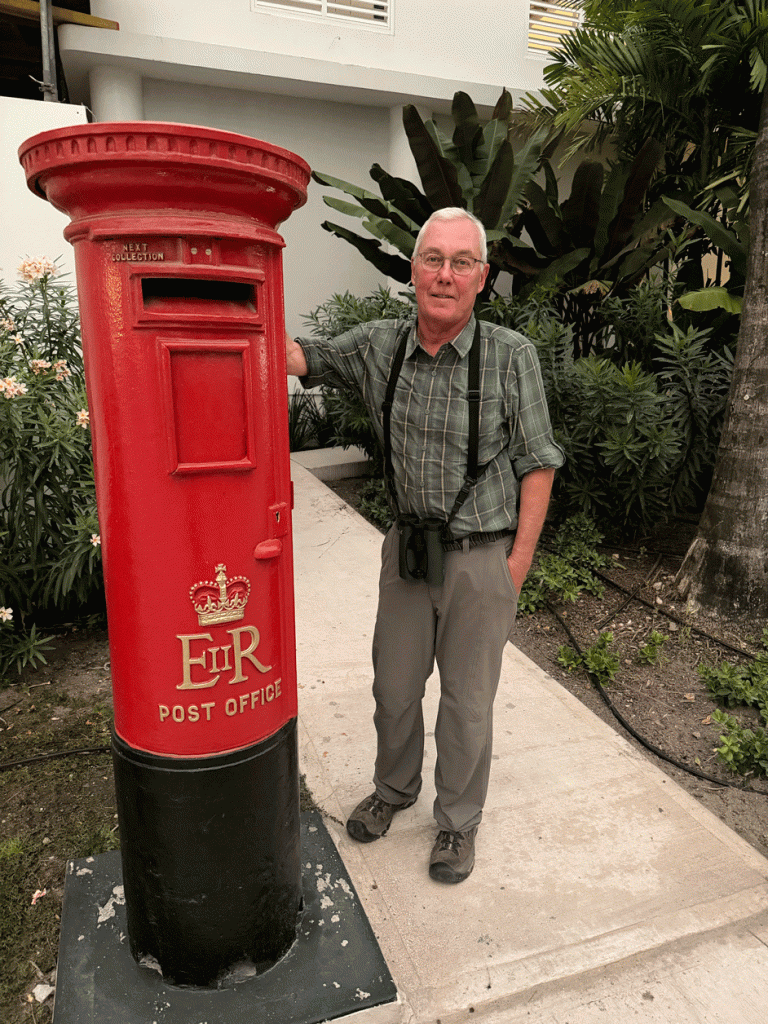
This photo of the English style mailbox in Belize City should have been included in the previous post. One of the reasons we chose to visit Belize is because the official language is English. Belize was formerly a crown colony known as British Honduras. Internal self-government was granted in 1964, with the renaming to Belize in 1973. Belize achieved full independence in 1981. It was pleasant to be able to talk in English with the hotel staff.
It took most of the day to drive from Belize City to La Milpa Field Station in the Rio Bravo Conservation and Management Area. We drove north up the Philip Goldson Highway to Orange Walk Town, then west and southwest to San Filipe where we turned and followed the road that hugged the Mexican border at one point. We birded the rice fields close to the Mennonite Communities near Blue Creek Village. Near the rice fields we had a good view of a Laughing Falcon and a quick view of a Gray-crowned Yellowthroat, both new birds for us.
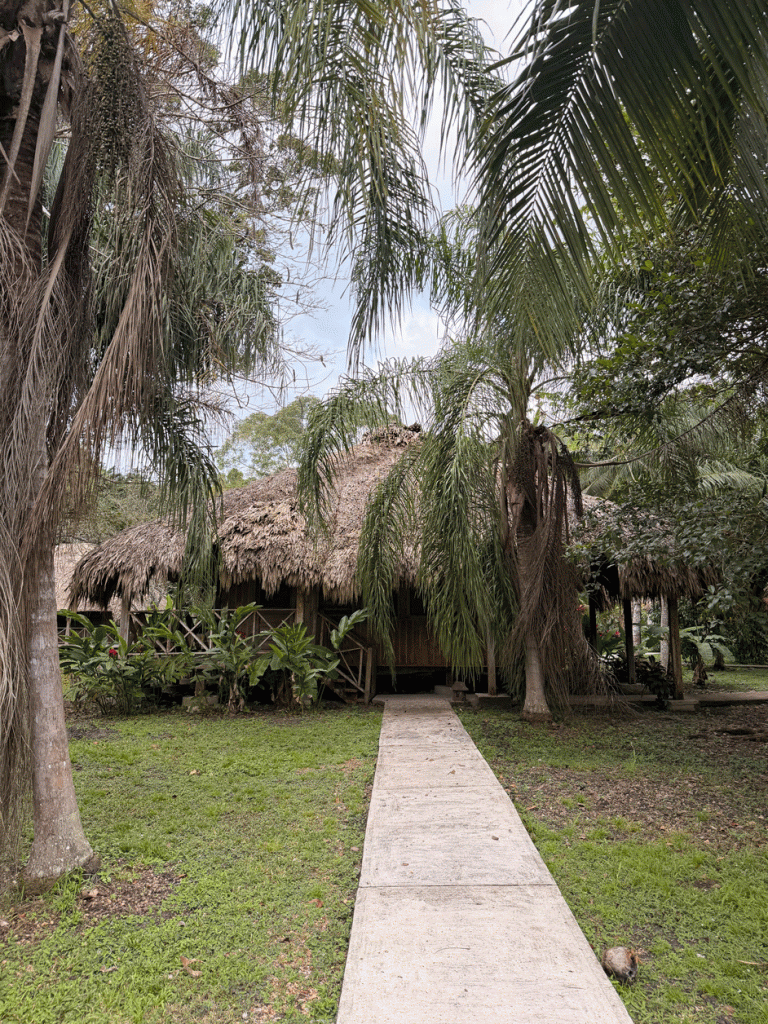
We arrived at La Milpa Field Station in the mid-afternoon. Here’s a view of our cabana. The cabanas were set up like duplexes, with a wrap around porch. They were modern versions of the traditional hut, and had screen windows, but the roof was made of thatch only.
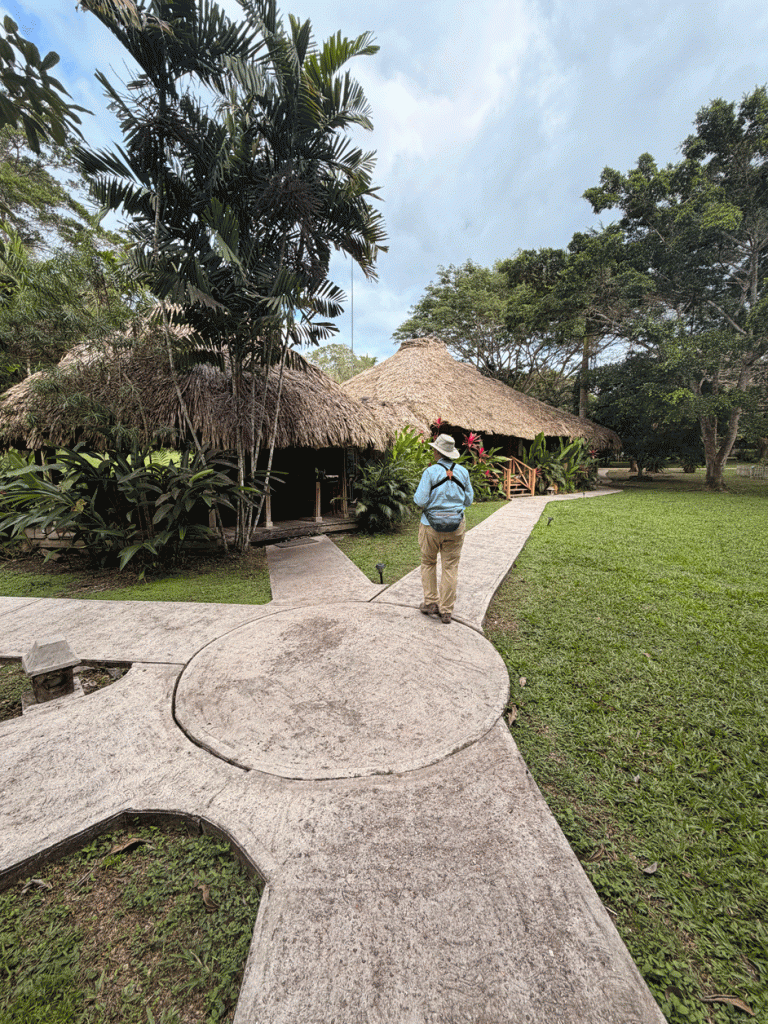
In the photo below, Wendy is walking towards the restaurant. The open section on the left was for outdoor dining, and it was attached to the main building.
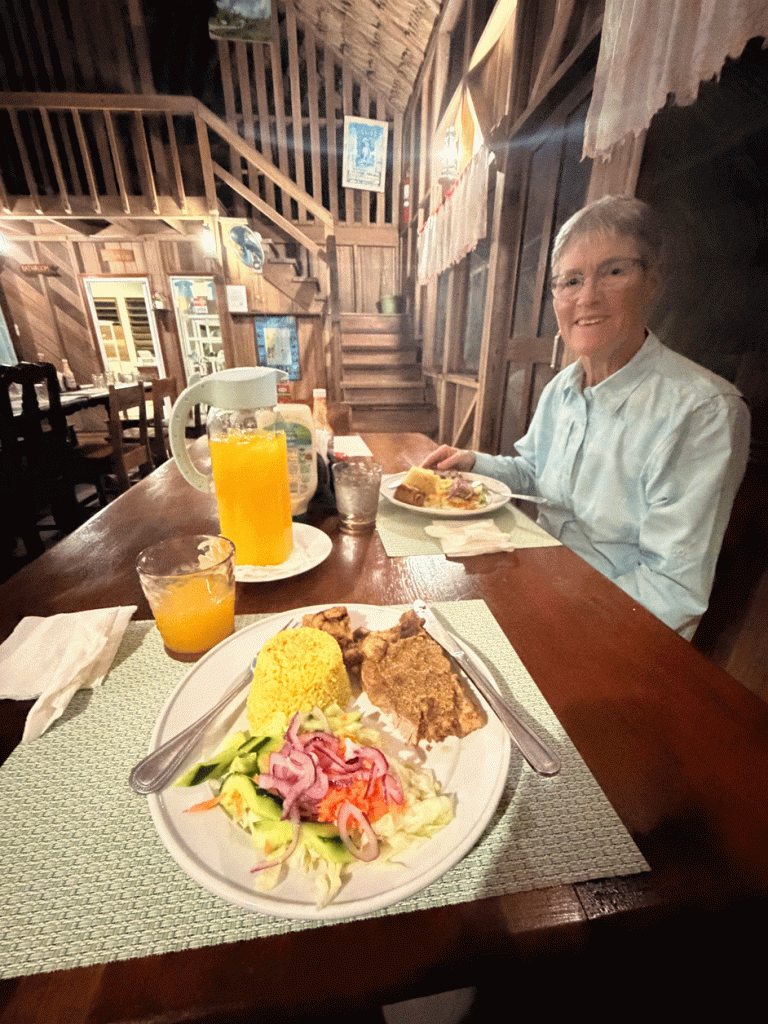
Here’s a photo of the restaurant interior, and a good view of our dinner. Fresh-squeezed juice was served at every meal, and could be orange, watermelon, papaya, or various combinations. Everyone was served the same dinner, and they accommodated my need for no garlic. (A woman in the other group that was there at the same time had a special meal for her diet.)
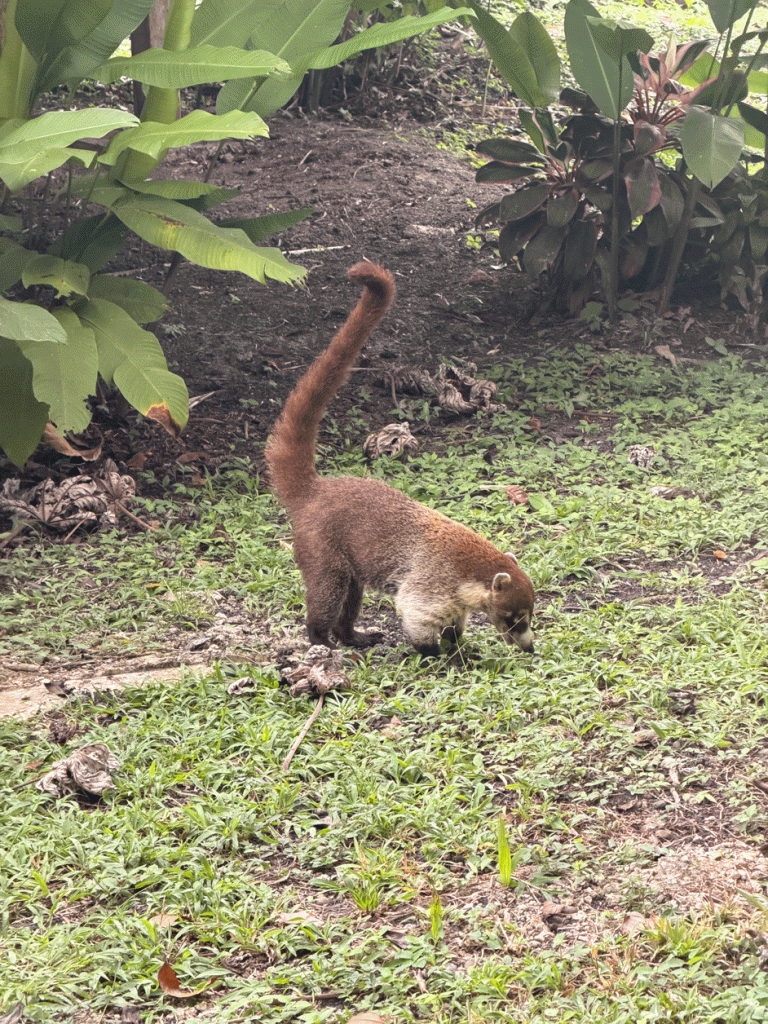
There were coatimundis roaming the grounds. Coatimundis are related to racoons and use their snouts to sniff out food on the forest floor. When they climb trees, their semi-prehensile tail helps keep them balance.
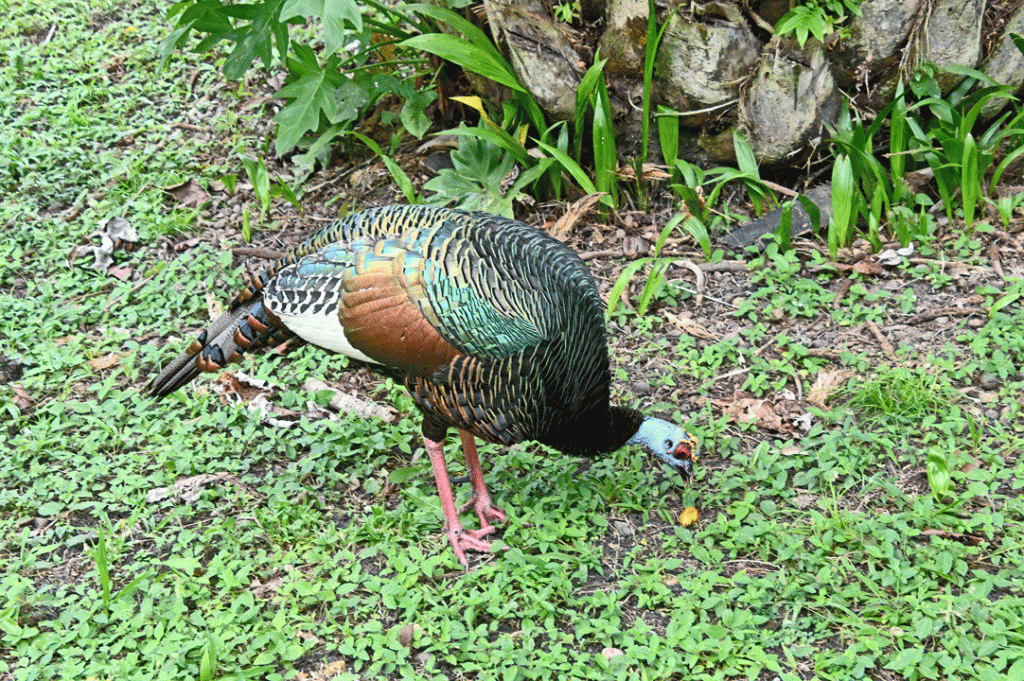
Ocellated Turkeys were also everywhere around the cabins. We had hoped to see this beautiful bird and it turned out it wasn’t hard at all. The species is considered rare, but they were plentiful in this protected area. They are threatened by habitat loss from logging and agriculture and hunting pressure.
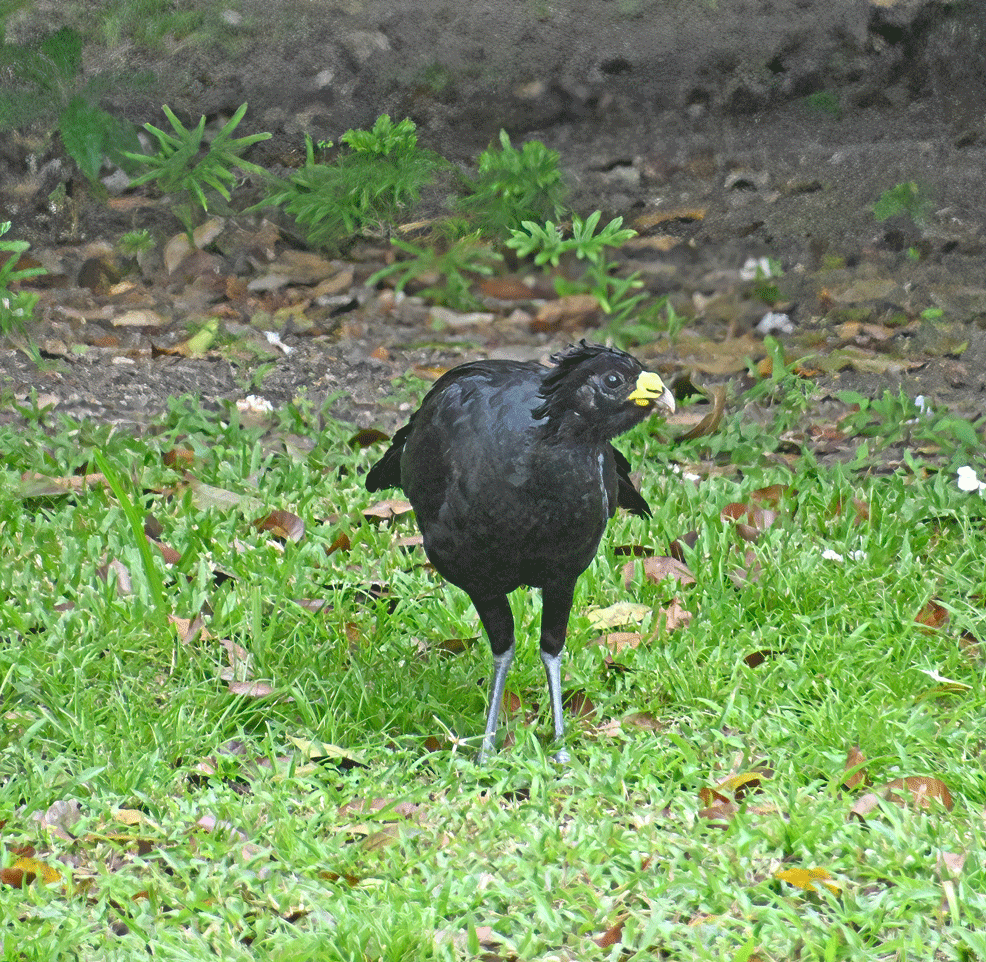
This is male Great Curassow, that roamed the areas of the field station on the edge the forest. This species is also rare and found usually in protected parks or very remote areas.
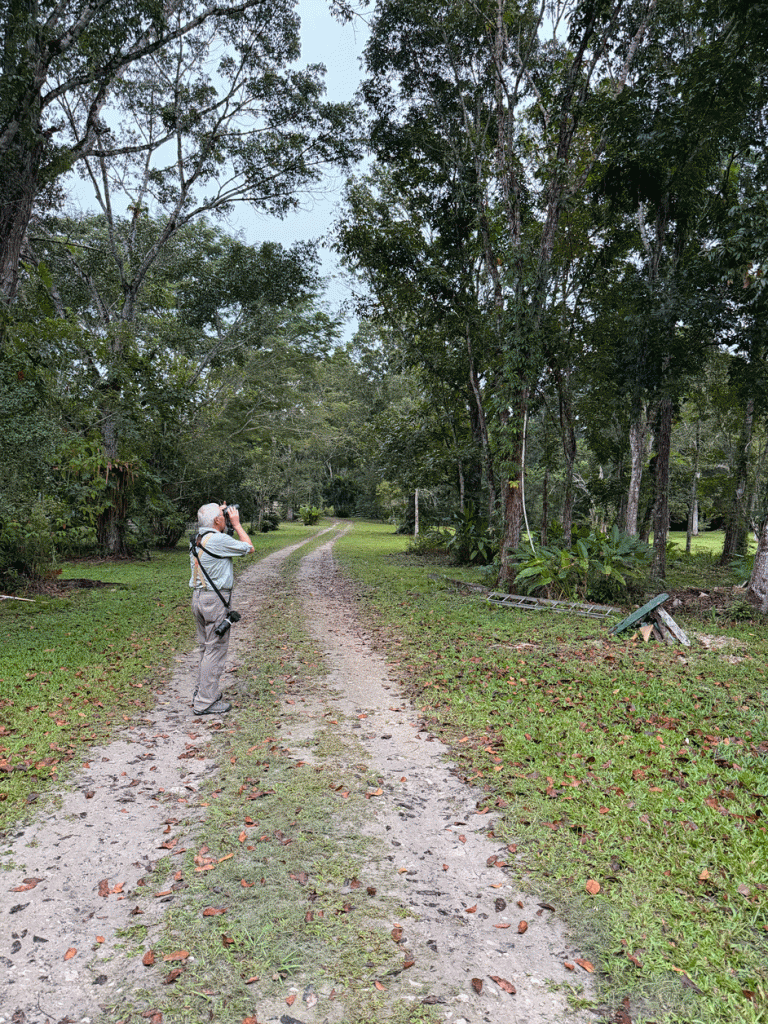
We birded around the grounds a number of times, and added Olive-throated Parakeet, Yellow-winged Tanager and Northern Schiffornis to our life list of bird species seen.
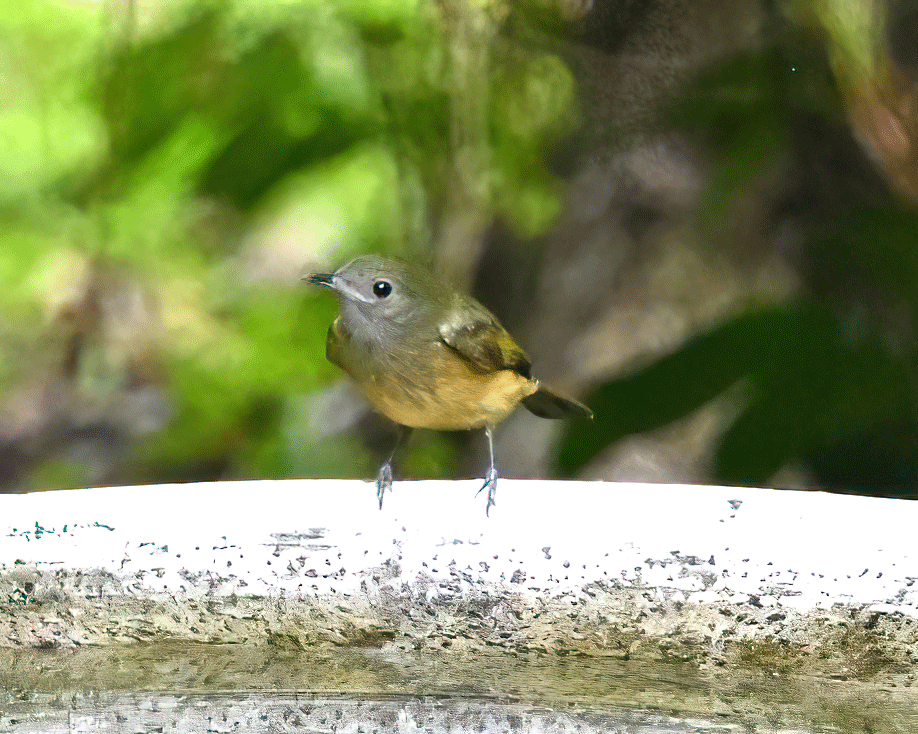
Most of the birds were high up in the canopy or low in the thick underbrush, but this Lesser Greenlet was cooperative at the water dish.
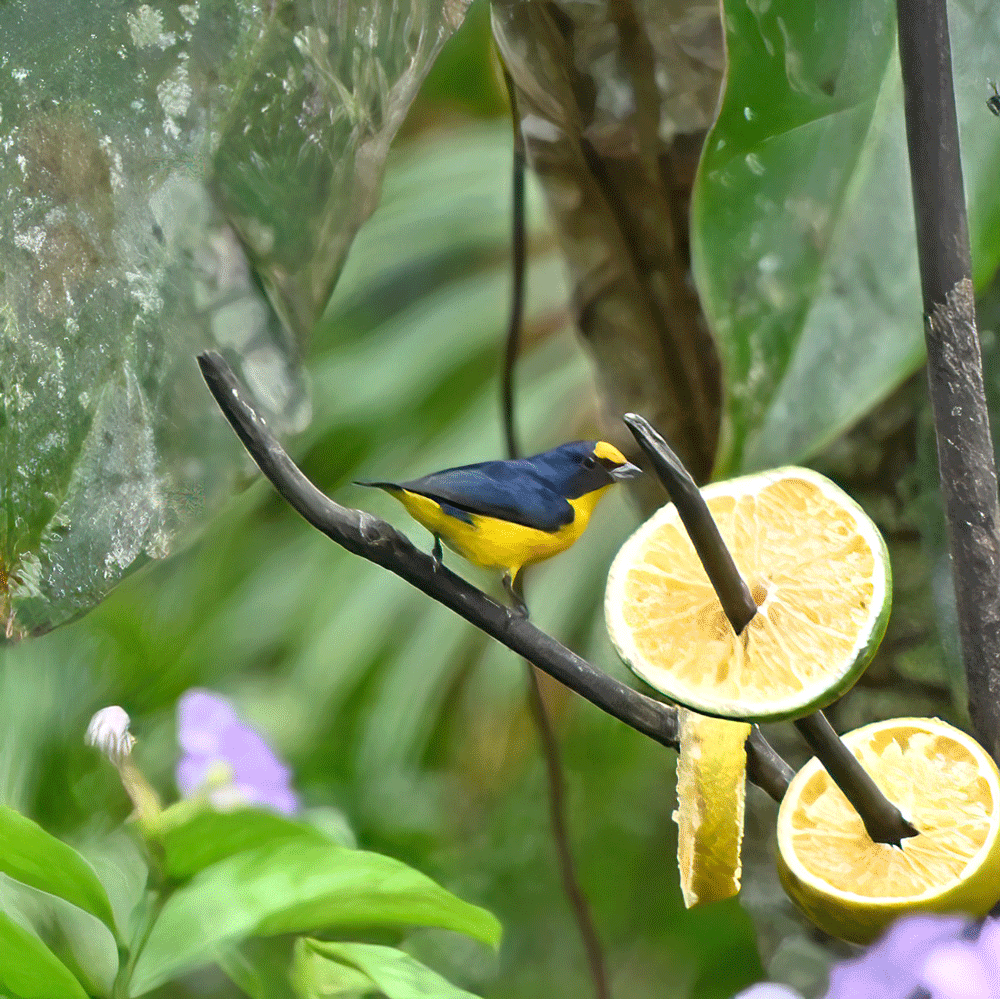
This is a male Yellow-throated Euphonia. (There was a photo of a greenish female in the previous post.) They feed on fruit in forests and also visit feeders. The small species (5 – 11cm / 2 – 4.5″) is common throughout Belize.
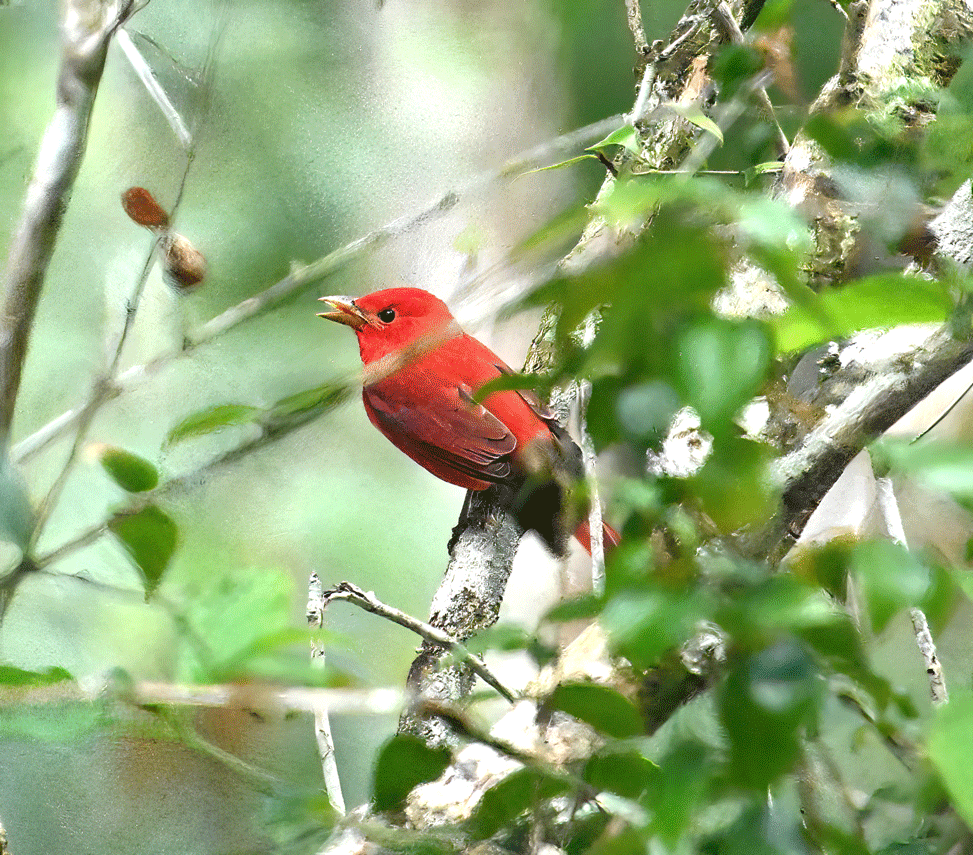
We saw many Summer Tanagers throughout our trip, but this one at La Milpa Field Station was the first. We saw it several times in the few days we were there. Its distinctive “pituk” call drew our attention.
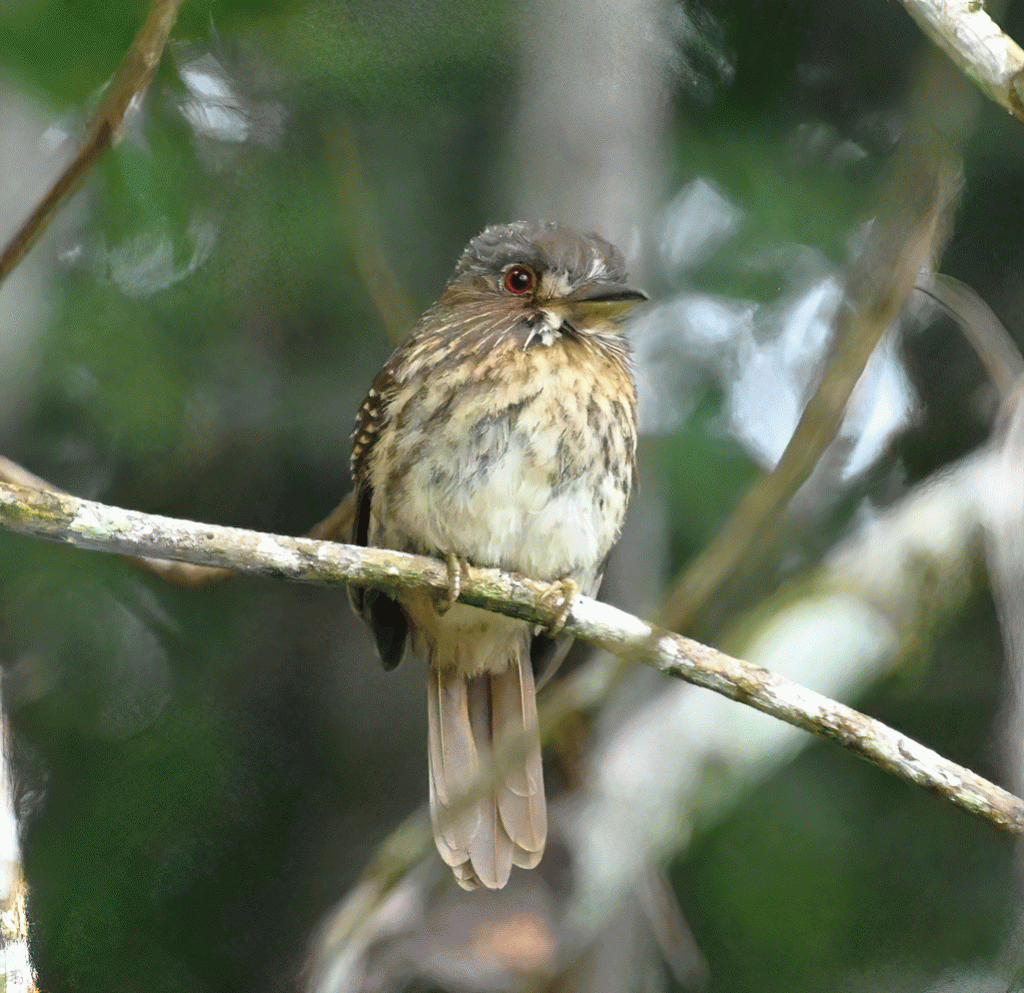
This White-whiskered Puffbird was a bit of a surprise, because they usually stay in the humid forest. Our guide’s cabin was right on the edge of the clearing for the field station and he saw it from his porch as we were getting ready to leave. He came to find us and luckily he was able to relocate it so we got a good view. Puffbirds will perch for a long time and are difficult to see unless they move as they feed.
Just up a rough road from the Field Station, is the trail to the La Milpa Archeological Site. La Milpa was the third largest Maya site and almost 50 000 people lived there at its height between AD 400 and 830. Most of the site is not excavated, and is visited mostly by birders nowadays.
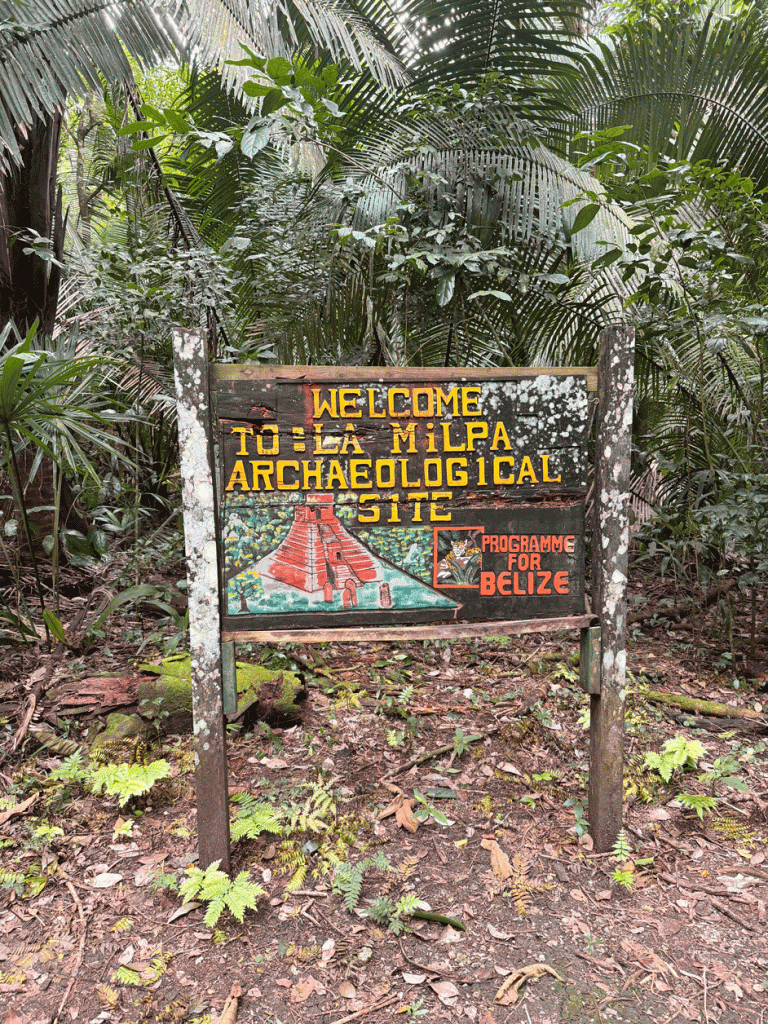
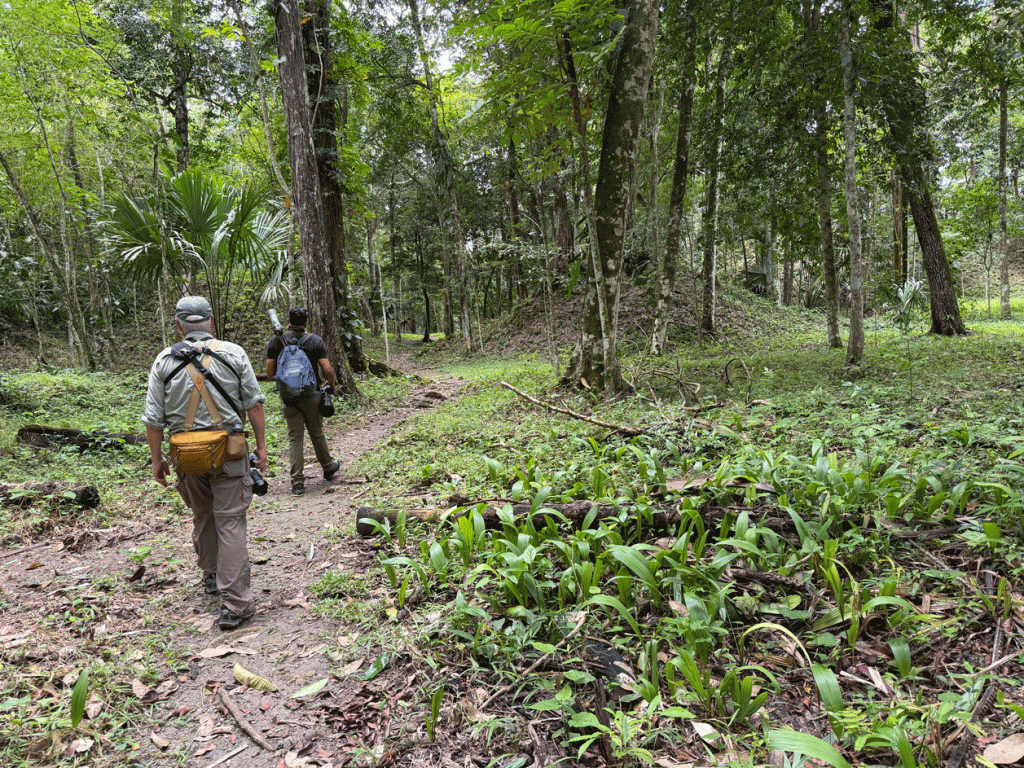
The mounds are man-made structures that are being taken over by the jungle. We saw or heard sixteen species in this area, including an Ivory-billed Woodcreeper, Chestnut-colored Woodpecker, and Black-cowled Oriole (new birds for us). We saw a couple of Slaty-tailed Trogons as well.
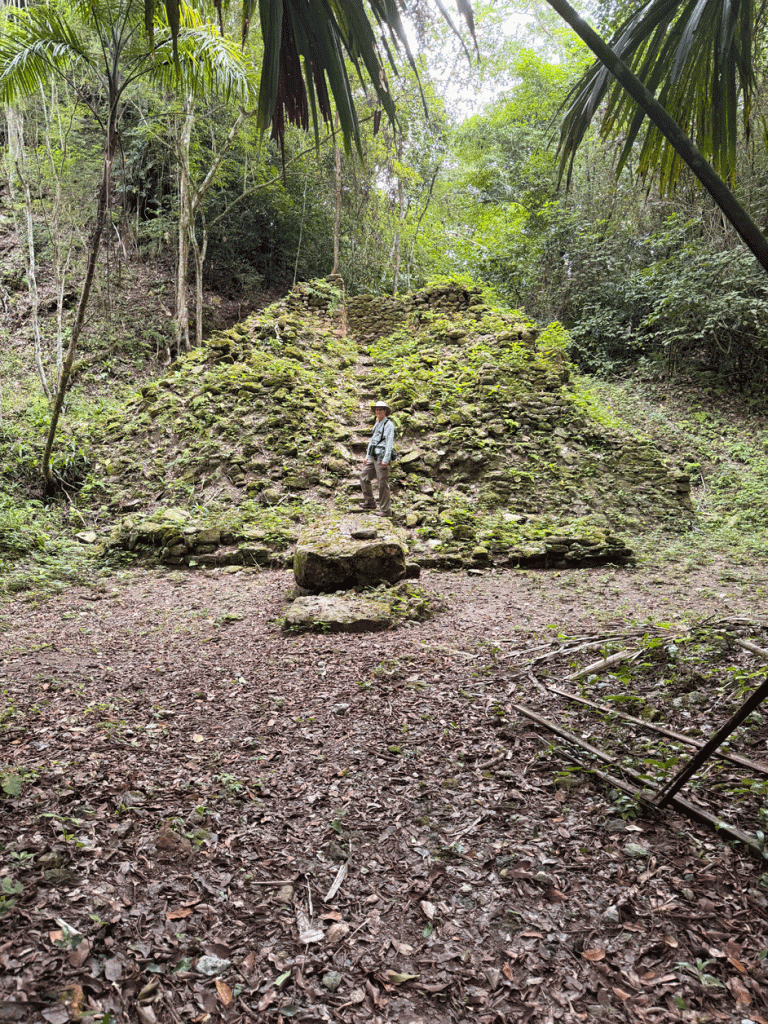
There is a fallen stela in front of this temple. Some of the markings were barely visible. Seeing this Maya site was a good way to start are trip since the other four sites had more restoration.
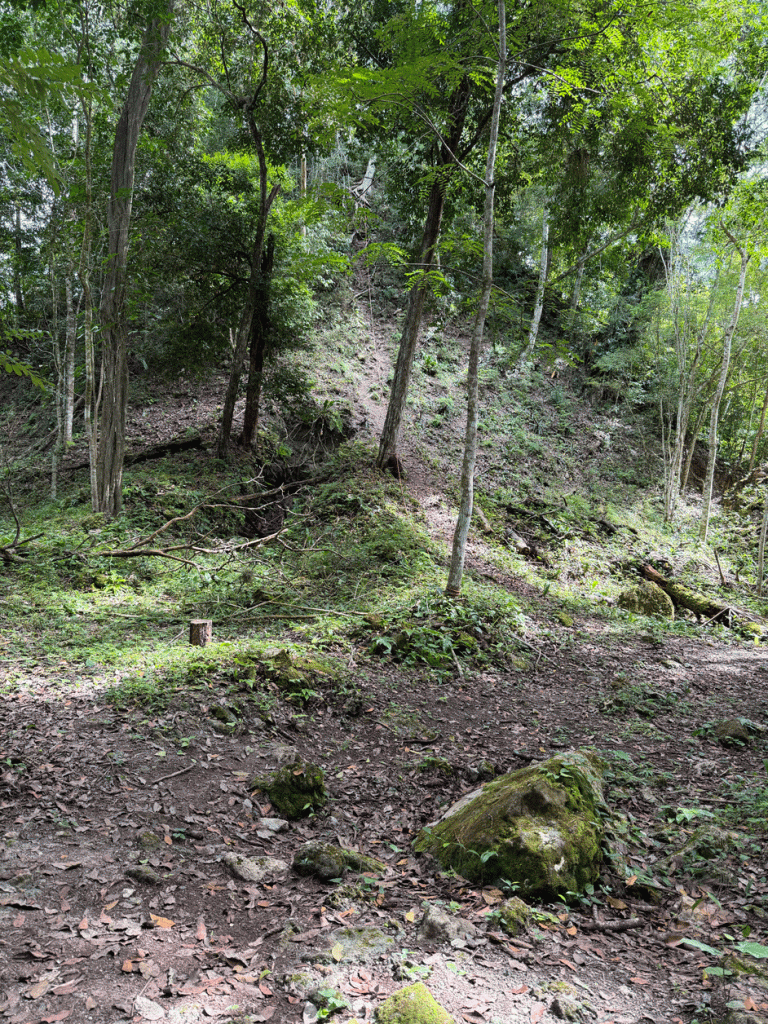
People have climbed up this temple with the aid of a climbing rope, which is just barely visible in the photo below.
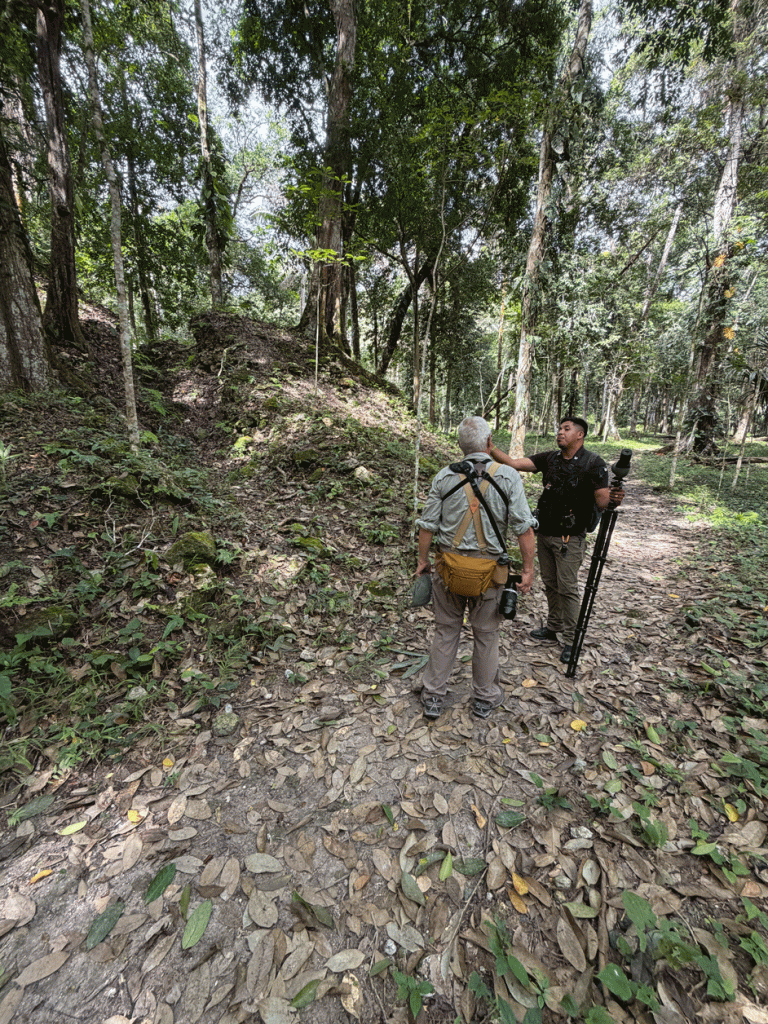
In the photo below, our guide, Hugo is explaining the trench that is visible on the left. He told us that looters dug through the centre of this tomb in the 1970s, and he hopes that missed treasures that were buried on a different axis.
We spent two nights at the La Milpa Field Station. The next blog post, January in Belize – Part 3 will be about our trip to Crooked Tree including a stop at the Lamanai Maya Site.
 Travels with a Fox
I thought the photo of the turkey was going to be my favourite bird picture but all the other birds were so interesting as well. The cabanas reminded me of some of the different accommodations I stayed in Tanzania. Thanks for sharing
LikeLike