
This post is mainly about the birds, butterflies and flowers that we saw in November, with some artwork and scenery thrown in.
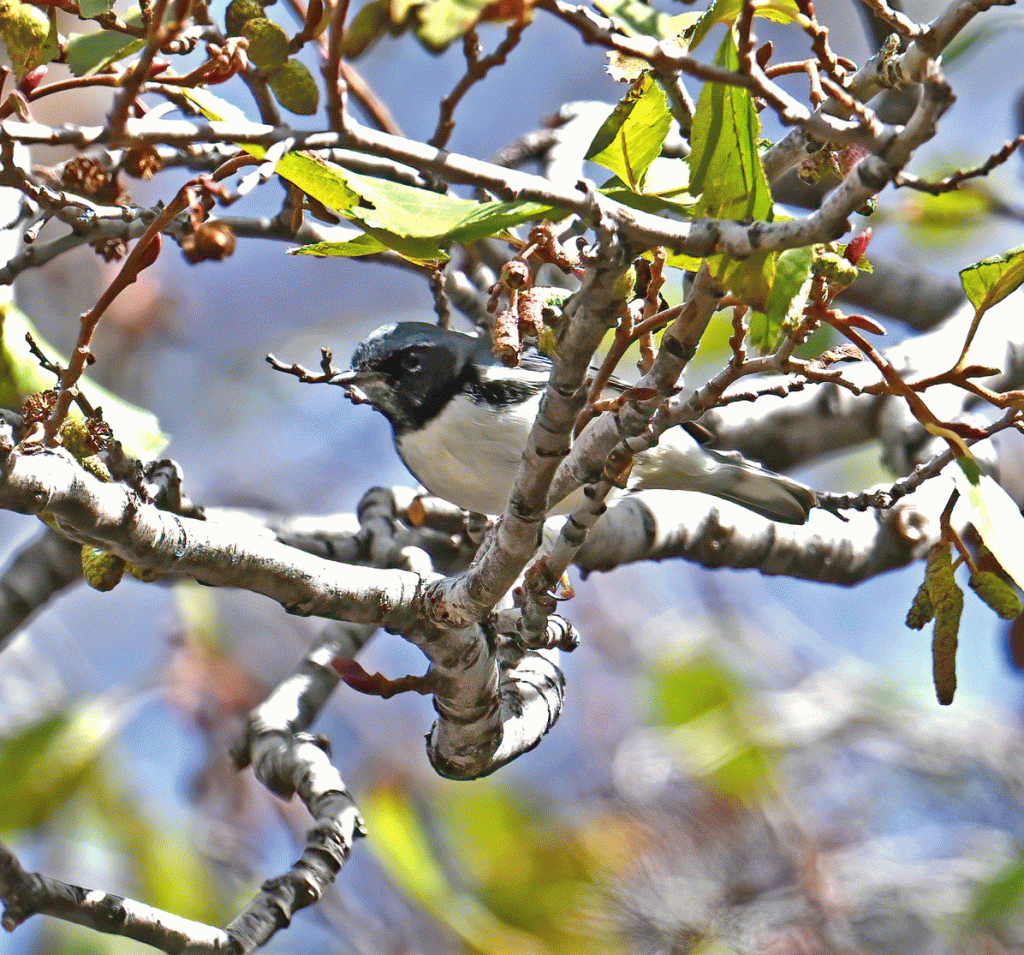
We were happy that the Black-throated Blue Warbler that had been hanging around the town of Summerhaven on Mt. Lemmon was still there on the Monday after we arrived. It wasn’t particularly easy to find, but there were two other birders there looking for it. We were all spread out but within calling distance of each other. We hurried over when we heard our friend shout, “I’m on it!” The warbler was high up in an alder tree, which made it a little difficult to see the blue head and back. Black-throated blue warblers are common in southern Ontario and Quebec in the summer. The species primarily winters in the Caribbean, so this one was a little off course.
We visited the Arizona-Sonora Desert Museum a couple of times in November. Here’s a view of the cactus garden. The tall, thin, knobbly cacti are “totem pole” cacti, a variety of the senita cactus native to Mexico. The red spiky ones in the foreground are commonly know as compass barrel cactus because they often lean to the south. They are native to southwestern US and Mexico.

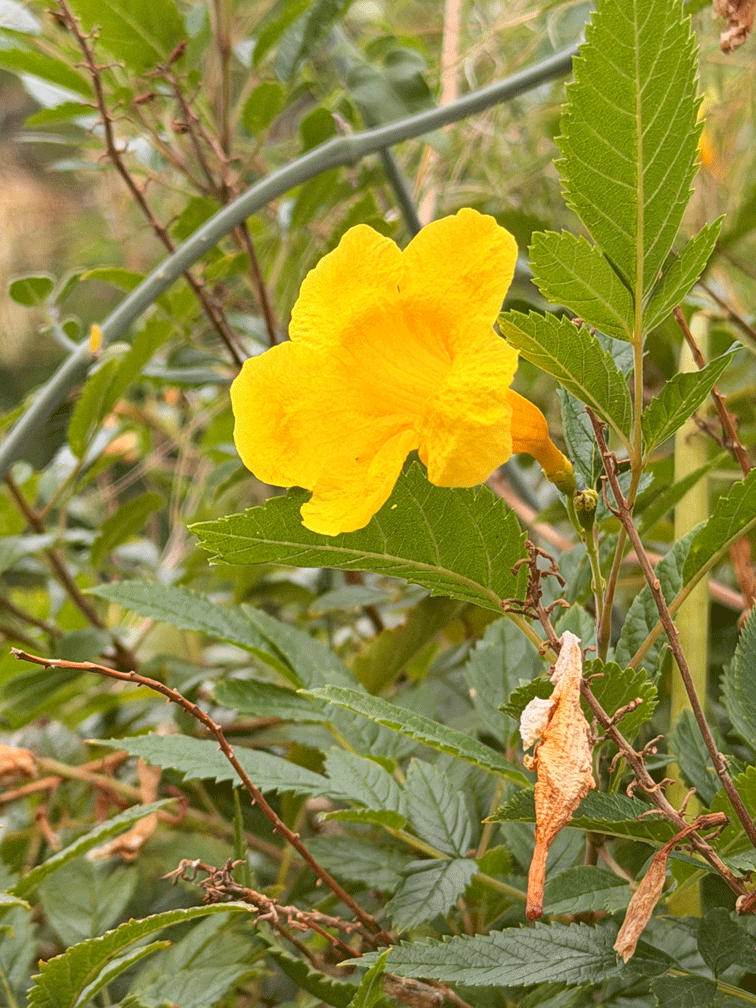
The flowers of the “Yellow Bells” shrub were in good shape. It is native to the American Southwest and Mexico, and is often used as an ornamental plant. It flowers most of the year, but especially in the fall.
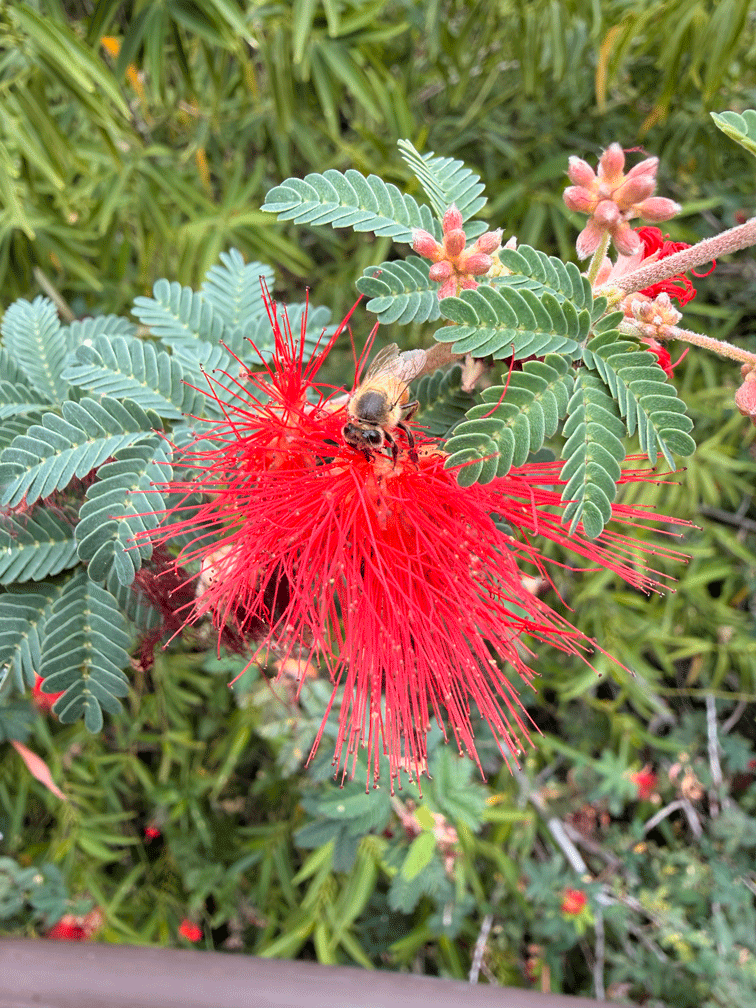
This is Baja Fairy Duster, an evergreen shrub that is native to Baja California. Doug captured a bee on the flower, but right before that, a Monarch butterfly was enjoying the nectar.
The Desert Museum has a dedicated “Butterfly Garden” near the entrance to the museum. They have planted all the plants, both for nectar and caterpillars, that are required, which make it an ideal Monarch butterfly way station.
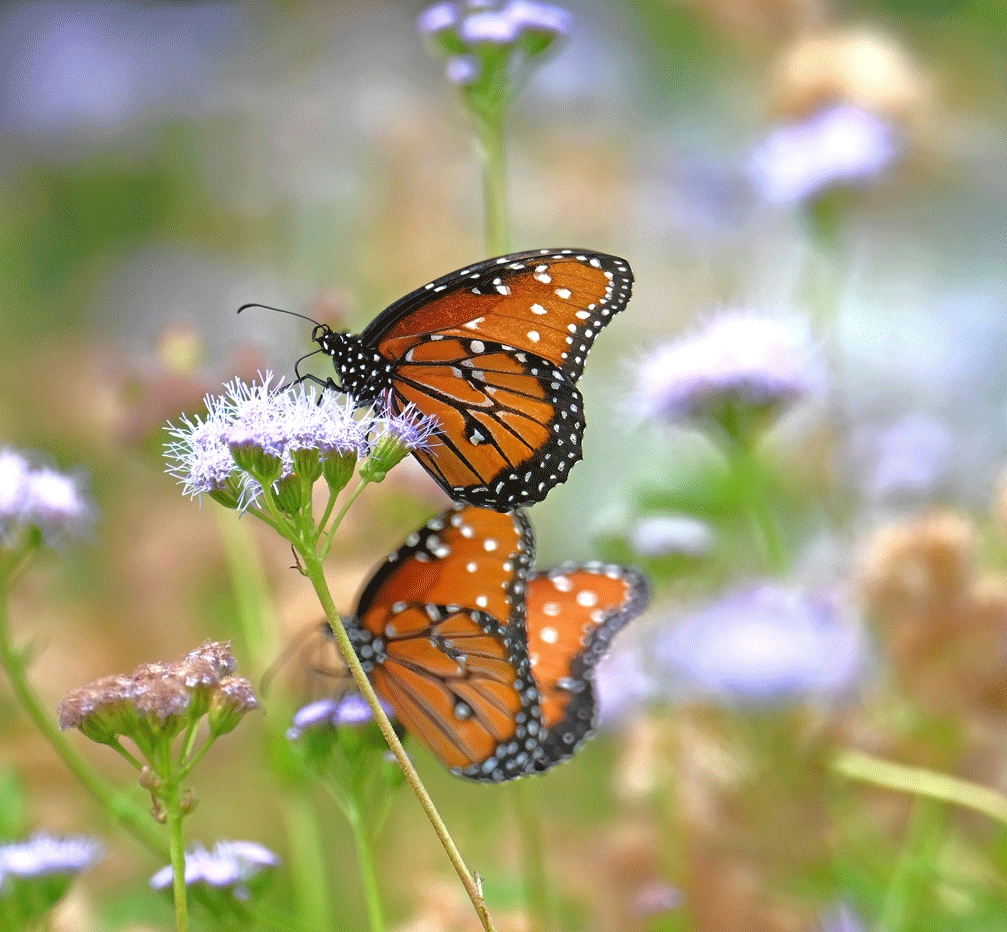
Other species of butterflies also are attracted to the butterfly garden. These butterflies below are known are Queens. They are slightly smaller than Monarchs and have white spots scattered on their wings.
We met a docent that was collecting butterfly data on one of the days that we were at the museum. He was able to track a couple of Monarchs that had been fitted with solar transmitters. One of the butterflies, “Mojo”, was foraging way back in the flowers, but Doug managed to get a photo that shows the tiny transmitter, through a small opening in the foliage.
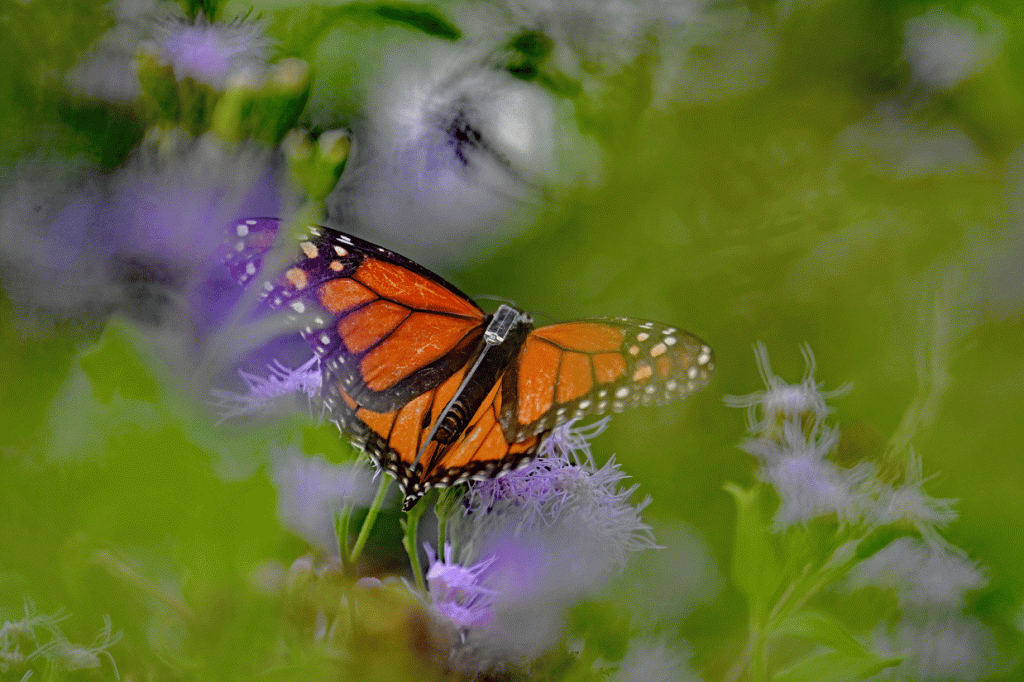
The next week, we were nearby looking at a hummingbird (see later in the post) and Wendy wandered over and watched a different Monarch being released after receiving a paper tag. The volunteer docent let go of the butterfly’s wings and it was gone in a flash. We’ve always been told that it harms a butterfly to touch its wings, but this docent has had special training to handle the butterflies to do the least damage.

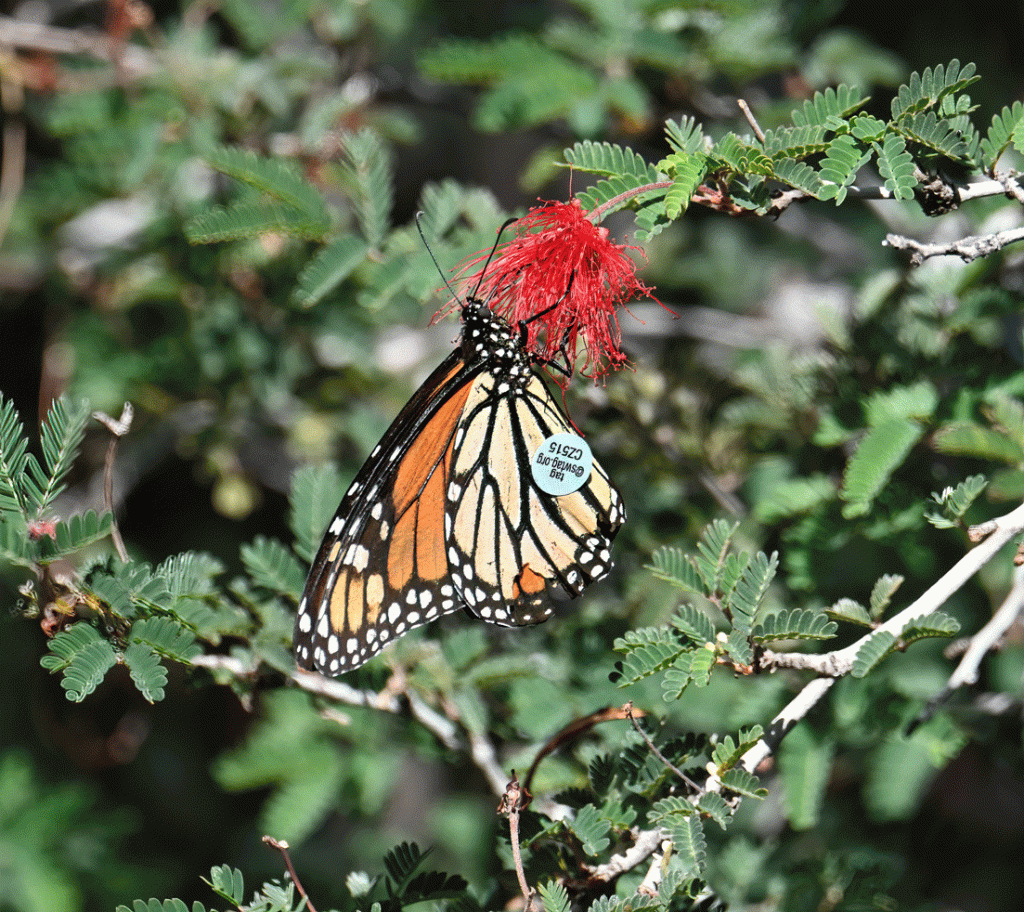
Here’s a photo Doug took in December of a Monarch butterfly with a paper tag. The docent that was documenting the butterfly sightings had trouble reading the tag, so Doug’s photo helped. This one was tagged CZ515 and was tagged in early November.
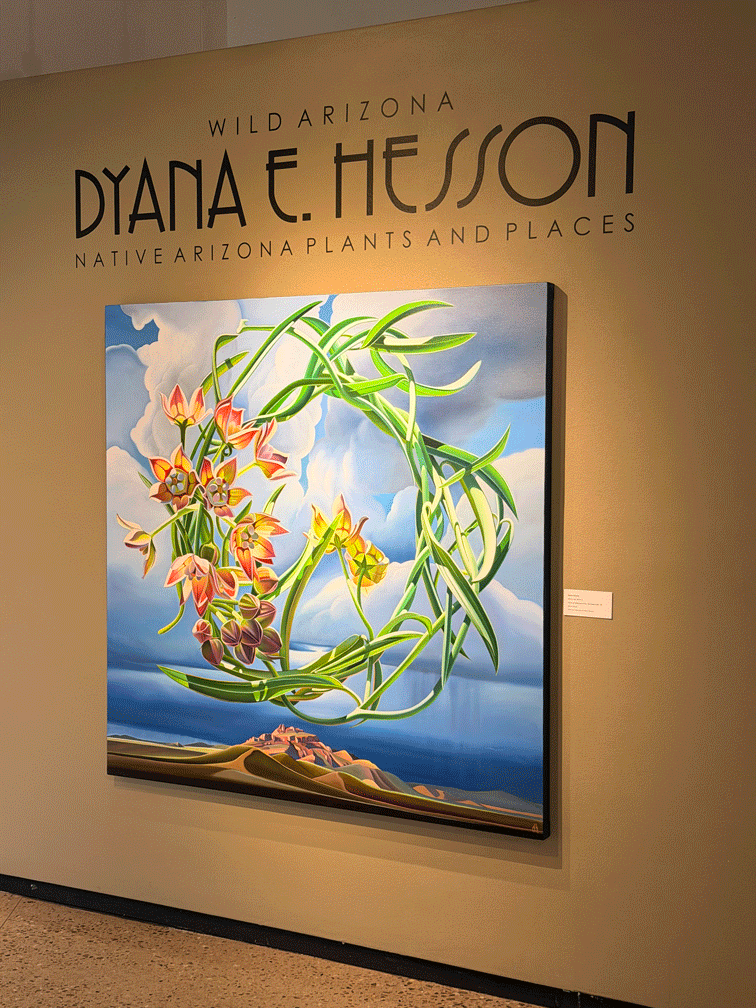
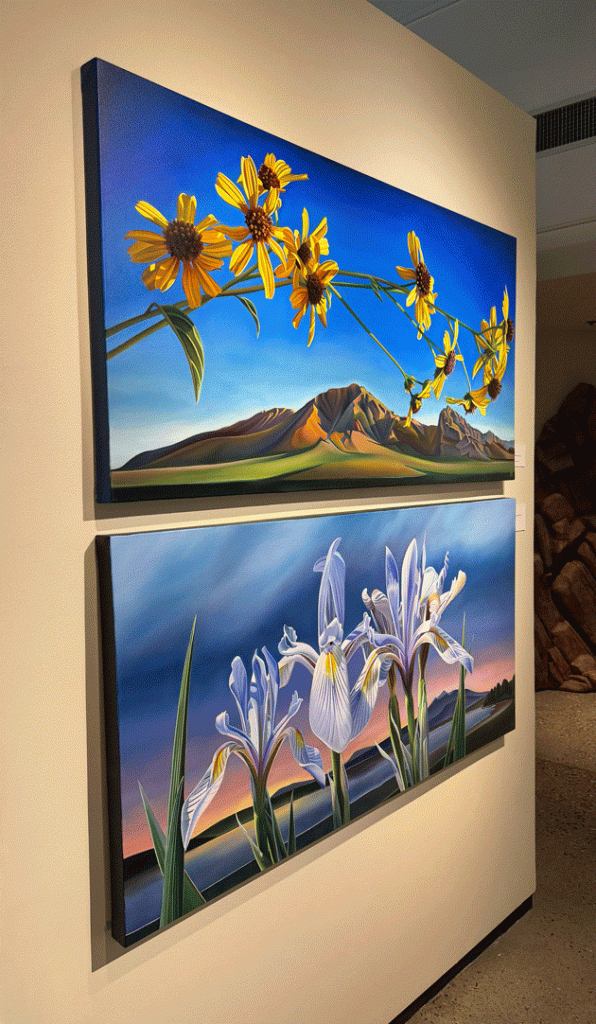
The Desert Museum’s art gallery always has interesting exhibits that have some connection to nature. Dyana E. Hesson paints oversized flowers on a backdrop of Arizona scenery. The first painting in the gallery was: “Where the Heart Is” (Circle of Milkweed Vine, Red Mountain, AZ).
Here are two paintings we liked. The top one is titled,”I’ll be Back” (Brittlebush over Camelback Mountain, AZ.) The lower one is “Blue as the Skies Above” (Wild Irises, Mormon Lake and San Francisco Peaks.) All of the works were very large and would dominate a room in a regular sized house.
Every time we visit the Desert Museum, we see Costa’s Hummingbirds, but this one was special. This male sat with the light reflecting from his gorget and head almost perfectly. Costa’s Hummingbirds are one of the smallest hummingbirds and the male has long, flared throat feathers.

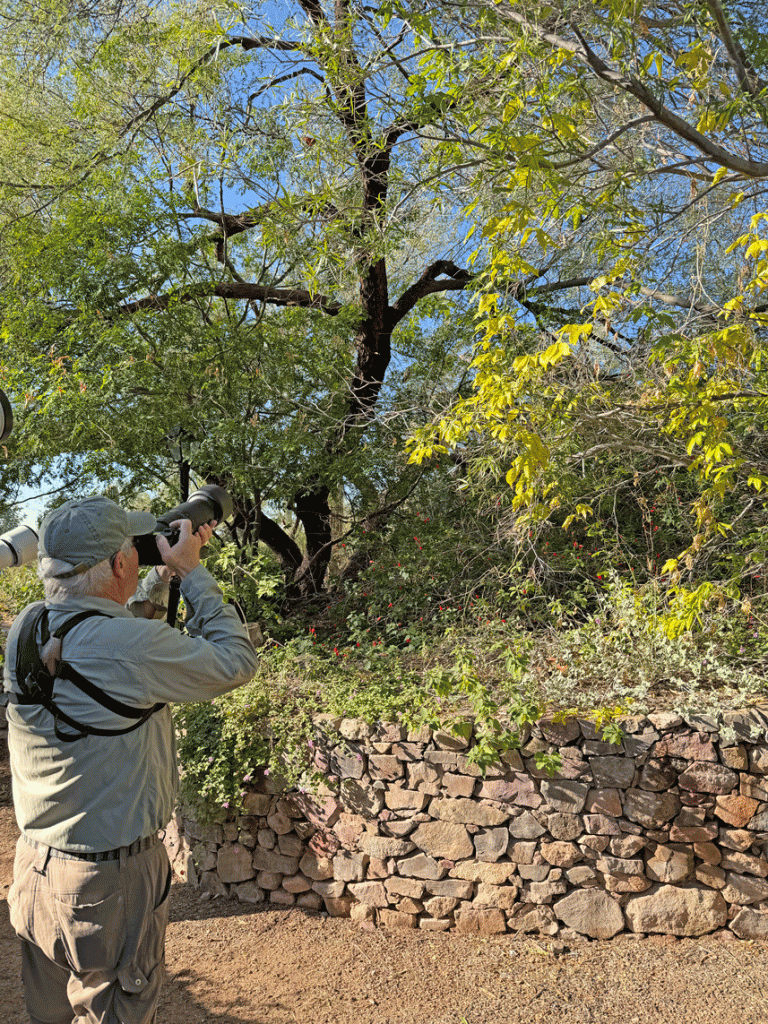
The Desert Museum’s enhanced habitat also brings rare birds. In the photo below, Doug taking a photo of a rare hummingbird in the butterfly garden.
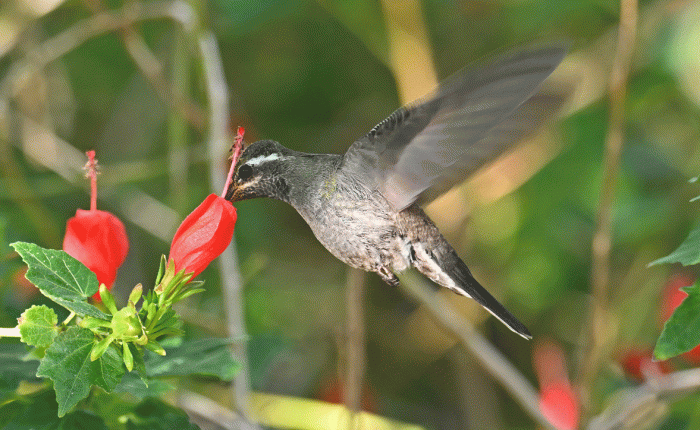
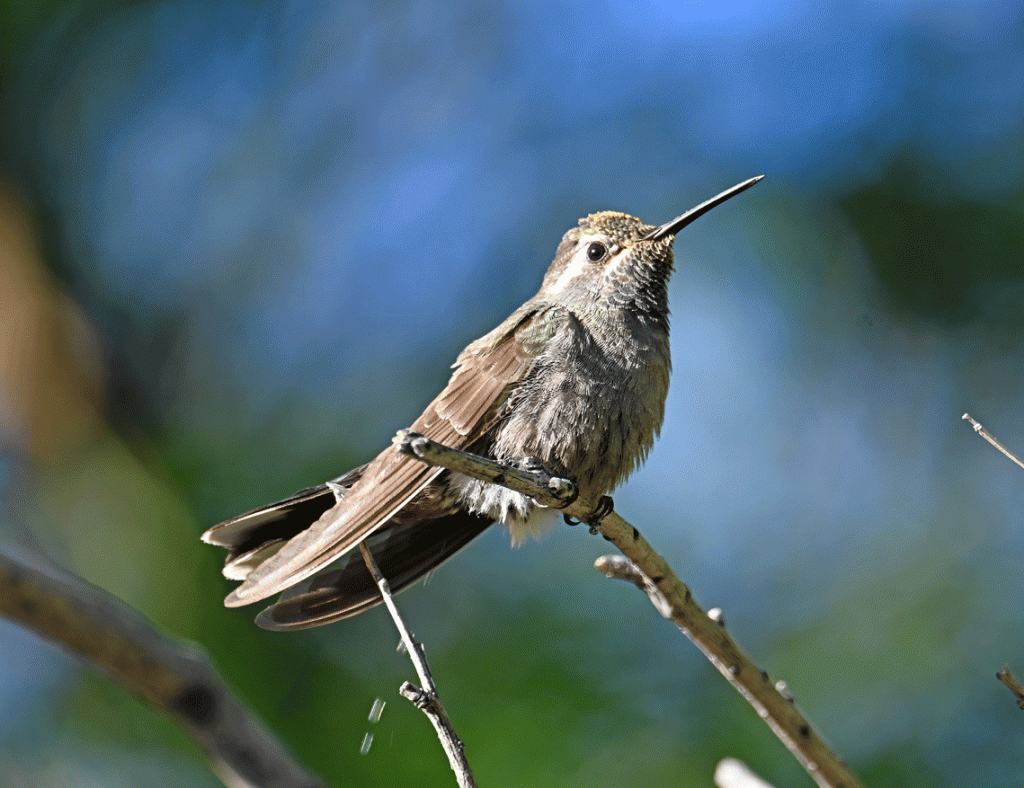
The hummingbird was a Blue-throated Mountain Gem (which used to be called a Blue-throated Hummingbird). This hummingbird may have spent the summer in the Mt. Lemmon area. The species is known to wander to adjacent habitats in search of flowers or feeders, but the Desert Museum is over 40 kilometres (25 miles) from Mt. Lemmon and the Catalina Mountains. Perhaps it just made a side-track to the Desert Museum on the way to its winter home in Mexico. It was very happy feeding on the “Turk’s Cap” flowers.

The Blue-throated Mountain Gem is noticeably larger than most other hummingbirds and moves a bit slower. The hummingbird stayed near its favourite flowers for a long time, and it was big enough so we could point it out to other museum visitors. Its gorget appears greyish unless it catches the light at the right angle. We had to be happy that it was perching in the sunshine, but the crowd that had gathered all wished it were turn around so we could see the gorget flash.
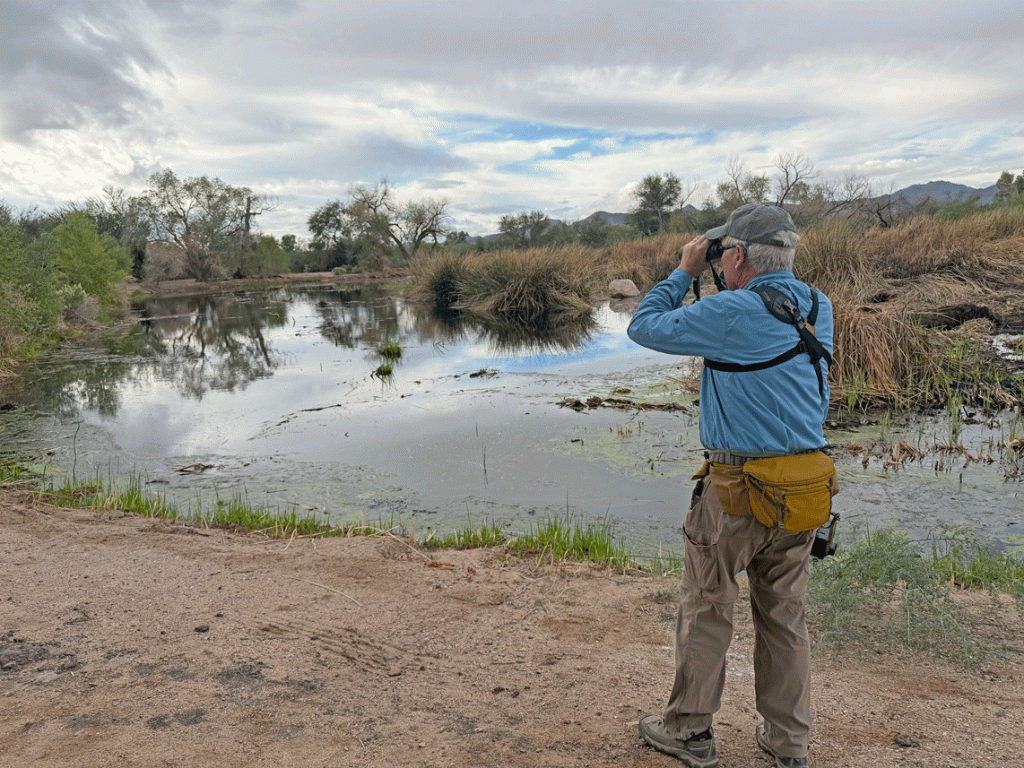
In mid-November, we visited the Sweetwater wetlands about two weeks after the annual burn. Tucson Water burns the wetland to control the invasive cattails. The burn also provides training for wildlands firefighters and is timed to allow the native habitats to regenerate for the winter birds. We didn’t mind the cool weather and we got home just before it poured rain.
It’s nice to see a Blue-winged Teal so close to the edge of the pond. This male is in his full breeding plumage with a bright white crescent and white hip-patch. A little bit of a blue wing feather is just visible on his back. The pale blue wing coverts (or “shoulder” feathers) are obvious in flight.

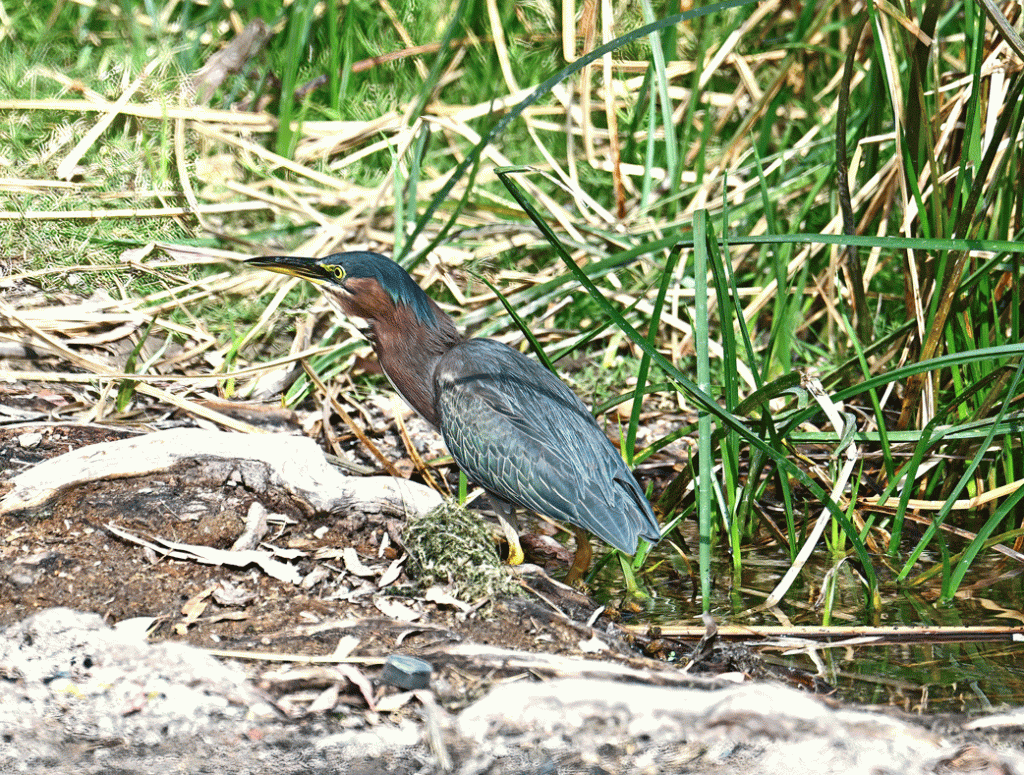
On this cloudy day, the head of the Green Heron was a beautiful shade of blue-green. This one is in a typical crouched position as it waits patiently for prey.
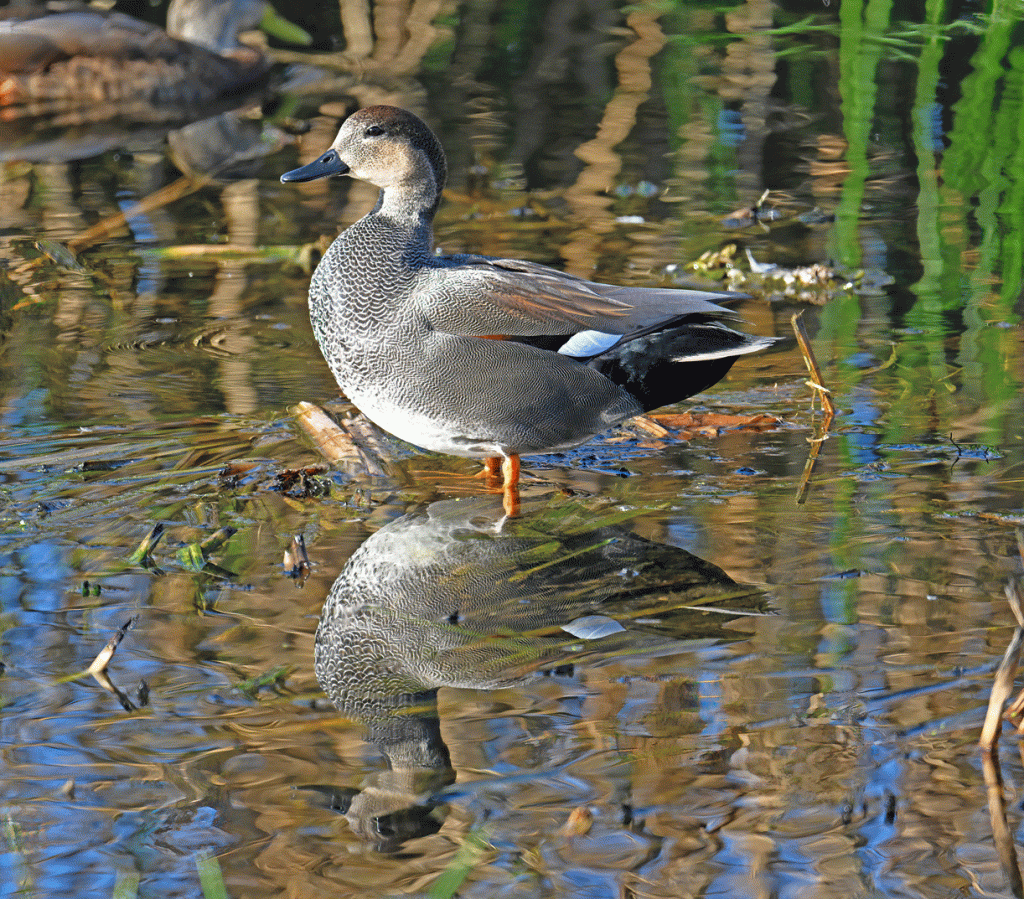
We had brighter light the next week when we visited Sweetwater Wetlands again, and this male Gadwall was very striking standing in the shallow water. Gadwalls can be easy to overlook because they aren’t very flashy. Males have a black rear end and white wing patch and a dark bill. Their breast feathers make an interesting design.
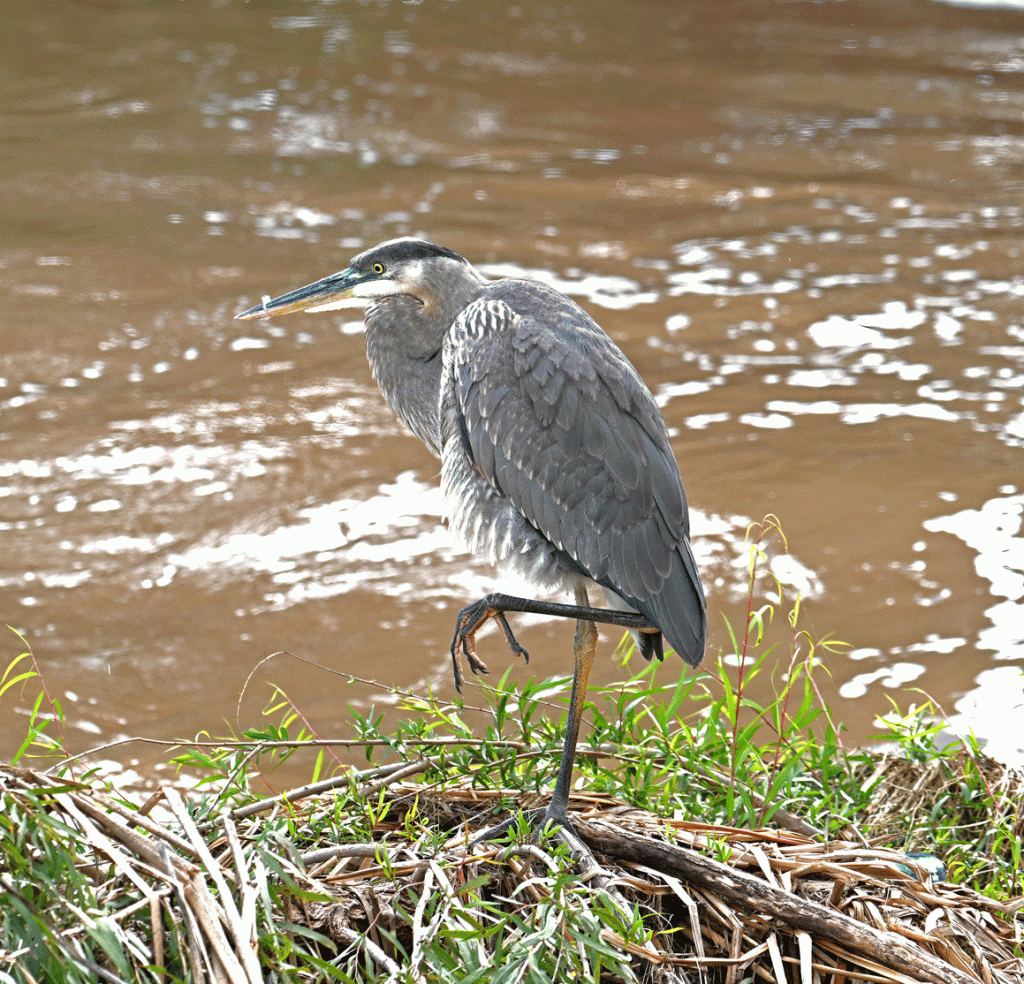
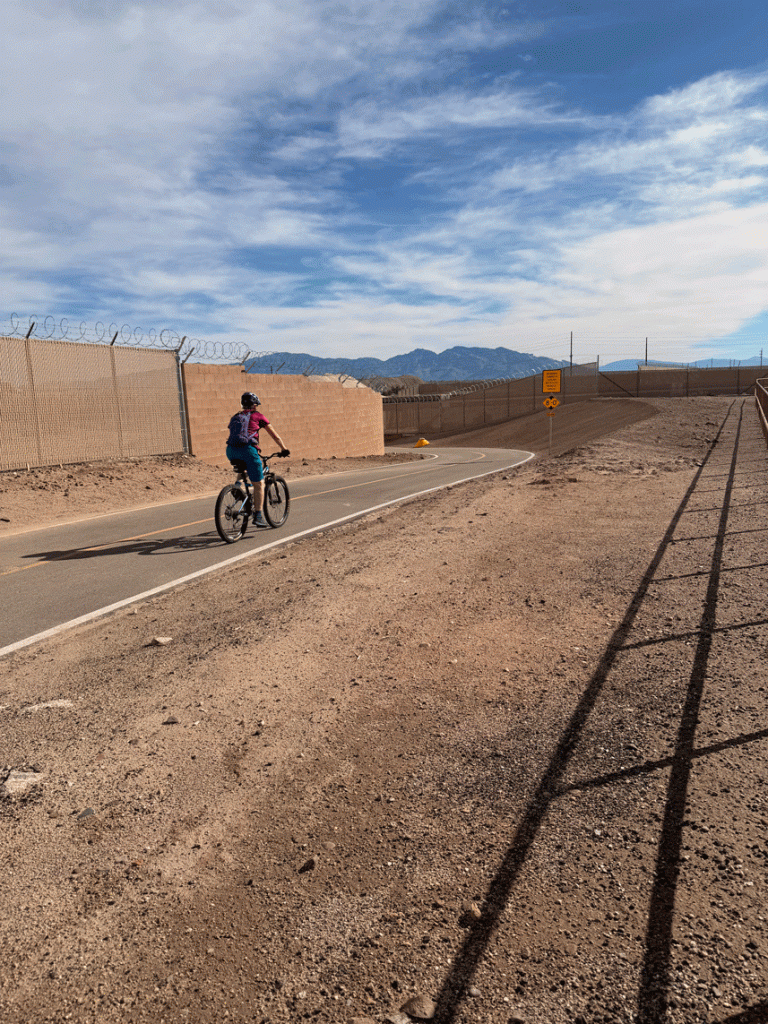
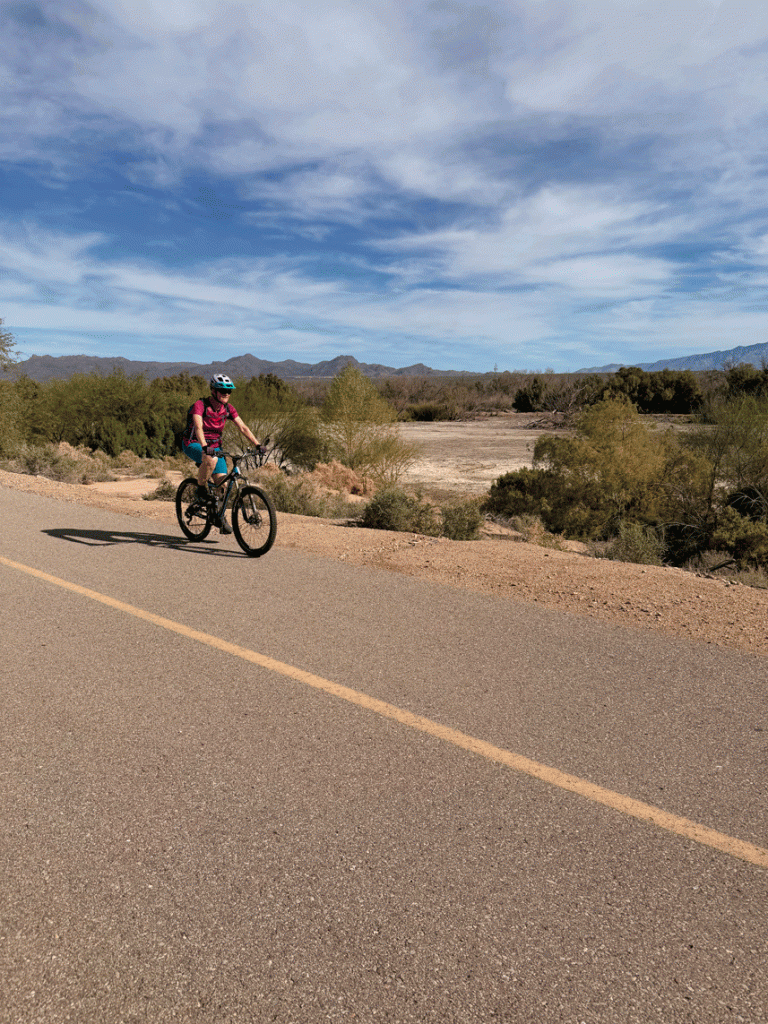
Another day, we walked along the bike path beside the Santa Cruz River. This Great Blue Heron stood on the side of the rushing water near Ina Road for a long time. The water was very turbid because of the recent rains.
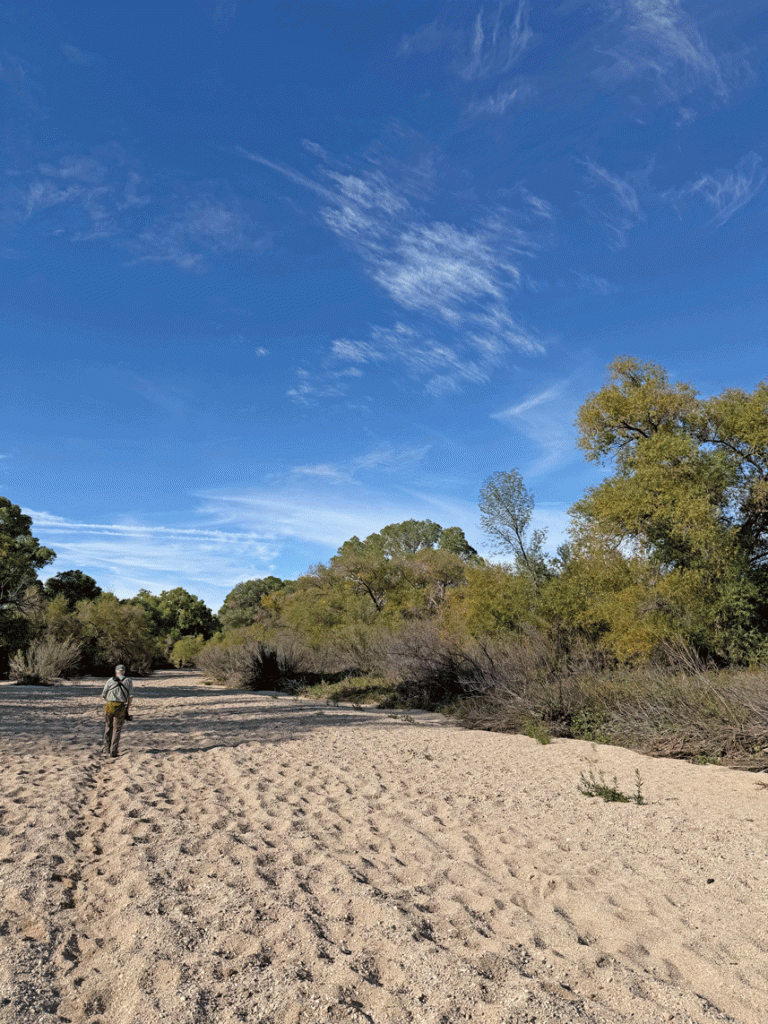
On US Thanksgiving day, we didn’t have anything planned, so when we got a message that a warbler that we had never seen before was sighted across town, we decided to try to see it. It was reported in Tanque Verde Wash, about an hour away. Here’s a view of the wash and the tall cottonwoods on the banks.
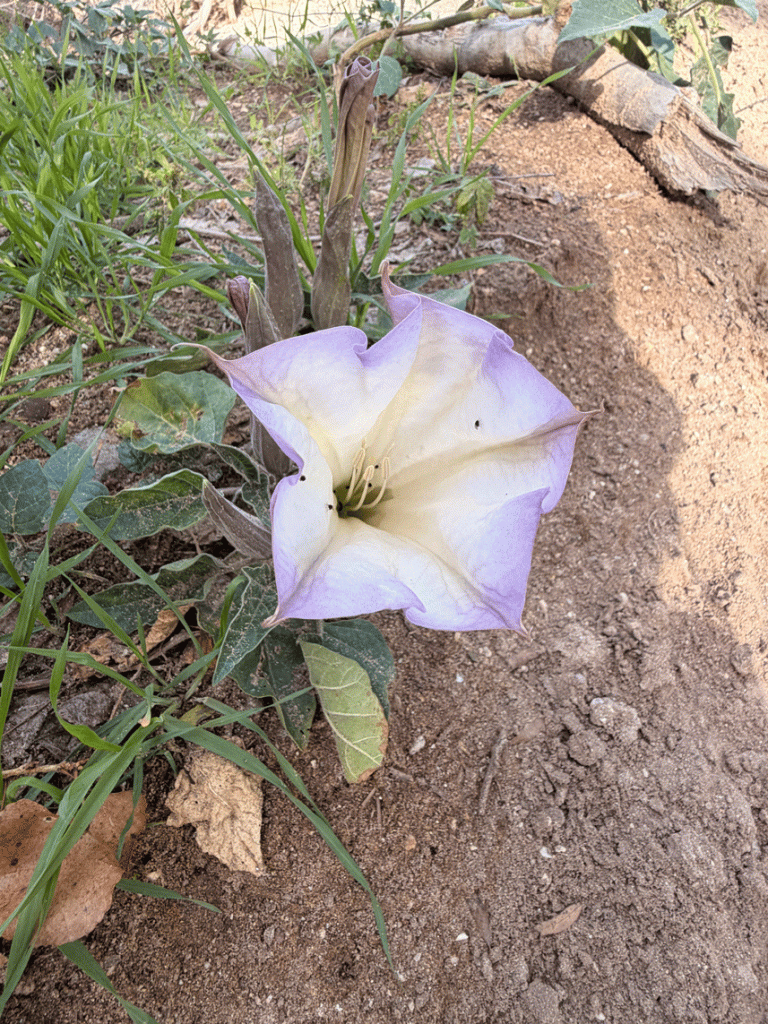
There were Sacred thorn-apple blossoms flowering, which was unusual because they usually flower in the spring.
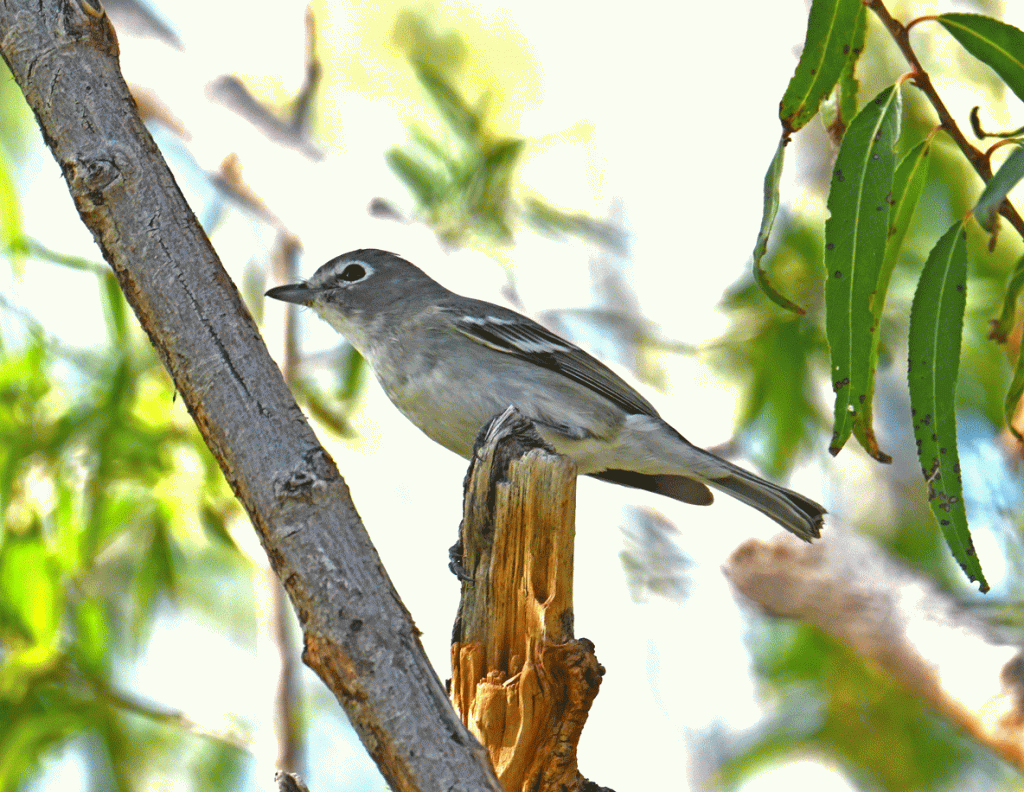
We didn’t see the special warbler, but we did have a good view of a Plumbeous Vireo, so it was our “consolation” bird. The other consolation is that we had an enjoyable walk on a beautiful day.
Plumbeous Vireos are very similar to Cassin’s Vireos, that we have in our yard in the summer in BC. Plumbeous are greyer and have a slightly different call.
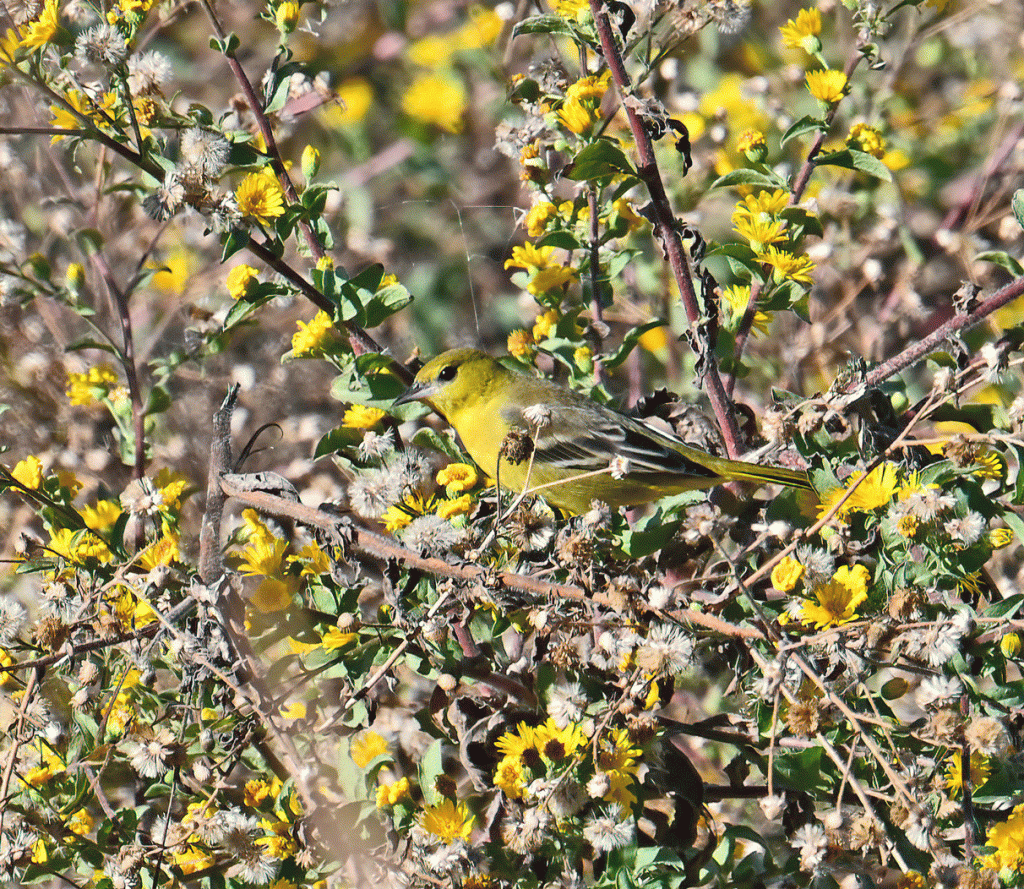
The next day, we joined about a dozen other birders at a “stake-out” for another rare bird. A “stake-out” is a specific location where a rare bird is “hanging out.” Our cell phone’s GPS can help us navigate to the spot. We were looking down into the Santa Cruz River bed and watching for a yellow bird to pop up. The vegetation is so thick here because there is water running in the middle of the channel. We stood just off the bike path, which was another section of “The Loop” which we have described in previous posts.

This is the female Orchard Oriole that caused the excitement. We saw it numerous times because we stayed around and waited for a friend to arrive. This photo was taken towards the end of our session. We also had a chance to catch up with many of our birding friends, most of which we hadn’t seen since the spring.
An Orchard Oriole is usually found in the Eastern US in the summertime. It winters from southern Mexico, throughout Central America and as far south as Columbia in South America.
At the end of November, we drove out to the fields in Marana, with hopes of seeing a Burrowing Owl. This one was sitting by the side of the road, so Doug could take the photo from the truck’s window and not disturb the owl. We also saw one other one that day.

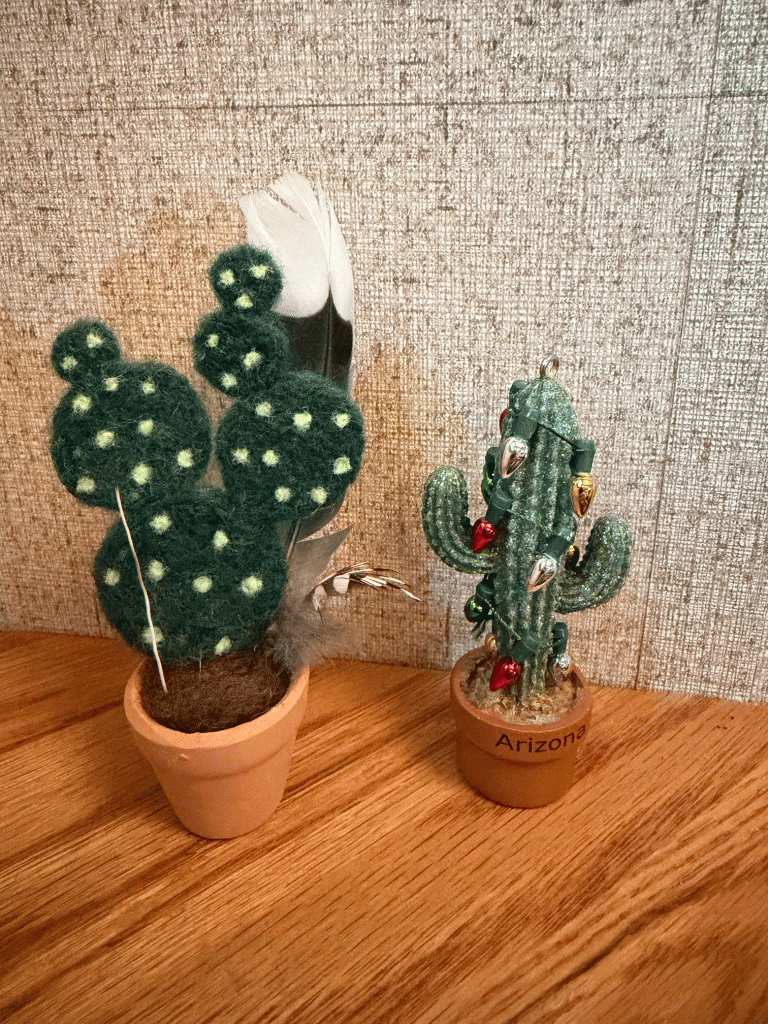
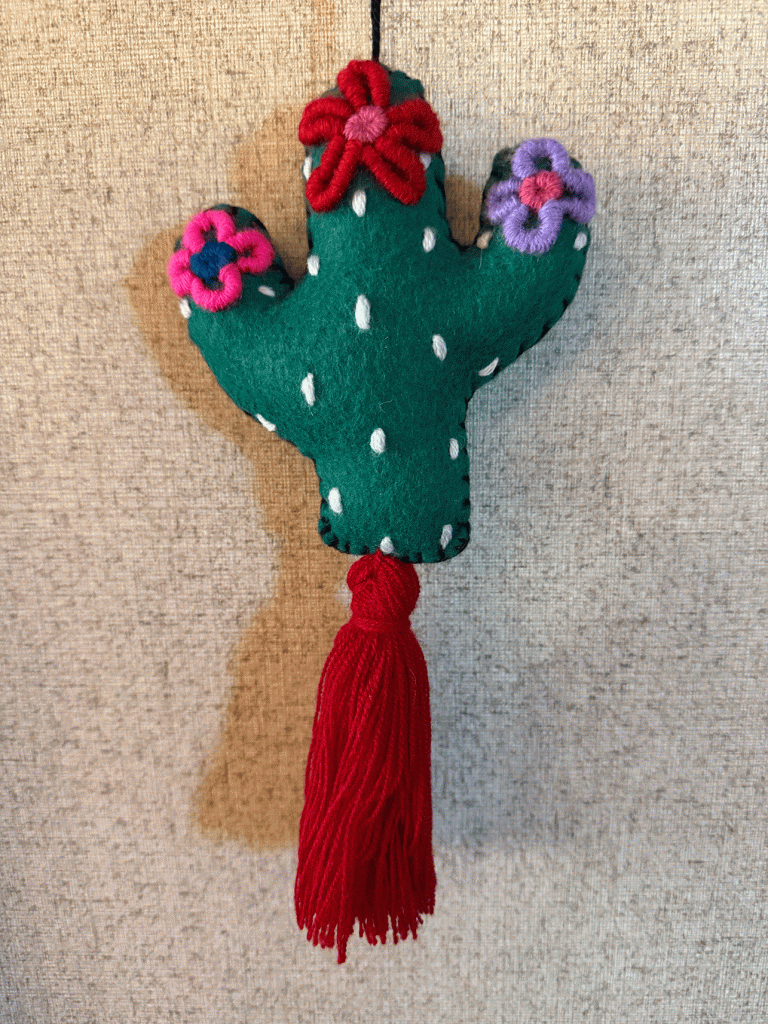
Now we’re almost halfway through December, so we will wish you a Merry Christmas and Happy New Year with some photos of our cacti decorations.
Next post will be in January, 2026.


 Travels with a Fox