April 2025 in Texas – Part 1

April 2025 in Texas – Part 1

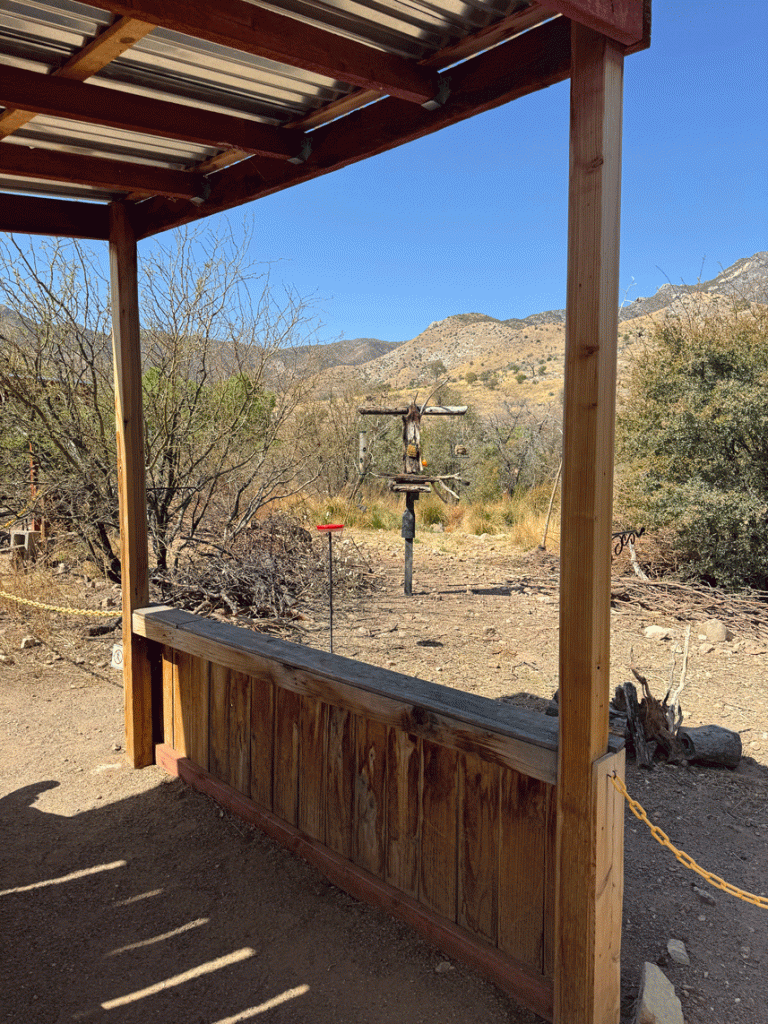
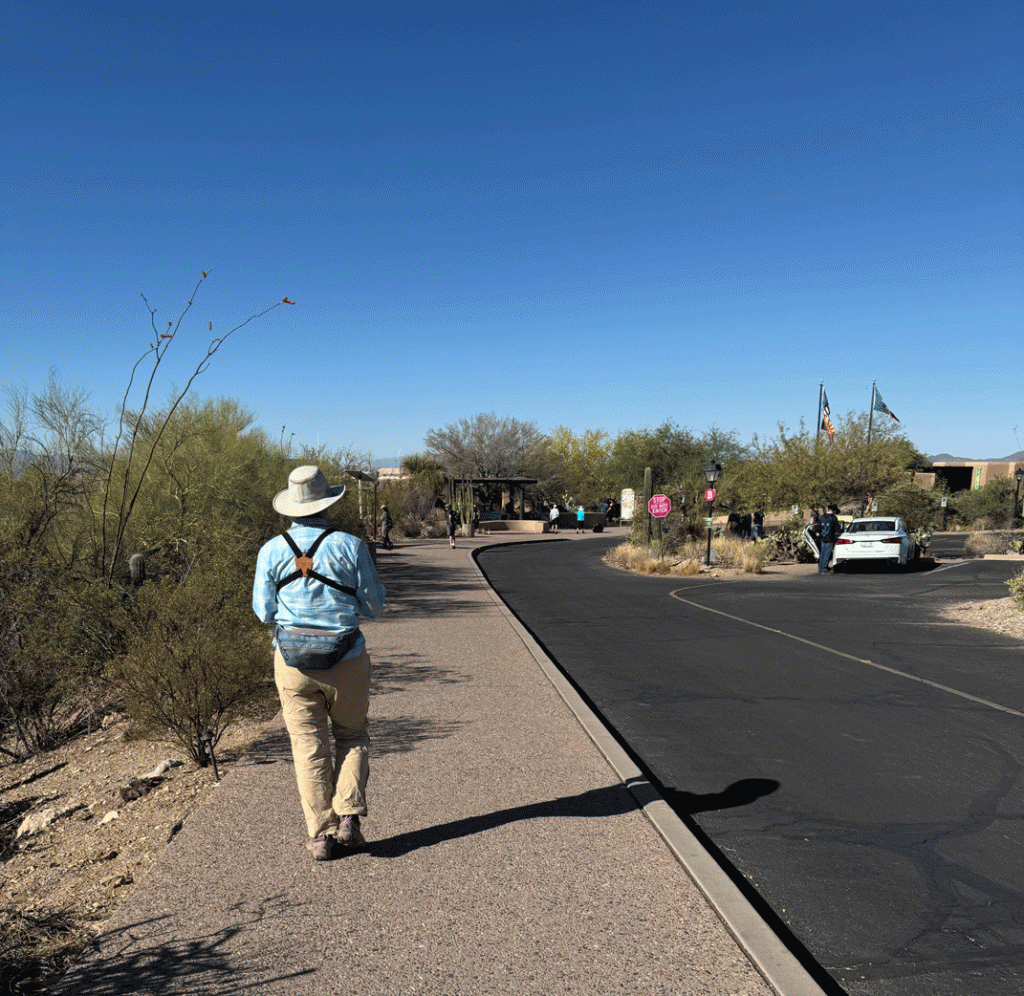
We took a ten day trip to Texas in mid-April to pick up some new birds for the year. On our first day, we took a short detour to Portal, Arizona. This is the view at Cave Creek Ranch just outside of Portal. We saw the resident Blue-throated Mountain Gem, a beautiful hummingbird. We saw it at a shaded feeder, so no photo this time. In the photo below, Wendy is looking for the oriole we had just heard.

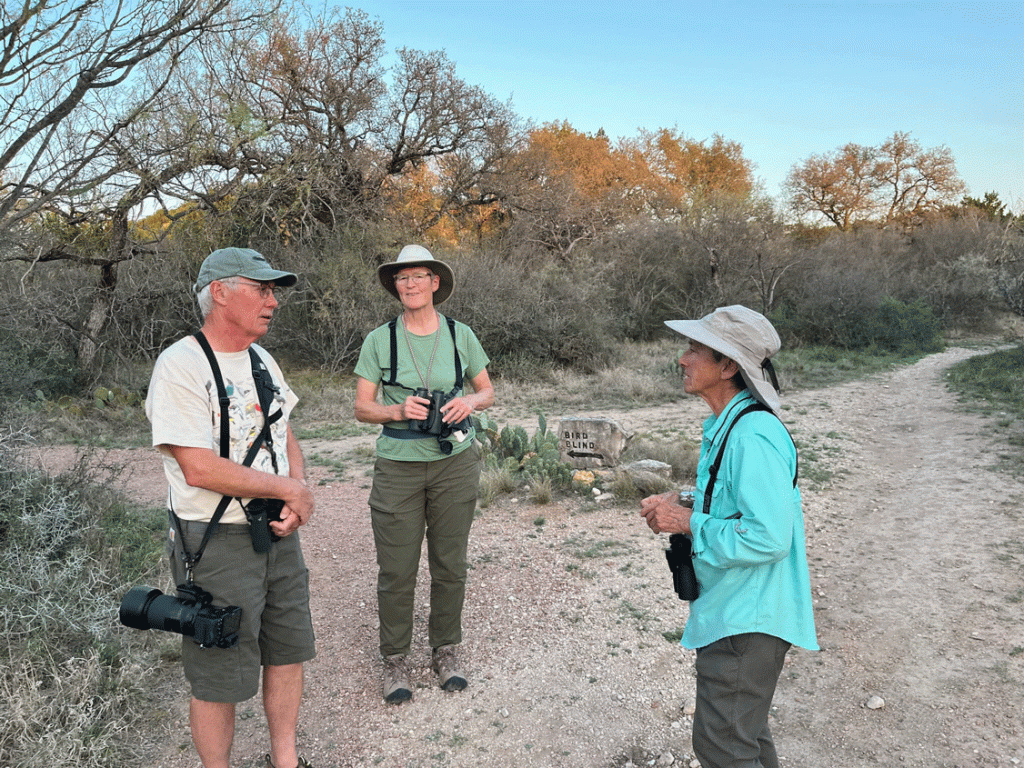
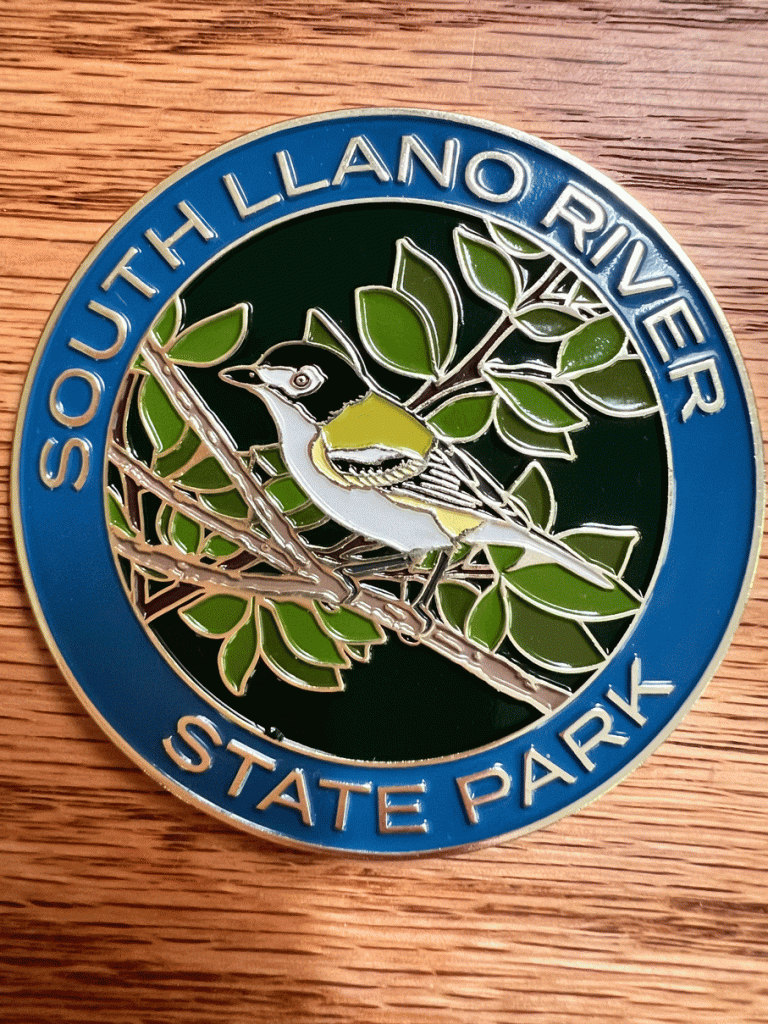
That night we stayed in Las Cruces, New Mexico. The next day we drove about seven hours to Junction, Texas. That afternoon, we visited South Llano State Park which was just a few minutes out of town. We saw some interesting birds, but not the Black-capped Vireo which is only found in that part of Texas. Our friends arrived a few hours after us, and saw the vireo. So we went back to the park after dinner to see if we could see it too. Here we are with our friend Teri. (Mary took the photo.) We didn’t see the vireo that night, but we did see it early the next morning. It stayed mostly hidden in the bushes however, so no photo again. Instead, we’ve added a photo of the magnet that we bought at the visitor centre. The Black-capped Vireo brings visitors to the park so it is featured on the souvenirs that they sell.
We got a good view of a Woodhouse’s Scrub-Jay at one of the bird blinds in the park.

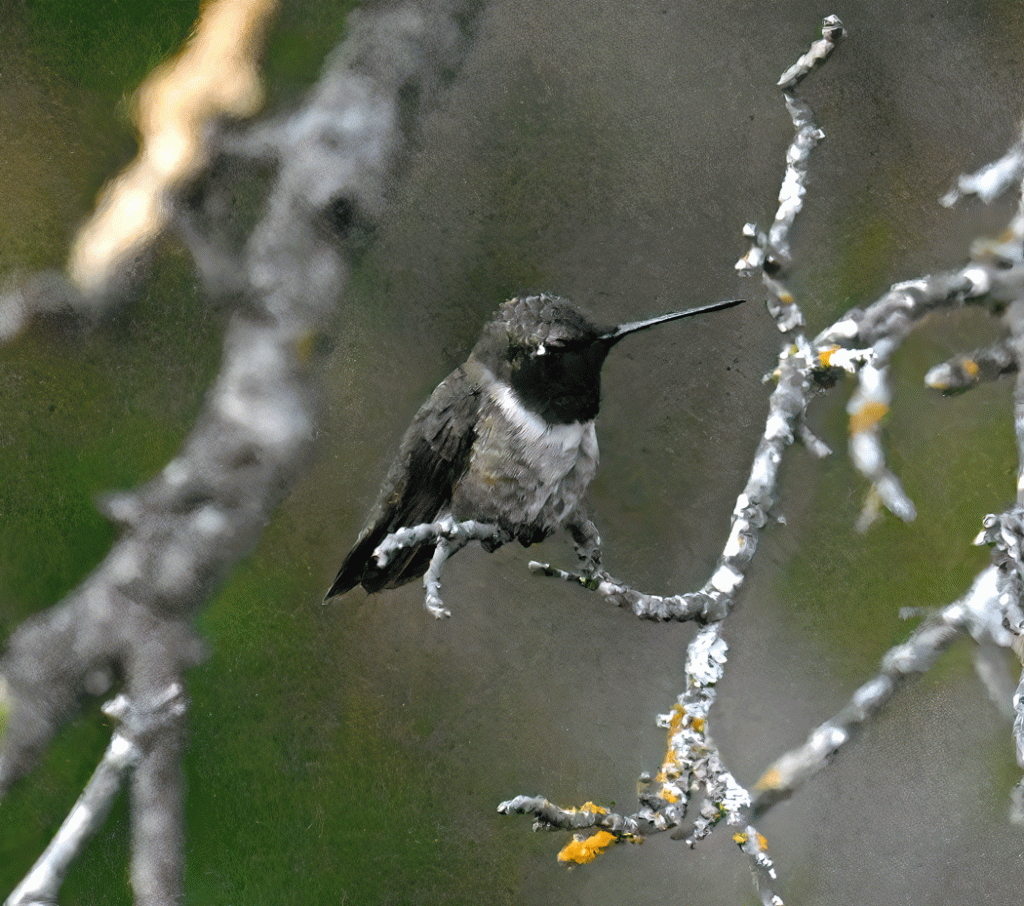
And a Black-chinned Hummingbird also made an appearance.
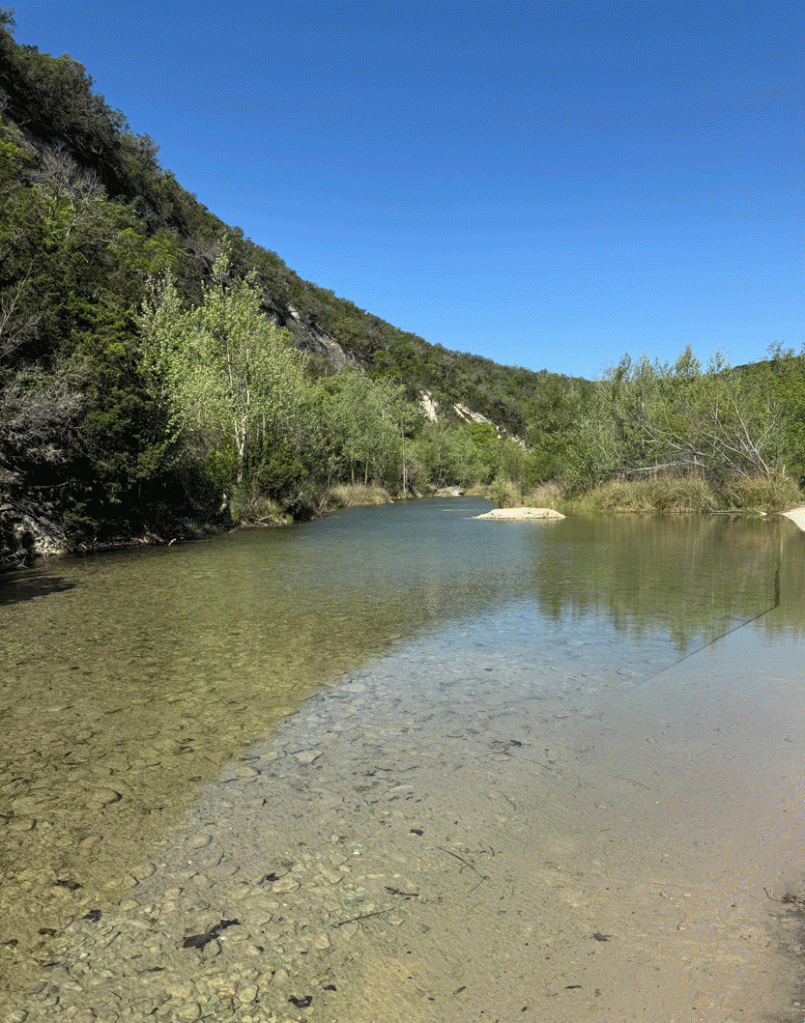
Next, we headed to Lost Maples State Natural Area. This is a wide spot in the river just past the Visitor Center, and about as far into the park that we got.
The “special bird” for the area was the Golden-cheeked Warbler, and we saw several around the Visitor Center. While they were pretty common in the park, the species breed in a small area of central Texas, and winter in Central America.

Carolina Chickadees lived there too. They are found in any wooded area throughout the southwestern US. They look almost identical to a Black-capped Chickadee, but their ranges hardly overlap.

It was about a five hour drive to our place for the next five nights. Our casita was part of the Bentsen Palms RV Resort.
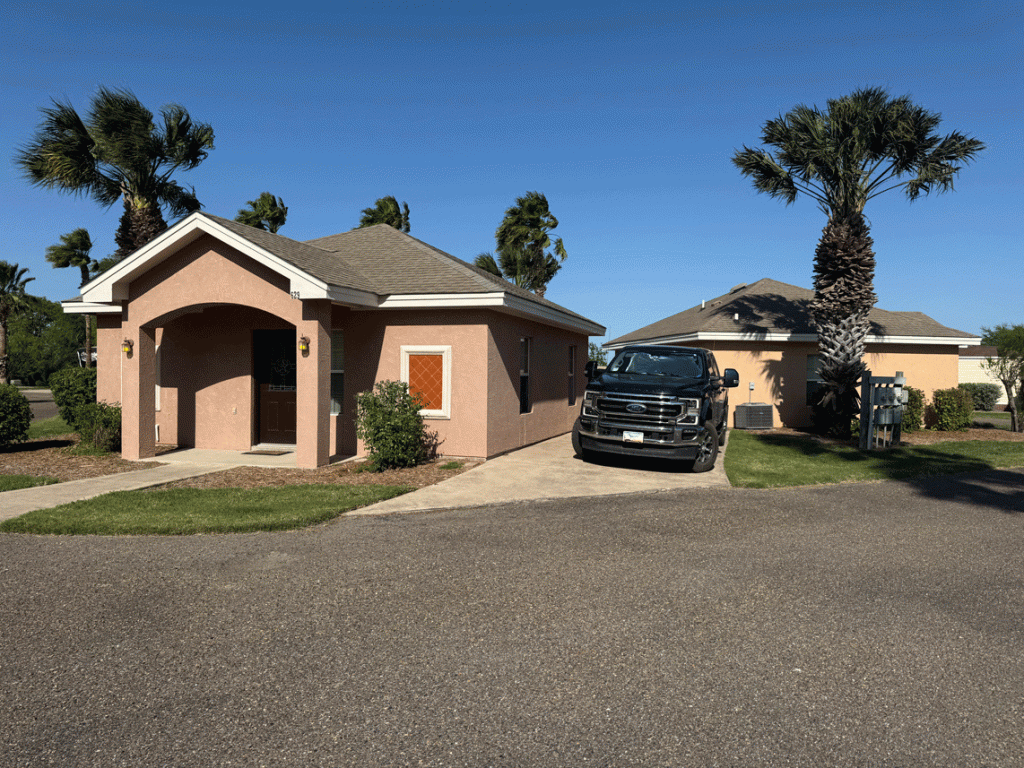
Here’s a view of the inside.

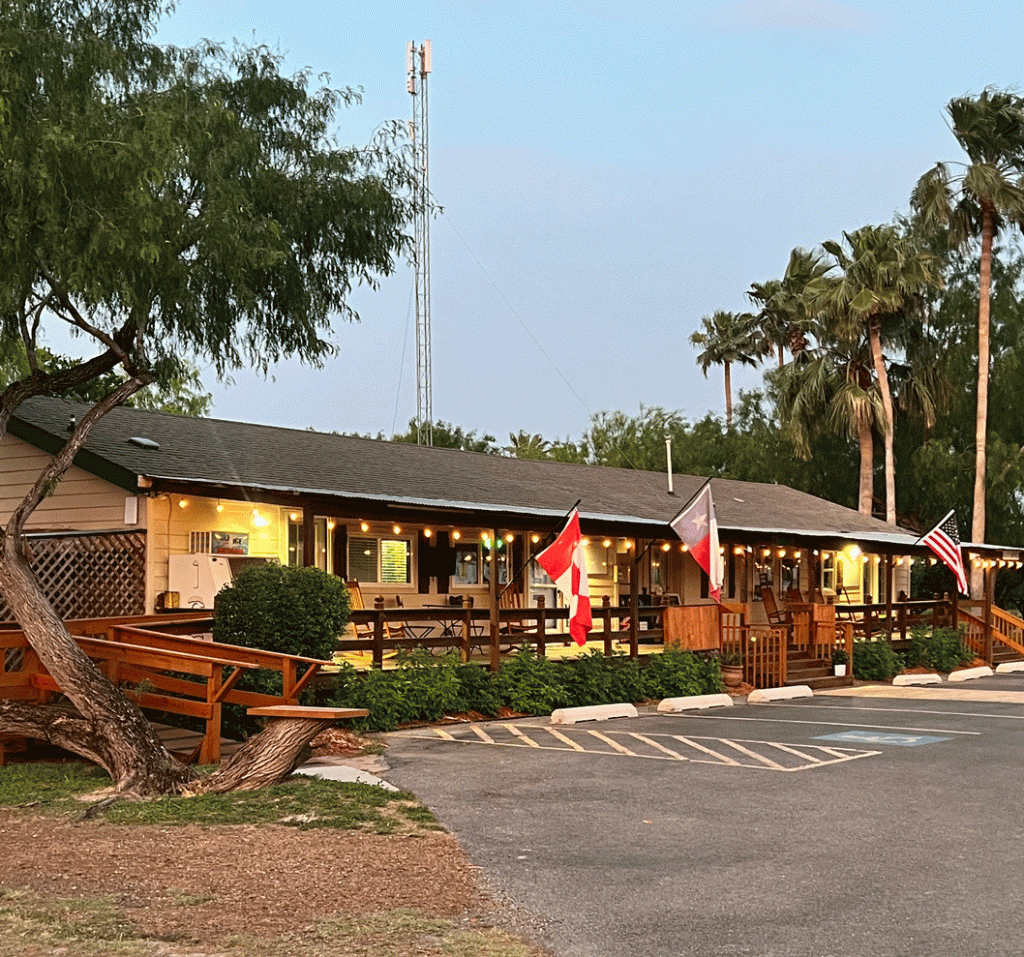
Most of the winter residents of the park had headed to their summer homes, so when the office set out the Canadian flag, we knew it was just for us.
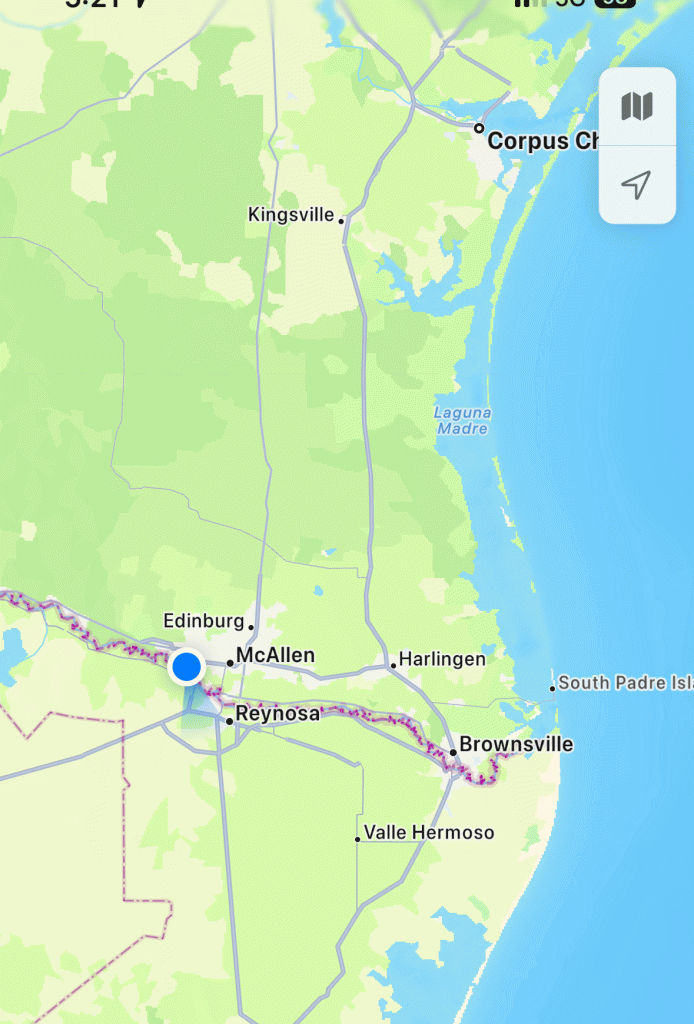
The blue dot on the map below shows our location close to the Rio Grande which is also southern border of Texas. We could see the border wall from the RV park grounds.
The next day we went to South Padre Island. We started at the World Birding and Nature Center, especially because a rare bird had been sighted there.

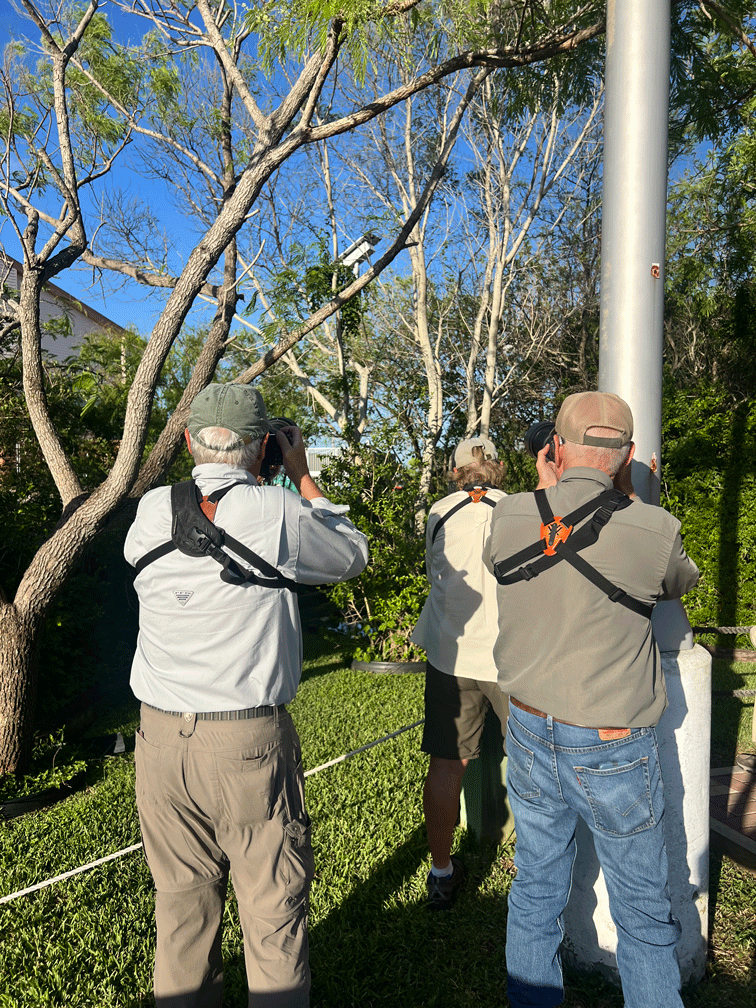
It didn’t take long before we saw the Flame-coloured Tanager, right at the parking lot. Then there was time to get a really good photo. Doug, Mary and Rich all had their cameras focused on the tanager in the photo below.
Here’s the best of several shots that Doug got of the Flame-colored Tanager, a year-round resident of Mexico. This one is a female or an immature male. A mature male has a bright orange head and neck.

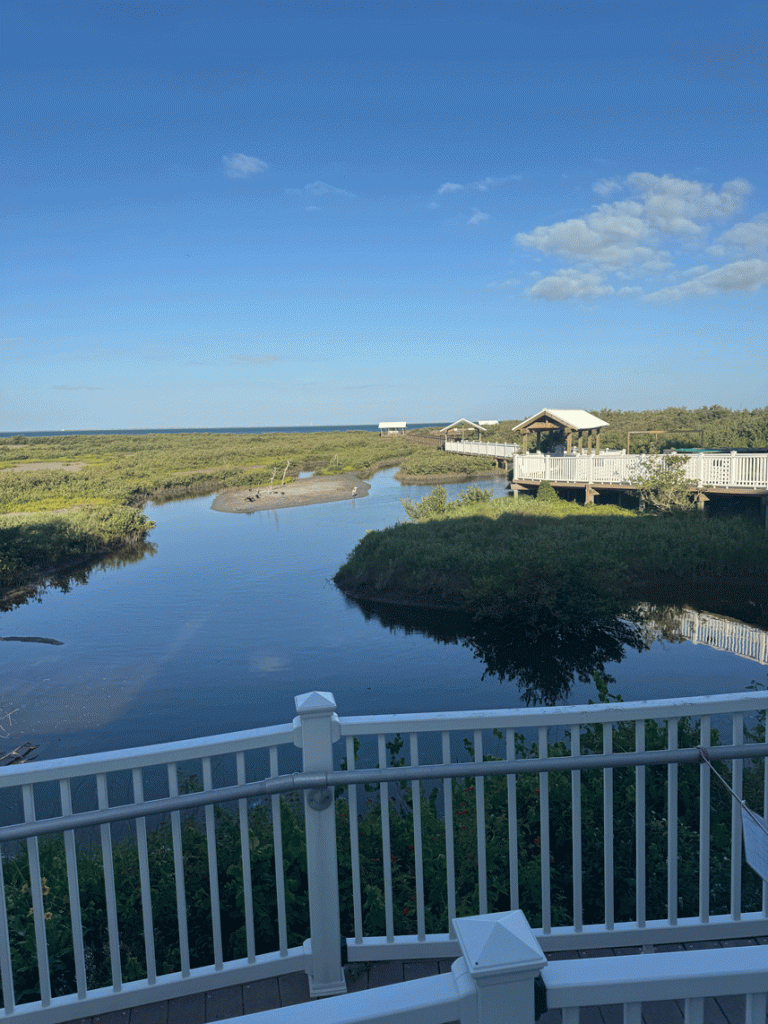
Then we went in and paid our admission, so we had access to the center’s boardwalk.
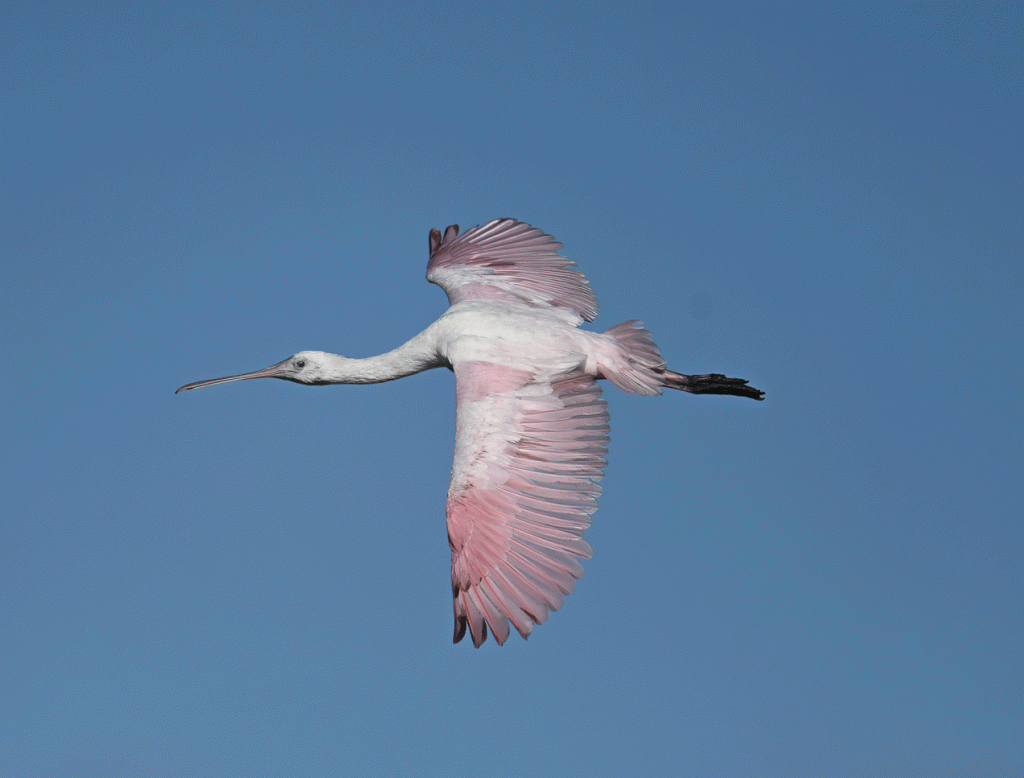
This Roseate Spoonbill flew when someone got too close as they tried to get a photo with their cell phone.
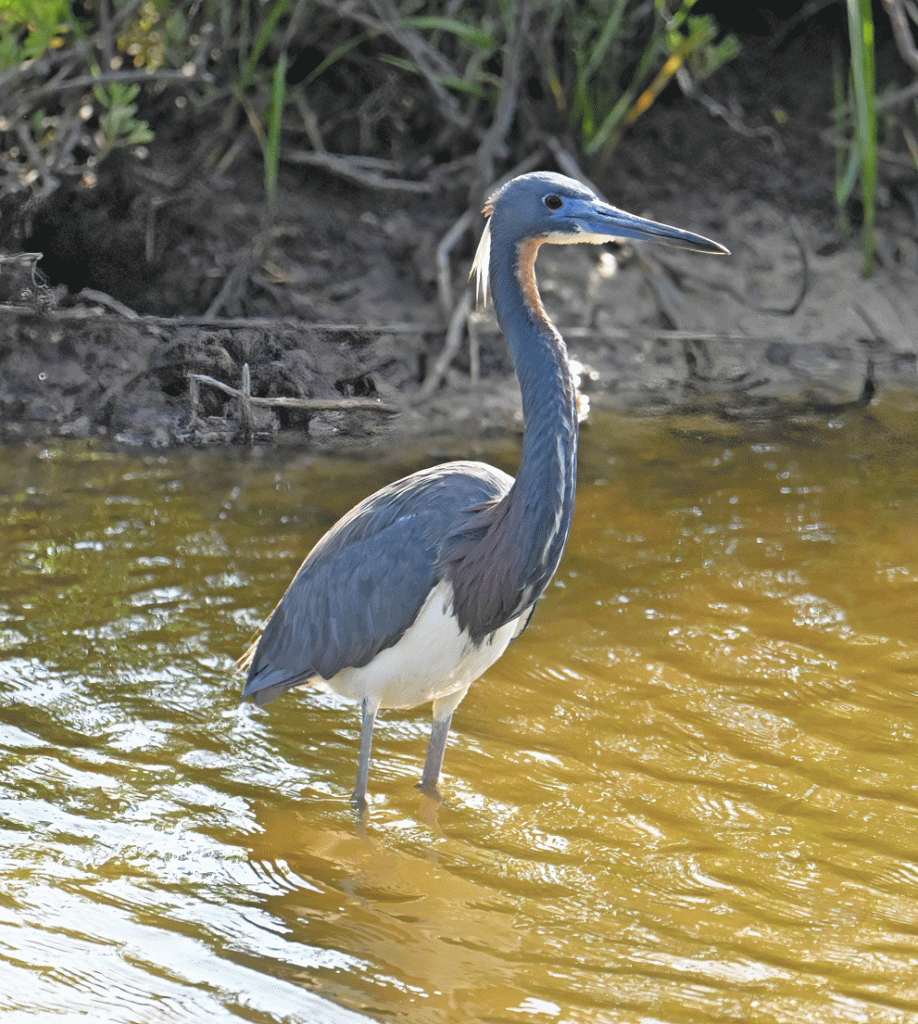
This is a Tricoloured Heron. Its bill turns blueish in breeding season from February to July. Its bill is yellow the rest of the year. It always has a dark breast and light belly.
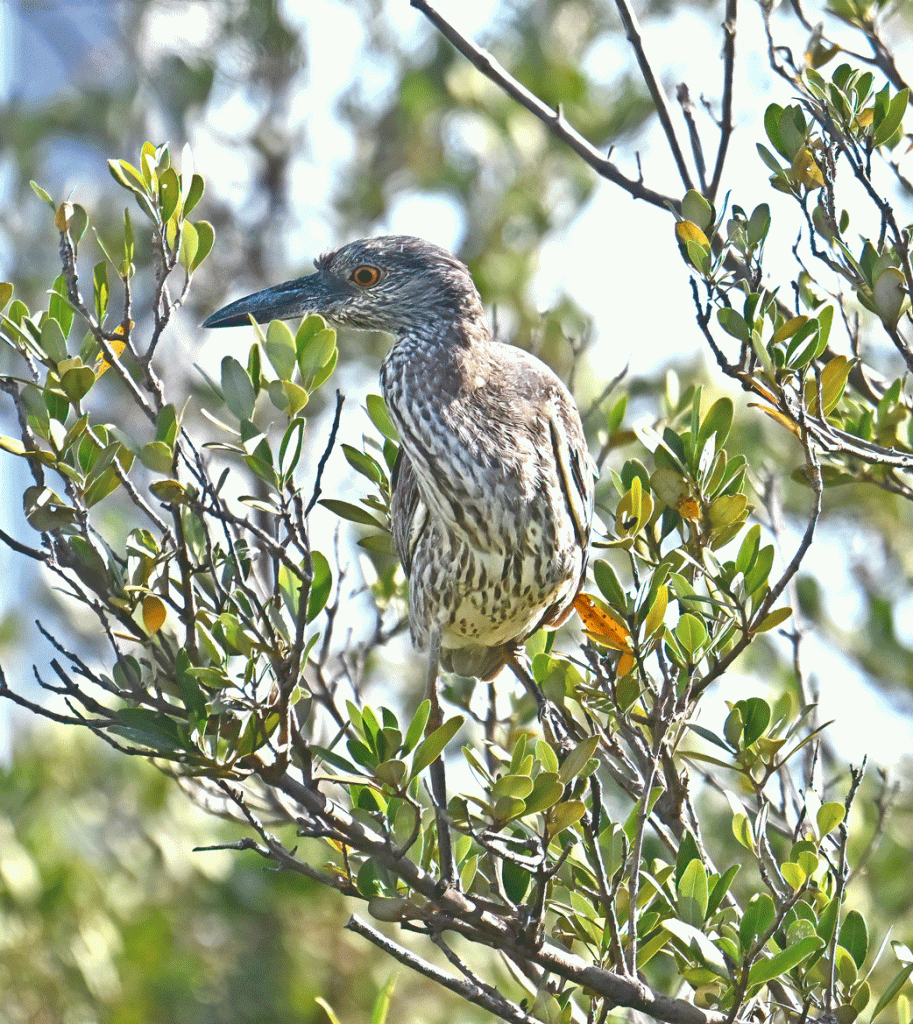
This juvenile Yellow-crowned Night Heron was perched in some bushes across the channel from us and was difficult to see when it was stationary. Luckily one of our party saw it fly in.
Next, we drove about 5 minutes north to the mudflats beside the Convention Center. We walked out to be a little closer, but you can see the tire tracks of other vehicles that drove right out to the water’s edge.
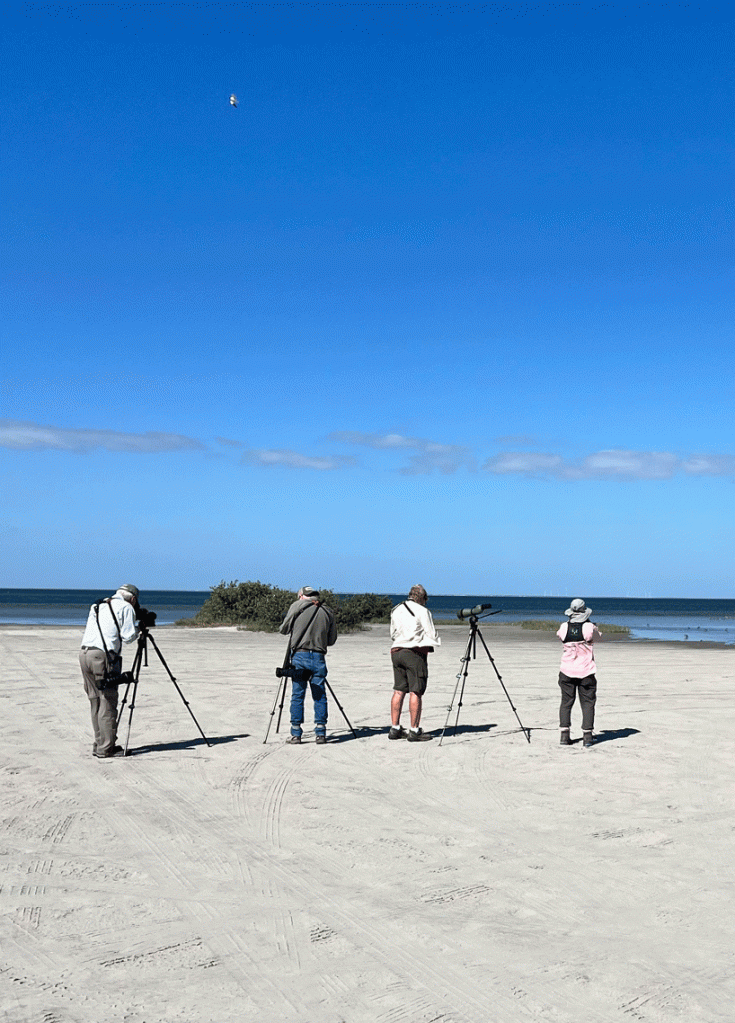
We studied the many shorebirds to try to identify as many species as we could. Here are photos of some of the species in order from smallest to largest.

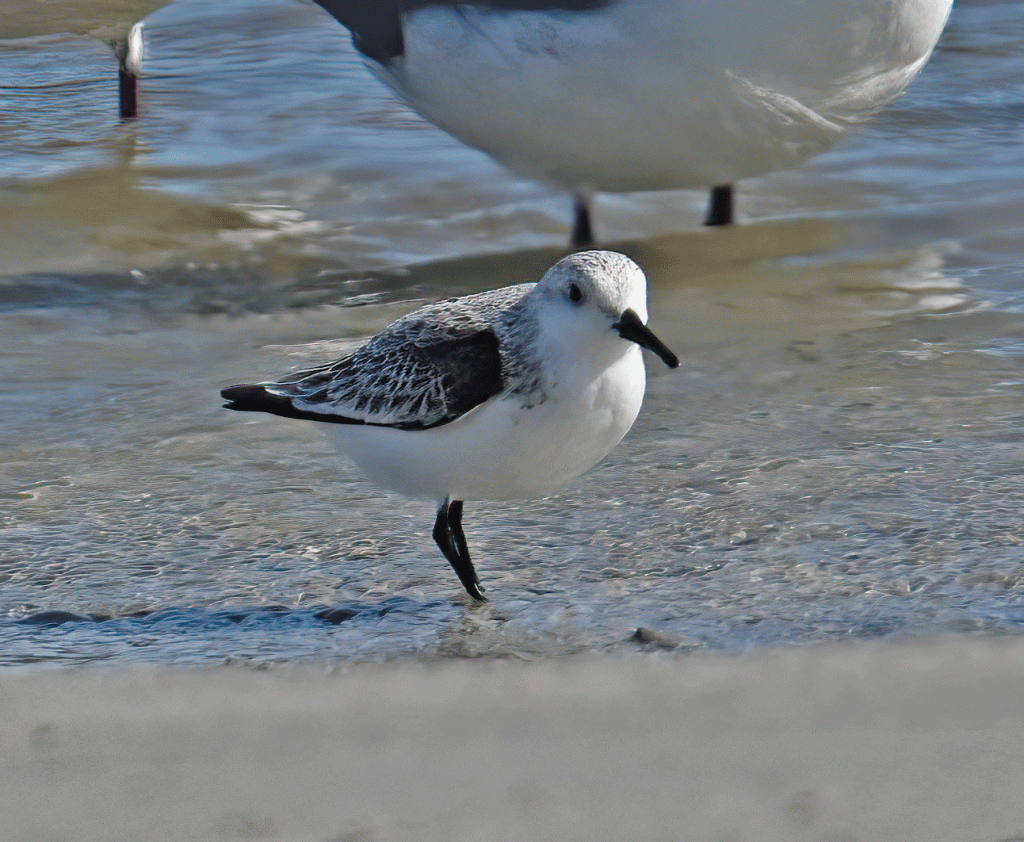
First up are Sanderlings that are about 20 cm (8″) long, with a short bill. The small flocks run rapidly up and down the beach. They breed in the high arctic. This female is approaching breeding plumage.
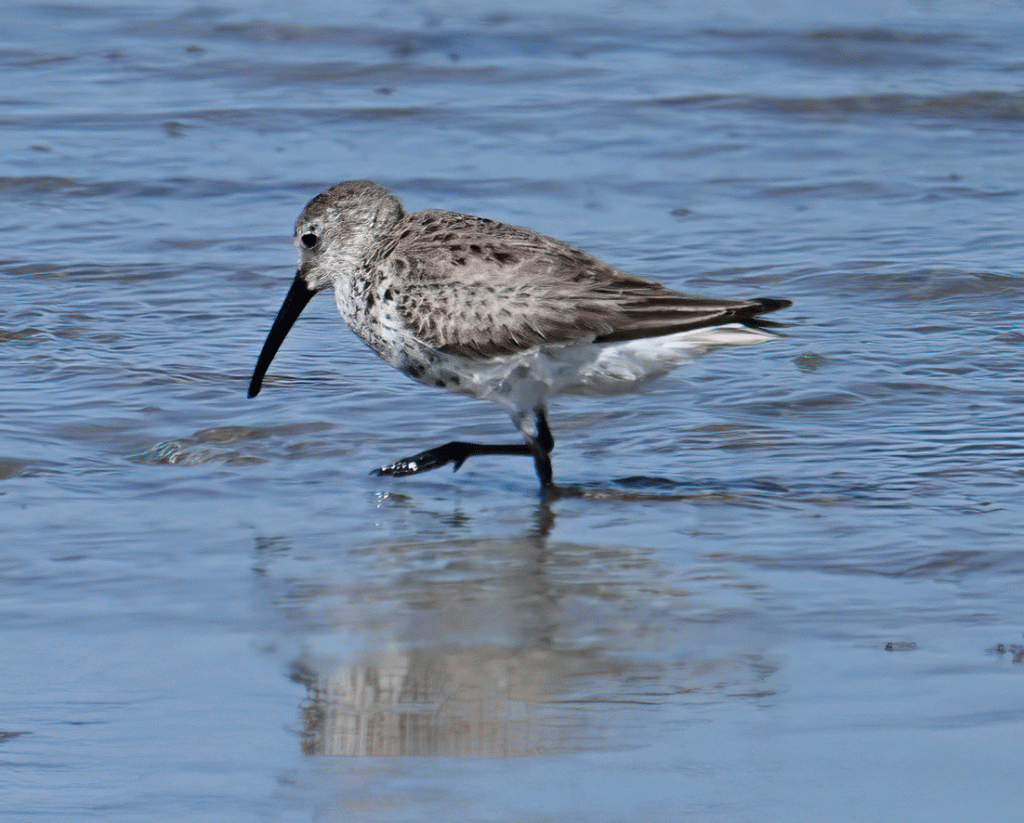
A Dunlin is about the same size as a Sanderling with a long, slightly drooping bill. Like the Sanderling, the species is also common along the coasts on sandy beaches. It also breeds in the Arctic, but not as far north as Sanderlings.
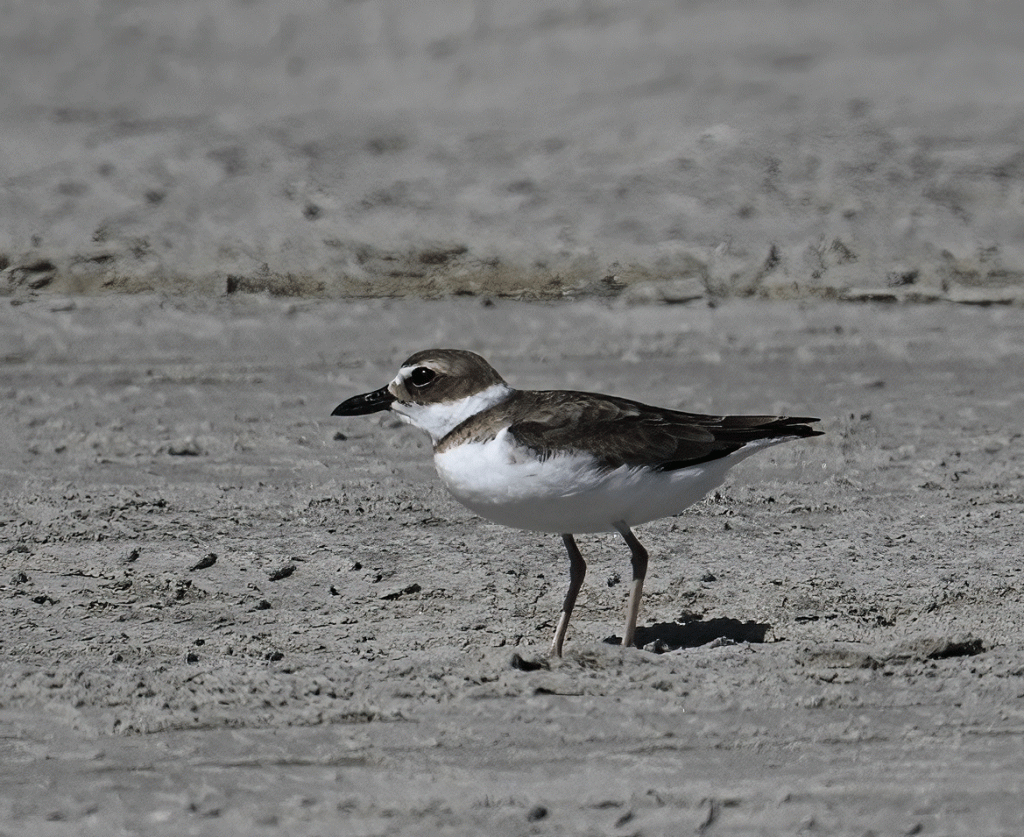
We saw two kinds of plovers. We were lucky to see a Wilson’s Plover because they are usually solitary when they are foraging. There are less than ten thousand in North America. This plover is also about the same size as the two previous species. Its bill is long, thick and always black.
We saw several Black-bellied Plovers, but not all of them were as close to full breeding plumage as this one. They only have a black belly in breeding plumage, but they always have black under their armpits. They also breed in the Arctic. They are the largest plover at 29 cm (11.5″) long.

The wind was behind us in the photo below. Rich is pointing out a special tern to us.

The Least Tern is unique with its yellow bill with a black tip and white forehead. They are only found in the US in breeding season, wintering in the Caribbean and along the northern coast of South America. As its name indicates, it is the smallest tern in the world (about 23 cm or 9″ long).

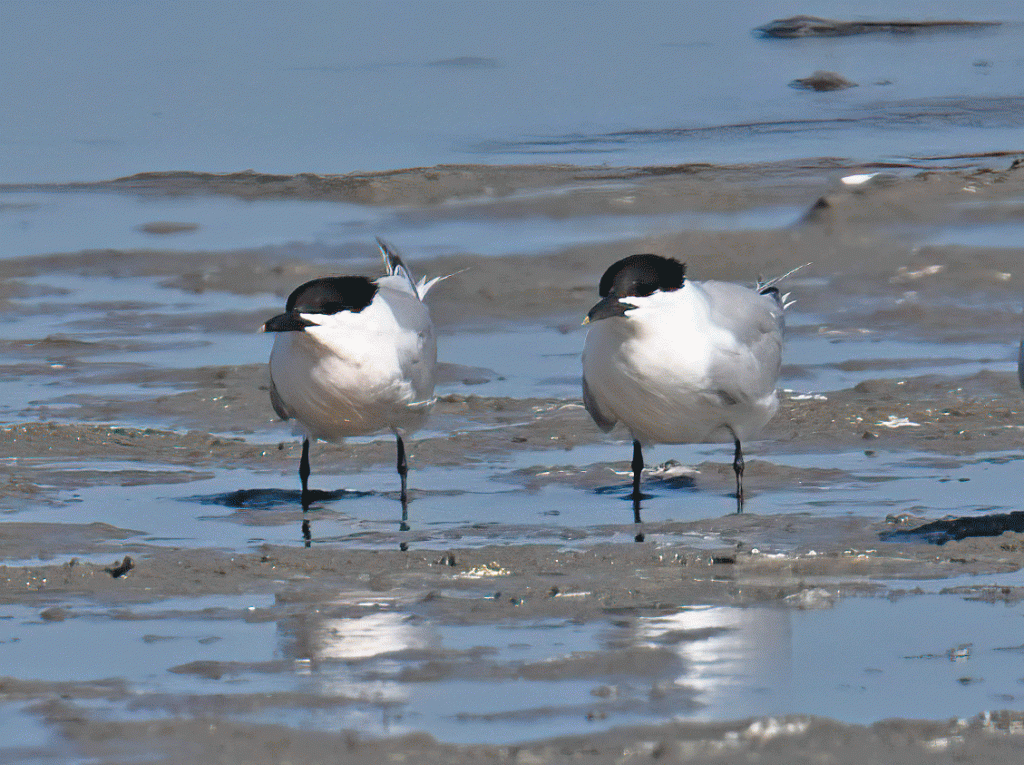
These two fellows sitting into the wind are Sandwich Terns. For a positive identification it’s good to be able to pick out the pale tip on their black bill. They were hanging out with Royal Terns which are a bit bigger and have bright orange-red bills.
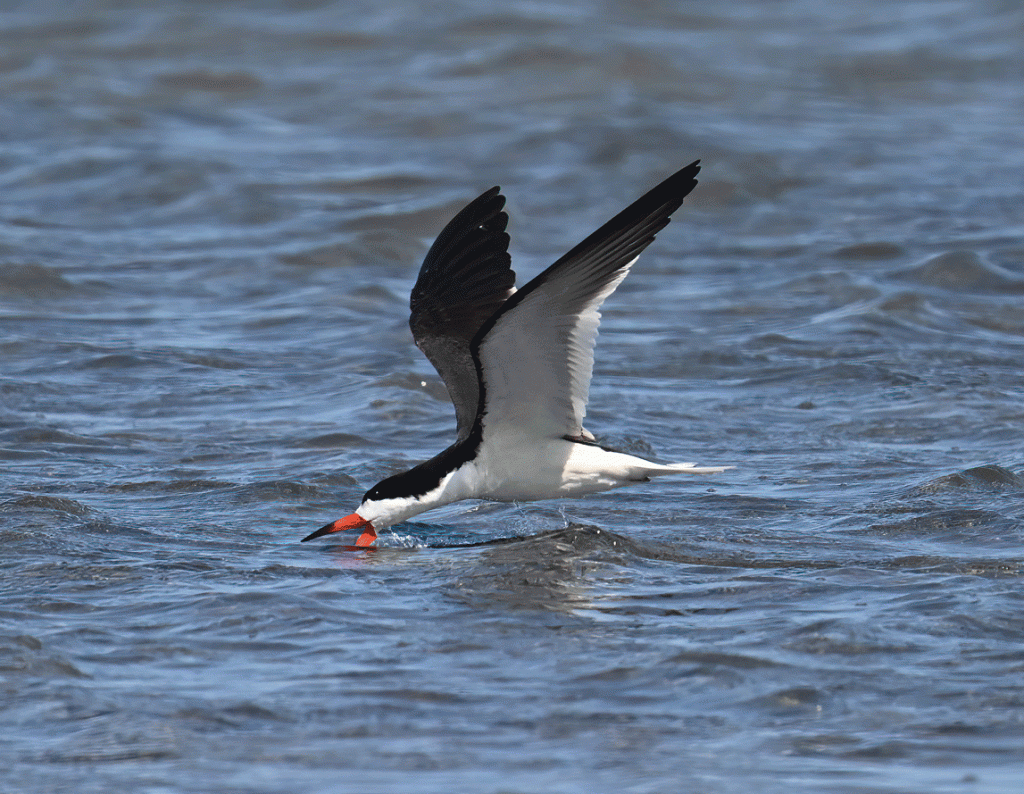
A Black Skimmer has very long wings and its lower mandible is longer than the top which allows it to gather food by skimming the top of the water. Doug took several photos in order to catch one in action.
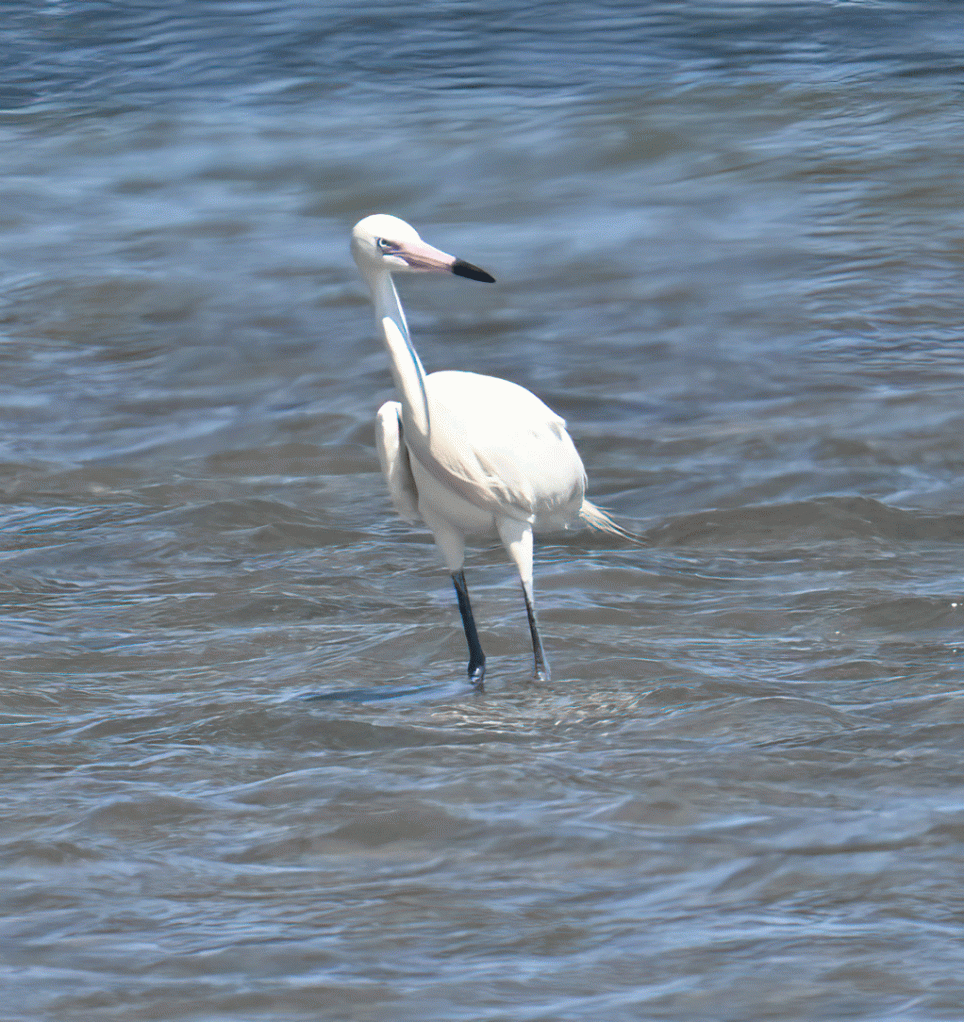
This pale bird is a Reddish Egret; the white morph version. In breeding season they have a bicoloured bill.
After the mudflats, we went to a rockier shoreline at the “Shrimp Basin Bridge.” We wanted to see species that prefer that habitat.

We were happy to see a Ruddy Turnstone, which since it was developing its breeding plumage, was quite ruddy coloured. It was flipping over pebbles and stones to find food.

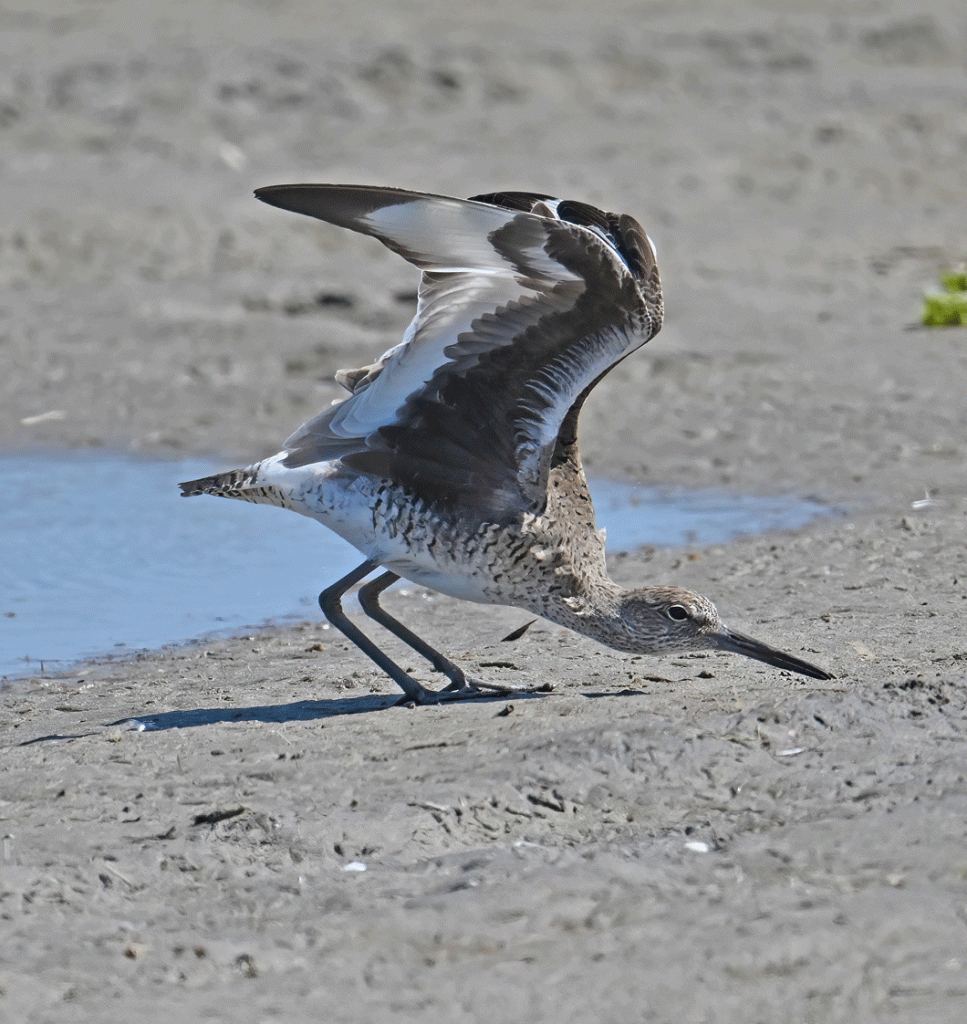
We had seen Willets at the other beach, but this one was doing a mating display, which showed off the underside of the wings, warranting a photo.
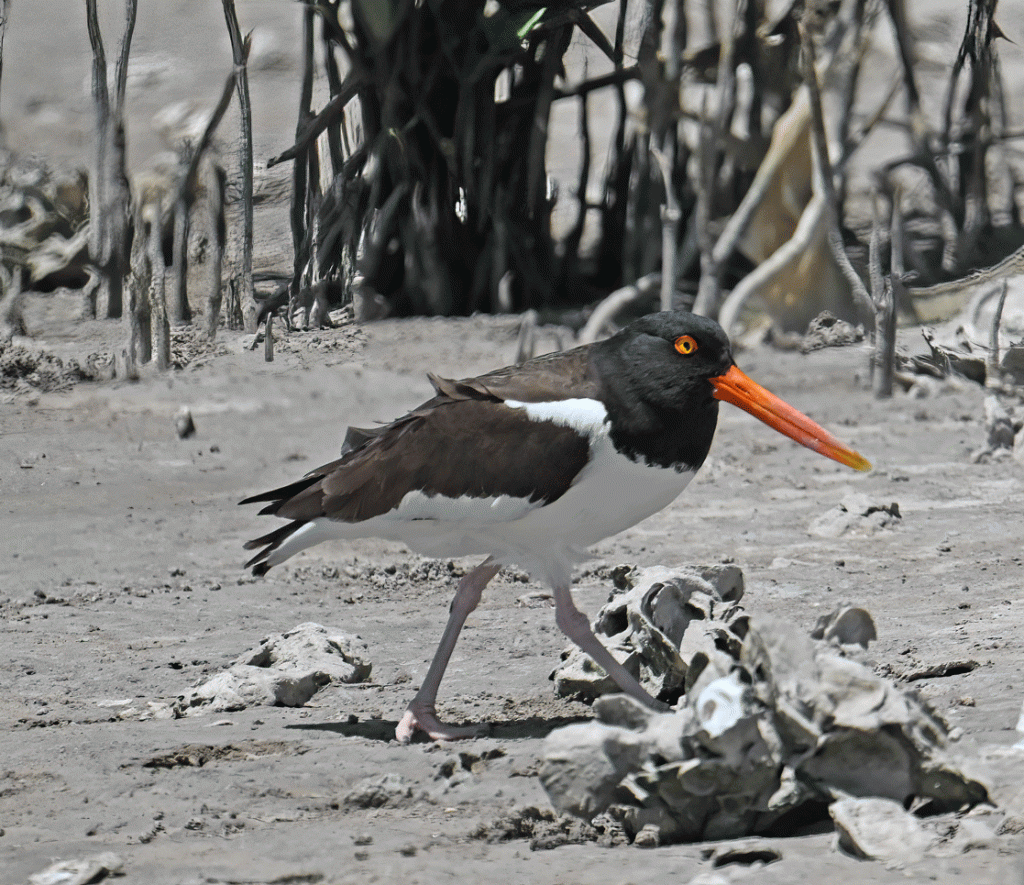
We had to walk under the low highway bridge to access another beach. Once on the other side, we good a view of an American Oystercatcher. It is a crow-sized bird that sounds almost the same as a Black Oystercatcher, which we see on the Pacific coast of BC.
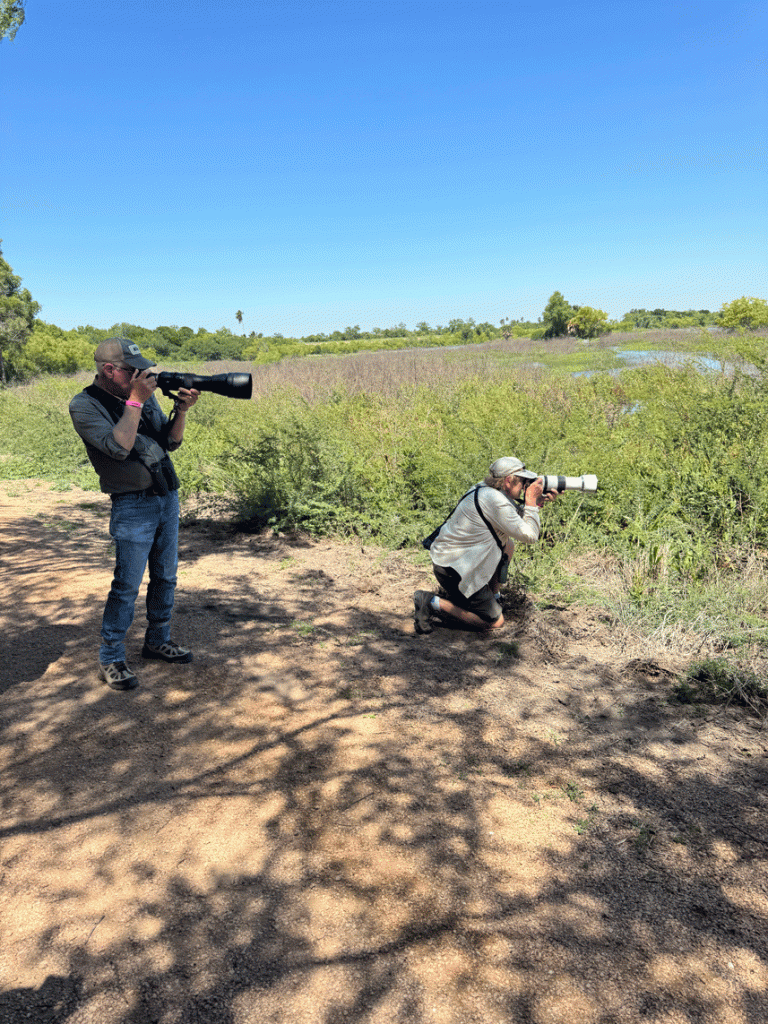
On the way back to our casita, we stopped at the Pintail Lakes in the Santa Ana National Wildlife Reserve. It was really hot and humid, but we also wanted to protect ourselves from stinging insects. Recent flooding seemed to have affected the number of birds (there were fewer than last year), but we did see an uncommon Groove-billed Ani. Here Rich and Mary are trying to get a good shot.
You can make out the huge bill on the disheveled-looking Groove-billed Ani, which never came out of the brushy tangle. The species only comes up into Texas from Mexico in the summer.

The next blog post will cover the last three days of our birding adventures in Texas. Coming soon!
April 2025 in Arizona: Birds and More

April 2025 in Arizona: Birds and More

April was a big month for birds for us. This post will be about the birds we saw in Arizona along with some flowers, reptiles, sunsets etc. There are lots of pictures with fewer words this time.

We also went to Texas in April, to look for more birds, of course. We saw so many and got so many good photos that there will be several Texas birding posts.

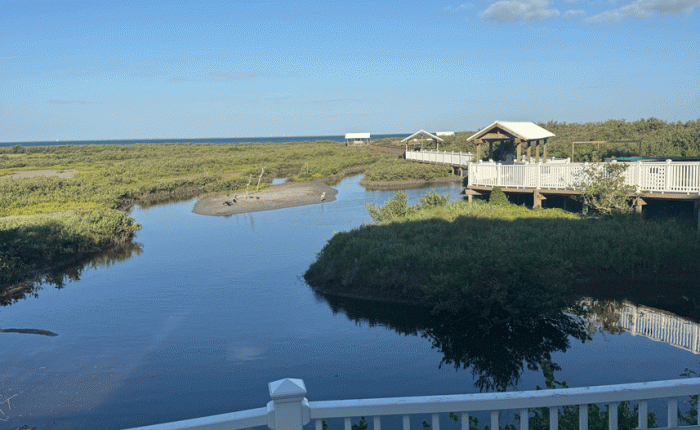
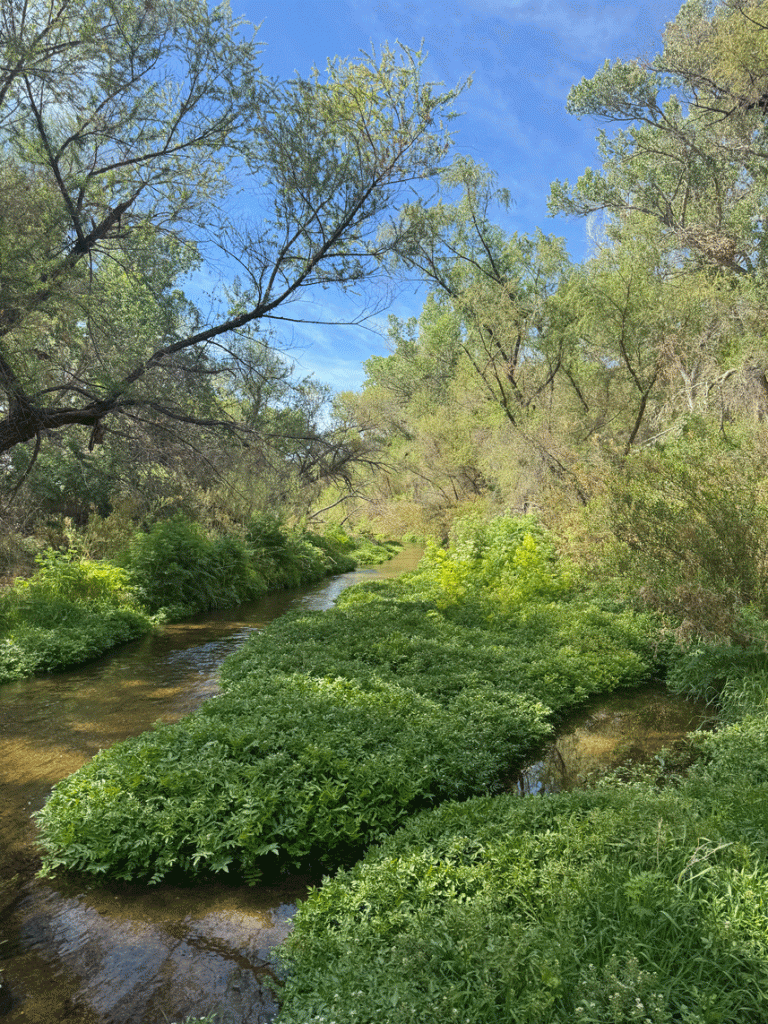
Here’s a view of the Santa Cruz River at the Santa Gertrudis Lane crossing. It’s harder to see the warblers in the full foliage, but it’s wonderful to see everything green up in spring.

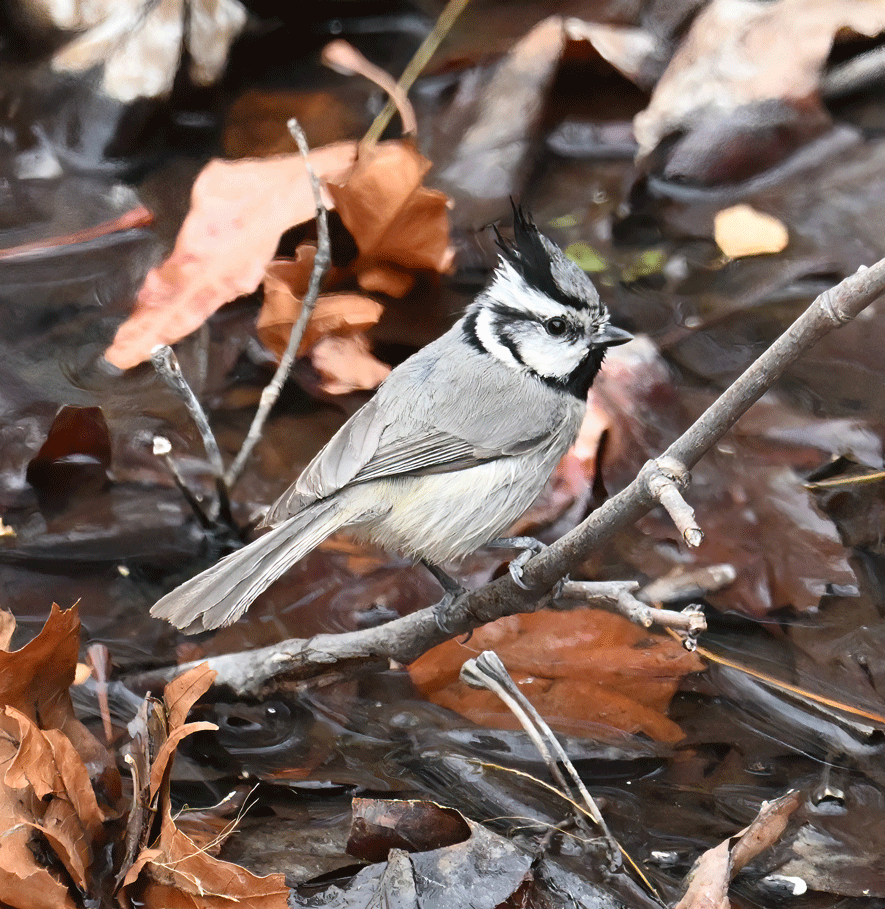
This Bridled Titmouse was bathing in a pool in Madera Canyon, beside last year’s fallen leaves. We see these little chatterboxes every time we visit Madera Canyon, but we don’t often take photos of them.

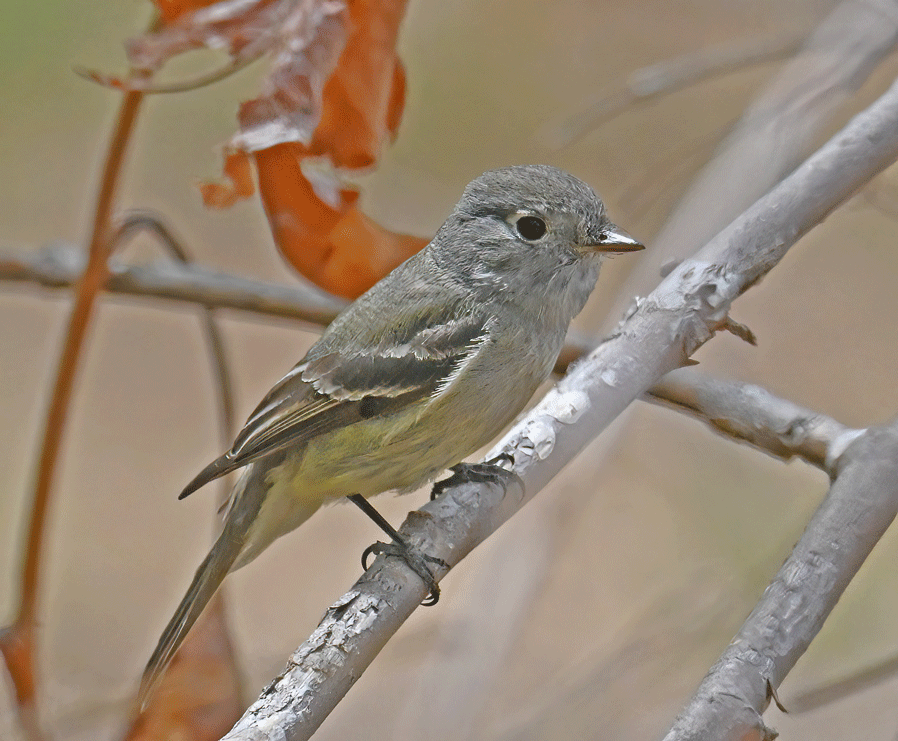
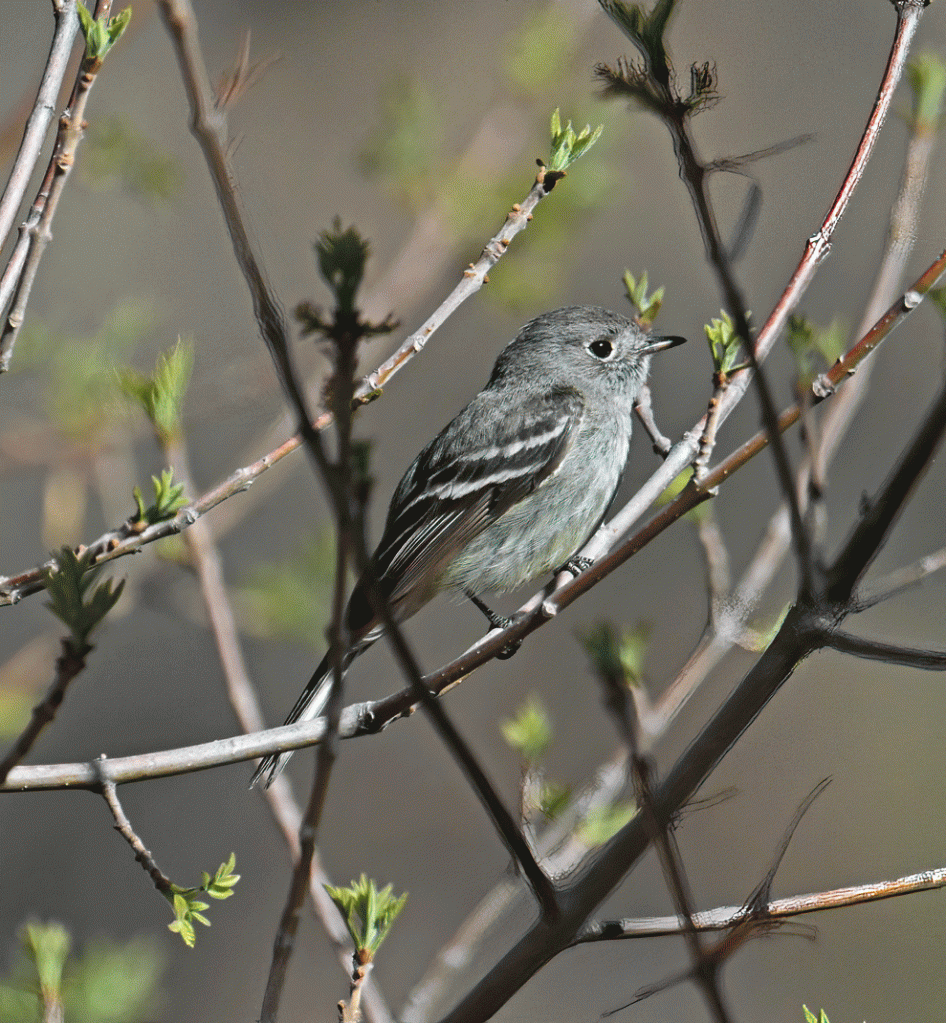
This Hammond’s Flycatcher was also in Madera Canyon. This photo was taken April 1. Soon it will be migrating north. They breed throughout most of British Columbia.

On April 2 we made our annual visit to Ash Canyon Bird Sanctuary near Sierra Vista. We made a donation to view the feeders in the private property. There’s a new bird photo blind which can be booked for a fee. The owner invited us to check it out. We saw some birds from this spot, but we only stayed a short time. Most of the photos from that day were taken in the gardens and other viewing areas open to the public.

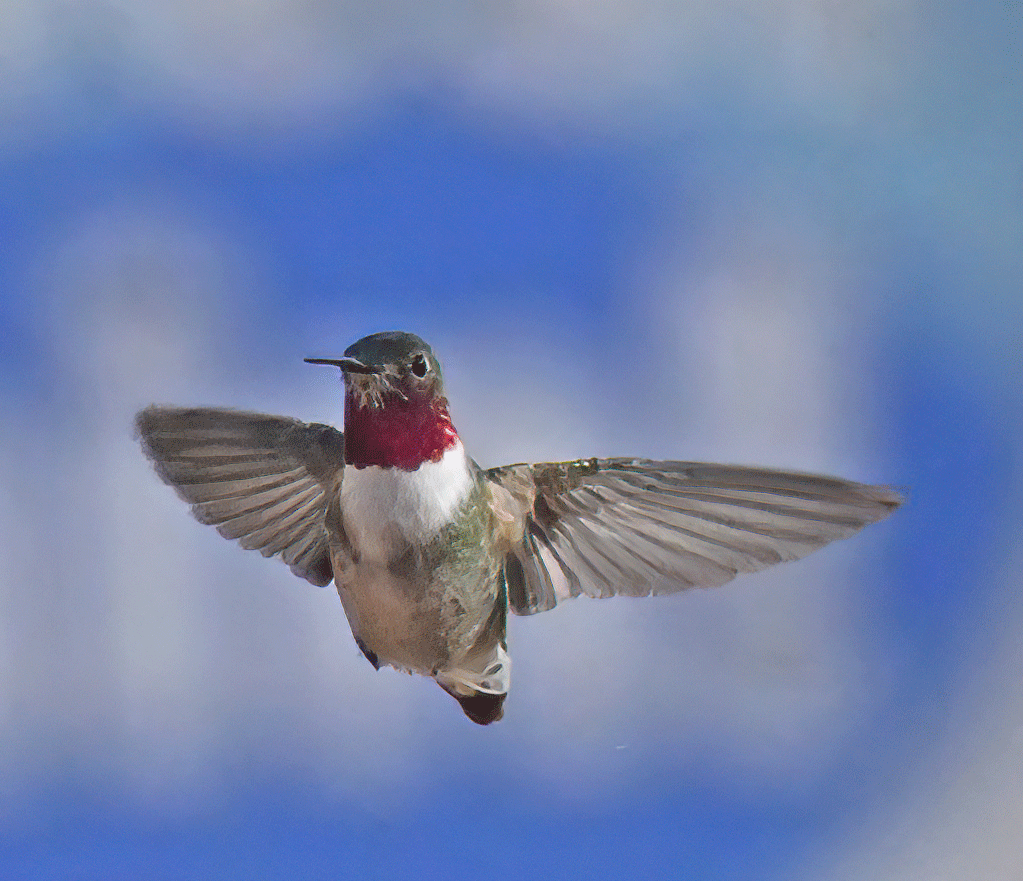
This is a Broad-tailed Hummingbird.

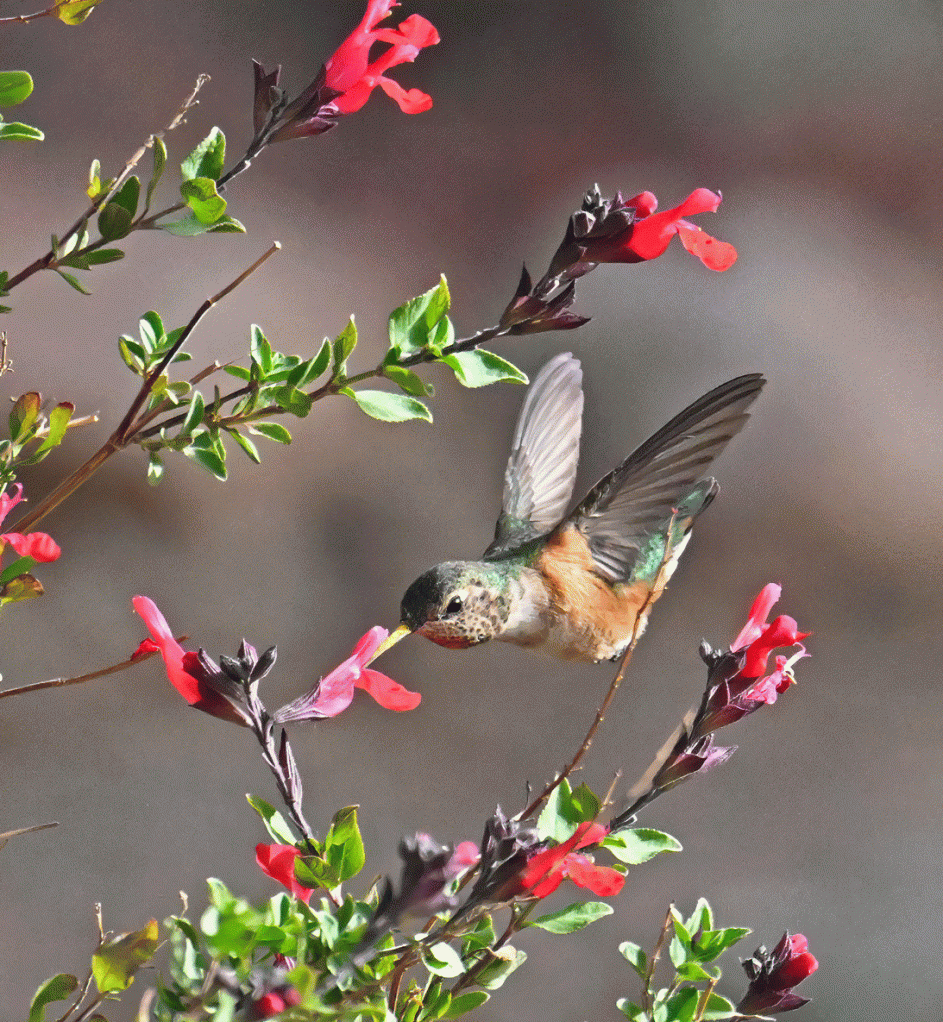
Rufous Hummingbirds are in Arizona only in migration. Soon they will be up in British Columbia and some will visit our feeders at our house in BC.

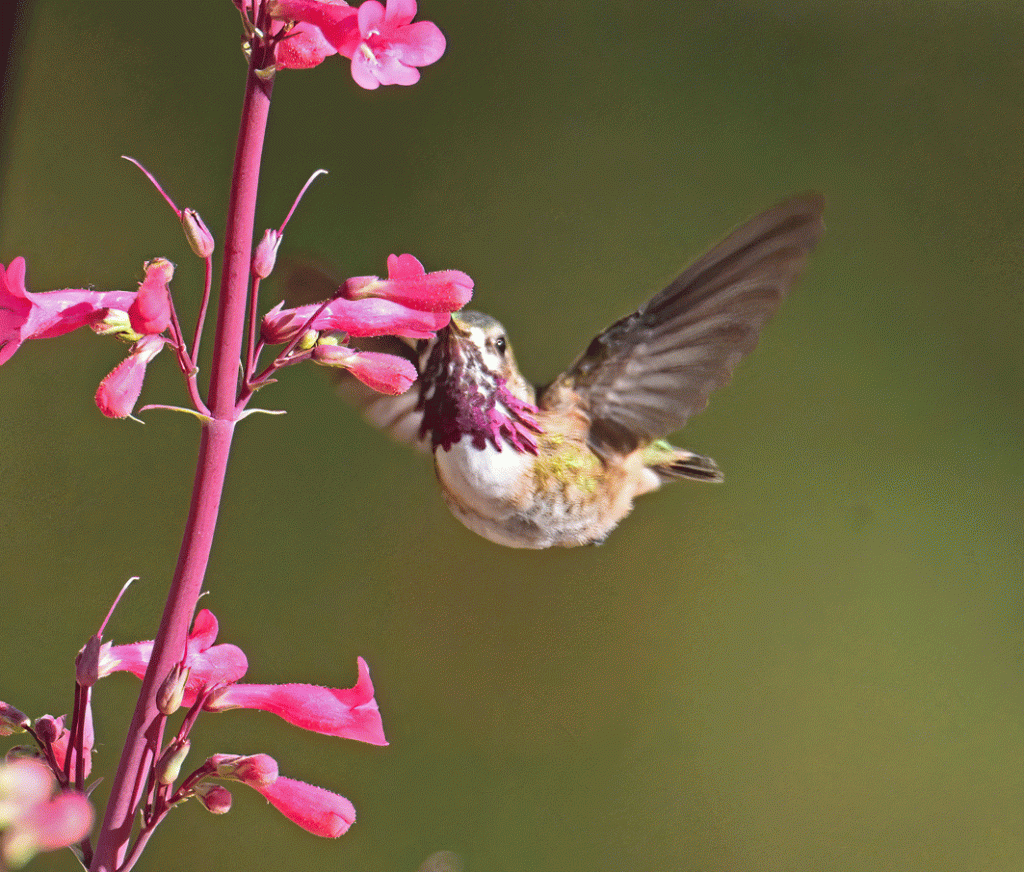
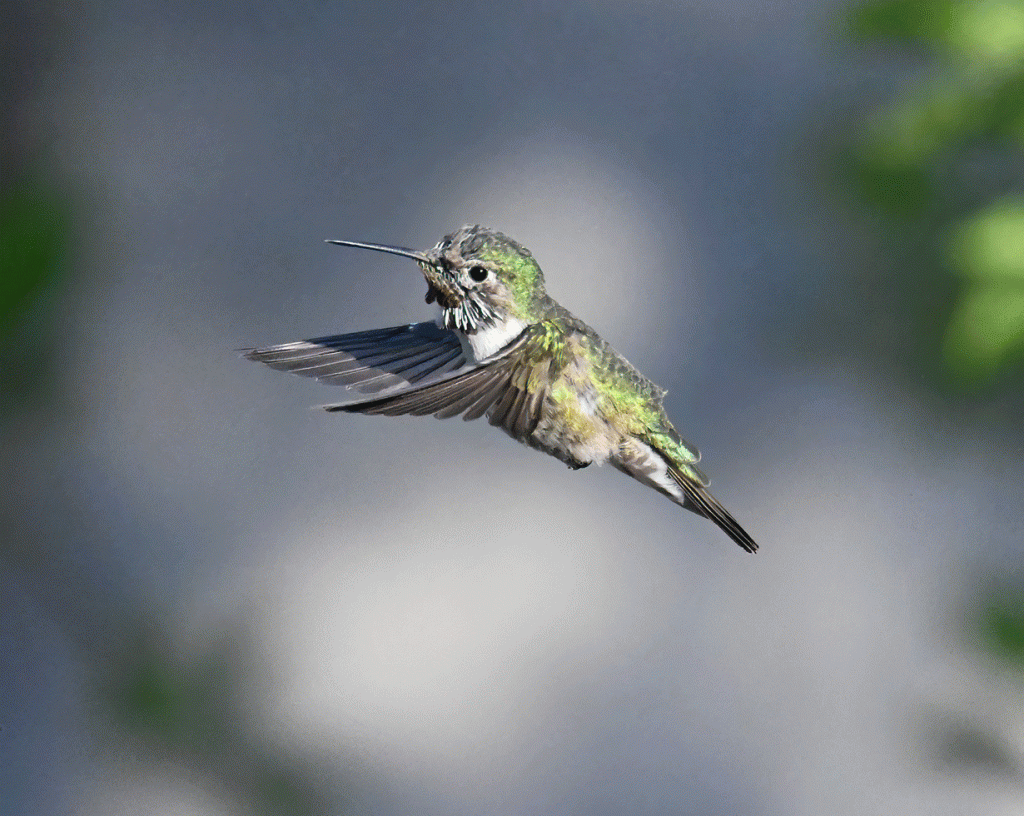
Calliope Hummingbirds also migrate to the East Kootenays where we live. We love their streaked gorget.

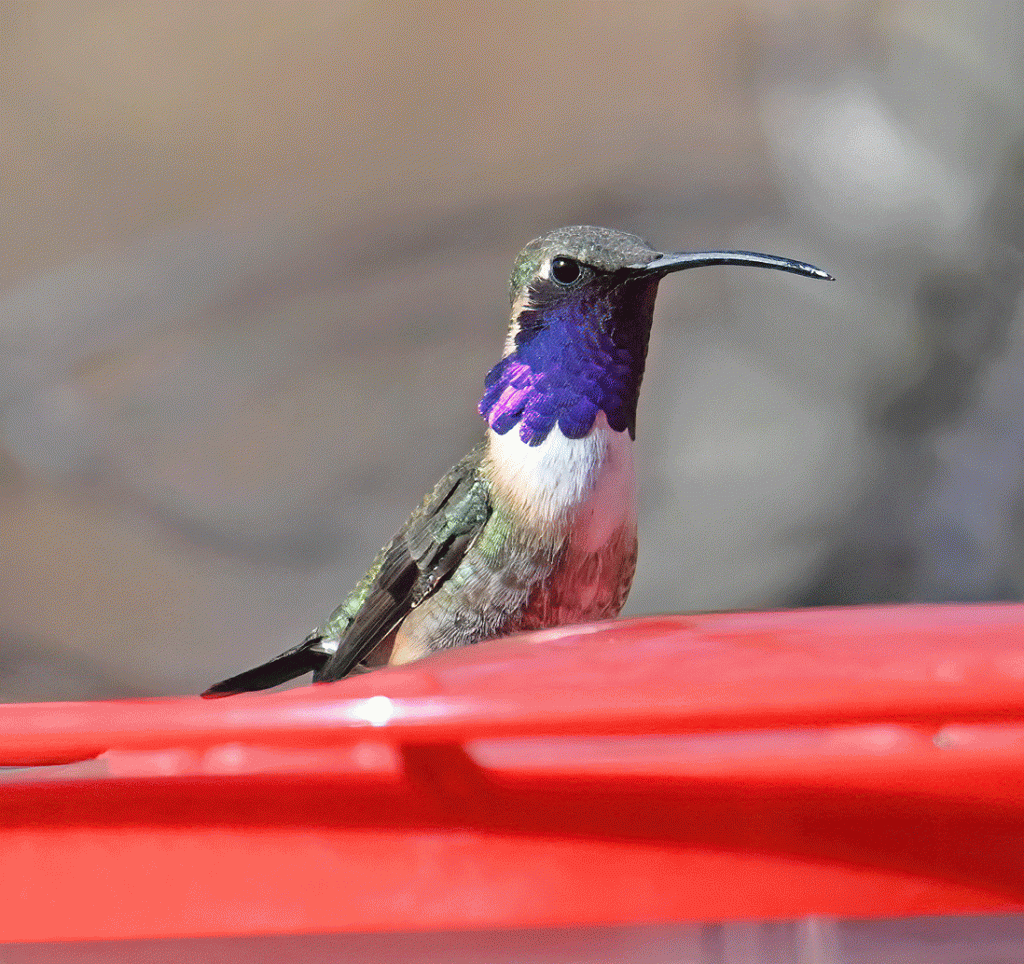
The Lucifer Hummingbird was the bird we had come to see, because they only come into southeast Arizona in the summer. It’s a small hummingbird with a strongly curved bill. Unfortunately we never saw it feed at a flower.

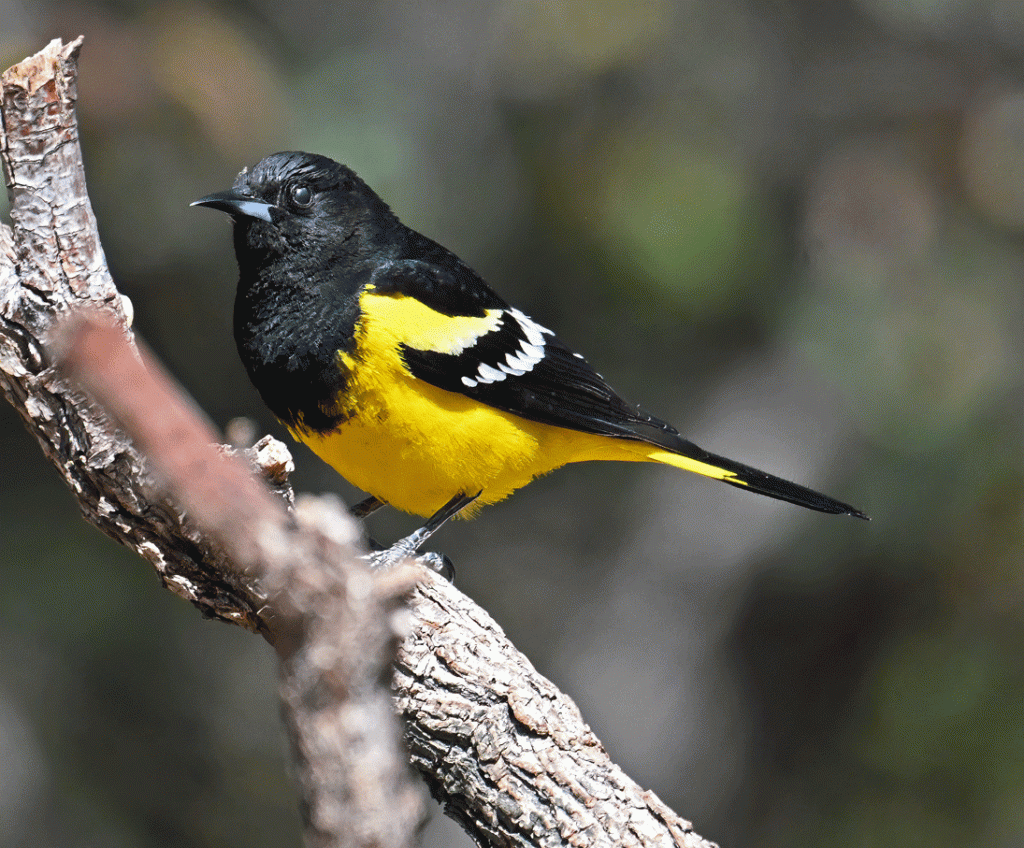
Scott’s Orioles breed in Southwestern US. The male is distinctive; yellow with a black hood.

On April 4, we visited Sweetwater Wetlands. We’ve included several photos of Snowy Egrets in previous blog posts, and this time, the egret is flying which allows a good view of its dark legs and yellow feet.

This Long-billed Dowitcher was probing the mud and shallow water for larval flies, worms and other soft-bodied invertebrates in a “sewing machine” motion.

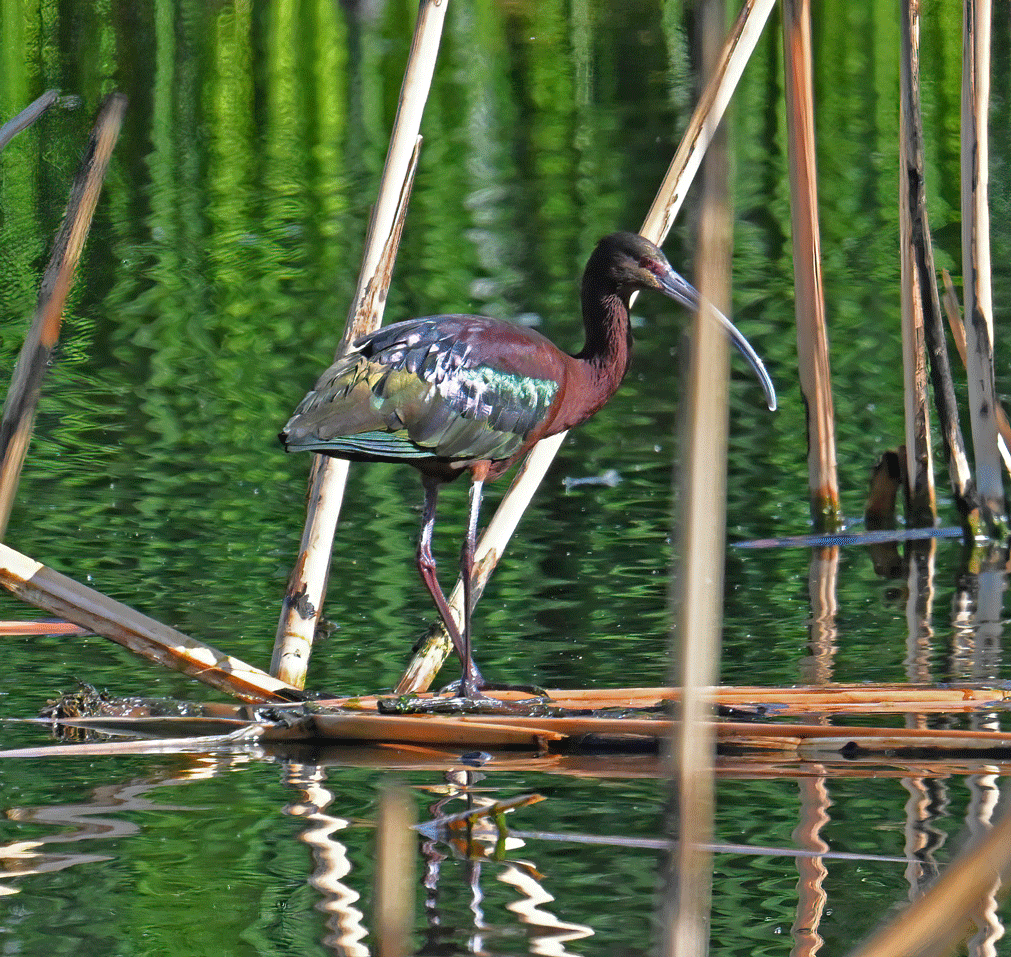
There was only one White-faced Ibis at the wetlands that day, which is unusual because they are usually found in large flocks. They migrate through the Tucson area at this time of year. Its iridescent feathers were shimmering in the sunlight.

The next day we went to Florida Canyon again.

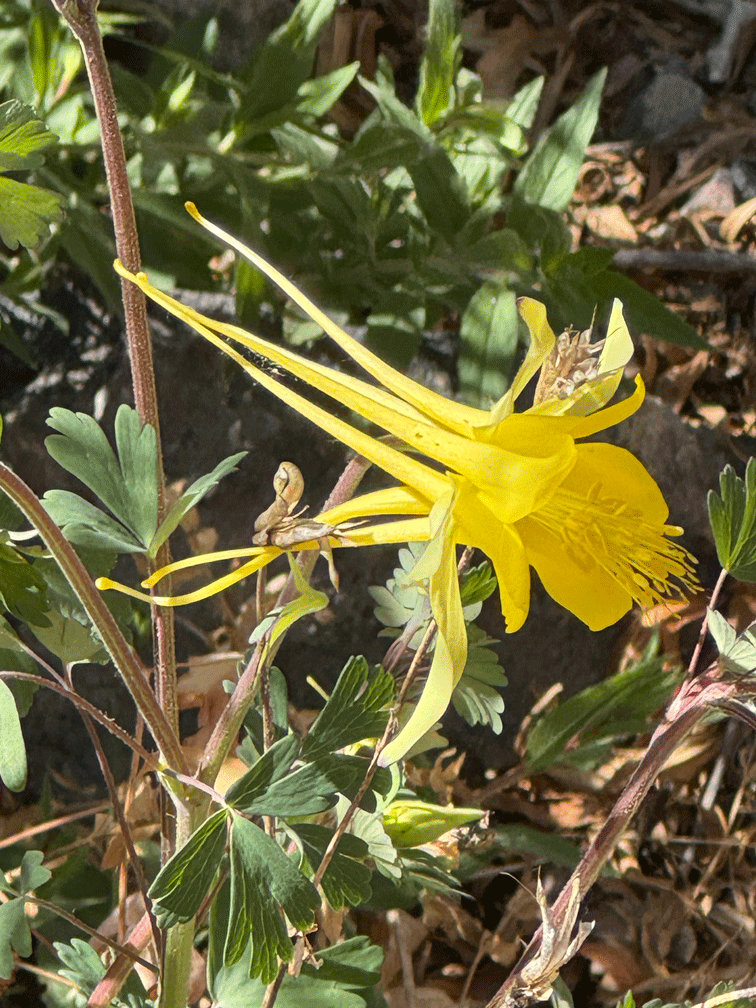
Doug took this photo of a Columbine flower with his long lens because it was below us in the moist areas of the canyon.

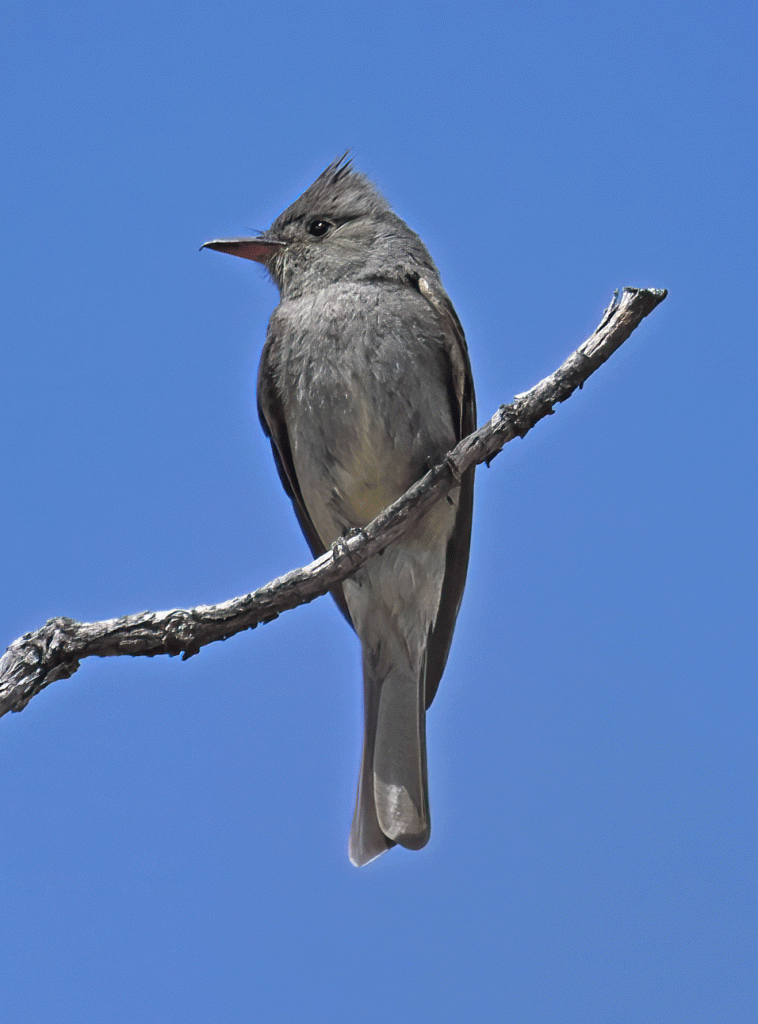
We got a great view of a Greater Pewee. This species is very similar to an Olive-sided flycatcher, but unlike that flycatcher, we’ll never see them in BC. They are residents of Mexico and some make their way into Arizona in the summer.

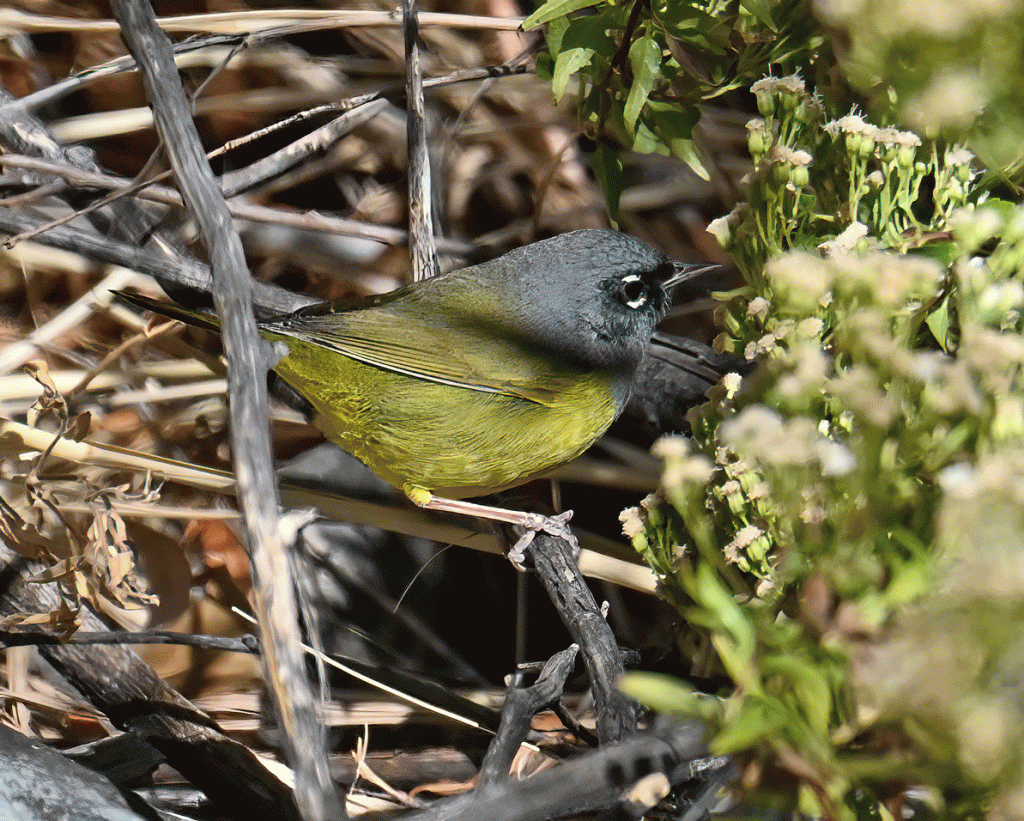
We caught a glimpse of a MacGillivary’s Warbler that was on its way north. Their bold white eye-arcs are distinctive.

We rode our mountain bikes at Tortolita Preserve on April 6. Of course, we also submitted a bird list of the eighteen species we saw or heard as we were riding.

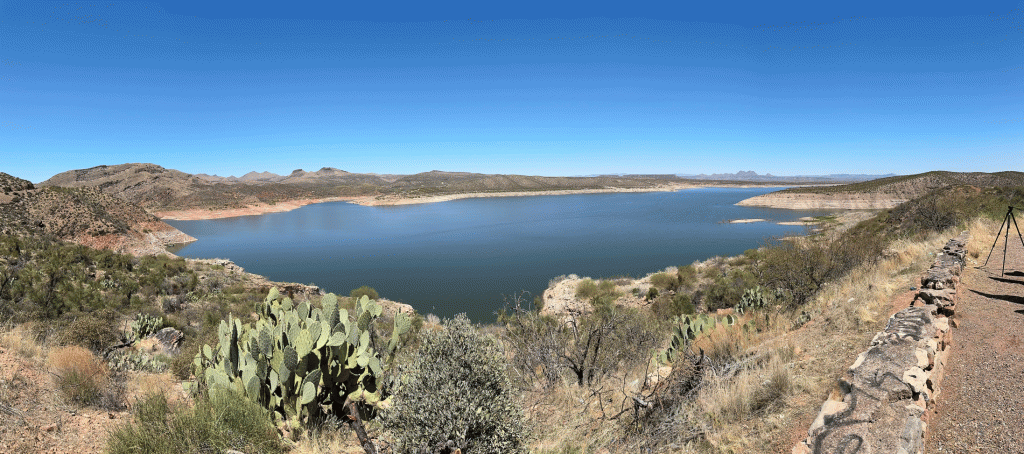
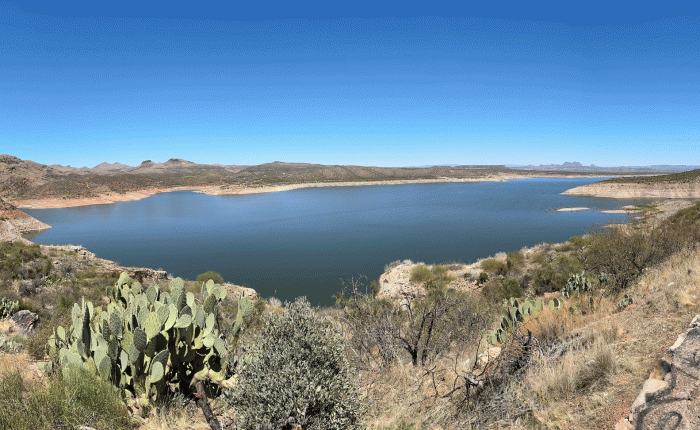
The next day, we travelled two and a half hours north to San Carlos Lake, in a part of Arizona that we’d never seen. San Carlos Lake was formed by the construction of the Coolidge Dam built between 1924 and 1928. Water is released when farmers downstream on the Gila River need it. It’s part of the Apache Indian Reservation.

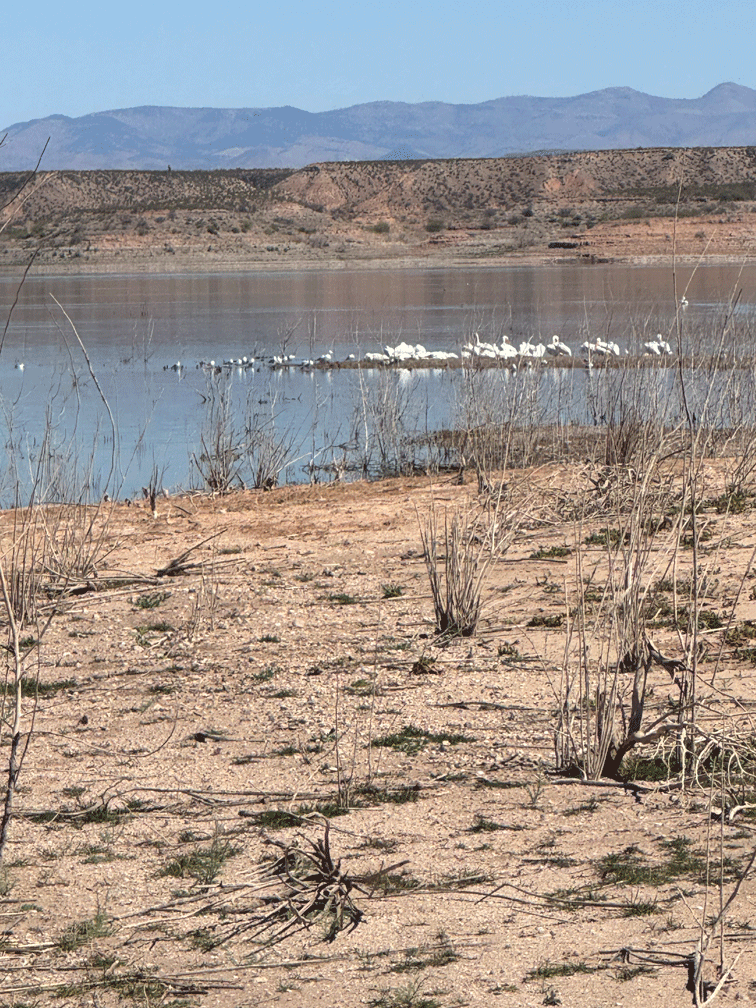
The birds we were trying to see had been spotted on a narrow bit of land close to shore, that became known as “Gull Spit.” American White Pelicans were the predominant birds.

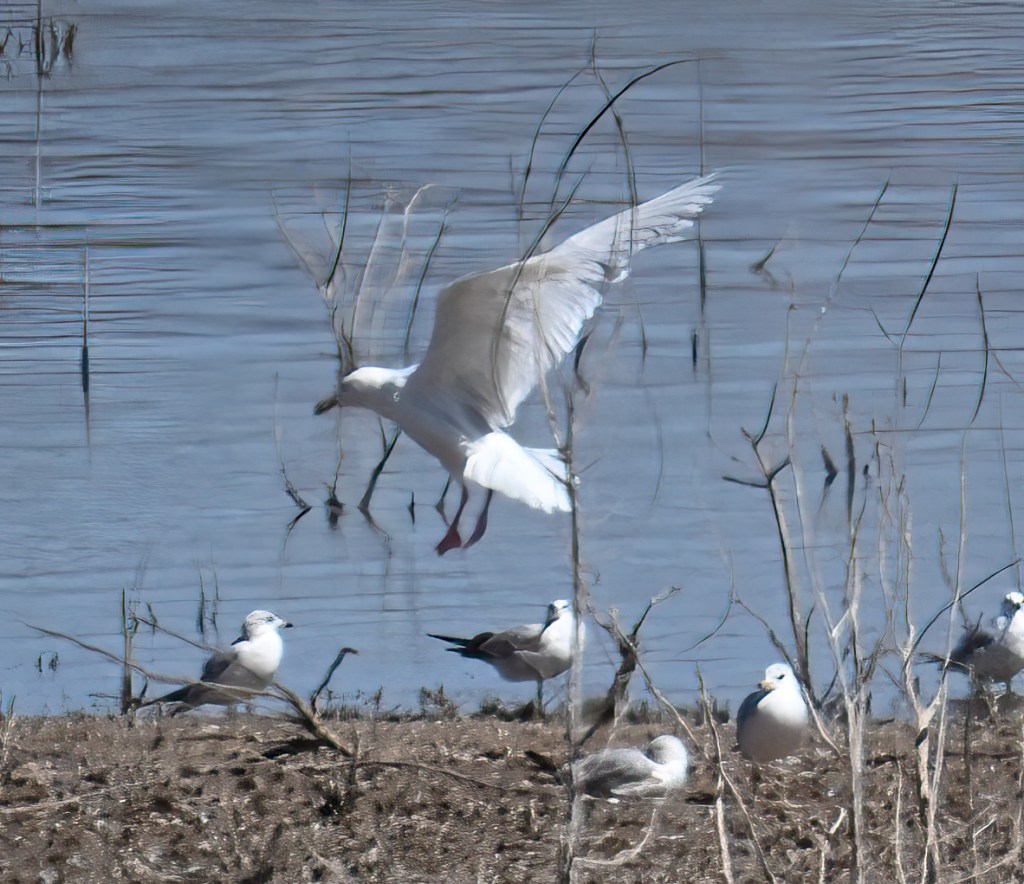
Luckily for us, an experienced birder had been looking at the flock for a while and could point out the species that we were interested in. He could not only distinguish species of gulls in adult plumage, but he also could identify the various plumage phases; something that we struggle with. The biggest gull there was a Glaucous Gull. The photo below shows it coming into land beside some smaller Ring-billed Gulls. It’s very unusual for this gull to be this far inland. In the summer, the species breeds in the Arctic. We had never seen one before.

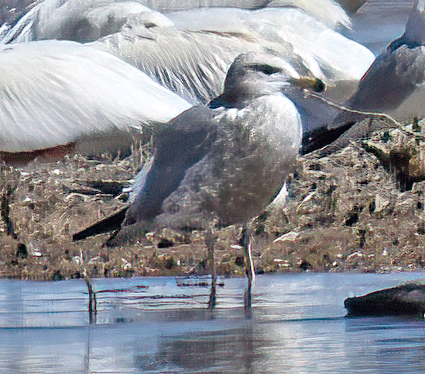
This is an American Herring Gull. It was a distant shot, but the pink legs can be made out. Before 2024, the American Herring Gull used to be known as just “Herring Gull.”

There was also a Lesser Black-backed Gull on the spit, which was a new species for us.

On April 8th, we drove a short ways north of Oro Valley to Saddlebrooke Ranch, a 55 plus active adult community. A Pacific Loon had chosen to visit their golf course pond. Luckily the pond was right near the parking lot, so we could view the loon from the sidewalk. We’d only ever seen one before, and never one this close.

We met our friend Rich at Madera Canyon on April 9th, and had an enjoyable time watching birds from above a pool that is close to the main picnic area. The best photo of the day was of this Broad-tailed Hummingbird.

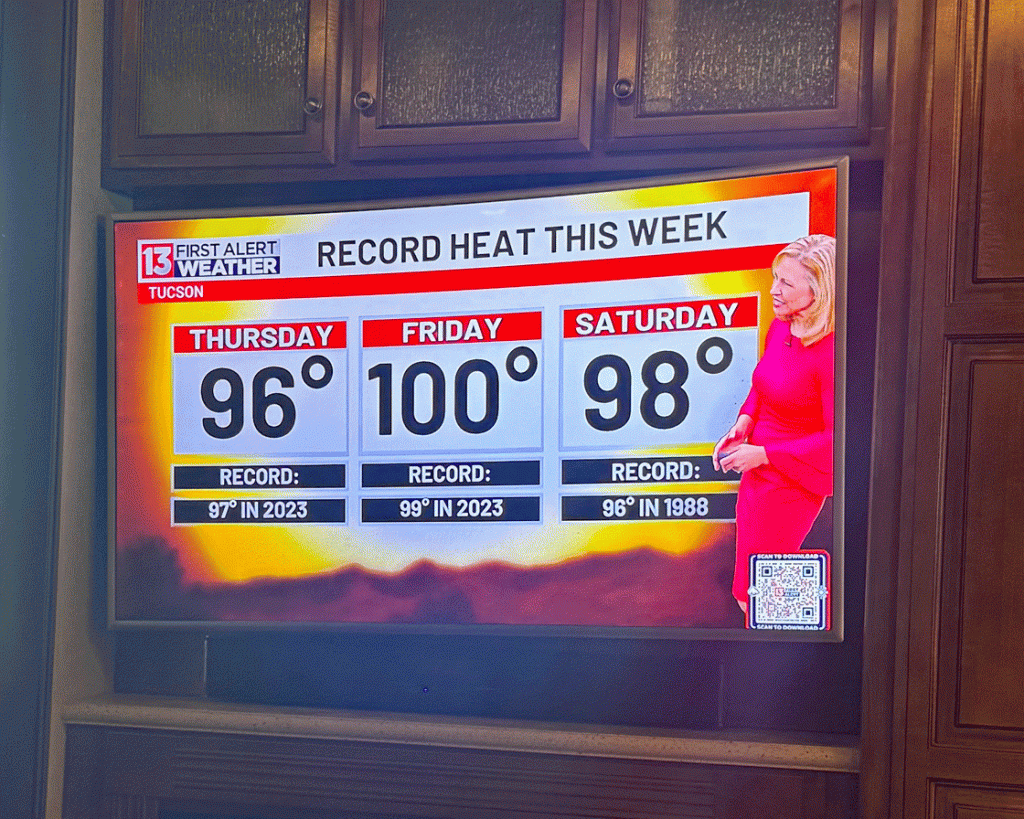
On Thursday April 10is was predicted to get up to 35 degrees C (96 F), so we got up early and were riding our bikes by 8 am. We did a shorter ride and it was 27 degrees by 9 am. We spent the rest of the day organizing and packing to drive to Texas. We left by 6 am the next morning, so we actually missed the record “earliest first 100 degree day.”

We were gone on our trip from April 11 to 19. The “Texas Birding Blog Posts” will be written eventually. We saw so many birds!
On our first day back from our long drive, we went to the Arizona-Sonora Desert Museum. We followed our same pattern of being at the museum for their 8:30 opening. It’s usually quiet and not too hot.

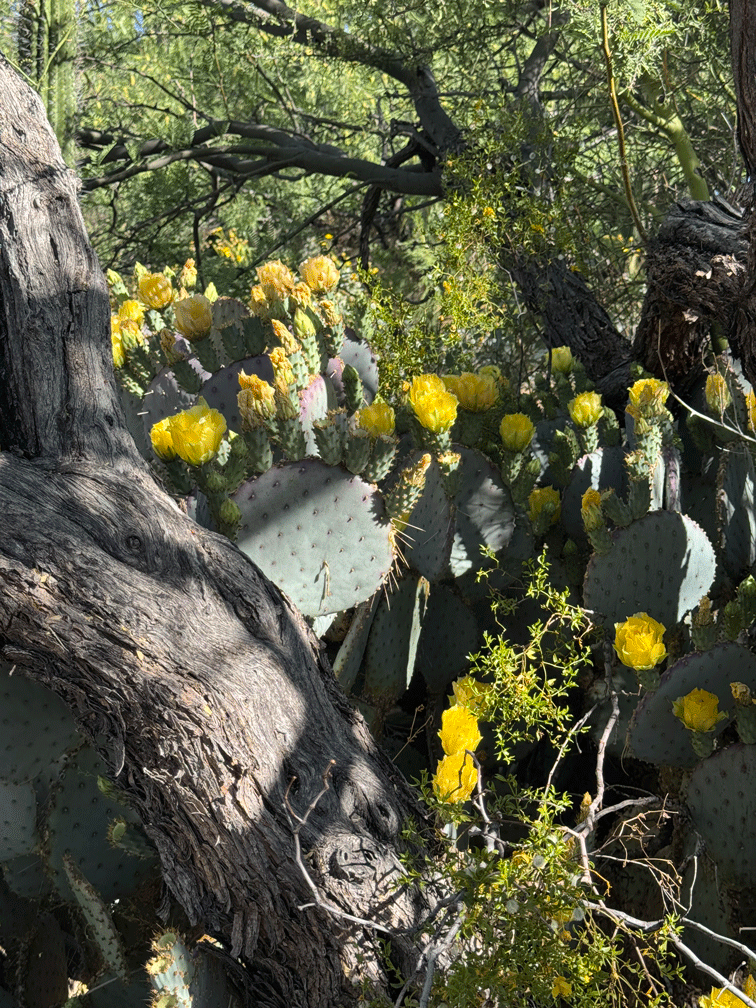
The Prickly Pear were in full bloom.

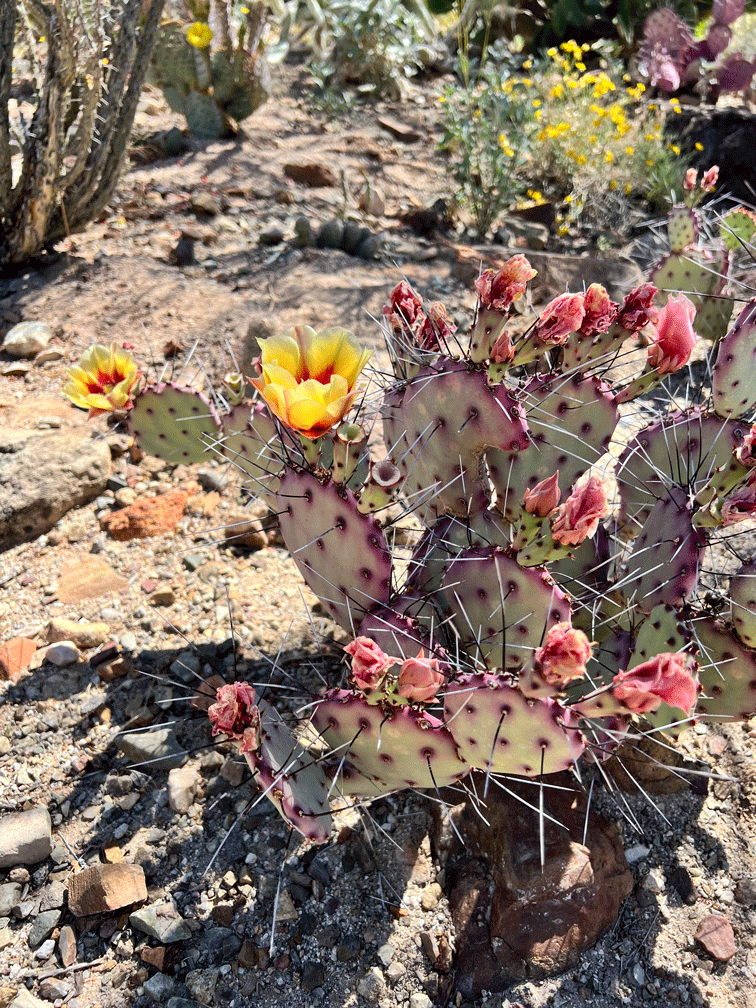
The Violet Prickly Pears were also in bloom. It’s interesting how their blossoms are pinkish when they first bud, and gradually change to yellow. The Violet Prickly Pear also has a purple tinge to its pads.

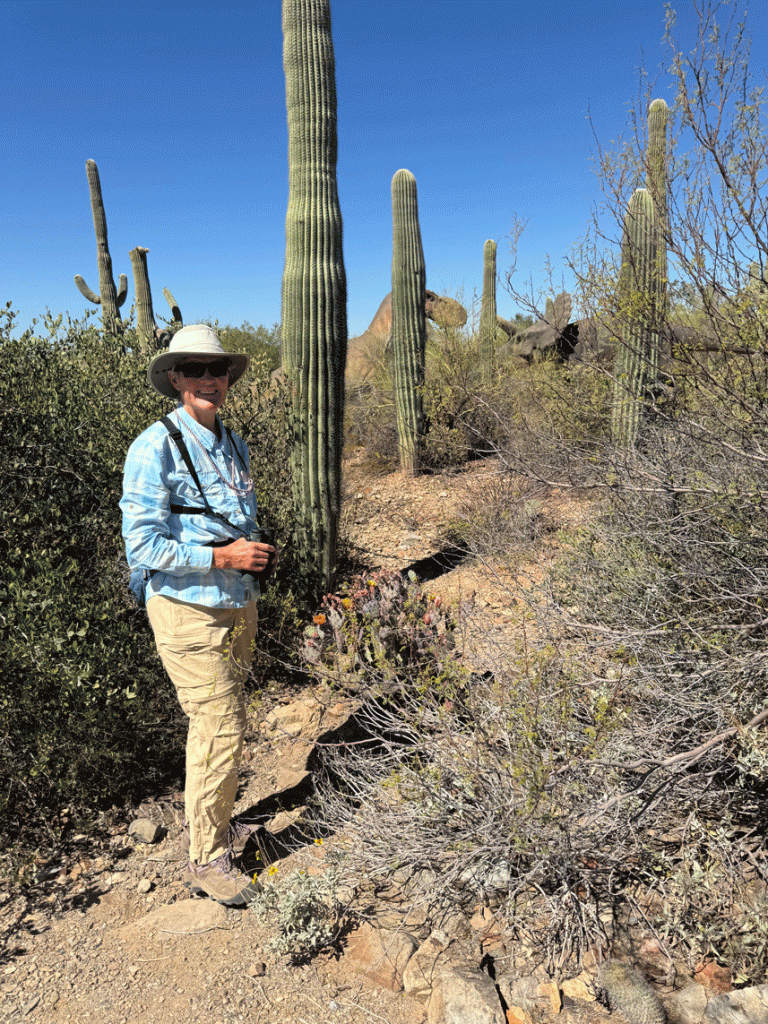
We were happy that our last day at the Desert Museum was also a “No Roar” day for the animatronic “Dinosaurs in the Desert.”

We noticed this Verdin at its nest.

We enjoyed seeing a male Lazuli bunting perched on an ocotillo.

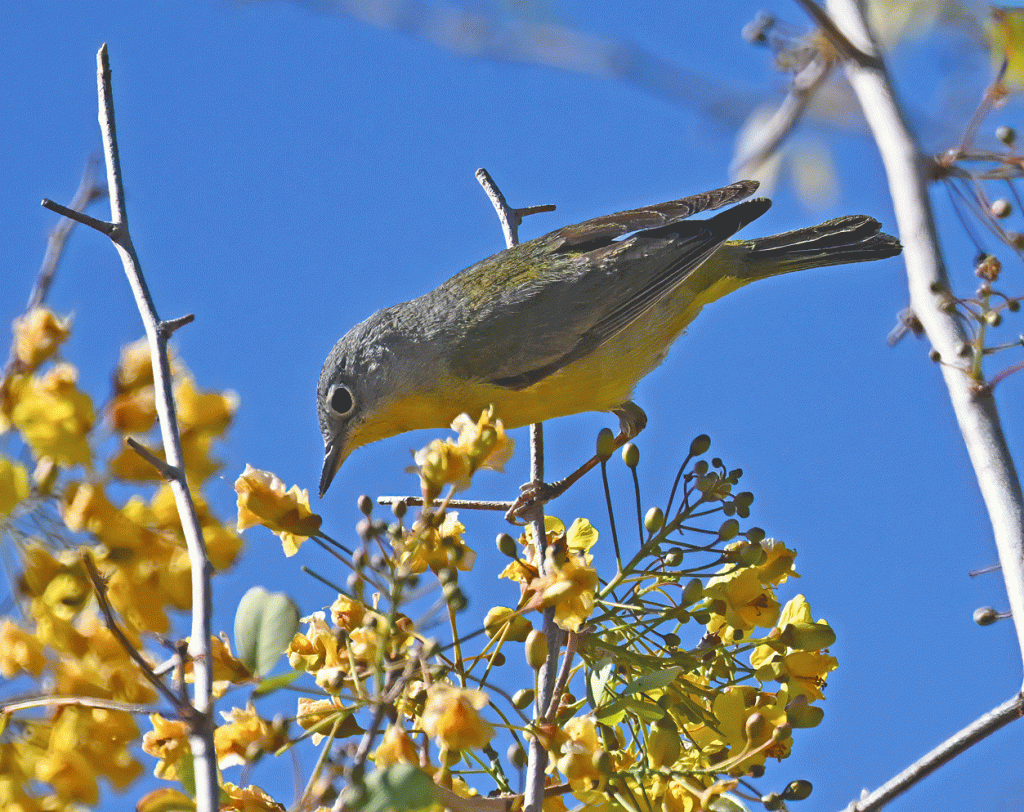
The white eye ring stands out on a Nashville Warbler. We were lucky to see it at the top of a tree.

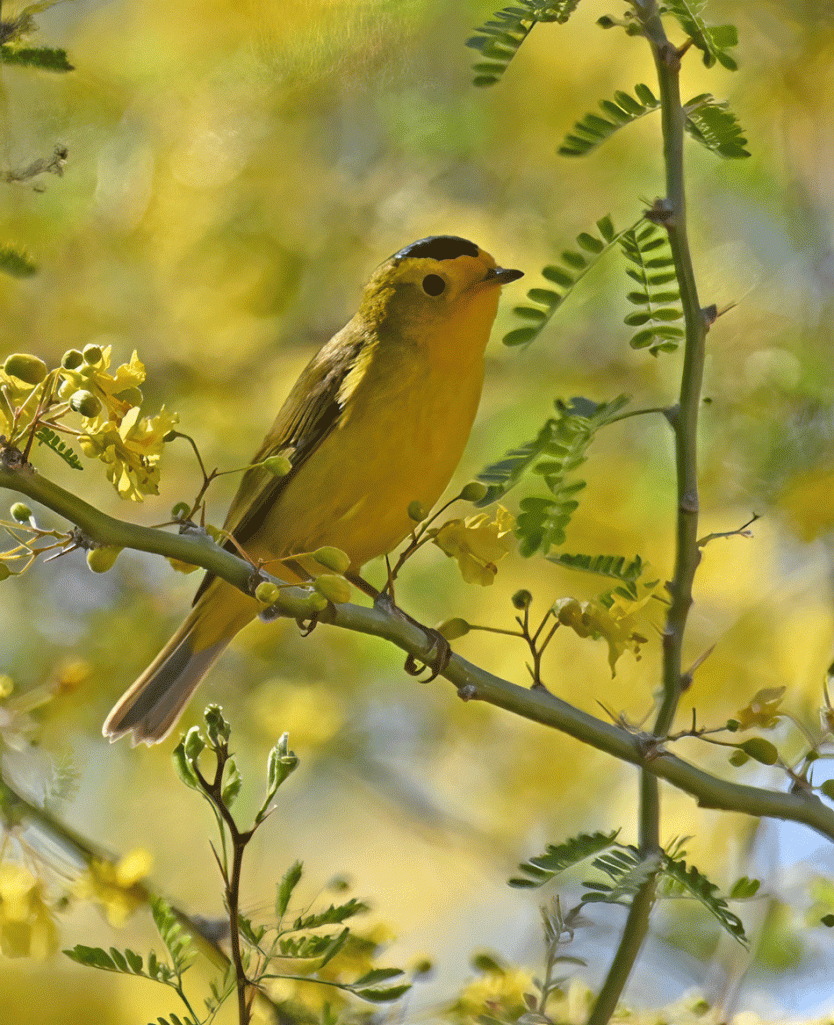
We’ve probably posted several Wilson’s Warblers in previous blog posts, but we can’t resist putting in another one.

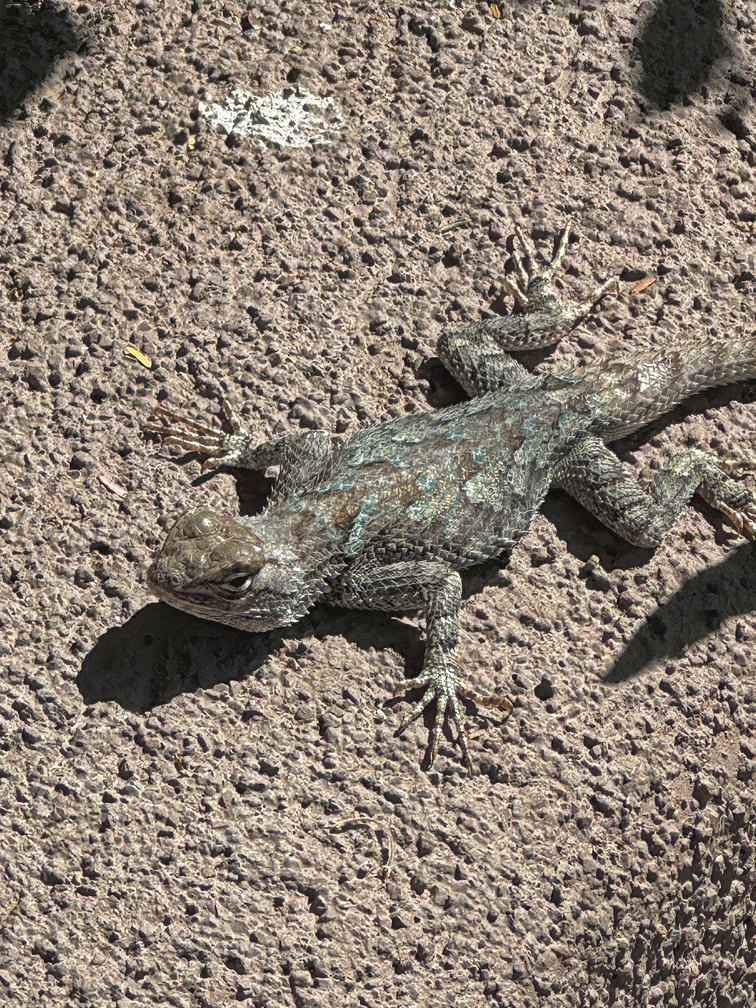
We saw this Clark’s Spiny Lizard on a wall in the desert garden near where we saw the two warblers. The photo makes it look quite big. It’s about 14 cm or 5 1/2″ long. Dark cross-bands on the legs and three ear scales are its distinguishing features.

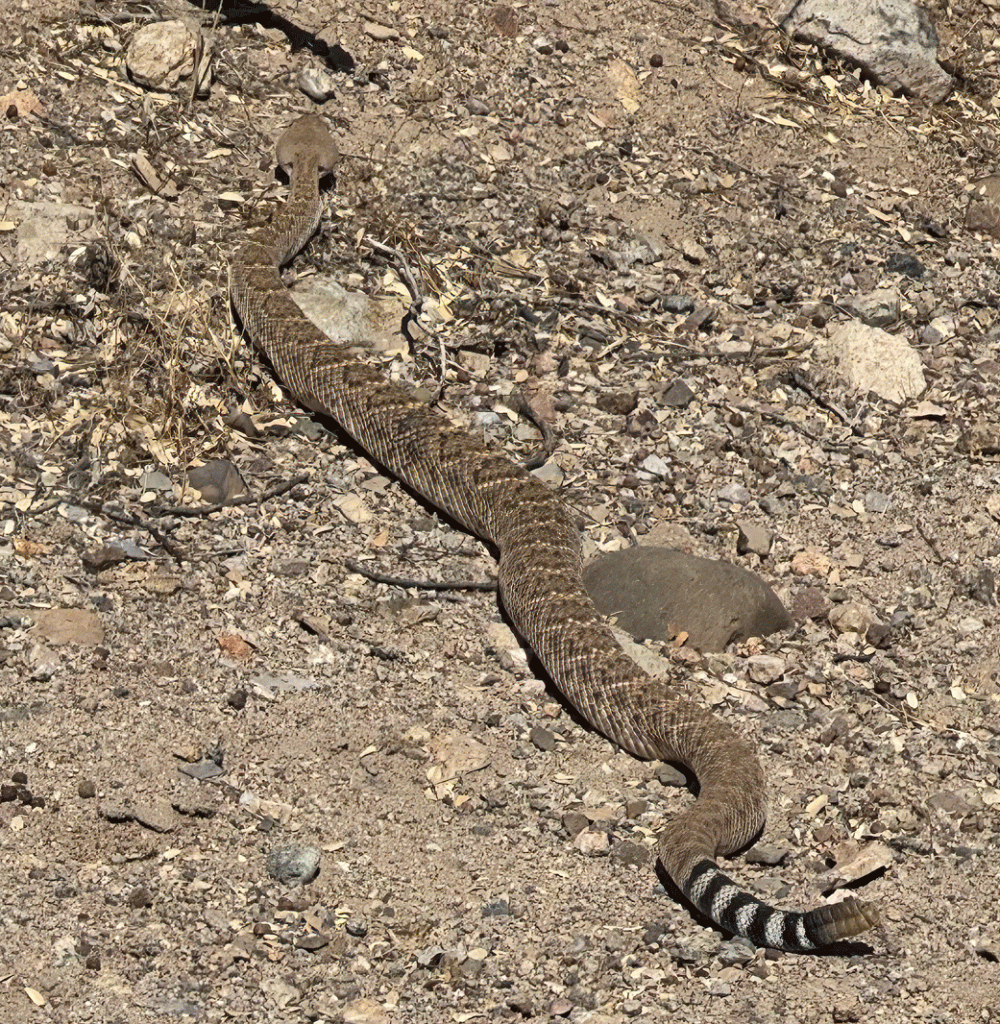
Doug saw this Western Diamondback Rattlesnake on the road near our place, one day when he was out for an errand. He took the photo from the safety of the truck.

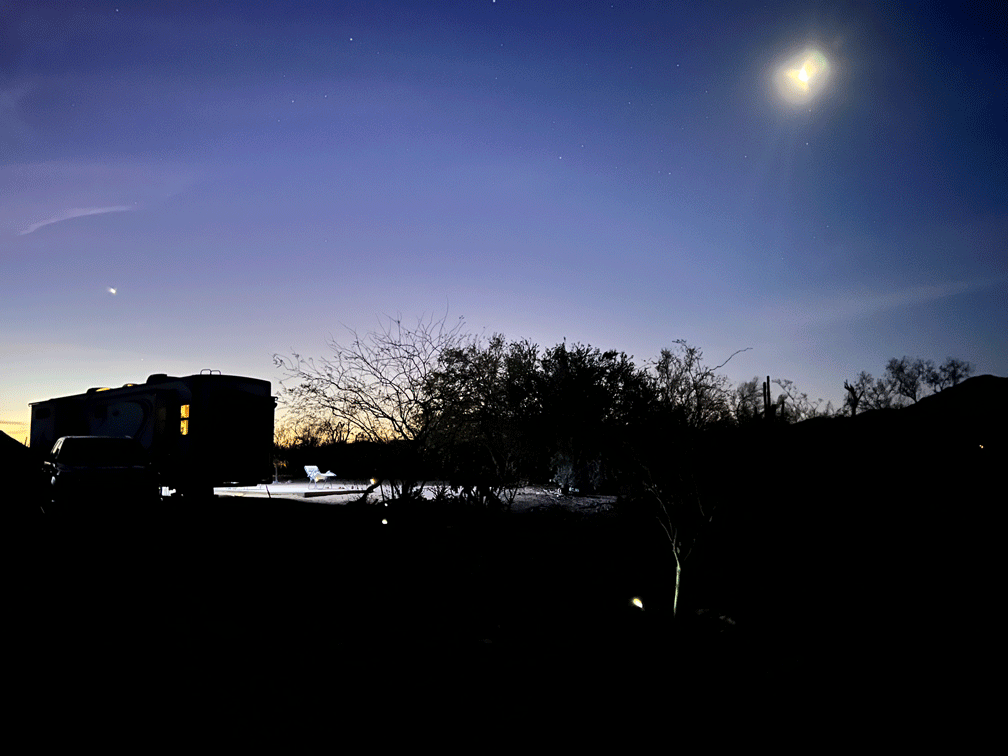
When we drive a couple of hours to go birding, it means we often leave before dawn. The moon and Venus show up in this photo taken from the gate at 5 am. The awning lights are still on which lends an interesting glow.

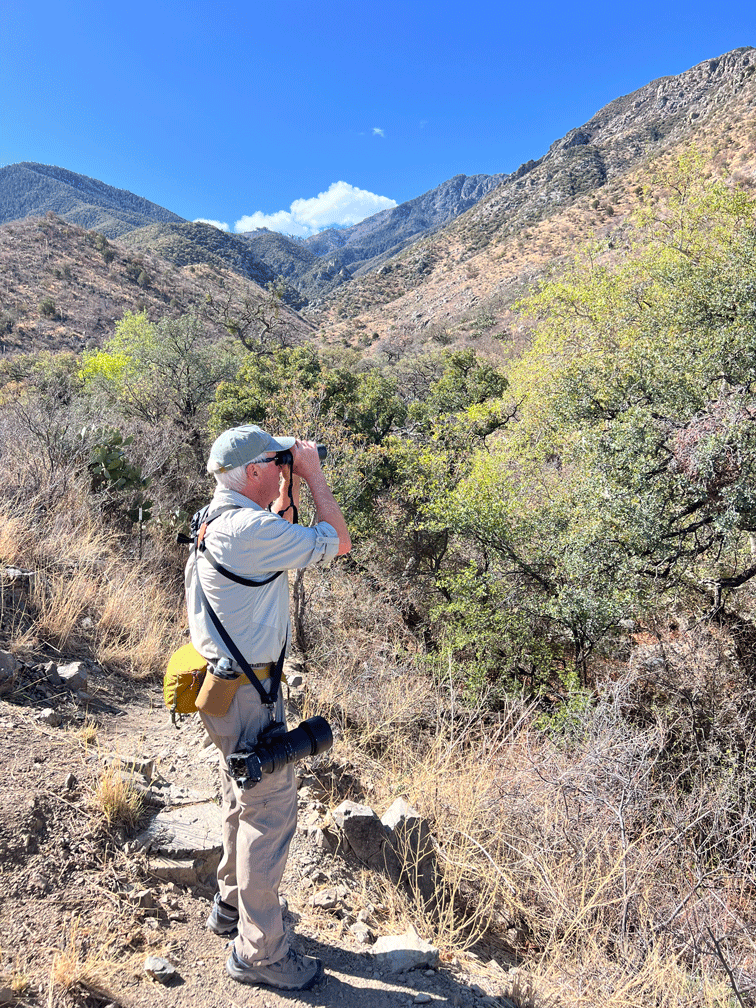
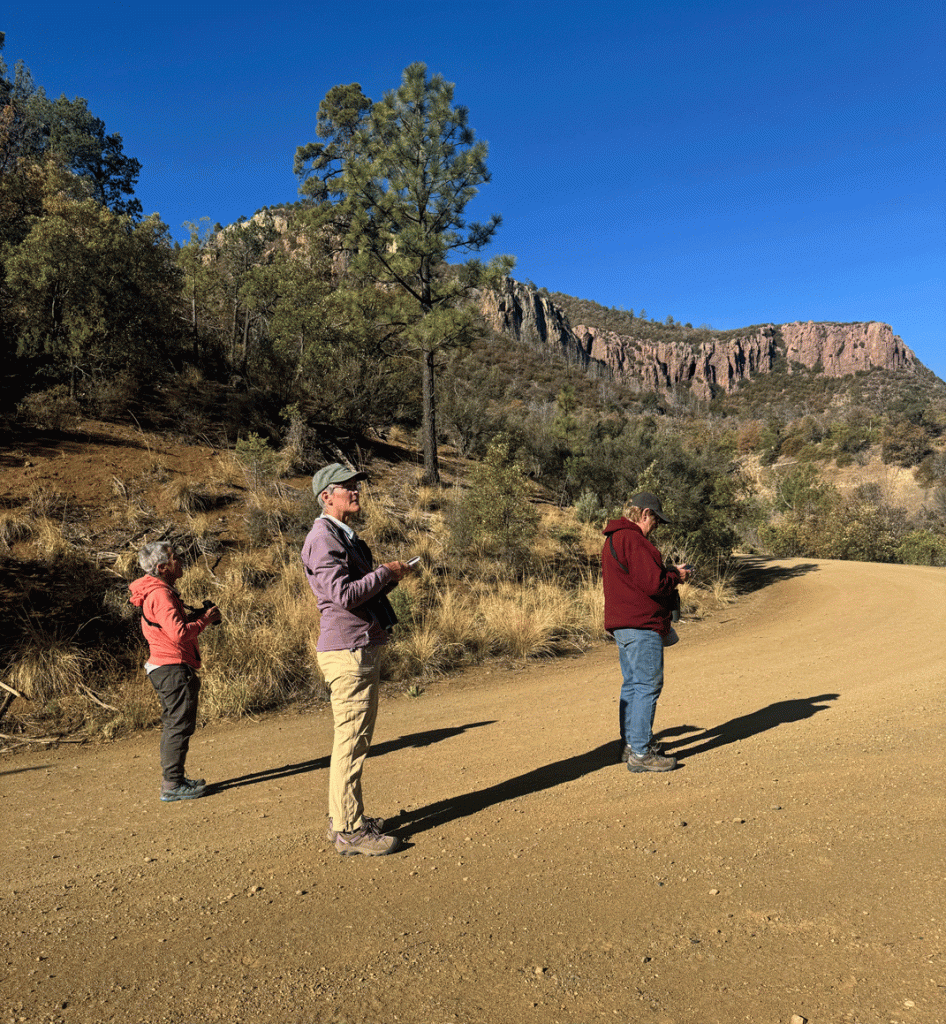
Pinery Canyon is in the Chiricahua Mountains and about a two and a half hour drive away. We stopped along the road in a random spot because we caught a glimpse of some birds. Here Teri, Wendy and Mary are all listening, checking the Merlin app on our phones and watching for movement. The Chiricahuas are known for having interesting rock formations. The photo below shows just a glimpse of the mountains.

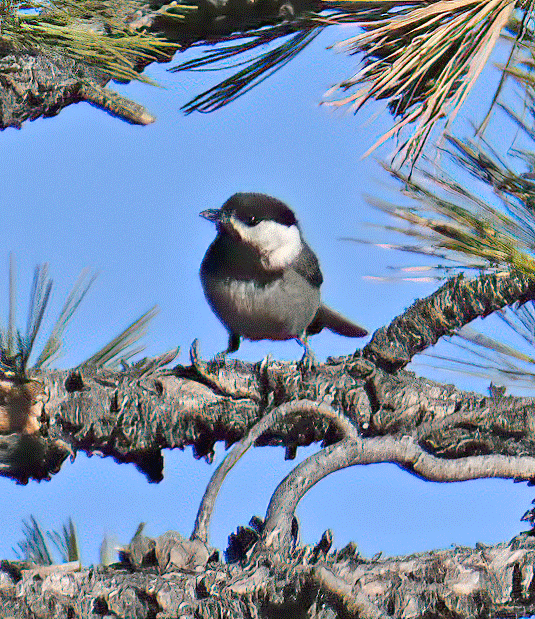
We saw our first ever Mexican Chickadee. This species is very similar to a Black-capped Chickadee, but with a larger black bib and greyish flanks. It was high up in a pine.

One of the target birds of the day was a Buff-breasted Flycatcher, so when we saw a flycatcher by the side of the road, we stopped to check it out. It was a Gray Flycatcher, which was still nice to see.

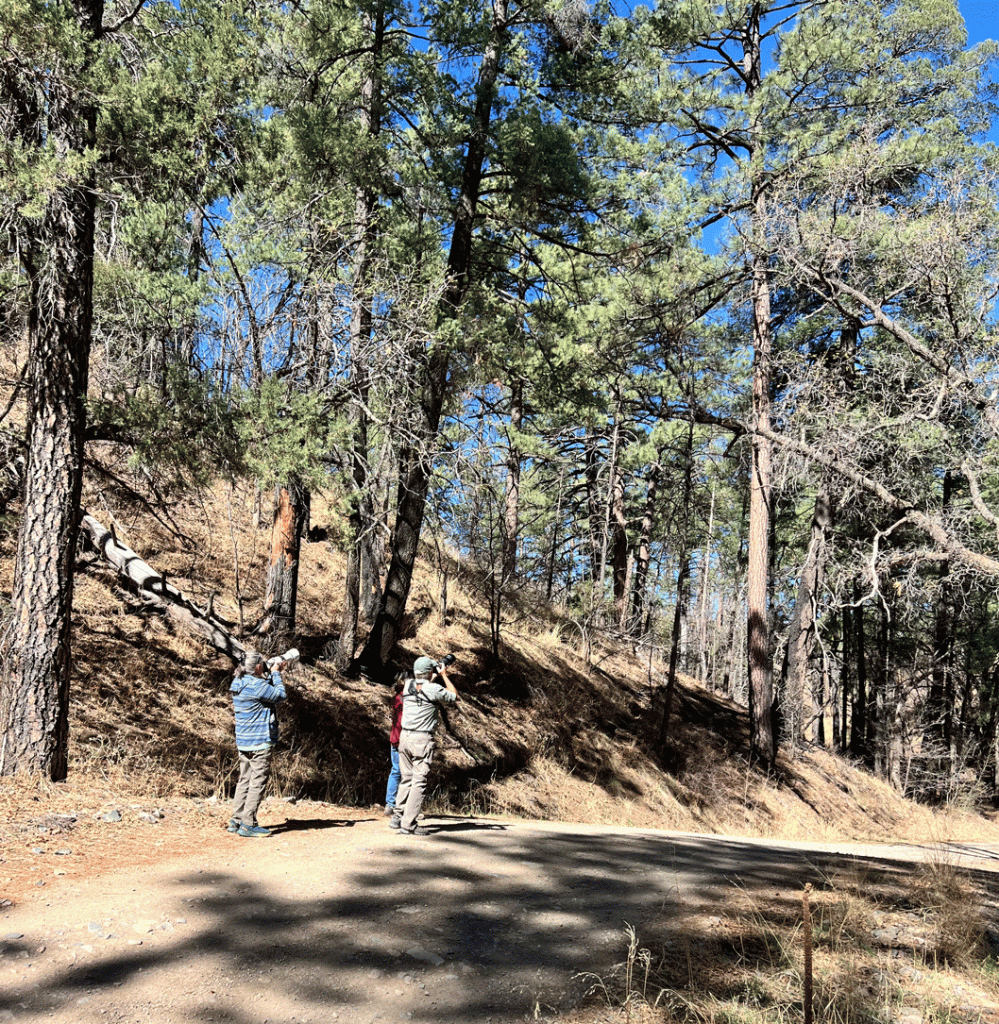
We continued up the Pinery Canyon Road and stopped near a primitive camping spot. We searched the tall pines for the elusive Buff-breasted Flycatcher but it must have been too early in the year because they hadn’t arrived yet. But we had another flashier bird to look at and take photos of.

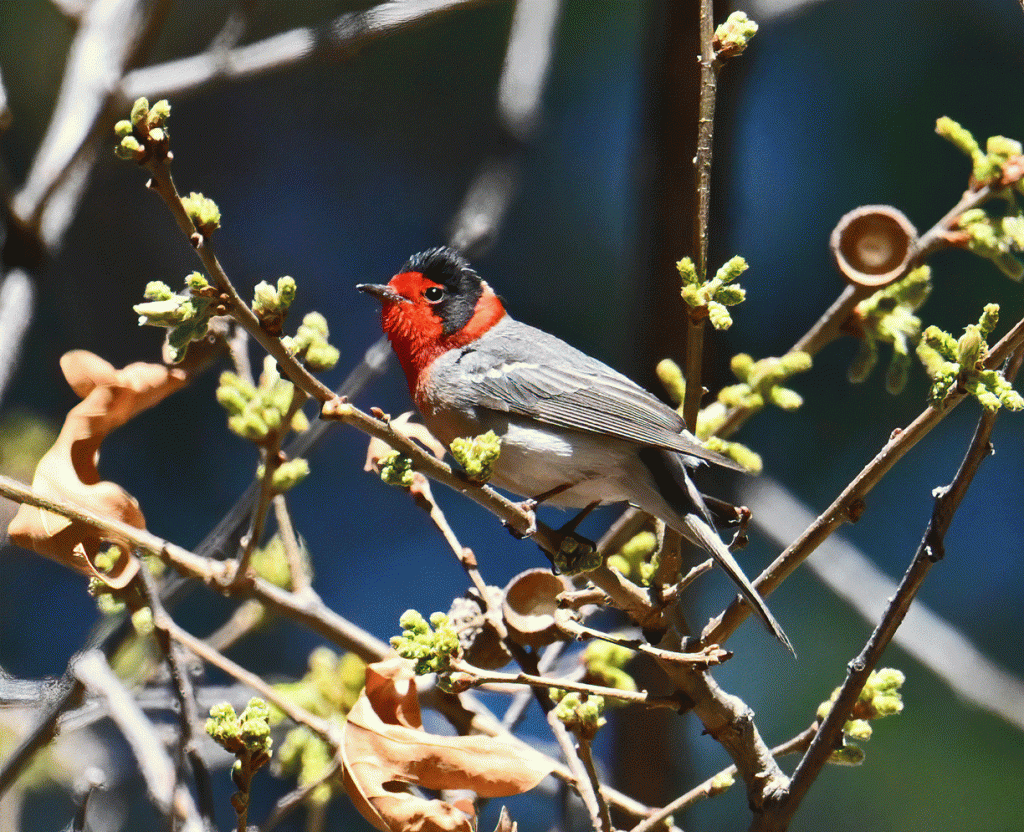
It was a Red-faced Warbler! It was also a bird that we hoped to see before we had to head north. Red-faced warblers are primarily a Mexican species but they will breed in the pine and oak of the Chiricahua Mountains.

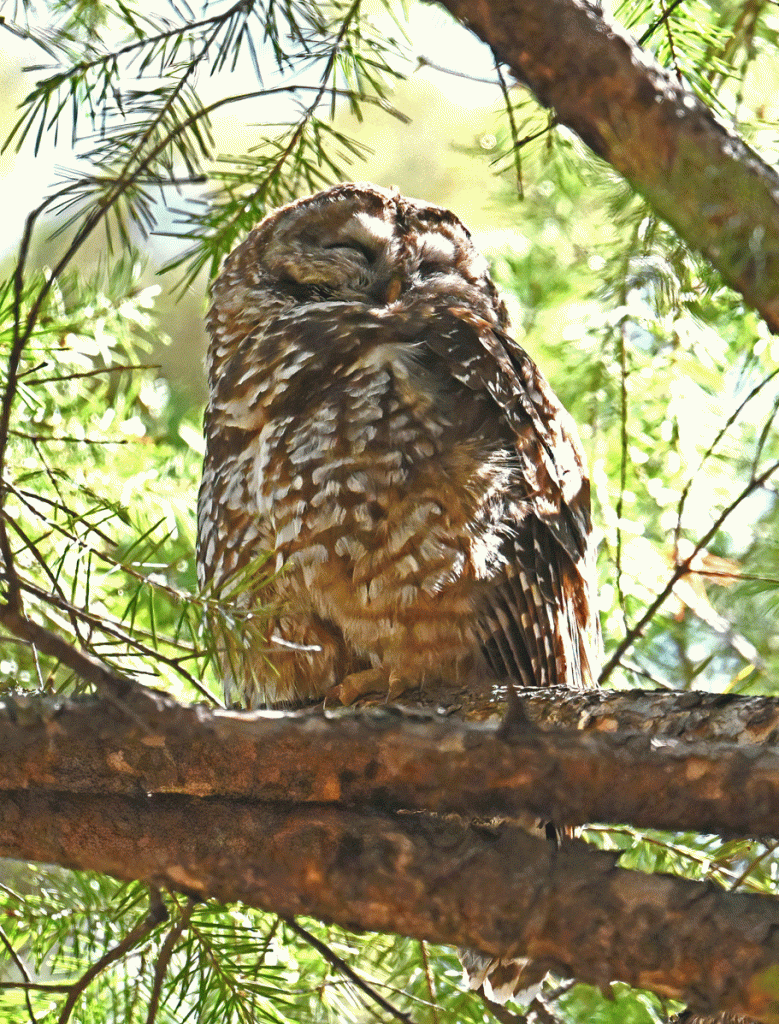
We saw this Spotted Owl roosting close to the same spot.

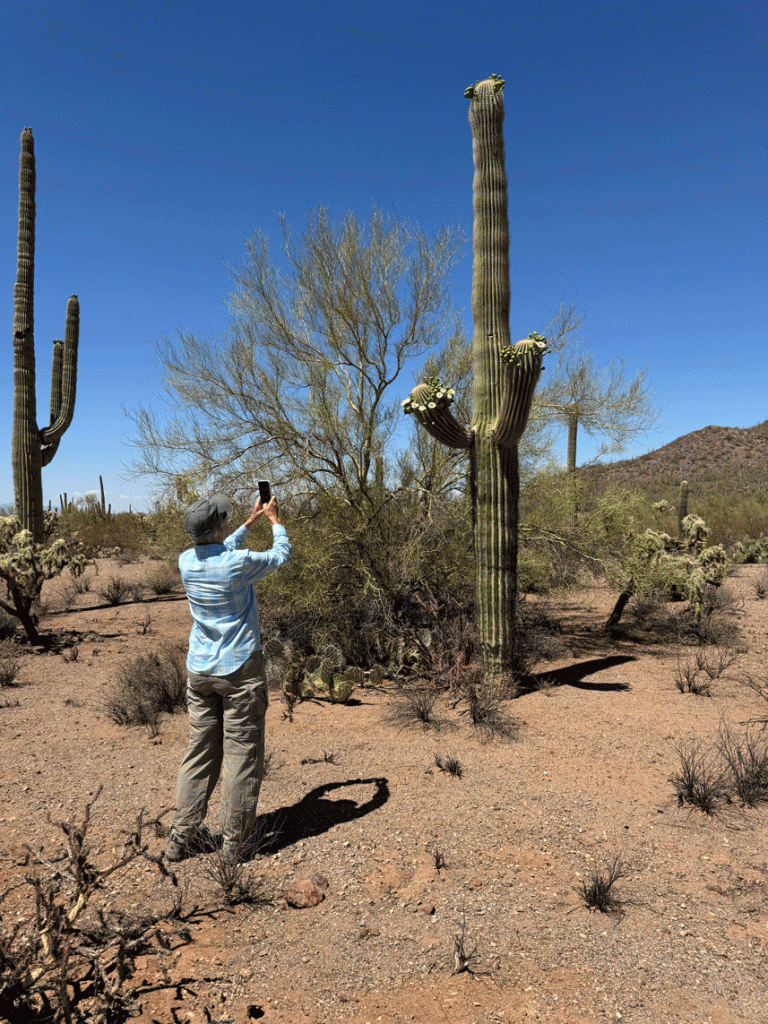
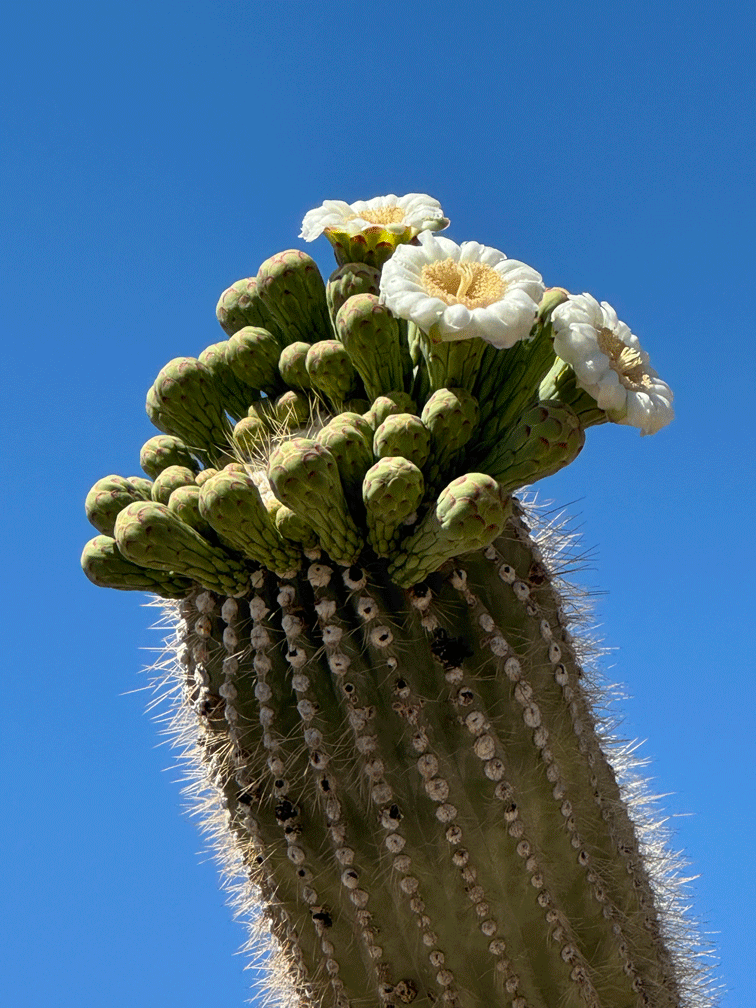
Back in the desert of Saguaro National Park, we watched the progress of the Saguaro blooms. Only a few cacti had full blossoms, but in a few more weeks they would all be fully open.

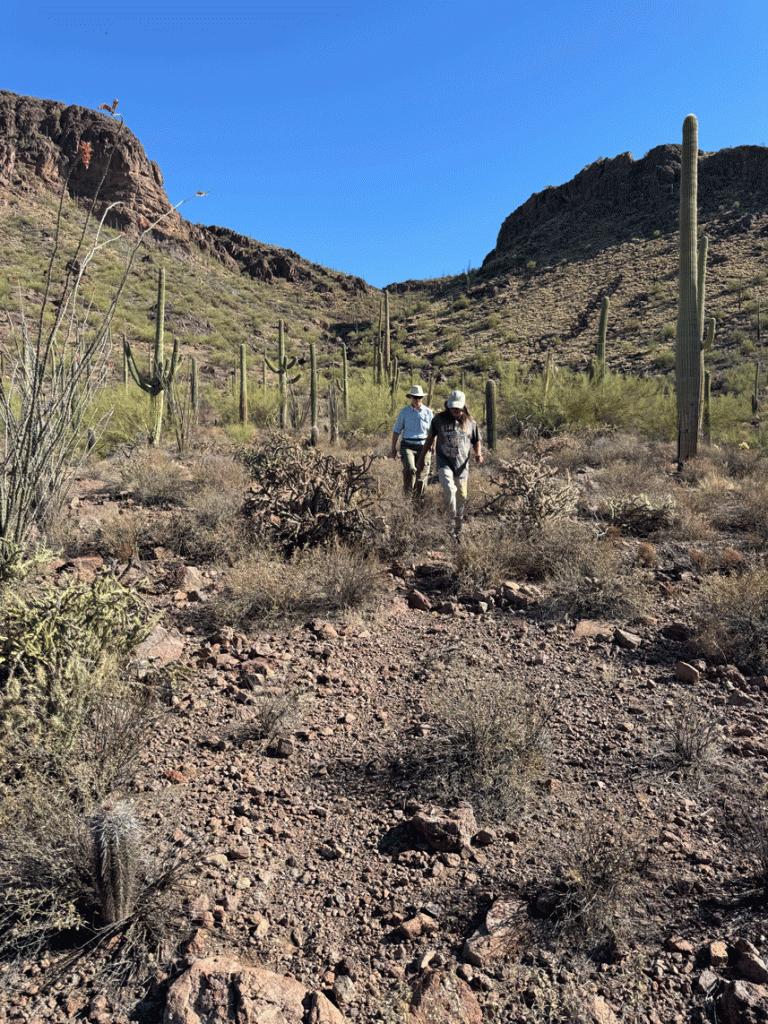
The day before we left, we did one final walk on our favourite trail near our place. We met a neighbour who was out for an early morning walk at the same time and invited him to join us. We were happy to show him a different route. When we got back, we spent the rest of the day organizing the fifth wheel for travel.

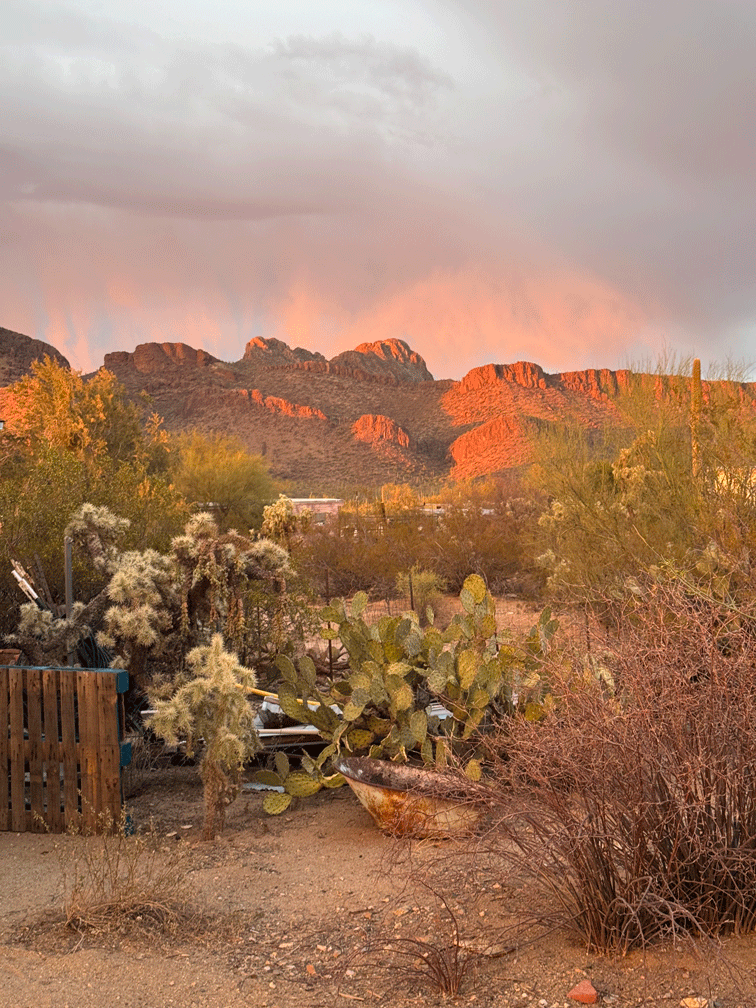
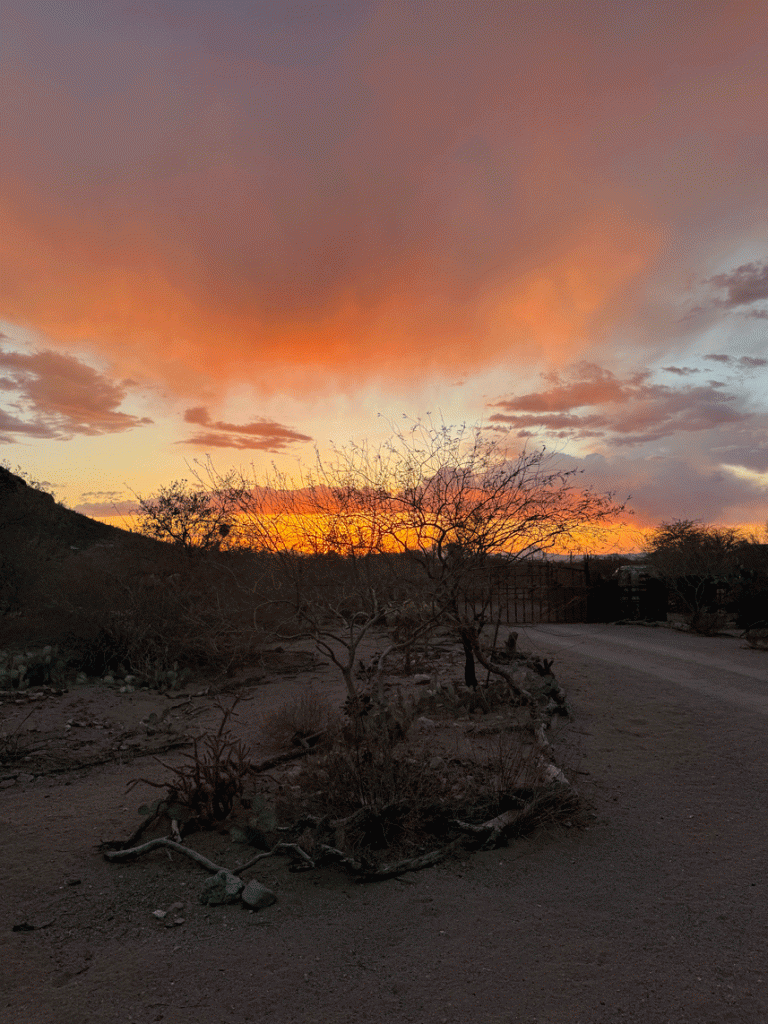
Here are two photos of the sunset on April 5, taken just a few minutes apart. The mountains to the east seemed to be glowing.

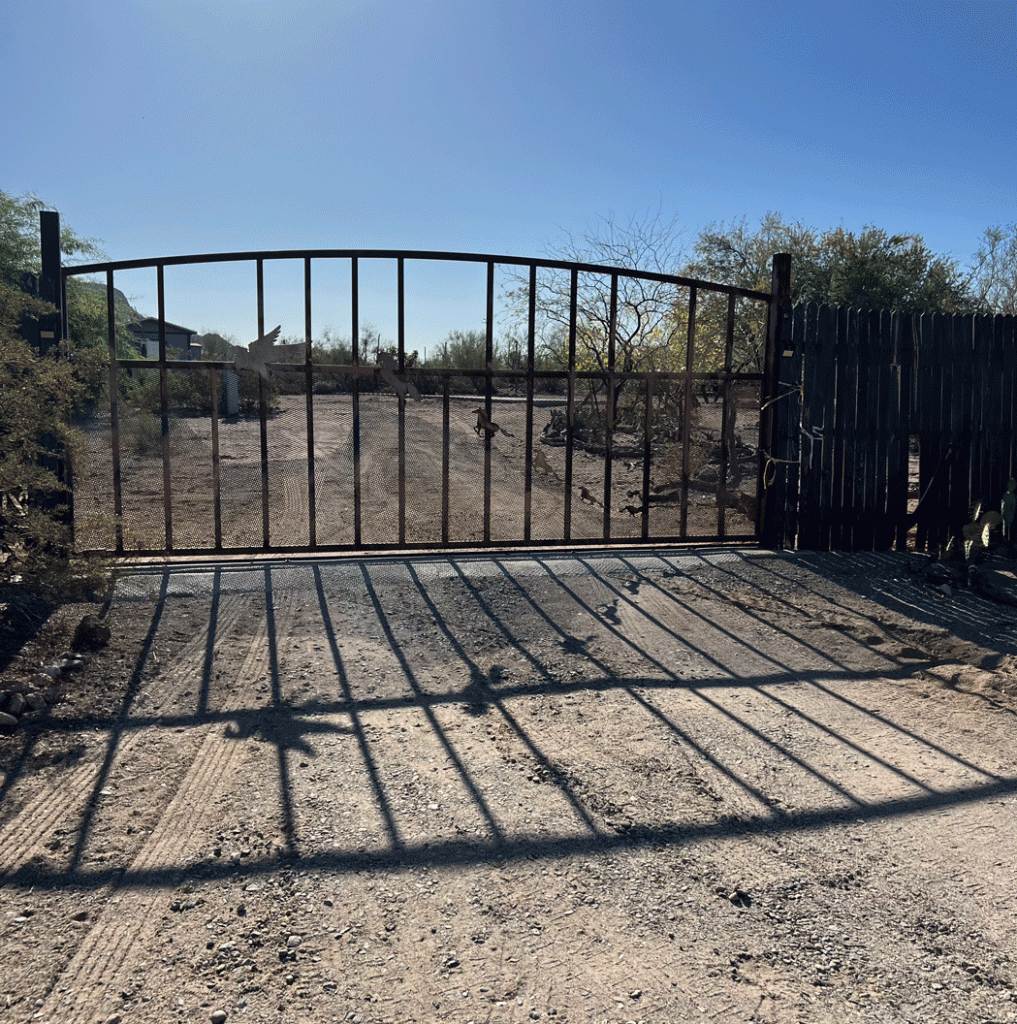
This is the view of our empty spot through the gate at 8 am as we were leaving. That day we drove to Kingman, AZ. The next day was a long one of close to twelve hours of driving to a campground near Brigham City, UT. From there, we drove to Deer Lodge, Montana for our third night. That left us with a six hour drive to get home to Cranbrook, BC on our final travel day.

And now we are home and look forward to seeing hummingbirds at our feeders. (As of today, May 15, we have seen all the expected hummingbird species: Rufous, Calliope and Black-chinned.)

The next few posts will be all about our trip to Texas and will be posted eventually. Life is too busy to sit in front of a computer!