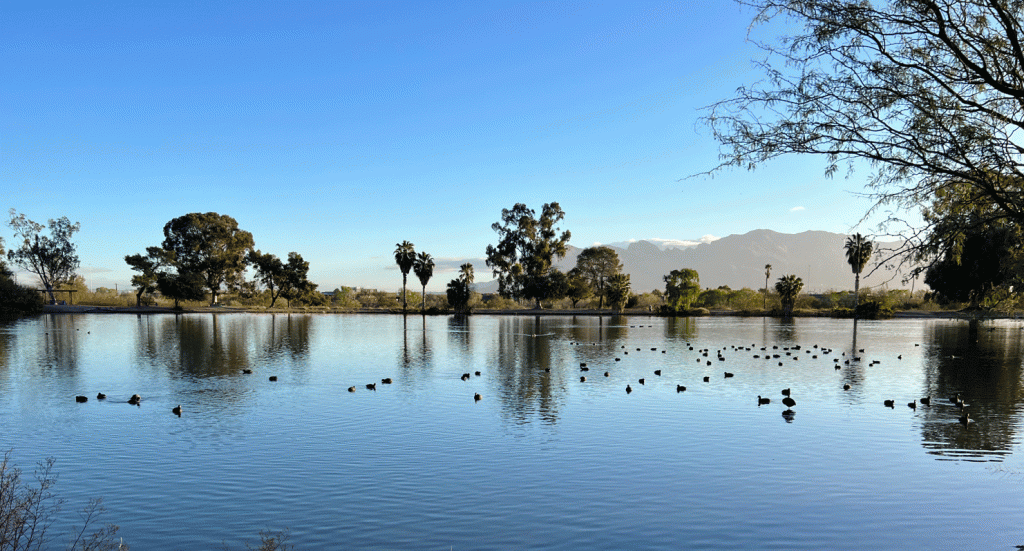
On March 6th, we got up early so we could be at Christopher Columbus Park just at sunrise. It was a calm scene. There were so many American Coots. Wendy wondered how many were there, and one way to know was to take a photo and count them from the photo. The photo below is the result. She actually didn’t bother to count them all; one of our friends counts every coot, at least once a week, so it wasn’t necessary. But we got a nice photo anyway.
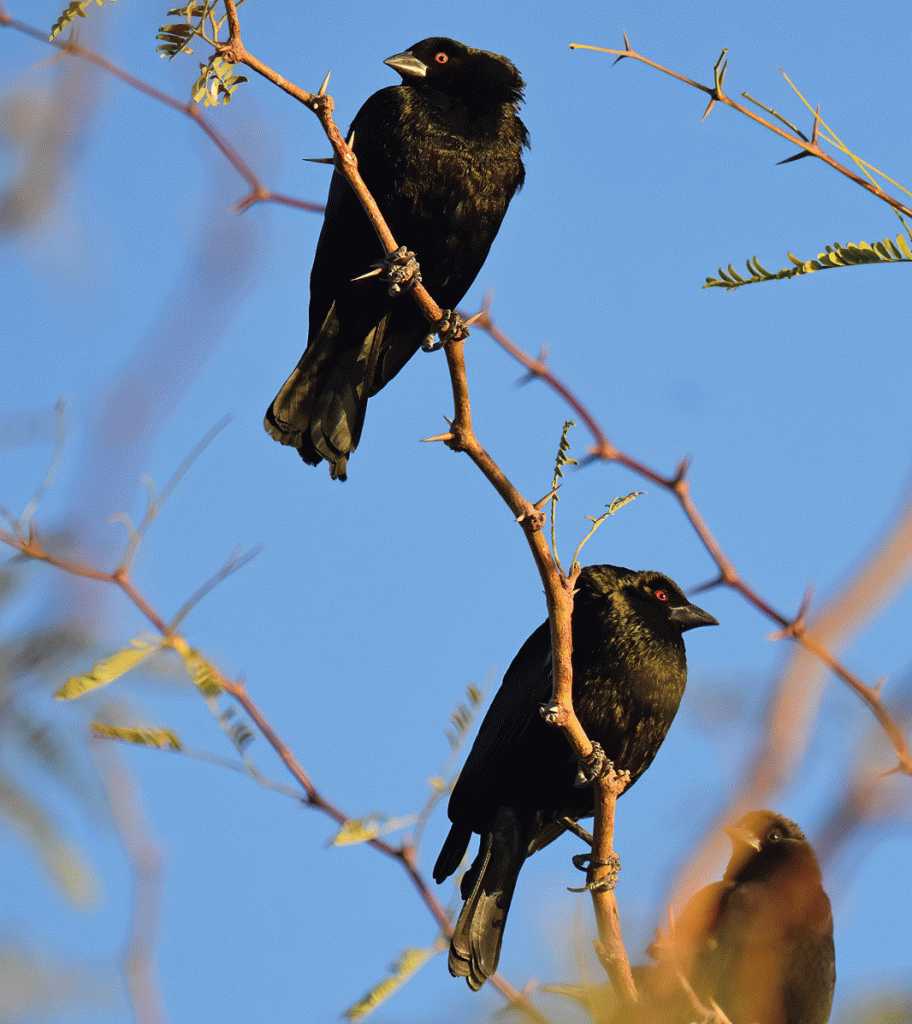
We didn’t come especially for the coots. We were hoping to see a Bronzed Cowbird. The trees were full of Red-winged Blackbirds, with a handful of Brown-headed Cowbirds mixed in. Among the multitude were a couple of Bronzed Cowbirds. They look hunched when they sit because of their thick necks, and they stare out with beady red eyes. We were really happy to be able to pick them out. We made the effort to get there at sunrise, because shortly after, the flocks take off to parts unknown. Our friend had told us that he sees them most mornings.
There was a male Common Yellowthroat foraging at the water’s edge. It was probably easier to see him early in the season before the grasses grow high.

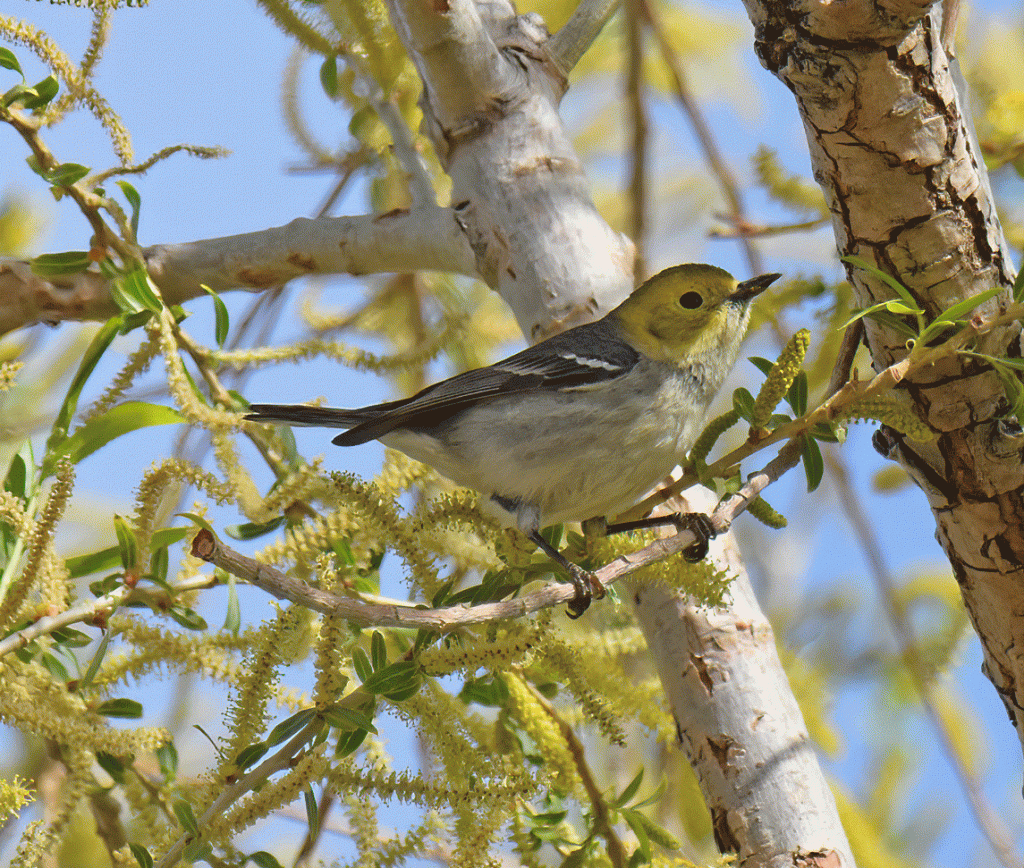
Since we had started so early, we had time to go to another location to look for birds. A Hermit Warbler had been reported a few days earlier somewhere on a 1.5 kilometre (1 mile) section of the bike path along the Santa Cruz River. We were surprised that we spotted it on the cool and windy morning. This one was a female and may have over-wintered here. We shared the specific location through GPS coordinates so that other birders could find it more easily. Over thirty birders went to see it in the next week.
We saw this Greater Pewee in Madera Canyon, near the main picnic area a few days later. The Greater Pewee is similar to the Olive-sided Flycatcher that we have in BC, but drabber. The orange lower mandible on its long bill stands out. It’s native to Mexico with a limited range in the US.

An American Avocet in non-breeding plumage is not as colourful as in the summer, but its upturned bill is unmistakable. This was the only one at the Avra Valley Water Treatment Plant when we visited on March 12. Usually we see them in groups of several to hundreds.

We also saw our first Greater Yellowlegs of the year. Unfortunately the photo doesn’t show much of its yellow legs.

The same day, we drove to a flooded field to see more Greater Yellowlegs. Among the Greaters, there was one Lesser Yellowleg. We needed our ‘scopes to be able to distinguish the two species. When we saw them walking together, we could tell that the Lesser Yellowlegs was smaller with a shorter, straighter bill. All the birds were too far away for a photo.
While we were there, the rancher who owns the land came by to chat. He told us about how he manages the fields without plowing, which protects from soil depletion. The field on the west side of the road was flooded on this day; on other days he would flood the other side of the road.
At the end of March, on the same day that we hiked at Pima Canyon, we came back to this location. We saw two rarities that day on the other side of the road: an Upland Sandpiper and a Glossy Ibis. No photos however, because Doug only had his iPhone camera with him.

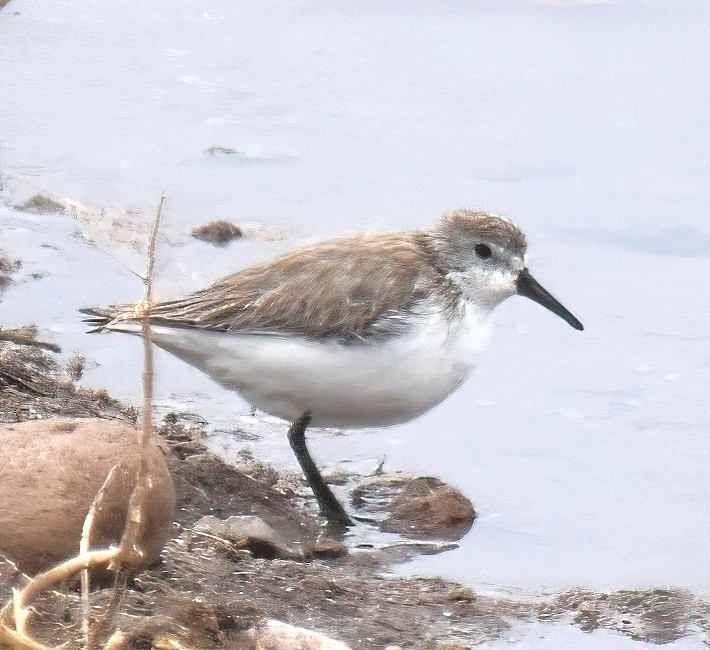
On March 14, we went to the Green Valley Water Reclamation Facility to look for other shorebirds. There were many Least Sandpipers and one Western Sandpiper. Since the Western Sandpiper breeds in the high Arctic we might not see it when it passes through BC in migration. We also wanted the challenge and the practise with our ‘scopes. A Western Sandpiper in non-breeding plumage has similar colouring to a Least Sandpiper, but it has dark legs rather than light greenish legs. The Western is bigger than a Least, but only by less than 1.3 cm (0.5″). We were able to find it foraging on the shore and Doug was also able to get a distant photo.
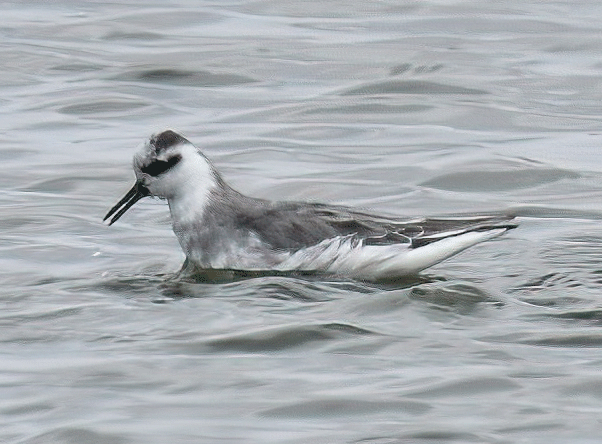
Another reason for us to go to Green Valley that day, was to be “in place” in case a rare bird had been blown off track in the heavy winds of the night before. Our strategy worked for us, because a Red Phalarope dropped in to Amado Water Treatment Plant around noon. We were able to get there within a half hour. A Red Phalarope and a Red-necked Phalarope look very similar in non-breeding plumage. Experts looked at all the photos that everyone submitted and determined it was a Red Phalarope. Doug’s photo shows the thicker bill, but we’re glad the experts can decide if the back was paler or streaked. We were happy that it was a “Red,” because we had never seen one before.
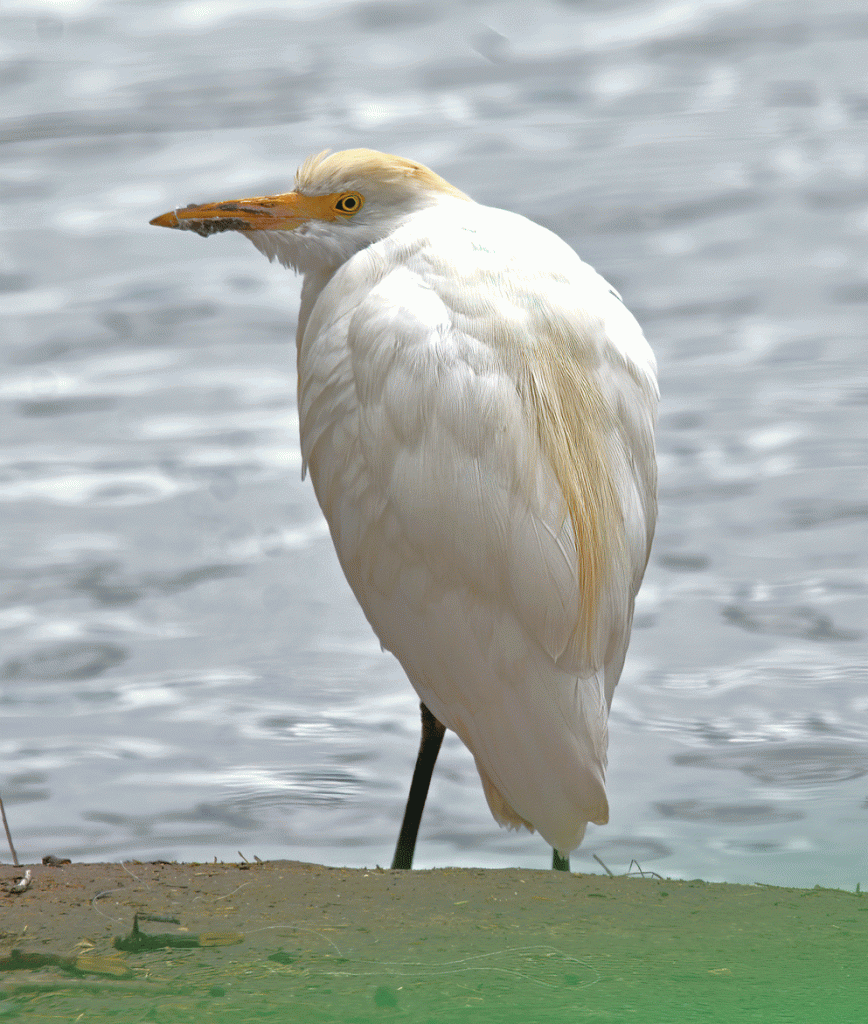
A Western Cattle Egret was seen at Christopher Columbus Park the same day, so we stopped by on our way home. (Photo on the left). Later in the month, we saw another Western Cattle Egret at El Rio Open Space Preserve. We’ve put them side by side in the blog, so it’s easy to compare them. It looks like there are two different birds, not just one that stayed in the area.

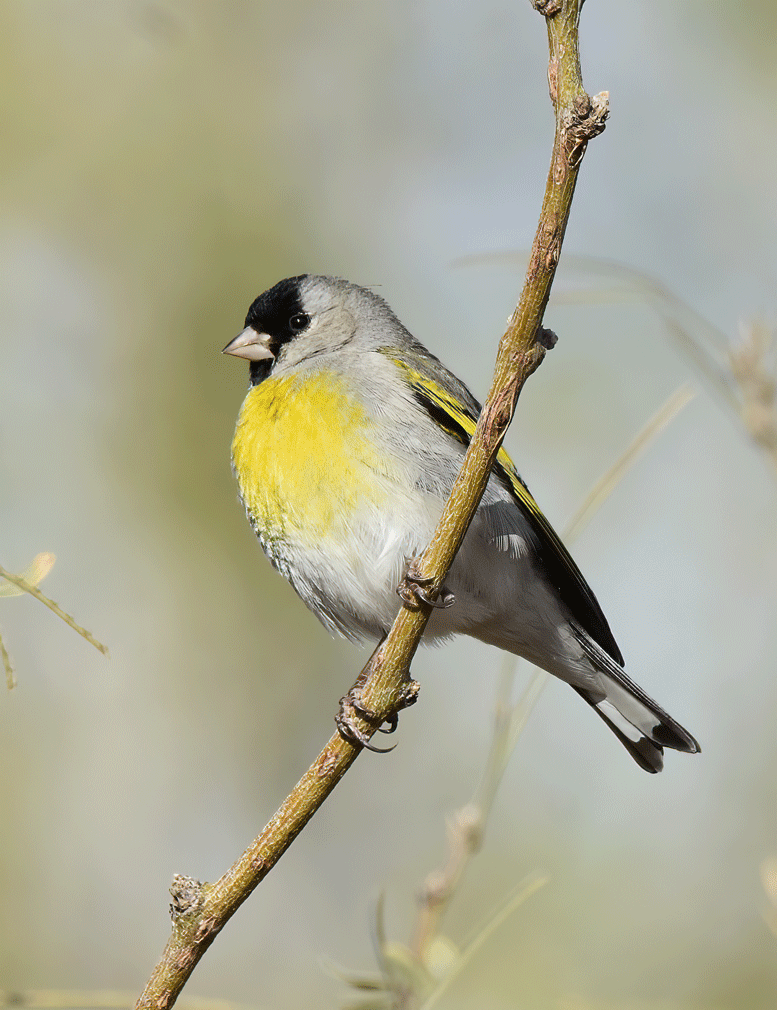
In the middle of March, we walked on both sides of the Santa Cruz River near Sunset Road. It was a cool and cloudy day, but when the sun came out for a few minutes this male Lawrence’s Goldfinch practically glowed. Lawrence’s Goldfinches have been plentiful in the area this year. It’s know as an “irruptive year,” which means that large flocks have come to the area in winter from California, perhaps due to a food shortage. They’re nearly always in small flocks feeding on weed seeds.
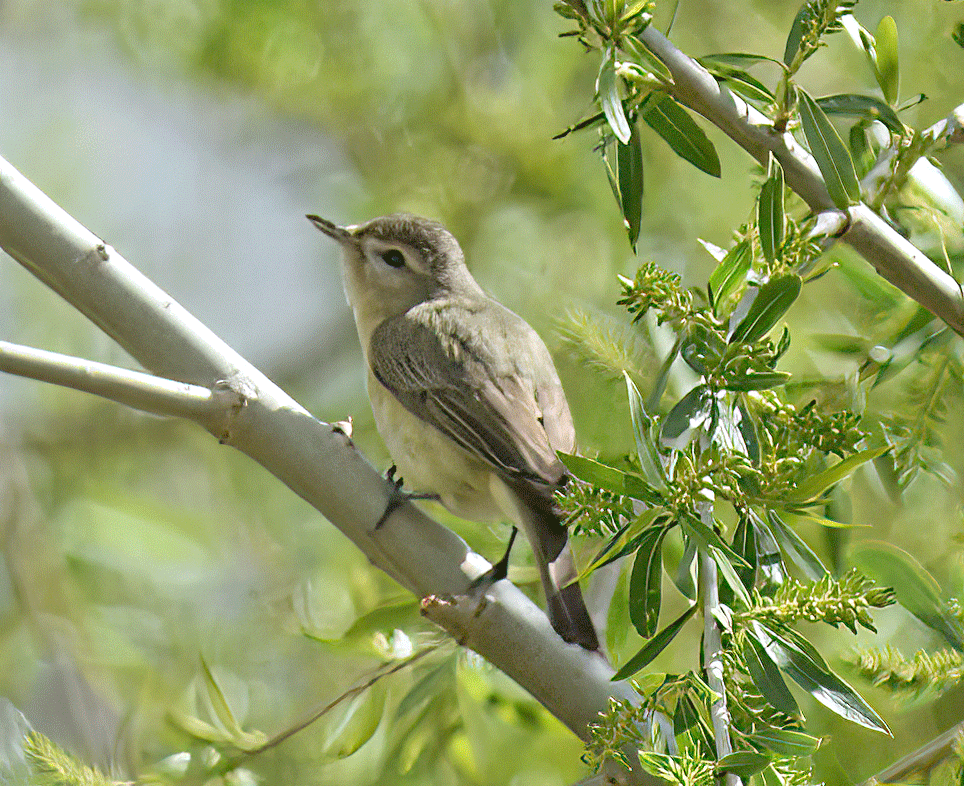
On the same walk, we saw our first Warbling Vireo of the year. All summer we will hear their warbler-like song, back in BC, but we don’t often see them as they usually stay pretty hidden in the foliage.
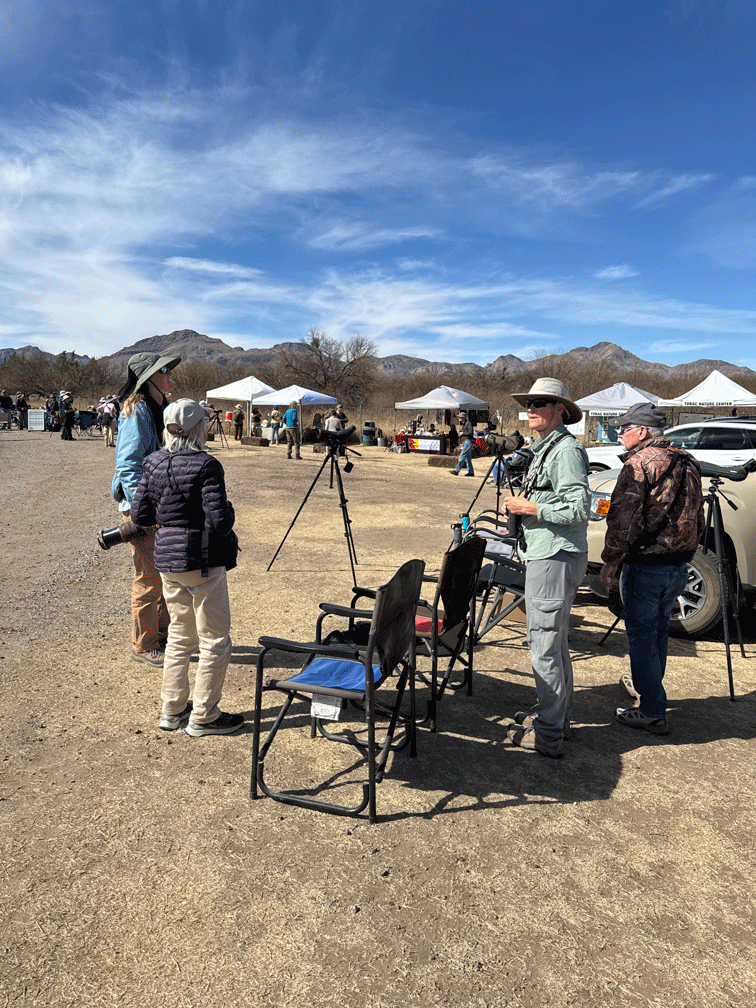
We went to the Hawk Watch in Tubac on Monday March 17 this year. We heard that there were over 200 people at the field at Ron Morriss Park the day before. Too busy for us! The Hawk Watch is organized by HawkWatch International (hawkwatch.org), and runs from Feb. 15 – Apr. 30. There are professional counters that collect the official data, and there are also lots of other people that will call out when a bird is sighted. Sometimes the raptors are so high up that they are almost specks and it’s tricky to find the bird in your binoculars. Here’s a view of our little group that included some people that we knew already and some that we had just met.
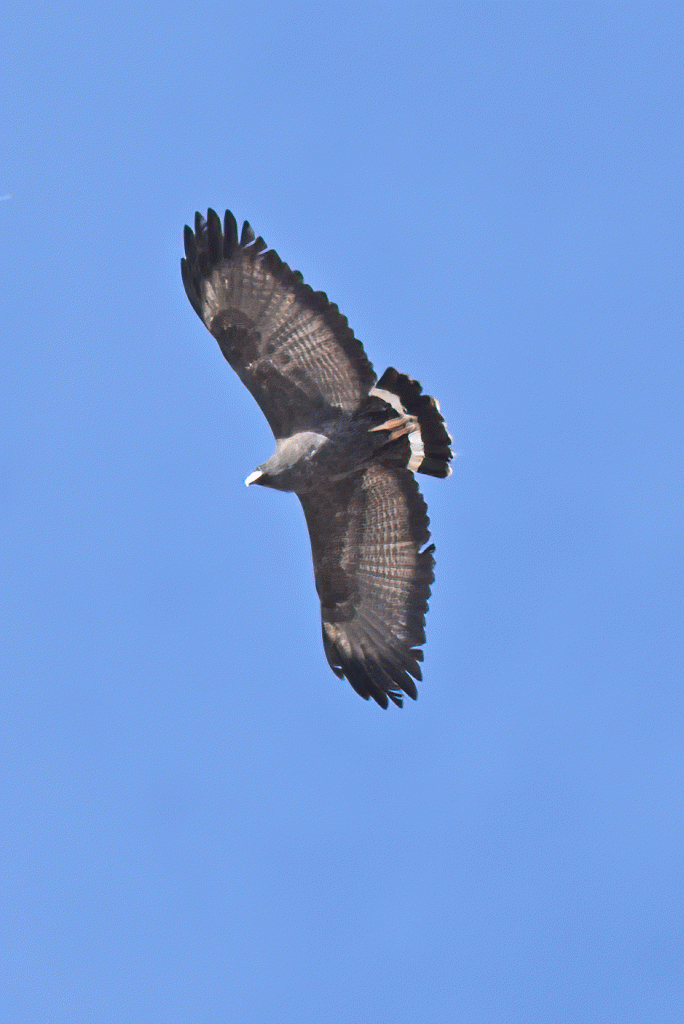
Common Black Hawks were plentiful the day we were there, but they are not very common in North America with fewer than 300 nesting pairs. They are found in mature cottonwood forest along permanent streams.
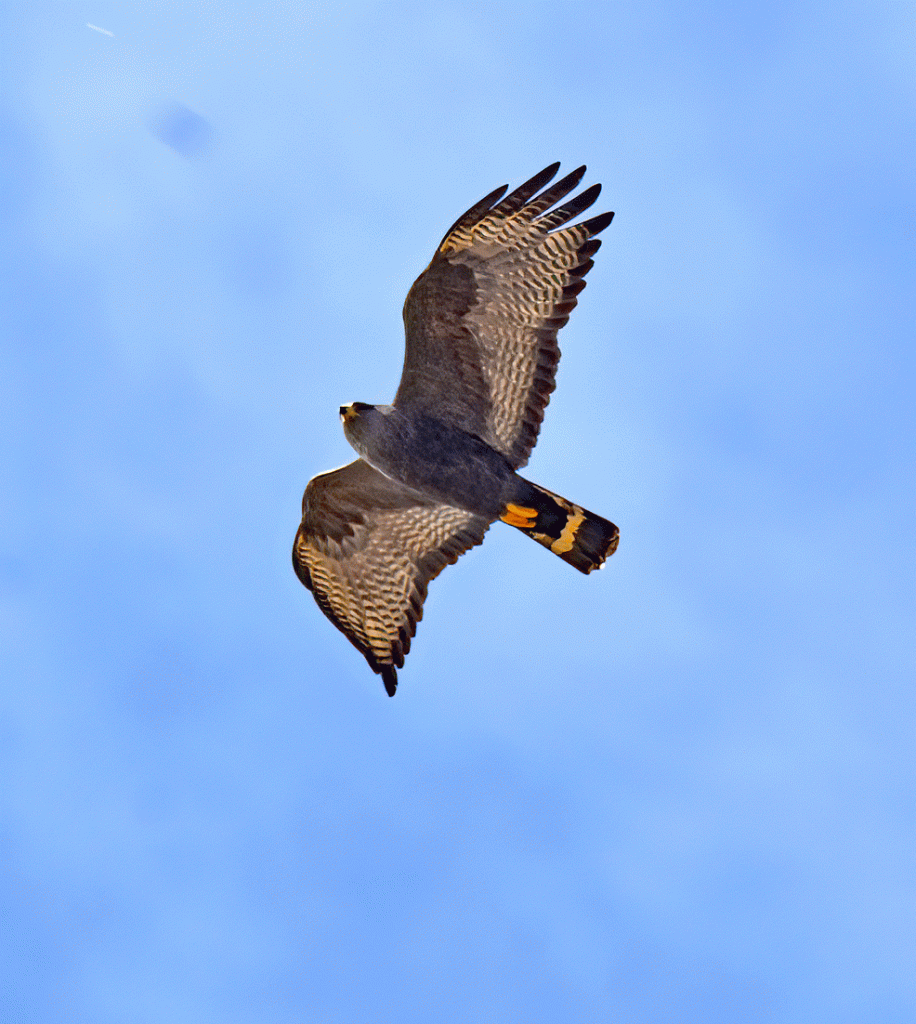
We only saw one Zone-tailed Hawk that day. Their preferred habitat is foothill canyons with permanent streams and open woodland. According to The Sibley Guide to Birds, the US population in only about 300 nesting pairs. In flight, they look extremely similar to a Turkey Vulture, and when they are perched, they look a lot like a Common Black Hawk.
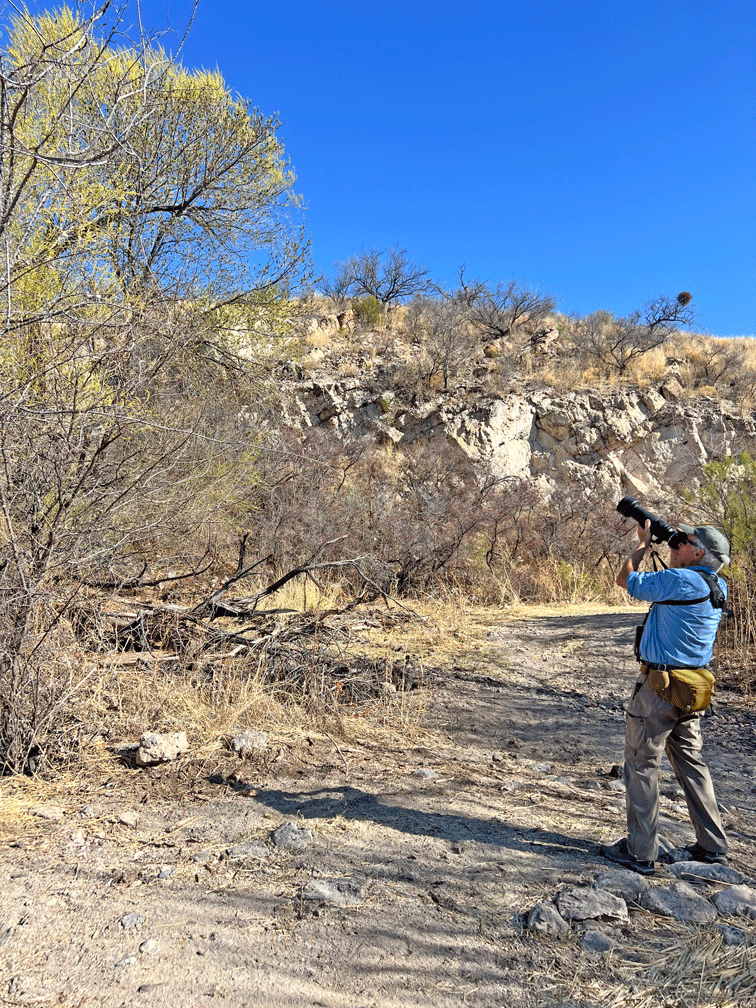
On March 22, we birded in a new area for us: Cedar Canyon near Arivaca Lake. We drove about two hours on pavement, then turned off on to a dirt road. Friends had explained the route to us, but it was still a bit of an adventure. In the second photo, Doug is taking a photo of a Yellow Warbler in a cottonwood near a marshy area. We walked along the road until we came to the dam that holds the water back that forms Arivaca Lake.

We had come to see a very special gnatcatcher: a Black-capped Gnatcatcher. Black-capped Gnatcatchers are only rarely seen in Arizona. We had read reports of a female bird from about five people and we were hopeful that it might be in the same trees that they saw it in, right below the dam, near a pool of water. After watching the trees for a while, we spotted a gnatcatcher and Doug was able to get a few photos. Because it was a female, its features are very similar to a more common Blue-gray Gnatcatcher. We thought it was a Black-capped, but we needed to examine the photos carefully in order to be sure. In the photo below, notice that the outer tail feathers (the ones in the middle from this view) are shorter than the rest, which is a distinguishing feature of a Black-capped Gnatcatcher.

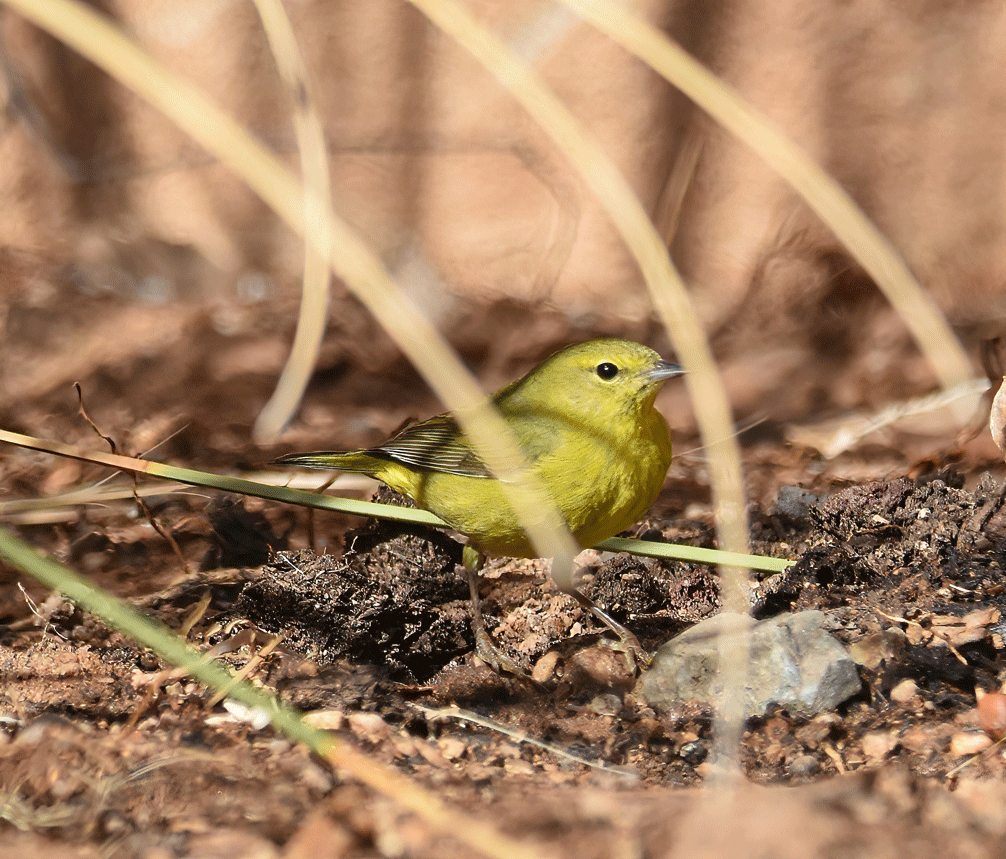
We visited the Arizona-Sonora Desert Museum several times in March, so all the bird photos from that location are in this section. On March 5, we saw this Orange-crowned Warbler on the ground, which is unusual because they are usually gleaning insects in trees and bushes.
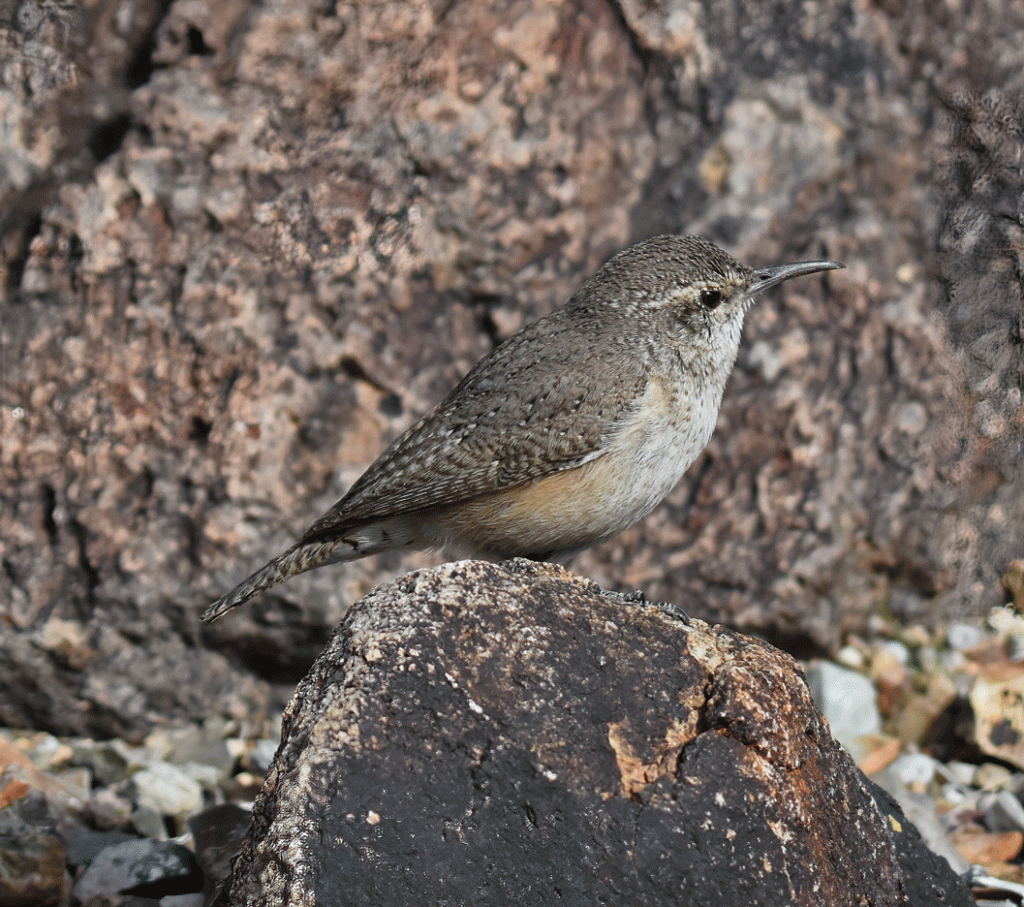
This Rock Wren’s colouring is very much like the rock it is perched on.
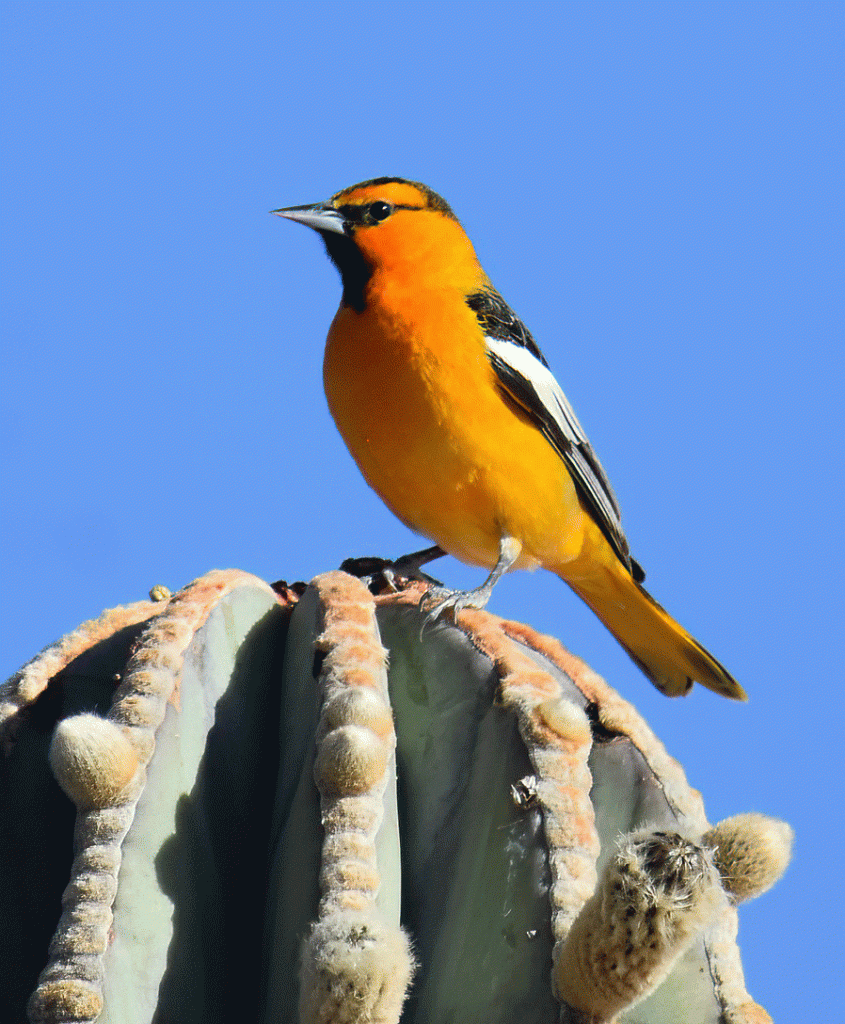
On March 18 we saw our first Bullock’s Oriole of the season. Perhaps this one is going to stay in the area, or maybe it’s on its way north. Bullock’s Orioles breed throughout most of the western US, as well as our part of BC.
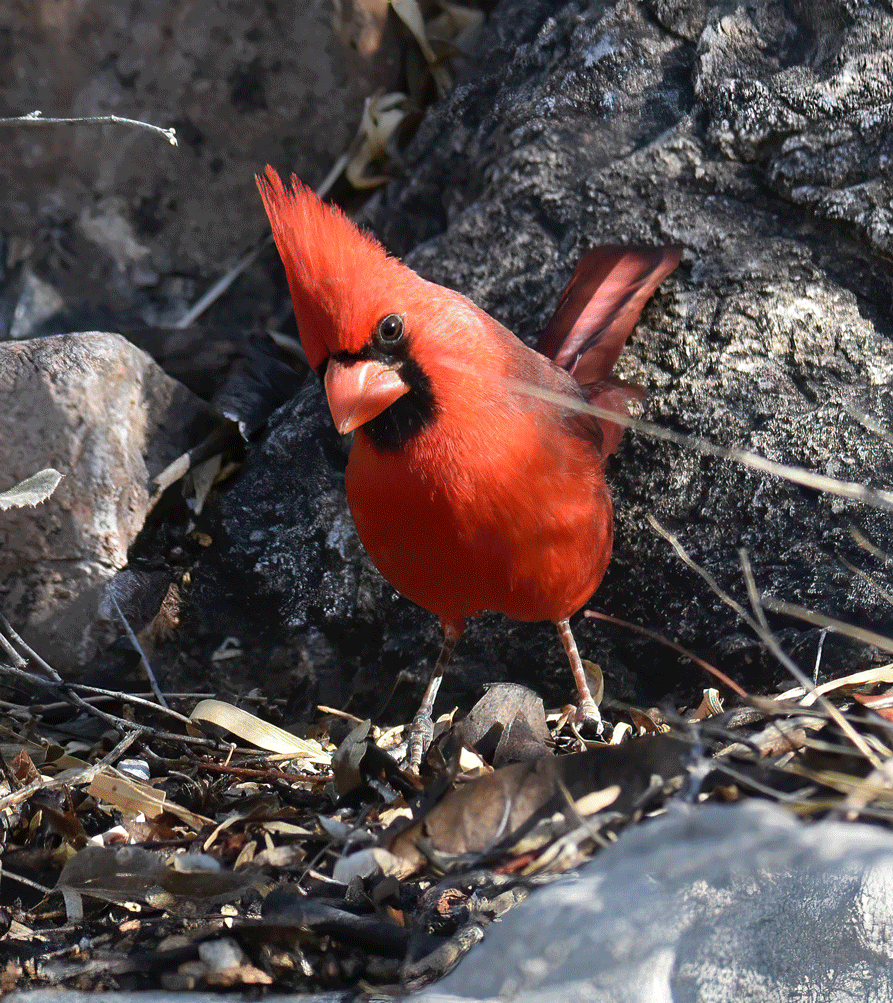
We often see a Northern Cardinal, and Doug has many photos of them. This male had such an interesting expression that it was hard to resist taking and posting another photo.
This is a Blue-gray Gnatcatcher. We can tell that it’s a male because it has a black forehead.

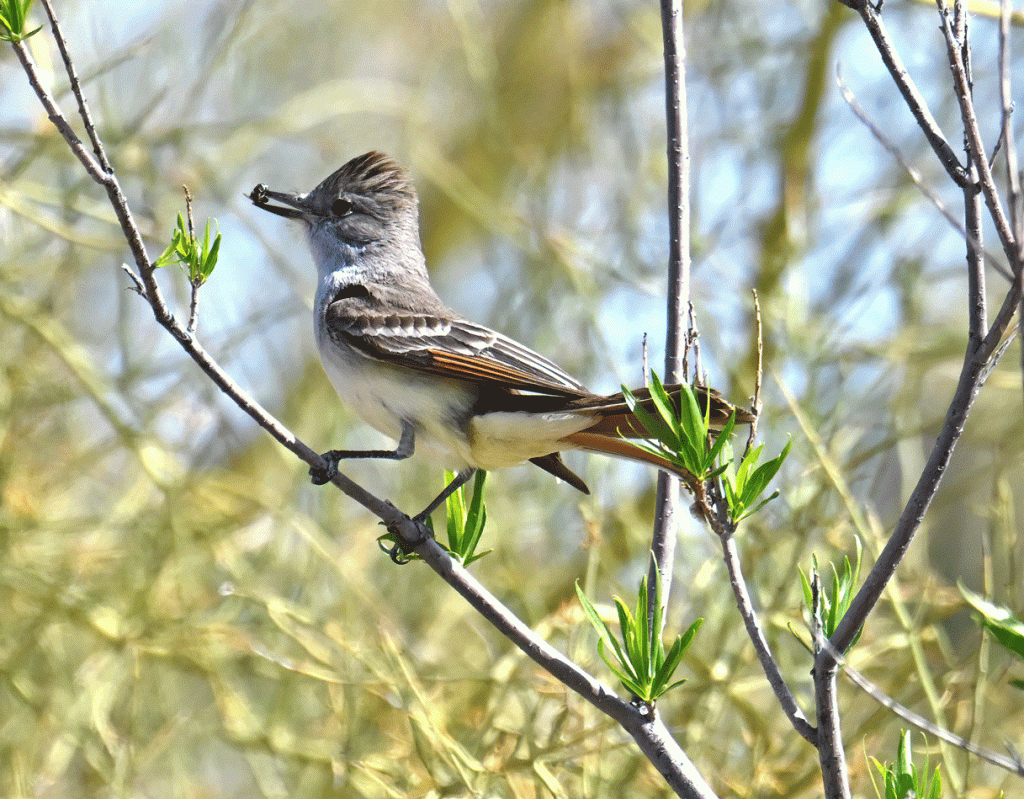
On March 30, we saw this Ash-throated Flycatcher eating berries. As its name implies, it also catches insects.
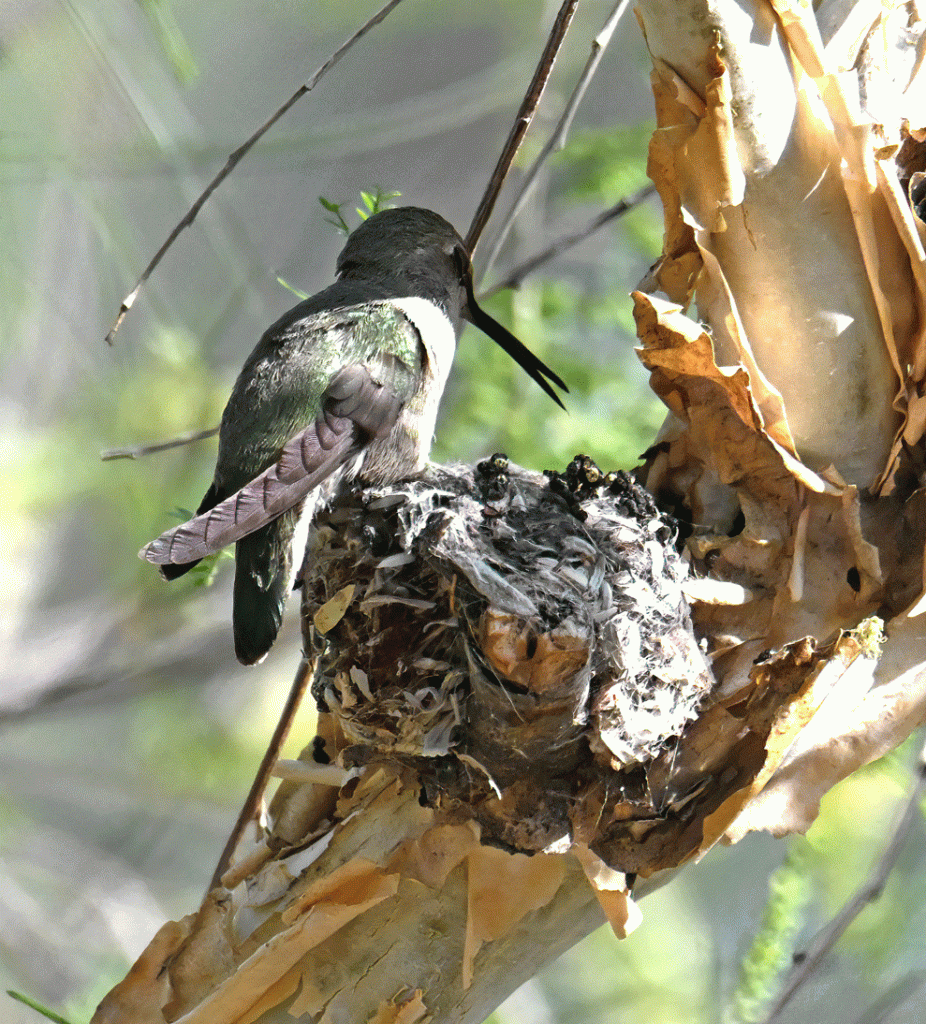
A Desert Museum docent pointed out this Costa’s Hummingbird on her nest. While we watched we could see her feeding her young. This hummingbird is very small (8cm / 3″ long) and her nest is tiny, 2.5 cm / 1″ deep with a diameter of 3 cm / 1.25.” The nestling period is 20-30 days, so maybe next time we’re back we will see the baby birds.
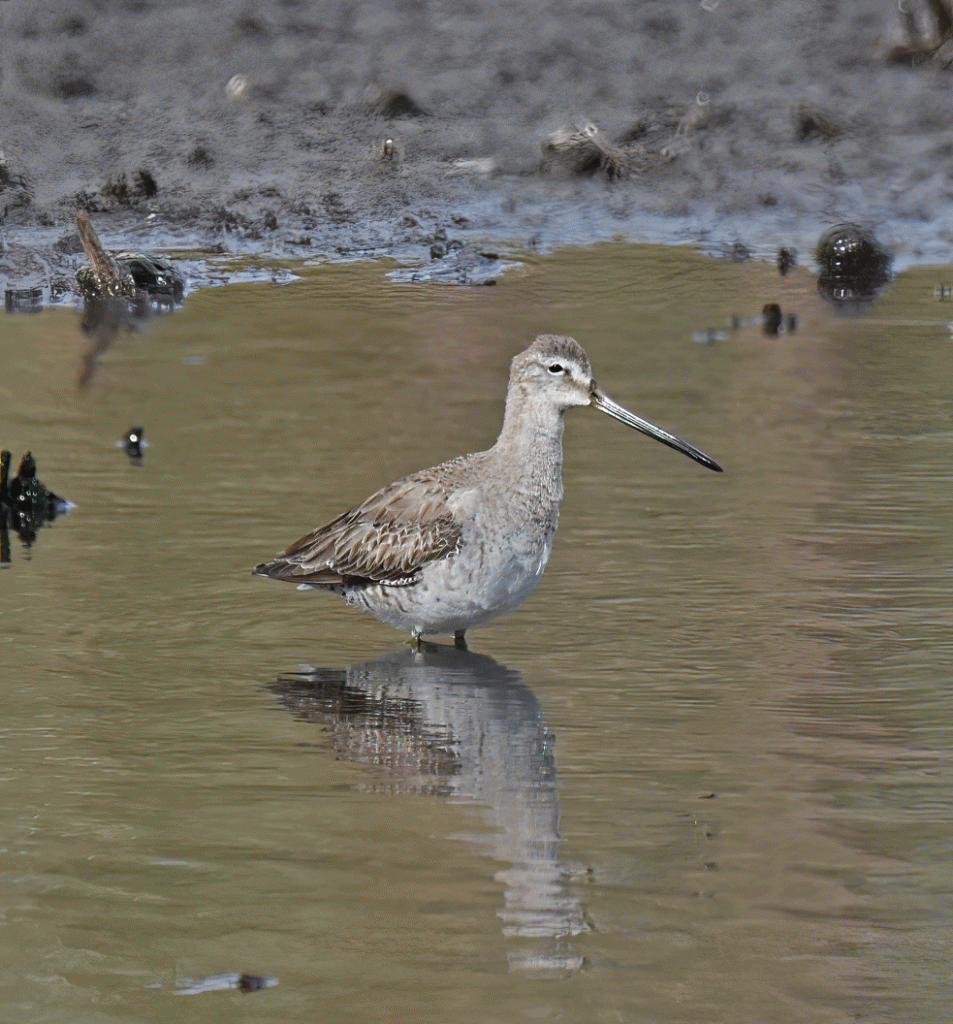
This next section shows the photos of the birds that we saw at Sweetwater Wetlands. On March 6, there was a lone Long-billed Dowitcher. They are rather drab coloured when they are in non-breeding plumage. The name “dowitcher” is probably of Iroquoian origin.
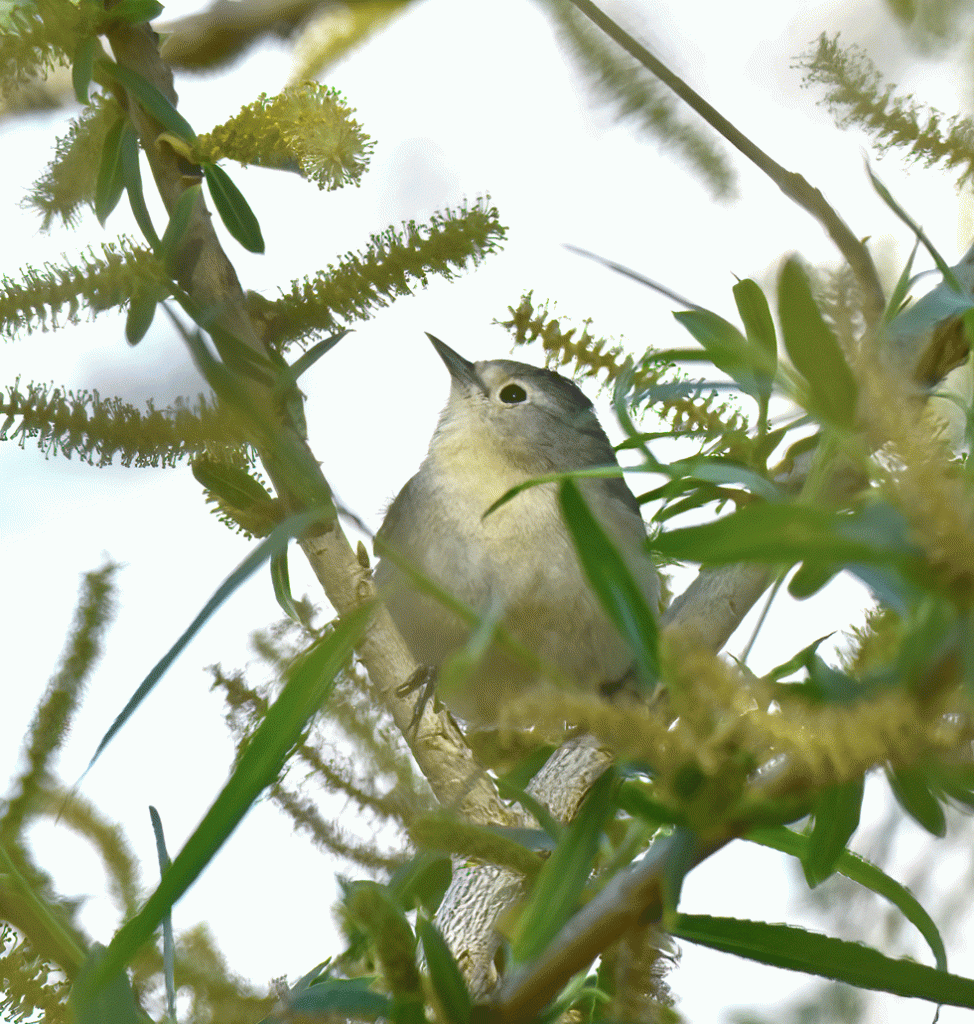
By March 13, we saw our first Lucy’s Warbler. Over the next couple of weeks, more and more arrived. This drab warbler has a beautiful song and breeds mostly in Arizona.
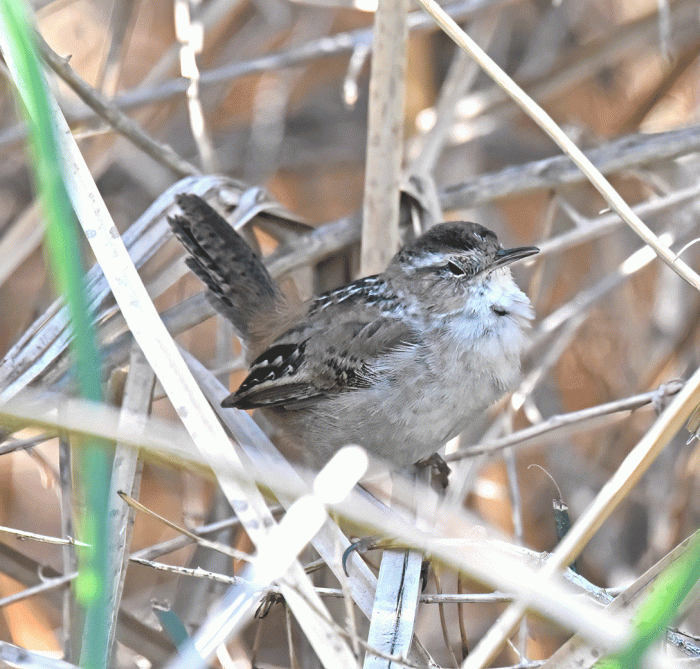
We often hear the Marsh Wren’s gurgling, rattling song but it is usually difficult to see one. It’s even more special to see one that isn’t obscured by reeds.
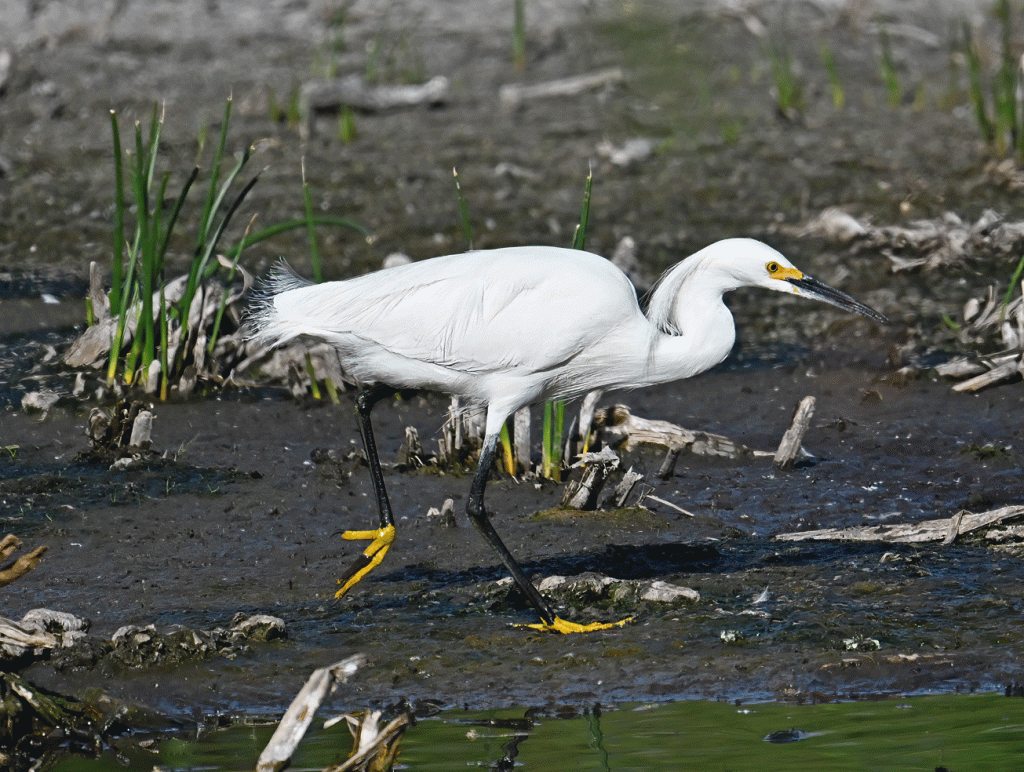
We have seen many Snowy Egrets this month. This photo shows their distinctive yellow feet.
We could have used this photo as a quiz: “Find the Least Sandpiper,” because their colouring is so close to their mudflat surroundings. However, in real life they scurry here and there, so it’s easier to see them.

We’ve posted a number of photos of Wilson’s Snipes in this blog, and here’s another one with a reflection. This species has a boldly striped back. Notice the bold bars on its sides.

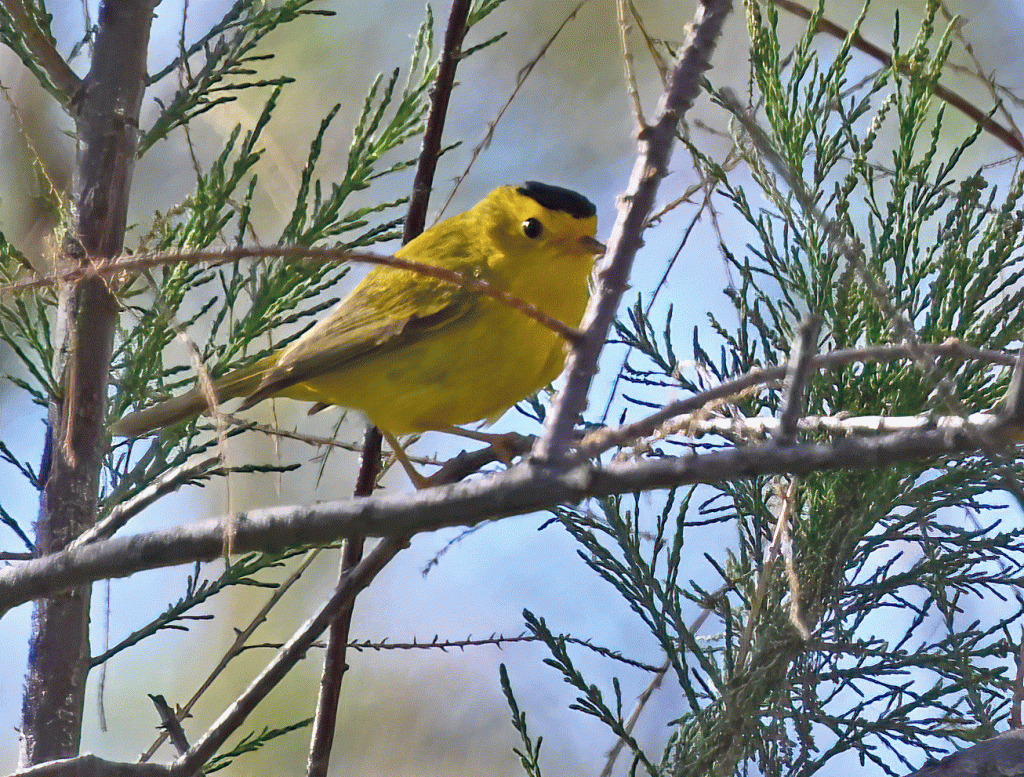
Wilson’s Warblers have been plentiful this spring. Here’s a photo of a male with his cute little black cap.
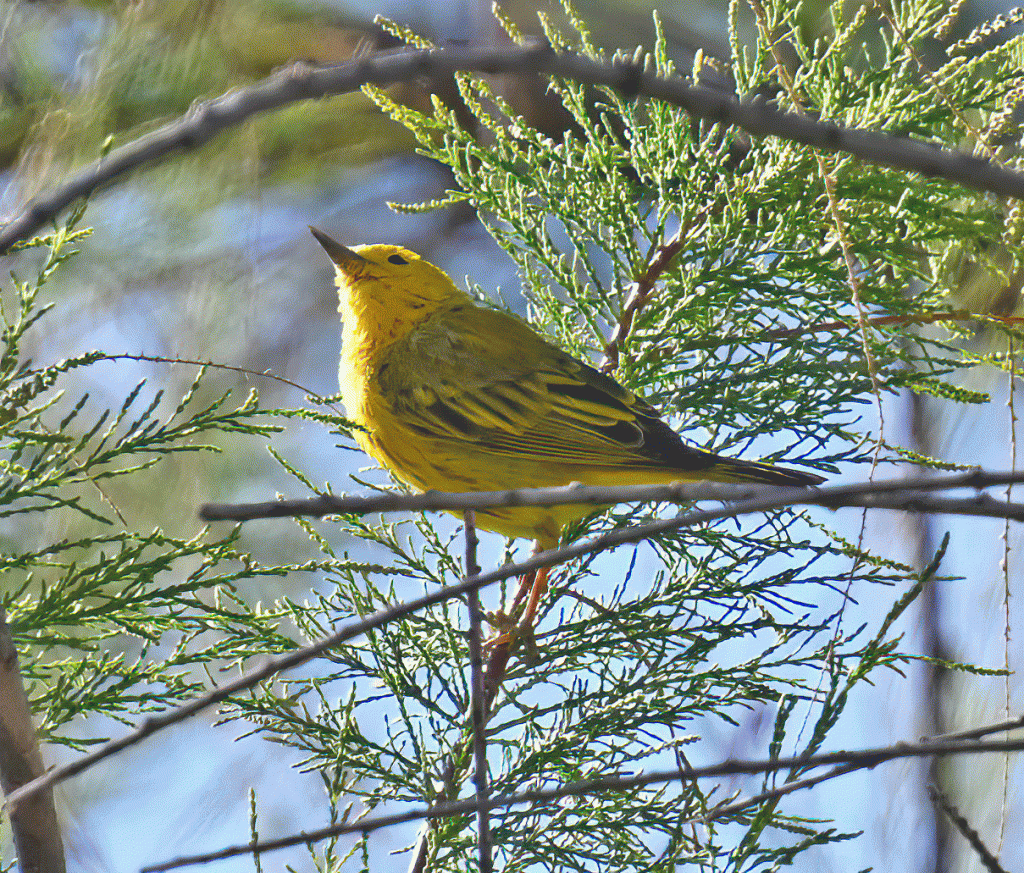
This male Yellow Warbler has reddish streaks on his breast. On March 28th, we heard eight of them singing, but only saw a couple. The continuing puzzle for us is: “How is it that we can’t see a bright yellow bird in a tree?”
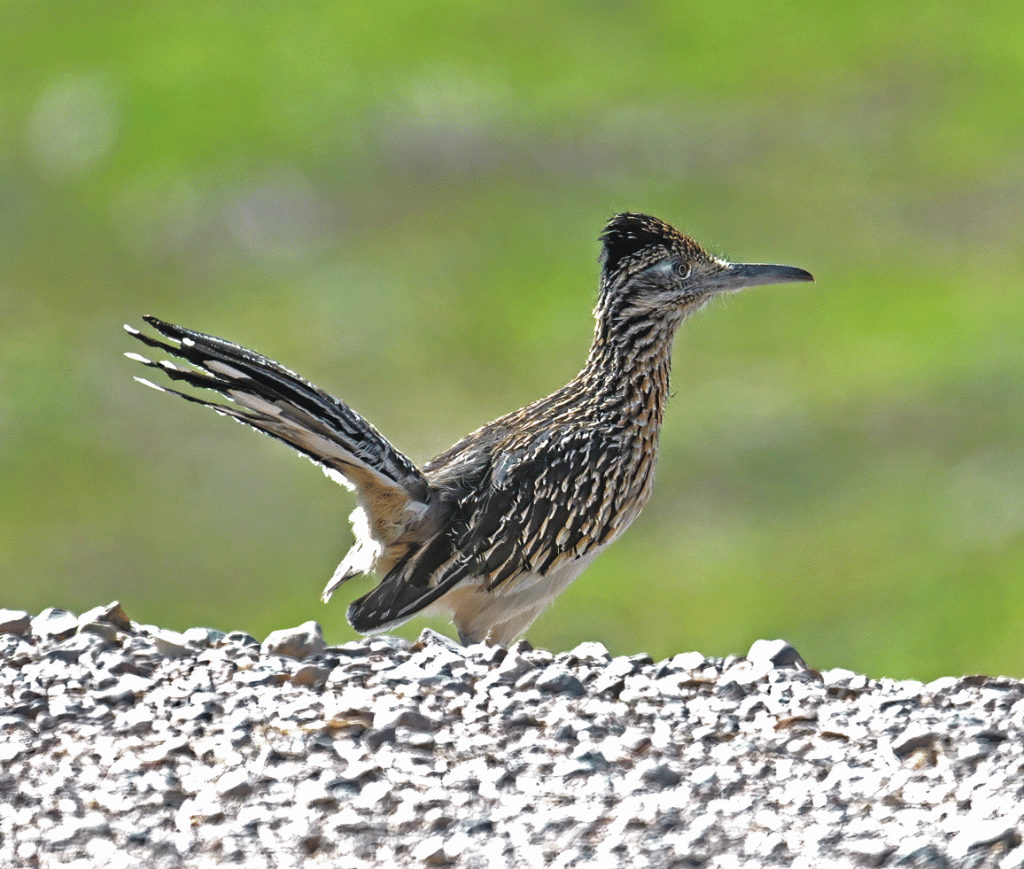
Here’s a Greater Roadrunner photo, one of several that we have posted over the years. Roadrunners often raise their tail high then slowly lower it.
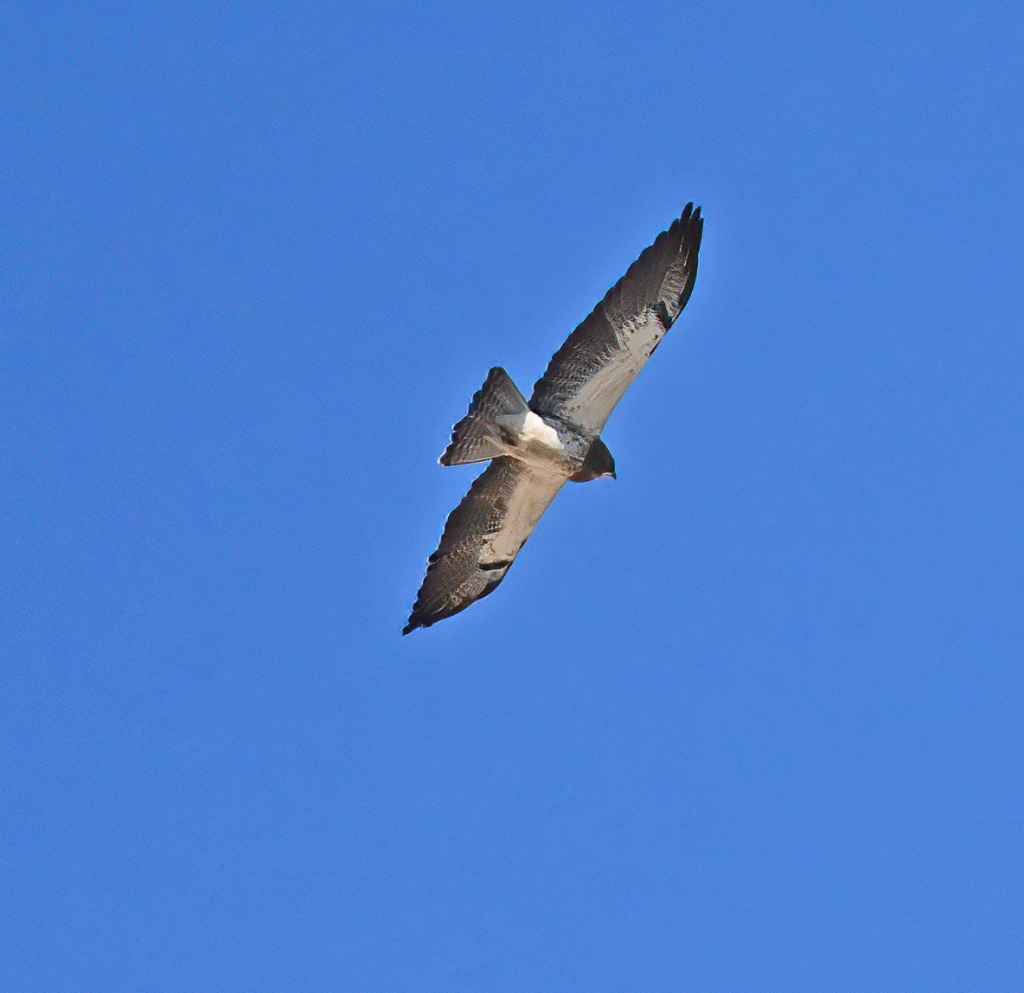
Swainson’s Hawks are migrating and we were lucky enough to see one fly overhead while we were at Sweetwater Wetlands. This is a light morph adult.
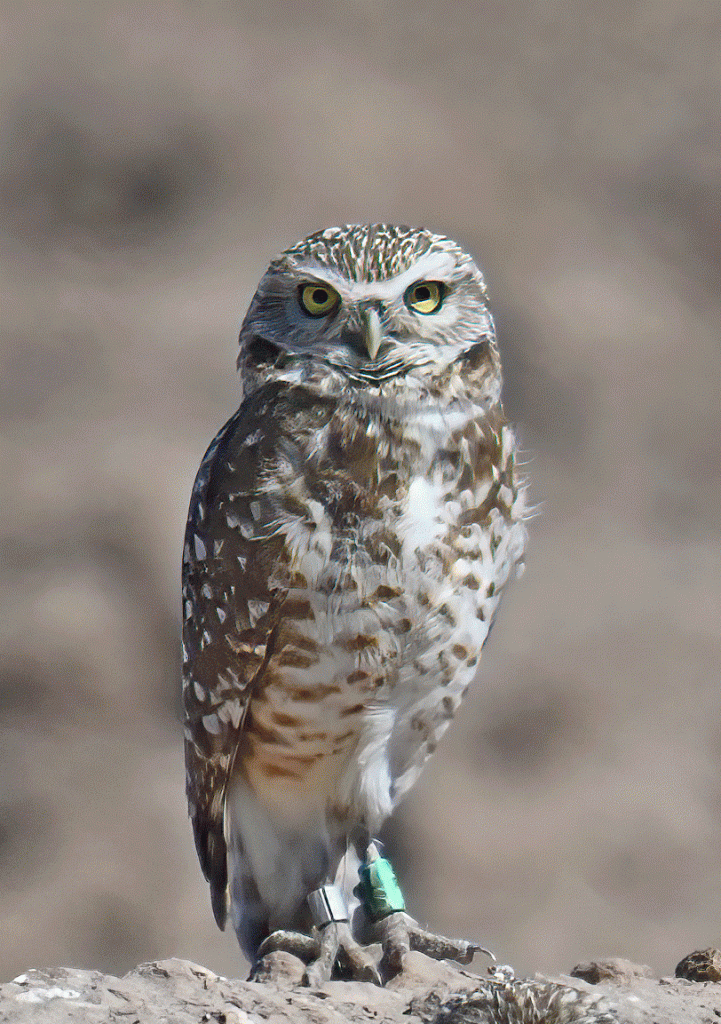
We saved what we believe is the cutest bird photo for the last. It’s the first photo that Doug has of a Burrowing Owl that shows the bands on its legs. This one was living alongside a road beside a field in Marana. The others that we saw the same day we perched beside man-made burrows on another road about 800 metres (half a mile) away. The leg bands are used to monitor the birds.
March was another busy month for bird-watching for us. We submitted over fifty checklists to eBird – at least one a day.
April is shaping up to be a busy month as well. More migrating birds are arriving and we are also making a road trip to Texas to see even more birds. Our next blog will be available sometime in May.
 Travels with a Fox
Great pictures!
LikeLike