We saw and photographed a lot of birds in January; so many that there are two blog posts to cover them. One of our goals this year was to get better at identifying the “LBJs” or “Little Brown Jobs,” a term that we used before we were “birders.” This post will focus on the sparrows, longspurs, and buntings that could be considered “LBJs,” as well as other brownish bigger birds.
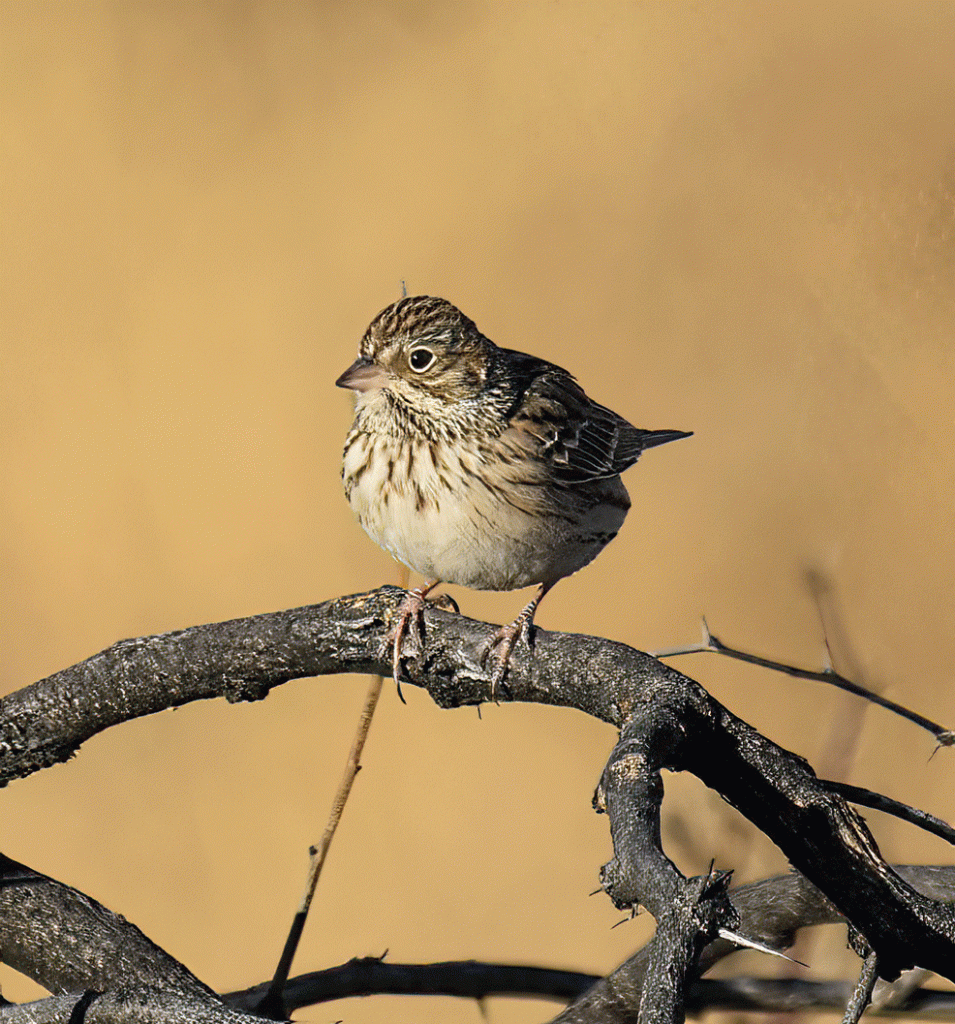
We saw Vesper Sparrows in many locations, but they seemed to be most plentiful in the Sonoita grasslands. Many times we wouldn’t get a good look at a stationary bird, but would recognize its white tail feathers as it flew away. This Vesper Sparrow was more cooperative.
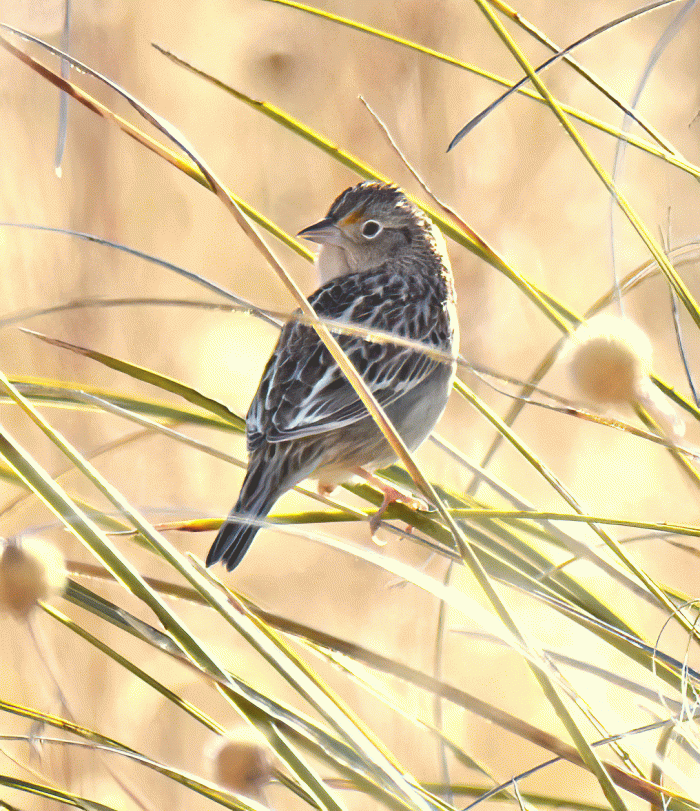
We also saw this Grasshopper Sparrow in the same grasslands. They are found year-round in parts of SE Arizona, and there were several in the same field. We’ve only had a glimpse of one in the Okanogan back in BC.
We also saw Brewer’s Sparrows in many locations, but they seemed most prevalent at Canoa Ranch Conservation Park, where we estimated there were over 75 in a small area. It is a dainty sparrow, and looks even smaller when viewed beside the larger White-crowned Sparrow which shares the same habitat.

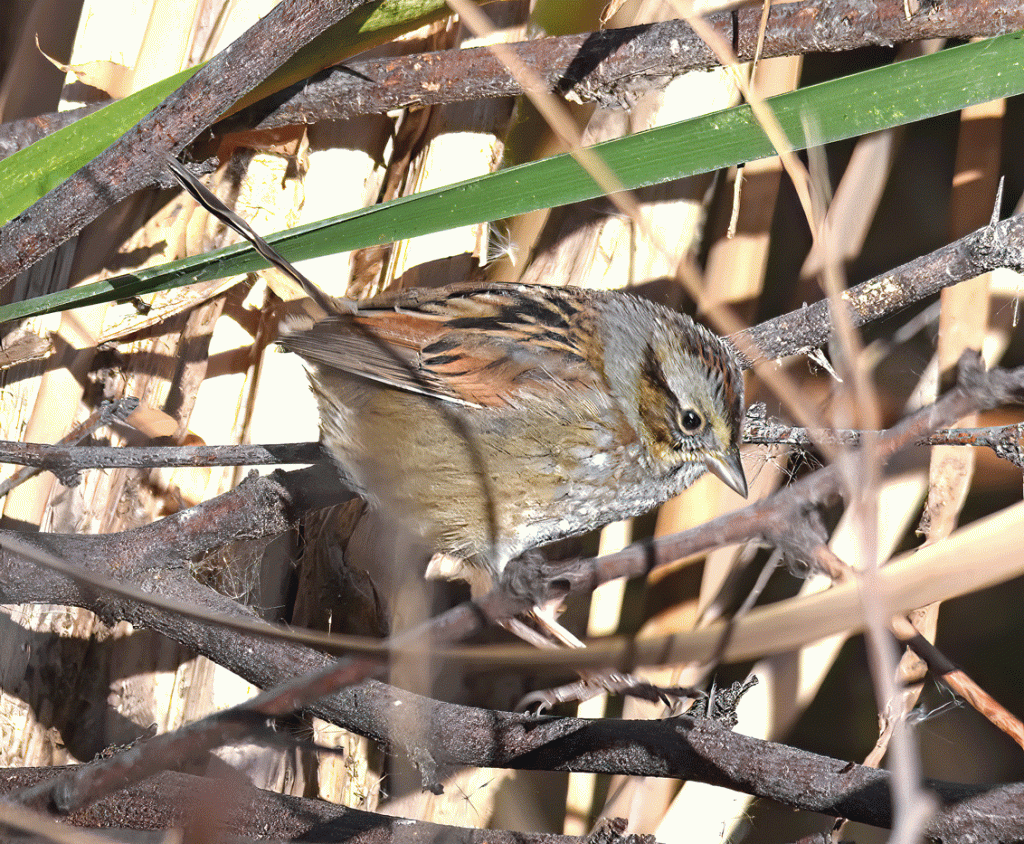
We made a trip across Tucson to Lakeside Park in order to see this Swamp Sparrow. Because it is a rarity, other people were also looking for it. We met one birder who directed us to where she had just seen it, then helped the next birder who came along get his eyes on it. Sometimes it’s hard to see a “special” bird, sometimes it’s easy. True to its name, it was frequenting a swampy spot along the lakeshore.
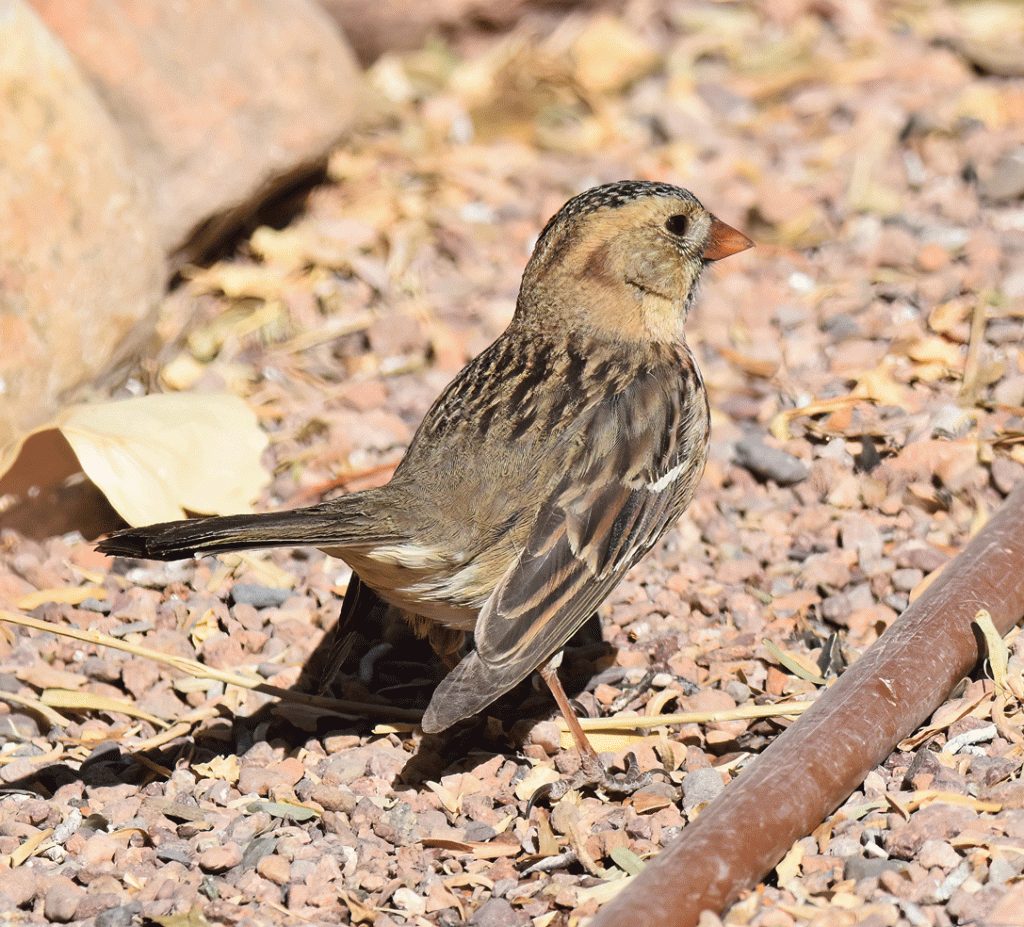
We travelled quite a bit farther to see this Harris’s Sparrow. It was out of its normal winter range (which is Texas, Oklahoma, Kansas and Nebraska) and had found a comfortable place with feeders at San Pedro House near Sierra Vista. We saw it on the same day that we travelled to see the Sandhill Cranes (next post), so we figured that since we were more than half-way there, a few extra hours was worth it to see a “lifer.”
A Baird’s Sparrow, while not considered “rare,” is a difficult bird to see. It spends its summers in the grasslands of southern Alberta and Saskatchewan, where we have seen it before, but we had never seen one close up. This one came down to the water of a cattle pond only ten metres away from where we were standing. It’s generally a solitary and secretive bird, so we were very happy that it was also thirsty.

A Rufous-crowned Sparrow lives year-round in the southern US, although it is uncommon on arid, rocky hillsides with patches of shrubs and grass. Our strategy of finding a water source and waiting, worked to give us good views of the rather large, stocky sparrow.
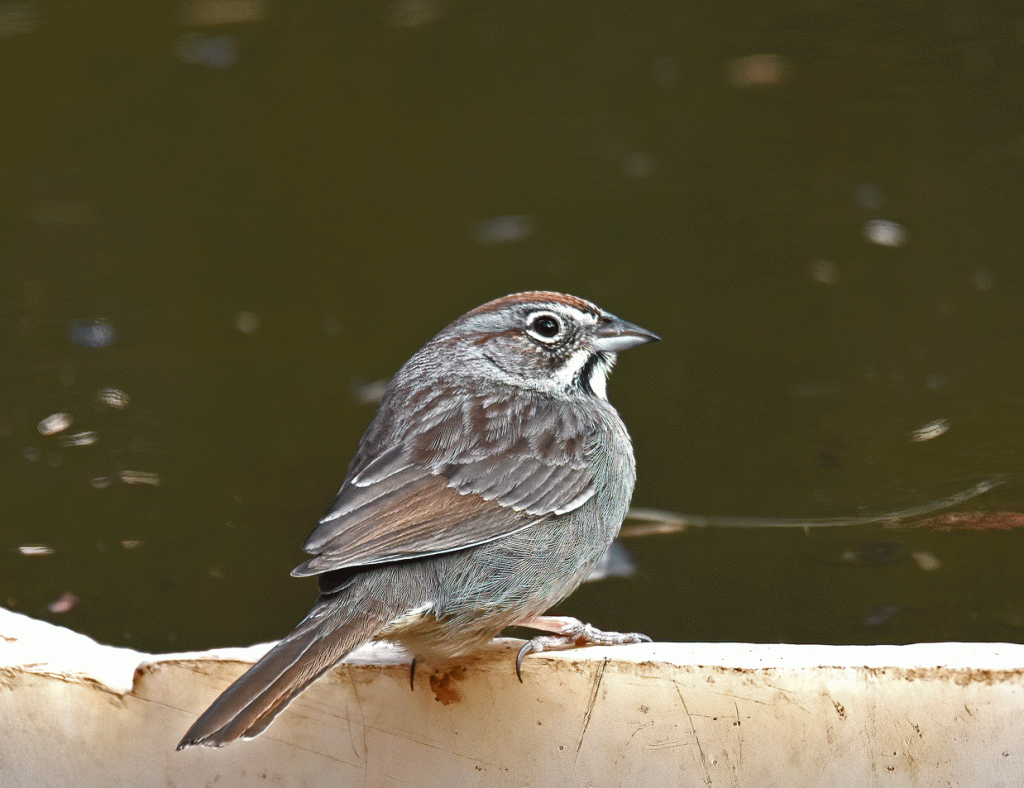
We also saw this Black-chinned Sparrow at the same water source. In non-breeding plumage, they don’t show a black chin and their face and small pink bill remind us of a Dark-eyed Junco. But from the back, their streaked back and lack of white tail feathers says, “sparrow.”

We saw the Rufous-crowned and the Black-chinned Sparrows up a gravel road in the foothills below the Sierrita Mountains near Green Valley.

At first glance, these female Lark Buntings look like sparrows. We now know to look for the broad whitish edges on their wings and their large bluish-grey bills. When they fly, there is a white patch on their wings and their tails have white tips, which is good for identifying large distant flocks.
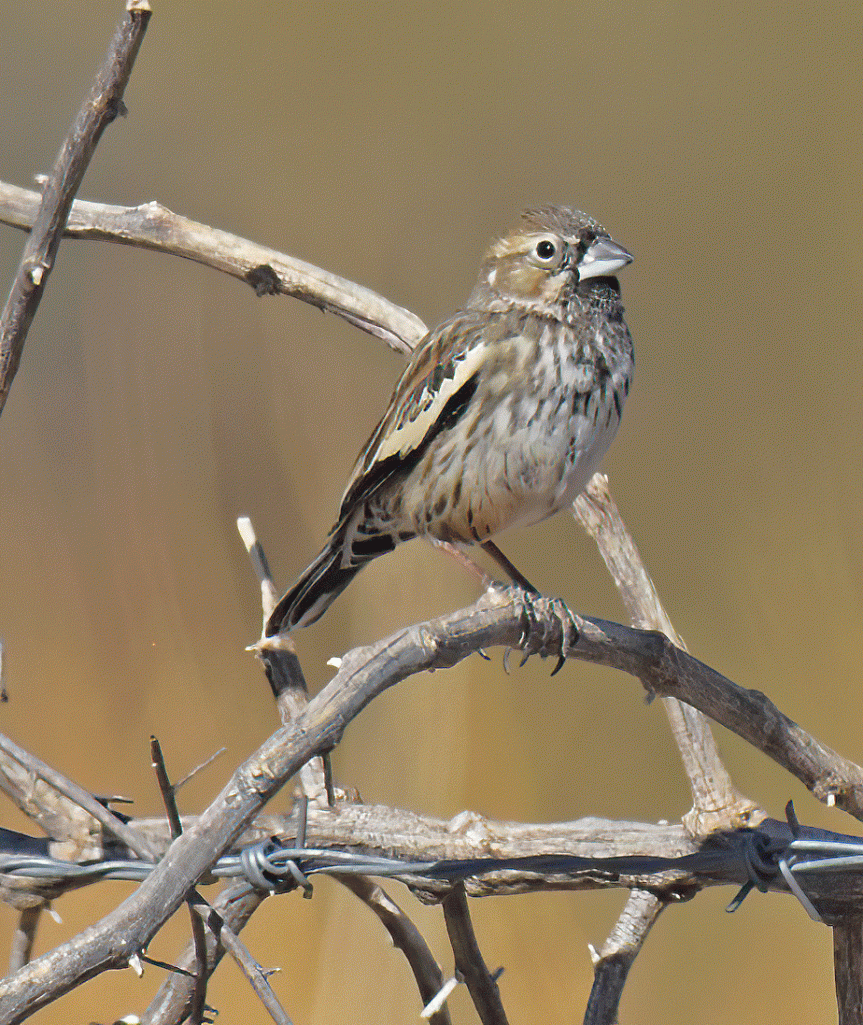
More Lark Buntings.

Longspurs used to be classified in the same family as sparrows, and they definitely fit into the “LBJ” category. It’s been a learning curve for us to identify longspurs. Usually it involves using a scope to scan a dry lakebed or bare dirt field. To add to the challenge, they share the same habitat as the beautiful but more common Horned Lark. And the flocks tend to scare easily; flying off, circling and landing somewhere else.
This group of Thick-billed Longspurs didn’t mix with the Horned Larks and tended to keep a bit to themselves. We were also with another pair of sharp-eyed birders. Four scopes is better than one! Thick-billed Longspurs are pretty drab when they are not in breeding plumage and look very much like the surrounding ground. The large pinkish bill is its most distinguishing feature, but you need to look pretty carefully.
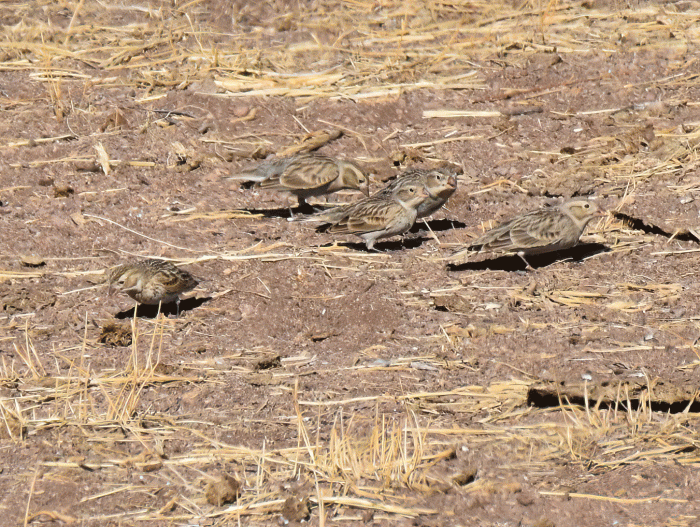
We were really happy that a flock of Chestnut-collared Longspurs landed close to the cattle pond, (same one as the Baird’s Sparrow) and even happier when one headed down the bank, allowing us to view it from below. This one was showing the dark belly of breeding plumage a bit early. There are some brownish-red (chestnut) feathers on the back of its neck.

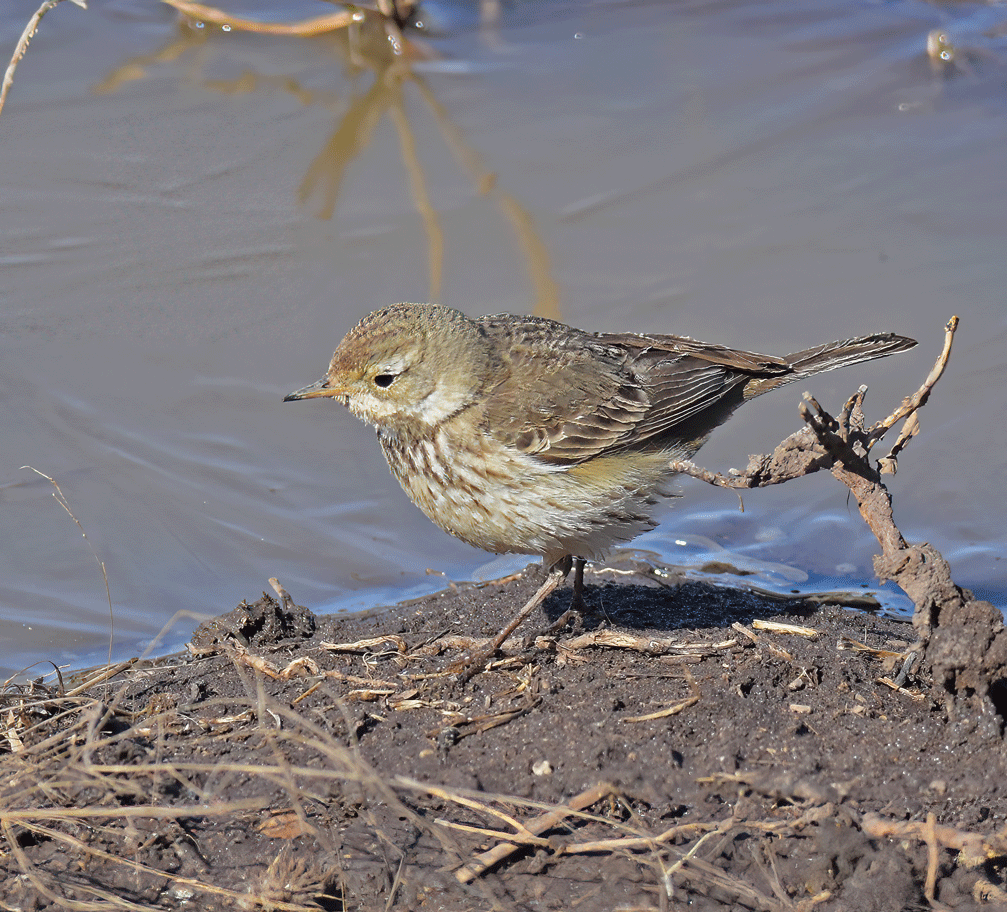
At this same cattle pond (Smith Canyon and Corral hotspot), we got good views of this American Pipit, that walked along the shoreline just in front of us. We also saw the rarer Sprague’s Pipit, but it landed way across the pond and flushed after a few minutes.
This Chihuahuan Meadowlark also came to drink at the same pond. It’s the brightest bird in this blog post, but has more white than a Western Meadowlark.

We travelled to Willcox to see the Sandhill Cranes (next blog post) and Mountain Plovers had been reported nearby. So we loaded in the GPS coordinates that were provided by a competent birding friend and drove to that spot. At first, we saw Sandhill Cranes in the distance, but the fields nearby looked barren of any wildlife. We continued scanning in all directions and Doug spotted two Mountain Plovers quite close to the road. The birds moved even closer and Doug was able to capture this photo. Mountain Plovers winter on dry barren ground, smooth dirt fields and shortgrass prairies. The world population of the species is only 20 thousand.
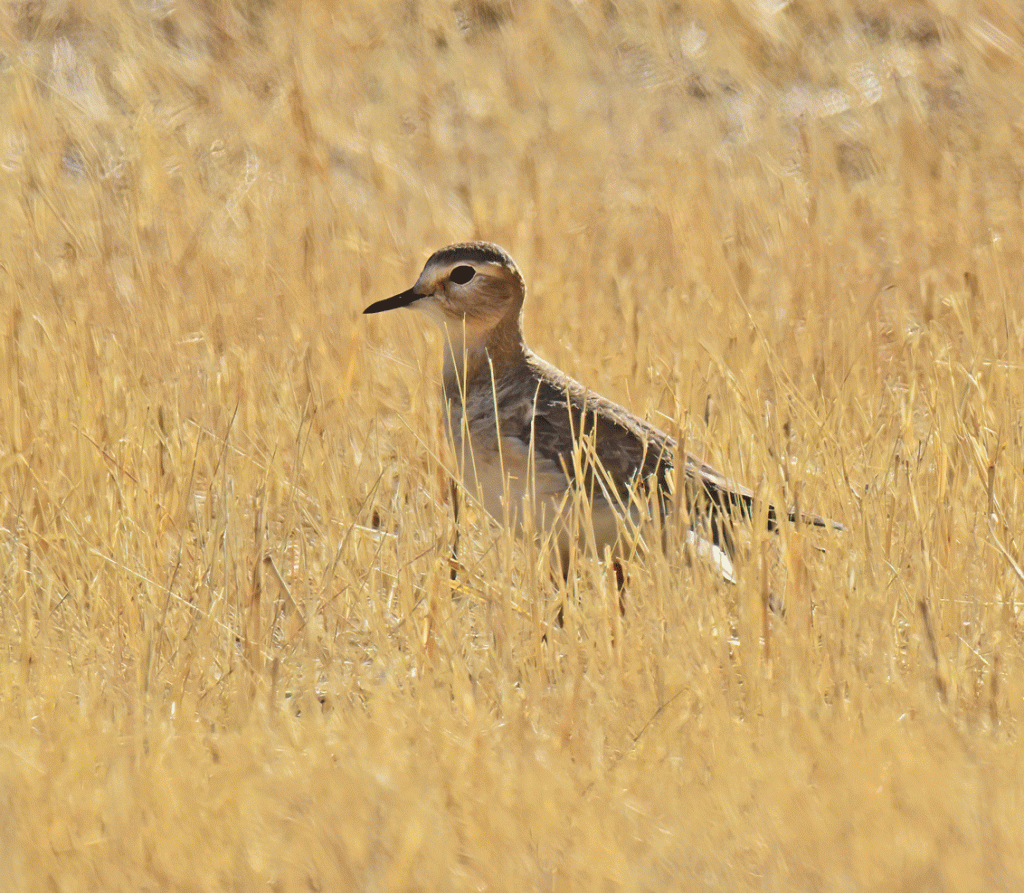
You might be able to make out the splotches that are Mountain Plovers in the golden dry grass in the photo below. You can understand why binoculars and a telephoto lens are essential.
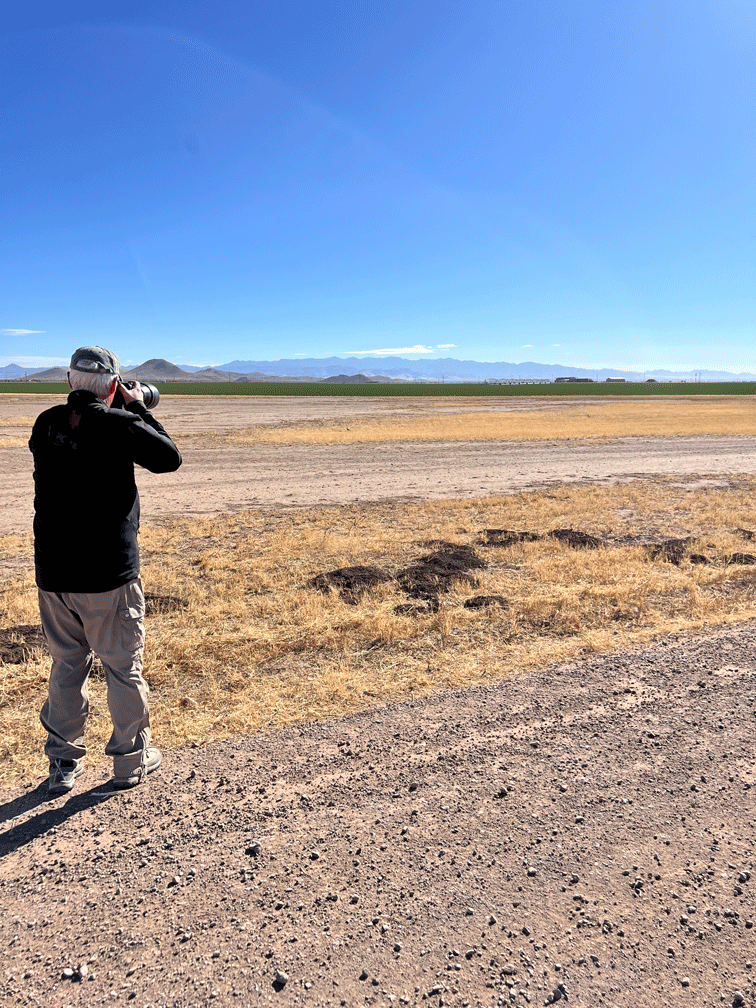
When Wendy attended the quilt show, Doug went birding at La Posta Quemada, where this Canyon Towhee posed nicely in the sunshine. Towhees are in the sparrow family and can be found hop-scratching to kick leaves back to uncover seeds.

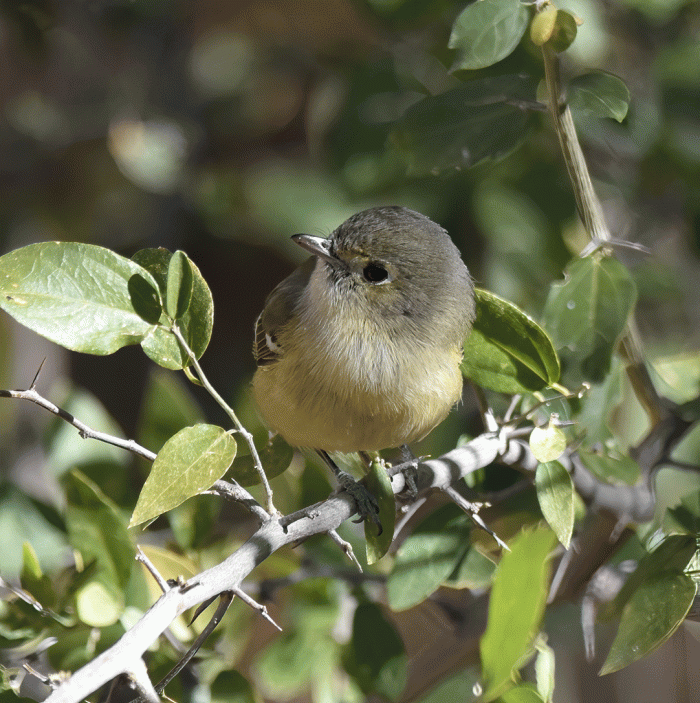
He also photographed this Hutton’s Vireo, which looks a lot like a Ruby-crowned Kinglet, but stockier. The photo shows its thicker, slightly hooked bill.
We see plenty of Hammond’s Flycatchers when we are in BC, but often they are near the top of tall trees. This one perched a little closer to the ground.
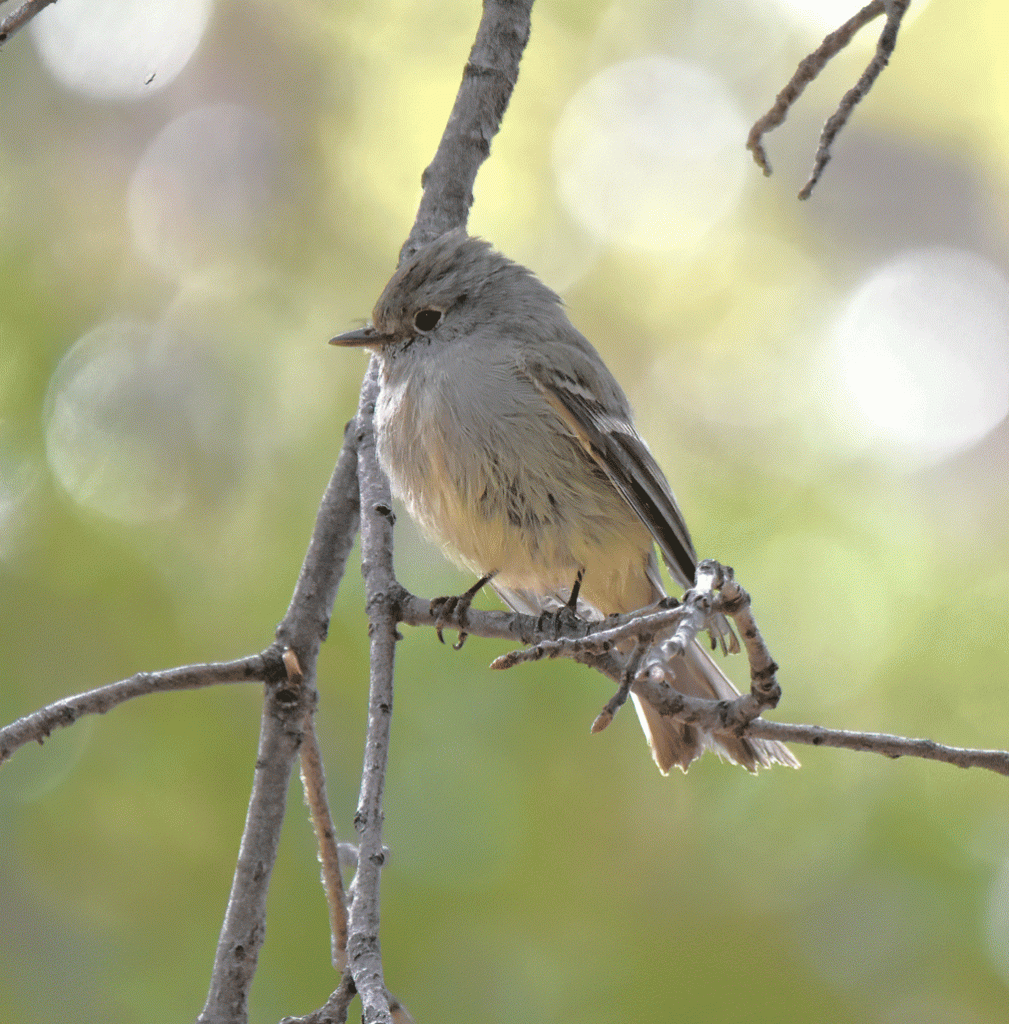
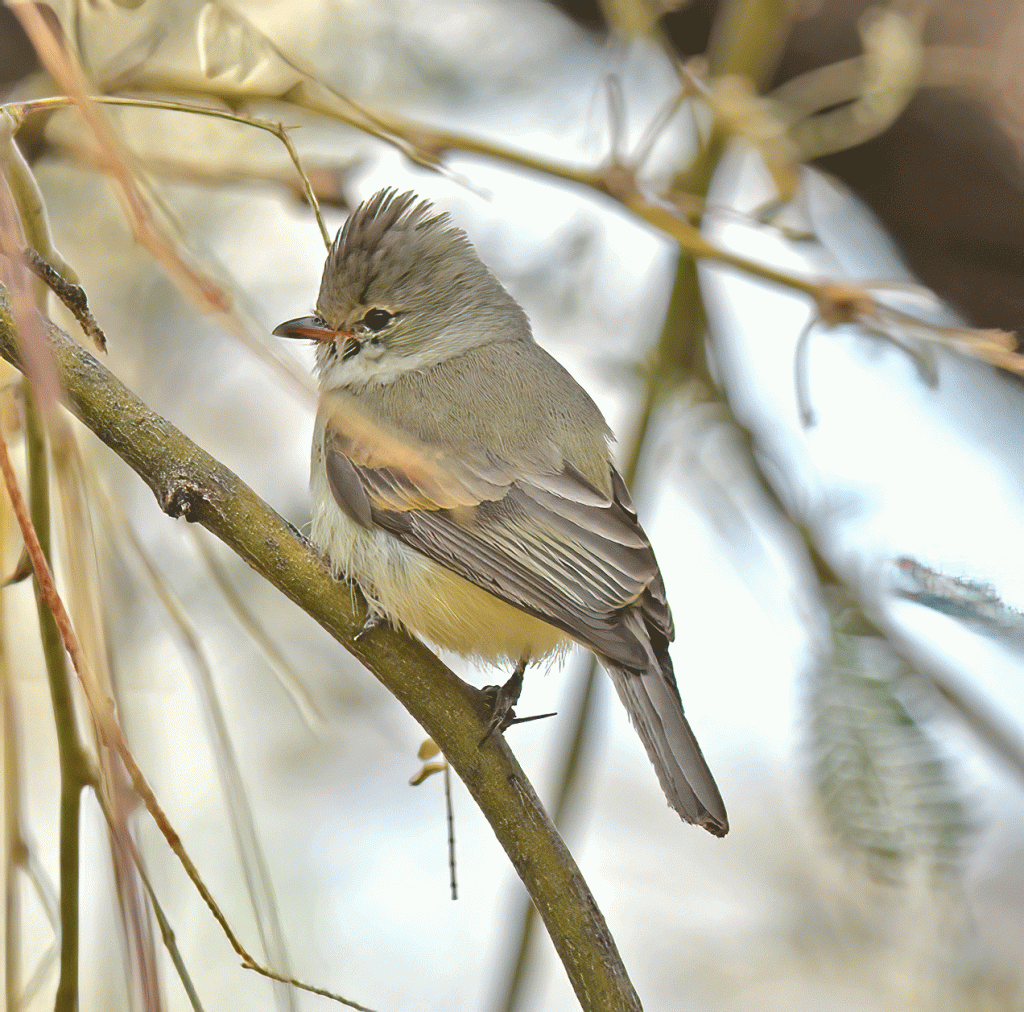
The Northern Beardless-Tyrannulet looks similar to the Hammonds’s Flycatcher except that it is smaller and often shows a ragged crest. The orange at the base of its shorter bill is also a distinguishing feature. Its wingbars are drab and not as obvious as on the Hammond’s Flycatcher.
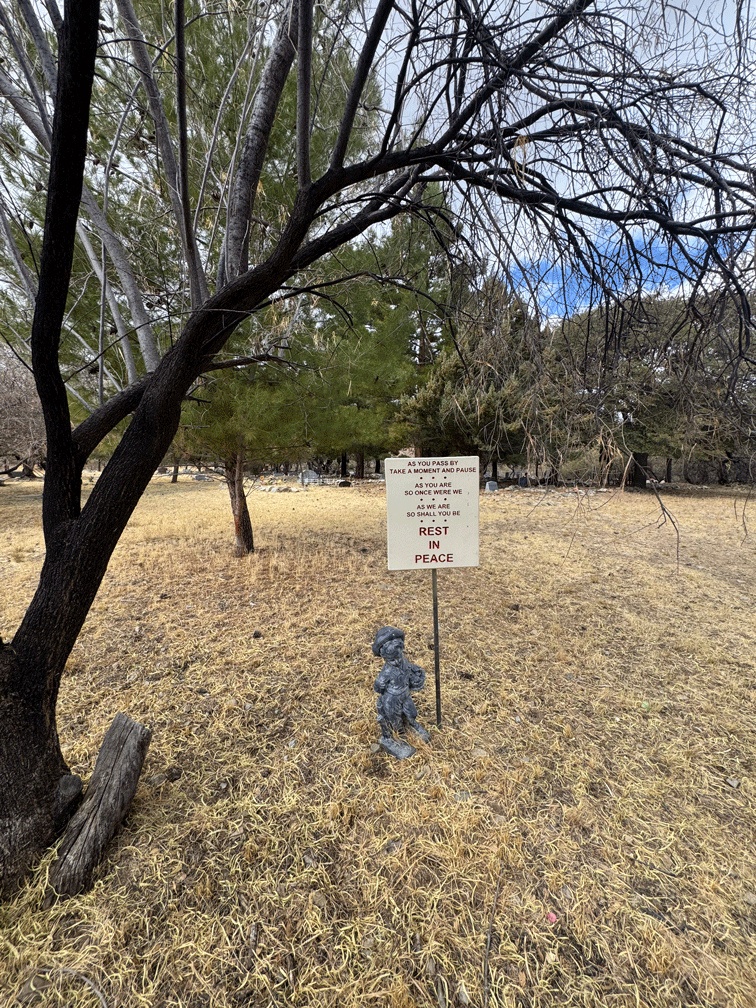
This is a view of the small Magee Ranch Cemetery where we saw the flycatcher and the beardless-tyrannulet. Non-native conifers have been planted between the graves, creating a mini forest in the arid surroundings. It was unusual for the two species to be in the same environment, because Hammond’s Flycatchers usually choose a mature conifer forest, while the Northern Beardless-tyrranulet is found in lowland riparian woods.

Here’s another view of the small cemetery.
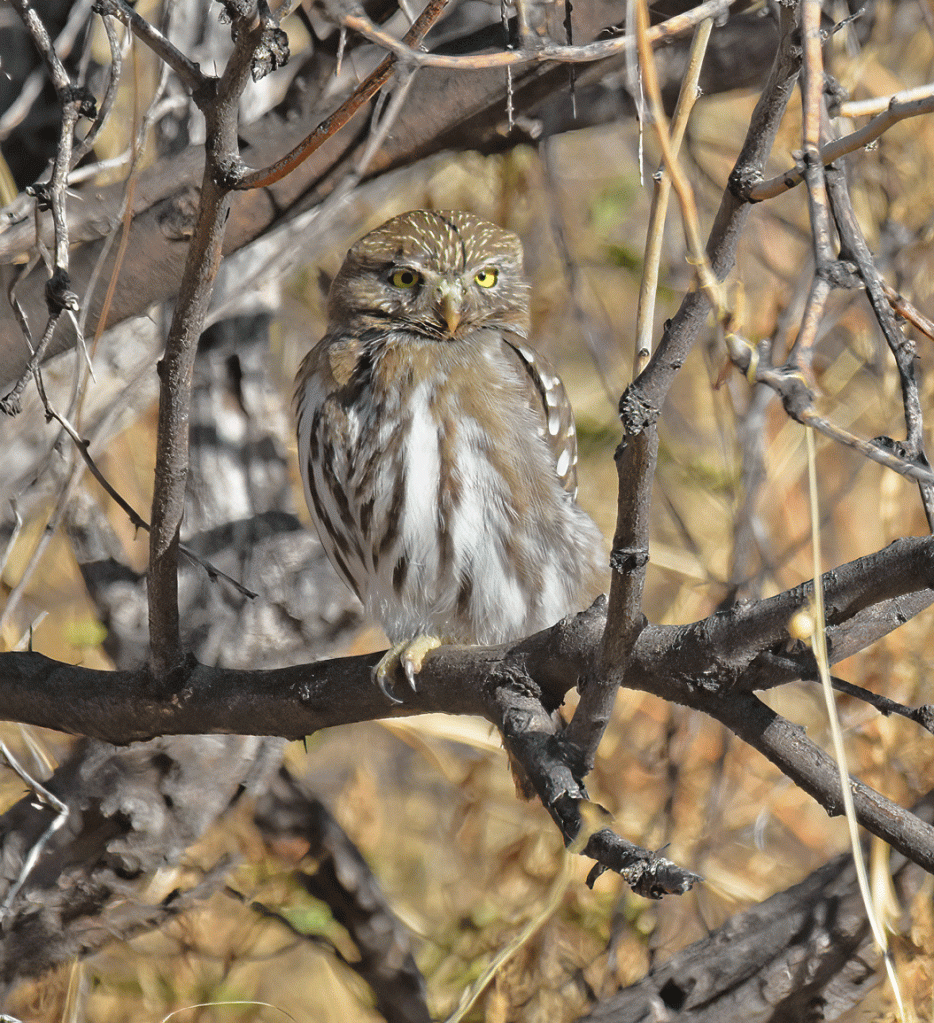
We were really lucky that this little Ferruginous Pygmy-Owl decided to hoot, because we would not have known to look for it on its perch in a tangle of branches. They are very similar to the Northern Pygmy-Owl, but more orange-brown.
Rich, Mary and Doug are waiting for it to open its eyes again in order to get another photo. It’s in one of the bushes on the hillside.
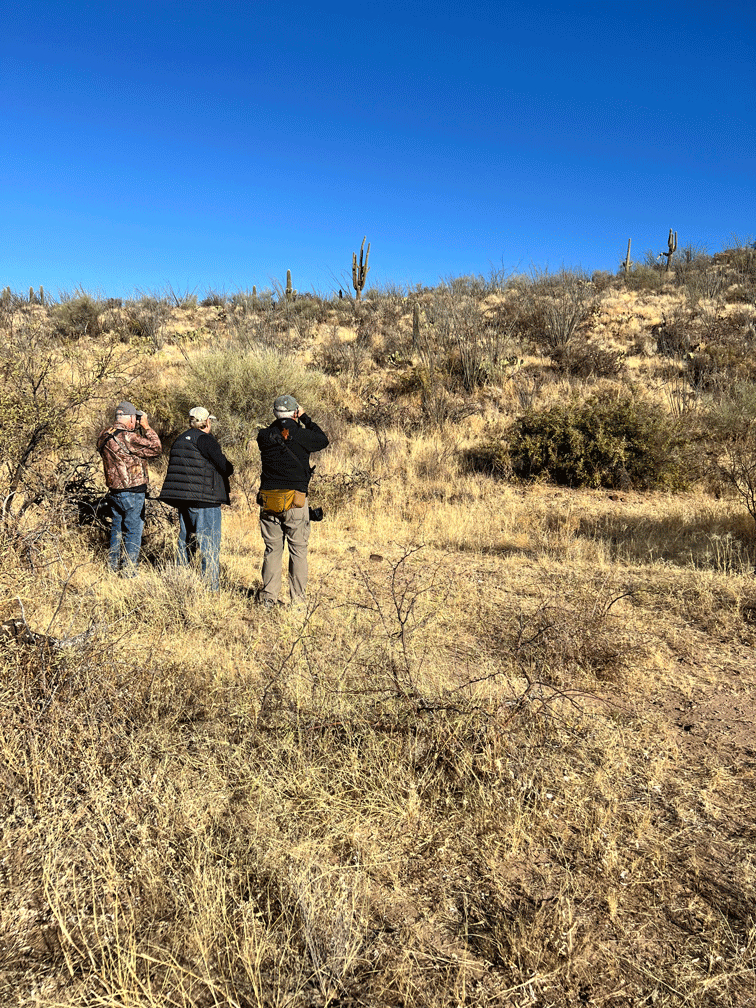
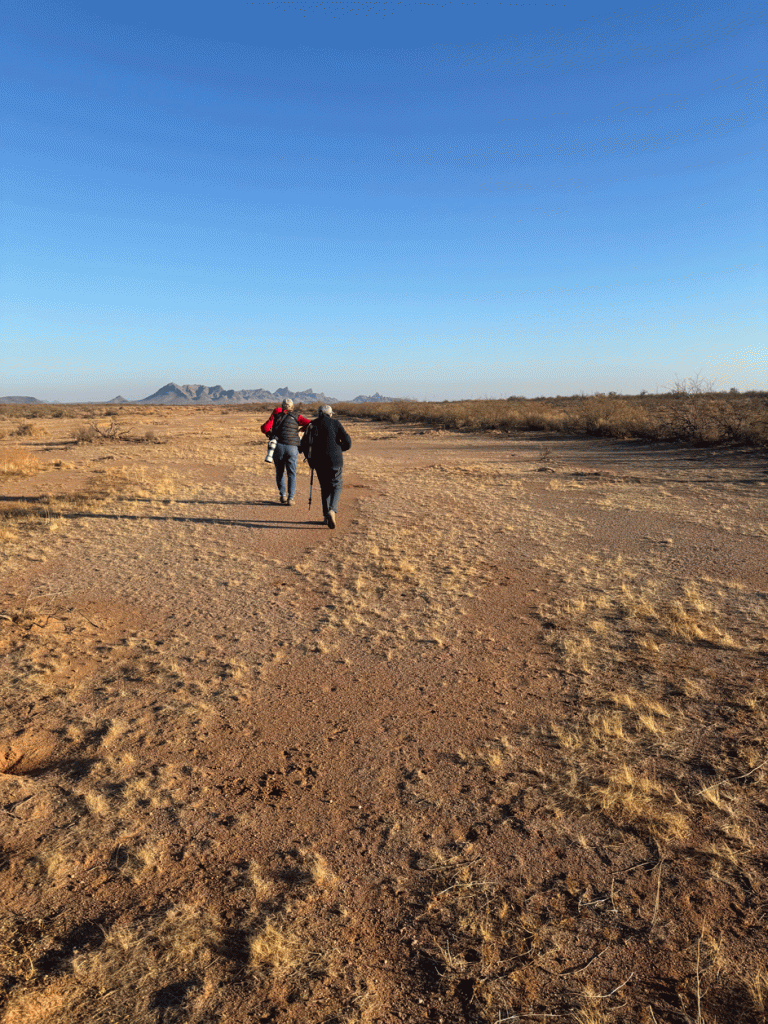
Mary and Elaine joined us for a “thrasher hunt” on some salt flats north of Tucson. In the photo below, they are heading over to where they saw some Sagebrush Sparrows in the early morning light.
We got a pretty good look at this Crissal Thrasher. It’s a bird that we don’t see very often, but we were hoping it was a LeConte’s Thrasher. The dark rufous undertail and the light iris confirmed it was a Crissal, and the photo really helped us to be sure.

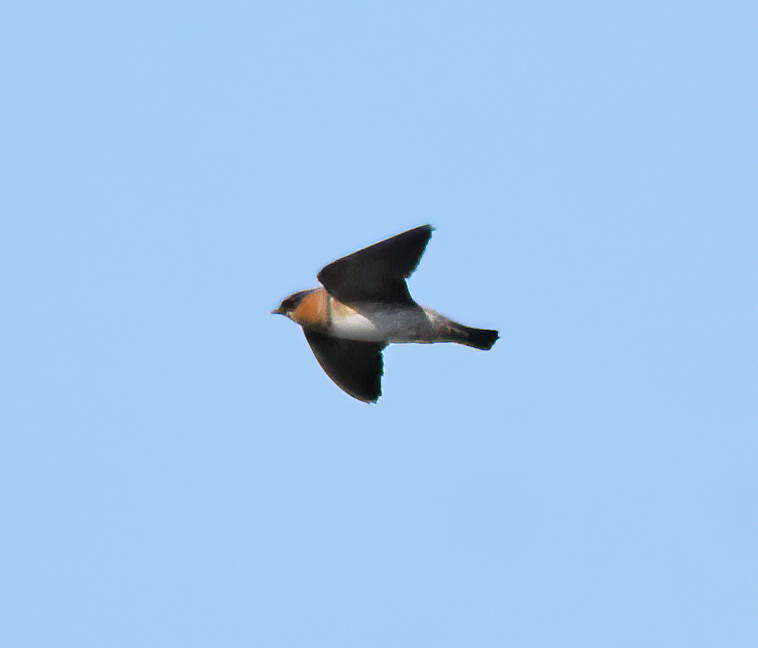
That same day, we headed even farther north and then west to the Gila Bend Sewage Ponds because a rare Cave Swallow had been sighted there. When we arrived, the swallow had just flown off, but it didn’t take long before it was back. Doug used one of his focusing tricks to take a photo of the bird as it dipped and dived over the water. The dark forehead and peachy throat create a dark-capped appearance unlike any other swallow.
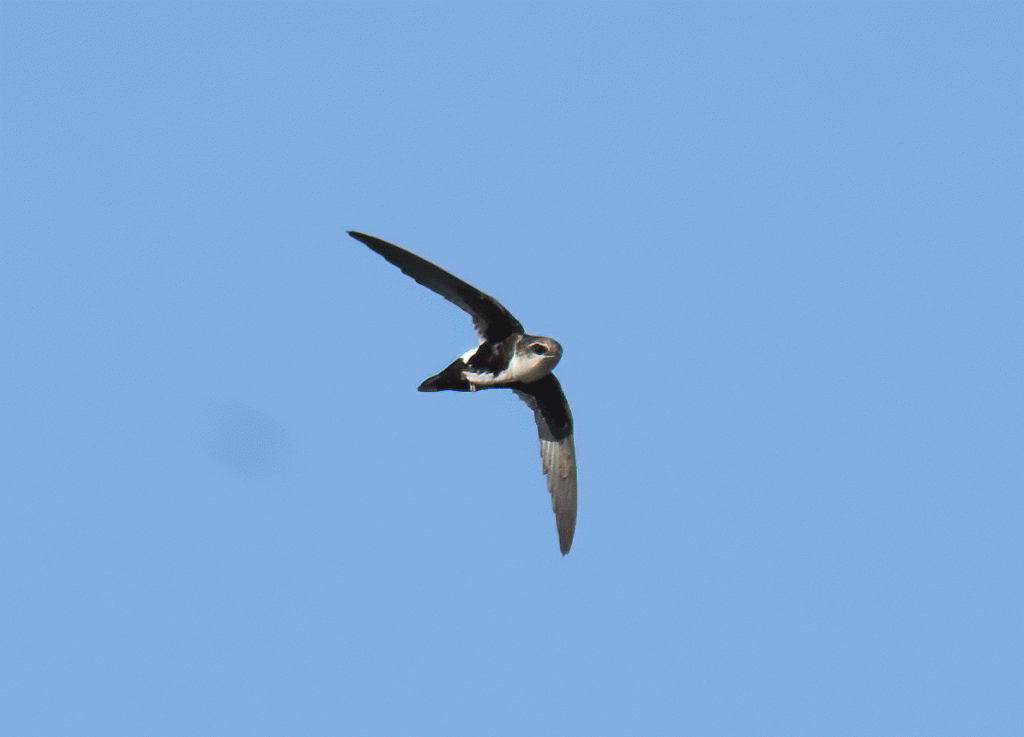
There were also several White-throated Swifts that flew over the ponds. Usually we see them high in the air near rocky cliffs, too far away to photograph or we’re hiking and only have our cell phone cameras.
This blog post included some of the drabber birds that we saw in January, but they were all interesting birds. Part 2 has the flashier ones and will be posted soon.
 Travels with a Fox
The black thinned sparrow and the Hutton’s vireo are so cute. I always enjoy see pygmy owls. Thanks for sharing.
LikeLike