
This blog post will focus on selected photos of all the other birds we saw in January, grouped by location.
On January 1st, we started the new birding year at Sweetwater Wetlands. There are many species that call the wetlands home, and it doesn’t take us long to get there. We met several other birders with the same idea. The ponds were filling up after being drained in the fall, but there were still plenty of shallow spots and mudflats. We saw four Wilson’s Snipes which is the most that we have ever seen there.

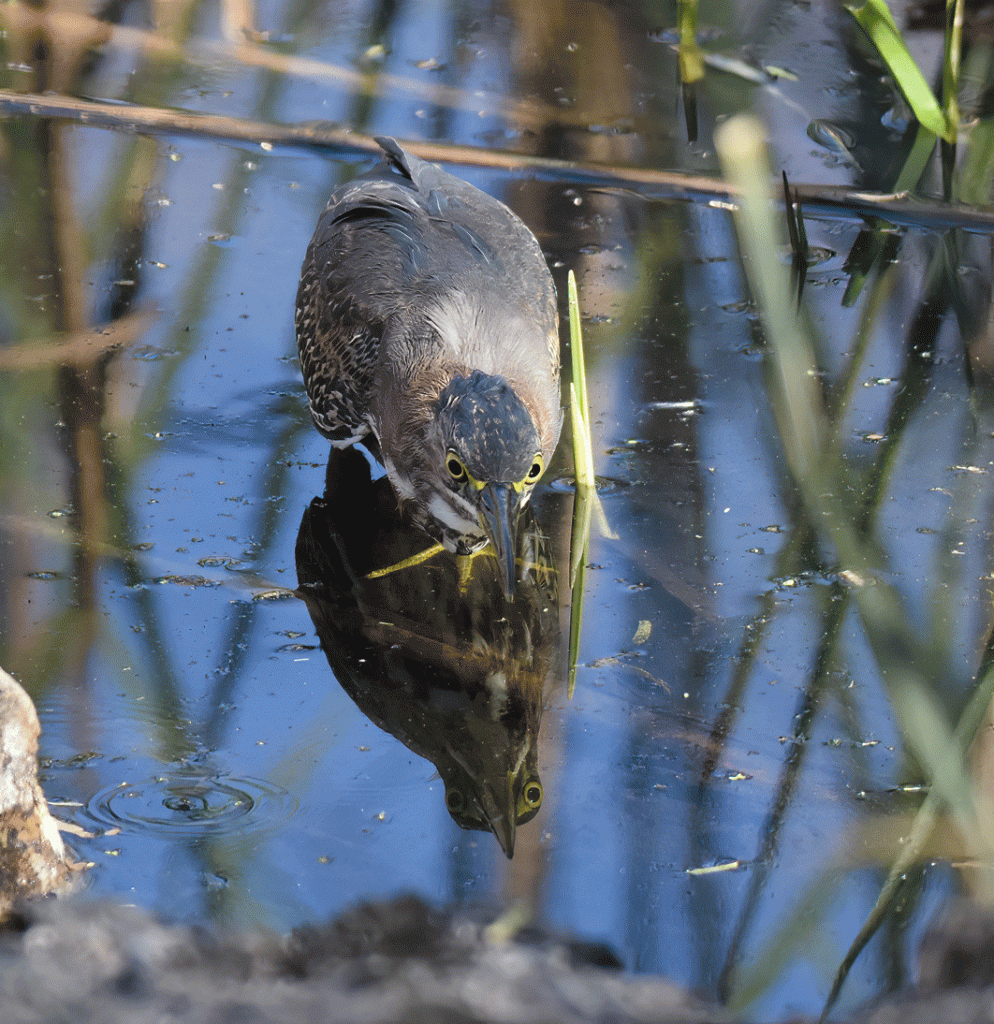
This Green Heron was poised to catch its dinner, although it looks a little like it is practicing its “scary look” in the water’s reflection.
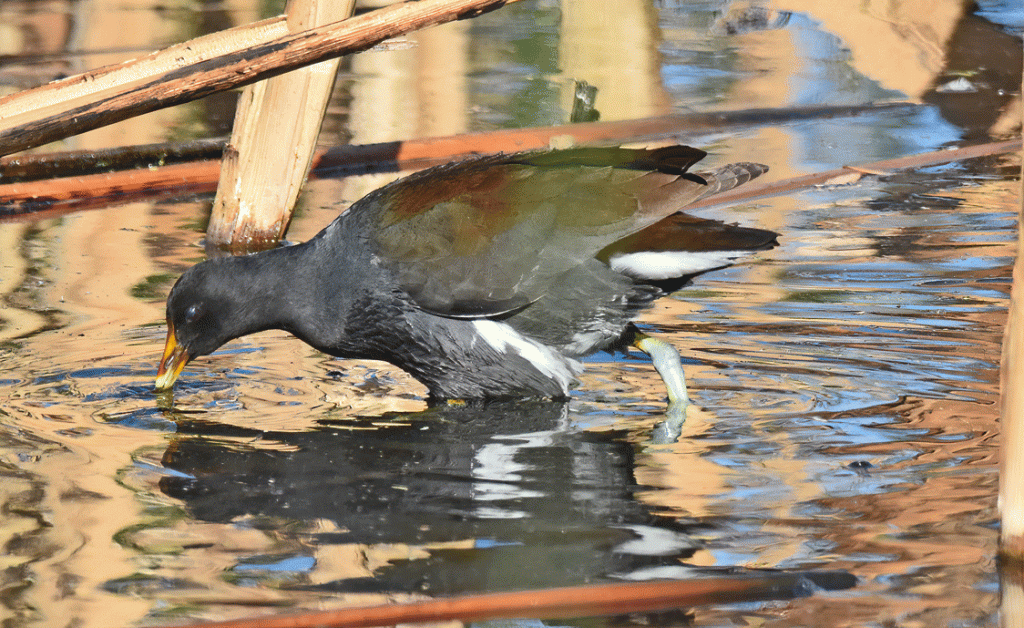
This Common Gallinule is starting to develop the red shield on its head. It should be in fully breeding colour by February. They are in the same family as the more abundant American Coot.
We often see a Cooper’s Hawk at the Sweetwater Wetlands. This one is immature, so it is still brown and streaky.

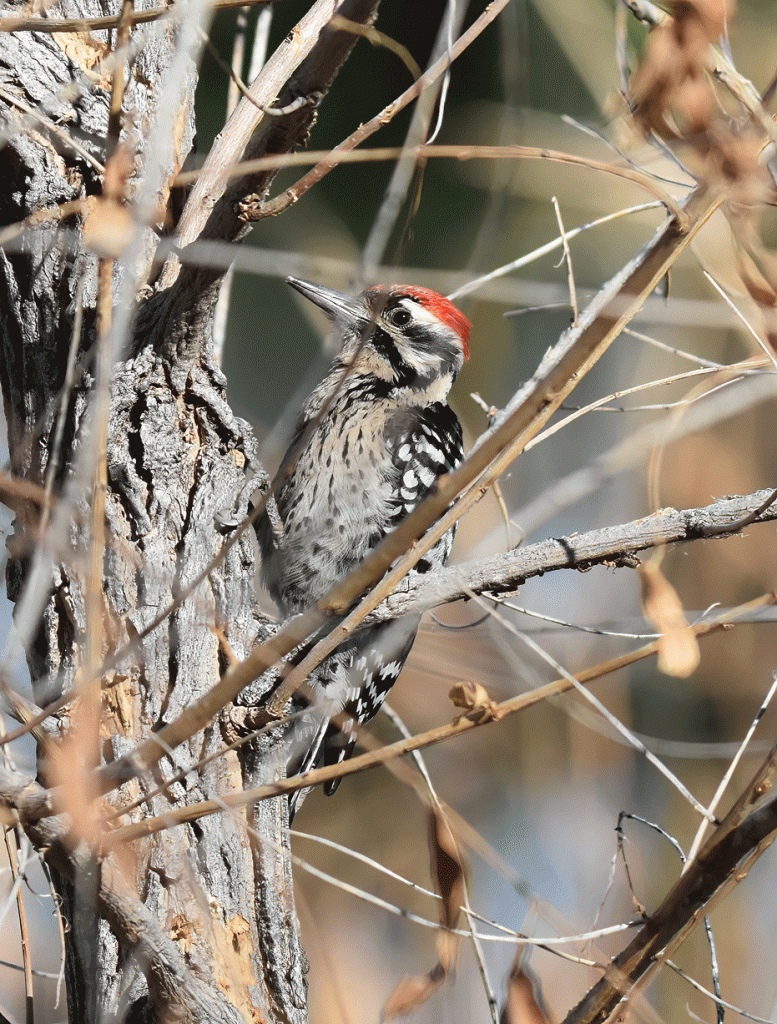
The Ladder-backed Woodpecker sounds a lot like a Downy Woodpecker but is a bit bigger, with a longer bill and barring on its back resembling a ladder. The two species ranges hardly overlap, so when we hear a “pwik” call, we know to look for the Ladder-backed.
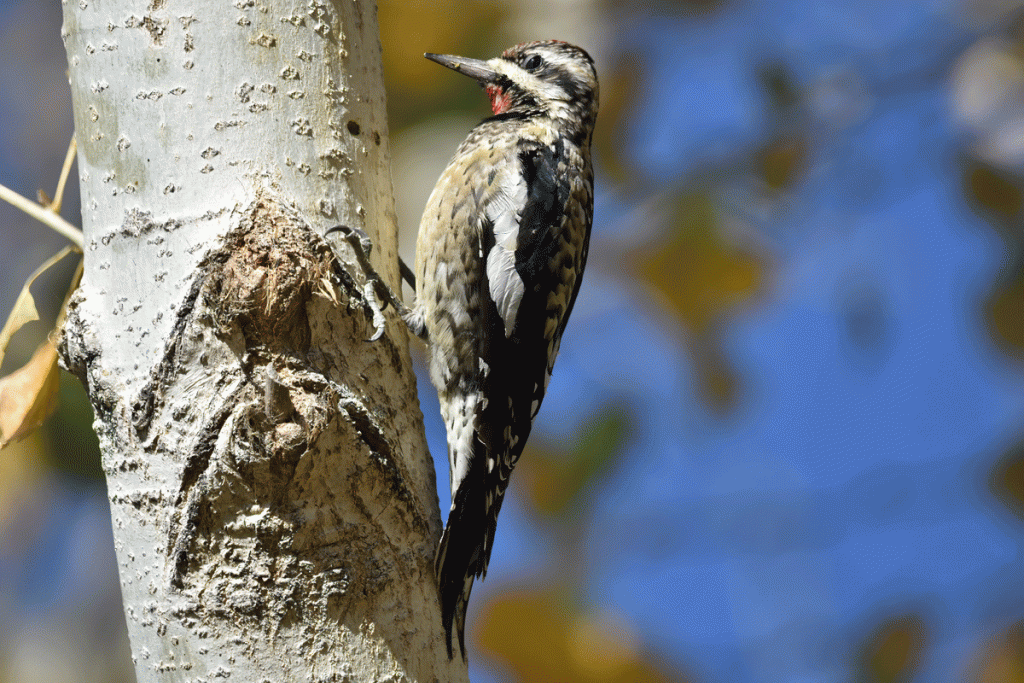
This Yellow-bellied Sapsucker is a bit bigger than a Ladder-backed Woodpecker and has a distinctive white patch on its wing like many other species of sapsuckers. This one was a rarity because it is out of its winter range, which should be Texas and parts east. It differs from the more common Red-naped Sapsucker by having less red and black, and more white on its head. Its yellow belly can be difficult to see and is sometimes almost absent. We really like to have a photo in order to be sure of our identification.
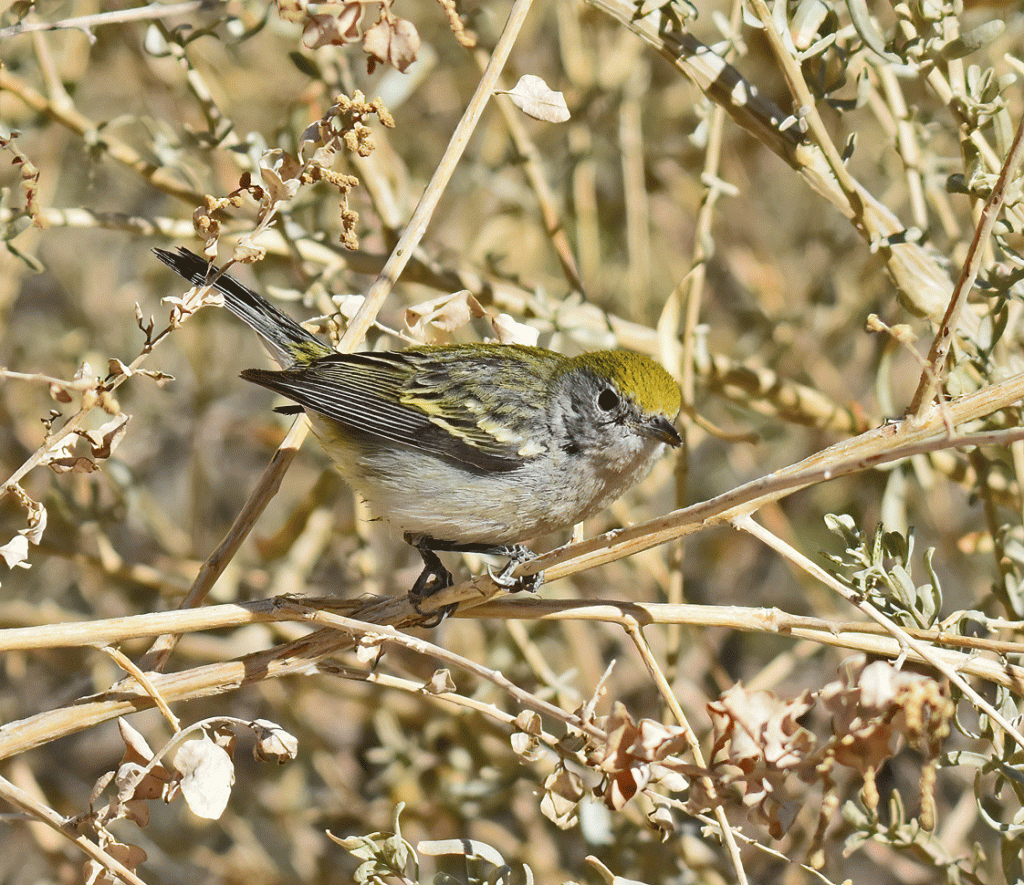
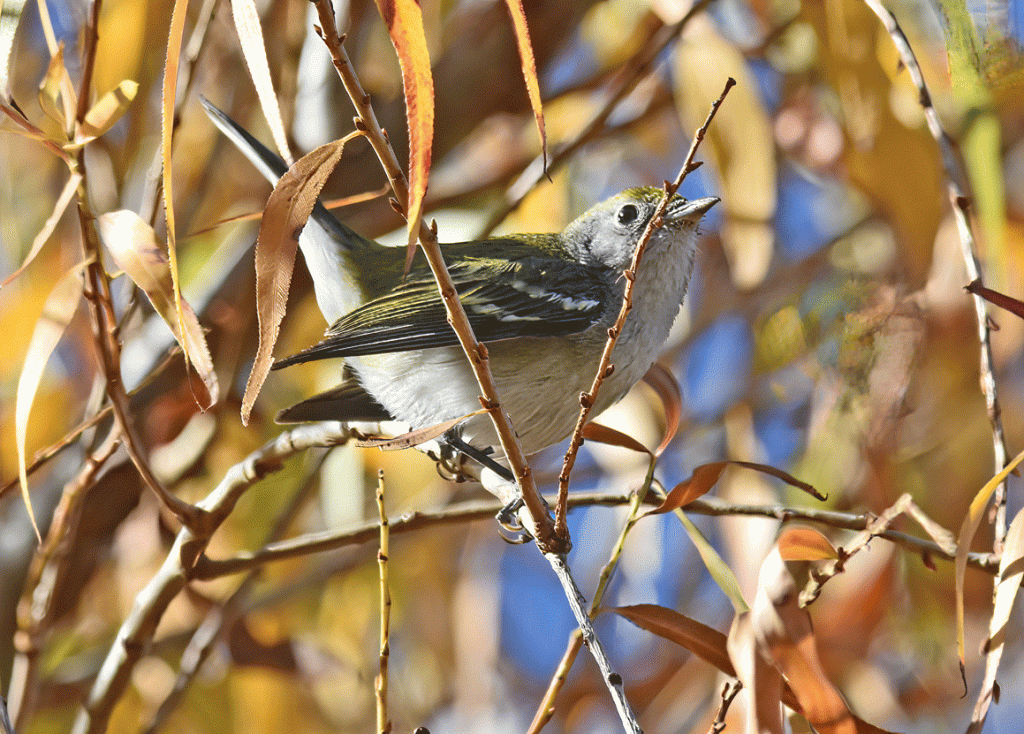
Another rarity at Sweetwater Wetlands was this female or immature male Chestnut-sided Warbler. The species usually winter in southern Mexico and Central America. This one has stuck around the wetlands for several months, so it seems to have found a spot that fulfills its requirements. On the day that Doug took this photo, it was foraging in low bushes near the pathway, seemingly unbothered by people walking by.
And because it’s such a pretty bird, here’s another photo showing its lime-green back a little better. It will develop “chestnut sides” when it matures.
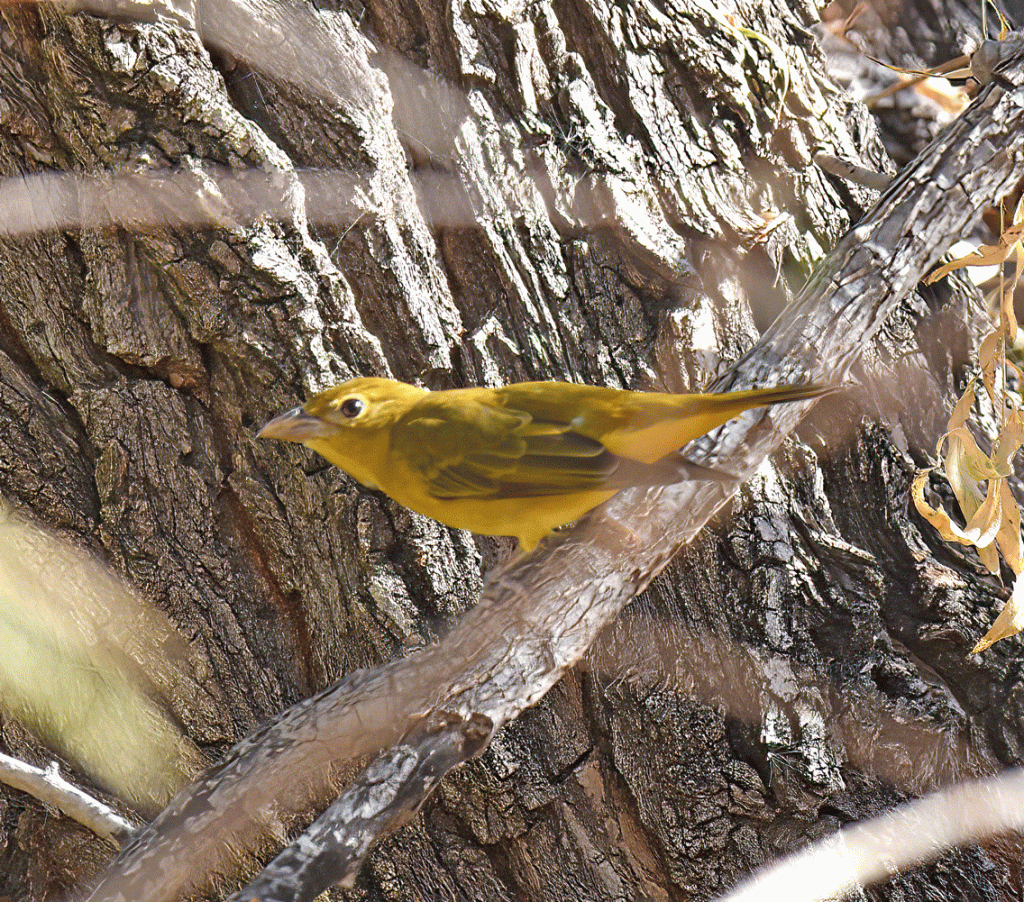
On January 1st, we headed over to Christopher Columbus Park after Sweetwater. We were lucky enough to see this rare female Summer Tanager in the sunshine. It seems that this one decided not to migrate. The species usually winter in southern Mexico, Central America and northern South America and can be found in Arizona in the summer.
On our way home, we stopped at a spot under a bridge to see a Barn Owl. At home in the afternoon, we recorded the birds on the feeders and on the ground in our yard. The sixty-eight species that we tallied gave us a good start on our 2025 list.
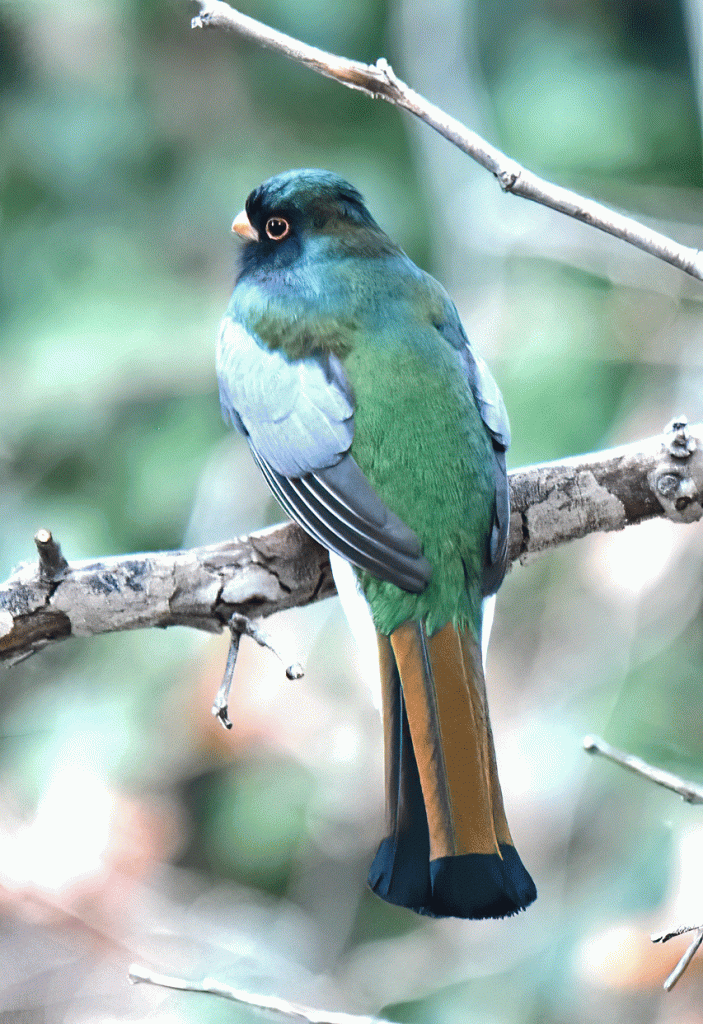
Madera Canyon is famous as a home for the Elegant Trogon. We set off early on January 2nd, prepared to wait all morning if we needed to. The trogon must have been hungry for the pyracantha berries because we it showed up within fifteen minutes. Doug took the photo of its green back and coppery tail; his favourite view.
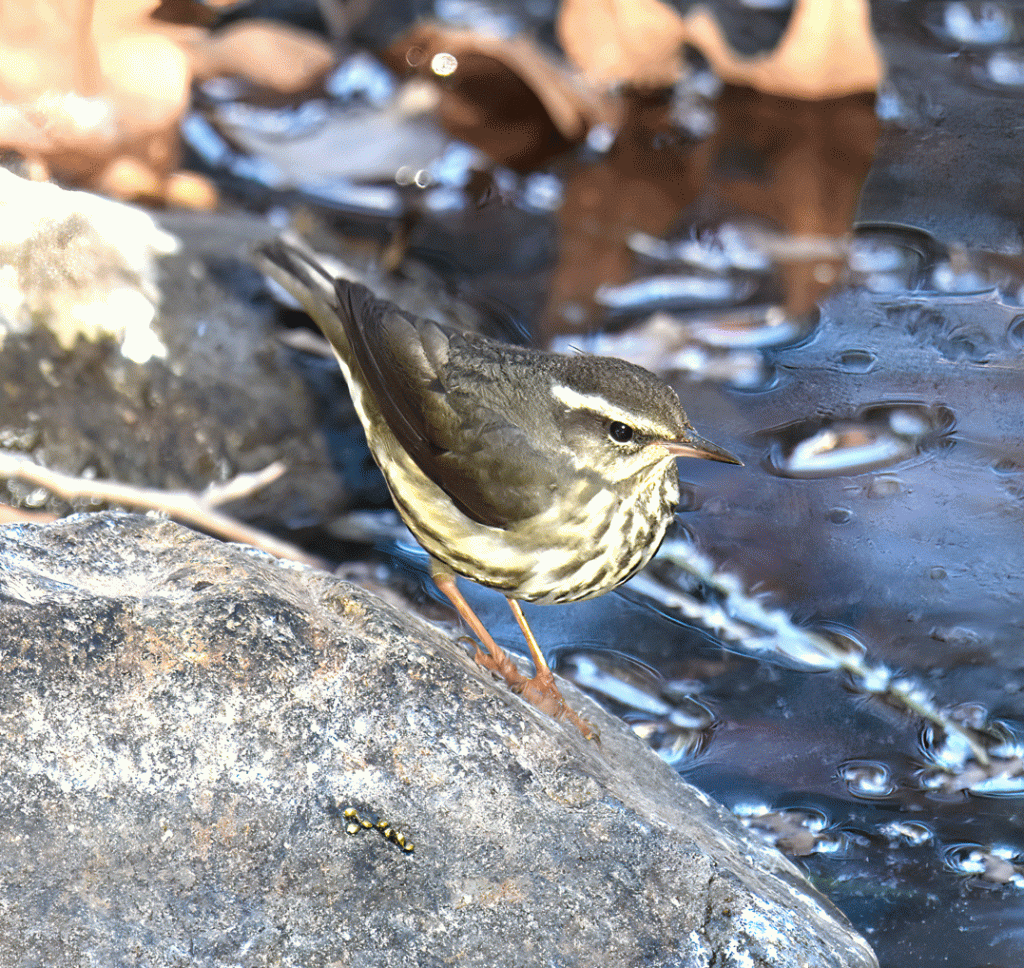
It was only 8:45 that same day, when we started hiking downstream from the Madera Canyon Picnic Area. We were lucky again! We saw this rare Louisiana Waterthrush bobbing just below the bridge we were standing on.
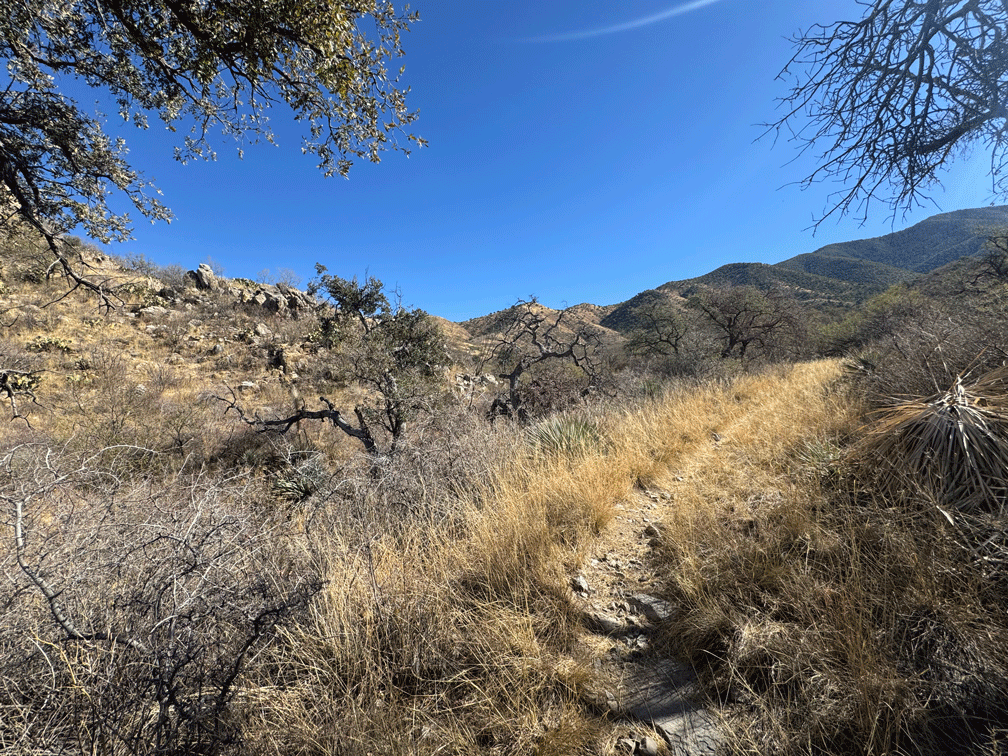
Florida Canyon is close to Madera Canyon and a beautiful place to go birding. We visited it twice, once early in January and again near the end of the month.
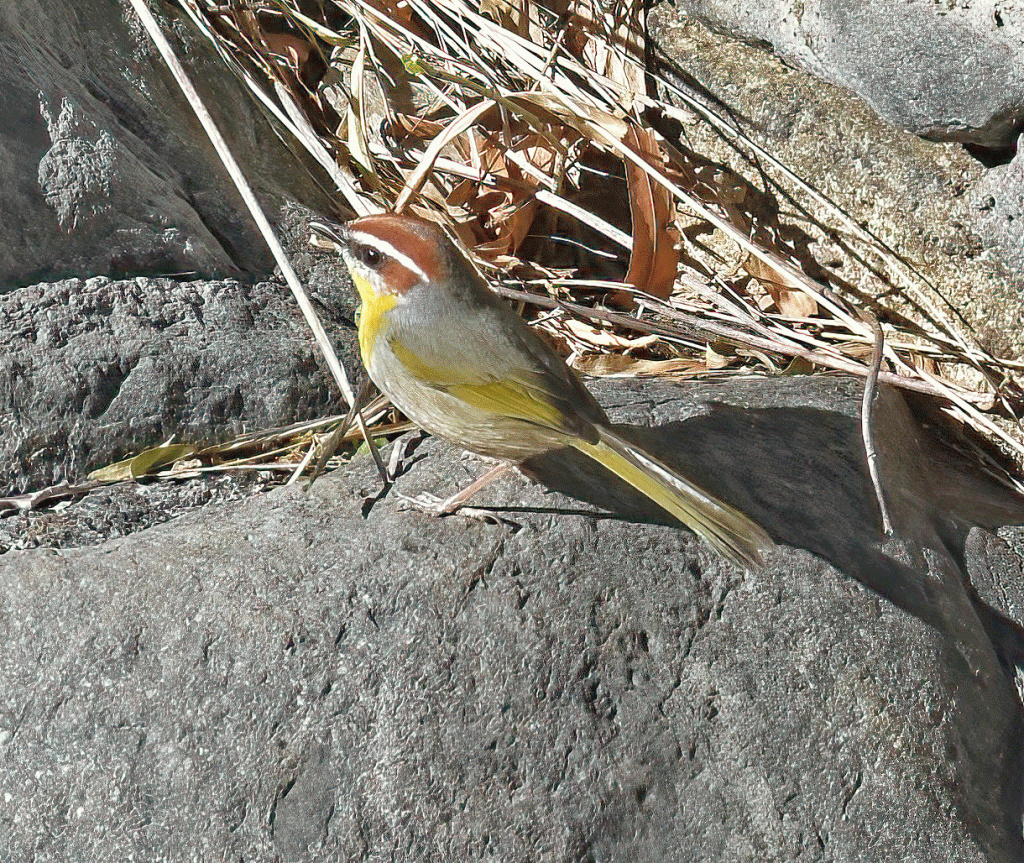
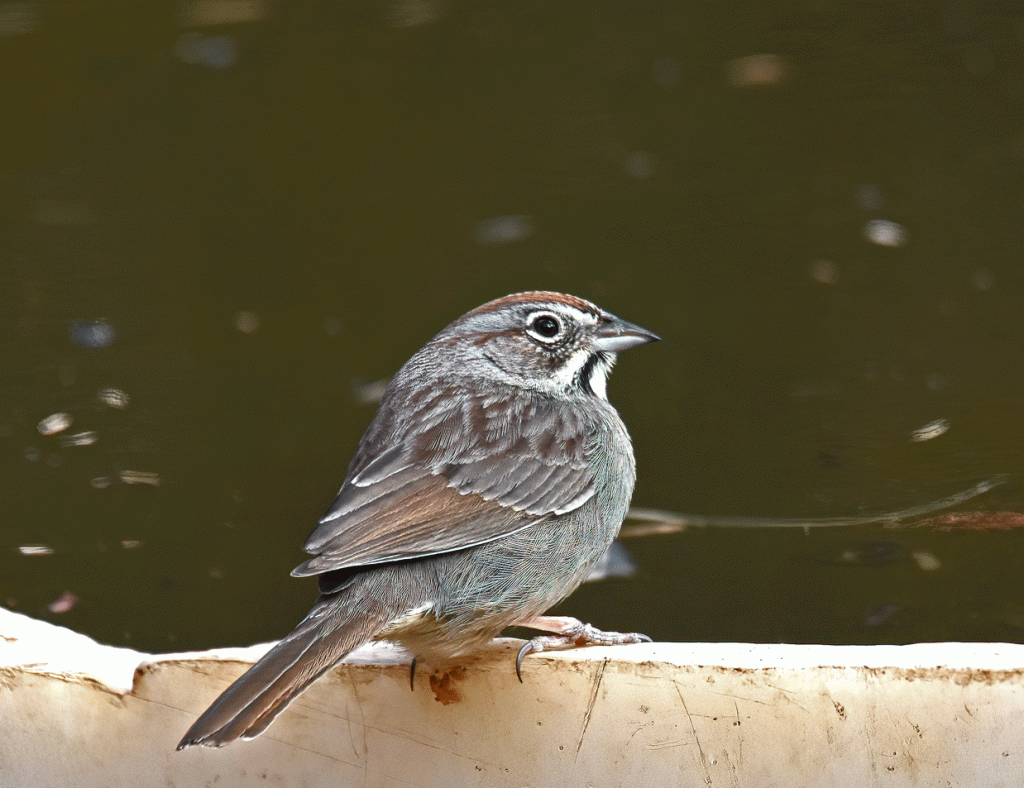
Both times, we were lucky enough to see this rare Rufous-capped Warbler. It likes to feed on insects near the bottom of an old dam, where there is a shallow pool.
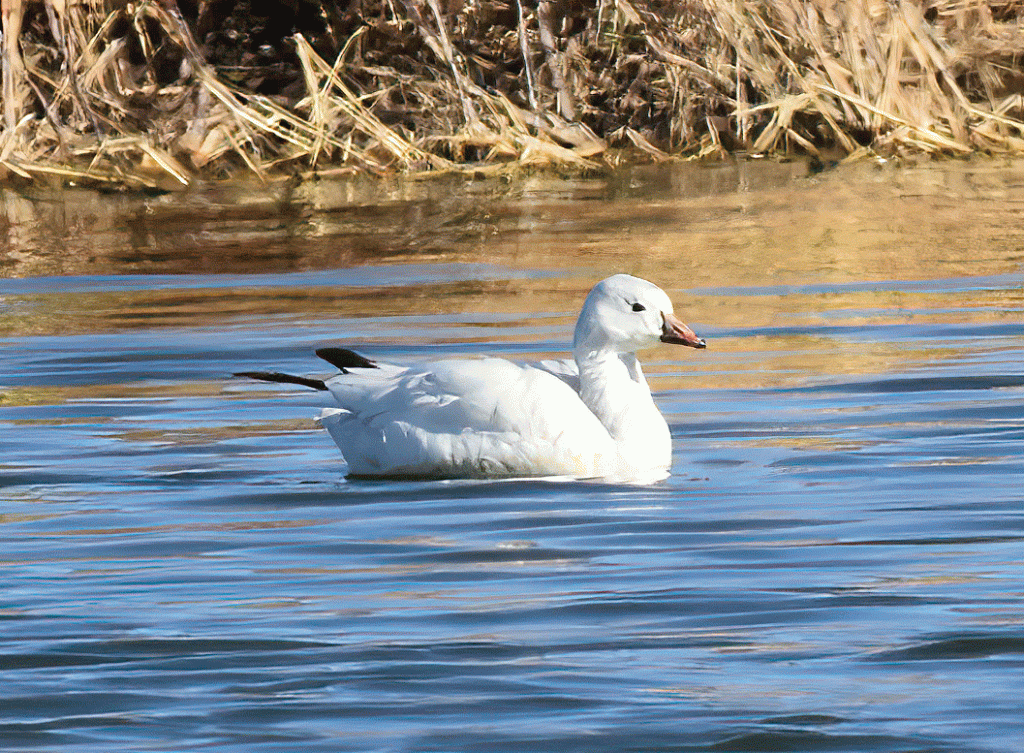
We visited the Amado Water Treatment Plant in hopes of seeing a Ross’s Goose. When we went in the morning, we couldn’t see it and wondered if it had flown away. We returned in the afternoon and it was easy to see. While we were there, it took off, circled and flew north. We thought we had been really lucky to see it before it left. Now we know that it came back and has been living there for a month and a half. Perhaps it will stay a lot longer. It’s very similar to a Snow Goose, but smaller.
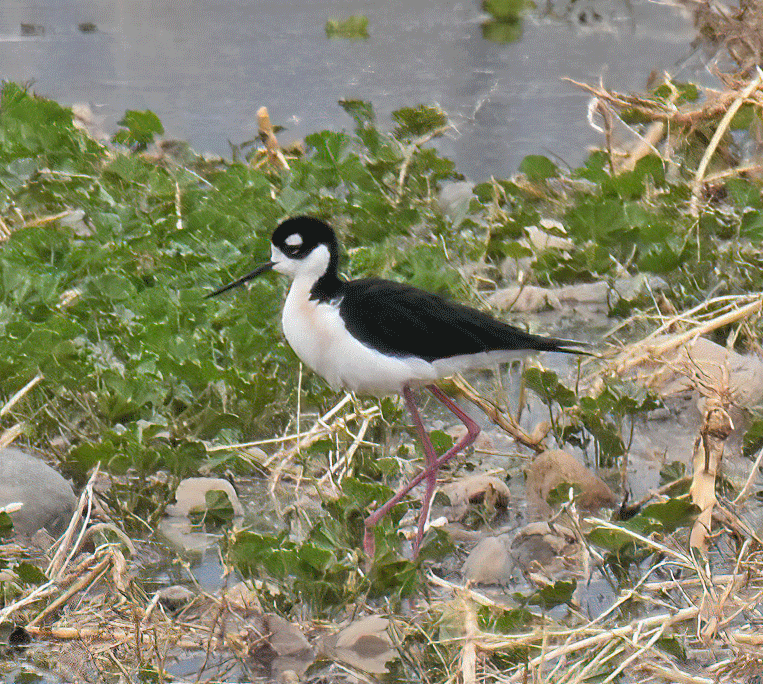
Water Treatment Facilities are great place to find birds in the desert of Arizona. We saw this Black-necked Stilt at the Green Valley WTF. It walks delicately on its long reddish legs.
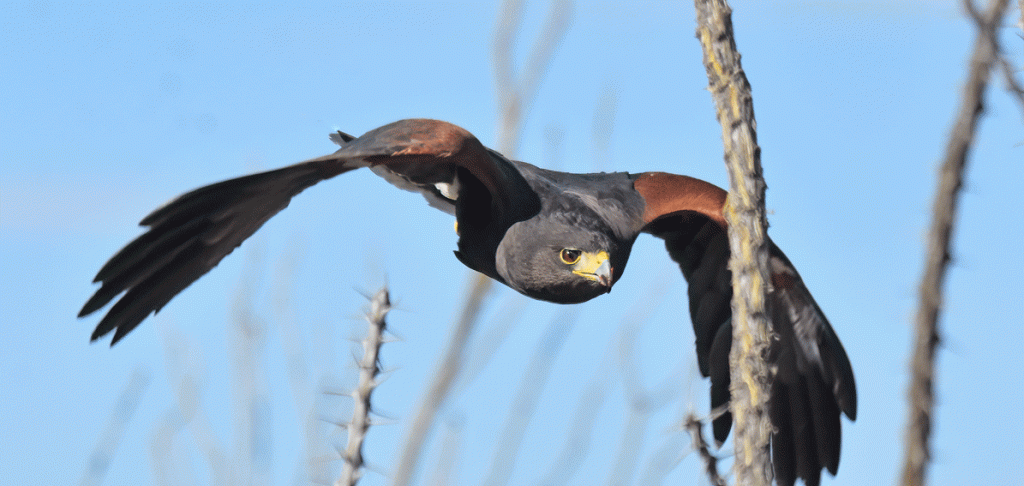
The Raptor Free Flight show was not very crowded on one of our visits to the Arizona-Sonora Desert Museum, so we joined the audience. We love watching the Harris’s Hawks swoop close to the ground as they take the most direct route to the food that the trainer has left for them. We sometimes have a family of Harris’s Hawks hunting together near our yard.
This beautiful male Painted Bunting showed up in a “pocket” park in a Tucson neighbourhood. Usually they should be in Mexico or Central America for the winter. It stayed almost hidden for the whole time we were at the park.
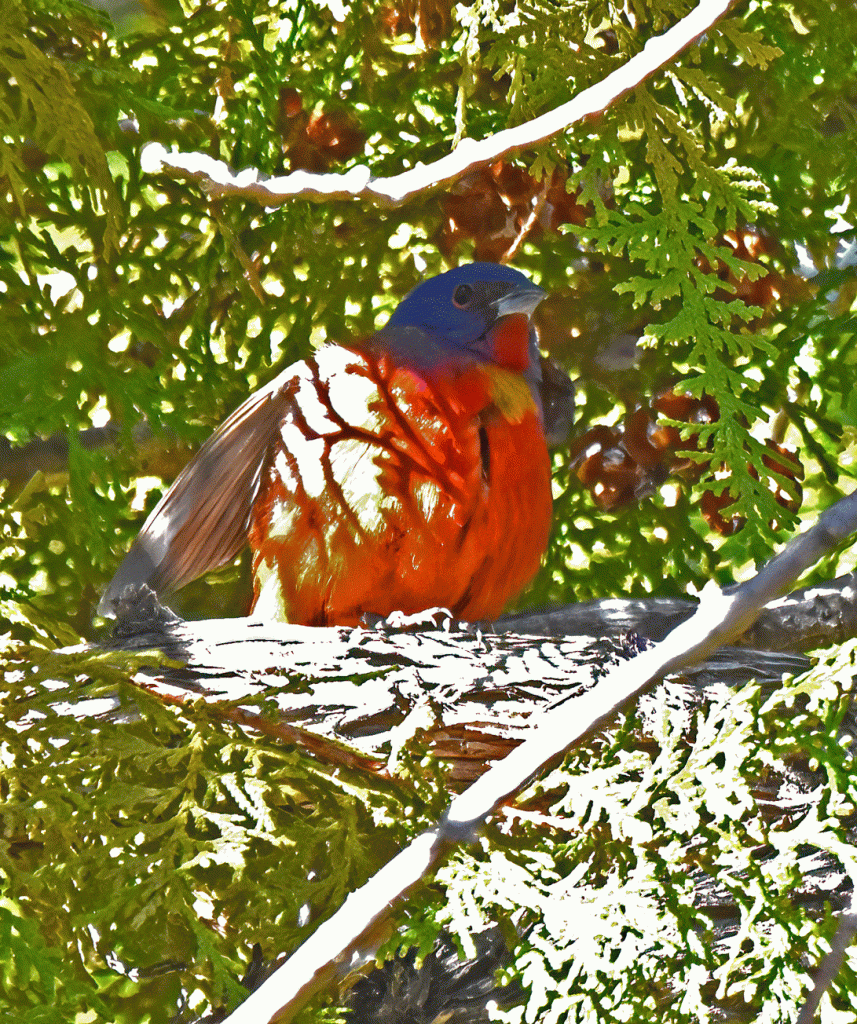
Here’s another view of the Painted Bunting.

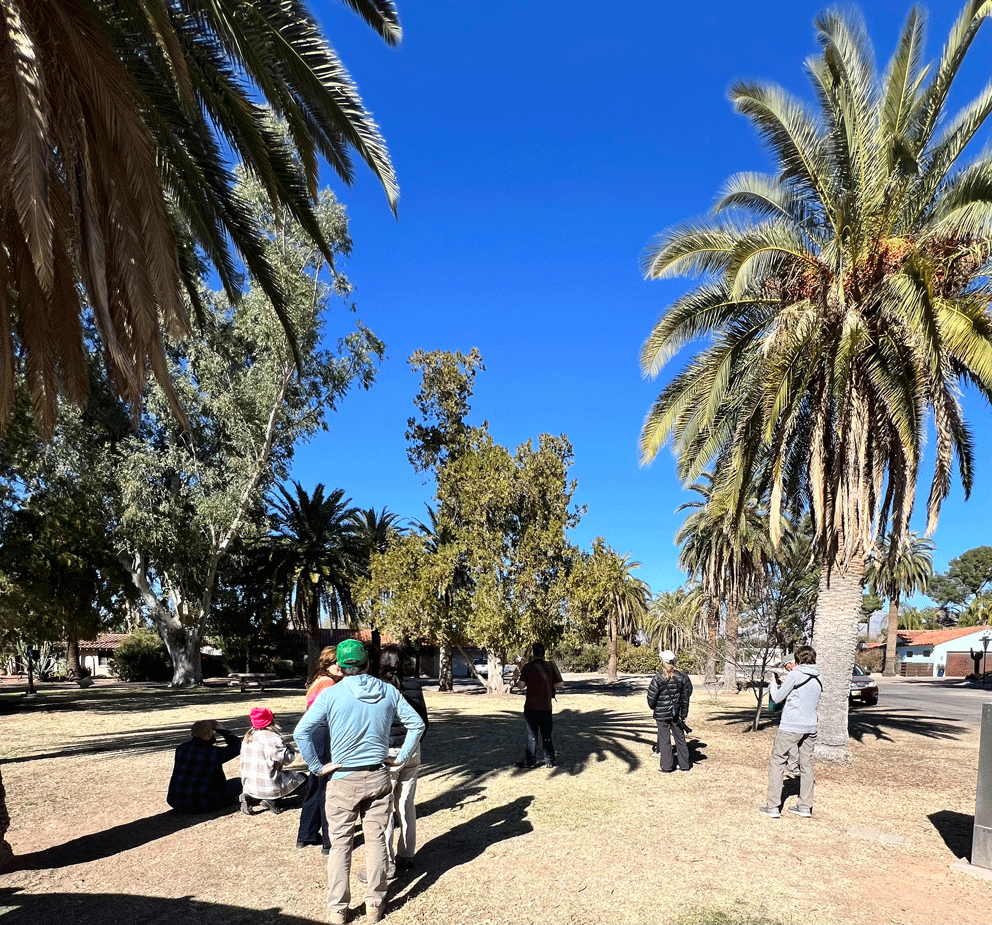
And here’s the little park it was found in. We helped curious neighbours see the bird, which was in the tree in the centre of the photo.
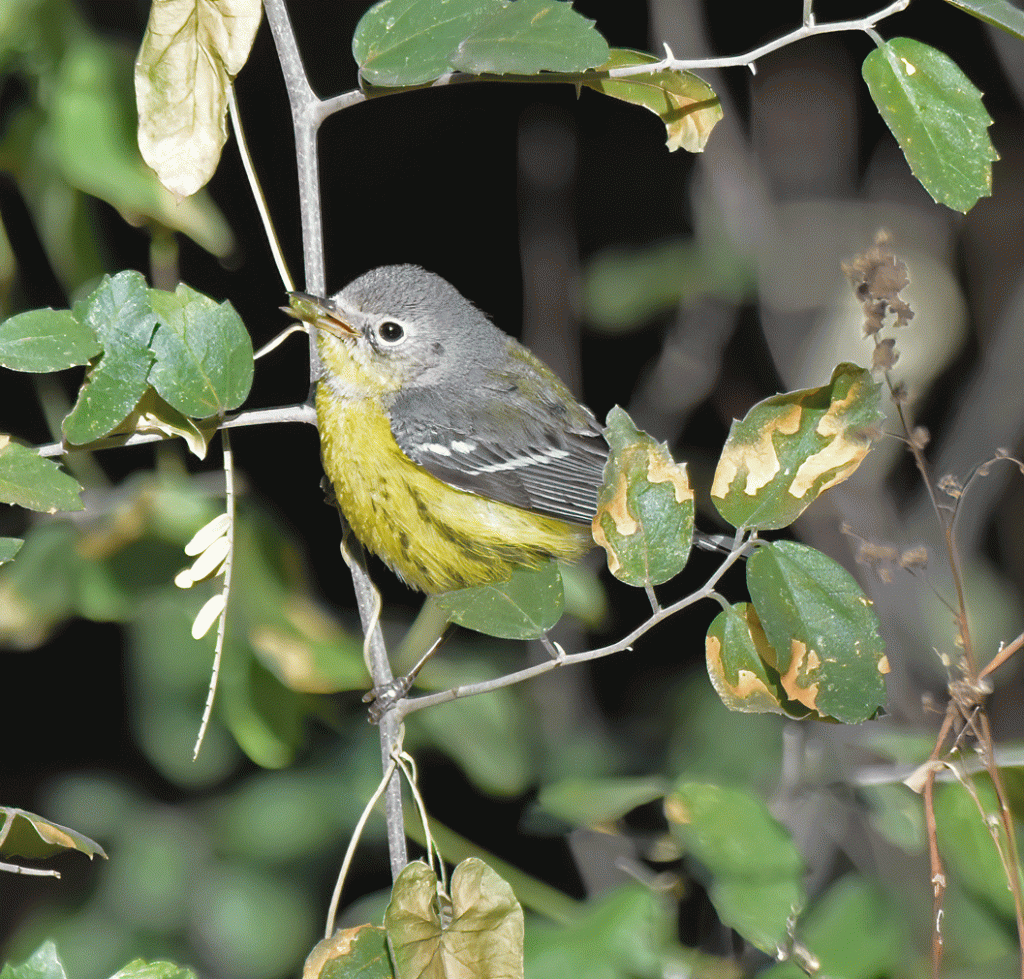
One cold morning, we drove down to Tumacacori and walked back and forth along the Anza trail. A Magnolia Warbler had been seen the day before and we hoped it was still in the area. We were really lucky it popped out in front of us and stayed in the low bushes for several minutes. We were able to alert one of our friends who was nearby and he was also able to get some good photos. A Magnolia Warbler is mostly an Eastern bird and we had never seen one before.
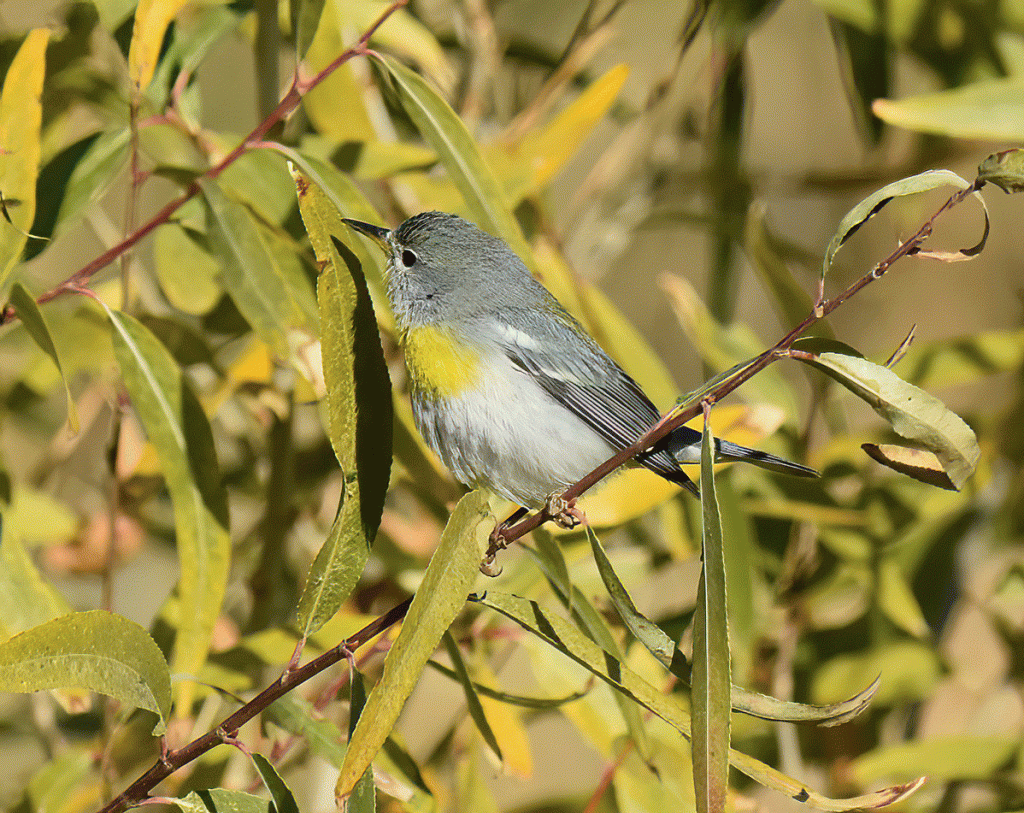
Another eastern warbler is a Northern Parula. This one showed up close to the bike path along the Santa Cruz River near the Ina bridge. We got there a few hours after it had first been reported and were able to locate it in the willows. We also saw a Tennessee Warbler in a nearby tree. We were also able to help another two birders see the Parula, which made our positive experience even better.
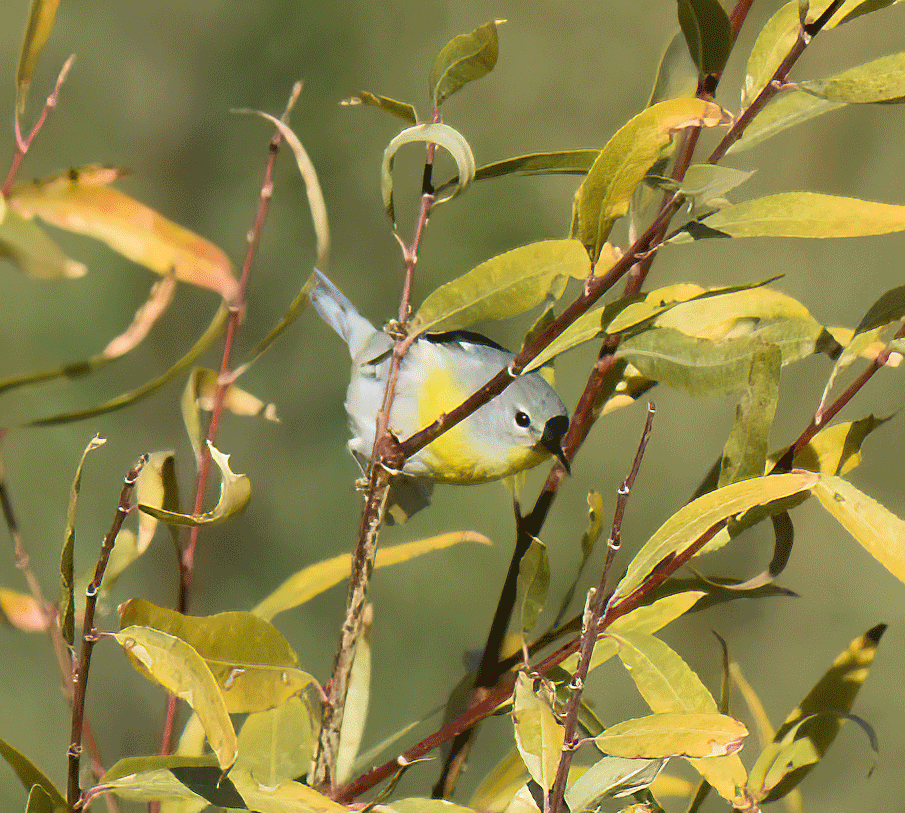
Here’s another view of the Northern Parula.
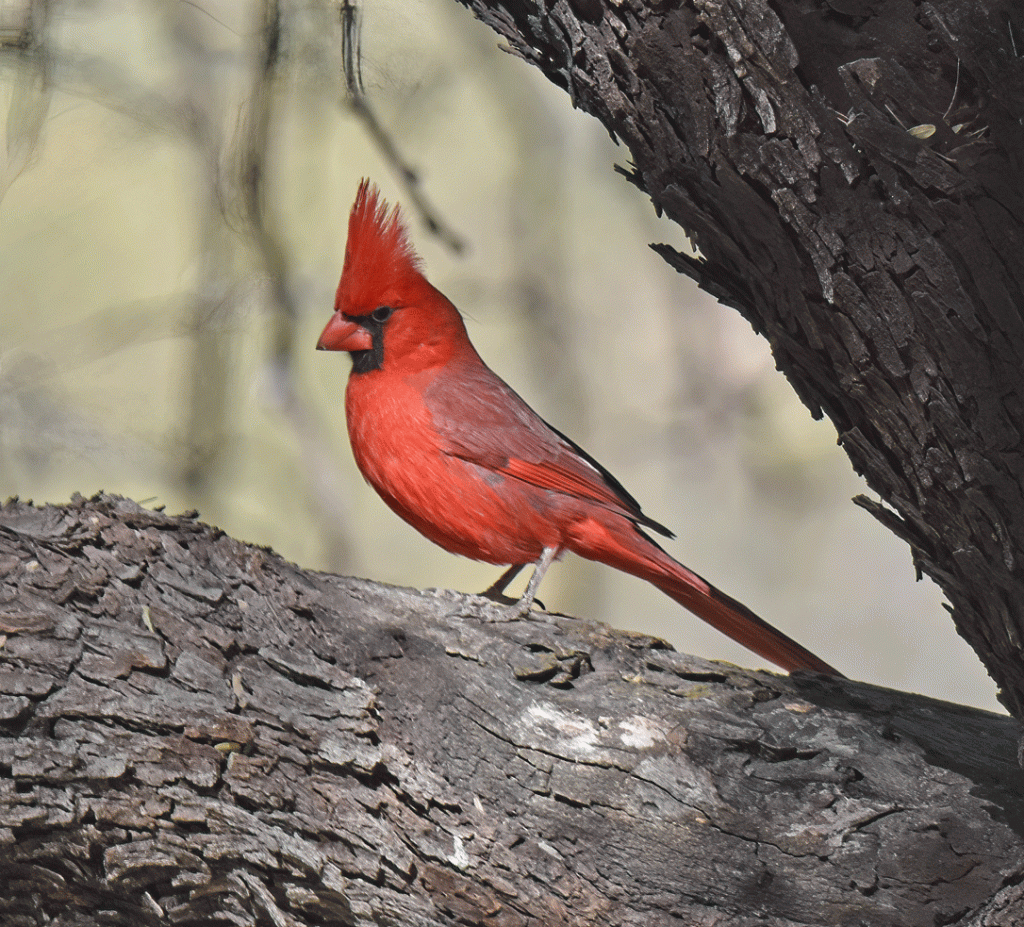
Northern Cardinals are year-round residents and common in our area of Arizona. This one posed nicely in the sunshine at La Posta Quemada.
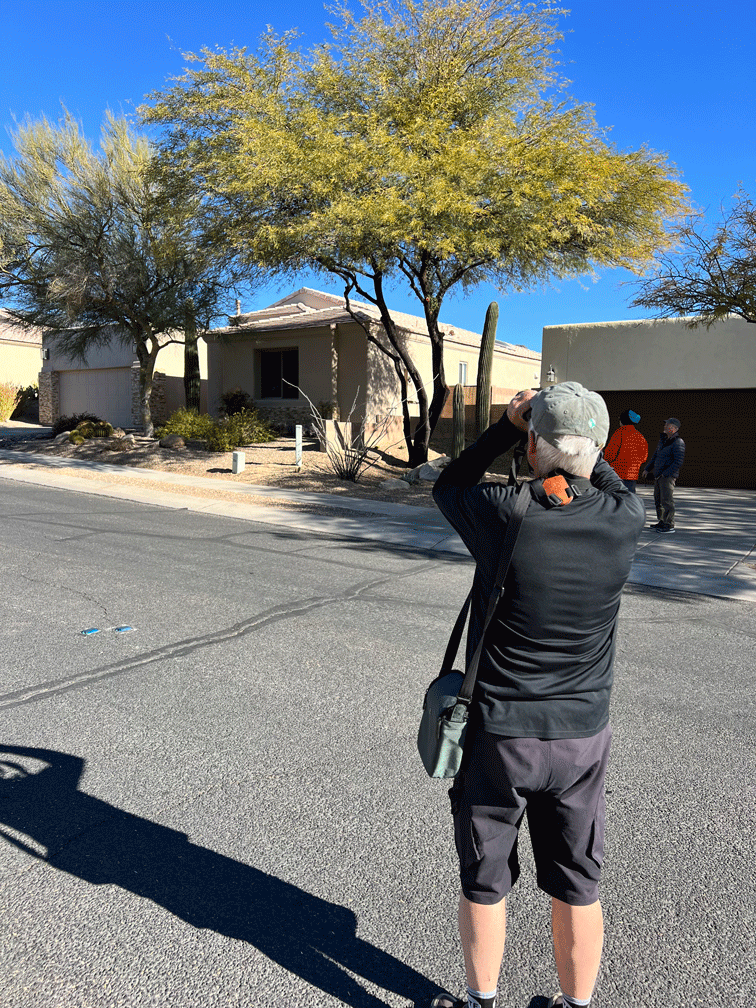
We have only ever seen Elegant Trogons in Madera Canyon, so we were intrigued when one was reported in a Dove Mountain neighbourhood. Since the “stakeout” spot was only a few minutes from the Tortolita Preserve where we go mountain biking, we decided to swing by and see if we could spot it. When we got there, a birder and a resident had already located it. Here is a cellphone photo of the trogon.

This is a view of the neighbourhood and the two trees where we saw the Elegant Trogon.
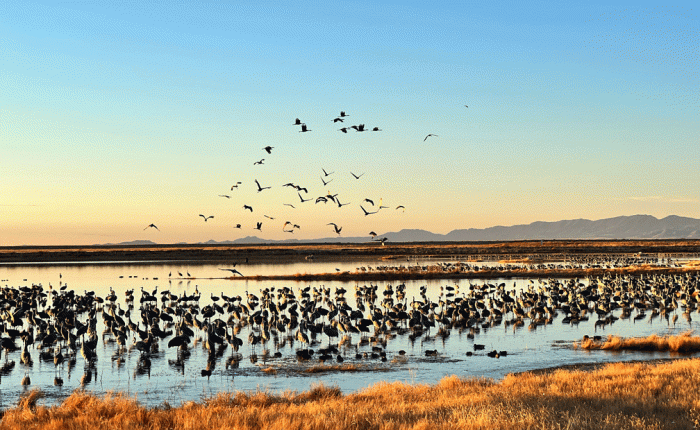
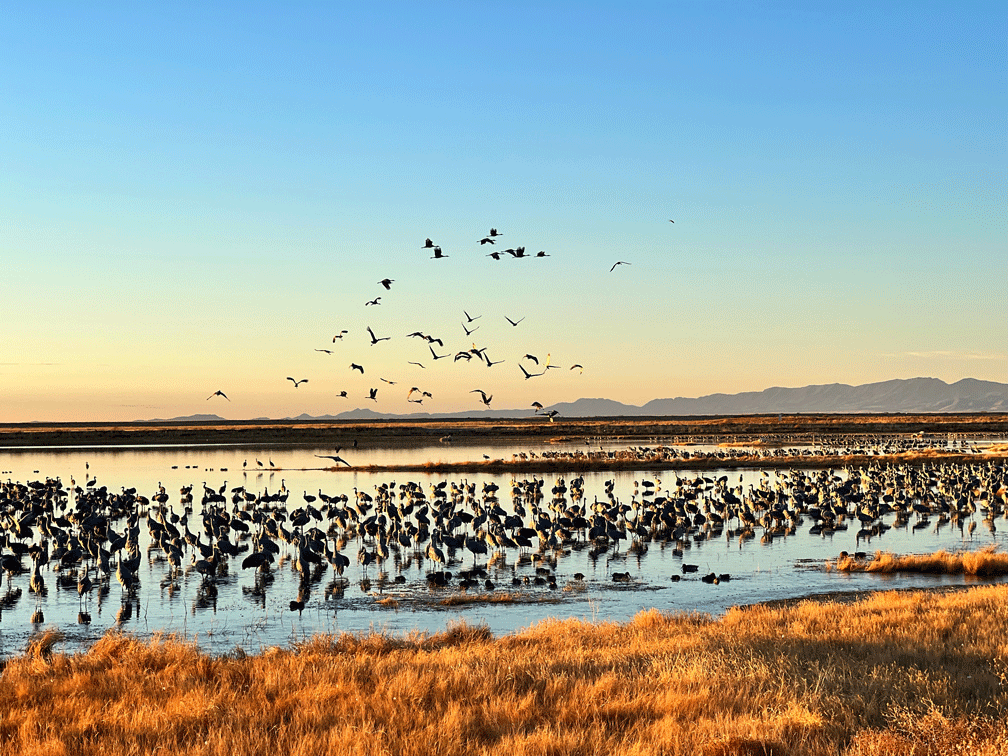
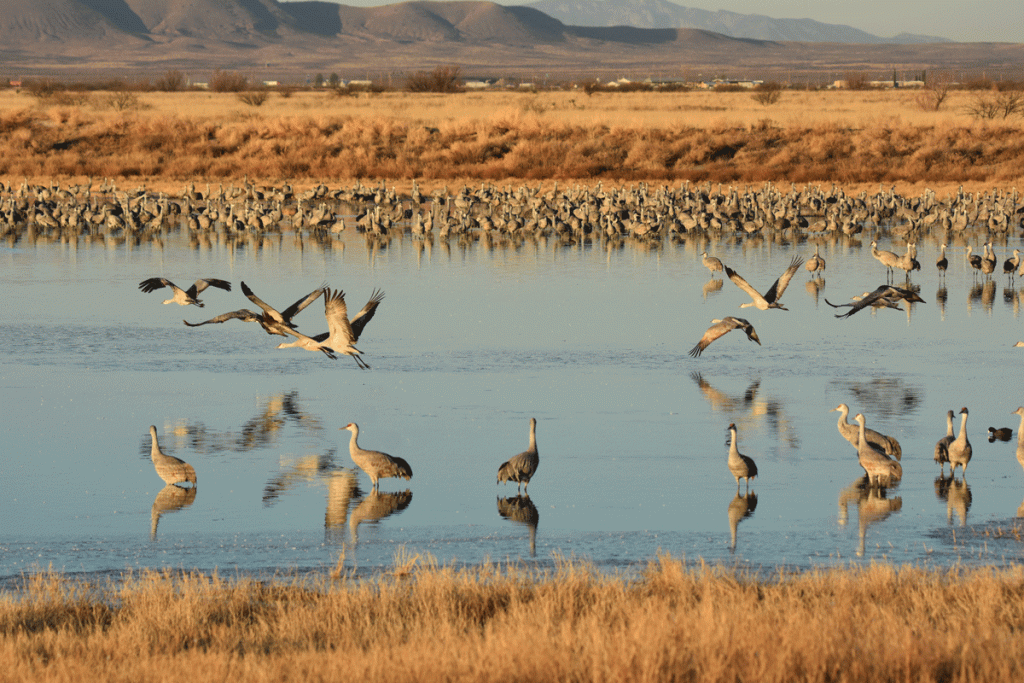
In the middle of January, we drove to Willcox and got there just before sunrise. We watched thousands of Sandhill Cranes take off, but there were thousands still at the shore.
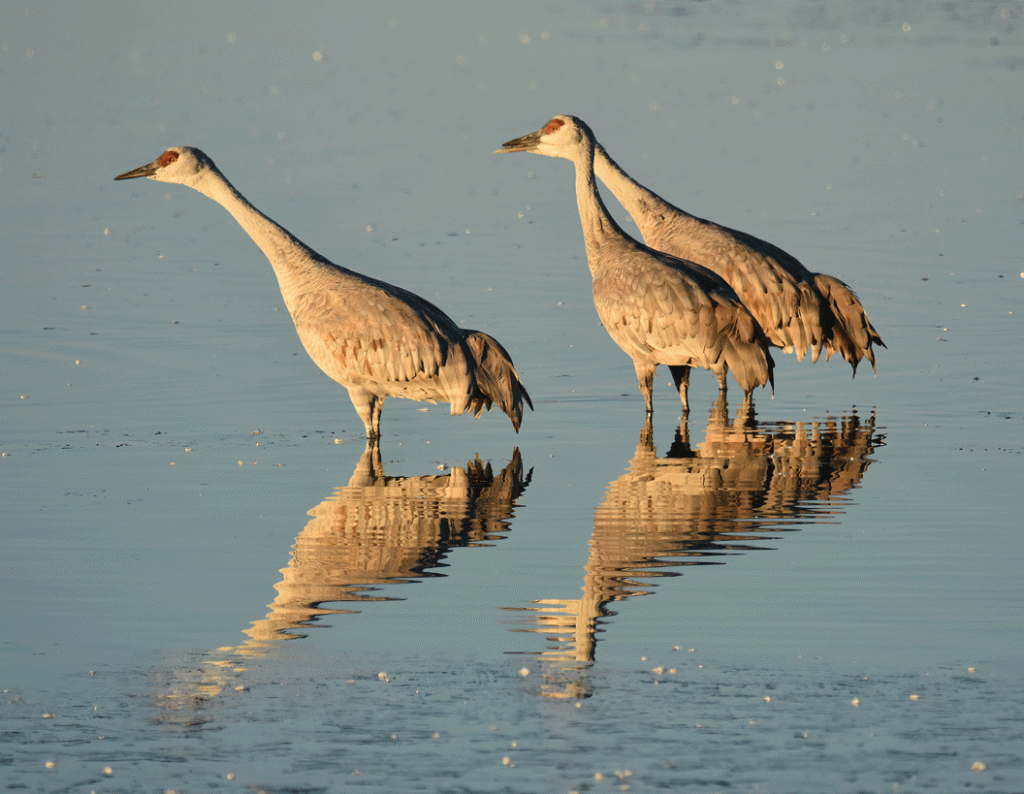
These Sandhill Cranes show their winter plumage. Their fresh gray feathers of late summer become more stained throughout the year, so they look rusty coloured by the spring.
Here’s another view of Lake Cochise in Willcox. The cranes head out to the surrounding fields to feed and then return in the afternoon.
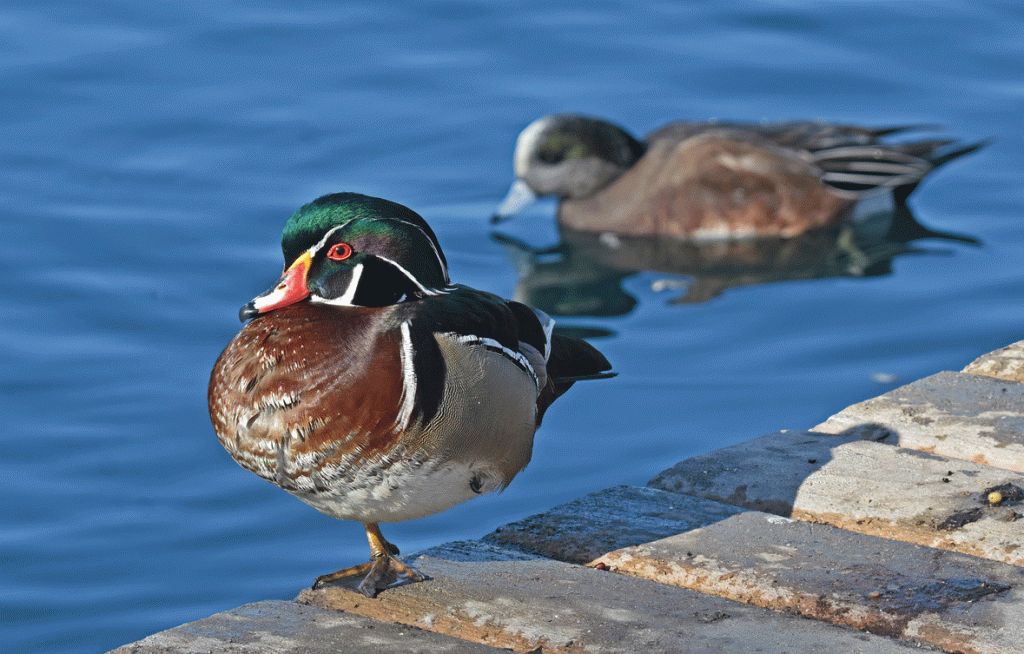
We wanted to include this male Wood Duck from Reid Park for two reasons. First, because it’s a beautiful bird and second, because this month, we had a hard time seeing it. We were looking in the wrong places, we expect.
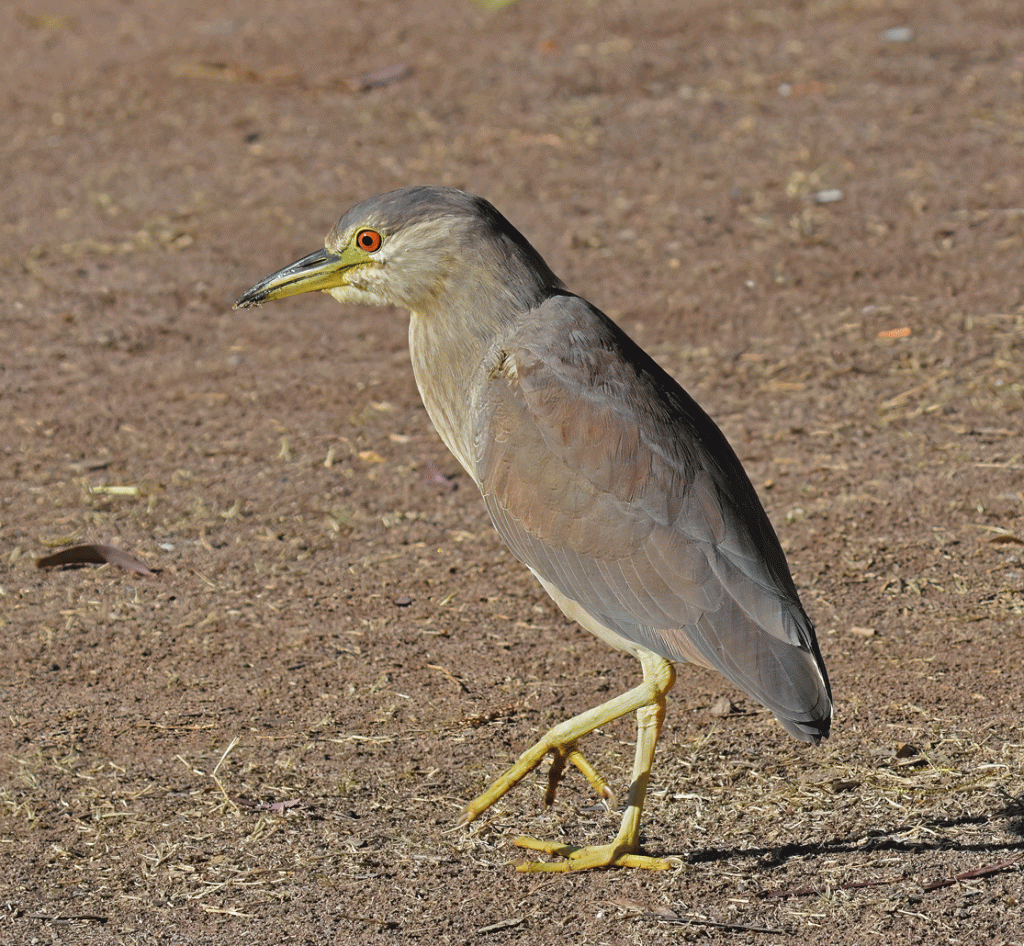
We had also seen fewer Black-crowned Night Herons this year, so we wanted to have a photo of this juvenile that was picking up scraps near a ramada at Reid Park. It’s developing its black crown and losing its streaky appearance.
Whew! So many birds! Actually we are not at all tired of looking at birds and we already have a number of good photos for next month’s edition. Until then…














 Travels with a Fox