
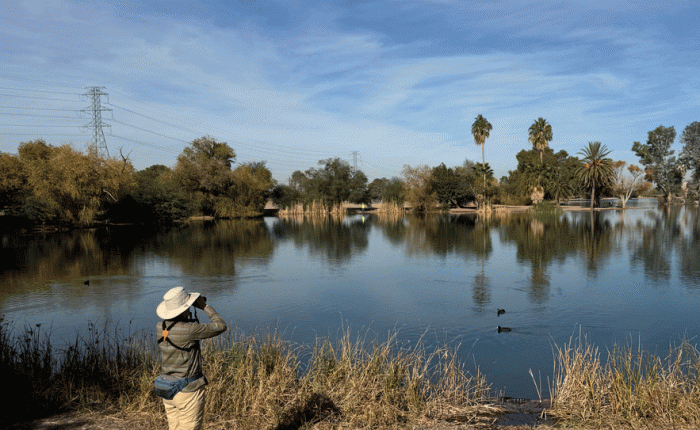
This month’s post includes almost as many photos of the places that we went birding as the birds that we saw. Being outdoors in interesting landscapes is a positive part of our birding experience.
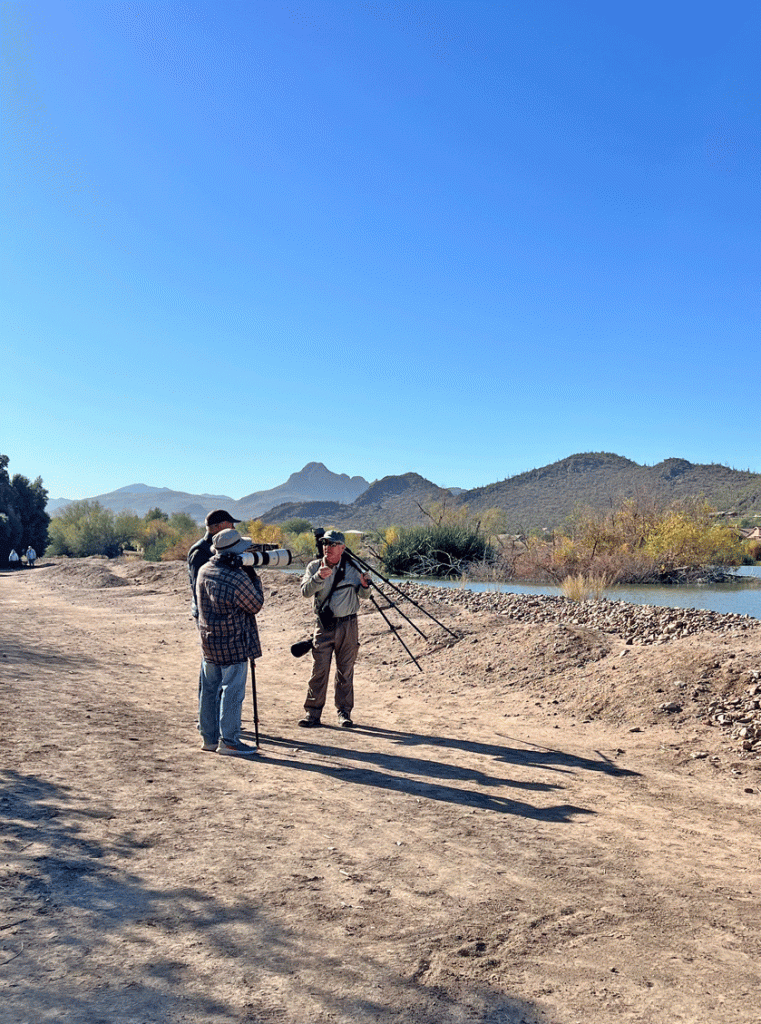
On our first day back we went to our closest birding “hotspot”, El Rio Open Space Preserve. There were other birders and photographers there who were also looking to get a rare sighting of a Rusty Blackbird. So we had a chance to say hello to familiar faces as well as meet new people. The two photographers having a chin wag with Doug helped us locate the bird.
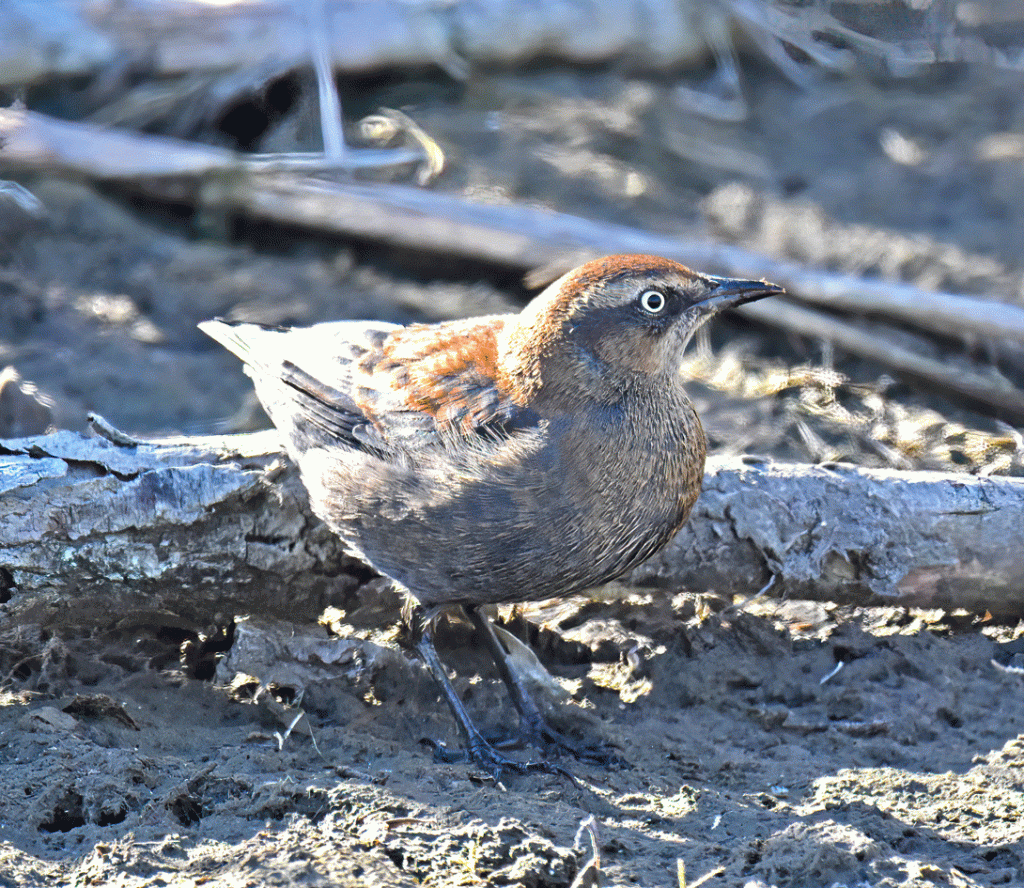
This is the female Rusty Blackbird that we finally got eyes on. She mostly stayed in the shady spots under the trees, but Doug was ready when she ventured into the sunshine. Notice that she is missing a tail.
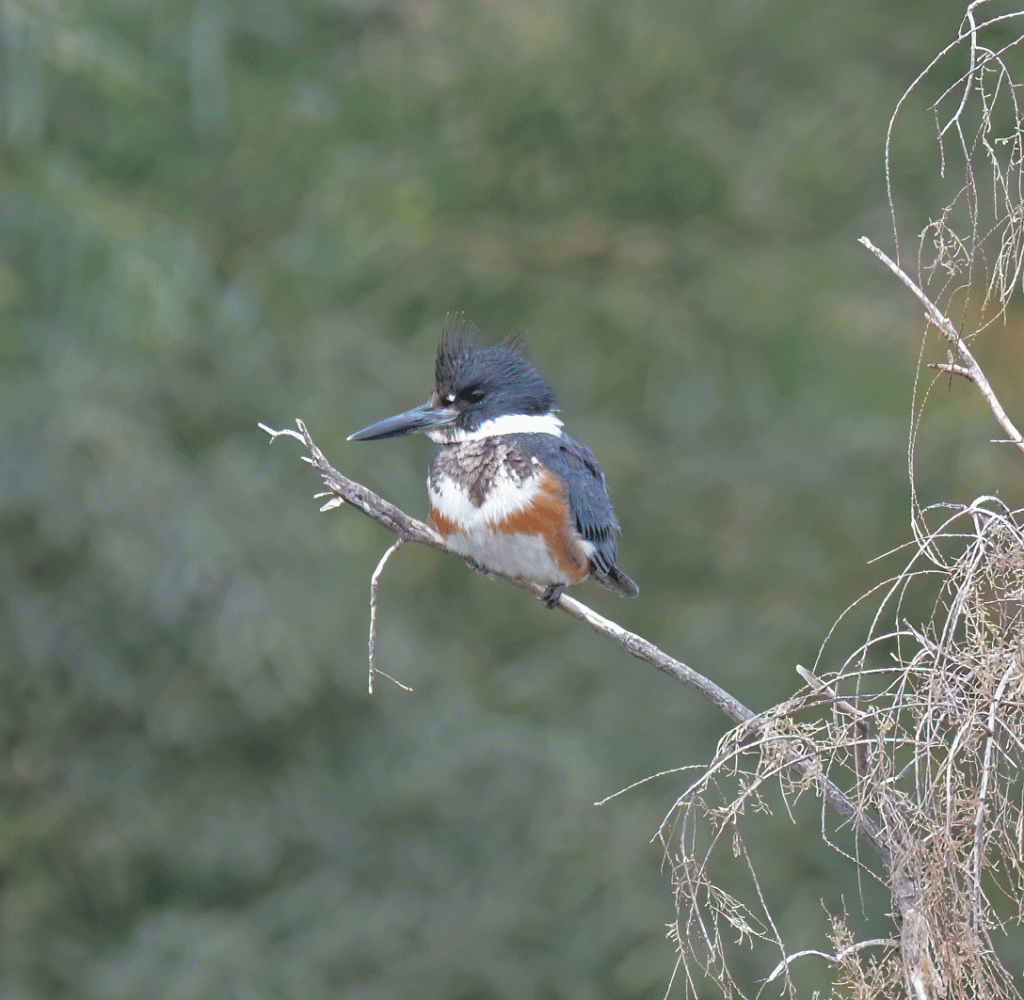
We returned towards the end of the month, and just enjoyed seeing the resident birds, including this Belted Kingfisher.
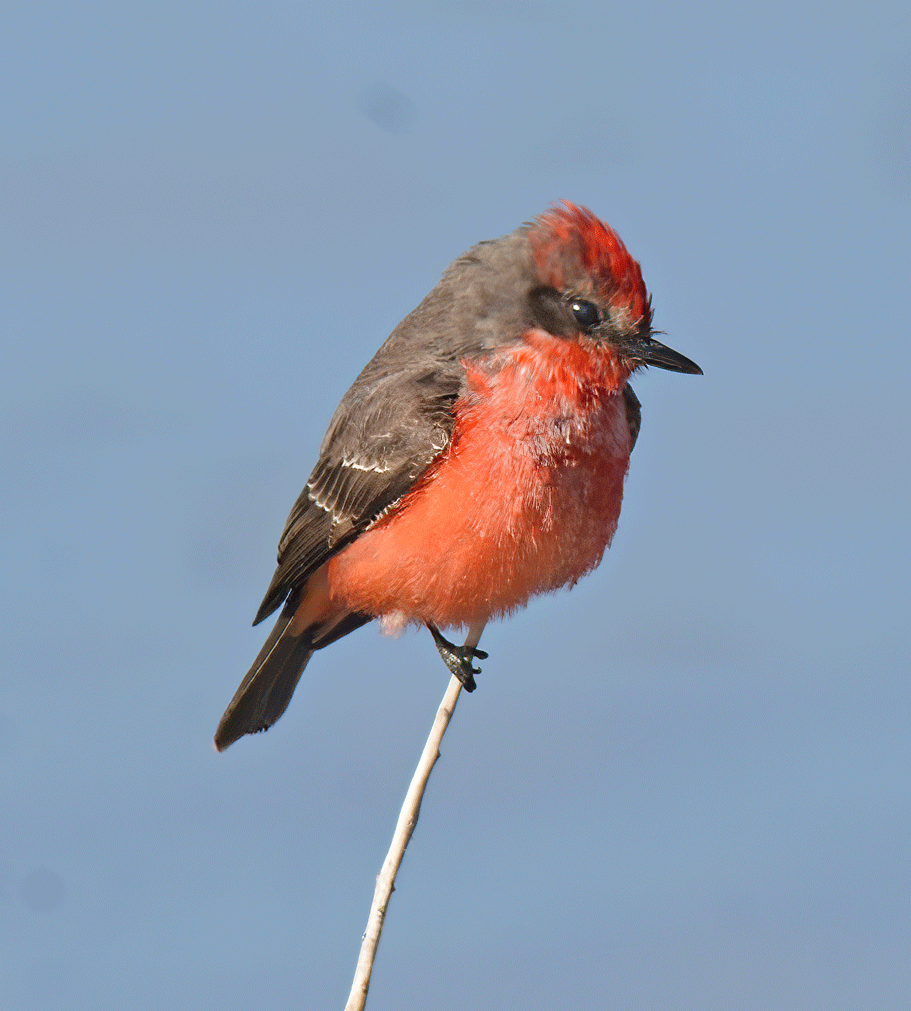
This Vermilion Flycatcher kept returning to a perch just in front of us on the shoreline.
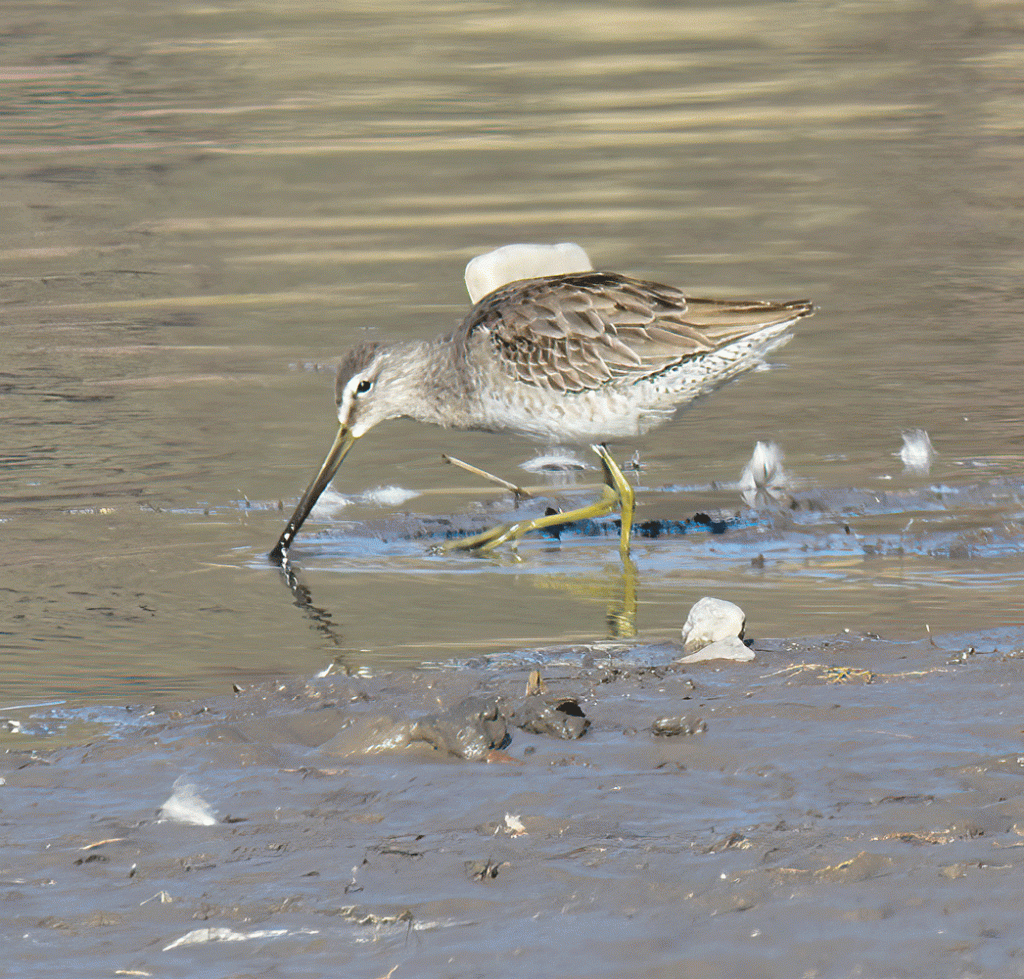
We had a good view of this Long-billed Dowitcher. They nest in the high arctic and spend their winters in this area, but are infrequent visitors to the preserve.
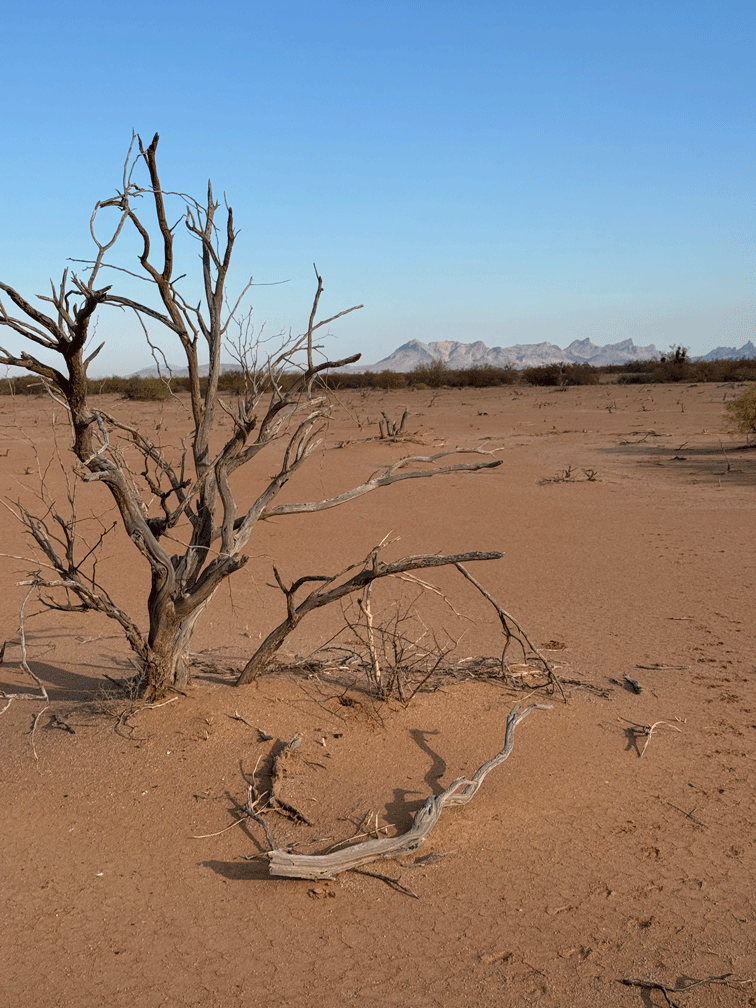
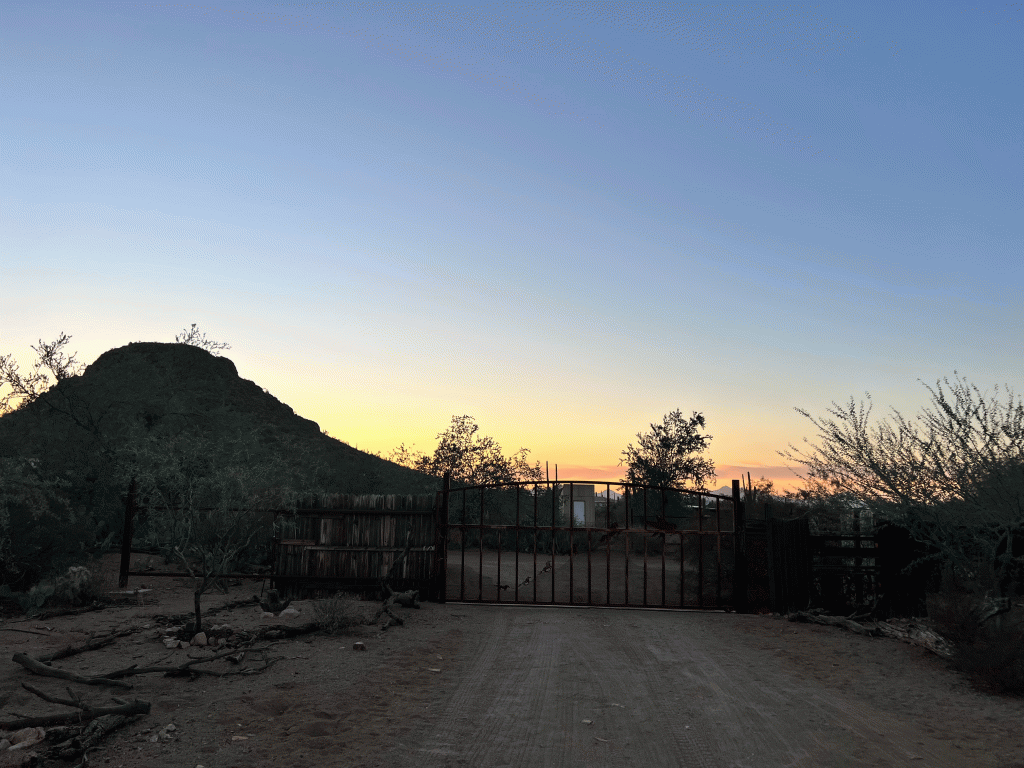
Last spring, we were unsuccessful in finding a LeConte’s Thrasher, so we and our friends made another attempt. The spot we go to is a rather desolate looking place. We wonder why any bird would choose to live there.
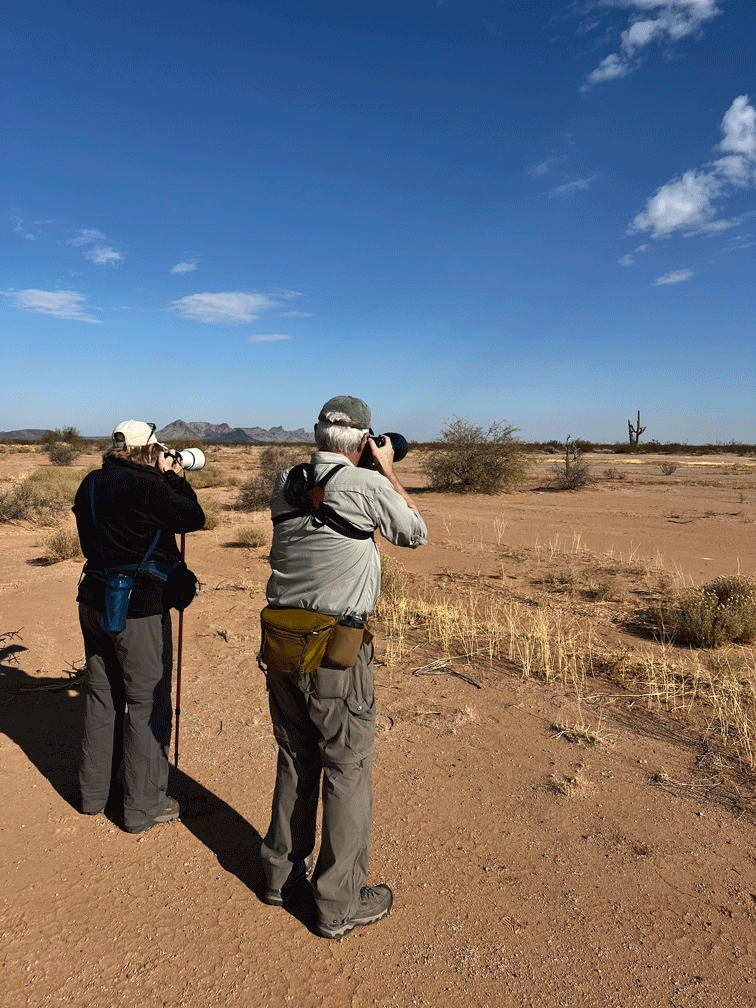
There were some birds, although the only thrasher we saw was the more common Curved-bill Thrasher. Here Doug and Mary are getting shots of a sparrow.
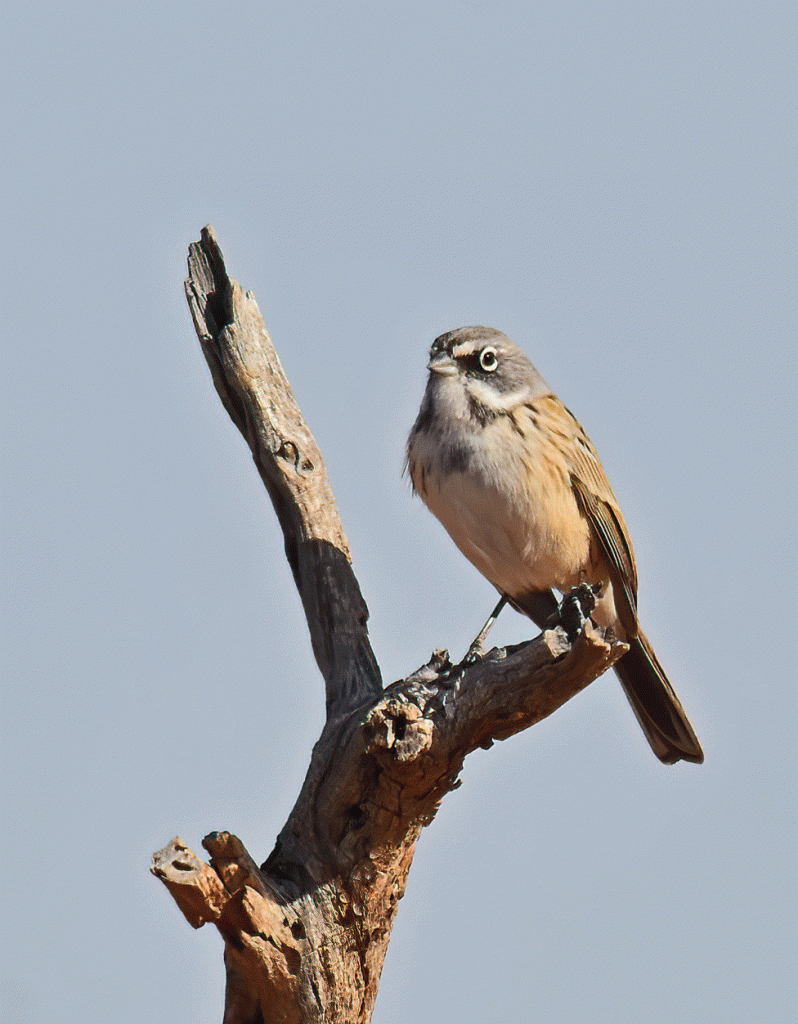
The Sagebrush Sparrow is one of the birds that lives in this harsh environment, and is hard to find in other places, so it earned the honour of “bird of the list.”
This Crested Caracara was a candidate in our unofficial “Bird of the Day” contest. We saw it in an irrigated field close to the arid saltbush plains where we saw the Sagebrush Sparrow. The actual winner of “Bird of the Day” was one of the Mountain Plovers at a sod farm in the area. Unfortunately we haven’t included a photo of them because the birds were too far away for a good photo. They won because they were “lifers,” or birds we had never seen before.

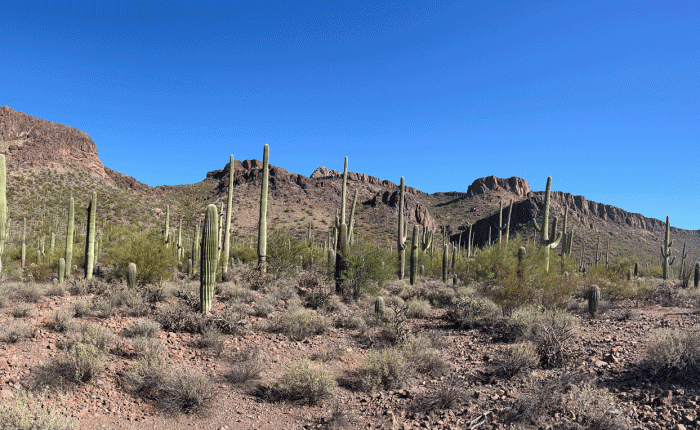
We helped with the Christmas Bird Count in the circle around Nogales, AZ. Our section was a part of the Anza trail that goes along the Santa Cruz River south of the Guy Tobin trailhead. A week before the count we went out with Cathy and Wayne to learn about the area. The greenery was confined to the riverbanks.
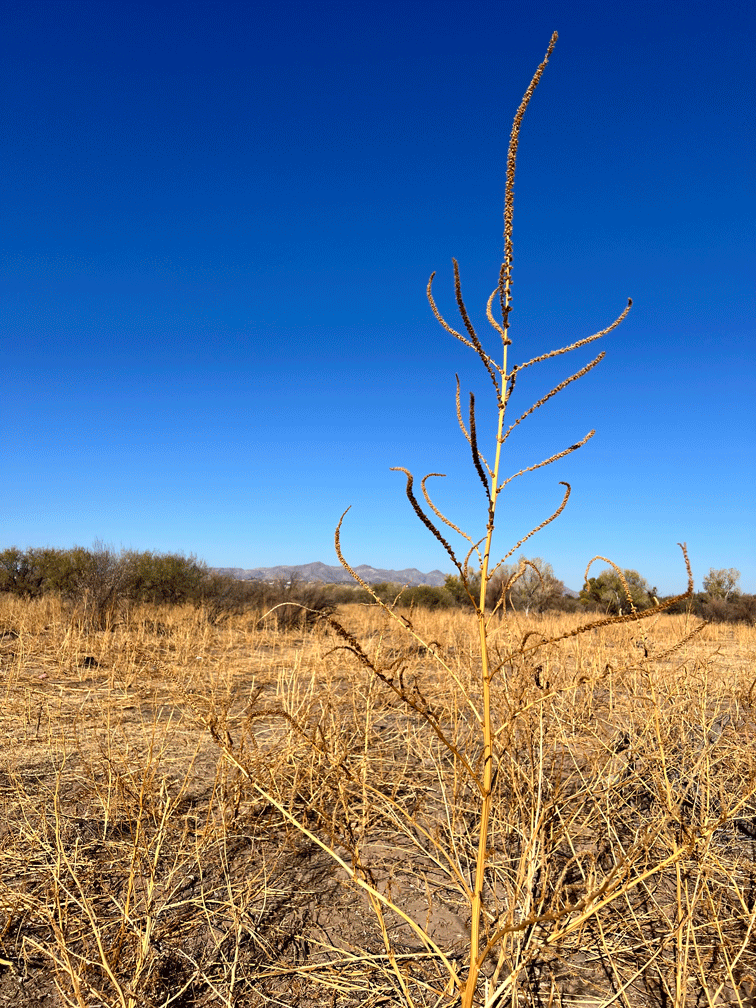
Away from the river, all the vegetation was dry. There were cattle wandering around and we were surprised to see them eating dry stalks. We wondered how they managed to stay alive.
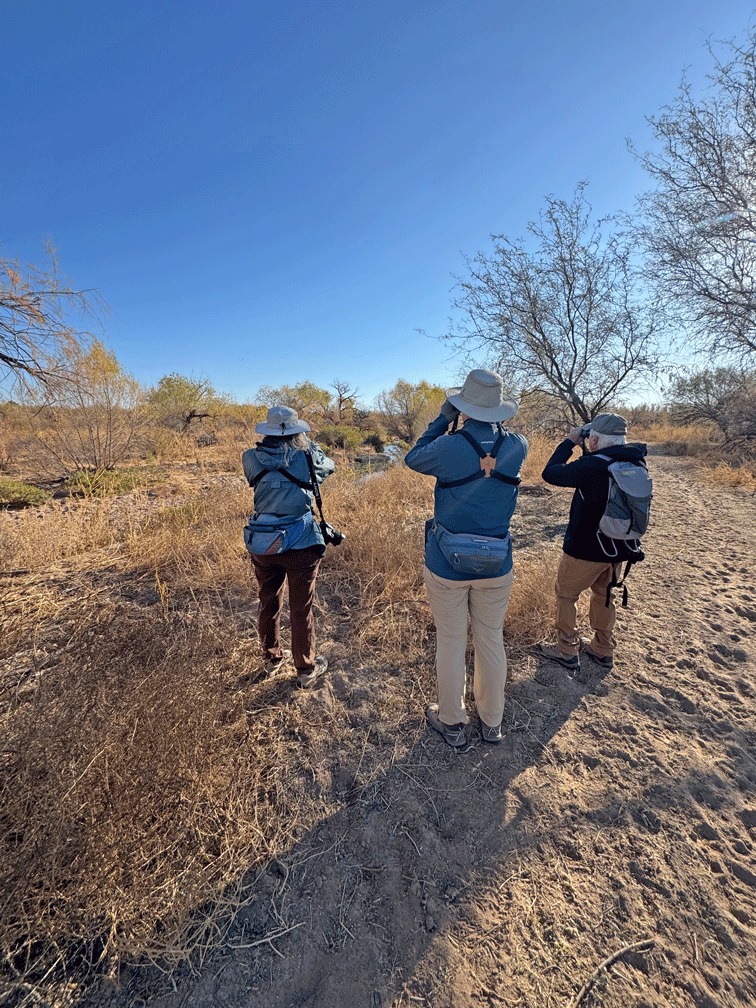
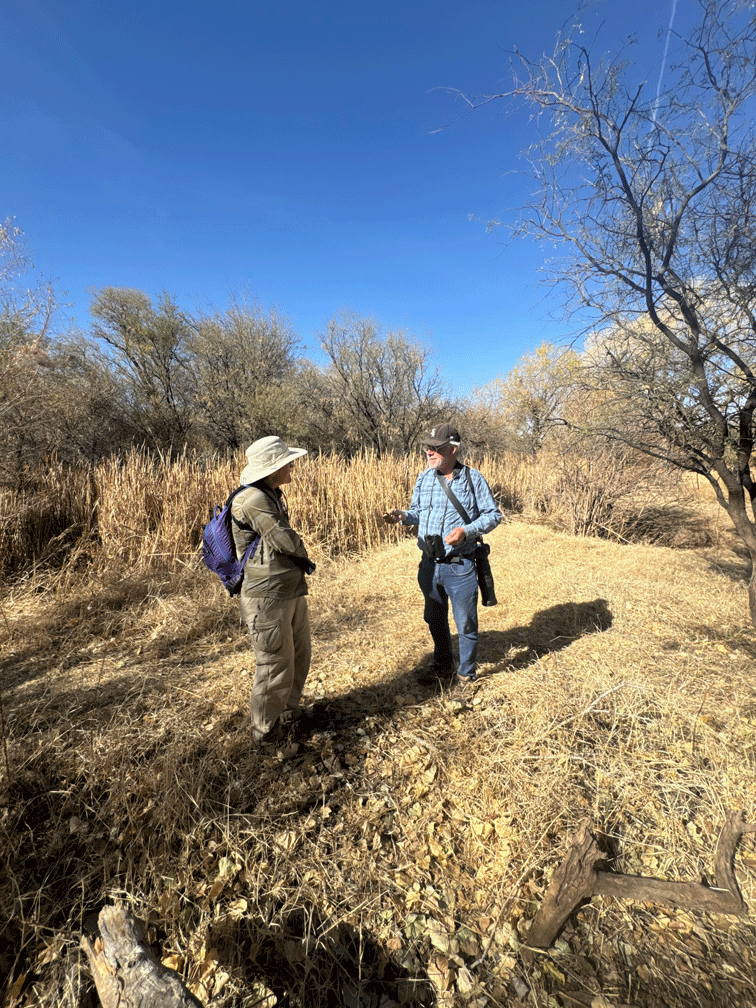
The area was full of sparrows, however. We estimated that there were over 400 White-crowned Sparrows in the six kilometre section. Brewer’s Sparrows were the next most prolific (60). In among all the White-crowned, we ferreted out some Lark, Vesper, Song and Lincoln’s Sparrows and some Lark Buntings. The most exciting sparrow was a singular Swamp Sparrow, because they can be very skulky. Ted (pictured below with Wendy) was also part of our team.
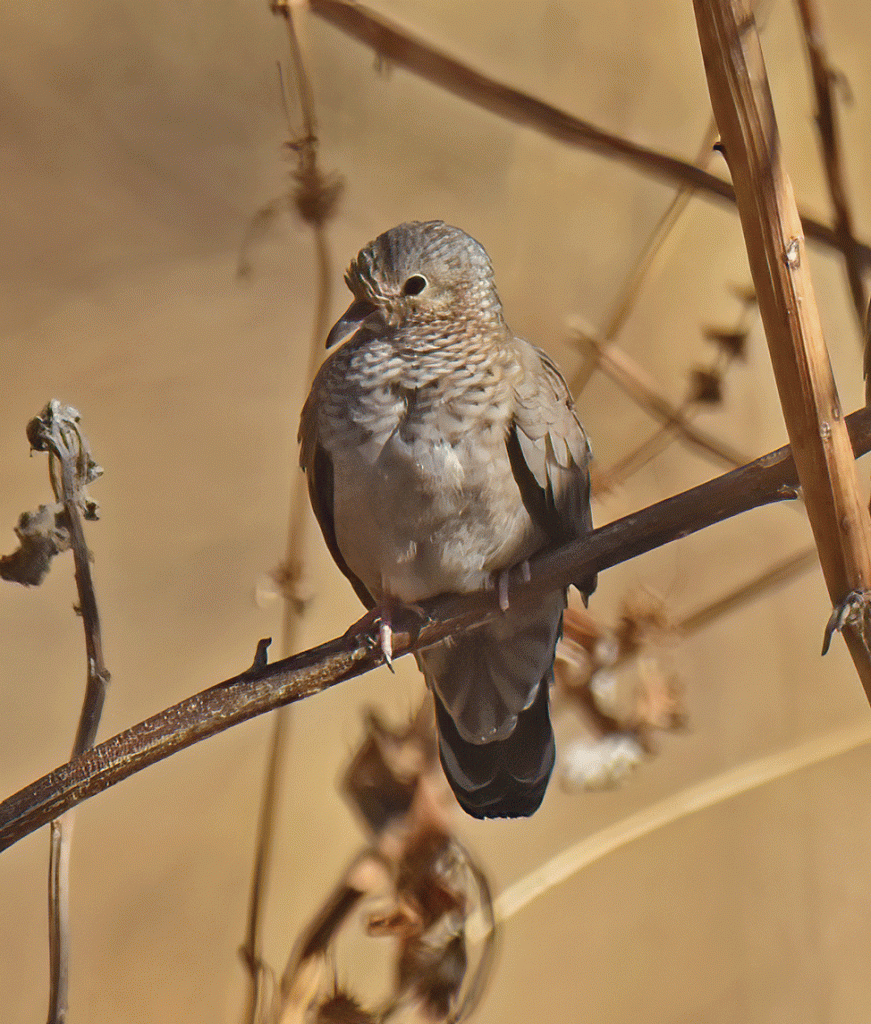
On our preview trip, we saw a group of Common Ground Doves. Notice how short the tails are on these birds. They have beautiful scaled breasts and napes.
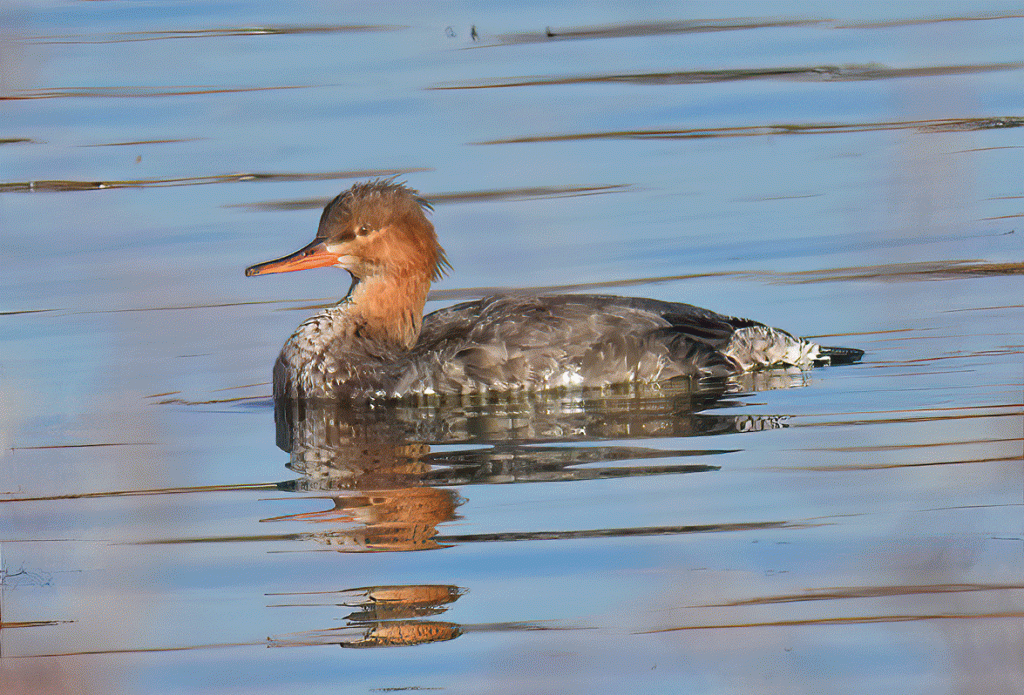
On our way back from the Nogales area, we stopped in at the Amado Water Treatment pond to see a female Red-breasted Merganser. This species is common all year on the coast, but is rarely seen in Arizona. This individual seems happy to stay however, because she has been there for over a month. The male of the species is the one that has a red breast in breeding plumage.
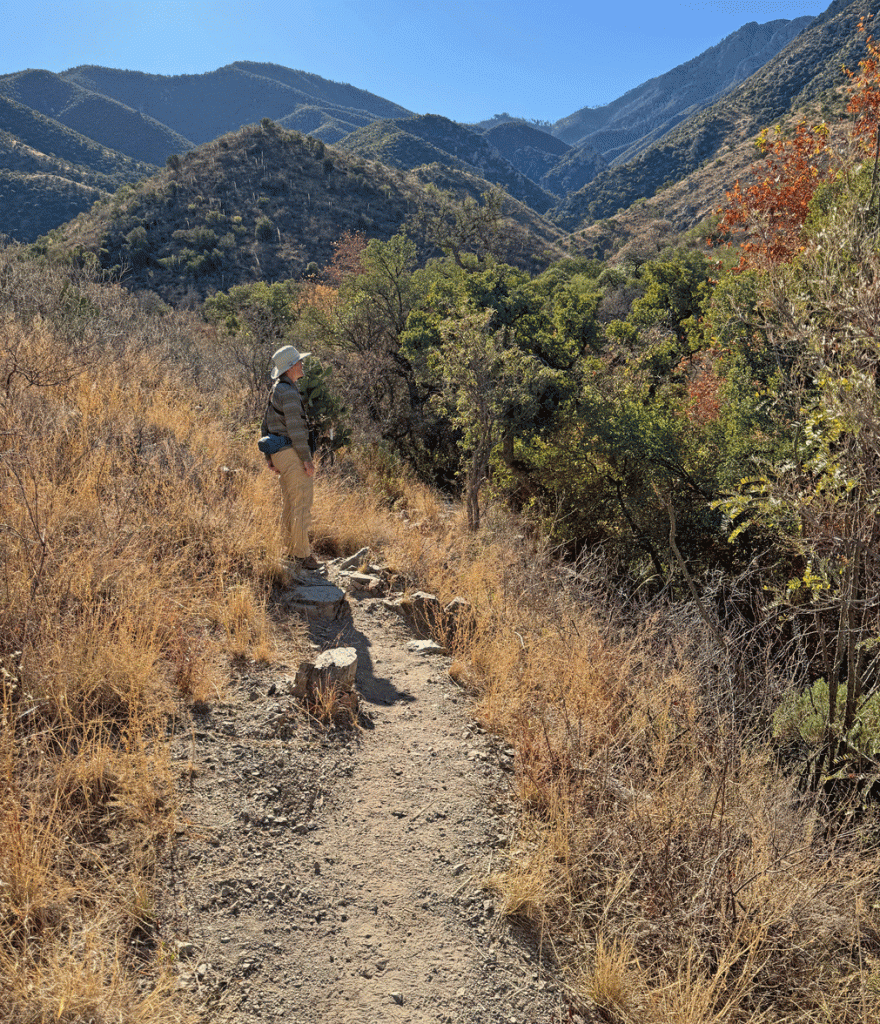
The next important destination for us was Florida Canyon which is close to the more frequently visited Madera Canyon. We spent a number of days in the canyon last January, in unsuccessful attempts to see a Rufous-capped Warbler. It is beautiful country, so we still enjoyed each visit.
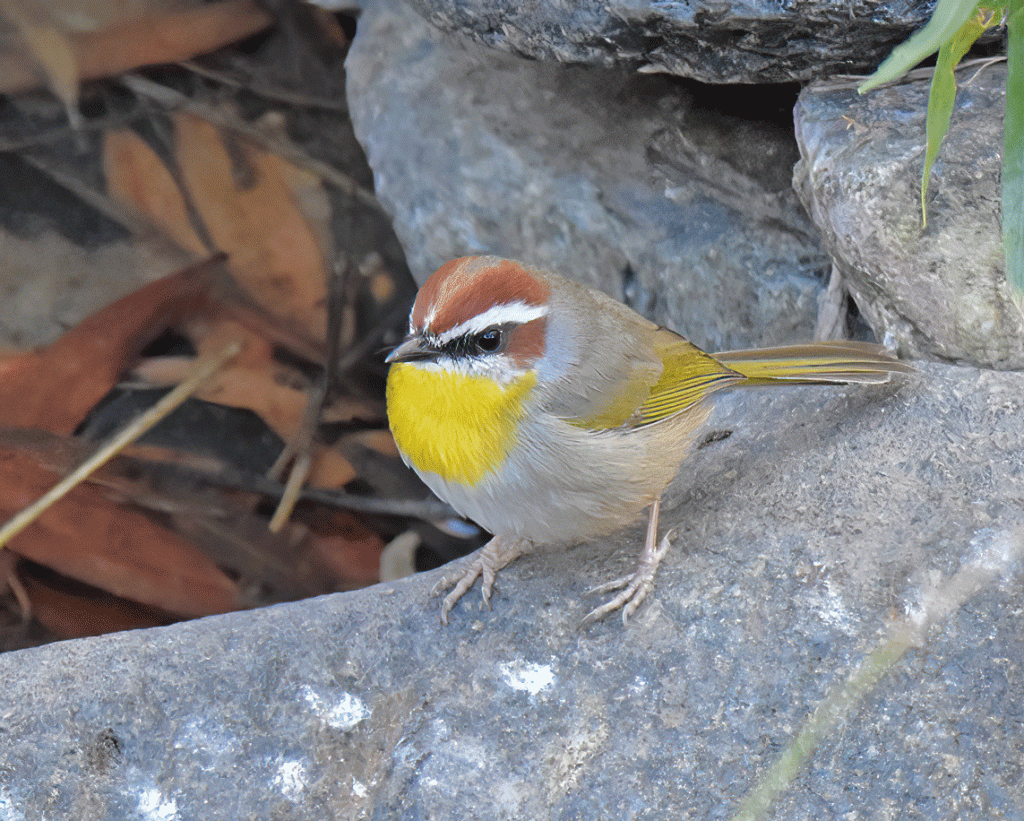
This time, we were successful. The Rufous-capped Warbler species is a rare sighting in southeast Arizona. It’s likely that the pair that were in the area last year nested in the canyon. Perhaps they will stay this season too. The warbler was easier to see this December than last spring because the only water around has collected in a small puddle at the bottom of an old dam. We only had to wait a few minutes before the warbler showed up for a drink and an insect snack.
Because we saw the warbler so quickly, we had time for more birding. We chose to go to Santa Rita Lodge in Madera Canyon, only fifteen minutes away. The lodge has a large viewing area with numerous feeders. We can count on seeing at least one Rivoli’s Hummingbird. If we’re lucky we’ll see the iridescent feathers when the light catches them at the right angle, like in the photo below.

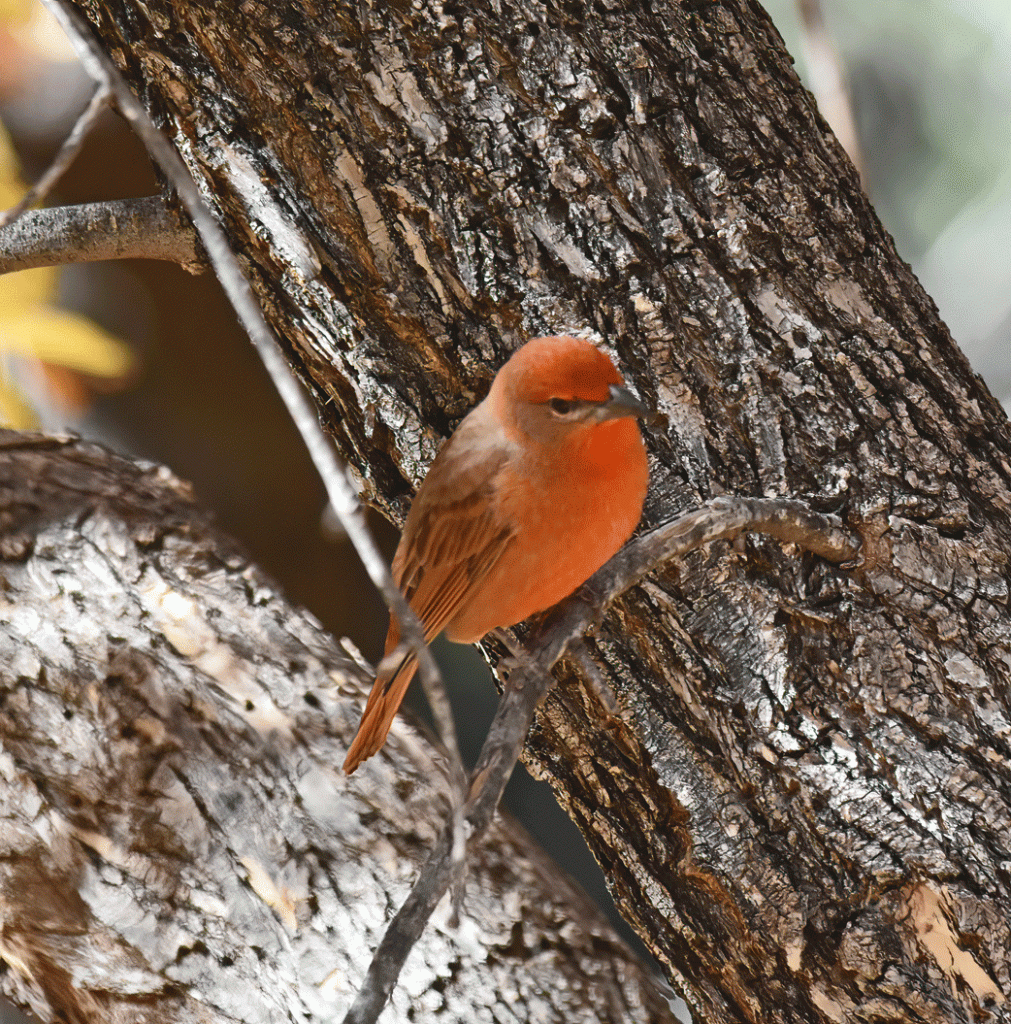
We also saw another common resident of the area, a male Hepatic Tanage. He was a beautiful orange-red that was especially bright on his forehead and throat.
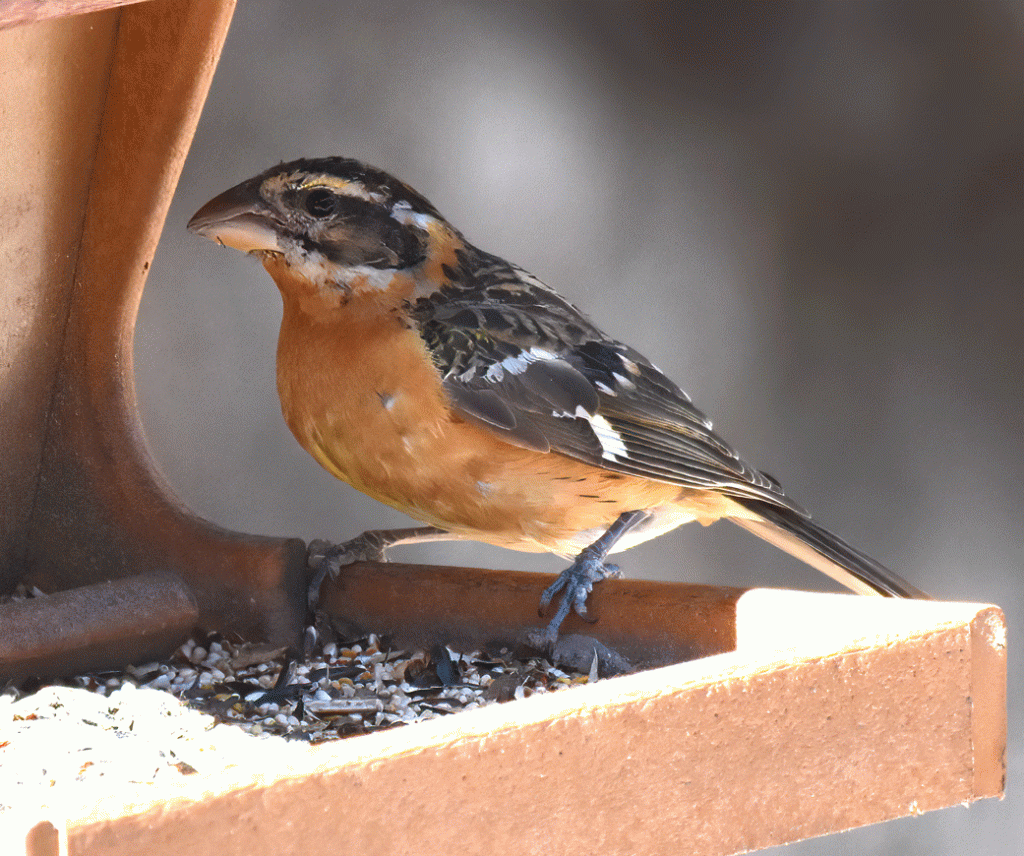
Likely this Black-headed Grosbeak stopped in to the feeders on its way to its wintering grounds in Mexico because we rarely see them in this location. A Black-headed Grosbeak has a similar song to the Hepatic Tanager, since they are in the same family.
One cold morning, we checked out the Patagonia-Sonoita Creek Preserve. The area still has many living cottonwoods, but none are as big as this one was before it died and fell over. This visit was our first unsuccessful attempt at seeing a Brown Thrasher.

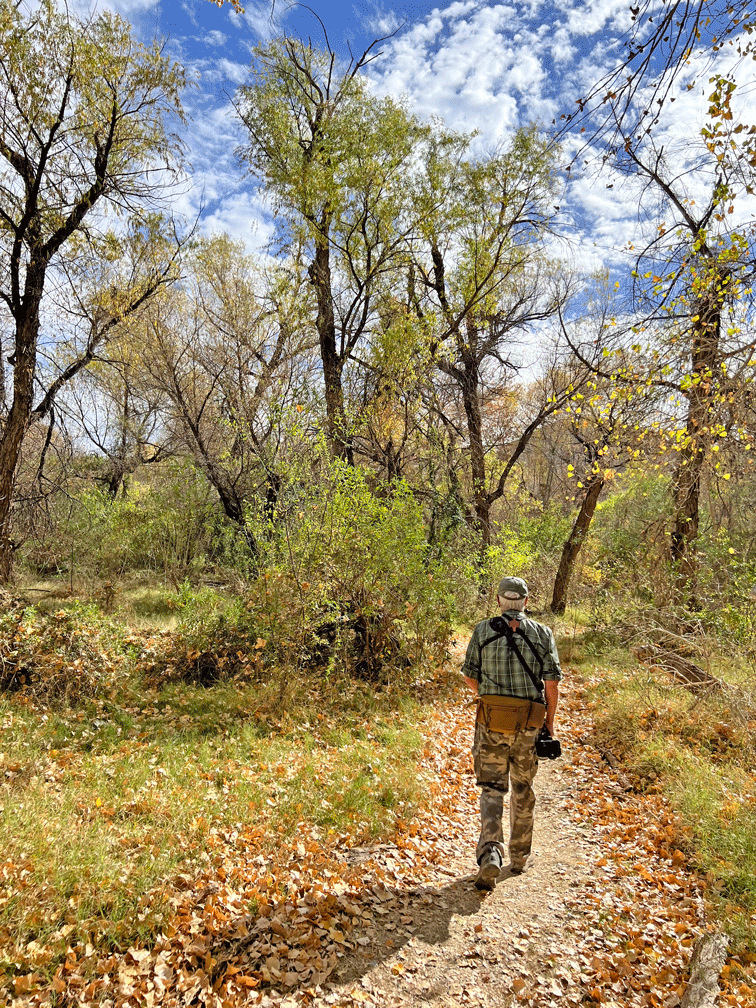
Later the same day, we walked on the birding trail at Patagonia Lake State Park. The trees remind us of early fall in BC.
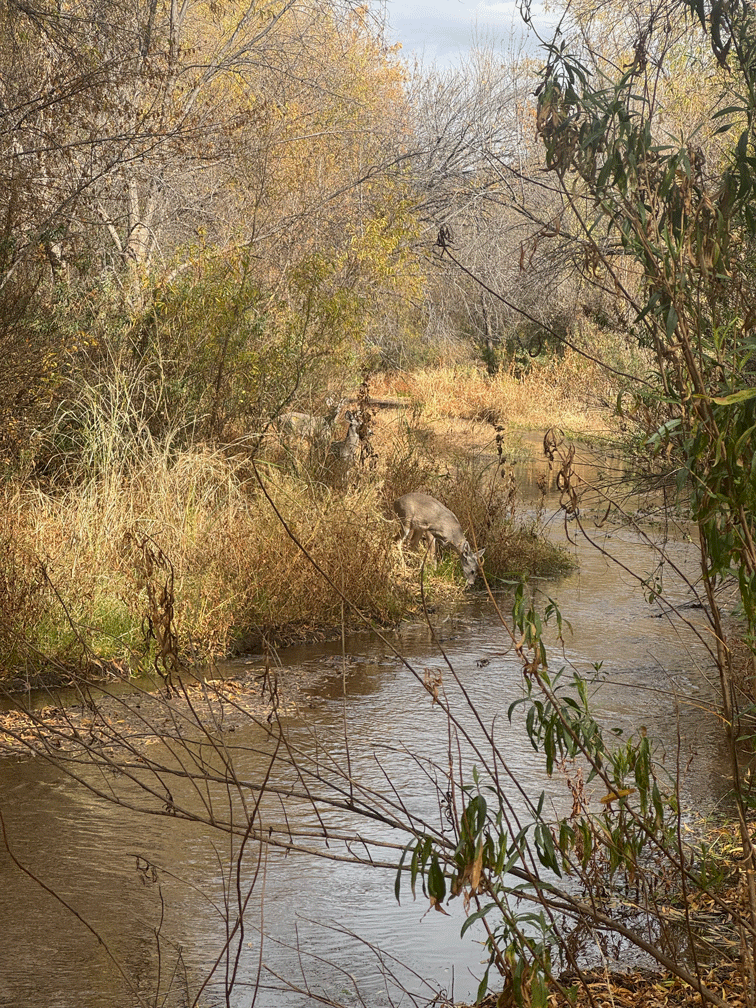
We had a good view of these three deer beside the creek. We saw several birds as well, but no photos this time.
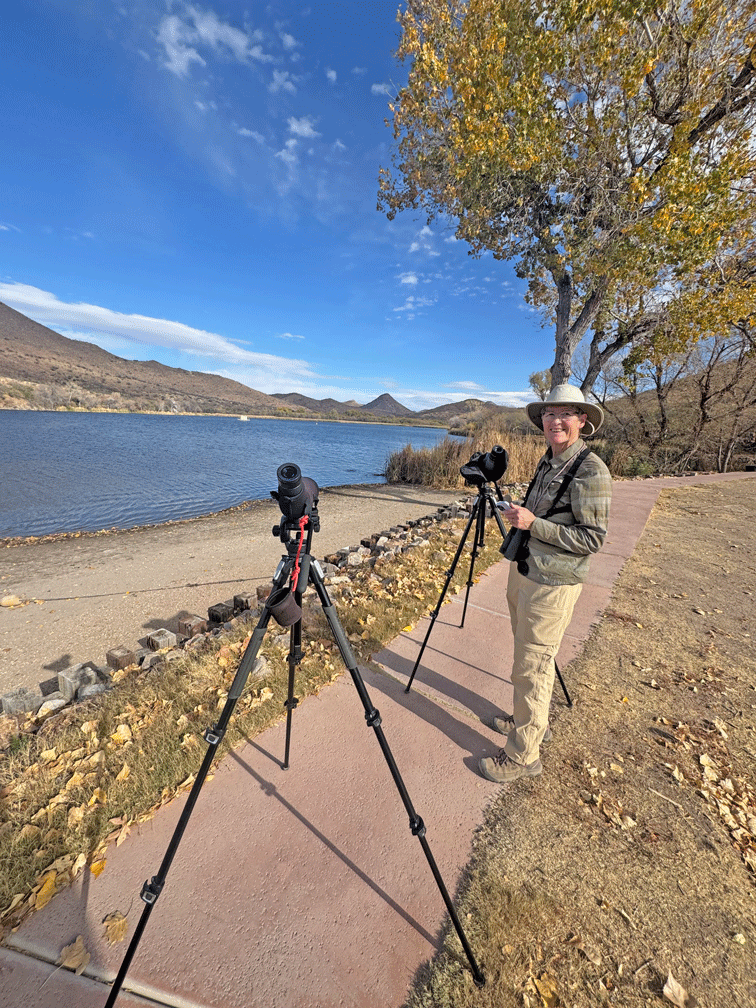
We were trying to see a Red-throated Loon that had been reported. We finally located it with our scopes from the beach area of Patagonia Lake.
Another day, we visited Sweetwater Wetlands in Tucson. It looked very different from last season because they had conducted a burn to improve the habitat.
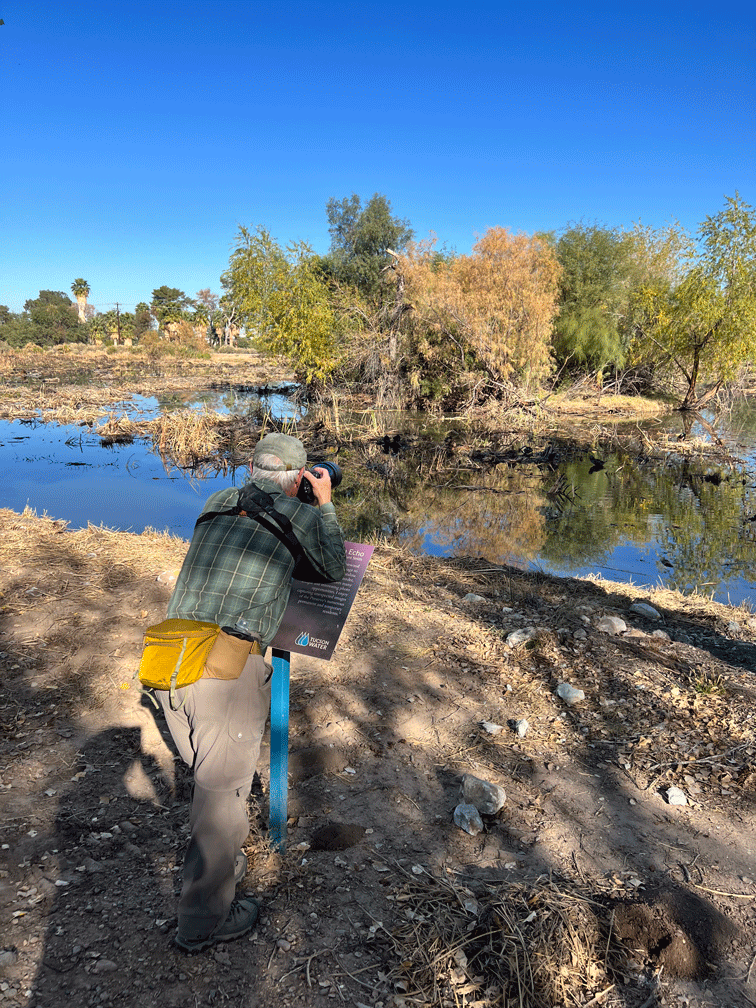
The ponds had become inundated with an invasive water lettuce that had likely been introduced by someone releasing their aquarium fish and water into the ponds. Over the years, other measures had been taken to try to eradicate the weeds, without success. This time, they drained the ponds, pulled weeds by hand, and burned. Hopefully it will be successful. Shorebirds like Spotted and Least Sandpipers and Wilson’s Snipe like this current habitat. Sparrows are also plentiful. Soon the ponds will fill up.

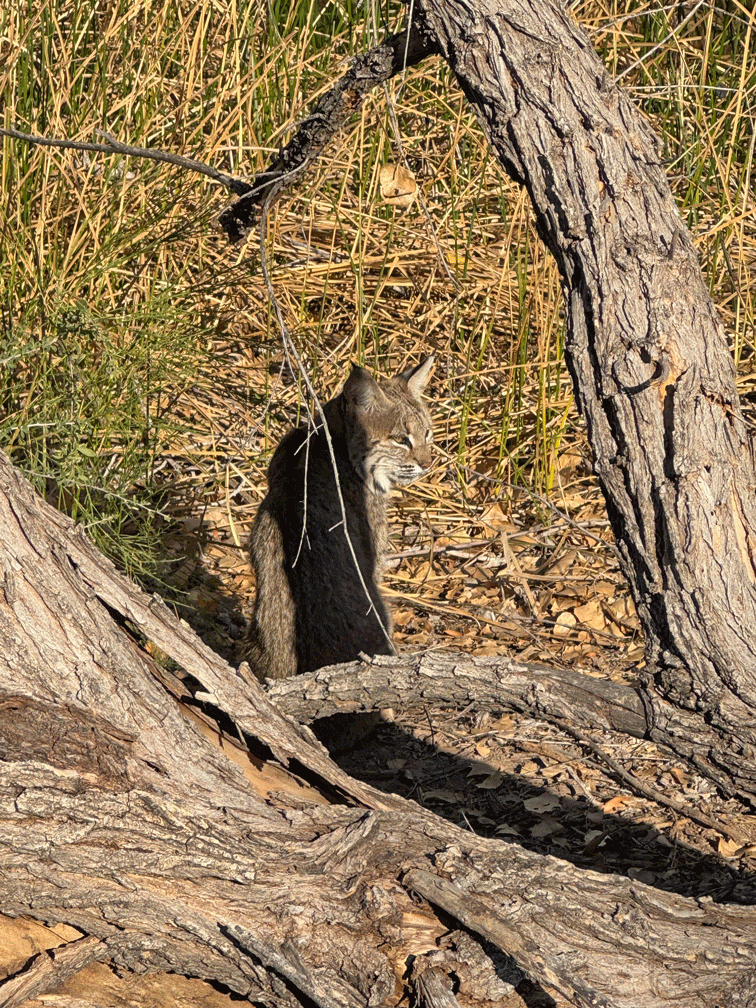
Several bobcats live in the wetlands and surrounding area. We were lucky enough to be so close to this one that Doug took the photo with his iPhone. It was right near the spot where we had a quick look at a rare Chestnut-sided Warbler.
We returned to Sweetwater ten days later on December 23 and had much better views of the female Chestnut-sided Warbler. No chestnut sides however, because she is not in breeding plumage. She is a first winter female and has a brilliant green back.

Another regular birding spot for us is Christopher Columbus Park.
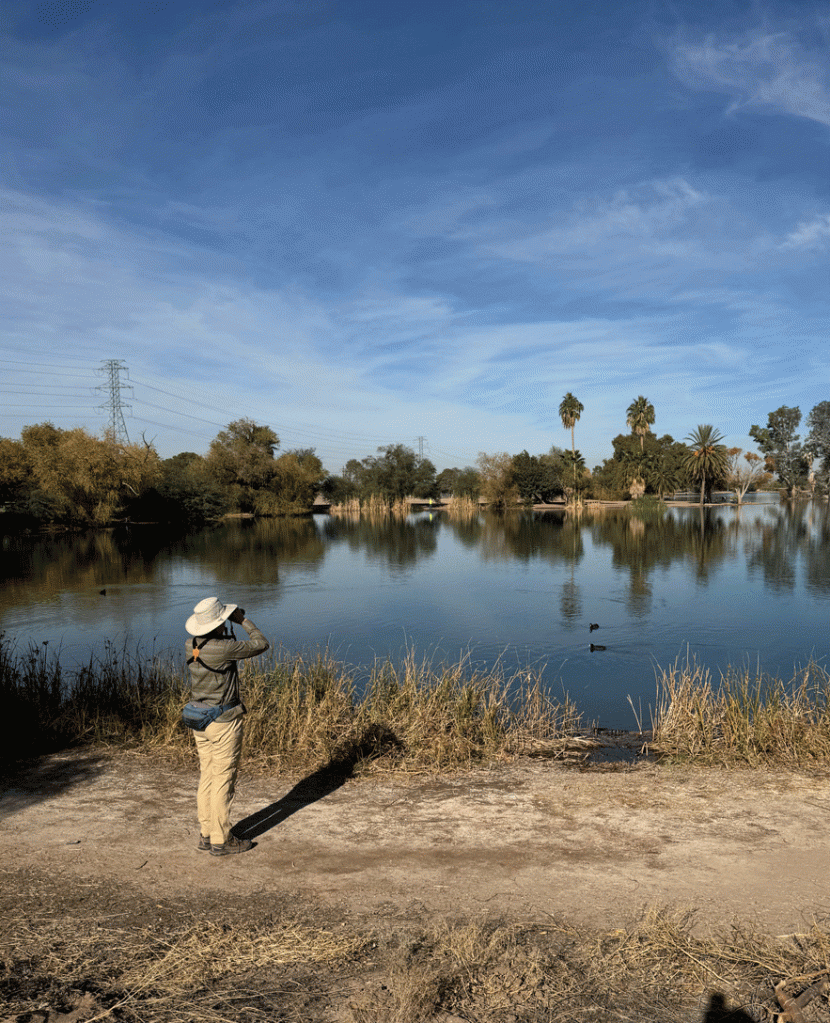
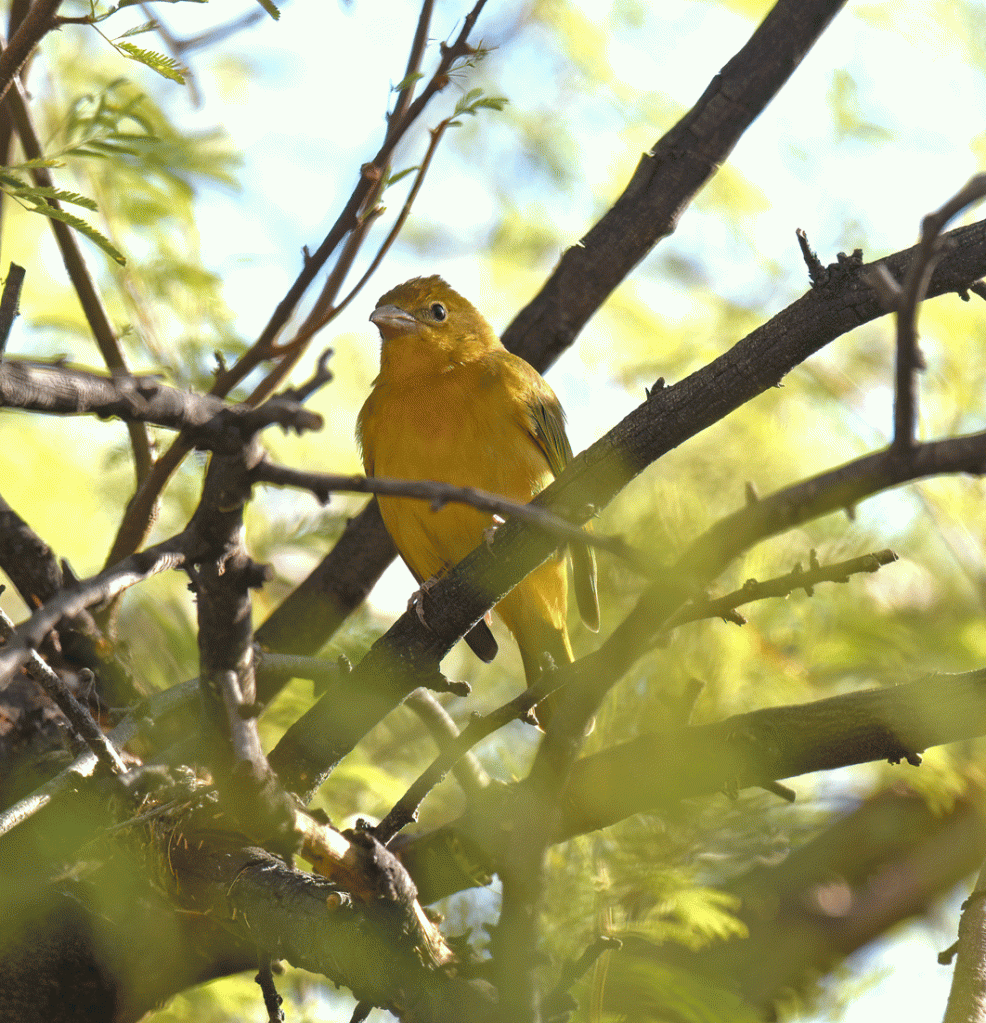
We saw this rare female Summer Tanager in the trees beside the stream that links the two lakes.
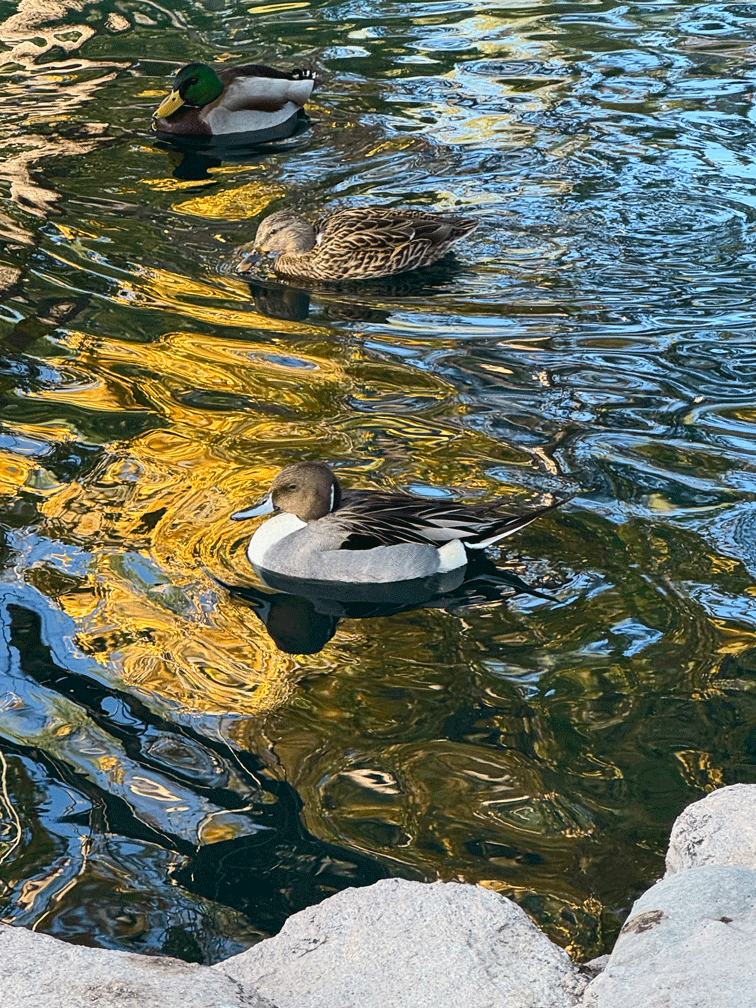
We try to get to Reid Park each month. Doug took this photo of a pair of Mallards and a Northern Pintail with his iPhone at the small pond at the park.
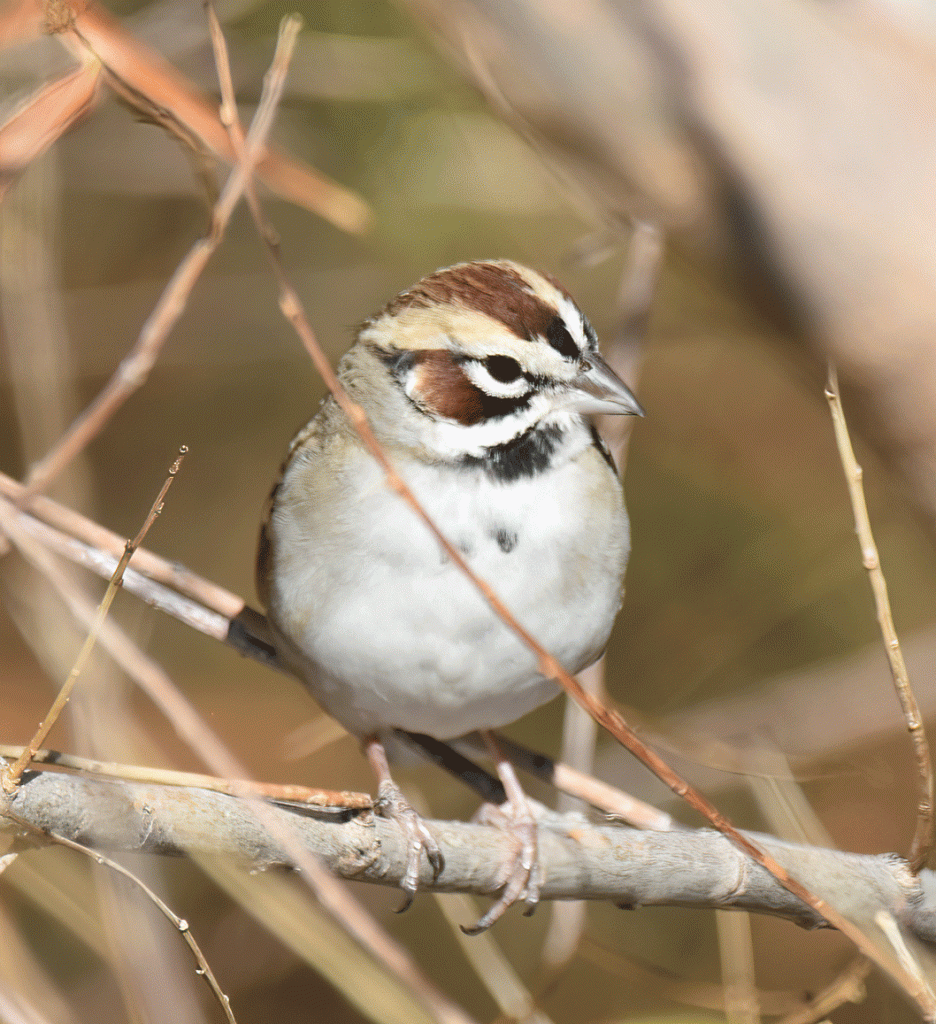
Another one of our regular birding spots is Canoa Ranch Conservation Park. It’s a good spot for sparrows and this December we got a good view of this Lark Sparrow.
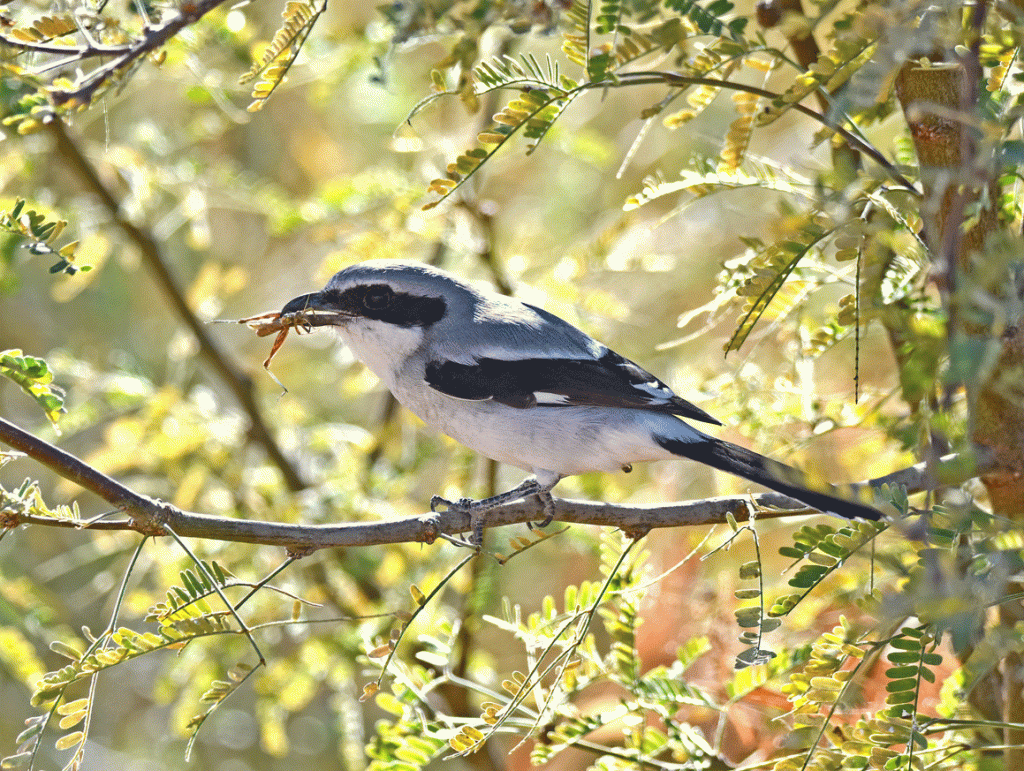
We can usually count on seeing a Loggerhead Shrike there as well.
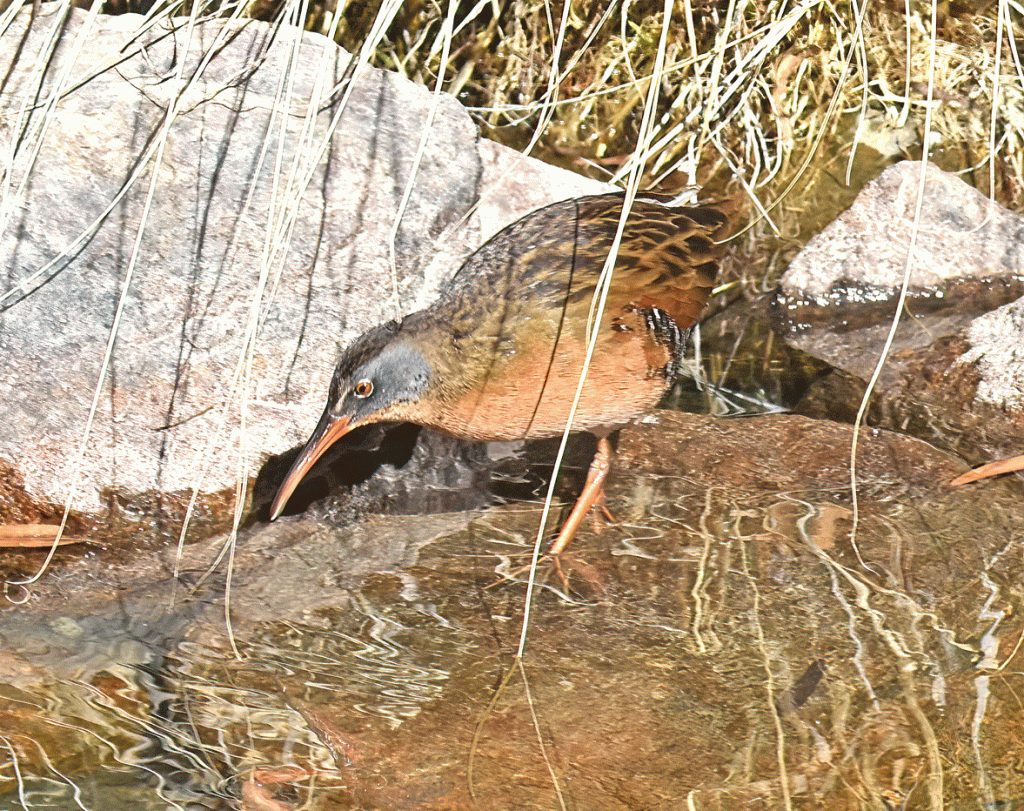
This Virginia Rail is a more recent visitor and has been hanging around for more than a month. There is a bridge right above the reeds where it hangs out in, so when it wanders out it’s easy to get a good view.
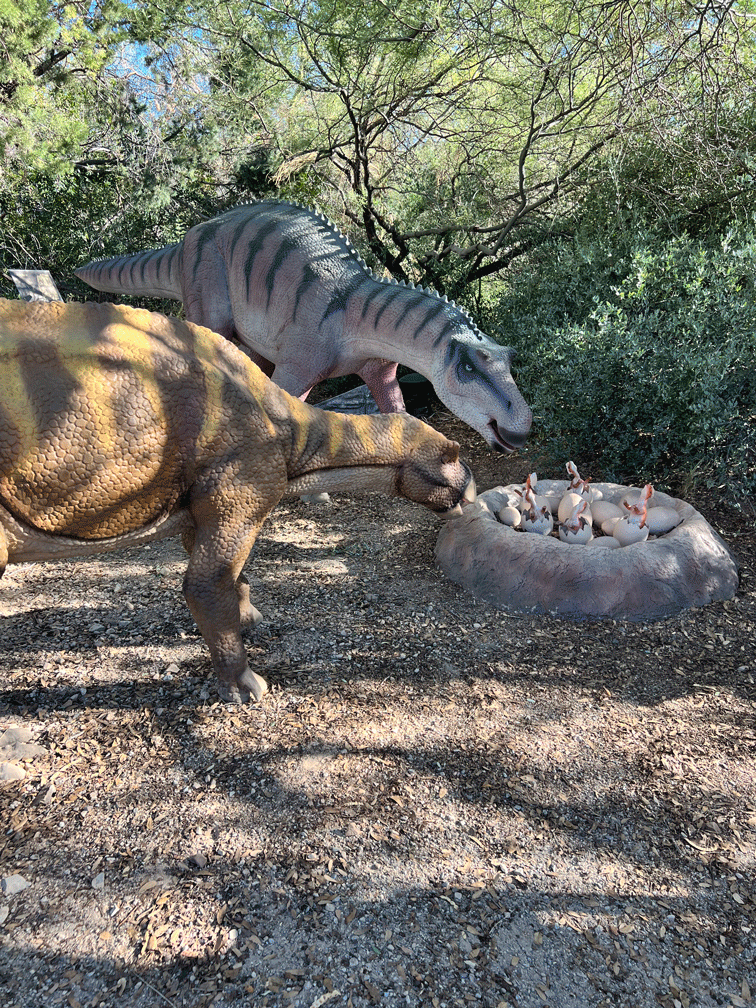
And of course, we had to visit the Arizona-Sonora Desert Museum. They have life-size animatronic dinosaurs on display until the end of March. This photo is of Maiasaura which means, “good mother dinosaur.” It earned its name because it was found with nests of eggs and babies. It lived in the Cretaceous period.
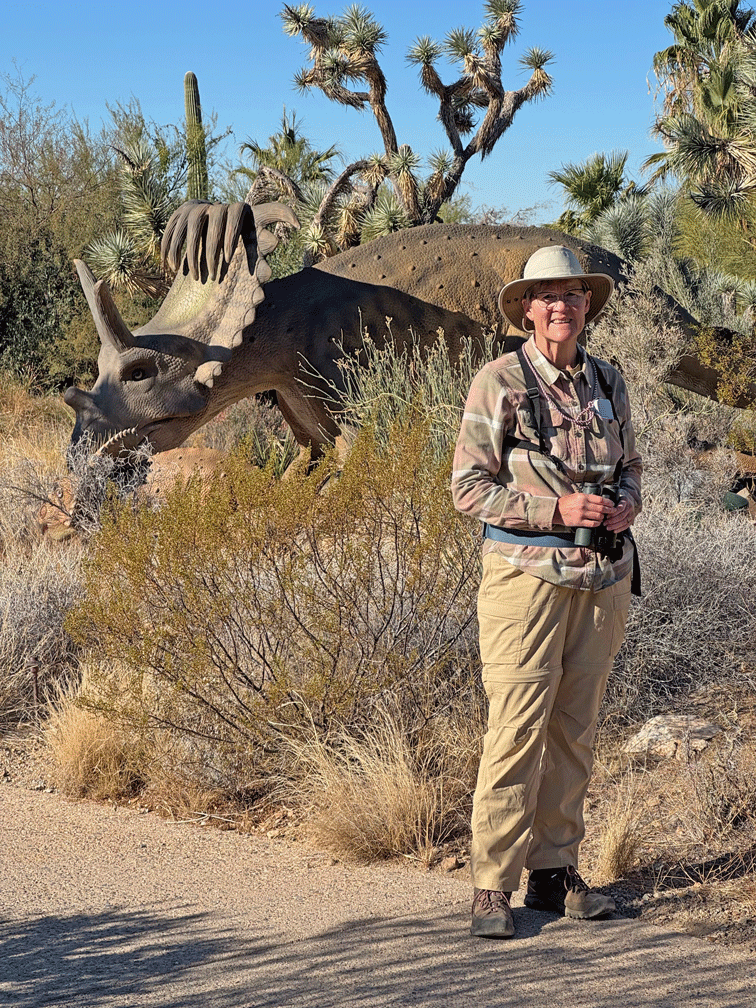
Wendy is standing in front of a model of Kosmoceratops, that had the fanciest head decorations of any dinosaur. It was a plant eater that lived in the Cretaceous period.
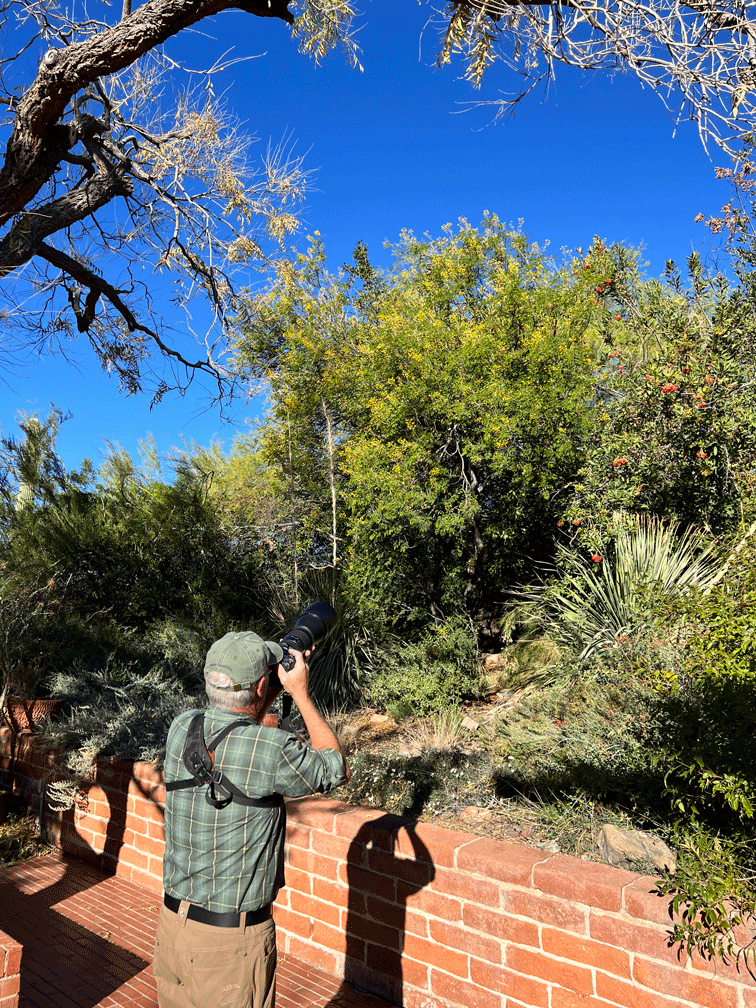
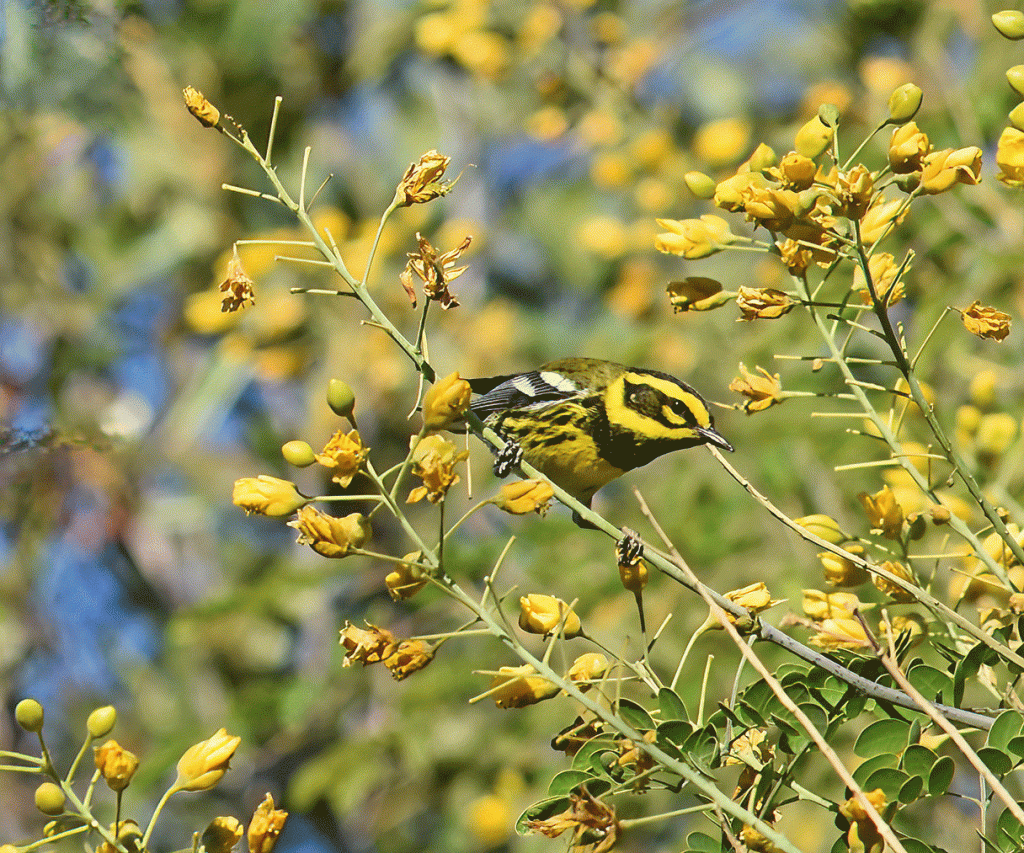
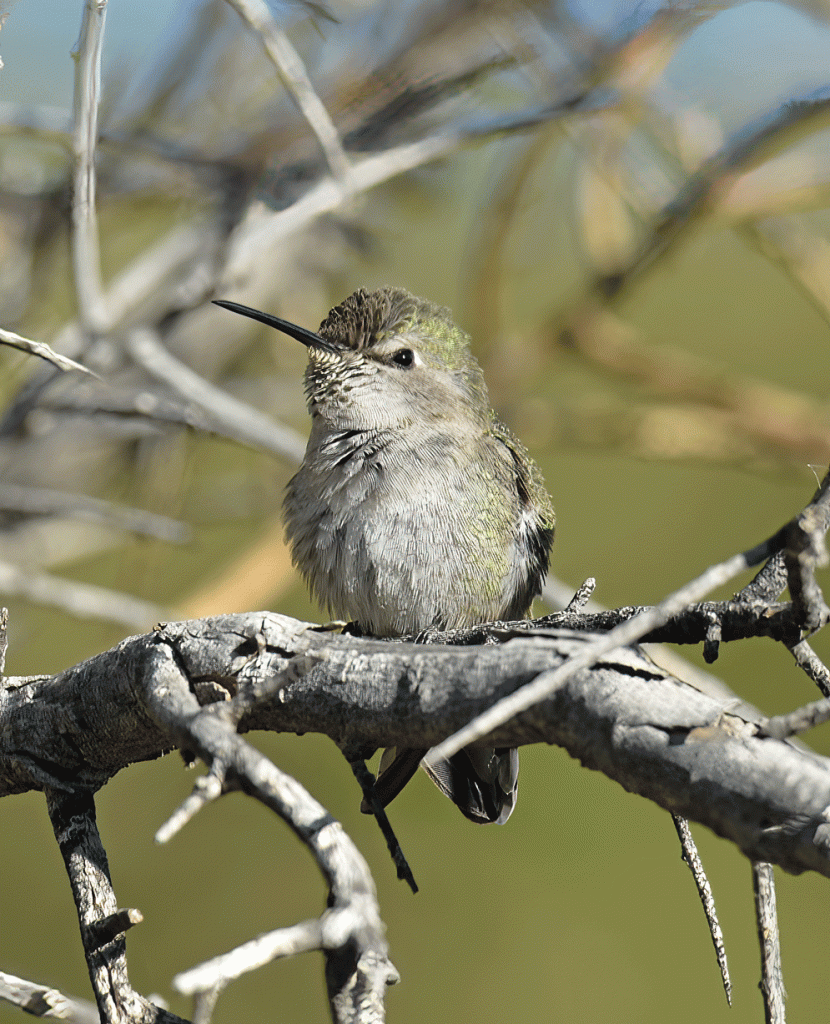
There’s a beautiful yellow flowering tree (Sweet Acacia, we think) in the desert garden section at the Desert Museum. On December 24th, it was full of birds: Ruby-crowned Kinglets, Hermit Thrushes, and Costa’s Hummingbirds, as well as a Townsend’s Warbler.
The male Townsend’s Warbler looks beautiful among the yellow flowers. The species usually winters a bit farther south than Tucson, so this one is considered a rarity.
That same day, Doug captured this female Costa’s Hummingbird.
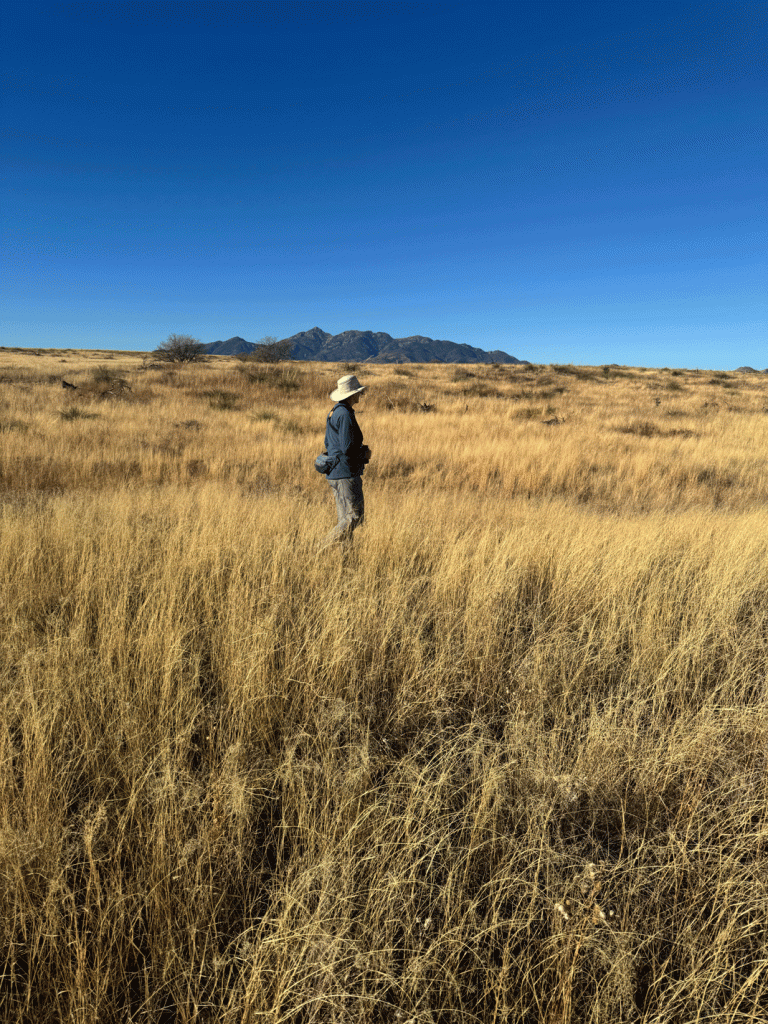
On December 29th we went to a new area for us in the Sonoita area. We wandered through the grasslands, mostly following cattle paths.
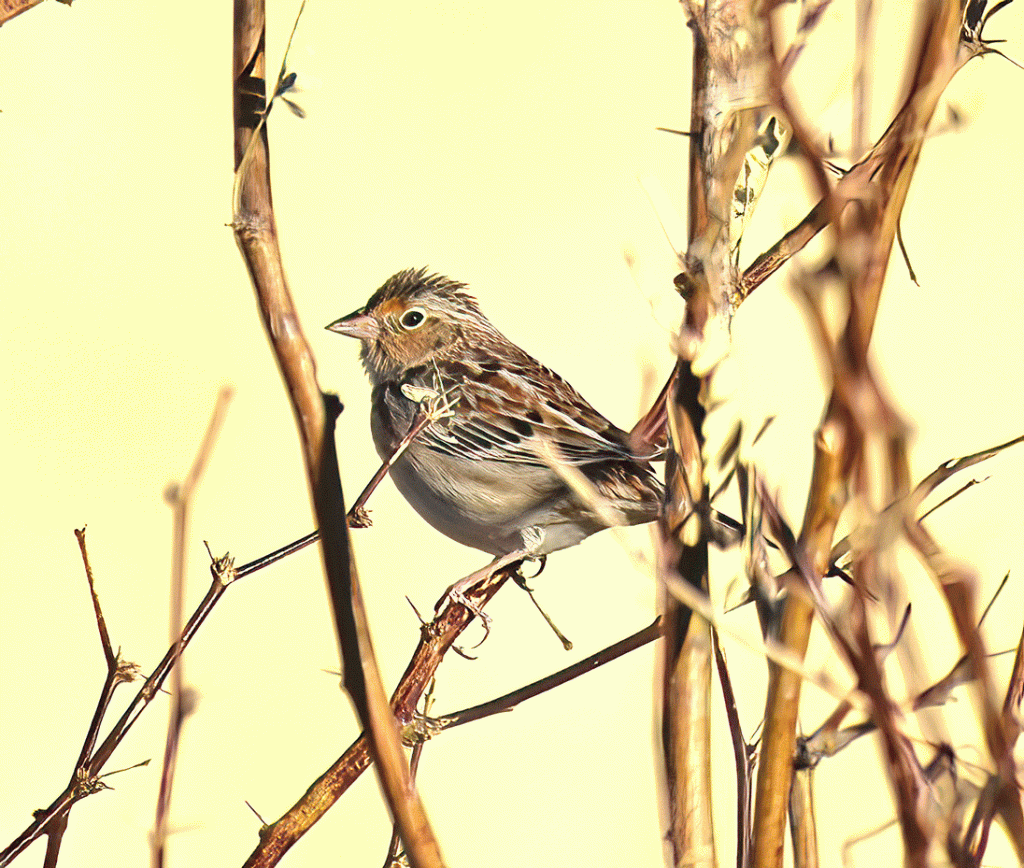
We saw more Grasshopper Sparrows than we have ever seen in one area.
It’s almost two weeks into the new year, and this post is now ready to be published. We’ve seen some other great birds already to include in January’s instalment. Until then…





 Travels with a Fox