
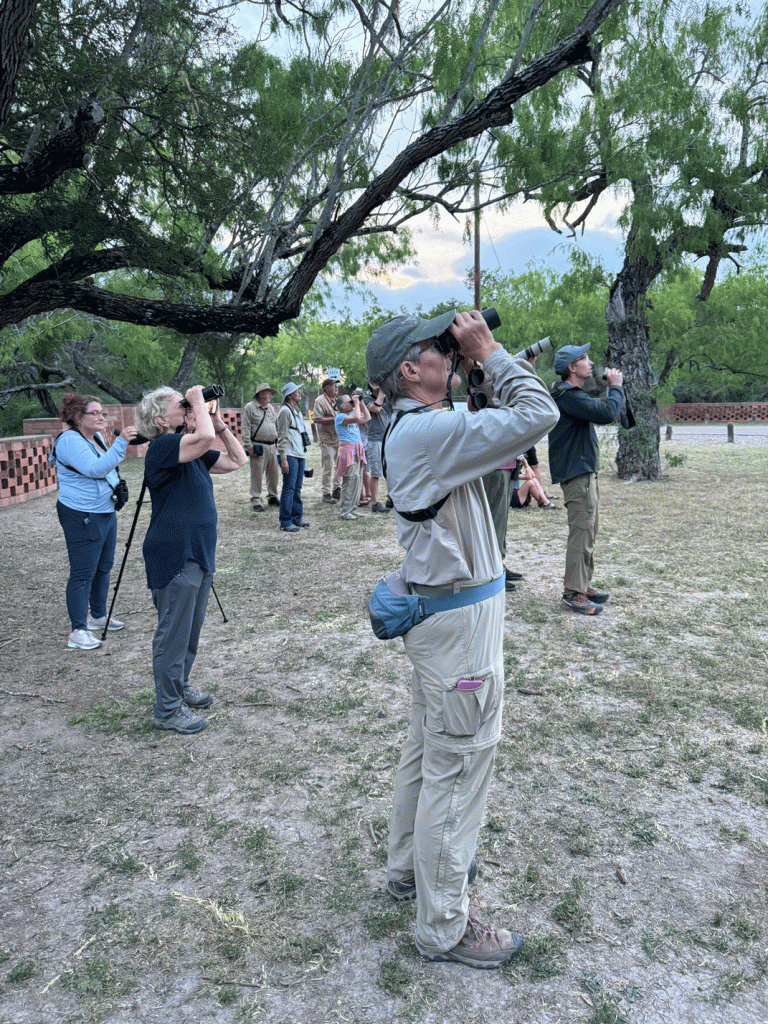
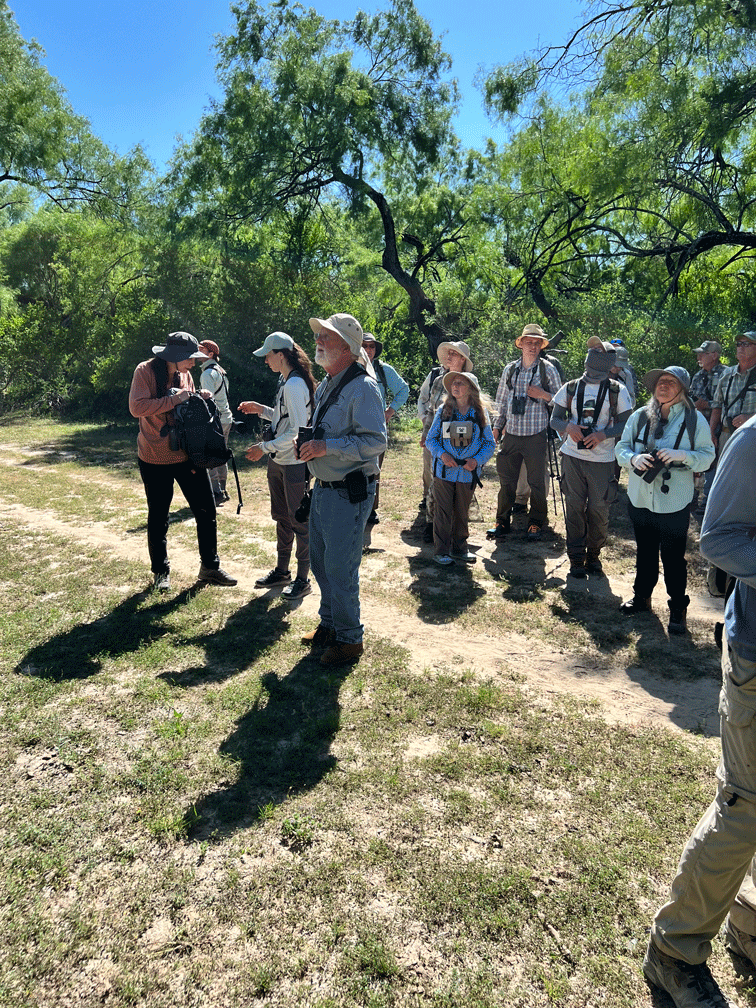
This is the final instalment of our trip to Texas in the first week of April. On our last day of birding, we went back to the Frontera Audubon Center in hopes of seeing a rare bird that we missed a few days before. First we hung out at one of the feeding stations. We stood behind a guided group for a while, seeing similar species that we had seen before.

We had a good view of a White-tipped Dove. The photo below shows the difference between a White-winged Dove (background) and the White-tipped. The two species are close to the same size. When a White-winged Dove flies, the large white patch on its wings is prominent, while a White-tipped Dove only has a bit of white on the corners of its tail. The conspicuous red legs of the White-tipped Dove help with identification. White-tipped Doves are widespread in Mexico, Central and South America, but are only found in the US in Southern Texas.

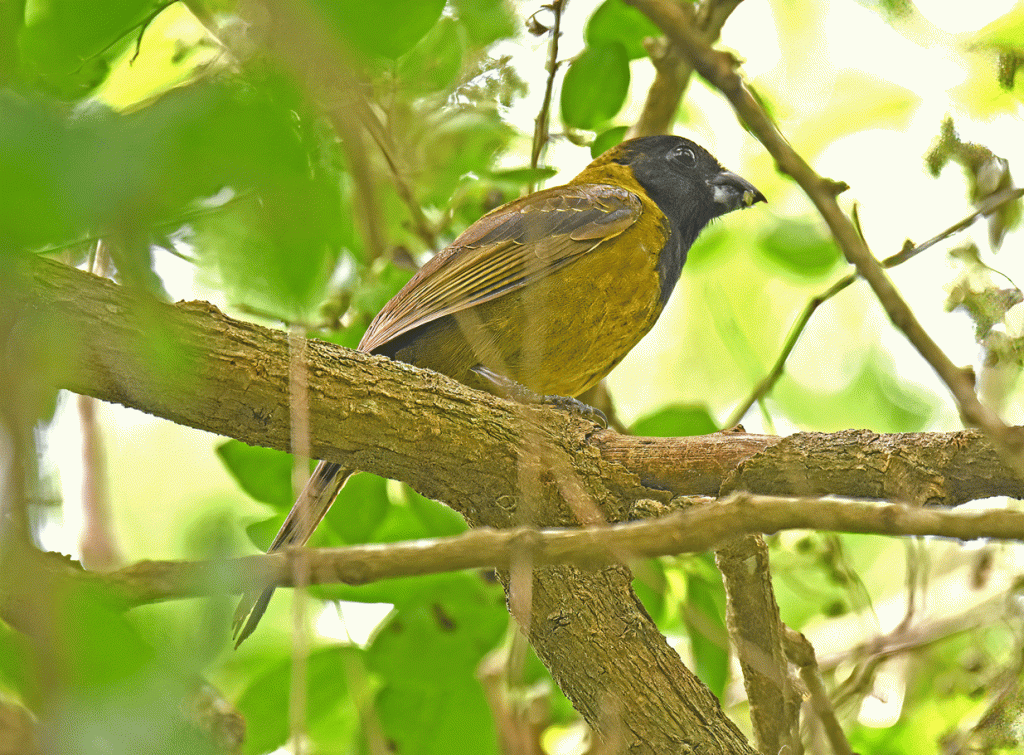
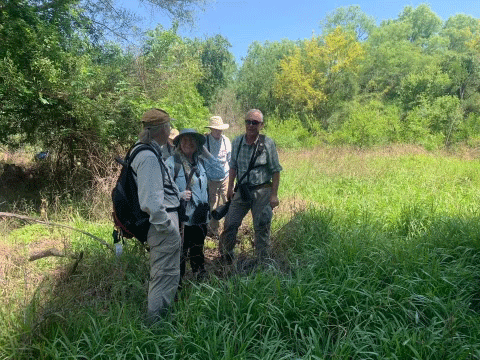
Wendy left the group at the feeding station and wandered nearer to the entrance, and met other birders who had heard and briefly seen the rare bird we were looking for. She messaged the others and soon we all were searching the thicket going back and forth and over to another trail and back again. A couple of Canadian birders joined us in the frenzy. Finally, all of us saw the female Crimson-collared Grosbeak. Here’s the best photo that Doug captured. The male of this species has a crimson collar, and the female is a drab greenish with a black hood. The Crimson-collared Grosbeak is native to a limited area of northeastern Mexico so it was nice that this one found the grounds of the Audubon Center so appealing.
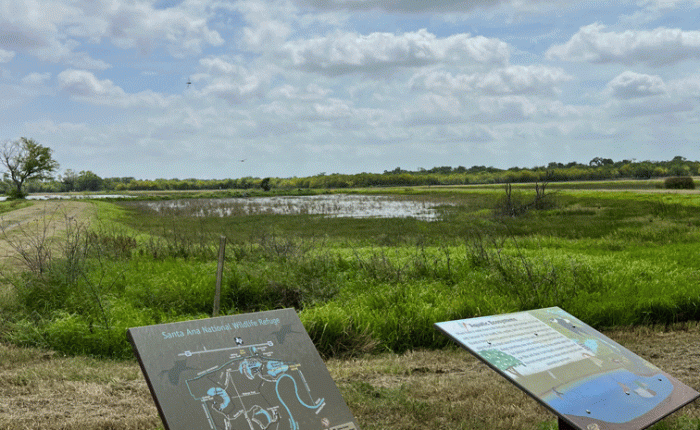
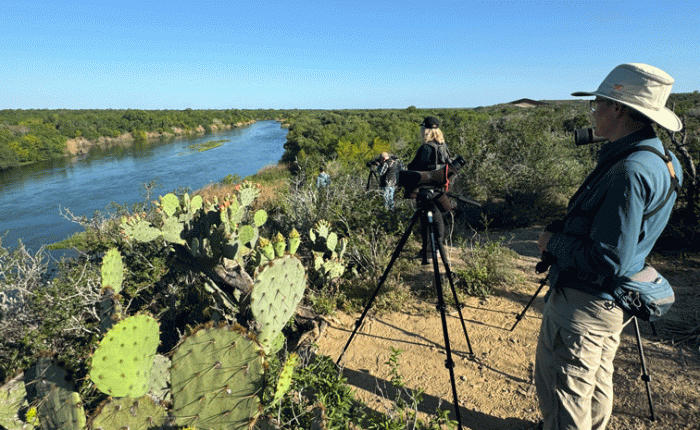
Later that day, we drove a short distance to the Santa Ana National Wildlife Refuge. The refuge is huge, but we focused on a smaller area around the Pintail Lakes. The Pintail Lakes are the lakes on the right of the map below, and the winding river is the Rio Grande, so you can see how close we were to Mexico.

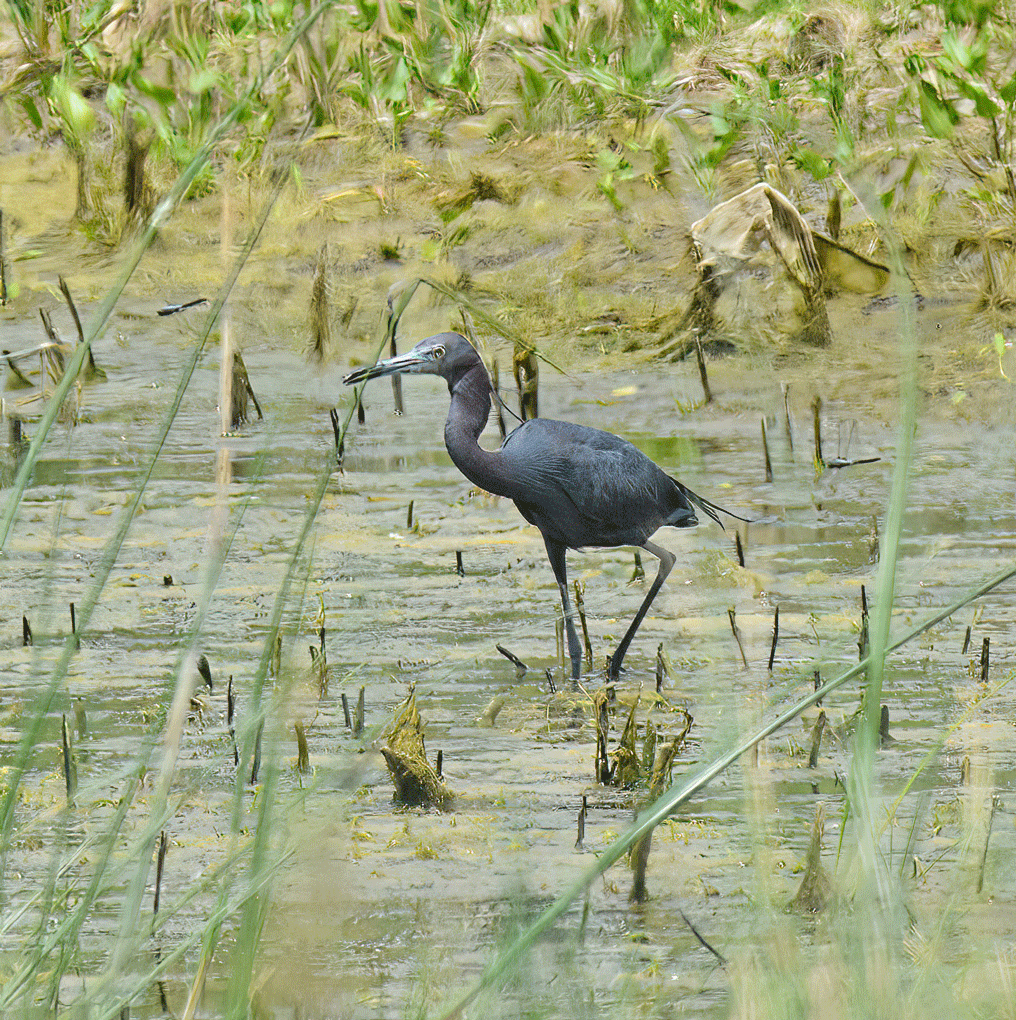
We were really happy to see some Little Blue Herons, since we had never seen them in the US.

Here’s another adult Little Blue Heron. Immature Little Blue Herons are all white in their first year, which make them a little harder to identify.
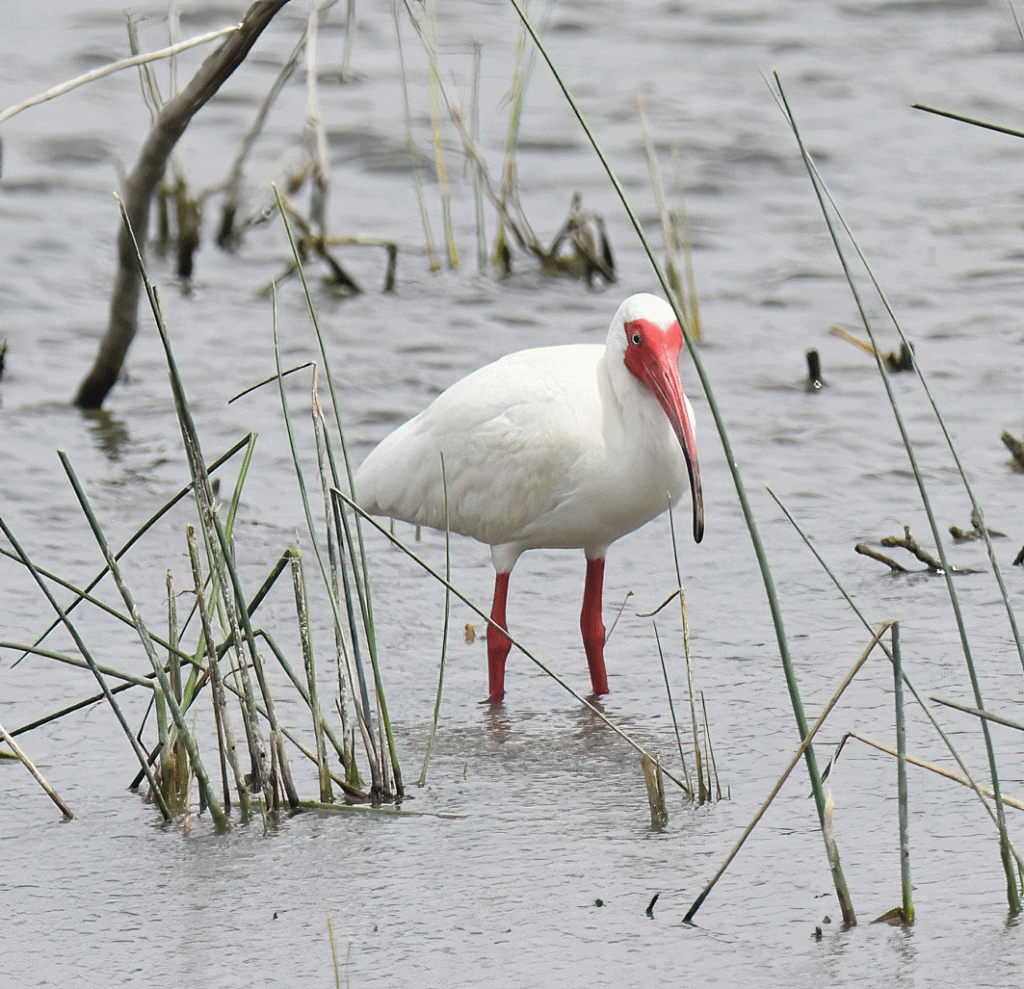
Here’s an adult White Ibis.
And a scruffier looking immature White Ibis.

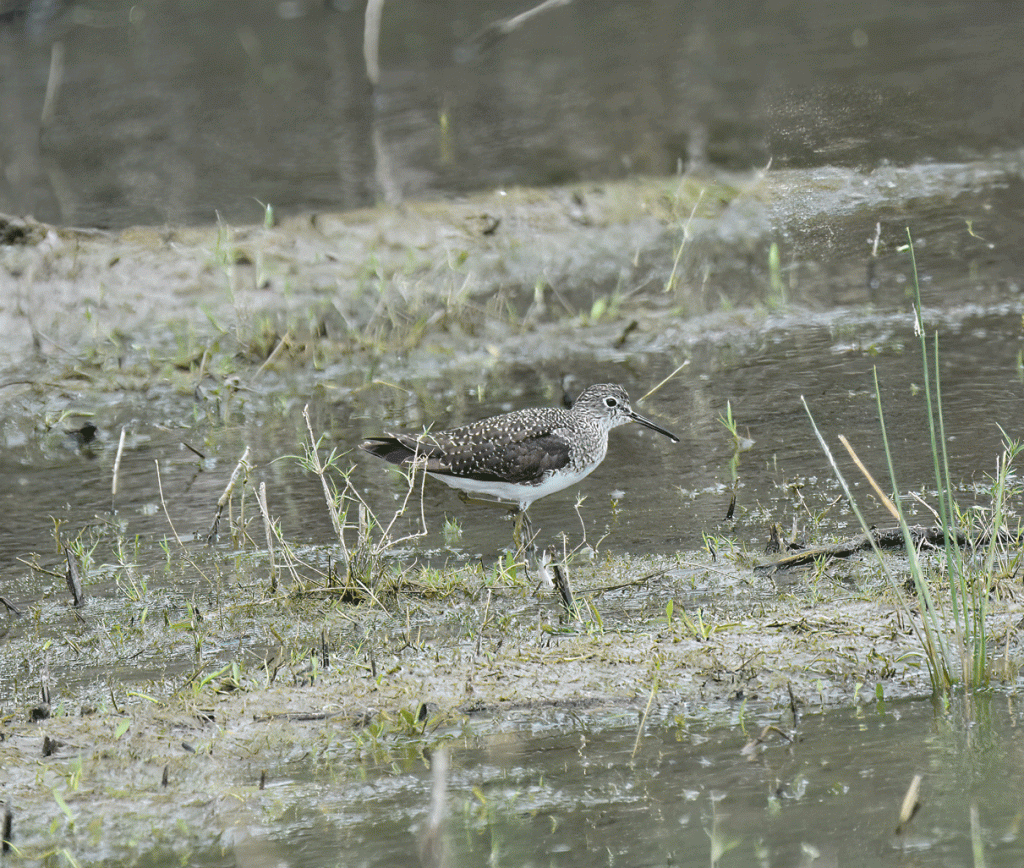
We also got a good view of a Solitary Sandpiper, a sandpiper that we can see at home during its migration.
This Hooded Oriole was alongside of the road on our way back to the parking lot. It seemed as if it was saying,”I may not be rare, but I’m pretty enough for you to take my photo!”

After a quick dinner at our casita, we walked over to the Bentsen-Rio Grande Valley State Park. It was just before sunset as we crossed the border wall area.

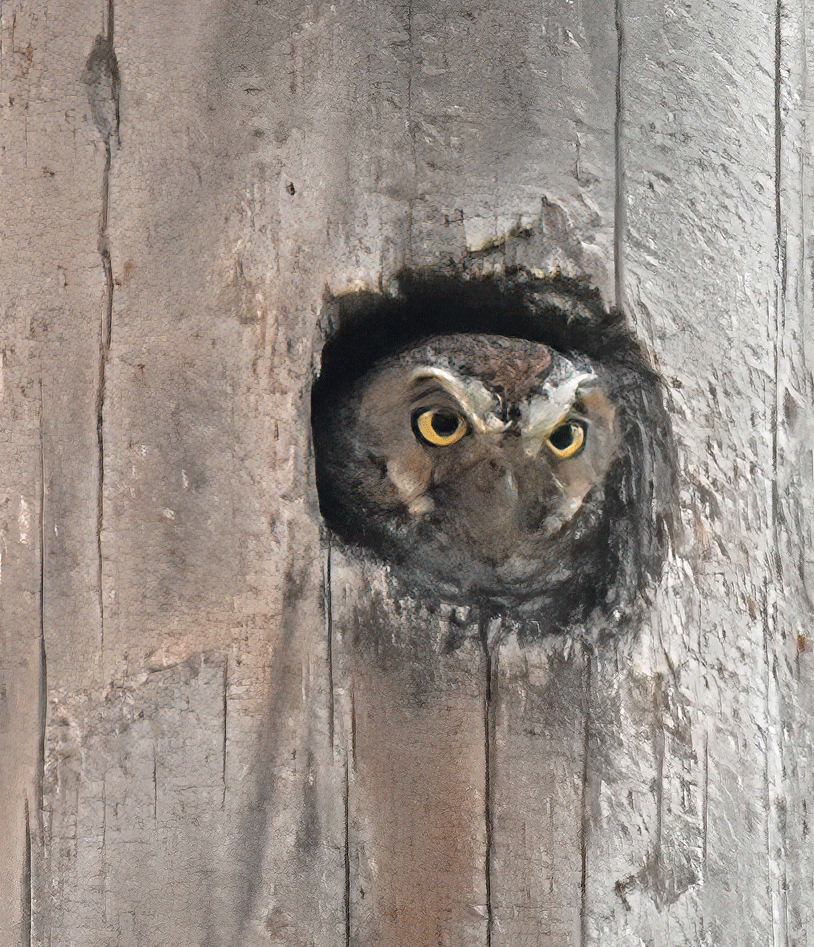
An Elf Owl had taken up residence in a power pole near the State Park entrance gate. It had a predictable behaviour of looking out of its hole for a few minutes near sunset, then flying off for a night of foraging. Every night there were people there waiting to see it. We all stood a long way from the pole.
Here’s a photo of the power pole and a closer view of the owl, taken in dim light.

As we were walking back in the dark, (there is a very short dusk in the lower latitudes), we heard a bird call unlike any we had ever heard. Wendy recorded it and with the help of the Merlin app, we realized that we had heard a Chuck Will’s Widow, which is a strictly nocturnal bird, and is more often heard than seen. We hadn’t expected it hear it, but it must have migrating. Another lifer!
So finally, our Texas trip has been documented! In our seven day trip, we saw 184 species, and 34 of them were birds we had never seen before (lifer or life bird). But it wasn’t just about “the list.” We also experienced some different and unique environments with good friends.
We spent the next three weeks of April in Arizona, but it already seems like a long time ago. Perhaps we’ll post another blog about that time, or not…



 Travels with a Fox