

This post will cover the highlights of our birding day trips in Arizona. We submitted over fifty checklists to eBird for the month and had at least one list for 24 out of the 29 days, so it would be safe to say that we went birding a lot.
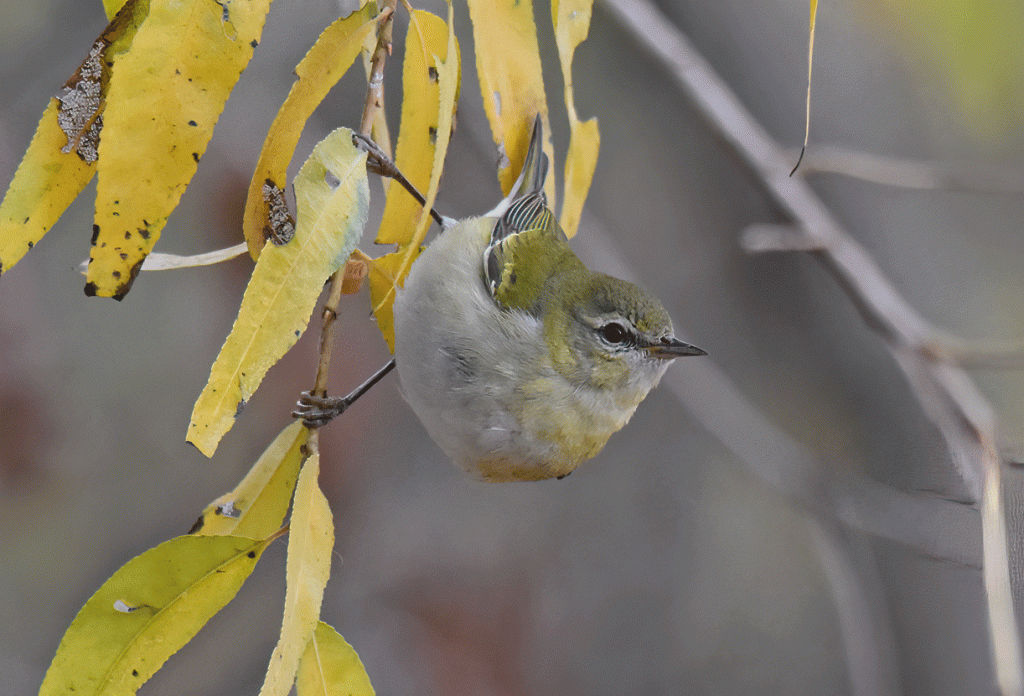
This first photo, actually from early January, is of a Tennessee Warbler, which is a rare sighting for the Tucson area. We were getting ready to leave after a couple of hours of watching and took one more pass through the willows and it popped up. It’s a female in non-breeding plumage.
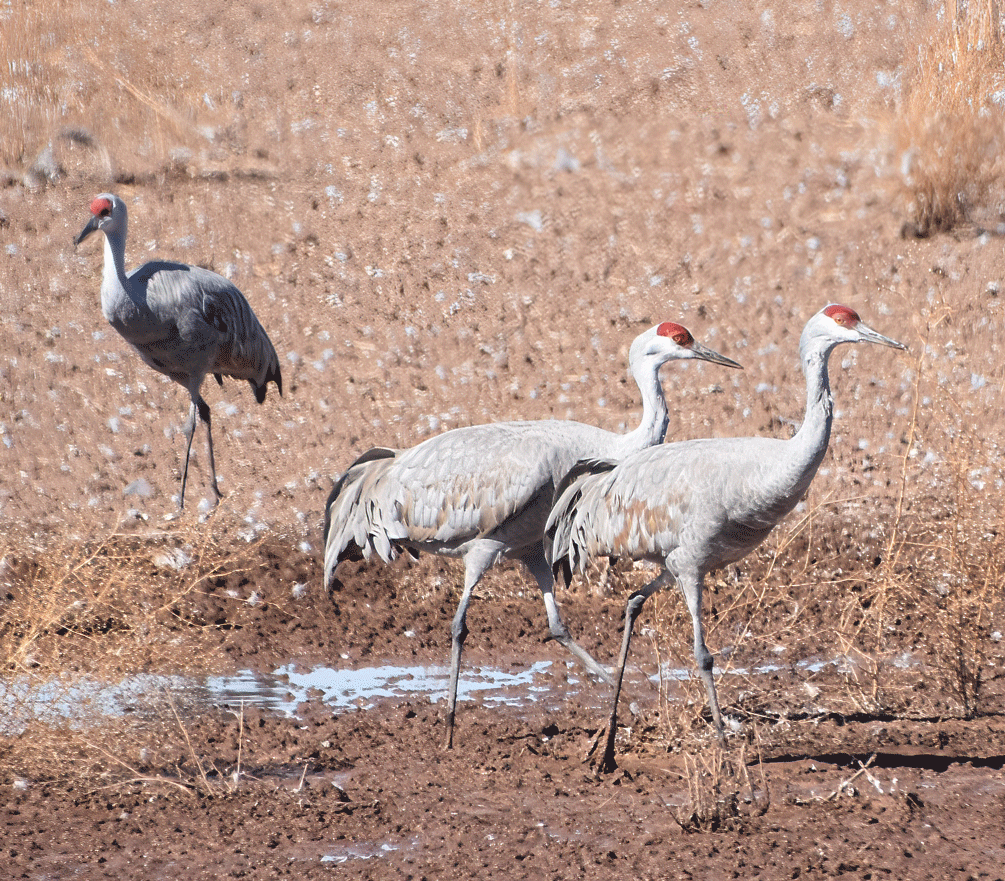
We also want to include photos from our visit to Whitewater Draw in the middle of January. We go every year to get our fill of Sandhill Cranes. This year, the cranes landed closer to the viewing path than last year, when most of the cranes chose to land in the outlying fields. We estimated that 10 000 cranes landed when we were there.

This group chose to walk across the shallow water rather than fly. They looked awkward as they raised their feet out of the muck.

Here’s a closer view of the magnificent birds.
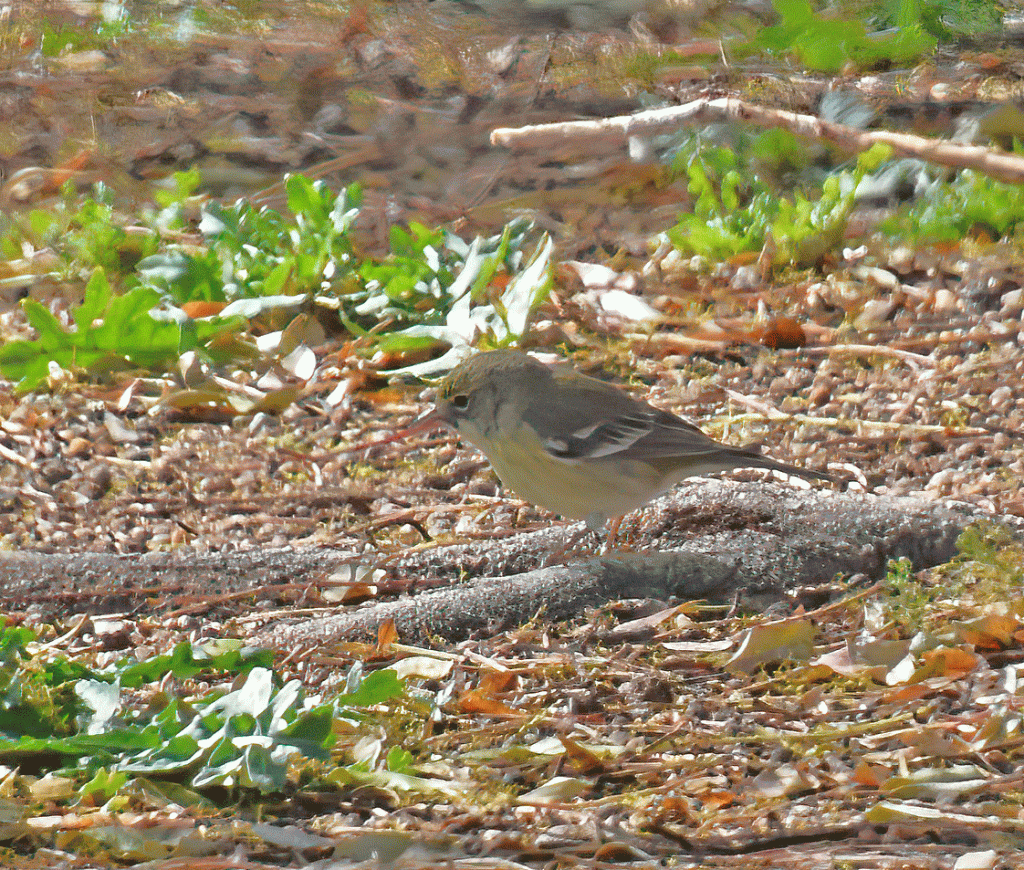
Now for our February birds. In early February, we drove about an hour to a park in south-east Tucson to try to see a Pine Warbler. It was tricky to see among the Yellow-rumped Warblers, because it was a rather drab coloured female, but we were successful and we were also able to help other birders get their eyes on it too. Pine Warblers are usually found in the eastern US. And a bonus for us was getting to catch up with birding friends.
Sometimes when there is stormy weather, birds are affected and end up in unusual locations. We were lucky enough to see this Bonaparte’s Gull on a lake in Kennedy Park in southwest Tucson. The gull flew in about mid-day and rested a few hours before taking flight and hopefully finding its way back to its flock on the coast.

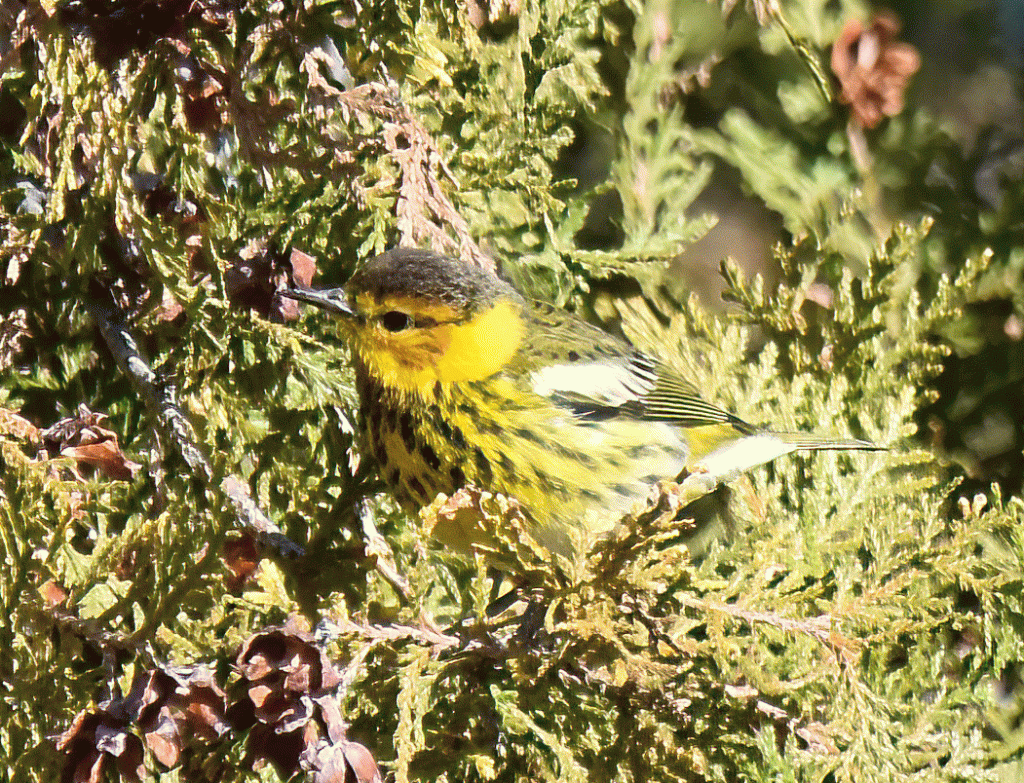
We made several trips to Patagonia, Arizona in hopes of seeing the Cape May Warbler again. (It’s a birding thing; we wanted to see it again for our 2024 list.) We were unsuccessful in January because the bird decided to explore other parts of the town, but in the middle of February, he came back to the tree that we saw him on in December. He is a beautiful bird and we’re glad he found a place to spend the winter.
Whenever we go to Patagonia, we visit the Paton Center for Hummingbirds. The following photos were taken at the center over several visits.
The Violet-crowned Hummingbird is the bird that made the center famous. Violet-crowned Hummingbirds are rare and local even in Mexico where they are found year-round. A few adults stick around the center all year. They have a steady supply of nectar with the feeders and can find good nesting sites in the cottonwoods along the stream.

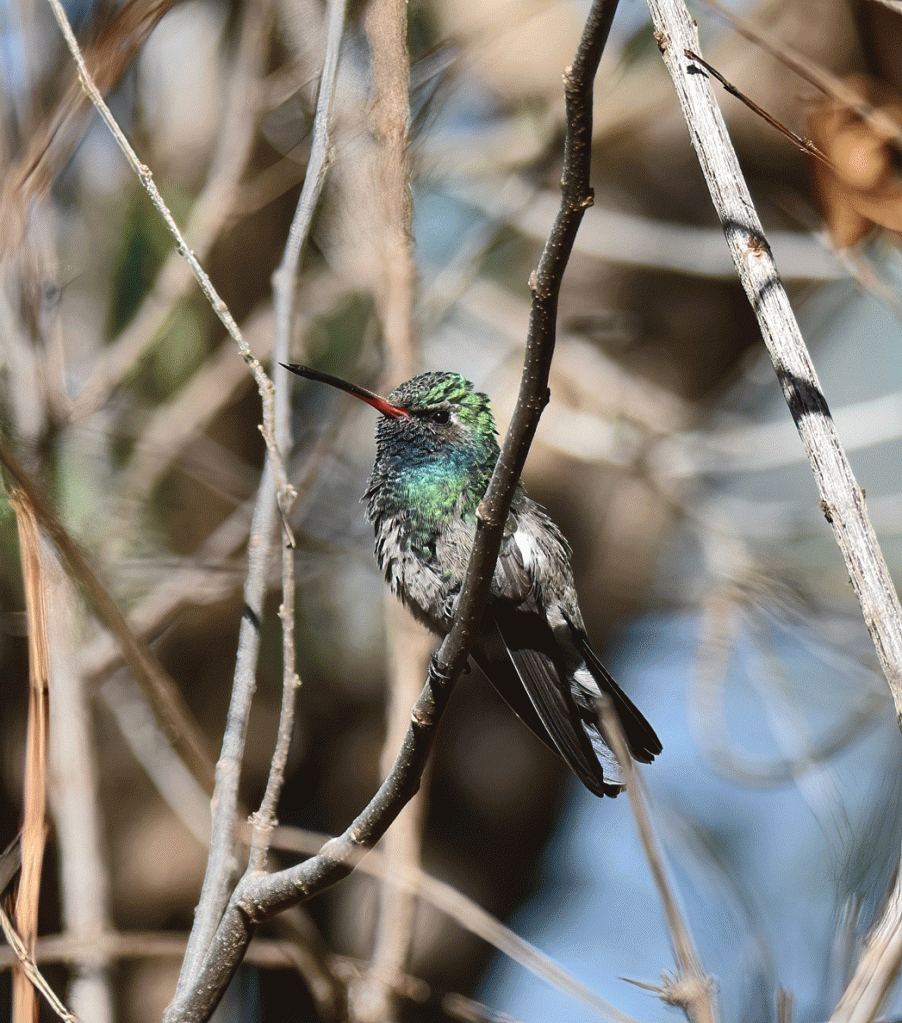
Broad-billed Hummingbirds are always nice to see.
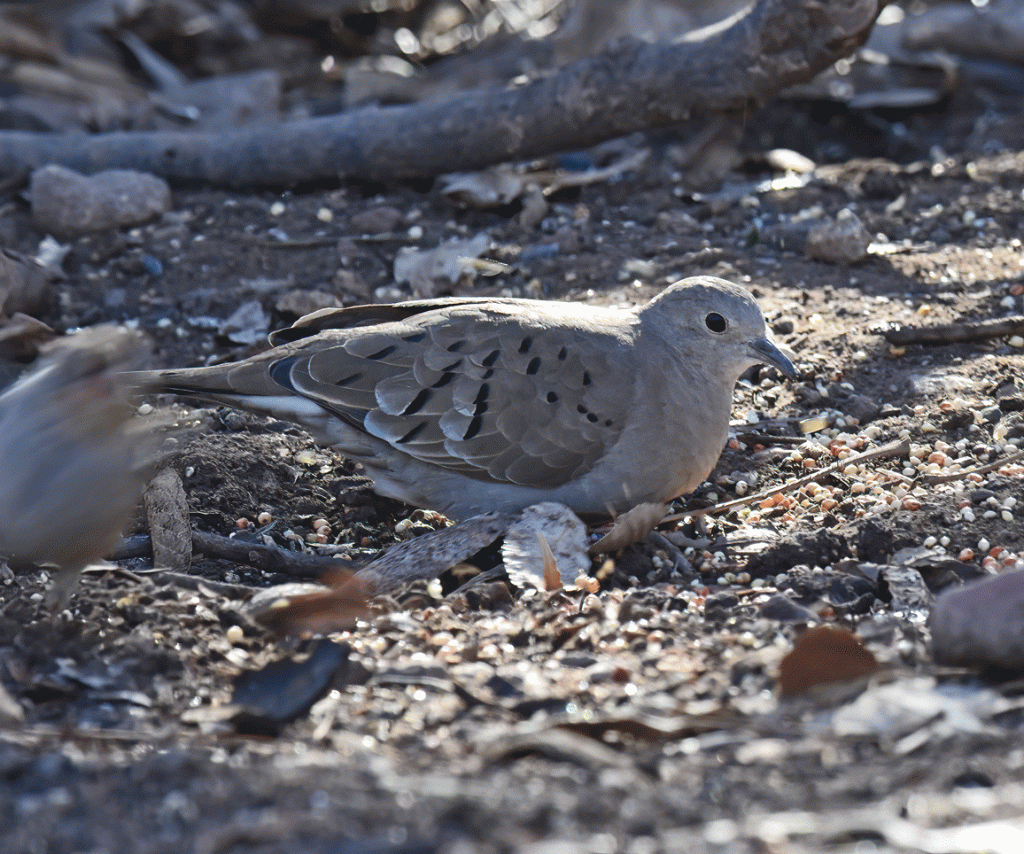
There are two species of Ground-doves that frequent the brush piles at the Paton Center. The one on the left is a female Common Ground-dove and the one on the right is a female Ruddy Ground-dove. While the male ground-doves do not look alike, there are only subtle differences between the females. The female Common Ground-dove has pink at the base of her bill, while the Ruddy’s bill is gray. The Common Ground-dove has a scaly breast, while the Ruddy Ground-dove’s breast is unmarked. There are also differences in the spots, but that’s getting into too much detail. You might wonder why we care to tell the difference. It’s because the Common Ground-dove is categorized as “Infrequent,” while the Ruddy Ground-dove is “Rare.”

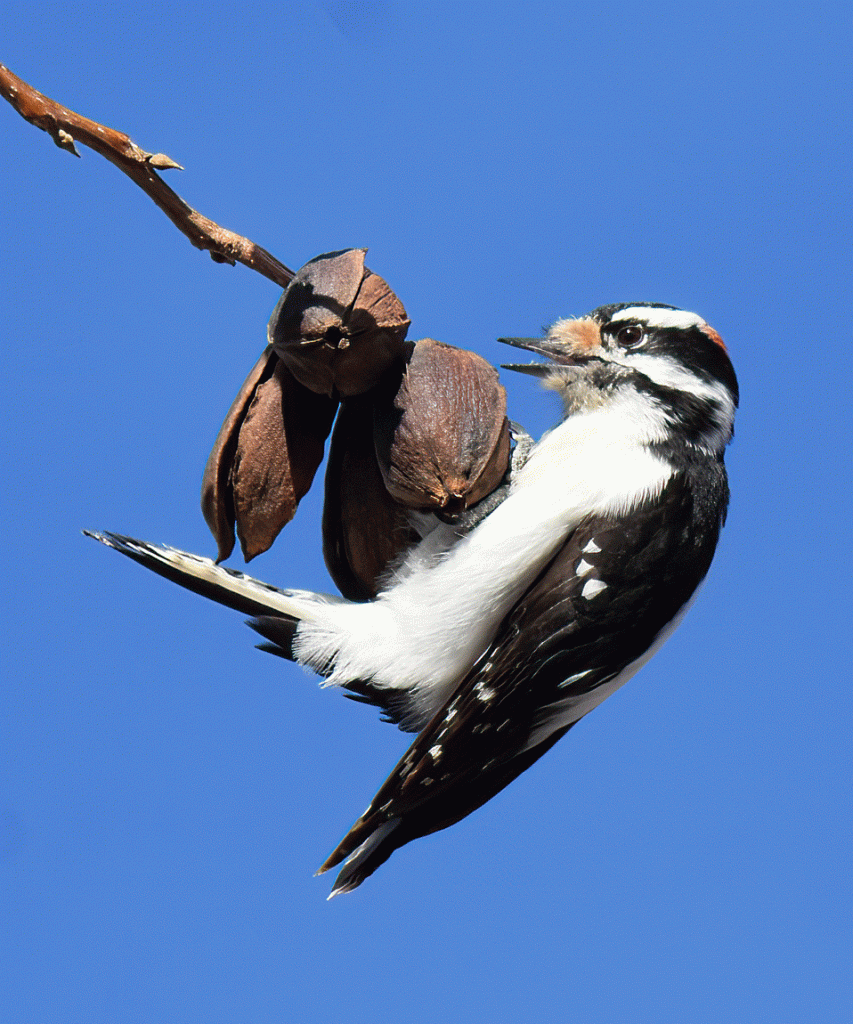
This is a photo of a Downy Woodpecker that was visiting the Paton Center and the neighbourhood since December. While Downy woodpeckers are very common at our house in BC, they are very rare this far south in Arizona. This male was the first recorded sighting for the county.
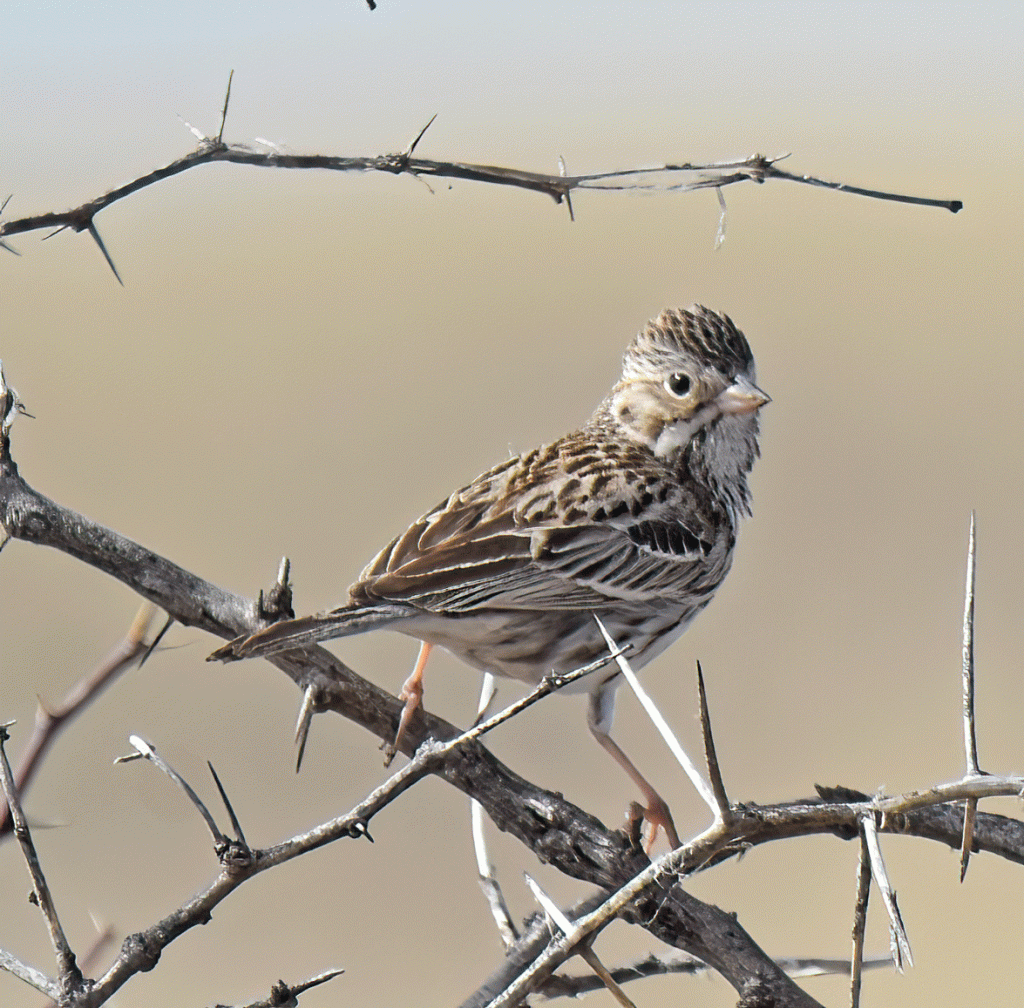
On one of our days that we visited Patagonia, we stopped at Las Cienegas National Conservation Area on the way home to try and see birds that are only found in the grasslands. We didn’t see much that day, but Doug was able to get a photo of a Vesper Sparrow, which is a common bird.
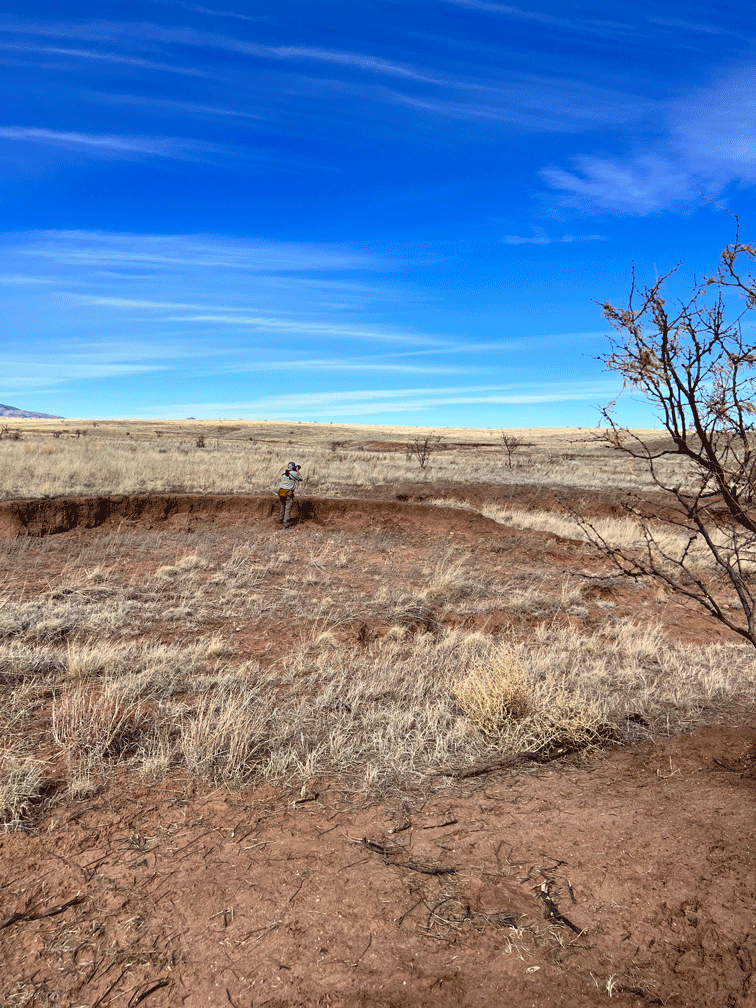
Here’s a view of Doug taking that photo to give you a sense of the vast grassland and how far he was away from the shrub the sparrow was perched in.
We visited the Sweetwater Wetlands in Tucson several times in the month. One time, this Common Gallinule was in good light. Gallinules are a bit like coots because they bob their heads as they swim. When they are in breeding plumage, they develop a red shield on their forehead.

The Northern Parula is a warbler that usually winters in the Caribbean, but this fellow decided that the wetlands were going to be his winter home. We included photos of this bird in our December blog post, and here’s another one.

We also went to the Arizona-Sonora Desert Museum several times. One bright day, Doug decided to take photos of the common birds. Here’s a Cactus Wren in an ocotillo.

This is a female Phainopepla. The species forages for berries and especially likes mistletoe.

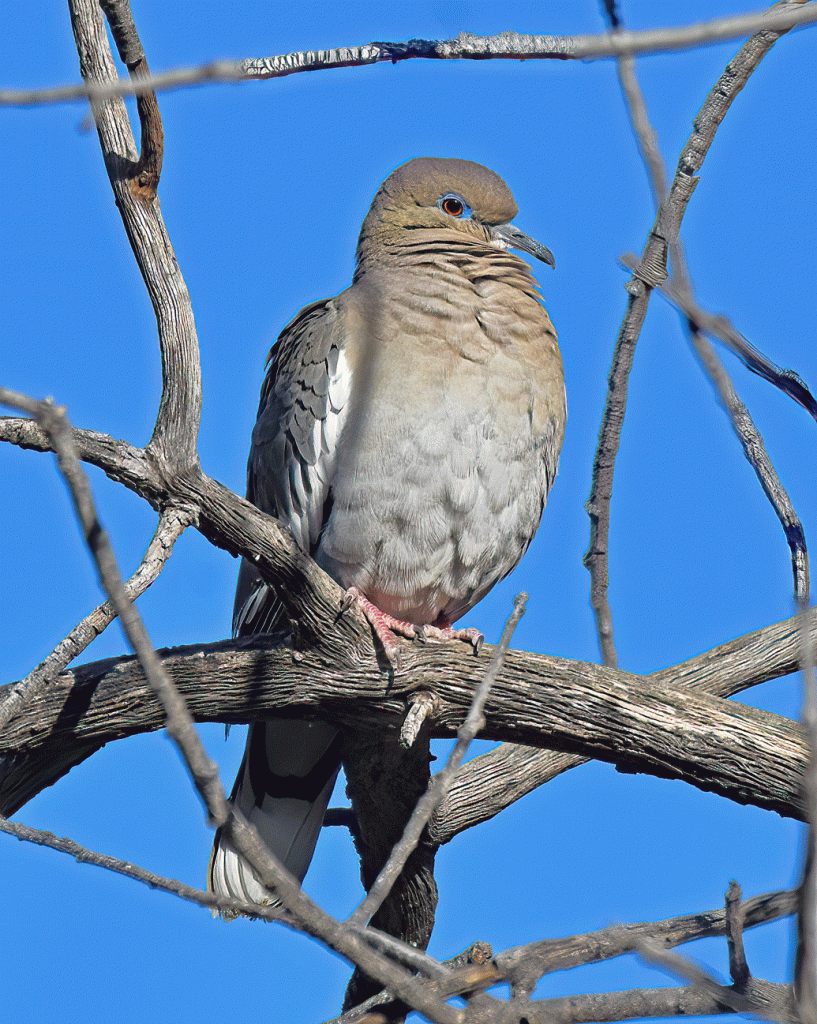
Usually when we hear the distinctive call of the White-winged Dove when we’re at the desert museum, we attribute it to the captive birds in the aviary. This one was a bit of a surprise this early in the season. We usually don’t see them in the area until later in the spring. They love saguaro blooms.
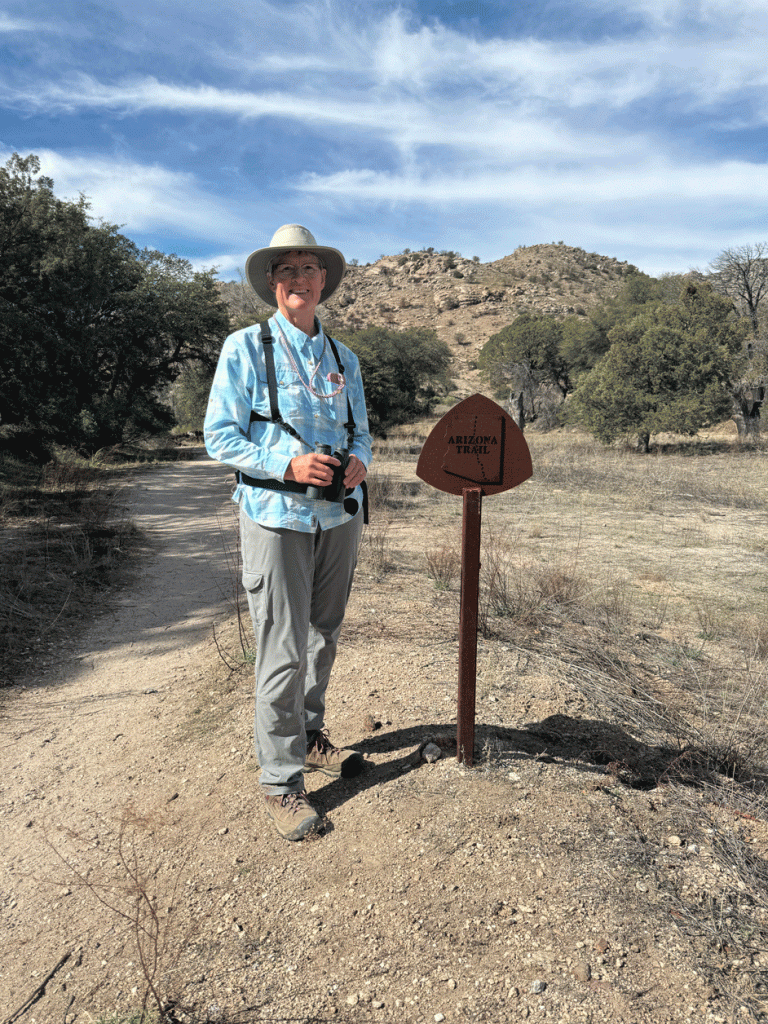
On an especially warm day for February (high of 30 degrees C, 86 F), we chose to go to higher elevations on Mt. Lemmon to escape the heat and see some different birds. We walked through the Gordon Hirabayashi Recreation Area and followed a section of the Arizona trail to a wash, where we heard a Juniper Titmouse singing.
Gordon Hirabayashi was an American sociologist, who resisted the Japanese American internment during World War II. When he was a university student, he was held in the prison camp that now bears his name. Wikipedia has a good article explaining his story and its significance.

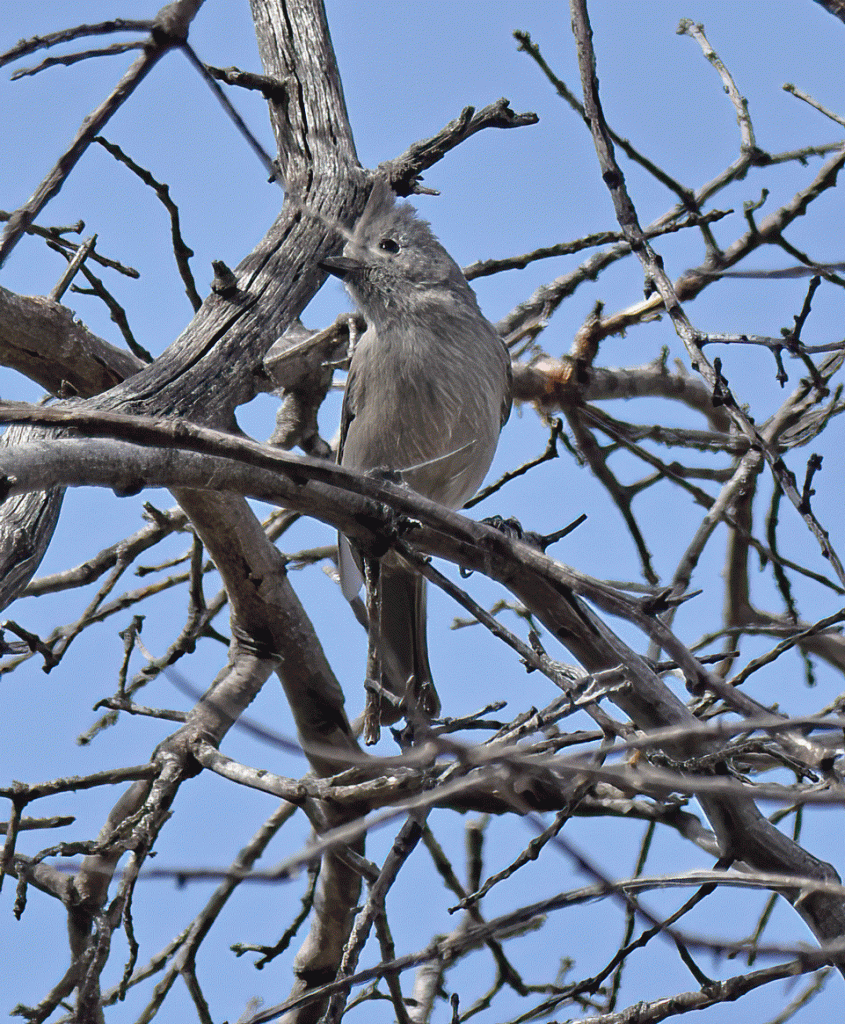
Here’s the Juniper Titmouse, that we had come to see. While they are a rather drab bird, their song is unique and was described to us as a “arcade / pin ball machine” sound, by our friend who introduced us to birding.
Later that day, we drove to a higher elevation and walked into the Rose Canyon campground. There were still some patches of snow in sheltered areas. We walked along the Green Mountain campground loop and had this view of Green Mountain. The mountain has a green tinge to it which doesn’t show up that well in the photo.
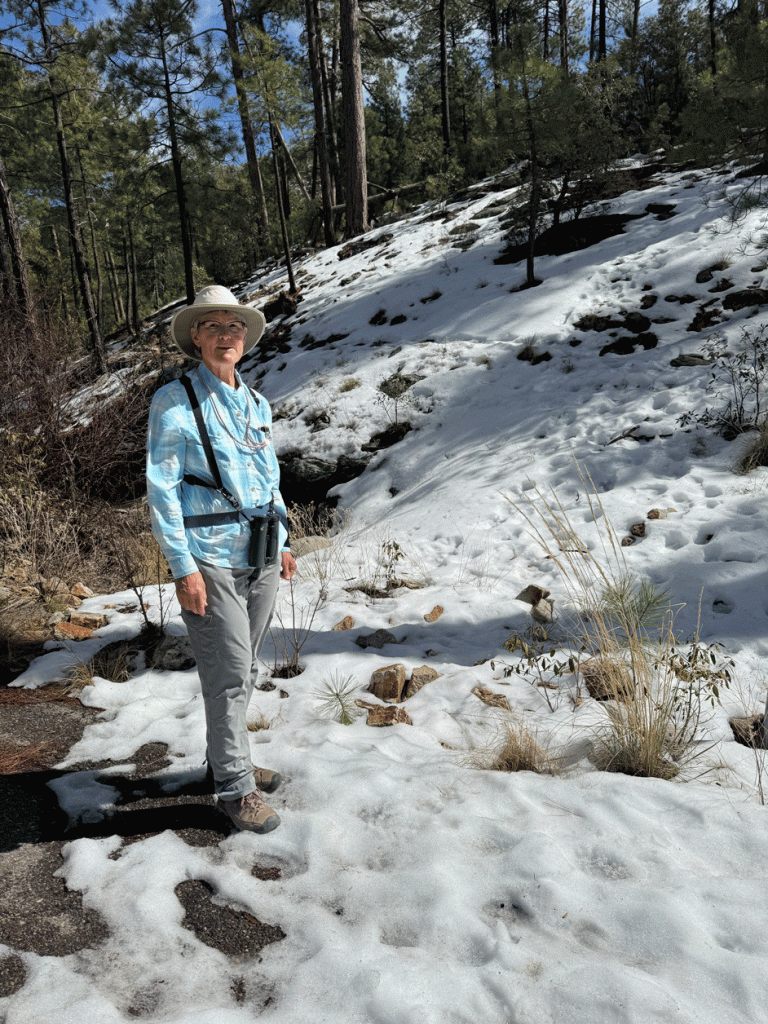
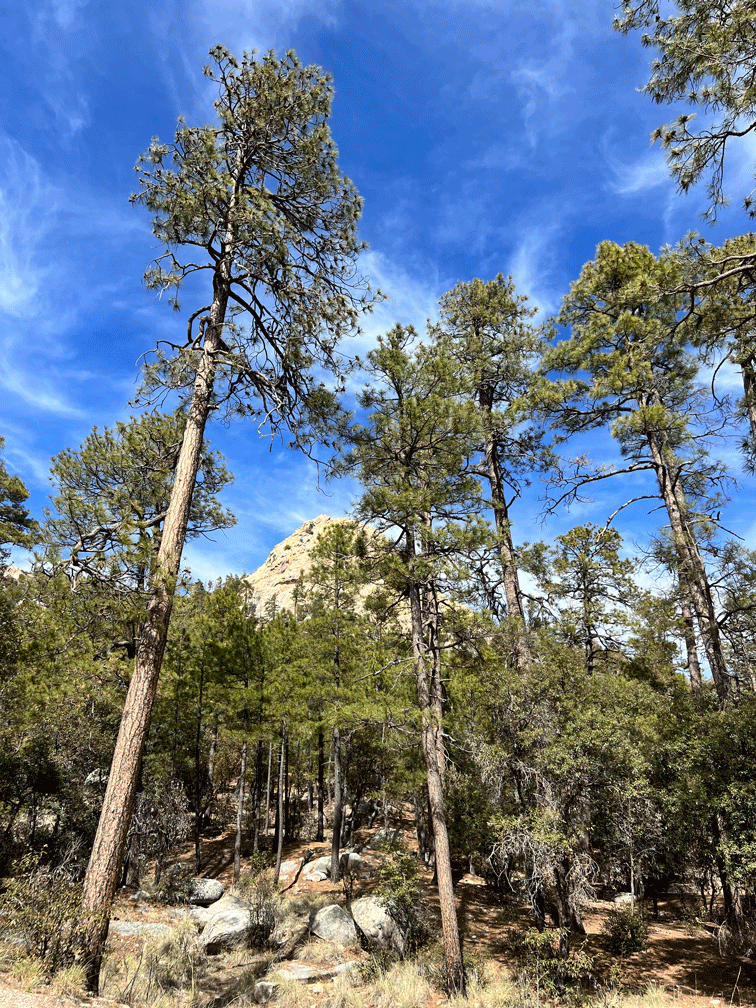
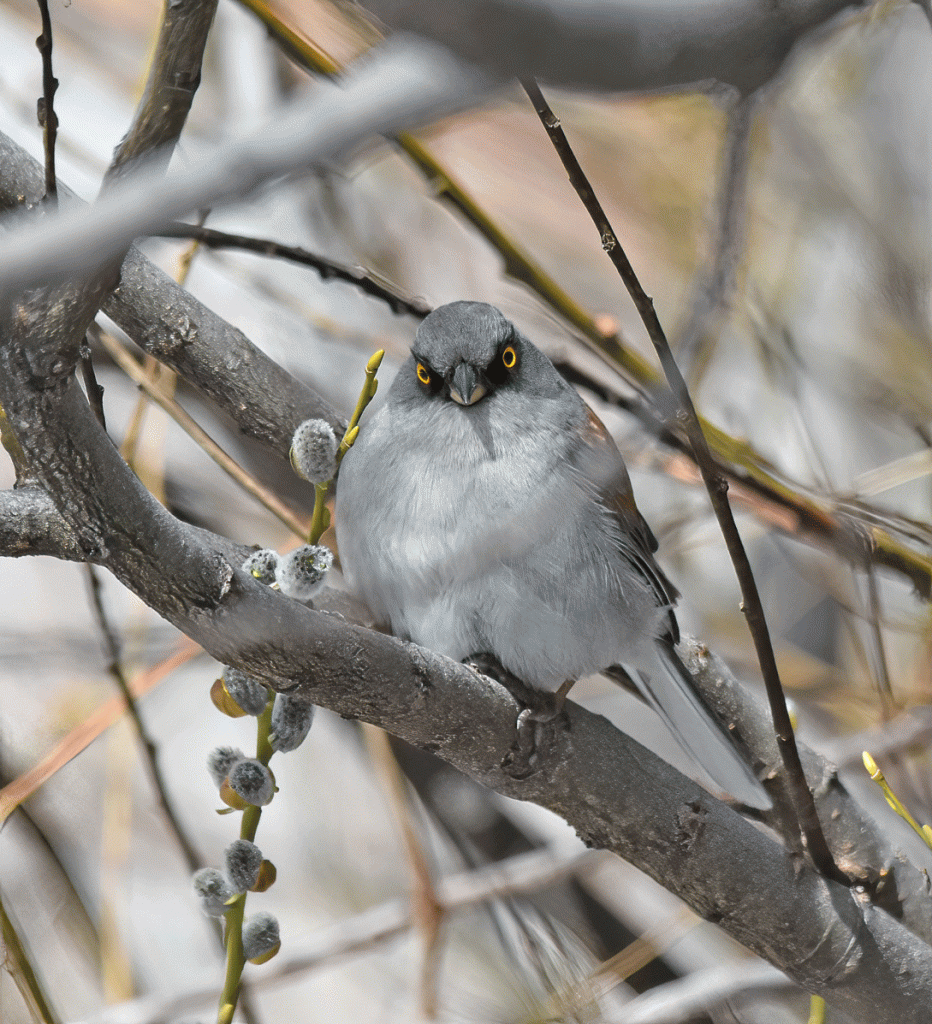
We wanted to see the birds that are common at this elevation, especially a Yellow-eyed Junco. Our friend refers to this species as “devil birds” and you can see why she might think so after you view the photo below.
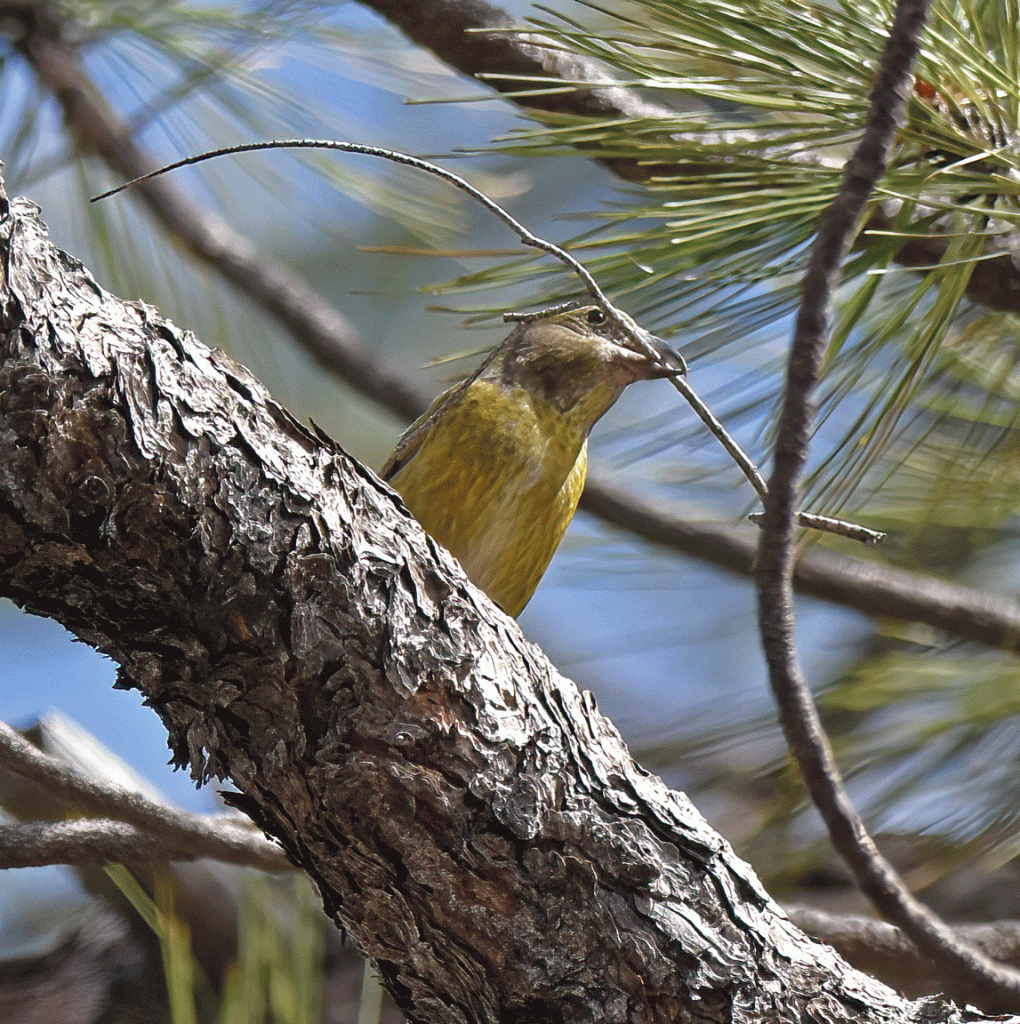
This female Red Crossbill is gathering nesting material. Mt. Lemmon is considered a “sky island,” where the habitat is similar to higher latitudes, so that “cooler weather” species can thrive.
We ventured north into the Santa Cruz flats on three different days in hopes of seeing a Mountain Plover. Here’s a photo of Doug scanning a sod farm for birds. Mostly we saw Horned Larks and Killdeer. The Mountain Plover was definitely not as easy to see as the Pacific Golden Plovers that we saw in Hawaii. Most of the plovers have probably headed out on migration, so we’ll have to wait until next season to see them in Arizona.

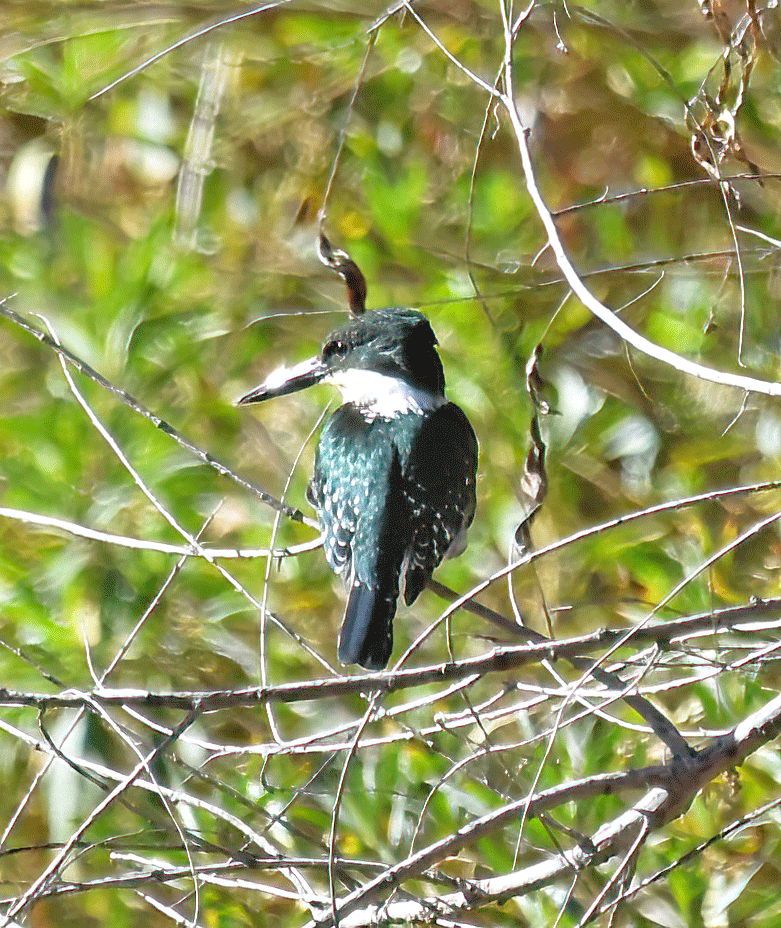
Towards the end of the month, we were lucky enough to see a Green Kingfisher fishing in the Santa Cruz River near Santa Gertrudis Lane in the Tubac area. Green Kingfishers are tiny birds with very long bills. Even though the kingfisher is resident to the area, they are hard to see when they perch on branches overhanging the water or when they fly just over the surface of the water.
We hope you’ve enjoyed seeing the twenty birds that are featured this month. March is a new month and we hope to see new birds and hopefully there will be some good photos too! See you next month.












 Travels with a Fox