We took a trip to the big island of Hawaii at the end of January. We’ll share our photos and stories over a number of posts. From our last post near the end of December and this one, we were at our place in Arizona and doing mostly routine things; looking for birds, hiking and mountain-biking. If any photos stand out for us from this time, we’ll post them with our February blog.
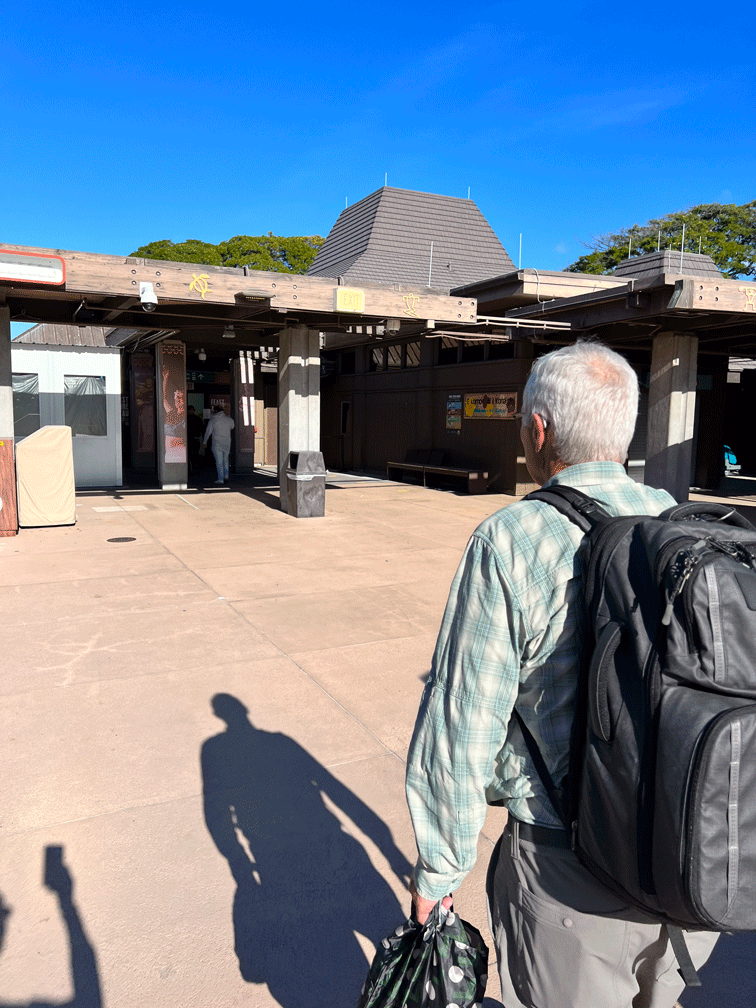
We landed at the Kona airport around 3:30 in the afternoon. We disembarked from the plane right to the tarmac and walked over to the open air terminal and baggage claim area. A shuttle took us to the car rental, where we very efficiently picked up a jeep.
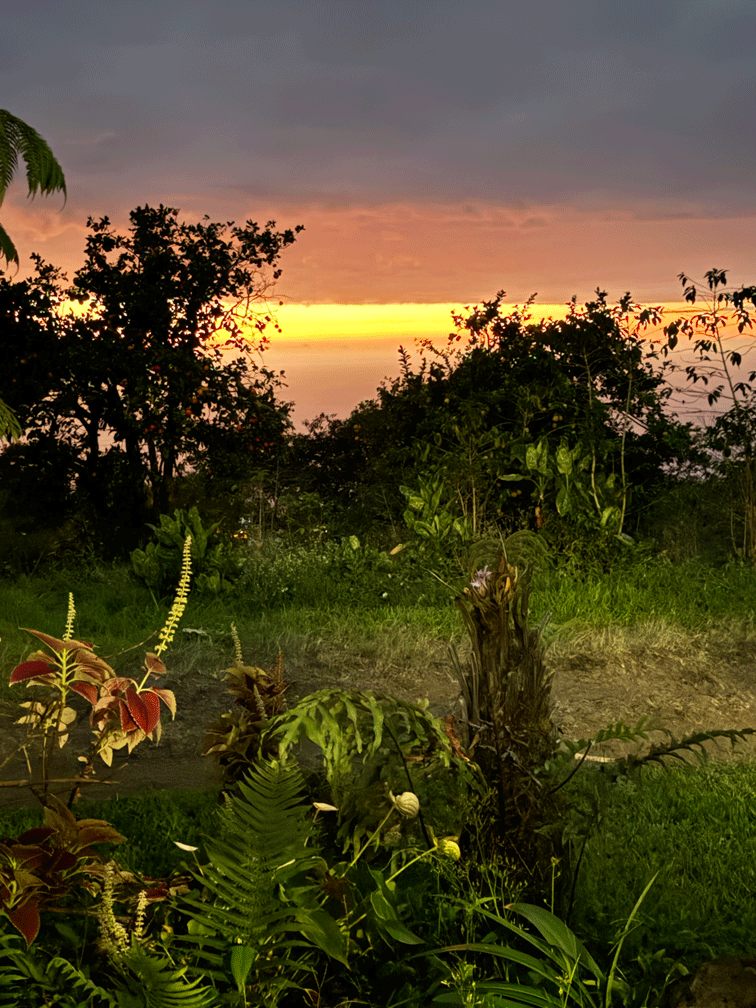
We headed south to our BnB in Kealakekua, dropped our bags and went out to the local supermarket to pick up enough food for our next three meals. We watched the sunset from our front porch before dinner.
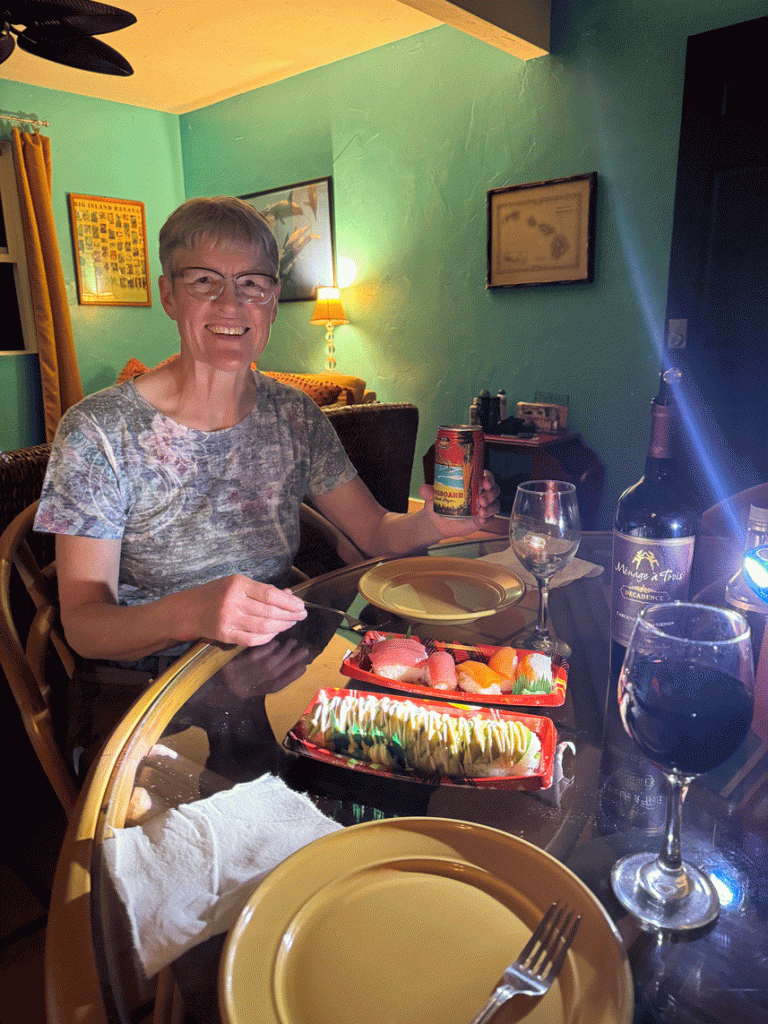
The sushi we bought at the local grocery was made that day and it was a simple and tasty meal. Of course, we also bought some local beer.
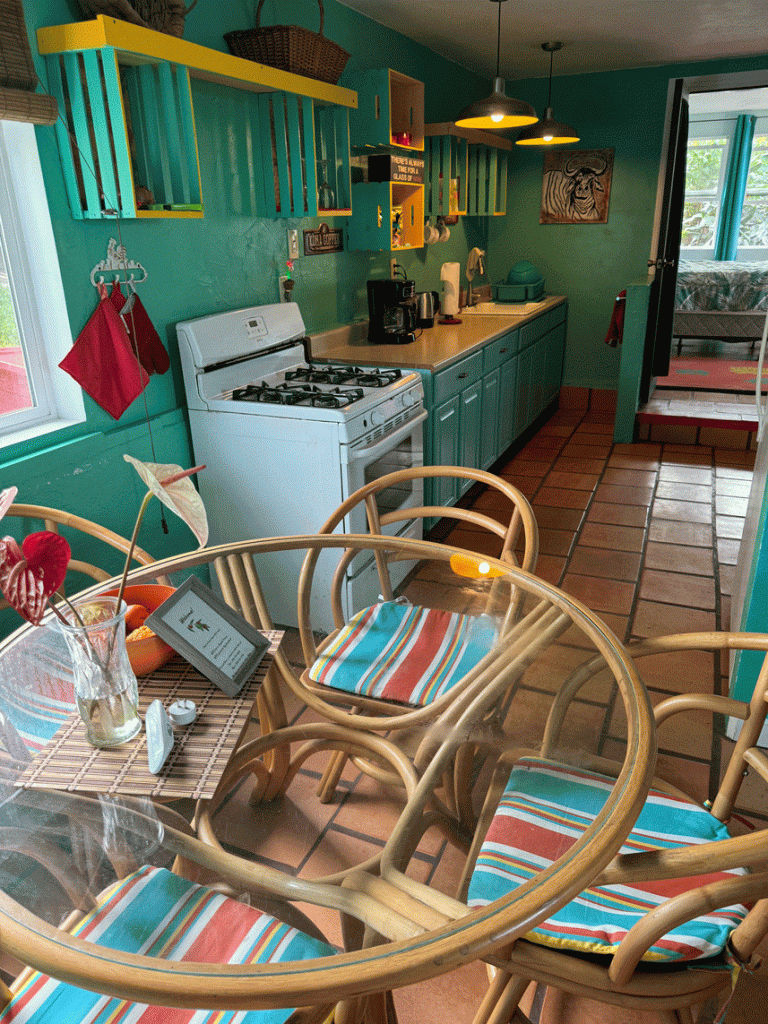
These next photos are a tour of our little cottage. It was originally a coffee drying hut. Here’s the kitchen, showing the steps up to the main bedroom.
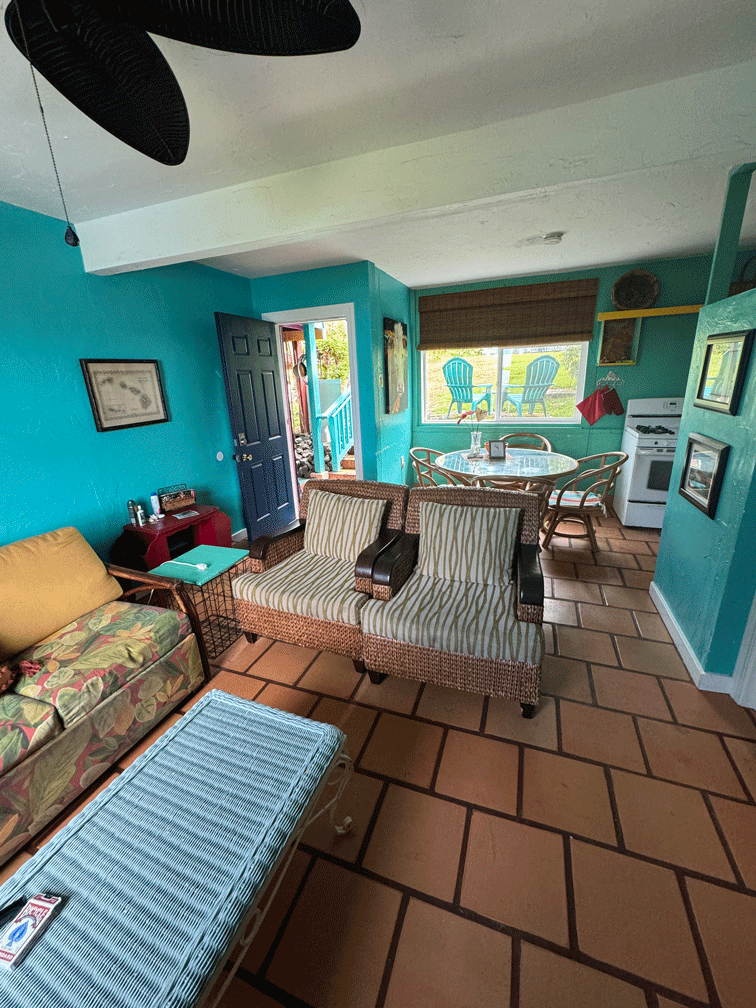
Here’s the sitting area and the back steps. There was a second bedroom off to the right of this photo, which had lots of shelves for our clothes.
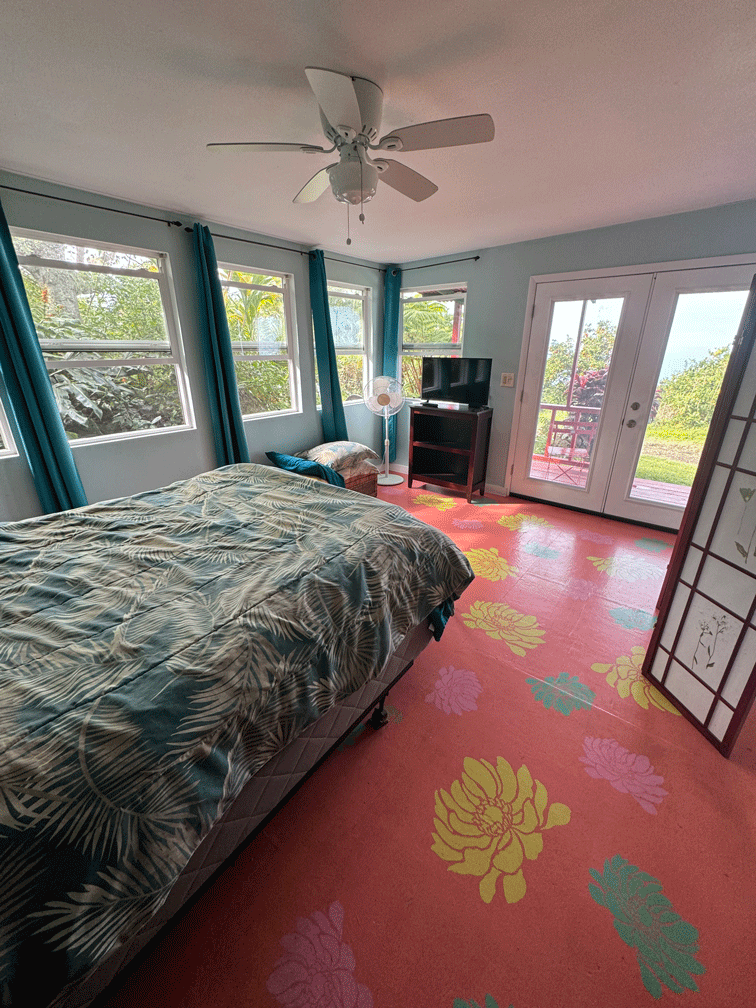
The main bedroom had screened windows on two sides, which we kept open all the time. It was always below 20 degrees C (68 F) by the time we went to bed, so it was very comfortable for sleeping.
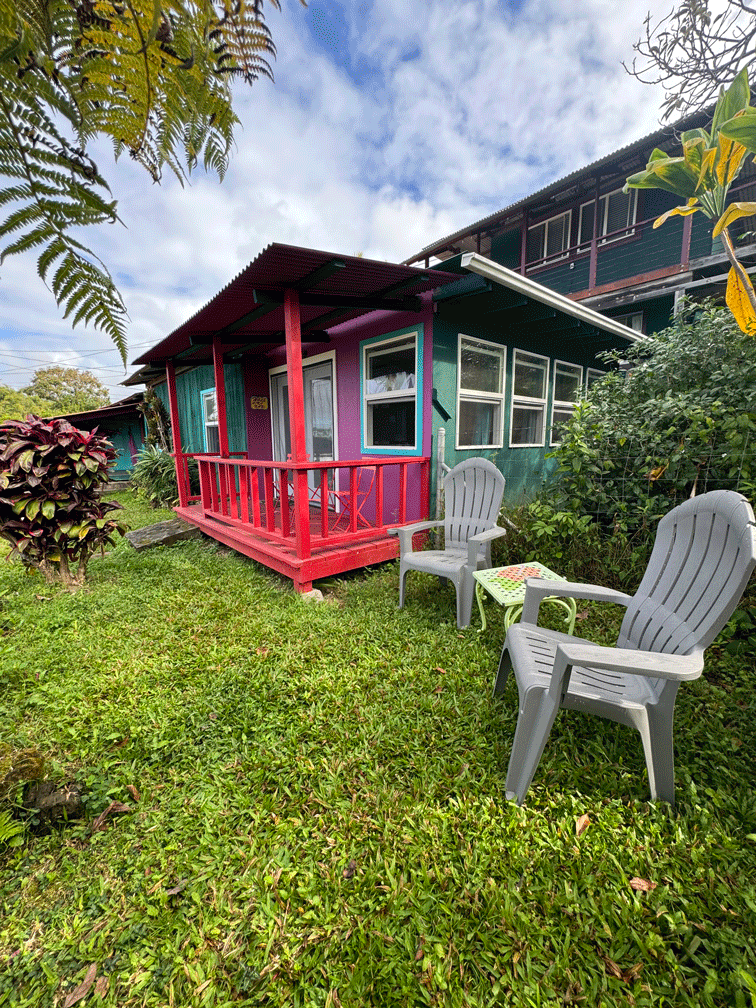
Here’s a view of the front of the cottage and the porch off the bedroom. The jeep is hidden from view behind the red and green ti plant and in front of the porch that accesses the back door. Another tenant lives in the building behind us, but it was vacant when we visited.
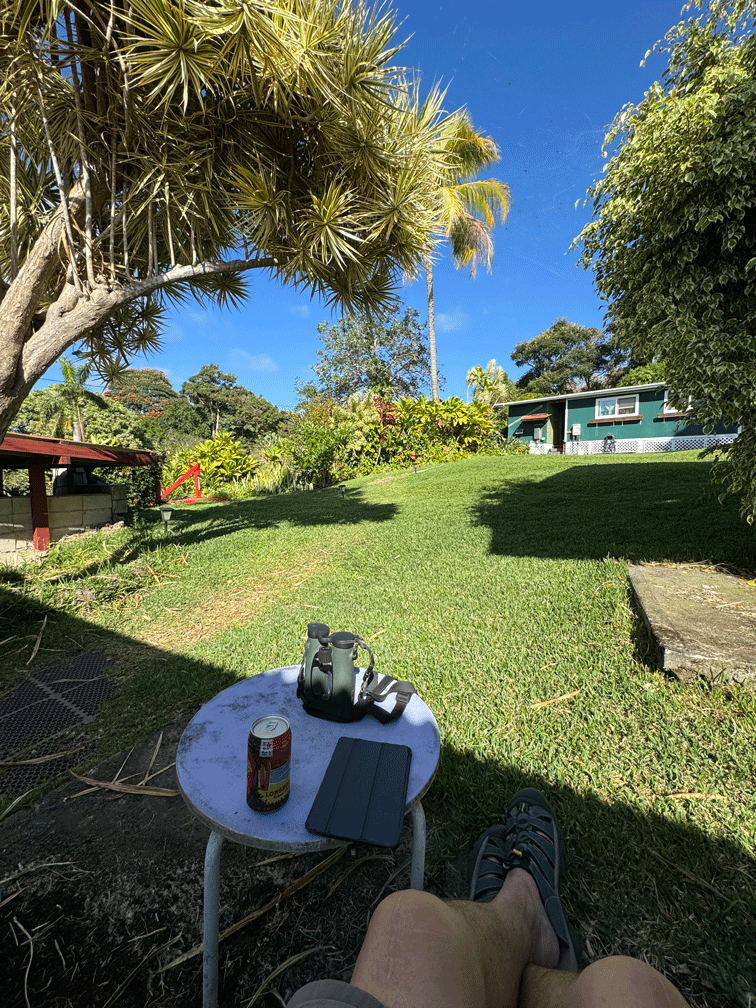
Here’s a view of the expansive lawn out the back door. The left side of the green building is the bath-house. We had a full bathroom that was only for our use. And, while is was a bit of a trek from our cottage, it was much better than tromping along a snowy path to a cold outhouse, which we’ve experienced when we’ve stayed in a mountain hut. It was a wonderful little place for our stay, but unfortunately it’s been taken off the BnB market, so we won’t be able to return here.
Our main objective of the trip was to see some interesting birds. And Hawaii has plenty of these.
Hawaii’s ecosystem has been changed through colonization; with the introduction of grazing and browsing animals as well as other mammals such as mongoose. The native birds are now only found in isolated high elevation isolated forests. (See Part 2 of this blog series).
Many urban birds have been introduced from all over the world. From the 1920’s to 1960’s, Hawaii government agencies and a private club called the Hui Manu Society, brought birds to the islands. Birds were chosen for their beauty, their birdsong and to eat insect pests. We realize that we may never travel to the parts of the world that the birds originated, so we were happy to see the “smorgasbord” of birds that now call Hawaii home.
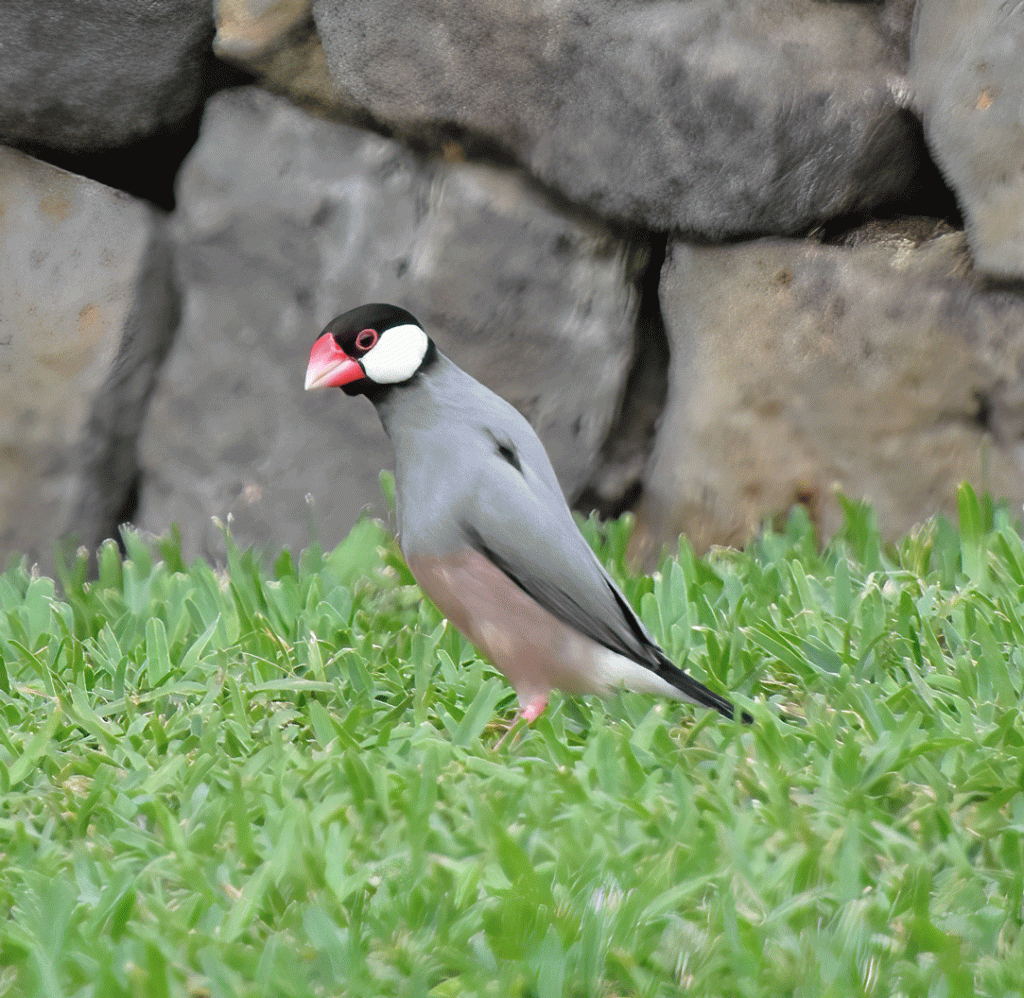
This is a Java Sparrow, originally from Indonesia. It was first introduced in 1867, and then reintroduced in the late 1960s. They were always around our cottage, since our neighbours next door had at least forty of them hanging near their feeders.
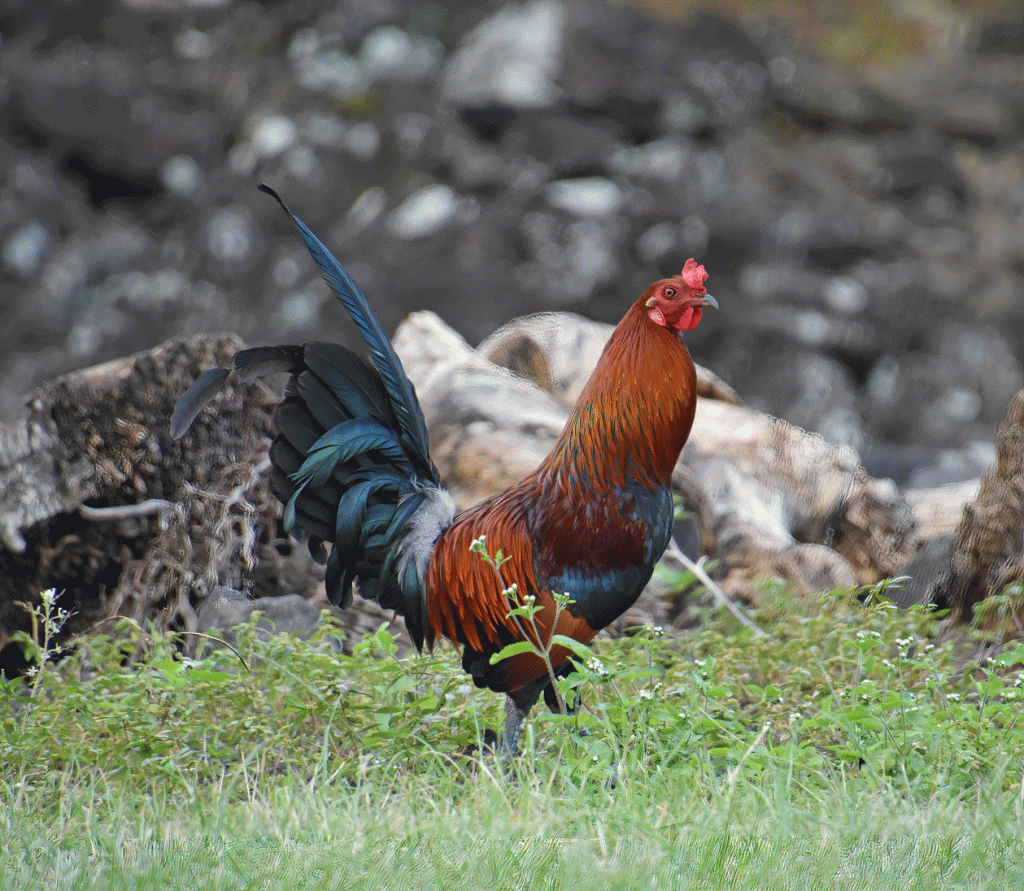
Roosters such as this one, also wandered along the front road. They are descended from Red Junglefowl, which were brought to the islands by the Polynesians over 1000 years ago.
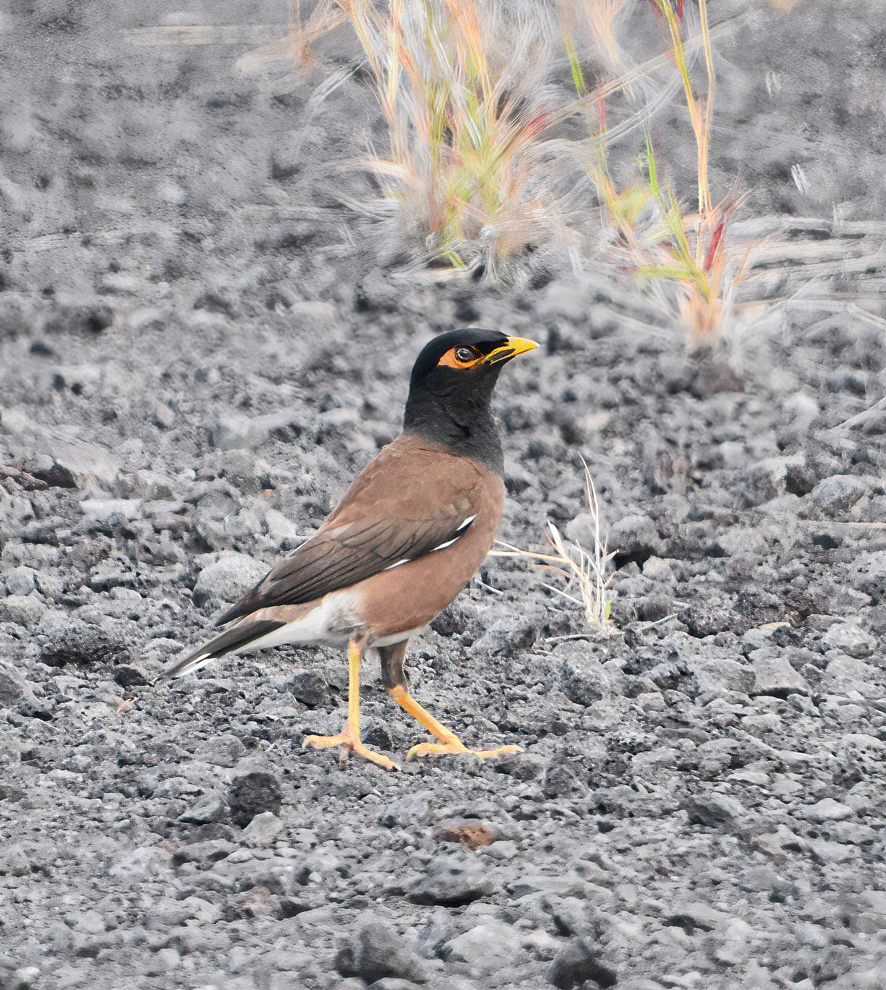
Common Mynas were very common in parks, parking lots and also around our place. They were introduced from India in 1865 to control insect pests.
On our first full day in Hawaii, we went to a couple of birding hotspots in the Kailua-Kona area. At the first one, Doug took this photo of a Red-billed Cardinal and a Saffron Finch. These birds are both native to South America and were easy to see in many spots around the island.

We got our first glimpses of a Warbling White-eye along the fence at the same spot. Its name has been recently changed from Japanese White-eye, although the birds are also native to China and Taiwan. We saw them throughout the island in both and dry and wet habitats.

Our next birding destination was also an opportunity to learn about Hawaii’s history at the Kaloko-Honokohau National Historic Park. We took a smooth, then rocky trail from the Visitor Center past some petroglyphs and stone walls to the beach.
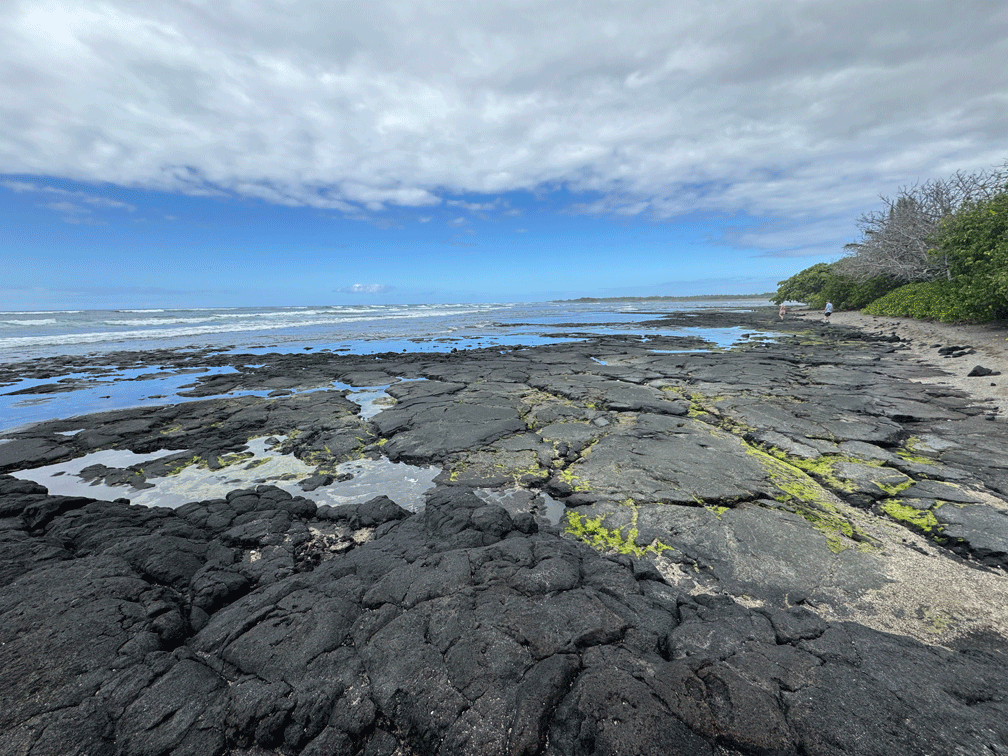
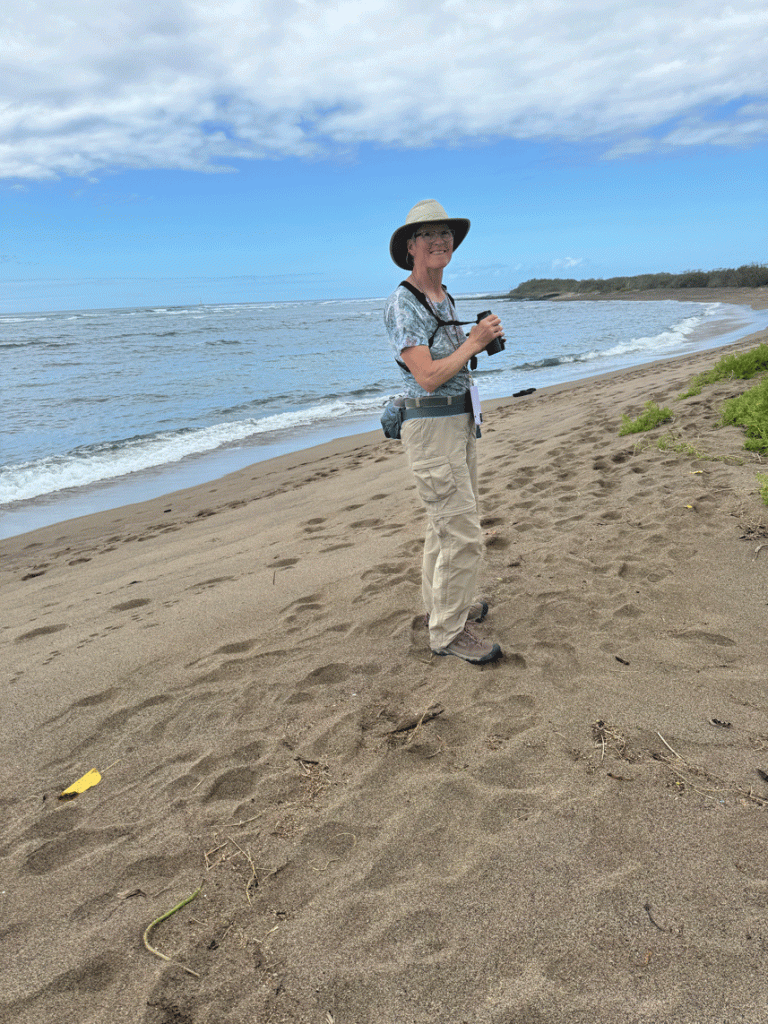
Farther along the beach there was a sand berm that closed off part of the bay to make a fishpond. Early inhabitants would use the fishponds to hold live fish that they wanted to keep for food. Narrow channels were dug from the pond to the ocean to allow water to flow in and out with the tides but not allow larger fish to get through. Wendy is standing part way up the berm. Unfortunately, we neglected to take a photo of the pond, but we saw some interesting birds, including a couple of Laughing Gulls and a Black-necked Stilt.
Coming back on the trail, we got a good view of a Zebra Dove. They were originally from Asia and are abundant in residential and rural areas. They are small doves and remind us of the Inca Doves that we see in Arizona.

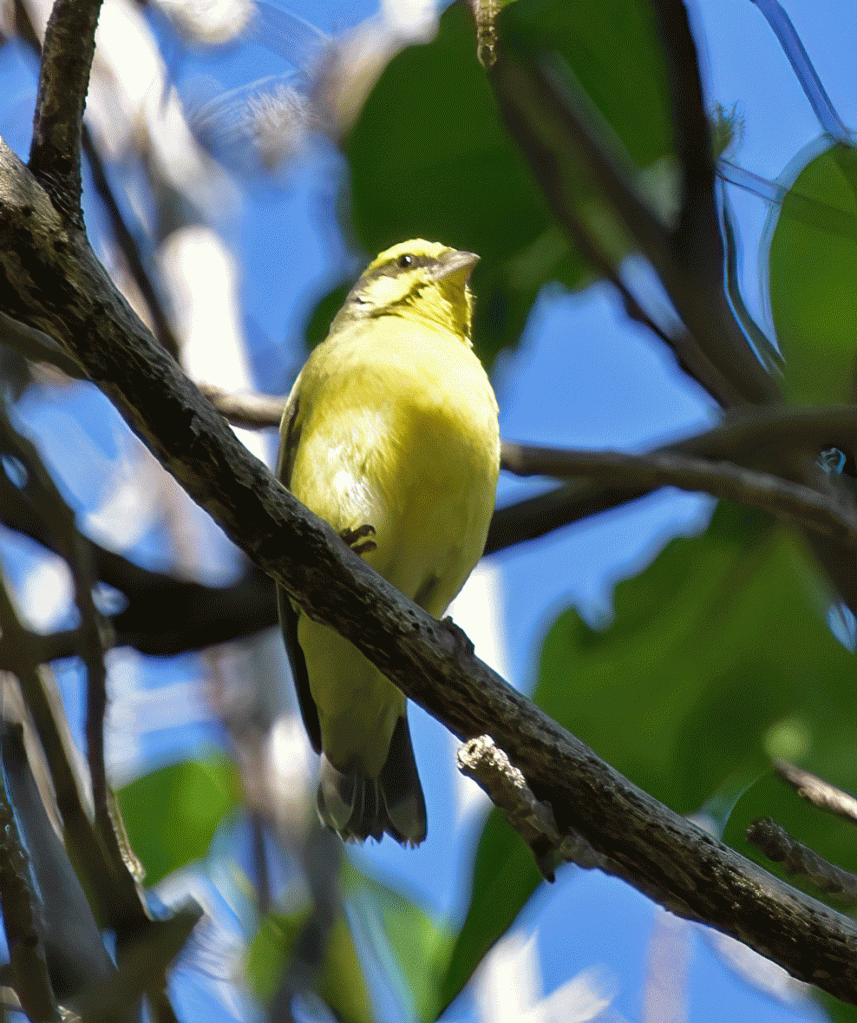
We also saw the first of many Yellow-fronted Canaries along the trail. This species is native to Africa and the only bird in Hawaii with a distinctive yellow rump.
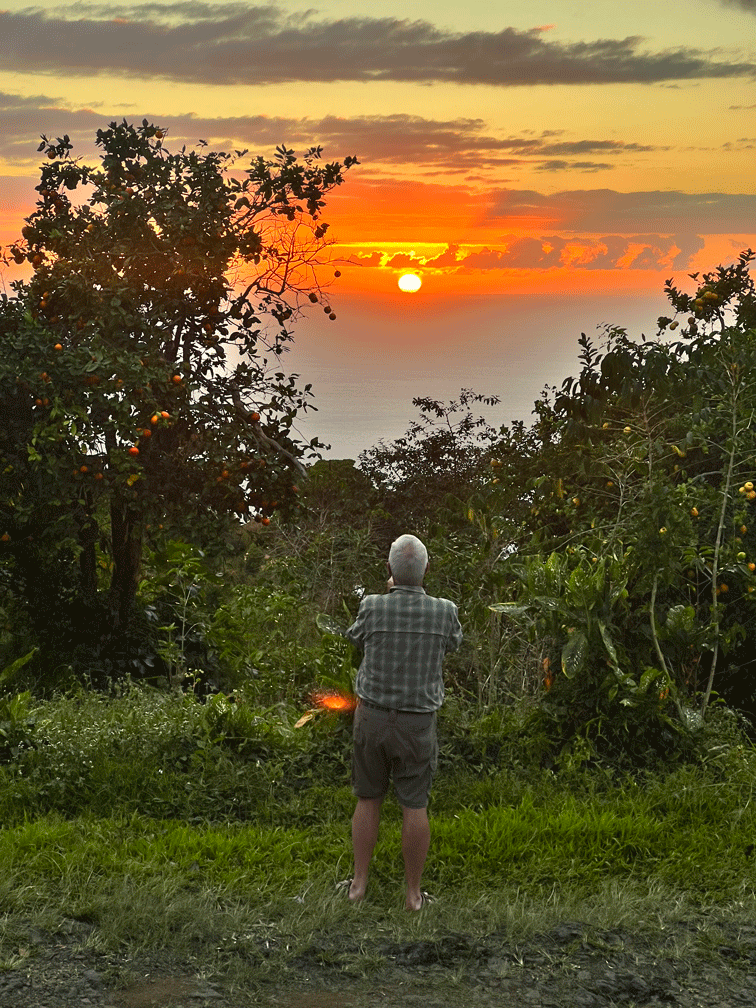
Our second day ended in a spectacular sunset. Doug walked off the front deck and across the road for his view. The best way to see the sunset was to look at your phone’s camera screen, because you couldn’t look directly at the sun.
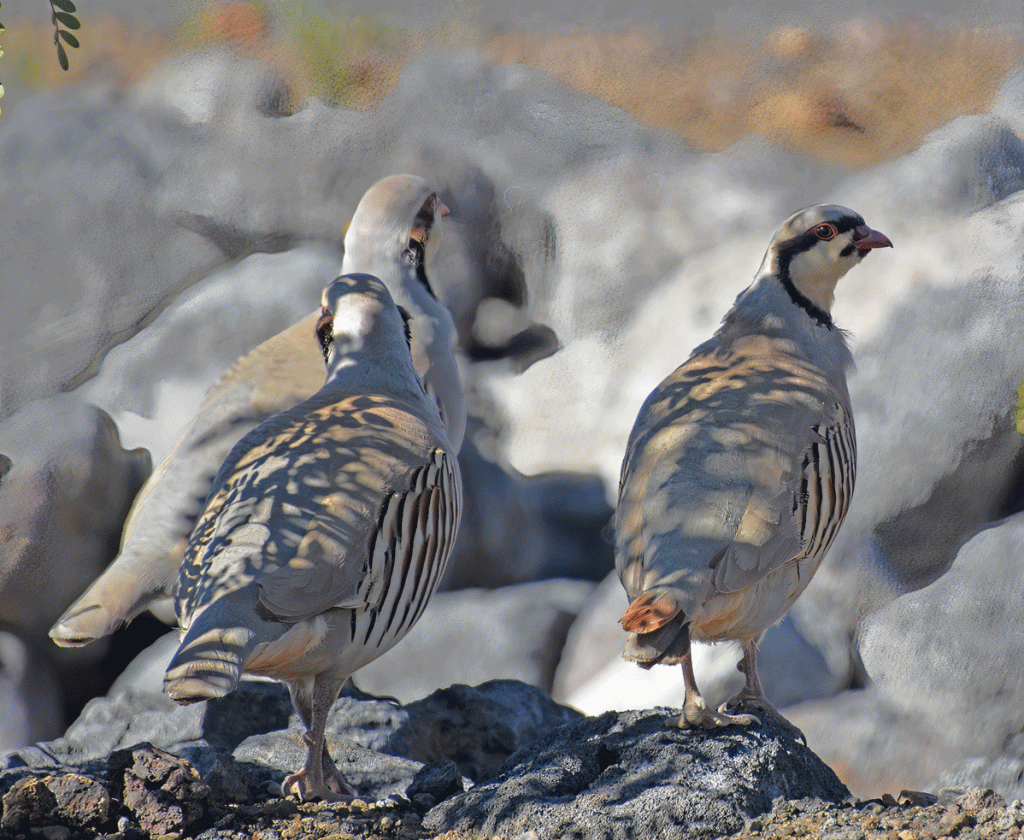
For day three, we drove to the Mauna Kea area to check out the location that we were going to meet our birding guide few days later. It was a beautiful clear day, so we decided to drive the road right up to the top. Since Mauna Kea is the highest mountain on the island at 13,796 feet, the rangers recommend that you spend about half and hour at the Visitor Centre (9,200 feet) to acclimatize. Luckily for us, there were Chukars wandering about. Chukars were introduced to Hawaii as a game bird and are native to the Middle East. Although they are naturalized in many part of the western US, we had never seen one before. Our guide book notes that they take flight quickly when startled; so we were lucky to see some that were habituated to people.
We drove the winding four-wheel drive road to the telescope structures. It was windy and about 6 degrees C (43F). Wendy wore the puffy that she brought just for this, but since we were only out of the jeep for a few minutes, it really wasn’t necessary. We saw another Chukar just around the corner from where we took this photo. Pretty high for a bird!

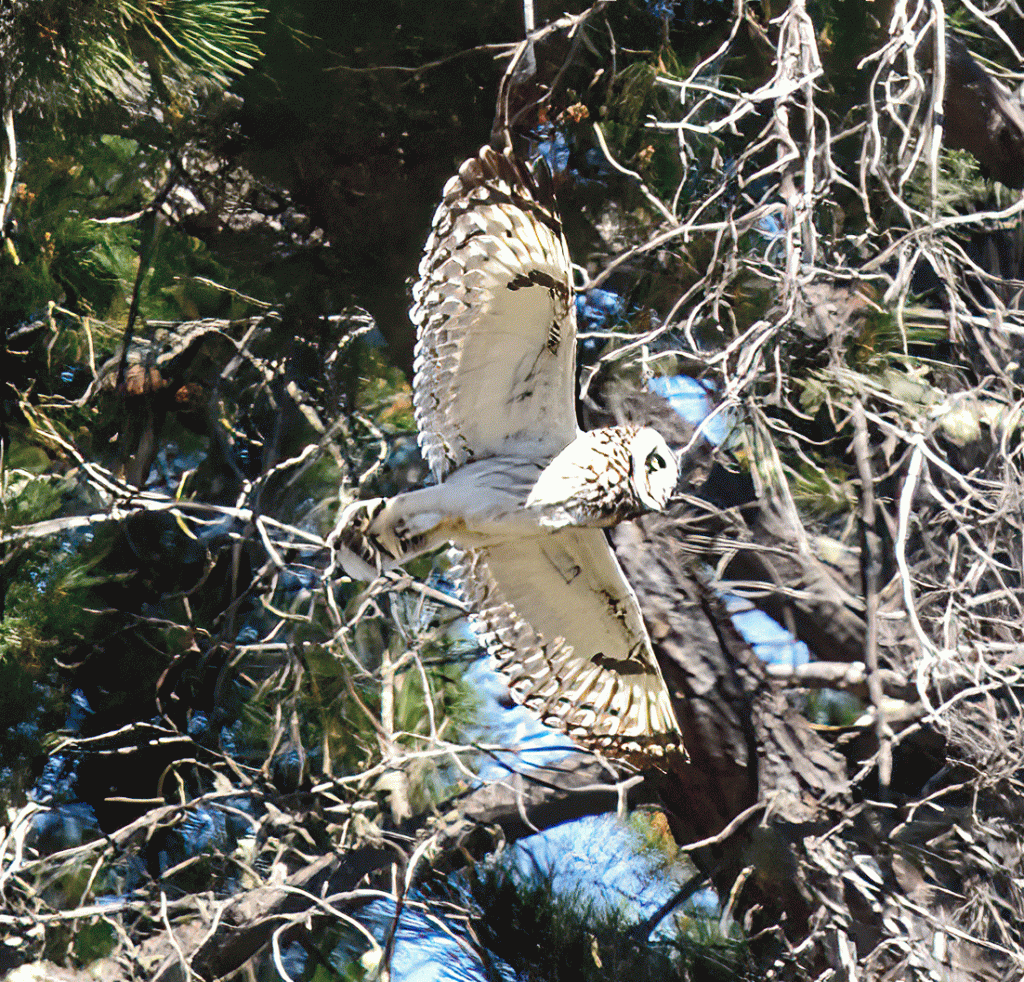
We didn’t spend much time above 13,000 feet but we could feel the effects of the altitude when we stopped at the visitor centre on the way down. The ranger checked the temperature of our brakes before we drove back down to the highway. We headed west and then drove about fifteen minutes up the Saddle Road to a hunter checking station. From there, we walked into grasslands with patches of woodland. As we were checking out some singing birds, we spotted an owl in flight. The Short-eared Owl is also known as the Hawaiian Owl and is an endemic, diurnal owl.
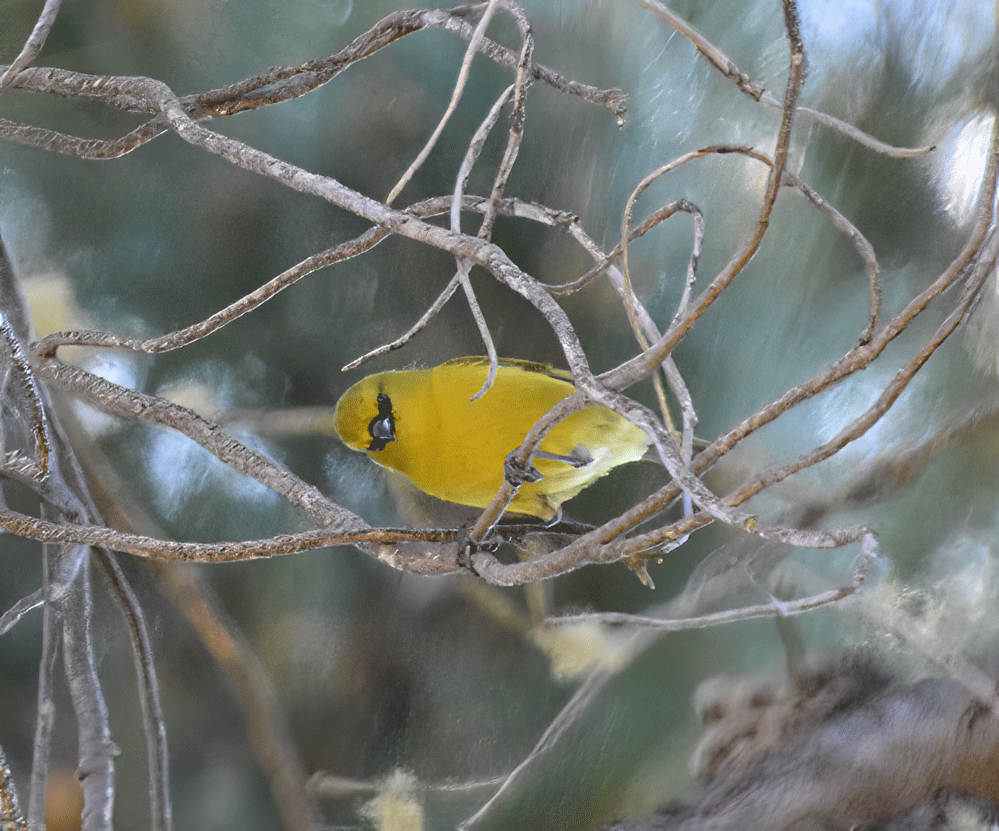
We heard and saw enough of the little yellow birds to identify them as Hawaii Amakihi. They were high up in the pines, that are introduced trees to Hawaii. We learned later from our guide that practically every plant in the world can be grown in Hawaii, since there is such a diversity of soil and climatic zones.
This post covered our first three days of our ten day trip to the Big Island of Hawaii. The next three posts will be ready soon.
 Travels with a Fox
awesome birds. I was impressed with the red billed bird and yellow bird in the same photo. The short earred owl was beautiful.
LikeLike