January in Hawaii – Part 4

January in Hawaii – Part 4

This is our fourth and final post about our trip and describes our last three days on the big island of Hawaii.

On our eighth day, we drove over the saddle from our BnB in Kealakekua to the windward and wetter side to Hilo. We were fortunate to have a fair weather day for our visit. First we went to Wailoa Pond, which is part of Wailoa River State Recreation Area, to check out the birds.

Along the river, we saw a Wandering Tattler, a medium-sized shorebird that is a common winter migrant. It breeds in Alaska and the Yukon.

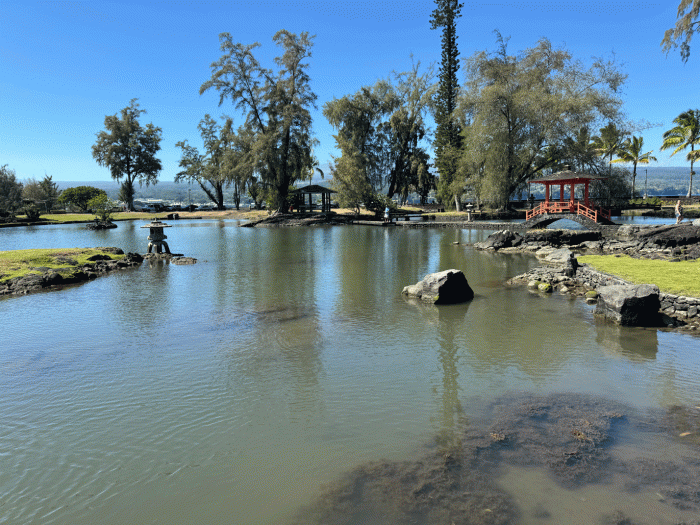
From there, we drove about five minutes north to Liliuokalani Gardens to enjoy the scenery and views. This Japanese Garden was dedicated to Hawaii’s first Japanese immigrants who worked the sugar cane fields.
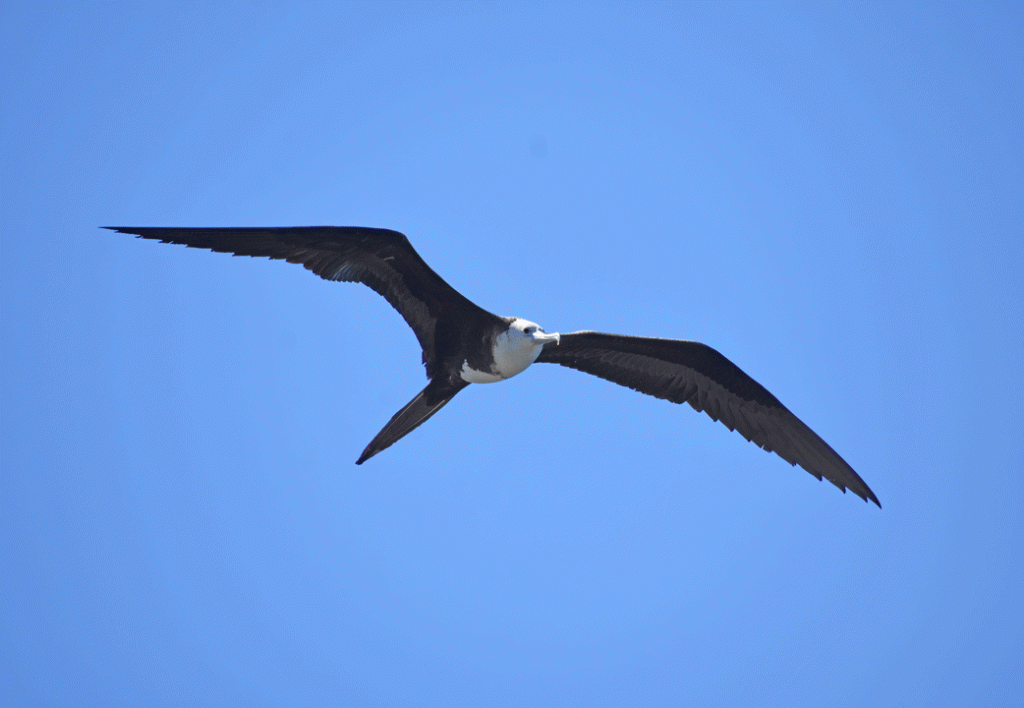
We almost didn’t start a “list” because the bird life was sparse, but then we got a good view of this Great Frigatebird and when we paid better attention, we saw twelve species of birds in our 45 minute walk.
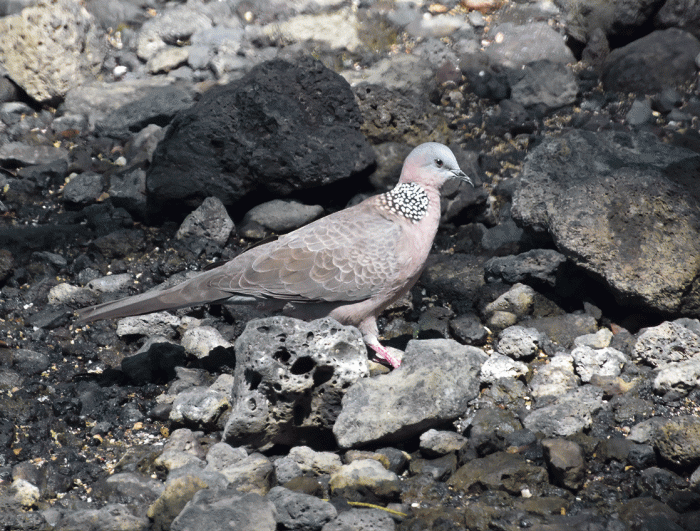
We got one of our best views of a Spotted Dove, even though we had seen many throughout the trip. These doves were introduced from Asia in the mid-1800s for food and in the 1900s for game. They are about the size of a Mourning Dove.
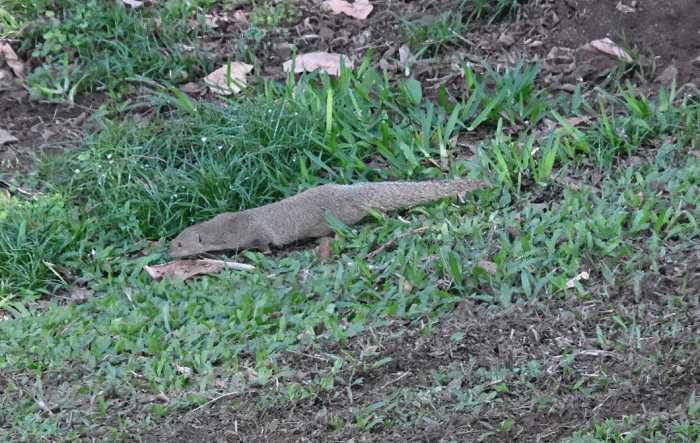
We also watched a mongoose hunting in the grass. Mongooses were brought from India with the idea that they would control rats. Unfortunately mongooses hunt in the day and the rats are active at night. The mongoose loves to eat bird eggs, which is devastating for ground dwelling birds. We saw many mongooses as well as some feral cats on our trip.
Next, we drove north on the Belt Road to Laupahoehoe Point Beach Park. The tide was coming in and it was fascinating watching the waves crash against the rocks. The park has a memorial to commemorate the lives that were lost in April of 1946 when a tsunami hit the community. The tsunami waves destroyed the schoolhouse, killing the teacher and twenty-five students. In all, 159 people died in the catastrophe. Hawaii now has a tsunami warning system in place.

The next day, we drove to the outskirts of Waikoloa, to the skatepark. While that seems like a strange place to go birding, the park also included a lush soccer field, a derelict baseball diamond, and a trail through the shrubs along the fence which were all good habitat for birds.

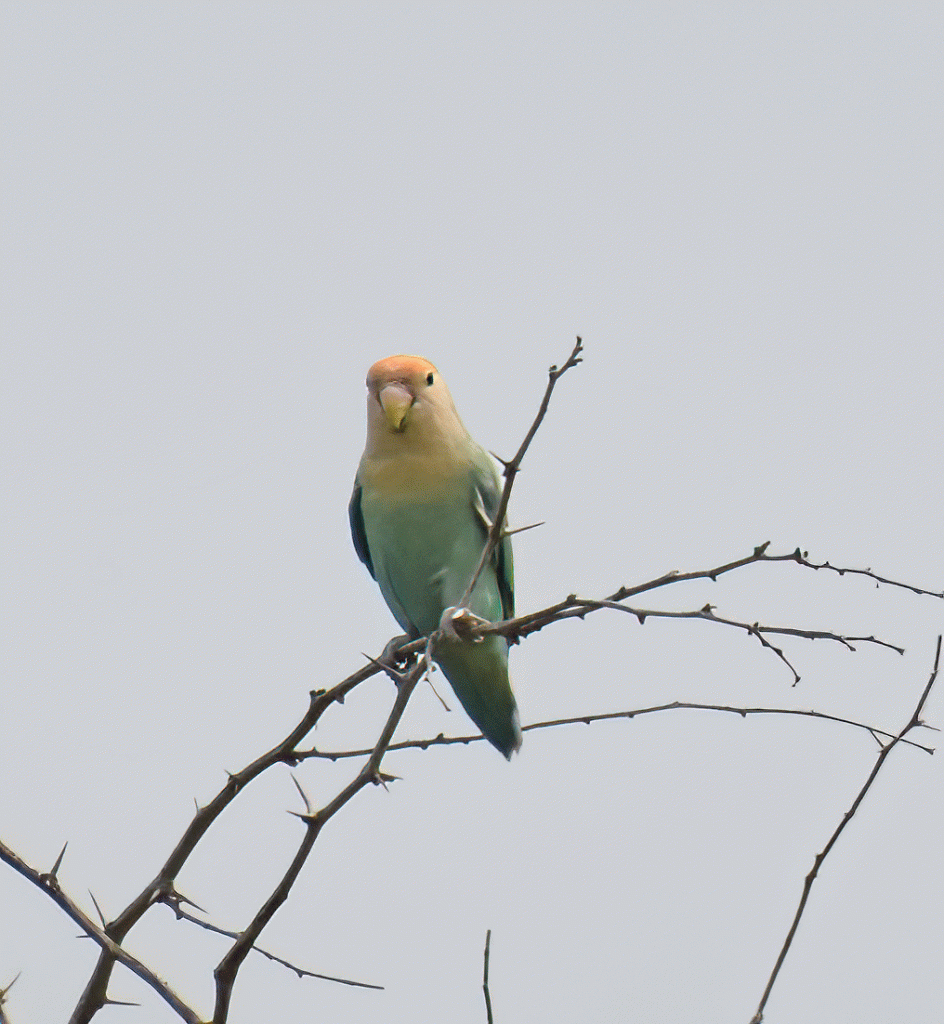
We saw a pair of Chestnut-bellied Sandgrouse, which are native to Africa and India, but they flew off before Doug could get a photo. Our bonus bird was a Rosy-faced Lovebird that perched politely for its photo. A lovebird is a short-tailed parrot native to southwestern Africa. It’s a common pet species, so escapees may occur anywhere. Hawaii and Arizona have feral populations. It was the first time that we had seen one in the wild.
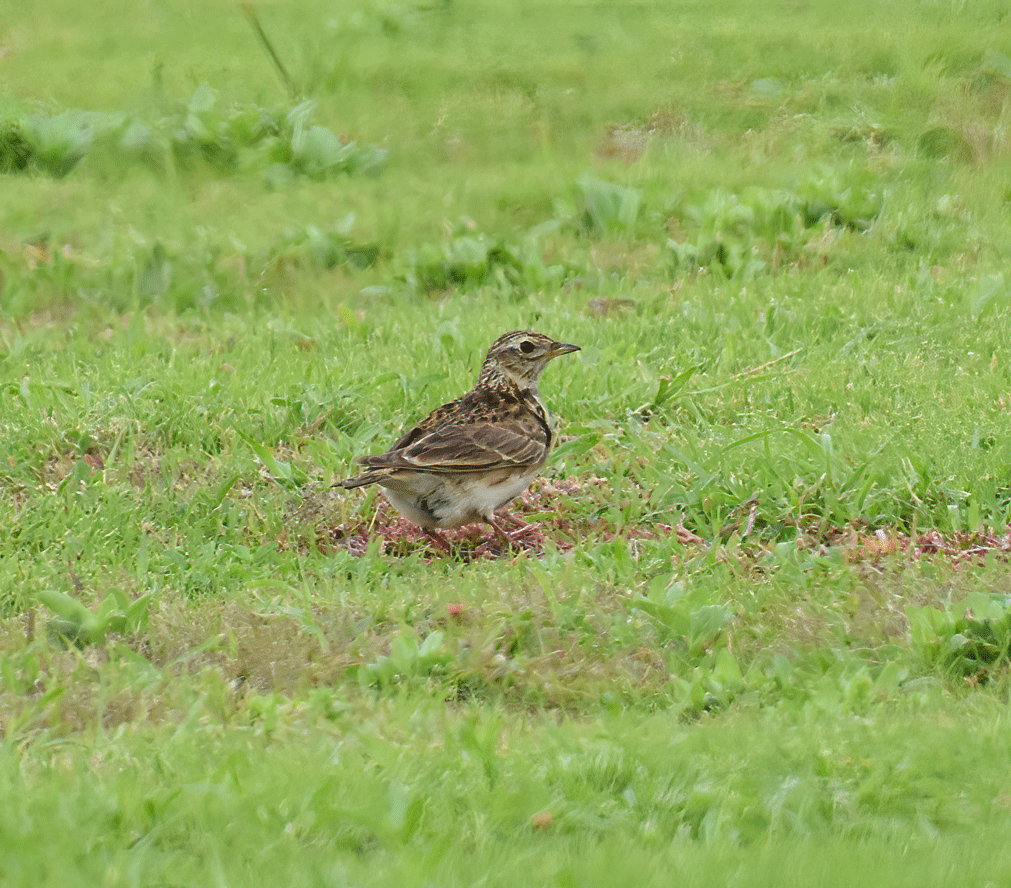
Eurasian Skylarks are common on grassy mountain slopes on the island of Hawaii and in this case, an unused soccer field. The species is common throughout Europe and Asia and was introduced to Hawaii in 1865.
On our last day, we left our BnB in the morning and didn’t need to be at the airport until after dinner. So we went on a road tour to North Kohala. We stopped at Lapakahi State Historical Park and wandered down a trail to a view of the ocean. The state park is on the site of an old Hawaiian village.
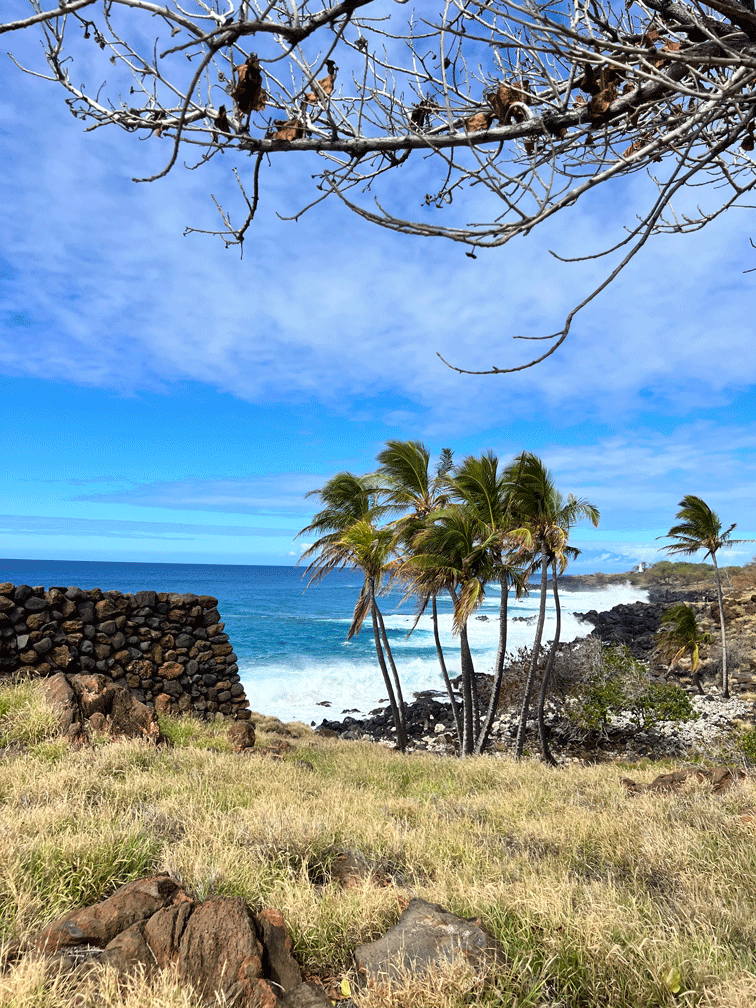
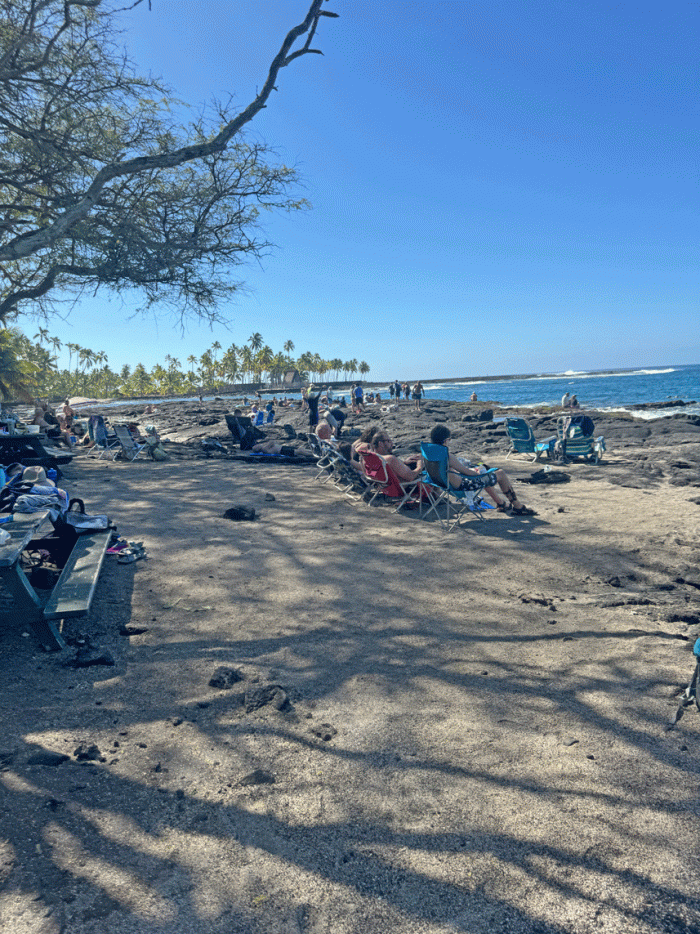
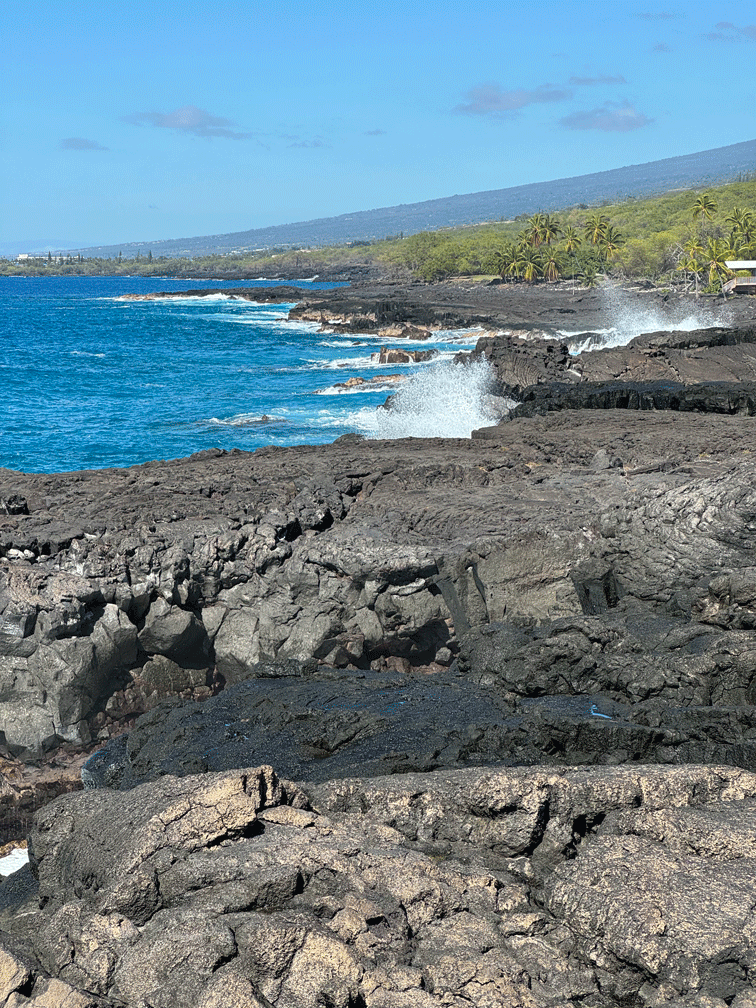
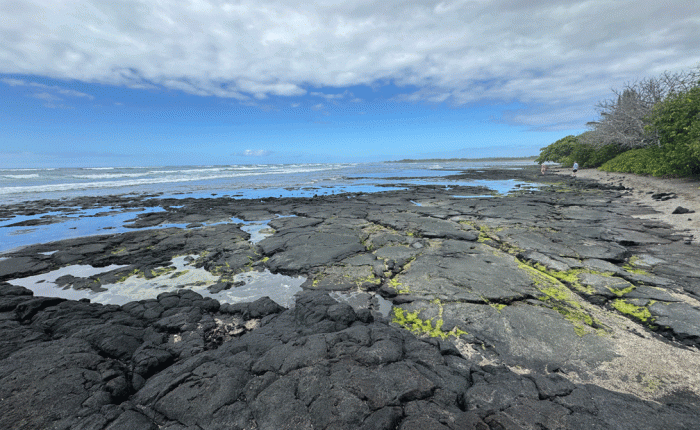
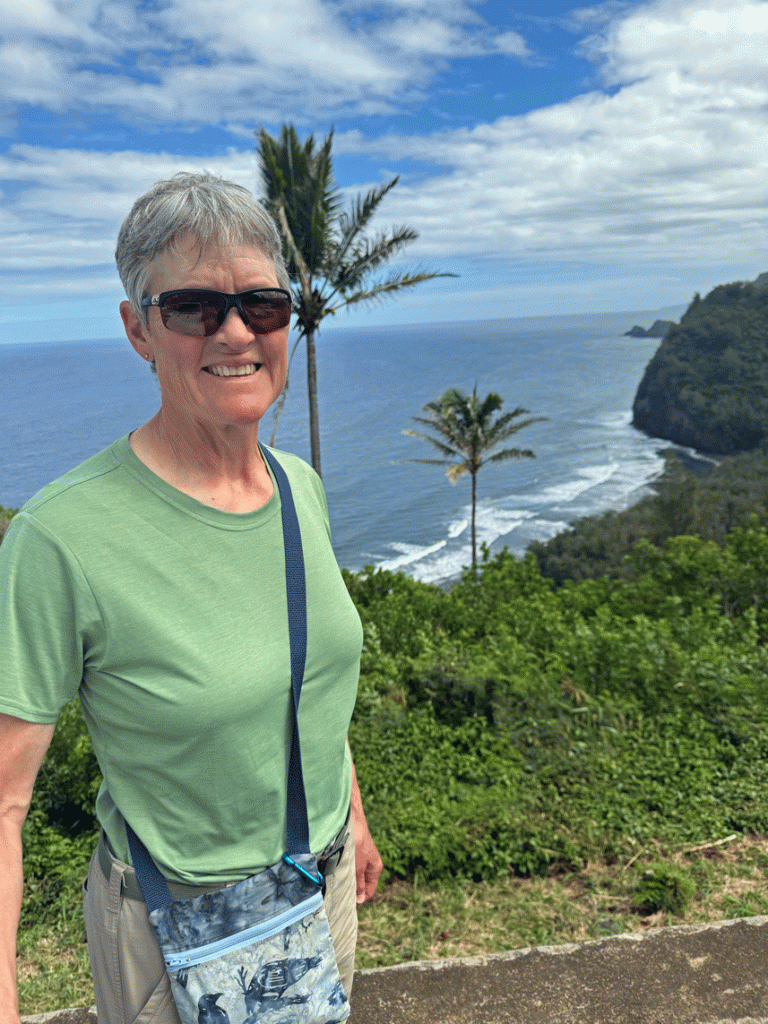
We stopped a few miles north at Kapa’a Beach County Park and watched the waves crash against the rocky shore while we ate our lunch. Then we continued along the tip of the island to the end of the road at the lookout for Pololu Valley. Our guidebook gave this spot a “Real Gem” rating and in the description said that if you took the trail down to the black lava sand beach in mid-week, you might have the beach to yourself. This was definitely not the case. The overlook was a crowded parking lot controlled by volunteers who kept the lot for people who were just looking at the view. If you wanted to hike down to the beach, you needed to park along the side of the narrow road. At least twenty vehicles were parked along there. We chose to park at the overlook and take a photo from the curb in front of the jeep. Too many people for our liking! But a beautiful view.
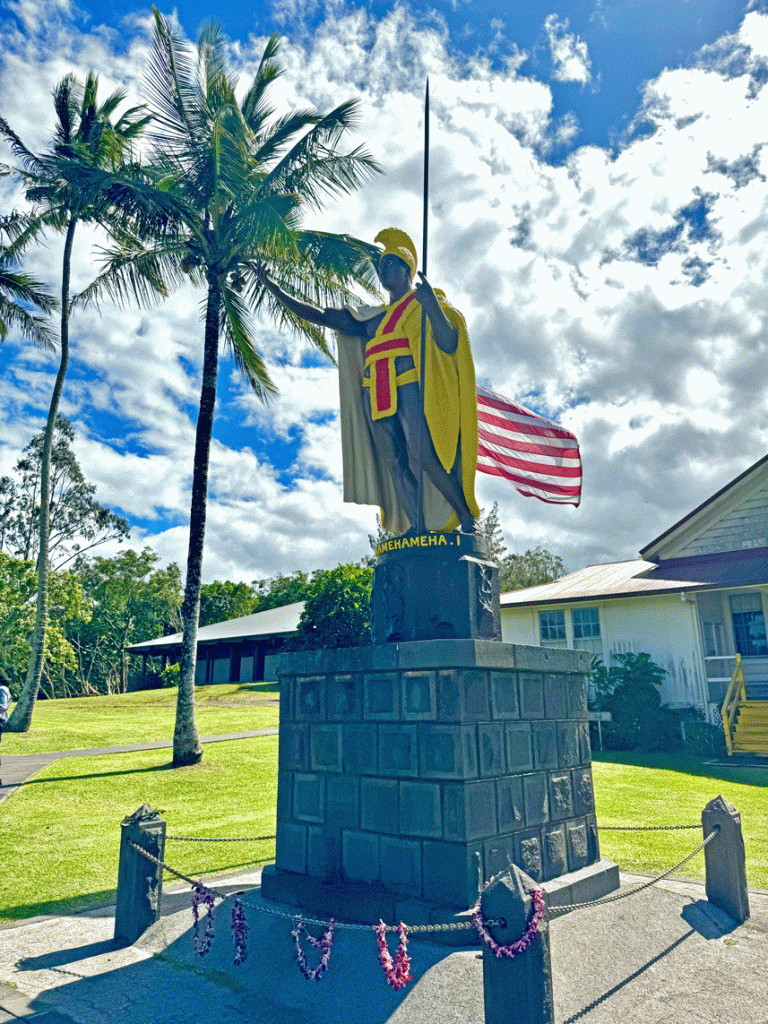
We backtracked to the small town of Kapa’au, where every restaurant and cafe seemed busy, so at least all the tourists were helping the local economy. A statue of King Kamehameha the Great is in a park in this small town. This statue is a lot like the one standing in front of the Judiciary building in Honolulu. Back in 1878, the statue was being shipped from Paris when the ship and cargo was lost at sea. The Hawaiian Legislature used the insurance money to order a new one. Sometime later, the captain of the wrecked ship saw the lost statue in Port Stanley where someone had salvaged it. He bought it and sent it to Hawaii. The broken arm was repaired and it now stands in this park near to the birthplace of King Kamehameha I. In ancient times, the king wore a cape made of bird feathers. Imagine how many Amakihi birds would have perished to provide all those feathers!
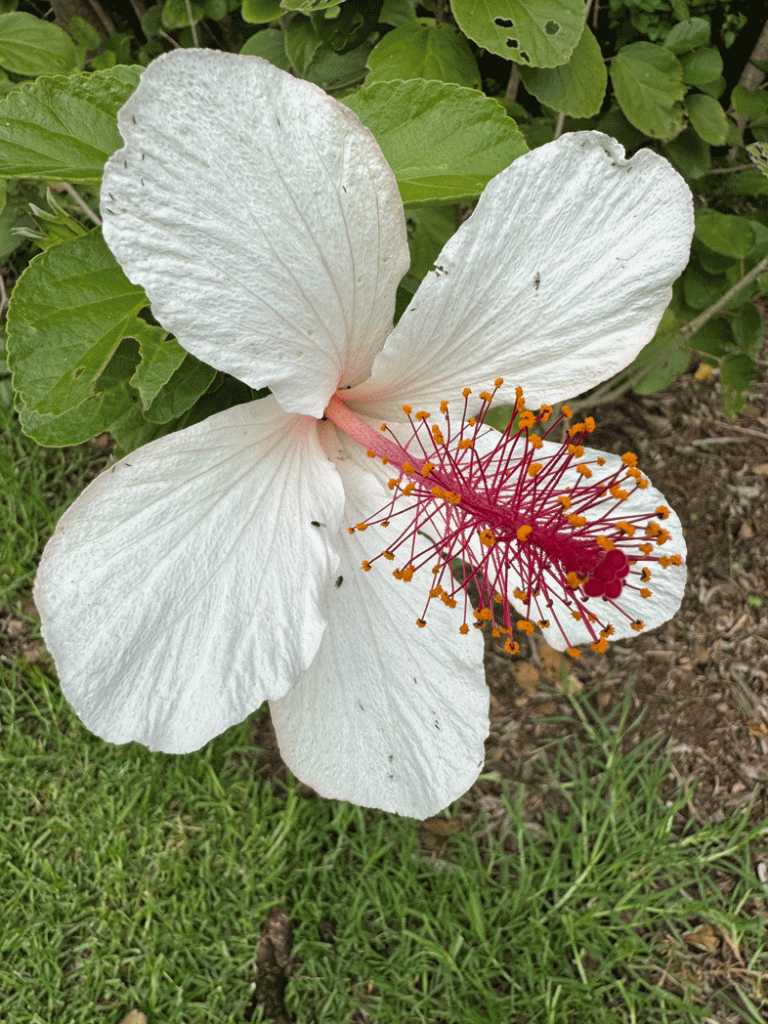
We took the Kohala Mountain Road south to the city of Waimea. Waimea is at 2,600 feet so it was cool enough for us to be comfortable. It was only mid-afternoon and we had nowhere that we had to be, so we found a pretty park (Waimea Nature Park) and wandered around looking at birds. There were beautiful hibiscus bushes. (And our blog from a trip to Hawaii should include at least one flower photo.)
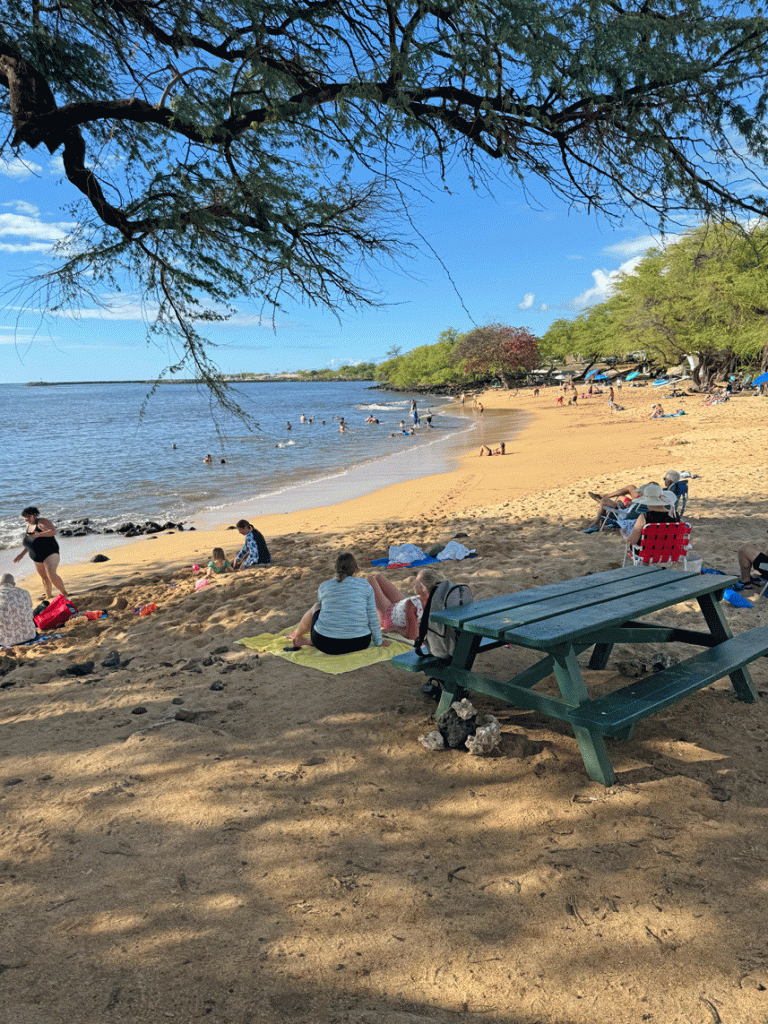
From Waimea, we drove west to the coast. We spent about two hours sitting around in the shade at Spencer Beach. We had our a dinner of sushi, sitting at a picnic table, then changed into our travelling clothes and headed to the airport.
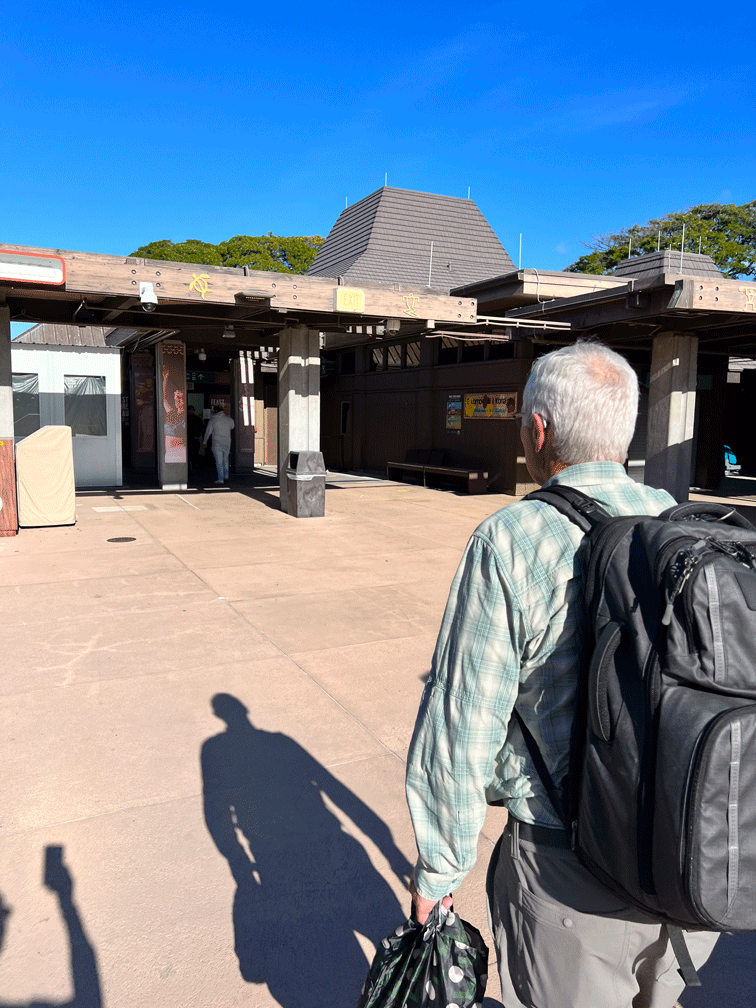
We arrived at the airport before 7 pm and our flight left at 10:30. The open air terminal was comfortable, so all there was left to do was wait. Our overnight flight to Phoenix arrived about 45 minutes early, because of a strong tail wind. Another couple of hours driving and we were home.

We thoroughly enjoyed our ten day trip to the big island of Hawaii. Our intention was to see as many birds as we could and the trip met our expectations. We were pleased at how much Hawaiian history we learned; the historic parks were well situated for bird watching and we picked up some history along the way.

Our day with a birding guide was amazing and we saw birds that we couldn’t have seen on our own. However, we were pleasantly surprised how we could find and identify so many other species with the help of our guidebook and iBird app. We used eBird to find hotspots as well as to see recent reports. Also on our first day birding, we met a birder from Oregon who birded regularly on Hawaii and told us about some good spots to explore.

Our resources for birds:

Hawaii Audubon Society, Hawaii’s Birds (2020) http://www.hawaiiaudubon.org: A great book to look at cover to cover to familiarize yourself with the possible species. Most of the extra information that we included about a species came from this guide.

iBird Hawaii, an Interactive Field Guide to Birds, version 10.06: An iPhone app. By using the search function and choosing different filters, we could find the bird we were looking at in the field quickly. For example: we chose the island (Hawaii), and primary color (yellow) to give us five birds that we could look at with more detail.

The guidebook that we used and would recommend:

Doughty, Andrew. Hawaii the Big Island Revealed: the ultimate guidebook, 11th edition. Wizard Publications, Inc. 2022.

Perhaps you’ll plan a trip to Hawaii and this post will be helpful. Even if you don’t, we hope you have enjoyed our travelogue. In a few weeks, we’ll be posting about our February in Arizona.
January in Hawaii – Part 3

January in Hawaii – Part 3

This post will cover day 6 and 7 – our beach days, from our trip to the big island of Hawaii.

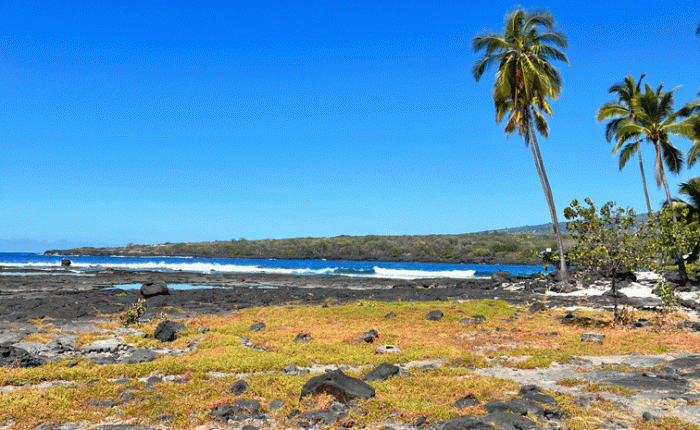
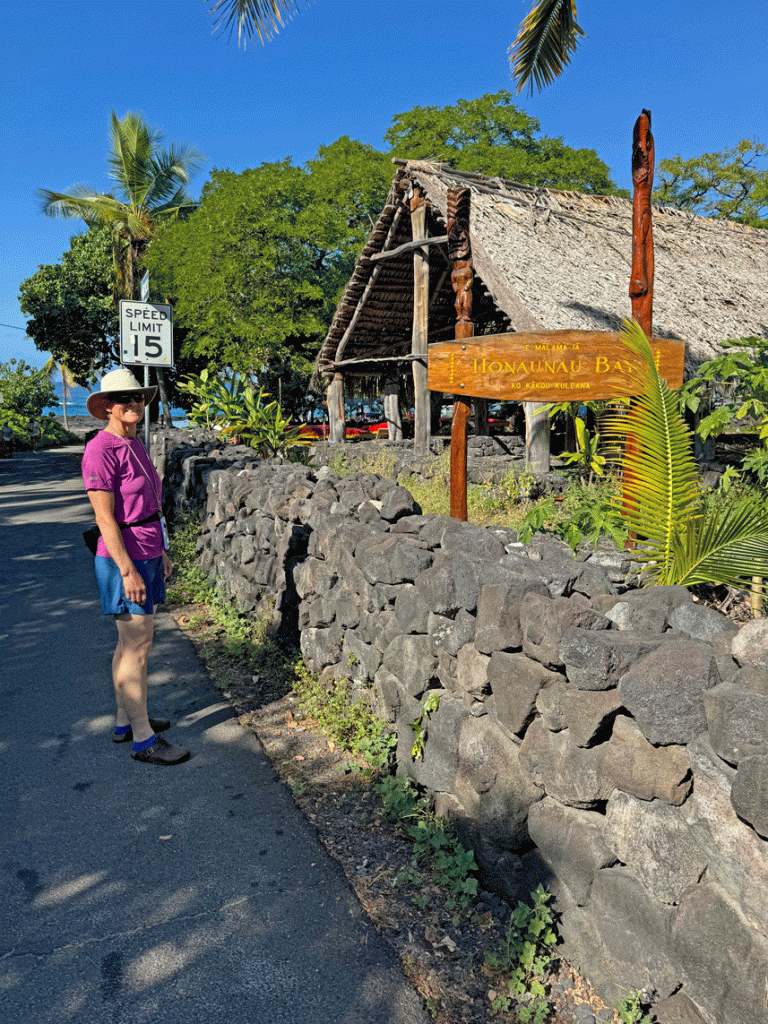
We decided it was time to go to the beach and actually get in the water. One of the best snorkelling spots on the island was less than twenty minutes south of our place in Kealakekua, so we headed over to Honaunau Bay and the snorkelling spot called “Two Step.” We parked above the beach beside the road and walked down the narrow lane, passing a boat shelter for outrigger canoes.

“Two Step” is in the middle of the photo below, behind the standing group of people. It’s called that because it is a lava shelf with steps. We were there near high tide, so the lower step was hardly visible.

Doug had his iPhone in a waterproof case to take these photos. The one on the left was from the water directly out from the steps. Doug had a great time swimming and looking at the fish and coral. The next two photos were taken in the shallower water just past the boat launch where Wendy was more comfortable. There were plenty of fish to see in shoulder height water.

The snorkelling beach was right beside Pu’uhonua o Honauna National Historic Park. There was a charge for entry, but we gained admission with our National Park Annual Pass. We walked the paths of the Royal Grounds, through the opening in the Great Wall to the Pu’uhonua or place of refuge. A place of refuge was important in ancient times when commoners lived under a kapu system of rules that had to be followed. To escape death, a lawbreaker could get to a place of refuge and be absolved by a priest. The Pu’uhonua was also a sanctuary in times of war. In the photo below, the wooden images of Hawaiian gods stand outside the reconstructed Hale o Keawe heiau, which originally held the bones of 23 chiefs. We suspect the loin cloths have been placed to protect modern sensibilities.

This is a view from near the same spot, looking out towards Honaunau Bay.

Next we drove back towards Kealakekua, to a shoreline park that was basically directly below our BnB. Hokuli’a Shoreline Park is a privately owned park that is open to the public. We drove down from the highway past luxury homes to the golf course and shoreline park. There was no beach here, but the waves crashing on the lava rocks were impressive. We saw seventeen species of birds here, including our best view of a Hawaiian Hawk. Hawk identification is Hawaii is pretty easy; if it’s a hawk, the only one around is the Hawaiian Hawk.

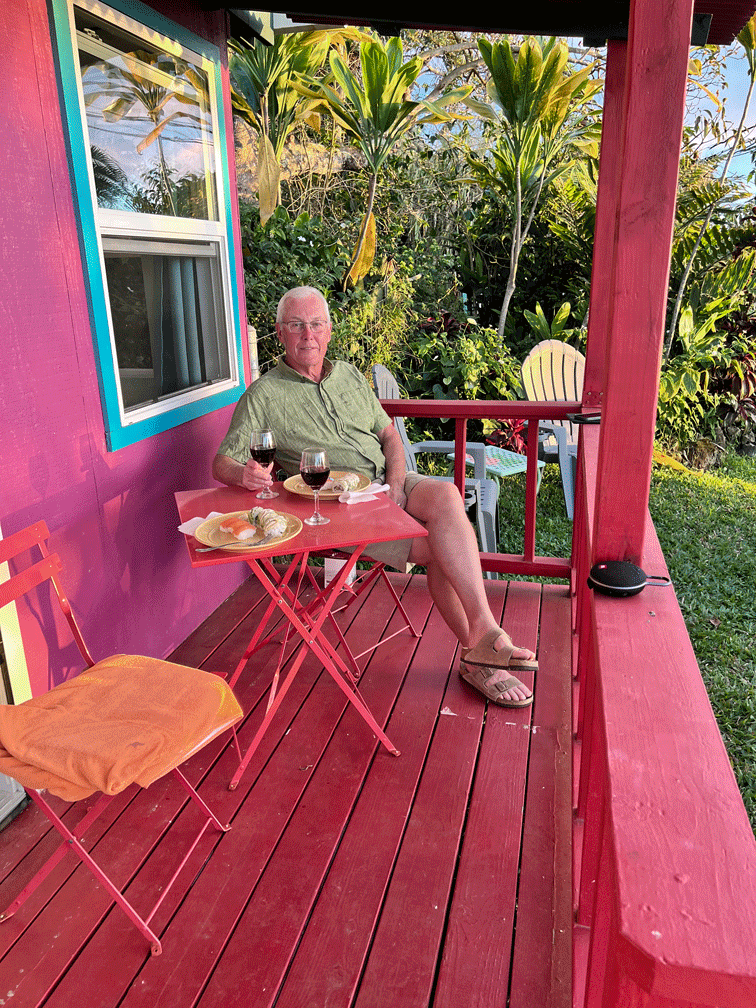
This was Saturday night and we went “out” for dinner. We decided that sushi on the porch would be more enjoyable than driving to a restaurant.

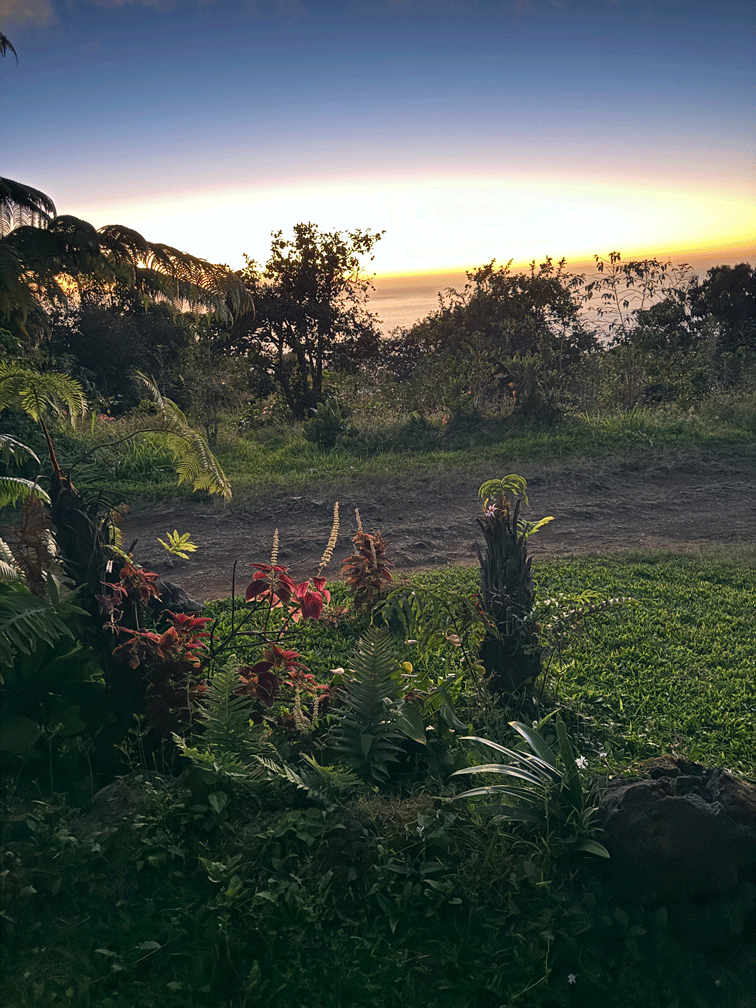
We watched the sunset as we ate and enjoyed our wine.

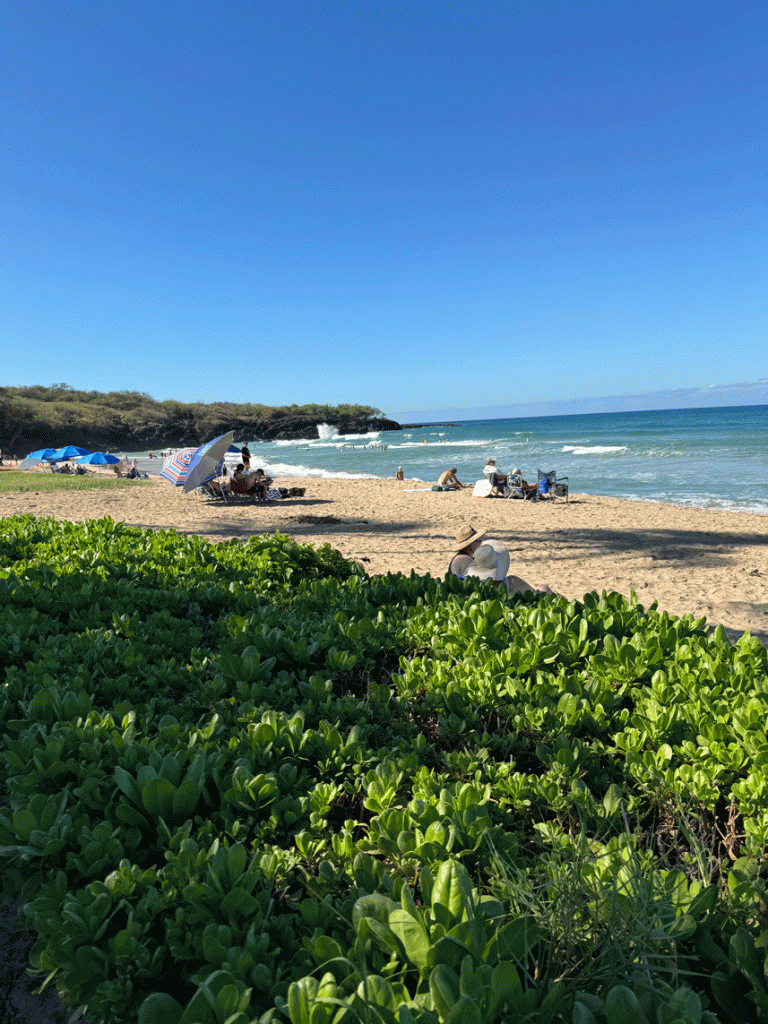
The next day, we continued with our beach theme and headed north to the Kohala coast. We visited Hapuna Beach mainly to go birding, but it looked like a great beach to spend the day. There was a fee for parking and day use for non-residents. Since we were there about half an hour, we parked beside the road outside the park entrance.

We got a close view of a Pacific Golden Plover. These plovers were plentiful around the island, especially on golf courses, soccer fields or patches of grass near the beaches. This species breeds in the Arctic and flies 3000 miles non-stop to Hawaii for the winter.

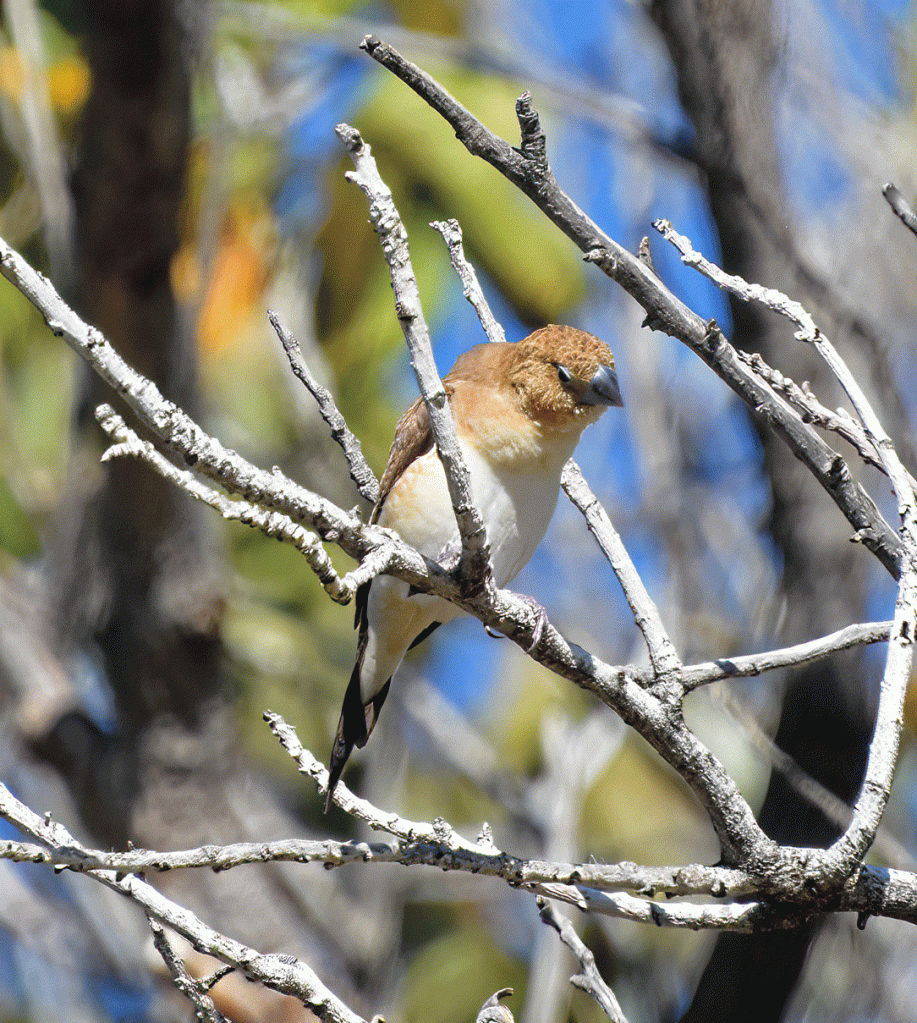
We also saw our first African Silverbill.

This Northern Cardinal seemed unafraid and it seemed as if it was asking for its photo to be taken. We saw at least a couple of cardinals each day we were in Hawaii, and they reminded us of Arizona.

We went swimming at Spencer Beach, which was a calm beach about fifteen minutes north of Hapuna Beach.

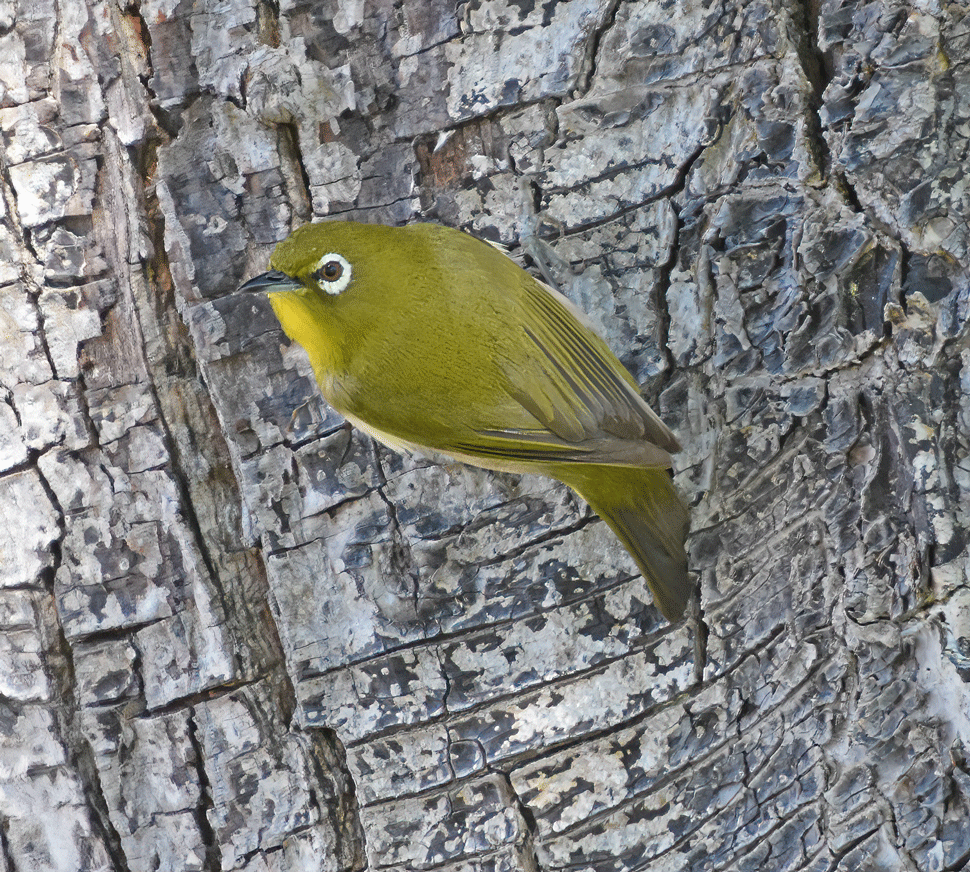
There we also got a good view of a Warbling White-eye.

January in Hawaii – Part 1, 2, and 3 were about our first seven days on the big island. Part 4 will finish off our trip and be posted soon.

January in Hawaii – Part 2

January in Hawaii – Part 2

This post will cover day 4 and 5 of our ten day trip. Day 5 was our “forest bird day” with a birding guide, so there are plenty of bird photos included.

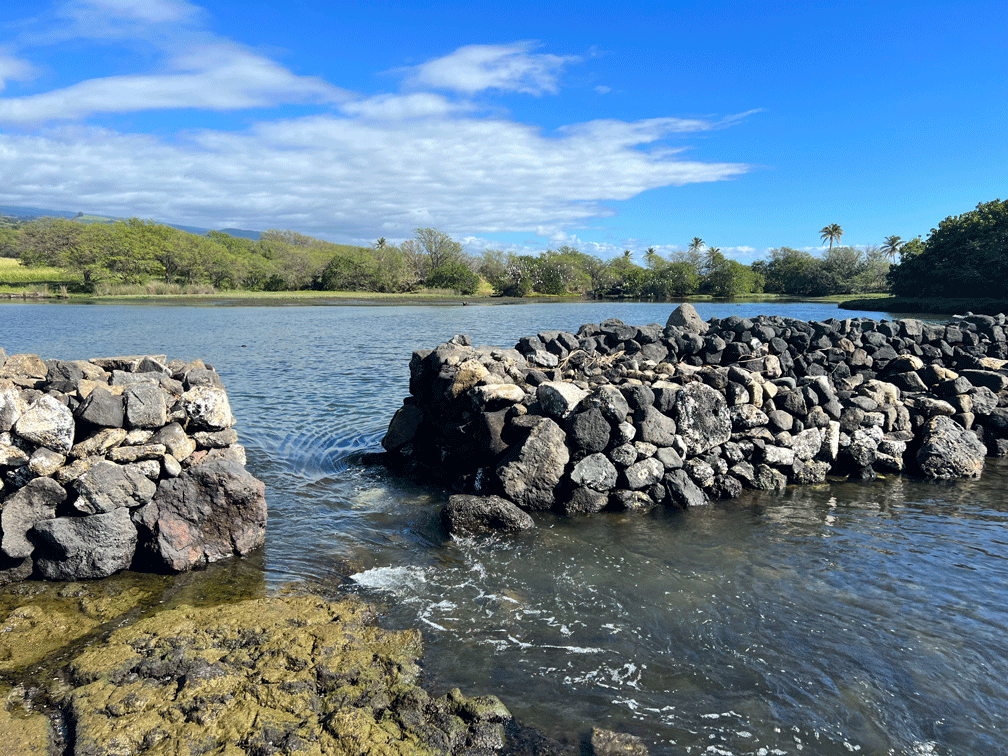
On our fourth day on the big island of Hawaii, we did a road tour to Hawaii Volcanoes National Park. Along the way, we stopped at Whittington Beach Park. There was a rocky shore and a pond farther inland that was built as a fish pond by the early peoples.

The rock wall along the entrance to the pond had been reinforced with concrete. The “white specks” in the trees in the background are actually Western Cattle Egrets. We saw cattle egrets virtually every day of our visit, but this was the largest flock.

In the middle of the pond, there was a lone female Harlequin Duck. This species is rare for the island, so we had the opportunity to contribute our observation to the “rare bird alert.” The bird had been previously sighted in this location.

We navigated the crowds at Hawaii Volcanoes National Park and found a parking spot at the Kilauea Caldera overlook on the west rim road. The view was worth the short walk out to the fence. Surprisingly for us, we saw a White-tailed Tropicbird soaring above the caldera. Although tropicbirds are seabirds, they nest on the remote crater walls where they can avoid predators. The caldera is approximately 16 km (10mi) from the ocean, which is obviously not too far away for this species.

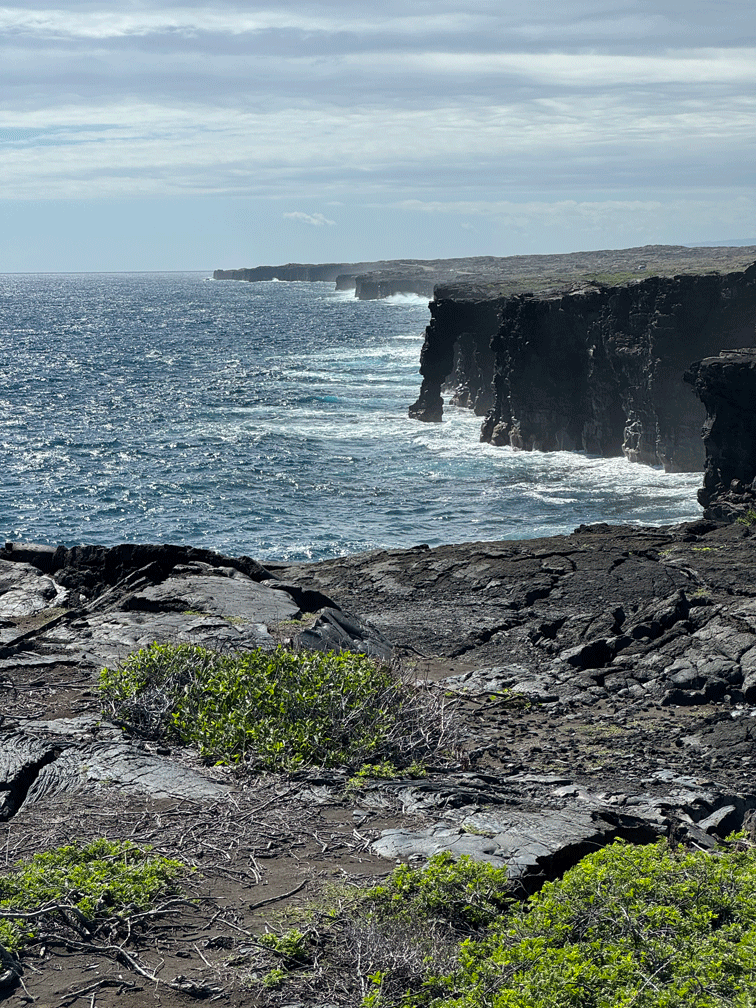
Next, we drove the east rim road, past the overcrowded parking lots for Kilauea Iki Overlook and the Thurston Lava Tube. We turned on to the Chain of Craters road and drove about a half an hour and descended about 4000 feet to the ocean. Virtually the whole way down was through old lava flows. Some looked like intestines, some like cow piles and some like something the dog threw up. On the coast, we parked beside the end of the navigable road and took a trail to view a sea arch. Here the lava cliffs rise abruptly above the sea.

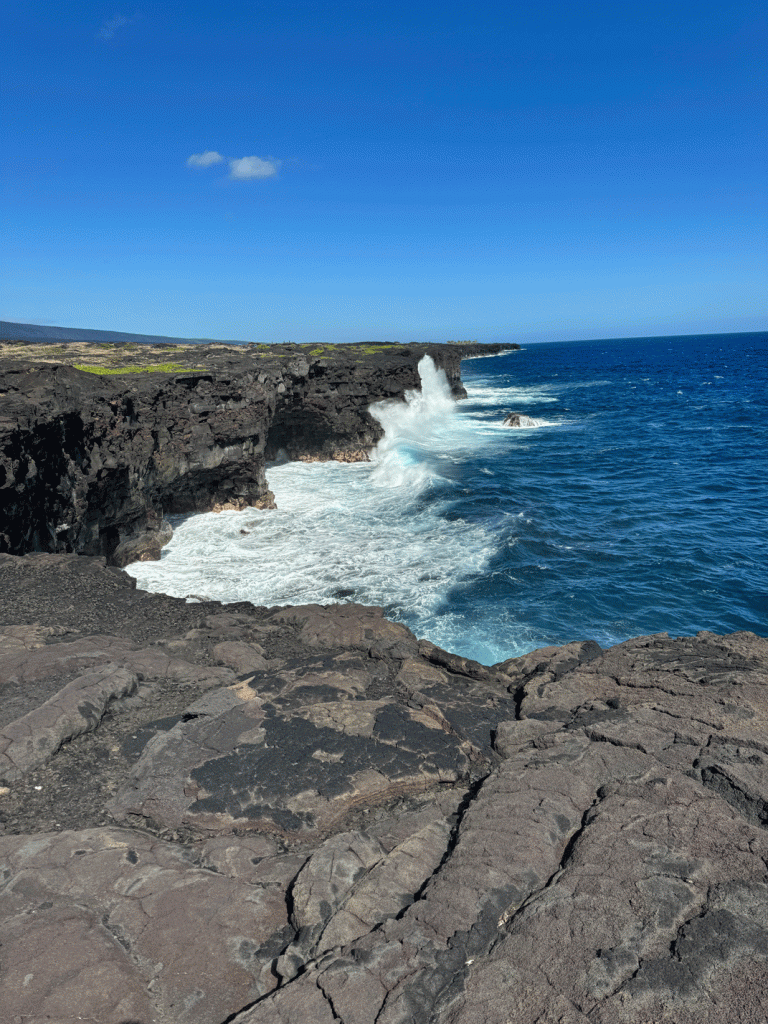
A little ways west of the arch, we saw some people walking a rough trail to the edge of the cliffs, so we stopped to have a look. The cliffs here had been worn away, forming caves. We noticed birds flying into the caves and could make out Black Noddies perched on the cave ledges. Another life bird!

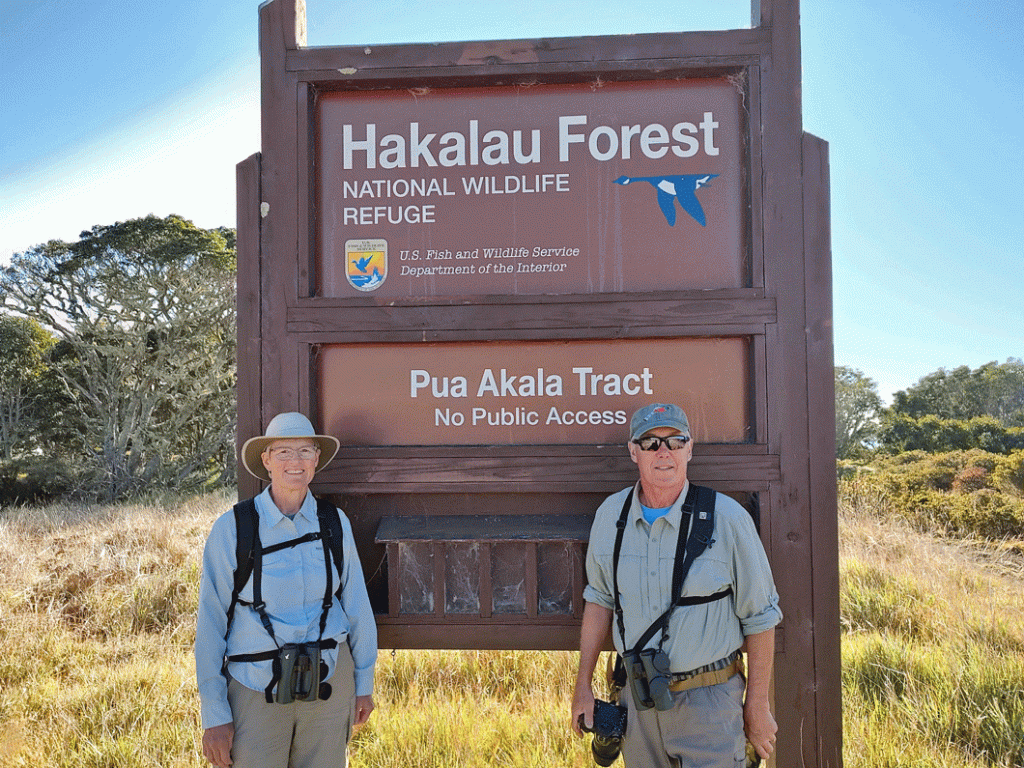
The next day we got up early and left our place at 5:45 am so we could meet our guide at the Mana Road, a few minutes up the road to Mauna Kea. We joined our guide in his four-wheel drive vehicle and drove an hour to the Hakalau Forest National Wildlife Refuge. The refuge is only open to parties that are led by a guide because of concerns about a disease called Rapid Ohi’a Death which has killed thousands of acres of mature ohi’a trees in other parts of Hawaii. We needed to clean our shoes of all debris and our guide sprayed our shoes in order to avoid contaminating the soil. The refuge was established in 1985 to protect and manage endangered forest birds and their rain forest habitat.

The section we were visiting had previously been cleared for a ranch and the only trees that were growing were in the ditches and gorges that the cattle couldn’t reach. Twenty-five years ago, many ohi’a trees were planted, so now the area is a lush forest. When we looked closely, we could see that most of the trees were the same age. The forest was full of birds, and with the help of our guide, Lance Tanino, (Hawaii Bird Guide LLC) we were able to see all the rare and endangered species that we had hoped to see.

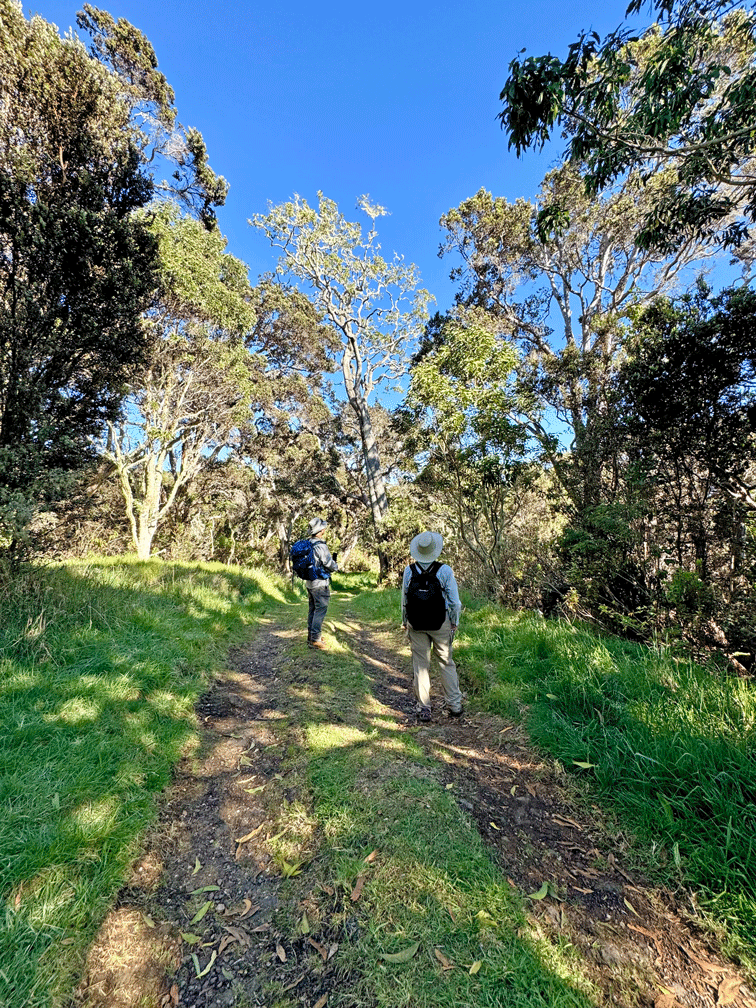
The road wandered down the slopes of Mauna Kea. Although we saw most of the birds right from the road, we also ventured off to various overlooks.

The Hawaiian Goose or Nene is Hawaii’s official bird. It’s capable of inter-island flight, but is non-migratory. It was nearly extinct in 1940 due to overhunting and habitat loss, but in 2019 it was down-listed to threatened. We saw about twenty on this day and then later in our trip we saw them on golf courses and lawns by the beach; the sort of place you might find a Canada Goose.

Perhaps the most exciting bird to see was the endangered Akiapolaau, which is only found on Hawaii island. This little bird drills holes in ohi’a trees with its stout lower mandible and drinks sap by tilting its head back. Its long curved upper mandible extracts prey.

Here’s another “Aki,” as they are called for short. It’s a female or immature male.

The I’ivi (ee-EE-vee) or scarlet honeycreeper is a flashier bird and we saw several of them this day. Even so, this endemic bird is listed as threatened.

Another I’ivi! This species primarily feeds on the ohi’a nectar as well as other understory tubular flowers.

These thrushes are much less conspicuous than the honeycreeper. Known as Oma’o, they can perch motionless for long periods. They are rare and restricted to windward-side native forests above 3000 feet. We were lucky enough to see several this day.

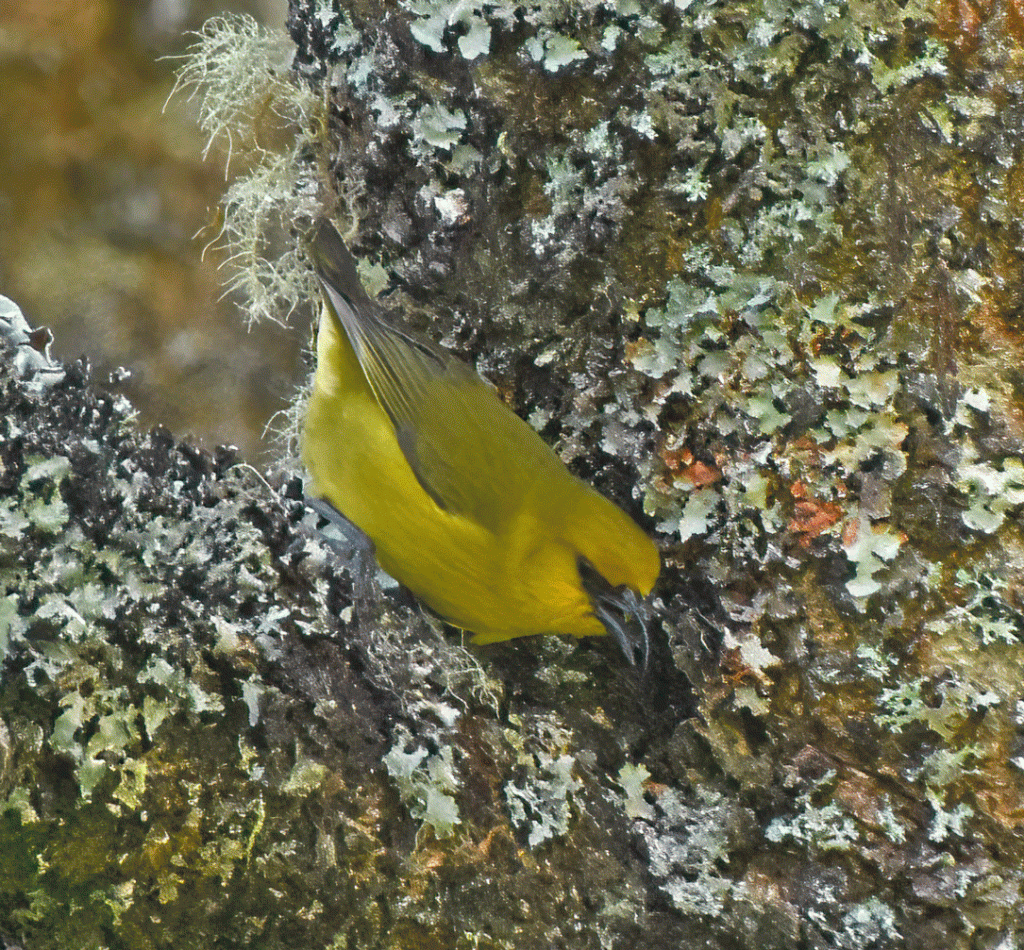
We also saw a few Hawaii Creepers. These birds feed on insects and move along branches and tree trunks like nuthatches. Notice their curved bill and “racoon” mask.

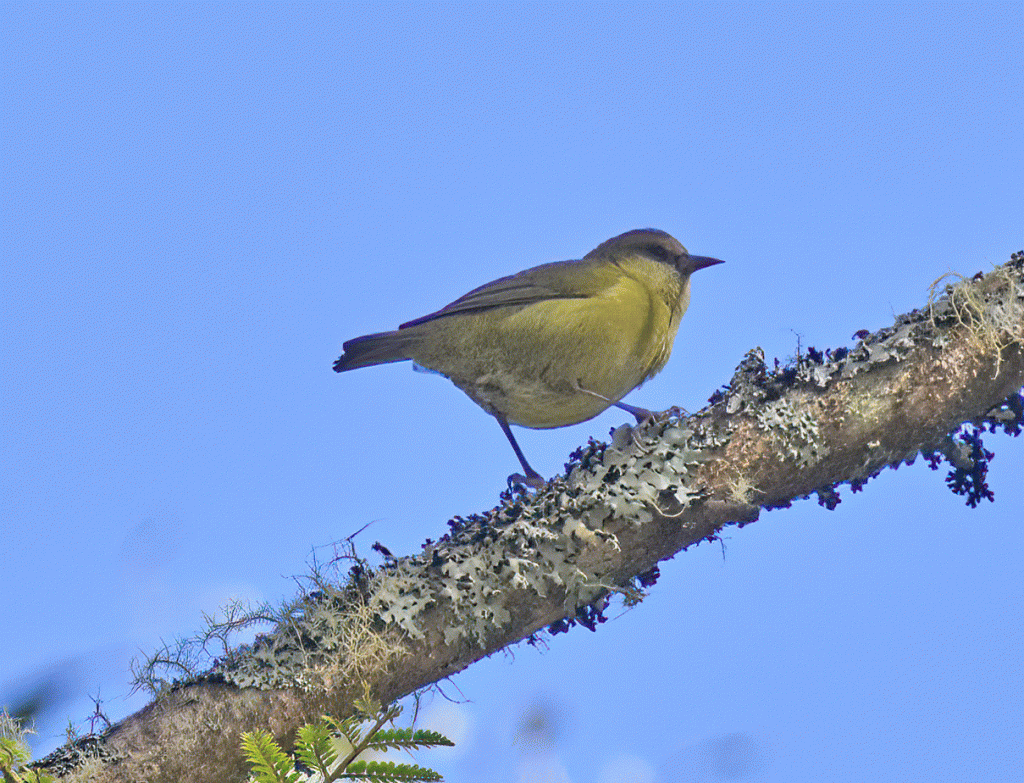
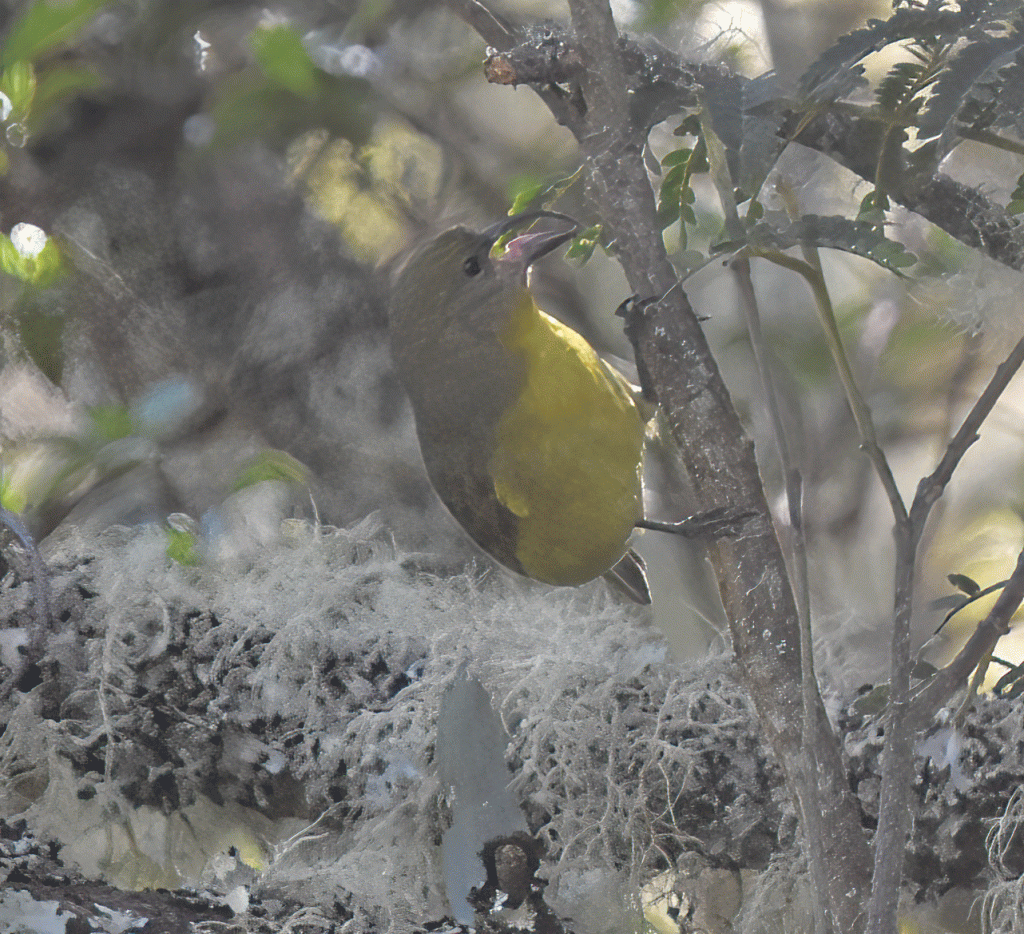
There were three times as many of these yellow birds (Hawaii Amakihi) as there were creepers. Although they have similar colouring, the Amakihi has a straighter bill and not as much black on the face as a creeper. Since we’d seen several of this species a few days before, it was like meeting an old friend again.

The last endemic bird that we saw on our “tick list” was the endangered Hawaii Akepa. It was harder to see because it forages in the crowns of ohi’a trees. The Akepa has a crossed bill which it uses to pry open buds, seed pods and galls in search of insects to eat.

The other forest endemic birds that we saw were Hawaii Elepaio and Apapane. The Elepaio tended to stay hidden among the shrubbery and the Apapane were high up in the canopy.

We saw some introduced birds as well, including this Kalij Pheasant. This species is native to Southern Asia and was introduced to Hawaii in 1962.

It was a big day for us, with twelve “life” birds, including several that were endangered or rare. It’s not likely that we will ever see most of these birds anywhere else.

January in Hawaii – Part one and two have summarized the first half of our ten day trip. Part 3 and 4 will be posted soon.

January in Hawaii – Part 1

January in Hawaii – Part 1

We took a trip to the big island of Hawaii at the end of January. We’ll share our photos and stories over a number of posts. From our last post near the end of December and this one, we were at our place in Arizona and doing mostly routine things; looking for birds, hiking and mountain-biking. If any photos stand out for us from this time, we’ll post them with our February blog.

We landed at the Kona airport around 3:30 in the afternoon. We disembarked from the plane right to the tarmac and walked over to the open air terminal and baggage claim area. A shuttle took us to the car rental, where we very efficiently picked up a jeep.

We headed south to our BnB in Kealakekua, dropped our bags and went out to the local supermarket to pick up enough food for our next three meals. We watched the sunset from our front porch before dinner.

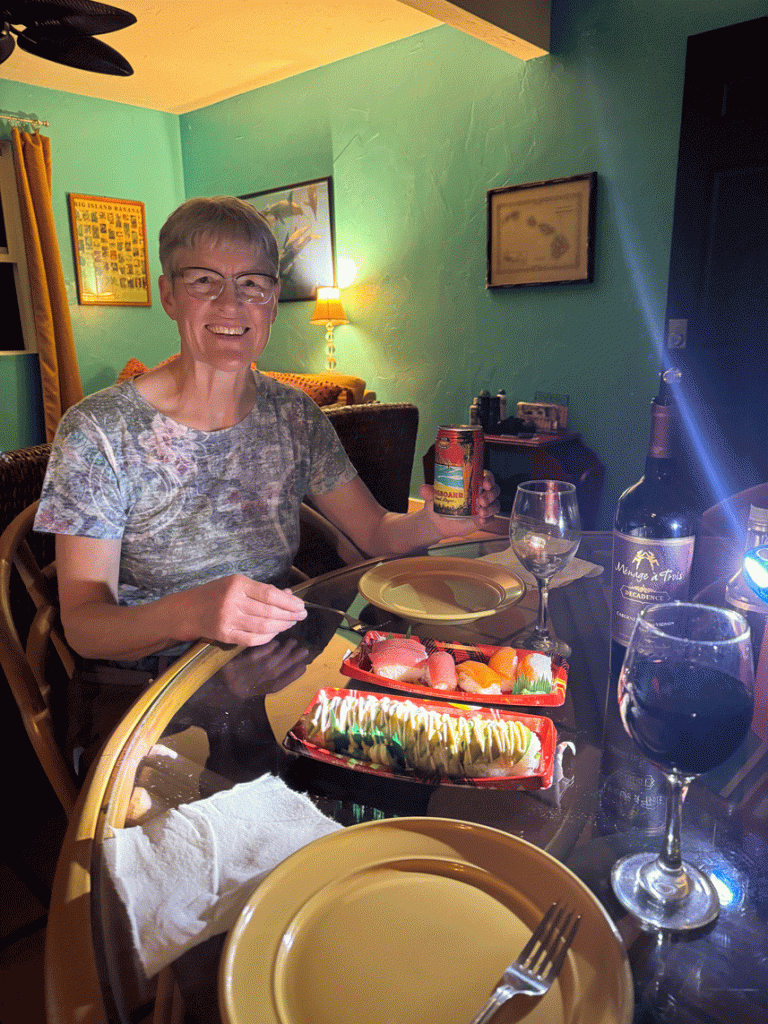
The sushi we bought at the local grocery was made that day and it was a simple and tasty meal. Of course, we also bought some local beer.

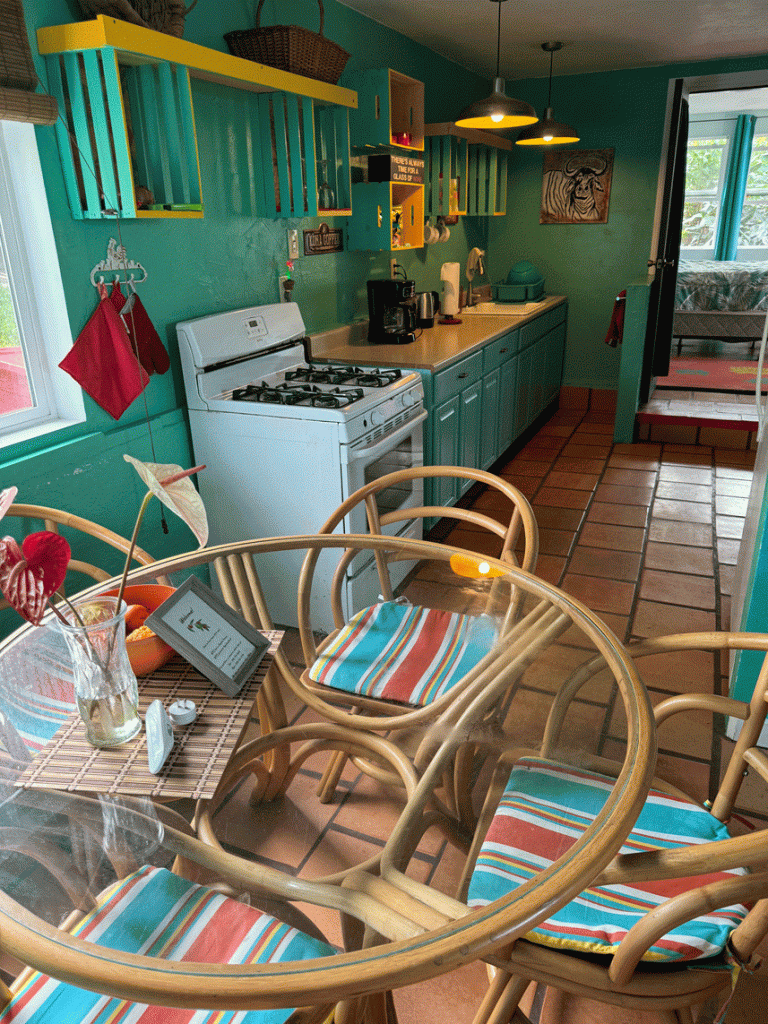
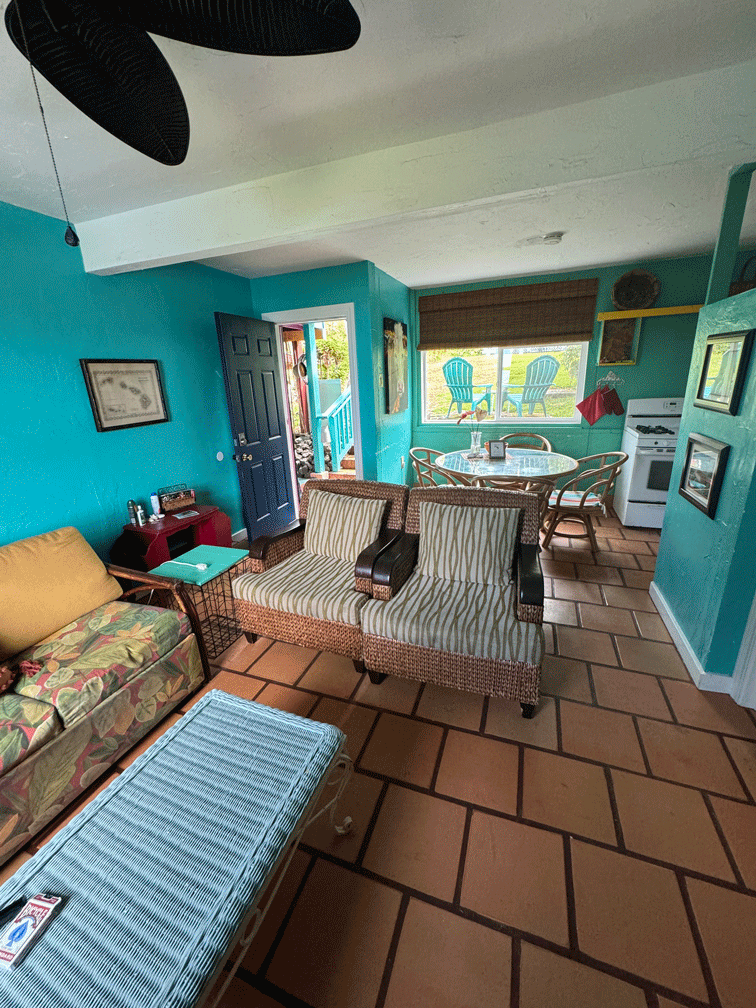
These next photos are a tour of our little cottage. It was originally a coffee drying hut. Here’s the kitchen, showing the steps up to the main bedroom.

Here’s the sitting area and the back steps. There was a second bedroom off to the right of this photo, which had lots of shelves for our clothes.

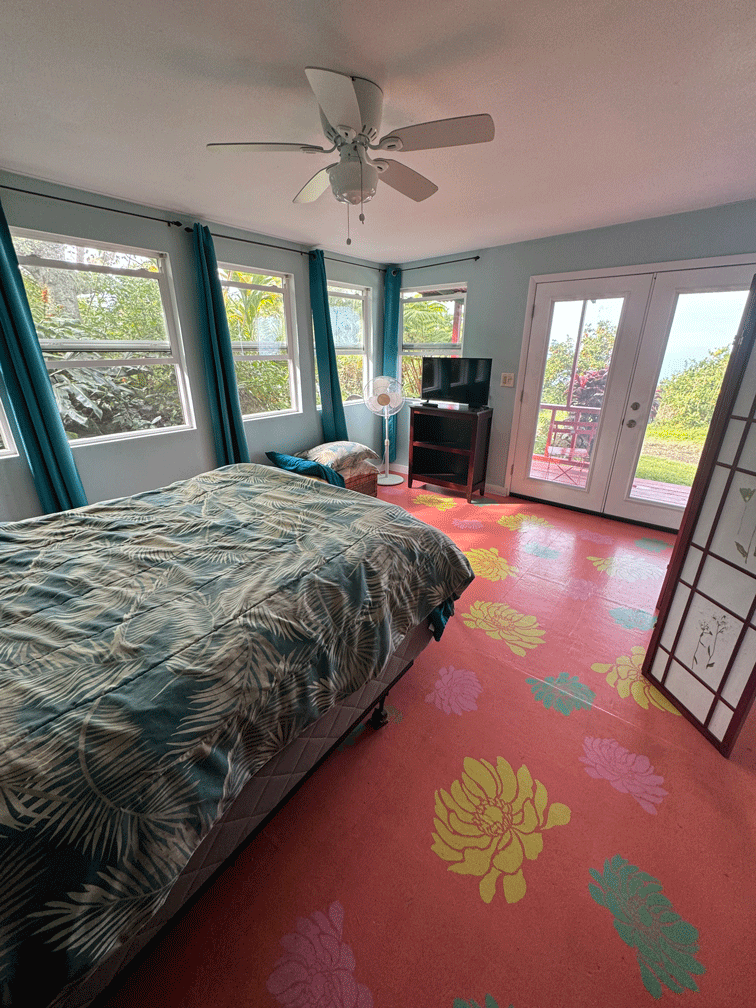
The main bedroom had screened windows on two sides, which we kept open all the time. It was always below 20 degrees C (68 F) by the time we went to bed, so it was very comfortable for sleeping.

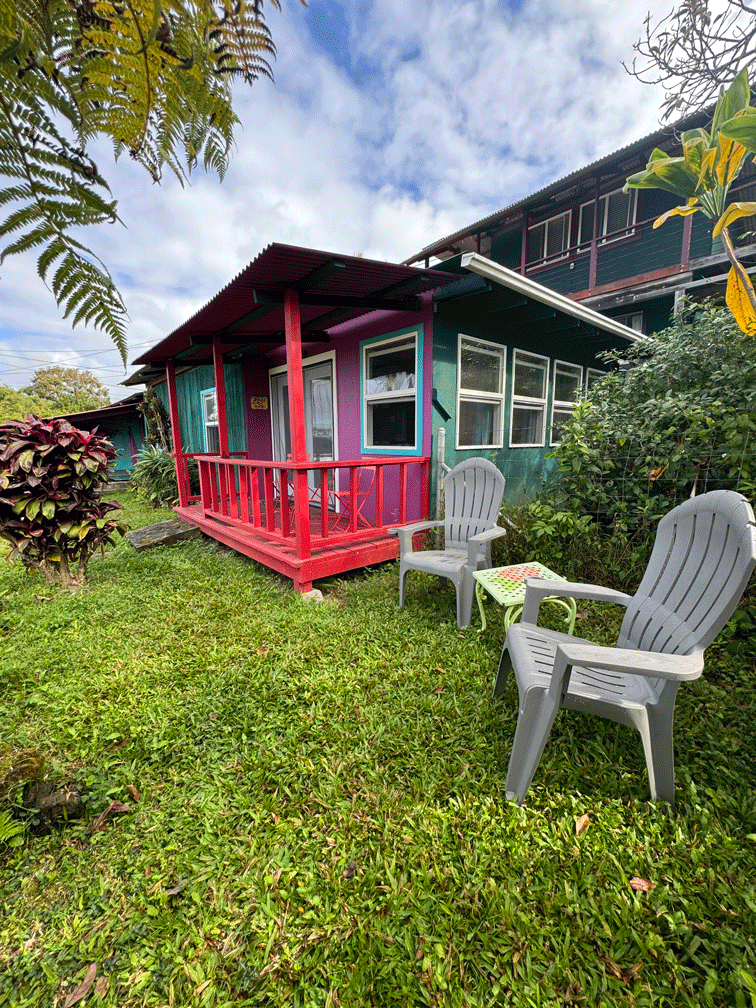
Here’s a view of the front of the cottage and the porch off the bedroom. The jeep is hidden from view behind the red and green ti plant and in front of the porch that accesses the back door. Another tenant lives in the building behind us, but it was vacant when we visited.

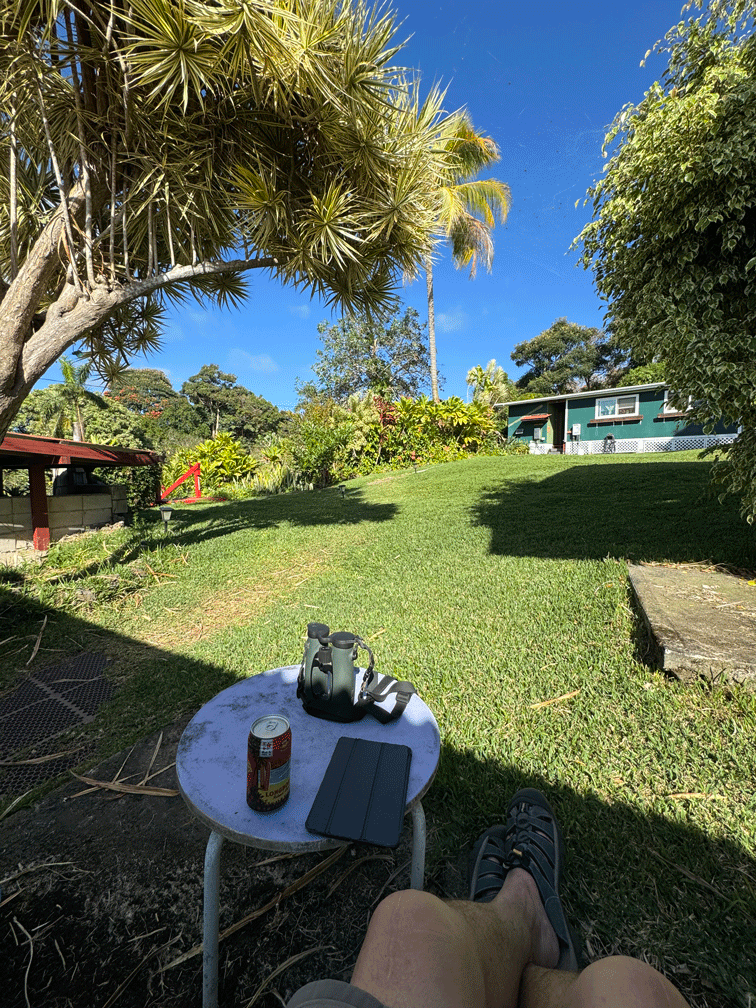
Here’s a view of the expansive lawn out the back door. The left side of the green building is the bath-house. We had a full bathroom that was only for our use. And, while is was a bit of a trek from our cottage, it was much better than tromping along a snowy path to a cold outhouse, which we’ve experienced when we’ve stayed in a mountain hut. It was a wonderful little place for our stay, but unfortunately it’s been taken off the BnB market, so we won’t be able to return here.

Our main objective of the trip was to see some interesting birds. And Hawaii has plenty of these.

Hawaii’s ecosystem has been changed through colonization; with the introduction of grazing and browsing animals as well as other mammals such as mongoose. The native birds are now only found in isolated high elevation isolated forests. (See Part 2 of this blog series).

Many urban birds have been introduced from all over the world. From the 1920’s to 1960’s, Hawaii government agencies and a private club called the Hui Manu Society, brought birds to the islands. Birds were chosen for their beauty, their birdsong and to eat insect pests. We realize that we may never travel to the parts of the world that the birds originated, so we were happy to see the “smorgasbord” of birds that now call Hawaii home.

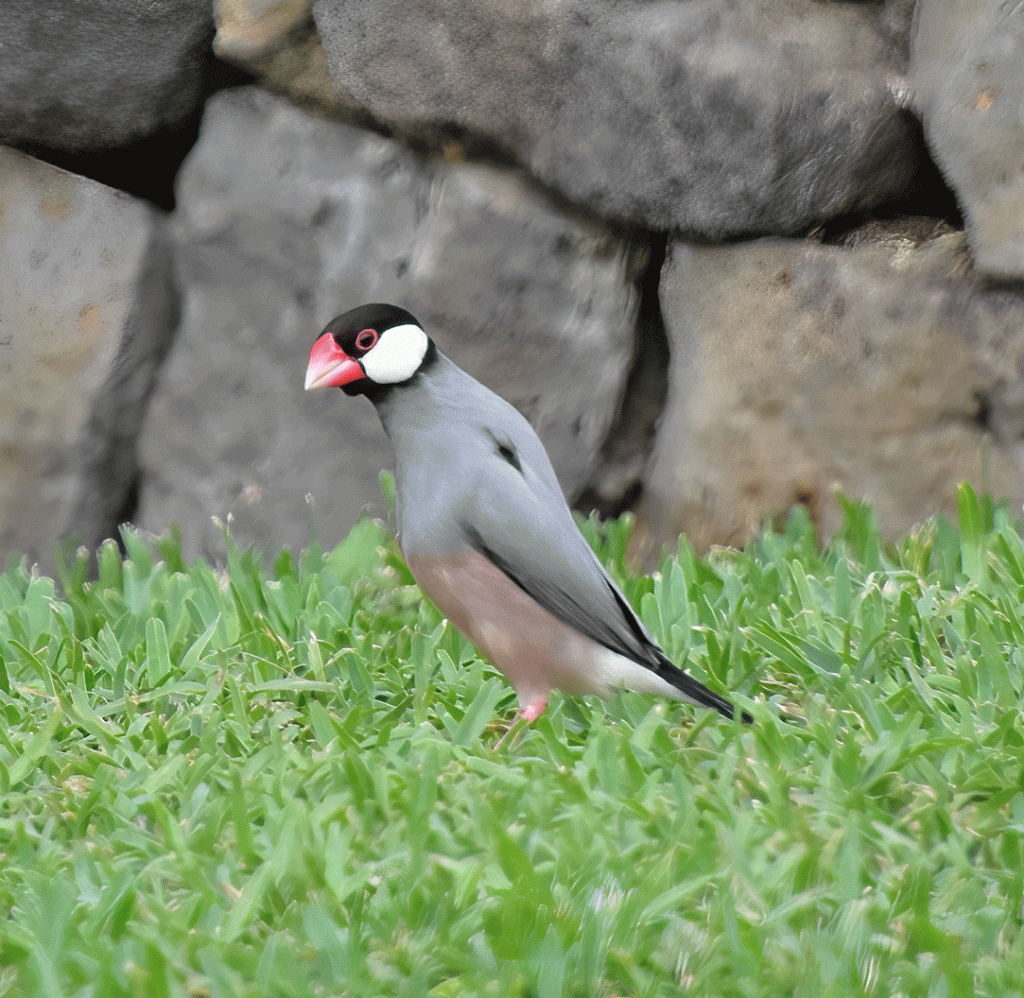
This is a Java Sparrow, originally from Indonesia. It was first introduced in 1867, and then reintroduced in the late 1960s. They were always around our cottage, since our neighbours next door had at least forty of them hanging near their feeders.

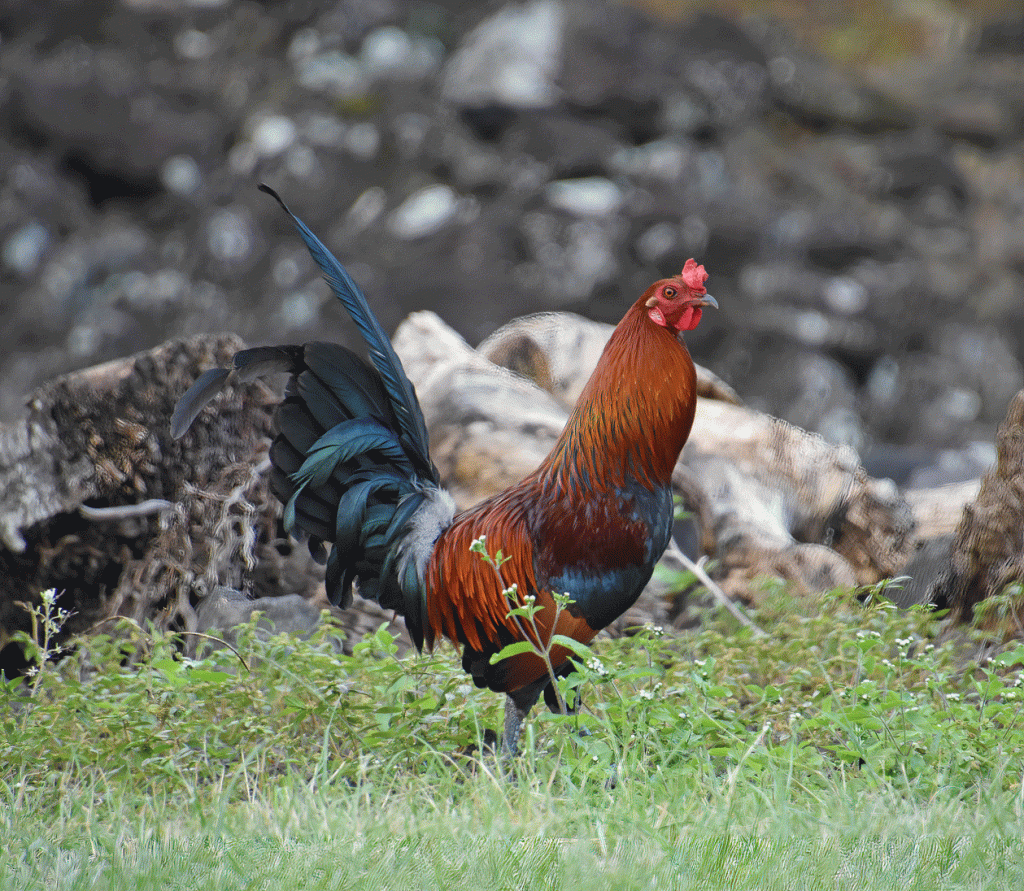
Roosters such as this one, also wandered along the front road. They are descended from Red Junglefowl, which were brought to the islands by the Polynesians over 1000 years ago.

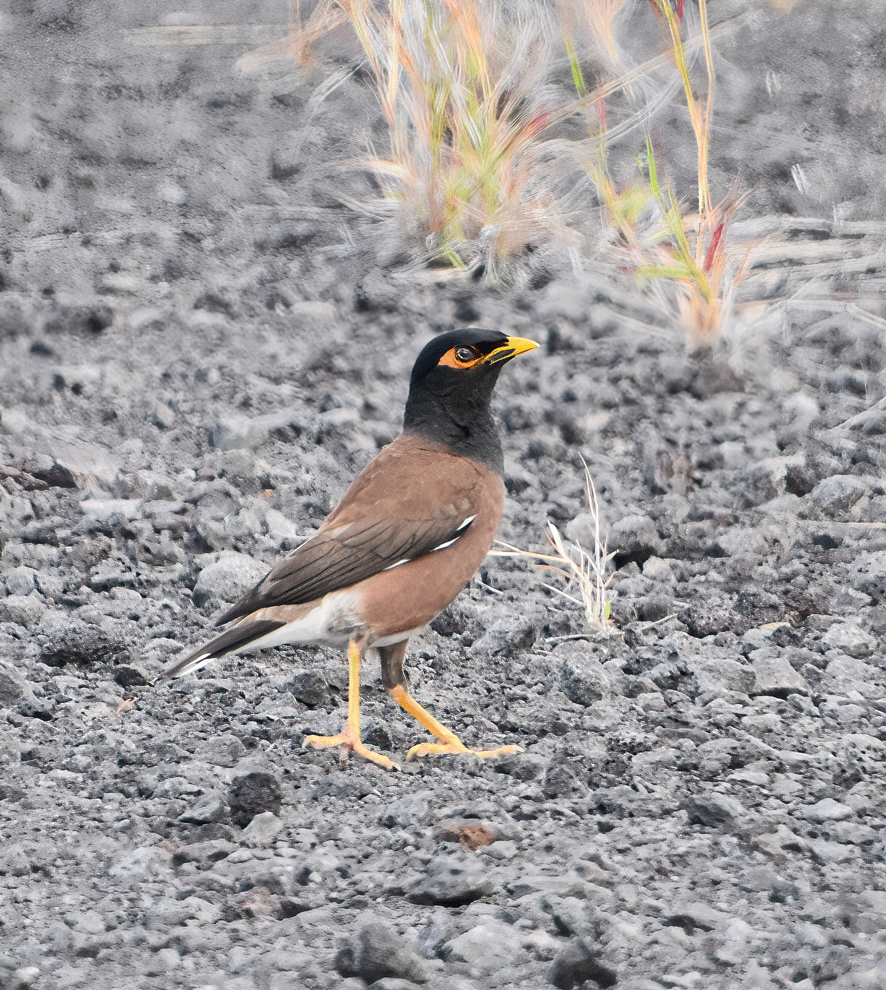
Common Mynas were very common in parks, parking lots and also around our place. They were introduced from India in 1865 to control insect pests.

On our first full day in Hawaii, we went to a couple of birding hotspots in the Kailua-Kona area. At the first one, Doug took this photo of a Red-billed Cardinal and a Saffron Finch. These birds are both native to South America and were easy to see in many spots around the island.

We got our first glimpses of a Warbling White-eye along the fence at the same spot. Its name has been recently changed from Japanese White-eye, although the birds are also native to China and Taiwan. We saw them throughout the island in both and dry and wet habitats.

Our next birding destination was also an opportunity to learn about Hawaii’s history at the Kaloko-Honokohau National Historic Park. We took a smooth, then rocky trail from the Visitor Center past some petroglyphs and stone walls to the beach.

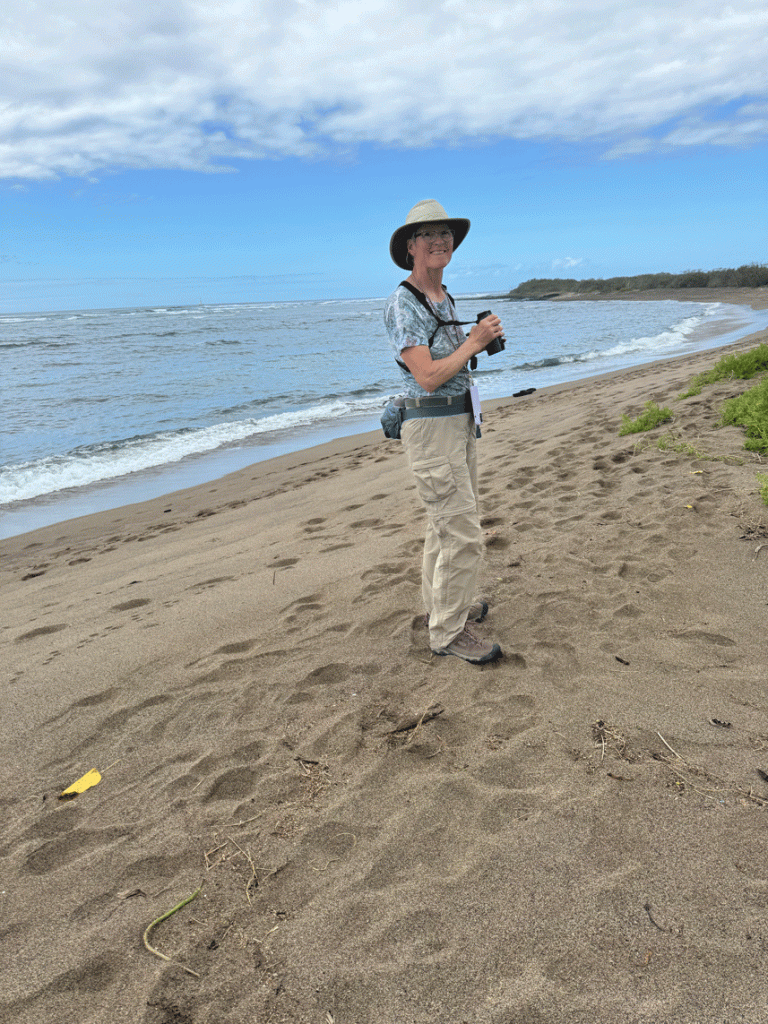
Farther along the beach there was a sand berm that closed off part of the bay to make a fishpond. Early inhabitants would use the fishponds to hold live fish that they wanted to keep for food. Narrow channels were dug from the pond to the ocean to allow water to flow in and out with the tides but not allow larger fish to get through. Wendy is standing part way up the berm. Unfortunately, we neglected to take a photo of the pond, but we saw some interesting birds, including a couple of Laughing Gulls and a Black-necked Stilt.

Coming back on the trail, we got a good view of a Zebra Dove. They were originally from Asia and are abundant in residential and rural areas. They are small doves and remind us of the Inca Doves that we see in Arizona.
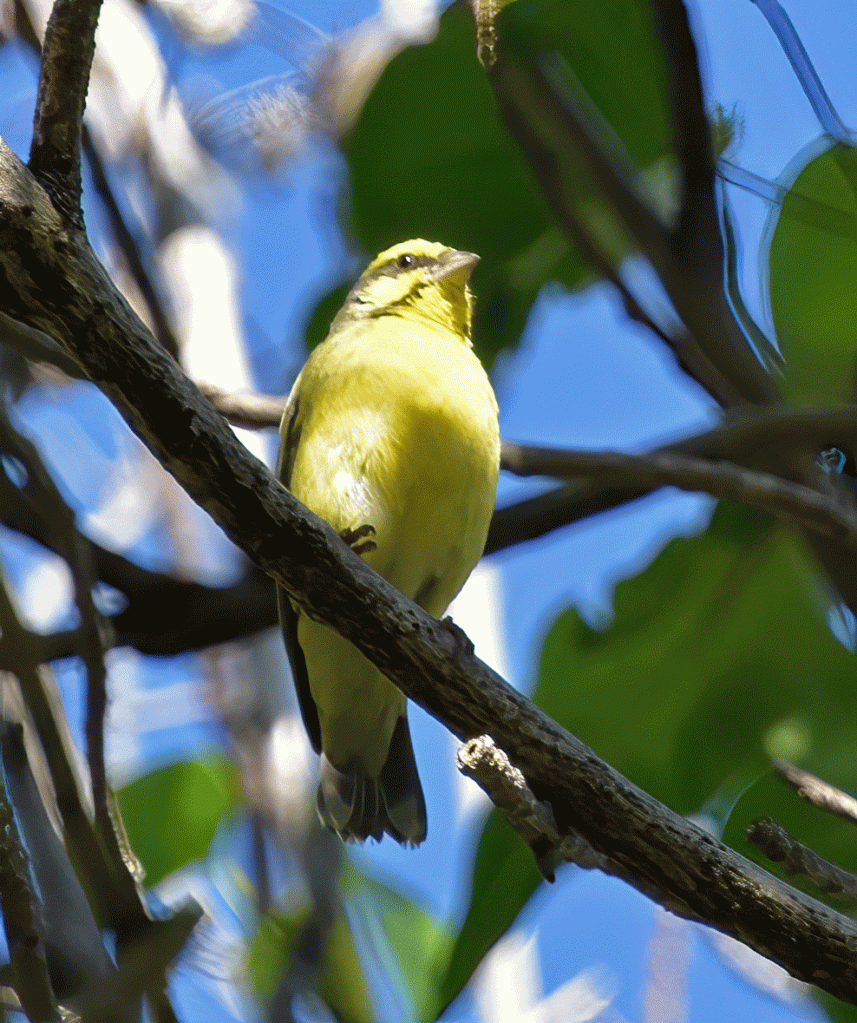
We also saw the first of many Yellow-fronted Canaries along the trail. This species is native to Africa and the only bird in Hawaii with a distinctive yellow rump.
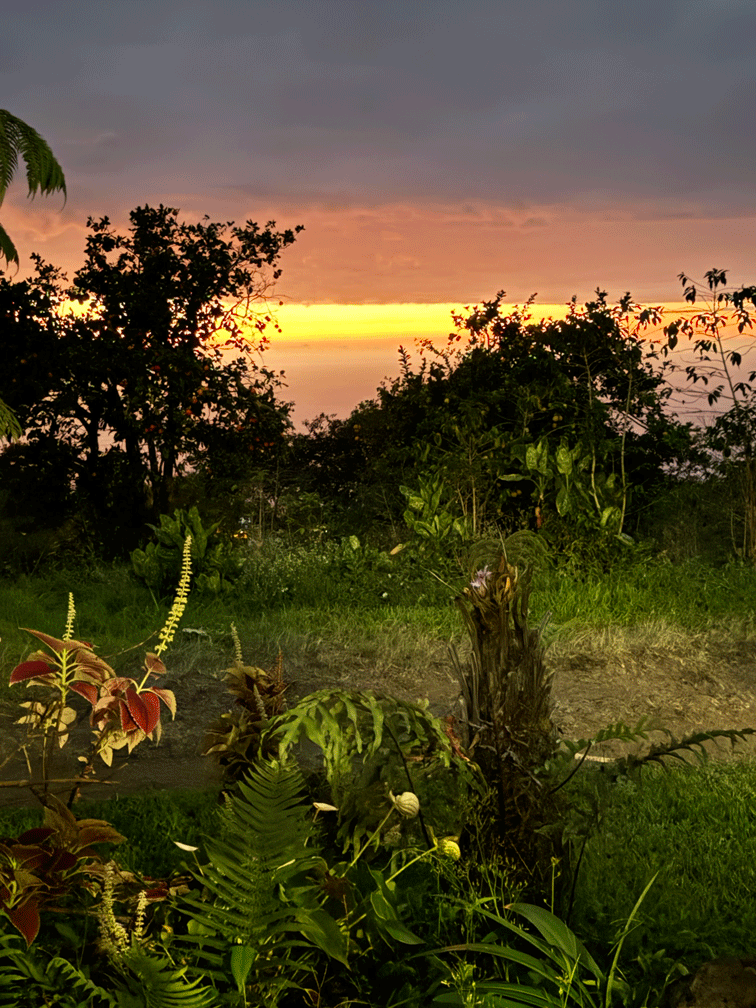
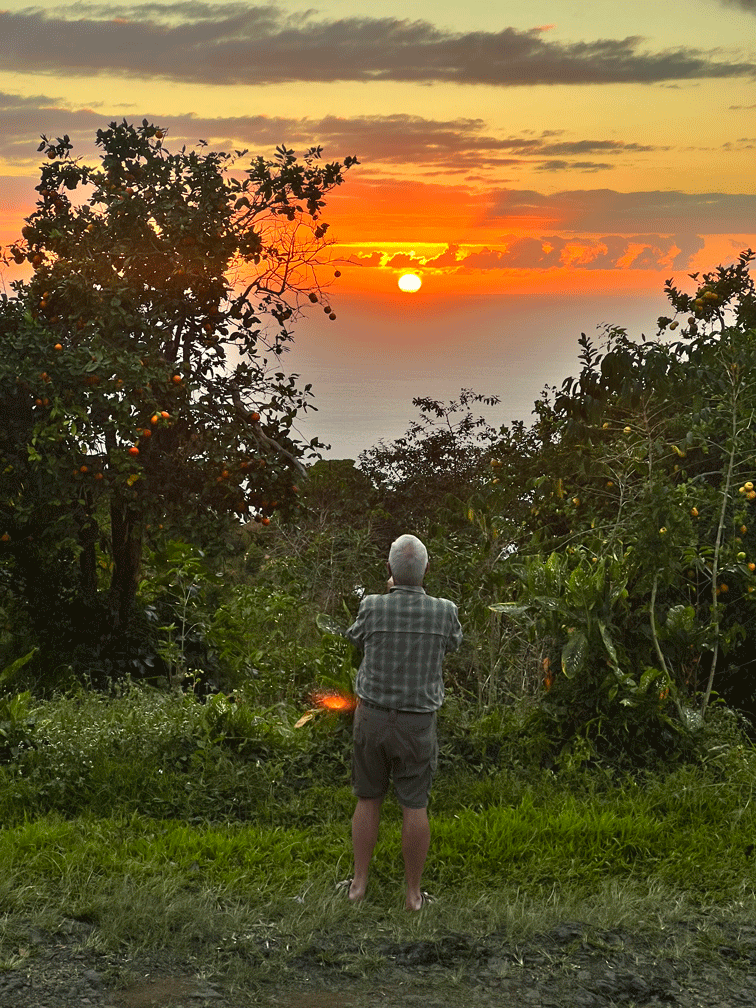
Our second day ended in a spectacular sunset. Doug walked off the front deck and across the road for his view. The best way to see the sunset was to look at your phone’s camera screen, because you couldn’t look directly at the sun.

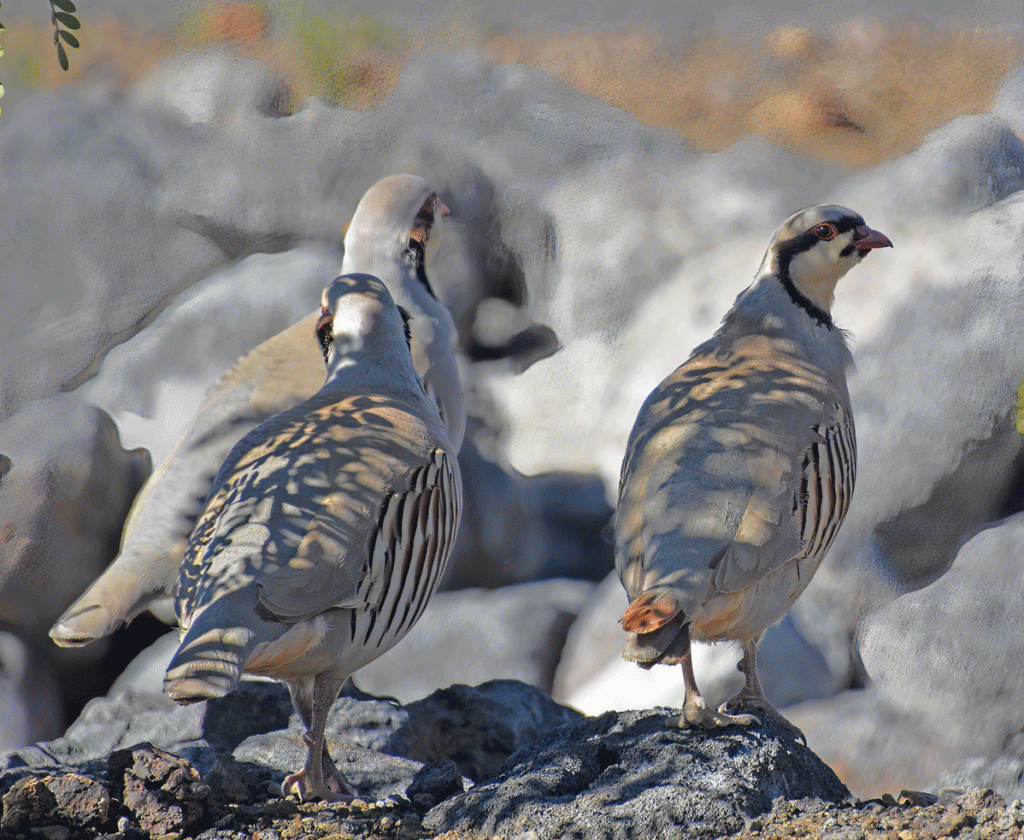
For day three, we drove to the Mauna Kea area to check out the location that we were going to meet our birding guide few days later. It was a beautiful clear day, so we decided to drive the road right up to the top. Since Mauna Kea is the highest mountain on the island at 13,796 feet, the rangers recommend that you spend about half and hour at the Visitor Centre (9,200 feet) to acclimatize. Luckily for us, there were Chukars wandering about. Chukars were introduced to Hawaii as a game bird and are native to the Middle East. Although they are naturalized in many part of the western US, we had never seen one before. Our guide book notes that they take flight quickly when startled; so we were lucky to see some that were habituated to people.

We drove the winding four-wheel drive road to the telescope structures. It was windy and about 6 degrees C (43F). Wendy wore the puffy that she brought just for this, but since we were only out of the jeep for a few minutes, it really wasn’t necessary. We saw another Chukar just around the corner from where we took this photo. Pretty high for a bird!

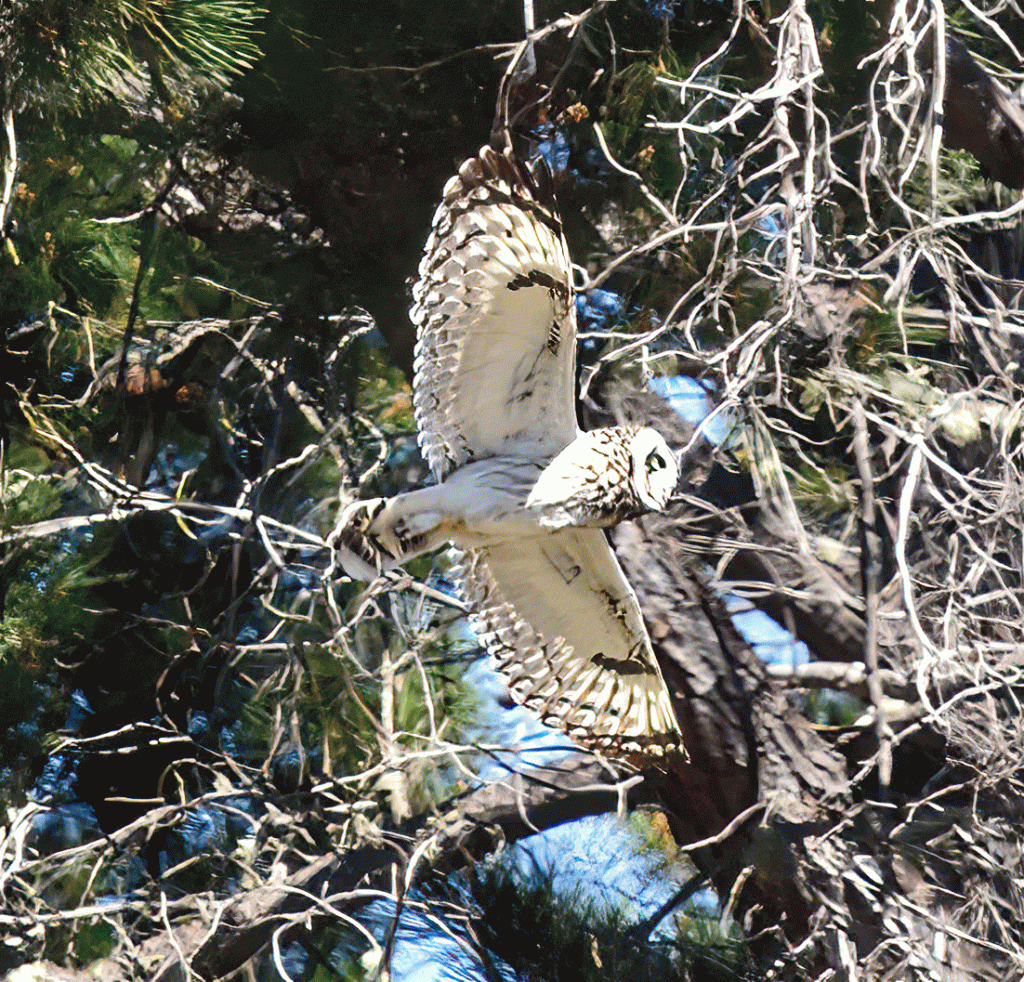
We didn’t spend much time above 13,000 feet but we could feel the effects of the altitude when we stopped at the visitor centre on the way down. The ranger checked the temperature of our brakes before we drove back down to the highway. We headed west and then drove about fifteen minutes up the Saddle Road to a hunter checking station. From there, we walked into grasslands with patches of woodland. As we were checking out some singing birds, we spotted an owl in flight. The Short-eared Owl is also known as the Hawaiian Owl and is an endemic, diurnal owl.

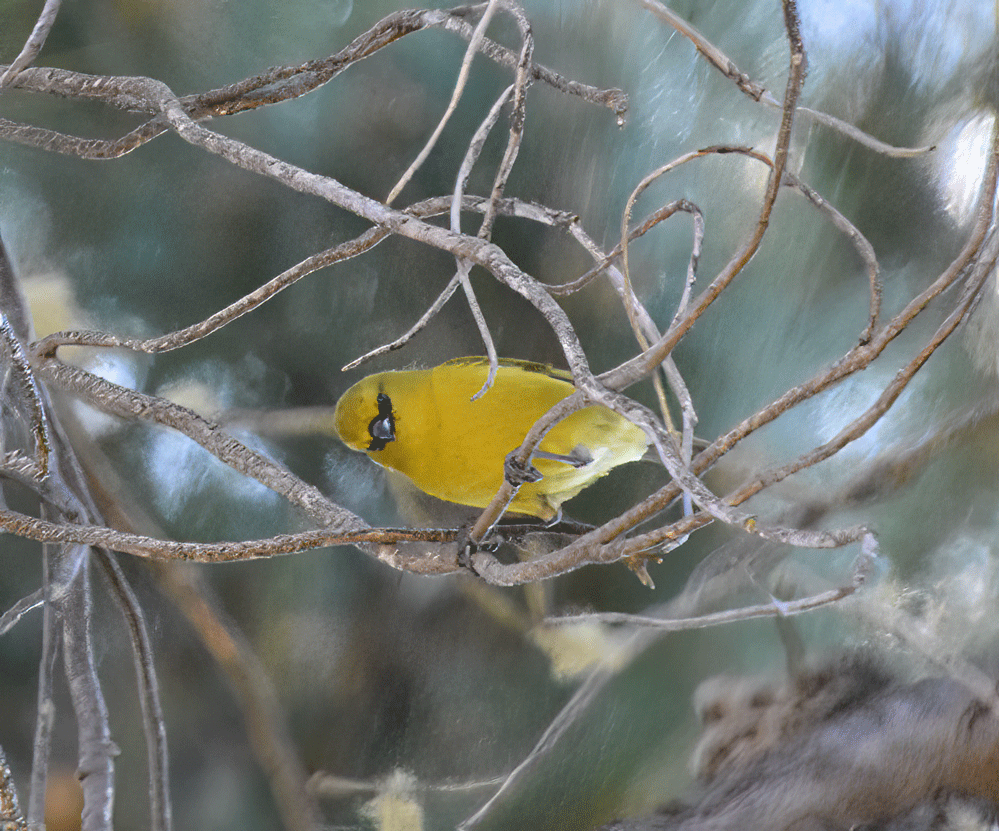
We heard and saw enough of the little yellow birds to identify them as Hawaii Amakihi. They were high up in the pines, that are introduced trees to Hawaii. We learned later from our guide that practically every plant in the world can be grown in Hawaii, since there is such a diversity of soil and climatic zones.

This post covered our first three days of our ten day trip to the Big Island of Hawaii. The next three posts will be ready soon.