March / April 2023 in Arizona – Part 3: Birding Farther Afield

March / April 2023 in Arizona – Part 3: Birding Farther Afield

At the end of March, we travelled to the Chiricahua Mountains near Portal, Arizona. We left early in the morning so we could stop along the way and see some birds in Willcox. Here’s a view of Cochise Lake in Willcox.

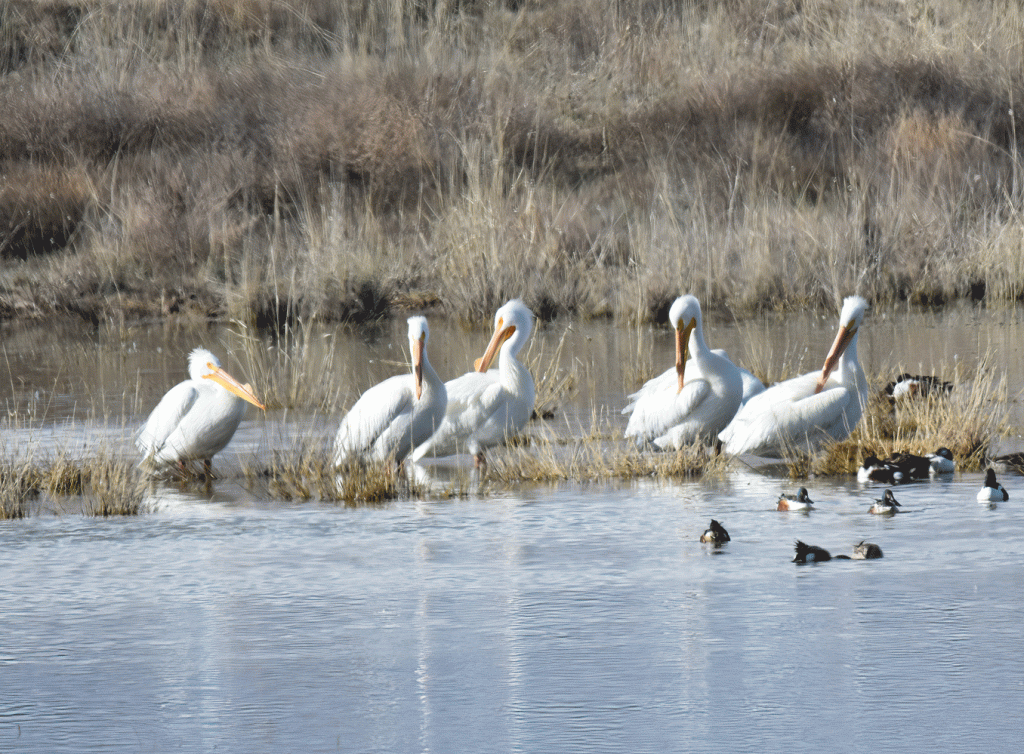
Here’s a closer view of the American Pelicans at the lake. They look huge compared to the Northern Shovelers swimming in front of them.
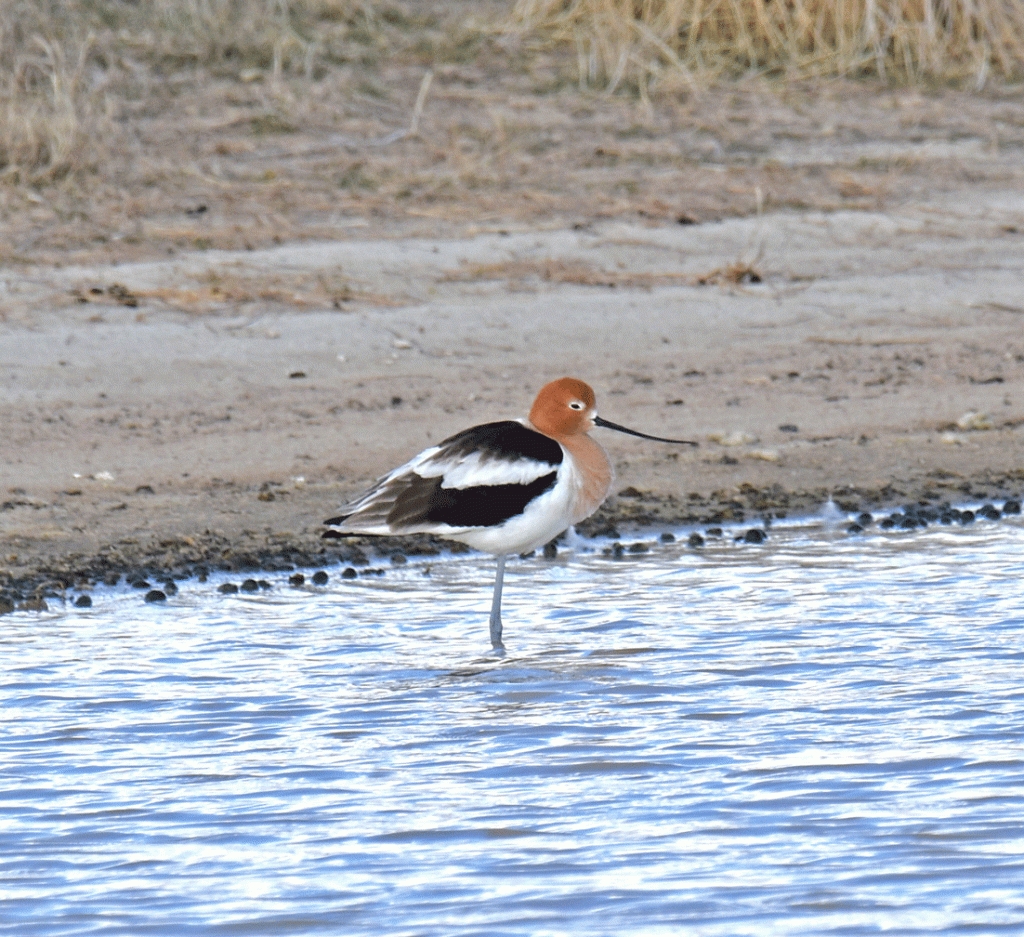
There were also some American Avocets.
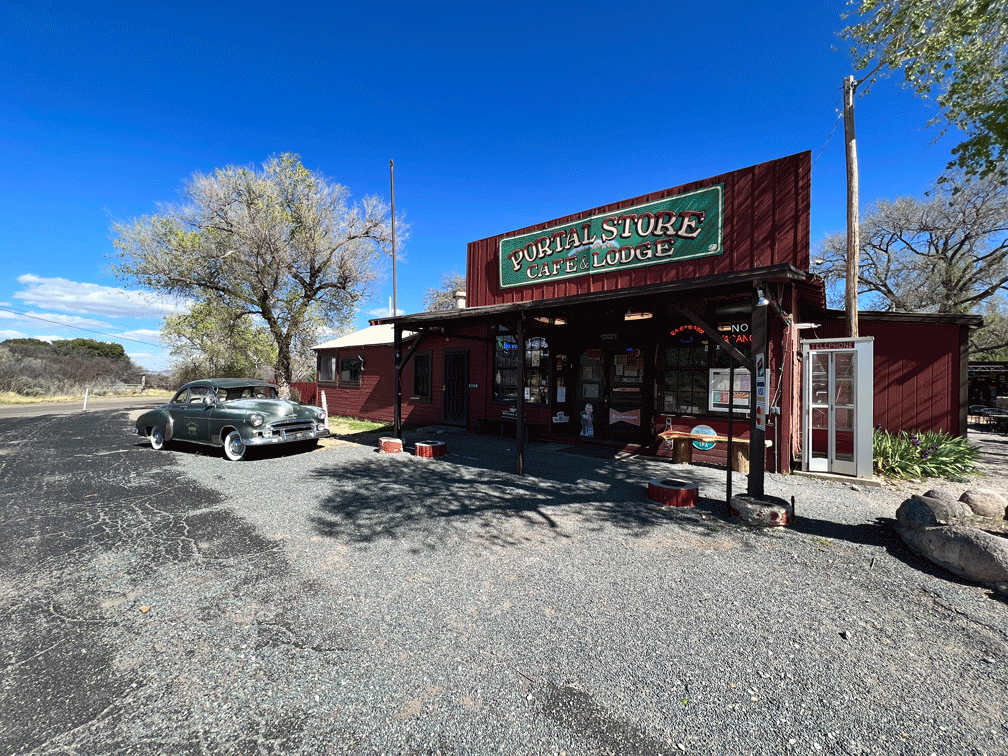
Portal is on the east side of the Chiricahuas, and access roads are better from New Mexico. It’s possible to get to Portal over the mountains, but the road is impassable in the winter. Portal is a tiny village. The Portal Store (Cafe and Lodge) is the main building in “downtown.”
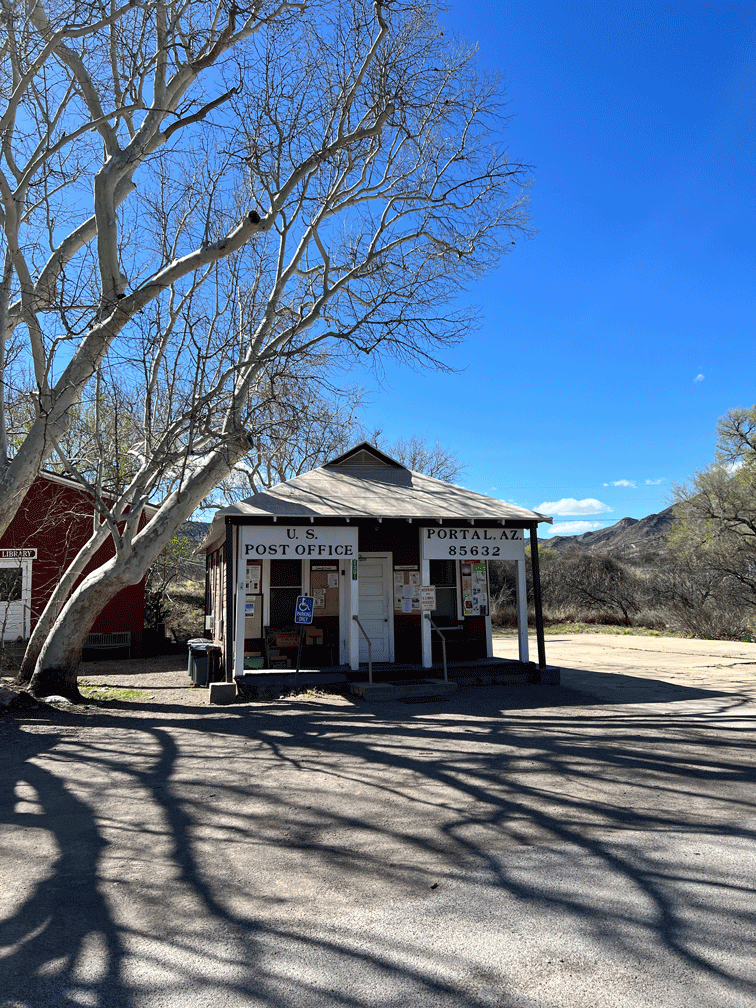
Just down the block is the post office, with the library is right beside it. That completes the tour of downtown. About 800 people live in the area.
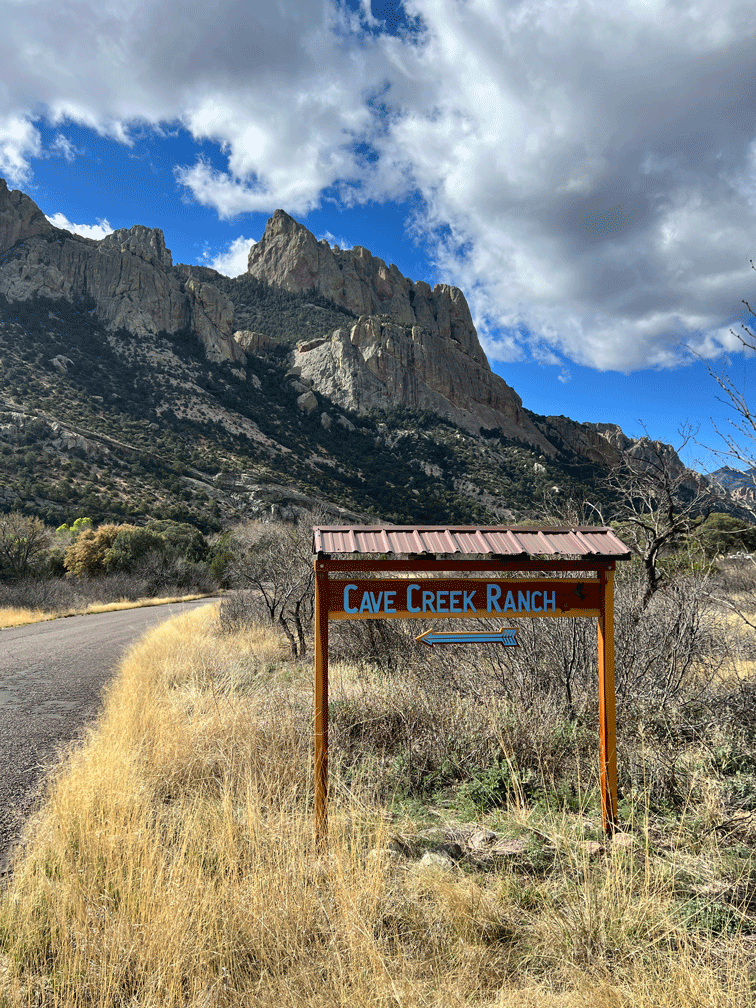
We were staying at Cave Creek Ranch, but we were too early to check in, so we explored farther into the canyon.
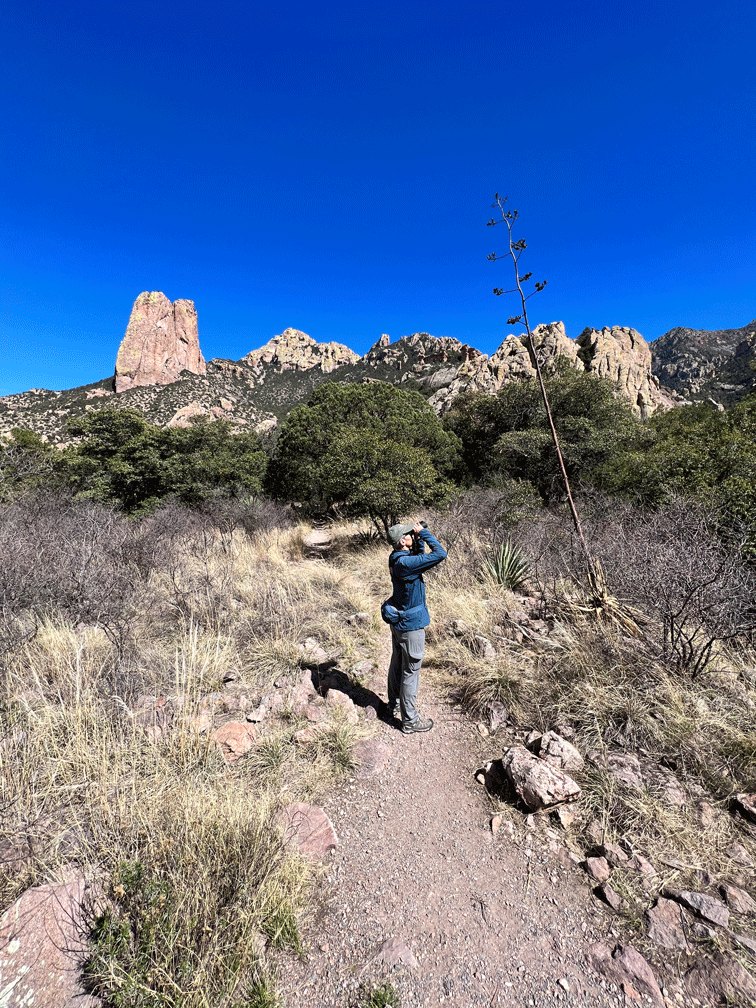
We hiked up a short trail to a viewpoint to see this panorama. The rock walls are composed of fused volcanic tuff.

This is the view from the same spot in the opposite direction.
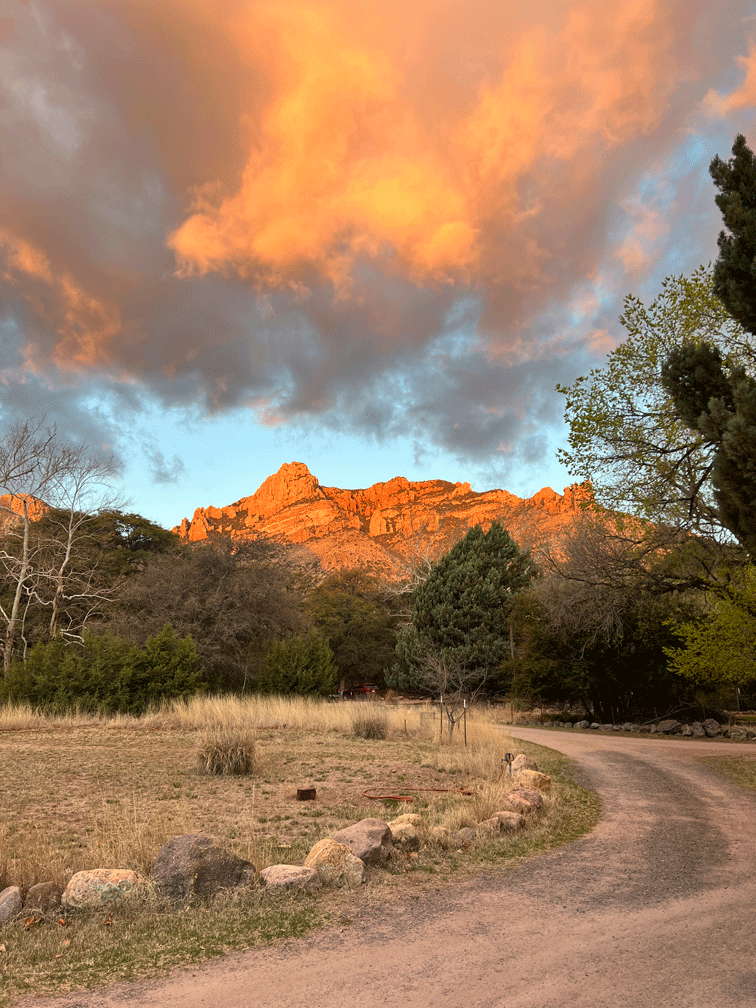
Sunrise from the ranch grounds was magnificent.
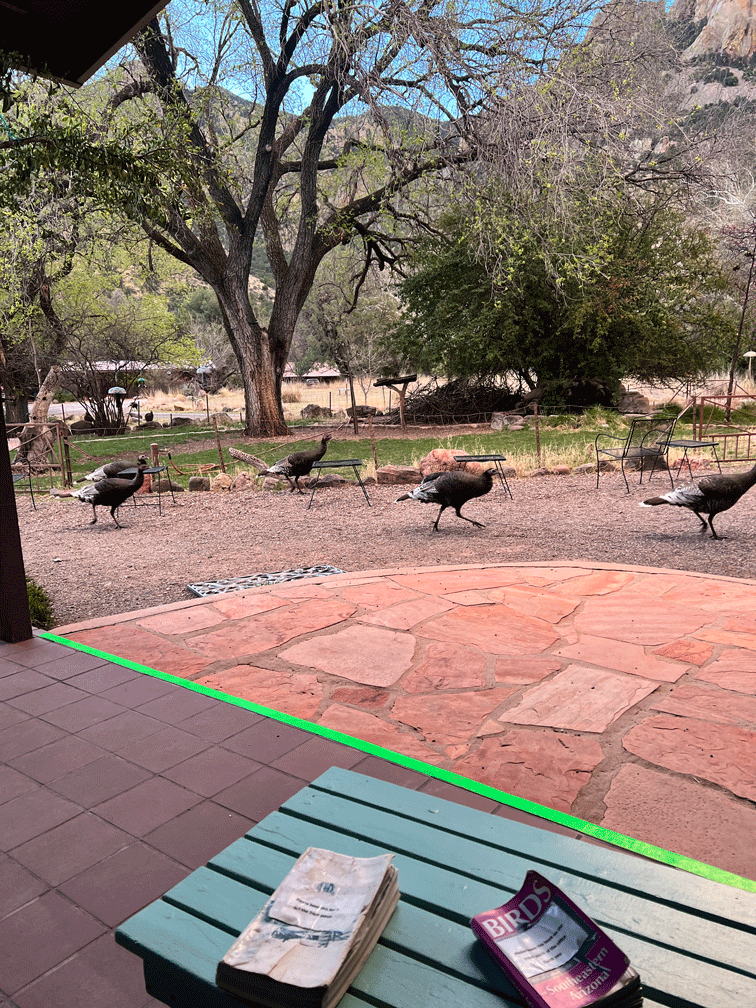
Here’s an early morning view from the patio in front of the office. Our unit was in the left low building in the background. The wild turkeys have gathered, anticipating a handout. The Cave Creek Ranch feeders are on the “must see” list for birders. The provided guidebooks have seen plenty of use.
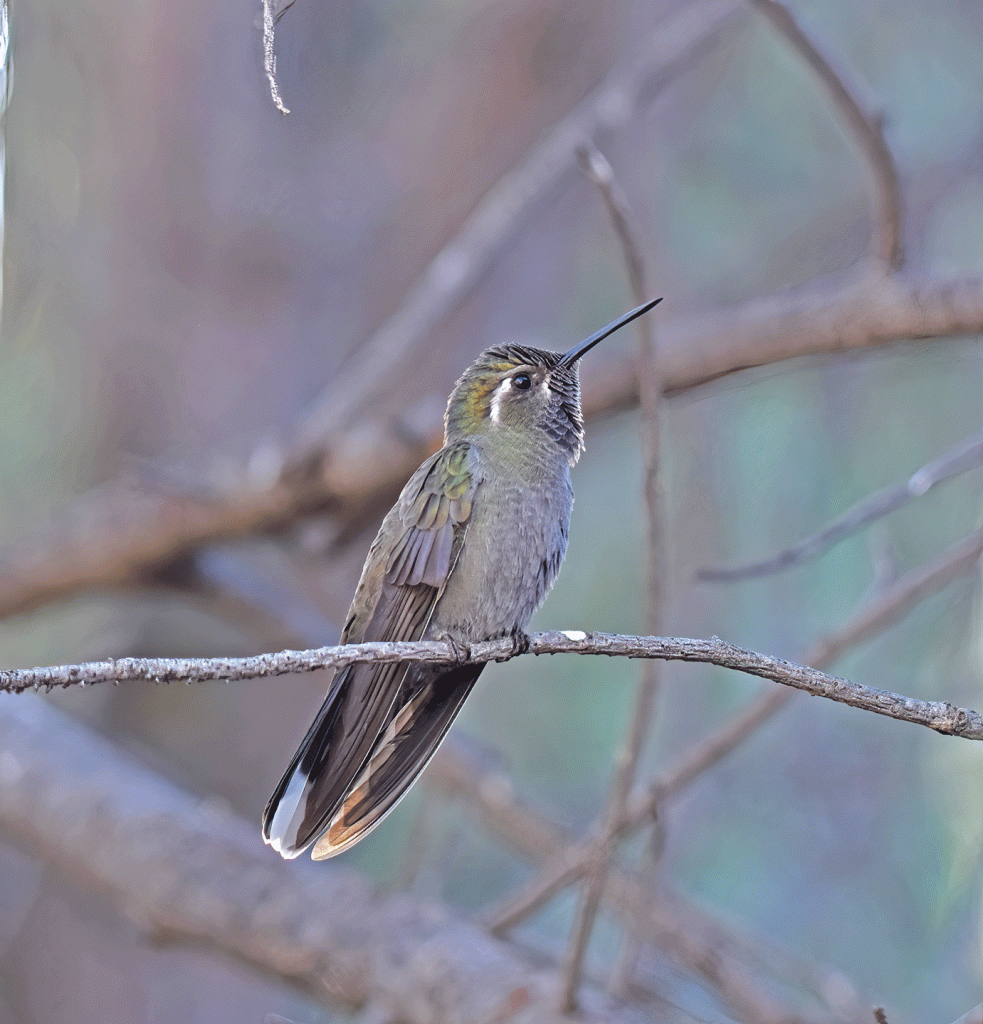
This is the hummingbird we came to see: the Blue-throated Mountain Gem, and it was at Cave Creek Ranch. We saw this species in a couple of other places in the canyon, but the best views were at the ranch feeders.
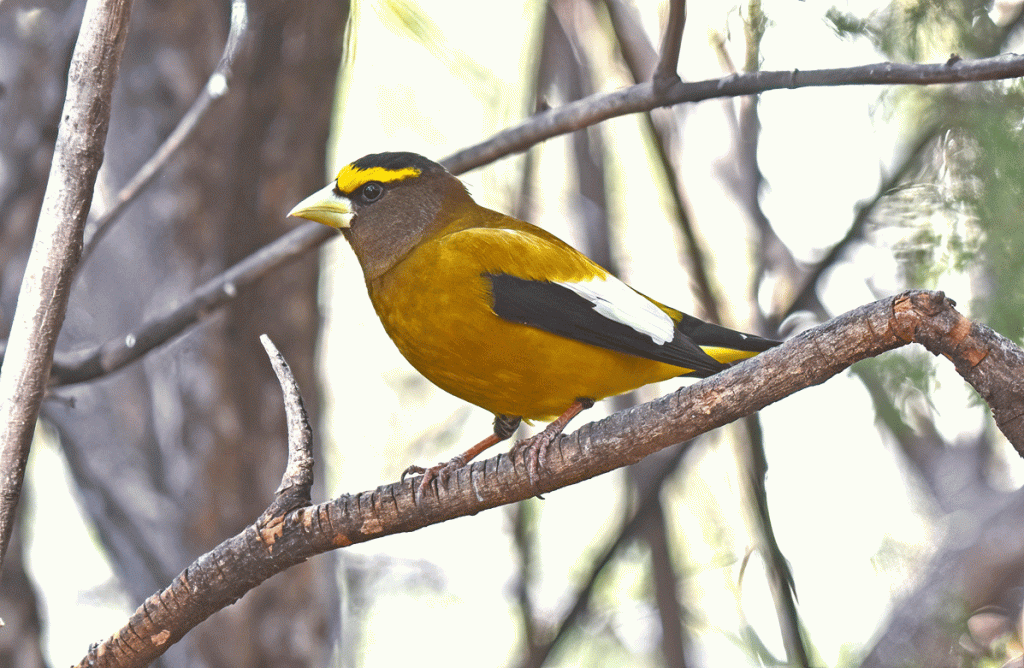
This male Evening Grosbeak was also really close to the patio.
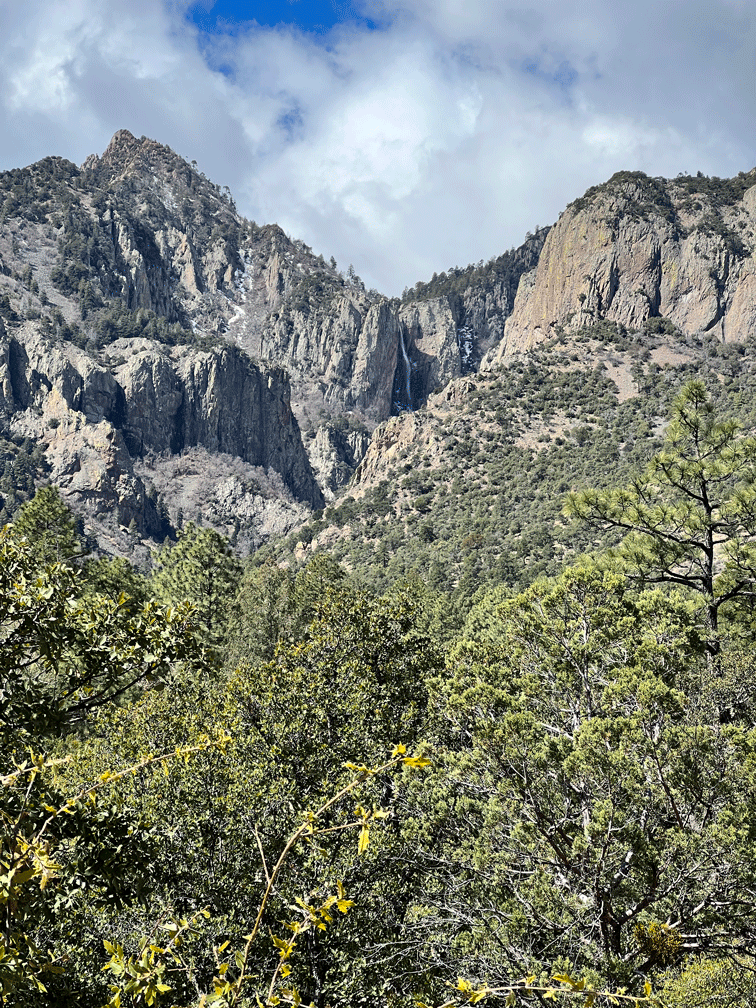
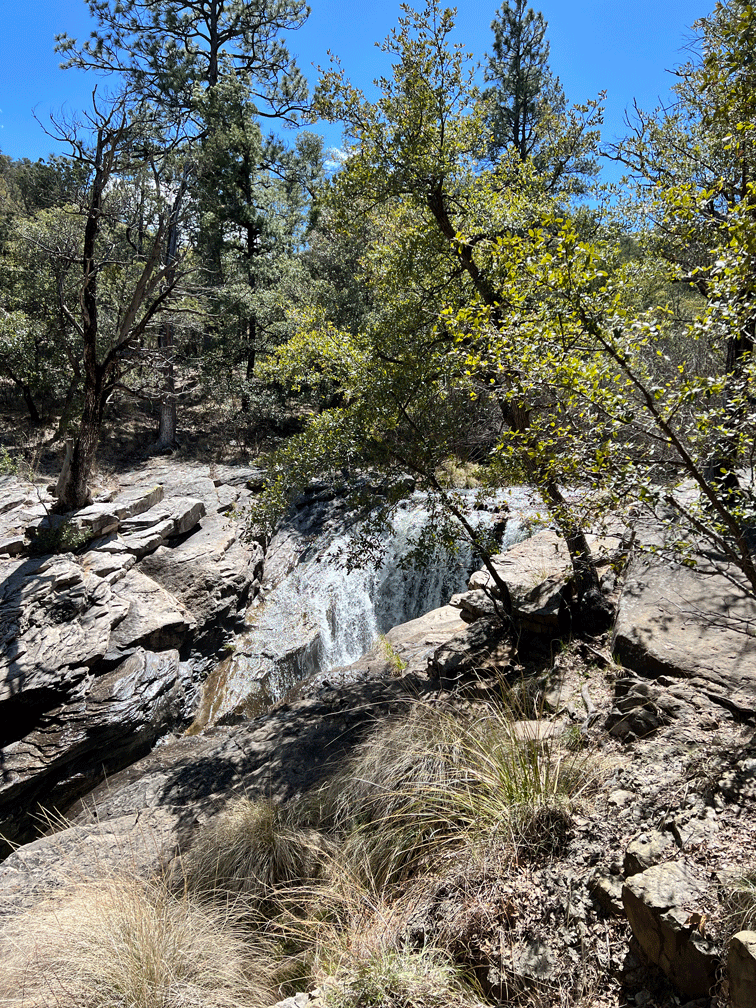
On our first full day, we drove farther into the canyon and hiked to Ash Springs. From the trail to the springs we got a good view of Winn Falls. The birds seemed to congregate at the spring area. The most interesting was a Yellow-eyed Junco. We were a little early in the season for a lot of the species, so we will visit later another year. There was too much water in the creek for us to safely cross, so we returned the way we came, rather than completing a loop.
We had our lunch at the John Hands Campground. The creek has been dammed at this location. Even though the creek is not in its natural state, the waterfall is still pretty.
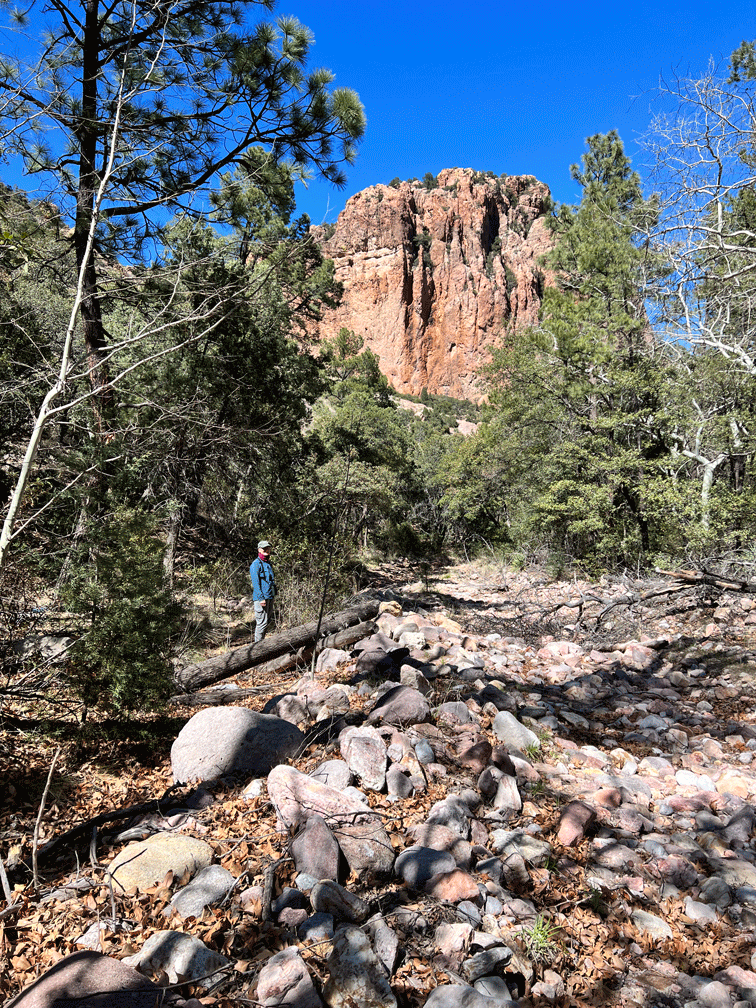
That afternoon, we hiked a short way along the South Fork of Cave Creek, below impressive sheer cliffs..
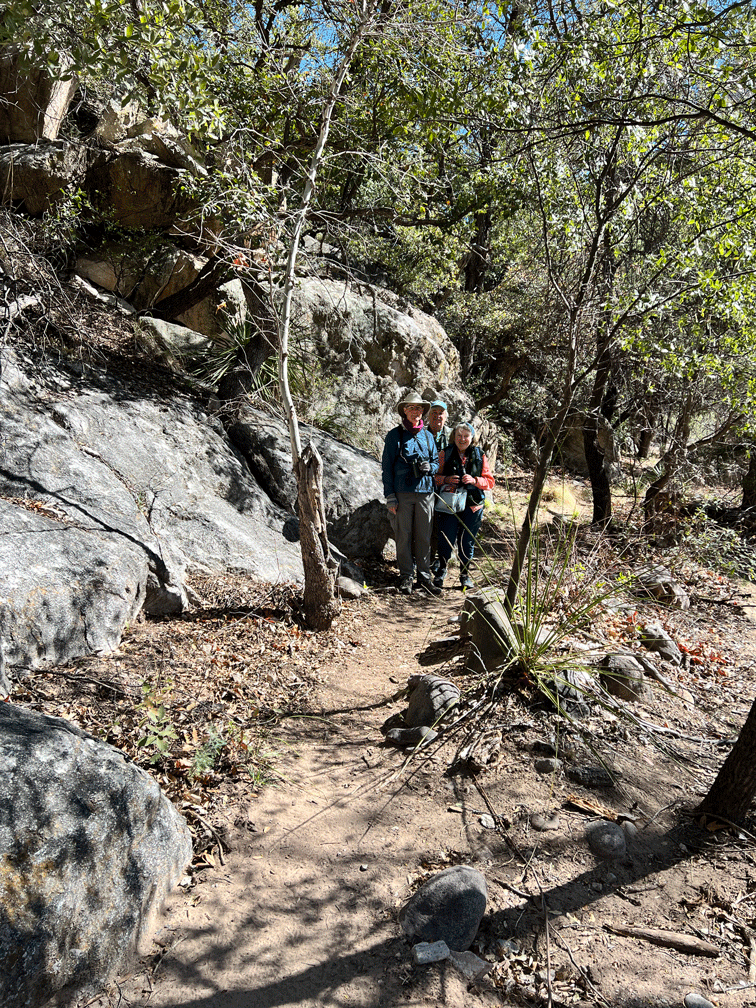
The next day, we birded with friends that we hadn’t seen for years. It was by chance that we both came to Cave Creek on the same weekend. This photo was taken along the nature trail between the Visitor Centre and Sunny Flats Campground.
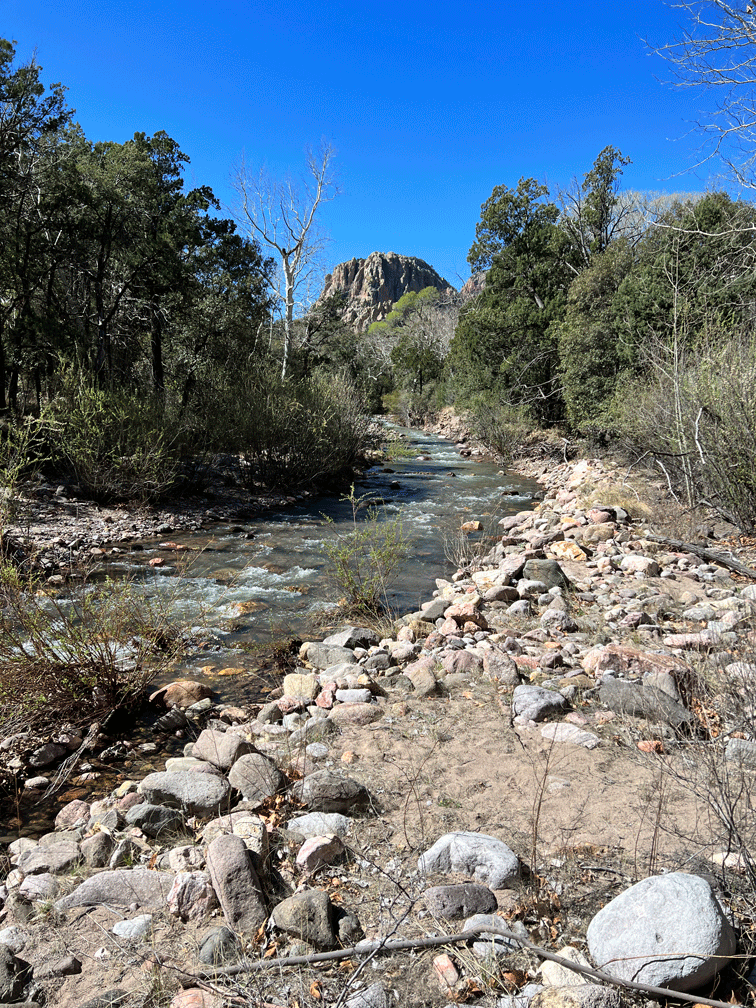
We took a few steps off the trail to get this view of Cave Creek.
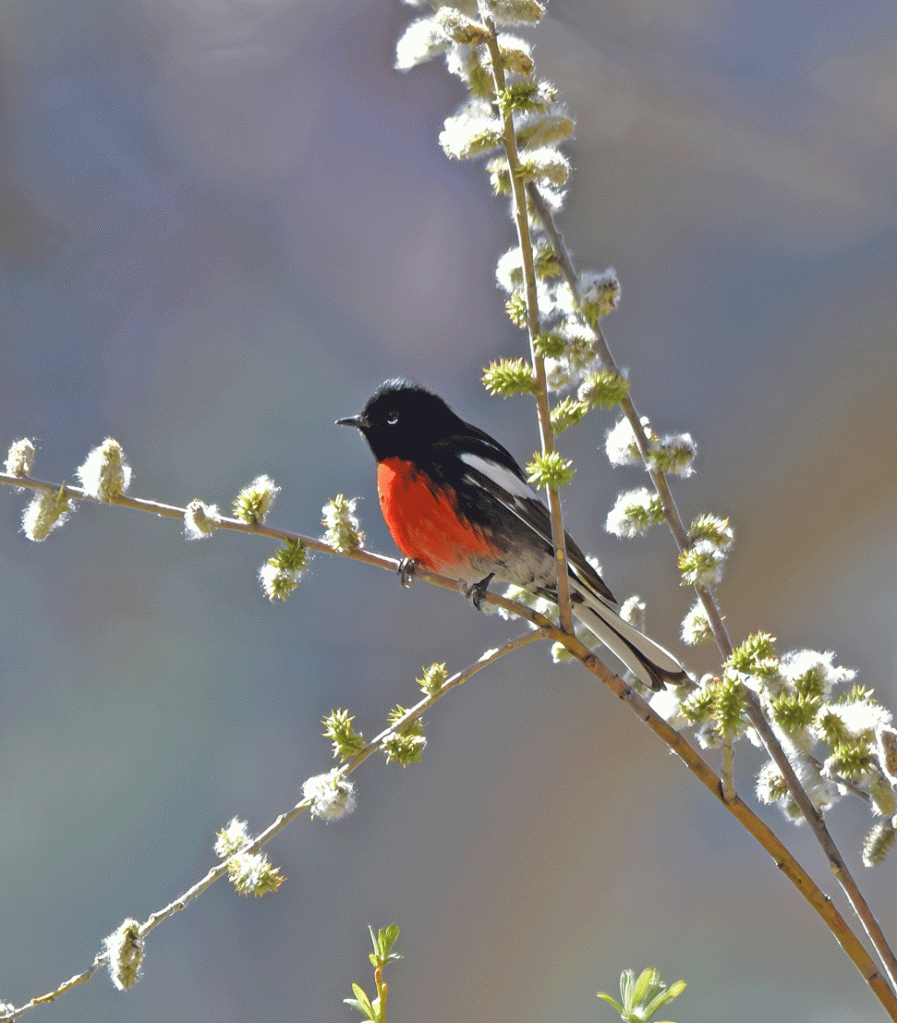
This Painted Redstart was cavorting in the creekside willows.
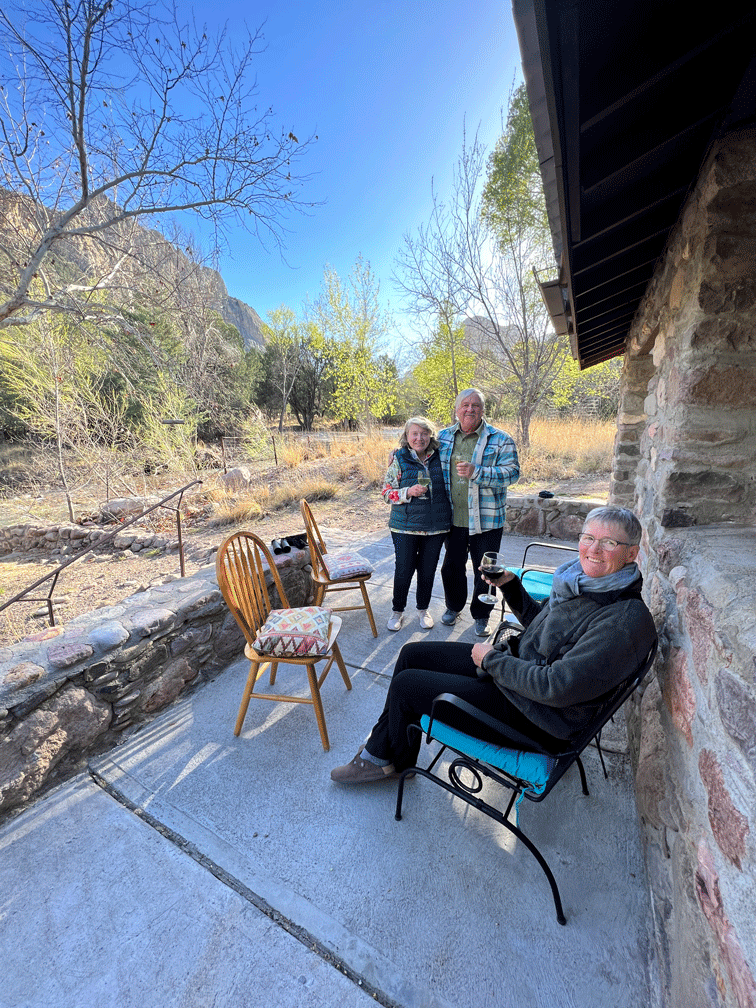
That afternoon, we celebrated the serendipity of both couples booking the same weekend at Cave Creek Ranch. It was great to catch up and to get to know each other better.
We left the next morning, and headed out early to Stateline Road. Our goal was to find a Cassin’s Sparrow that we knew had been sighted along the road. Since it was a quiet road, our strategy was to stop as soon as we saw some birds moving. On our first stop, we were able to get a good view of the target bird. It was definitely not a sparrow that we would ever see in BC or even any other part of Canada.

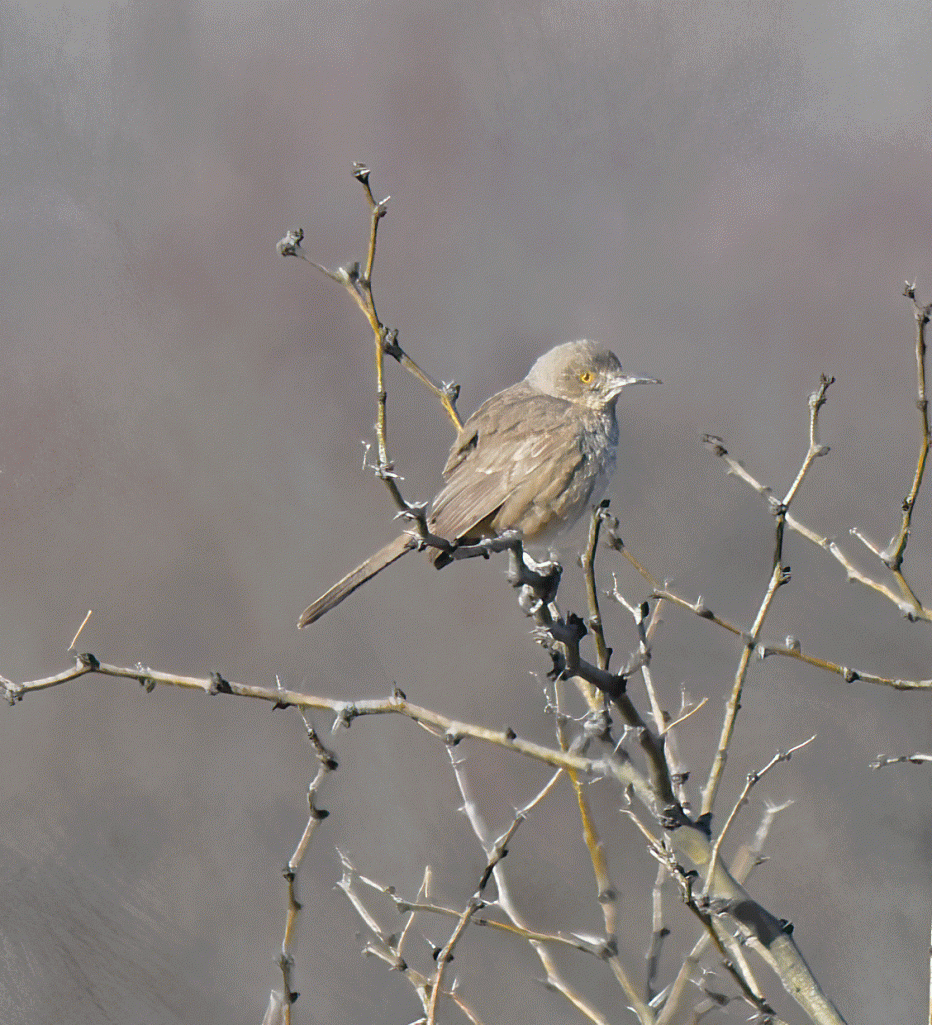
The desert scrub along the road was also a good habitat for Bendire’s Thrasher, so we kept a lookout for one. And we were fortunate to see one perched in good light. It was our third sighting for the year, but the best photo.
Recent improvements to Willow Tank, that is farther south on Stateline Road, have meant that it is a dependable place to see several species of sparrows. The term “tank” is used to describe any man-made water hole in the desert, usually made to provide water to cattle. Sometimes the water is actually in a metal tank, other times it’s a depression that has been filled with water. Willow Tank has been fenced off from livestock, and now it benefits the birds.
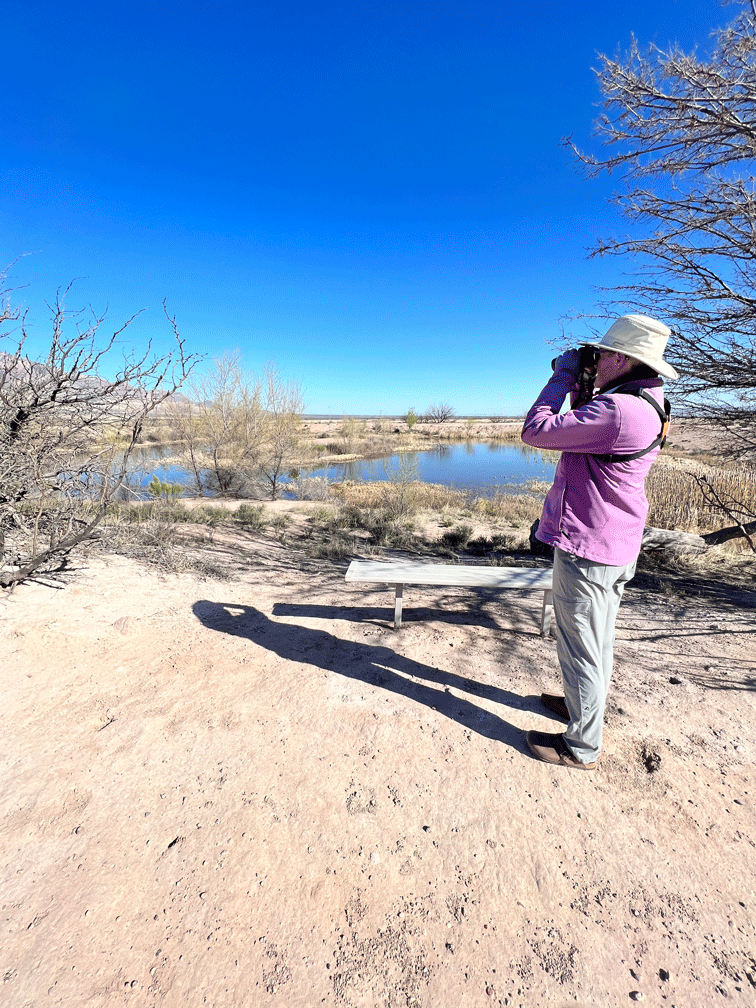
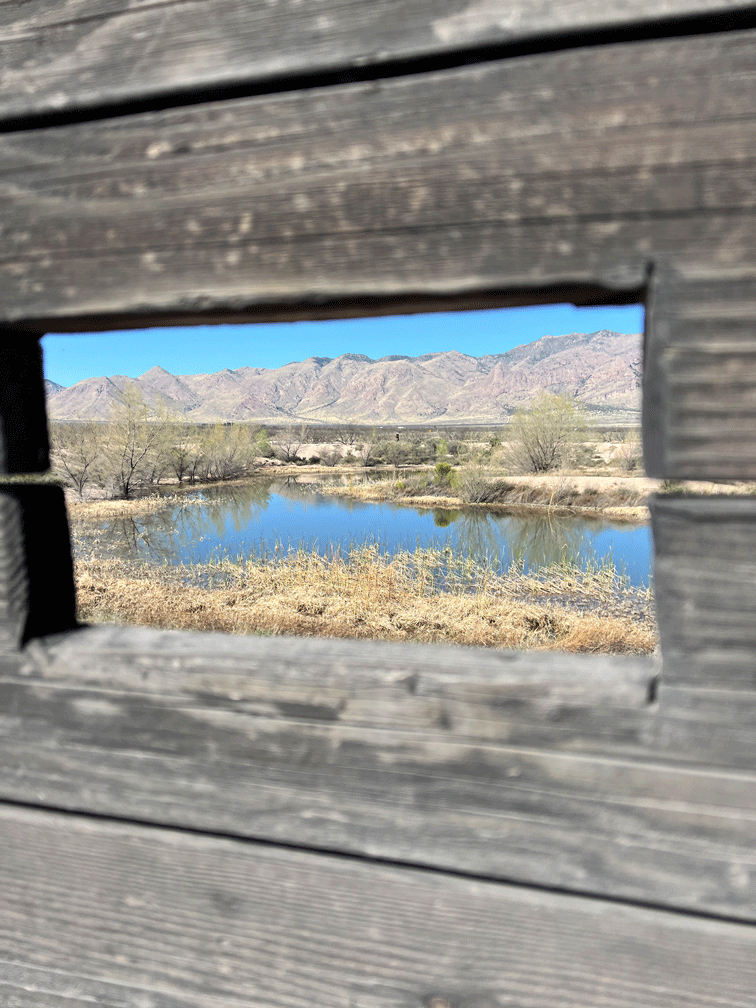
Willow Tank has also been improved for birders to have good viewing opportunities. Here’s a view of the tank through an opening in a bird blind. There is no cost for anyone to visit Willow Tank. The enhancements benefit the birds as well as bringing tourist dollars into the nearby communities.
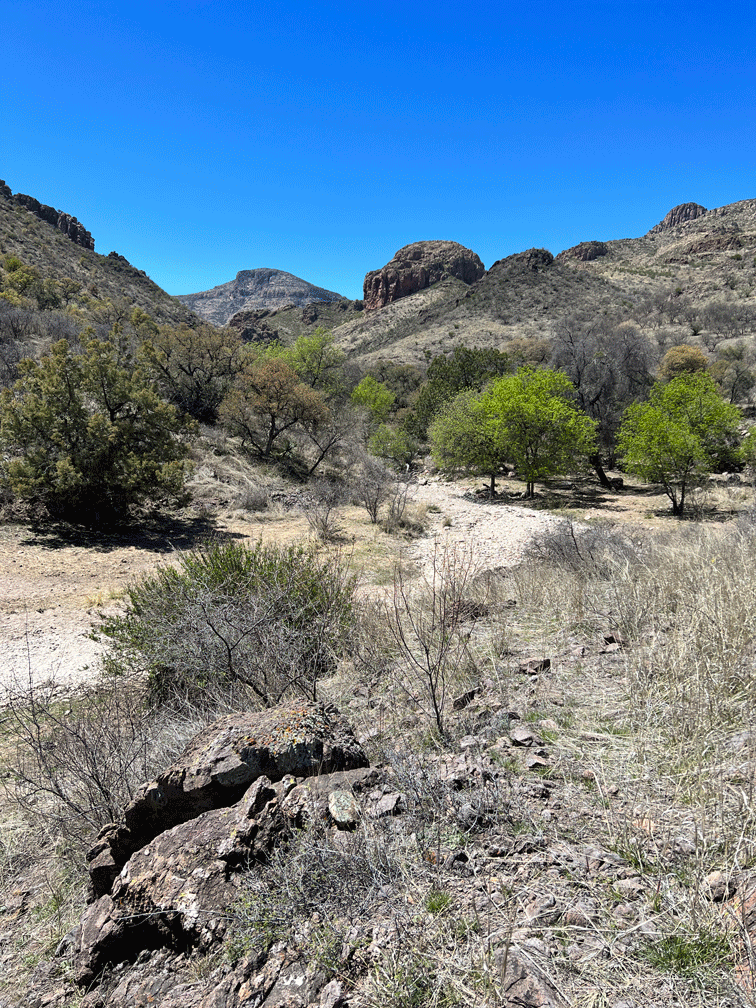
In late March and early April, we made two trips to Ramanote Canyon, in hopes of seeing a Rufous-capped Warbler. We didn’t see that bird, but we did experience an amazing landscape. Here’s a view of the canyon before we walk down a steep jeep track to the stream below.

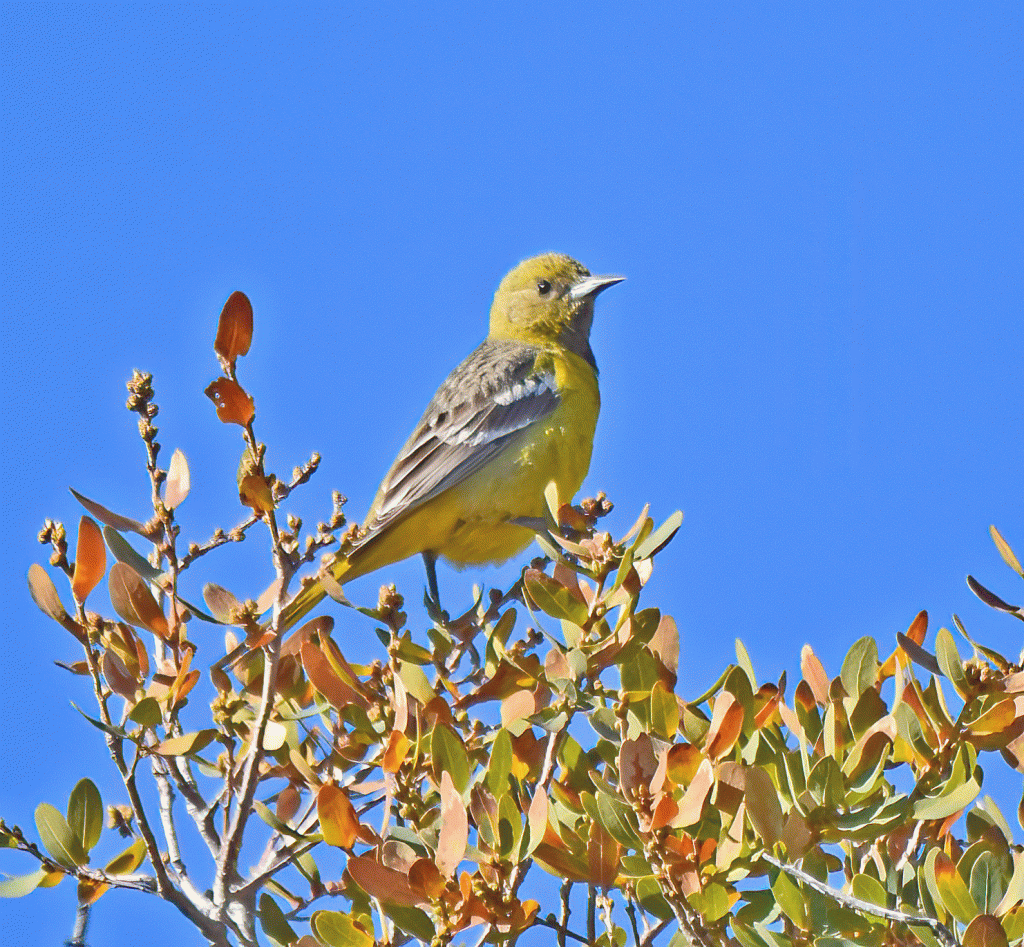
We actually did see a species we had never seen, along the trail closer to the truck than the above photo. We saw two Scott’s Orioles. The female posed for a photo; we only got partial views of the male since he landed in the middle of the tree and was obscured by branches.
This photo was taken from the stream at the bottom of the steep hill on our second attempt. It was a chilly morning.

This was the view above the dam, which was about 500 metres from the stream crossing.
There was a faint trail, mostly put in by cattle. At the beginning it was fairly open and easy going.
Farther up the canyon the trail became a bit overgrown with prickly bushes.
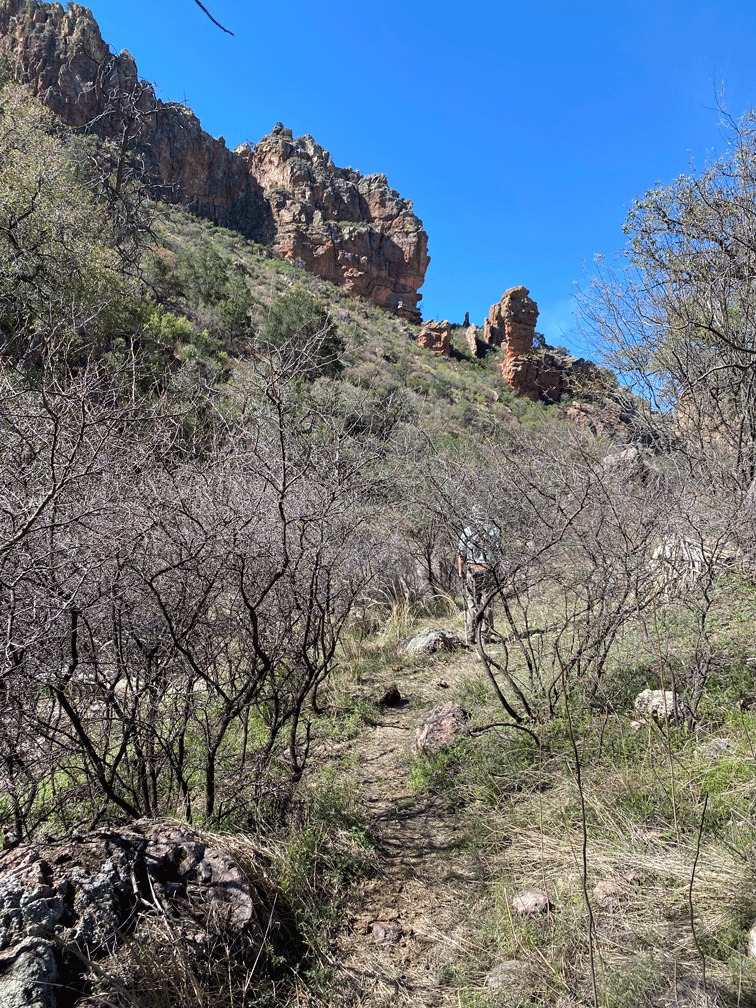
Here’s a close-up of the bush, locally known as the “Wait-a-minute” bush (Mimosa aculeaticarpa.) It got that name because the prickles catch your clothing and you need to back up to get the thorn out, or risk a tear.

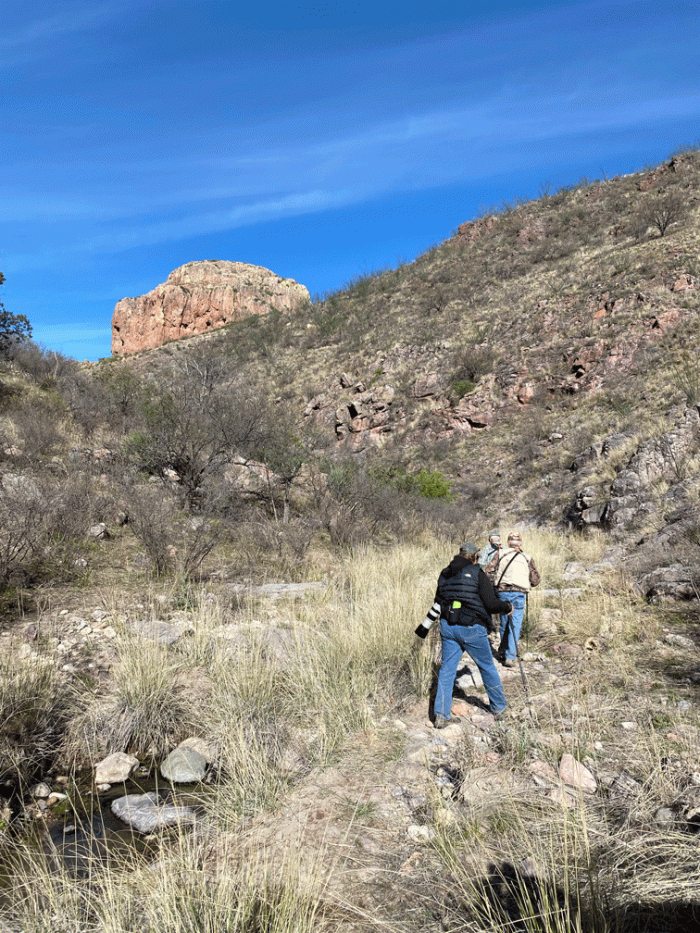
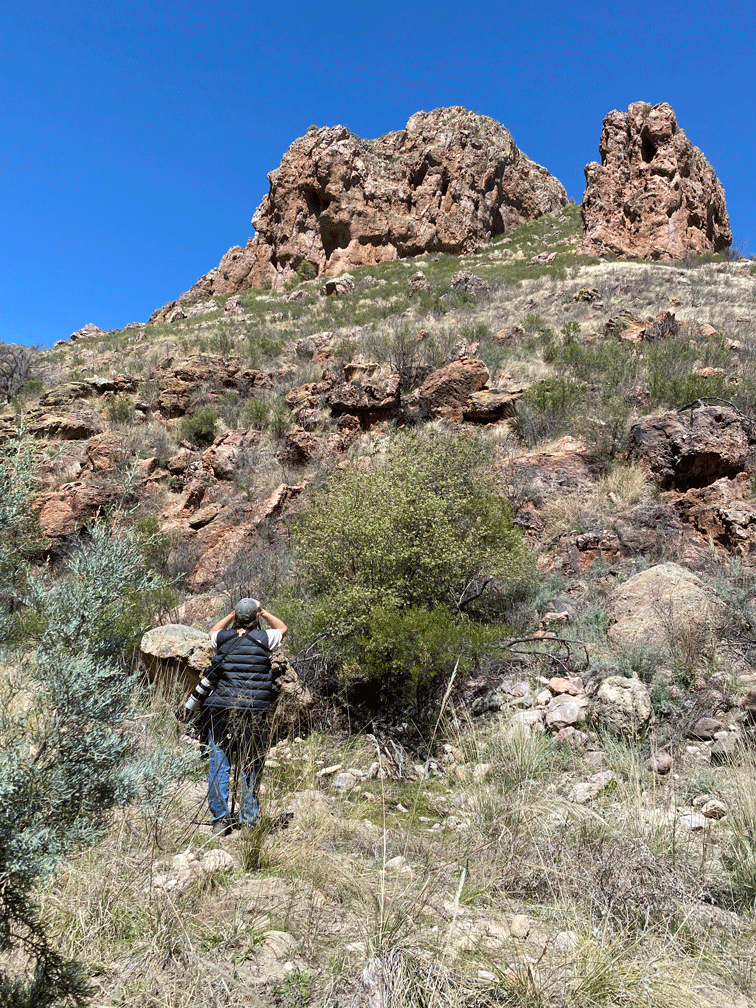
The warbler we were searching for likes sunny brushy habitat in foothill canyons. It stays low in the dense vegetation, so we spent time looking for movement, without any success. (A positive note: the birder in the photo did see the warbler, a few weeks later in a different location.)
Our trip home was uneventful, and when we arrived at our place, the snow had mostly melted. The bird species that we saw all winter in Arizona are making their way up to BC and soon there will be a dawn chorus cacophony.

The Fifth-wheel is all unpacked and cleaned and will be ready for our annual trip to Oregon in July. We might not do a blog post about that short trip, but we’ll post again in the fall when we go back to Arizona.

March 2023 in Arizona – Part 2: “Local” Birding

March 2023 in Arizona – Part 2: “Local” Birding

This blog post is about our March birding in the Tucson, Green Valley and Tubac areas.

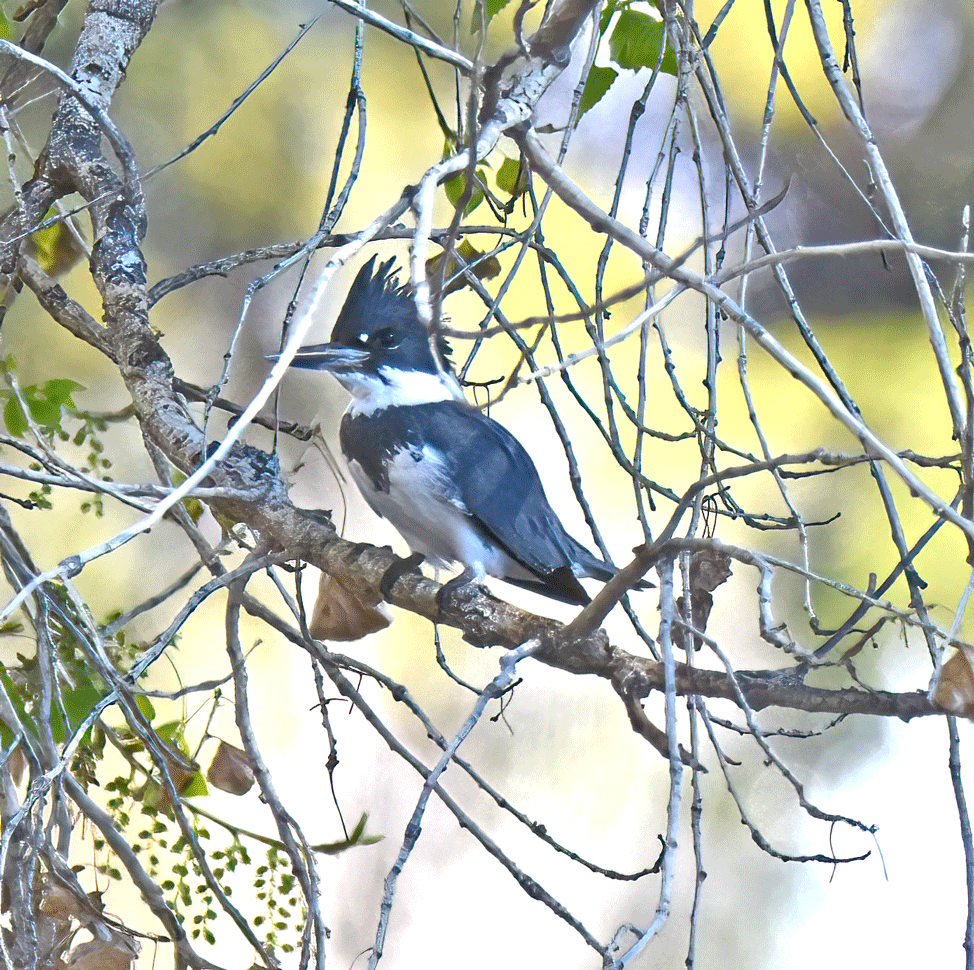
On our regular monthly visit to Reid Park in central Tucson, we were lucky enough to see a female Belted Kingfisher fly over the smaller pond. She landed on a perch long enough for Doug to take a photo, then she made another couple of passes over the pond and was gone.

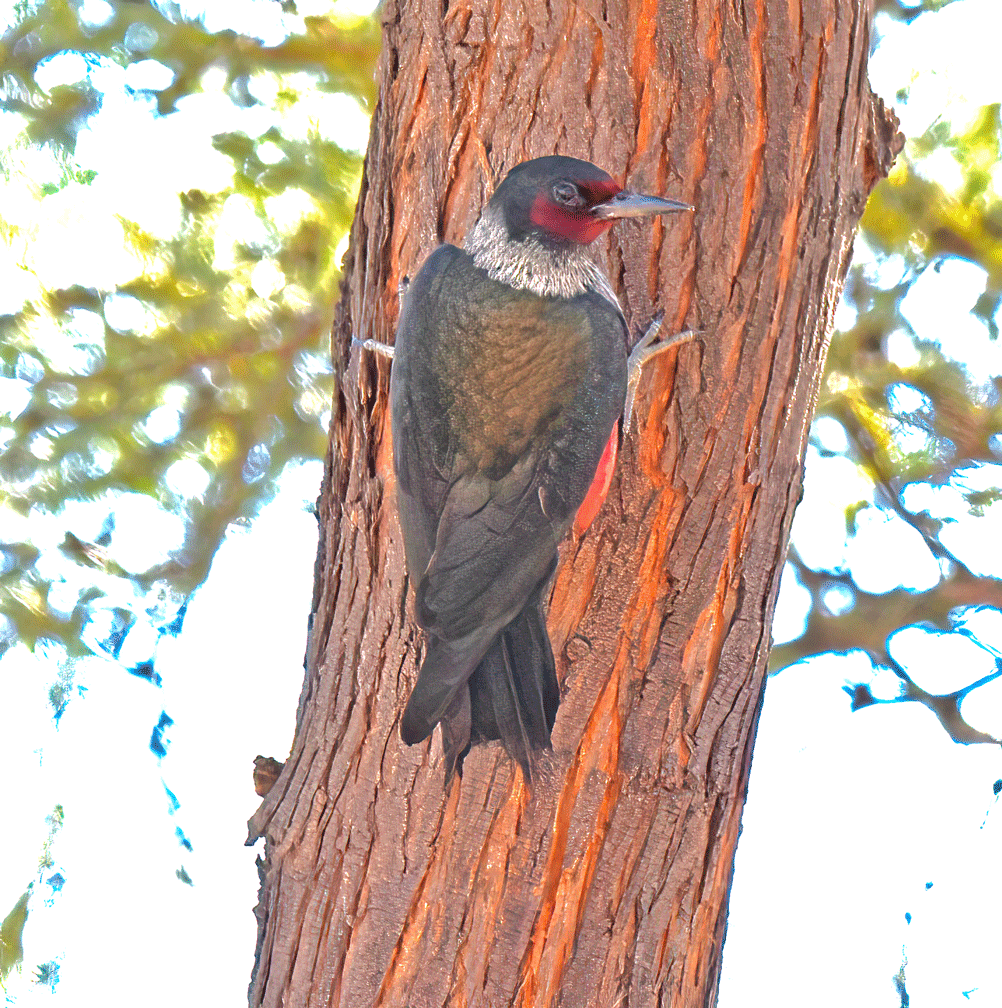
A Lewis’s Woodpecker has been hanging around Reid Park and the neighbourhood since the fall. We have seen it several times, but sometimes we only see it on a power pole. This time, the woodpecker was checking out the pine trees near the ball park and we were able to get some good views.

We returned to Box Canyon to try again to see the Five-striped Sparrow. It’s an impressive canyon. Here’s a view of the “waterfall,” which is usually dry or seeping. We saw the special sparrow in the gully just to the left of the white rock face (waterfall).

The Five-striped Sparrow’s range is limited, from Northwest Mexico to just into Arizona. It likes to live in brushy scrub on rocky slopes and can be very skulky unless it is singing from atop bushes.

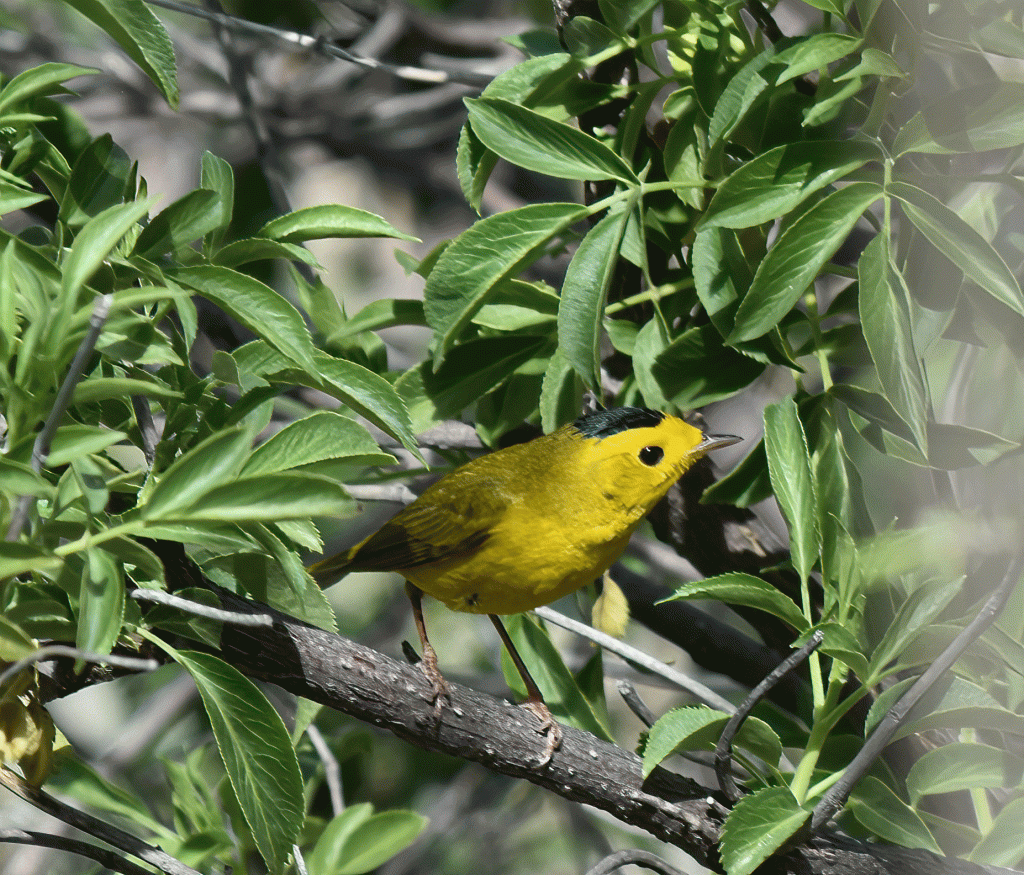
We saw this Wilson’s Warbler from the bridge in Tubac. Because we were looking down at the bird, we had a good look at the male’s black cap.

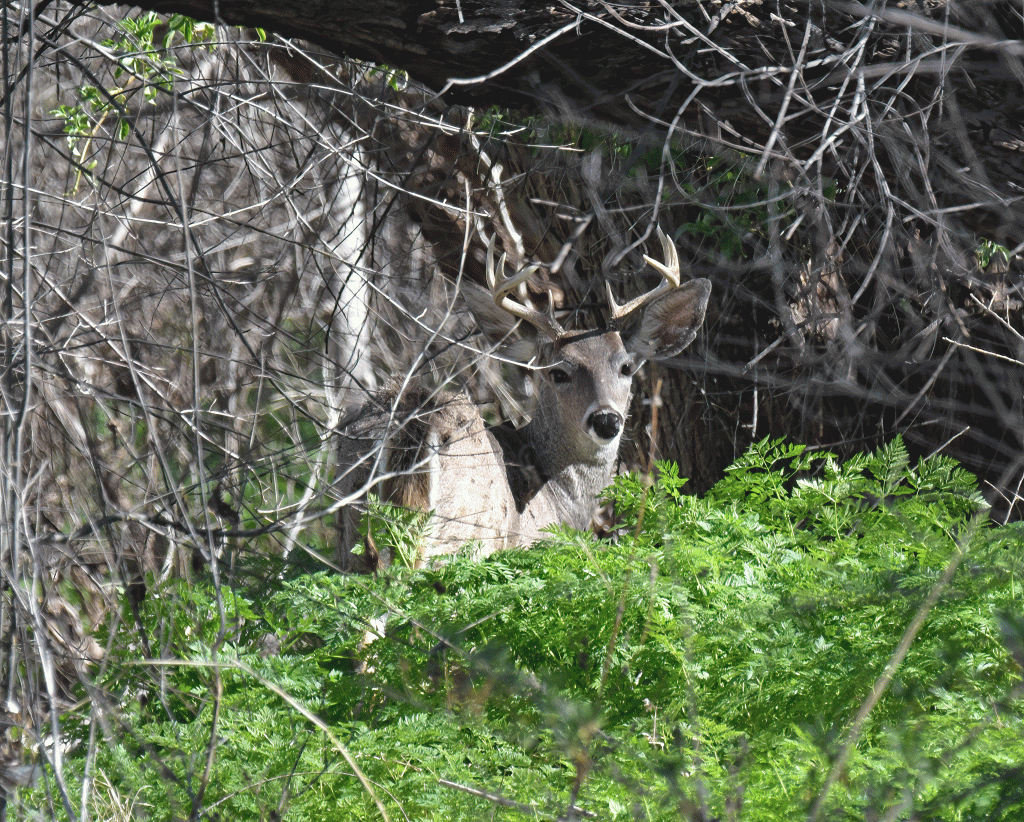
The same day, we also birded at Santa Gertrudis Lane, which is just south of Tubac. We saw some interesting birds, but the highlight was seeing this White-tailed buck.

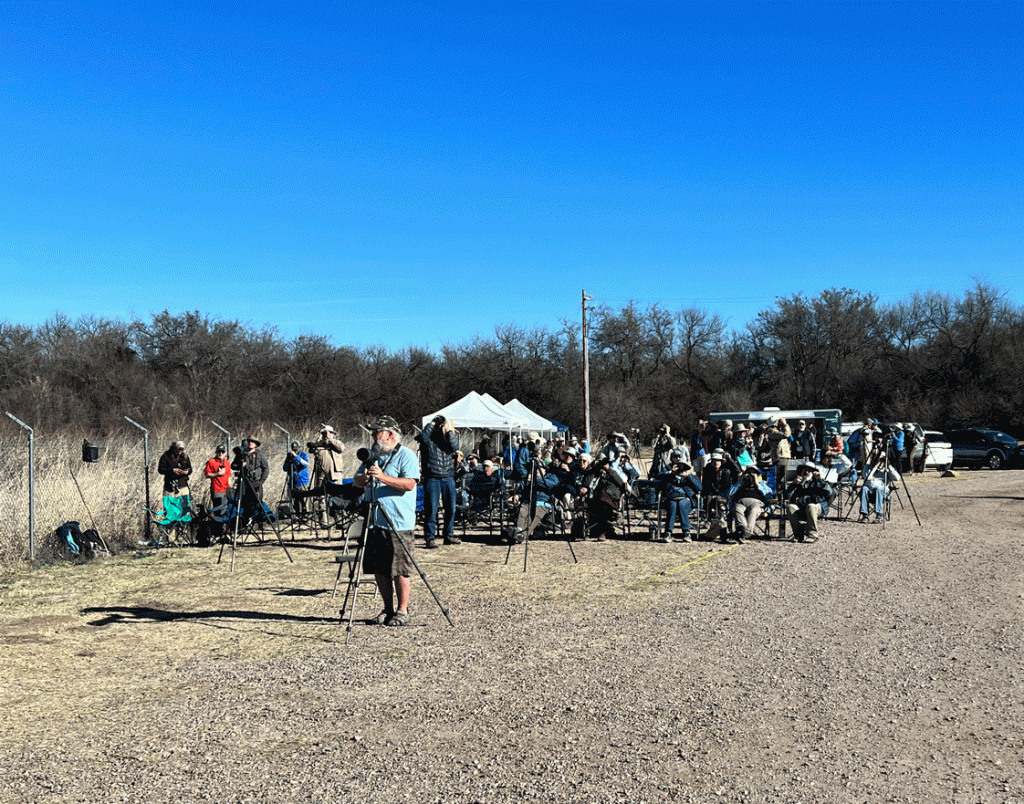
In the middle of March, we returned to the Tubac area and joined several others at the Hawk Watch at Ron Morriss Park. The park’s open space gives a good view of the sky and it’s right beside the Santa Cruz River, which has cottonwood trees that are favoured by the hawks when they rest overnight on their migration.

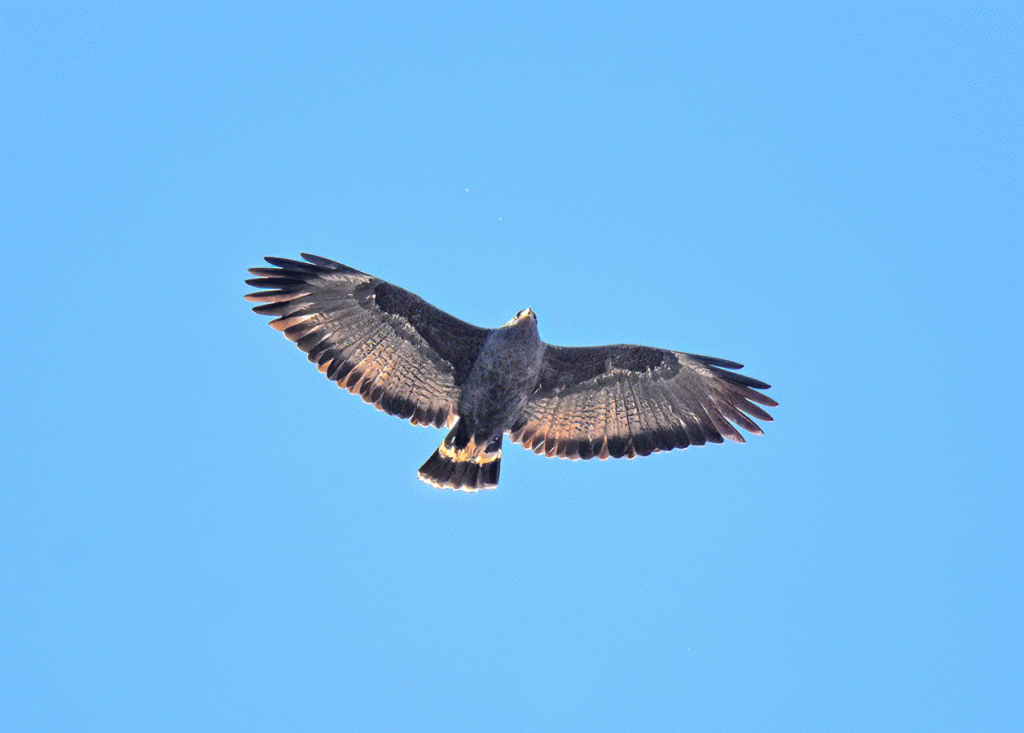
The Common Black Hawk was one of the hawks we had hoped to see. The first day we saw just one, but three days later, we saw twenty. Sometimes the birds are way up high, but the “Main Guy”shouts out which species he sees and a general sky location. The Common Black Hawk has very broad wings and an obvious tail band.

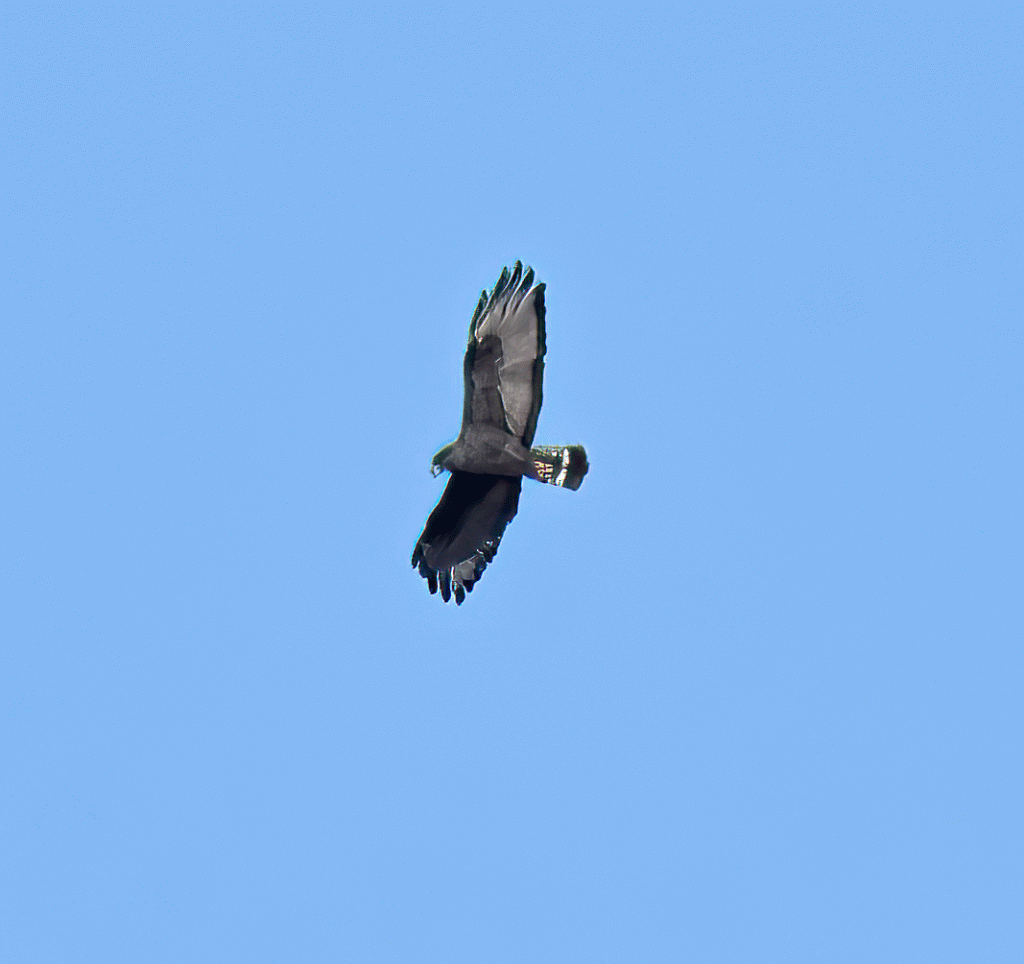
Here’s a photo of a Zone-tailed Hawk. It looks a lot like a Common Black Hawk, especially when perched. When it is flying, it is very similar to a Turkey Vulture, which may be an advantage when it is hunting prey. Both Common Black Hawks and Zone-tailed Hawks are rare and local, with US populations around 300 nesting pairs.

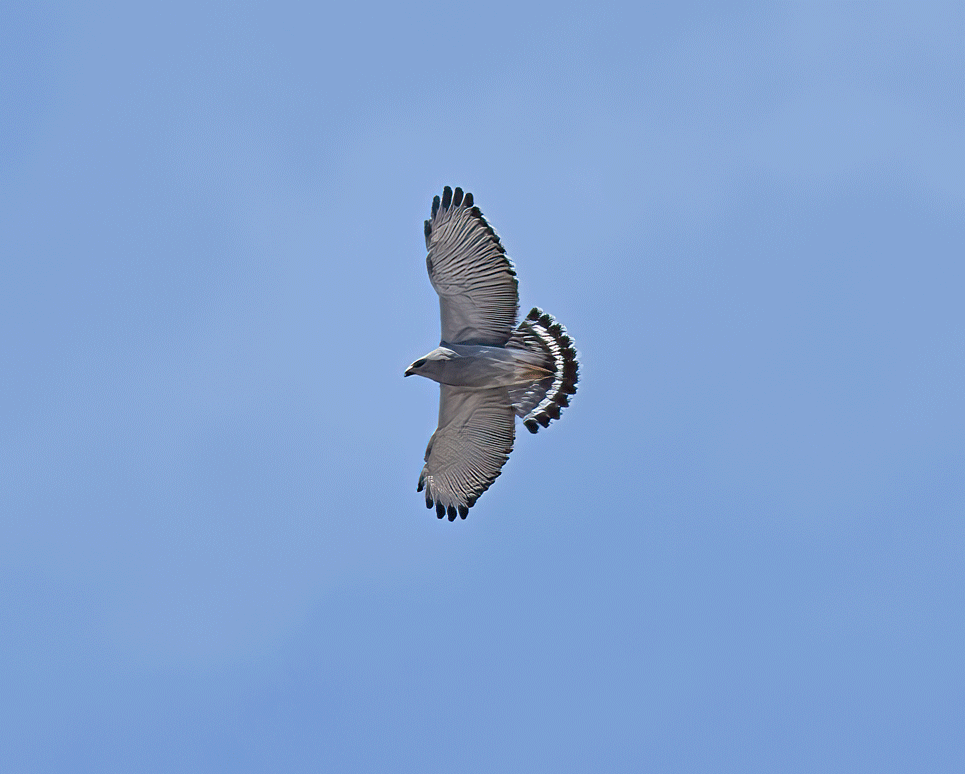
Doug’s favourite hawk is the Gray Hawk. It is rare and very local and regular at only a few locations near the Mexican border in mature trees along permanent streams. The US population is only about 100 nesting pairs. We see and hear Gray Hawks at several locations that we bird regularly. It’s always a pleasure to see one.

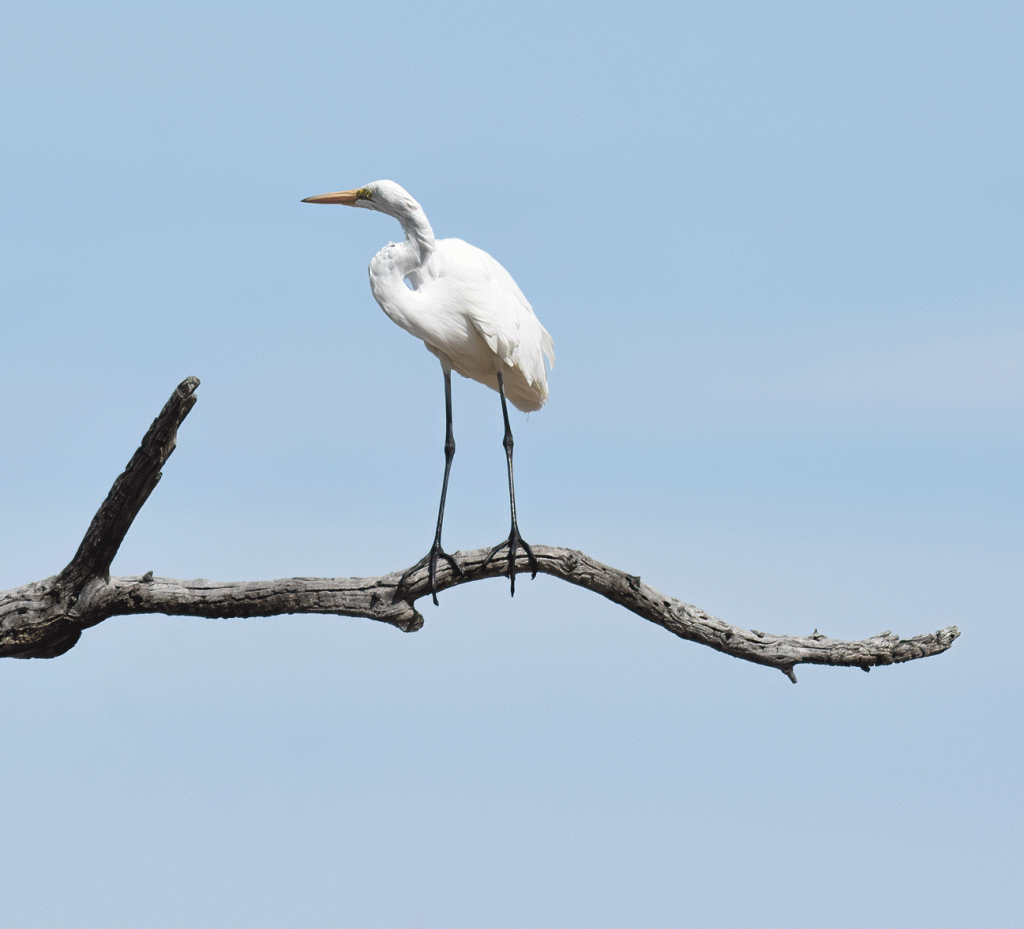
We saw this Great Egret on an unusual high perch at Canoa Historic Conservation Area. Its black feet are very obvious, which is one feature which distinguishes it from a Snowy Egret.

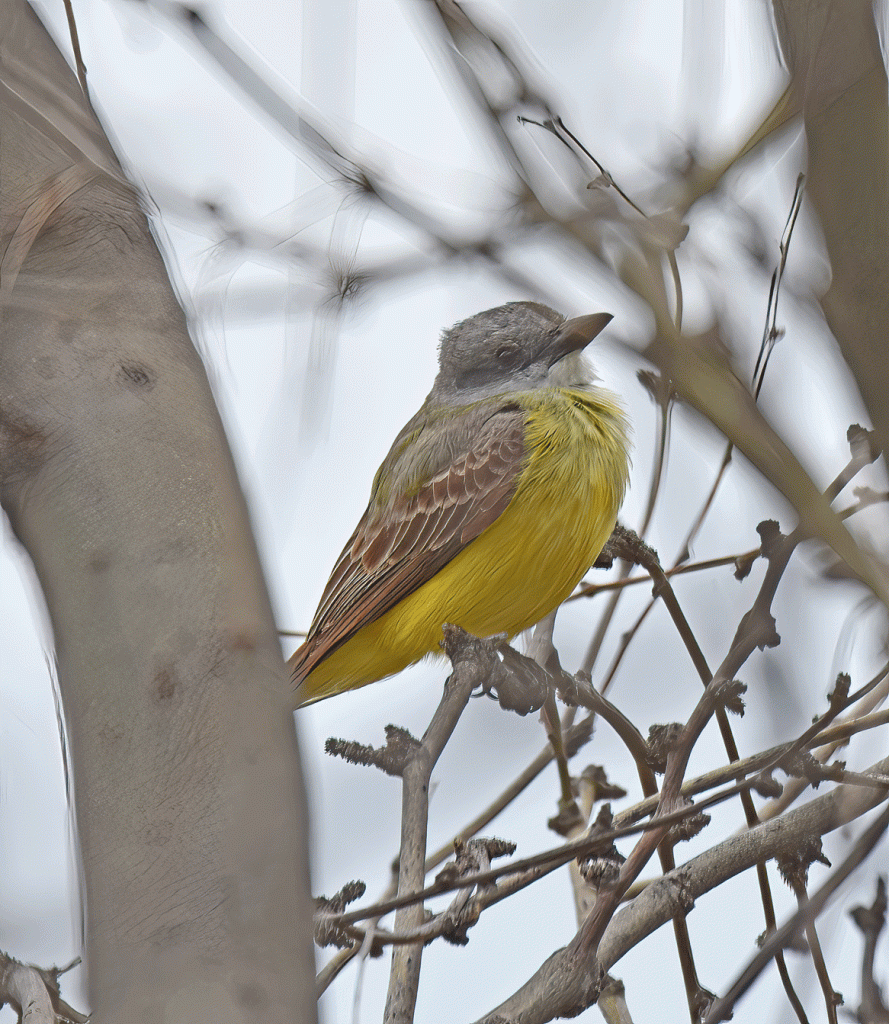
In February, we posted a photo of a group of birders on a golf course in Green Valley, all looking for a Couch’s Kingbird. We went another time in February with no success, and a couple of times in March. On our fourth attempt, we had good views of the bird for several minutes. That day, we just happened to be in the right place at the right time. Couch’s Kingbirds are common in some parts of Texas, but are rarely seen in Arizona.
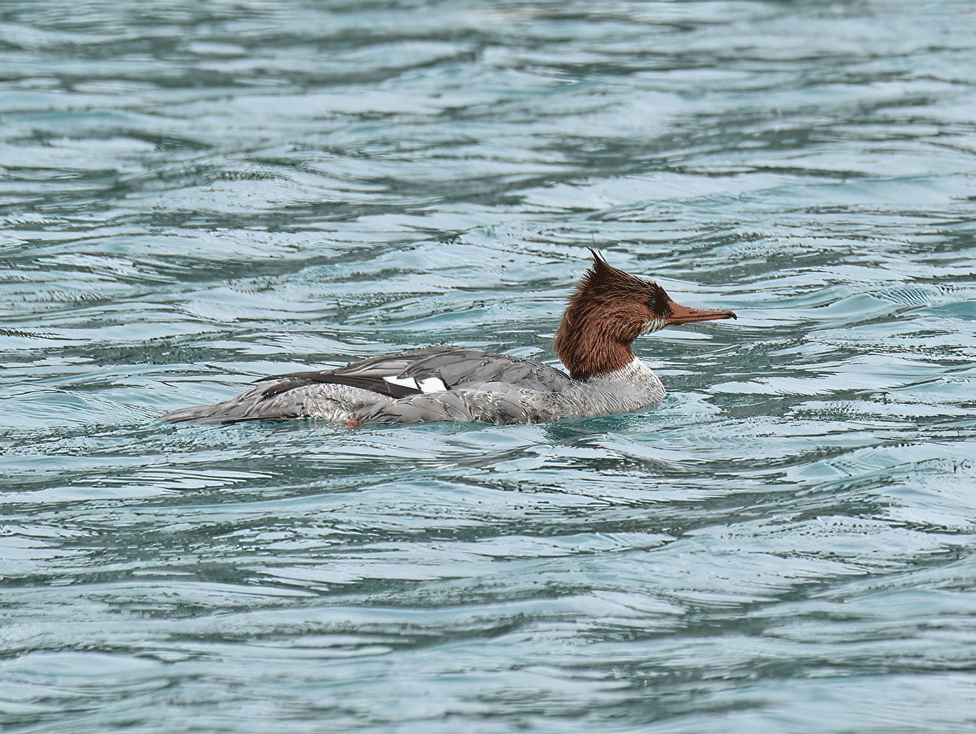
This is a Common Merganser, which we see in Canada regularly. They winter down in Arizona, but we don’t often see them at a city park. This one was at Christopher Columbus Park in Tucson.
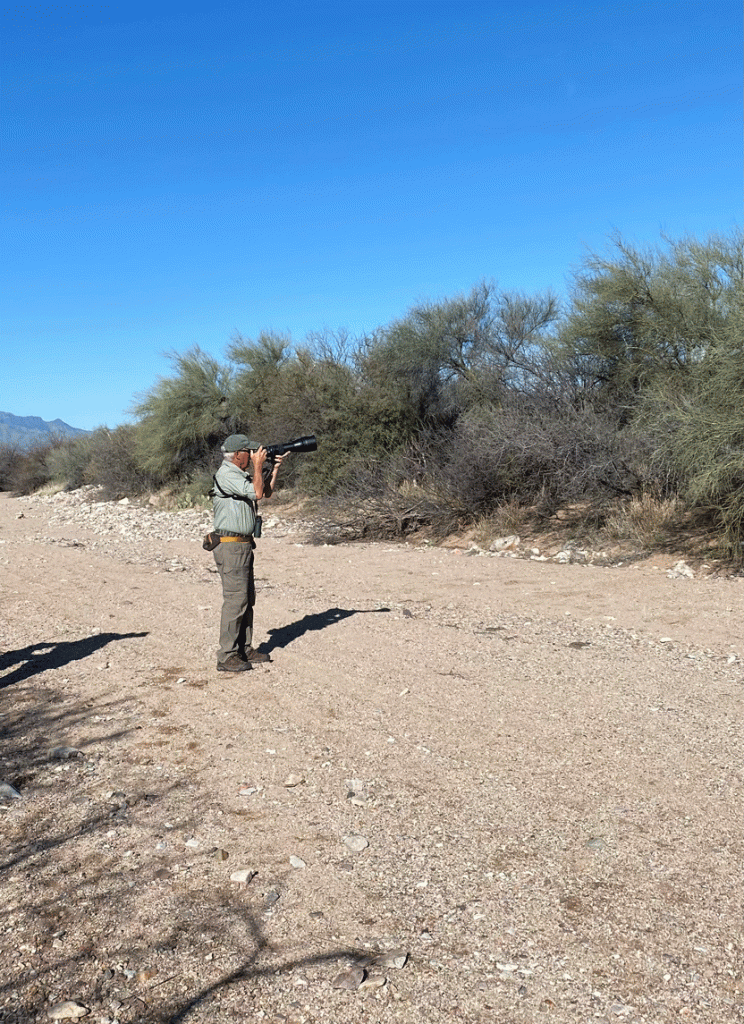
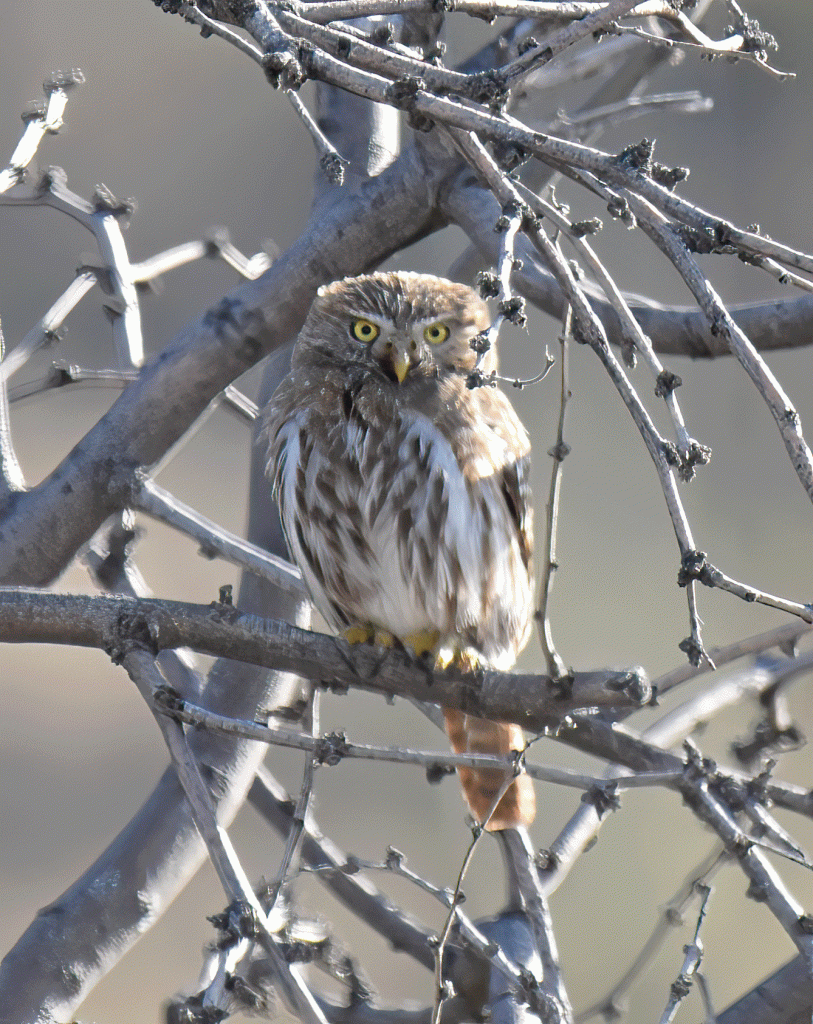
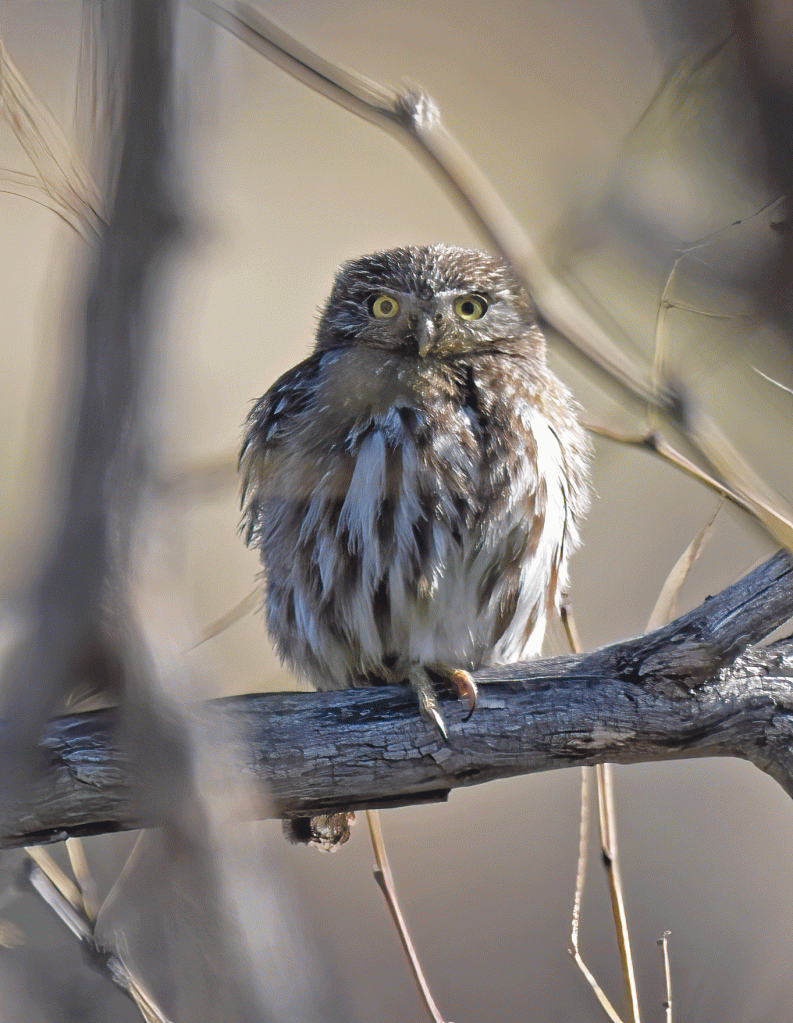
Some friends told us of a location where we could see a Ferruginous Pygmy-Owl. We drove a couple hours south on a secondary road, then turned on to a decent dirt road, which became rockier as we progressed. We walked the final section of road until we reached a wash. It was a bit like searching for a geocache, since we had some coordinates to follow. Here’s Doug in the wash, taking photos of the owl.

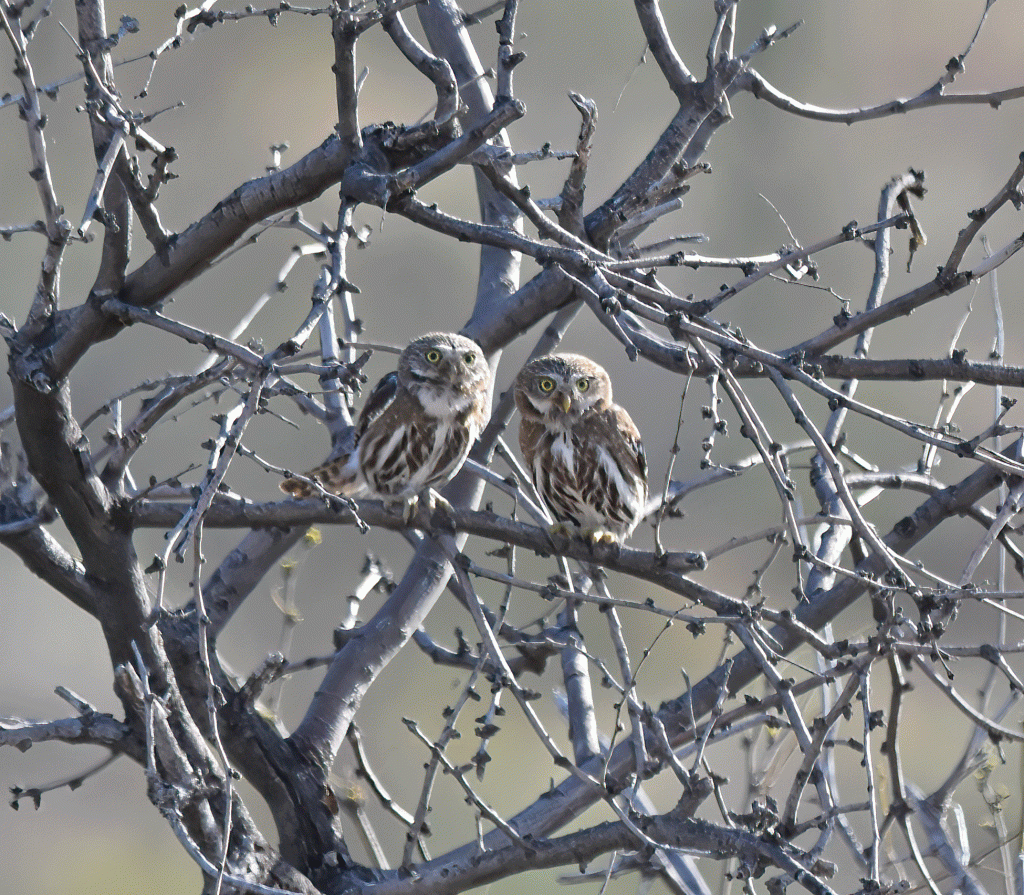
The owls were quite far away, so these photos have been digitally enhanced. Ferruginous Pygmy-Owls are less than 7″ tall (17cm). They are active in daylight.

We were lucky enough to see the two owls together, and we could hear a third owl tooting in the distance.

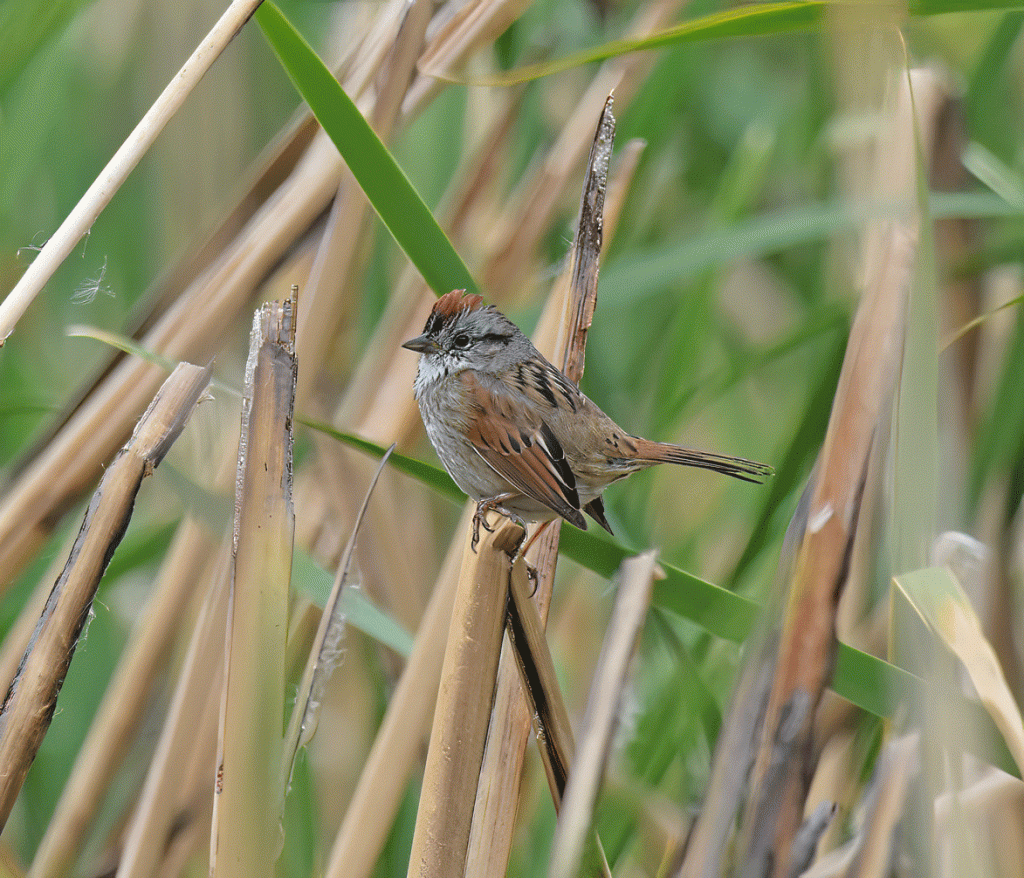
We also considered ourselves very lucky on the day that we saw this Swamp Sparrow at Sweetwater Wetlands. We knew the area that this skulky bird hung out, and we had spent a few hours over several visits hoping to catch a glimpse of this elusive bird. On the day we saw it, we decided to wander by its favourite spot, “just in case.” We rounded the corner and the sparrow was out in full view. It moved to another perch long enough for a good photo. It was another case of being in the right place at the right time.

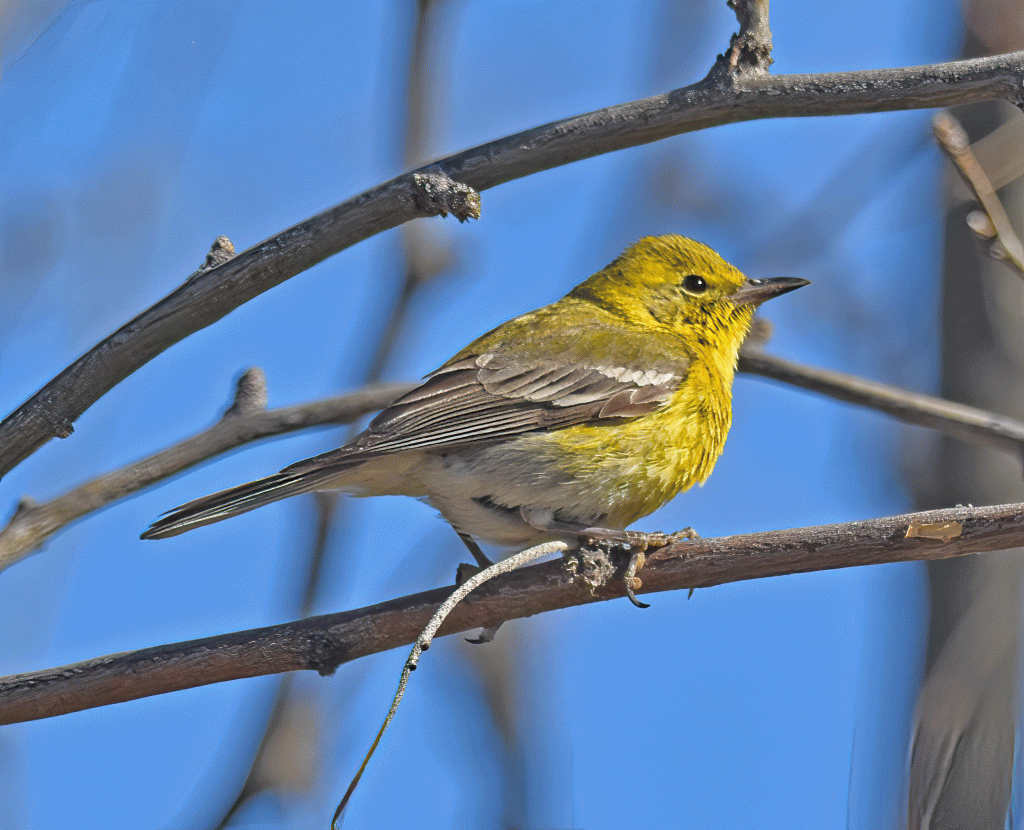
We had tried to see a Pine Warbler several times. We searched twice at the cemetery in Tucson (see the photo in the February blog) and we didn’t see the one that was reported beside the golf course in Green Valley when we were looking for the Couch’s Kingbird. But the day we went to give it our final try, it was almost too easy. The bright yellow bird, which mostly hides in pine trees, chose to perch in a leafless mesquite and also foraged on the ground. It was the first time we had seen this species. A lifer!

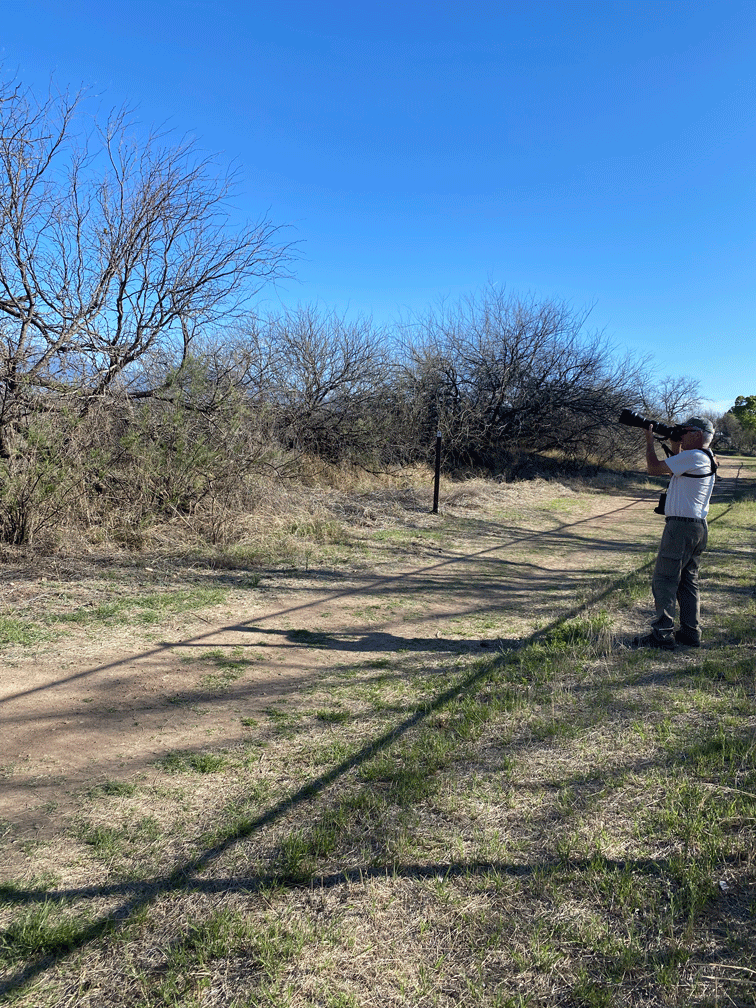
Here’s a photo of Doug taking a picture of the Pine Warbler. He’s standing beside the De Anza Trail in Green Valley, beside a tall fence (as you can tell from the shadows) that is meant to keep the golf balls from landing on hikers.

We have one more blog to post from March, about our trip to Portal, Arizona and Cave Creek. The scenery was stunning and we saw some new birds. Coming soon.

March 2023 in Arizona – Part 1

March 2023 in Arizona – Part 1

This blog post is about our hiking and biking. We have also included several flower photos, since the wetter season has meant a spectacular flower bloom.

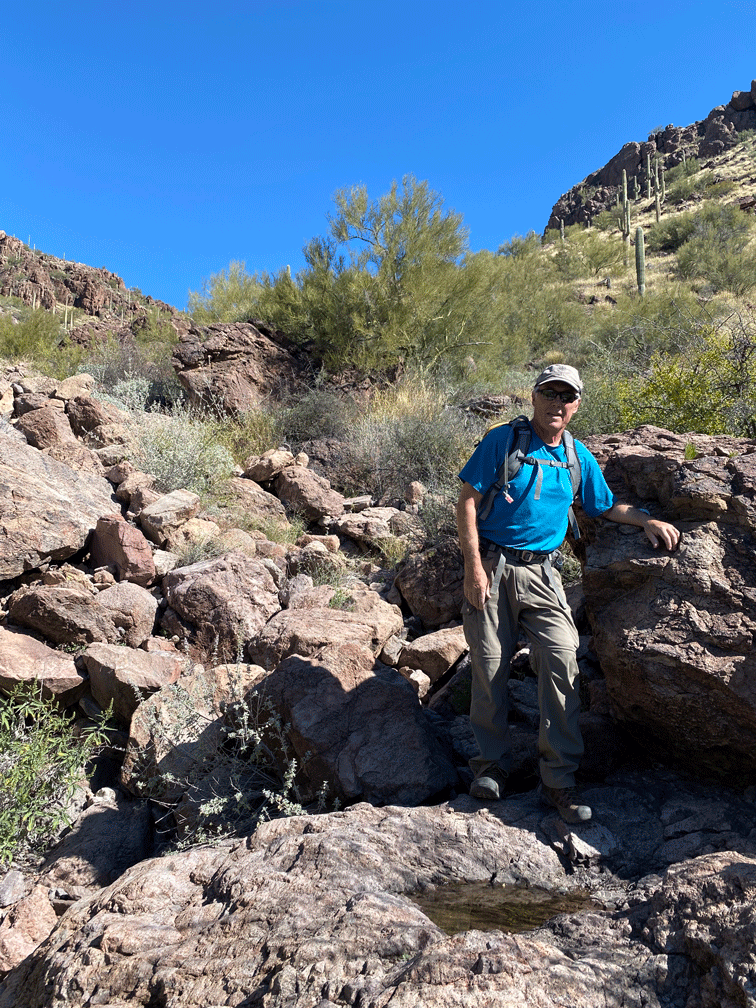
We took advantage of the good weather in early March and went hiking. The first hike was one we do every season right from our gate: Panther Peak. The beginning of the trail is pretty standard and easy to follow. The route goes up a gully and soon we were navigating boulders. Doug is standing on the “trail” in the photo below.

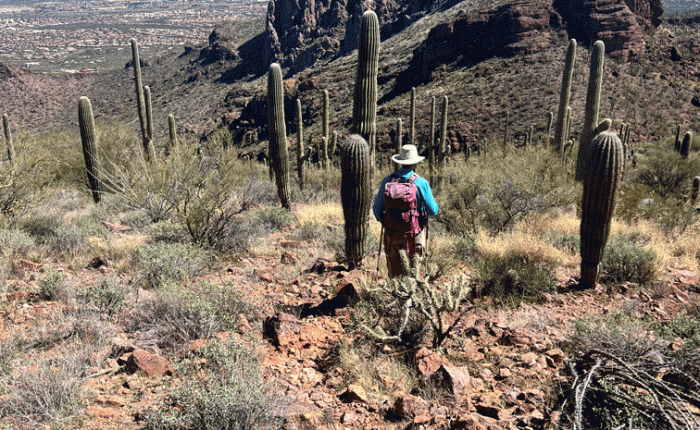
Here’s a view of Wendy on the descent. (We’ve included plenty of summit photos in previous blogs.) Marana and the town of Oro Valley are in the mid-ground. Snow is visible on Mt. Lemmon.

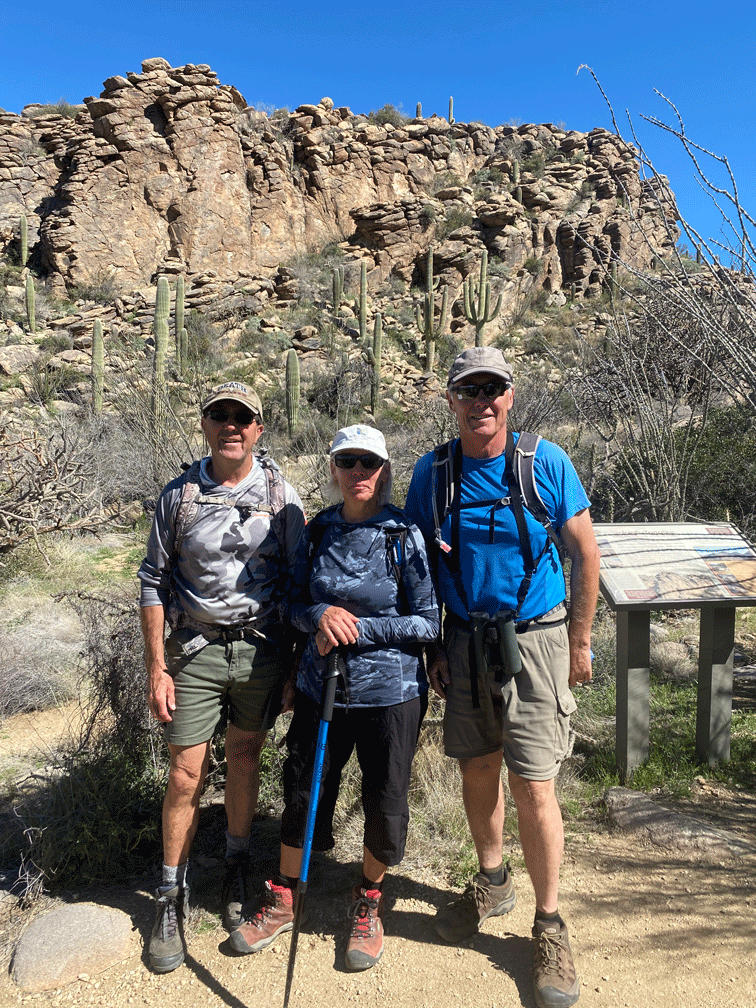
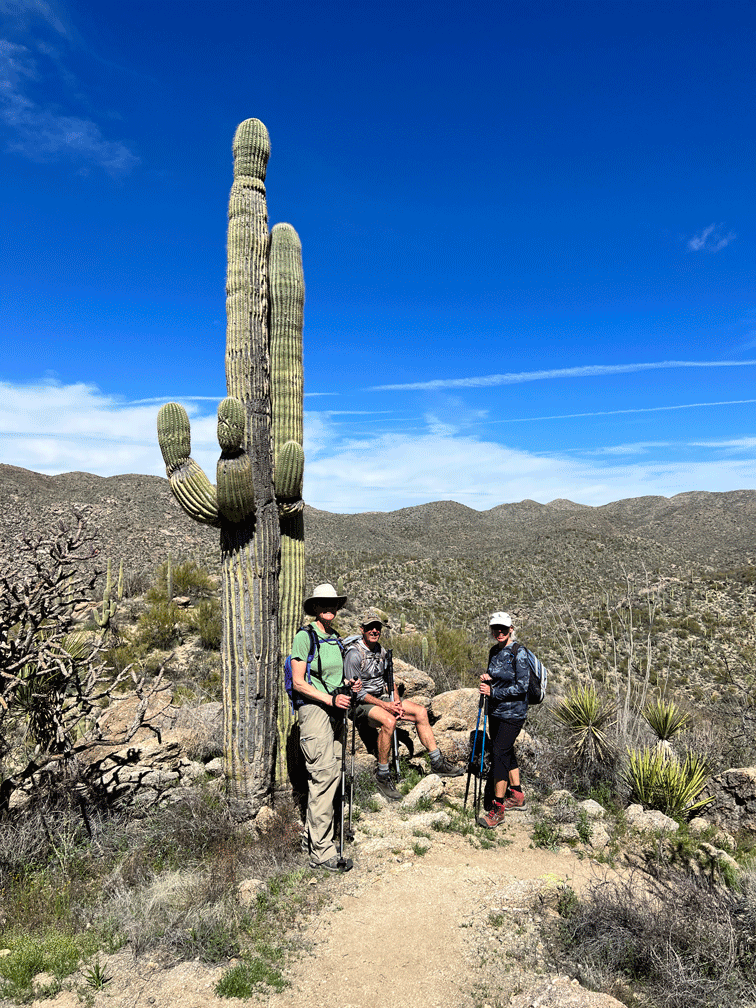
The next week we joined our friends from Cranbrook on a hike in the Tortolita Mountains. The photo below was taken at our traditional snack spot on the Alamo Springs trail. We usually sit on the bench and admire the interesting rock formations. This time there were a couple of Canyon Wrens singing and flying around. We thought maybe they were nest building.

We continued along the ridge. This photo was taken as we started our decent back to the Wild Burro wash.

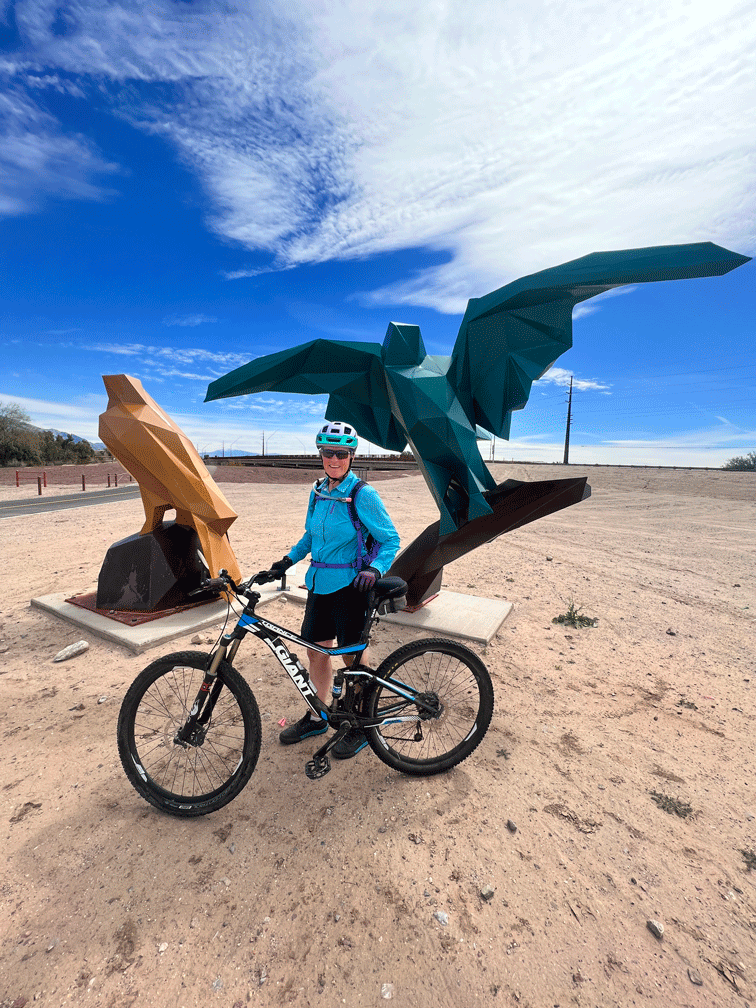
We also got out on our bikes again. We rode on “The Loop” a couple of times to get in shape for mountain biking. The photo below is of a huge bird sculpture by a newly rerouted section of the trail. It’s near the Ina bridge, where the Santa Cruz River flooded in mid-January. (See the January blog post for photos.) The sculpture is titled: Big Year and the artist is Trevor O’Tool.

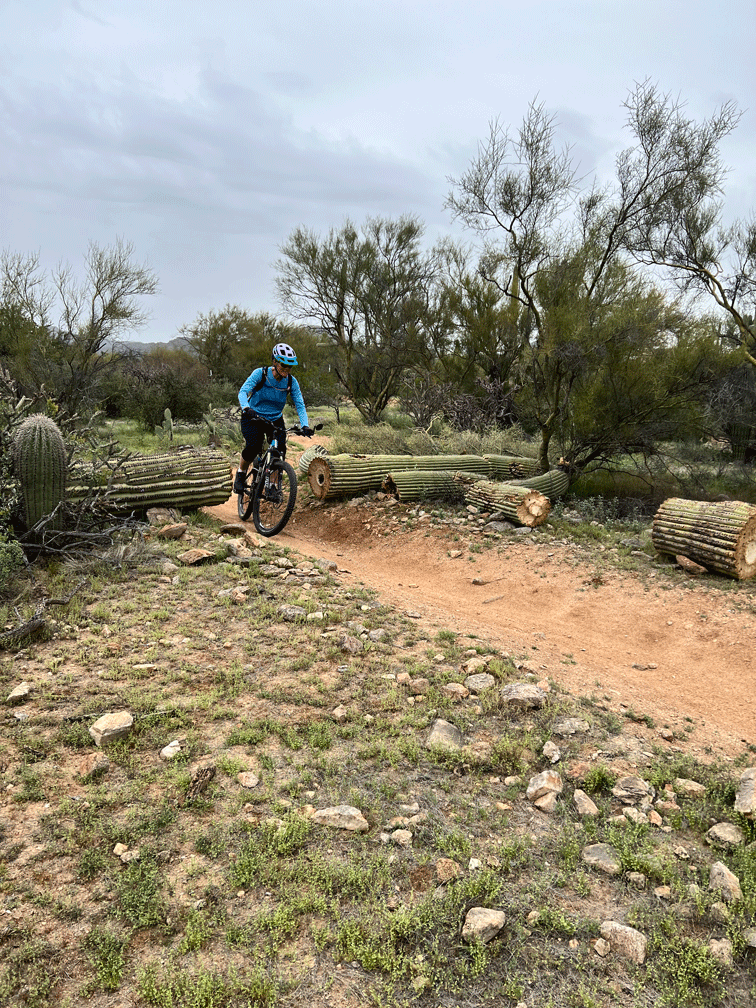
We finally got to Tortolita Preserve for our first mountain biking of 2023 on March 15. We were trying to beat the rain, but is started sprinkling on us shortly after we started our ride. We rode almost half-way, then turned around. Coming back, we got a photo of a recently fallen saguaro. It started pouring just as we reached the truck.

Here’s a view of a different section of the Tortolita Preserve trail on a beautiful day.

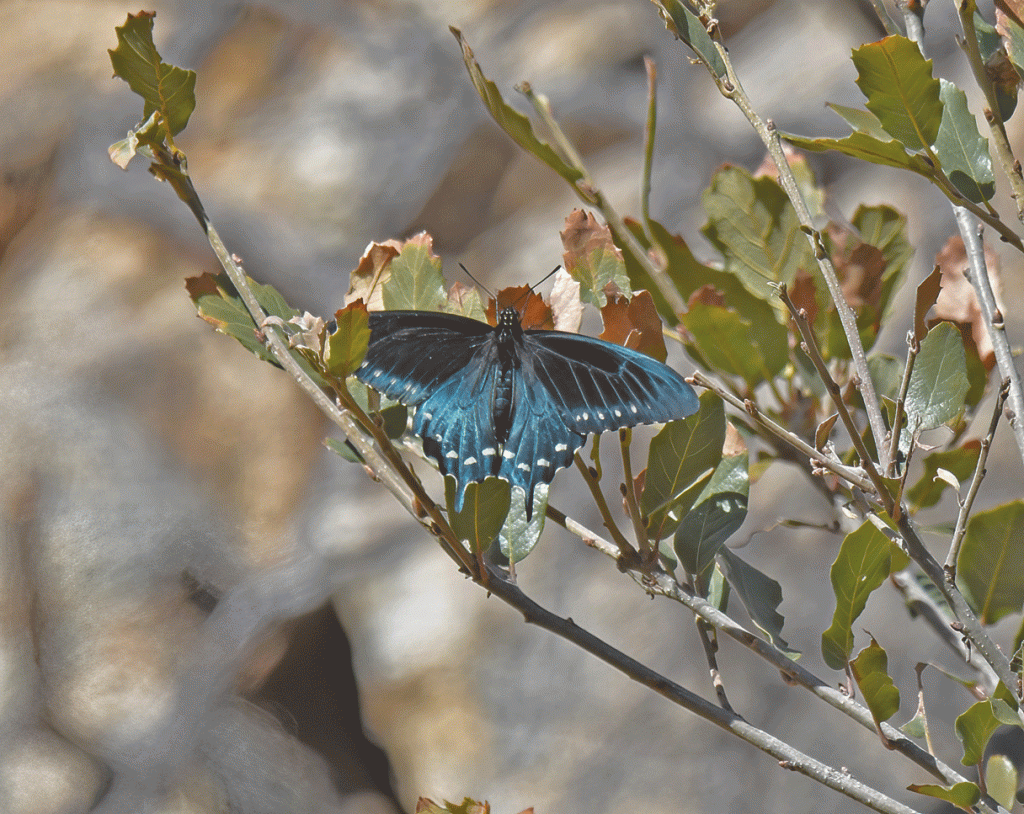
This Pipeline Swallowtail was beside the birding trail at Patagonia Lake State Park. It was near where we were hoping to see a Green Kingfisher, so it was our consolation prize.

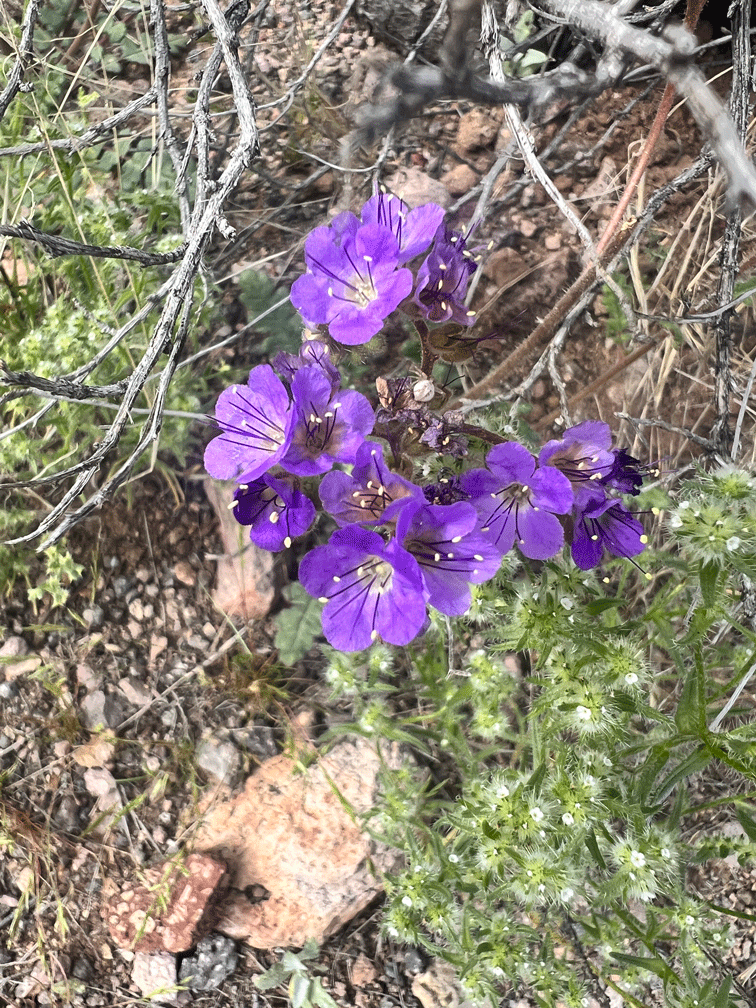
With the rainy weather, wildflowers bloomed all over. This Notch-leaved Phacelia was on our local trail we’ve named “Panther Wash Loop.”

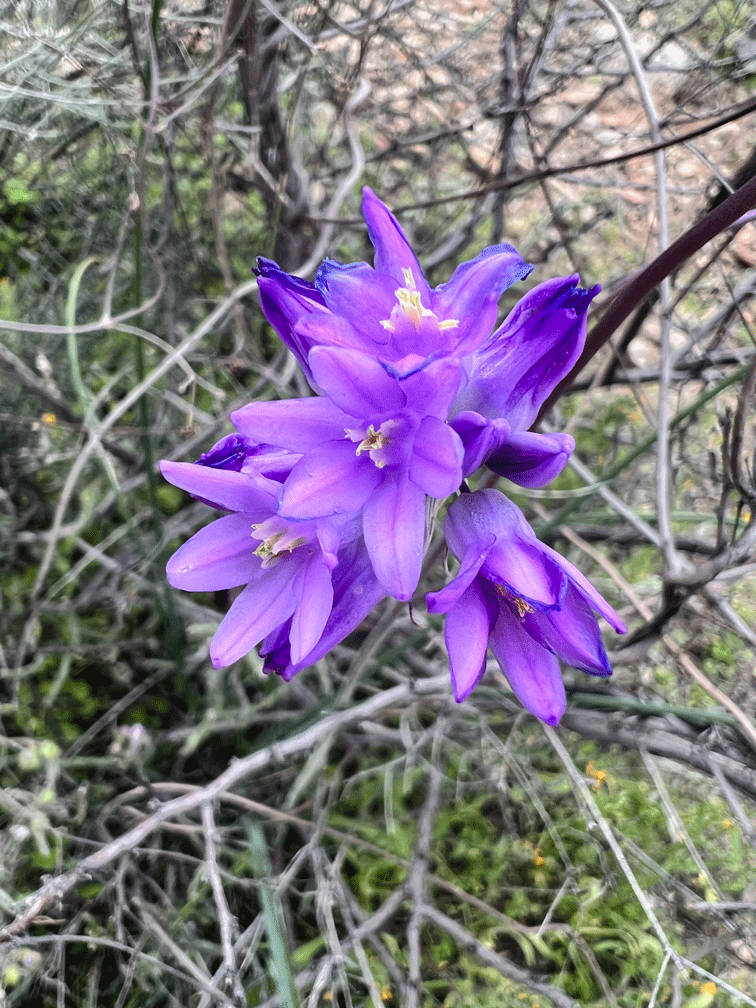
There were also many of these flowers. They are Blue Dicks or Purplehead in the Brodiaea family.

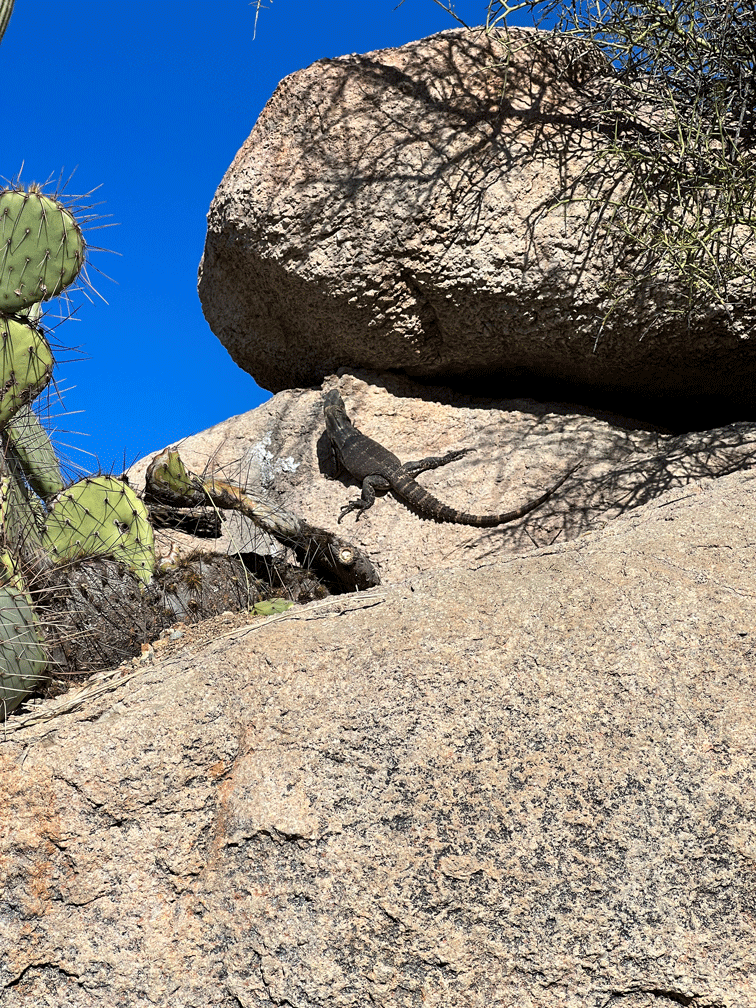
We watched this Desert Spiny Lizard one sunny day at the Arizona-Sonora Desert Museum.

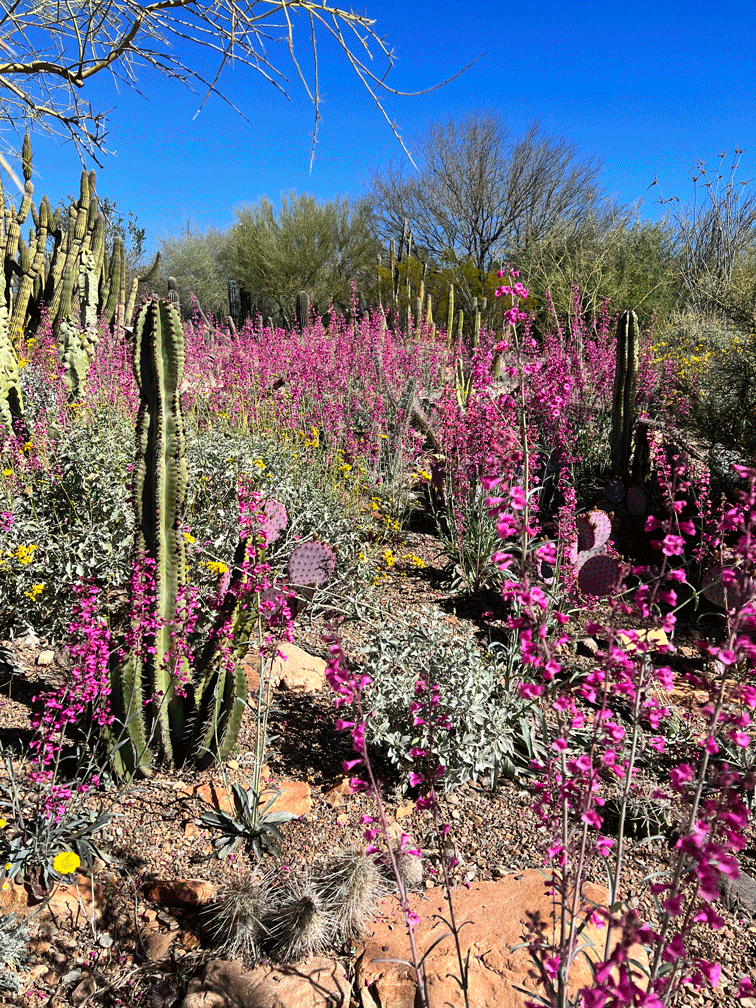
Parry Penstemon is the most common native Penstemon in the desert around Tucson. It adds a lot of colour to the cactus garden at the Desert Museum.

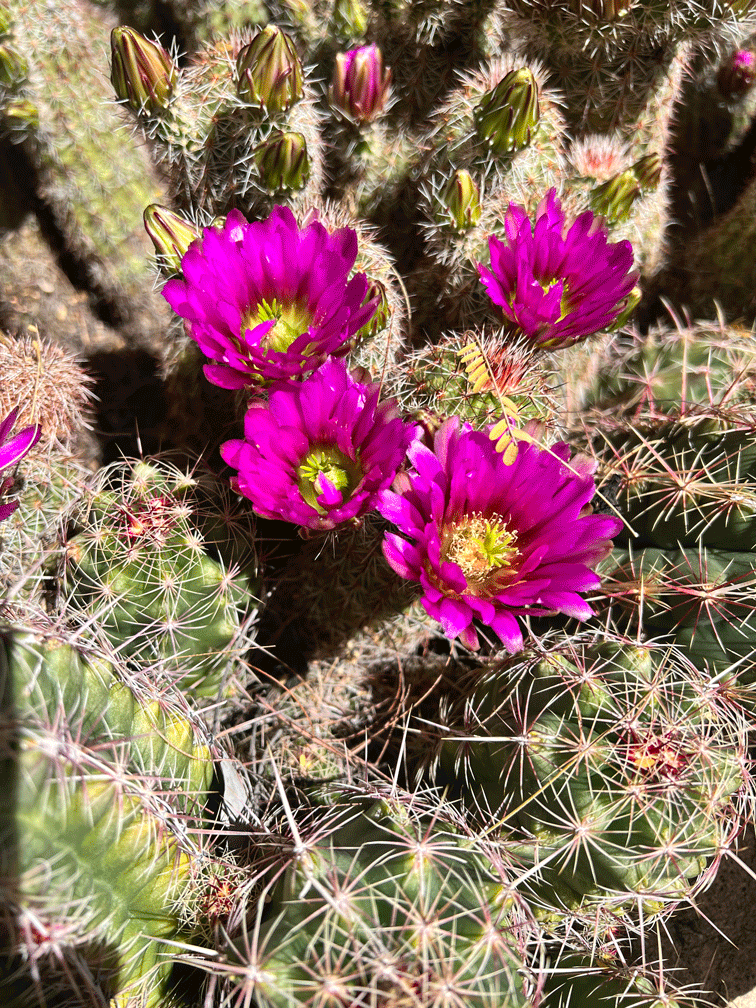
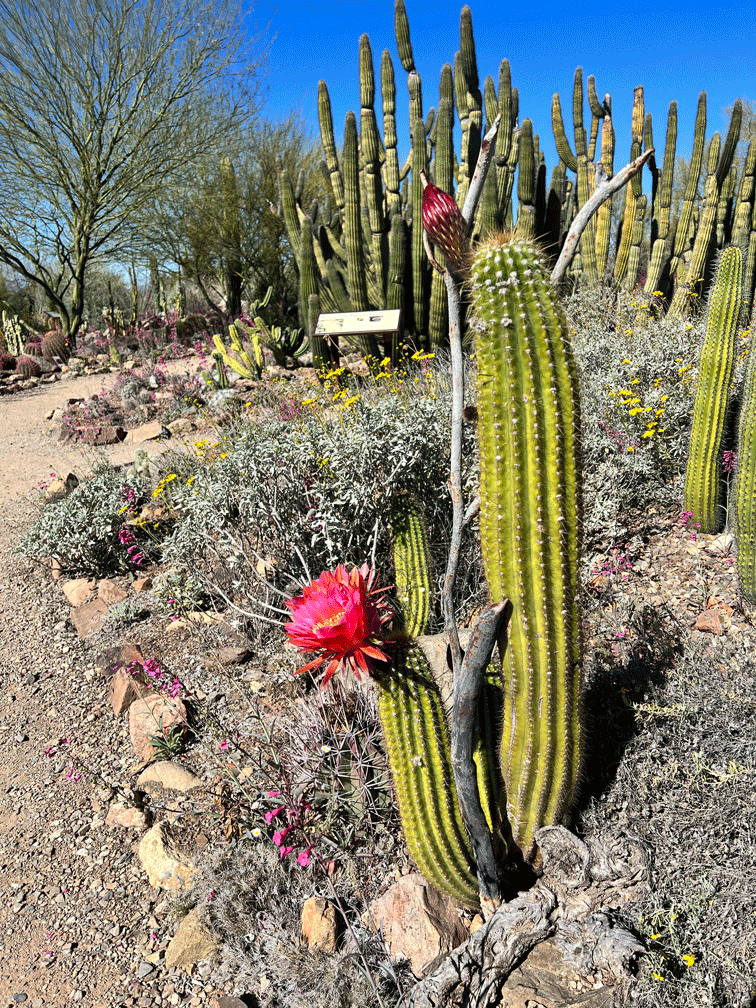
This hedgehog cactus was also blooming.

This year was the first time that we had seen an Organ Pipe Cactus bloom.

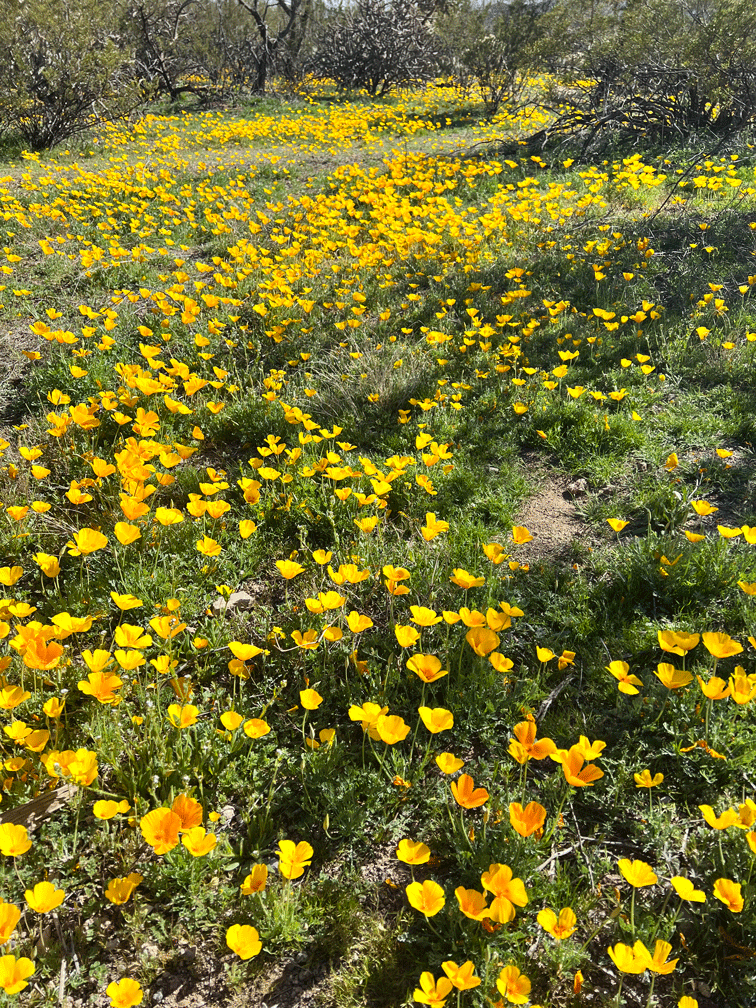
These California Poppies were blooming beside the road through Saguaro National Park (West). We passed them almost every day, so we stopped one time for photos.

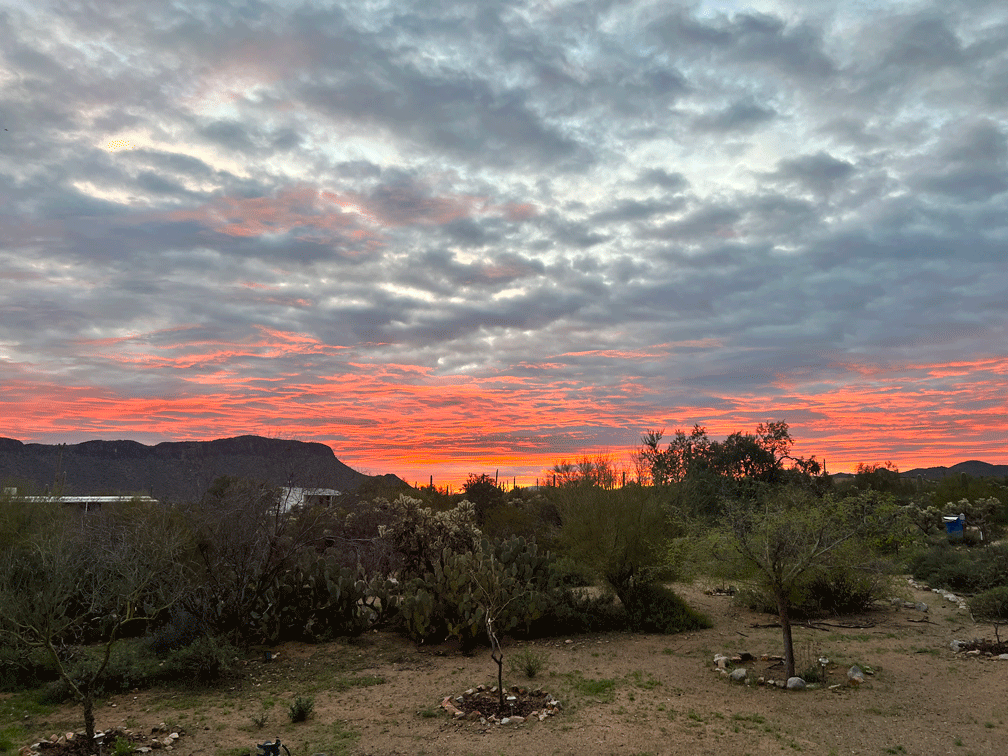
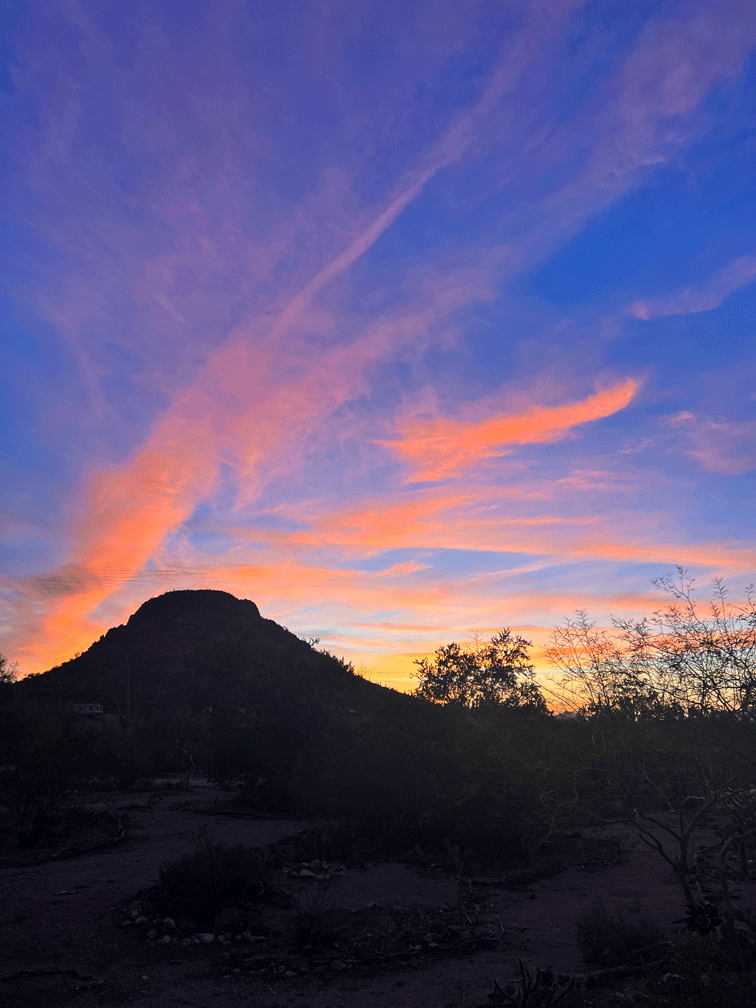
The unsettled weather meant we had some interesting sunrises. This one was on March 15, the same day we went mountain biking and got caught in the rain.

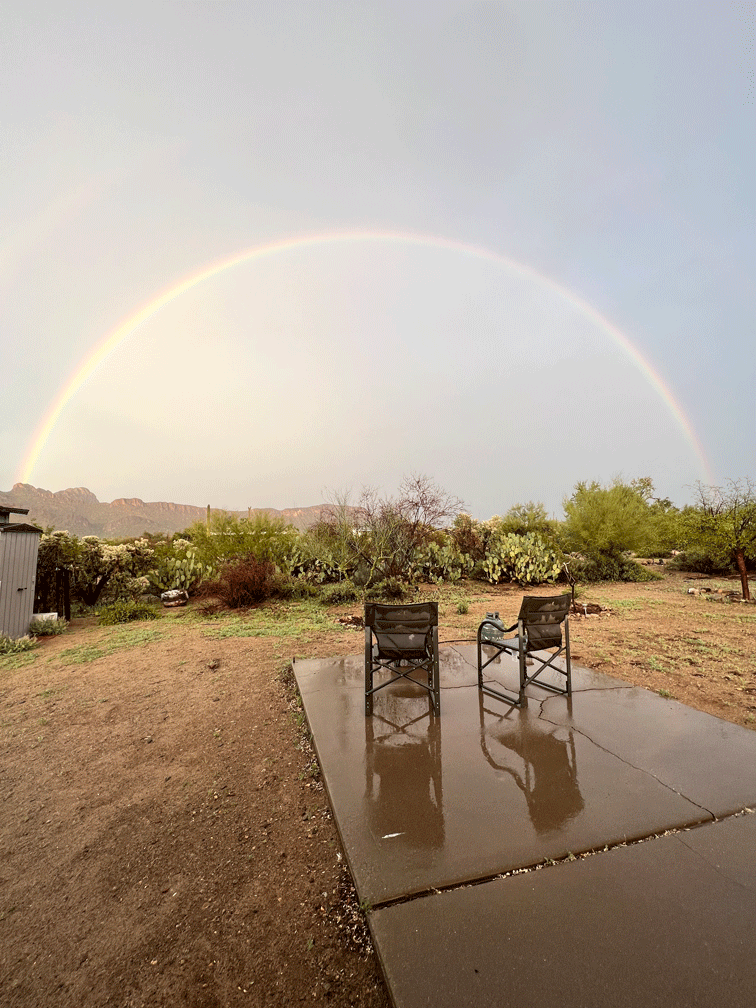
Later the same day, it cleared up, but started sprinkling again, which gave us a good view of this full rainbow.

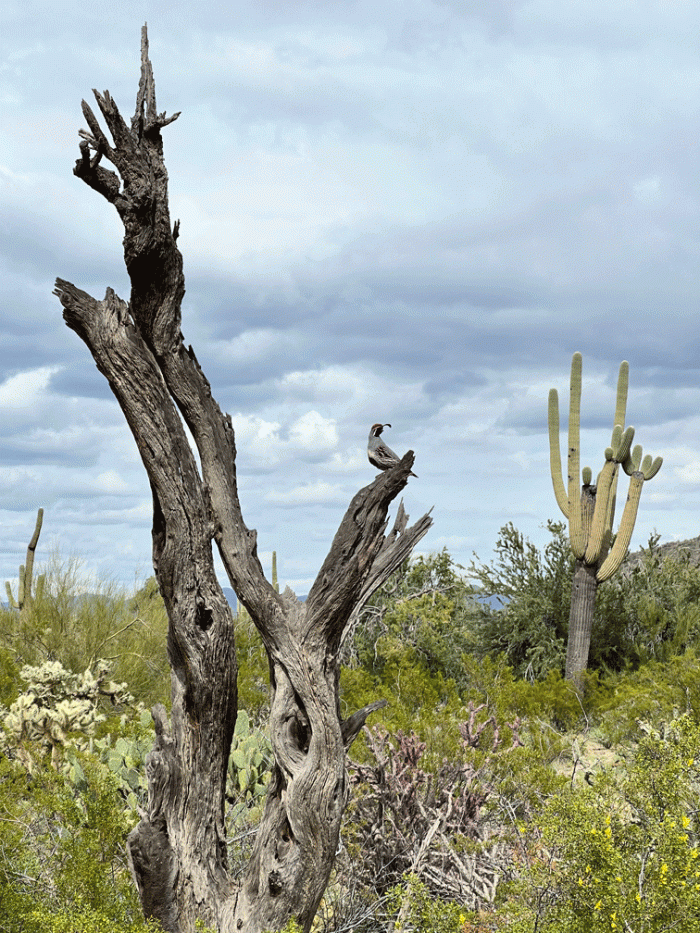
The next day was also cloudy, but there was still enough contrast to see this Gambel’s Quail on its perch. This is one of our favourite snags along the road to our place.

Our first dinner outside was on March 28. In 2021, we ate dinner outside several times in February.

To wrap it up, here’s our favourite sunset photo of March.

March was a busy month. We’ll be posting two more March blogs; one about the birding around Tucson and another about our trip to Cochise County (Willcox, Portal and Cave Creek.)